NASA Taps SpaceX for 4K Laser Broadcasts From Artemis III
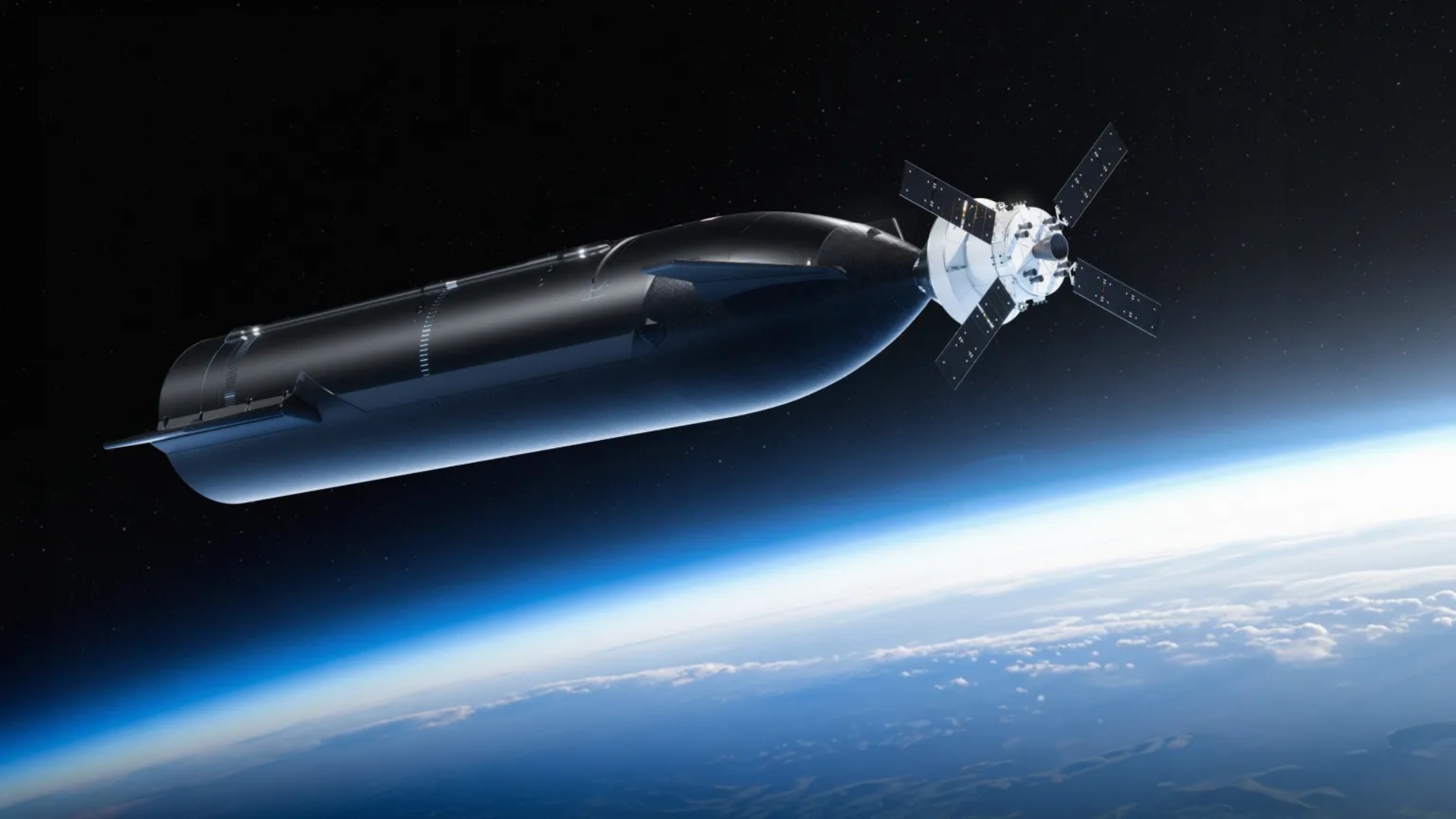
NASA has selected SpaceX to install two Starlink mini laser terminals on the exterior of the Orion spacecraft for the Artemis III mission, giving controllers and viewers on Earth a live 4K window on the flight scheduled for 2027.
The terminals rely on optical communications — invisible infrared light — rather than traditional radio waves to beam high-resolution imagery and telemetry to the Mission Control Center in Houston. The shift to optical wavelengths expands available bandwidth and will supplement the radio systems already onboard Orion. According to the agency, the upgrade is intended to “provide a front row seat for viewers from the Orion spacecraft” as astronauts test how the capsule approaches and docks with the commercial lunar landing systems NASA plans to use for crewed Moon landings beginning in 2028.
NASA previously flew a similar laser terminal during Artemis II, where it demonstrated high-definition video, photos, and voice over a direct line of sight. SpaceX demonstrated its laser technology for the agency during a 2025 flight, and the Artemis III hardware is based on the same architecture now linking more than 25,000 Starlink satellites in orbit. The company has already streamed live video during its own Starship rocket tests using that network.
The integration forms part of NASA’s Communications Services Project, run by the Space Communications and Navigation division, as the agency shifts toward commercial satellite services for missions close to Earth.
Williams Wraps ISS Stay After Spacewalk Repair of Canadarm2
NASA astronaut Chris Williams is set to undock from the International Space Station at 3:02 a.m. EDT on Sunday, July 26, alongside Roscosmos cosmonauts Sergey Kud-Sverchkov and Sergei Mikaev, ending a 241-day mission that included a high-profile Canadarm2 repair.
Williams and NASA astronaut Jessica Meir completed U.S. spacewalk 95 on June 30, spending seven hours and 20 minutes outside the station’s Quest airlock to replace a malfunctioning wrist joint on Canadarm2. The arm had drawn elevated motor current and stopped moving correctly during operations on May 27. The outing was Meir’s fifth EVA and Williams’ second, marking the 280th spacewalk in support of ISS assembly and maintenance.
The Soyuz MS-28 crew is scheduled to parachute to a landing southeast of Dzhezkazgan, Kazakhstan at 6:26 a.m. EDT on July 26, having completed 3,856 orbits and travelled more than 102 million miles. It is the first mission for both Williams and Mikaev, and the second for Kud-Sverchkov.
At a change of command ceremony on Saturday, July 25, Kud-Sverchkov will transfer command of the station to Meir as Expedition 75 begins.
RSGS Robotic Servicer Reaches for GEO After Falcon 9 Launch
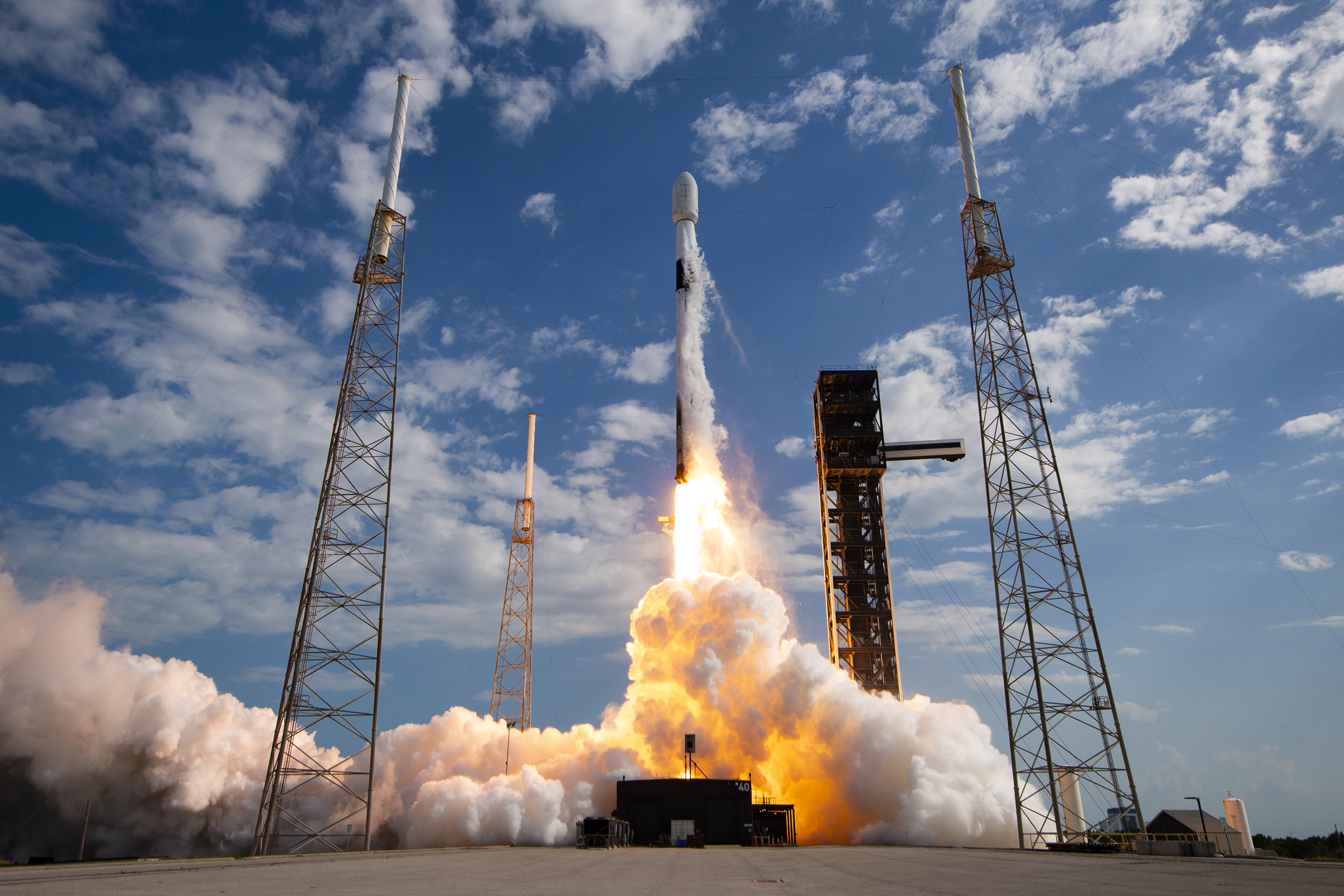
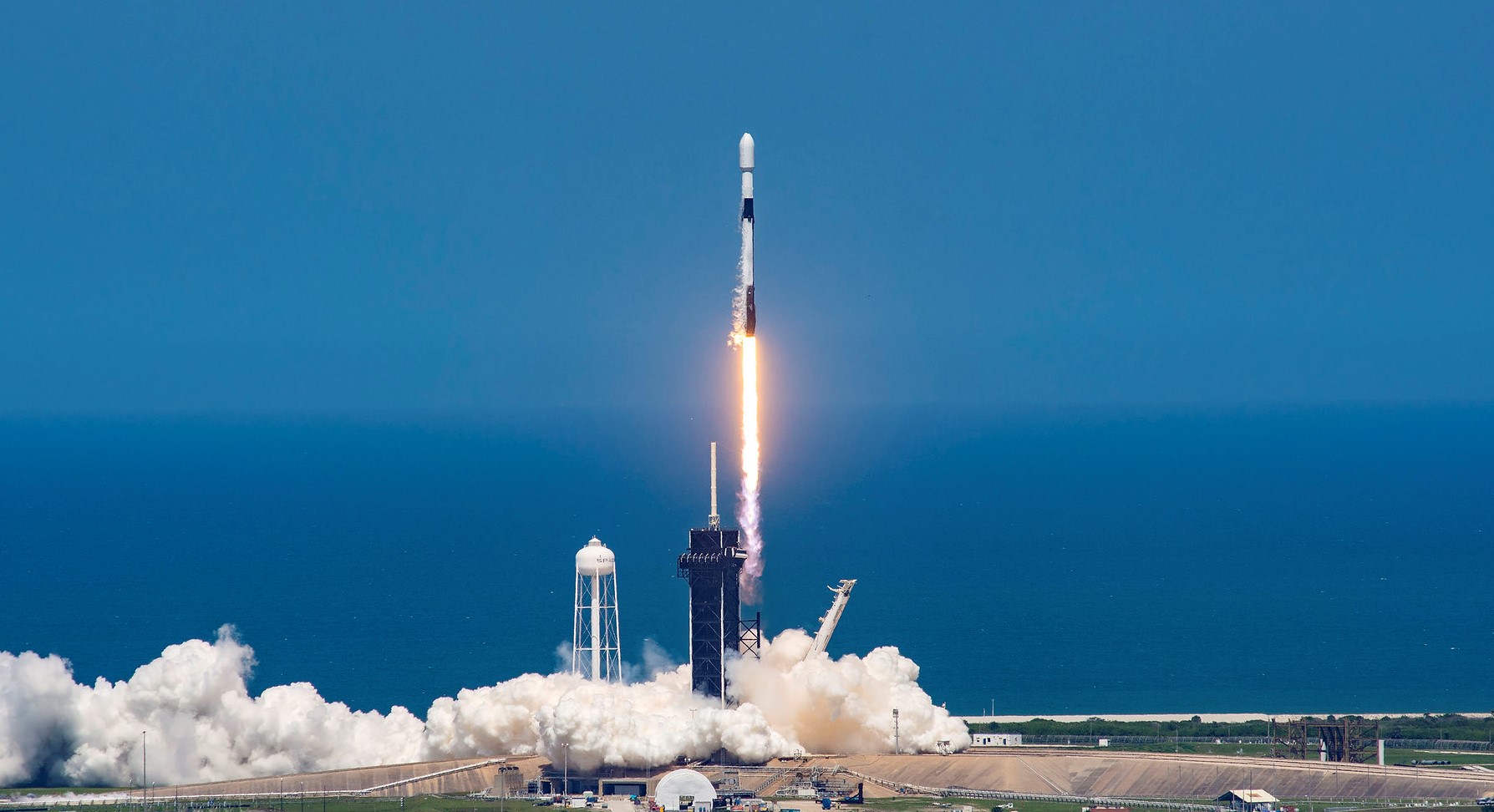
A Mission Robotic Vehicle carrying the Robotic Servicing of Geosynchronous Satellites payload lifted off from Cape Canaveral on July 21 aboard a SpaceX Falcon 9 and is now on its way to geosynchronous Earth orbit.
Funded by DARPA, RSGS uses twin robotic arms built by the U.S. Naval Research Laboratory to inspect and upgrade GEO satellites by installing mission extension pods — small propulsion modules meant to add years of life to spacecraft that would otherwise be retired early for running out of fuel or having obsolete equipment.
The host vehicle, built by Northrop Grumman, is described as the nation’s first multi-mission robotic in-space servicer. NASA’s Goddard Space Flight Center began supporting the programme in 2024 under an interagency agreement with DARPA, contributing dynamic simulation tools, performance-verification software, and a team of flight robot operators for the orbital procedures.
RSGS draws directly on NASA’s servicing heritage, including the Hubble Space Telescope servicing missions and the Robotic Refueling Missions flown on the International Space Station. Hundreds of satellites occupy GEO, and fully functional spacecraft are routinely decommissioned when fuel runs low.
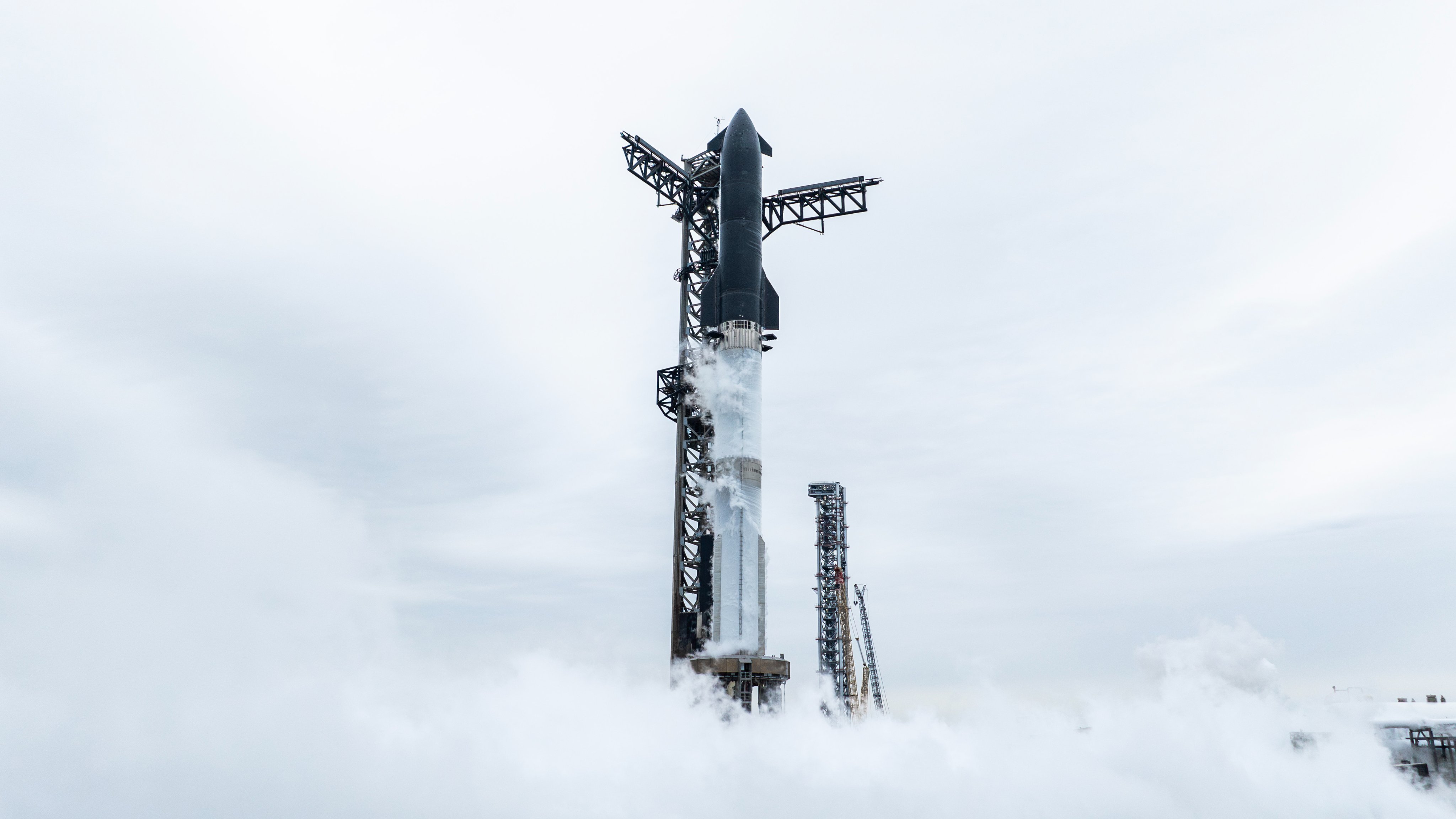
Provider: SpaceX Date: July 23, 2026 Time: 10:45 PM UTC Vehicle: Starship
13th test flight of the two-stage Starship launch vehicle. Second flight of Starship V3.
For the first time, Starship will carry 20 V3 Starlink satellites to space, which will extend solar arrays and antennas and will attempt to connect with ground stations in South Africa and the larger Starlink constellation via high-capacity lasers.
6 of the satellites have been modified with a suite of cameras to scan Starship’s heat shield and transmit imagery down to operators to continue testing methods of analyzing Starship’s heat shield readiness for return to launch site on future missions. Several tiles on Starship have been painted white to simulate missing tiles and serve as imaging targets in the test.
Unknown Payload
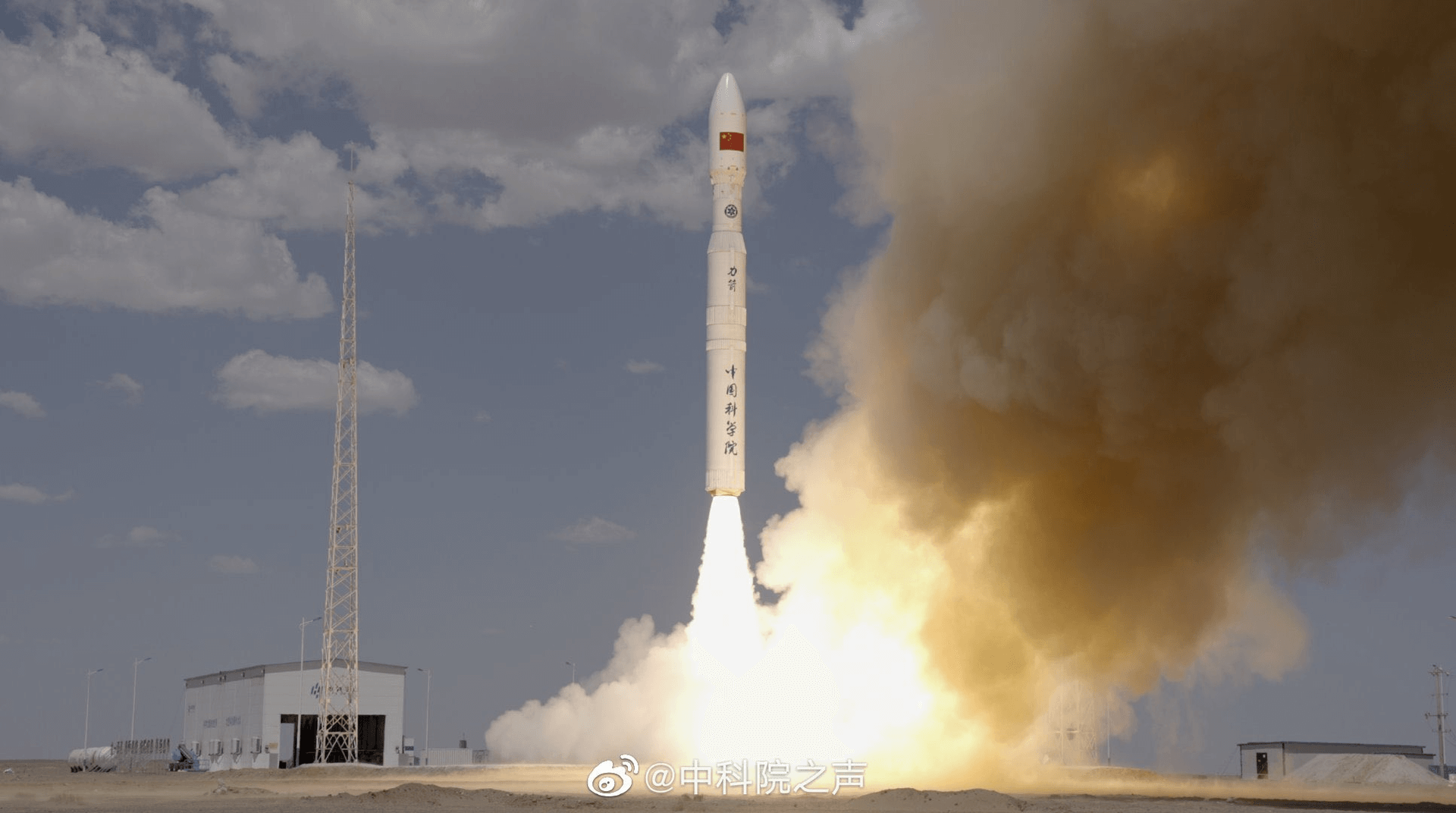
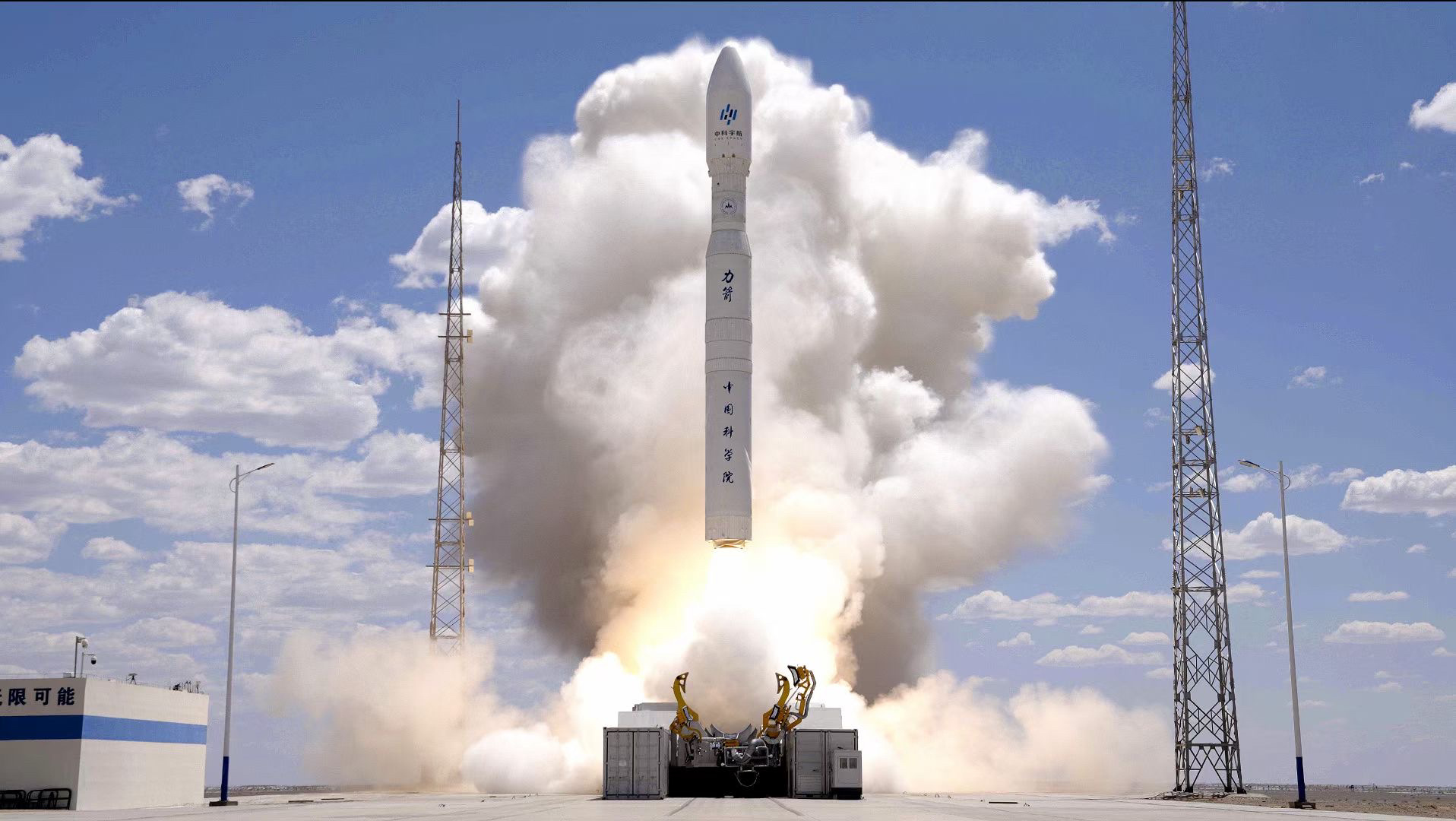
Provider: CAS Space Date: July 23, 2026 Time: 11:30 PM UTC Vehicle: Kinetica 1
Details TBD.
Starlink Group 17-51
Provider: SpaceX Date: July 25, 2026 Time: 2:00 PM UTC Vehicle: Falcon 9
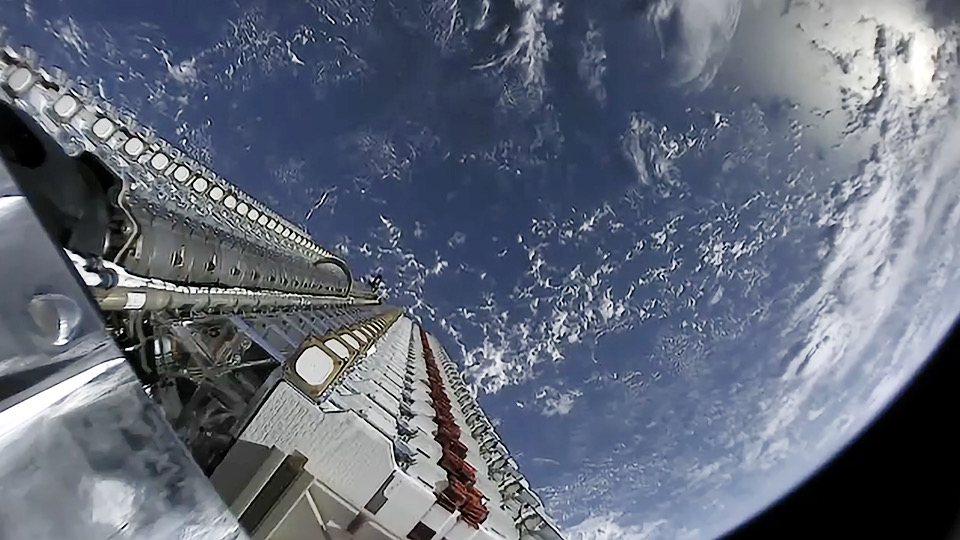
A batch of 24 satellites for the Starlink mega-constellation – SpaceX’s project for space-based Internet communication system.
Starlink Group 17-52
Provider: SpaceX Date: July 29, 2026 Time: 2:00 AM UTC Vehicle: Falcon 9
A batch of 24 satellites for the Starlink mega-constellation – SpaceX’s project for space-based Internet communication system.
Unknown Payload
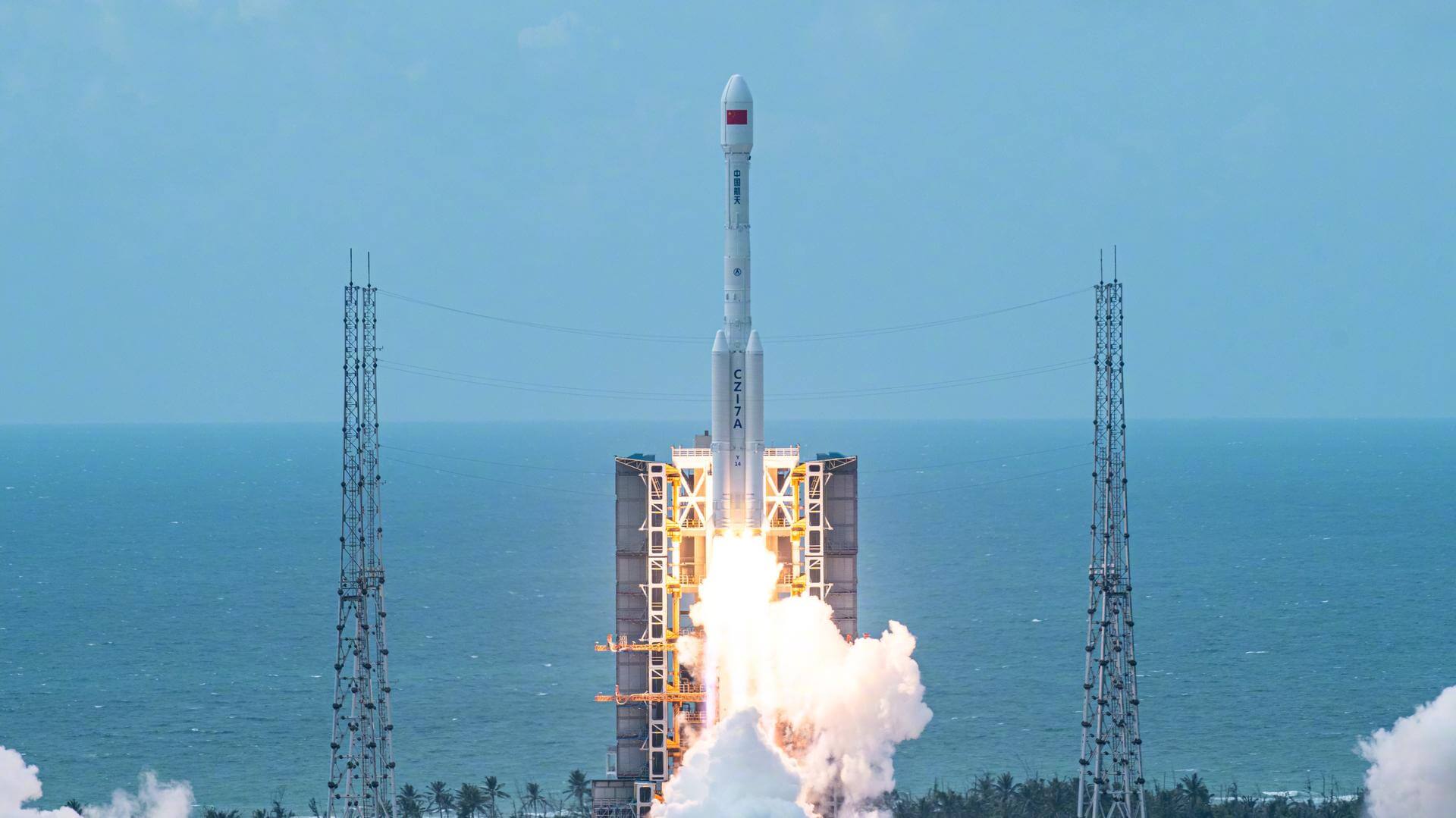
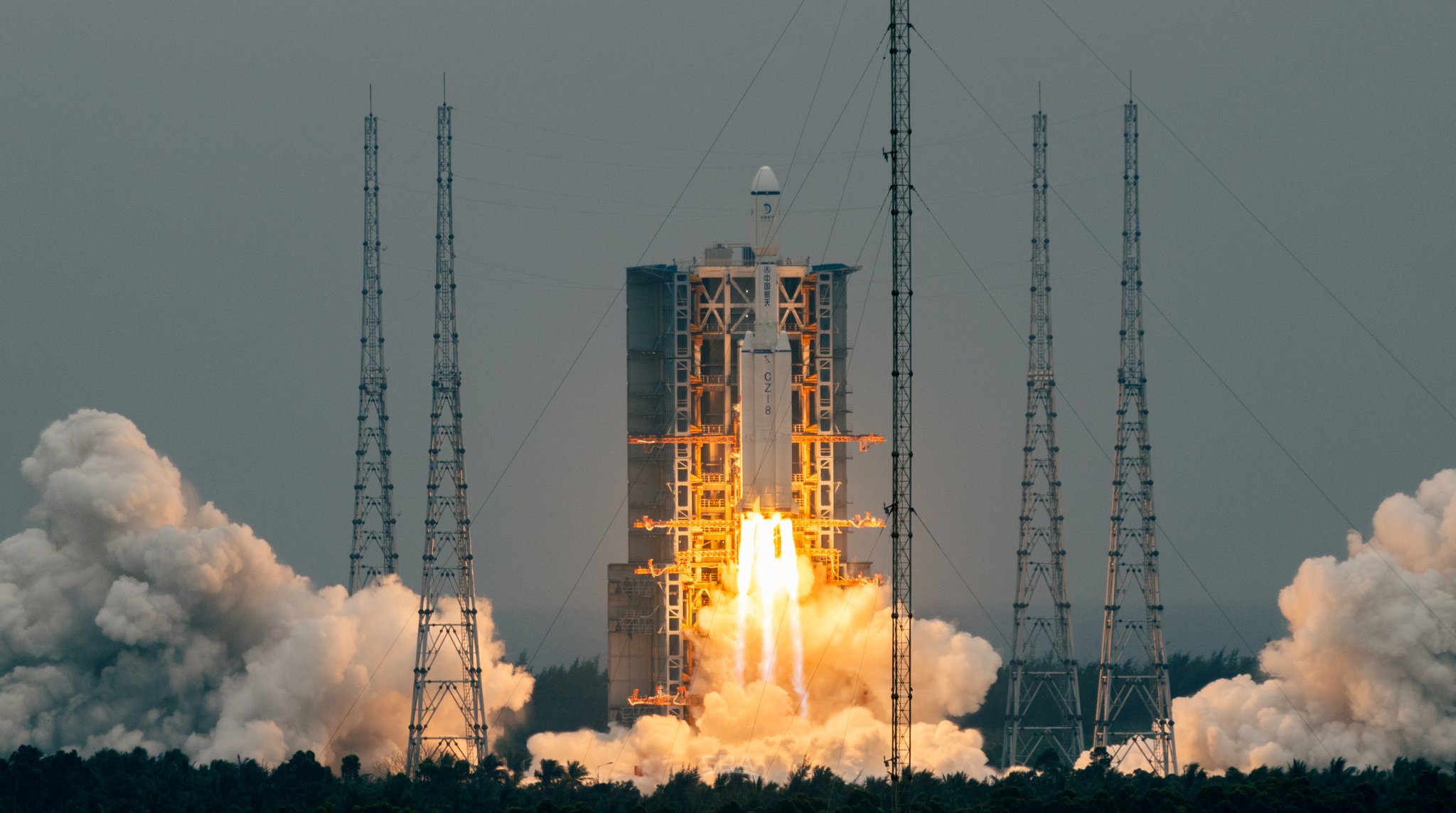
Provider: China Aerospace Science and Technology Corporation Date: July 29, 2026 Time: 11:50 AM UTC Vehicle: Long March 7A
Details TBD.
Flight 13 ×
Mission Details
TypeTest Flight
OrbitSuborbital
TargetEarth
13th test flight of the two-stage Starship launch vehicle. Second flight of Starship V3.
For the first time, Starship will carry 20 V3 Starlink satellites to space, which will extend solar arrays and antennas and will attempt to connect with ground stations in South Africa and the larger Starlink constellation via high-capacity lasers.
6 of the satellites have been modified with a suite of cameras to scan Starship’s heat shield and transmit imagery down to operators to continue testing methods of analyzing Starship’s heat shield readiness for return to launch site on future missions. Several tiles on Starship have been painted white to simulate missing tiles and serve as imaging targets in the test.
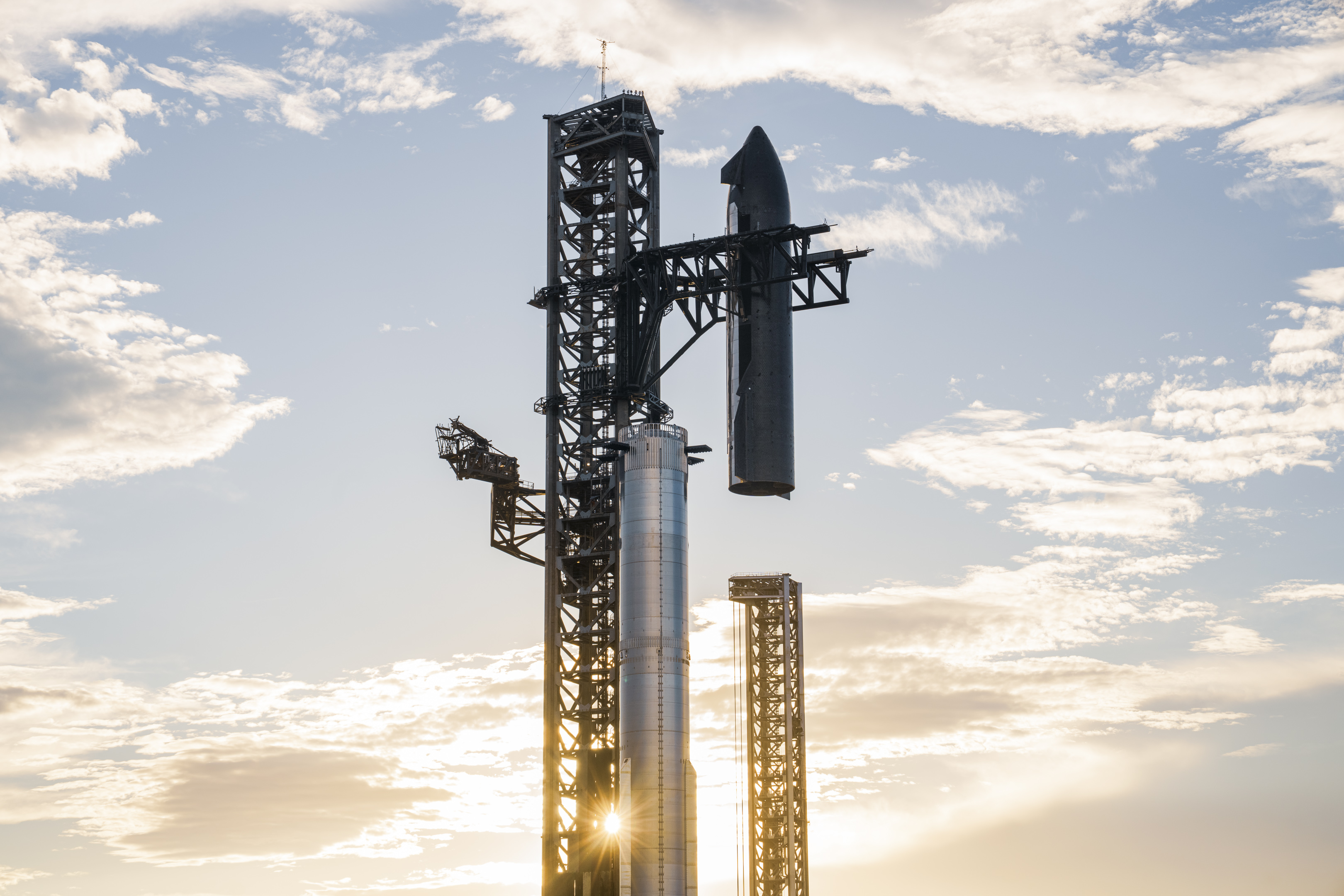
The SpaceX Starship is a fully reusable super heavy-lift launch vehicle under development by SpaceX since 2012, as a self-funded private spaceflight project. The second stage of the Starship — is designed as a long-duration cargo and passenger-carrying spacecraft. It is expected to be initially used without any booster stage at all, as part of an extensive development program to prove out launch-and-landing and iterate on a variety of design details, particularly with respect to the vehicle’s atmospheric reentry.
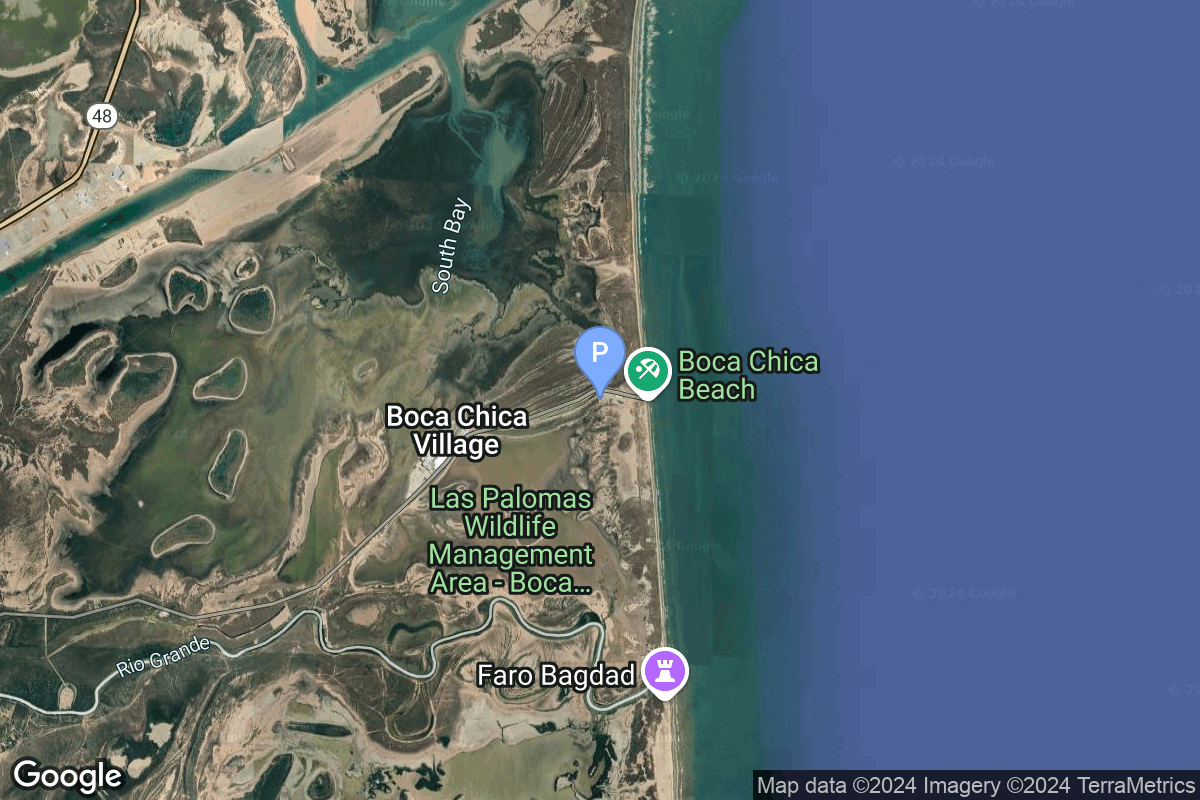
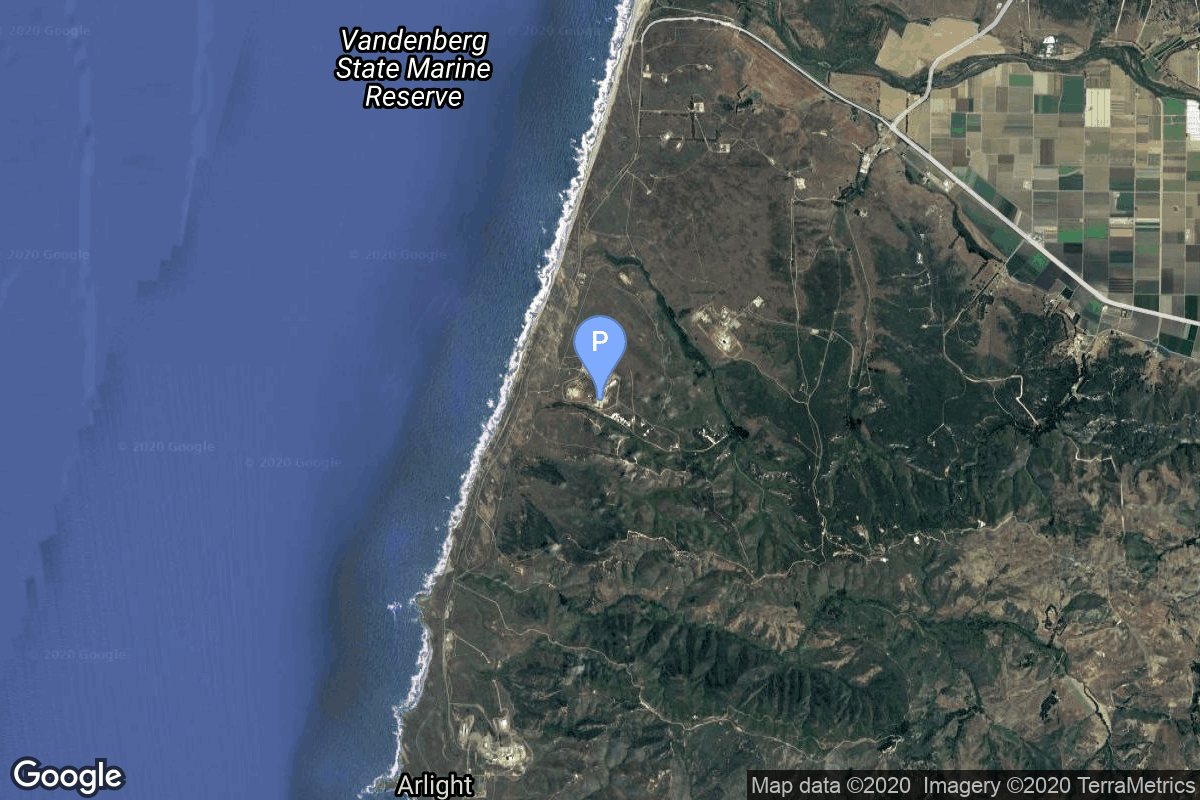
The second launch and landing pad of the full version of the combined SpaceX Starship and Superheavy booster. To be first used for launch in 2025 with version 3 of Starship and the Superheavy…
Kinetica 1 (also known as Lijian-1, Chinese: 力箭一号) is a Chinese solid-propellant light launch vehicle. It is capable of placing about 2 tons into low earth orbit and 1.5 tons into sun-synchronous orbit. It is developed by CAS Space, a subsidiary of the Chinese Academy of Sciences. Kinetica 1 is a…
Specifications
Length30 m
Diameter2.65 m
Launch Mass135 t
Liftoff Thrust1,961 kN
LEO Capacity2,000 kg
SSO Capacity1,500 kg
ReusableNo
Maiden Flight2022-07-27
Launch Record
13 successful / 14 total launches
Current streak: 8 successful
Starlink Group 17-51 ×
Mission Details
TypeCommunications
OrbitLow Earth Orbit
TargetEarth
A batch of 24 satellites for the Starlink mega-constellation – SpaceX’s project for space-based Internet communication system.
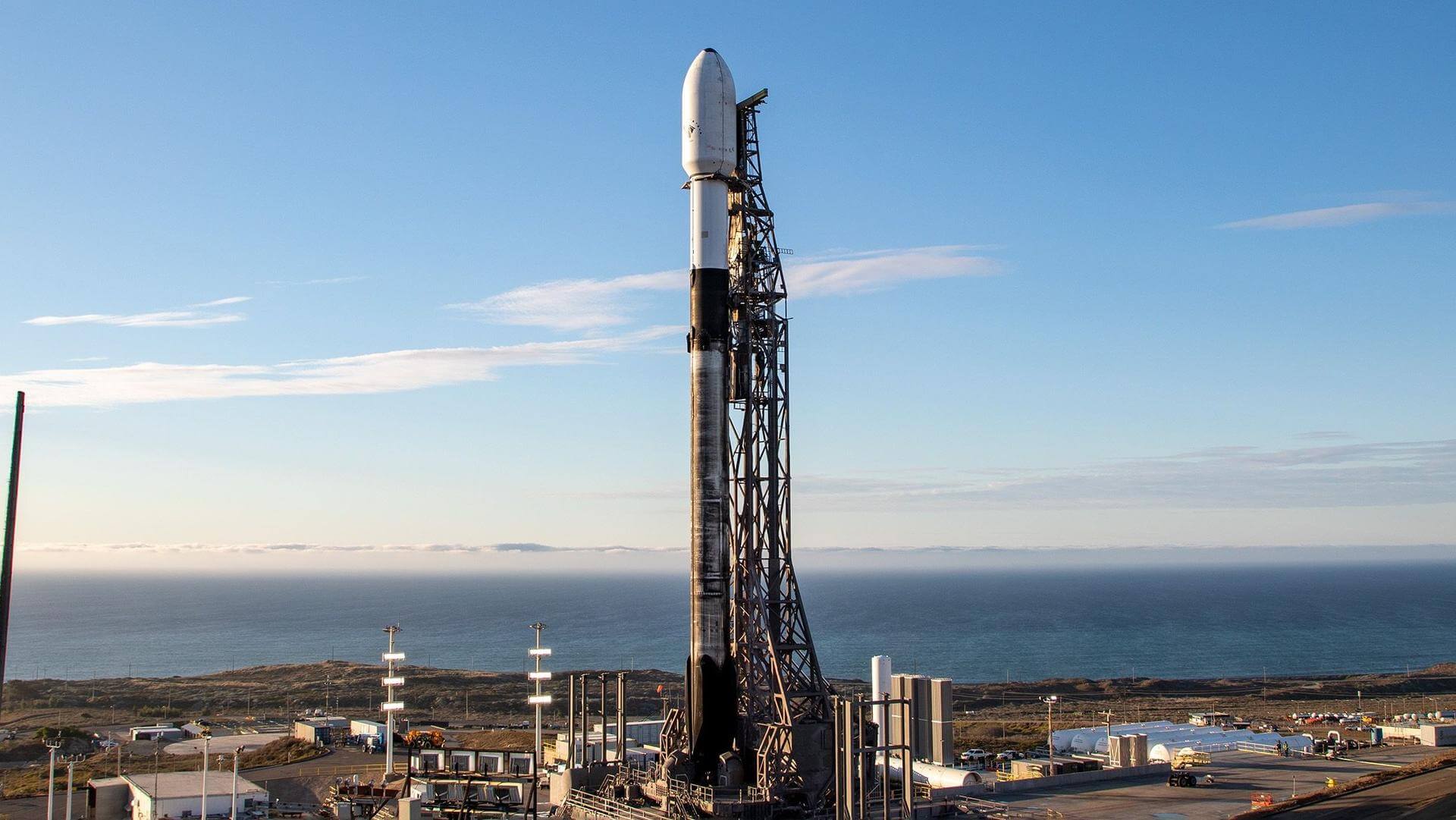
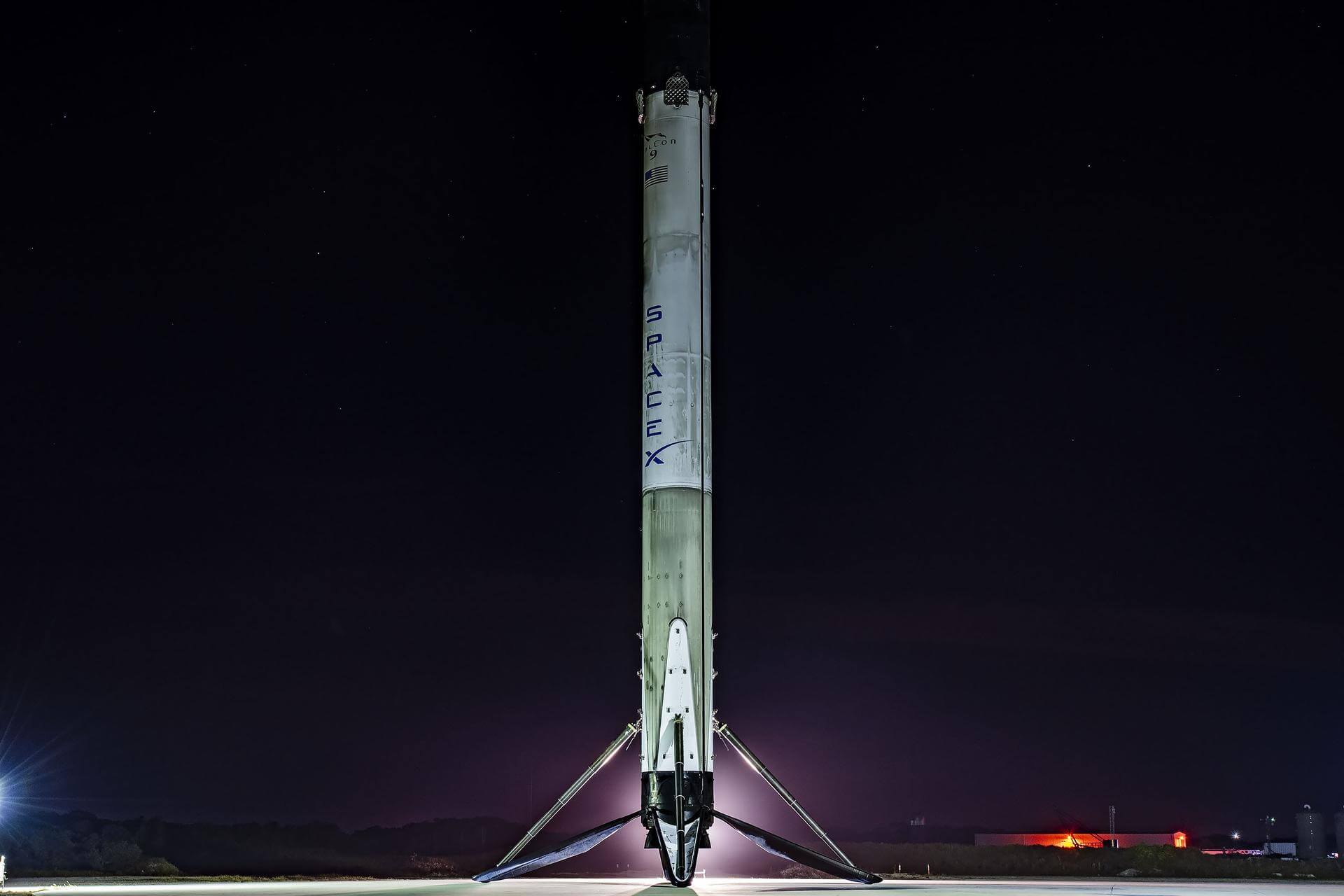
Falcon 9 is a two-stage rocket designed and manufactured by SpaceX for the reliable and safe transport of satellites and the Dragon spacecraft into orbit. The Block 5 variant is the fifth major interval aimed at improving upon the ability for rapid reusability.
Falcon 9 is a two-stage rocket designed and manufactured by SpaceX for the reliable and safe transport of satellites and the Dragon spacecraft into orbit. The Block 5 variant is the fifth major interval aimed at improving upon the ability for rapid reusability.
Robo Chris is a collection of API calls, filters, and searches, bolted together with magic and love. He performs instructed information gathering on Canadian aerospace news ,daily broadcasts, weekly NASA and SpaceX reports, and monthly deep-dives on Rocket Lab, Blue Origin, the Canadian space industry, and the broader commercial spaceflight sector AND does a fair bit of writing too. Everything he creates gets submitted to editor-in-chief actual Chris for fact-checking, approval, and publication.