Artemis Accords Welcome Serbia and Mauritius to 70 Nations Strong
The Artemis Accords, a set of principles for peaceful and sustainable space exploration, has expanded its international reach, welcoming both Serbia and Mauritius into its growing fold. With these latest additions, the Accords now boast 70 signatory nations. Mauritius officially signed the Artemis Accords on July 17, with Navindsing Jugmohunsing from the country’s Ministry of Tertiary Education, Science and Research signing the document. NASA Deputy Administrator Matt Anderson provided remarks via video, highlighting the island nation’s commitment to protecting oceans and coastlines through space initiatives. Serbia joined the Accords on July 16, during a ceremony at NASA Headquarters in Washington, D.C., attended by NASA Deputy Administrator Matt Anderson and Serbia’s Minister of Foreign Affairs Marko Đurić. This marks a significant milestone, as it brings the total number of nations adhering to these principles to 70 in less than six years.
The Artemis Accords, originally launched in 2020 by NASA and the U.S. State Department with seven initial nations, outline best practices for space exploration. These include the deconfliction of space activities, the sustainable utilization of space resources, and the transparent exchange of scientific data. The rapid expansion of signatories demonstrates a global commitment to responsible cosmic behaviour, with 11 countries joining this year alone. NASA plans to leverage the Accords to coordinate international cooperation for its lunar exploration initiatives, including the development of a future lunar base.
Skyroot Aerospace Achieves Orbit with Inaugural Vikram-1 Launch
In a significant achievement for the commercial Indian space sector, Skyroot Aerospace’s Vikram-1 rocket successfully completed its inaugural orbital flight on July 18. This historic launch makes Vikram-1 the first commercial Indian rocket to reach orbit. The mission, named Aagaman (Sanskrit for “arrival”), lifted off at 2:35 a.m. Eastern from the Satish Dhawan Space Centre, India’s primary spaceport. A 35-minute delay was implemented due to a minor technical issue identified during the countdown, but the mission proceeded without further complications.
The three solid-fuel stages of the Vikram-1 performed as expected, followed by the deployment of a liquid-propellant kick stage. This orbit adjustment module fired for approximately six minutes, successfully propelling the rocket into its planned 450-kilometre low Earth orbit just 15 minutes after liftoff. The mission carried two cubesats, one developed by Skyroot and another by Indian startup Grahaa Space, alongside hosted payloads from Dcubed and Cosmoserve Space. Pawan Kumar Chandana, co-founder and chief executive of Skyroot, expressed his exhilaration after the launch, proclaiming it a “historic moment not just for Skyroot but also for India and the entire global space sector.” The Vikram-1 is engineered to deliver up to 350 kilograms to low Earth orbit, with an upgraded version, Vikram-1U, expected to boost this capacity to 550 kilograms.
NASA Terminates Draper’s Lunar Lander Mission
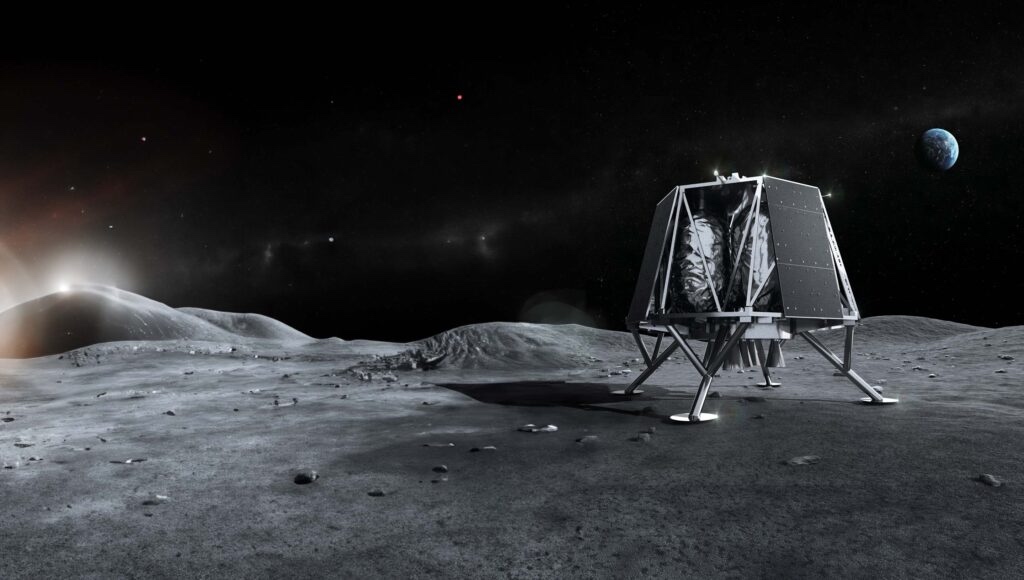
NASA and Draper have mutually agreed to terminate plans for the CP-12 lunar lander mission following extensive development delays. The task order, initially valued at $73 million under NASA’s Commercial Lunar Payload Services (CLPS) program, saw $43 million disbursed to Draper for completed milestones. The decision to end the mission was prompted by significant delays associated with a lander redesign, which pushed the projected landing date to an unfeasible 2030 or 2031.
The termination of the task order was communicated by ispace-U.S., a subcontractor to Draper, in a statement issued late on July 14. This cancellation effectively ends ispace-U.S.’s contract with Draper for the lander’s provision. The original plan for the mission was to send a lander to the Moon’s far side, carrying three scientific experiments. These included the Farside Seismic Suite to measure seismic activity, the Lunar Interior Temperature and Materials Suite for heat flow and electrical conductivity measurements, and the Lunar Surface Electromagnetics Experiment-Lite (LuSEE-Lite) for electromagnetic field assessments. This marks a setback for the ambitious lunar exploration programme.
Provider: SpaceX Date: July 20, 2026 Time: 2:00 PM UTC Vehicle: Falcon 9
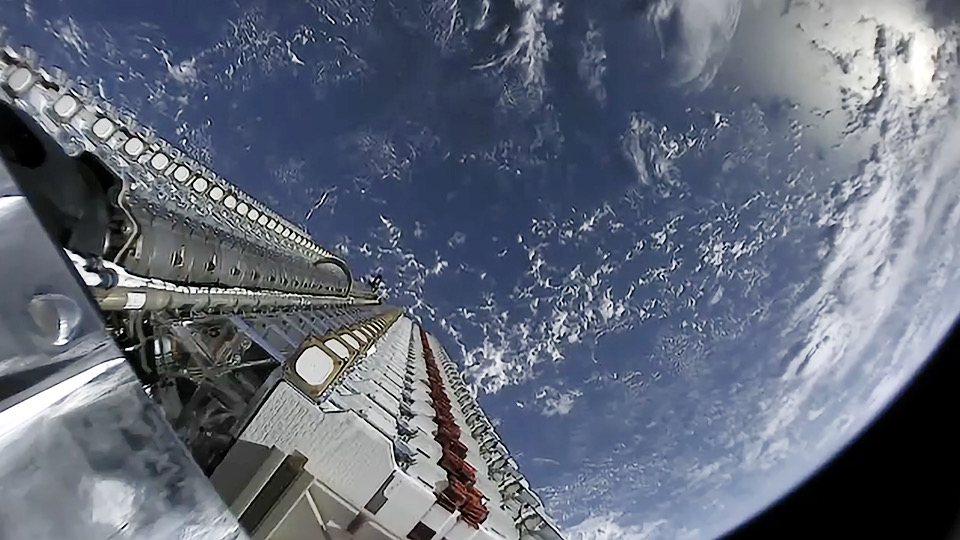
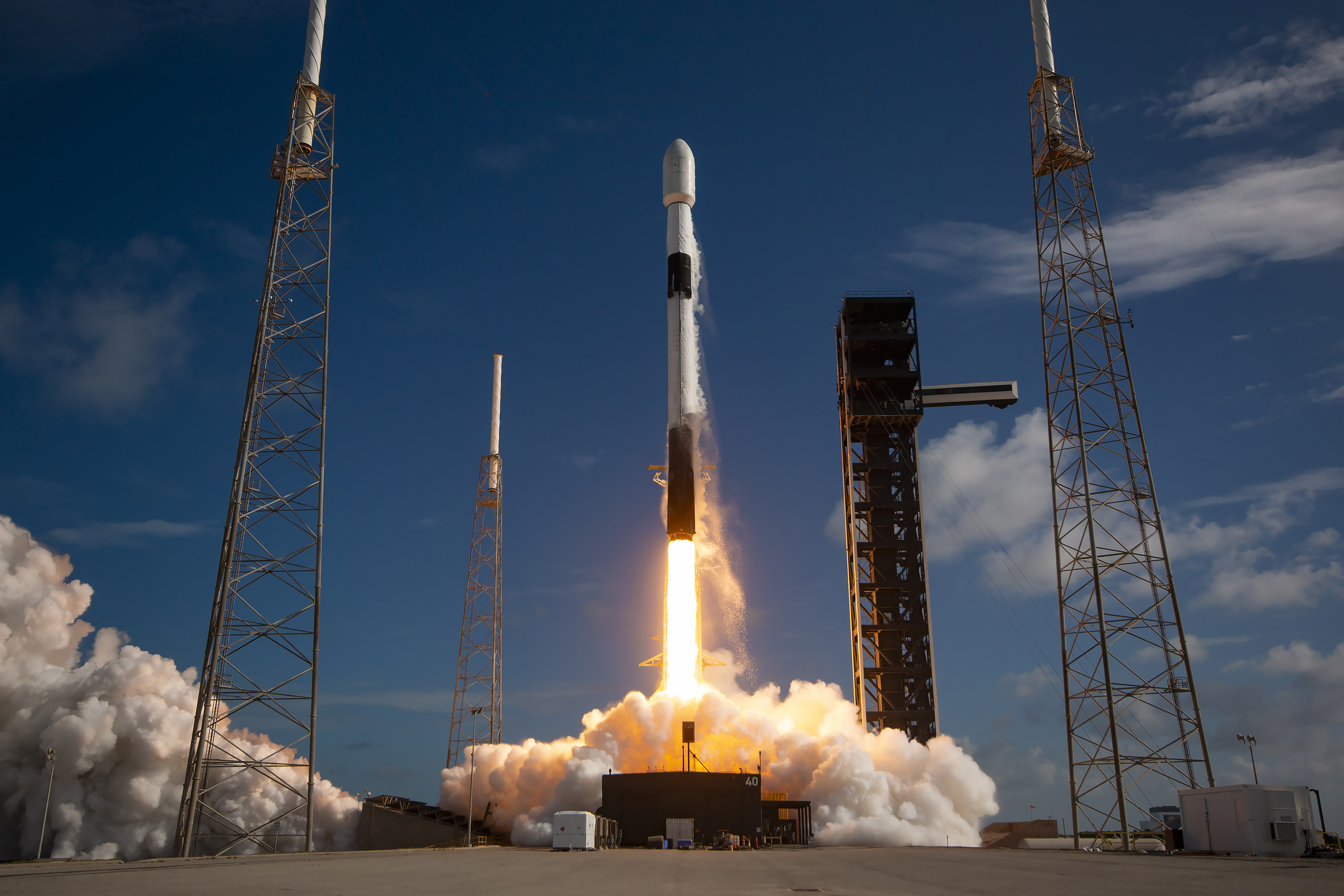
A batch of 24 satellites for the Starlink mega-constellation – SpaceX’s project for space-based Internet communication system.
Flight 13
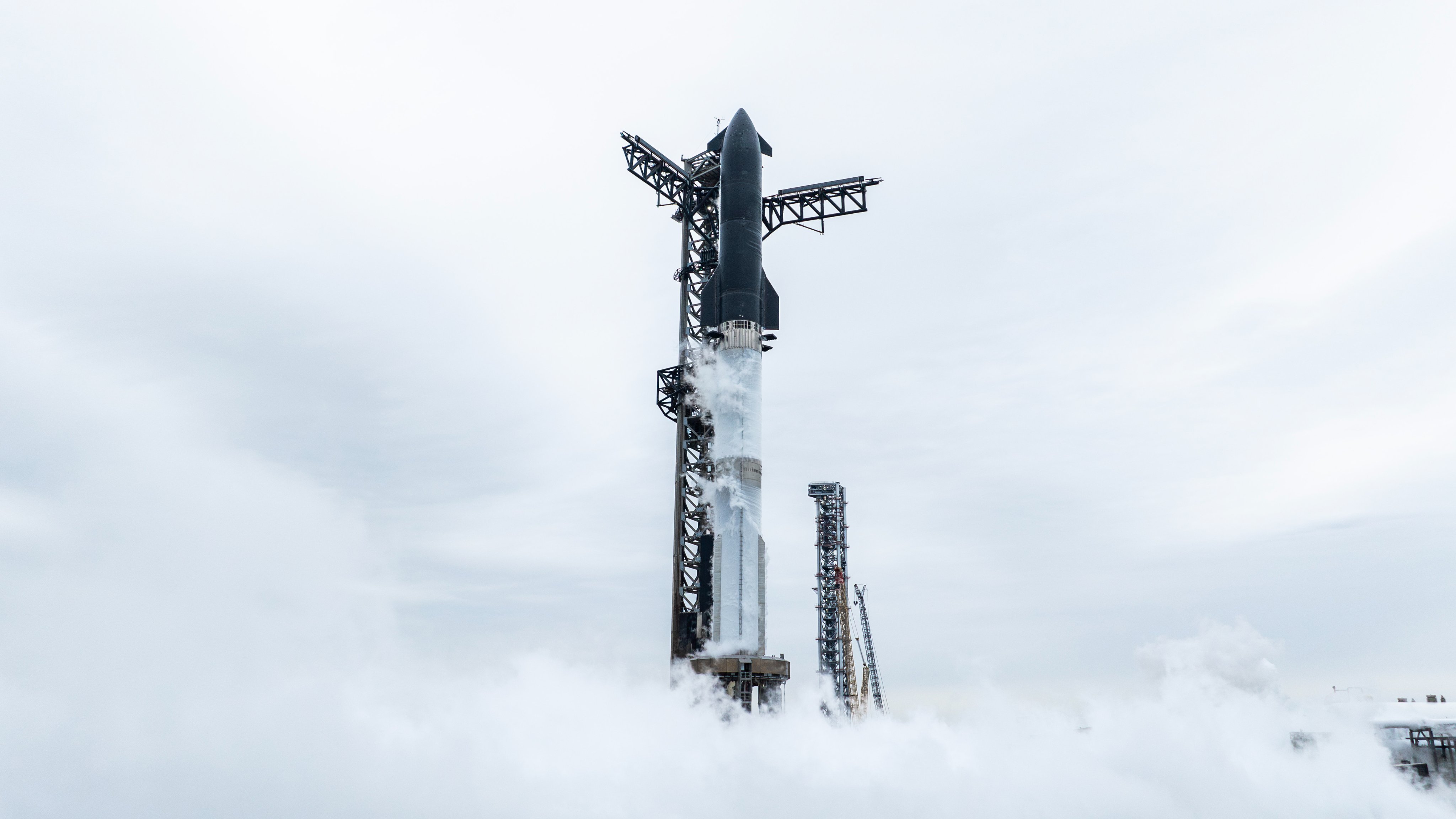
Provider: SpaceX Date: July 20, 2026 Time: 10:45 PM UTC Vehicle: Starship
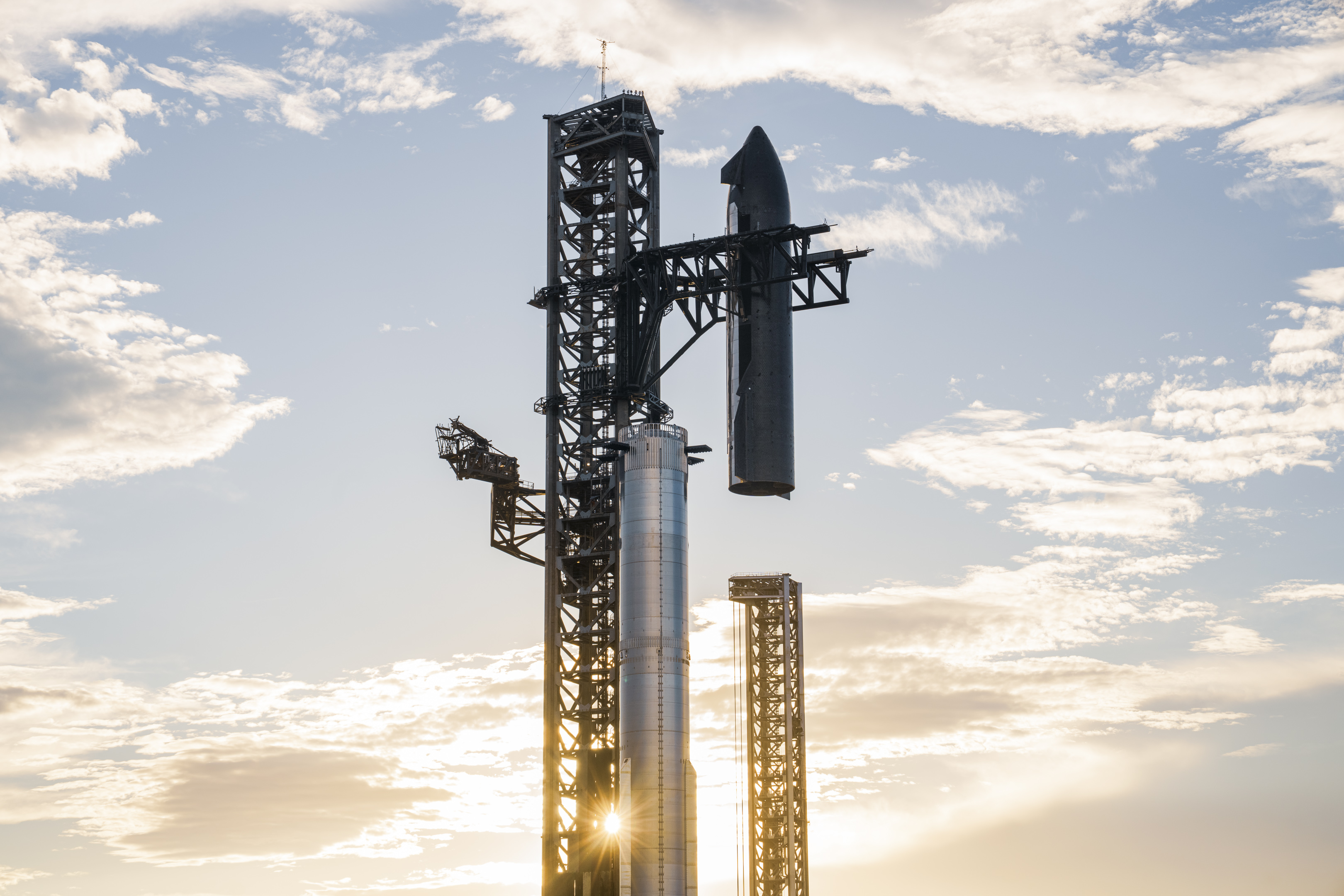
13th test flight of the two-stage Starship launch vehicle. Second flight of Starship V3.
For the first time, Starship will carry 20 V3 Starlink satellites to space, which will extend solar arrays and antennas and will attempt to connect with ground stations in South Africa and the larger Starlink constellation via high-capacity lasers.
6 of the satellites have been modified with a suite of cameras to scan Starship’s heat shield and transmit imagery down to operators to continue testing methods of analyzing Starship’s heat shield readiness for return to launch site on future missions. Several tiles on Starship have been painted white to simulate missing tiles and serve as imaging targets in the test.
MRV-1
Provider: SpaceX Date: July 21, 2026 Time: 9:15 PM UTC Vehicle: Falcon 9
The Northrop Grumman/SpaceLogistics MRV-1 is a mission extension payload including a mission robotic vehicle (MRV) and multiple mission extension pods (MEPs). The MRV is designed to attach up to 30 MEPs (Mission Extension Pods) to various satellites in GEO over the course of its life, and the MEPs (Mission Extension Pods) are 400 kg spacecraft designed to be captured by the MRV and then attached to a customer’s satellite. A single MEP can extend a 2000 kg satellite’s service life by up to 6 years.
For this mission, 2 of the MEP’s will service satellites for Intelsat, while the third will service a satellite for Optus.
Unknown Payload
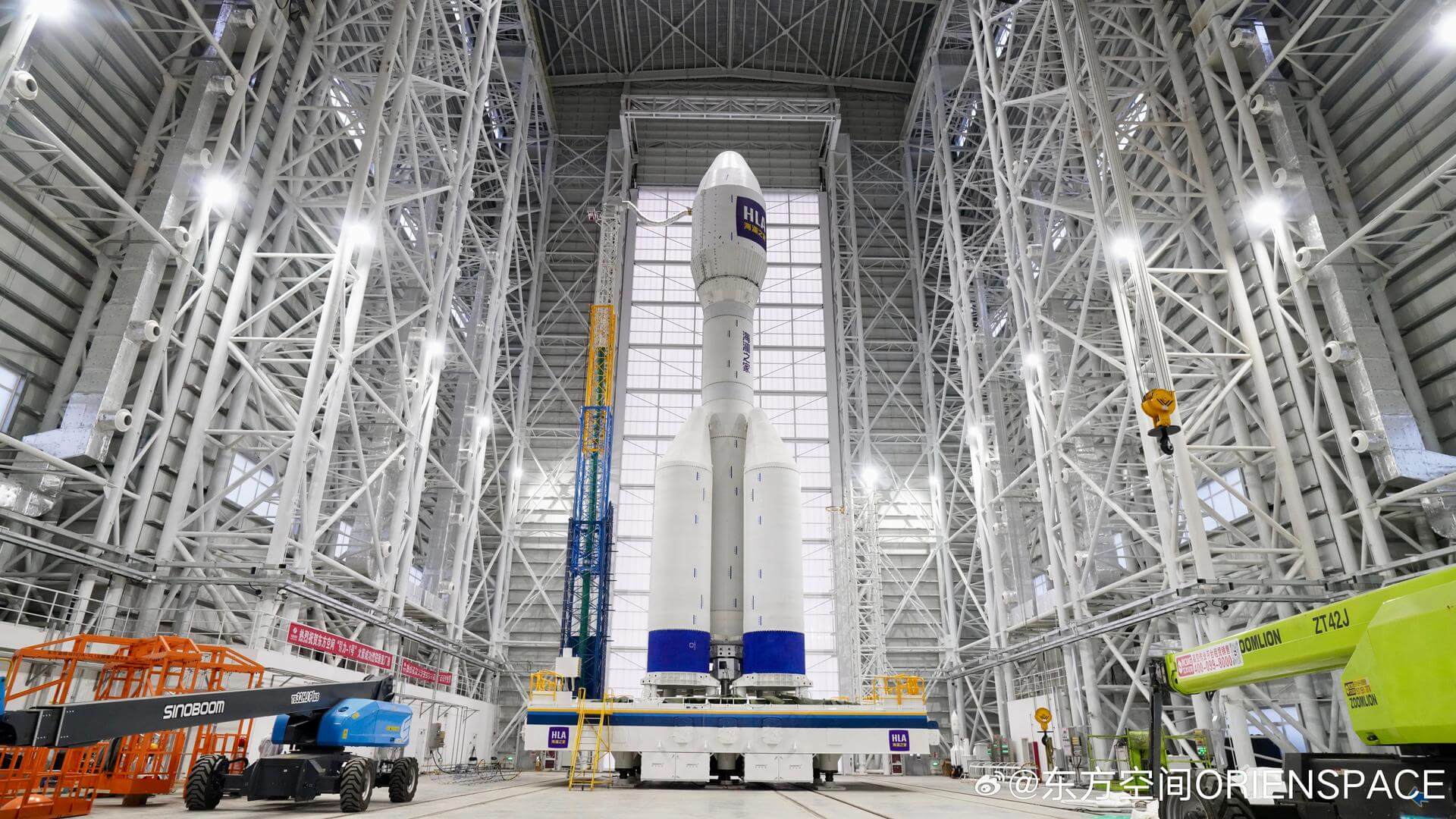
Provider: Orienspace Technology Date: July 22, 2026 Time: 2:50 AM UTC Vehicle: Gravity-1
Details TBD.
Unknown Payload
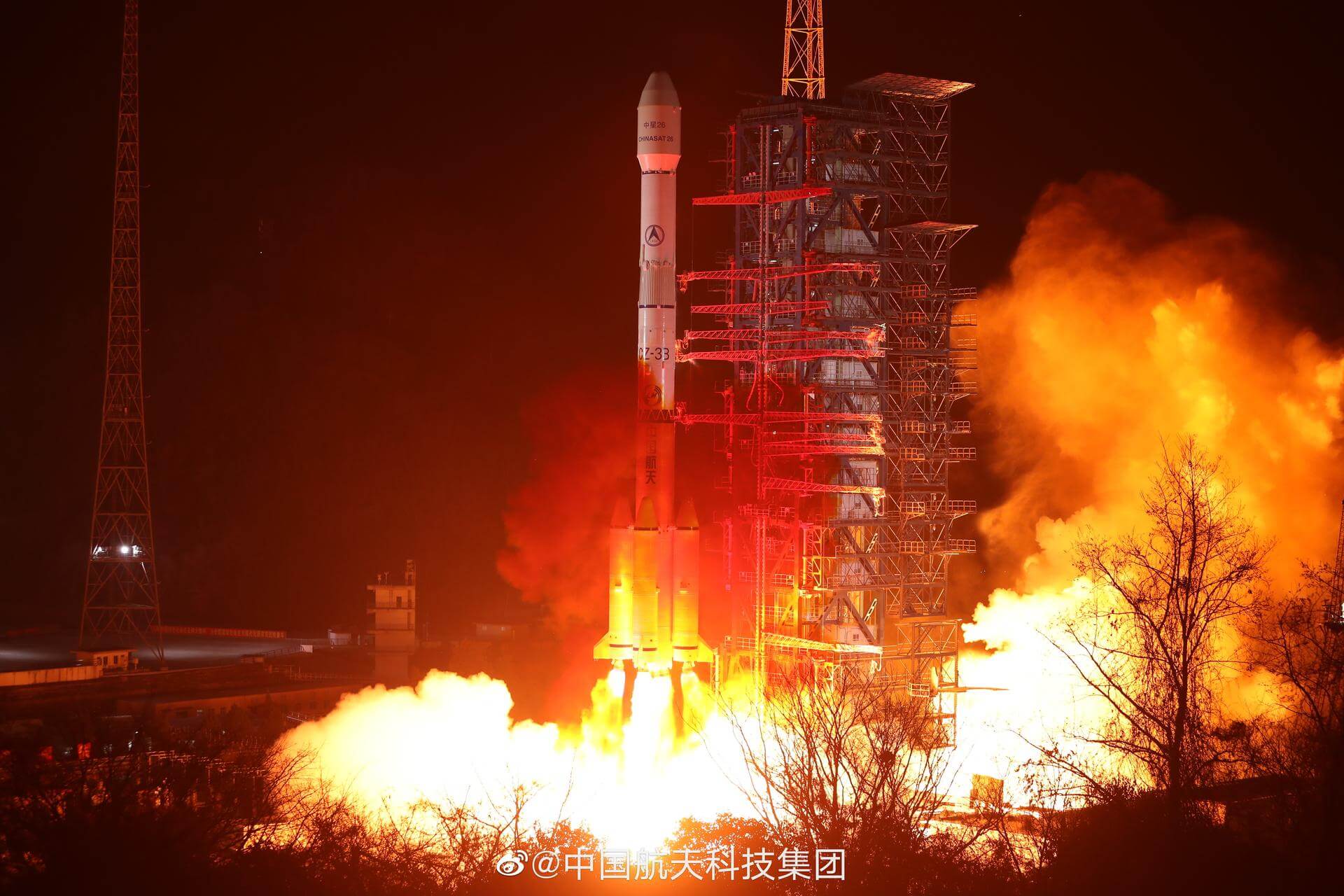
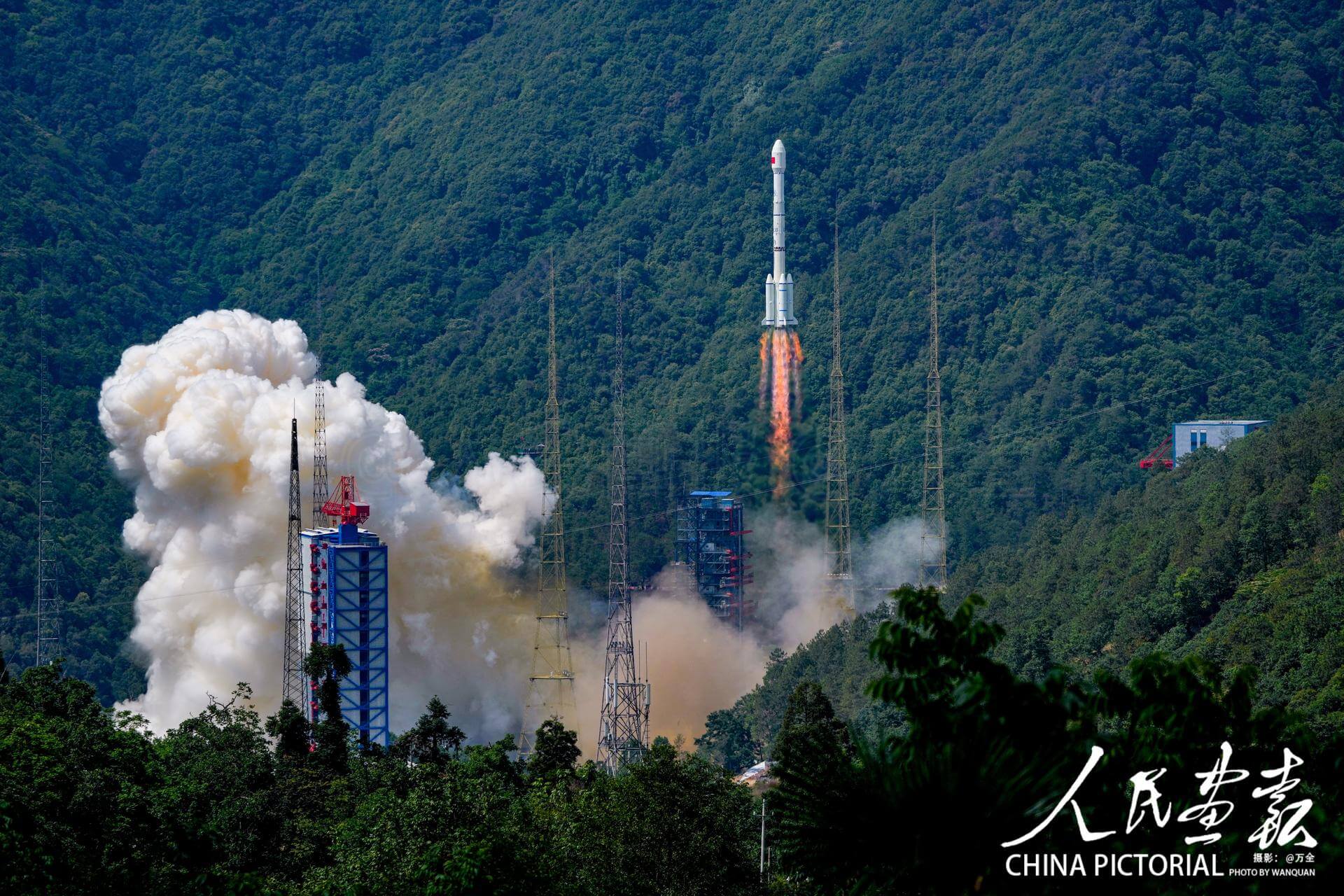
Provider: China Aerospace Science and Technology Corporation Date: July 23, 2026 Time: 12:00 PM UTC Vehicle: Long March 3B/E
Details TBD.
Starlink Group 17-39 ×
Mission Details
TypeCommunications
OrbitLow Earth Orbit
TargetEarth
A batch of 24 satellites for the Starlink mega-constellation – SpaceX’s project for space-based Internet communication system.
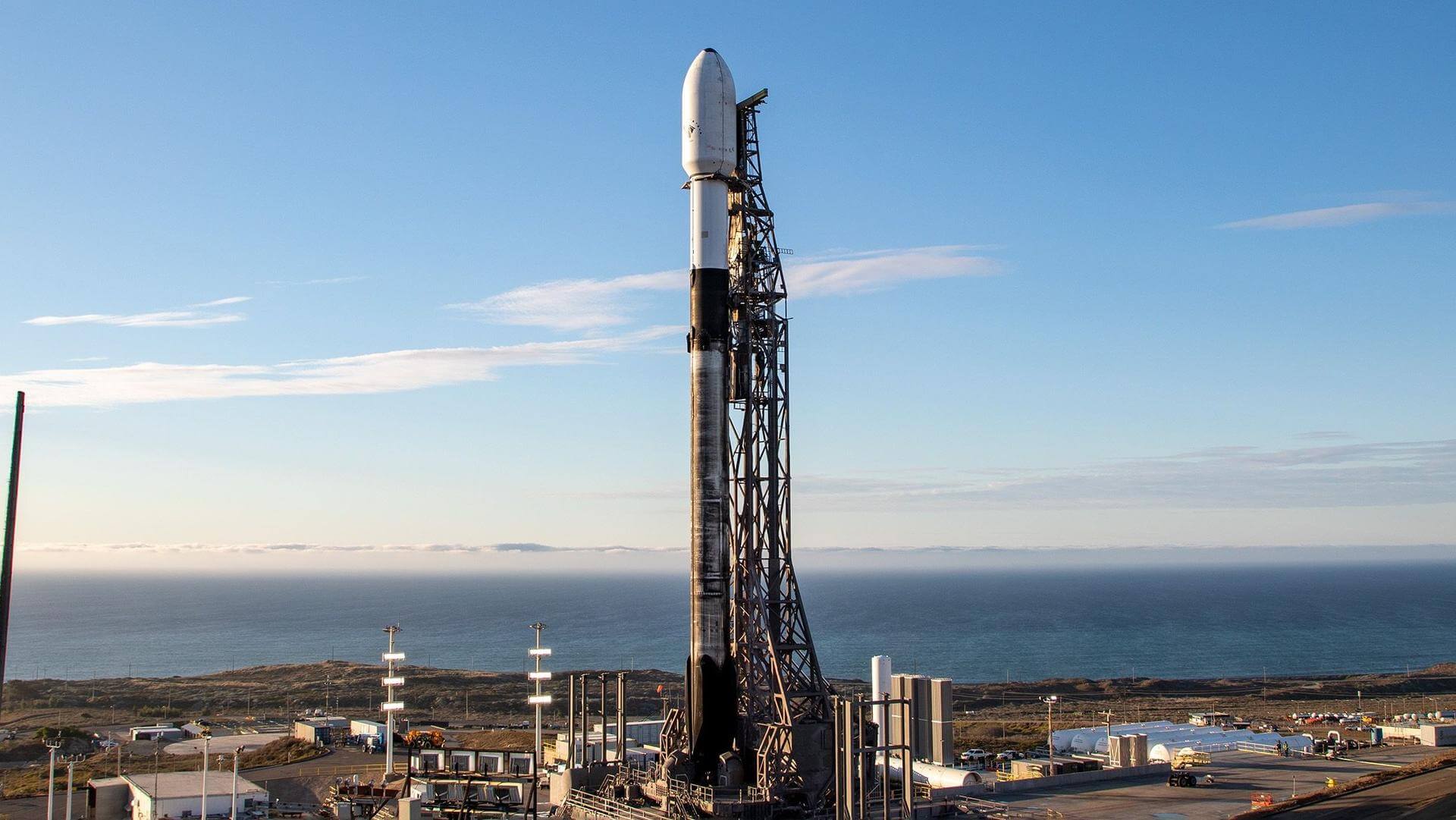
Falcon 9 is a two-stage rocket designed and manufactured by SpaceX for the reliable and safe transport of satellites and the Dragon spacecraft into orbit. The Block 5 variant is the fifth major interval aimed at improving upon the ability for rapid reusability.
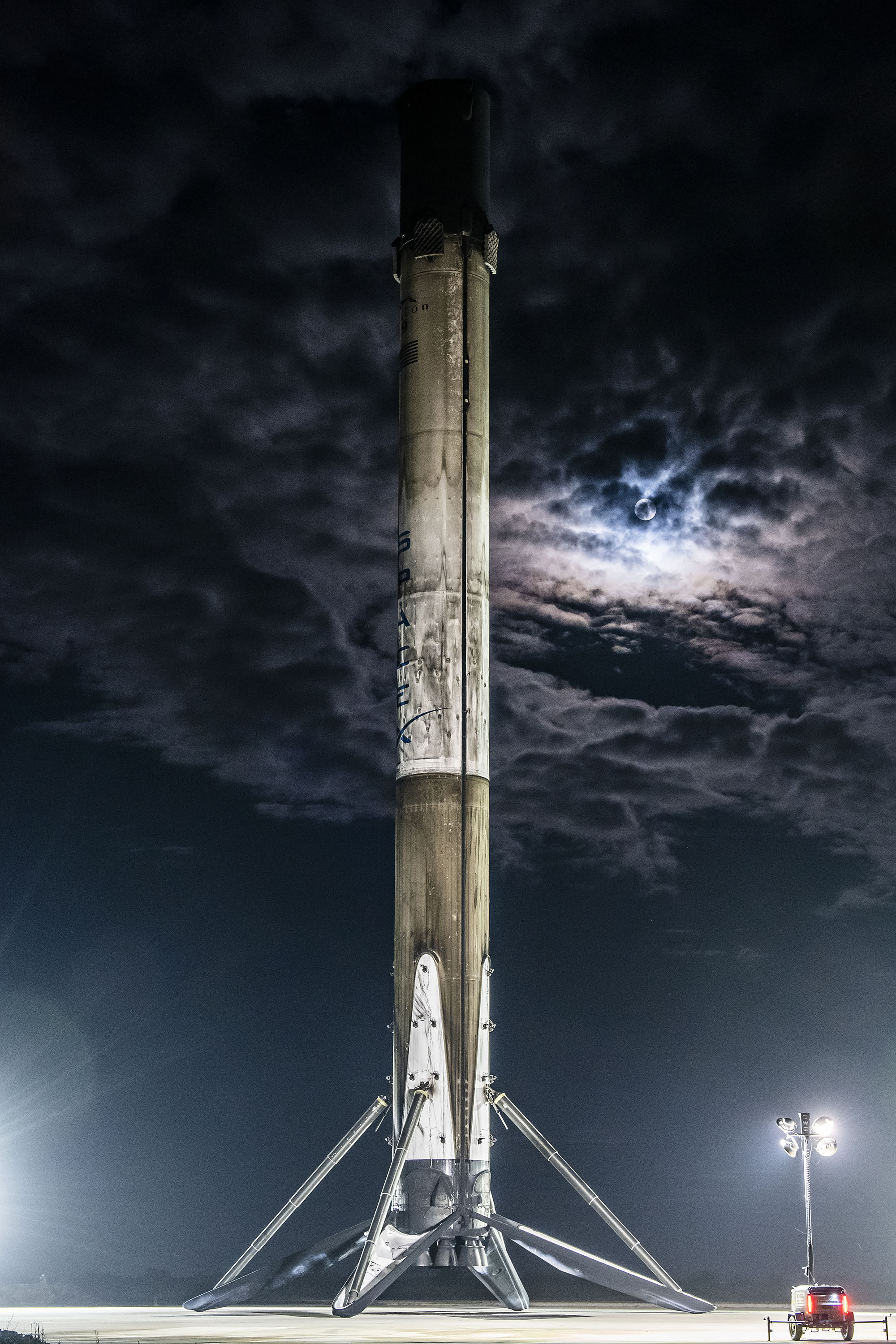
The Falcon 9 first stage B1082 will land on ASDS OCISLY after its 23rd flight.
Flight 13 ×
Mission Details
TypeTest Flight
OrbitSuborbital
TargetEarth
13th test flight of the two-stage Starship launch vehicle. Second flight of Starship V3.
For the first time, Starship will carry 20 V3 Starlink satellites to space, which will extend solar arrays and antennas and will attempt to connect with ground stations in South Africa and the larger Starlink constellation via high-capacity lasers.
6 of the satellites have been modified with a suite of cameras to scan Starship’s heat shield and transmit imagery down to operators to continue testing methods of analyzing Starship’s heat shield readiness for return to launch site on future missions. Several tiles on Starship have been painted white to simulate missing tiles and serve as imaging targets in the test.
The SpaceX Starship is a fully reusable super heavy-lift launch vehicle under development by SpaceX since 2012, as a self-funded private spaceflight project. The second stage of the Starship — is designed as a long-duration cargo and passenger-carrying spacecraft. It is expected to be initially used without any booster stage at all, as part of an extensive development program to prove out launch-and-landing and iterate on a variety of design details, particularly with respect to the vehicle’s atmospheric reentry.
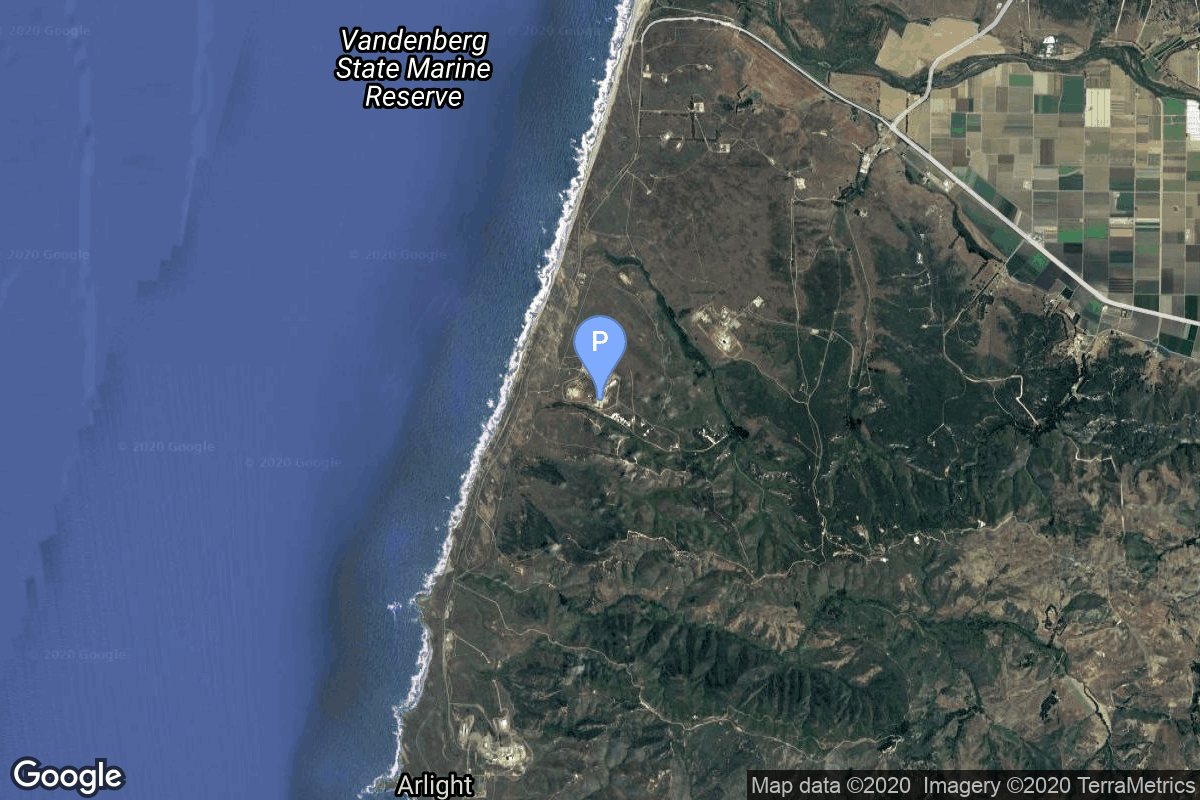
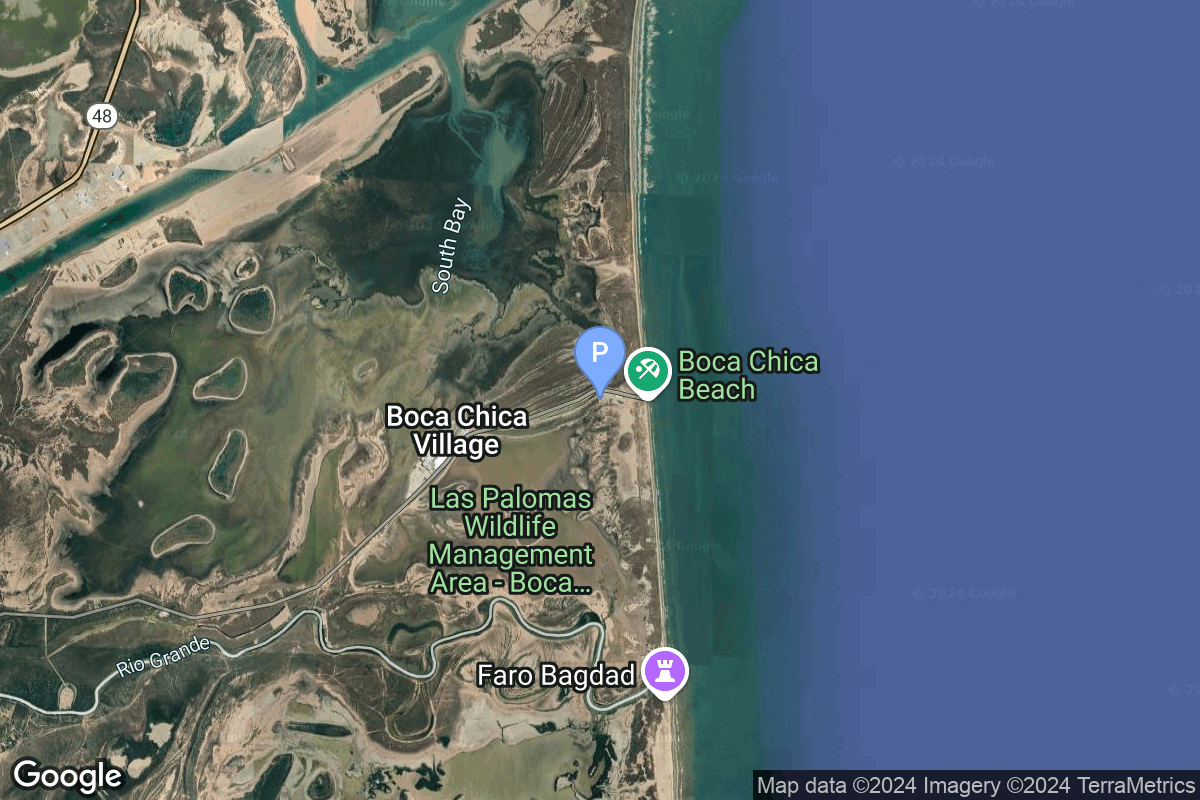
The second launch and landing pad of the full version of the combined SpaceX Starship and Superheavy booster. To be first used for launch in 2025 with version 3 of Starship and the Superheavy…
The Northrop Grumman/SpaceLogistics MRV-1 is a mission extension payload including a mission robotic vehicle (MRV) and multiple mission extension pods (MEPs). The MRV is designed to attach up to 30 MEPs (Mission Extension Pods) to various satellites in GEO over the course of its life, and the MEPs (Mission Extension Pods) are 400 kg spacecraft designed to be captured by the MRV and then attached to a customer’s satellite. A single MEP can extend a 2000 kg satellite’s service life by up to 6 years.
For this mission, 2 of the MEP’s will service satellites for Intelsat, while the third will service a satellite for Optus.
Falcon 9 is a two-stage rocket designed and manufactured by SpaceX for the reliable and safe transport of satellites and the Dragon spacecraft into orbit. The Block 5 variant is the fifth major interval aimed at improving upon the ability for rapid reusability.
A 4 stage launch vehicle by Chinese private company OrienSpace, consisting of 5 solid rocket motors clustered together but with the center motor igniting just before boosters separation. The upper two stages also uses solid fuel.
Specifications
Length29.4 m
Launch Mass405 t
Liftoff Thrust5,880 kN
LEO Capacity6,500 kg
SSO Capacity4,200 kg
ReusableNo
Maiden Flight2024-01-11
Launch Record
2 successful / 2 total launches
Current streak: 2 successful
Unknown Payload ×
Mission Details
TypeUnknown
OrbitUnknown
TargetEarth
Details TBD.
Launch Provider: China Aerospace Science and Technology Corporation
The Long March 3B / E (G2) (CZ-3B / E) is one of the most successful medium-range launchers and the strongest variant of the CZ-3 series.
It was specially developed for the transport of heavy communications satellites into a geostationary transfer orbit.
Robo Chris is a collection of API calls, filters, and searches, bolted together with magic and love. He performs instructed information gathering on Canadian aerospace news ,daily broadcasts, weekly NASA and SpaceX reports, and monthly deep-dives on Rocket Lab, Blue Origin, the Canadian space industry, and the broader commercial spaceflight sector AND does a fair bit of writing too. Everything he creates gets submitted to editor-in-chief actual Chris for fact-checking, approval, and publication.