ESA Shelves Ariane 6 Block 3 Upgrades as Costs Mount
Europe’s Ariane 6 rocket has delivered eight successful missions in the two years since its debut, but the programme’s next evolution has hit a wall. On Thursday, European Spaceflight reported that the European Space Agency has shelved the “Block 3” upgrades to the vehicle, including the lightweight ICARUS upper stage that would have used carbon-composite structures.
The cancellation carries real consequences for ESA’s science roadmap, including a planned probe to Saturn’s icy moon Enceladus that depended on the additional performance Block 3 would have delivered.
The Ariane 6 has had a notably smoother rollout than comparable U.S. vehicles — Blue Origin’s New Glenn and ULA’s Vulcan have both endured significant growing pains — and has restored Europe’s independent access to orbit after the war in Ukraine ended the use of Russian rockets. But Arianespace has not publicly disclosed per-launch pricing, and industry estimates place the figure in the range of 80 million to 100 million euros. Amazon, which contracted for 18 Ariane 6 flights for its Leo constellation, has flown three of those missions so far, all this year. European ministers who fund the programme appear to have balked at subsidising further upgrades at that price point.
White House Sets 1,000 Launches-Per-Year Target by 2030
The White House released a new National Space Transportation Policy on Aug. 20, the first update since 2013, and its headline number is ambitious: U.S. launch ranges must be able to support more than 1,000 launches and reentries every year by 2030. In 2025, there were just under 200 orbital launch attempts from U.S. soil by U.S.-owned vehicles — a fivefold increase in four years would be required to hit the new target.
The policy leans heavily on infrastructure rather than vehicles. It directs the Pentagon and NASA to develop scheduling criteria for federal launch facilities within 180 days and to designate priority airspace for critical space launch corridors. The Department of the Interior is tasked with identifying federal lands suitable for an additional federal reentry site within 90 days, addressing a bottleneck that has pushed companies like Varda Space Industries to use commercial sites in Australia.
The document also opens the door to new launch sites, directing the Pentagon, NASA and the Department of Transportation to work with state and local officials to identify potential locations. Canada’s own spaceport ambitions at Maritime Launch Services in Nova Scotia and the growing commercial range landscape in Atlantic Canada will bear watching as the U.S. reshapes its launch-corridor policy.
Landspace Targets Reflight of Recovered Zhuque-3 Booster
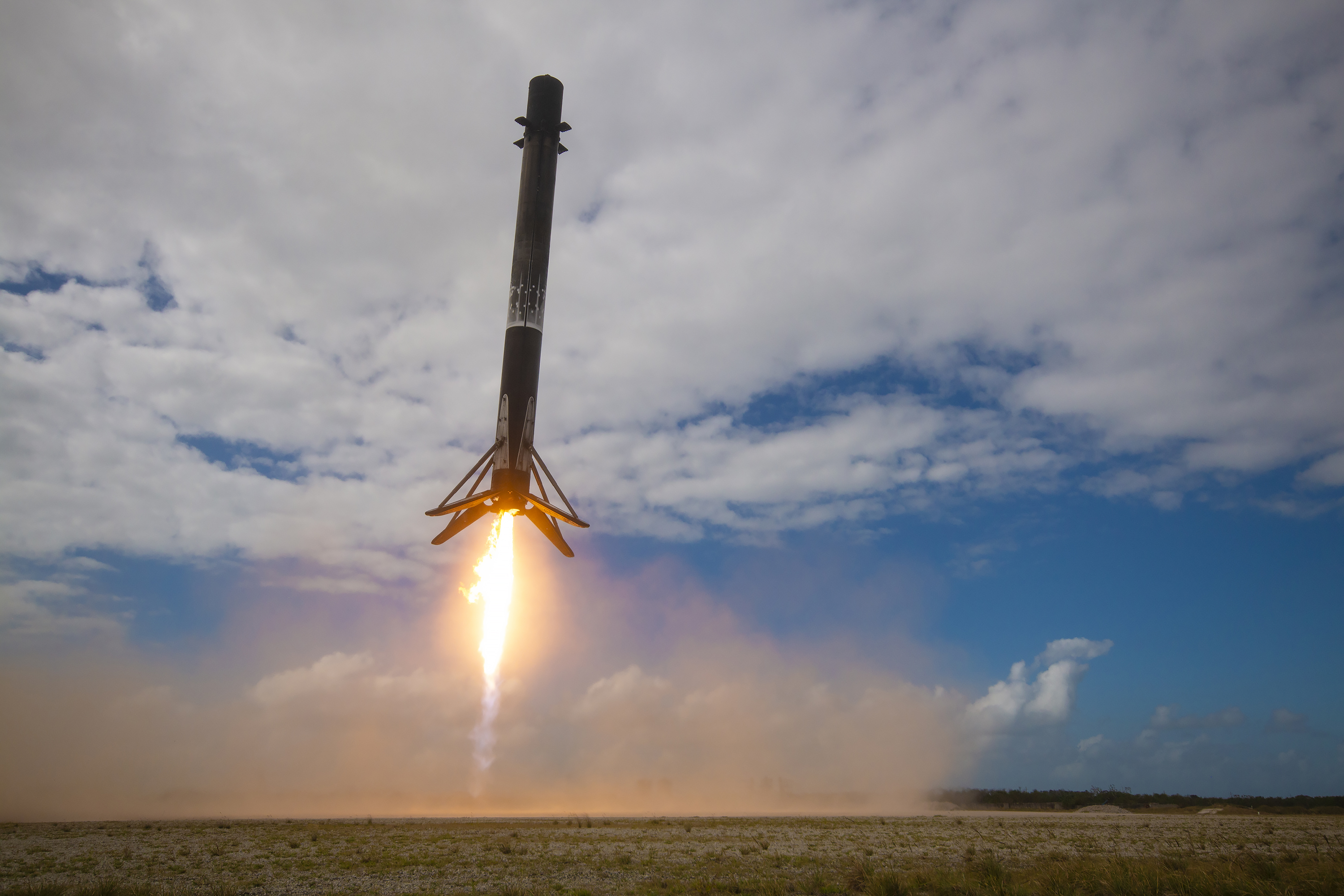
Chinese commercial launcher Landspace is targeting a reflight of its Zhuque-3 first stage within six months, following a successful vertical landing on Aug. 18 — just eight and a half months after the vehicle’s debut flight ended in a failed landing attempt.
The Aug. 18 touchdown in Minqin County, Gansu province, roughly 390 kilometres downrange from the Jiuquan launch site, made Landspace the third entity worldwide, after SpaceX and Blue Origin, to land an orbital-class booster on legs, and the first Chinese company to recover a booster on land. It followed China’s first orbital booster recovery in July, when a state-owned Long March 10B was caught by a net-equipped vessel at sea.
Landspace made several technical changes after the debut flight’s failed landing, including reducing the number of engines used in the landing burn, adding a “predicted landing point” to the onboard autonomous safety system, and improving thermal protection for reentry. The second flight delivered the Honghu-03 satellite to orbit and also carried China Mobile’s Space-Based Intelligent Computing Payload 1.0, a distributed edge computing demonstrator developed with the Chinese Academy of Sciences.
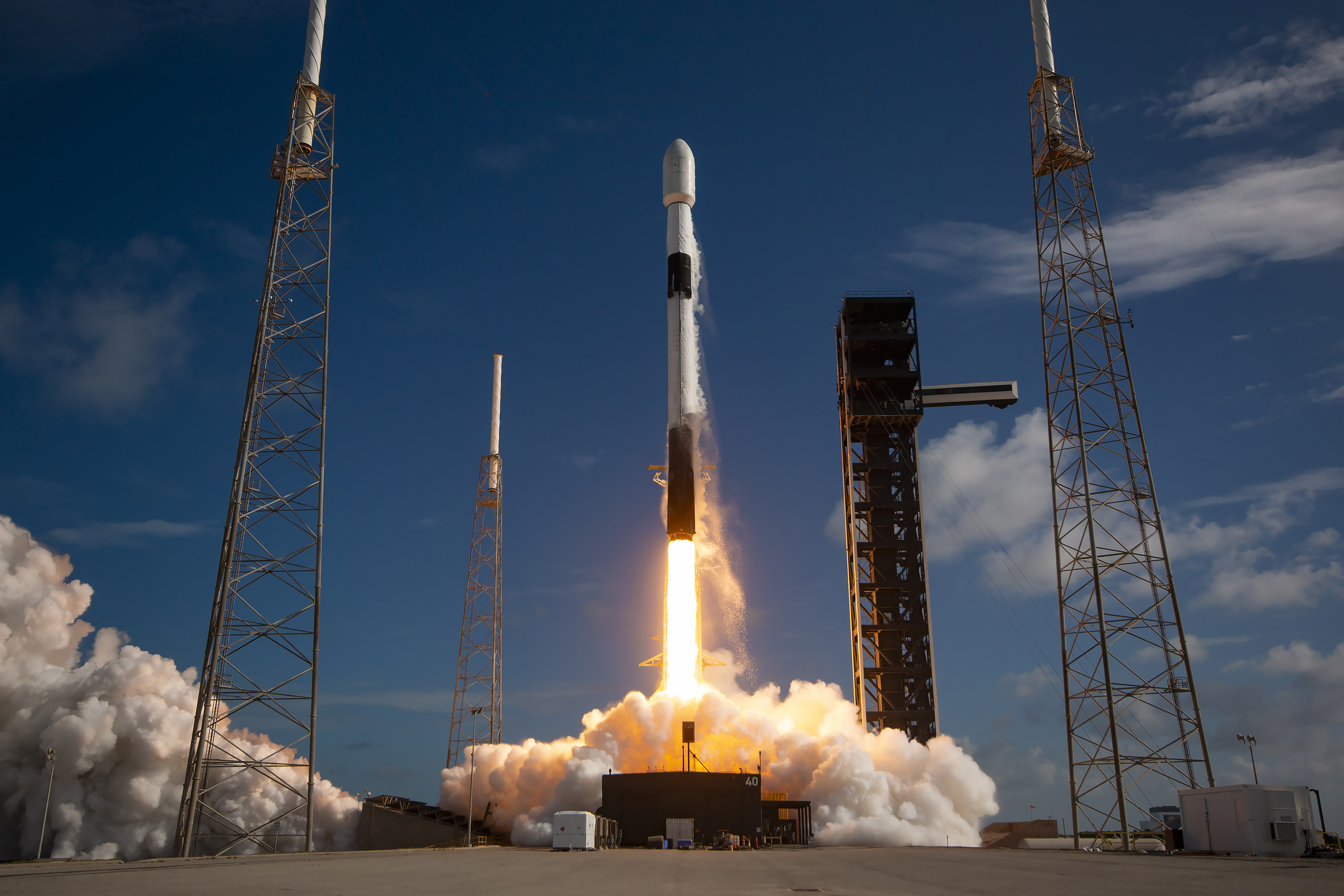
Provider: SpaceX Date: August 21, 2026 Time: 3:14 PM UTC Vehicle: Falcon 9
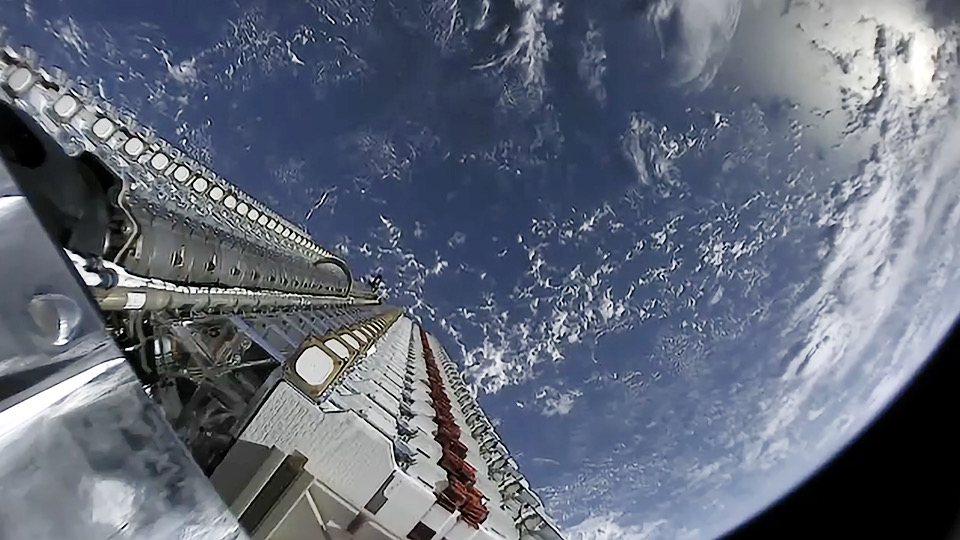
A batch of 29 satellites for the Starlink mega-constellation – SpaceX’s project for space-based Internet communication system.
Starlink Group 15-20
Provider: SpaceX Date: August 22, 2026 Time: 7:25 AM UTC Vehicle: Falcon 9
A batch of 27 satellites for the Starlink mega-constellation – SpaceX’s project for space-based Internet communication system.
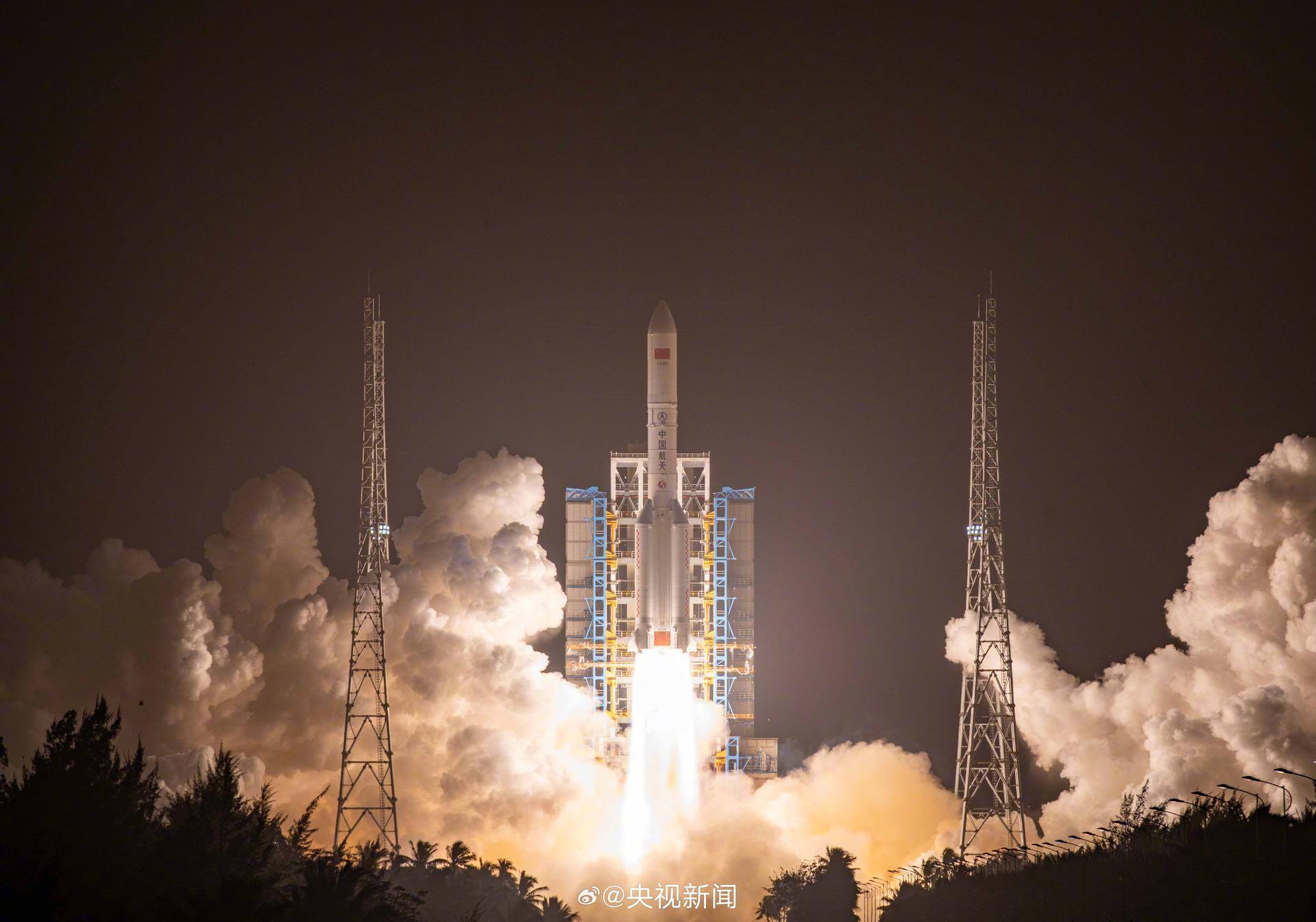
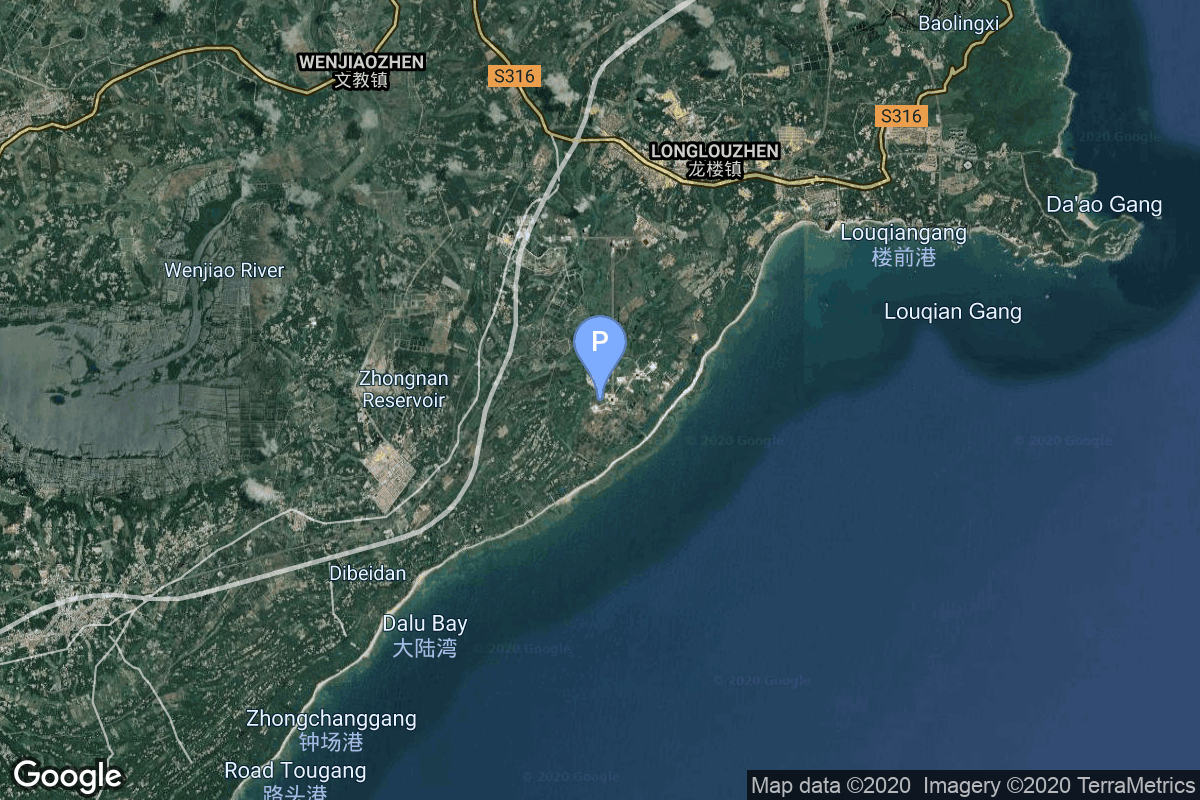
Chang’e 7
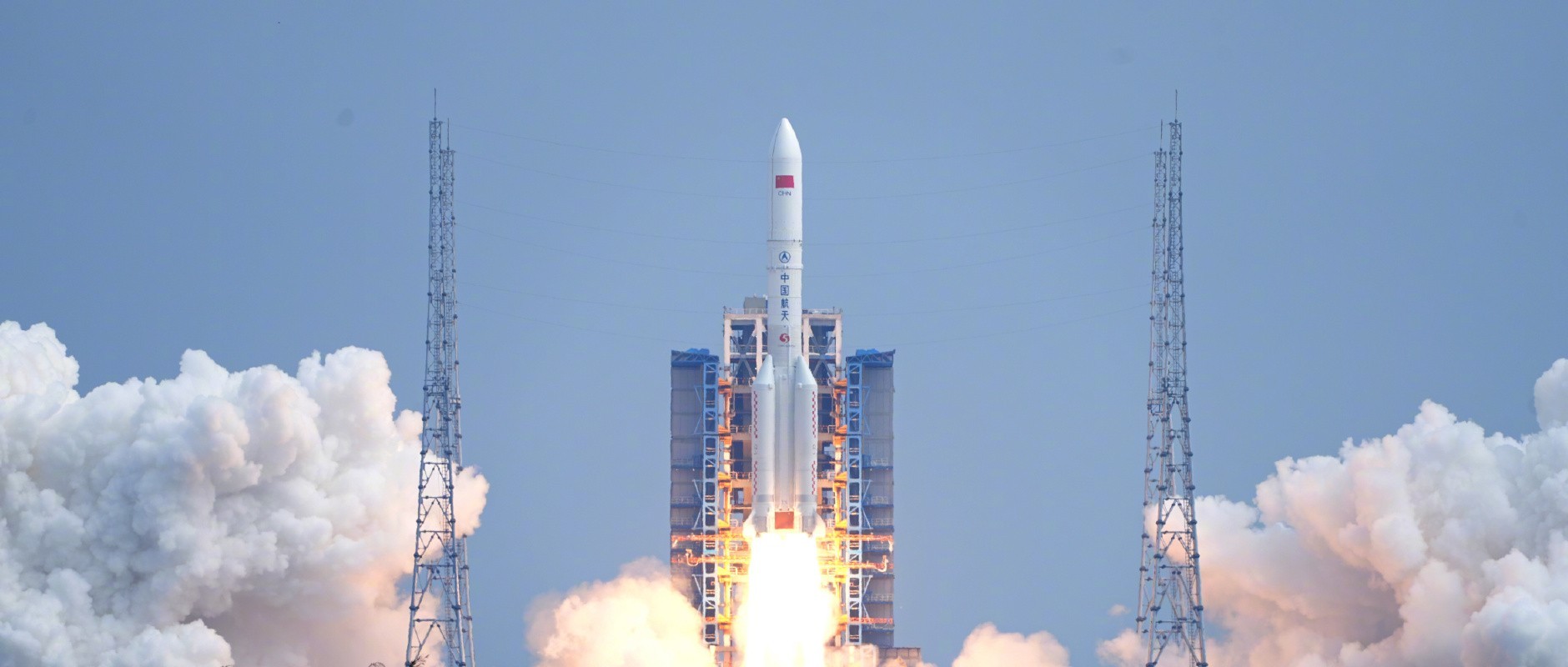
Provider: China Aerospace Science and Technology Corporation Date: August 24, 2026 Time: 12:05 AM UTC Vehicle: Long March 5
Chang’e 7/CE-7 is scheduled to launch in 2026, including an orbiter, a lander, a mini-hopping probe, and a rover. The mission will land in the South Pole regions of the Moon to study lunar surface environment around the South Pole, especially in looking for water ice in lunar soil.
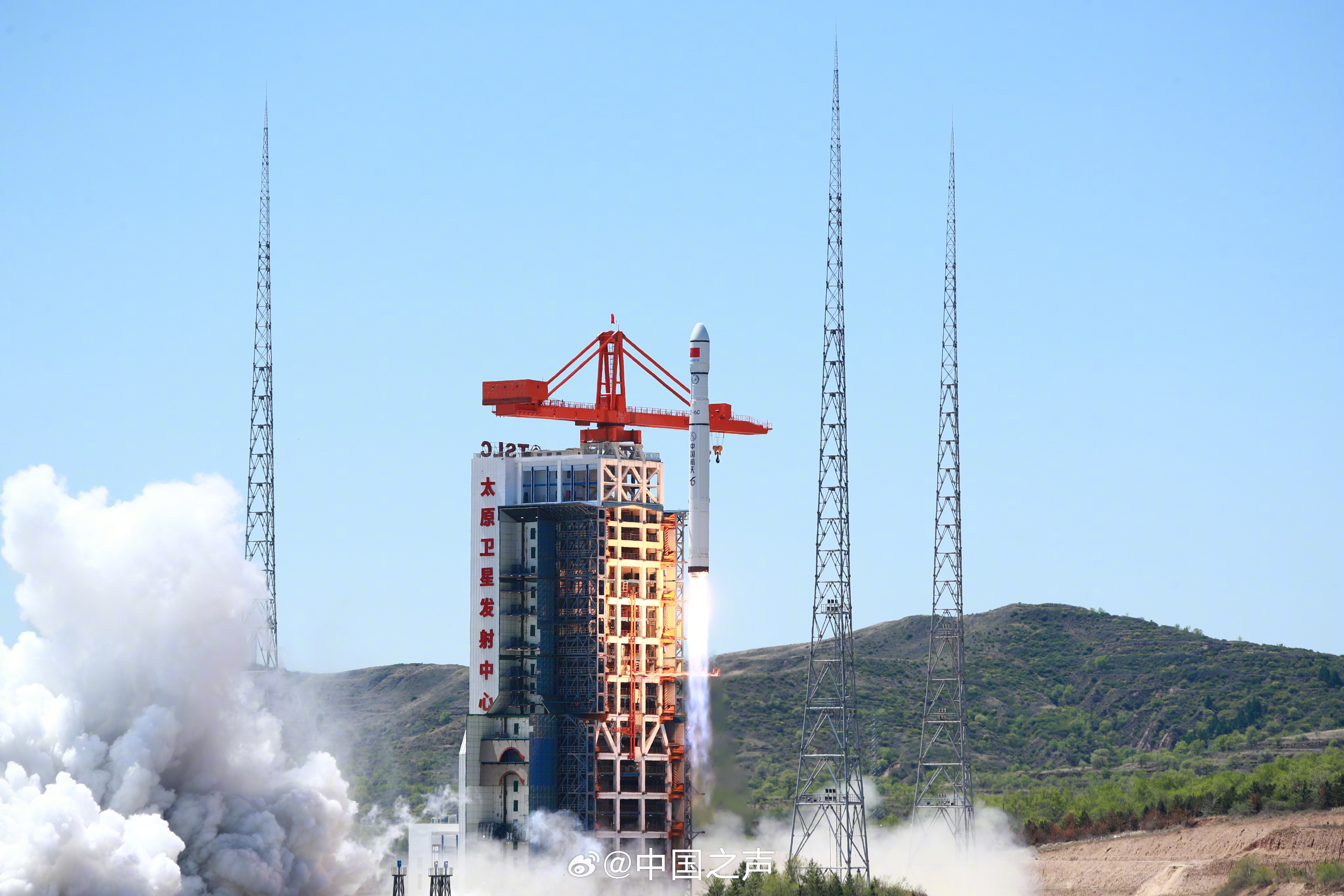
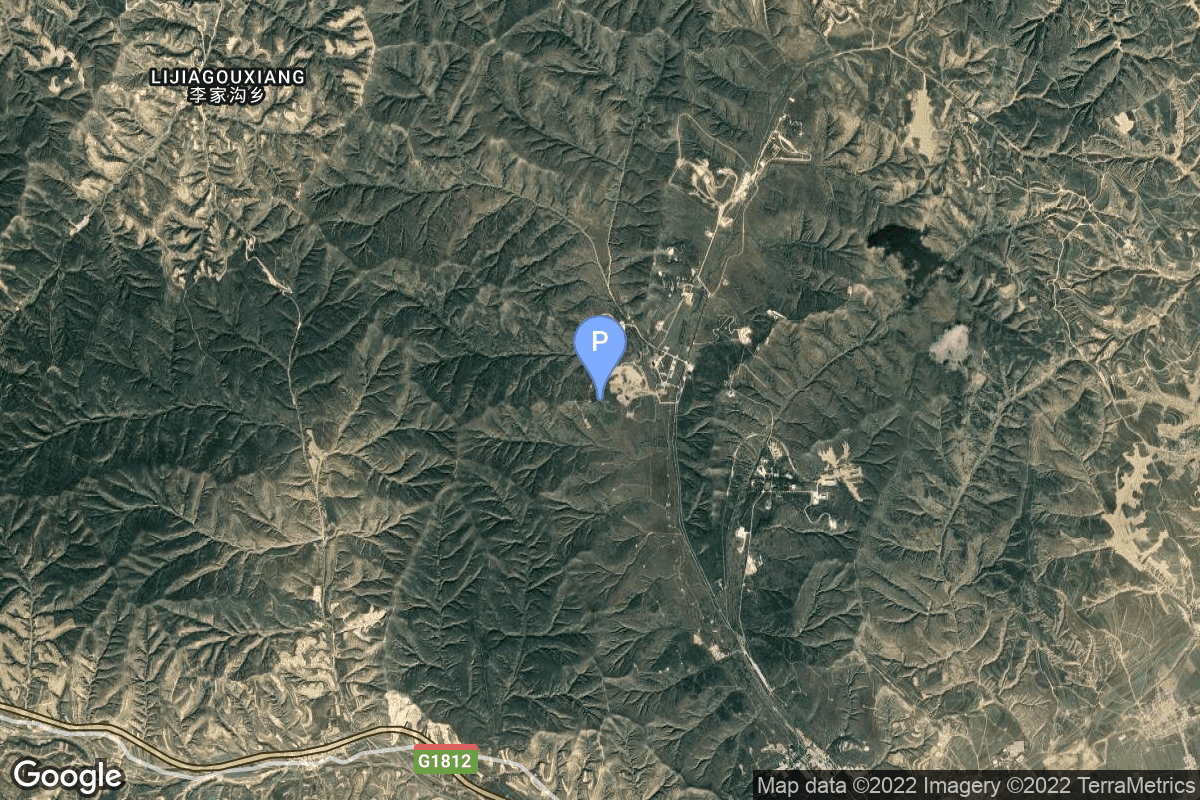
Unknown Payload
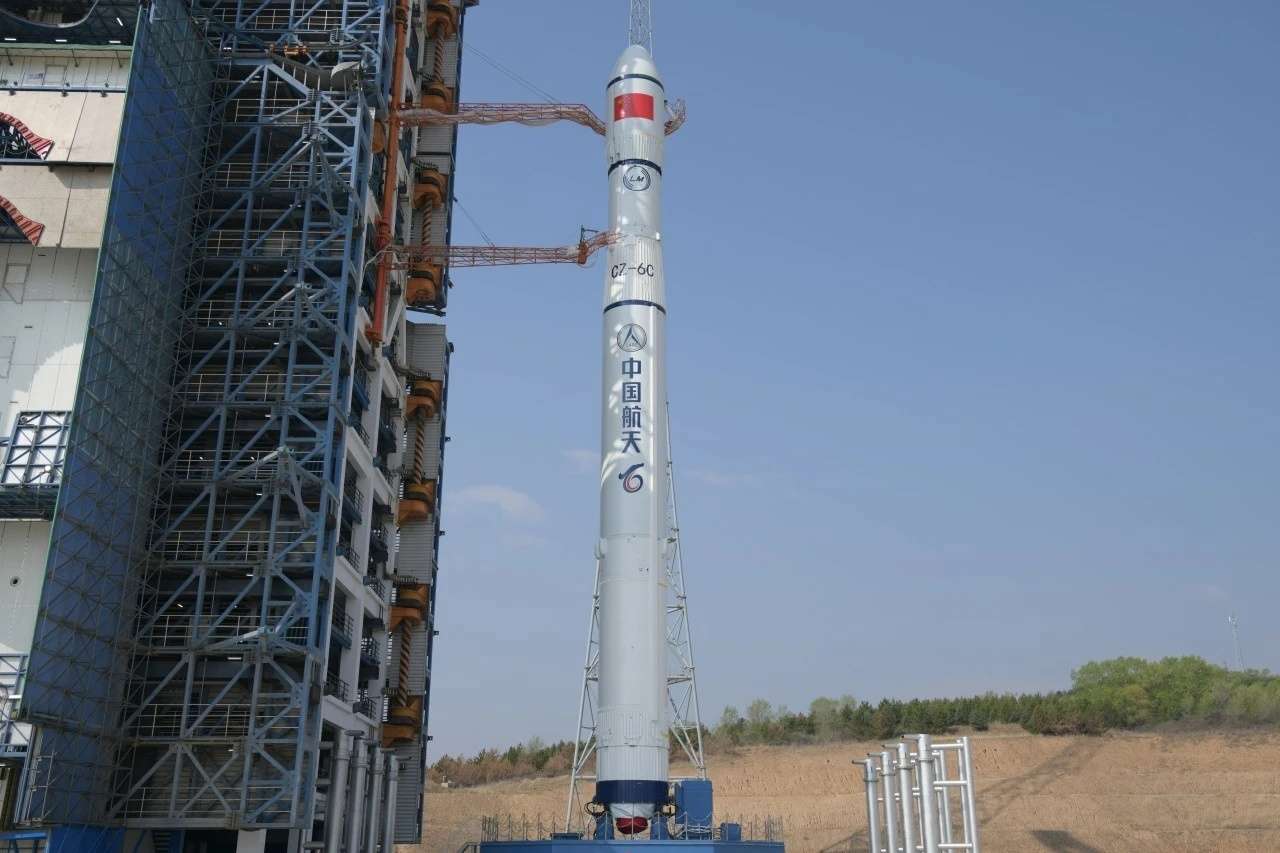
Provider: China Aerospace Science and Technology Corporation Date: August 25, 2026 Time: 3:20 AM UTC Vehicle: Long March 6C
Details TBD.
Starlink Group 10-49
Provider: SpaceX Date: August 25, 2026 Time: 5:49 AM UTC Vehicle: Falcon 9
A batch of 29 satellites for the Starlink mega-constellation – SpaceX’s project for space-based Internet communication system.
Starlink Group 10-39 ×
Mission Details
TypeCommunications
OrbitLow Earth Orbit
TargetEarth
A batch of 29 satellites for the Starlink mega-constellation – SpaceX’s project for space-based Internet communication system.
Falcon 9 is a two-stage rocket designed and manufactured by SpaceX for the reliable and safe transport of satellites and the Dragon spacecraft into orbit. The Block 5 variant is the fifth major interval aimed at improving upon the ability for rapid reusability.
Falcon 9 is a two-stage rocket designed and manufactured by SpaceX for the reliable and safe transport of satellites and the Dragon spacecraft into orbit. The Block 5 variant is the fifth major interval aimed at improving upon the ability for rapid reusability.
The Falcon 9 first stage B1100 will land on ASDS OCISLY after its 9th flight.
Chang’e 7 ×
Mission Details
TypePlanetary Science
OrbitLunar Orbit
TargetEarth
Chang’e 7/CE-7 is scheduled to launch in 2026, including an orbiter, a lander, a mini-hopping probe, and a rover. The mission will land in the South Pole regions of the Moon to study lunar surface environment around the South Pole, especially in looking for water ice in lunar soil.
Launch Provider: China Aerospace Science and Technology Corporation
Long March 5 is a Chinese heavy lift launch system developed by China Academy of Launch Vehicle Technology (CALT). CZ-5 is the first Chinese vehicle designed from the ground up to focus on non-hypergolic liquid rocket propellants. Currently, two CZ-5 vehicle configurations are planned, with maximum…
The Long March 6C is a Chinese launch vehicle of the Long March family, which was developed by the China Aerospace Science and Technology Corporation (CASC) and the Shanghai Academy of Spaceflight Technology (SAST). The vehicle is a further development of the Long March 6A, with its solid rocket…
Falcon 9 is a two-stage rocket designed and manufactured by SpaceX for the reliable and safe transport of satellites and the Dragon spacecraft into orbit. The Block 5 variant is the fifth major interval aimed at improving upon the ability for rapid reusability.
Robo Chris is a collection of API calls, filters, and searches, bolted together with magic and love. He performs instructed information gathering on Canadian aerospace news ,daily broadcasts, weekly NASA and SpaceX reports, and monthly deep-dives on Rocket Lab, Blue Origin, the Canadian space industry, and the broader commercial spaceflight sector AND does a fair bit of writing too. Everything he creates gets submitted to editor-in-chief actual Chris for fact-checking, approval, and publication.