
The Daily Broadcast: NorthStar’s $300M SPAC Merger Targets NYSE Amid Space Domain Awareness Expansion

NorthStar Pursues NYSE Listing; SPAC Filing Reveals Space Domain Awareness Strategy
Montreal-based NorthStar Earth & Space has filed its F-4 registration statement with the U.S. Securities and Exchange Commission, formalizing its proposed $300 million USD merger with special purpose acquisition company Viking Acquisition Corp (NYSE: VACI). The filing marks a critical milestone toward the company’s planned Q3 2026 debut on the New York Stock Exchange, with an additional pursuit of a dual listing on the Toronto Stock Exchange. But the 600-plus page SEC document reveals the strategic complexities — and financial realities — of building a real-time space domain awareness constellation.
NorthStar’s competitive edge rests on its “always-on” system architecture: a source-agnostic data pipeline that fuses optical observations from the company’s own space-based sensors with ground-based radar and radio-frequency tracking. This hybrid approach allows the company to monitor active orbital threats continuously. However, the business model depends on hosted-payload arrangements, where NorthStar builds the sensors but relies on third-party satellite operators to launch and maintain them — a dependency that has proven costly.
The filing details an ongoing commercial arbitration with Spire Global over three of NorthStar’s initial four host satellites. NorthStar alleges Spire failed to operate those satellites properly, resulting in a $10.2 million CAD impairment charge in 2024 for missed daily image quotas. A tribunal decision is expected in Q2 2026. Replacing a failed host operator from scratch can take 12 to 24 months, creating cascading operational delays. Consequently, NorthStar’s next sensor deployment phase has shifted to late 2027 or early 2028.
The financial picture underscores the company’s reliance on government funding. For the three months ended March 31, 2026, 100 per cent of NorthStar’s $2.6 million CAD in revenue came from public-sector customers, with the top three clients accounting for 69 per cent of that total. Last week, the company was awarded a $40 million CAD agreement to supply the Royal Canadian Air Force’s 3 Canadian Space Division with space surveillance data over the next 12 months — a defence-sector anchor that is now central to NorthStar’s growth strategy.
To fund expansion, NorthStar is raising $30 million USD from private investors as part of the merger. The deal structure incentivises aggressive scaling: management can earn up to 10 million additional shares if the company hits revenue targets culminating in $100 million USD in annual revenue by 2029. The filing also acknowledges the broader market challenge: the commercial space domain awareness sector is still “nascent and is not yet characterised by predictable, recurring demand.”
MDA Space Advances RADARSAT Replenishment Satellite Into Build Phase

The Canadian Space Agency has awarded MDA Space a $688 million contract to build and launch a synthetic aperture radar replenishment satellite, moving the project into full manufacturing phase. The spacecraft will integrate with the existing RADARSAT Constellation Mission in low-Earth orbit to ensure continuous Earth observation coverage and maintain Canada’s sovereign access to critical SAR imagery.
The contract encompasses satellite manufacturing, launch services, commissioning, and ground control enhancements. It follows a $44.7 million award in December 2025 for long-lead component procurement. MDA Space will base the new satellite on its fourth-generation CHORUS platform, with assembly, integration, and testing conducted at the company’s Montreal facility. The award entered MDA’s corporate backlog in the second quarter of fiscal 2026.
The $688 million represents the largest single component of the $1.012 billion RADARSAT+ portfolio, a government initiative launched in 2023 to sustain Canada’s space-based Earth observation capabilities. The original RADARSAT Constellation Mission deployed three satellites in 2019 to replace the aging RADARSAT-2 system. With those assets approaching the end of their engineered lifespan, the replenishment satellite ensures operational continuity and eliminates the risk of a critical data gap for civil and defence applications.
“Every day, Canada and Canadians rely on critical Earth observation technology and data to improve maritime safety, surveil the Arctic, respond to natural disasters and monitor the environment,” said Mike Greenley, CEO of MDA Space. “By leveraging our significant commercial investments in MDA CHORUS, Canadians will benefit from world-leading technologies developed right here in Canada to meet those vital needs.”
The Department of National Defence and federal agencies use SAR data to track illegal maritime activity, monitor ice flows, map domestic flood zones, and measure agricultural yields without relying on foreign commercial vendors. The replenishment satellite preserves that independence and ensures uninterrupted access to the data streams that Canada’s maritime, Arctic, emergency response, and environmental missions depend on.
Rocket Lab Wins NASA Award for Three Electron Launches in 2027

NASA has selected Rocket Lab to launch two science missions on three Electron rockets, expanding the company’s role as a dedicated provider of small-satellite launch services to the agency. The awards cover the Polarised Submillimetre Ice-cloud Radiometer (PolSIR) and the Total and Spectral Solar Irradiance Sensor-2 (TSIS-2), missions scheduled for 2027.
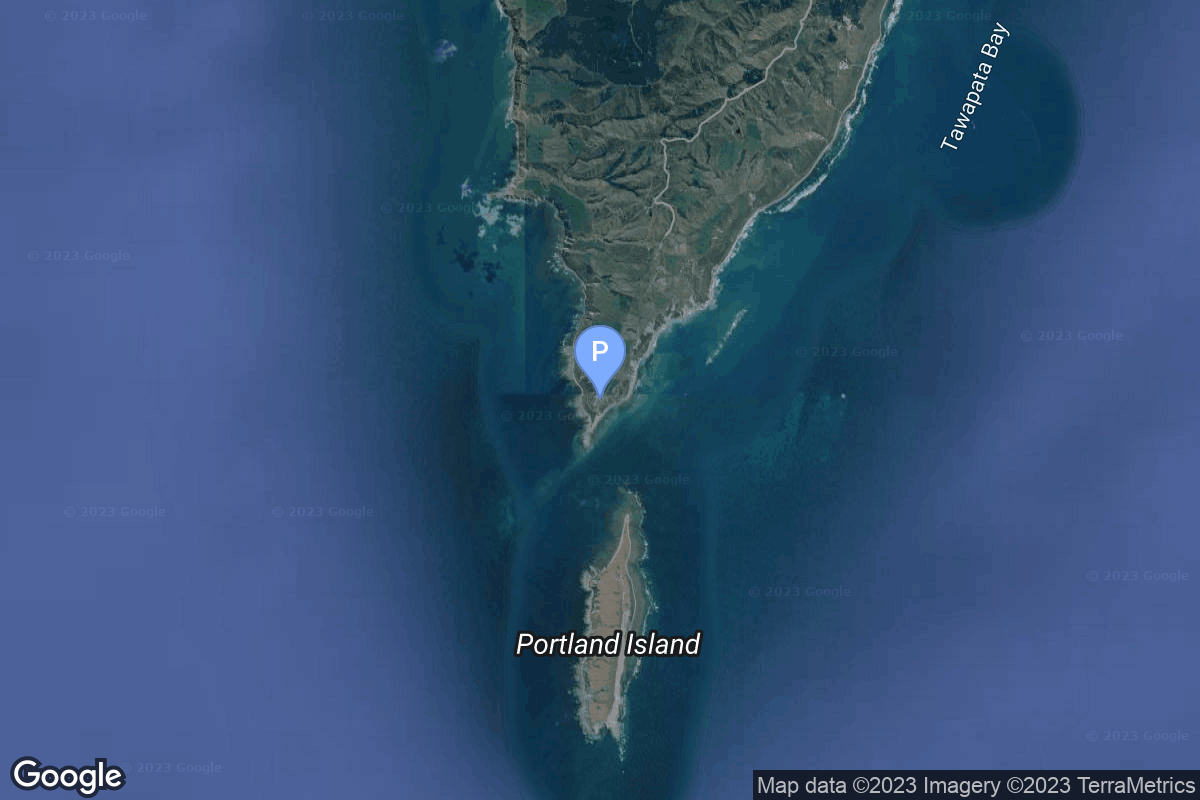
PolSIR consists of two 16-unit cubesats built by Blue Canyon Technologies that will measure the rise and fall of ice crystals in tropical clouds and how those changes affect storm development. The satellites will operate in separate orbits, each inclined at 52 degrees, allowing them to pass over the same geographic area several hours apart to observe changes throughout the day. PolSIR will launch on back-to-back Electrons from Rocket Lab’s Launch Complex 1 in New Zealand no earlier than June 2027.
TSIS-2, built by General Atomics Electromagnetic Systems, is the successor to the TSIS-1 instrument currently mounted on the exterior of the International Space Station. The spacecraft carries instruments to measure the amount of solar energy entering Earth’s atmosphere — data critical for climate and atmospheric science. TSIS-2 will launch on a single Electron from Launch Complex 1 in early 2027. The mission has shifted significantly: it was originally slated to fly on a Falcon 9 rideshare, but moved to Electron; it is now several years behind its original schedule.
The awards fall under NASA’s Venture-Class Acquisition of Dedicated and Rideshare (VADR) contract vehicle for procuring launches of small satellites. NASA has declined to disclose the financial value of the individual awards, citing proprietary information contained in the task orders.
“Electron has become synonymous with reliability, precise orbital accuracy and on-demand launch capability, and we’ve been delivering this for NASA missions for almost a decade. We’re proud to deliver this once again for PolSIR and TSIS-2,” said Peter Beck, chief executive of Rocket Lab, in a statement.
Rocket Lab also holds a separate NASA contract to launch the Aspera astrophysics smallsat mission later in 2026, and is preparing to launch LOXSAT, a mission to test cryogenic fluid management technologies for NASA’s Tipping Point programme. LOXSAT, led by Eta Space, uses a Rocket Lab Photon spacecraft and is also scheduled for later in 2026.
Citations
- “NorthStar’s $300M SPAC filing details Spire dispute, shifted launch roadmap and defence focus” — https://spaceq.ca/northstars-300m-spac-filing-details-spire-dispute-shifted-launch-roadmap-and-defence-focus/
- “MDA Space moves to build phase with $688M RADARSAT replenishment satellite contract award” — https://spaceq.ca/mda-space-moves-to-build-phase-with-688m-radarsat-replenishment-satellite-contract-award/
- “Rocket Lab wins NASA award for three Electron launches” — https://spacenews.com/rocket-lab-wins-nasa-award-for-three-electron-launches/
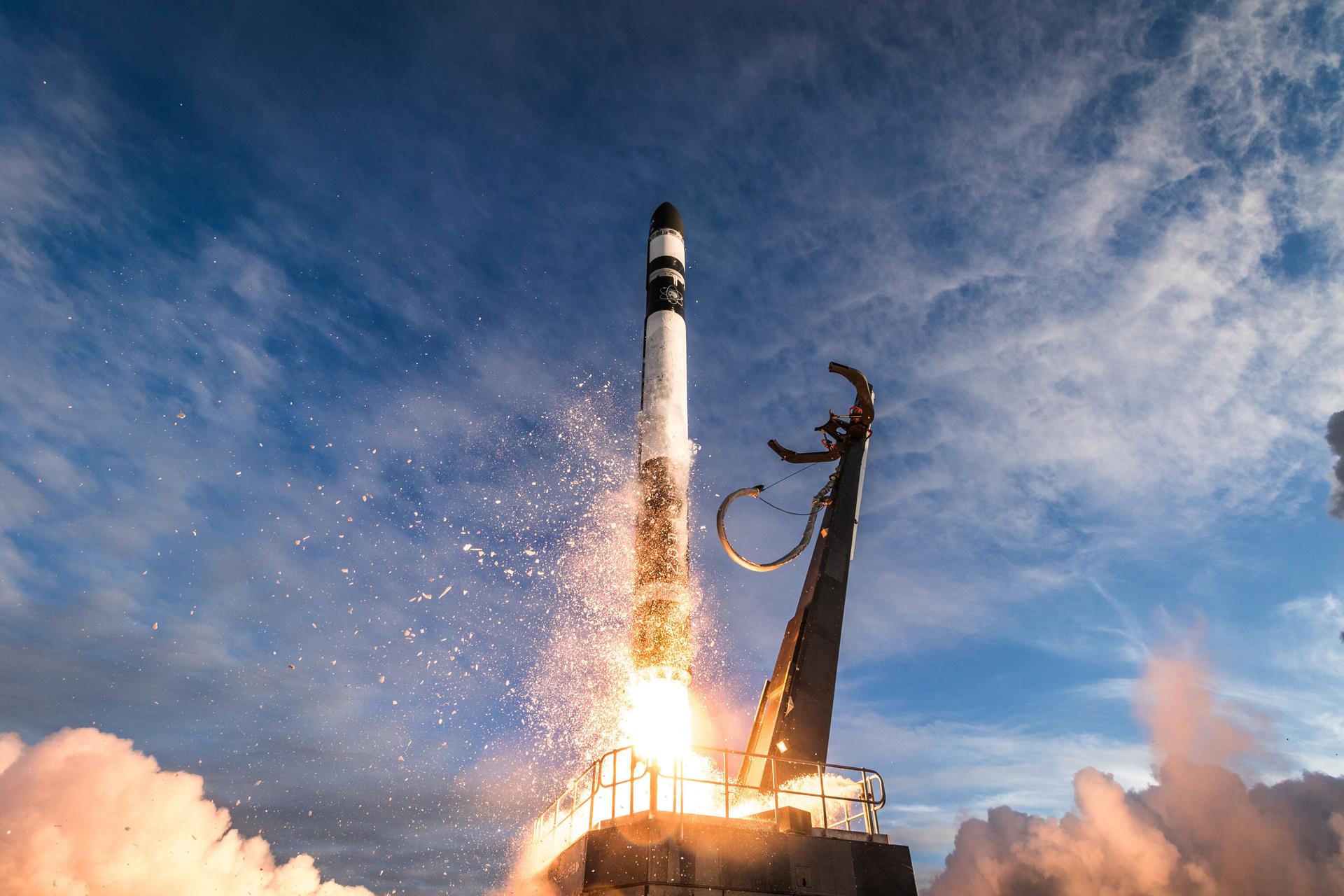
Ten Owl Of Ten (StriX Launch 10)
Provider: Rocket Lab
Date: June 26, 2026
Time: 4:45 PM UTC
Vehicle: Electron
Synthetic aperture radar satellite for Japanese Earth imaging company Synspective.

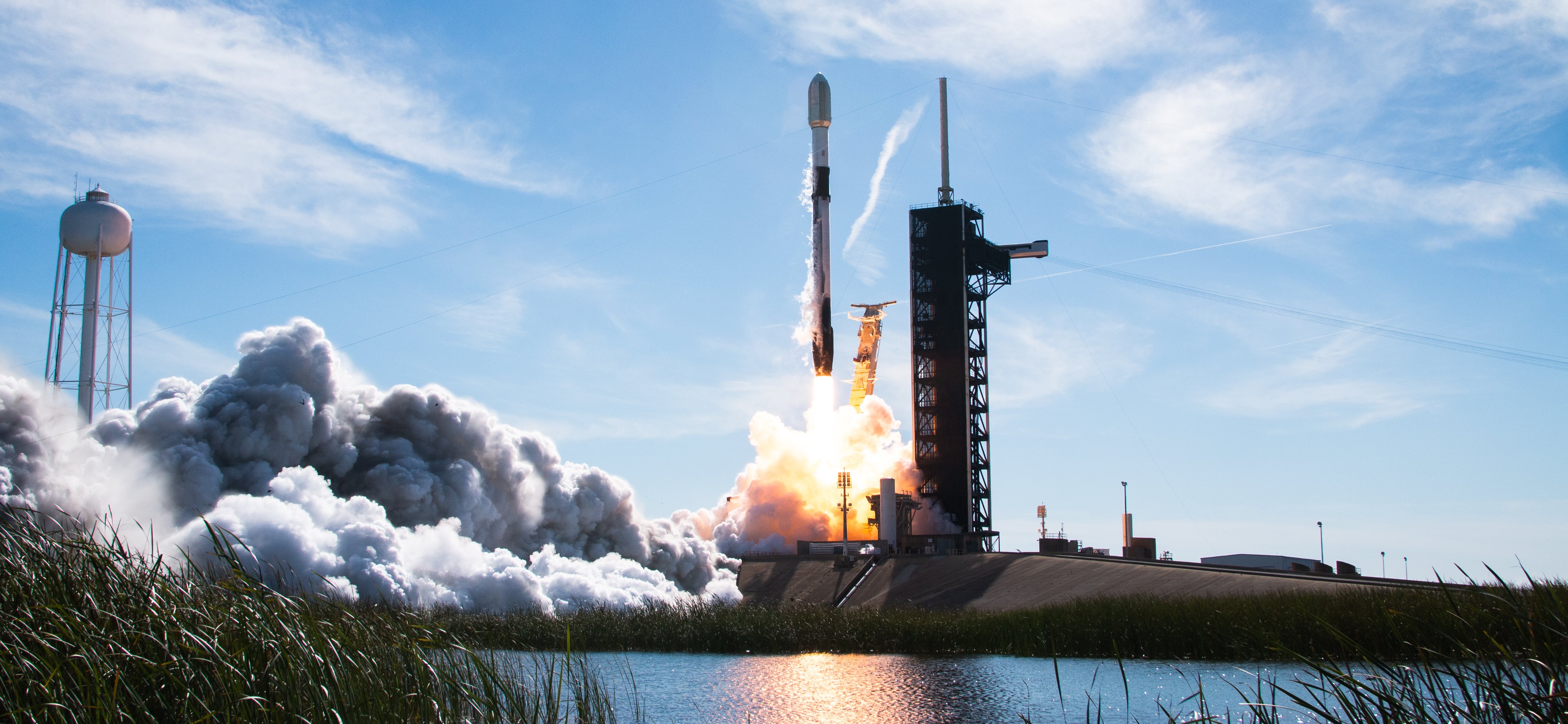
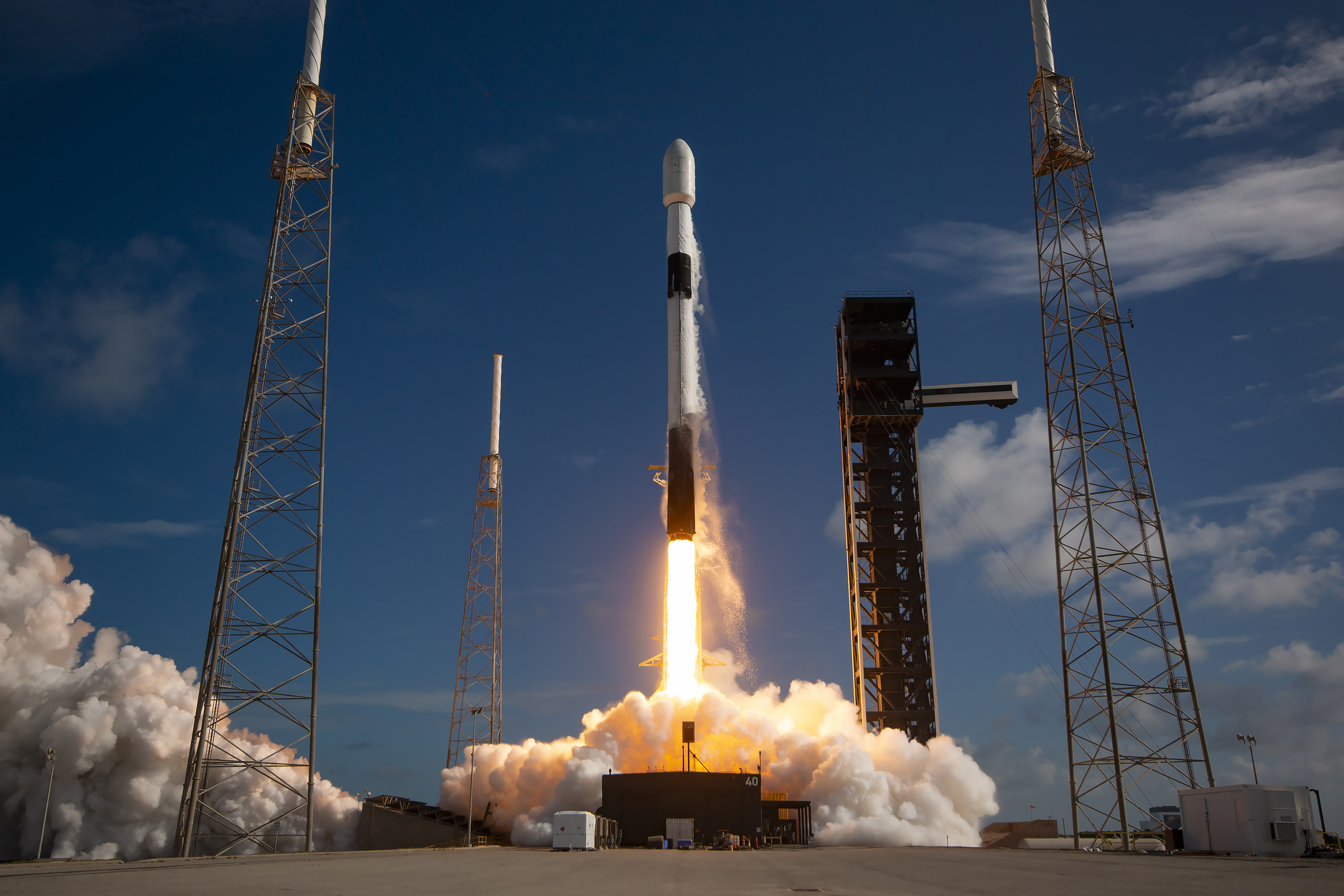
Starlink Group 17-40
Provider: SpaceX
Date: June 28, 2026
Time: 2:00 PM UTC
Vehicle: Falcon 9
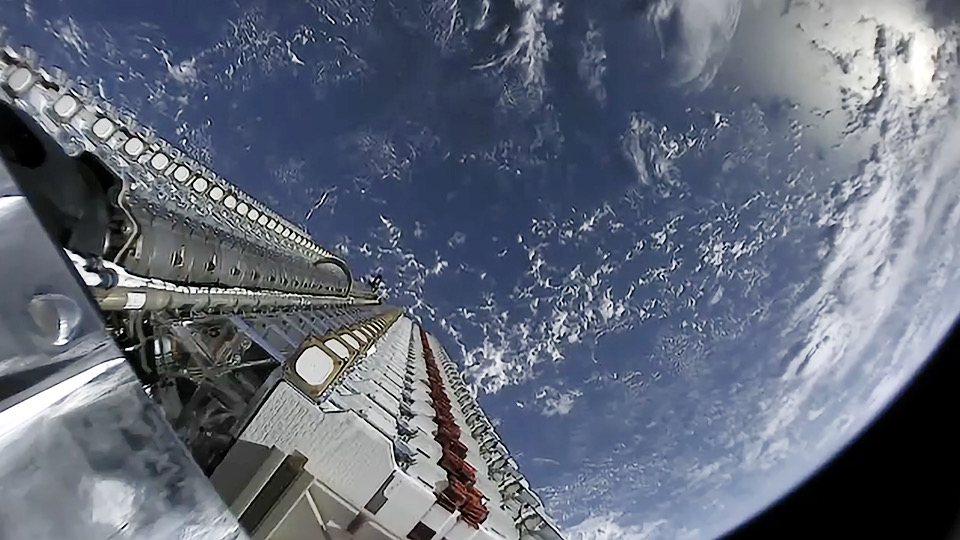
A batch of 24 satellites for the Starlink mega-constellation – SpaceX’s project for space-based Internet communication system.
Sirius SXM-11
Provider: SpaceX
Date: June 29, 2026
Time: 2:25 AM UTC
Vehicle: Falcon 9
SXM-11 is the 12th high-powered, digital, audio radio satellite built by Lanteris Space (ex-Maxar, Space System/Loral) for SiriusXM. The SXM-11 satellite will be based on the proven IM-1300 (ex-LS-1300)-class platform and built at the company’s manufacturing facility in Palo Alto, California. SXM-11 has a large, mesh, unfurlable reflector almost 10 meters in diameter that allows SiriusXM programming to reach its radios, including those in moving vehicles.
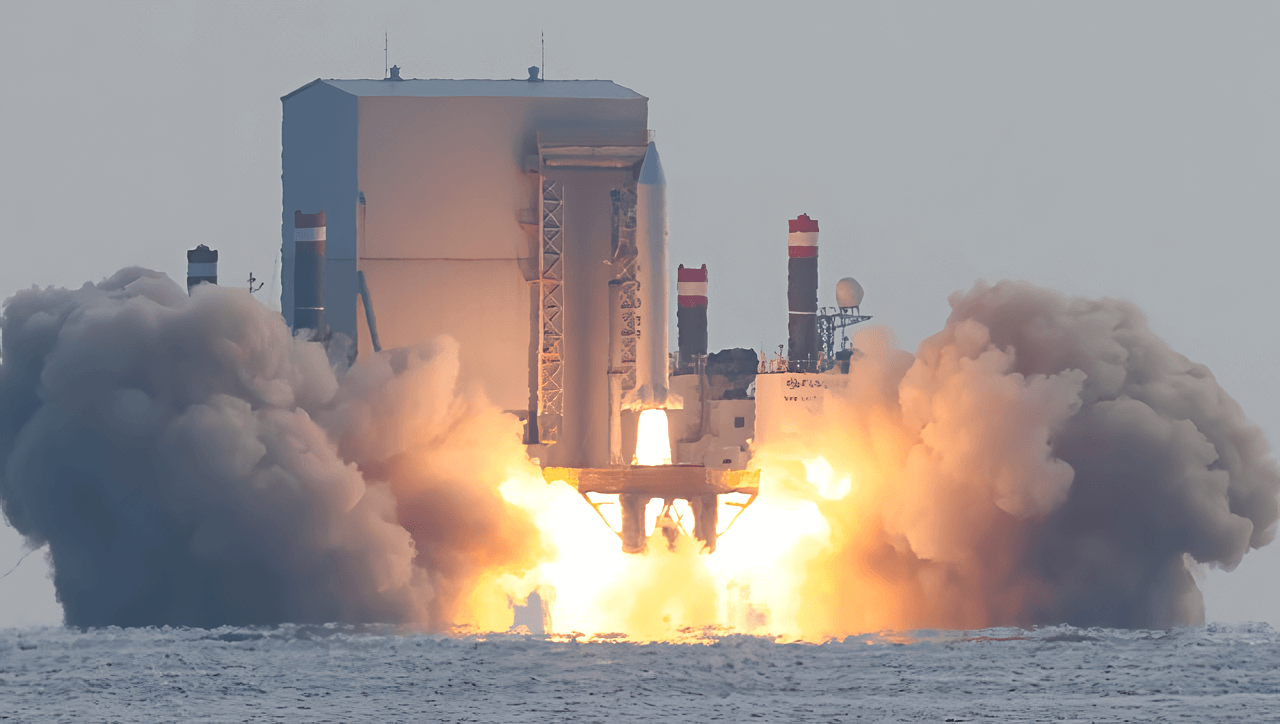
Demo Flight
Provider: Agency for Defense Development
Date: June 29, 2026
Time: 5:00 AM UTC
Vehicle: South Korean ADD Solid-Fuel SLV
Note: Launch vehicle name is provisional.
First orbital full version launch of the South Korean military small satellite launch vehicle, after 2 sub-orbital tests of individual stages on 30 March and 30 December 2022, and 1 orbital test flight without the 2nd stage on 4 December 2023. Details TBD.
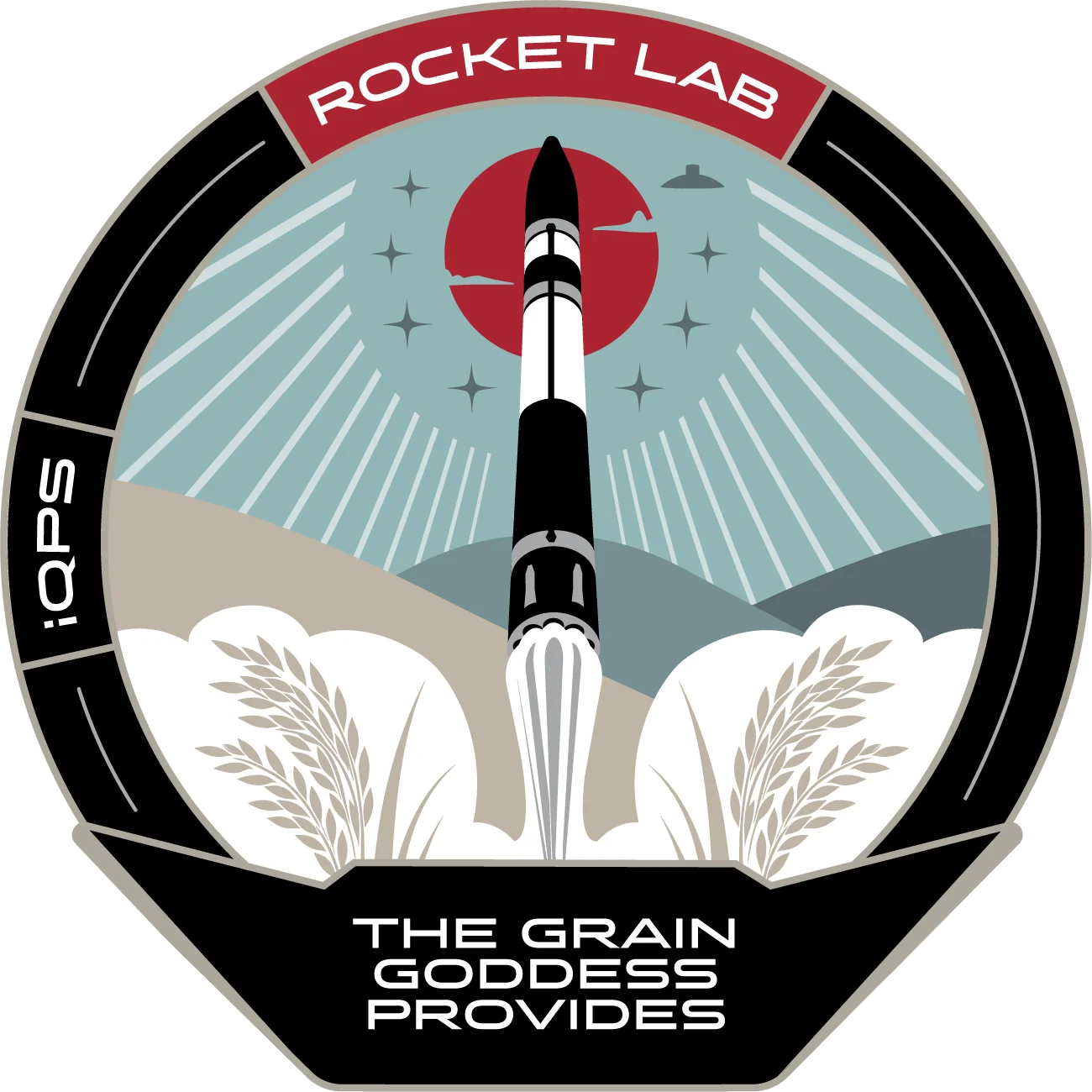
The Grain Goddess Provides (iQPS Launch 7)
Provider: Rocket Lab
Date: June 30, 2026
Time: 12:00 AM UTC
Vehicle: Electron
Synthetic aperture radar Earth observation satellite for Japanese Earth imaging company iQPS.




Enjoying the content? Stay up to date on everything happening behind the scenes by following our Patreon!

