CSA Funds $50K Grants to Strengthen Space Sector Diversity
The Canadian Space Agency is tackling a talent bottleneck in the space sector by funding grassroots diversity initiatives. The agency’s Increasing Equity, Diversity and Inclusion (EDI) in the Canadian Space Sector program is offering grants of up to $50,000 to Canadian post-secondary institutions and not-for-profit organizations, targeting projects that reach underrepresented groups in space-related training and mentorship.
The need is documented and urgent. Women make up 31% of Canada’s current space workforce, while visible minorities, Indigenous Peoples, and people living with disabilities face even steeper underrepresentation. With thousands of high-tech jobs expected to open over the next decade, the CSA is betting that seeding targeted programming directly within underrepresented communities is more effective than waiting for traditional corporate hiring pipelines to shift.
Past results suggest the strategy works. A previous grant recipient, the Pulsar Institute’s “Career LaunchPad” program, set out to reach 50 students but successfully engaged over 200 participants across Canada. Of those, 85% identified with one or more underrepresented groups. The funding covered intensive learning sessions and an in-person networking workshop. For many participants, it was the first time they had met someone with their shared background working in aerospace — a connection that transforms abstract interest into tangible career pathways.
Applications for Cycle 6 are now open, with a deadline of September 16, 2026. Approved projects will launch late this year, providing a direct mechanism to translate interest in space into career-ready skills.
Canadian Satellite Company Wyvern Joins NASA Earth Observation Program
NASA has selected Wyvern, a Canadian Earth observation company, for its Commercial Satellite Data Acquisition (CSDA) program. The contract carries a maximum cumulative value of $476 million USD through November 2028, and Wyvern is notably the first pre-Series A company admitted to the program.
Wyvern’s satellites use hyperspectral visible and near-infrared sensors that capture light across many narrow bands — revealing chemical and physical signatures invisible to standard cameras. This capability is valuable for environmental monitoring, agriculture, and public safety applications. Being selected by NASA validates Wyvern’s hardware and data pipeline early in its lifecycle and opens access to NASA’s Earth science community.
Wyvern is the second Canadian company in the CSDA program, joining GHGSat, which specializes in greenhouse gas emissions monitoring. Under the new contract phase, GHGSat will provide updated data products alongside established vendors like Airbus, Planet Labs, and ICEYE. Authorized users can search, task, and download acquired imagery through NASA’s web-based data discovery tool.
ESA Opens Technology Development Pipeline to Canadian Innovators
The Canadian Space Agency is calling on domestic organizations to express interest in the European Space Agency’s General Support Technology Program (GSTP) for the 2026–2028 cycle. The initiative is designed to mature space technologies, build specialized components, and develop test beds for future missions.
The current survey focuses on the “Develop” phase, which supports early maturation of systems and engineering tools — similar in function to the CSA’s own Space Technology Development Program but operating on a global scale. Technical domains available for Canadian participation include onboard data systems, spacecraft electrical power, optoelectronics, RF payloads, and quantum-resistant cryptography. A targeted initiative also addresses cybersecurity products for space systems protection, an area of growing importance as space infrastructure becomes more vulnerable to digital threats.
Technology development activities under this baseline receive 100% funding. Canadian entities must be registered in the ESA procurement portal and can signal interest in up to five specific activities. The submission requires organizations to detail the market potential of their proposed hardware or software and explain how the project will enhance their technical expertise. All entities that submit will receive notifications about which activities the CSA selects for Canadian eligibility. The deadline for expressing interest is July 1, 2026.
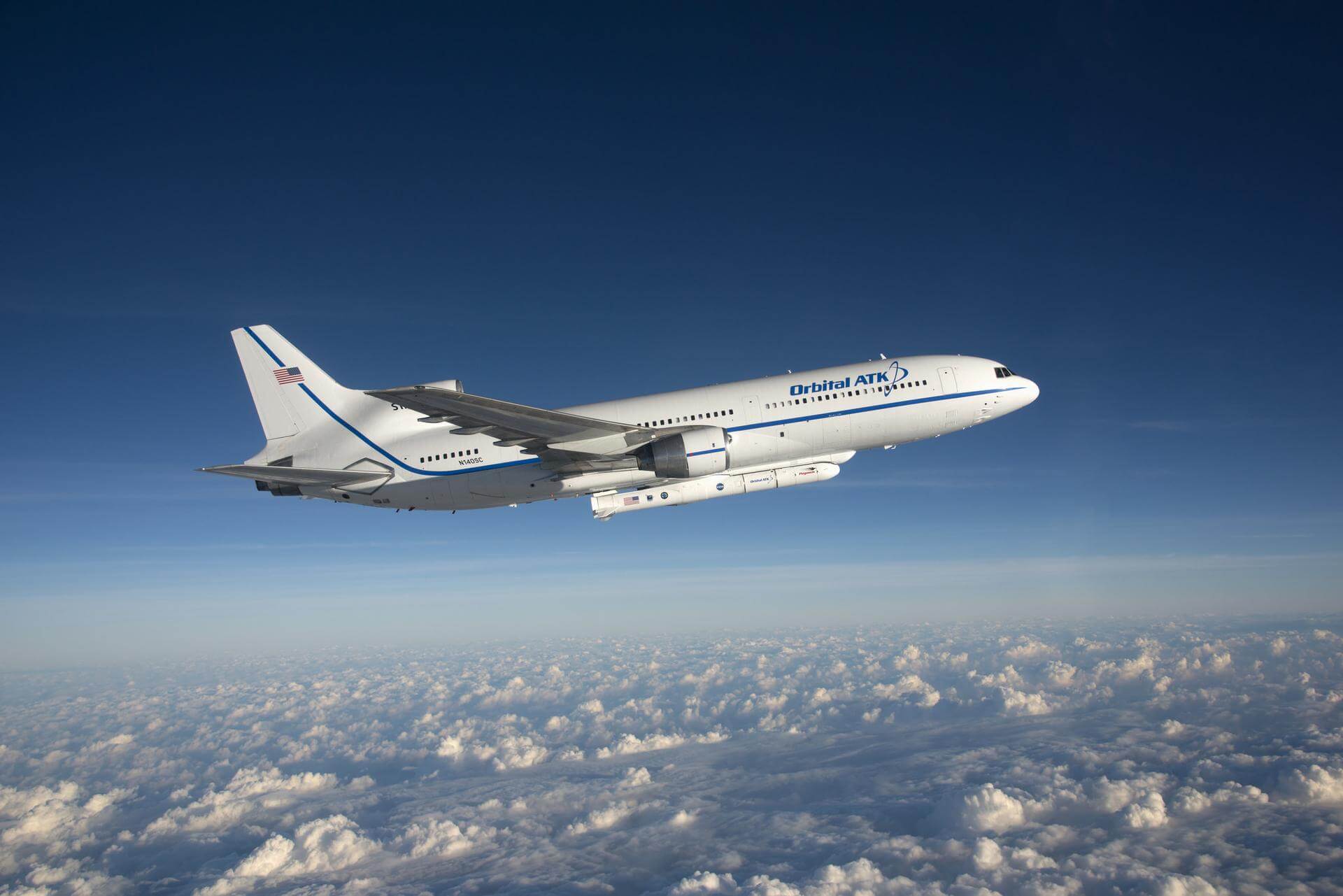
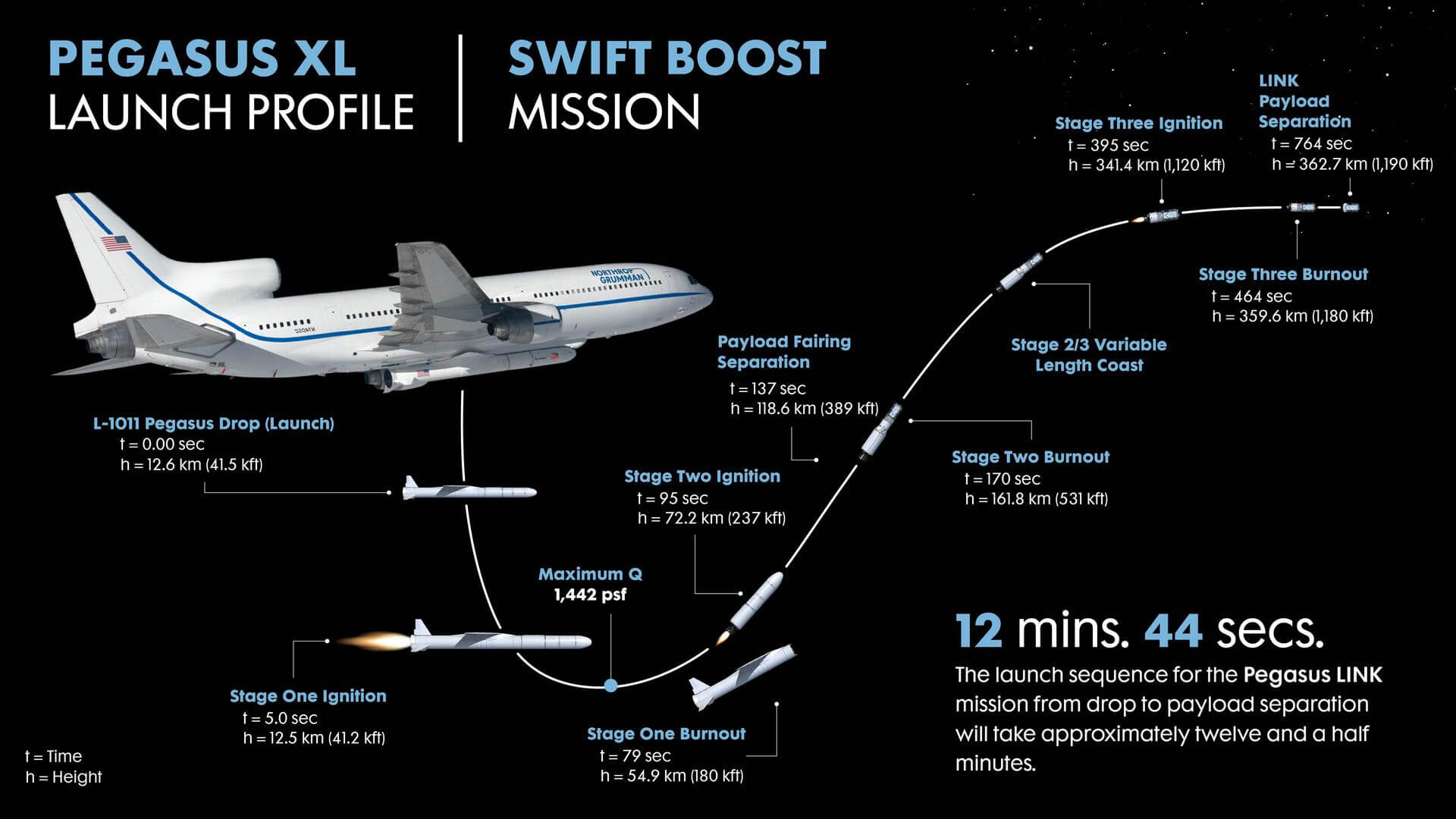
Provider: Northrop Grumman Space Systems Date: June 27, 2026 Time: 9:00 AM UTC Vehicle: Pegasus XL
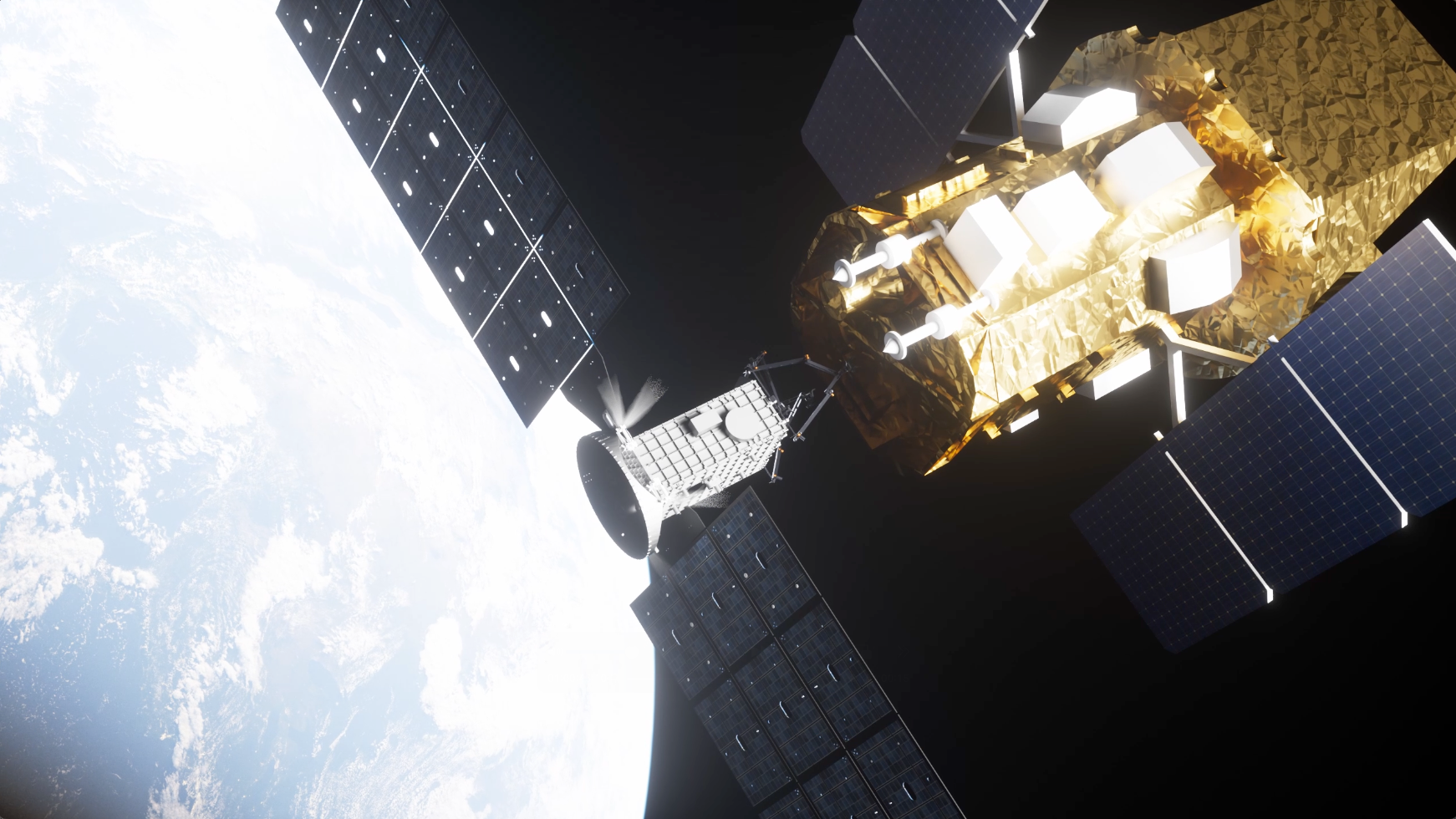
Contracted by NASA under the Small Business Innovation Research Phase 3 contract, Katalyst Space Technologies’ LINK servicing spacecraft will rendezvous and attach to NASA’s Neil Gehrels Swift Observatory to re-boost its orbit. This aims to demonstrate a key capability for the future of space exploration and extending the Swift mission’s science lifetime in gamma ray astronomy.
Starlink Group 17-40
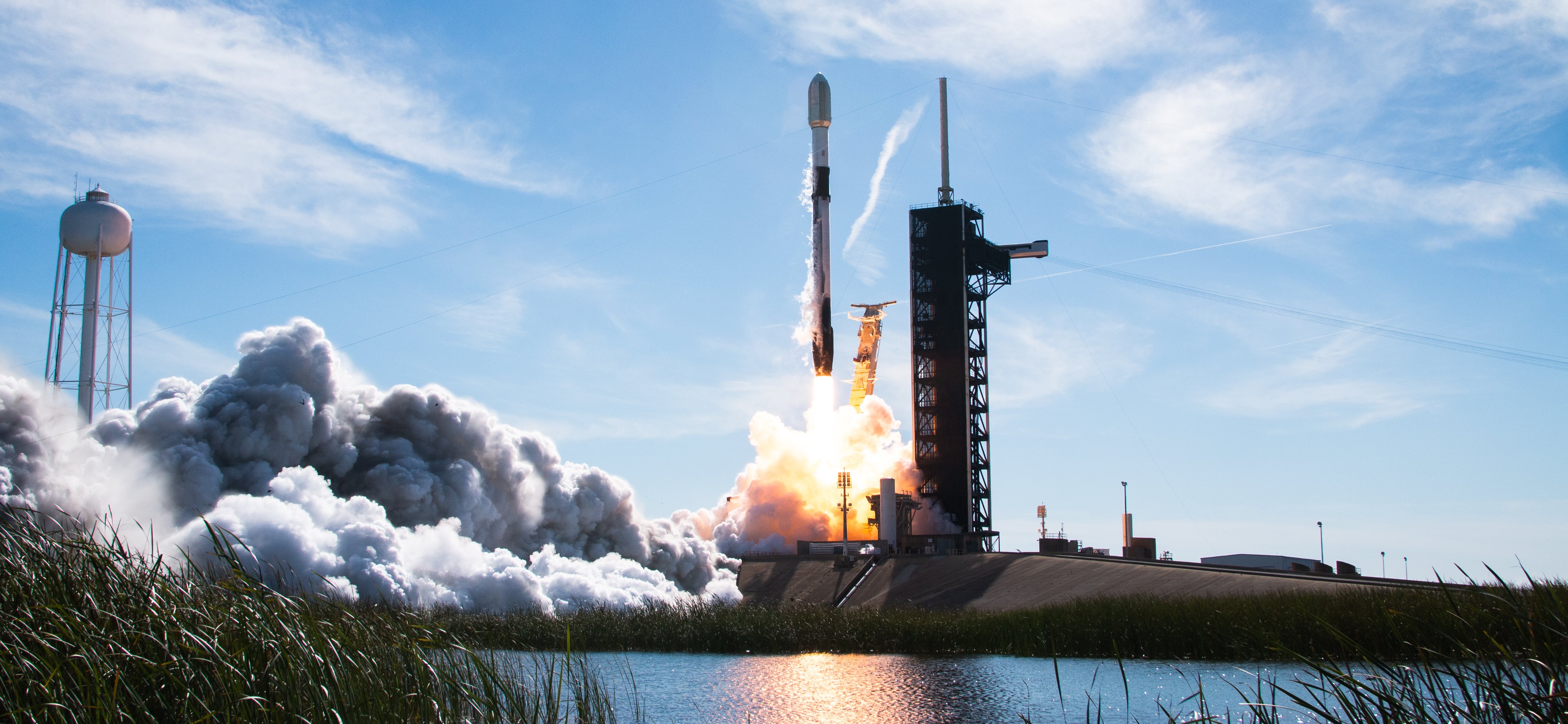
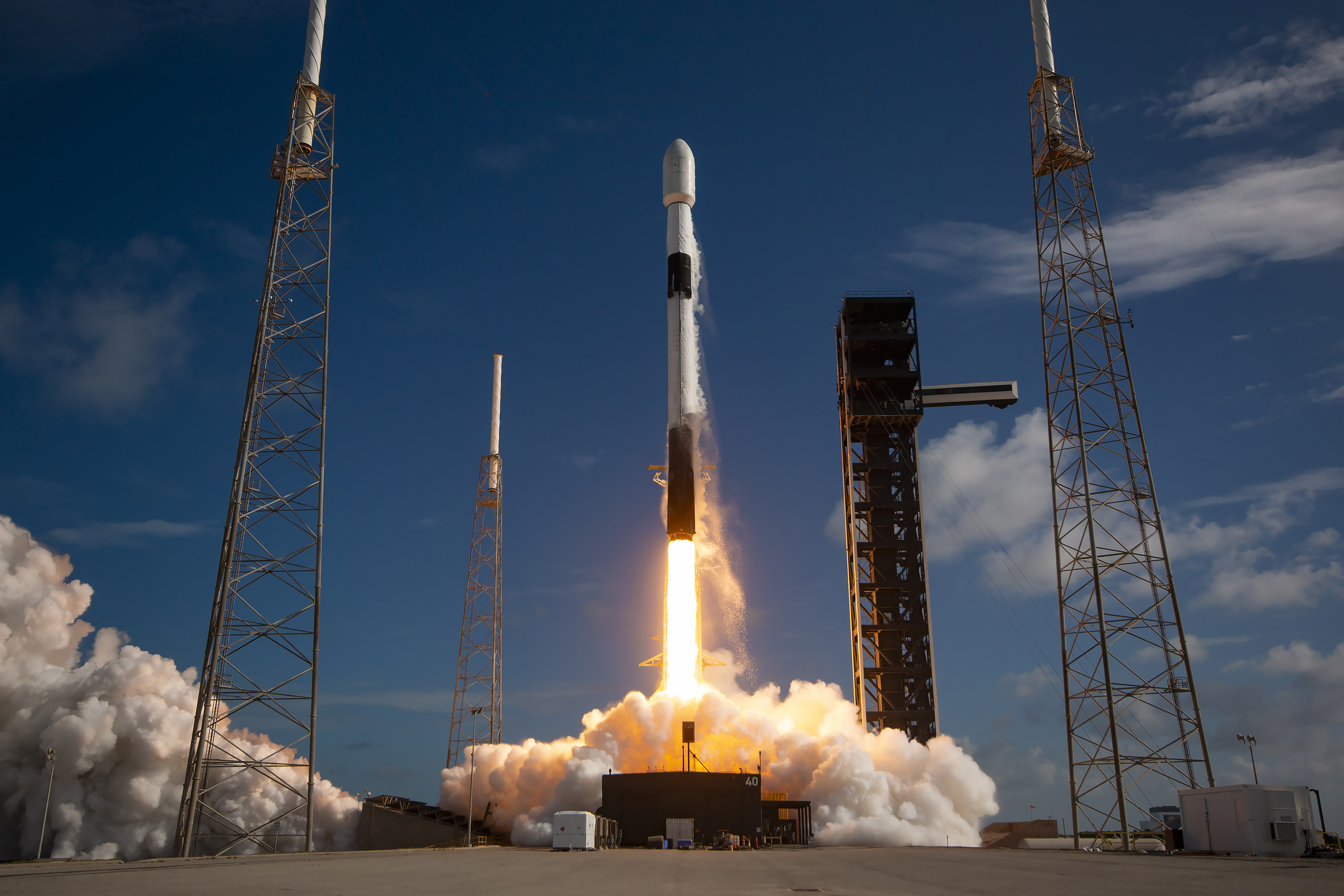
Provider: SpaceX Date: June 28, 2026 Time: 2:00 PM UTC Vehicle: Falcon 9
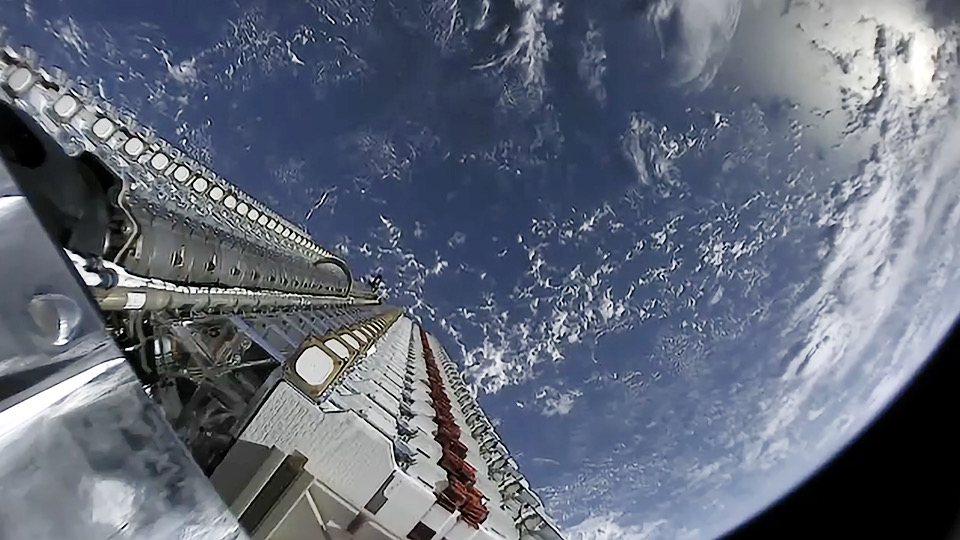
A batch of 24 satellites for the Starlink mega-constellation – SpaceX’s project for space-based Internet communication system.
Sirius SXM-11
Provider: SpaceX Date: June 29, 2026 Time: 2:25 AM UTC Vehicle: Falcon 9
SXM-11 is the 12th high-powered, digital, audio radio satellite built by Lanteris Space (ex-Maxar, Space System/Loral) for SiriusXM. The SXM-11 satellite will be based on the proven IM-1300 (ex-LS-1300)-class platform and built at the company’s manufacturing facility in Palo Alto, California. SXM-11 has a large, mesh, unfurlable reflector almost 10 meters in diameter that allows SiriusXM programming to reach its radios, including those in moving vehicles.
Demo Flight
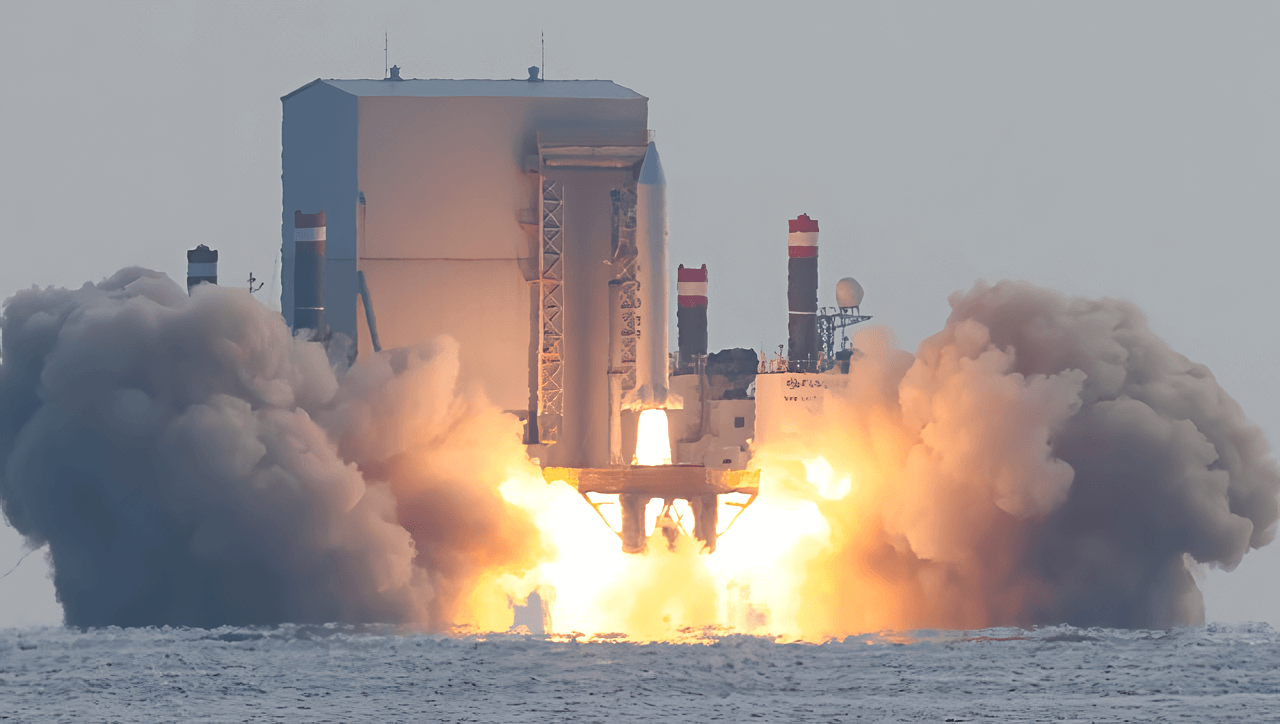
Provider: Agency for Defense Development Date: June 29, 2026 Time: 5:00 AM UTC Vehicle: South Korean ADD Solid-Fuel SLV
Note: Launch vehicle name is provisional.
First orbital full version launch of the South Korean military small satellite launch vehicle, after 2 sub-orbital tests of individual stages on 30 March and 30 December 2022, and 1 orbital test flight without the 2nd stage on 4 December 2023. Details TBD.
Ten Owl Of Ten (StriX Launch 10)
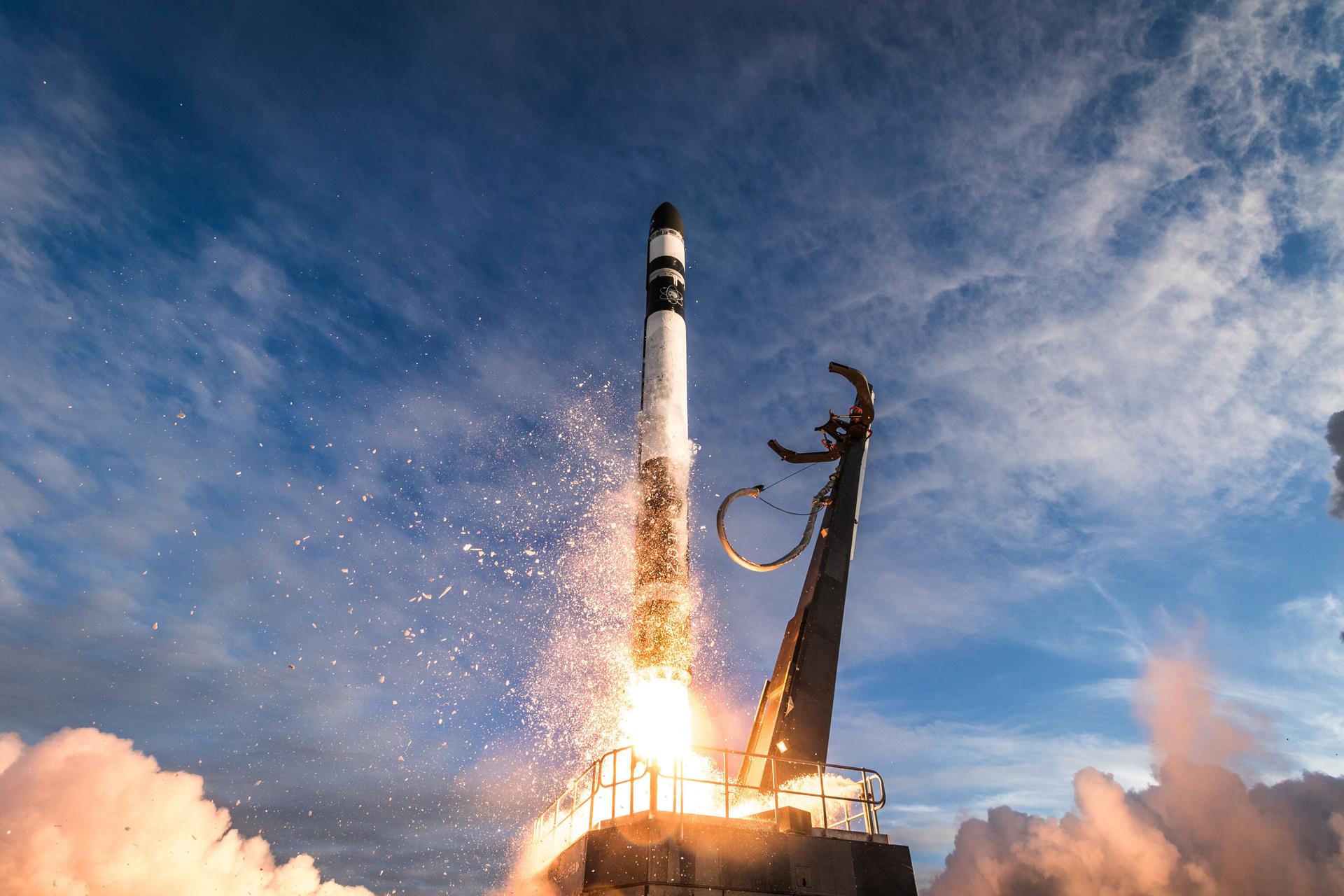
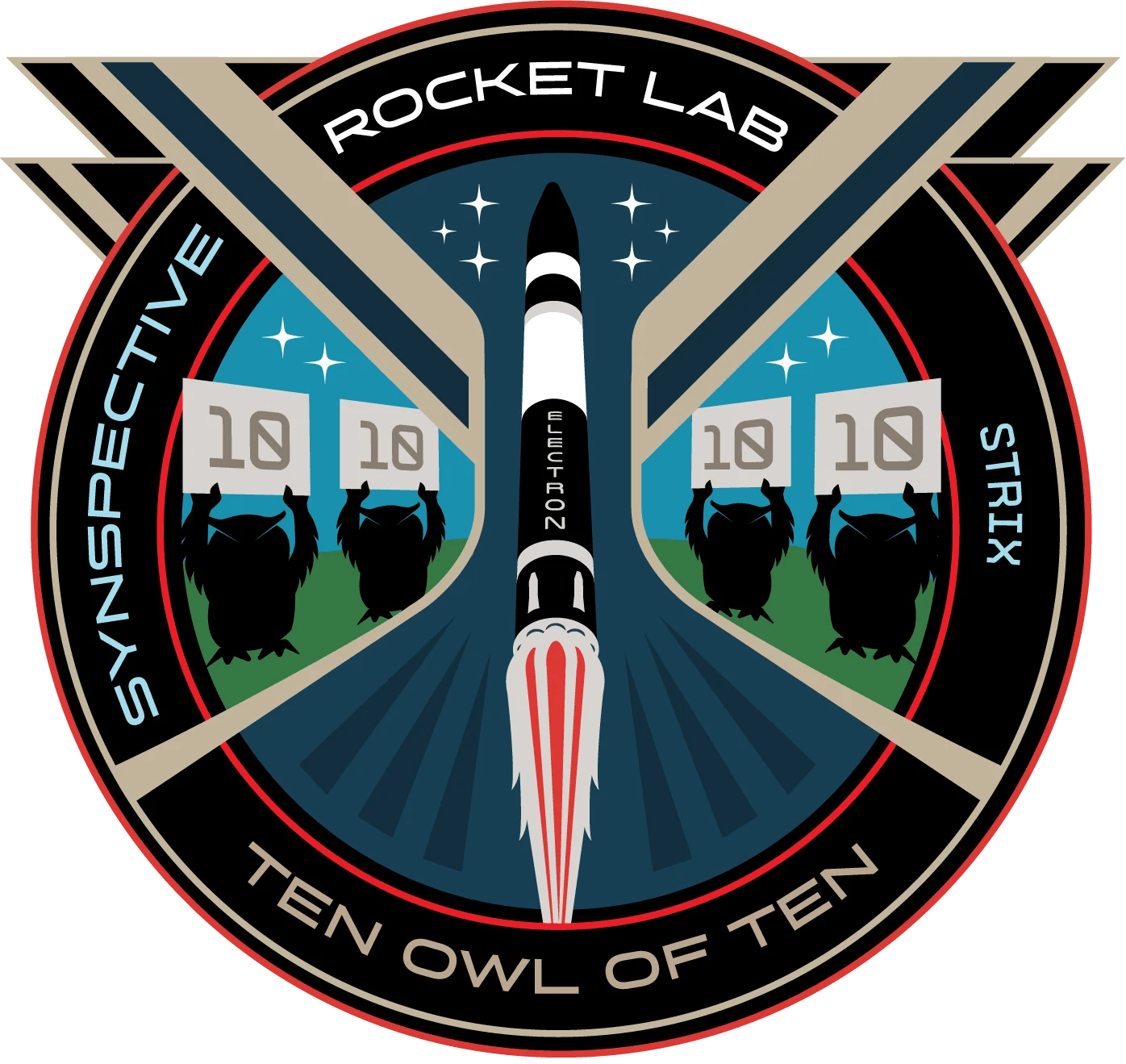
Provider: Rocket Lab Date: June 30, 2026 Time: 12:00 AM UTC Vehicle: Electron
Synthetic aperture radar satellite for Japanese Earth imaging company Synspective.
Swift Boost Mission ×
Mission Details
TypeMission Extension
OrbitLow Earth Orbit
TargetEarth
Contracted by NASA under the Small Business Innovation Research Phase 3 contract, Katalyst Space Technologies’ LINK servicing spacecraft will rendezvous and attach to NASA’s Neil Gehrels Swift Observatory to re-boost its orbit. This aims to demonstrate a key capability for the future of space exploration and extending the Swift mission’s science lifetime in gamma ray astronomy.
Agencies Involved
• Katalyst Space (Private)
• National Aeronautics and Space Administration (Government)
Payload: LINK
TypeIn-Orbit Servicing
Mass400 kg
DestinationSwift
Quantity1
ManufacturerKatalyst Space
OperatorKatalyst Space
Spacecraft designed, built and operated by Katalyst Space as part of the Swift rescue mission
The Pegasus is an air-launched rocket developed by Orbital Sciences Corporation (now part of Northrop Grumman Innovation Systems). Capable of carrying small payloads of up to 443 kilograms (977 lb) into low Earth orbit, the vehicle consists of three solid propellant stages and an optional…
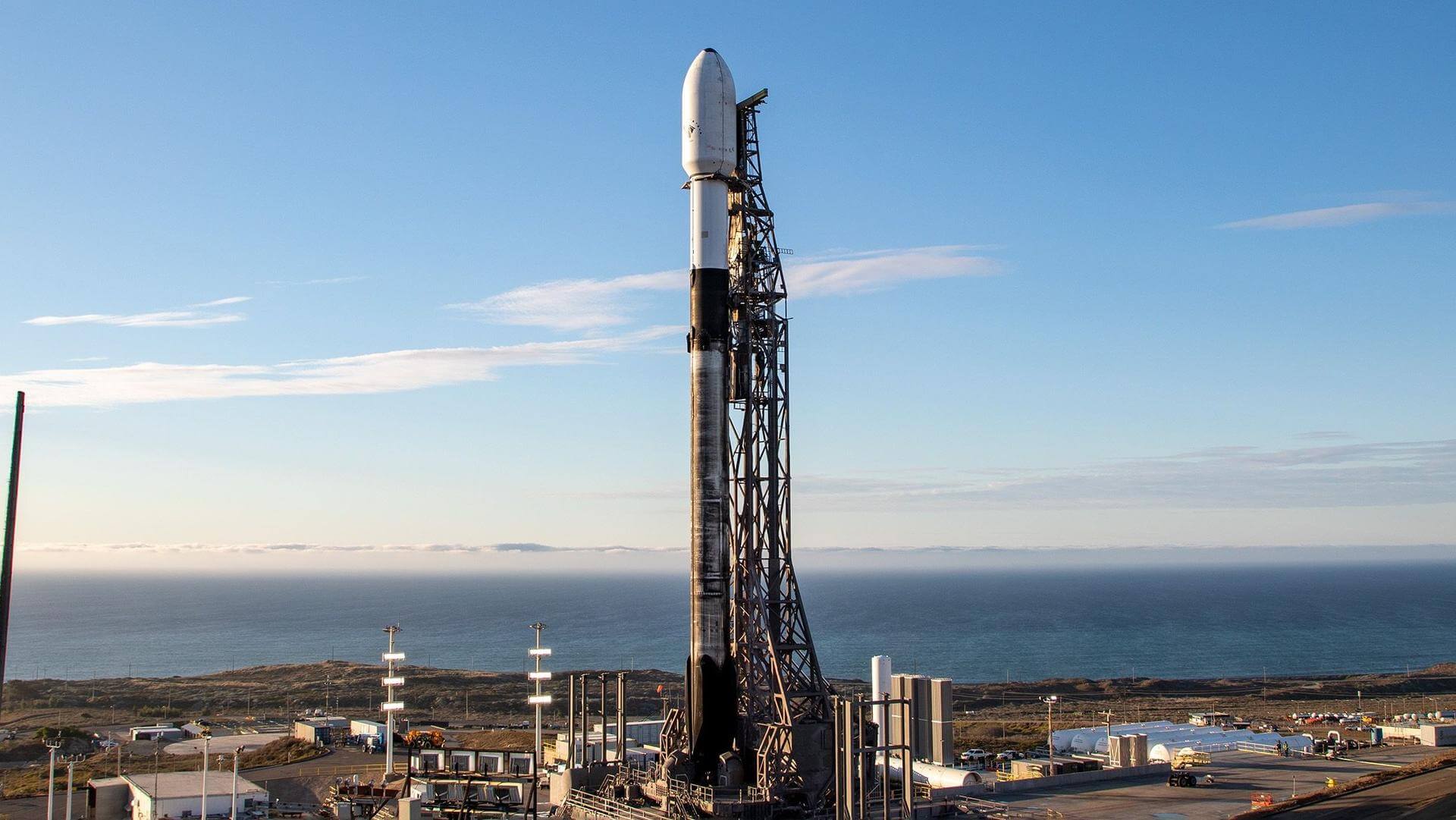
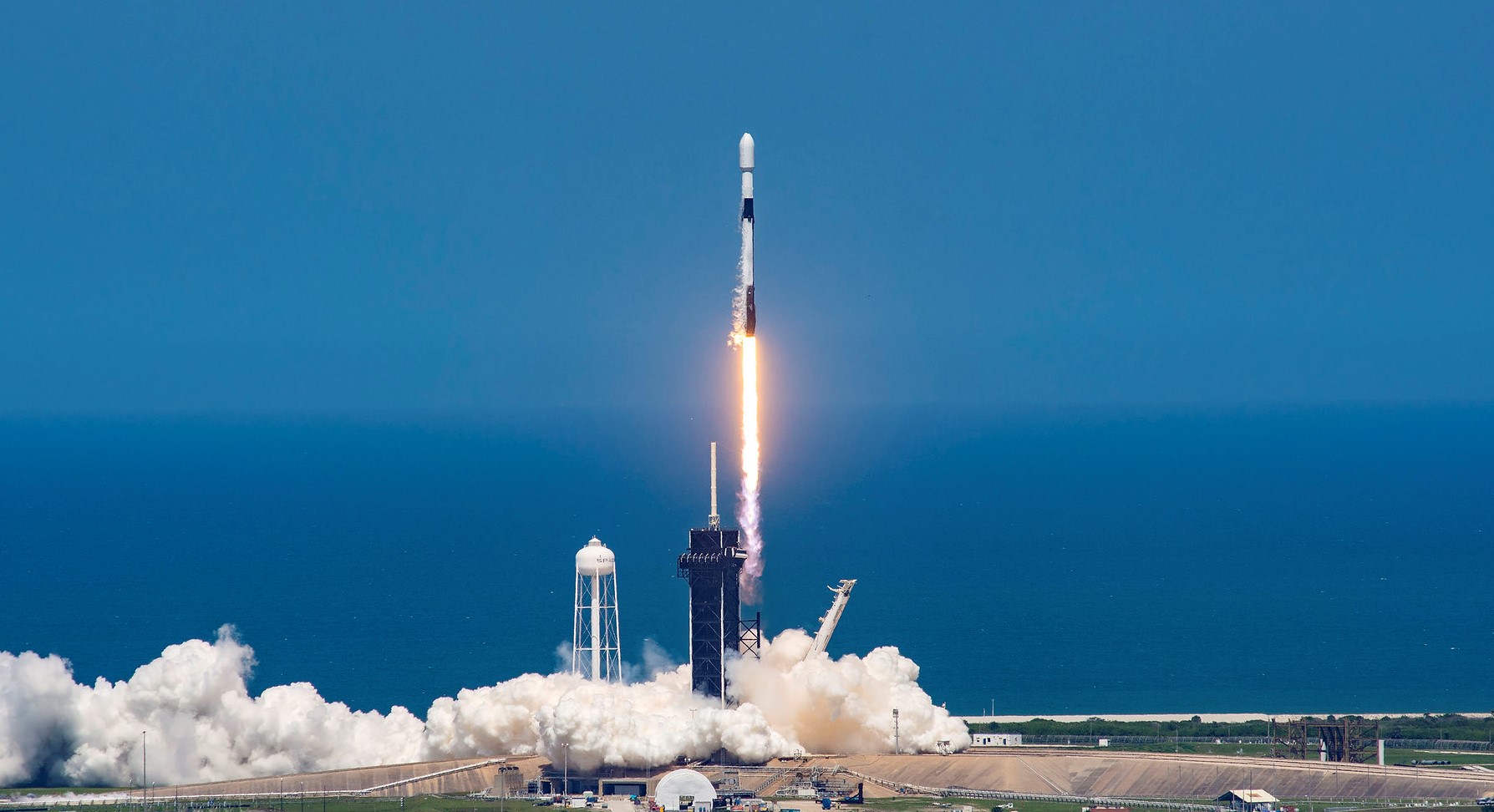
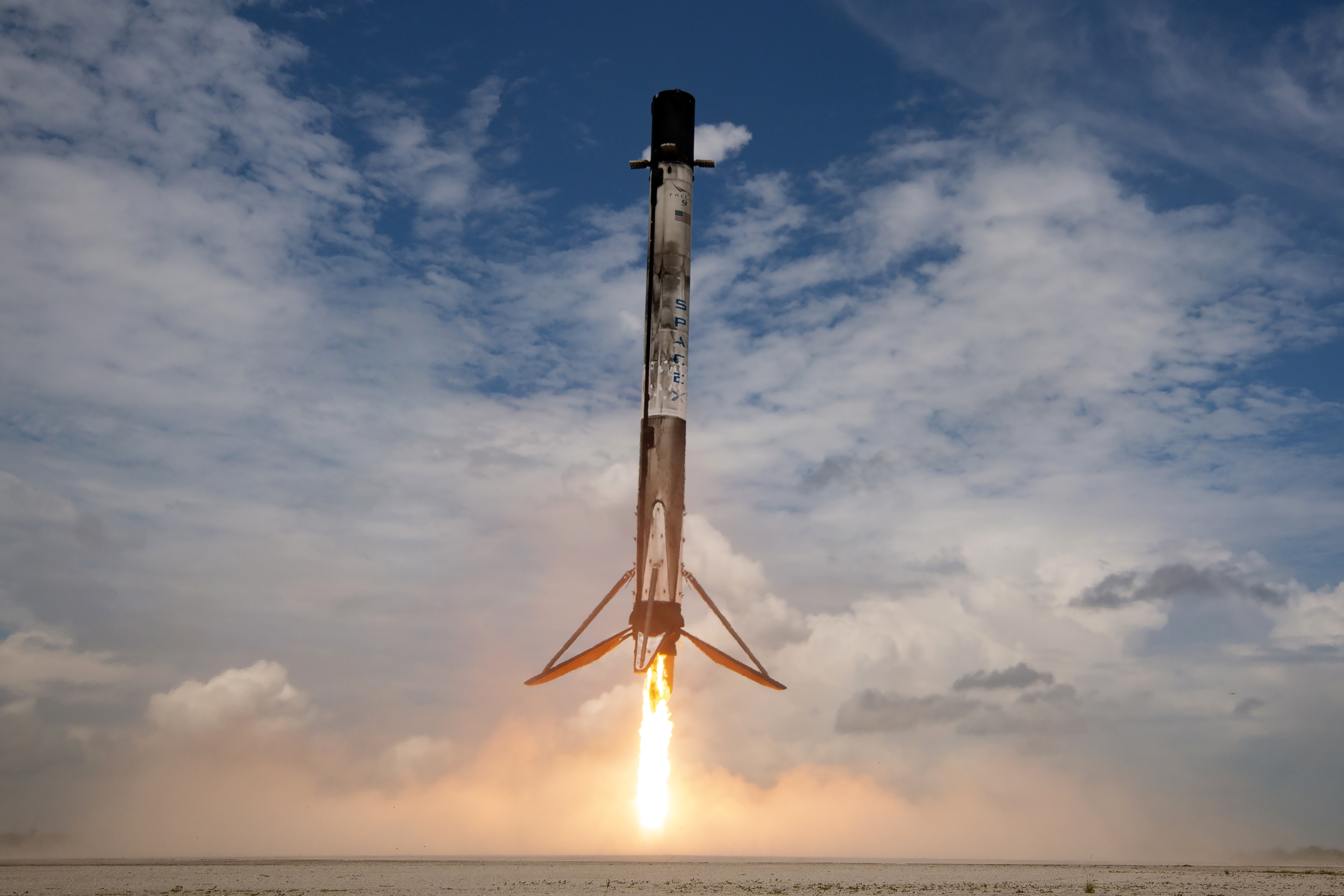
Falcon 9 is a two-stage rocket designed and manufactured by SpaceX for the reliable and safe transport of satellites and the Dragon spacecraft into orbit. The Block 5 variant is the fifth major interval aimed at improving upon the ability for rapid reusability.
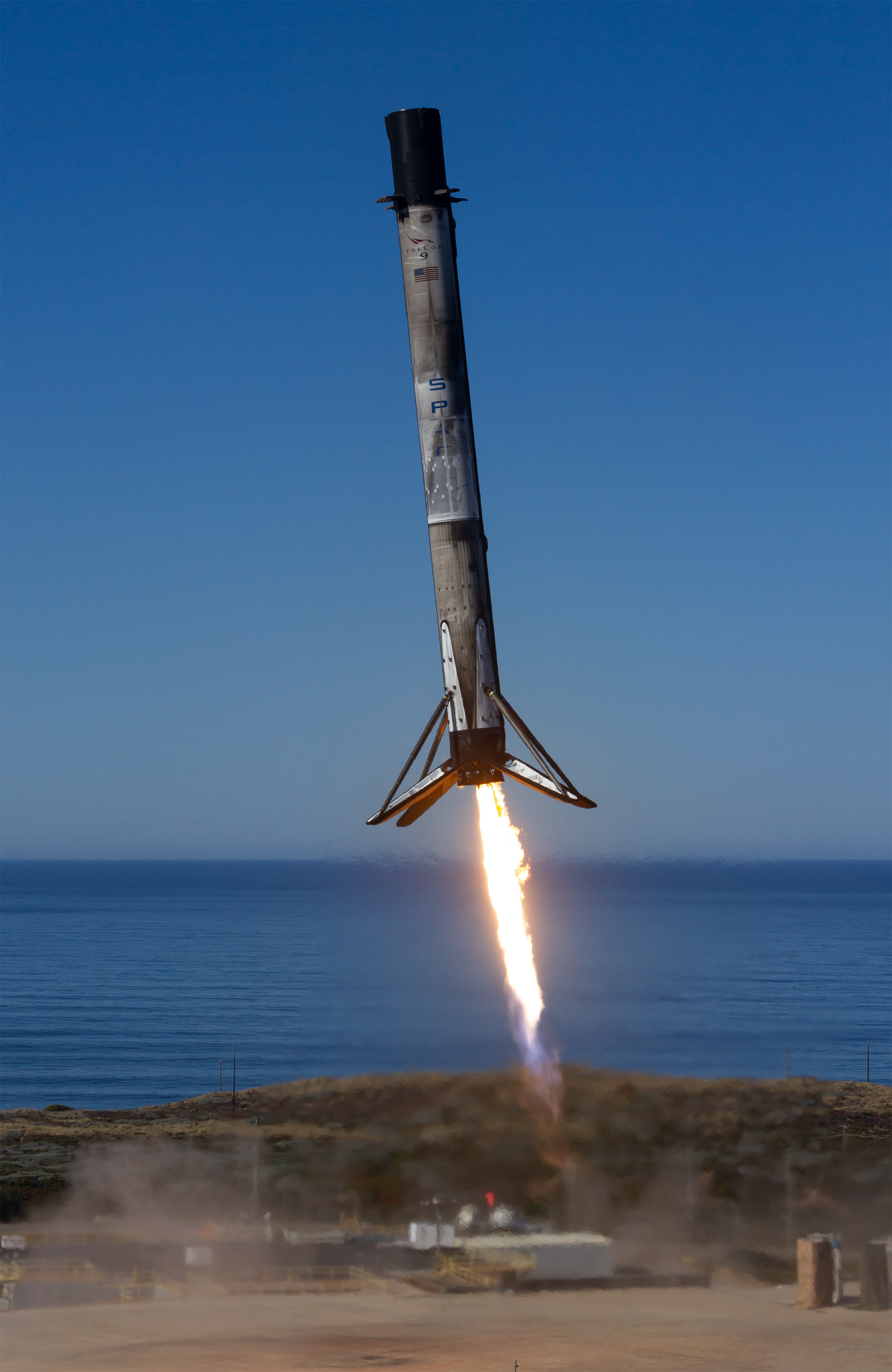
The Falcon 9 first stage B1088 will land on ASDS OCISLY after its 17th flight.
Sirius SXM-11 ×
Mission Details
TypeCommunications
OrbitGeostationary Transfer Orbit
TargetEarth
SXM-11 is the 12th high-powered, digital, audio radio satellite built by Lanteris Space (ex-Maxar, Space System/Loral) for SiriusXM. The SXM-11 satellite will be based on the proven IM-1300 (ex-LS-1300)-class platform and built at the company’s manufacturing facility in Palo Alto, California. SXM-11 has a large, mesh, unfurlable reflector almost 10 meters in diameter that allows SiriusXM programming to reach its radios, including those in moving vehicles.
Falcon 9 is a two-stage rocket designed and manufactured by SpaceX for the reliable and safe transport of satellites and the Dragon spacecraft into orbit. The Block 5 variant is the fifth major interval aimed at improving upon the ability for rapid reusability.
The Falcon 9 first stage B1085 will land on ASDS ASOG after its 17th flight.
Demo Flight ×
Mission Details
TypeTest Flight
OrbitLow Earth Orbit
TargetEarth
Note: Launch vehicle name is provisional.
First orbital full version launch of the South Korean military small satellite launch vehicle, after 2 sub-orbital tests of individual stages on 30 March and 30 December 2022, and 1 orbital test flight without the 2nd stage on 4 December 2023. Details TBD.
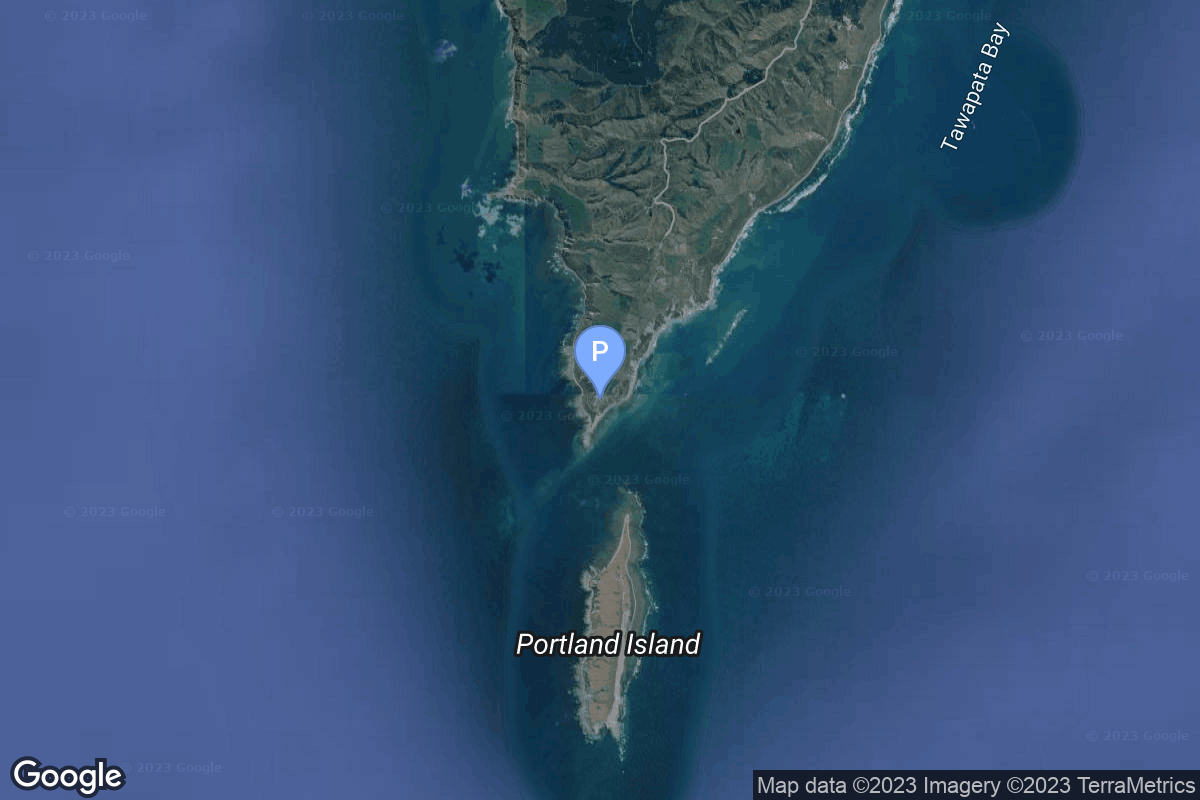
Rocket Lab Launch Complex 1, Mahia Peninsula, New Zealand
Total launches from this pad: 0
Vehicle: Electron
Electron is a two-stage orbital expendable launch vehicle (with an optional third stage) developed by the American aerospace company Rocket Lab. Electron is a small-lift launch vehicle designed to launch small satellites and cubesats to sun-synchronous orbit and low earth orbit. The Electron is the…
Robo Chris is a collection of API calls, filters, and searches, bolted together with magic and love. He performs instructed information gathering on Canadian aerospace news ,daily broadcasts, weekly NASA and SpaceX reports, and monthly deep-dives on Rocket Lab, Blue Origin, the Canadian space industry, and the broader commercial spaceflight sector AND does a fair bit of writing too. Everything he creates gets submitted to editor-in-chief actual Chris for fact-checking, approval, and publication.