
The Daily Broadcast: Parliament Disrupts CSA Briefing; SpaceX Raises $75 Billion IPO

Canadian Space Agency Grounded by Parliamentary Dysfunction
Canada’s top space officials prepared for a straightforward parliamentary committee appearance on May 25, ready to discuss the state of the nation’s space sector. Canadian Space Agency President Lisa Campbell and her executive team arrived at the House of Commons Standing Committee on Science and Research with concrete data on Canada’s programmes—including the reset of the critical WildFireSat climate-monitoring satellite mission, Canada’s participation in NASA’s Artemis II programme, and the sector’s growing economic contribution ($3.8 billion to GDP, supporting 28,000 jobs).
Instead, the briefing became a masterclass in parliamentary distraction. Conservative MPs quickly abandoned the CSA’s prepared agenda, pivoting instead to Spaceport Nova Scotia—a $200 million, five-year defence project that falls entirely outside the agency’s mandate. Opposition members repeatedly demanded to know why the CSA hadn’t been consulted on a site selected by the Department of National Defence. Campbell remained diplomatic, noting the CSA’s earlier $7 million investments in launch technology, but the line of questioning revealed the committee’s drift from scientific substance.
The afternoon took a surreal turn when Liberal MP Taleeb Noormohamed introduced a motion to rescind an earlier order for artificial intelligence strategy documents, citing taxpayer costs of $1.2–1.3 million. This sparked a filibuster from Bloc Québécois MP Maxime Blanchette-Joncas, who argued that the sum was negligible compared to Canada’s $586 billion federal budget and accused the government of using administrative costs as cover for avoiding transparency.
By 5:30 p.m., with partisan debate still unresolved, the committee chair asked the CSA executives if they wished to remain. Campbell offered gracefully: “We’re always happy to talk about space.” But Blanchette-Joncas moved to release the witnesses, and they were dismissed so the politicians could resume their unrelated argument. For a space agency advancing lunar exploration and attempting to reset a critical climate-monitoring constellation, the evening represented a failure of parliamentary priority—leaving Canada’s space ambitions effectively grounded by political theatre.
SpaceX IPO Closes Historic First Day at $2.1 Trillion Valuation

SpaceX entered public markets on June 12 in a watershed moment that reshaped the aerospace landscape. Trading under the ticker SPCX on the Nasdaq, the company sold 555.6 million shares at $135 per share, raising $75 billion before expenses—the largest initial public offering in stock market history, far surpassing Saudi Aramco’s $29.4 billion debut in 2019.
The market’s appetite proved voracious. Shares opened at $150 and closed the day at $160.95, a gain of 19.2% above the IPO price, giving SpaceX a market capitalisation of approximately $2.1 trillion. The company retains the option to sell an additional 83.3 million shares, which could raise another $11.25 billion.
CEO Elon Musk reflected on the moment from SpaceX’s Starbase headquarters in Texas: “It is certainly hard to believe that a little company that started in a warehouse in El Segundo is now going public with the largest IPO ever.” Musk recalled initially giving SpaceX “less than a 10% chance of succeeding at all” when he founded the company in 2002. Today, SpaceX is the world’s dominant commercial launch provider, with its Starlink satellite broadband network serving more than 10 million customers.
The capital influx enables the company to pursue ambitious new ventures. SpaceX plans to build orbital data centres—clusters of AI-compute infrastructure in low Earth orbit deployed via its Starship vehicle. The company recently acquired xAI, Musk’s artificial intelligence firm, and has filed plans for a constellation of up to 1 million data-centre satellites. SpaceX President and Chief Operating Officer Gwynne Shotwell confirmed that near-term focus will remain on Starship, Starlink, and AI initiatives. She outlined plans for Starship Flight 13 (another suborbital test following May’s Flight 12), with the possibility of an orbital test flight on Flight 14 and the company’s first Starship launch from Florida on Flight 15. The company also expects to start launching its first Starlink V3 satellites aboard Starship later this year.
Market analysts cautioned that the valuation leaves little margin for error. Morningstar equity analyst Nicolas Owens noted that at roughly 94 times its 2025 revenue, SpaceX enters public markets with “almost no room for execution errors.” Yet for many, the debut represents a turning point: retail investors can now directly own a stake in the commercial space economy, forcing capital markets to reckon with the long-term ambitions of spacefaring enterprise.
China Accelerates Rocket Development and Reusability Efforts

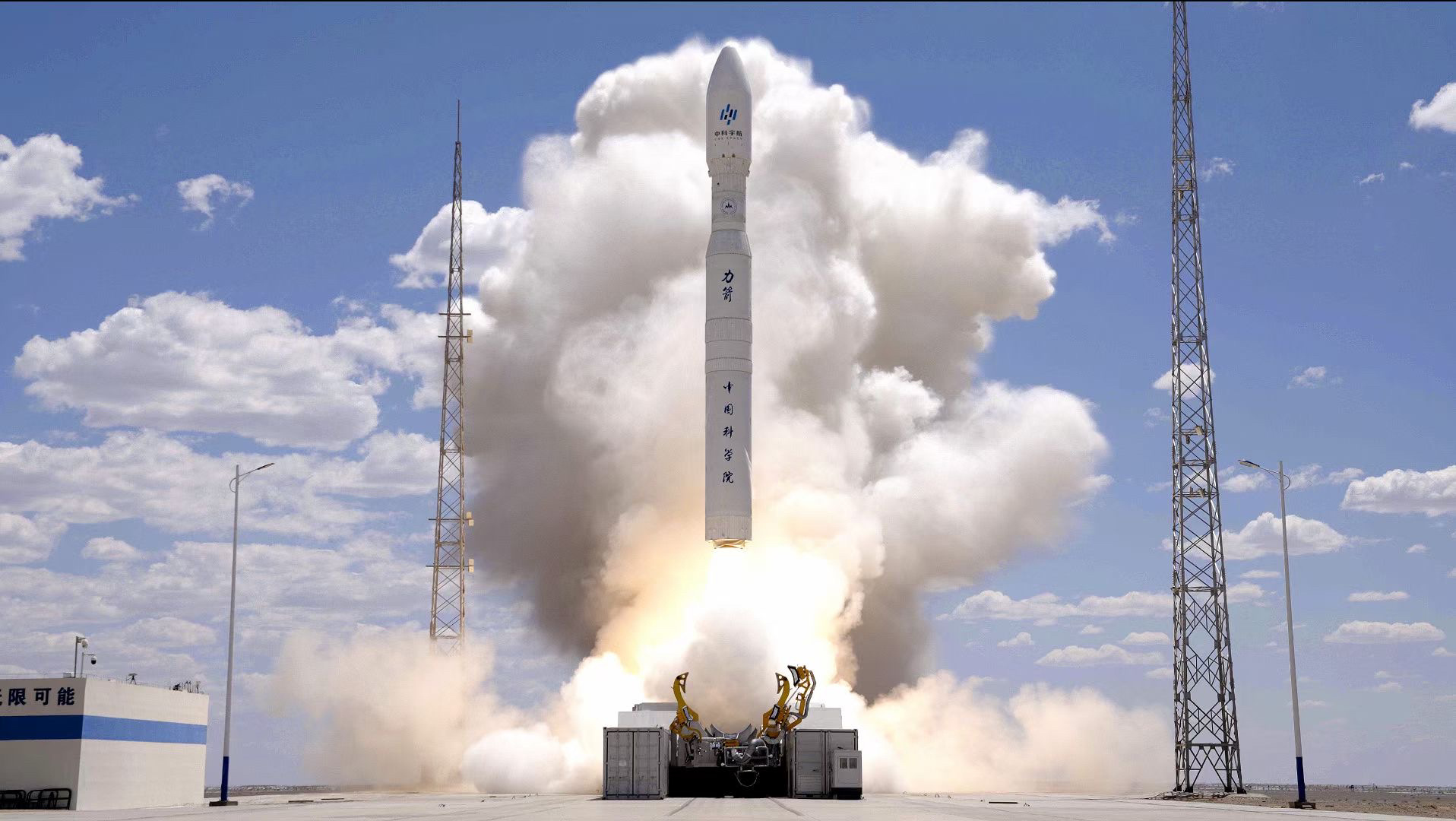
China’s space sector continues its rapid expansion. On June 1, the nation’s tallest newly developed rocket, the Chang Zheng 12B (CZ-12B), successfully debuted from Jiuquan Satellite Launch Center. At 72 metres tall, the two-stage vehicle surpasses even the Chang Zheng 5 in its extended fairing configuration. Built and flown by the China Aerospace Science and Technology Corporation (CASC) in just 20 months—one of the fastest development cycles for a Chinese launch vehicle—the CZ-12B successfully deployed two Qianfan satellites for the SpaceSail internet constellation.
The mission drew attention for its lack of public pre-launch transparency; the flight proceeded without standard Notices to Air Missions (NOTAMs) or maritime advisories. Though the first CZ-12B flew with mockup landing legs and grid fins without recovery, the second flight is rumoured to include a propulsive recovery attempt—part of a broader Chinese push toward reusable booster technology.
That effort is being pursued aggressively by LandSpace, whose ZhuQue-3 (ZQ-3) rocket is preparing for its second flight, expected no earlier than June 20. The company aims to land its first stage downrange at a site in Gansu Province. The first ZQ-3 flight, in December 2025, came tantalizingly close: the stage navigated itself to within metres of the landing pad but experienced an engine malfunction during the landing burn. LandSpace’s chief engineer Zhang Xiaodong stated the team estimated an 80 per cent success rate for the next attempt based on lessons learned.
China’s satellite constellations are also expanding rapidly. The Qianfan constellation now has 200 satellites in orbit, with plans to reach 324 by year’s end. This has allowed Qianfan to overtake its state-backed rival Guowang, which has placed 168 satellites into orbit across two orbital planes. Meanwhile, private companies are exploring novel recovery methods. Nayuta Space has unveiled a “bellyflop” horizontal-landing approach for its Xuanniao-R booster, using aerodynamic fins and three engines to guide the first stage to a horizontal touchdown, with a test flight targeted for early 2027.
Citations
- “A failure to launch: Politics, grievances, and an AI filibuster derail CSA briefing” — https://spaceq.ca/a-failure-to-launch-politics-grievances-and-an-ai-filibuster-derail-csa-briefing/
- “SpaceX begins trading on the Nasdaq after raising a record $75 billion valued at $1.77-trillion” — https://spaceq.ca/spacex-begins-trading-on-the-nasdaq-after-raising-a-record-75-billion-valued-at-1-77-trillion/
- “China successfully debuts tallest rocket, LandSpace prepares for second landing attempt” — https://www.nasaspaceflight.com/2026/06/china-roundup-061226/
- “SpaceX shares rise nearly 20% in historic IPO” — https://spacenews.com/spacex-shares-rise-nearly-20-in-historic-ipo/
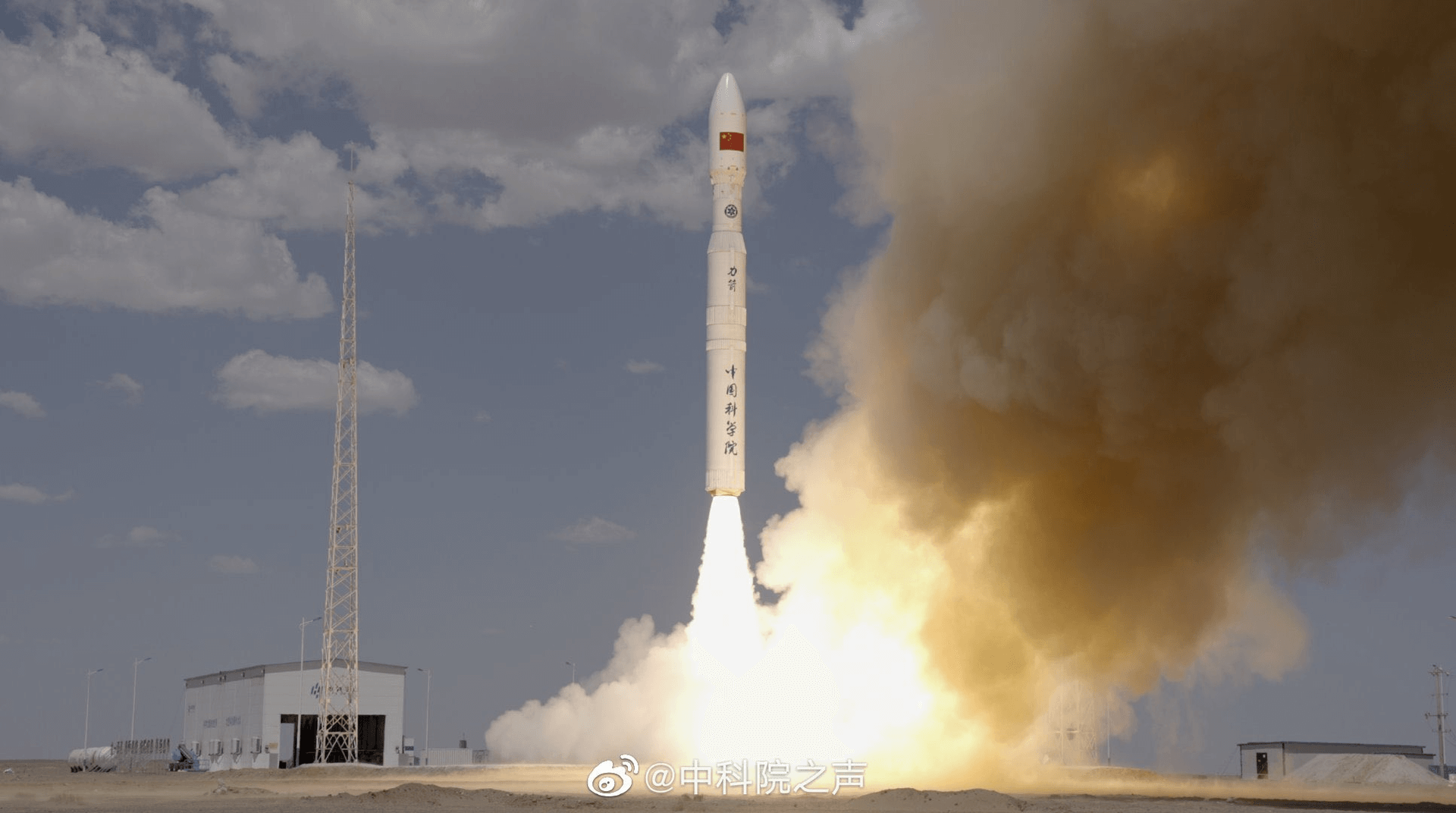
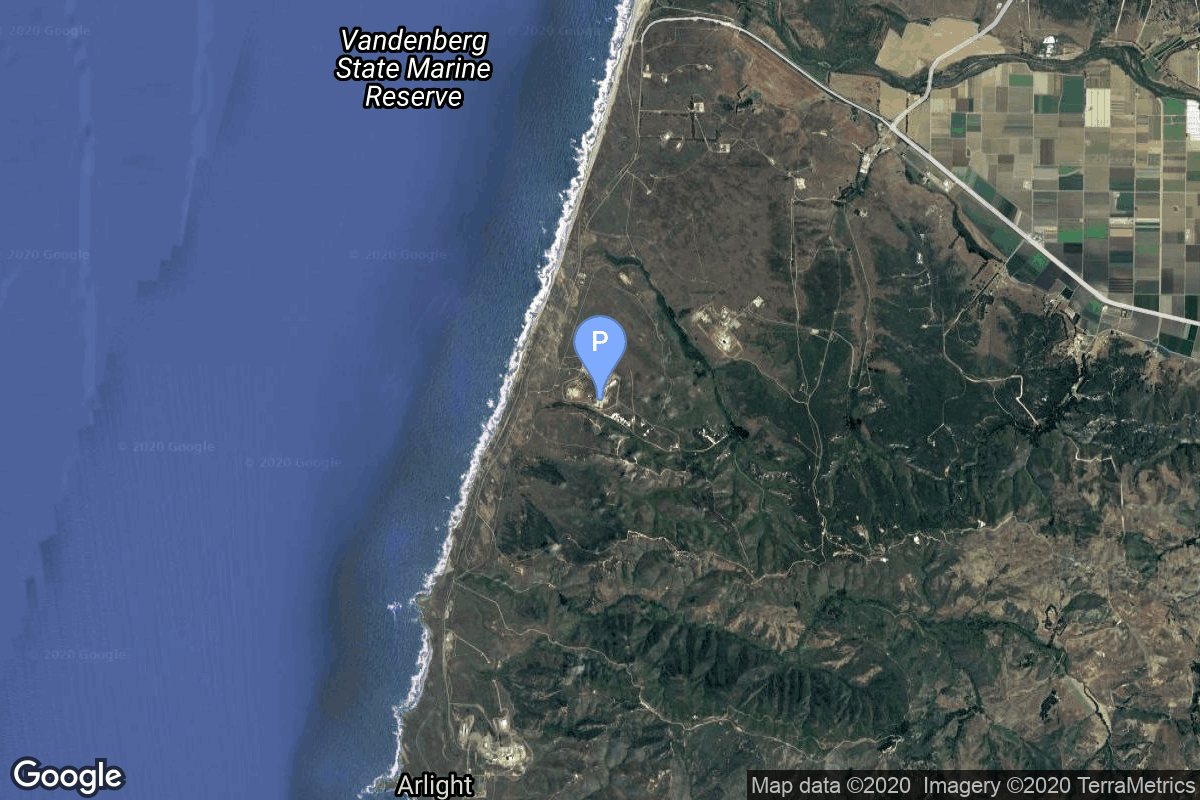
Unknown Payload
Provider: CAS Space
Date: June 15, 2026
Time: 3:40 AM UTC
Vehicle: Kinetica 1
Details TBD.

Starlink Group 17-54
Provider: SpaceX
Date: June 15, 2026
Time: 2:00 PM UTC
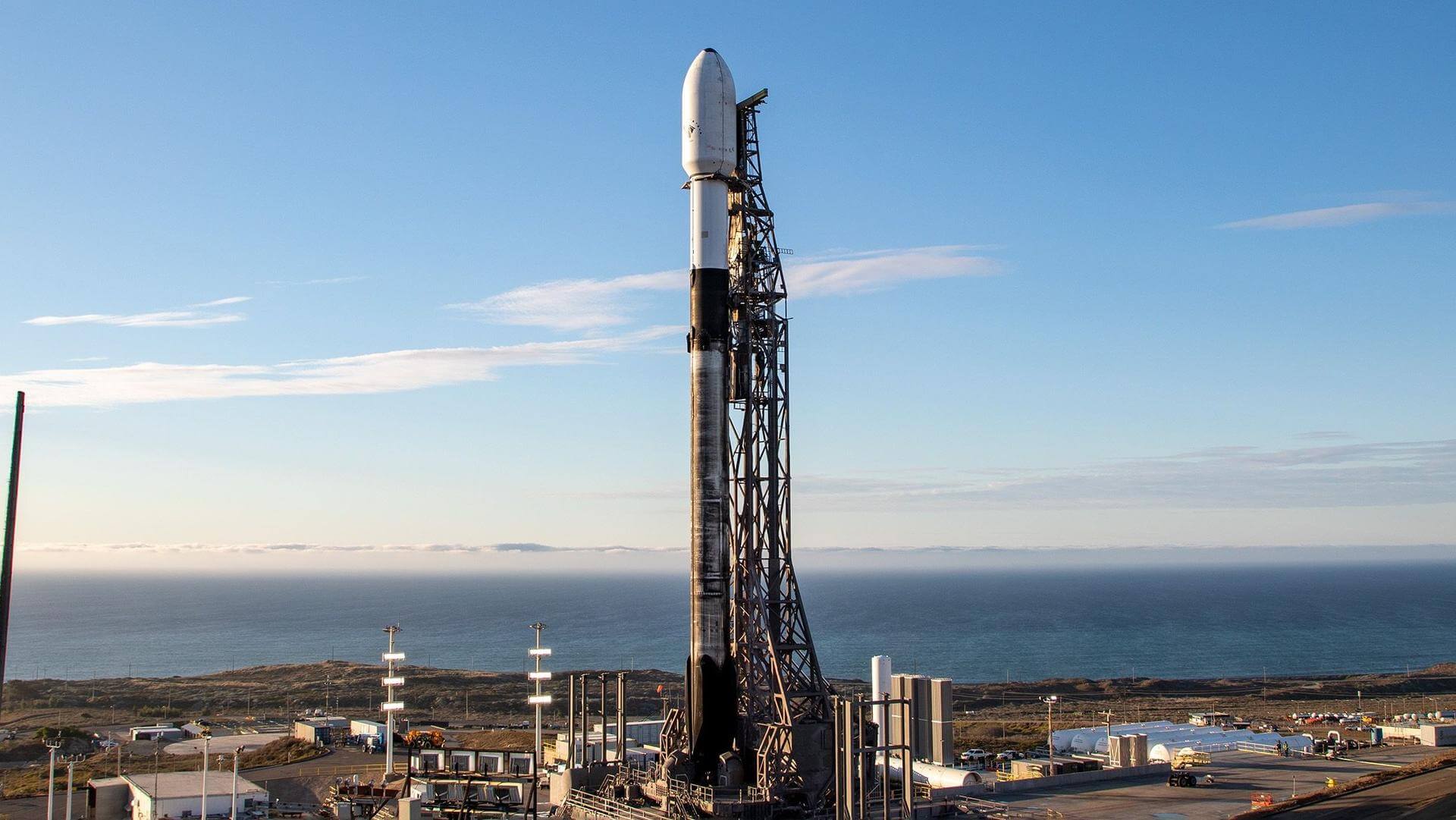
Vehicle: Falcon 9
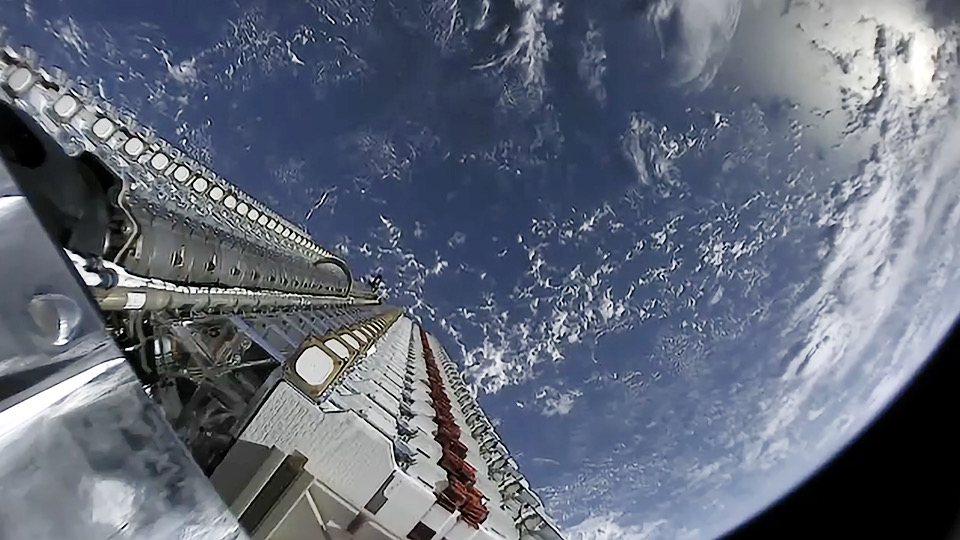
A batch of 24 satellites for the Starlink mega-constellation – SpaceX’s project for space-based Internet communication system.
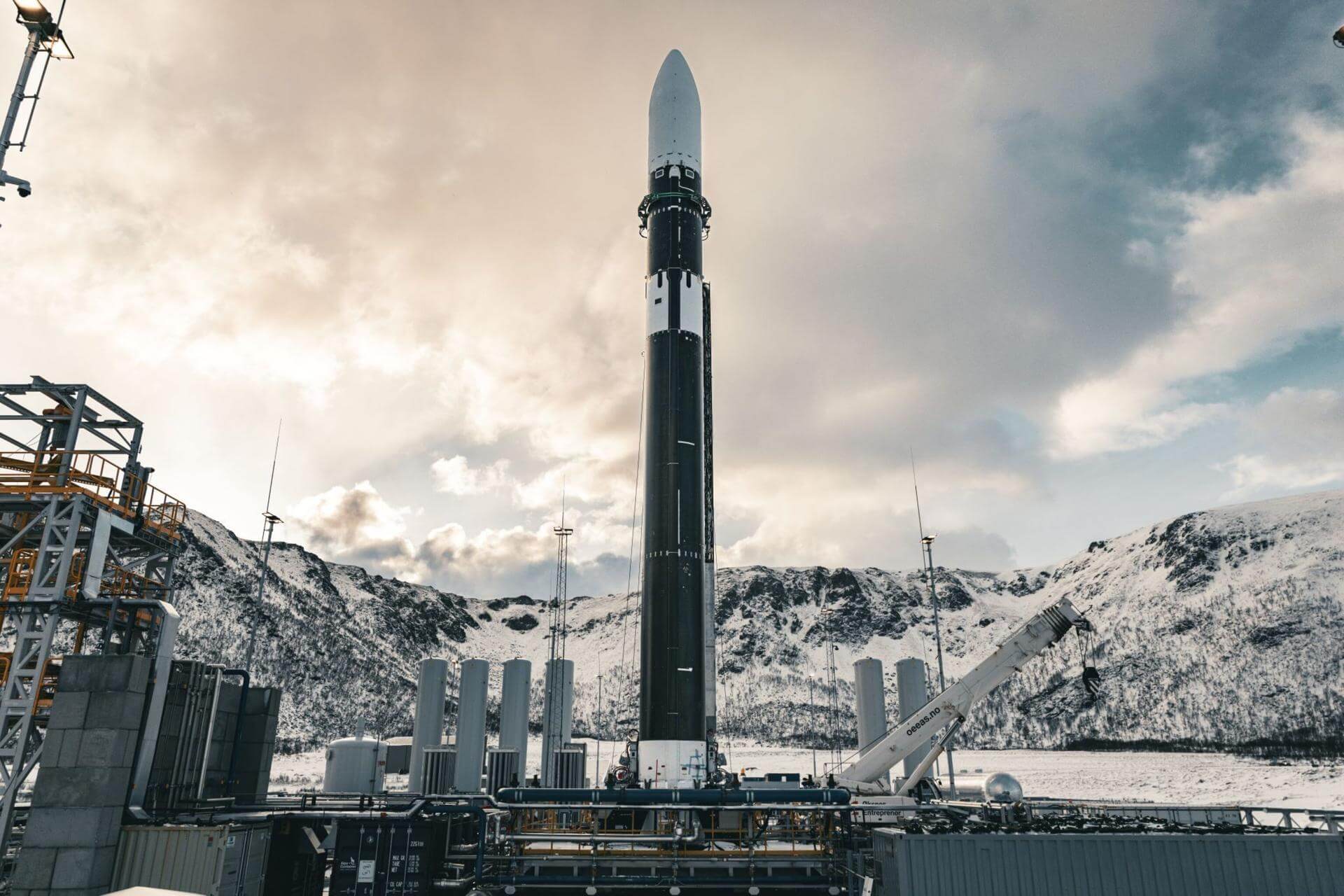
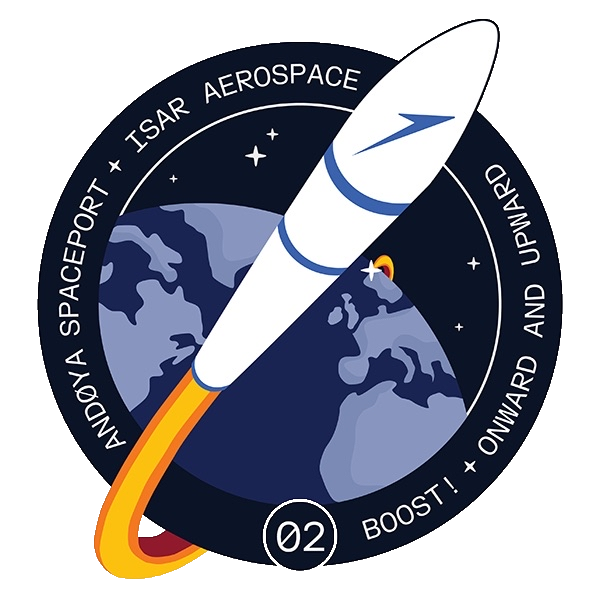
Onward and Upward
Provider: Isar Aerospace
Date: June 15, 2026
Time: 8:00 PM UTC
Vehicle: Spectrum
Second test flight of the Isar Spectrum launch vehicle. This launch will carry 5 cubesats and 1 non-separable experiment as part of European Space Agency (ESA)’s “Boost!” program:
* CyBEEsat (TU Berlin)
* TriSat-S (University of Maribor)
* Platform 6 (EnduroSat)
* FramSat-1 (NTNU)
* SpaceTeamSat1 (TU Wien Space Team)
* Let It Go (Dcubed, non-separable experiment)
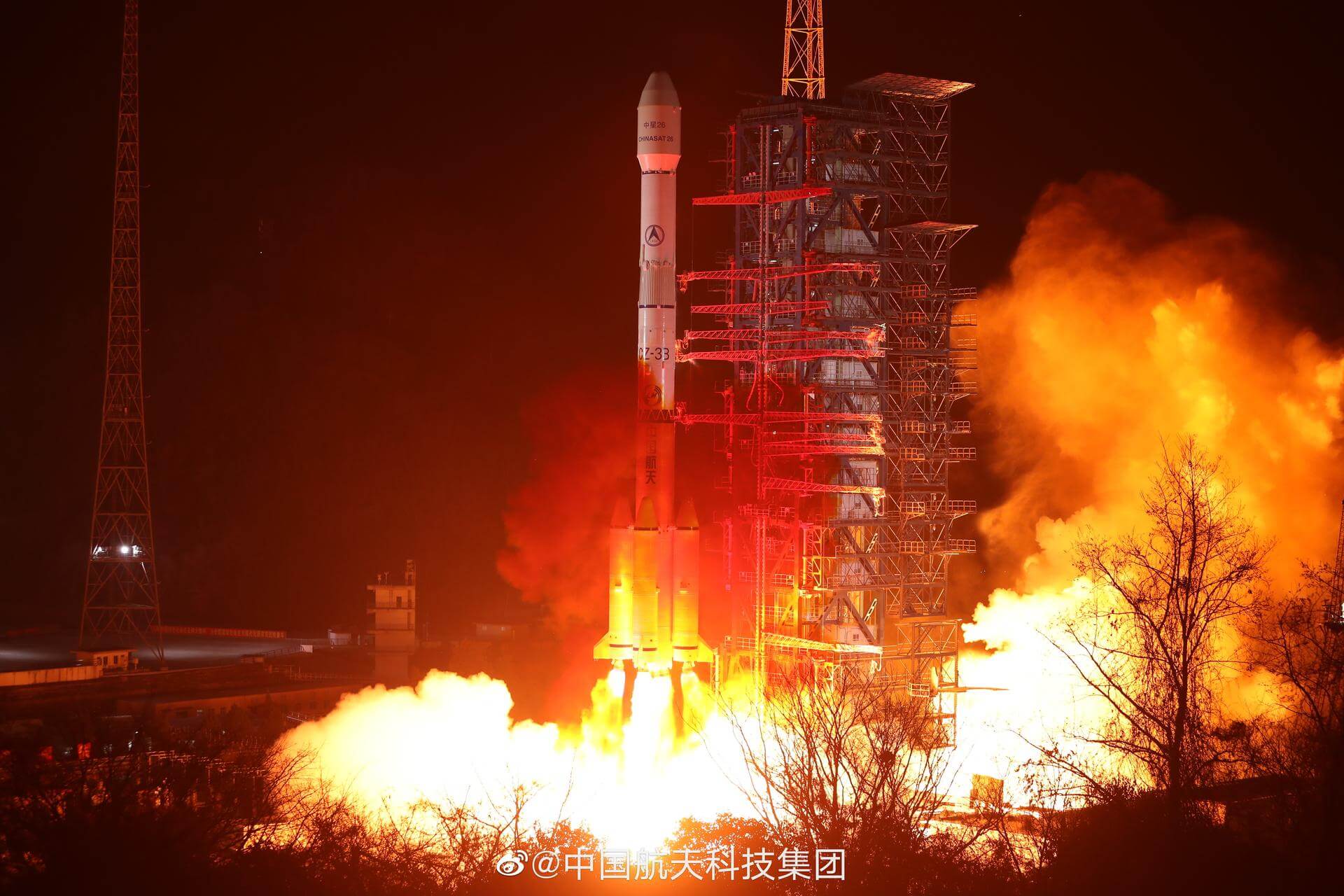
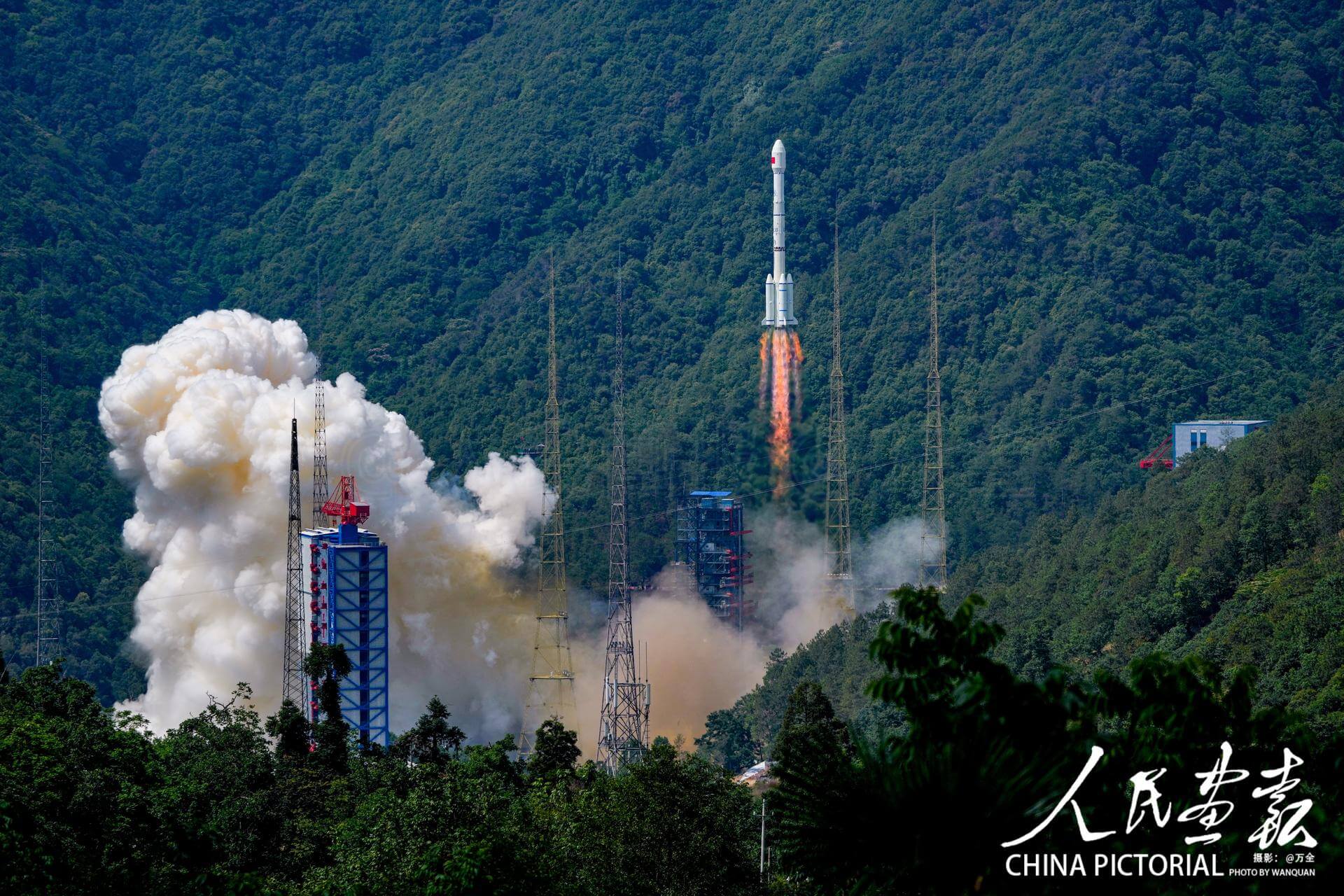
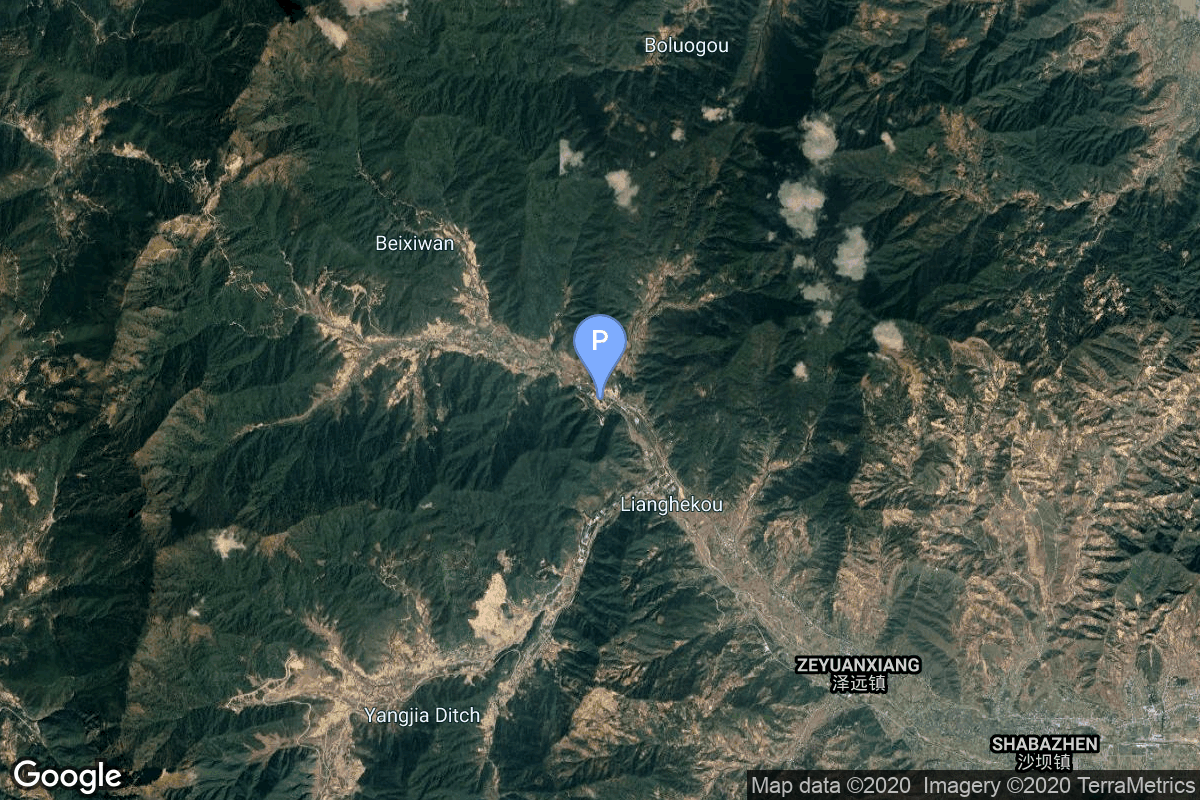
Unknown Payload
Provider: China Aerospace Science and Technology Corporation
Date: June 16, 2026
Time: 9:45 AM UTC
Vehicle: Long March 3B/E
Details TBD.
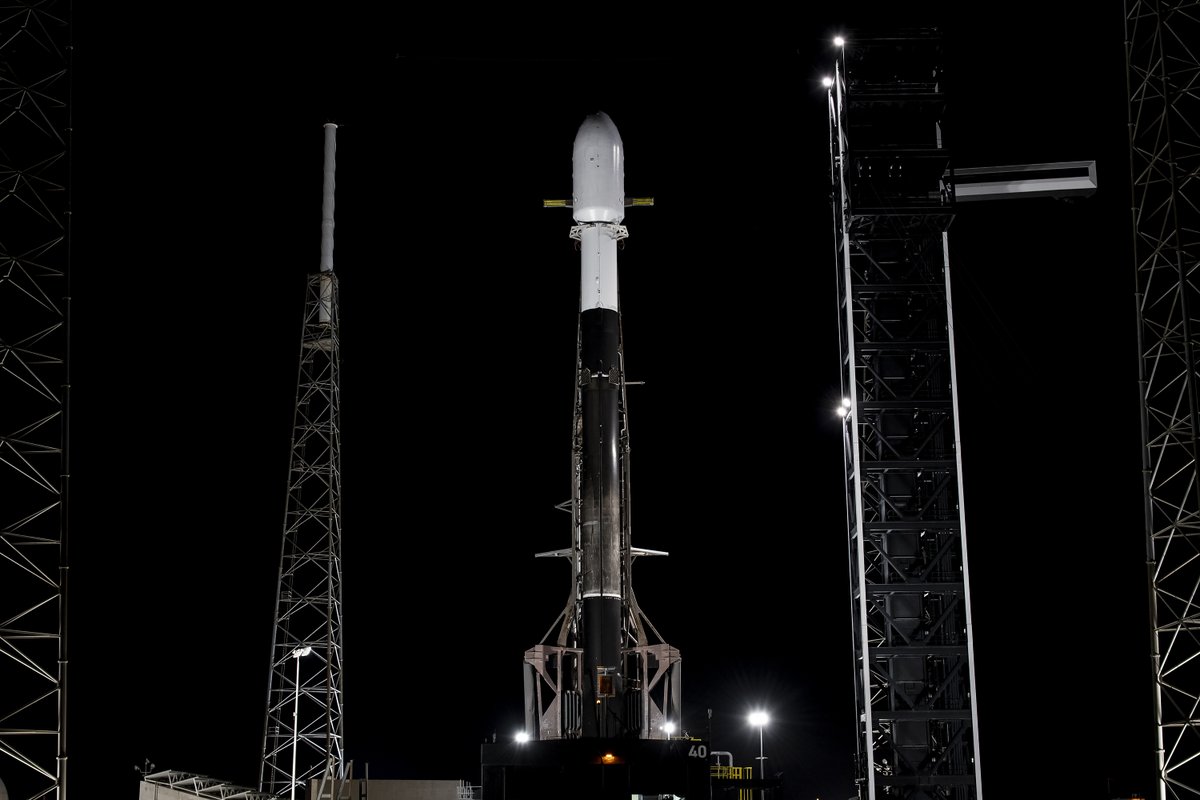
BlueBird Block 2 #3-5
Provider: SpaceX
Date: June 17, 2026
Time: 6:39 AM UTC
Vehicle: Falcon 9
AST SpaceMobile’s Block 2 BlueBird satellites are designed to deliver up to 10 times the bandwidth capacity of the BlueBird Block 1 satellites, required to achieve 24/7 continuous cellular broadband service coverage in the United States, with beams designed to support a capacity of up to 40 MHz, enabling peak data transmission speeds up to 120 Mbps, supporting voice, full data and video applications. The Block 2 BlueBirds, featuring as large as 2400 square foot communications arrays, will be the largest satellites ever commercially deployed in Low Earth orbit once launched.
This launch will feature 3 satellites.








Enjoying the content? Stay up to date on everything happening behind the scenes by following our Patreon!

