
The SpaceX Report: Starship V3 Completes First Flight Despite Engine Anomalies
Starship V3 Reaches Orbit Through Engine Challenges
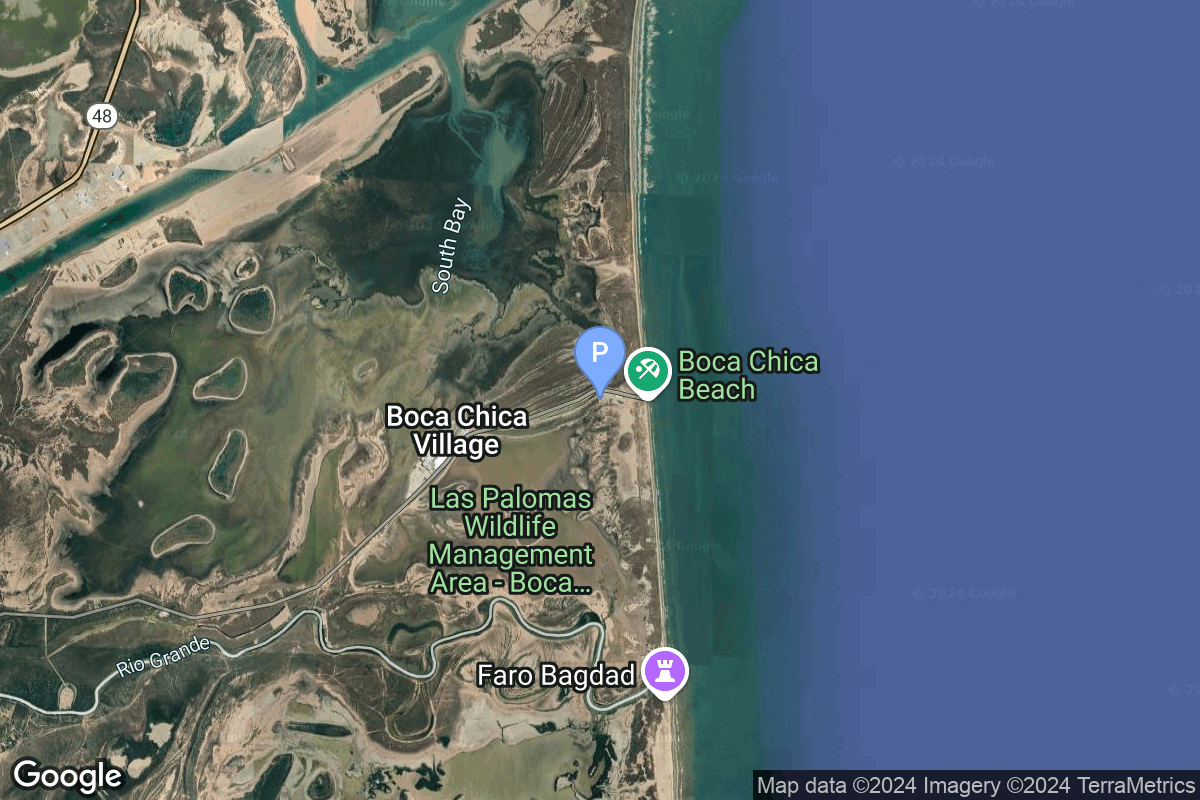
SpaceX launched its first Starship V3 on Friday, May 22, sending the completely redesigned vehicle and Super Heavy booster to space on an “epic” suborbital test flight. The launch at 6:30 p.m. EDT from Pad 2 at Starbase, Texas, followed a scrub the previous day when a hydraulic pin in the launch tower failed to retract, preventing an arm with propellant lines from swinging clear of the vehicle. Despite engine issues during ascent, the flight achieved nearly all planned test objectives.

Flight 12 marked the debut of version 3 of Starship, a significantly upgraded design of both the Super Heavy booster and Starship upper stage. The 407-foot-tall vehicle generated up to 18 million pounds of thrust—twice the liftoff power of NASA’s Space Launch System—as its 33 Raptor 3 engines ignited. One of those engines shut down about 100 seconds after liftoff, a nominal failure within the vehicle’s redundancy envelope. Two minutes and 24 seconds into flight, the Starship upper stage ignited its six Raptor engines and separated cleanly from Super Heavy in a hot-staging event.
The Super Heavy booster was then scheduled to perform a boostback burn to slow its descent and land in the Gulf of Mexico. However, only a handful of engines ignited for the reversal burn, and those that did shut down less than 20 seconds into the minute-long sequence. The booster made a hard splashdown in the Gulf, descending at roughly 1,500 kilometres per hour 100 metres above the surface. The Federal Aviation Administration issued a statement confirming it was assessing the “anomaly” but had not yet determined whether it rose to the level of a mishap requiring formal investigation.
One of Starship’s vacuum-optimised Raptor engines also shut down about 30 seconds after stage separation. The flight computer extended the burn of the remaining five engines longer than planned, placing the vehicle on an acceptable suborbital trajectory within SpaceX’s pre-flight analysis envelope. “I wouldn’t call it nominal orbital insertion, but we’re on a trajectory that we had analysed, and it’s within bounds,” SpaceX’s Dan Huot said on the company’s webcast.

Once in space, Starship opened its “Pez” payload bay door and deployed 20 Starlink mass simulators, followed by two additional spacecraft dubbed “Dodger Dogs” because of their extended propellant tanks. These two vehicles carried cameras to inspect Starship’s heat shield and components planned for future version 3 Starlink satellites. SpaceX released video footage captured by those onboard cameras, offering the first close look at the redesigned vehicle in the vacuum of space. A planned in-space Raptor restart test was skipped due to the earlier engine issue.
The vehicle’s reentry phase proved successful, with the heat shield showing significantly less thermal damage than seen on previous flights. During descent, Starship executed a maneuver to test the structural limits of its rear fins and performed a dramatic banking maneuver simulating the final approach profile for a future catch at Starbase. Just before splashdown in the Indian Ocean, the vehicle restarted two engines, flipped to vertical orientation, and descended to a planned splashdown approximately 66.5 minutes after liftoff. Starship tipped over as expected and exploded, ending the test.
NASA Administrator Jared Isaacman, who travelled to Starbase to witness the launch, praised the effort. “Congrats @SpaceX team and @elonmusk on a hell of a V3 Starship launch,” Isaacman posted on social media. “One step closer to the Moon…one step closer to Mars.” SpaceX has not yet disclosed a timeline for the next V3 flight or when the company will be ready for the first orbital mission. The company stated in its May 20 IPO prospectus that it expects to begin orbital payload delivery missions with Starship in the second half of 2026.
Pad 2 Debuts with V3 Launch
Flight 12 marked the inaugural launch from Starbase’s second orbital launch pad, a “beefed up” facility designed to withstand the rigours of repeated launches by the world’s most powerful rocket. Booster 19 and Starship 39 arrived on Pad 2 during the week of May 19, with teams completing stacking on May 21 ahead of the scrubbed Thursday launch attempt. The new pad infrastructure, including tower work and ground support systems, proved ready for the high-energy V3 debut.

Falcon 9 Maintains Heavy Cadence
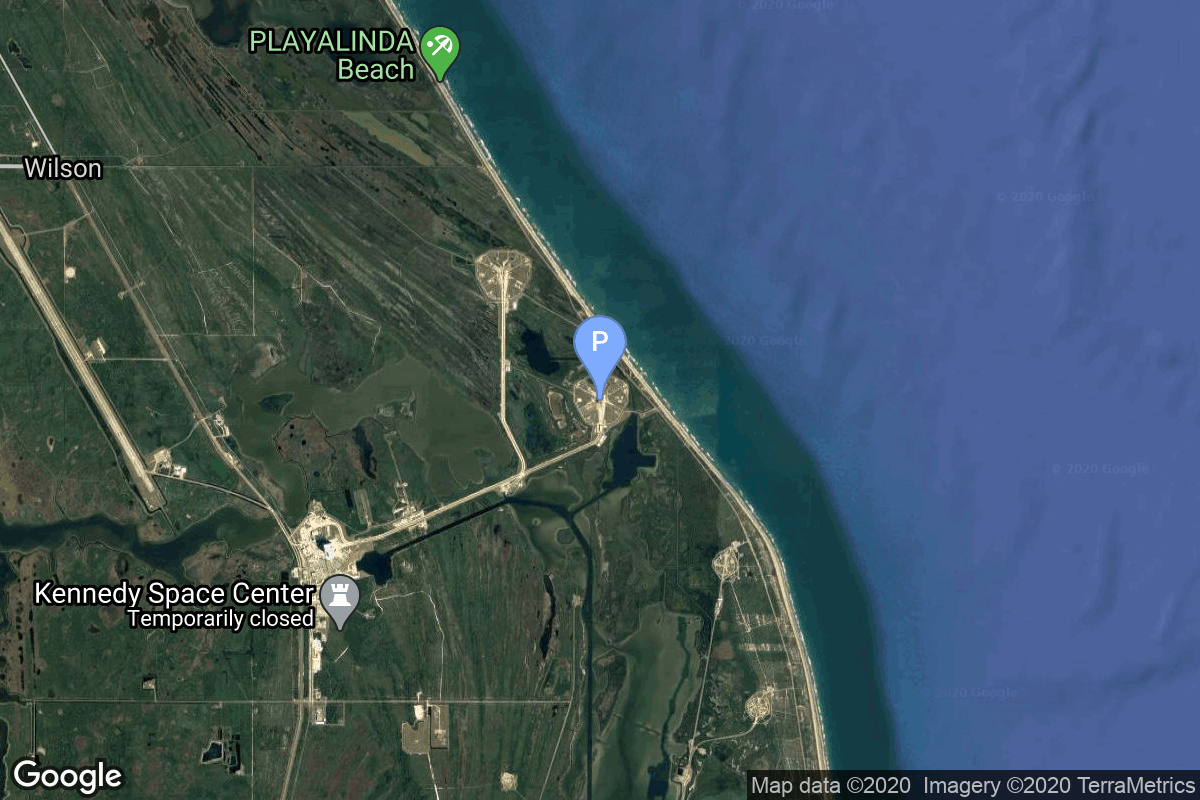
While V3 captures the spotlight, SpaceX continues its aggressive Falcon 9 schedule. The company is preparing to launch Starlink 10-47 on Monday, May 26 (Memorial Day), from Space Launch Complex 40 at Cape Canaveral Space Force Station. The mission will deploy 29 Starlink V2 Mini Optimised satellites to low Earth orbit, adding to the constellation of over 10,000 spacecraft already in service.
The launch will use Falcon 9 first stage B1078, making its 28th flight. B1078 has previously flown NASA’s Crew-6 mission, U.S. Space Force mission USSF-124, SES’ O3b mPOWER-B, and 22 prior Starlink deployments. After stage separation, the booster will target a landing on the drone ship A Shortfall of Gravitas positioned in the Atlantic off the coast of South Carolina. The recovery will mark the 151st landing for that vessel and the 614th booster landing to date for SpaceX. Liftoff is scheduled for 7:48 a.m. EDT, with an 85 per cent probability of favourable weather.

Crew Dragon Science, Commercial Human Flights Advance
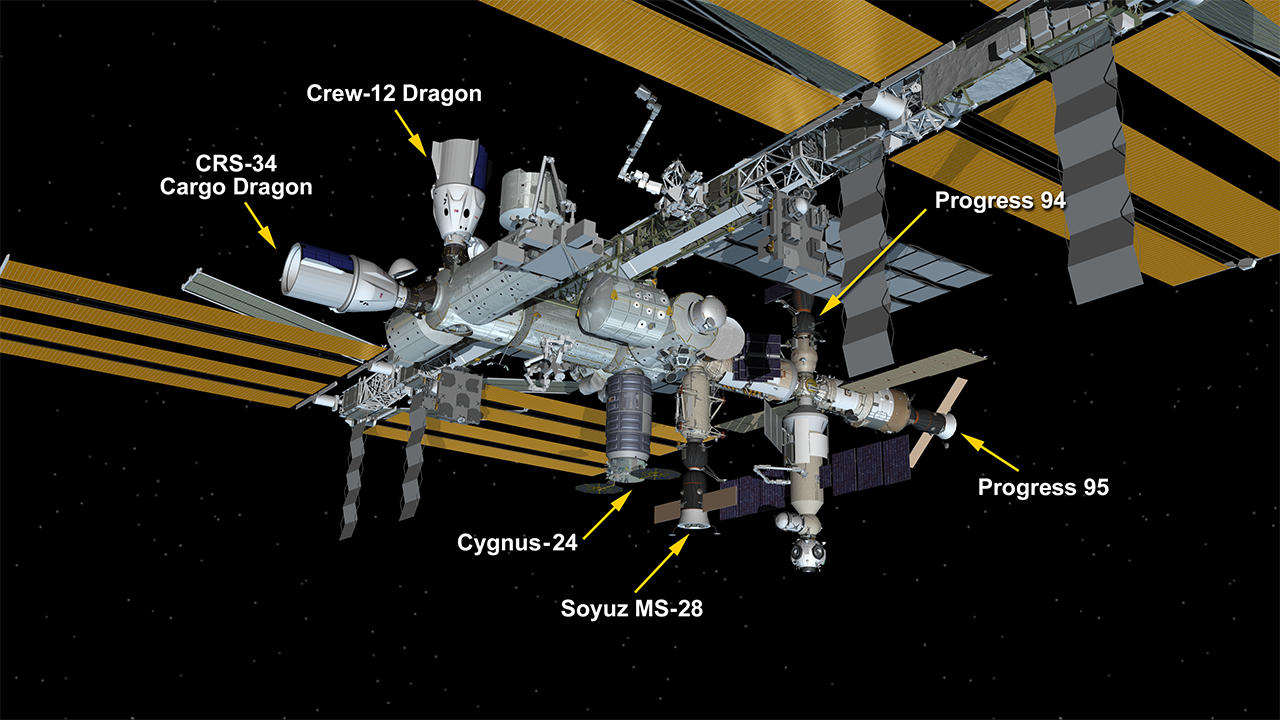
On the crewed spaceflight front, NASA announced May 24 its intention to add six post-certification missions (PCMs) to SpaceX’s commercial crew contract on a sole-source basis. The extension, running through late 2030 when the International Space Station is slated for retirement, protects NASA from potential delays in Boeing’s Starliner certification and maintains continuous crew rotation capability. The current Crew-12 mission is on station, and NASA plans to retain six-month mission durations to maximise ISS utilisation in its final years.
Meanwhile, SpaceX Dragon continues its science cadence. On May 17, a Dragon spacecraft delivered approximately 6,500 pounds of cargo to the ISS. Expedition 74 crew members, including Canadian astronaut and ESA flight engineer Sophie Adenot, began unloading critical research samples on May 18. A new investigation exploring how microgravity affects blood platelets at the cellular and genetic level was started aboard the Kibo laboratory module. NASA astronauts Jessica Meir and Chris Williams also activated student-designed experiments containing plant seeds, bacteria, mould, and material samples including iron and aluminium.
On the commercial human spaceflight side, SpaceX announced a new milestone: Chun Wang, mission commander of the suborbital polar-flight Fram2, will fly aboard Starship’s first human spaceflight interplanetary missions to Mars. Before that deep-space journey, Wang will join Dennis and Akiko Tito aboard the first planned commercial circumlunar Starship mission, a week-long flight designed to pass within 200 kilometres of the Moon’s surface. SpaceX has flown 78 crewmembers from 20 countries aboard Dragon across 20 missions since May 2020, including seven commercial and private astronaut flights.
Citations
- “SpaceX launches first Starship V3” — https://spacenews.com/spacex-launches-first-starship-v3/
- “Musk praises ‘epic’ Super Heavy-Starship launch” — https://spaceflightnow.com/2026/05/23/musk-praises-epic-super-heavy-starship-launch/
- “NASA to add missions to SpaceX commercial crew contract” — https://spacenews.com/nasa-to-add-missions-to-spacex-commercial-crew-contract/
- “Live coverage: SpaceX to launch 29 Starlink satellites on a Falcon 9 rocket from Cape Canaveral” — https://spaceflightnow.com/2026/05/24/live-coverage-spacex-to-launch-29-starlink-satellites-on-a-falcon-9-rocket-from-cape-canaveral/
- “SpaceX IPO filing casts Starlink Mobile as future wireless challenger” — https://spacenews.com/spacex-prospectus-casts-starlink-mobile-as-future-wireless-challenger/
- “Crew Unloads Dragon and Begins New Space Experiments” — https://www.nasa.gov/blogs/spacestation/2026/05/18/crew-unloads-dragon-and-begins-new-space-experiments/
- “First Starship Interplanetary Human Spaceflight Mission” — https://www.spacex.com/updates
Flight 13
Provider: SpaceX
Date: June 30, 2026
Time: 12:00 AM UTC
Vehicle: Starship
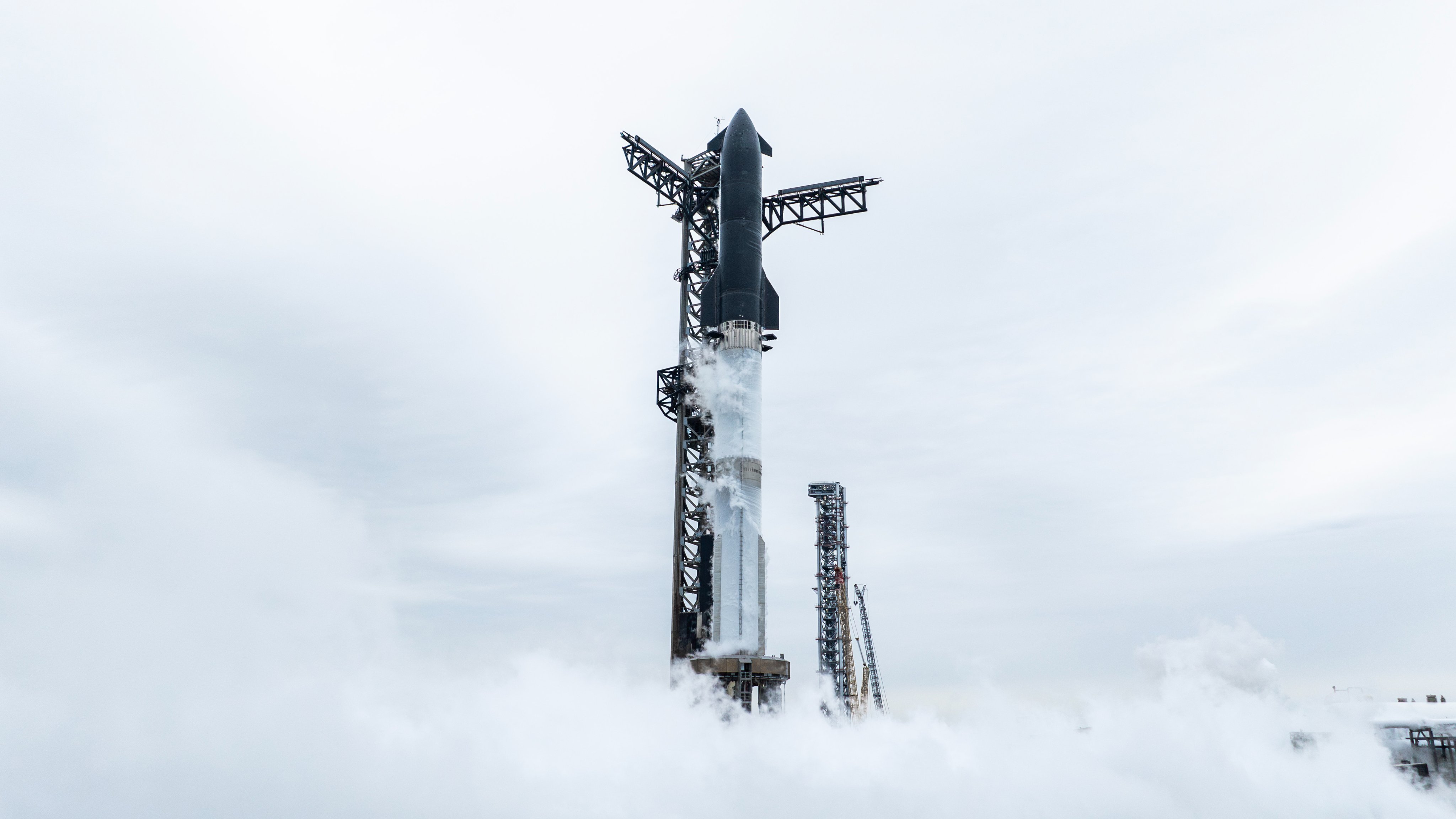
13th test flight of the two-stage Starship launch vehicle. Second flight of Starship V3
Nancy Grace Roman Space Telescope
Provider: SpaceX
Date: August 31, 2026
Time: 12:00 AM UTC
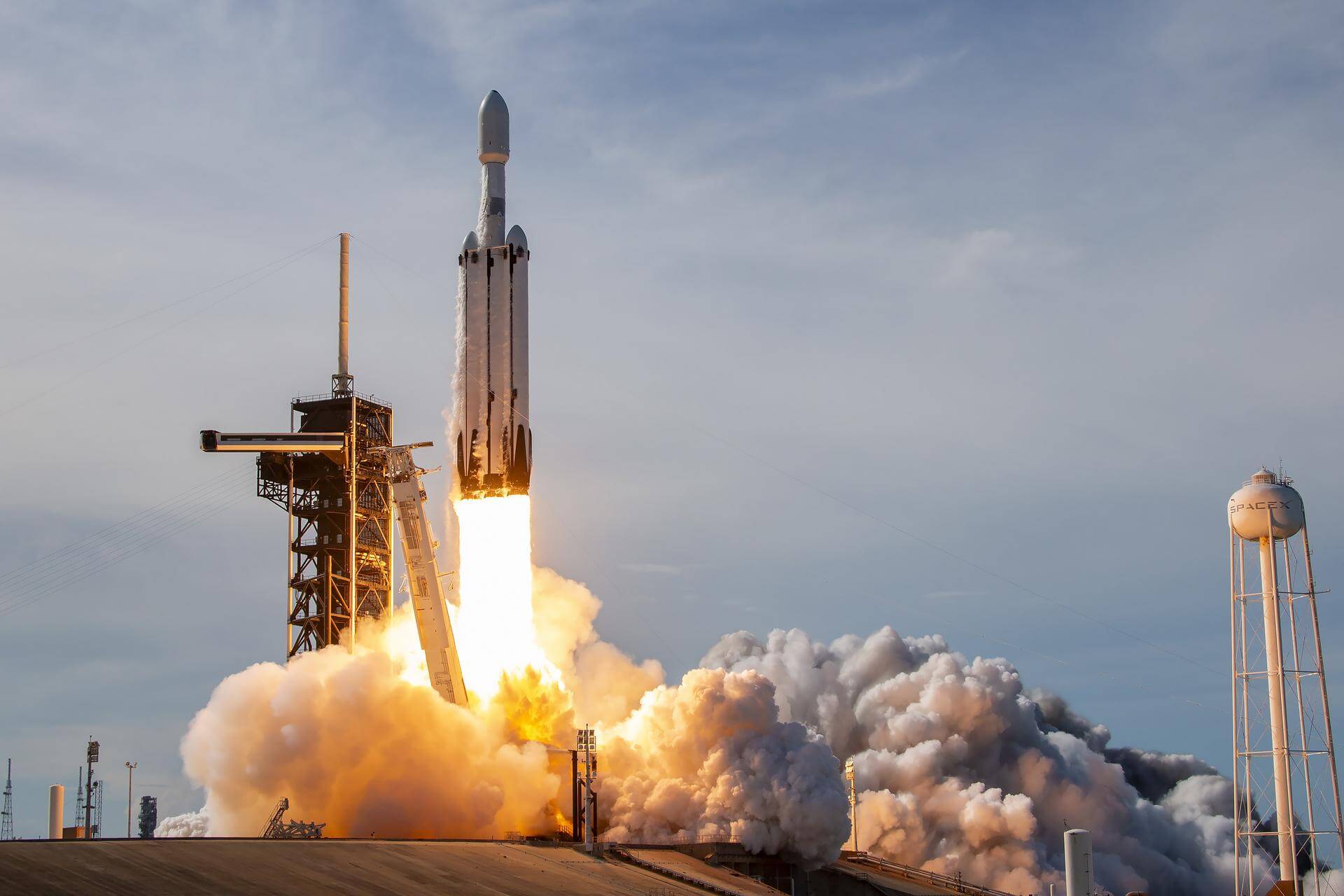
Vehicle: Falcon Heavy
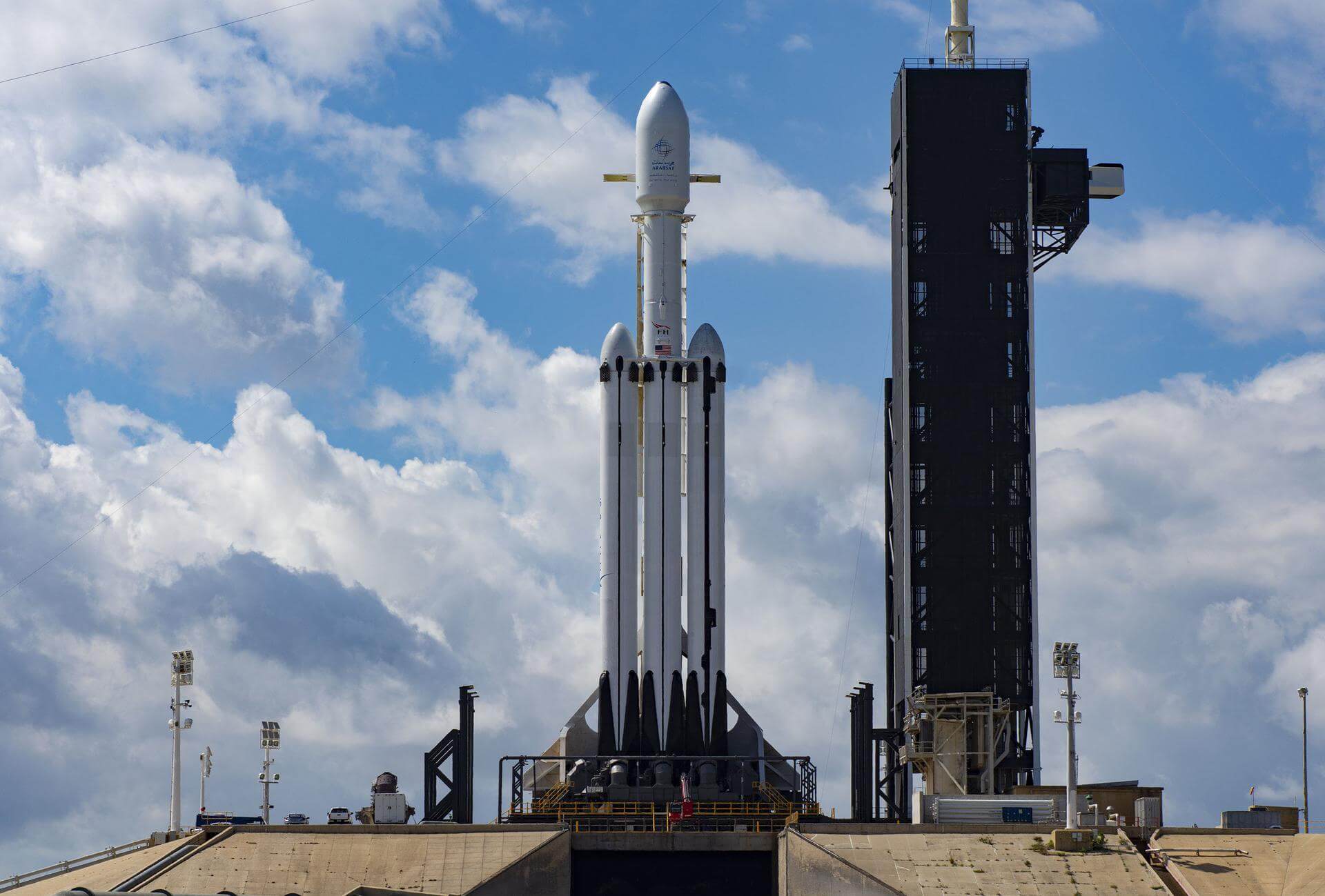
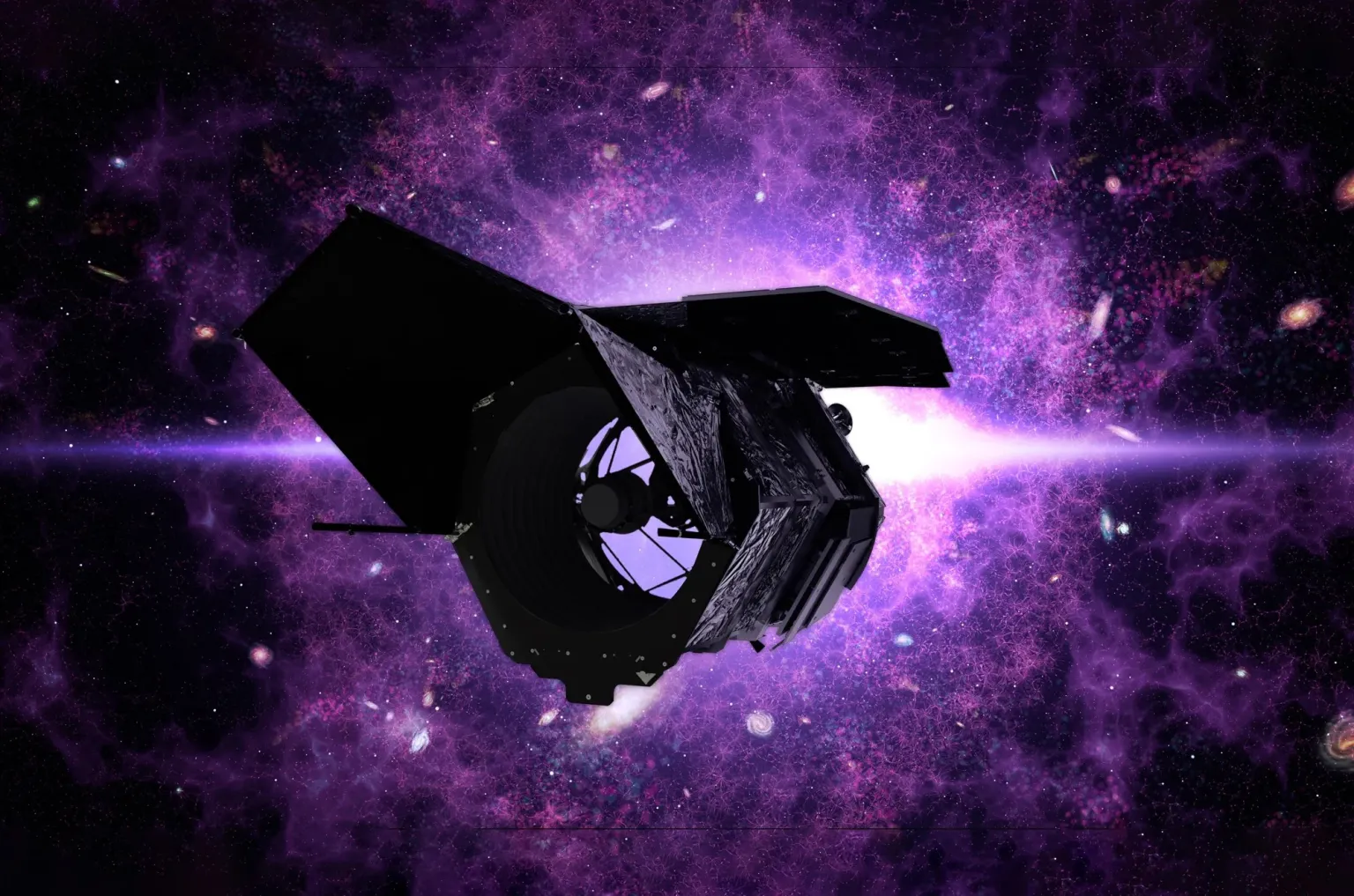
The Nancy Grace Roman Space Telescope is a NASA infrared space telescope with a 2.4 m (7.9 ft) wide field of view primary mirror and two scientific instruments. The Wide-Field Instrument (WFI) is a 300.8-megapixel multi-band visible and near-infrared camera, providing a sharpness of images comparable to that achieved by the Hubble Space Telescope over a 0.28 square degree field of view, 100 times larger than imaging cameras on the Hubble. The Coronagraphic Instrument (CGI) is a high-contrast, small field of view camera and spectrometer covering visible and near-infrared wavelengths using novel starlight-suppression technology. Roman objectives include a search for extra-solar planets using gravitational microlensing, and probing the expansion history of the Universe and the growth of cosmic structure, with the goal of measuring the effects of dark energy, the consistency of general relativity, and the curvature of spacetime.
Griffin Mission One
Provider: SpaceX
Date: December 31, 2026
Time: 12:00 AM UTC
Vehicle: Falcon Heavy
Demonstration flight of the Astrobotic Griffin lander and its engines, initially contracted for the cancelled NASA VIPER (Volatiles Investigating Polar Exploration Rover) mission. The vacated payload spot will now host the FLIP (FLEX Lunar Innovation Platform) lunar rover from Astrolab.
USSF-75
Provider: SpaceX
Date: December 31, 2026
Time: 12:00 AM UTC
Vehicle: Falcon Heavy
Classified payload for the United States Space Force
Superbird-9
Provider: SpaceX
Date: June 30, 2027
Time: 12:00 AM UTC
Vehicle: Starship
Superbird-9 is a high throughput communication satellite. It is designed to deliver broadcast and broadband missions in Ku band primarily over Japan and Eastern Asia, in response to mobility and broadband demands.



Enjoying the content? Stay up to date on everything happening behind the scenes by following our Patreon!

