Artemis III Shifts Strategy with Commercial Lander Integration in Earth Orbit
NASA’s Artemis programme is undergoing a significant reshape. Rather than launching directly toward the Moon, the agency is inserting Artemis III as a dedicated Earth orbit test mission scheduled for 2027—a move that prioritises risk reduction and systems integration ahead of the first crewed lunar landing.
The mission marks a watershed moment for NASA’s approach to human spaceflight. For the first time, the agency will coordinate a launch campaign integrating multiple human-rated vehicles from competing commercial partners: Blue Origin’s Blue Moon Mark 2 and SpaceX’s Starship Human Landing System, alongside NASA’s Orion spacecraft. The crew of four will conduct rendezvous, docking, and proximity operations in low Earth orbit, testing crew transfer procedures and evaluating lander habitability before committing astronauts to the lunar surface.
The Space Launch System will deliver Orion into an initial suborbital trajectory, but the vehicle will omit the Interim Cryogenic Propulsion Stage. Instead, engineers at Marshall Space Flight Center in Huntsville, Alabama are fabricating a non-propulsive “spacer”—a structural element that mimics the mass and interface properties of the ICPS. The European Space Agency’s Service Module will then perform orbital burns to reach stable low Earth orbit, where the complex choreography of rendezvous and transfer will unfold.
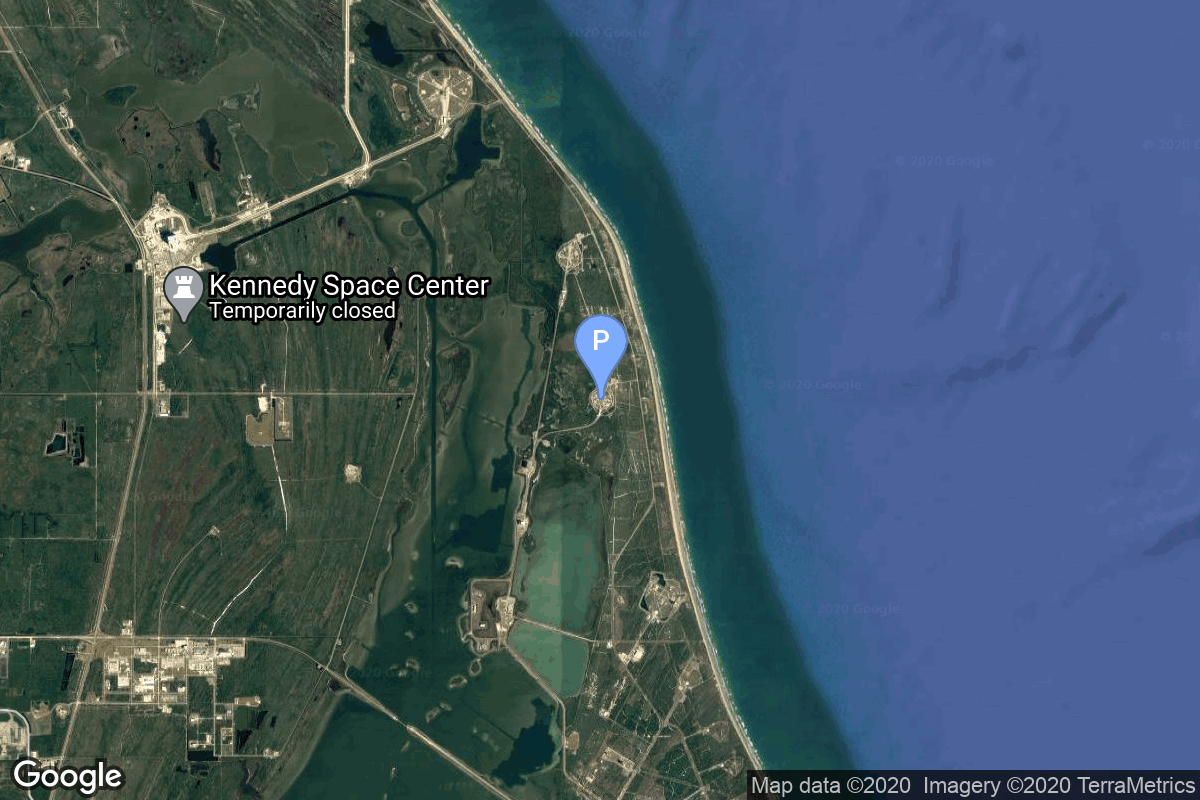
By conducting these demonstrations in Earth orbit rather than committing to the lunar environment immediately, NASA gains flexibility in launch windows and reduces technical exposure. Solid Rocket Booster segments are already arriving at Kennedy Space Center from Utah, and stacking on Mobile Launcher 1 inside the Vehicle Assembly Building is expected to begin this summer. The mission also provides an early opportunity to validate an upgraded Orion heat shield design and test revised reentry trajectories that could expand the operational envelope for future flights. Overall, this represents NASA’s deliberate pivot toward integrated, choreographed exploration rather than single-point demonstrations.
Space Policy Week: Starship V3 Launch, Budget Surge, and Industry Convergence
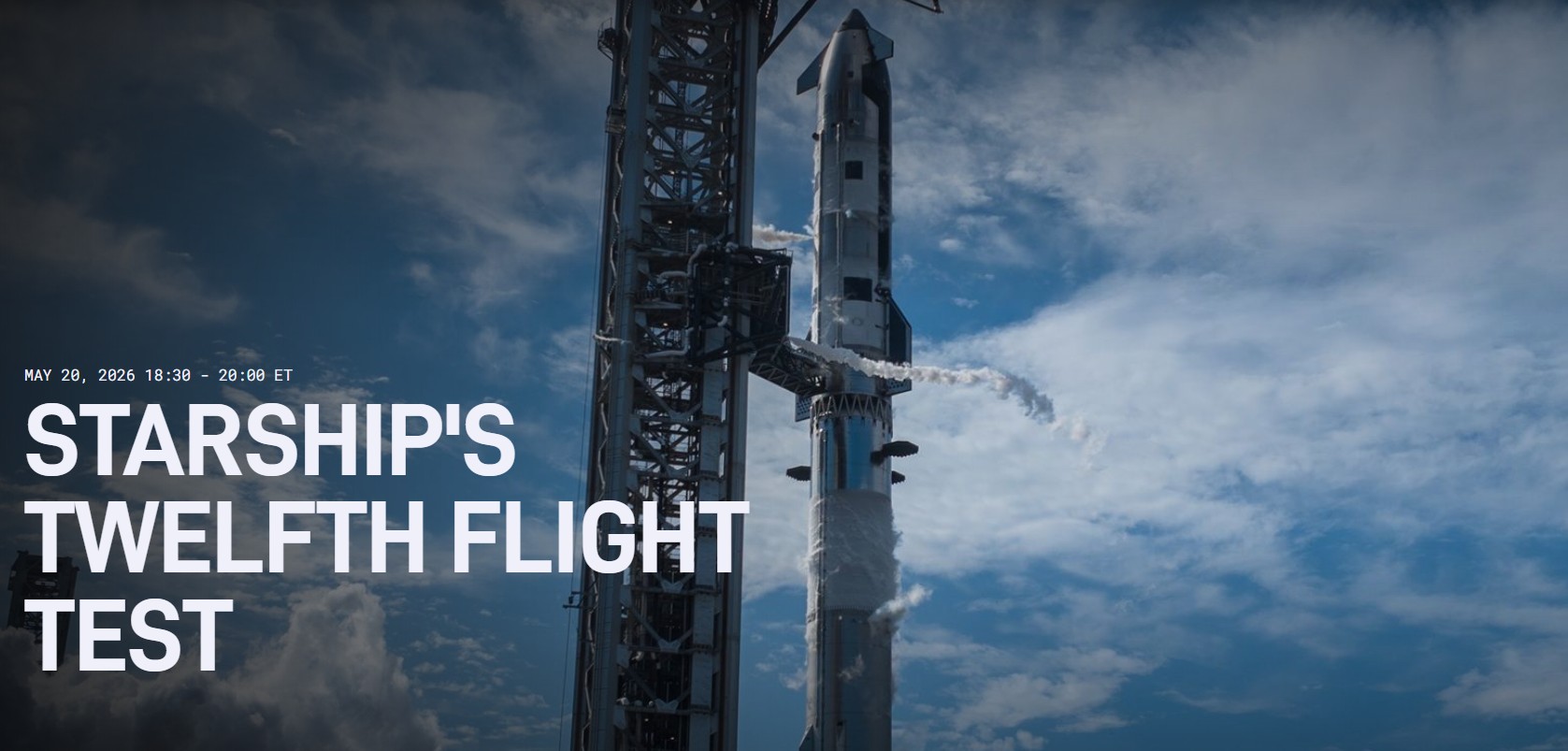
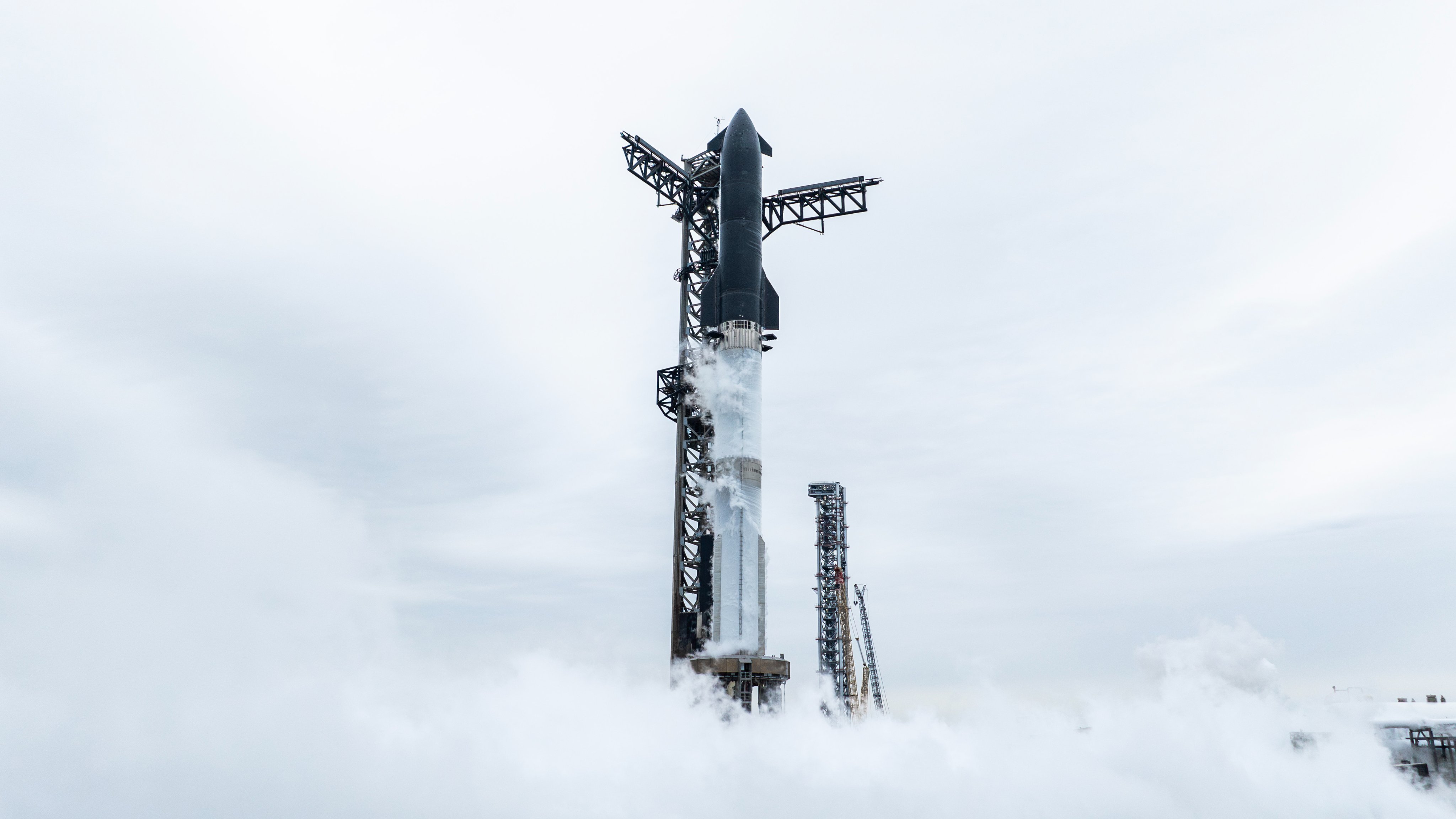
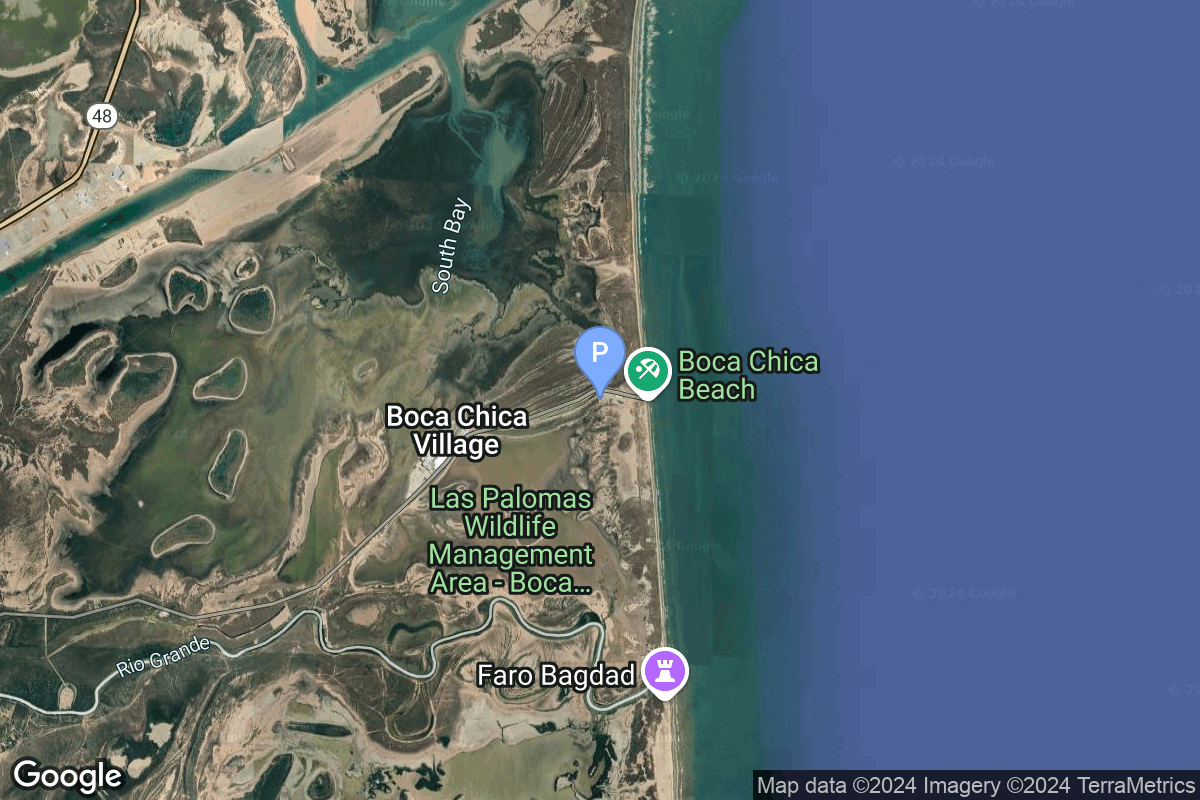
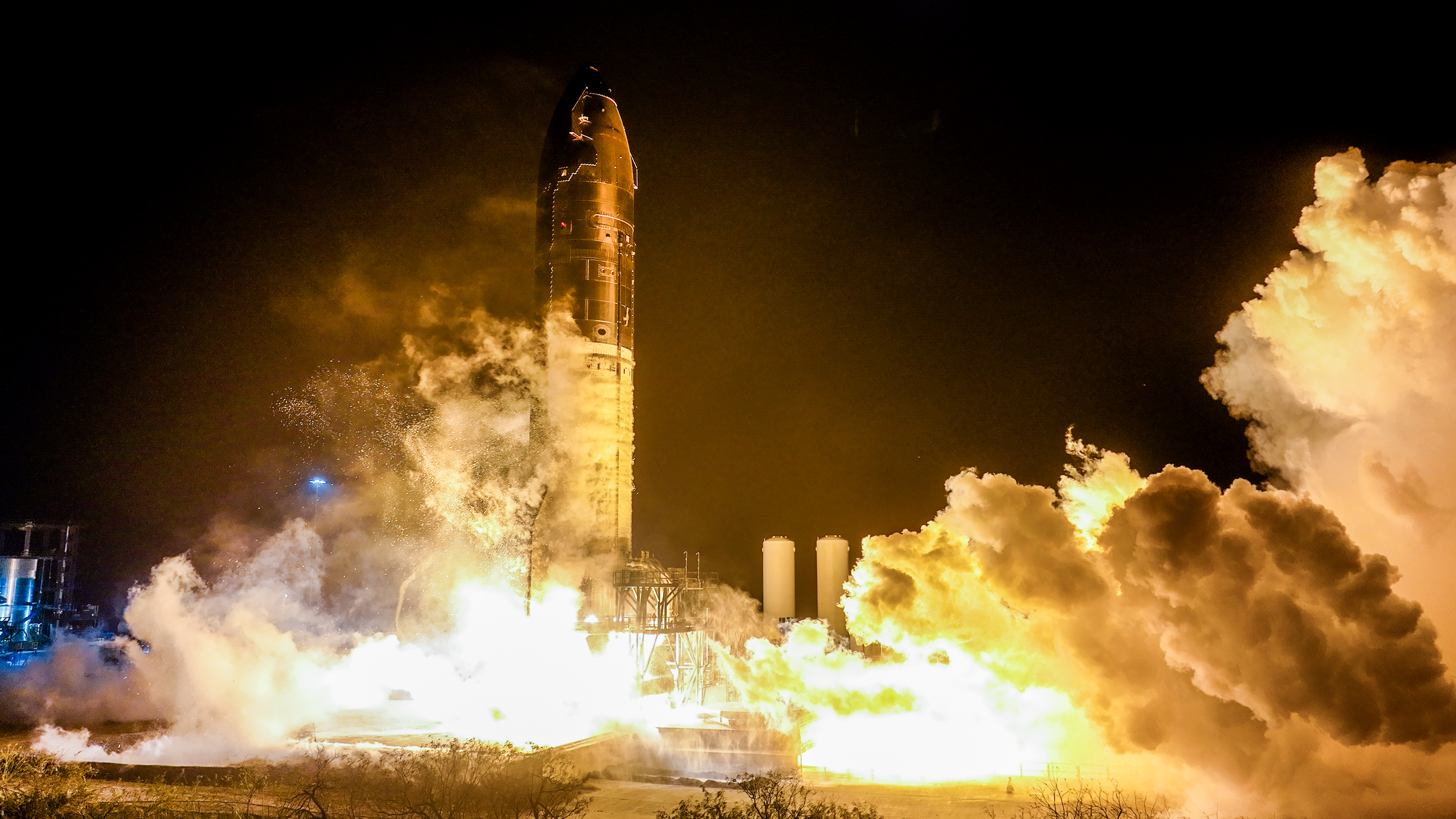
This week brings a convergence of significant space industry and policy milestones. SpaceX is poised to launch Starship Integrated Flight Test-12 (IFT-12)—the first flight of the company’s third-generation vehicle. The launch window opens at 6:30 pm Eastern Time on Wednesday, May 20, from Starbase in Texas. The V3 variant features substantial upgrades to the Raptor engine suite, and the flight will also mark the first launch from SpaceX’s new pad at Starbase. For this inaugural V3 mission, the booster will splashdown in the Gulf rather than attempt the now-routine “chopstick” catch at the launch tower.
On Capitol Hill, the House Armed Services Committee will hold a hearing the same day on the Department of the Air Force’s FY2027 budget request. A striking figure dominates the discussion: the U.S. Space Force budget is set to nearly double—from approximately $40 billion in FY2026 to $71 billion in FY2027. The Department of Defence overall is requesting a record $1.5 trillion. Secretary of the Air Force Troy Meink, Air Force Chief of Staff General Kenneth Wilsbach, and Space Force Chief of Space Operations General Chance Saltzman will testify. Although $12 billion of the requested $71 billion is envisioned to come from a later reconciliation bill, uncertainty remains about that portion’s passage.
Meanwhile, industry will gather at the ASCEND conference (Accelerating Space Commerce, Exploration, and New Discovery) in Washington, DC, from Tuesday through Thursday. AIAA is co-hosting with the International Space Station National Lab, the Commercial Space Federation, and others in what marks a turning point for the conference—its first year in Washington rather than Las Vegas. NASA Administrator Jared Isaacman will kick off the event at 8:00 am on Tuesday with remarks to hundreds of industry, government, and academic participants.
Later in the week, the Secure World Foundation and the Centre for Strategic and International Studies will jointly discuss their complementary reports on counterspace threats on Friday afternoon. SWF’s latest assessment adds Germany to the list of countries pursuing counterspace capabilities, while emphasizing that “only non-destructive capabilities are actively being used against satellites in military operations” so far.
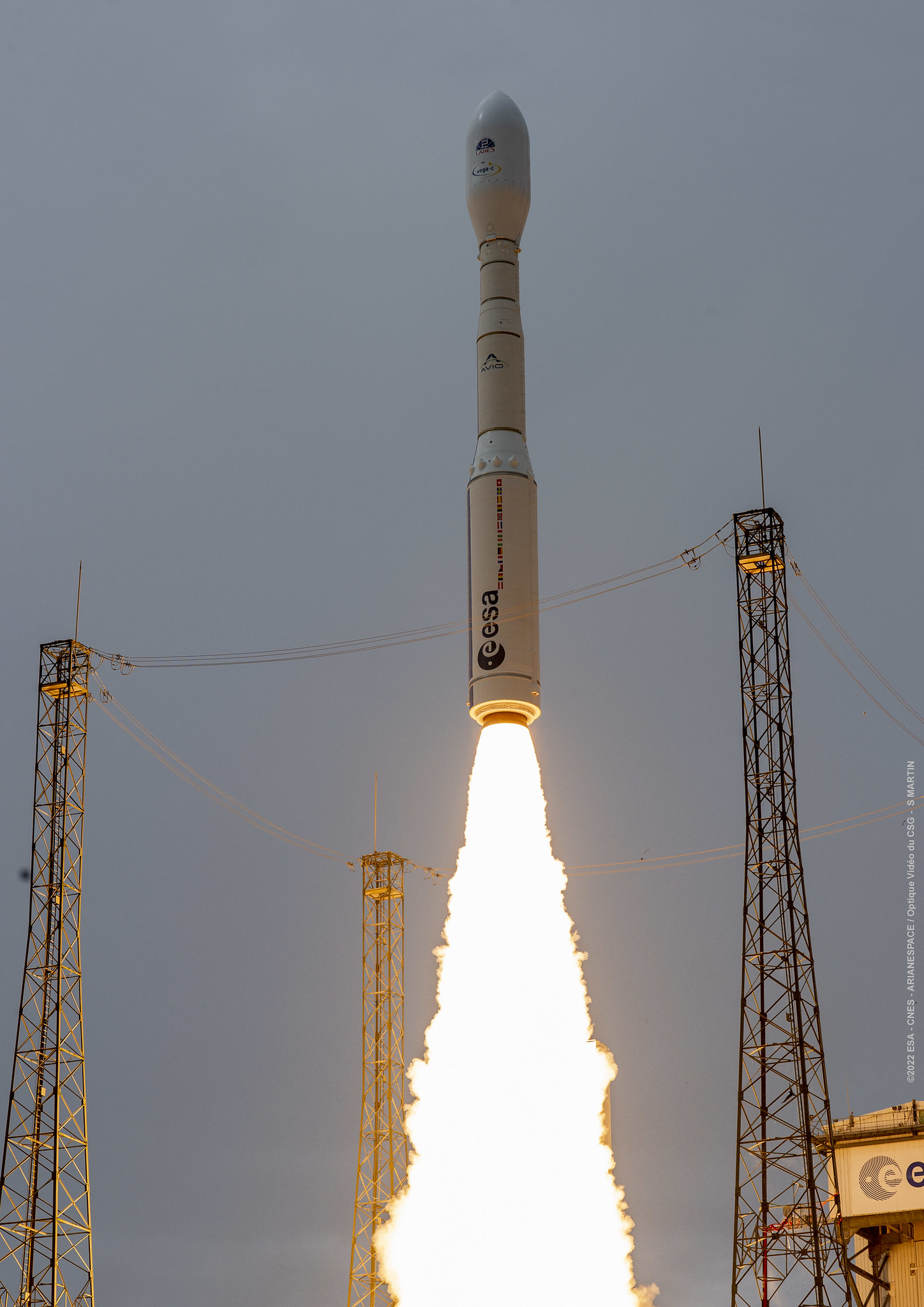
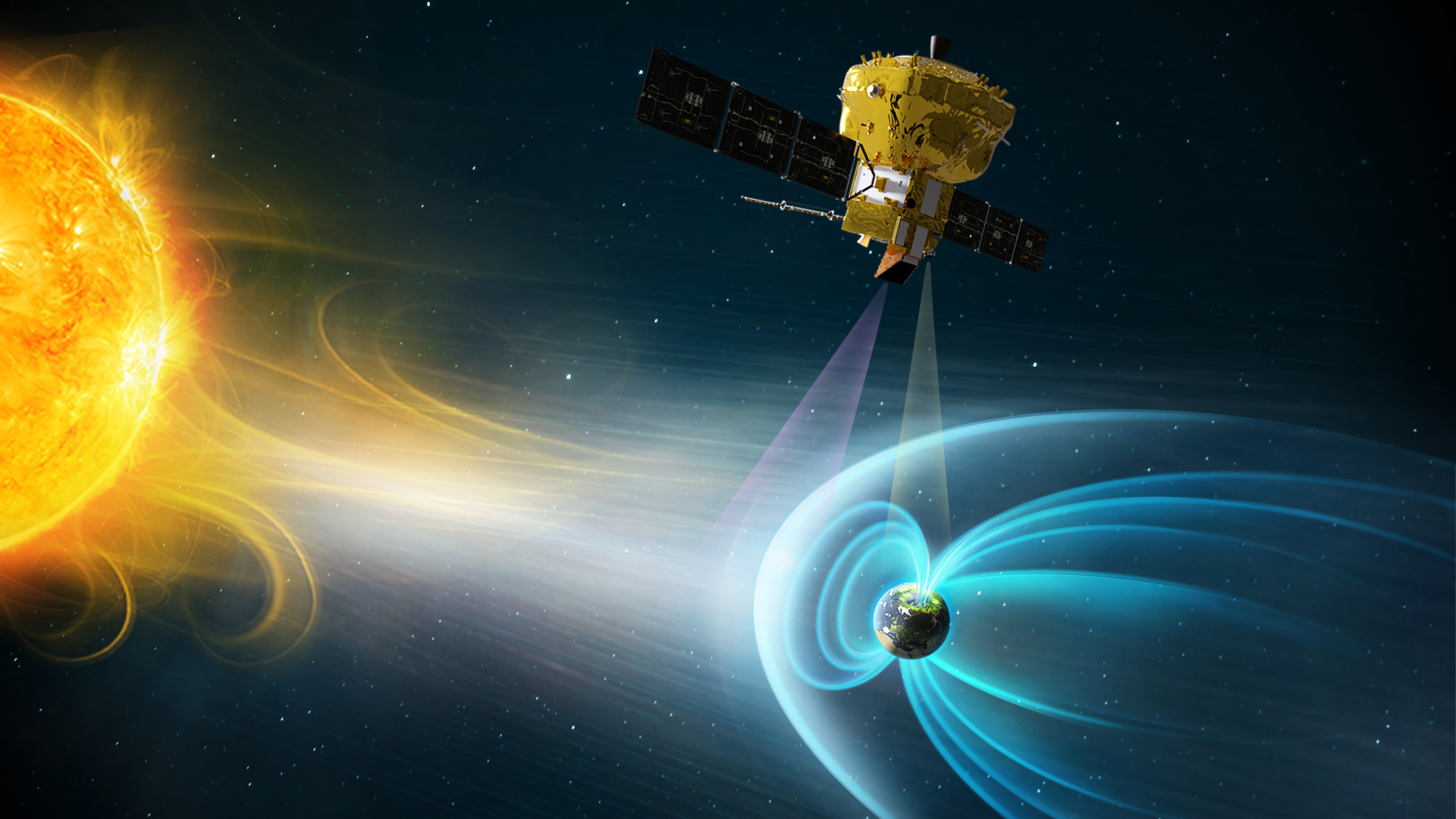
Solar wind Magnetosphere Ionosphere Link Explorer (SMILE)
Provider: Avio S.p.A Date: May 19, 2026 Time: 3:52 AM UTC Vehicle: Vega-C
Joint mission between the European Space Agency and the Chinese Academy of Sciences to investigate the interaction between Earth’s protective shield – the magnetosphere – and the supersonic solar wind.
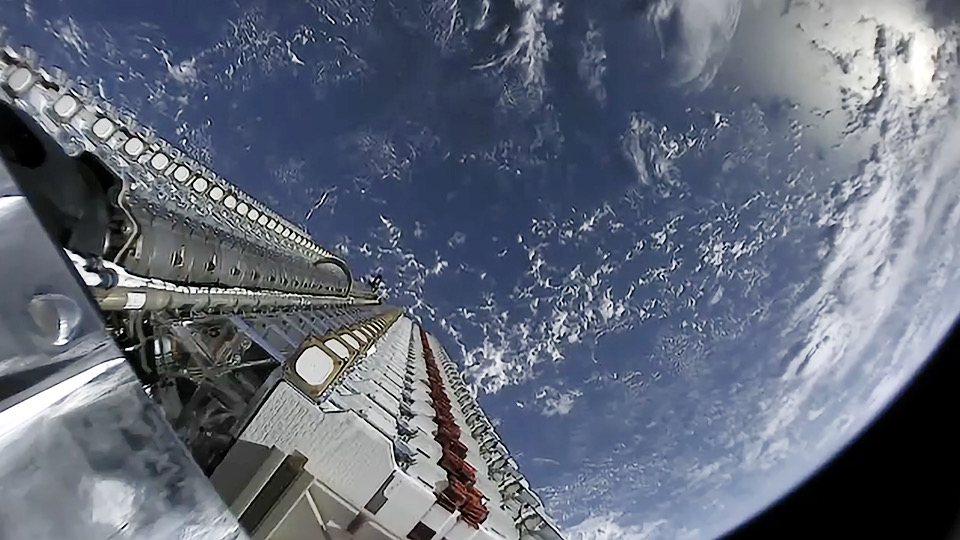
Starlink Group 17-42
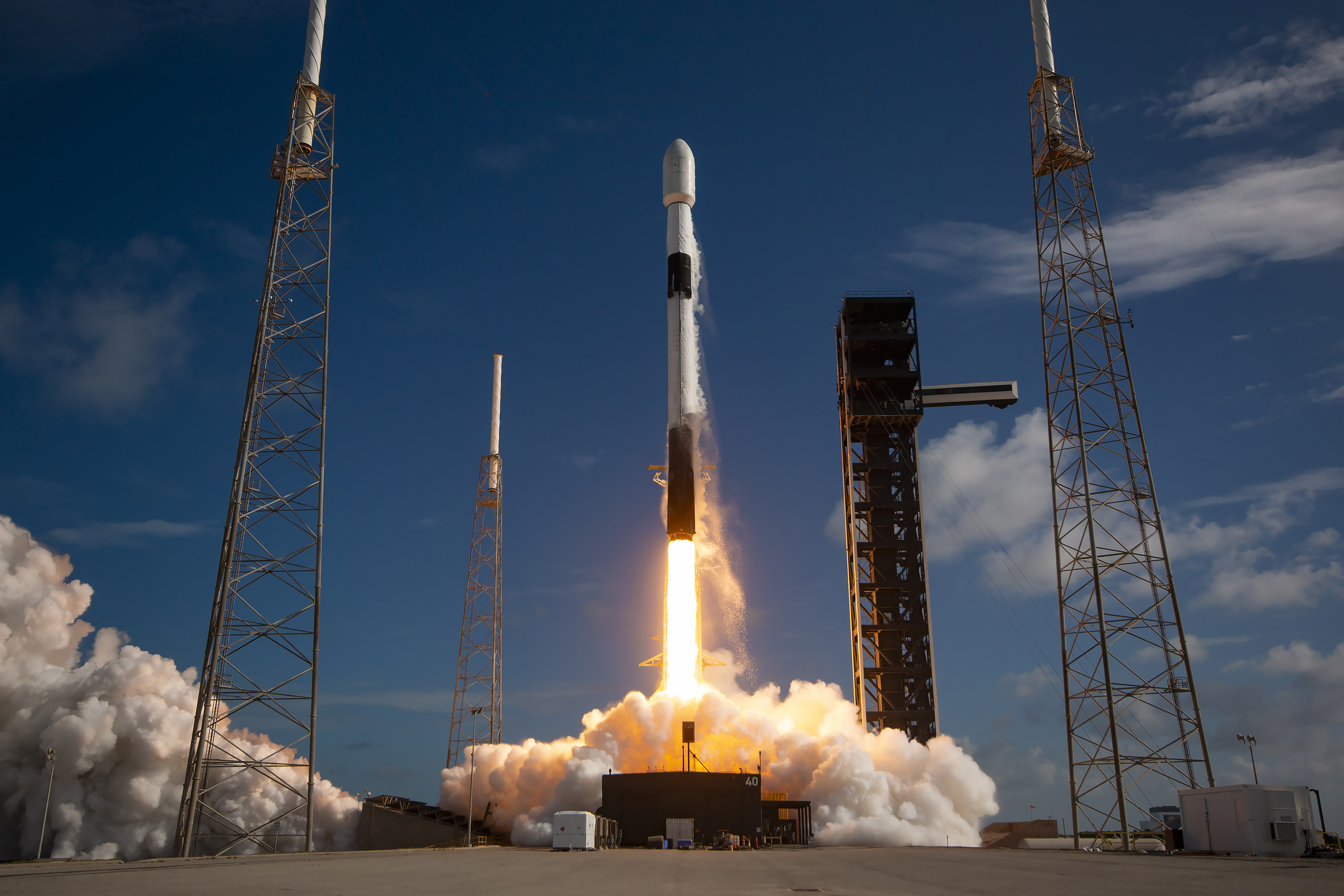
Provider: SpaceX Date: May 20, 2026 Time: 2:11 AM UTC Vehicle: Falcon 9
A batch of 24 satellites for the Starlink mega-constellation – SpaceX’s project for space-based Internet communication system.
Flight 12
Provider: SpaceX Date: May 20, 2026 Time: 10:30 PM UTC Vehicle: Starship
12th test flight of the two-stage Starship launch vehicle. Maiden Flight of Starship V3.
The flight test’s primary goal will be to demonstrate each of these new pieces in the flight environment for the first time, with each element of the Starship architecture featuring significant redesigns to enable full and rapid reuse that incorporate learnings from years of development and test.
The Starship upper stage will target multiple in-space and reentry objectives, including a payload deployment of 20 Starlink simulators, similar in size to next-generation Starlink V3 satellites, and two specially modified Starlink satellites. The two modified satellites will test hardware planned for Starlink V3 and will attempt to scan Starship’s heat shield and transmit imagery down to operators to test methods of analyzing Starship’s heat shield readiness for return to launch site on future missions. Several tiles on Starship have been painted white to simulate missing tiles and serve as imaging targets in the test. The Starlink simulators will be on the same suborbital trajectory as Starship. A relight of a single Raptor engine while in space is also planned.
For Starship entry, a single heat shield tile has been intentionally removed to measure the aerodynamic load differences on adjacent tiles when there is a tile missing. Finally, the ship will perform experimental actions tested on previous flight tests, including a maneuver to intentionally stress the structural limits of the vehicle’s rear flaps and a dynamic banking maneuver to mimic the trajectory that future missions returning to Starbase will fly.
Starlink Group 10-31
Provider: SpaceX Date: May 21, 2026 Time: 9:26 AM UTC Vehicle: Falcon 9
A batch of 29 satellites for the Starlink mega-constellation – SpaceX’s project for space-based Internet communication system.
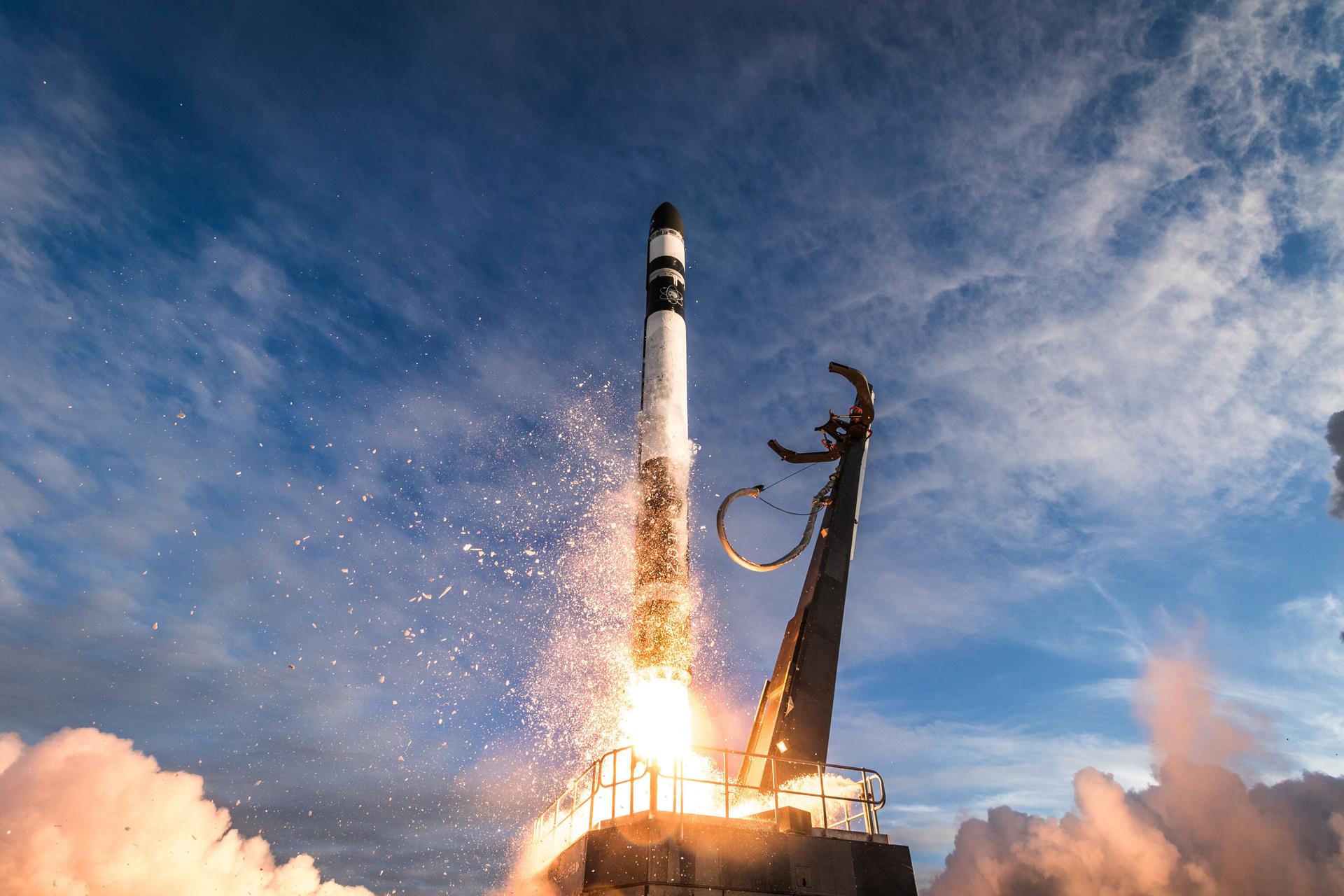
Viva La StriX (StriX Launch 9)
Provider: Rocket Lab Date: May 22, 2026 Time: 9:30 AM UTC Vehicle: Electron
Synthetic aperture radar satellite for Japanese Earth imaging company Synspective.
Solar wind Magnetosphere Ionosphere Link Explorer (SMILE) ×
Mission Details
TypeAstrophysics
OrbitElliptical Orbit
TargetEarth
Joint mission between the European Space Agency and the Chinese Academy of Sciences to investigate the interaction between Earth’s protective shield – the magnetosphere – and the supersonic solar wind.
Solar wind Magnetosphere Ionosphere Link Explorer (SMILE) is a joint venture mission between the European Space Agency and the Chinese Academy of Sciences. SMILE is designed to image for the first time the magnetosphere of the Earth in soft X-rays and UV during up to 40 hours per orbit, improving…
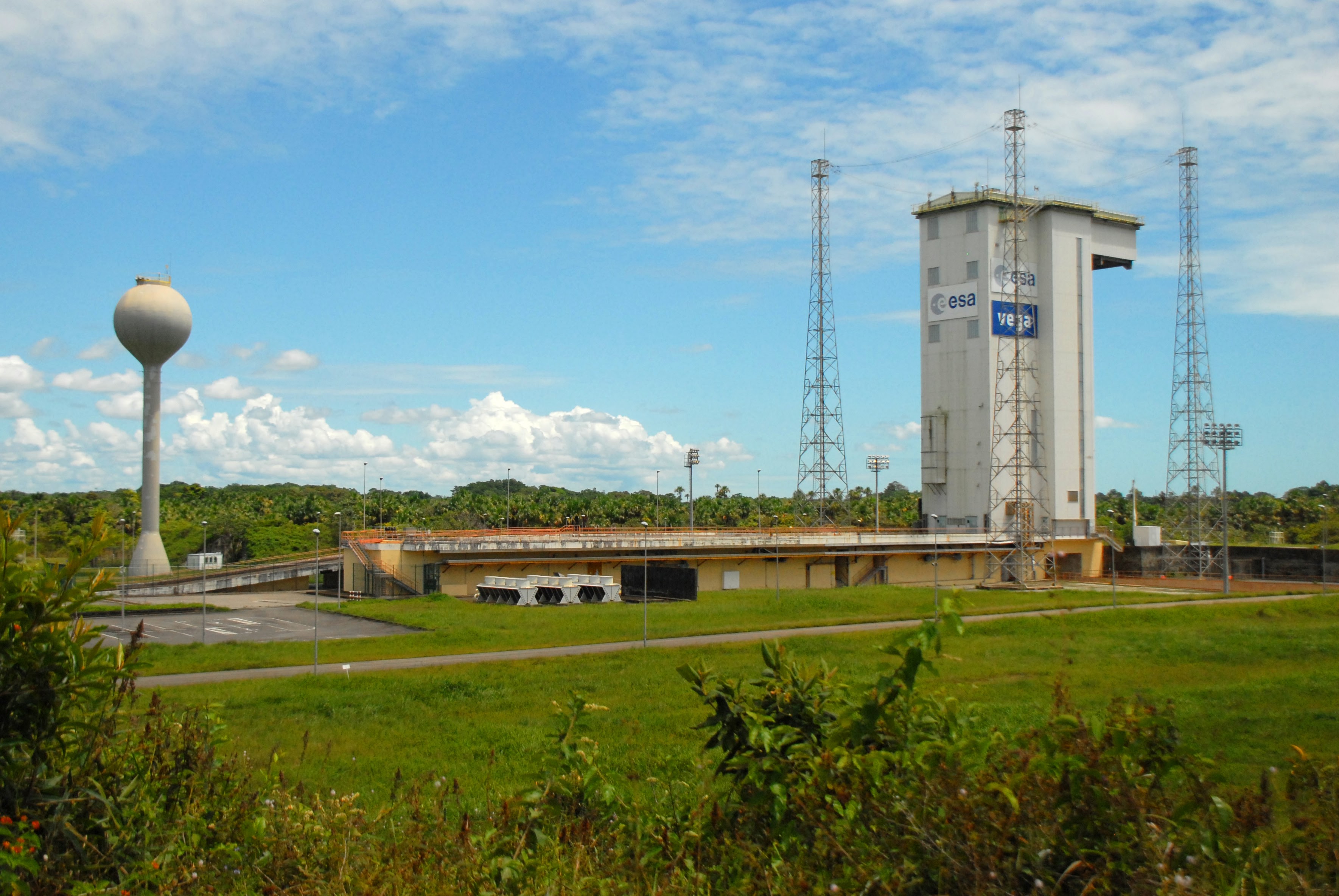
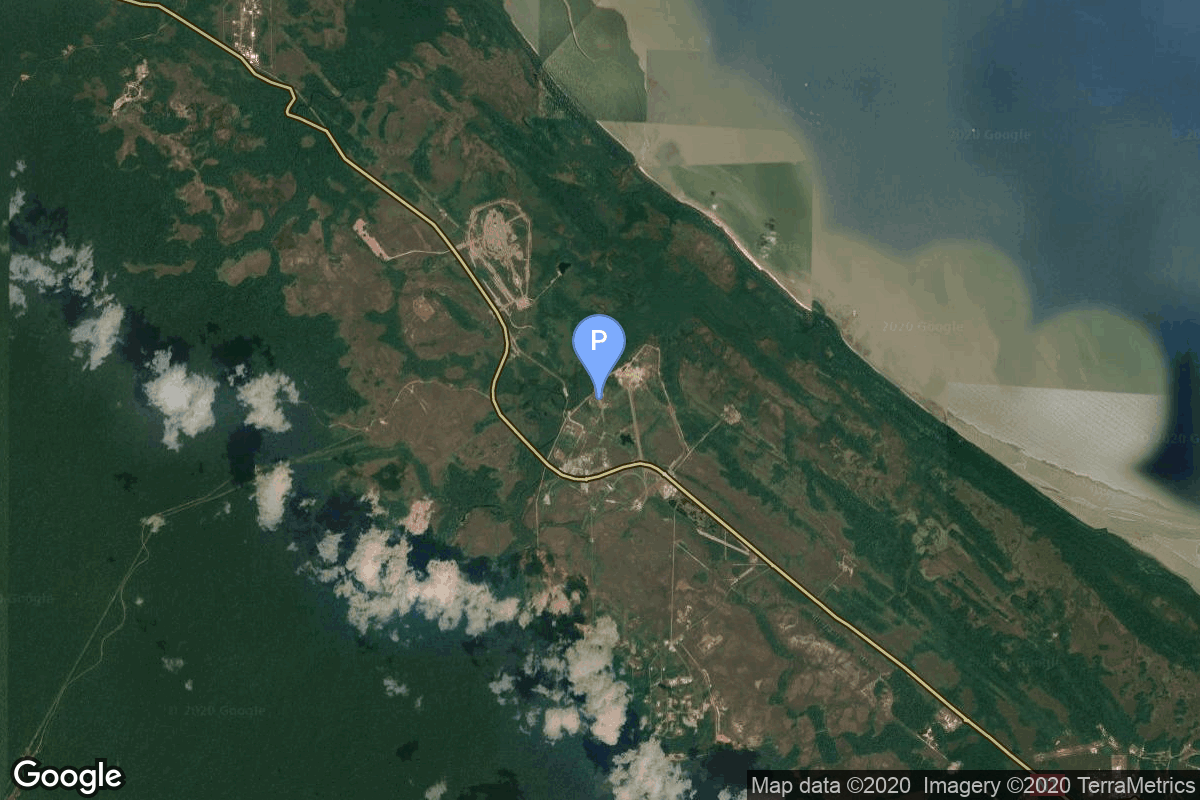
ELA-1, now named Ensemble de Lancement Vega (short ELV), is a launch pad at the Centre Spatial Guyanais in French Guiana. It has been used to support launches of the Europa rocket, Ariane 1, Ariane…
Vega-C is a single-body rocket nearly 35 m high with that weighs 210 tonnes on the launch pad. As with Vega, its main elements are three solid-propellant stages, an upper stage powered by a reignitable liquid-propellant engine and a payload fairing. Vega-C’s P120C first stage replaces Vega’s…
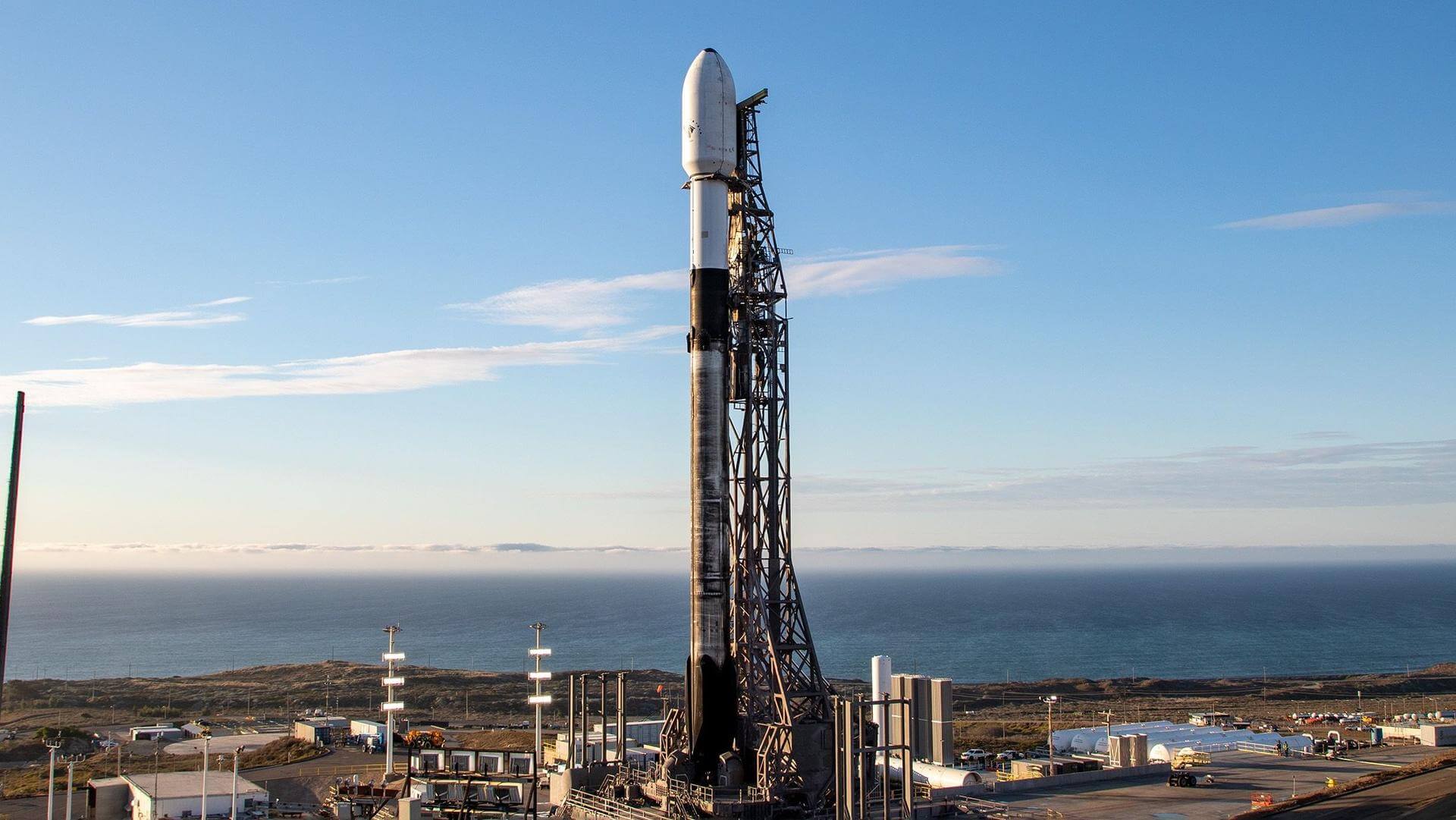
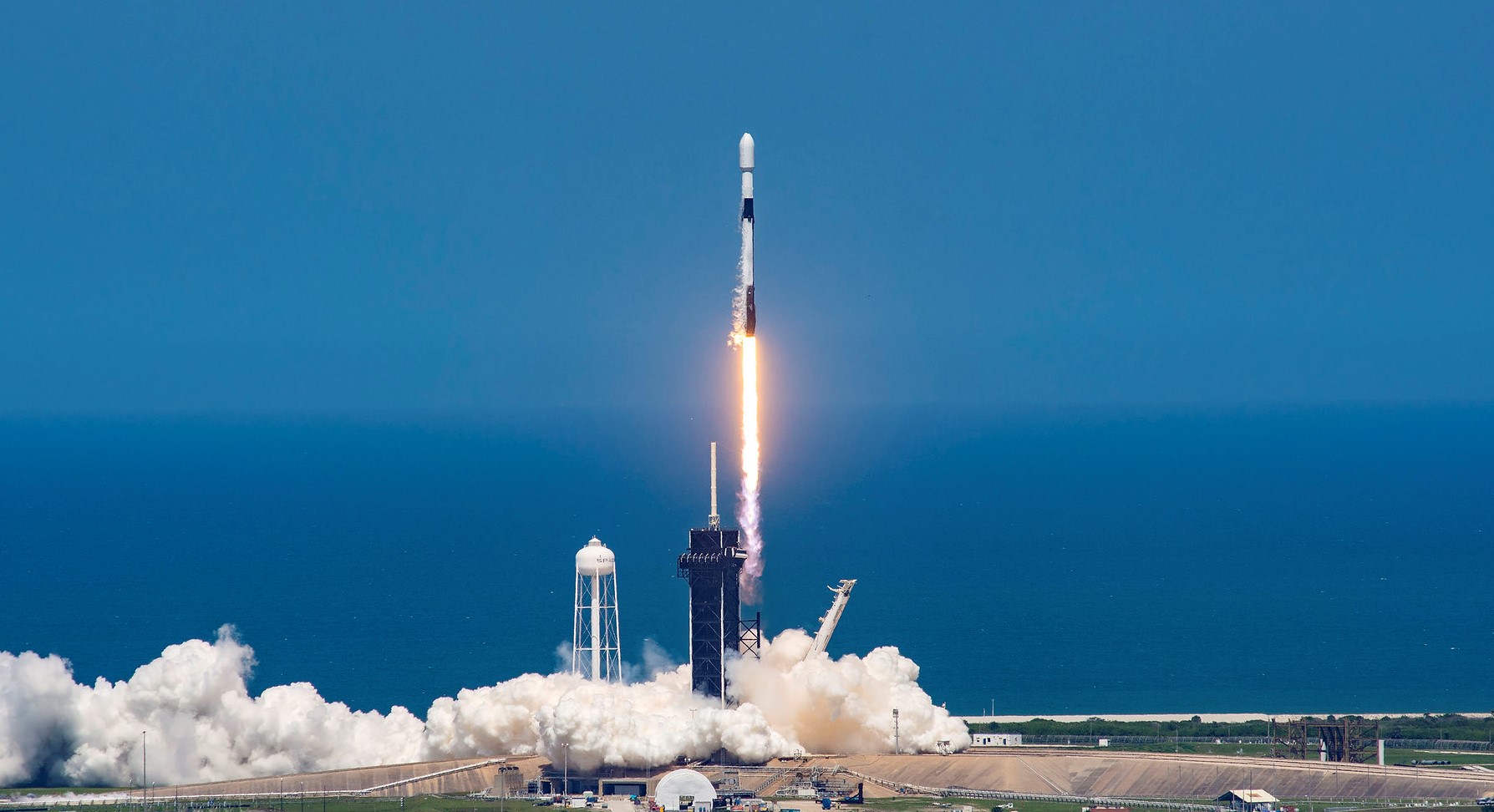
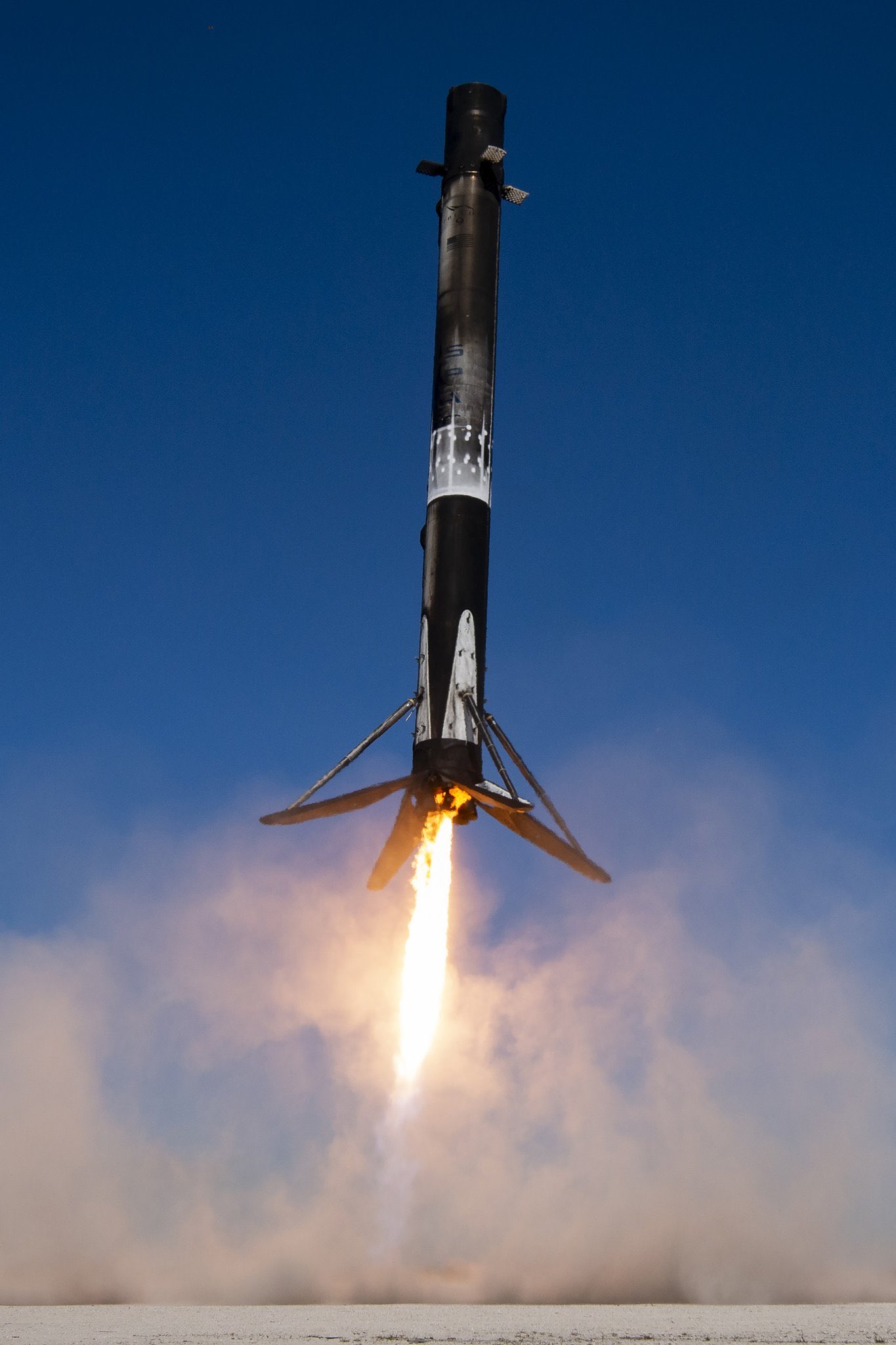
Falcon 9 is a two-stage rocket designed and manufactured by SpaceX for the reliable and safe transport of satellites and the Dragon spacecraft into orbit. The Block 5 variant is the fifth major interval aimed at improving upon the ability for rapid reusability.
The Falcon 9 first stage B1103 will land on ASDS OCISLY after its 2nd flight.
Flight 12 ×
Mission Details
TypeTest Flight
OrbitSuborbital
TargetEarth
12th test flight of the two-stage Starship launch vehicle. Maiden Flight of Starship V3.
The flight test’s primary goal will be to demonstrate each of these new pieces in the flight environment for the first time, with each element of the Starship architecture featuring significant redesigns to enable full and rapid reuse that incorporate learnings from years of development and test.
The Starship upper stage will target multiple in-space and reentry objectives, including a payload deployment of 20 Starlink simulators, similar in size to next-generation Starlink V3 satellites, and two specially modified Starlink satellites. The two modified satellites will test hardware planned for Starlink V3 and will attempt to scan Starship’s heat shield and transmit imagery down to operators to test methods of analyzing Starship’s heat shield readiness for return to launch site on future missions. Several tiles on Starship have been painted white to simulate missing tiles and serve as imaging targets in the test. The Starlink simulators will be on the same suborbital trajectory as Starship. A relight of a single Raptor engine while in space is also planned.
For Starship entry, a single heat shield tile has been intentionally removed to measure the aerodynamic load differences on adjacent tiles when there is a tile missing. Finally, the ship will perform experimental actions tested on previous flight tests, including a maneuver to intentionally stress the structural limits of the vehicle’s rear flaps and a dynamic banking maneuver to mimic the trajectory that future missions returning to Starbase will fly.
The SpaceX Starship is a fully reusable super heavy-lift launch vehicle under development by SpaceX since 2012, as a self-funded private spaceflight project. The second stage of the Starship — is designed as a long-duration cargo and passenger-carrying spacecraft. It is expected to be initially used without any booster stage at all, as part of an extensive development program to prove out launch-and-landing and iterate on a variety of design details, particularly with respect to the vehicle’s atmospheric reentry.
The second launch and landing pad of the full version of the combined SpaceX Starship and Superheavy booster. To be first used for launch in 2025 with version 3 of Starship and the Superheavy…
Falcon 9 is a two-stage rocket designed and manufactured by SpaceX for the reliable and safe transport of satellites and the Dragon spacecraft into orbit. The Block 5 variant is the fifth major interval aimed at improving upon the ability for rapid reusability.
Rocket Lab Launch Complex 1, Mahia Peninsula, New Zealand
Total launches from this pad: 0
Vehicle: Electron
Electron is a two-stage orbital expendable launch vehicle (with an optional third stage) developed by the American aerospace company Rocket Lab. Electron is a small-lift launch vehicle designed to launch small satellites and cubesats to sun-synchronous orbit and low earth orbit. The Electron is the…
Robo Chris is a collection of API calls, filters, and searches, bolted together with magic and love. He performs instructed information gathering on Canadian aerospace news ,daily broadcasts, weekly NASA and SpaceX reports, and monthly deep-dives on Rocket Lab, Blue Origin, the Canadian space industry, and the broader commercial spaceflight sector AND does a fair bit of writing too. Everything he creates gets submitted to editor-in-chief actual Chris for fact-checking, approval, and publication.