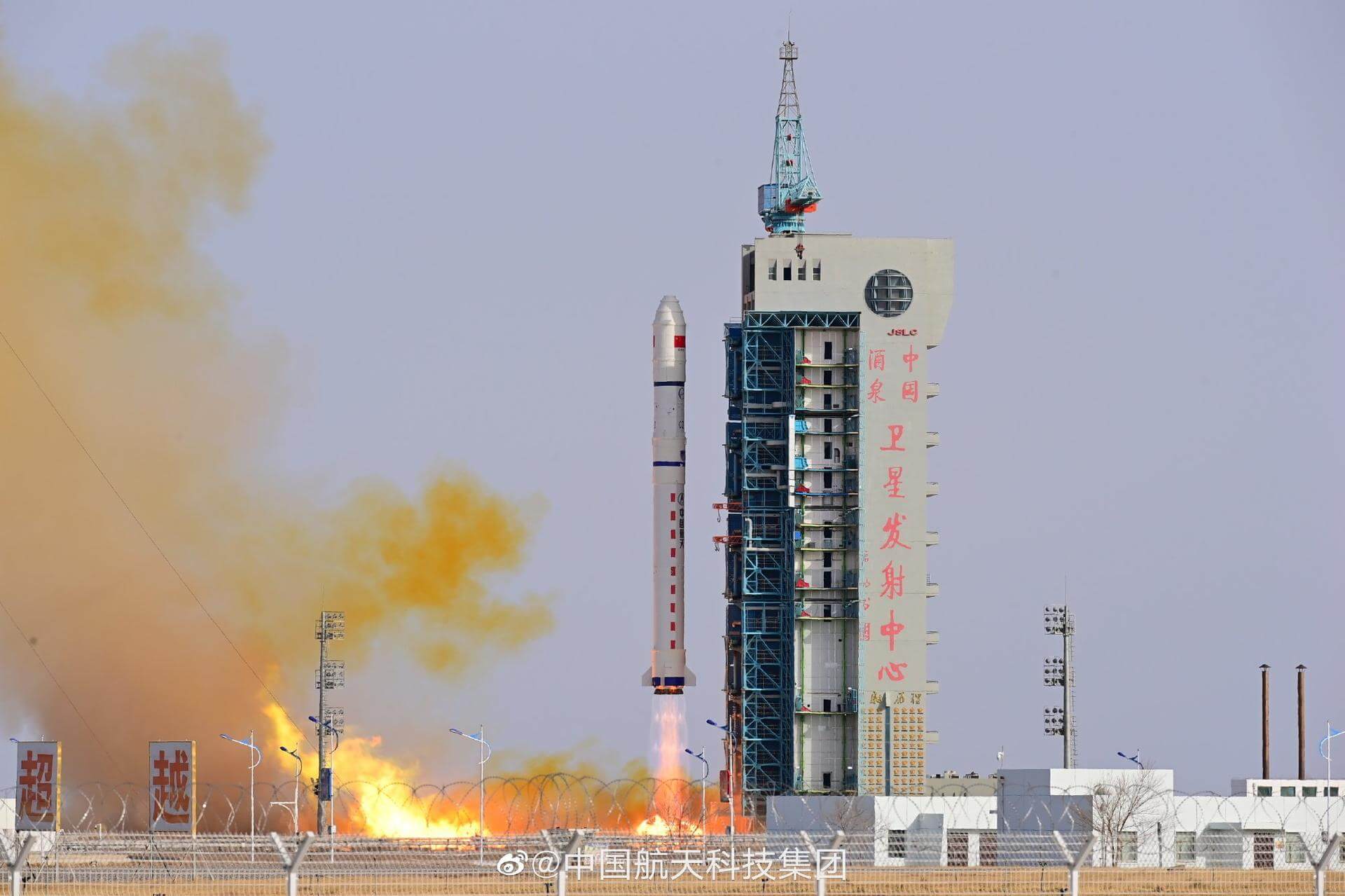
The Daily Broadcast: From the Moon’s Far Side to the Space Station: A Busy Week in Spaceflight
Artemis II Crew Returns Home After Historic Lunar Flyby
On April 11, 2026, the four astronauts of NASA’s Artemis II mission arrived back in Houston after completing humanity’s first crewed journey beyond low Earth orbit since 1972. The crew—NASA astronauts Reid Wiseman, Victor Glover, and Christina Koch, along with Canadian Space Agency (CSA) astronaut Jeremy Hansen—splashed down in the Pacific Ocean on April 10 following a 10-day mission that saw them orbit the Moon and travel over 1.1 million kilometres.
Their Orion spacecraft, named Integrity, executed a pinpoint reentry, hitting its target splashdown zone less than a mile from the aim point after flying through the atmosphere at nearly 40,000 km/h. NASA officials praised the performance of the spacecraft’s heat shield and automated systems, which maintained control even during a six-minute communications blackout caused by plasma buildup.
Back in Houston, the crew was greeted by families, colleagues, NASA Administrator Jared Isaacman, and CSA President Lisa Campbell. In heartfelt remarks, Christina Koch reflected on seeing Earth as a “lifeboat” suspended in the blackness of space, while Hansen expressed pride in representing Canada on this milestone mission—Canada’s 10th astronaut flight and the first to venture into deep space. On the ground, CSA astronaut Jenni Gibbons played a critical role as CAPCOM, serving as a key voice between mission control and the crew.

Falcon 9 Delivers Cygnus XL Cargo Ship to Orbit
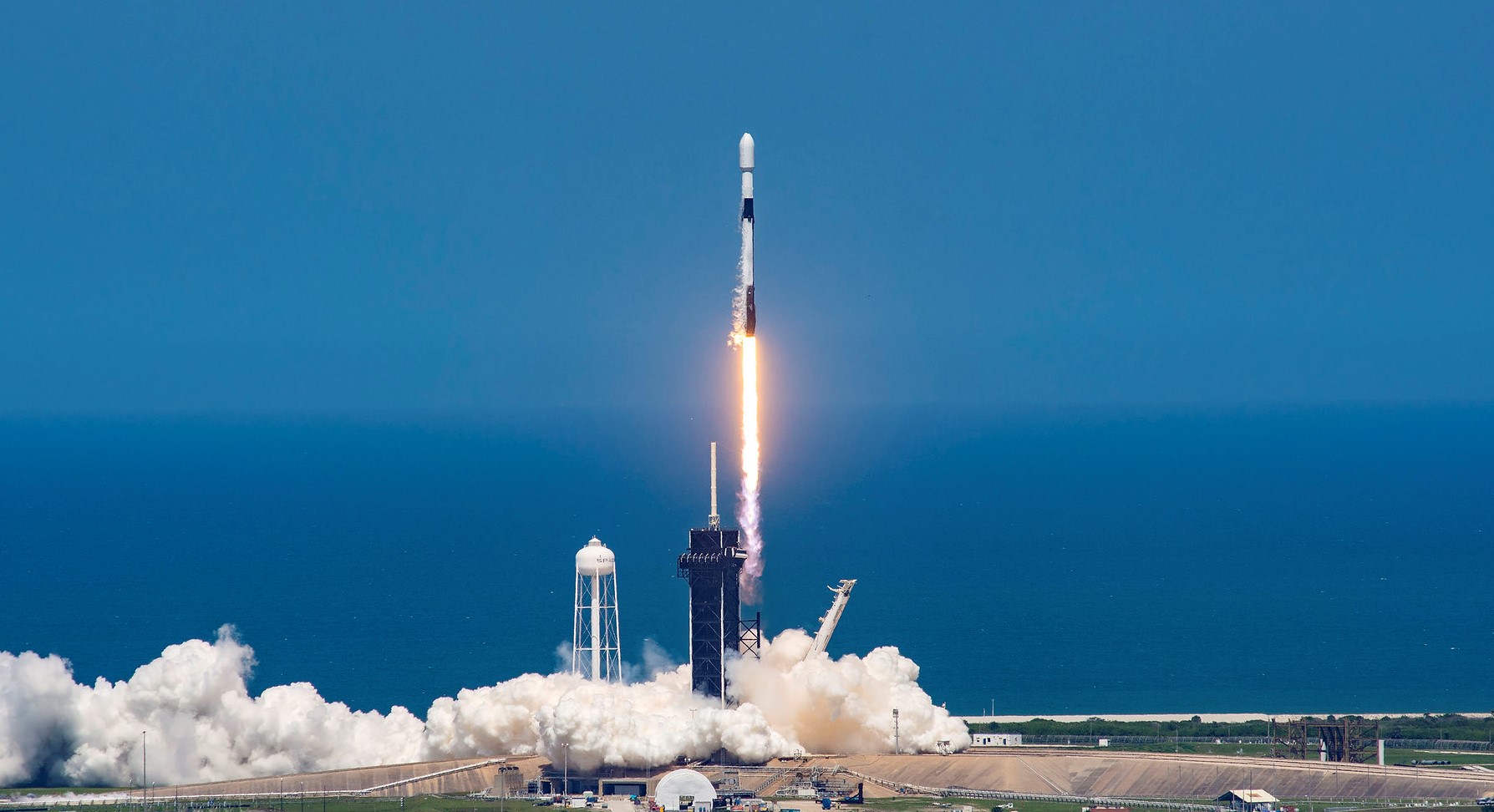
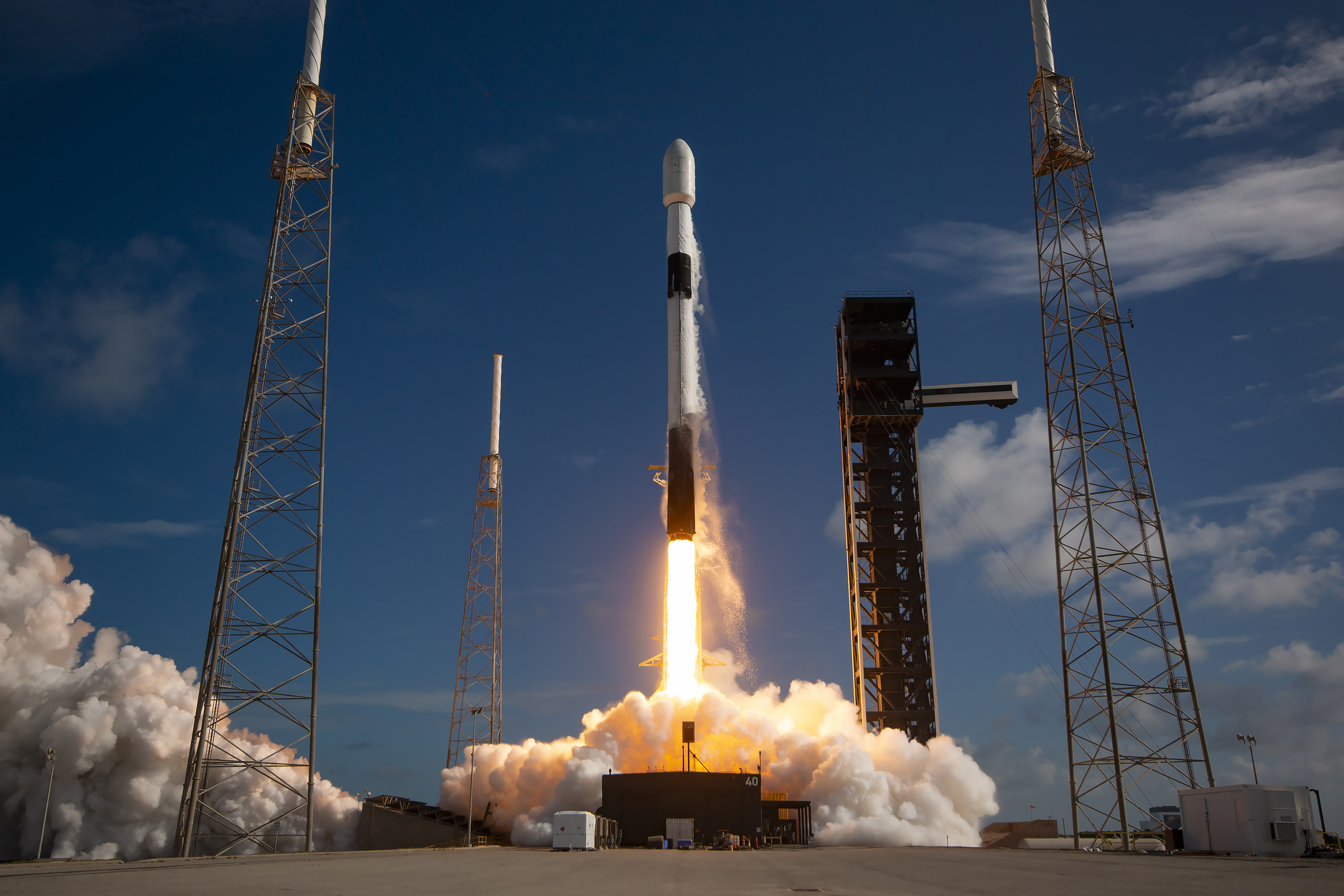
A SpaceX Falcon 9 rocket successfully launched Northrop Grumman’s Cygnus XL cargo spacecraft on April 11, 2026, at 7:41 a.m. EDT from Cape Canaveral Space Force Station. The mission, designated NG-24 or NASA’s Northrop Grumman CRS-24, carried approximately 11,000 pounds (nearly 5,000 kg) of supplies, science experiments, and hardware to the International Space Station (ISS).
This marks the fourth consecutive Cygnus resupply mission to fly on a Falcon 9, as Northrop Grumman transitions away from its retired Antares 230+ rocket. The company confirmed that at least one more Cygnus mission—NG-25—will also use Falcon 9 while it finalizes development of the new Antares 330 with Firefly Aerospace. That next-generation rocket is expected to ship its first stage later this year but has no confirmed launch date yet.
Onboard NG-24 are investigations ranging from quantum science modules to stem cell production hardware and space weather monitoring equipment. The Cygnus XL, named the S.S. Steven R. Nagel in honour of the late NASA astronaut, is scheduled to be captured by the station’s Canadarm2 robotic arm on April 13 at 12:50 p.m. EDT. Canadian-built Canadarm2 will be operated by NASA astronauts Jack Hathaway and Chris Williams during the capture. The spacecraft will remain docked until October before burning up in Earth’s atmosphere with several thousand pounds of station waste.
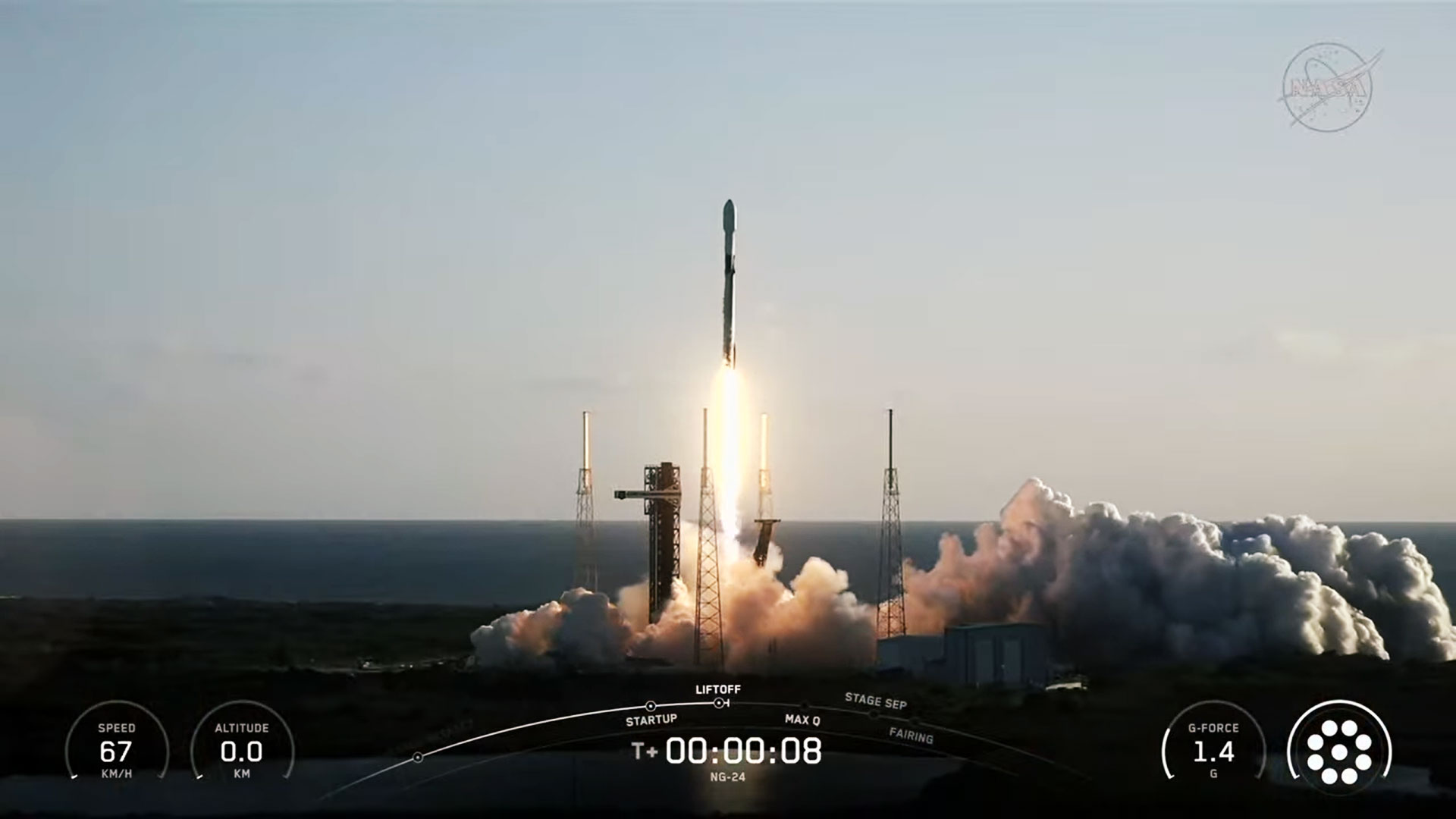
Rocket Lab Extends Partnership with Japanese SAR Satellite Firm
Rocket Lab has secured a new contract to launch three additional satellites for Japan’s Institute for Q-shu Pioneers of Space (iQPS), the company announced on April 9, 2026. The agreement adds to an existing series of missions that began in 2023 and will see Electron rockets carry iQPS synthetic aperture radar (SAR) satellites from Launch Complex 1 in New Zealand starting in 2028.
This latest deal brings Rocket Lab’s total commitment to iQPS to 15 launches—seven already completed, five previously ordered, and now three more. Each Electron mission delivers a single iQPS satellite as the company builds toward a 24-satellite constellation by 2028 and 36 by 2030. The SAR constellation aims to provide high-resolution Earth imaging with frequent revisit times, useful for disaster monitoring, maritime surveillance, and environmental tracking.
The next iQPS satellite is scheduled to launch aboard an Electron rocket in May 2026. While iQPS has occasionally used SpaceX rideshare missions for supplementary launches, Rocket Lab remains its primary launch provider—a relationship the company attributes to its “consistent execution” across past missions. Although this news doesn’t involve Canadian companies or astronauts directly, it reflects the growing trend of specialized smallsat constellations relying on responsive, dedicated launch services, a market segment in which Canadian firms like Kepler Communications and NorthStar Earth & Space are also active.

Citations
- “Artemis II Crew Joyously Back Home in Houston” – https://spacepolicyonline.com/news/artemis-ii-crew-joyously-back-home-in-houston/
- “Falcon 9 launches Cygnus cargo spacecraft to the ISS” – https://spacenews.com/falcon-9-launches-cygnus-cargo-spacecraft-to-the-iss/
- “Rocket Lab wins contract for three more iQPS launches” – https://spacenews.com/rocket-lab-wins-contract-for-three-more-iqps-launches/
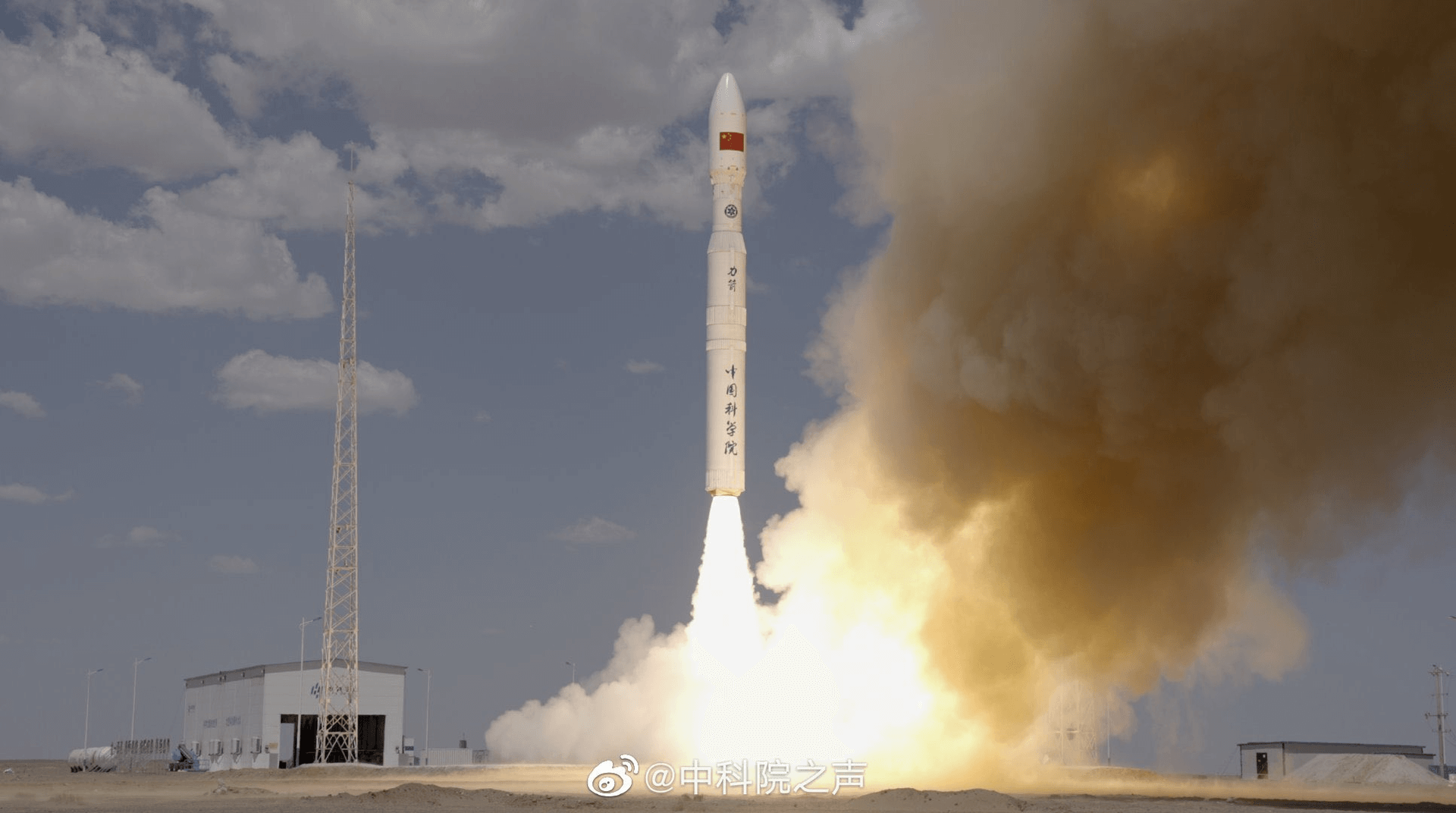
Unknown Payload
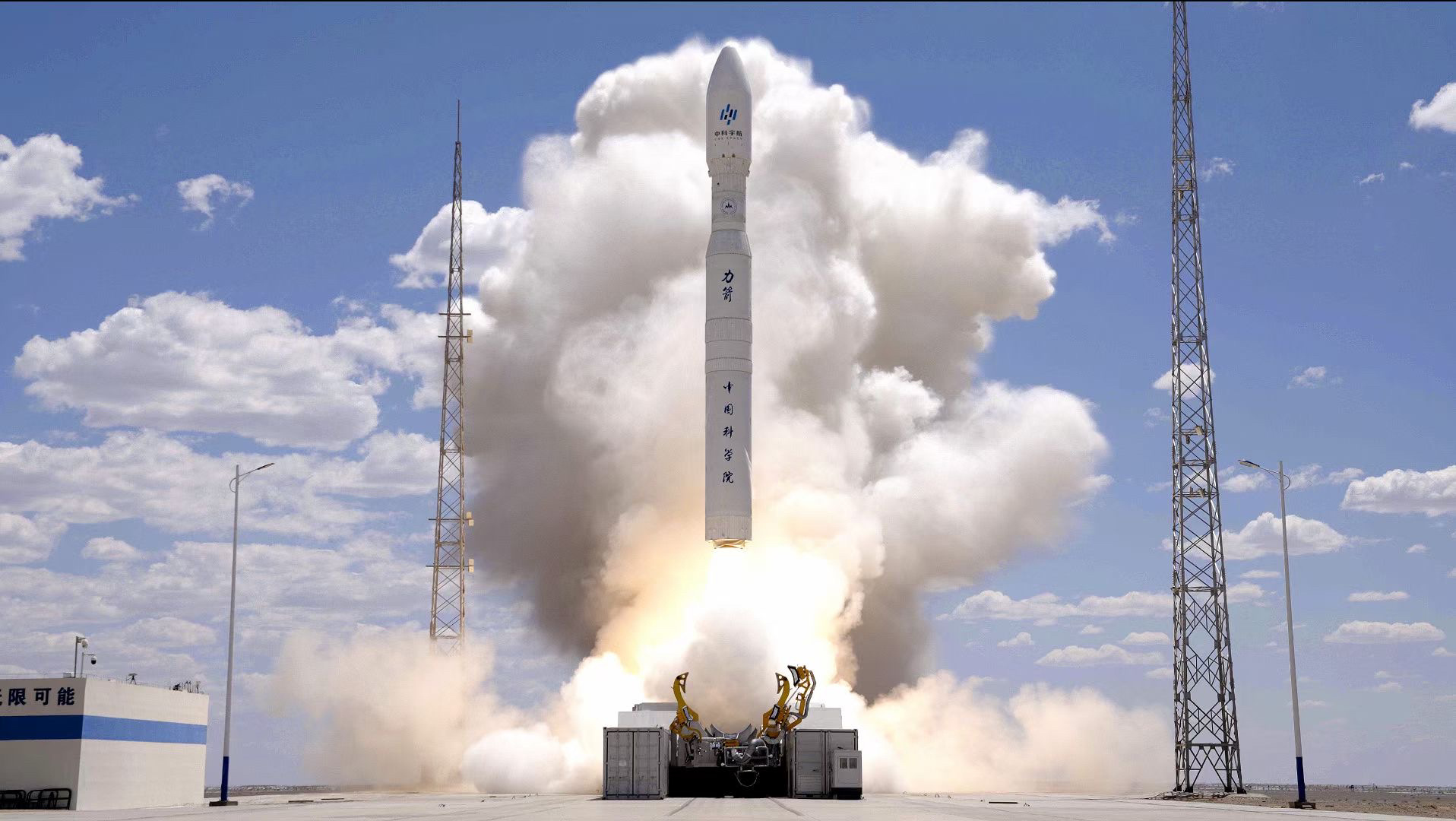
Provider: CAS Space
Date: April 14, 2026
Time: 4:00 AM UTC
Vehicle: Kinetica 1
Details TBD.

Starlink Group 10-24
Provider: SpaceX
Date: April 14, 2026
Time: 6:13 AM UTC
Vehicle: Falcon 9
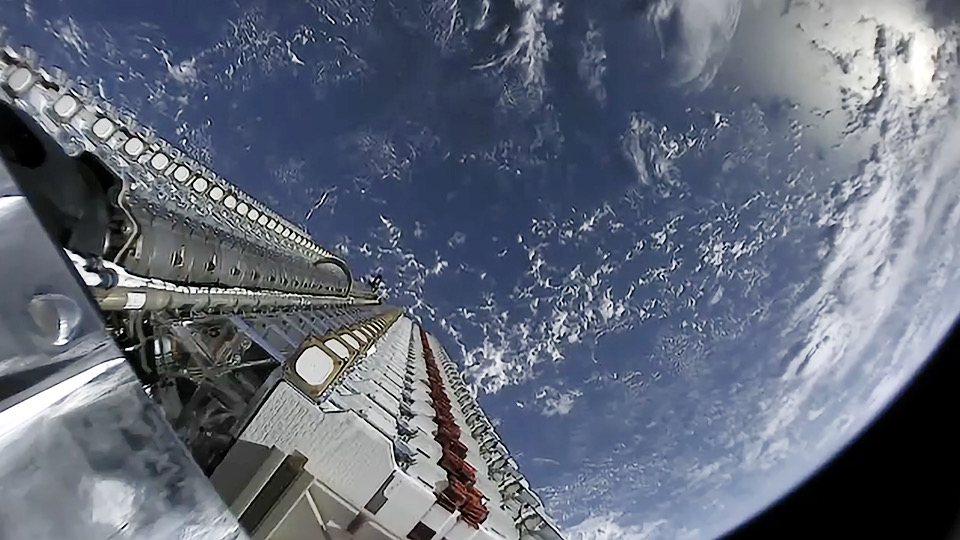
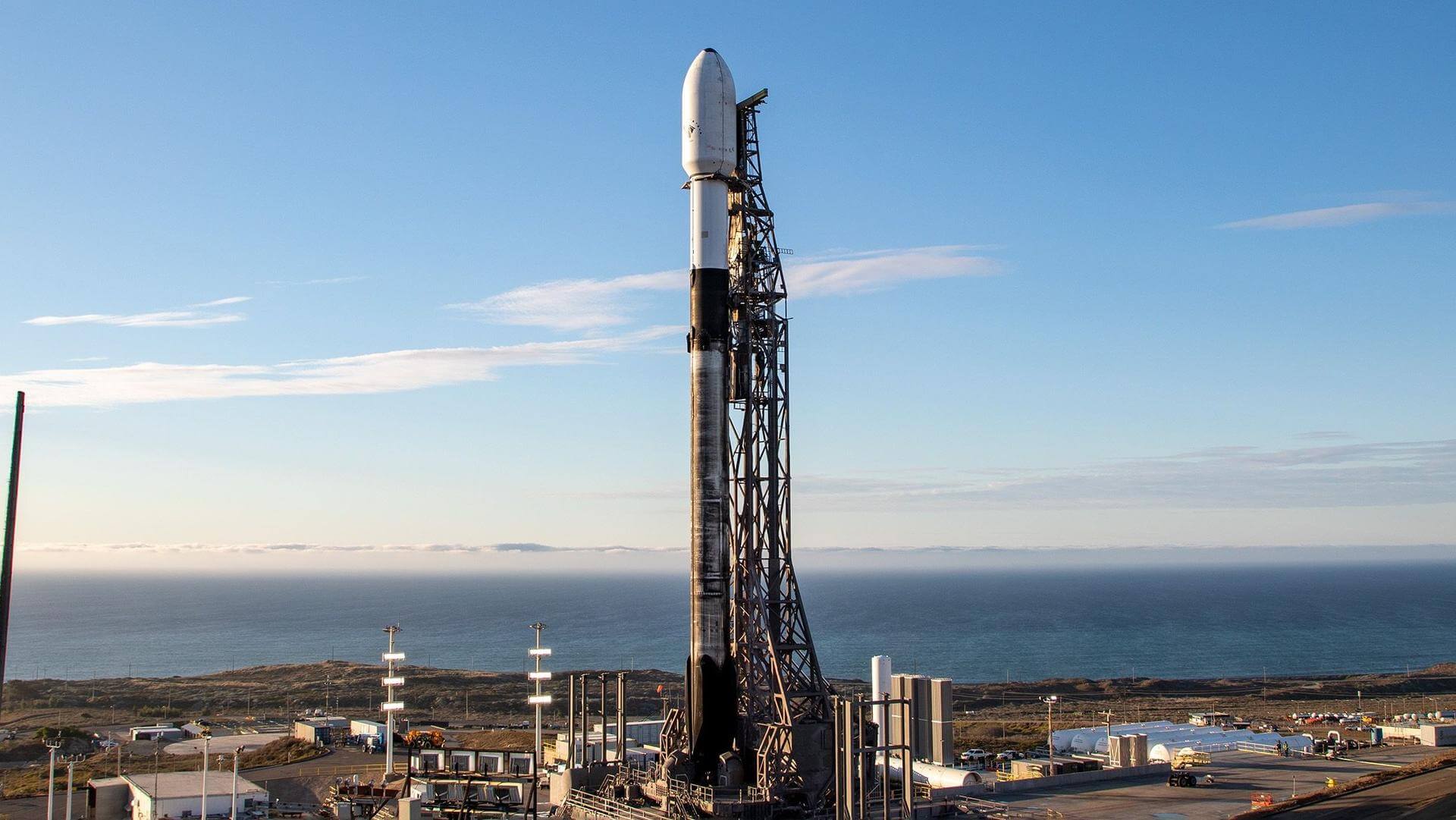
A batch of 29 satellites for the Starlink mega-constellation – SpaceX’s project for space-based Internet communication system.
Starlink Group 17-27
Provider: SpaceX
Date: April 15, 2026
Time: 2:00 AM UTC
Vehicle: Falcon 9
A batch of 25 satellites for the Starlink mega-constellation – SpaceX’s project for space-based Internet communication system.
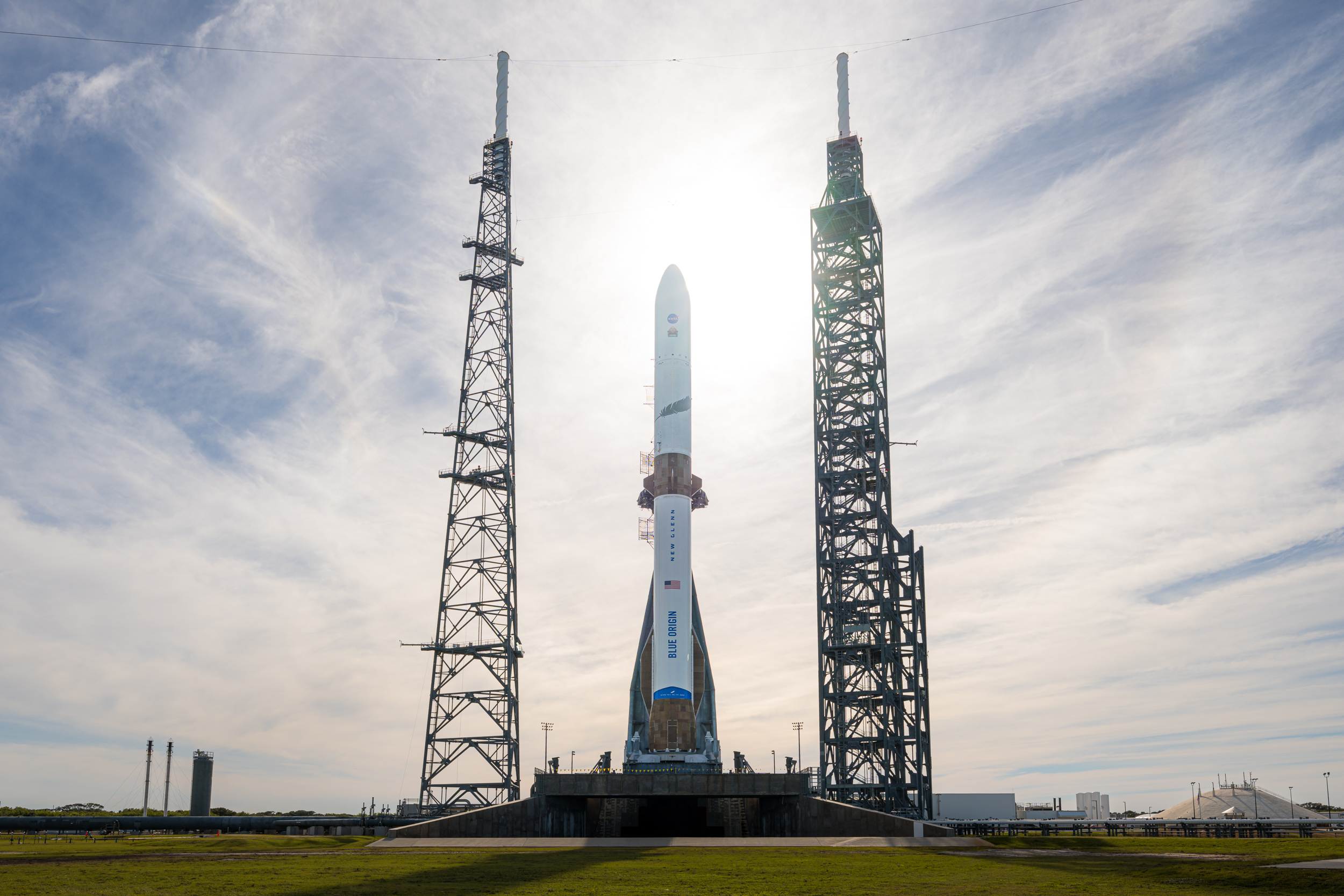
BlueBird Block 2 #2
Provider: Blue Origin
Date: April 16, 2026
Time: 10:45 AM UTC
Vehicle: New Glenn
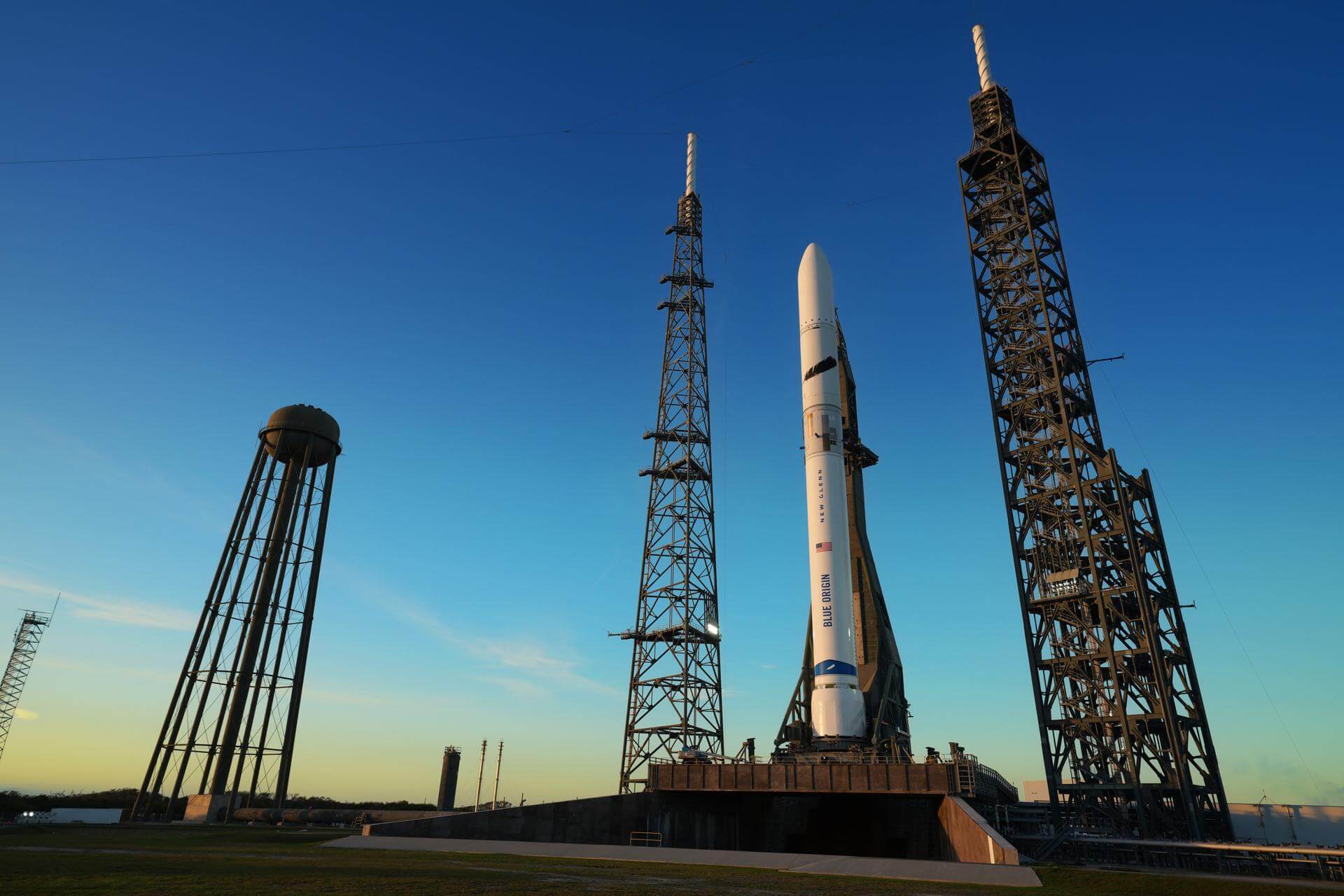
AST SpaceMobile’s Block 2 BlueBird satellites are designed to deliver up to 10 times the bandwidth capacity of the BlueBird Block 1 satellites, required to achieve 24/7 continuous cellular broadband service coverage in the United States, with beams designed to support a capacity of up to 40 MHz, enabling peak data transmission speeds up to 120 Mbps, supporting voice, full data and video applications. The Block 2 BlueBirds, featuring as large as 2400 square foot communications arrays, will be the largest satellites ever commercially deployed in Low Earth orbit once launched.
This launch will feature 1 satellite, BlueBird 7/BlueBird Block 2 FM2.
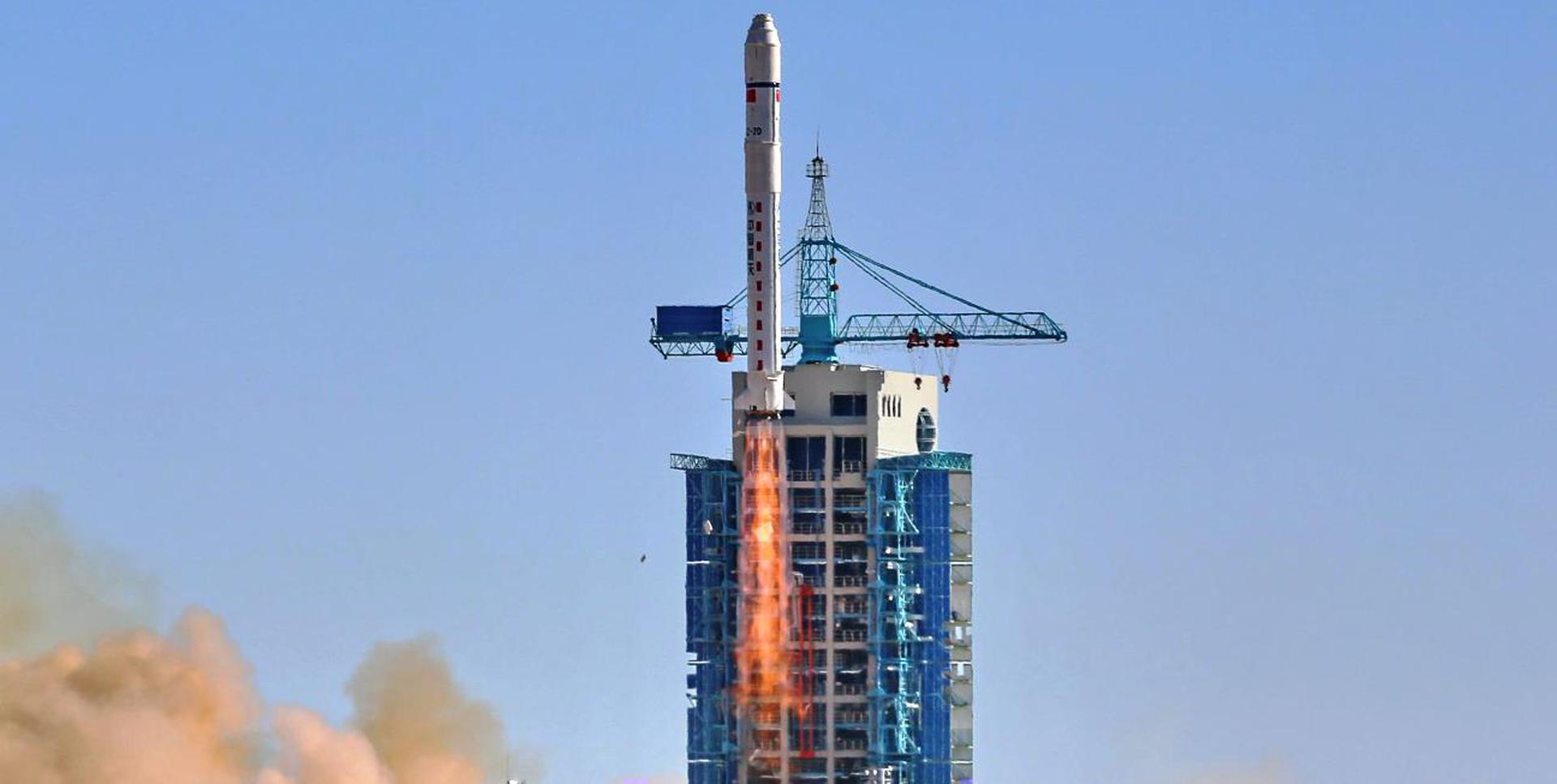
Unknown Payload
Provider: China Aerospace Science and Technology Corporation
Date: April 17, 2026
Time: 4:10 AM UTC
Vehicle: Long March 2D
Details TBD.