
Starship Flight 15: Ship 42 Caught From Orbit
Ship 42 Becomes First Starship Caught After Orbital Flight
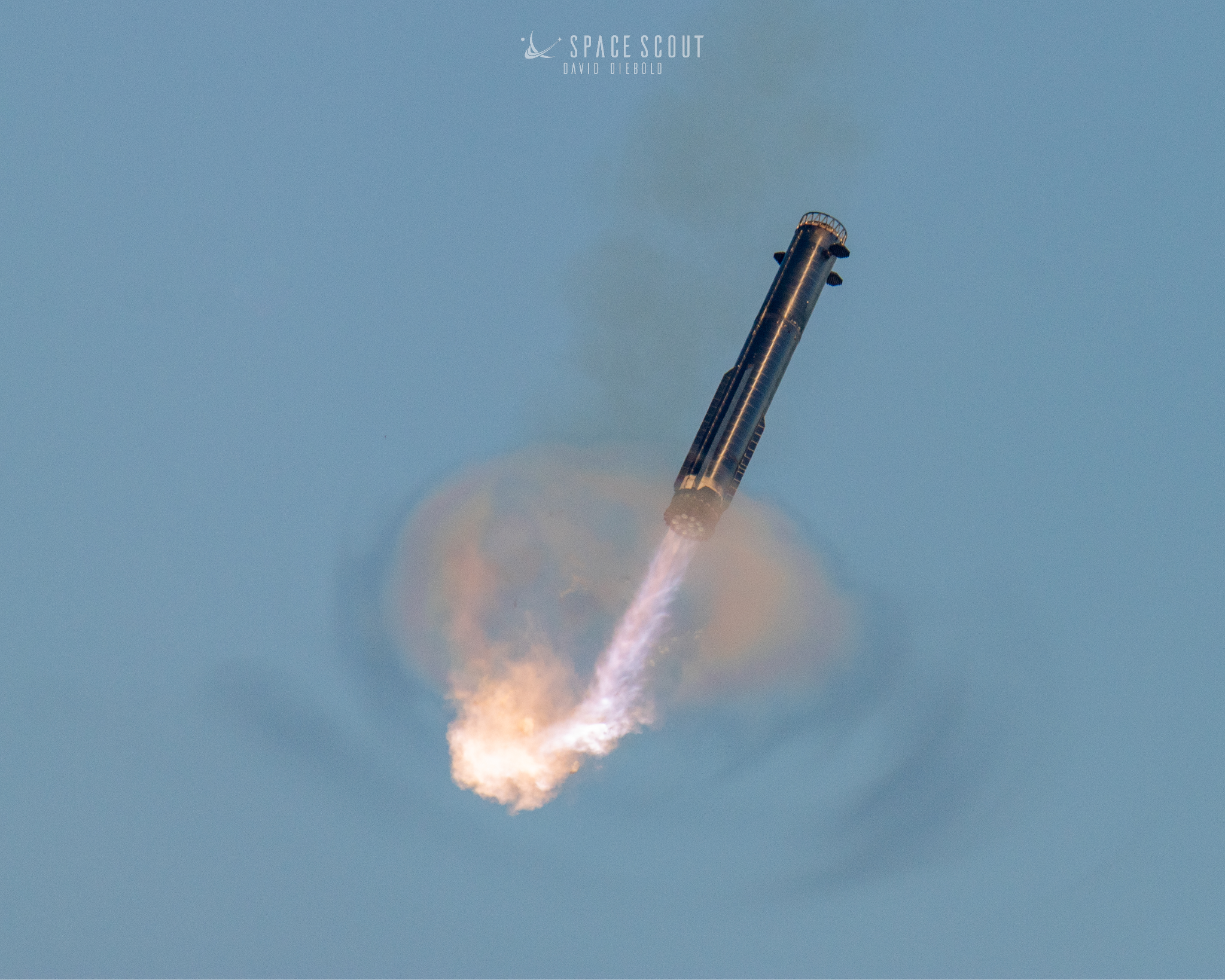
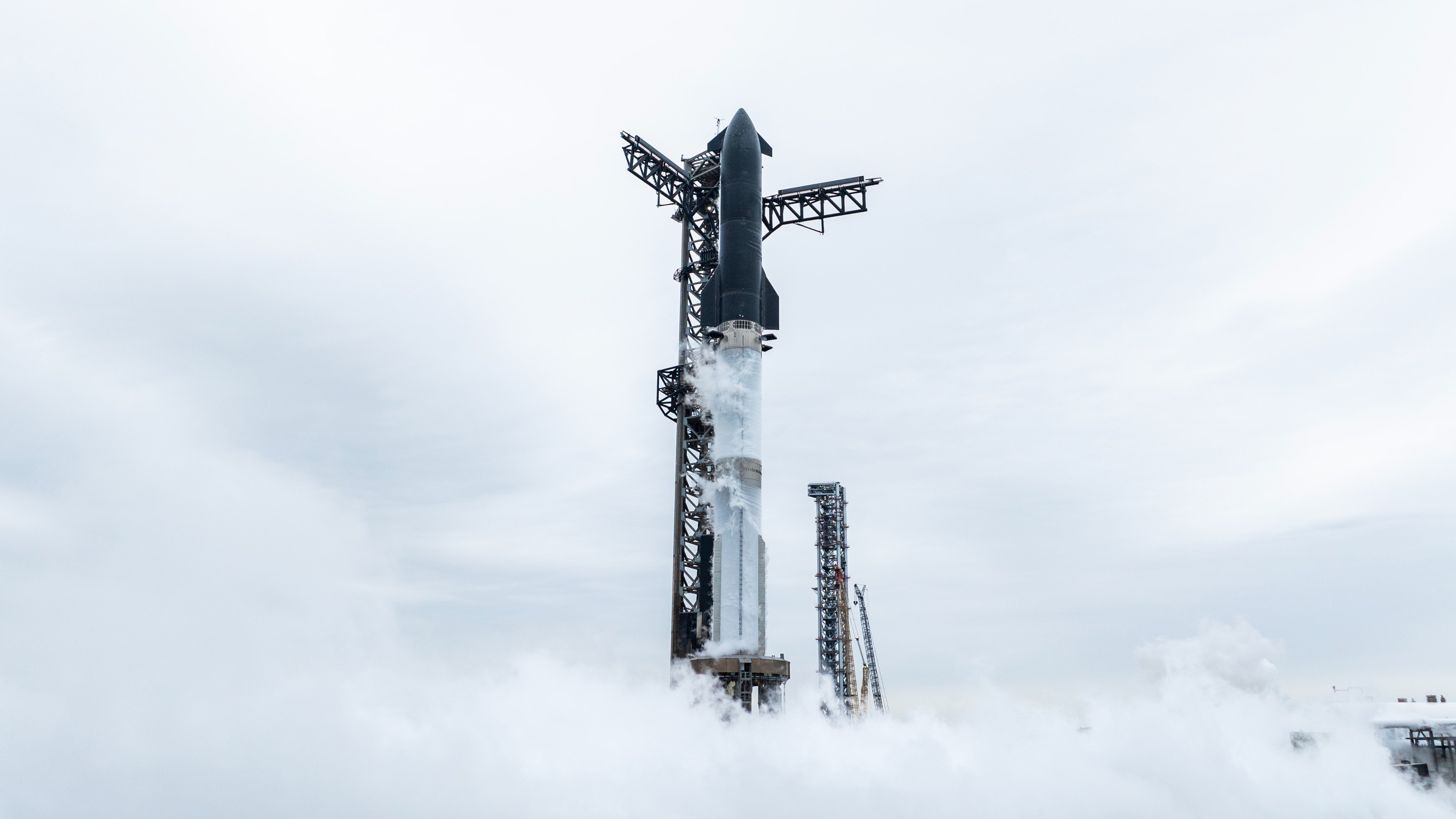
Starship Flight 15 delivered the program’s first-ever ship catch from orbit on November 14, capping a 22-hour mission that also deployed 26 Starlink V3 satellites. Ship 42 lifted off from Pad 2 at Starbase, Texas, at 4:45 PM on November 13, performing what Space Scout described as “the first fully nominal orbital ascent for its integrated V3 iteration with no apparent issues on the way up.”

After more than 21 hours in orbit — including 14 orbits around Earth and the Starlink V3 payload deployment — teams polled go to return Ship 42 to the launch site. The spacecraft reentered Earth’s atmosphere and executed a banking maneuver and final approach before the Mechazilla tower arms caught it at Pad 2. NASA Spaceflight confirmed the milestone: “SpaceX’s Ship 42 returns to the arms of the Mechazilla Chopsticks, concluding Flight 15 and marking the first Ship catch in the Starship program.”
On November 15, Elon Musk posted that he was going over “the whole Starship heat shield” and that “Overall, it looks great.” He added that “Ship 42 could probably be reflown with a few weeks of refurbishment,” though he noted “many small fixes are needed to achieve immediate reusability (like an airplane), which requires zero expected refurbishment, apart from scheduled maintenance.”
The Starlink V3 payload will add “up to 26 Terabits of capacity to the constellation,” according to the official Starlink account. This was the system’s second Starlink deployment flight, as Falcon 9 launches for the constellation are expected to end in the near future.
Booster 22 Lost on Return
Super Heavy Booster 22 did not survive its return. One engine failed to relight for boostback, and while the booster “performed the majority of its return leg back towards the tower,” it conducted an automated abort. Space Scout reported that Musk stated an under-performance of the engines left the booster just short of making it to the tower. Booster 22 brought itself to a hover just off the coastline before the Flight Termination System detonated the vehicle.
Starship V4 Details Emerge
Musk shared specifications for the next iteration of Starship. “Starship V4 will be ~70m long, which is roughly a 40% length increase and allows >60% more propellant load,” he wrote. The engine count will rise to nine, with three additional Raptor-Vacuum engines using higher-thrust V4 engines.
SpaceX President and COO Gwynne Shotwell congratulated the team, calling the catch “Alien-level technology from this star system’s finest team.”
SpaceX Eyes 1,200-Acre Purchase Near Starbase
On November 13, SpaceX published an update clarifying ongoing discussions with the Texas Parks and Wildlife Department regarding approximately 1,200 acres of land surrounding the Starbase launch facility. The company stated it “has not and is not proposing to buy Boca Chica Beach,” and that “The beach is, and will remain, public.”
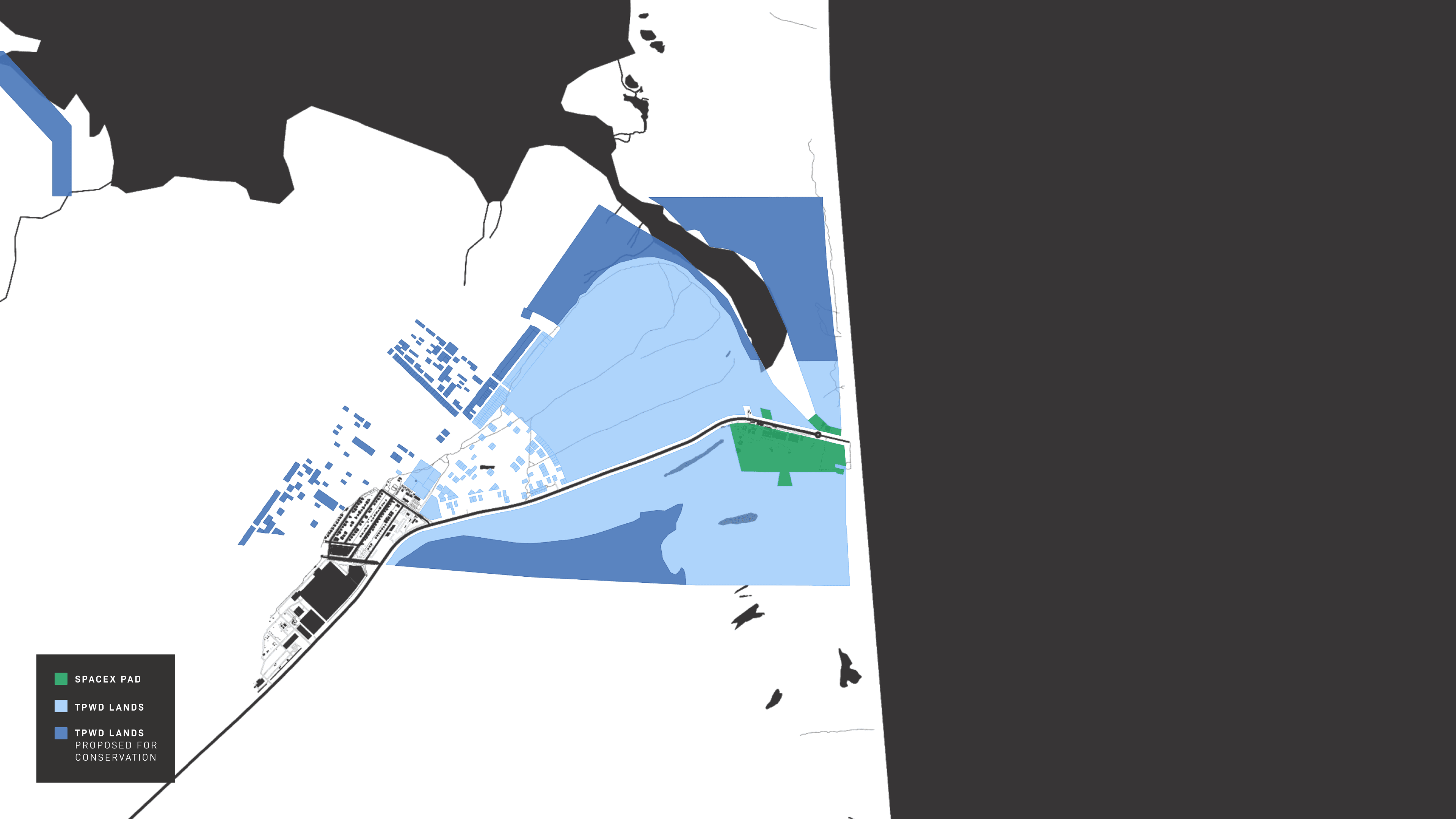
According to the update, the land in question “consist largely of mudflats and fragile coastal dunes, with no established hiking trails, campsites, or recreational facilities.” The proceeds from the sale would allow Texas to “invest in new parkland and recreational opportunities in the Rio Grande Valley.” SpaceX noted it “regularly encounters unauthorized individuals entering operational areas through TPWD-managed land,” creating safety risks around the active launch facility.
SpaceX Pivots to Infrastructure, Crew Packs Dragon
Speaking at the UP.Summit conference in Florida, SpaceX vice president of launch Kiko Dontchev offered a clear statement of the company’s evolving identity. “In the last couple years, when I talk about SpaceX, yes, we are a rocket company, but fundamentally we are an infrastructure company at this point,” Dontchev said. “We’re building infrastructure on the ground and low Earth orbit, soon on the Moon, and obviously eventually Mars.”
Dontchev described a rapid acceleration in AI adoption across the company. “What’s happened at SpaceX is we’ve really gone through a huge acceleration of adoption,” he said, noting that tasks that previously took hours to days now take seconds to minutes. He cited automated foreign object debris detection as a specific example: “We’ll have an inspector go in and borescope a tube, and we find that humans are about 94 percent perfect (at) finding a piece of it. Grok analyzing the same video is 99.9 percent perfect.”
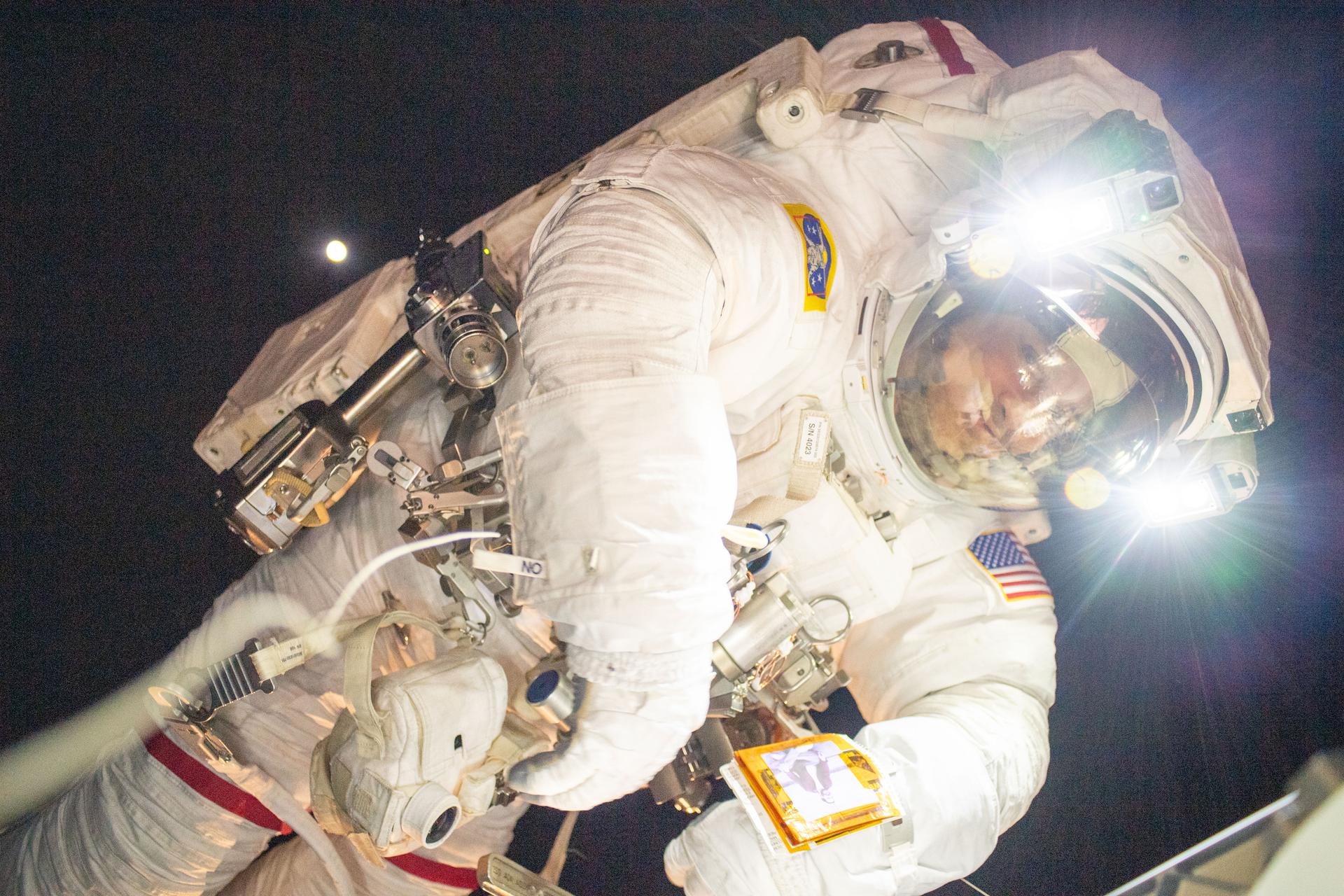
Aboard the International Space Station, Expedition 75 crew members prepared a SpaceX Dragon cargo spacecraft for its upcoming departure. NASA astronaut Anil Menon and CSA flight engineer Joshua Kutryk worked together loading return cargo into Dragon, carefully placing it to ensure its even distribution of mass and balance its center of gravity for a safe Earth reentry and splashdown in the Pacific Ocean. The Dragon spacecraft delivered over 6,300 pounds of science, supplies, and hardware when it docked on October 15.
Starlink also announced Mini 2, a next-generation portable terminal offering “up to 4.5 hours of connectivity on a single charge” with a quick-swap battery or USB-C power. Preorders opened by invitation in the US.
Citations
- Starship Returns to its Launch Pad From Orbit — spacescout.info
- SpaceX now fundamentally an ‘infrastructure company,’ senior official says — arstechnica.com
- Crew Packs Dragon with Science and Cleans Spacesuits — nasa.gov
- “Space Events This Week” — Launch Library 2
- @SpaceX X feed — x.com
- @Starlink X feed — x.com
- @elonmusk X feed — x.com
- @NASASpaceflight X feed — x.com
- @Gwynne_Shotwell X feed — x.com
- @StarshipGazer X feed — x.com
- SpaceX Official Updates — spacex.com
USSF-75
Provider: SpaceX
Date: December 31, 2026
Time: 12:00 AM UTC
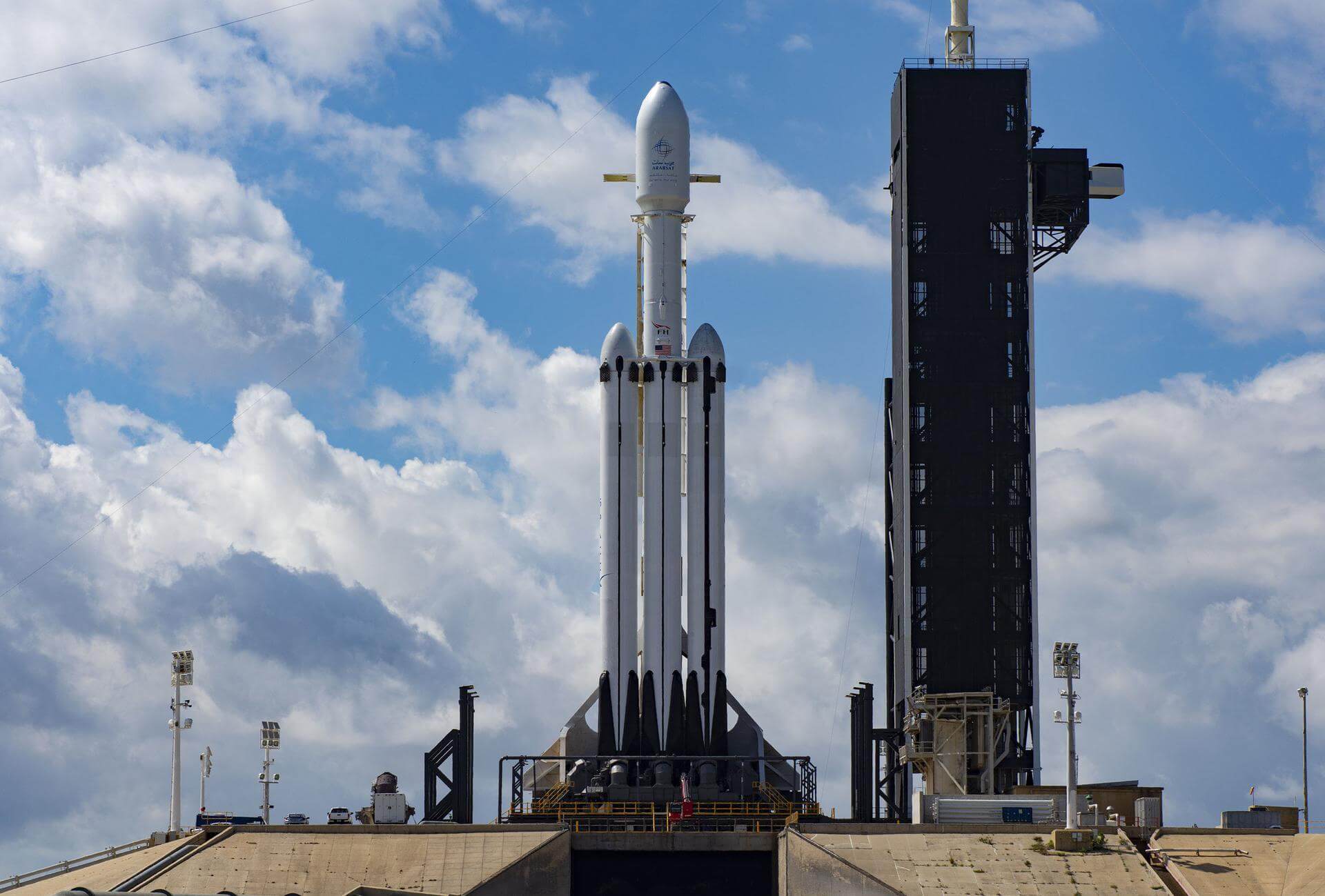
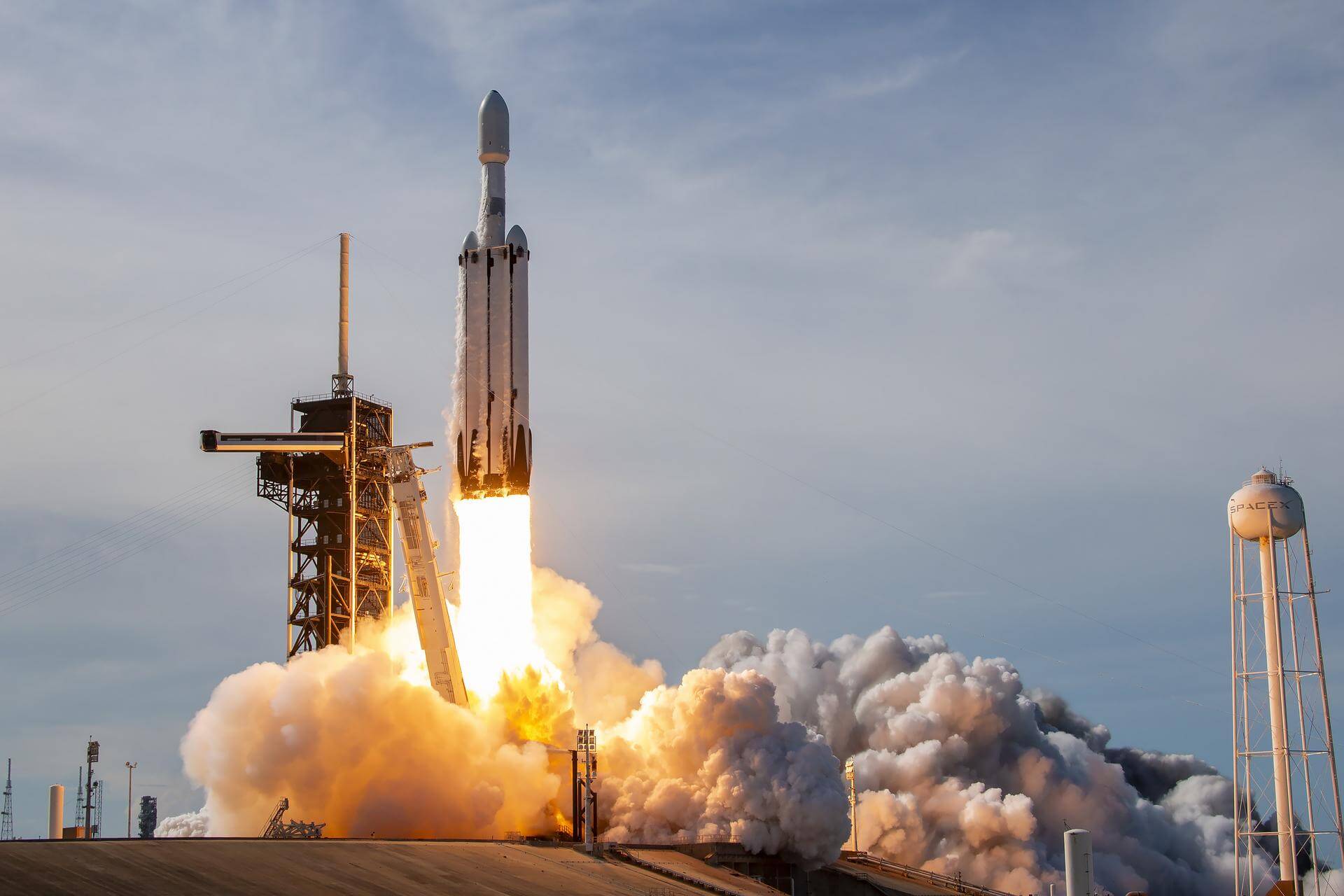
Vehicle: Falcon Heavy
Classified payload for the United States Space Force
Griffin Mission One
Provider: SpaceX
Date: January 6, 2027
Time: 12:00 AM UTC
Vehicle: Falcon Heavy
Demonstration flight of the Astrobotic Griffin lander and its engines, initially contracted for the NASA VIPER (Volatiles Investigating Polar Exploration Rover) mission. The vacated payload spot will now host the FLIP (FLEX Lunar Innovation Platform) lunar rover from Astrolab.
SpaceX HLS LEO Demo
Provider: SpaceX
Date: June 30, 2027
Time: 12:00 AM UTC
Vehicle: Starship
The Starship HLS pathfinder spacecraft in support of NASA’s Artemis III mission in Low Earth Orbit will be a Version 3 vehicle equipped with a docking mechanism, but with no crew cabin or environmental control systems on board. This Starship HLS will launch after the Artemis III Orion has launched into LEO aboard SLS, and has completed its demonstrations with Blue Origin’s Blue Moon lander. Once docked, Orion and Starship will spend about a day connected for checkouts and testing.
NROL-86
Provider: SpaceX
Date: June 30, 2027
Time: 12:00 AM UTC
Vehicle: Falcon Heavy
Classified payload for the US National Reconnaissance Office
USSF-155
Provider: SpaceX
Date: June 30, 2027
Time: 12:00 AM UTC
Vehicle: Falcon Heavy
Classified payload for the US Space Force.


Enjoying the content? Stay up to date on everything happening behind the scenes by following our Patreon!


Leave a Reply