Dominion Dynamics, Telesat Develop Arctic Antennas for Lightspeed
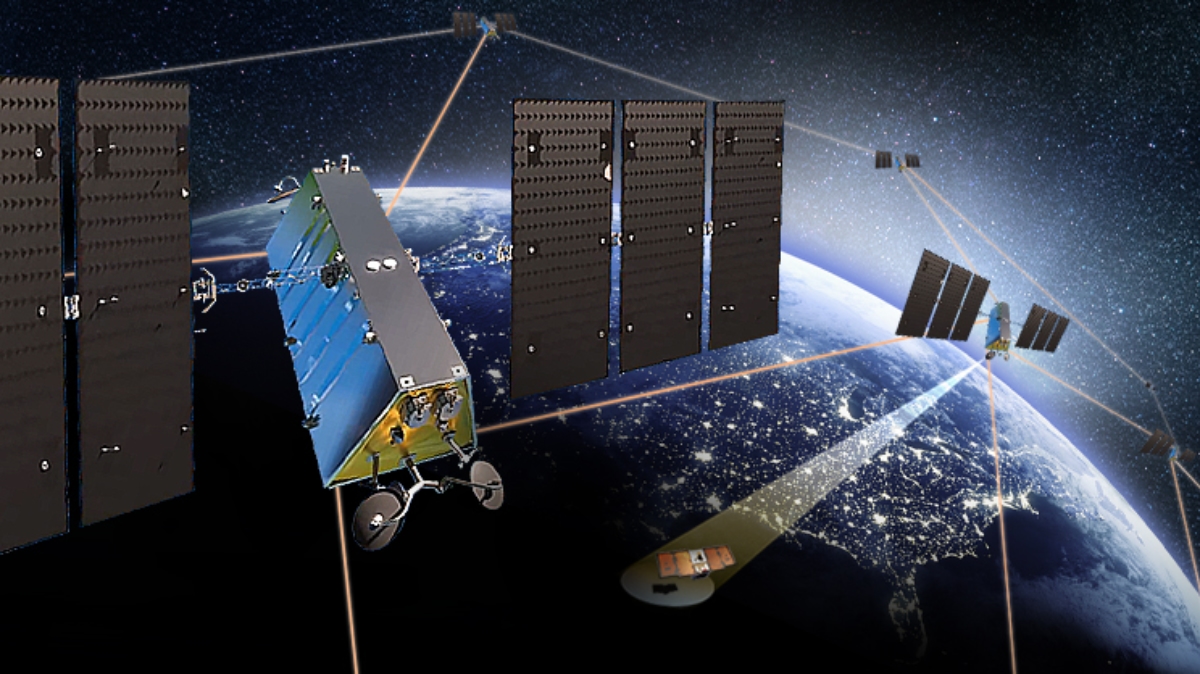
Ottawa-based Dominion Dynamics and Telesat have teamed up on a $2.2-million project to develop rugged antennas that would link soldiers on foot and uncrewed military platforms to Telesat’s Lightspeed satellite network.
Dominion Dynamics will lead the work as prime contractor, with Telesat LEO, a subsidiary of Telesat Corporation, as its subcontractor. The funding covers the first phase of development and includes a contribution from the National Research Council of Canada’s Industrial Research Assistance Program.
Once the first phase is complete, Dominion plans to build two prototype terminals. One is light enough for a soldier to carry on patrol. The other is a larger unit for uncrewed systems such as Scout, a combat drone Dominion is developing to support Canada’s future fighter jets. The companies described Scout as “Canada’s first sovereign Autonomous Collaborative Platform.”
The Canadian Armed Forces would be the first customer. The terminals are being built for Arctic cold and deployments abroad, to run on field power and to plug into equipment the military already uses. Both prototypes will go through cold-weather trials and connectivity tests on Lightspeed.
“A soldier on patrol in Canada’s most remote regions and the uncrewed platforms they use should be connected to a Canadian network through equipment built here at home,” said Mitch Carkner, chief operating officer at Dominion Dynamics. “While the CAF are the first intended users, the same technology could also serve the Canadian Rangers, the Canadian Coast Guard, the Royal Canadian Mounted Police and emergency management in the High North.”
“The collaboration reflects the growing strength of Canada’s defence industrial base,” said Stephen Hampton, Telesat’s vice-president, Canada and sovereign initiatives.
Industry Minister Mélanie Joly welcomed the project, saying it shows government research and development investment helping Canadian companies build technology for remote and northern environments.
The first two Lightspeed satellites are now scheduled to launch no earlier than June 2027, Telesat said with its third-quarter results last month, and the first batch of 15 production satellites is to follow no earlier than September. Telesat still expects to begin commercial service at high latitudes around the end of the first quarter of 2028.
GHGSat’s DATA.AIR Gen2 Wins EPA Methane Approval
GHGSat announced yesterday that the U.S. Environmental Protection Agency has approved DATA.AIR Gen2, its second-generation airborne methane sensor, as a way for oil and gas operators to meet federal leak-inspection rules.
The approval lets operators hire GHGSat to fly over their sites in place of sending ground crews to check for fugitive emissions — the methane that escapes from valves, connectors and other equipment. It applies under Subpart OOOOb, the EPA’s 2024 methane standard for new and modified oil and gas facilities, at the rule’s tier for leaks of 10 kilograms of methane an hour.
The EPA signed off on the approval Oct. 20. The agency approved the first-generation DATA.AIR system in February 2025, at a less demanding 15-kilogram tier.
GHGSat says DATA.AIR Gen2 reliably detected leaks well under the 10-kilogram mark in a blind test in southern Alberta, where its analysts weren’t told the size or timing of controlled methane releases. Colorado State University’s Methane Emissions Technology Evaluation Center found the system detects leaks of 3.5 kilograms an hour nine times in 10.
“EPA approval of DATA.AIR Gen2 means operators can draw on advanced methane detection technology to demonstrate compliance, and do it at lower cost than traditional methods,” Stephane Germain, GHGSat’s chief executive, said in the company’s announcement.
GHGSat pairs the aircraft with its satellites, which cover more ground but only detect larger leaks. It plans to tie the airborne system to its second-generation satellite, which it expects to launch in early 2028.
GHGSat also said it has made Deloitte’s 2026 Technology Fast 500 for a fourth straight year. Earlier this month, Mitsubishi Electric and MUFG Bank invested in the company.
Relativity Completes Terran R Structural Tests, Hot Fire
Relativity Space has completed structural qualification for all primary flight one structures of its Terran R rocket and successfully hot-fired its second stage, advancing toward the vehicle’s inaugural launch.
Terran R’s flight one second stage completed a 10-second hot-fire test in October on the A2 test stand at Stennis Space Center in Mississippi — the stand’s first stage-level test since 1970. Teams loaded propellant and helium and “moved into terminal count without a hold” before firing the Aeon V engine for the planned 10 seconds. They then outfitted the stage into a flight-representative configuration for longer-duration testing, culminating in a successful, first-attempt Mission Duty Cycle hot fire lasting over 400 seconds — the full burn duration required during upper-stage vacuum flight.
The A2 stand was built in the 1960s to test the Saturn V’s S-II second stage and was later reconfigured after the Apollo program to test individual Space Shuttle Main Engines.
At Relativity’s headquarters in Long Beach, California, the first stage is nearing structural completion. Engineers completed the breakover of flight one’s thrust structure, rotating the assembly from vertical to horizontal with all 13 Aeon R engines, fluid lines, and avionics installed. Technicians then began mating the thrust structure to the first stage tankage, while the company’s paint team began applying the stage’s livery.
Relativity also completed structural testing of its interstage at Long Beach using the structural test stand “Tender Loving Crusher.” The interstage endured millions of pounds of compressive load, grid fin punch loads, loads across raceway fluids, the liquid oxygen vent, and composite overwrapped pressure vessels, plus separation latch preloads above flight levels. The company is now bonding the thermal protection system to the interstage and welding the lattice-shaped grid fins.
Renovations of Launch Complex 16 at Cape Canaveral Space Force Station are nearing completion. Steel framing is complete on the launch table, and the down conductor towers for the lightning protection system are finished. The next step is stringing overhead catenary wires between the 161 m towers to form a protective canopy over the pad.
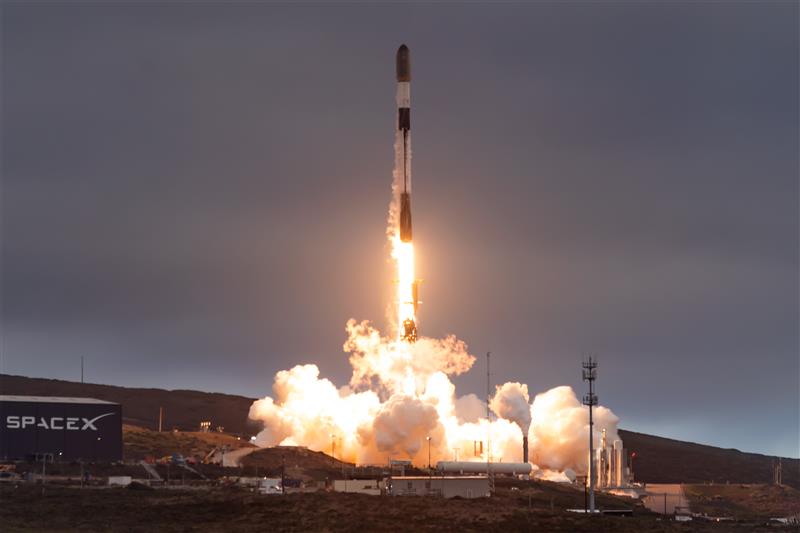
Provider: SpaceX Date: November 21, 2026 Time: 2:32 AM UTC Vehicle: Falcon 9
A classified mission for the United States Space Force. It is possibly a batch of classified LEO satellites based on SpaceX’s Starshield satellite bus, based on locations of rocket stage drop zones being exact fits with previous Starlink Group 15 launches.
Unknown Payload
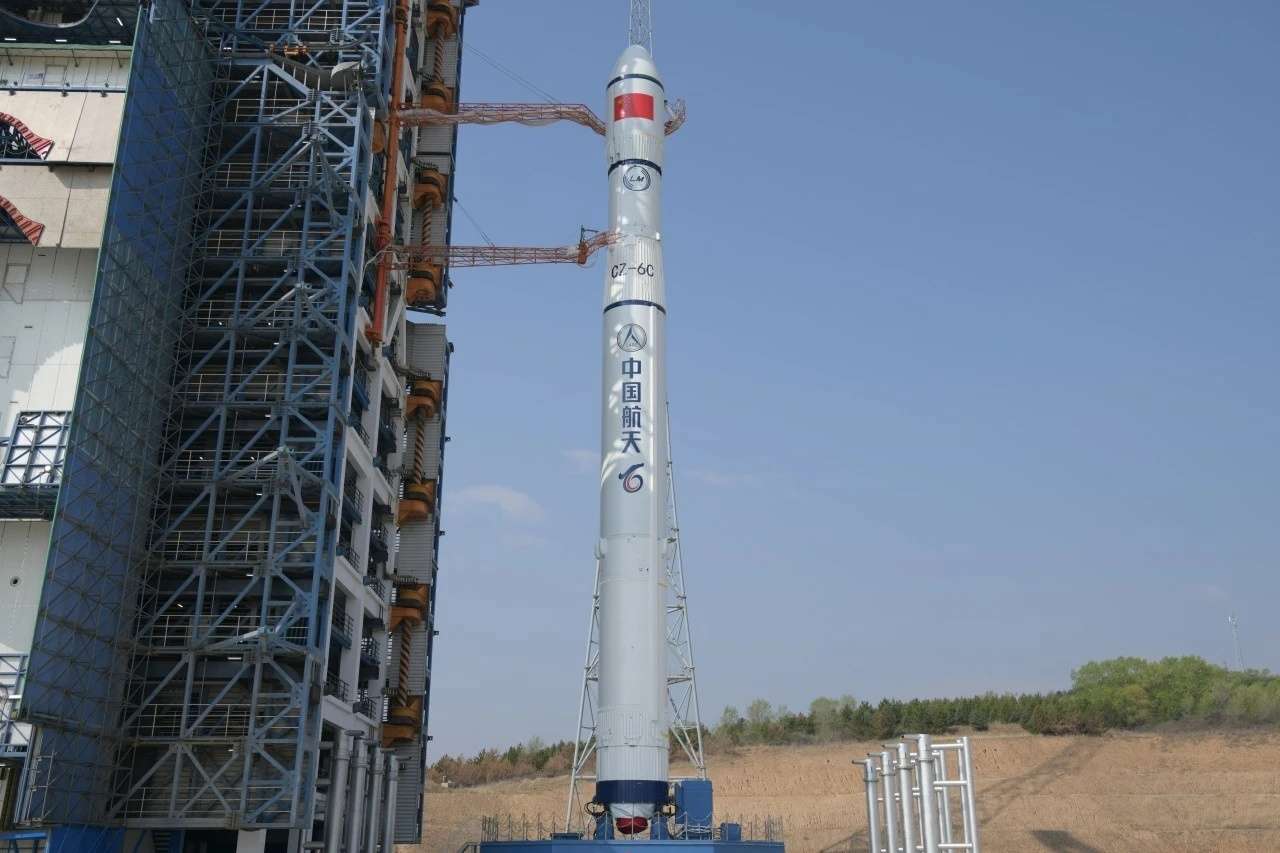
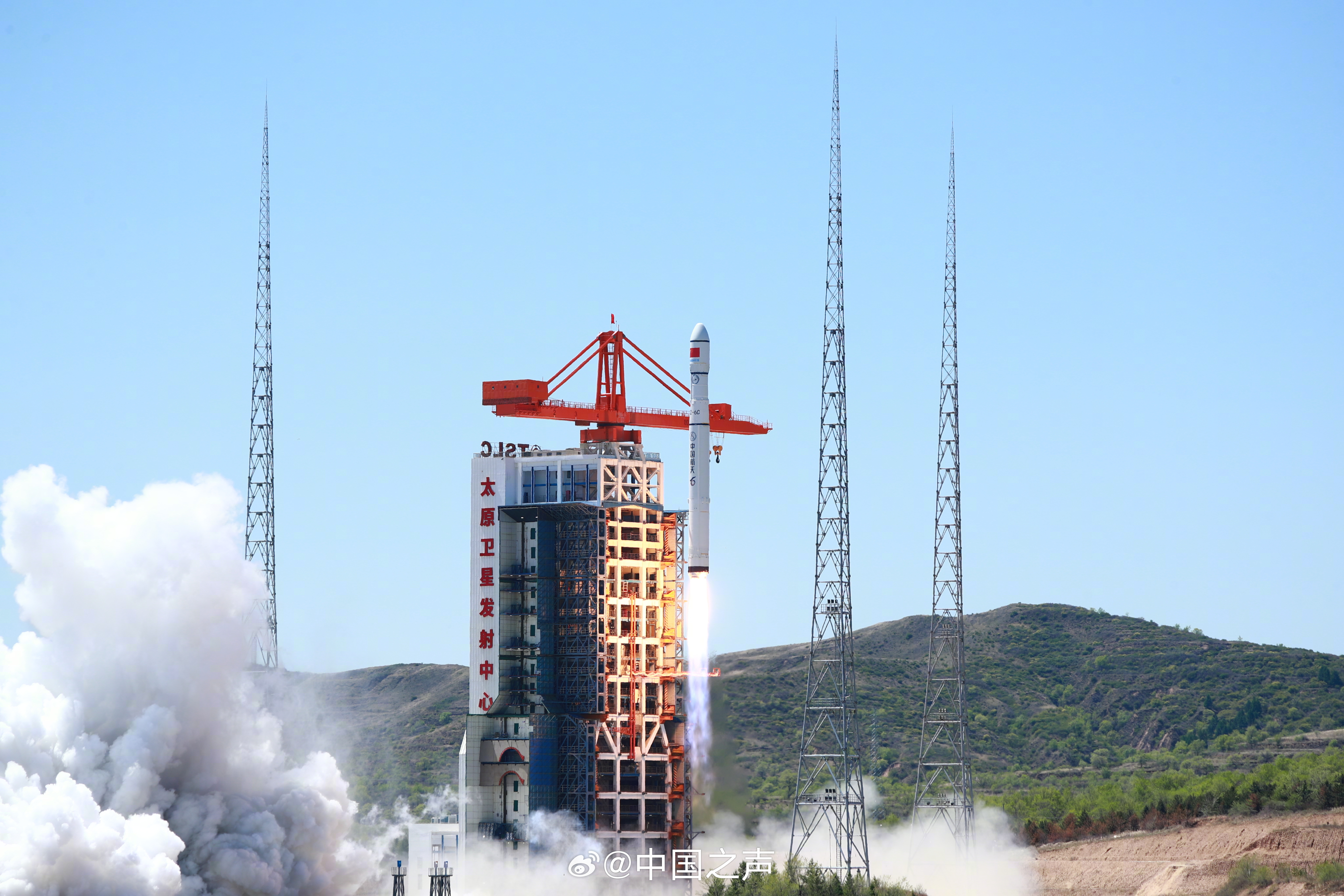
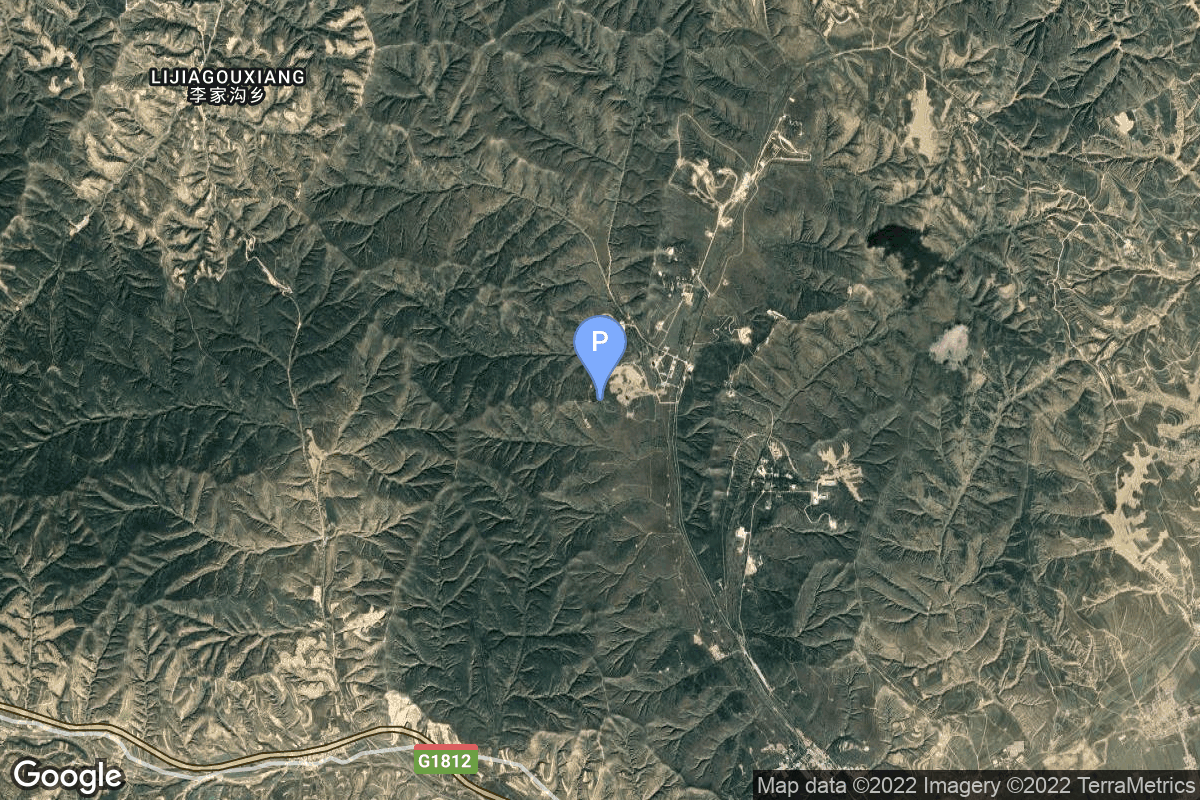
Provider: China Aerospace Science and Technology Corporation Date: November 21, 2026 Time: 3:50 AM UTC Vehicle: Long March 6C
Details TBD.
NROL-136
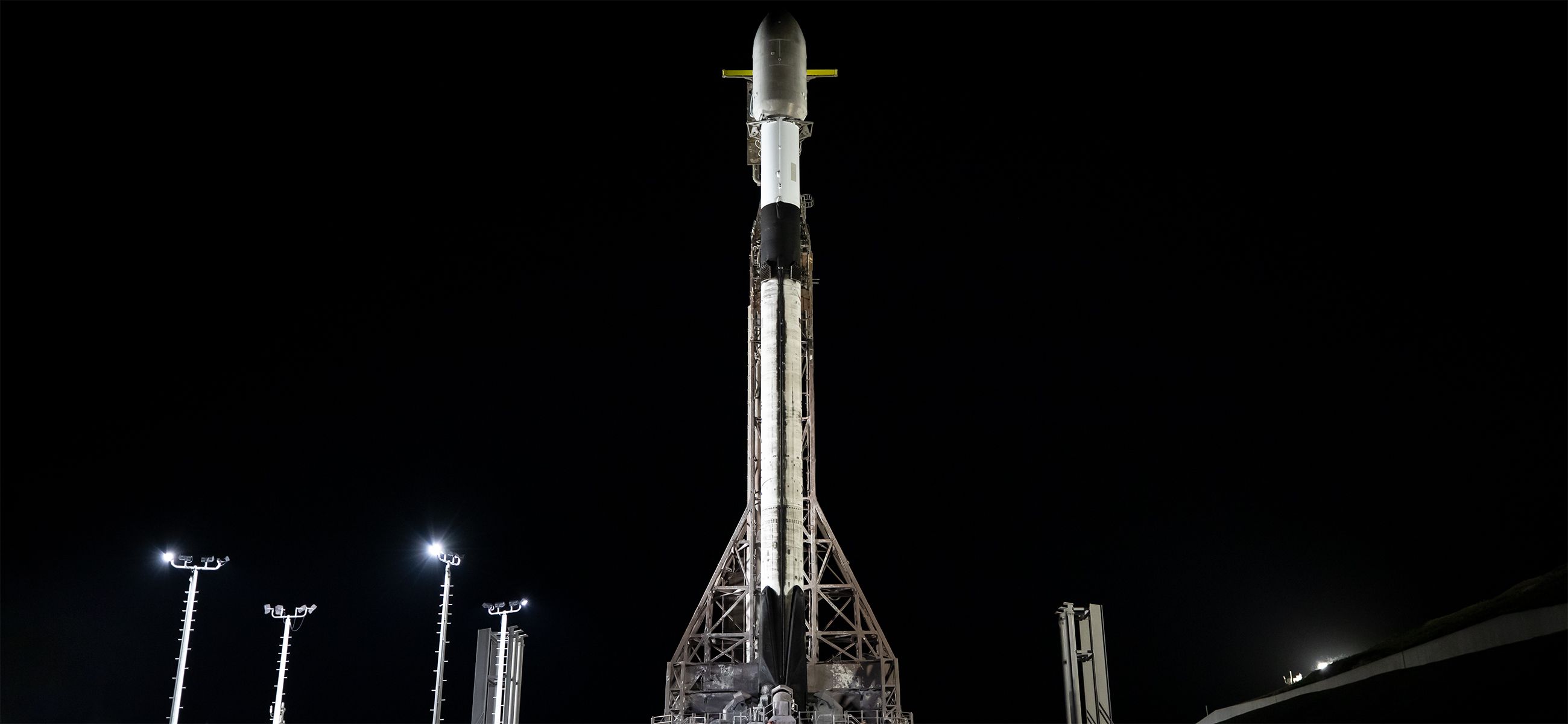
Provider: SpaceX Date: November 21, 2026 Time: 12:30 PM UTC Vehicle: Falcon 9
Fifteenth batch of satellites for a reconnaissance satellite constellation built by SpaceX and Northrop Grumman for the National Reconnaissance Office to provide imaging and other reconnaissance capabilities.
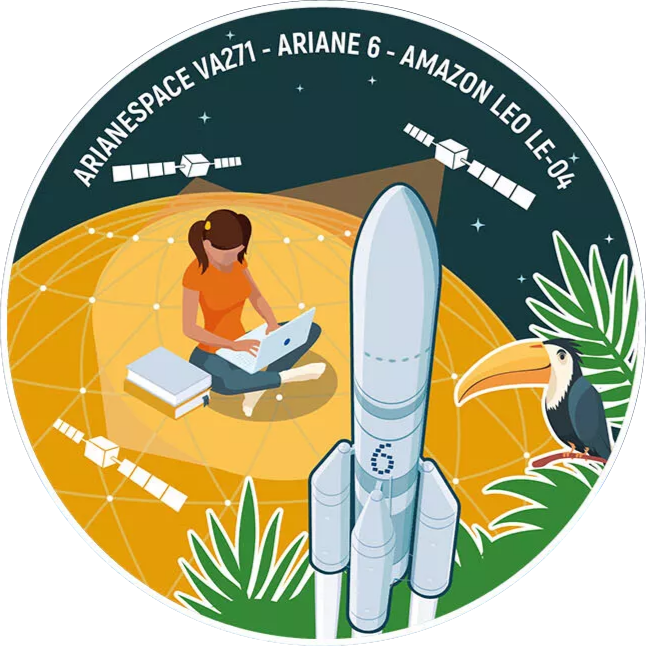
Amazon Leo (LE-04)
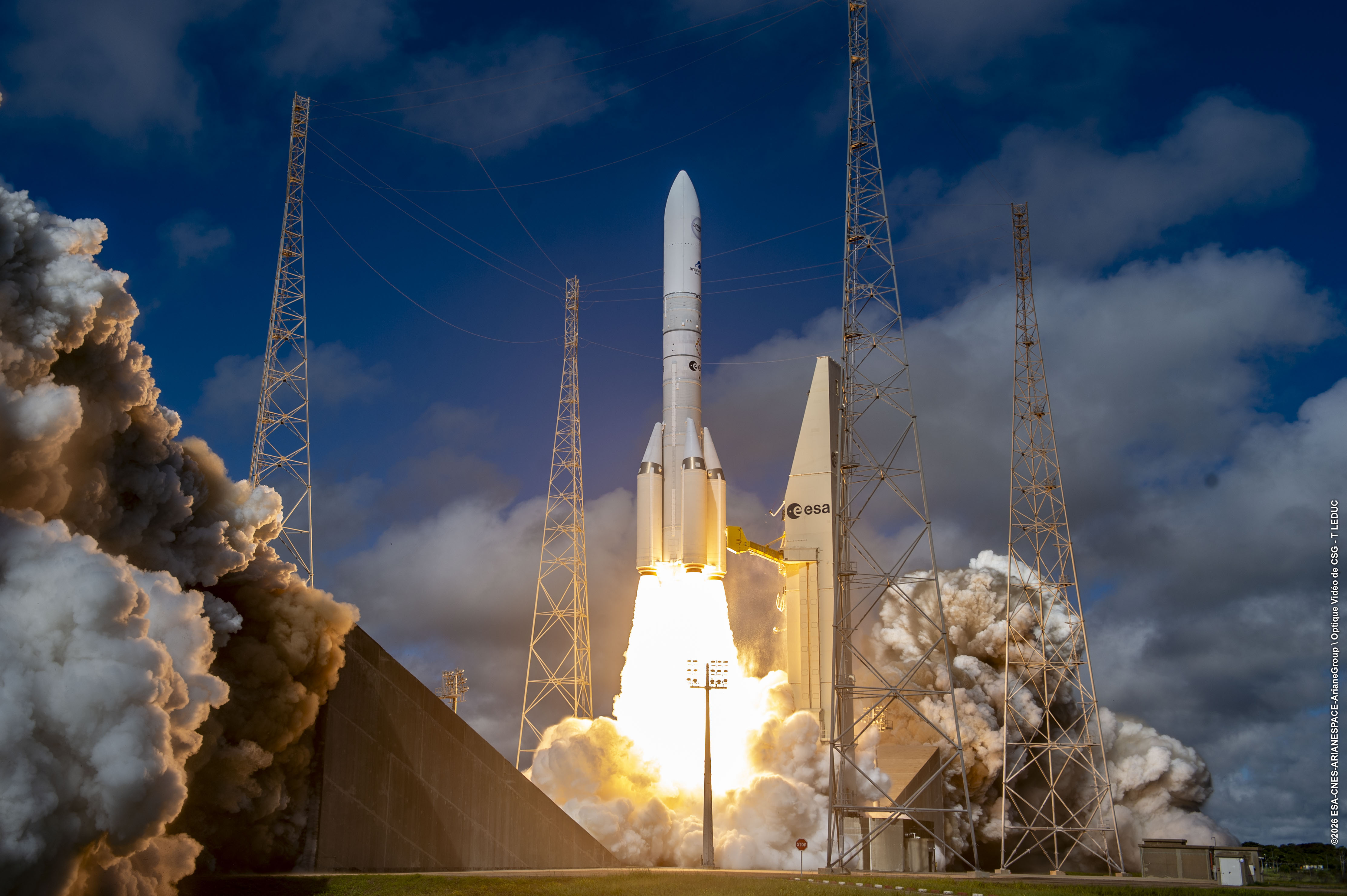
Provider: Arianespace Date: November 23, 2026 Time: 11:09 AM UTC Vehicle: Ariane 64
Amazon Leo, formerly known as Project Kuiper, is a mega constellation of satellites in Low Earth Orbit that will offer broadband internet access, this constellation will be managed by Kuiper Systems LLC, a subsidiary of Amazon. This constellation is planned to be composed of 3,276 satellites. The satellites are projected to be placed in 98 orbital planes in three orbital layers, one at 590 km, 610 km and 630 km altitude.
35-40 satellites will be carried on each Ariane 6 launch.
USSF-266
Provider: SpaceX Date: November 23, 2026 Time: 4:04 PM UTC Vehicle: Falcon 9
A classified mission for the United States Space Force. It is possibly a batch of classified LEO satellites based on SpaceX’s Starshield satellite bus, based on locations of ascent rocket stage drop zones being fits with previous SDA Transport Layer launches.
USSF-317 ×
Mission Details
TypeGovernment/Top Secret
OrbitLow Earth Orbit
TargetEarth
A classified mission for the United States Space Force. It is possibly a batch of classified LEO satellites based on SpaceX’s Starshield satellite bus, based on locations of rocket stage drop zones being exact fits with previous Starlink Group 15 launches.
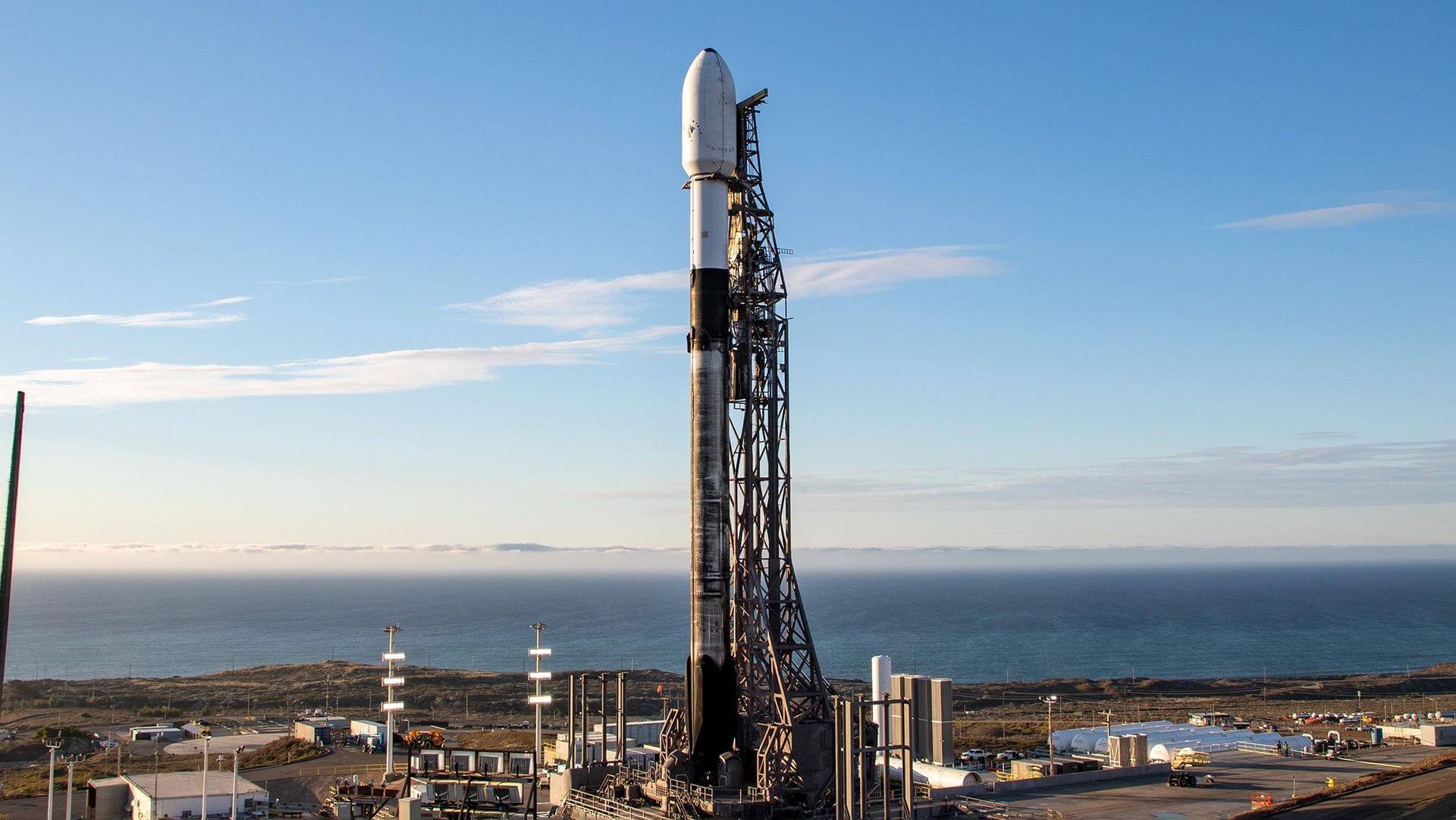
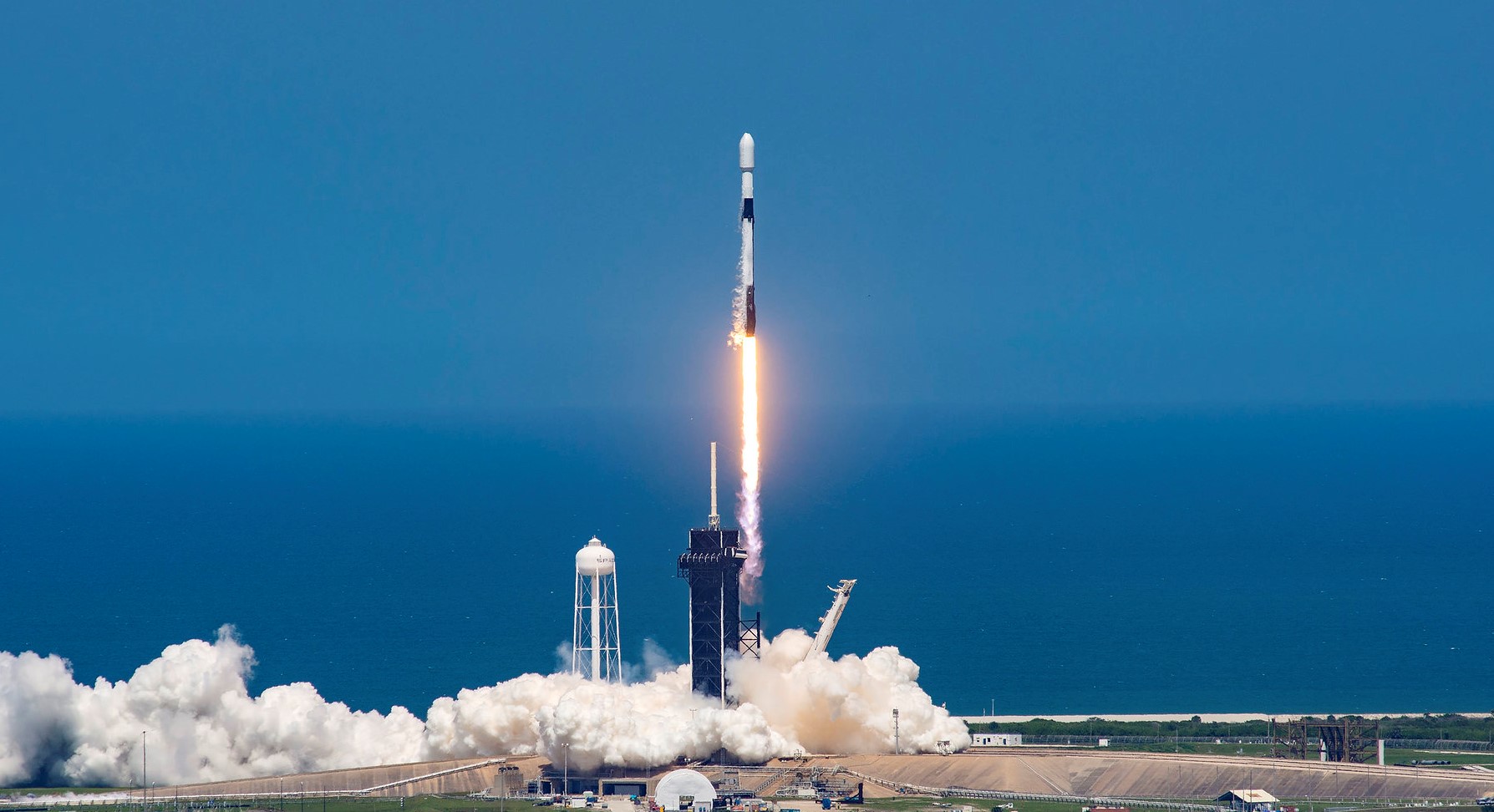
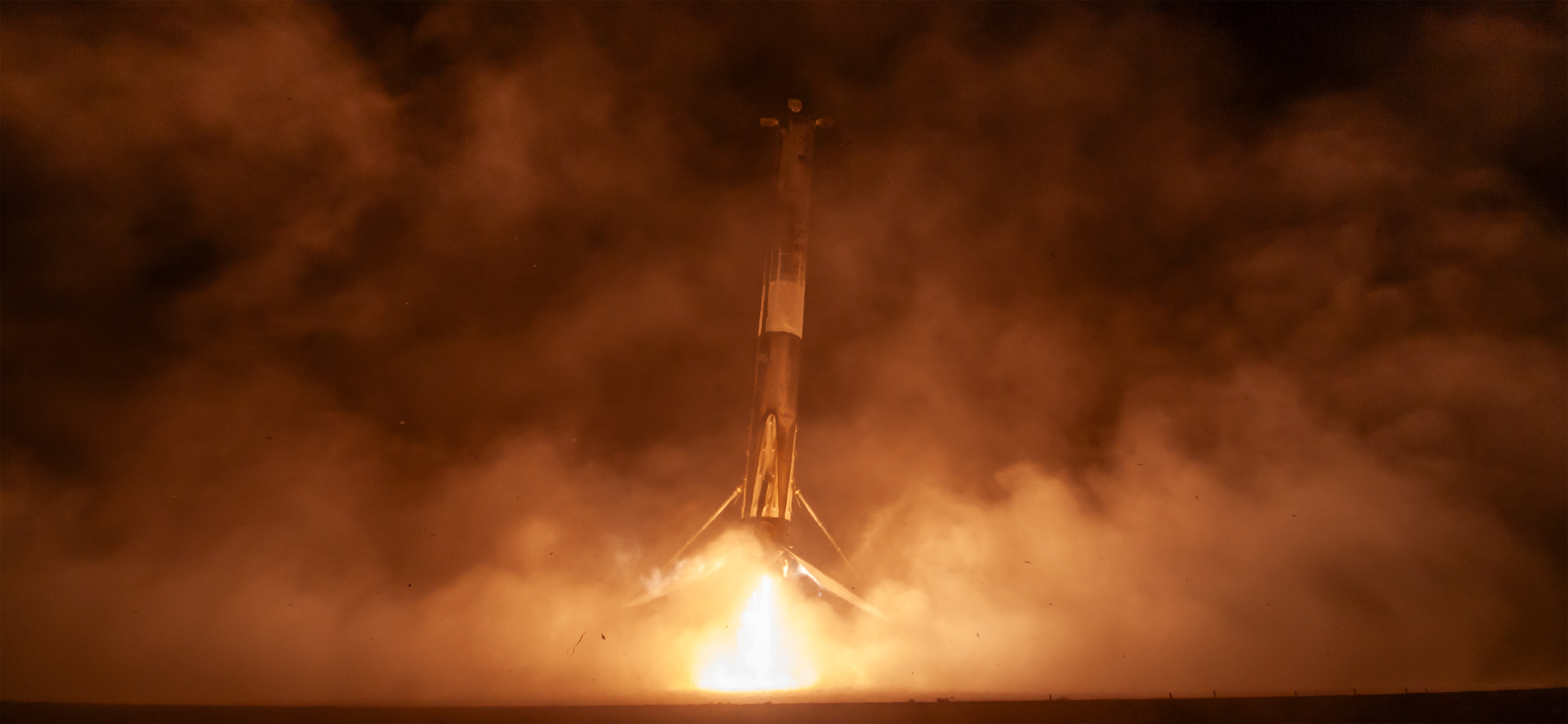
Falcon 9 is a two-stage rocket designed and manufactured by SpaceX for the reliable and safe transport of satellites and the Dragon spacecraft into orbit. The Block 5 variant is the fifth major interval aimed at improving upon the ability for rapid reusability.
The Long March 6C is a Chinese launch vehicle of the Long March family, which was developed by the China Aerospace Science and Technology Corporation (CASC) and the Shanghai Academy of Spaceflight Technology (SAST). The vehicle is a further development of the Long March 6A, with its solid rocket…
Fifteenth batch of satellites for a reconnaissance satellite constellation built by SpaceX and Northrop Grumman for the National Reconnaissance Office to provide imaging and other reconnaissance capabilities.
Falcon 9 is a two-stage rocket designed and manufactured by SpaceX for the reliable and safe transport of satellites and the Dragon spacecraft into orbit. The Block 5 variant is the fifth major interval aimed at improving upon the ability for rapid reusability.
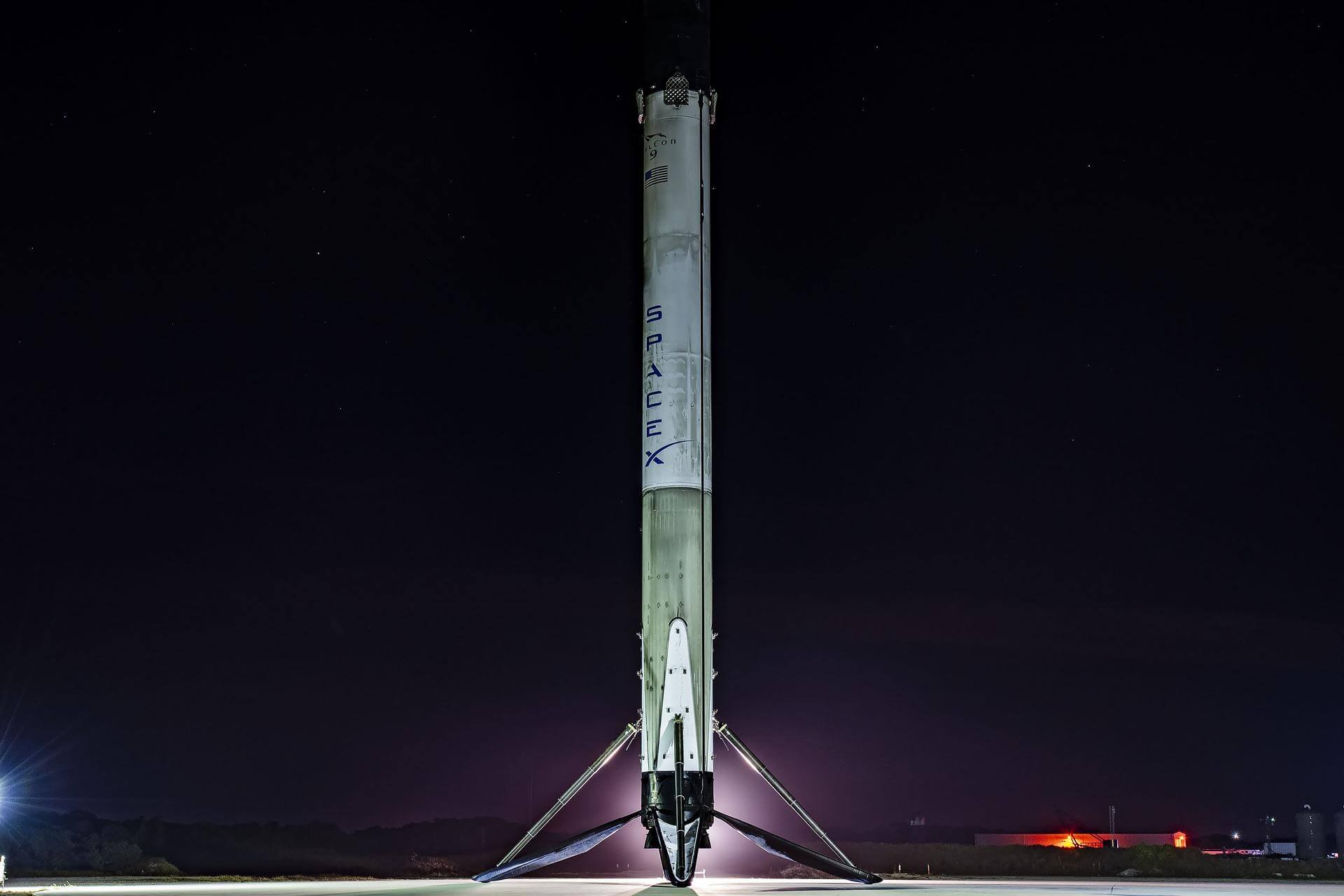
The Falcon 9 first stage B1097 will land on Landing Zone 4 after its 14th flight.
Amazon Leo (LE-04) ×
Mission Details
TypeCommunications
OrbitLow Earth Orbit
TargetEarth
Amazon Leo, formerly known as Project Kuiper, is a mega constellation of satellites in Low Earth Orbit that will offer broadband internet access, this constellation will be managed by Kuiper Systems LLC, a subsidiary of Amazon. This constellation is planned to be composed of 3,276 satellites. The satellites are projected to be placed in 98 orbital planes in three orbital layers, one at 590 km, 610 km and 630 km altitude.
35-40 satellites will be carried on each Ariane 6 launch.
Amazon Leo is a satellite internet constellation aimed at providing high-speed, low-latency broadband connectivity to underserved and remote areas globally. The project involves deploying a constellation of low Earth orbit (LEO) satellites to create a satellite internet network capable of delivering reliable internet access.
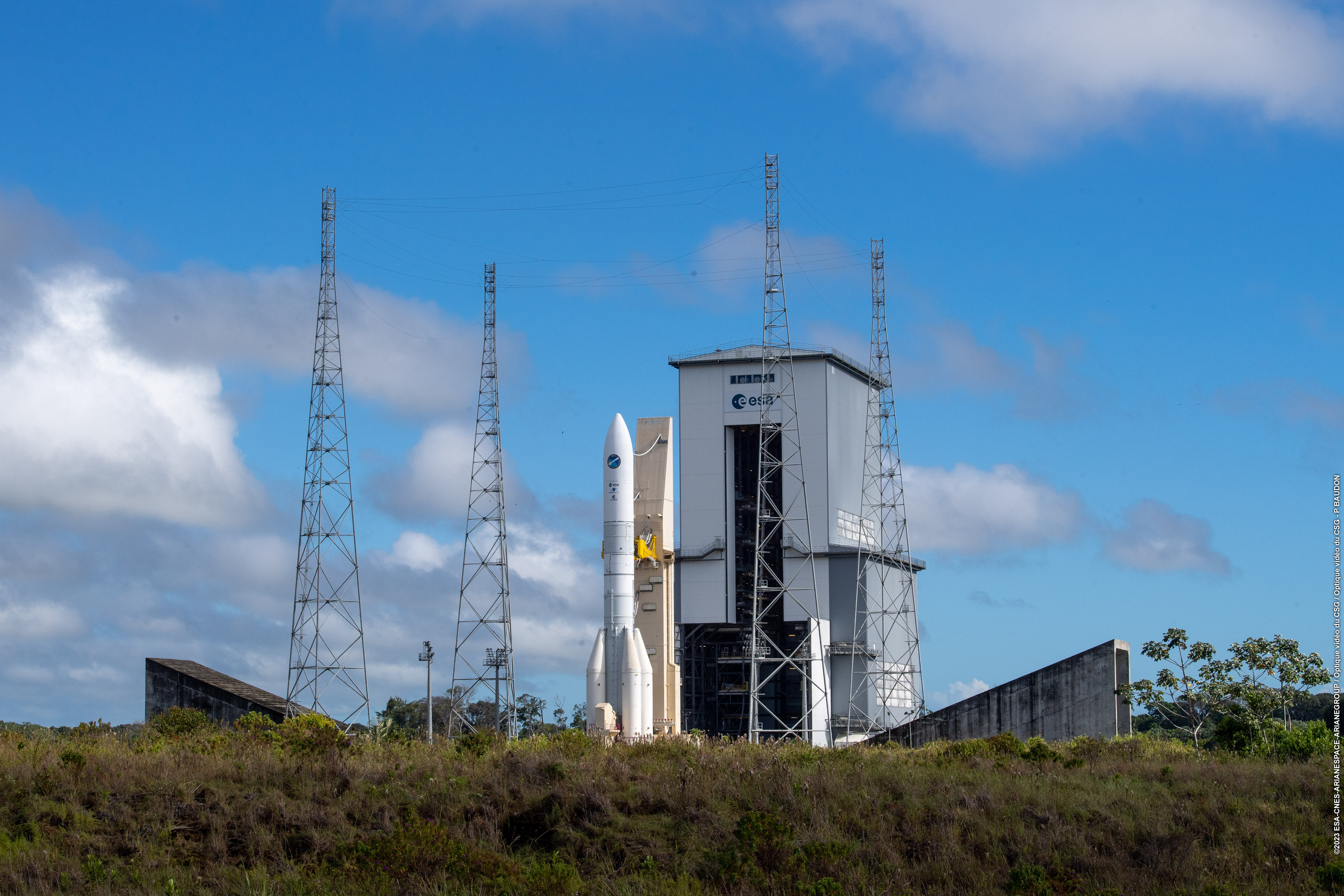
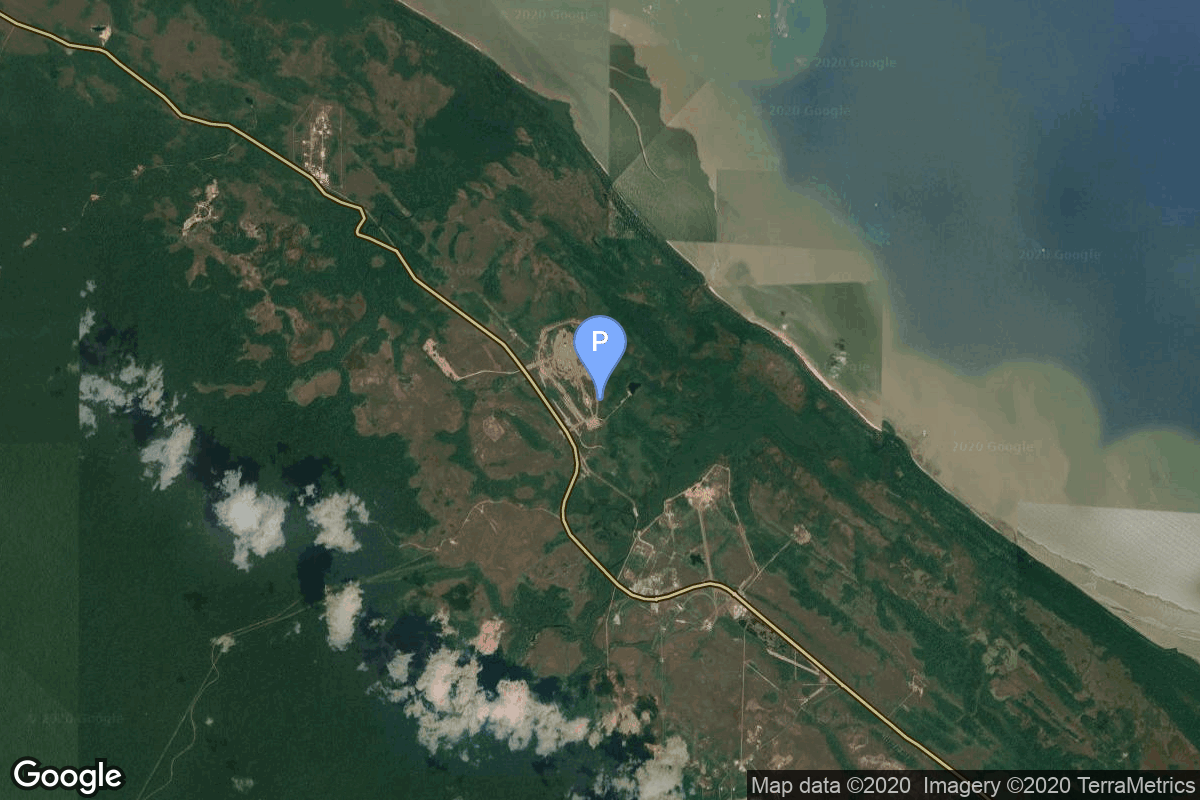
ELA-4, is a launch pad and associated facilities at the Centre Spatial Guyanais in French Guiana. The complex is composed of a launch pad with mobile gantry, an horizontal assembly building and a…
Ariane 6 variant with four upgraded P160C solid boosters, enabling heavier payloads. Each P160C booster holds 14 additional tons of propellant, compared to the P120C boosters of the Block 1 variant.
A classified mission for the United States Space Force. It is possibly a batch of classified LEO satellites based on SpaceX’s Starshield satellite bus, based on locations of ascent rocket stage drop zones being fits with previous SDA Transport Layer launches.
Falcon 9 is a two-stage rocket designed and manufactured by SpaceX for the reliable and safe transport of satellites and the Dragon spacecraft into orbit. The Block 5 variant is the fifth major interval aimed at improving upon the ability for rapid reusability.
Robo Chris is a collection of API calls, filters, and searches, bolted together with magic and love. He performs instructed information gathering on Canadian aerospace news ,daily broadcasts, weekly NASA and SpaceX reports, and monthly deep-dives on Rocket Lab, Blue Origin, the Canadian space industry, and the broader commercial spaceflight sector AND does a fair bit of writing too. Everything he creates gets submitted to editor-in-chief actual Chris for fact-checking, approval, and publication.








Leave a Reply