Joshua Kutryk Welcomes Daughter From the Space Station
The Canadian Space Agency shared news on Tuesday that astronaut Joshua Kutryk and his wife, Heather, have welcomed their third child, a daughter, while he is aboard the International Space Station.
In a message the agency released on the family’s behalf, the couple called the birth “a true blessing for our family.” They wrote that Kutryk “is currently living out a childhood dream” on the station and that, even with the distance, “we feel incredibly connected as we welcome our new little star into our lives.”
Their two older children, Peter and Anna, “have already proudly stepped into their roles as big brother and big sister,” the Kutryks wrote, and the family is “looking forward to getting our little crew of five all reunited.”
Kutryk’s mission began Oct. 1, when the Royal Canadian Air Force colonel launched on NASA’s SpaceX Crew-13 mission for a stay of about six months. He has since made two spacewalks to install new solar arrays and is due back on Earth in the spring.
Before launch, Mathieu Caron, the CSA’s director of astronauts, life sciences and space medicine, told reporters the agency would provide psychological and family support, give priority to video calls with the ground and, if possible, allow Kutryk some time off around the birth. “It adds an additional challenge, a unique situation, but we’re all very excited about it,” Caron said. CSA astronaut David Saint-Jacques served as the family’s escort during the launch.
NASA astronaut Mike Fincke was the first to become a father in space, when his daughter was born in 2004 during his six-month ISS stay. Fellow NASA astronaut Randy Bresnik followed in 2009, while visiting the station on a space shuttle mission.
CSA Awards $2.6 Million for Osiris-3 Ozone CubeSat
The Canadian Space Agency announced on Tuesday a $2.6-million contract with the University of Saskatchewan to develop Osiris-3, a successor to the Canadian OSIRIS instrument that measured ozone from Sweden’s Odin satellite from 2001 until earlier this year.
Osiris-3 will measure the spectrum of sunlight scattered by the atmosphere, looking at it edge-on along Earth’s horizon to work out how ozone, nitrogen dioxide and aerosols vary with altitude. The CSA says the mission will validate the instrument and help determine whether small, lower-cost satellites can contribute to long-term atmospheric monitoring.
The Osiris-3 payload will fly on the CubeSat Mission 1, a 16U CubeSat, for a 12-month mission scheduled to launch in 2029. The original OSIRIS payload launched on Odin in 2001 on a mission planned to last two years. Canada used its data, along with data from the CSA’s SCISAT satellite, in its 2024 national ozone report to the United Nations. Odin burned up on Aug. 3 after atmospheric drag pulled it from about 600 kilometres to 450 kilometres.
Adam Bourassa is principal investigator on Osiris-3, and Doug Degenstein is co-investigator. A $100,000 grant in 2022 under the CSA’s FAST program paid USask to build a prototype sized for a smaller 6U CubeSat. In June 2024, the prototype flew on the first transatlantic stratospheric balloon flight by CNES, launched from Kiruna, Sweden, and took measurements from above 30 kilometres for nearly four days before the balloon landed on Baffin Island.
BepiColombo Enters Orbit Around Mercury
At 18:24 UTC on Saturday, Nov. 21, the European Space Agency and the Japanese Aerospace Exploration Agency’s BepiColombo mission fired its thrusters to insert itself into orbit around Mercury. The mission launched on Oct. 20, 2018, and followed a complex trajectory conducting nine total gravity-assist flybys: one at Earth, two at Venus, and six at Mercury.
Following the 37-minute burn, BepiColombo was expected to reorient itself and reestablish communications with Earth at 21:37 UTC. However, no updates were released for hours after the expected acquisition of signal. At 01:02 UTC on Nov. 22, ESA confirmed that BepiColombo’s signal had been received and that it was in orbit around Mercury.
Follow-up statements revealed that while BepiColombo had successfully entered Mercury orbit, its thrusters fired for a shorter-than-expected duration due to a software issue. Spacecraft teams adequately prepared for unexpected scenarios when designing the mission’s trajectory, and little corrective action will be needed for BepiColombo to carry out its mission at the solar system’s smallest planet.
BepiColombo comprises a stack of two spacecraft built by ESA and JAXA. A European mission to Mercury was first proposed to ESA in 1993, and BepiColombo was selected for development in 2000. It was initially intended to launch on a Soyuz rocket, but an increase in spacecraft mass during design led to the selection of an Ariane 5 for launch from Kourou, French Guiana.
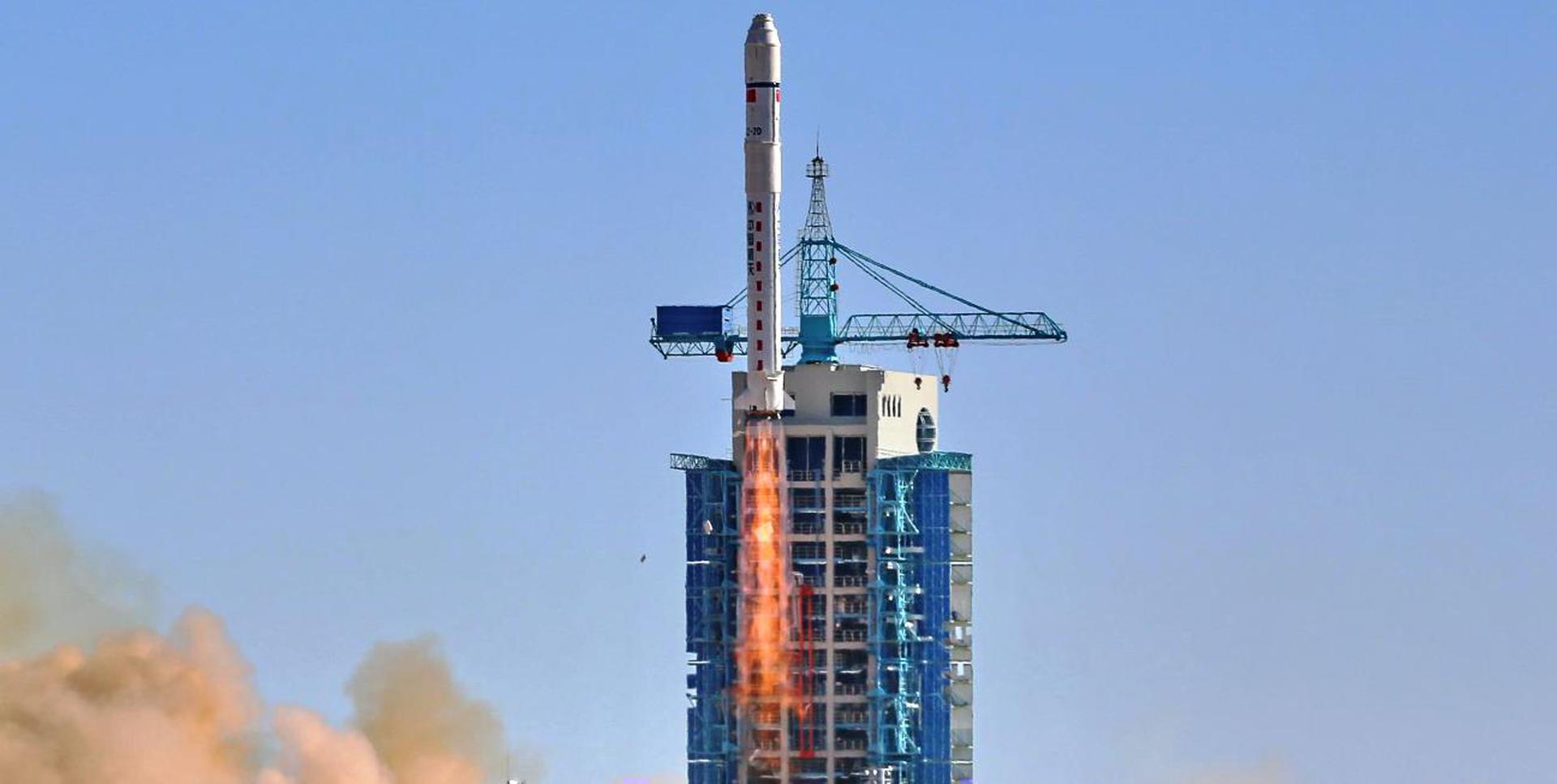
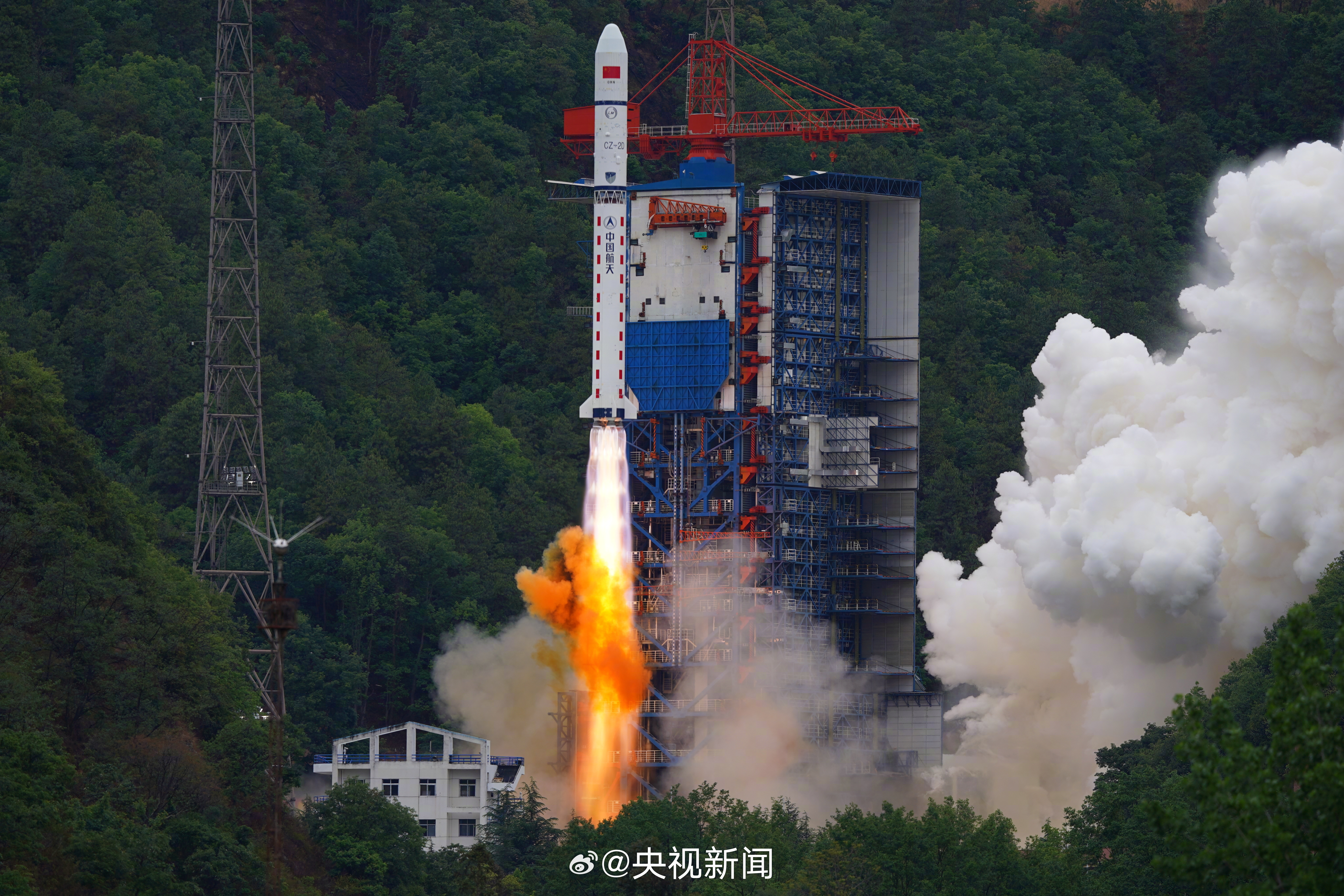
Provider: China Aerospace Science and Technology Corporation Date: November 26, 2026 Time: 9:35 AM UTC Vehicle: Long March 2D
Details TBD.
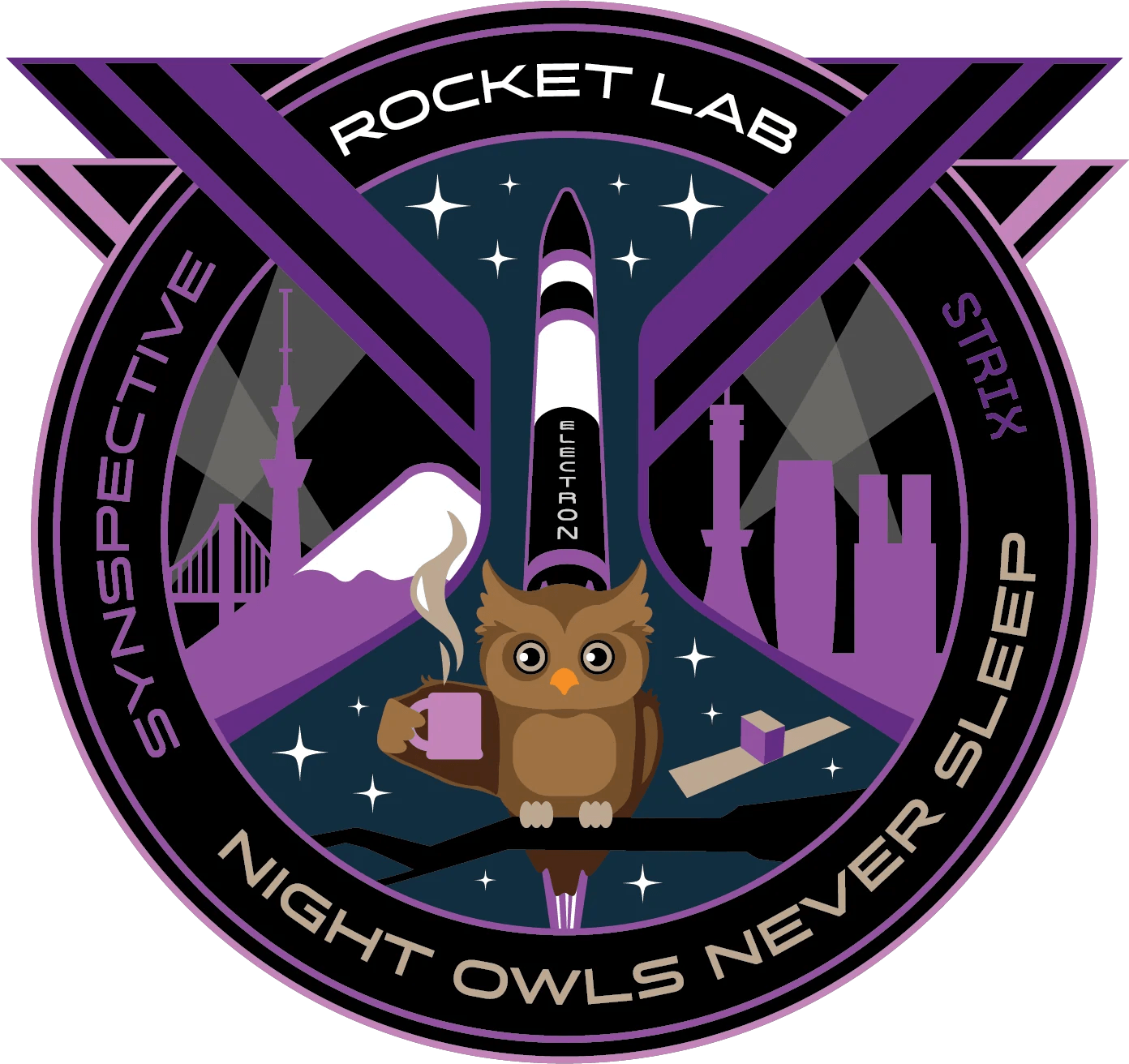
Night Owls Never Sleep (StriX Launch 14)
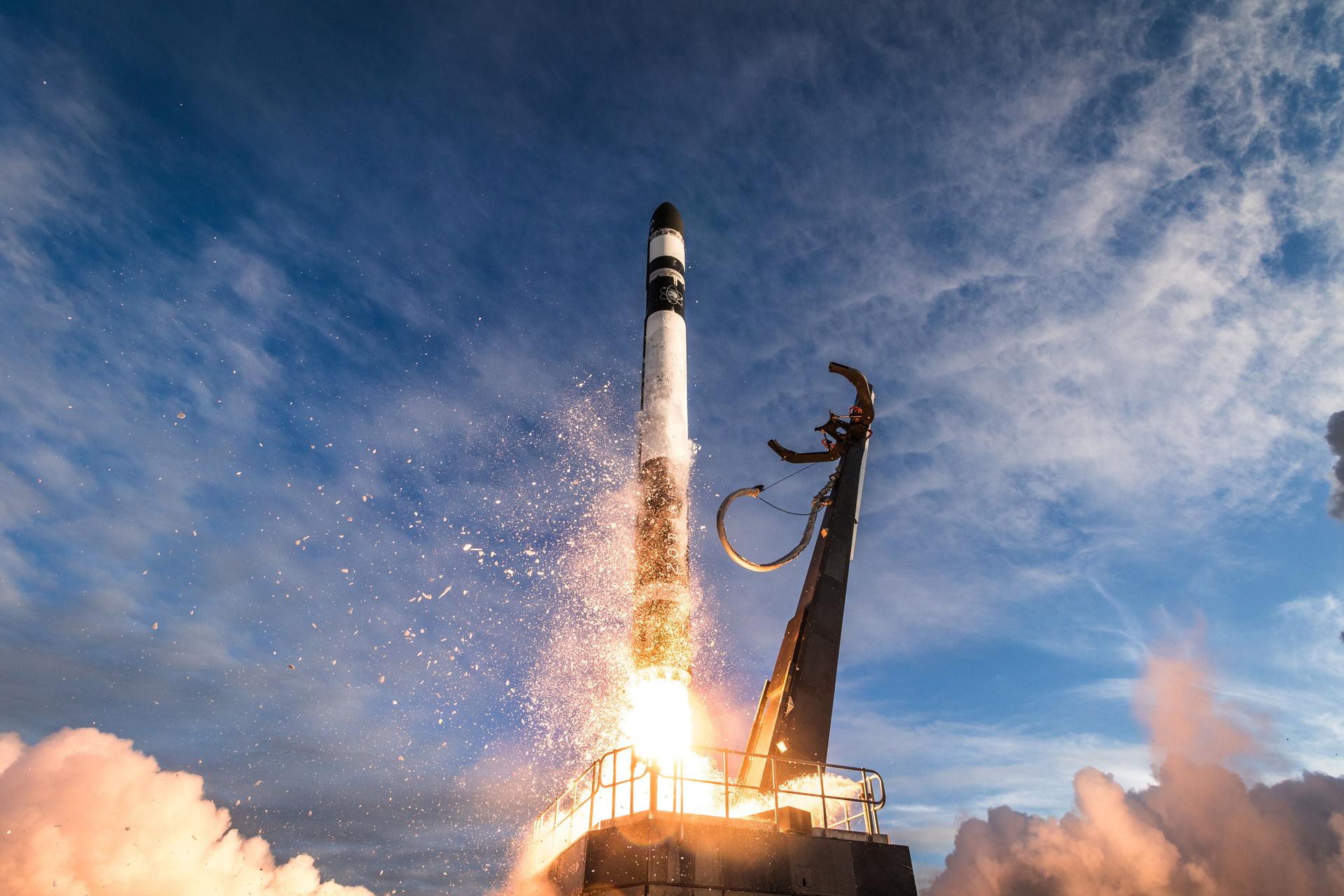
Provider: Rocket Lab Date: November 27, 2026 Time: 12:05 AM UTC Vehicle: Electron
Synthetic aperture radar satellite for Japanese Earth imaging company Synspective.
Unknown Payload
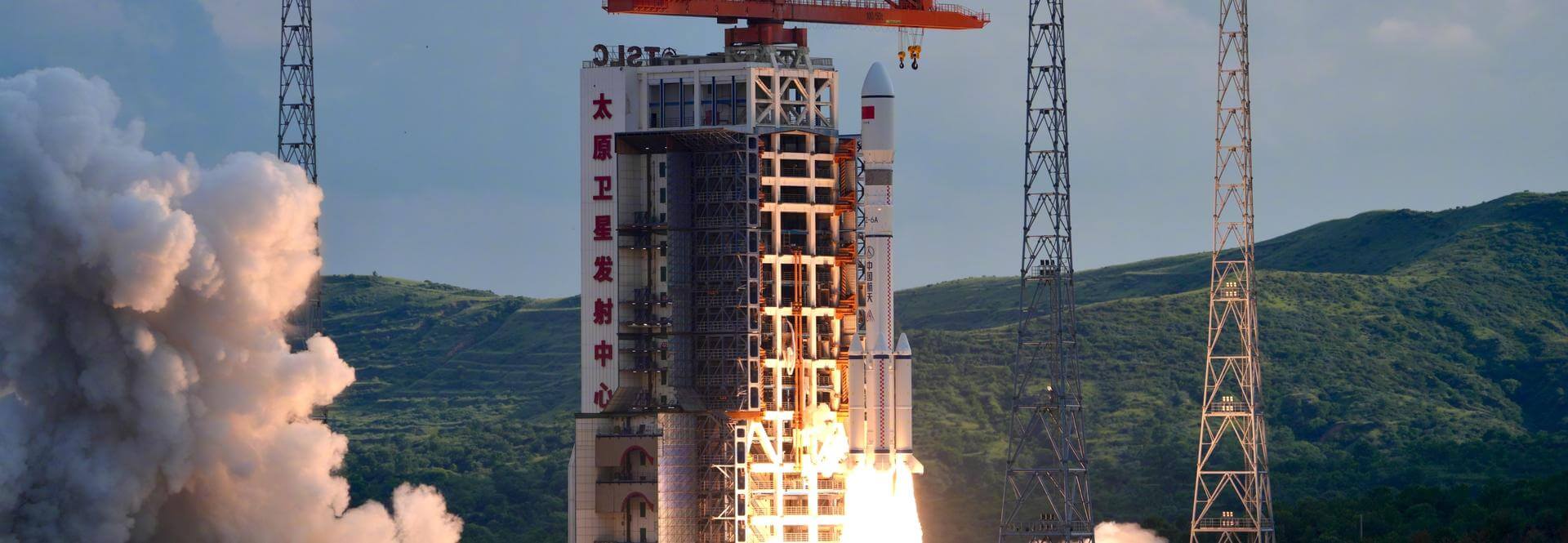
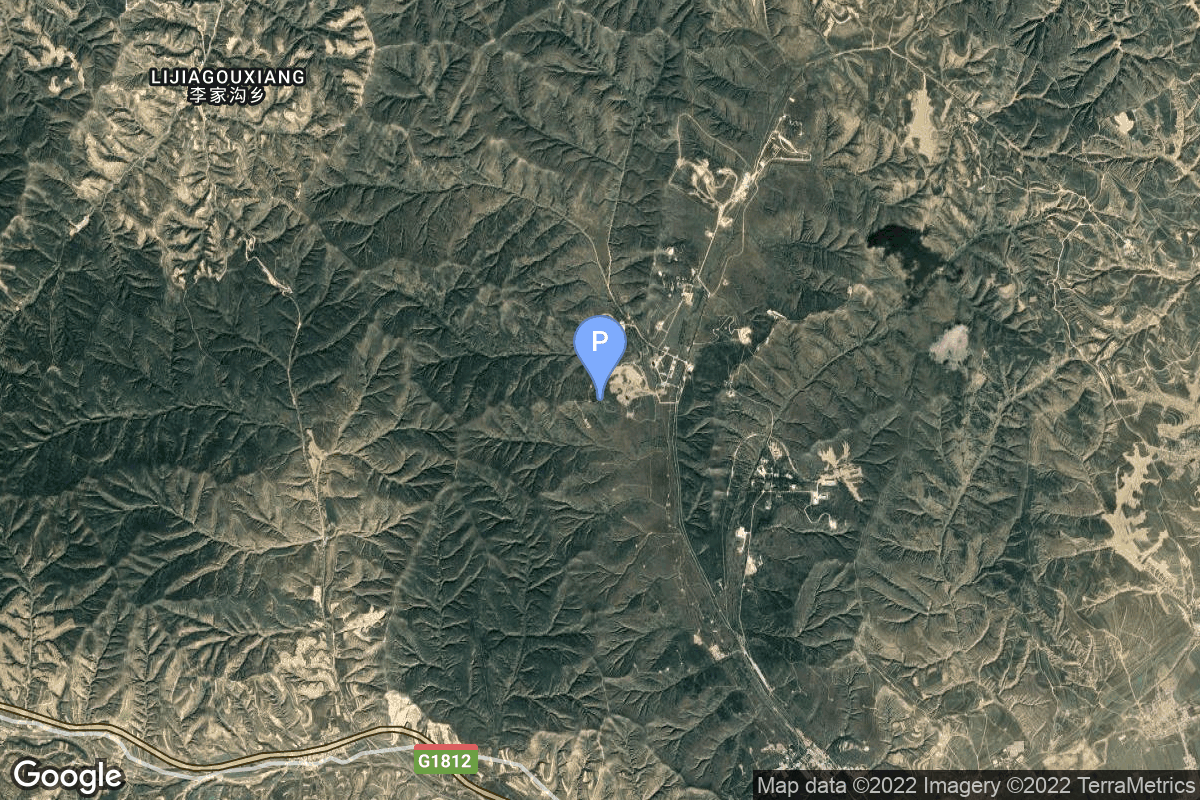
Provider: China Aerospace Science and Technology Corporation Date: November 27, 2026 Time: 1:00 PM UTC Vehicle: Long March 6A
Details TBD.
Unknown Payload
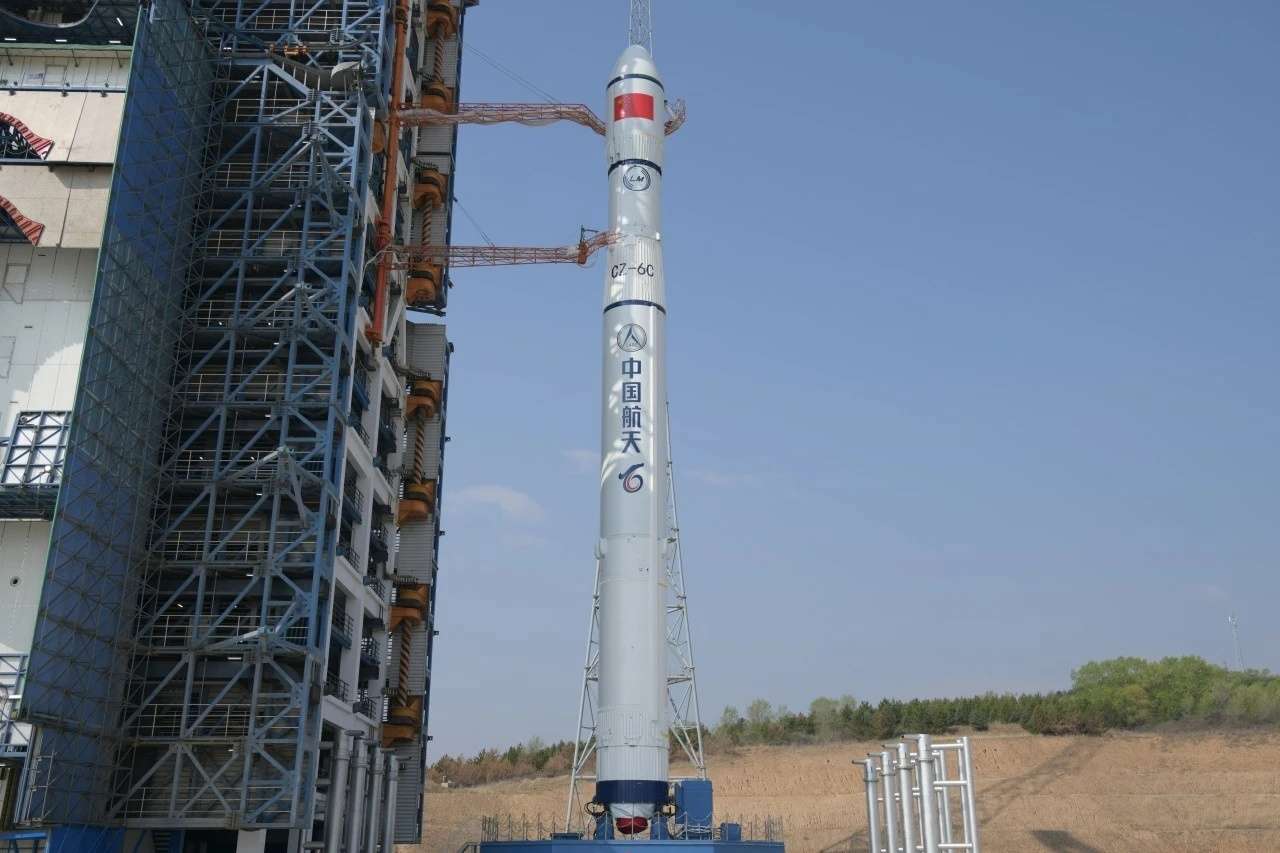
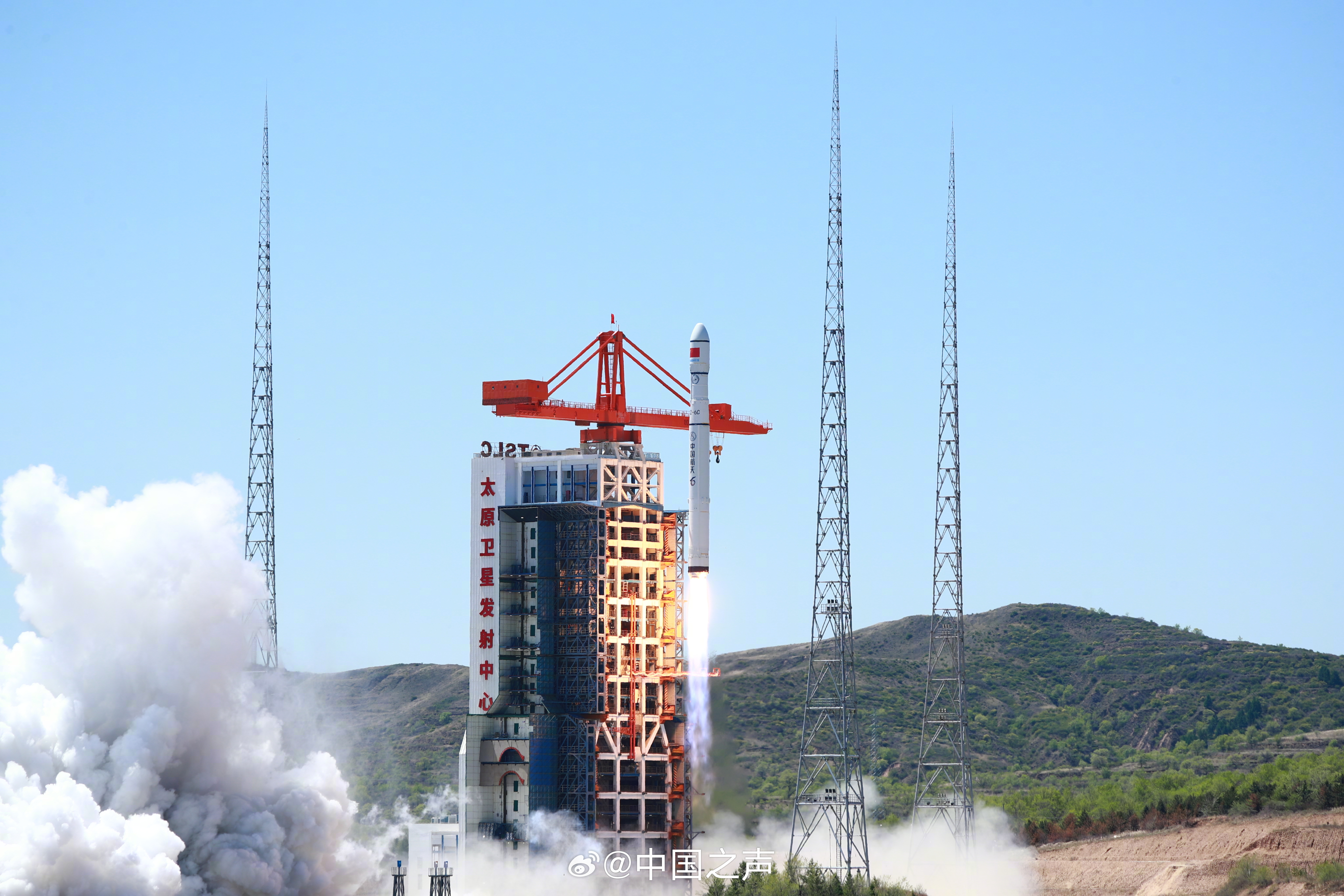
Provider: China Aerospace Science and Technology Corporation Date: November 29, 2026 Time: 3:50 AM UTC Vehicle: Long March 6C
Details TBD.
USSF-380
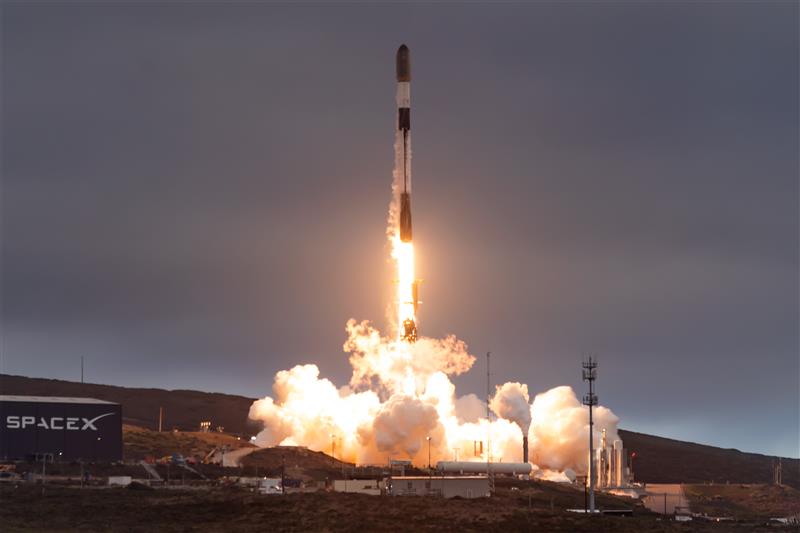
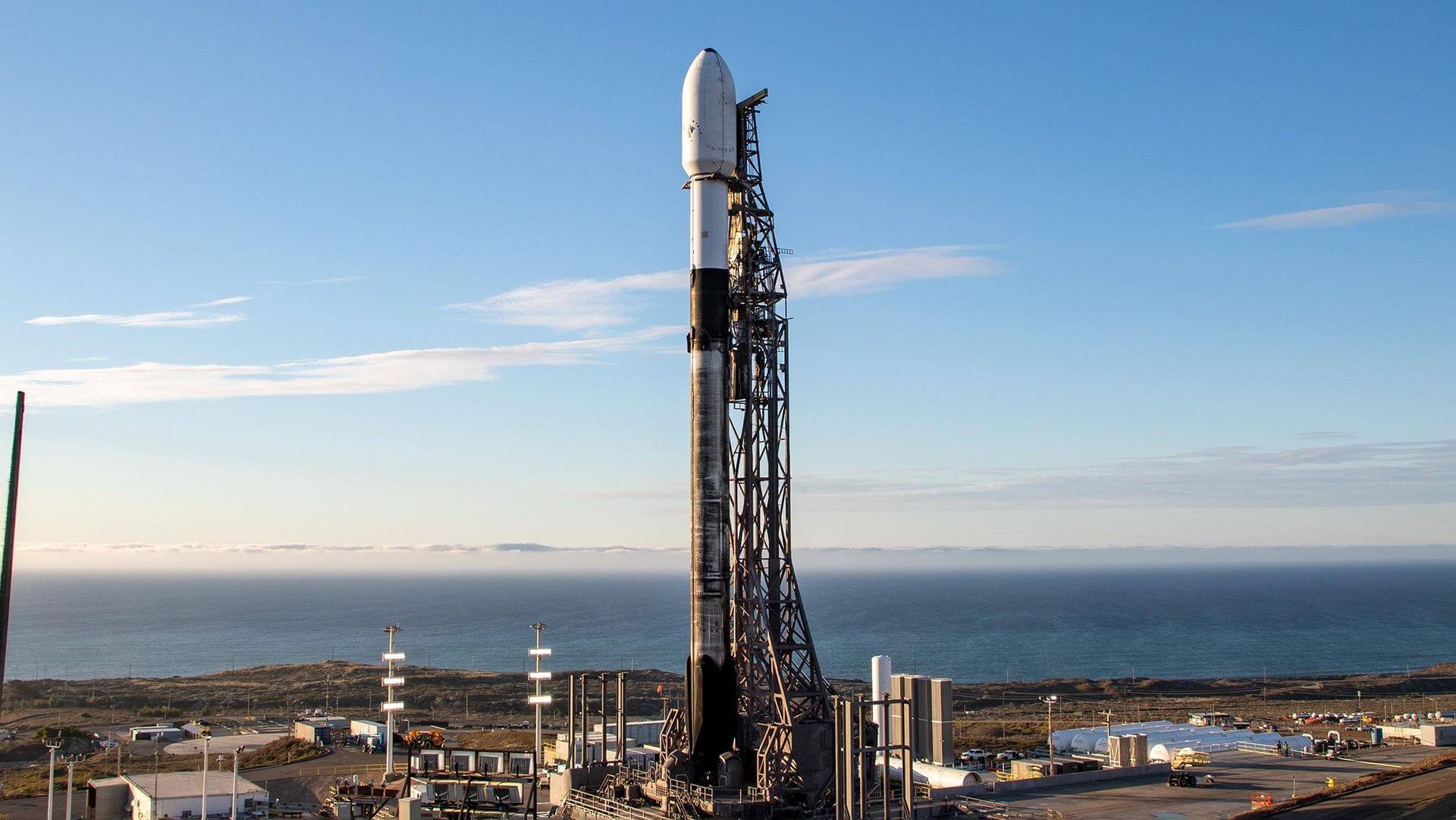
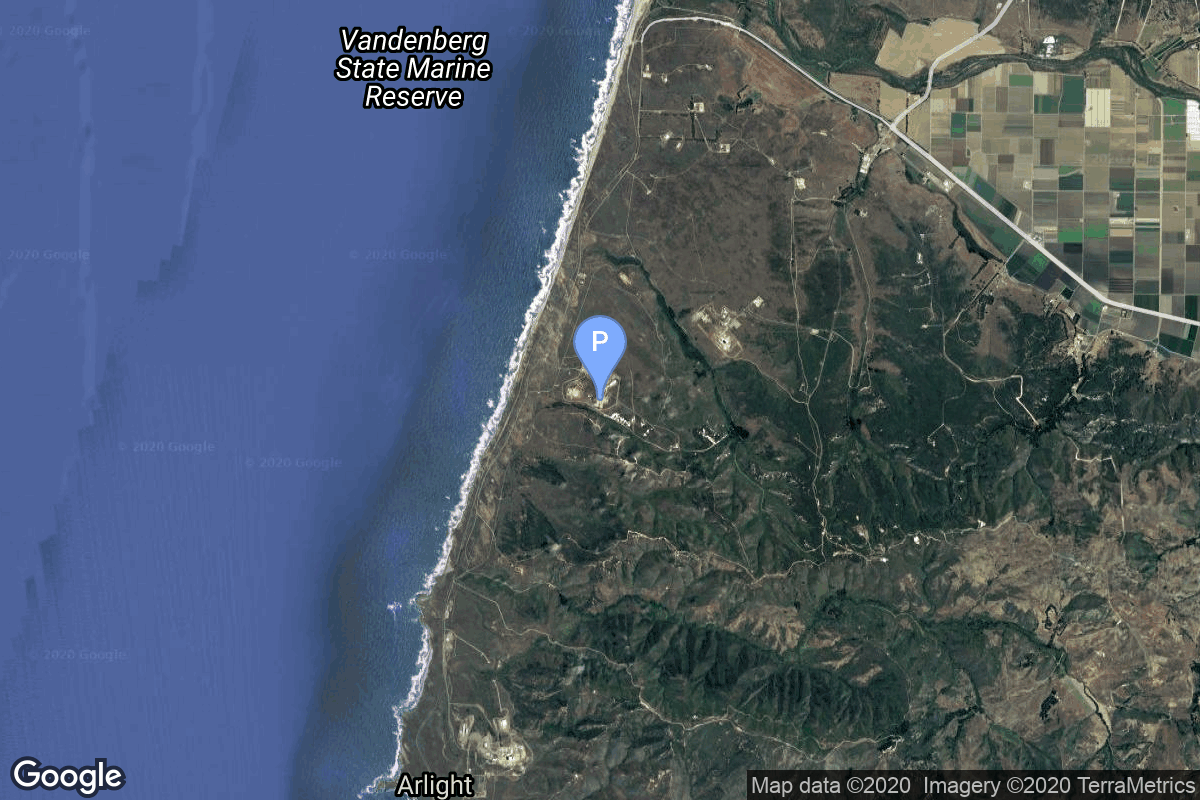
Provider: SpaceX Date: November 29, 2026 Time: 4:39 AM UTC Vehicle: Falcon 9
A classified mission for the United States Space Force. It is possibly a batch of classified LEO satellites based on SpaceX’s Starshield satellite bus, based on locations of rocket stage drop zones being exact fits with previous Starlink Group 15 launches.
Unknown Payload ×
Mission Details
TypeUnknown
OrbitUnknown
TargetEarth
Details TBD.
Launch Provider: China Aerospace Science and Technology Corporation
The Long March 2D, also known as the Chang Zheng 2D, CZ-2D and LM-2D, is a Chinese orbital carrier rocket. It is a 2-stage carrier rocket mainly used for launching LEO and SSO satellites.
Rocket Lab Launch Complex 1, Mahia Peninsula, New Zealand
Total launches from this pad: 0
Vehicle: Electron
Electron is a two-stage orbital expendable launch vehicle (with an optional third stage) developed by the American aerospace company Rocket Lab. Electron is a small-lift launch vehicle designed to launch small satellites and cubesats to sun-synchronous orbit and low earth orbit. The Electron is the…
The Long March 6A is a Chinese launch vehicle of the Long March family, which was developed by the China Aerospace Science and Technology Corporation (CASC) and the Shanghai Academy of Spaceflight Technology (SAST). The vehicle is a further development of the Long March 6, with 2 YF-100 engines on…
The Long March 6C is a Chinese launch vehicle of the Long March family, which was developed by the China Aerospace Science and Technology Corporation (CASC) and the Shanghai Academy of Spaceflight Technology (SAST). The vehicle is a further development of the Long March 6A, with its solid rocket…
A classified mission for the United States Space Force. It is possibly a batch of classified LEO satellites based on SpaceX’s Starshield satellite bus, based on locations of rocket stage drop zones being exact fits with previous Starlink Group 15 launches.
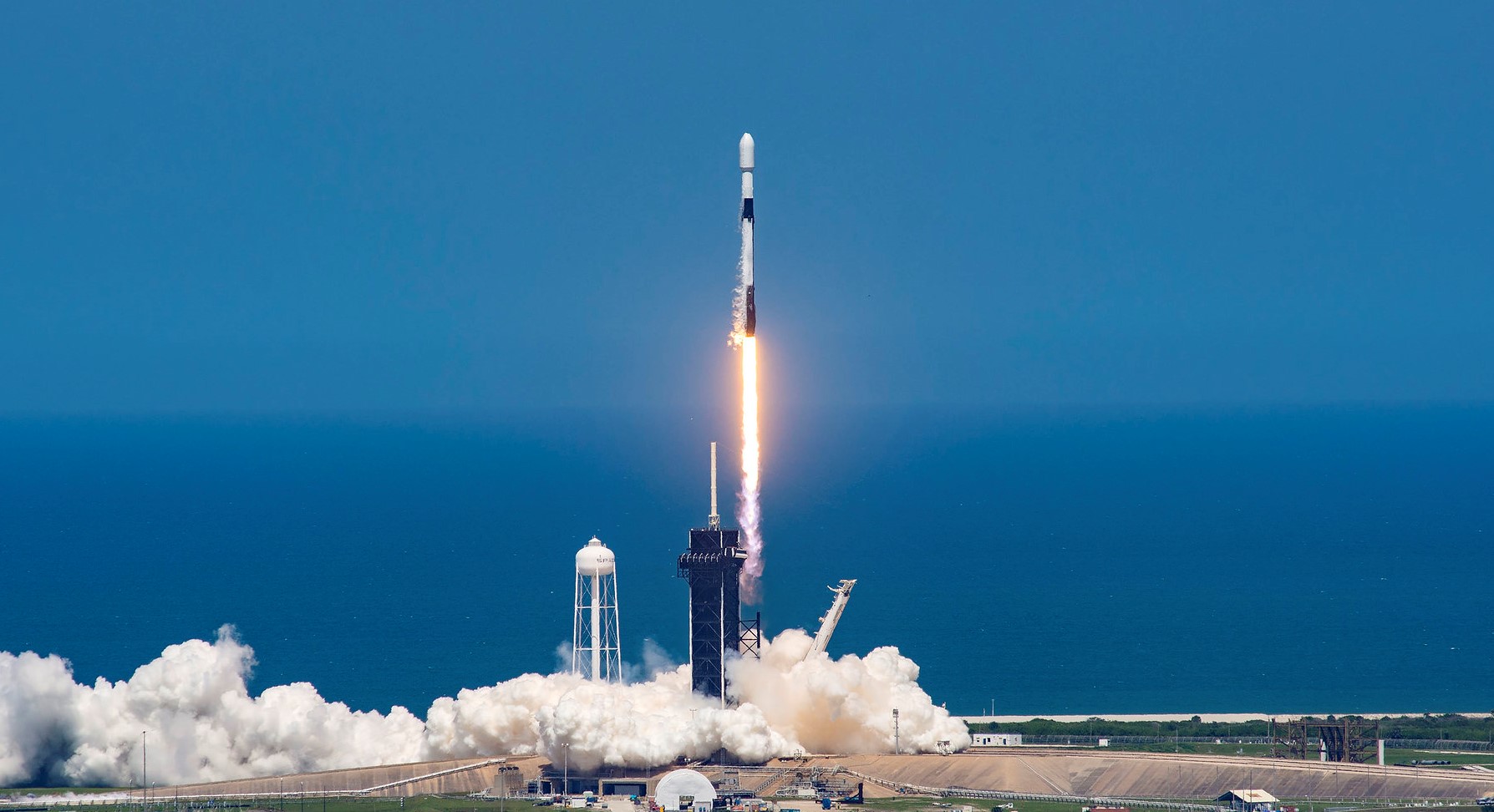
Falcon 9 is a two-stage rocket designed and manufactured by SpaceX for the reliable and safe transport of satellites and the Dragon spacecraft into orbit. The Block 5 variant is the fifth major interval aimed at improving upon the ability for rapid reusability.
Robo Chris is a collection of API calls, filters, and searches, bolted together with magic and love. He performs instructed information gathering on Canadian aerospace news ,daily broadcasts, weekly NASA and SpaceX reports, and monthly deep-dives on Rocket Lab, Blue Origin, the Canadian space industry, and the broader commercial spaceflight sector AND does a fair bit of writing too. Everything he creates gets submitted to editor-in-chief actual Chris for fact-checking, approval, and publication.












Leave a Reply