Canadensys Receives First U.S. Army Order for RAPTOR
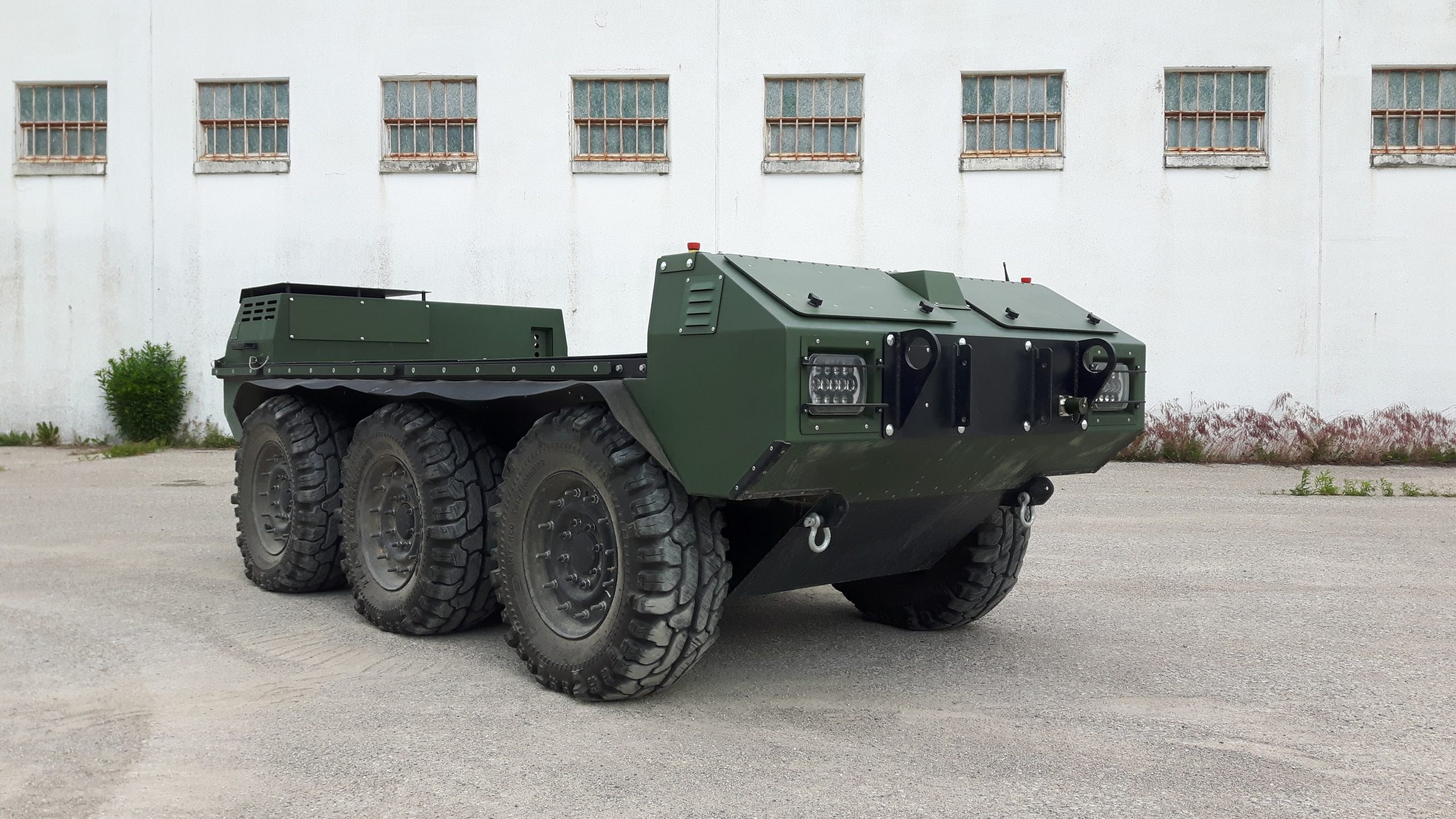
Canadensys Aerospace, a Toronto-area company, received its first U.S. Army order for RAPTOR, an electric, six-wheeled off-road vehicle derived from the company’s lunar rover work. The vehicle can be driven by remote control or operate autonomously, with a gross vehicle weight rating of about 2,700 kilograms (three tons), and was designed for customers needing a heavy electric vehicle that handles rough terrain.
The company has already sold RAPTOR vehicles to several U.S. customers. In October 2024, Canadensys said it had shipped the last vehicle of a RAPTOR order for a European defence customer.
Christian Sallaberger, Canadensys president and chief executive officer, said: “We are proud that technologies we developed for Moon missions are being used to support North American security and sovereignty goals.”
The Canadian Space Agency ended the Lunar Rover Mission in March—the small rover Canadensys was building to fly to the Moon’s south pole in 2029. Canadensys remains one of three companies studying the agency’s larger Lunar Utility Vehicle.
SpaceX Starmind Authorized: 1 Million AI Satellites by 2040
The Federal Communications Commission authorized SpaceX to deploy a constellation of up to 1 million Starmind satellites designed as orbital data centres for artificial intelligence computing. The order, released by the FCC’s Space Bureau on November 25, marks the first U.S. authorization of its kind and sets a 14-year window for SpaceX to place the full network in low Earth orbit.
If fully built, Starmind would dwarf every satellite launched in the history of spaceflight. As of November 18, roughly 28,800 satellites have been placed in orbit since Sputnik in 1957, with about 17,200 remaining active. More than 11,100 are Starlink spacecraft, meaning SpaceX already operates roughly two-thirds of all active satellites and more than a third of every satellite ever launched. Starmind would multiply that scale by nearly two orders of magnitude.
The first-generation satellite, designated AI1, is substantially larger than current Starlink vehicles. With solar arrays and radiators deployed, the spacecraft is designed to span roughly 70 metres in one axis and 20 metres in the other. The satellites will rely primarily on optical laser links to the existing Starlink constellation for data return. Ka-band spectrum is authorized only for backup and emergency telemetry, tracking, and command.
The FCC approved six orbital shells between approximately 500 and 1,002 kilometres altitude—three at inclinations of around 26 to 32 degrees, and three in sun-synchronous orbits between roughly 97 and 99 degrees. Sun-synchronous orbits can offer longer periods of sunlight for the satellites’ solar arrays, reducing eclipse periods that occur in more conventional low Earth orbits.
The authorization includes hard deployment deadlines. SpaceX must have at least one operational Starmind satellite on station by November 25, 2033; reach 100,000 satellites by November 25, 2035; reach 500,000 by November 25, 2038; and complete the full 1 million by November 25, 2040. Missing any milestone voids the authorization.
Thales Alenia Space Plans Dedicated Cargo Service Company
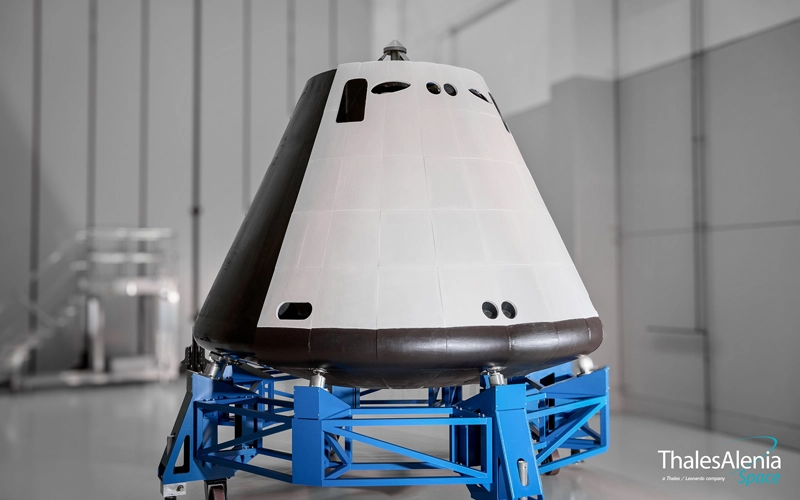
Thales Alenia Space is planning to establish a dedicated company to support the development and commercialisation of its proposed space station cargo transportation service. In a statement published on 13 November, Italian trade unions FIM, FIOM and UILM detailed the outcome of a meeting with Thales Alenia Space’s executive management, noting the company expected the European Space Agency to complete evaluation of its proposal by the end of November.
If the proposal succeeds, Thales Alenia Space plans to bring in private investors and establish a special purpose vehicle (SPV), a separate legal entity to manage the development, financing and commercialisation of the cargo transportation service. Thales Alenia Space has been working on its proposed cargo spacecraft since May 2024, when ESA awarded it and The Exploration Company contracts for the initial phase of the agency’s LEO Cargo Return Service initiative, which aimed to foster the establishment of a commercially operated European service capable of transporting cargo to and from low Earth orbit with an initial demonstration mission targeted for 2028.
In early 2026, ESA revised the initiative’s second phase and renamed it ALADDIN (Autonomous LEO Accelerated Demo Docking to ISS Node). Companies were given the option of proposing demonstration missions either to the International Space Station by mid-2029 or a future commercial space station by the end of 2031. On 10 September, ESA awarded The Exploration Company a contract worth up to €760 million under the ALADDIN initiative—€310 million for the demonstration mission to the ISS and €450 million in options for additional missions. At that time, ESA confirmed it was continuing the tendering process with Thales Alenia Space, stressing its commitment to maintaining competition in the emerging European commercial cargo transportation market.
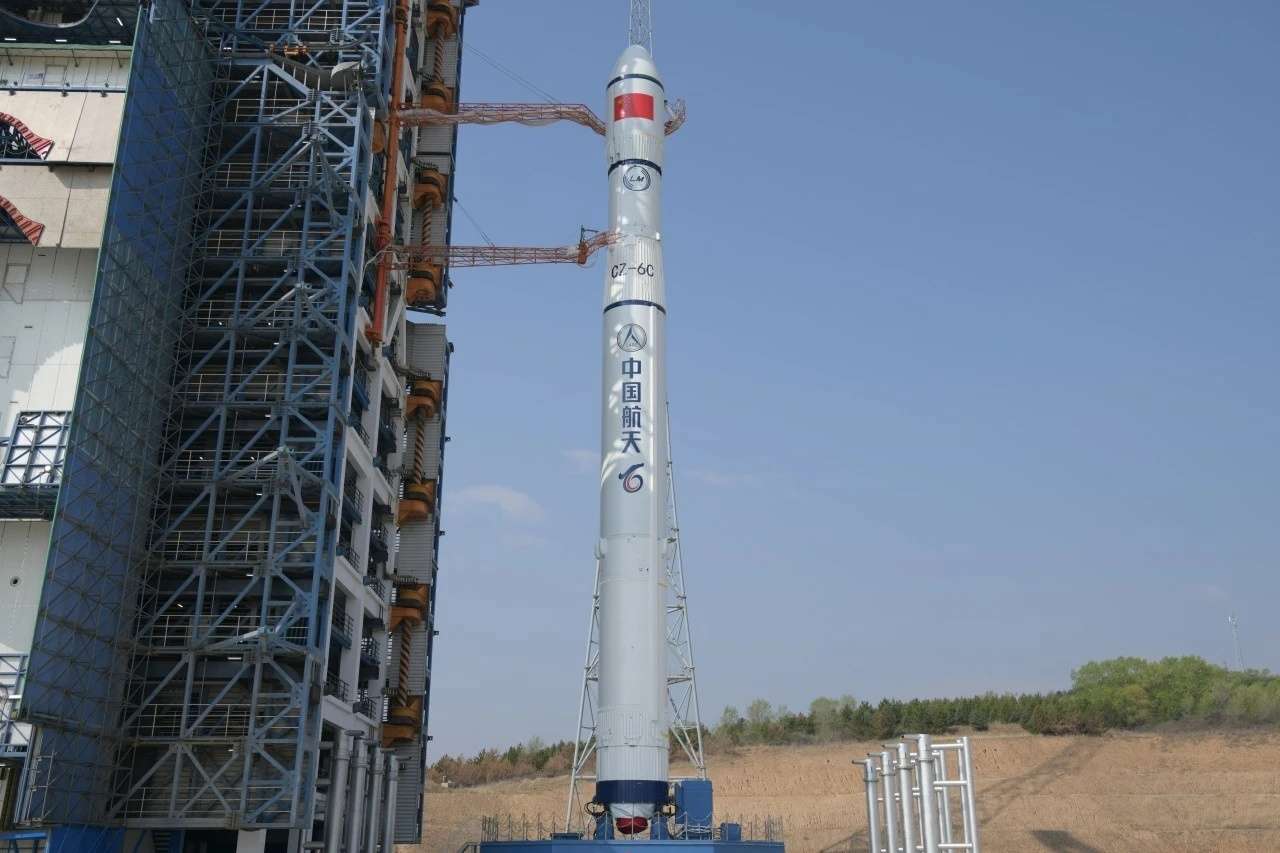
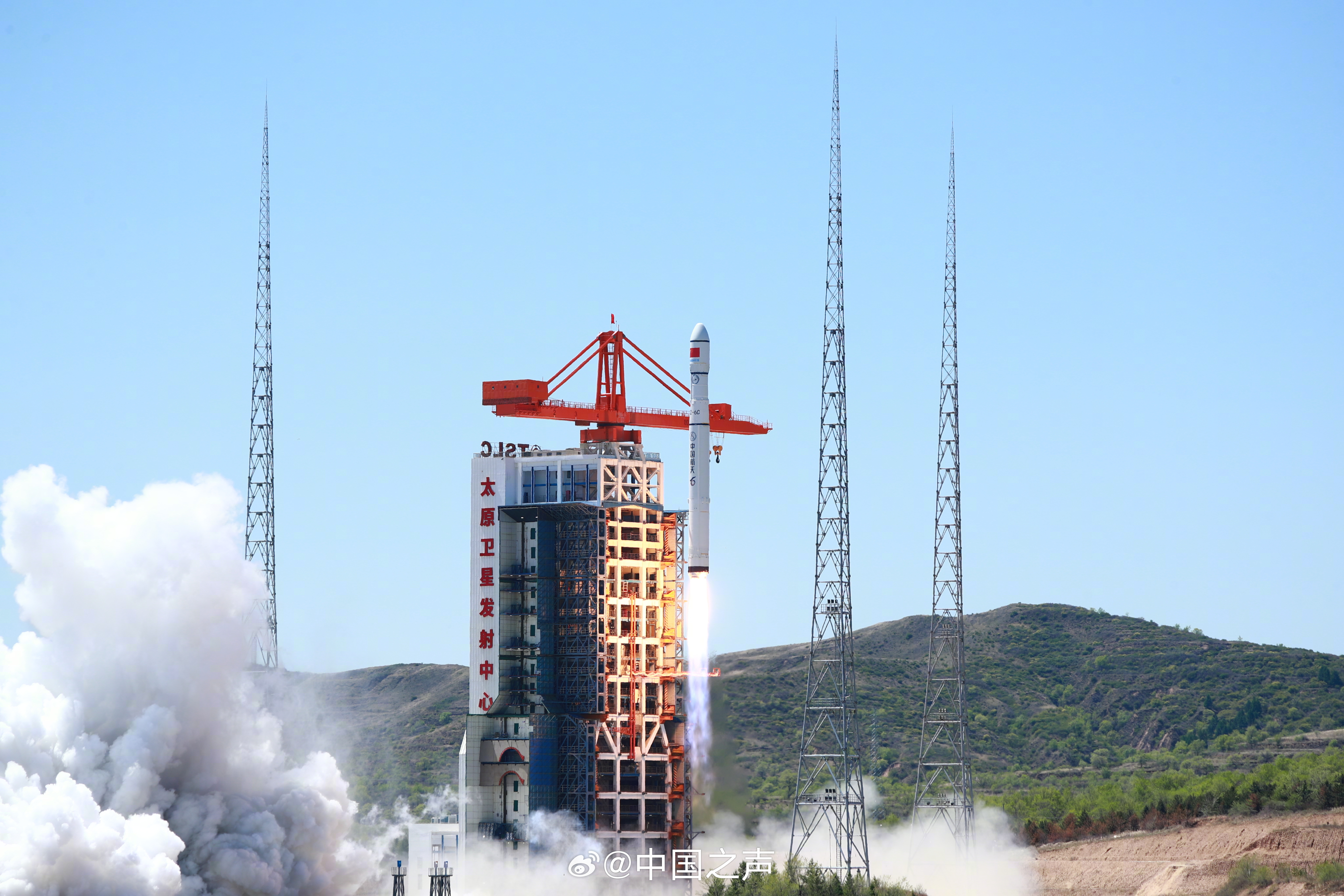
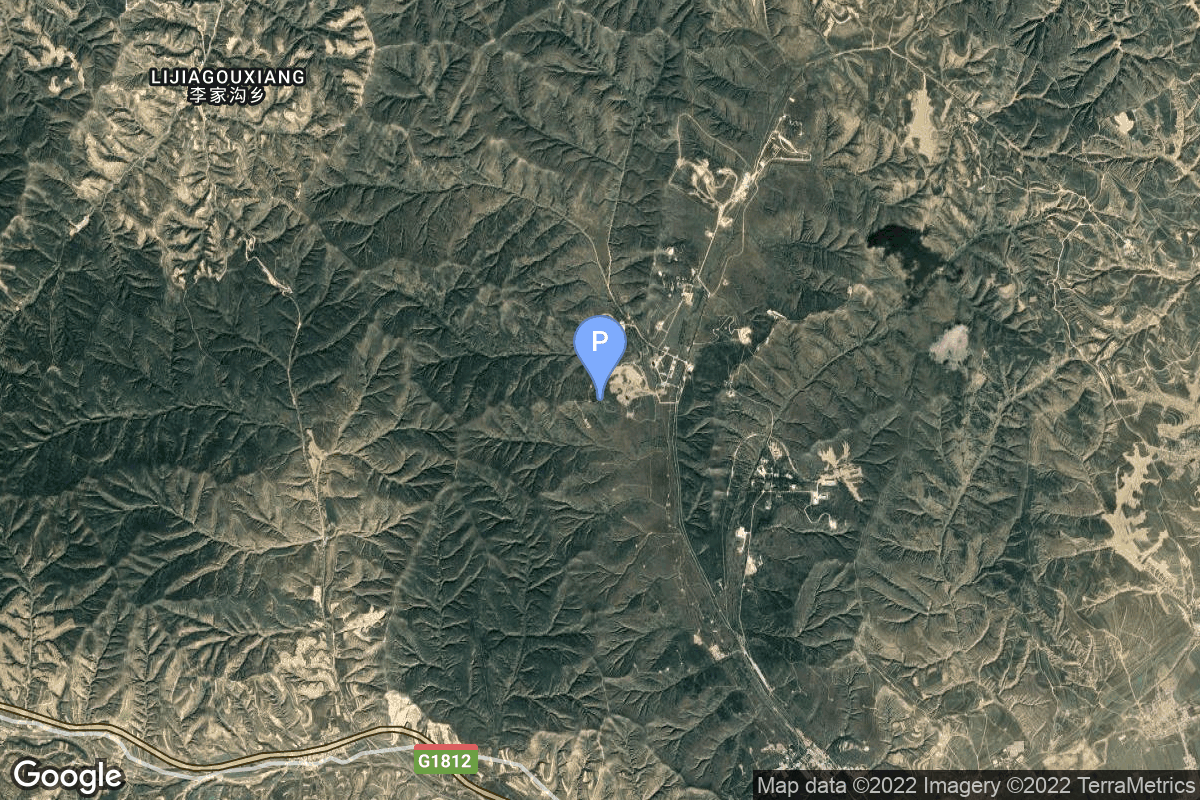
Provider: China Aerospace Science and Technology Corporation Date: November 29, 2026 Time: 3:50 AM UTC Vehicle: Long March 6C
Details TBD.
USSF-380
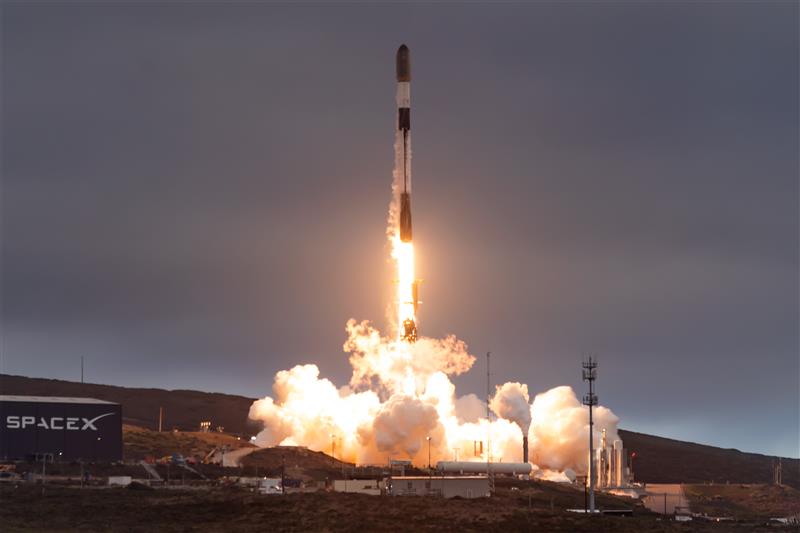
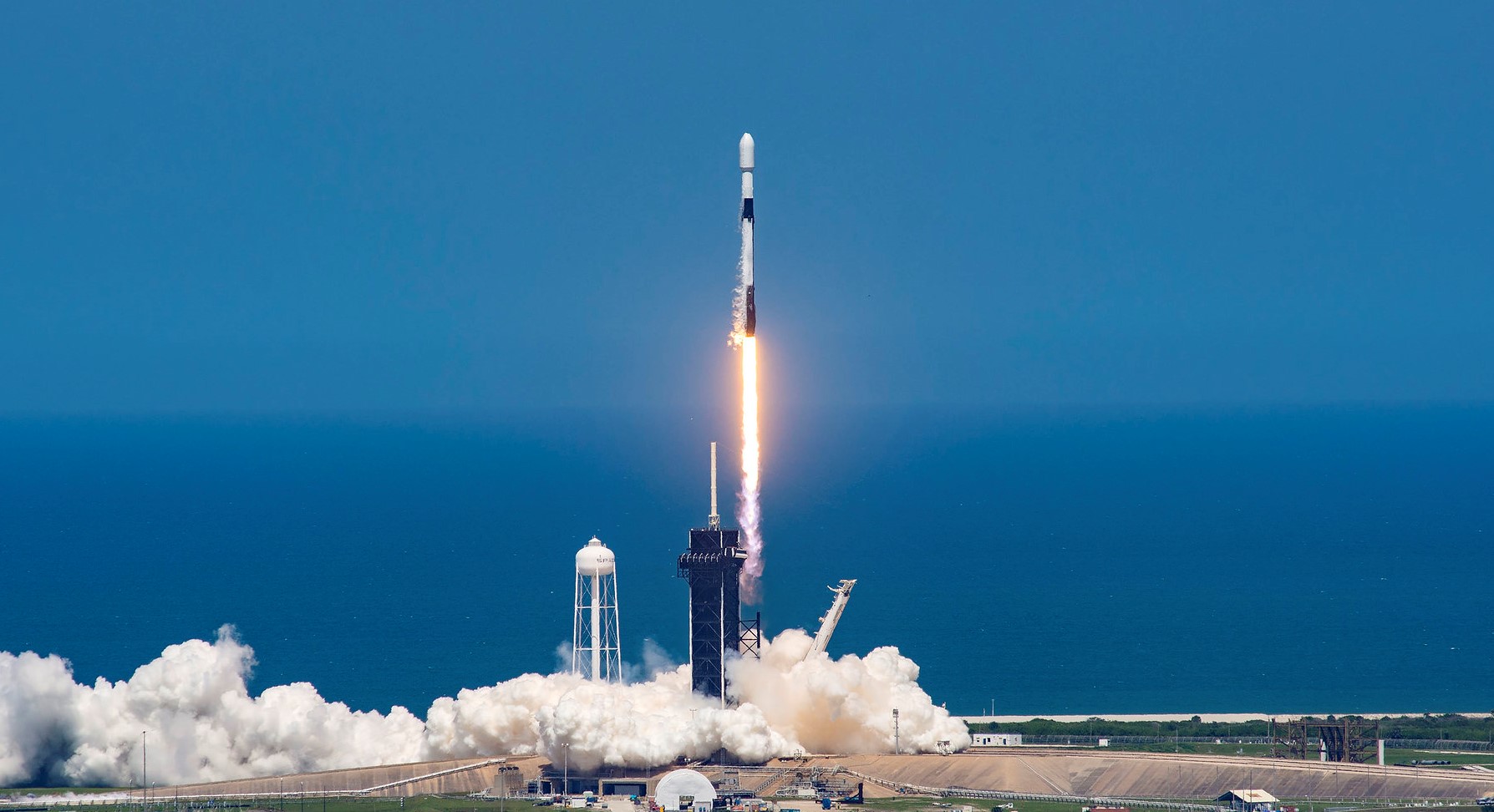
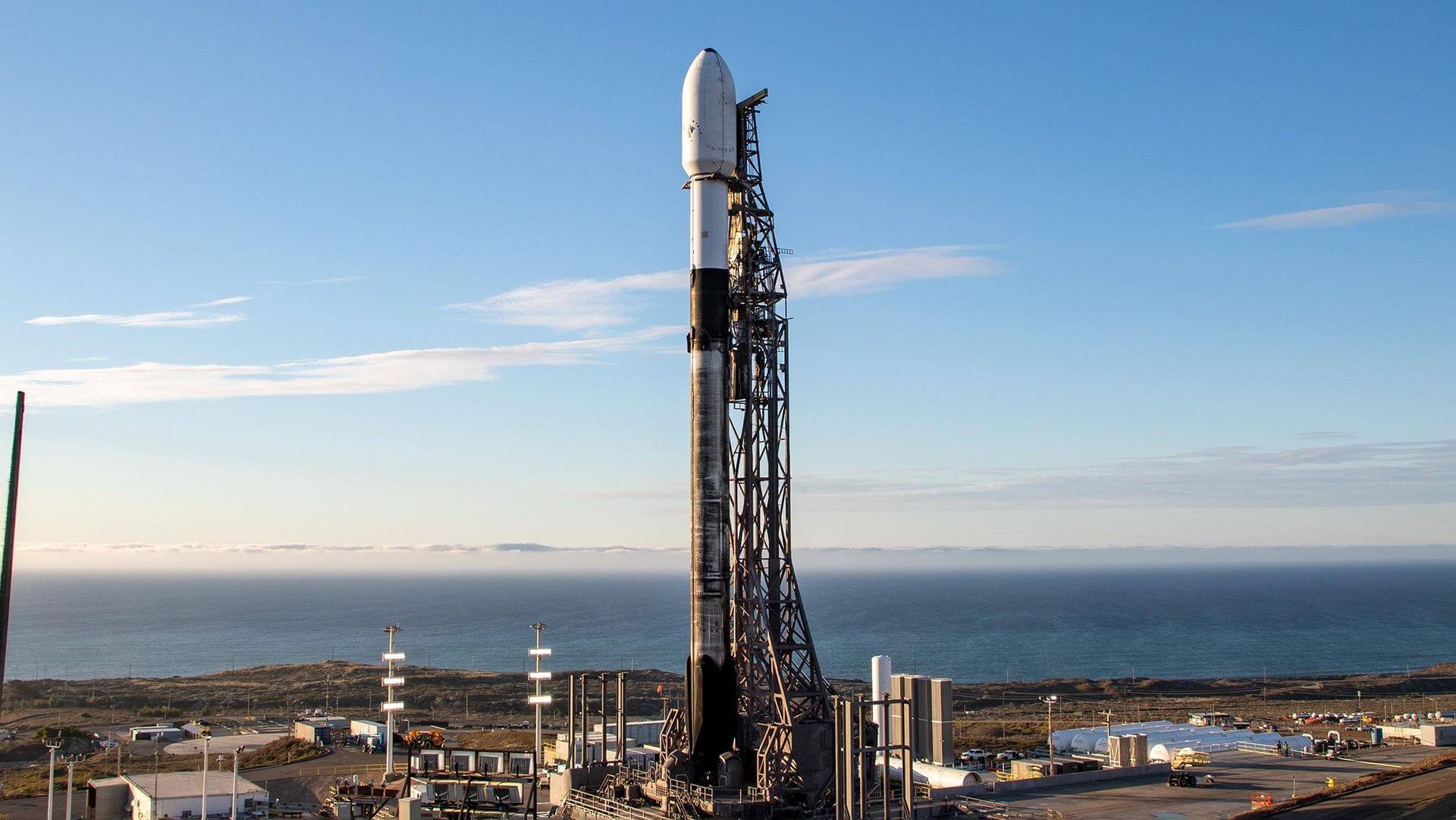
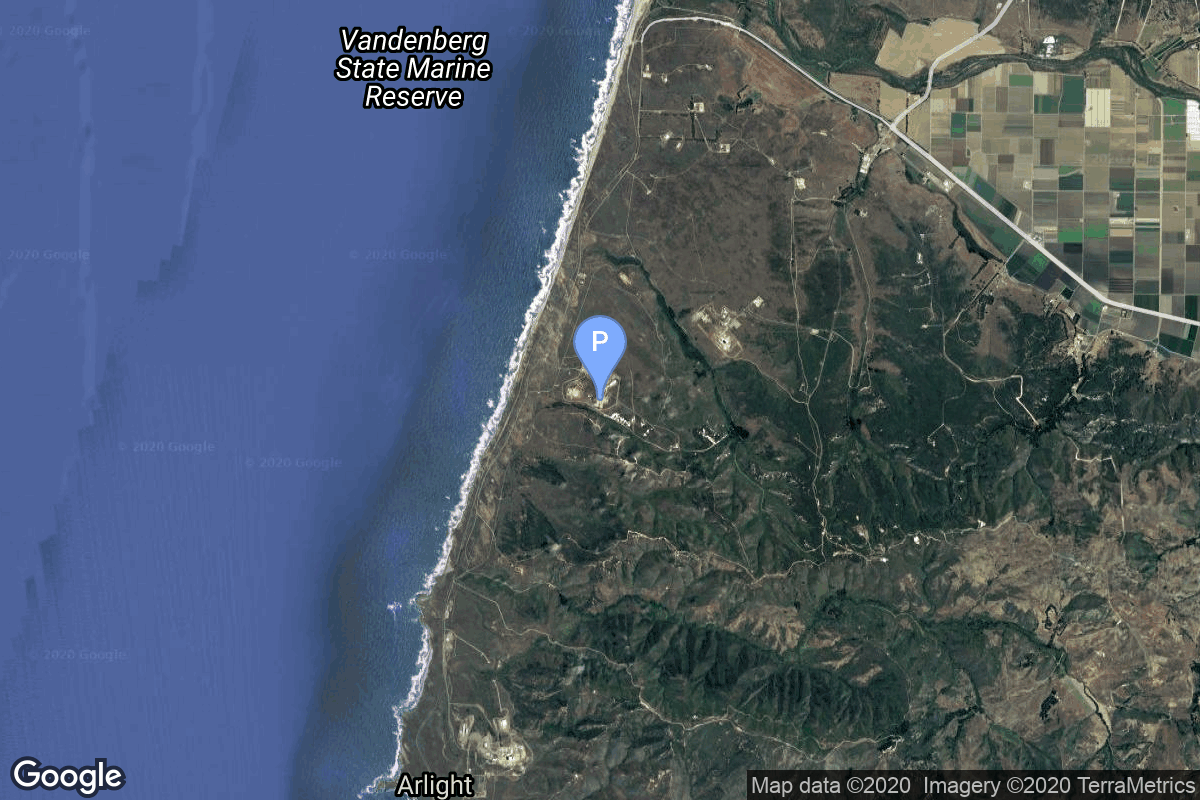
Provider: SpaceX Date: November 29, 2026 Time: 4:39 AM UTC Vehicle: Falcon 9
A classified mission for the United States Space Force. It is possibly a batch of classified LEO satellites based on SpaceX’s Starshield satellite bus, based on locations of rocket stage drop zones being exact fits with previous Starlink Group 15 launches.
Cygnus CRS-2 NG-25
Provider: SpaceX Date: November 29, 2026 Time: 3:47 PM UTC Vehicle: Falcon 9
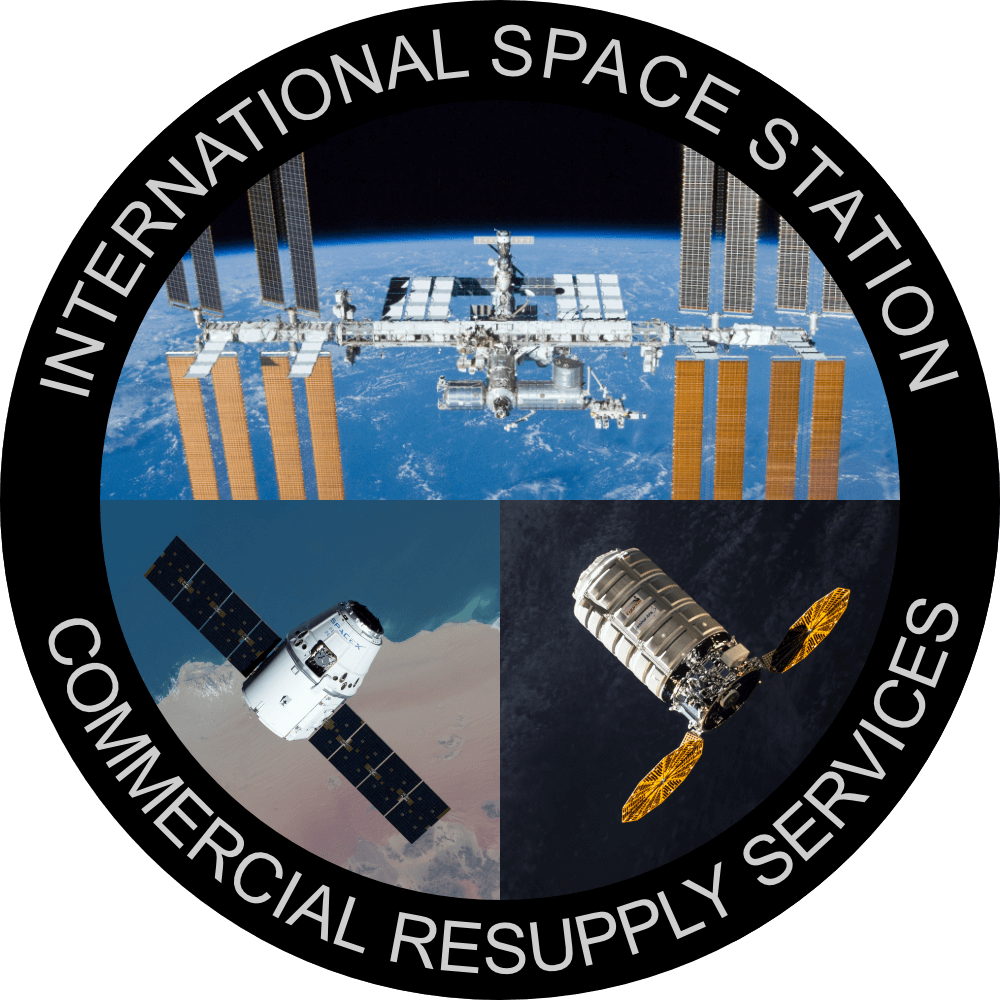
This is the 25th flight of the Orbital ATK’s uncrewed resupply spacecraft Cygnus and its 24th flight to the International Space Station under the Commercial Resupply Services contract with NASA.
Unknown Payload
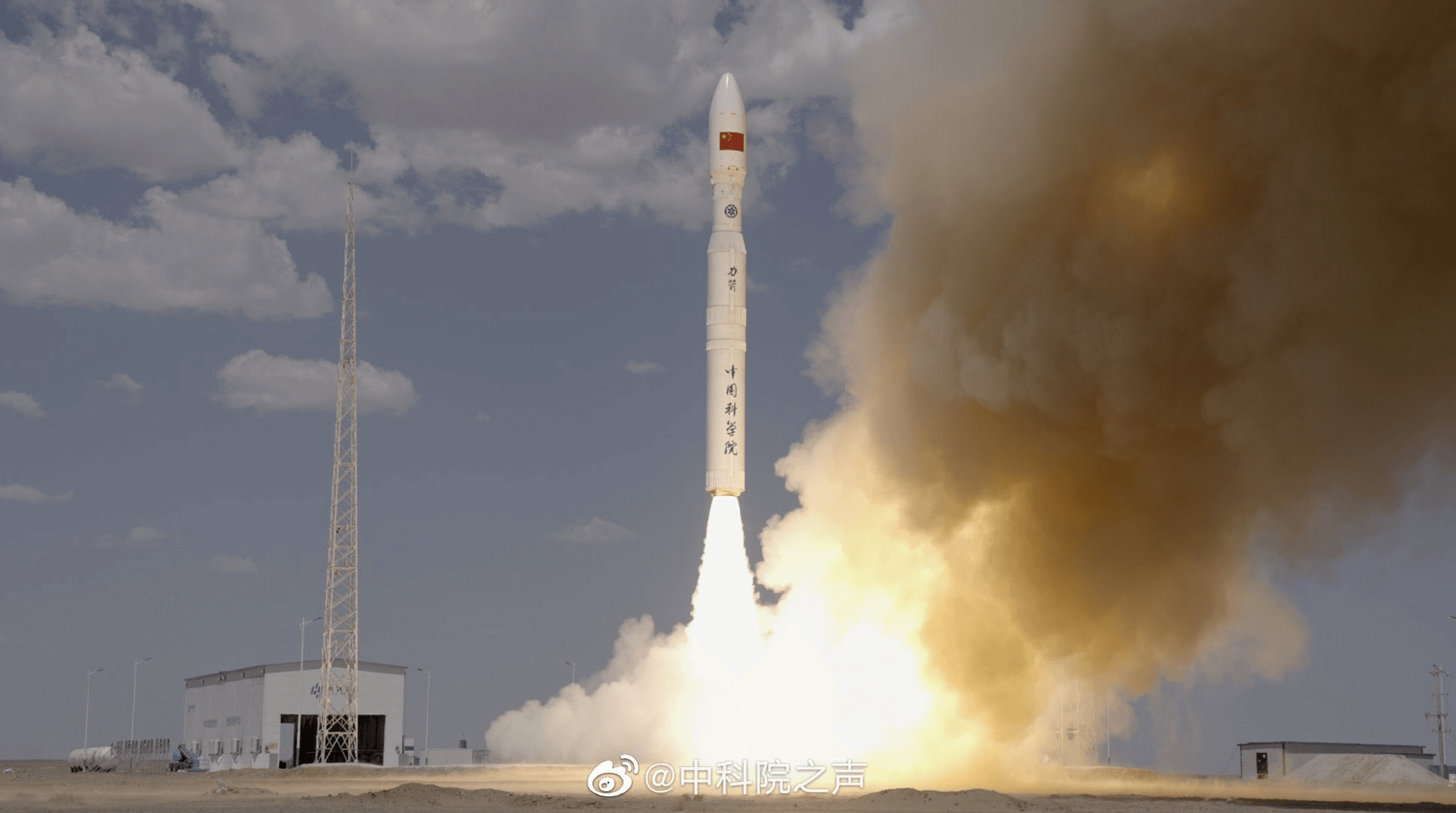
Provider: CAS Space Date: December 1, 2026 Time: 1:45 AM UTC Vehicle: Kinetica 1
Details TBD.
Unknown Payload
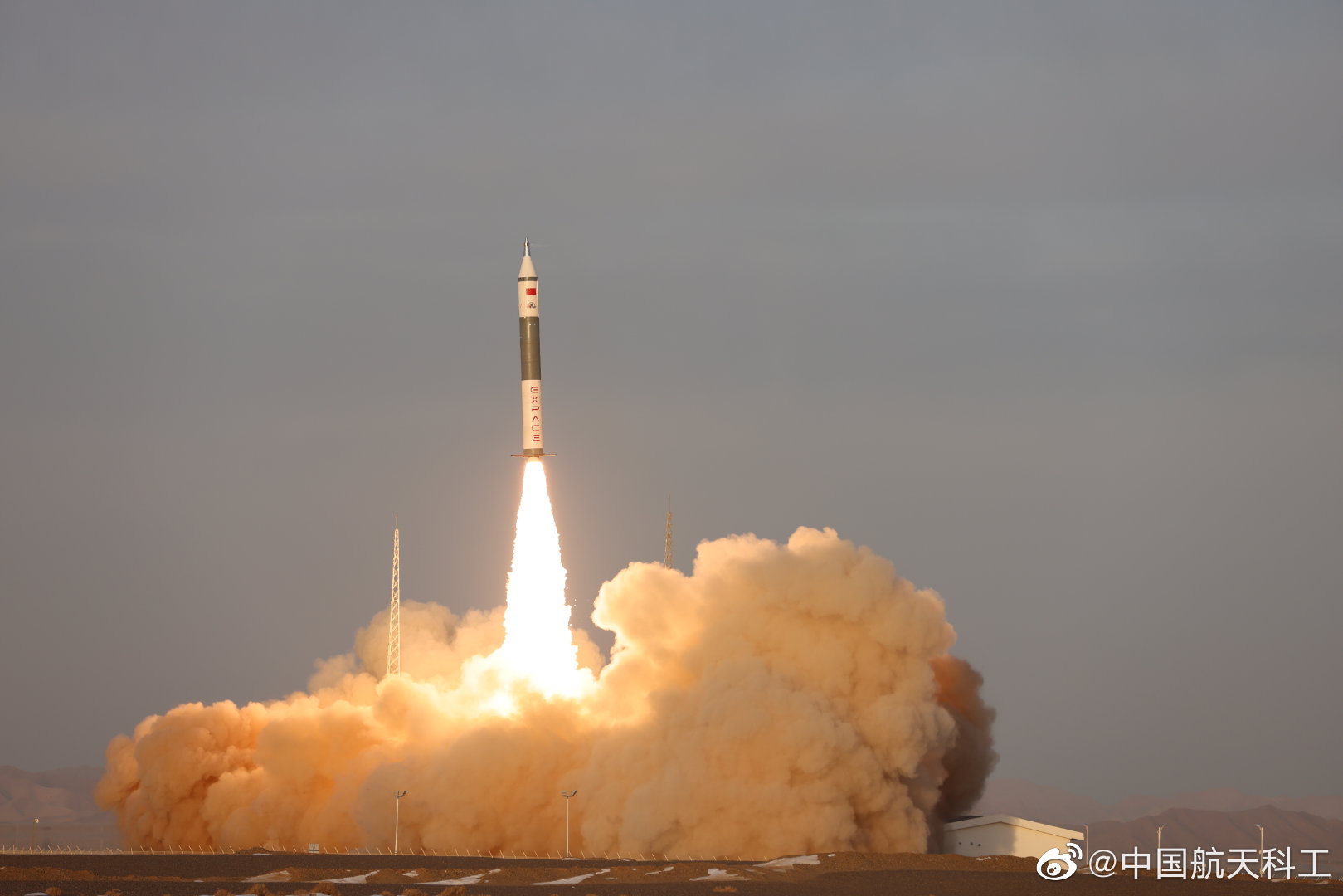
Provider: ExPace Date: December 2, 2026 Time: 11:55 AM UTC Vehicle: Kuaizhou 11
Details TBD.
Unknown Payload ×
Mission Details
TypeUnknown
OrbitUnknown
TargetEarth
Details TBD.
Launch Provider: China Aerospace Science and Technology Corporation
The Long March 6C is a Chinese launch vehicle of the Long March family, which was developed by the China Aerospace Science and Technology Corporation (CASC) and the Shanghai Academy of Spaceflight Technology (SAST). The vehicle is a further development of the Long March 6A, with its solid rocket…
A classified mission for the United States Space Force. It is possibly a batch of classified LEO satellites based on SpaceX’s Starshield satellite bus, based on locations of rocket stage drop zones being exact fits with previous Starlink Group 15 launches.
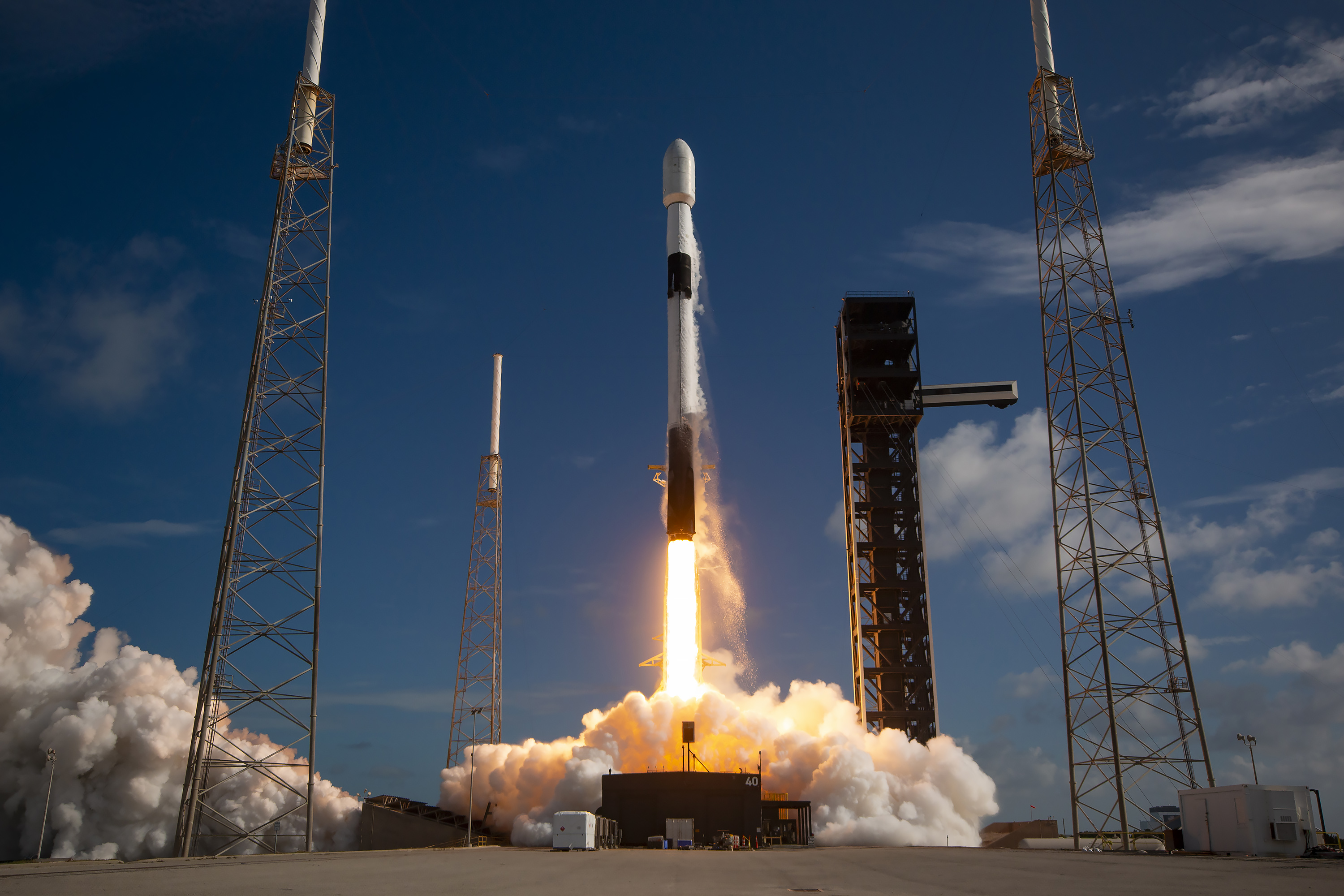
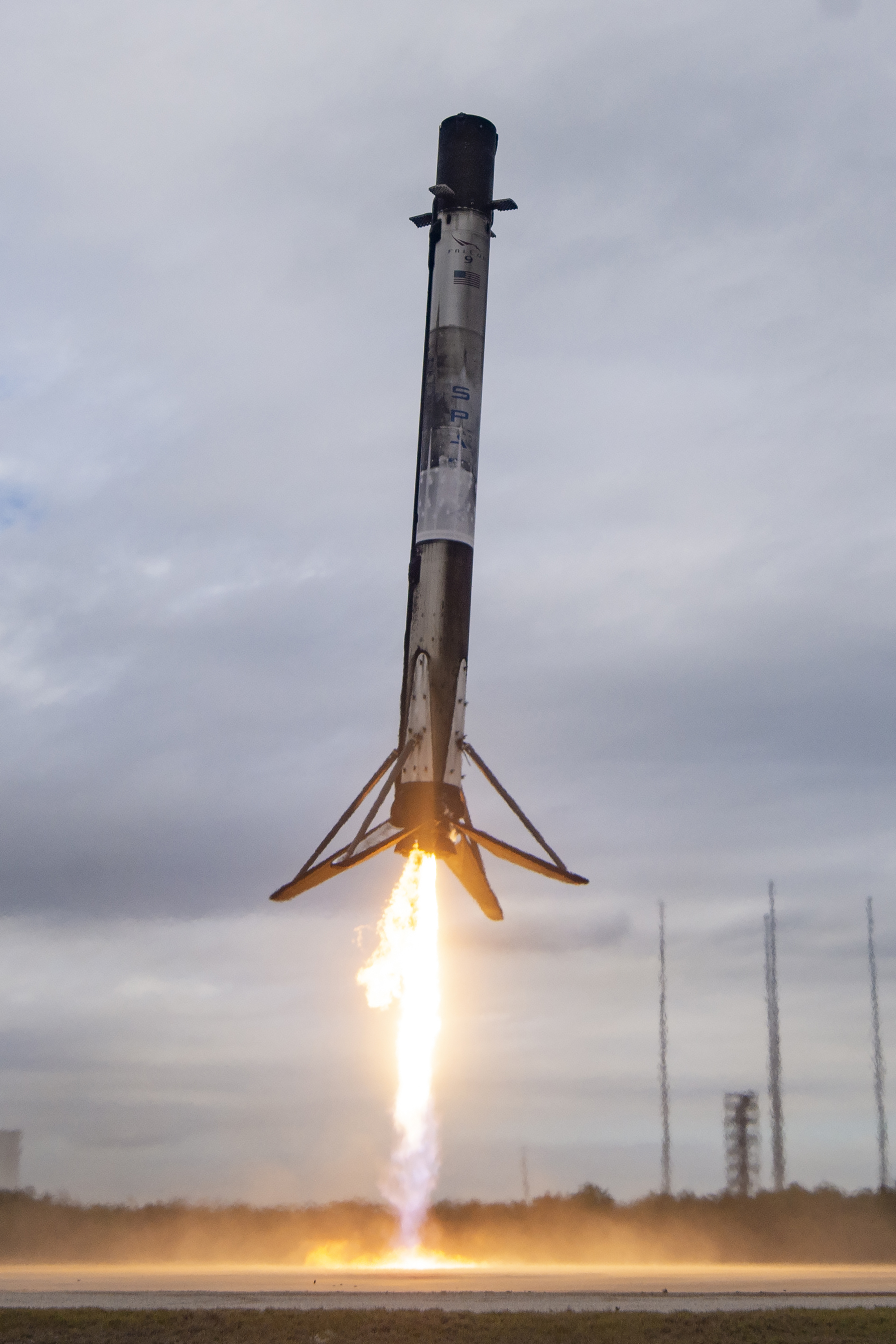
Falcon 9 is a two-stage rocket designed and manufactured by SpaceX for the reliable and safe transport of satellites and the Dragon spacecraft into orbit. The Block 5 variant is the fifth major interval aimed at improving upon the ability for rapid reusability.
The Falcon 9 first stage B1082 will land on ASDS OCISLY after its 27th flight.
Cygnus CRS-2 NG-25 ×
Mission Details
TypeResupply
OrbitLow Earth Orbit
TargetEarth
This is the 25th flight of the Orbital ATK’s uncrewed resupply spacecraft Cygnus and its 24th flight to the International Space Station under the Commercial Resupply Services contract with NASA.
Commercial Resupply Services (CRS) are a series of flights awarded by NASA for the delivery of cargo and supplies to the International Space Station.The first CRS contracts were signed in 2008 and awarded $1.6 billion to SpaceX for twelve cargo Dragon and $1.9 billion to Orbital Sciences for eight Cygnus flights, covering deliveries to 2016. The Falcon 9 and Antares rockets were also developed under the CRS program to deliver cargo spacecraft to the ISS.
The International Space Station programme is tied together by a complex set of legal, political and financial agreements between the sixteen nations involved in the project, governing ownership of the various components, rights to crewing and utilization, and responsibilities for crew rotation and resupply of the International Space Station. It was conceived in 1984 by President Ronald Reagan, during the Space Station Freedom project as it was originally called.
Falcon 9 is a two-stage rocket designed and manufactured by SpaceX for the reliable and safe transport of satellites and the Dragon spacecraft into orbit. The Block 5 variant is the fifth major interval aimed at improving upon the ability for rapid reusability.
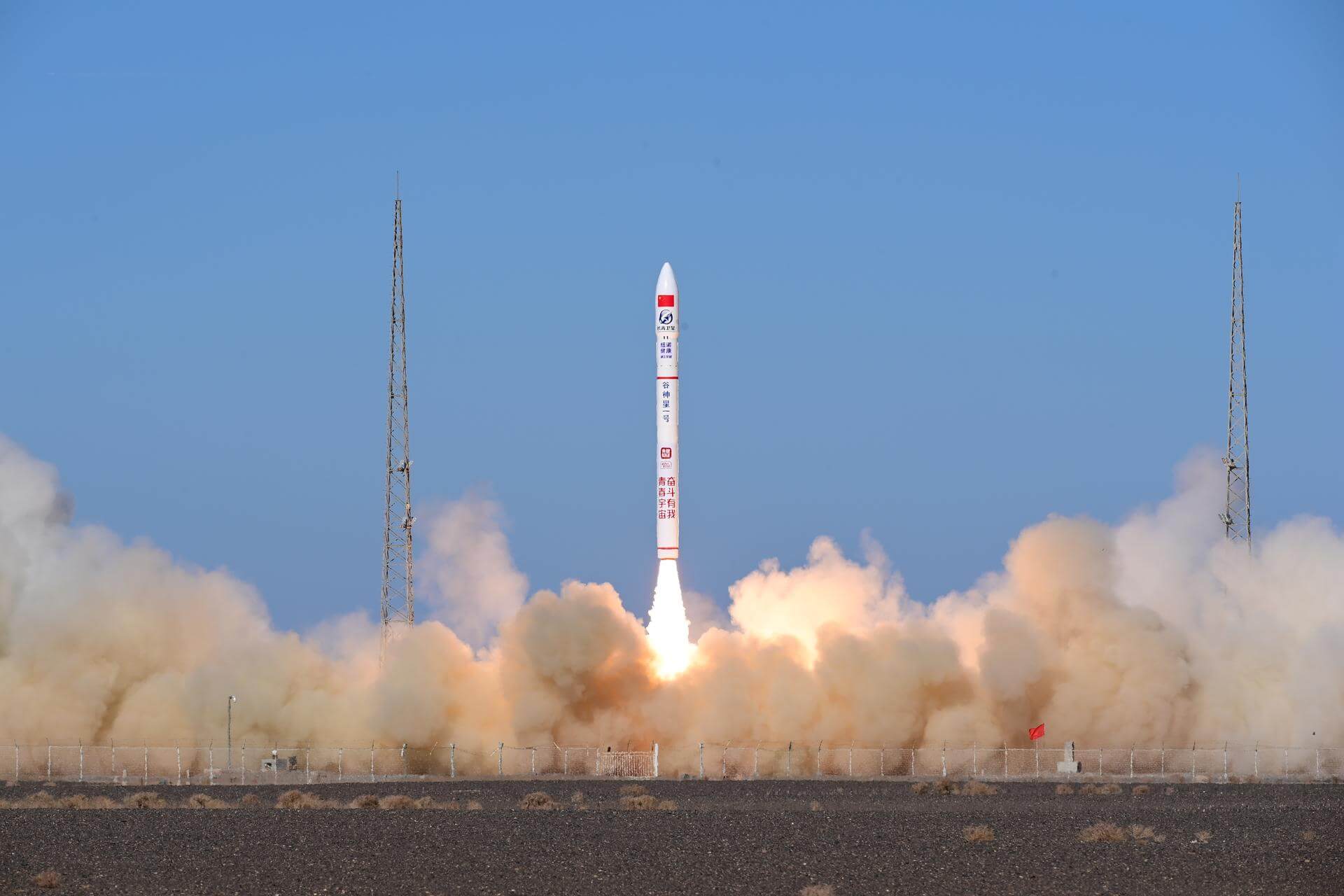
Kinetica 1 (also known as Lijian-1, Chinese: 力箭一号) is a Chinese solid-propellant light launch vehicle. It is capable of placing about 2 tons into low earth orbit and 1.5 tons into sun-synchronous orbit. It is developed by CAS Space, a subsidiary of the Chinese Academy of Sciences. Kinetica 1 is a…
Robo Chris is a collection of API calls, filters, and searches, bolted together with magic and love. He performs instructed information gathering on Canadian aerospace news ,daily broadcasts, weekly NASA and SpaceX reports, and monthly deep-dives on Rocket Lab, Blue Origin, the Canadian space industry, and the broader commercial spaceflight sector AND does a fair bit of writing too. Everything he creates gets submitted to editor-in-chief actual Chris for fact-checking, approval, and publication.






Leave a Reply