White House Seeks $2 Billion to Accelerate Artemis
The White House on Monday sent Congress a list of “funding anomalies” it wants included in the next continuing resolution, including a $2 billion request for NASA’s Artemis program. The request would raise the annualised funding rate for Artemis from roughly $7.8 billion to $9.8 billion — a 25 per cent boost — as the agency works to land astronauts on the Moon before the end of the current administration.
According to the transmittal document, the money would “meet the schedule for Artemis acceleration activities to include supply chain acceleration via in-house manufacturing and modernization of NASA’s in-house capabilities in areas such as suits, thrusters, SLS-related hardware, habitats, and safety systems for astronauts.” The White House noted that “additional topline is needed to support this effort without jeopardizing other priorities outlined in the National Space Policy.”
The current continuing resolution expires December 11, with Congress in recess this week for Thanksgiving. Ars Technica reported the move appears to be a significant win for NASA Administrator Jared Isaacman, who arrived at the agency 11 months ago after the White House had already assembled its FY2027 President’s Budget request.
Alongside the Artemis ask, the anomalies list includes $5 billion for the Department of Defense’s Golden Dome missile defence project.
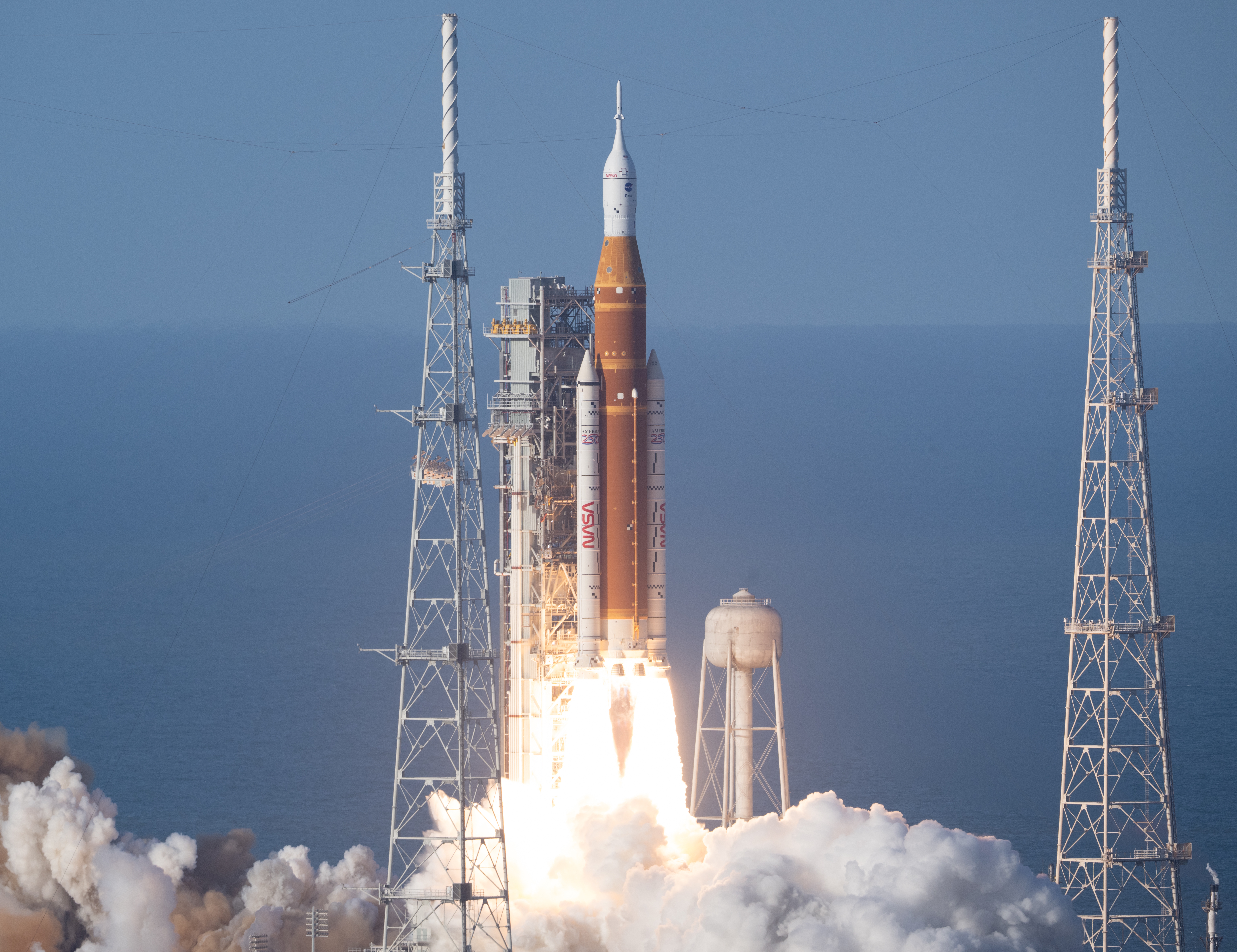
On the hardware side, stacking of the Artemis III rocket began in September, with the “short stack” configuration — solid rocket boosters and core stage — completed on October 26. That short stack will be used to test the rocket before integrating the Orion spacecraft.
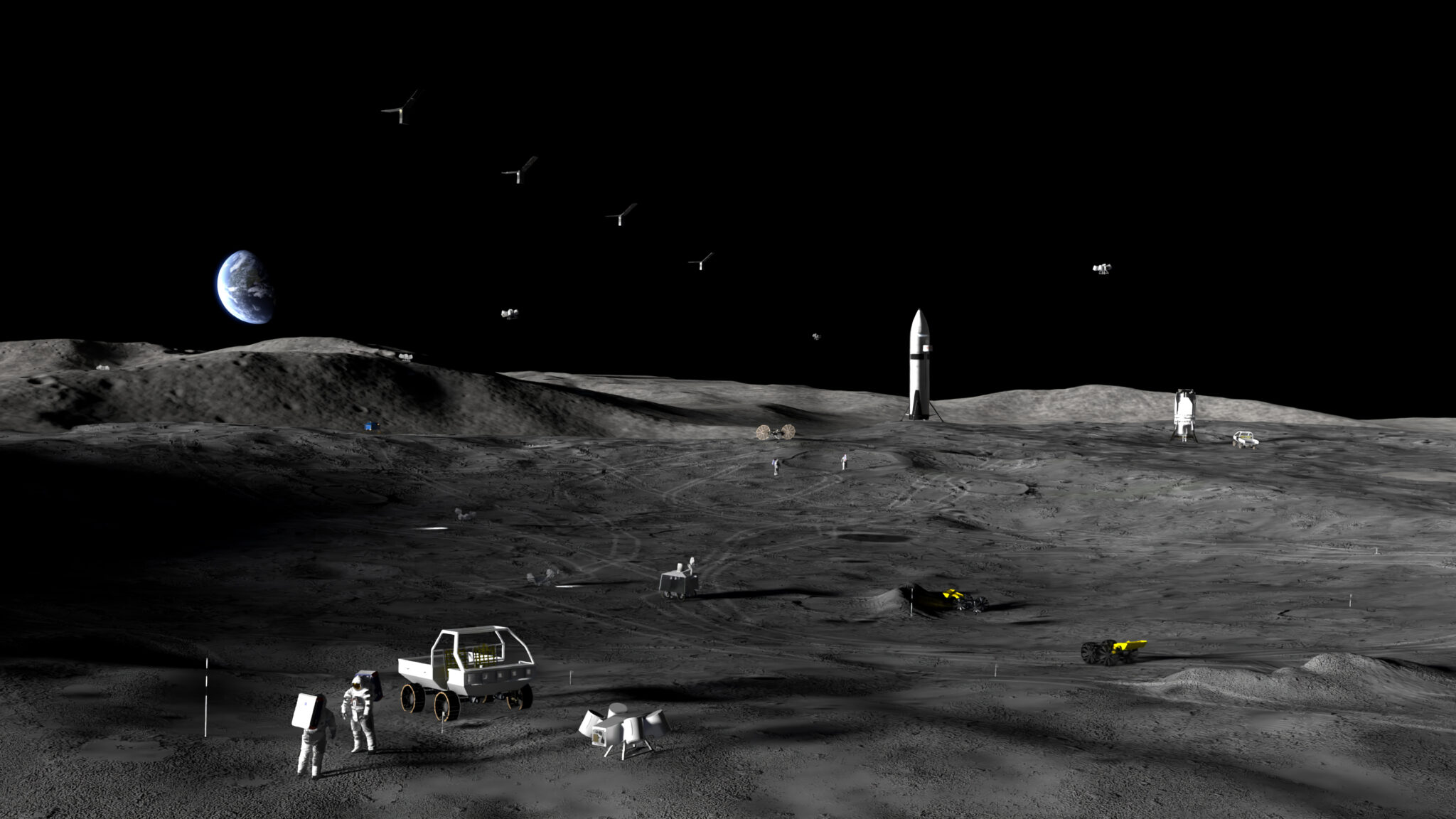
NASA Seeks Industry Partners for Lunar Surface Reactor
NASA is looking for industry partners to design and test the first nuclear reactor for the lunar surface, described as a pivotal step toward sustained exploration of the Moon, Mars and deep space. The NASA Moon to Mars account posted the request.
Curiosity Drills On; ESCAPADE Twin Spacecraft Will Study Mars
The Curiosity rover team reported the rover drilling rocks, recharging, and watching clouds pass over Mars. Separately, NASA highlighted the twin spacecraft of the ESCAPADE mission, which will study the Martian atmosphere.
SR-1 Freedom Design Locked In; Dragonfly Gets Its Eyes
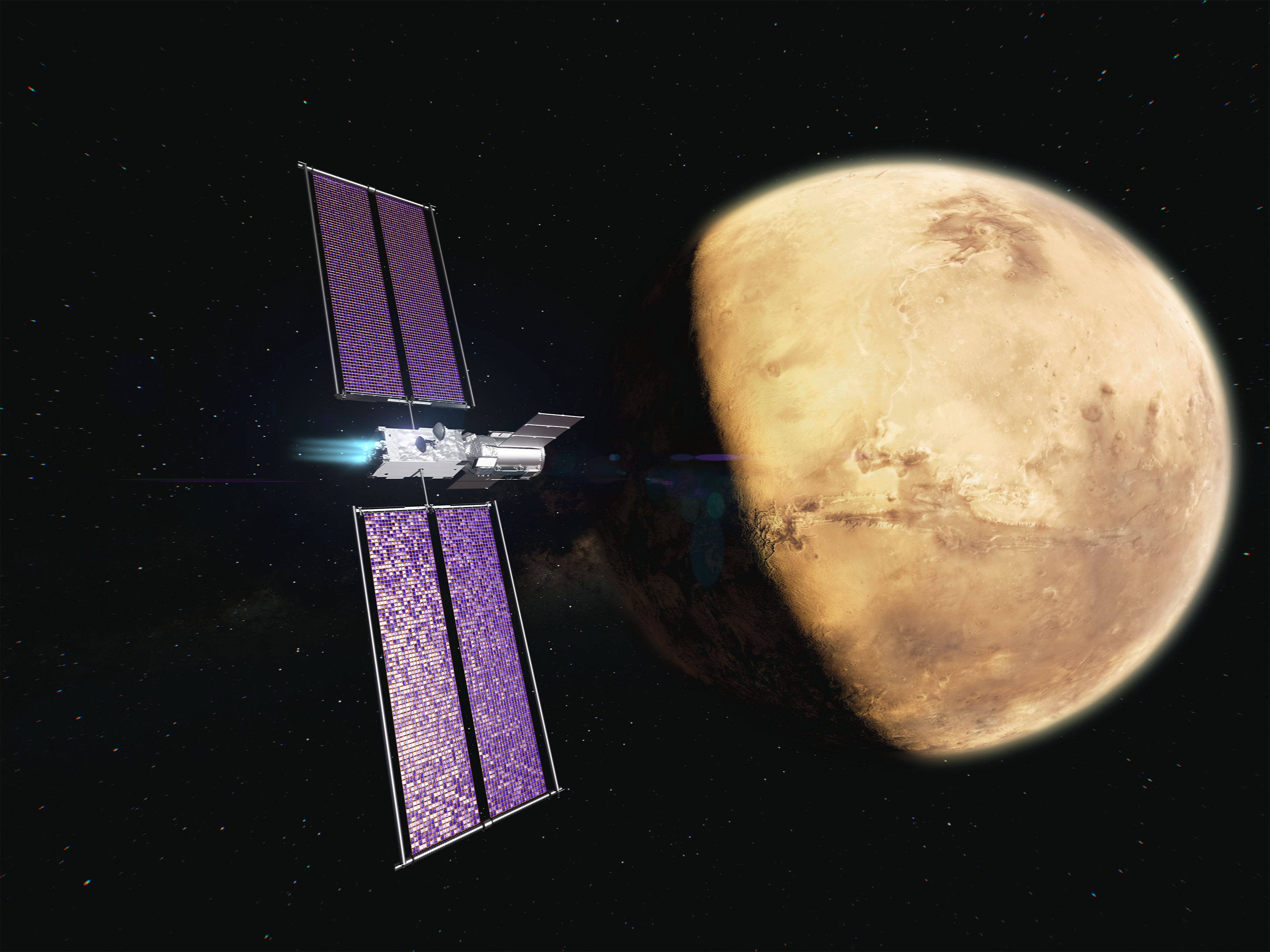
NASA completed a major mission design review for Space Reactor-1 (SR-1) Freedom at the agency’s Glenn Research Center in Cleveland in October, locking in key elements of what will be the first fission-powered spacecraft to travel beyond Earth orbit. Targeted for launch in late 2028, SR-1 will use both nuclear and solar power to deliver SkyFall — a capsule carrying three next-generation helicopters — to Mars.
“SR-1 marks a pivotal step in how we travel through the solar system,” said Steve Sinacore, SR-1 Freedom program director. “This mission will be the first freight run on the railroad of the solar system, and the decisions we’re making now are laying the tracks for every nuclear-powered spacecraft that follows.”
One significant design change from early illustrations: a shorter boom separating the reactor from the Power and Propulsion Element, reducing weight and simplifying assembly.
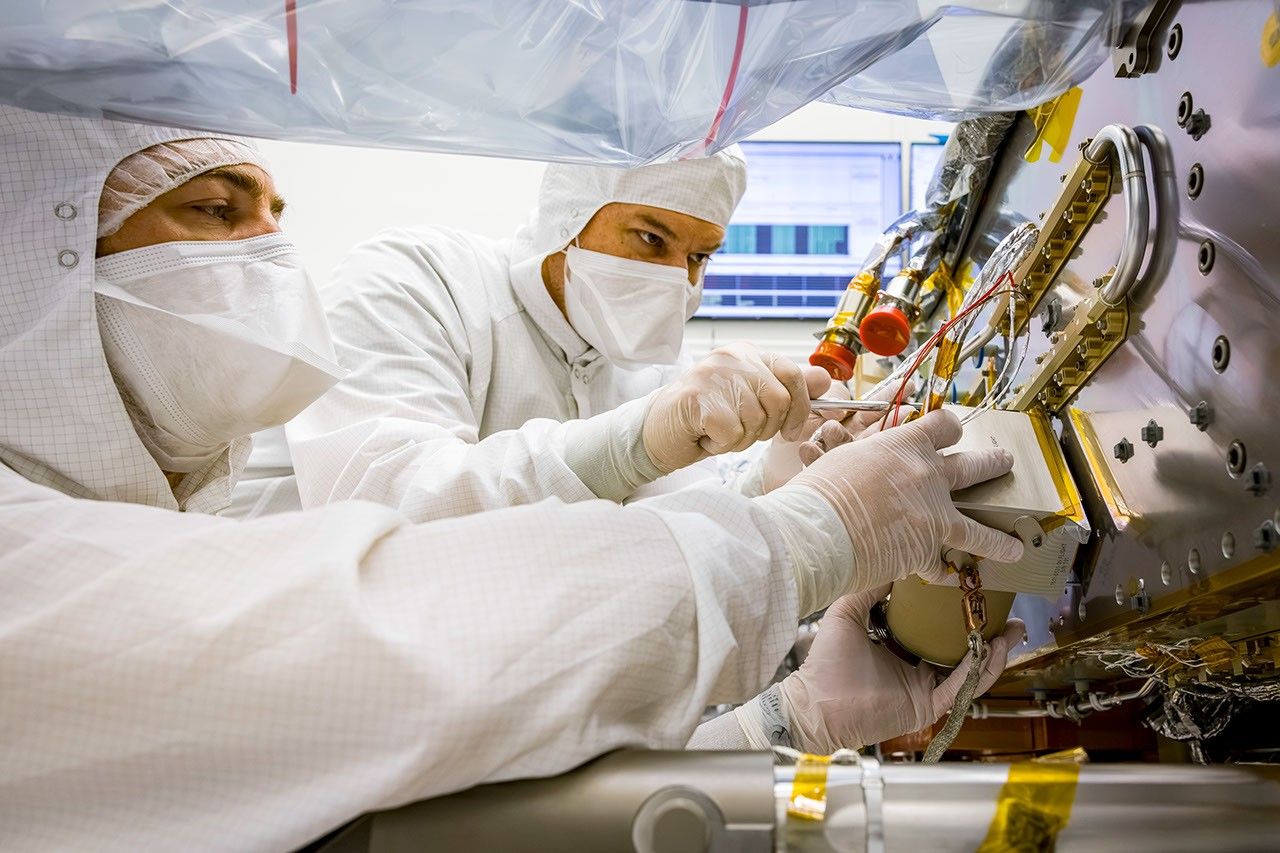
At the Johns Hopkins Applied Physics Laboratory in Laurel, Maryland, all seven DragonCam cameras for the Dragonfly rotorcraft were installed, tested and integrated into the vehicle by mid-November. The cameras, built by Malin Space Science Systems, will characterise Titan’s surface at multiple scales during flight and while on the ground, looking out through windows in foam insulation that protects them from Titan’s minus 290 degrees Fahrenheit ambient temperatures.
A configurable LED array spanning infrared to ultraviolet will provide information about surface material colour and may allow DragonCam to identify organic molecules that fluoresce under ultraviolet light during Titan’s long night, which spans nearly eight Earth days.
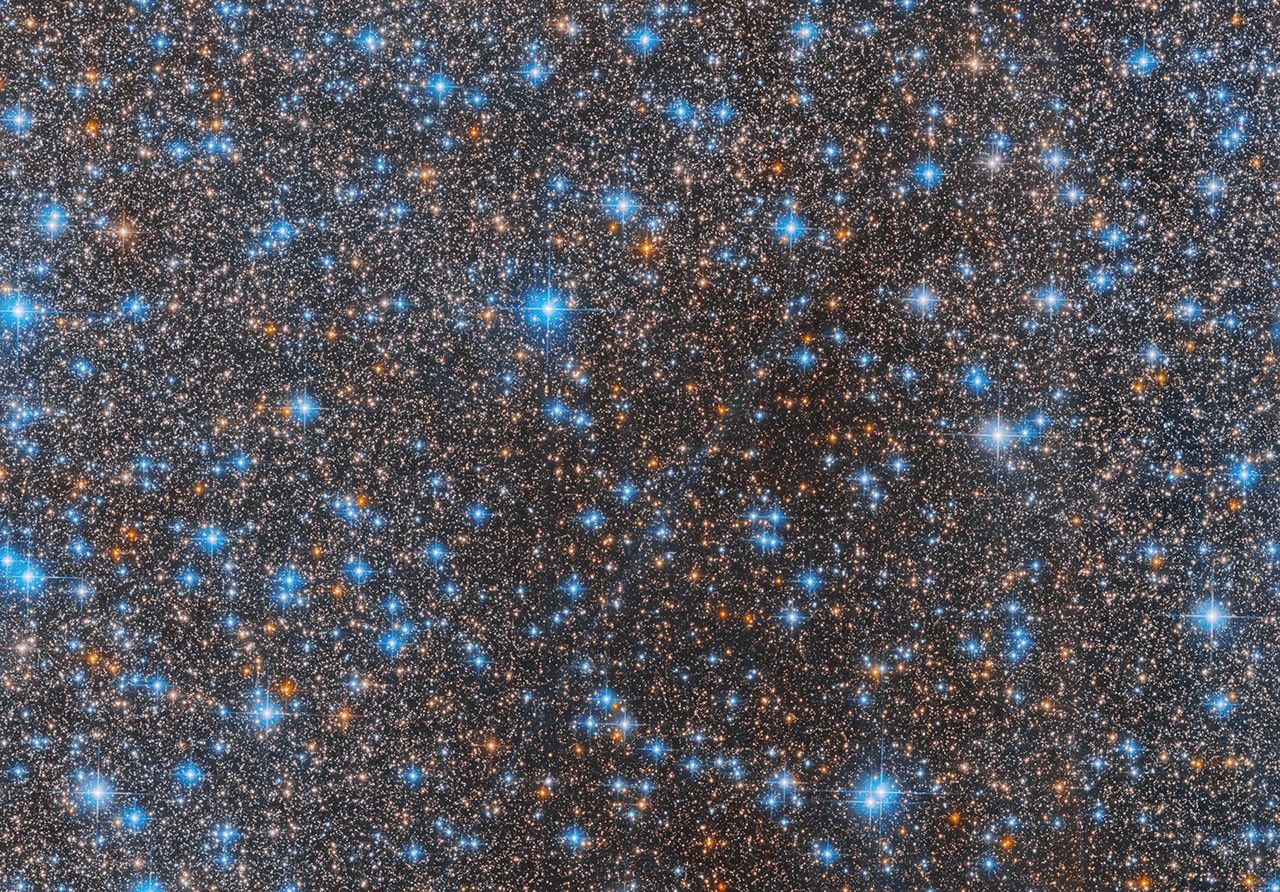
In astrophysics, the Hubble Space Telescope published new images of the Milky Way’s galactic bulge as part of a survey to help researchers interpret upcoming Nancy Grace Roman Space Telescope observations of the same region. The galactic bulge holds nearly a quarter of the galaxy’s stellar mass, and Hubble observed the region in wavelengths overlapping with Roman’s near-infrared sensitivity.
Progress 97 Delivers Thanksgiving Supplies to Expedition 75
A Progress 97 cargo spacecraft launched at 5:17 a.m. EST on Tuesday from Kazakhstan and docked to the International Space Station at 7:08 a.m. EST on Thanksgiving Day, delivering food, fuel and supplies to the Expedition 75 crew.
On Wednesday, high-tech ultrasound scans and blood pressure checks topped the research schedule. Northrop Grumman’s Cygnus XL cargo spacecraft is due to launch no earlier than 10:47 a.m. on Sunday, November 29.
Astronaut Applications Close December 3; NASA Supports Iowa Ammunition Plant
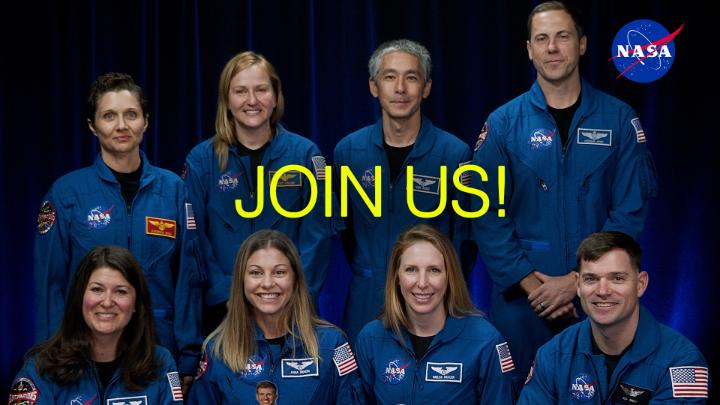
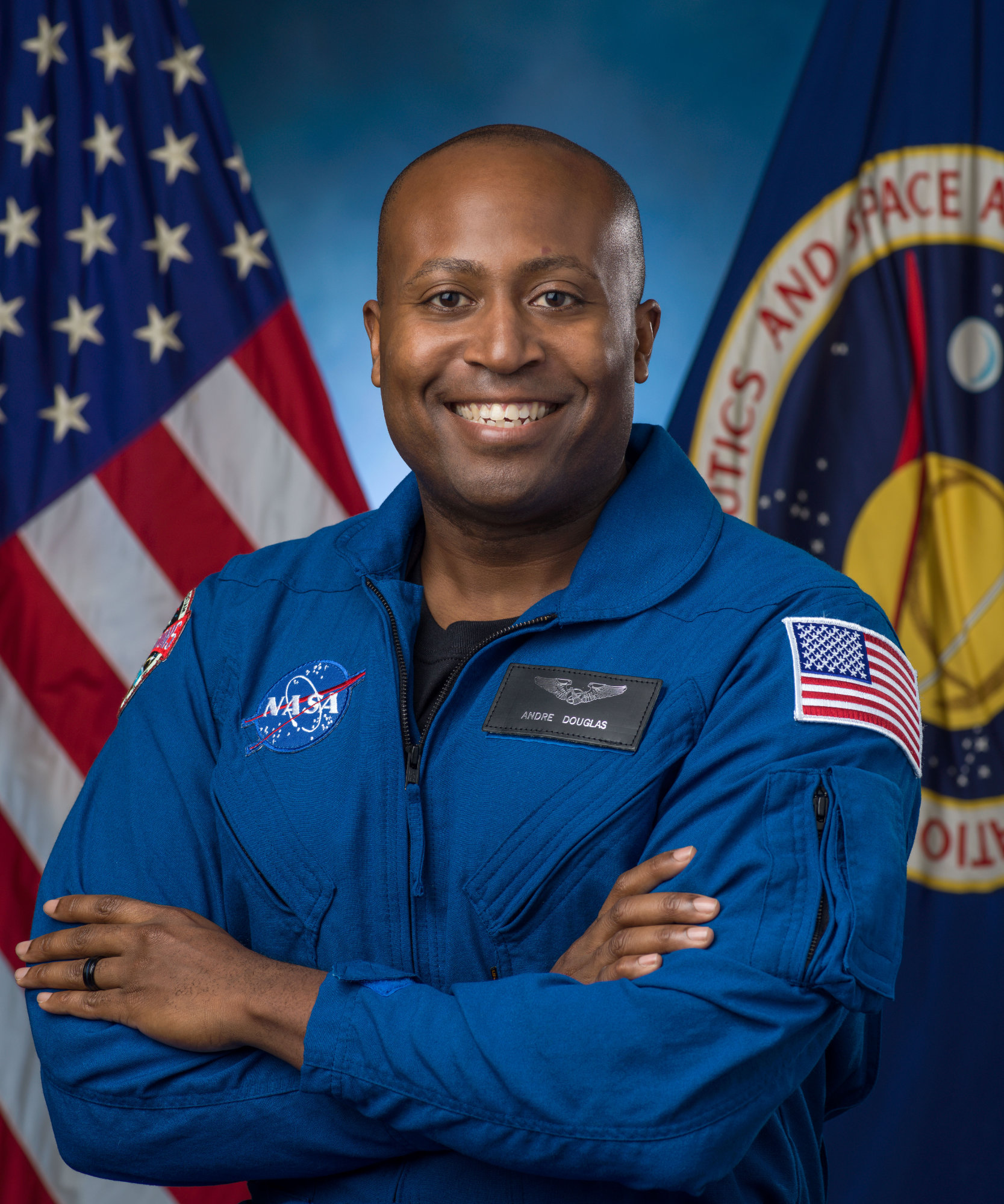
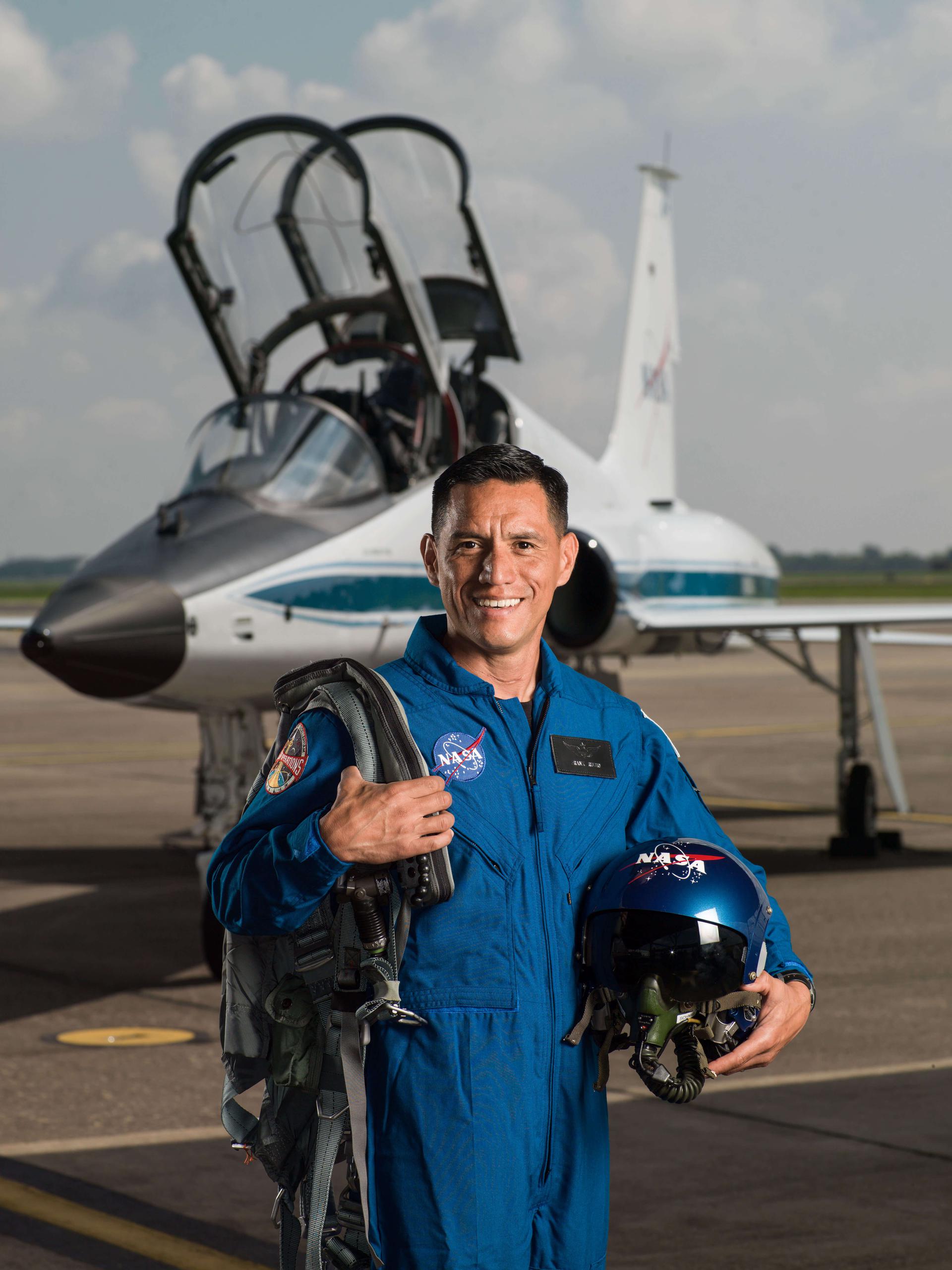
NASA is reminding applicants that the next astronaut candidate application cycle closes on December 3. The agency is seeking a variety of backgrounds — medicine, engineering, military and civilian — as it builds the corps that will journey to the Moon, Mars and beyond.
In a separate development, NASA has mobilised specialised research aircraft, space-based observation capabilities and scientific personnel to support ongoing efforts at the Iowa Army Ammunition Plant in Middletown, Iowa, as part of a coordinated, whole-of-government effort. The agency also announced an upgrade to the NASA Exchange site, improving usability, delivery times and product offerings reflecting initiatives including Moon Base, SR-1 and Artemis.
Provider: National Aeronautics and Space Administration Date: June 30, 2027 Time: 12:00 AM UTC Vehicle: Space Launch System (SLS)
Artemis III is the second crew mission as part of the Artemis program. Artemis III will send a crew of 4 on a Low Earth Orbit mission, with the Orion rendezvous and dock with one or both commercial lunar landers in development by SpaceX and Blue Origin, performing in-space tests of the docked vehicles, integrated checkout of life support, communications, and propulsion systems, as well as tests of the new Extravehicular Activity (xEVA) suits.
Artemis IV
Provider: National Aeronautics and Space Administration Date: June 30, 2028 Time: 12:00 AM UTC Vehicle: Space Launch System (SLS)
Artemis IV is planned to be the first human lunar landing mission since the Apollo Program.
Artemis V
Provider: National Aeronautics and Space Administration Date: December 31, 2028 Time: 12:00 AM UTC Vehicle: Space Launch System (SLS)
Artemis V is planned to be the second human lunar landing mission since the Apollo Program.
SLS Block 1B | Artemis VI
Provider: National Aeronautics and Space Administration Date: September 30, 2030 Time: 12:00 AM UTC Vehicle: Space Launch System (SLS)
No description available
SLS Block 1B | Artemis VII
Provider: National Aeronautics and Space Administration Date: September 30, 2031 Time: 12:00 AM UTC Vehicle: Space Launch System (SLS)
No description available
Artemis III ×
Mission Details
TypeHuman Exploration
OrbitLow Earth Orbit
TargetEarth
Artemis III is the second crew mission as part of the Artemis program. Artemis III will send a crew of 4 on a Low Earth Orbit mission, with the Orion rendezvous and dock with one or both commercial lunar landers in development by SpaceX and Blue Origin, performing in-space tests of the docked vehicles, integrated checkout of life support, communications, and propulsion systems, as well as tests of the new Extravehicular Activity (xEVA) suits.
Agencies Involved
• National Aeronautics and Space Administration (Government)
Program: Artemis
The Artemis program is a US government-funded crewed spaceflight program that has the goal of landing “the first woman and the next man” on the Moon, specifically at the lunar south pole region.
The Space Launch System (SLS) is an American Space Shuttle-derived heavy expendable launch vehicle. It is part of NASA’s deep space exploration plans including as the main launch vehicle of the Artemis program. SLS follows the cancellation of the Constellation program, and is to replace the retired…
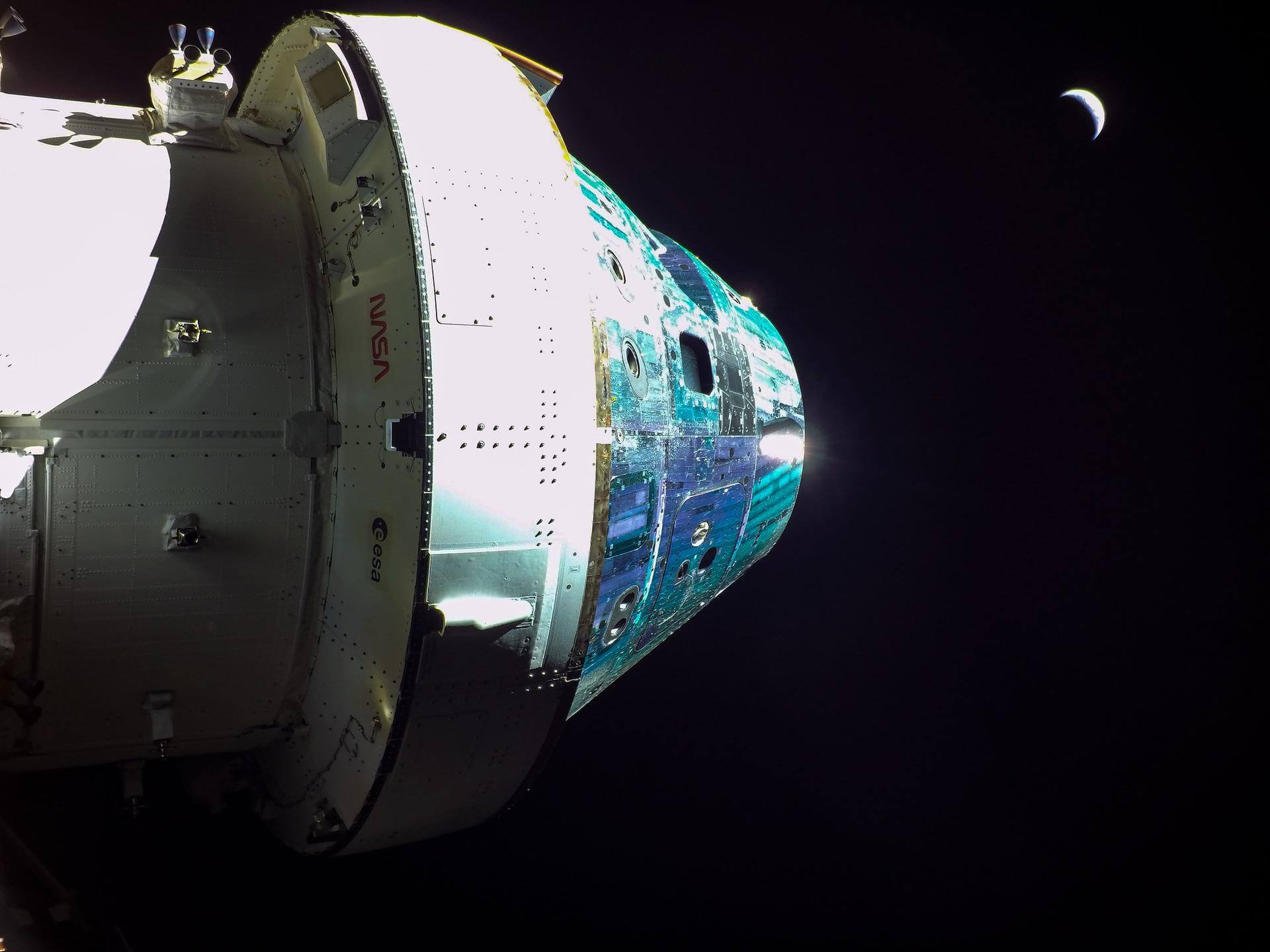
The Orion Multi-Purpose Crew Vehicle (Orion MPCV) is an American spacecraft intended to carry a crew of four astronauts to destinations at or beyond low Earth orbit (LEO). Currently under development by NASA for launch on the Space Launch System, Orion is intended to facilitate human exploration of asteroids and of Mars, as well as to provide a means of delivering or retrieving crew or supplies from the ISS if needed.
Capability
Lunar Missions.
Details
The Orion MPCV takes basic design elements from the Apollo Command Module that took astronauts to the moon, but its technology and capability are more advanced. It is designed to support long-duration deep space missions, with up to 21 days active crew time plus 6 months quiescent. During the quiescent period crew life support would be provided by another module such as a Deep Space Habitat. The…
Flight Life
21.1 days
Manufacturer: National Aeronautics and Space Administration (NASA)
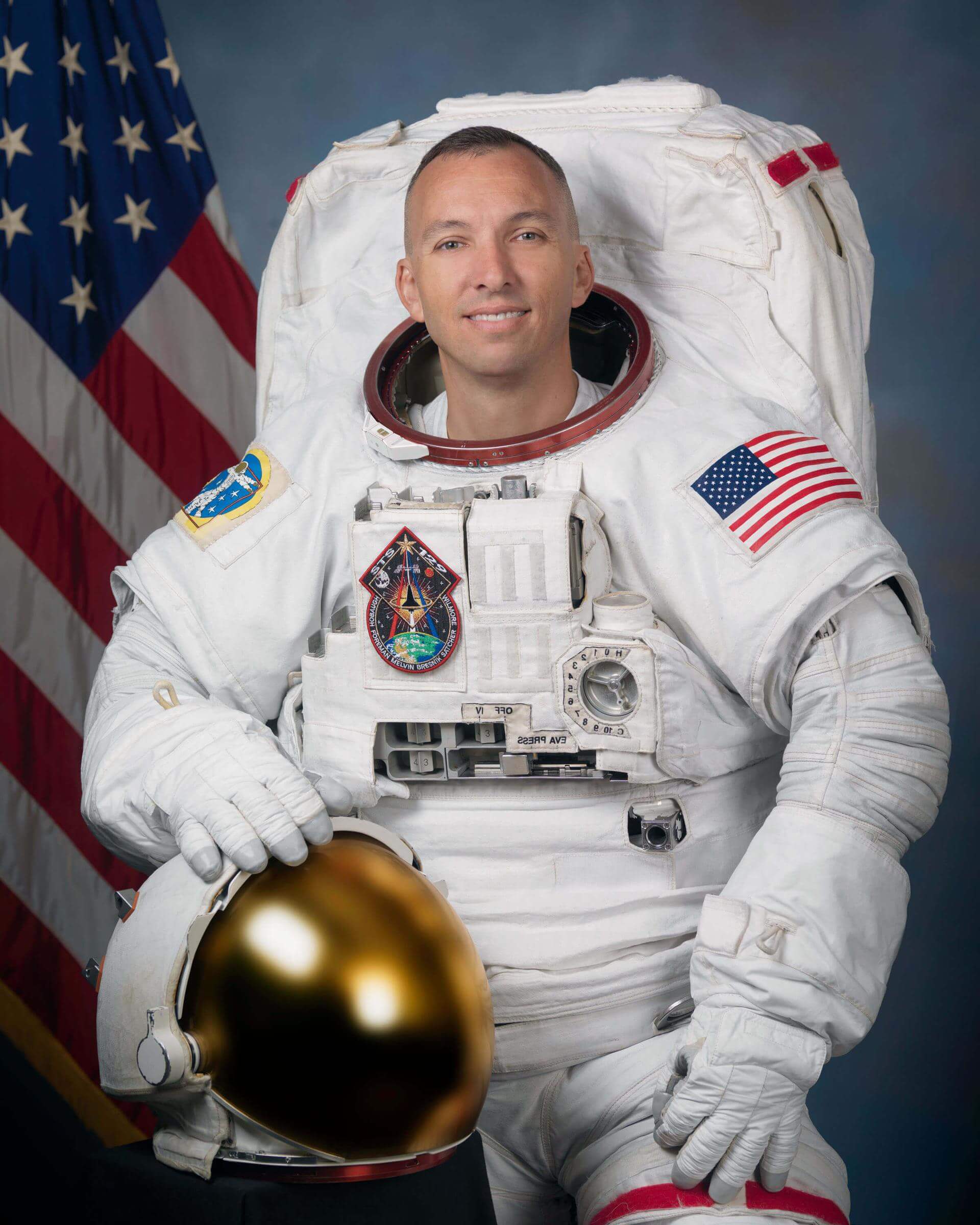
NASA • American • Age: 59 • Time in space: 149 Days, 12 Hours, 12 Minutes • EVA time: 1 Day, 8 Hours
Born: Sep 11, 1967 • First Flight: Nov 16, 2009 • Last Flight: Jul 28, 2017
Randolph James “Komrade” Bresnik is an officer in the United States Marine Corps and a NASA astronaut. A Marine Aviator by trade, Bresnik was selected as a member of NASA Astronaut Group 19 in May 2004.[5] First launched to space on STS-129.
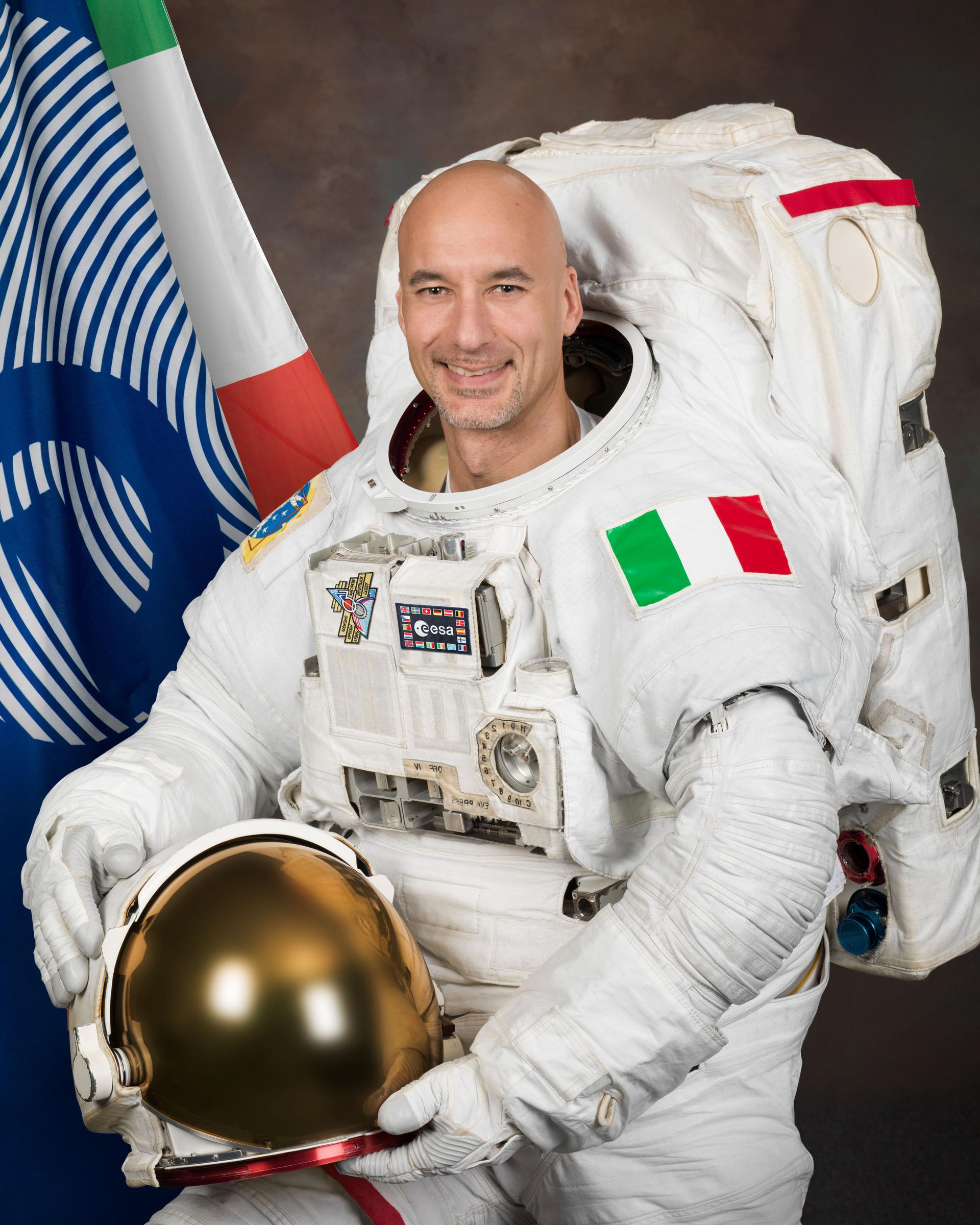
ESA • Italian • Age: 50 • Time in space: 366 Days, 23 Hours, 2 Minutes • EVA time: 1 Day, 9 Hours, 9 Minutes
Born: Sep 27, 1976 • First Flight: May 28, 2013 • Last Flight: Jul 20, 2019
Luca Parmitano (born 27 September 1976 in Paternò, Sicily) is an Italian engineer and astronaut in the European Astronaut Corps for the European Space Agency (ESA). The astronauts work on missions at the International Space Station. He was selected as an ESA astronaut in May 2009.
Artemis IV is planned to be the first human lunar landing mission since the Apollo Program.
Agencies Involved
• National Aeronautics and Space Administration (Government)
Program: Artemis
The Artemis program is a US government-funded crewed spaceflight program that has the goal of landing “the first woman and the next man” on the Moon, specifically at the lunar south pole region.
The Space Launch System (SLS) is an American Space Shuttle-derived heavy expendable launch vehicle. It is part of NASA’s deep space exploration plans including as the main launch vehicle of the Artemis program. SLS follows the cancellation of the Constellation program, and is to replace the retired…
Artemis V is planned to be the second human lunar landing mission since the Apollo Program.
Agencies Involved
• National Aeronautics and Space Administration (Government)
Program: Artemis
The Artemis program is a US government-funded crewed spaceflight program that has the goal of landing “the first woman and the next man” on the Moon, specifically at the lunar south pole region.
The Space Launch System (SLS) is an American Space Shuttle-derived heavy expendable launch vehicle. It is part of NASA’s deep space exploration plans including as the main launch vehicle of the Artemis program. SLS follows the cancellation of the Constellation program, and is to replace the retired…
Robo Chris is a collection of API calls, filters, and searches, bolted together with magic and love. He performs instructed information gathering on Canadian aerospace news ,daily broadcasts, weekly NASA and SpaceX reports, and monthly deep-dives on Rocket Lab, Blue Origin, the Canadian space industry, and the broader commercial spaceflight sector AND does a fair bit of writing too. Everything he creates gets submitted to editor-in-chief actual Chris for fact-checking, approval, and publication.








Leave a Reply