LZC and Meisei Fly Stratospheric Balloon Tests in Yukon
Landing Zones Canada (LZC) and Japan’s Meisei Electric are flying a joint stratospheric balloon system out of Whitehorse, Yukon, this week. It is the first flight campaign under a partnership the two companies signed in October.
The campaign, called HoverEX-1, runs from Nov. 23 to 27 at the Arctic Training Centre, a private site in Whitehorse for testing drones and commercial and defence technology. The companies signed the International Project Consortium Agreement behind it at the Embassy of Canada to Japan in Tokyo on Oct. 1.
The Hoverloon–Eagle system pairs Meisei’s Hoverloon stratospheric balloon with LZC’s over-the-horizon communications payload. That payload relays signals beyond the line of sight of ground stations, extending situational awareness across long distances. The companies said the system is flying long-range endurance missions above 20 km, staying aloft for more than 24 hours and covering more than 1,000 km.
Whitehorse gives the campaign a harsh Arctic winter. In late November the Yukon has short daylight and surface temperatures well below freezing. Up in the stratosphere, temperatures sit near minus 70 degrees Celsius. According to the companies, the Government of Canada has identified a need for High-Altitude Platform Systems (HAPS) for remote and sparsely populated regions — for defence, emergency response and border monitoring — calling for platforms that operate near 20 km and work at temperatures down to minus 70 degrees while delivering broadband across remote areas.
LZC and Meisei said their partnership puts the Canada–Japan Comprehensive Strategic Partnership into practice. Prime Minister Mark Carney and Japanese Prime Minister Sanae Takaichi announced it on March 6, committing both countries to closer cooperation on defence, security, technology and innovation.
Spencer Fraser, chief executive officer of LZC, said the companies “moved from signature to our first joint flight campaign in under two months.” He credited Transport Canada and NAV Canada for helping the campaign come together quickly. Meisei president Masanobu Natsuake also thanked both organizations. The flights are being conducted under Transport Canada regulations in coordination with NAV Canada.
LZC is based in Medicine Hat, Alberta, with operations in Ontario. It develops stratospheric uncrewed aircraft for environmental protection, defence and security. Meisei makes weather and environmental observation technology, ranging from radiosondes to sensors flown in space.
The Federal Communications Commission granted SpaceX conditional authorization to construct and operate a mega constellation of up to 1 million satellites called Starmind. The order was published on Nov. 25. SpaceX filed its petition for the constellation on Jan. 30, 2026.
The order requires SpaceX to deploy the first satellite by Nov. 25, 2033, followed by 10 percent of the total by Nov. 25, 2035, 50 percent by Nov. 25, 2038, and the full constellation by Nov. 25, 2040. During a talk hosted by Baron Capital, SpaceX founder Elon Musk said he anticipates the first spacecraft launching in the third quarter of 2027. SpaceX is manufacturing the Starmind spacecraft in partnership with Nvidia.
“We’ll start off slow, but then it will ramp to significant volume probably in ’28 and then very large volume in ’29,” Musk said.
If fully deployed, the constellation would increase the number of satellites in orbit by roughly 50-fold, according to Ars Technica. For comparison, SpaceX currently operates a constellation of nearly 11,200 Starlink satellites, according to orbital tracker Dr. Jonathan McDowell. SpaceX also plans to deploy 42,000 Starlink broadband internet satellites plus the military version, Starshield.
“Compute campuses or data centers are essential to sustaining America’s leadership in artificial intelligence,” FCC Chairman Brendan Carr said in a press release. “By moving compute capacity beyond Earth, SpaceX and the many competitors working on their own orbital data centers are meeting the moment.” Musk replied on X: “Much appreciated. This will be a great asset to America and the world.”
The FCC order specifies orbital shells each spanning 50 km at altitudes from 500 to 1,002 km in 30-degree inclinations and sun-synchronous inclinations. Each satellite would have a wingspan of 75 meters and a deployed height of 30 meters. Michael Nicholls, senior vice president of Starlink and AI at SpaceX, described the architecture at the International Astronautical Congress in October: clusters of roughly 10 satellites in tight formation, each satellite possibly producing about 250 kilowatts — “roughly a rack of compute in space” — interconnected with about 10 terabits of bandwidth.
The authorization is conditional. SpaceX sought a waiver to dispose of satellites above 600 km into Earth disposal orbits or heliocentric orbits rather than atmospheric reentry. The FCC did not grant that waiver, stating SpaceX “has not provided sufficient information” to determine compliance. The vast number of satellites has raised concerns about collisions, atmospheric effects of reentry, and the impact on optical and radio astronomy. The Secure World Foundation maintains a list of nine companies pursuing orbital data centers, five of them American.
Progress 97 Docks to Station on Thanksgiving Day
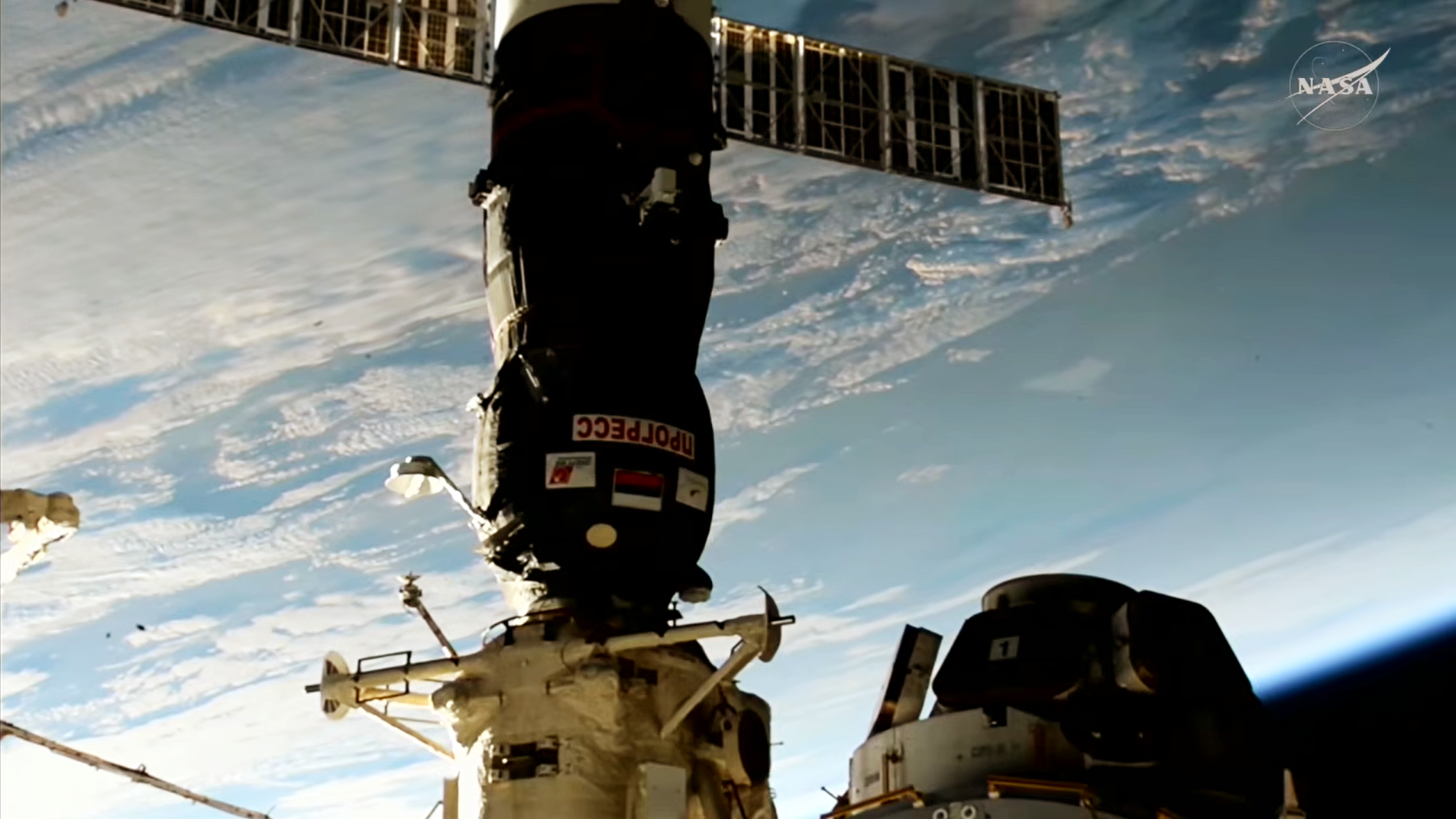
The Roscosmos Progress 97 cargo spacecraft docked to the Earth-facing port of the International Space Station’s Rassvet module at 7:08 a.m. EST Thursday. The spacecraft is delivering about three tons of food, fuel, and supplies for the Expedition 75 crew.
Progress 97 launched at 5:17 a.m. EST (3:17 p.m. Baikonur time) on Nov. 24 on a Soyuz rocket from the Baikonur Cosmodrome in Kazakhstan. It will remain at the space station for about eight months before departing for a planned destructive re-entry that will dispose of trash.
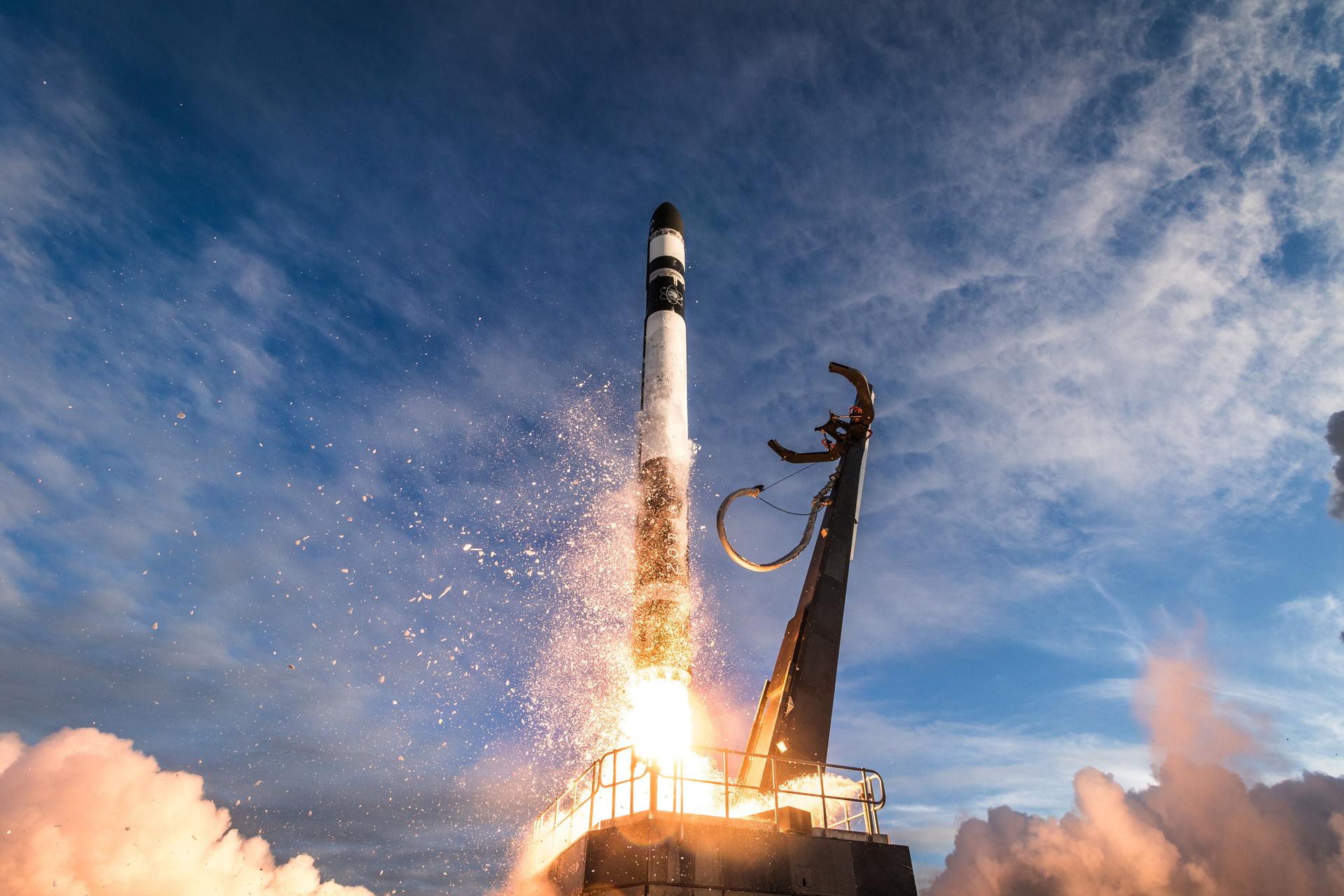
Provider: Rocket Lab Date: November 27, 2026 Time: 12:05 AM UTC Vehicle: Electron
Synthetic aperture radar satellite for Japanese Earth imaging company Synspective.
Unknown Payload
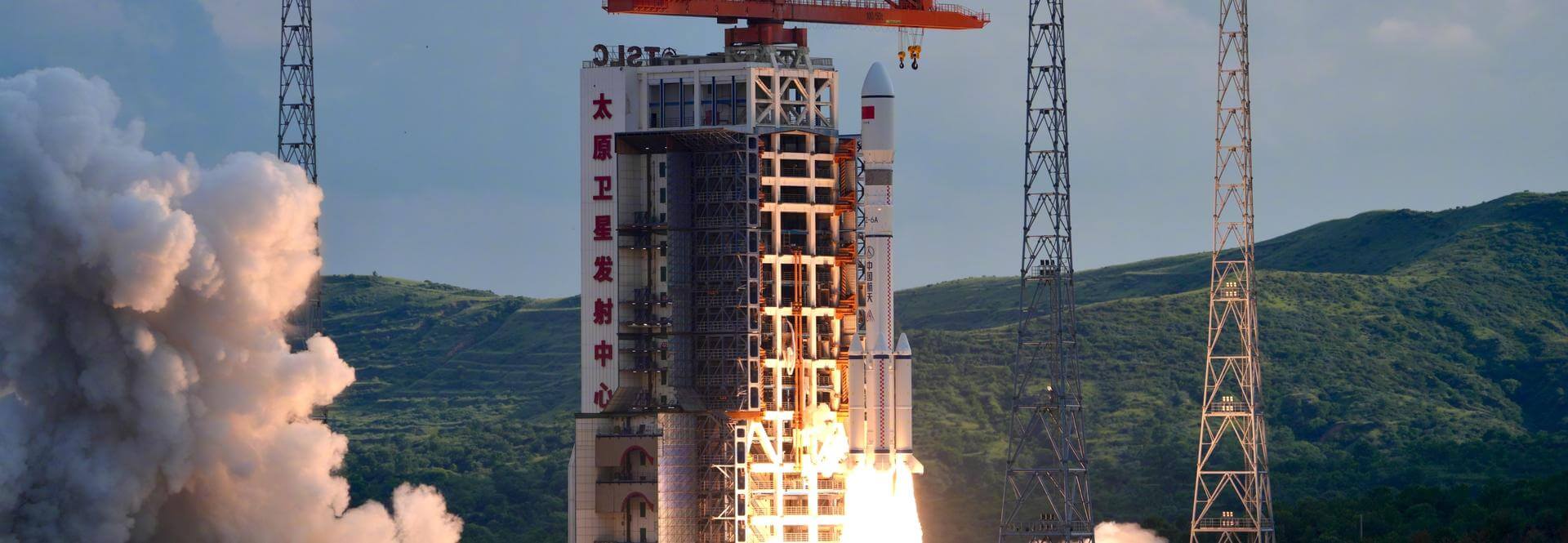
Provider: China Aerospace Science and Technology Corporation Date: November 27, 2026 Time: 1:00 PM UTC Vehicle: Long March 6A
Details TBD.
Unknown Payload
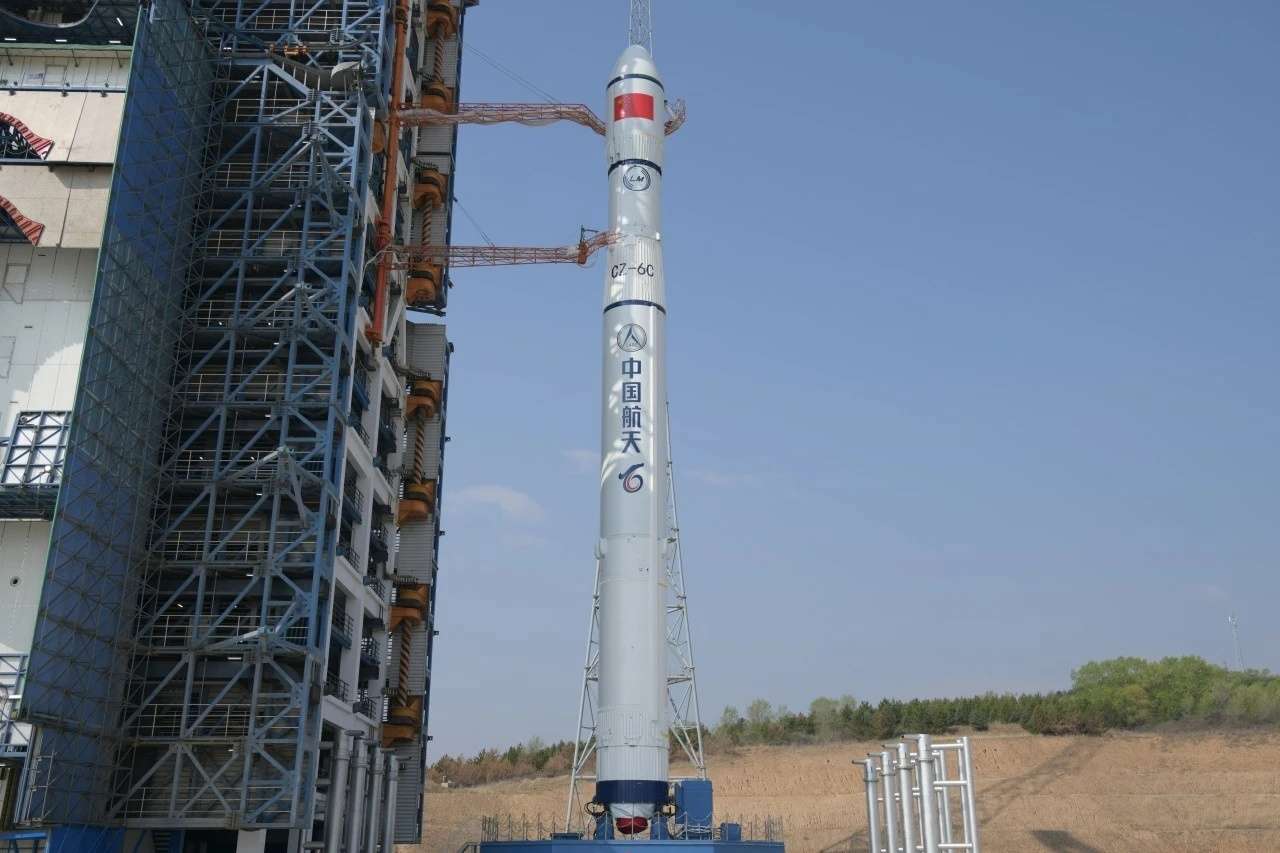
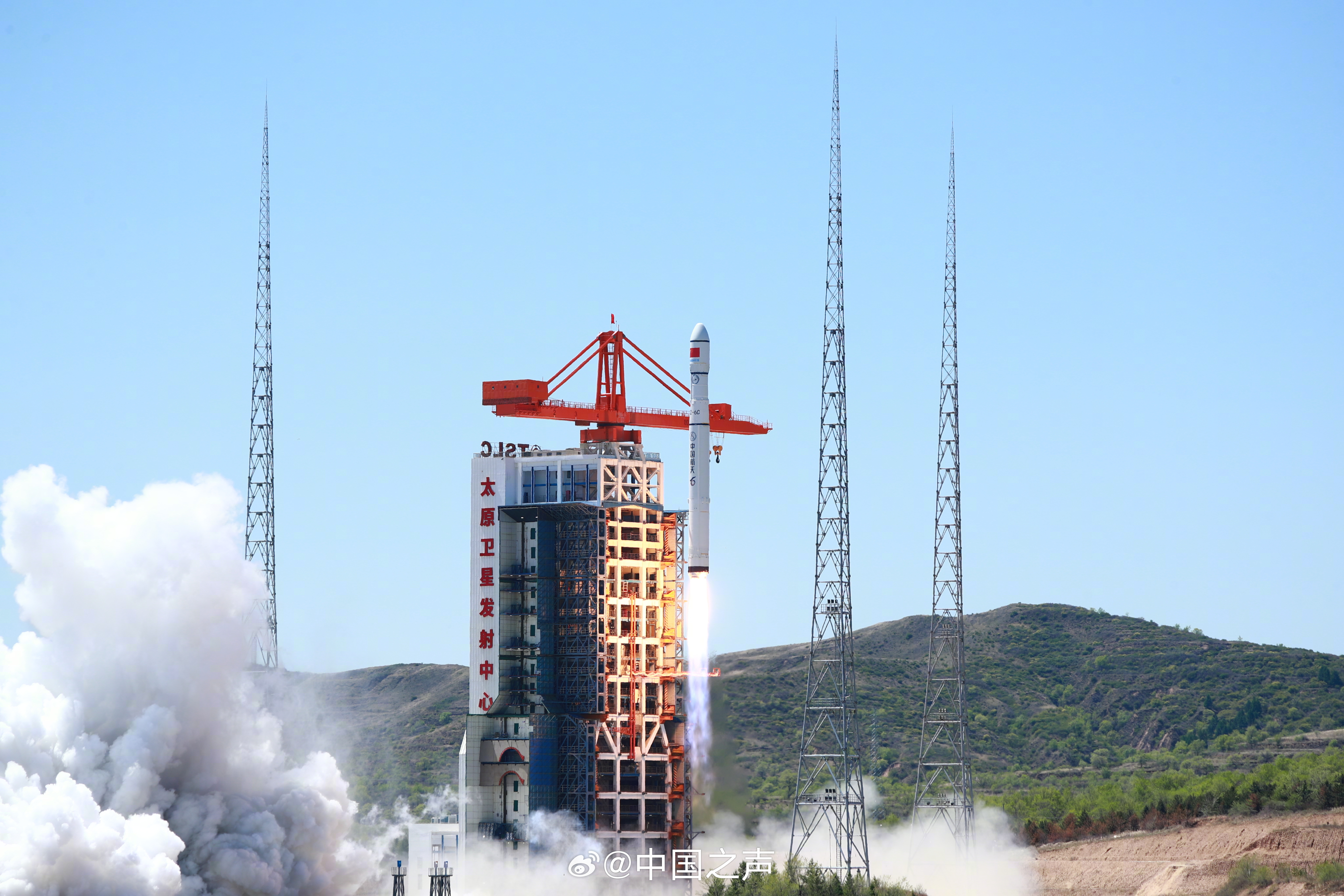
Provider: China Aerospace Science and Technology Corporation Date: November 29, 2026 Time: 3:50 AM UTC Vehicle: Long March 6C
Details TBD.
USSF-380
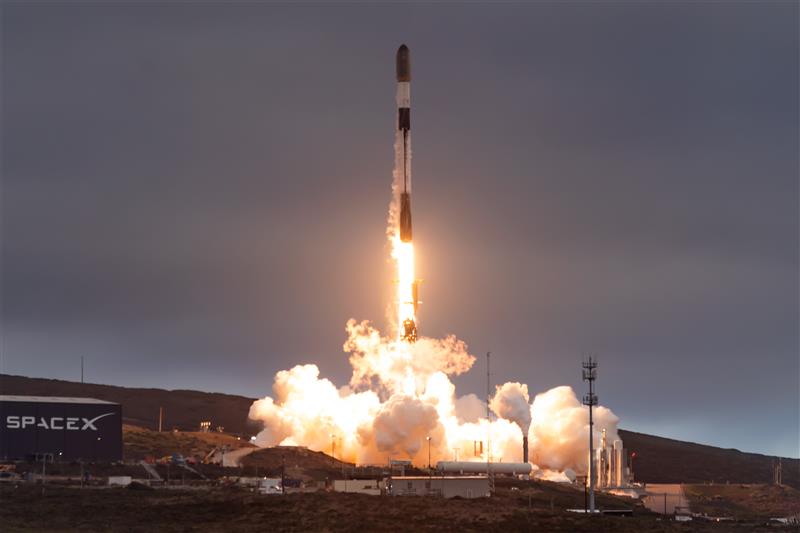
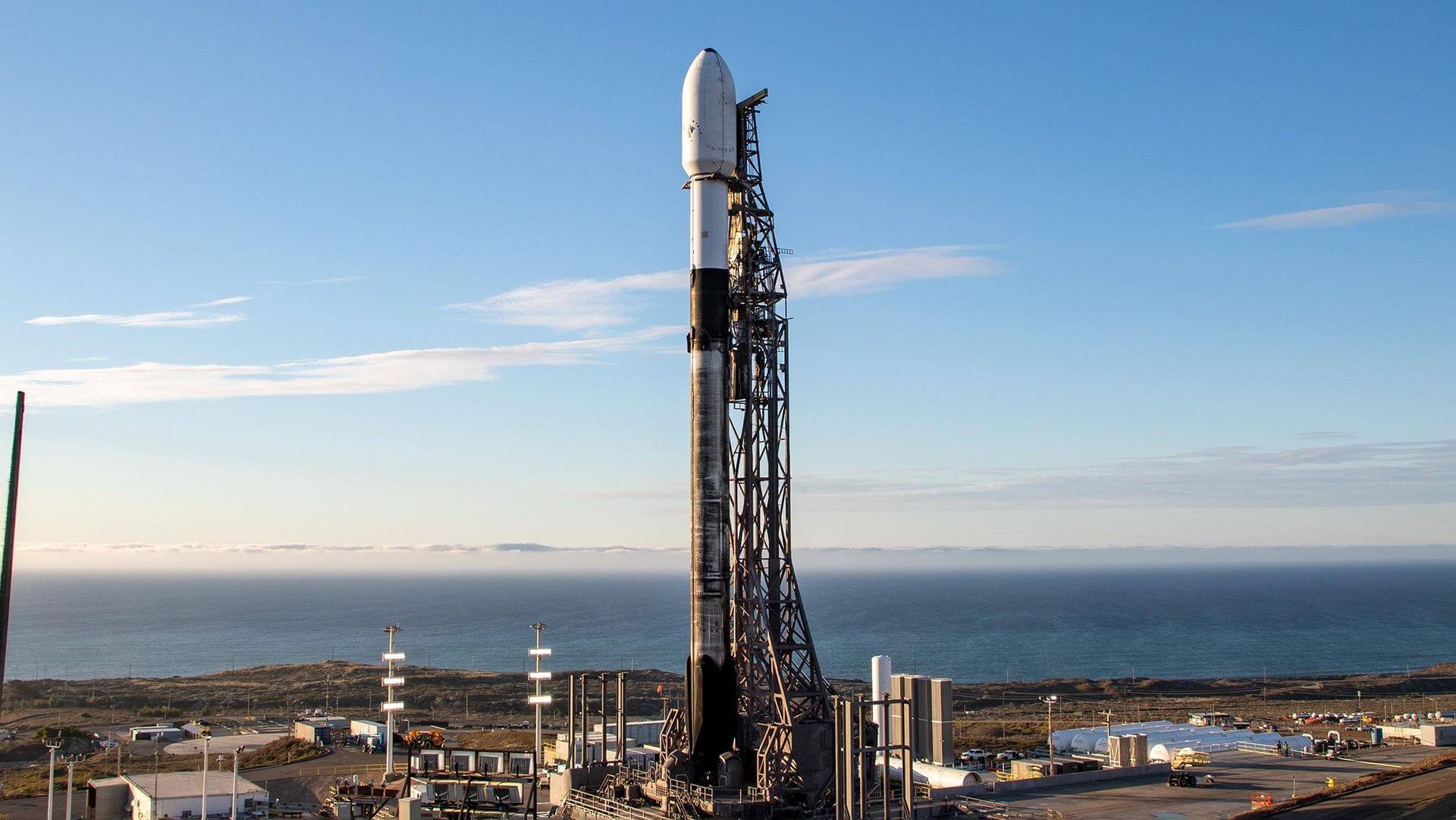
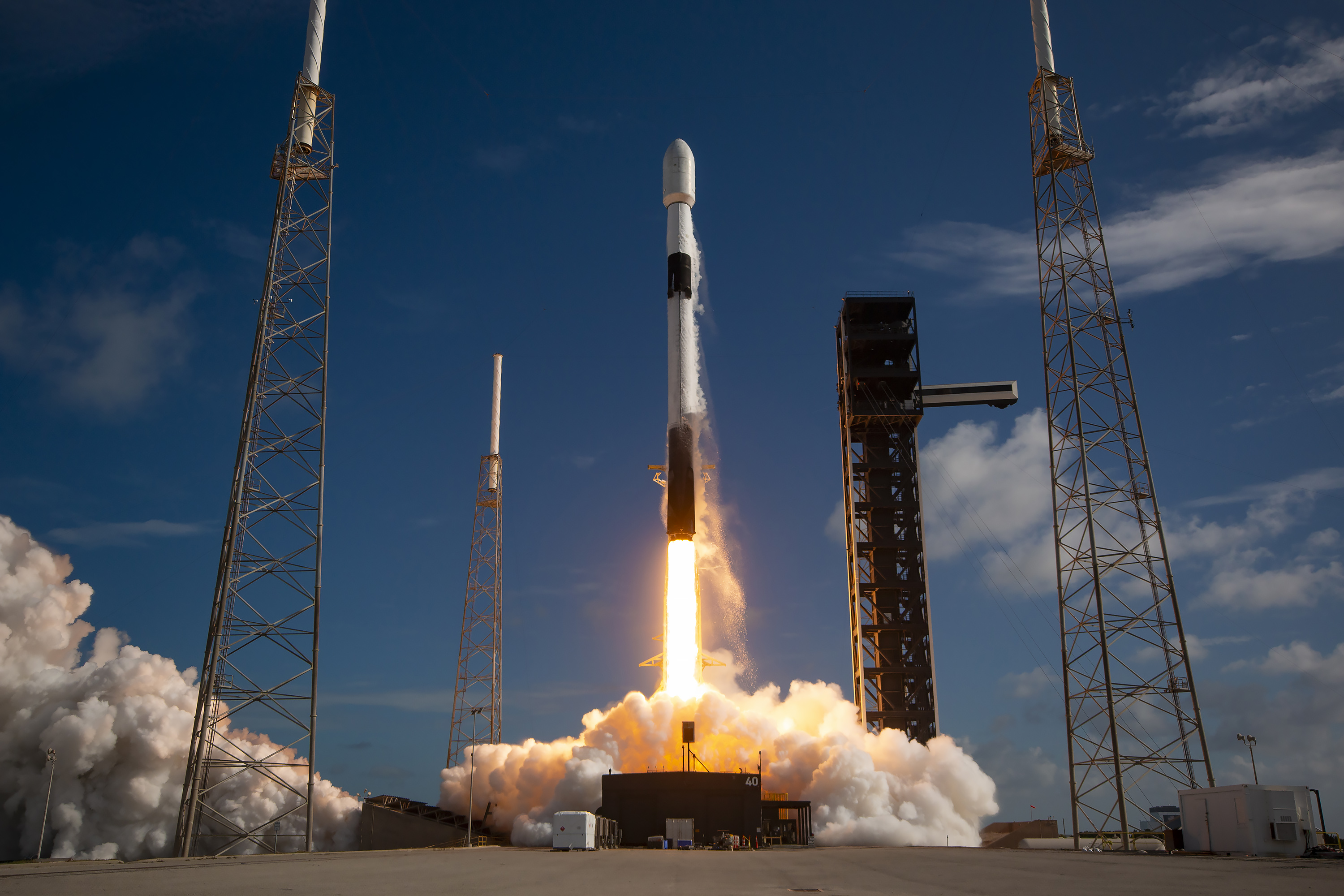
Provider: SpaceX Date: November 29, 2026 Time: 4:39 AM UTC Vehicle: Falcon 9
A classified mission for the United States Space Force. It is possibly a batch of classified LEO satellites based on SpaceX’s Starshield satellite bus, based on locations of rocket stage drop zones being exact fits with previous Starlink Group 15 launches.
Cygnus CRS-2 NG-25
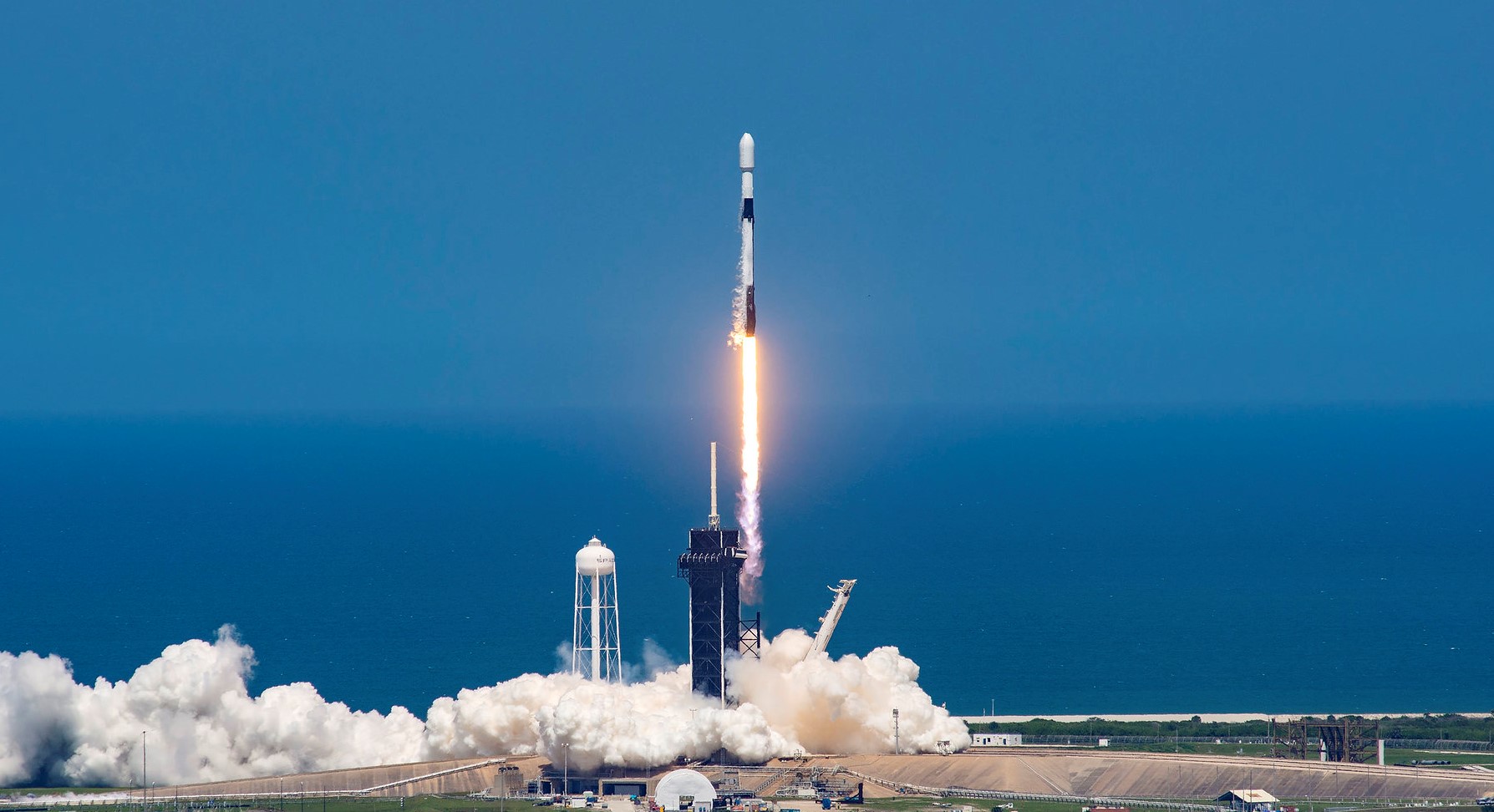
Provider: SpaceX Date: November 29, 2026 Time: 3:47 PM UTC Vehicle: Falcon 9
This is the 25th flight of the Orbital ATK’s uncrewed resupply spacecraft Cygnus and its 24th flight to the International Space Station under the Commercial Resupply Services contract with NASA.
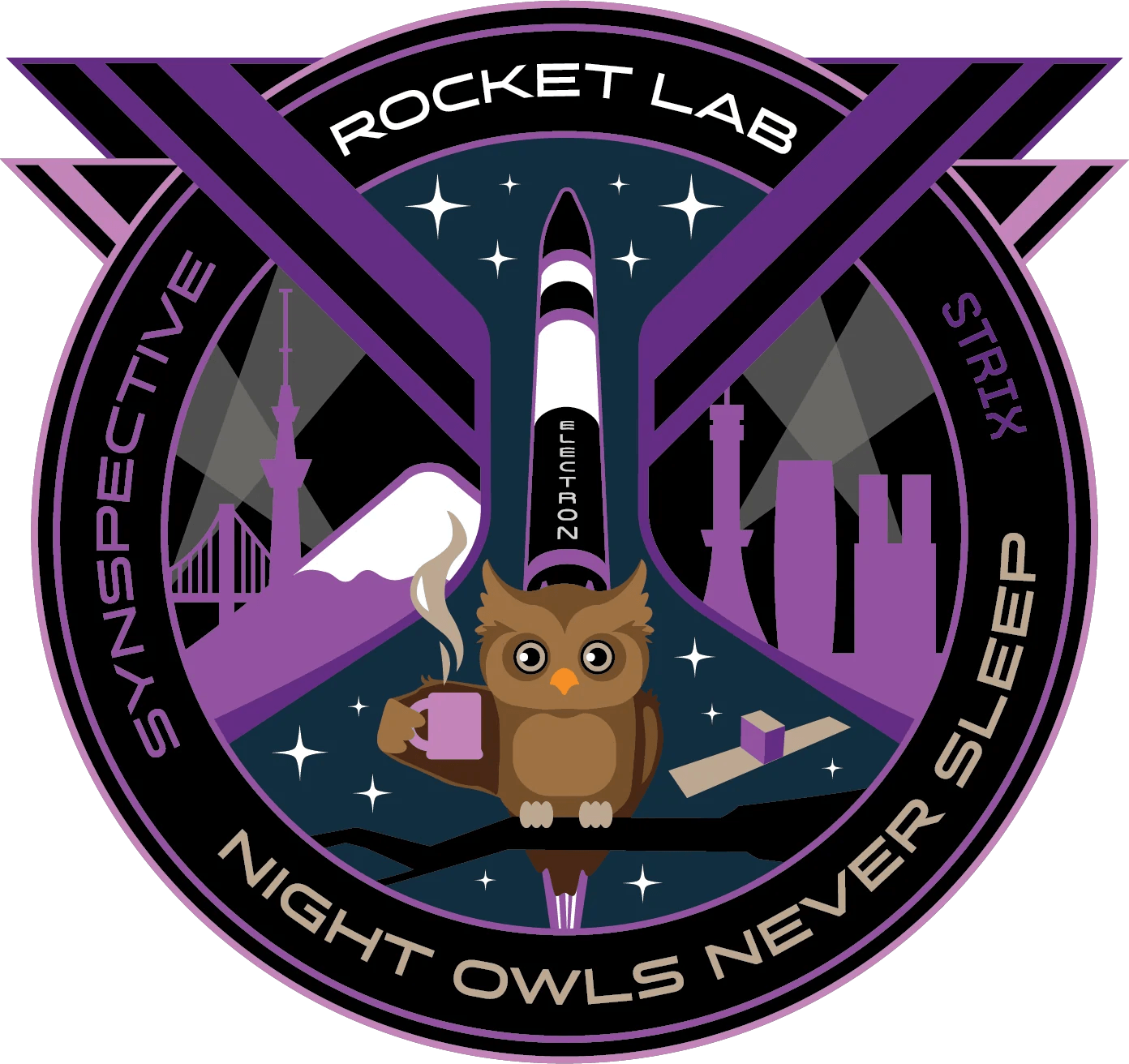
Night Owls Never Sleep (StriX Launch 14) ×
Mission Details
TypeEarth Science
OrbitLow Earth Orbit
TargetEarth
Synthetic aperture radar satellite for Japanese Earth imaging company Synspective.
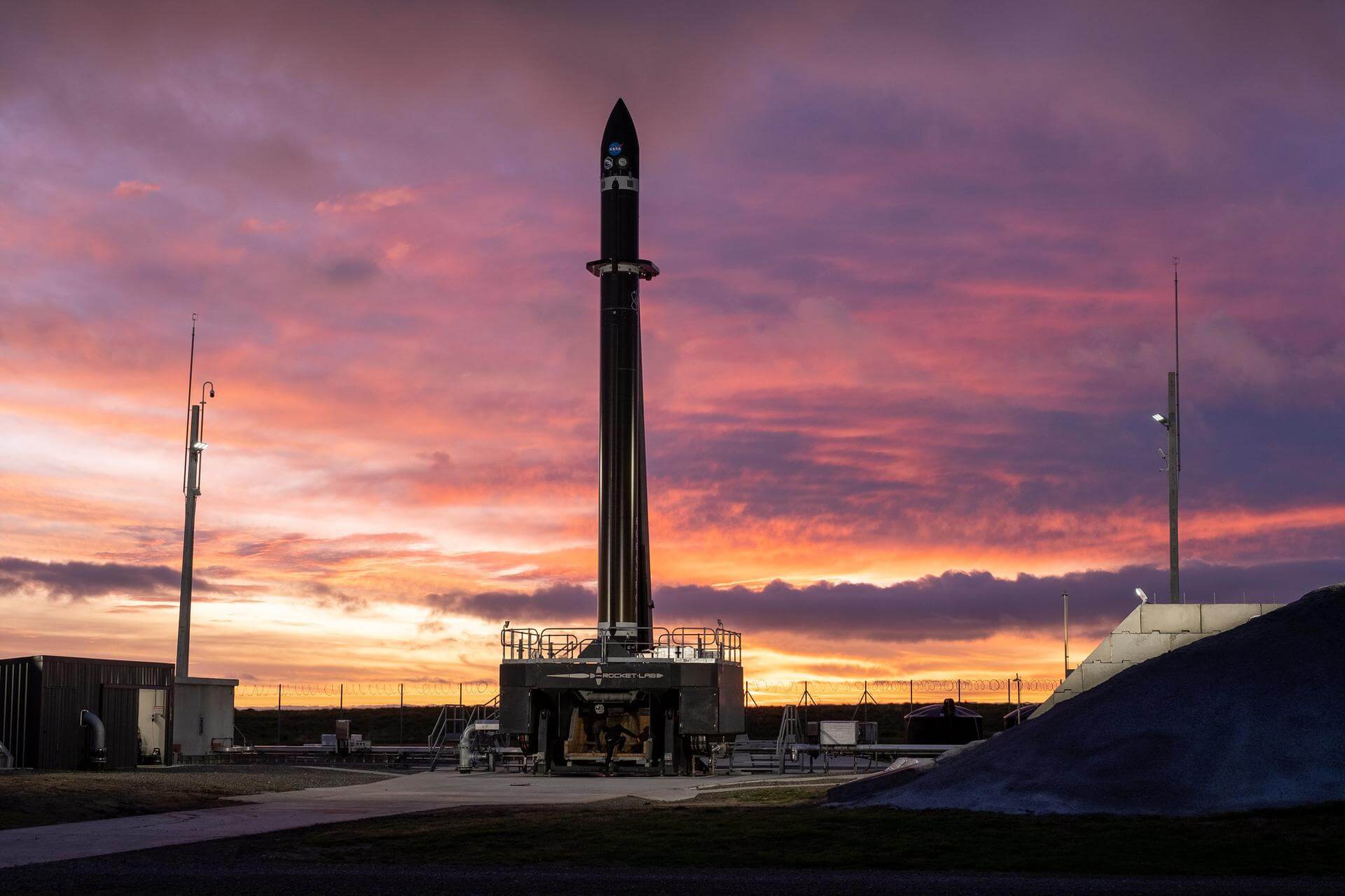
Electron is a two-stage orbital expendable launch vehicle (with an optional third stage) developed by the American aerospace company Rocket Lab. Electron is a small-lift launch vehicle designed to launch small satellites and cubesats to sun-synchronous orbit and low earth orbit. The Electron is the…
The Long March 6A is a Chinese launch vehicle of the Long March family, which was developed by the China Aerospace Science and Technology Corporation (CASC) and the Shanghai Academy of Spaceflight Technology (SAST). The vehicle is a further development of the Long March 6, with 2 YF-100 engines on…
The Long March 6C is a Chinese launch vehicle of the Long March family, which was developed by the China Aerospace Science and Technology Corporation (CASC) and the Shanghai Academy of Spaceflight Technology (SAST). The vehicle is a further development of the Long March 6A, with its solid rocket…
A classified mission for the United States Space Force. It is possibly a batch of classified LEO satellites based on SpaceX’s Starshield satellite bus, based on locations of rocket stage drop zones being exact fits with previous Starlink Group 15 launches.
Falcon 9 is a two-stage rocket designed and manufactured by SpaceX for the reliable and safe transport of satellites and the Dragon spacecraft into orbit. The Block 5 variant is the fifth major interval aimed at improving upon the ability for rapid reusability.
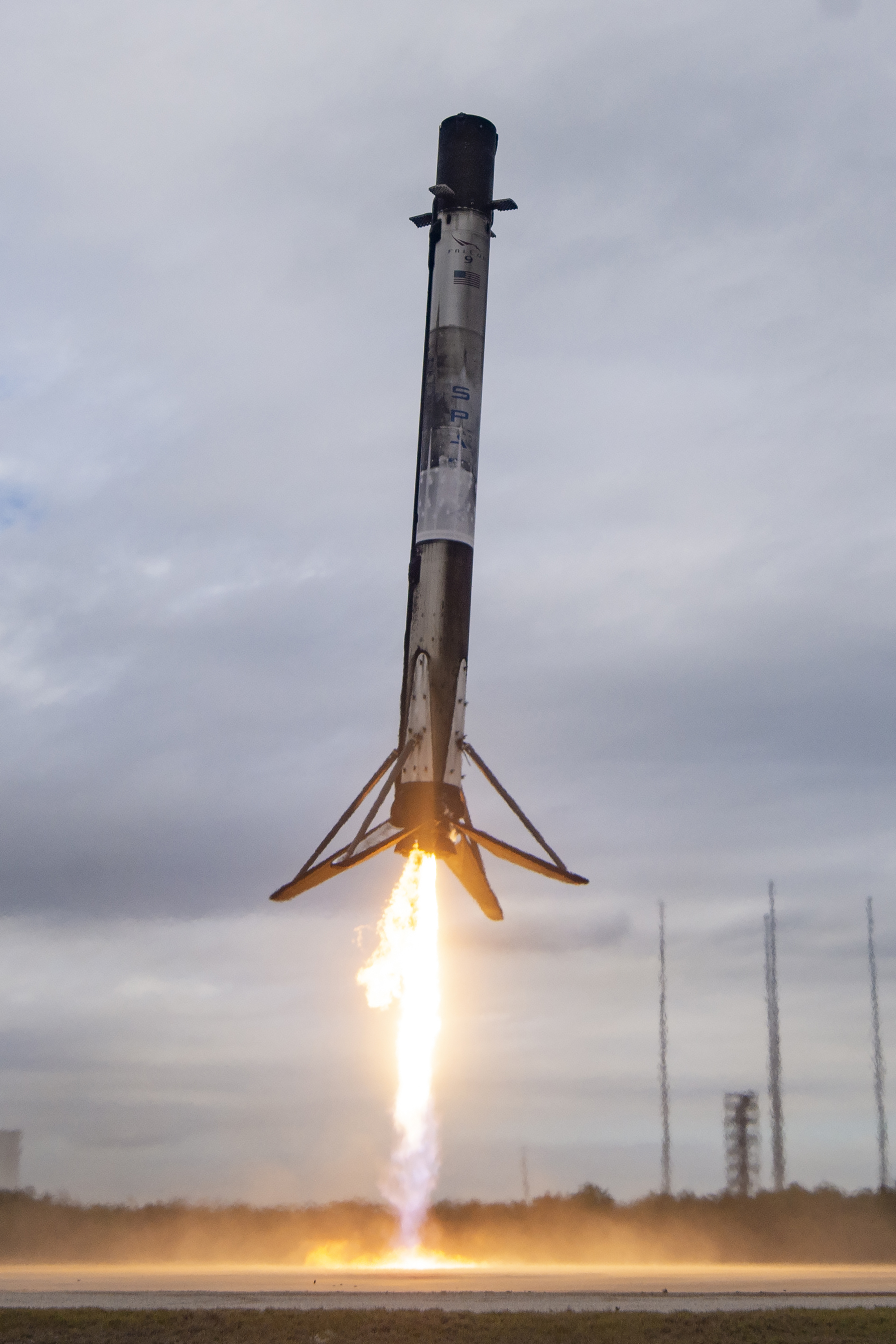
The Falcon 9 first stage B1082 will land on ASDS OCISLY after its 27th flight.
Cygnus CRS-2 NG-25 ×
Mission Details
TypeResupply
OrbitLow Earth Orbit
TargetEarth
This is the 25th flight of the Orbital ATK’s uncrewed resupply spacecraft Cygnus and its 24th flight to the International Space Station under the Commercial Resupply Services contract with NASA.
Commercial Resupply Services (CRS) are a series of flights awarded by NASA for the delivery of cargo and supplies to the International Space Station.The first CRS contracts were signed in 2008 and awarded $1.6 billion to SpaceX for twelve cargo Dragon and $1.9 billion to Orbital Sciences for eight Cygnus flights, covering deliveries to 2016. The Falcon 9 and Antares rockets were also developed under the CRS program to deliver cargo spacecraft to the ISS.
The International Space Station programme is tied together by a complex set of legal, political and financial agreements between the sixteen nations involved in the project, governing ownership of the various components, rights to crewing and utilization, and responsibilities for crew rotation and resupply of the International Space Station. It was conceived in 1984 by President Ronald Reagan, during the Space Station Freedom project as it was originally called.
Falcon 9 is a two-stage rocket designed and manufactured by SpaceX for the reliable and safe transport of satellites and the Dragon spacecraft into orbit. The Block 5 variant is the fifth major interval aimed at improving upon the ability for rapid reusability.
Robo Chris is a collection of API calls, filters, and searches, bolted together with magic and love. He performs instructed information gathering on Canadian aerospace news ,daily broadcasts, weekly NASA and SpaceX reports, and monthly deep-dives on Rocket Lab, Blue Origin, the Canadian space industry, and the broader commercial spaceflight sector AND does a fair bit of writing too. Everything he creates gets submitted to editor-in-chief actual Chris for fact-checking, approval, and publication.









Leave a Reply