MDA Space’s First Globalstar 2-R Satellites Clear In-Orbit Tests
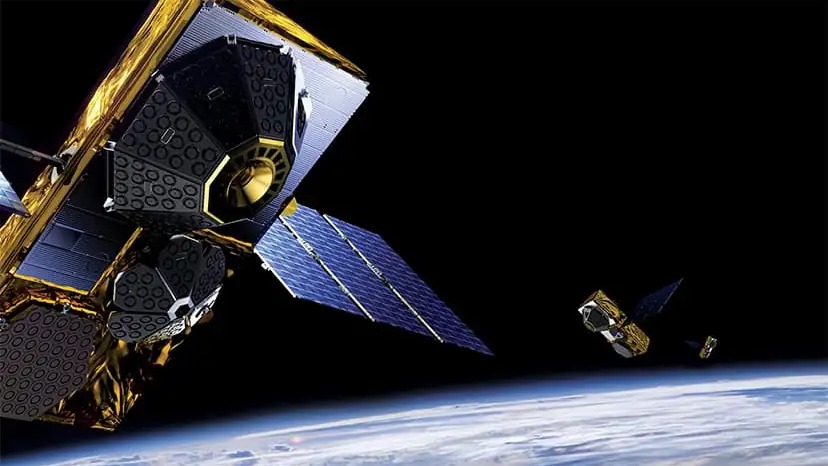
MDA Space confirmed this week that the first eight satellites it delivered for Globalstar’s 2-R mission have passed initial functional tests in orbit, nearly three months after their Aug. 15 launch. MDA Space is the prime contractor on the mission, which will add 17 new satellites to Globalstar’s existing low Earth orbit constellation.
Two of the eight satellites have begun raising their orbits using electric thrusters, which produce very little thrust and lift a satellite gradually. For the other six, orbit raising will follow as their target orbital planes move into alignment. In the meantime, MDA Space and Globalstar are testing the payloads and the satellite buses.
Rocket Lab, which designed, built and commissioned the satellite platforms, is supporting orbit raising for all eight satellites. Once the satellites reach the last testing altitude, they will be moved into their final orbit.
“From the assembly, integration and testing of Globalstar 2-R satellites to the launch campaign and post-launch activities, we have accomplished multiple mission firsts with fine-tuned skill and agility,” said Mike Greenley, chief executive of MDA Space.
The second and last batch of nine satellites has completed its final stages of integration at MDA Space’s facility in Montreal. Together, the two batches will replenish Globalstar’s constellation, which the company calls HIBLEO. The network supports direct-to-device services and Internet of Things applications.
The 2-R satellites are separate from C-3, a third-generation constellation that MDA Space is also building for Globalstar under a $1.1-billion contract signed in February 2025. Amazon agreed in April to acquire Globalstar. The U.S. Federal Communications Commission approved the deal in October, and it is expected to close in 2027.
Starship Flight 15 Could Fly as Soon as Friday for First Dual Tower Catch
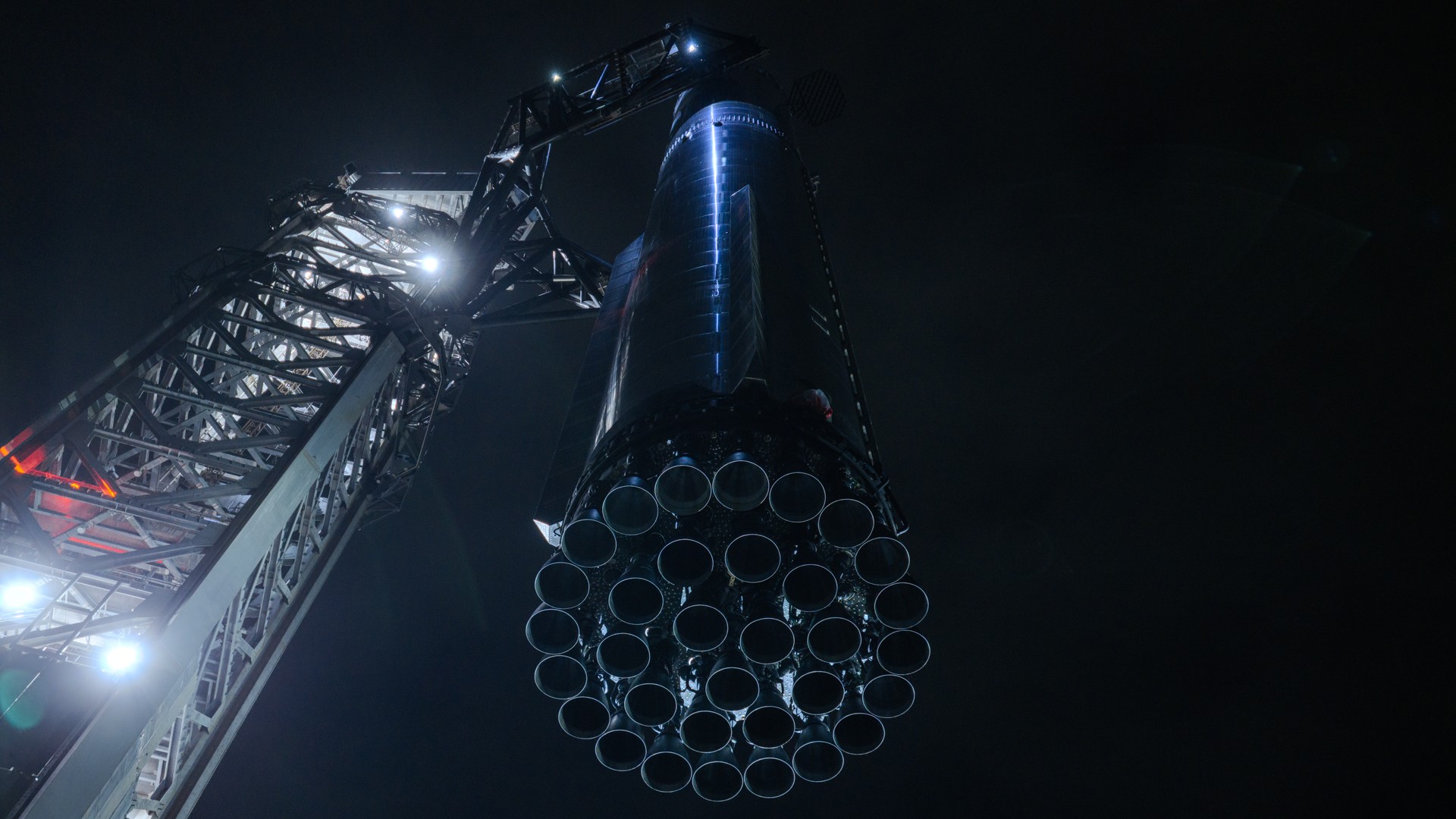
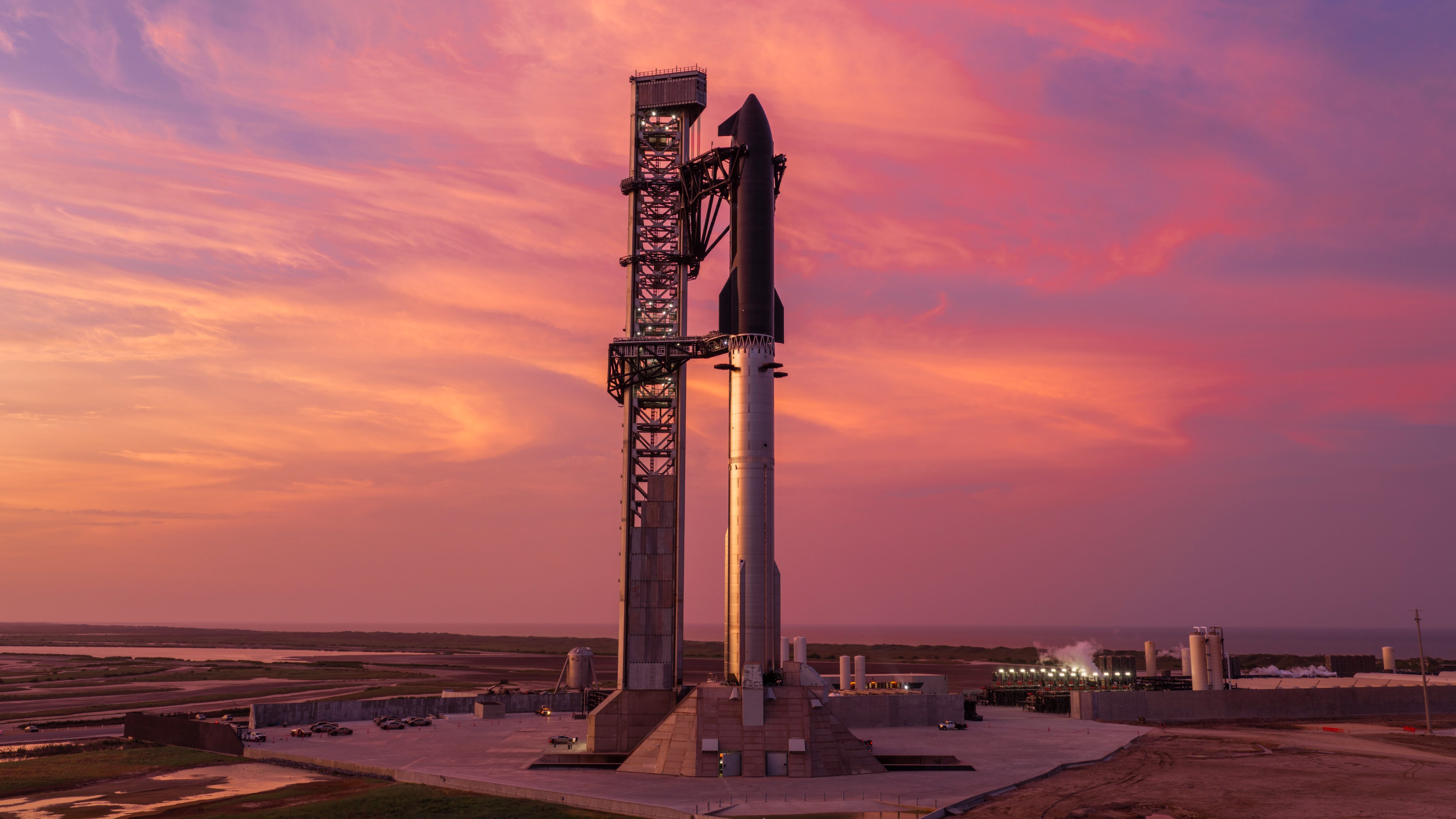
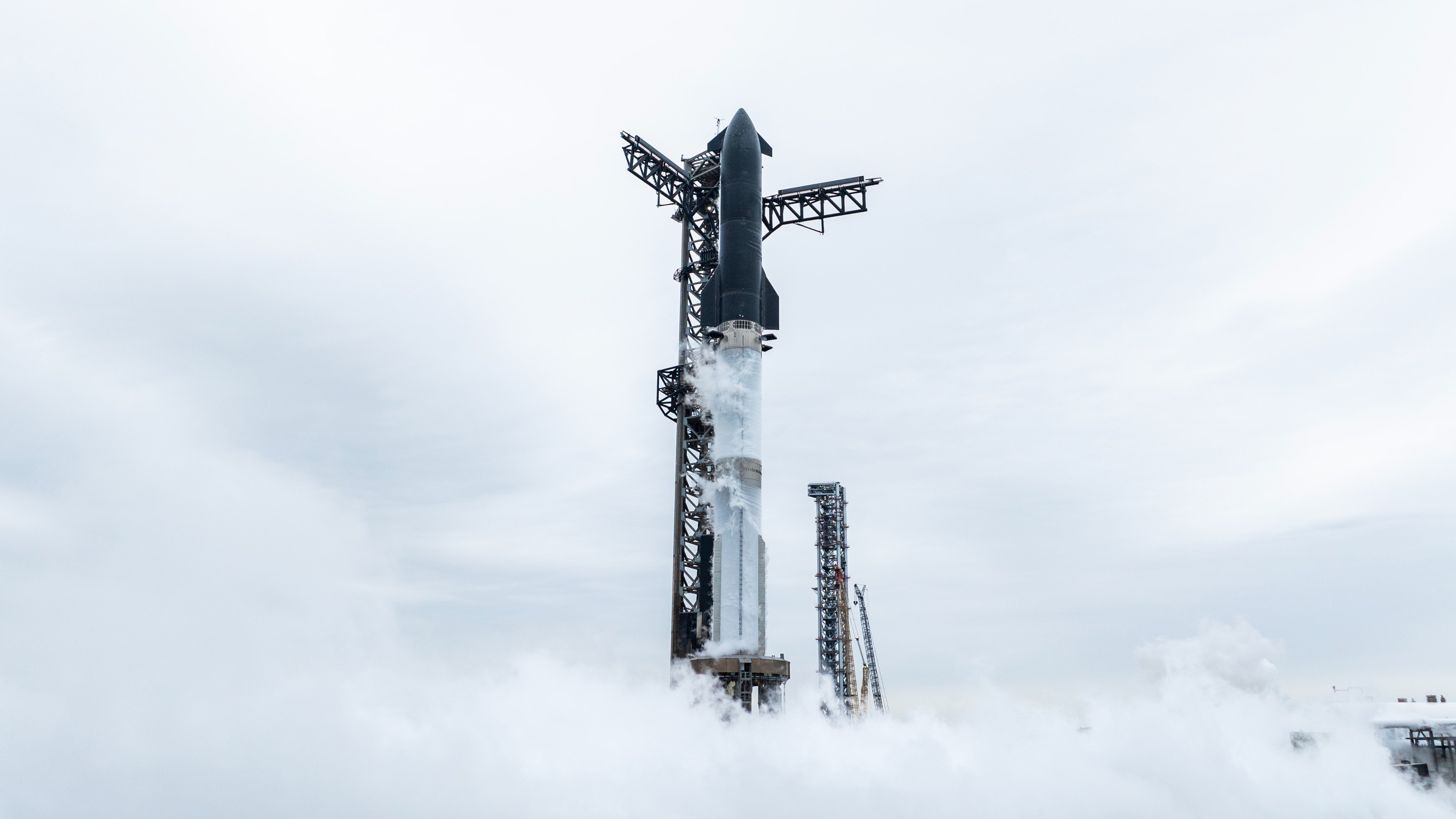
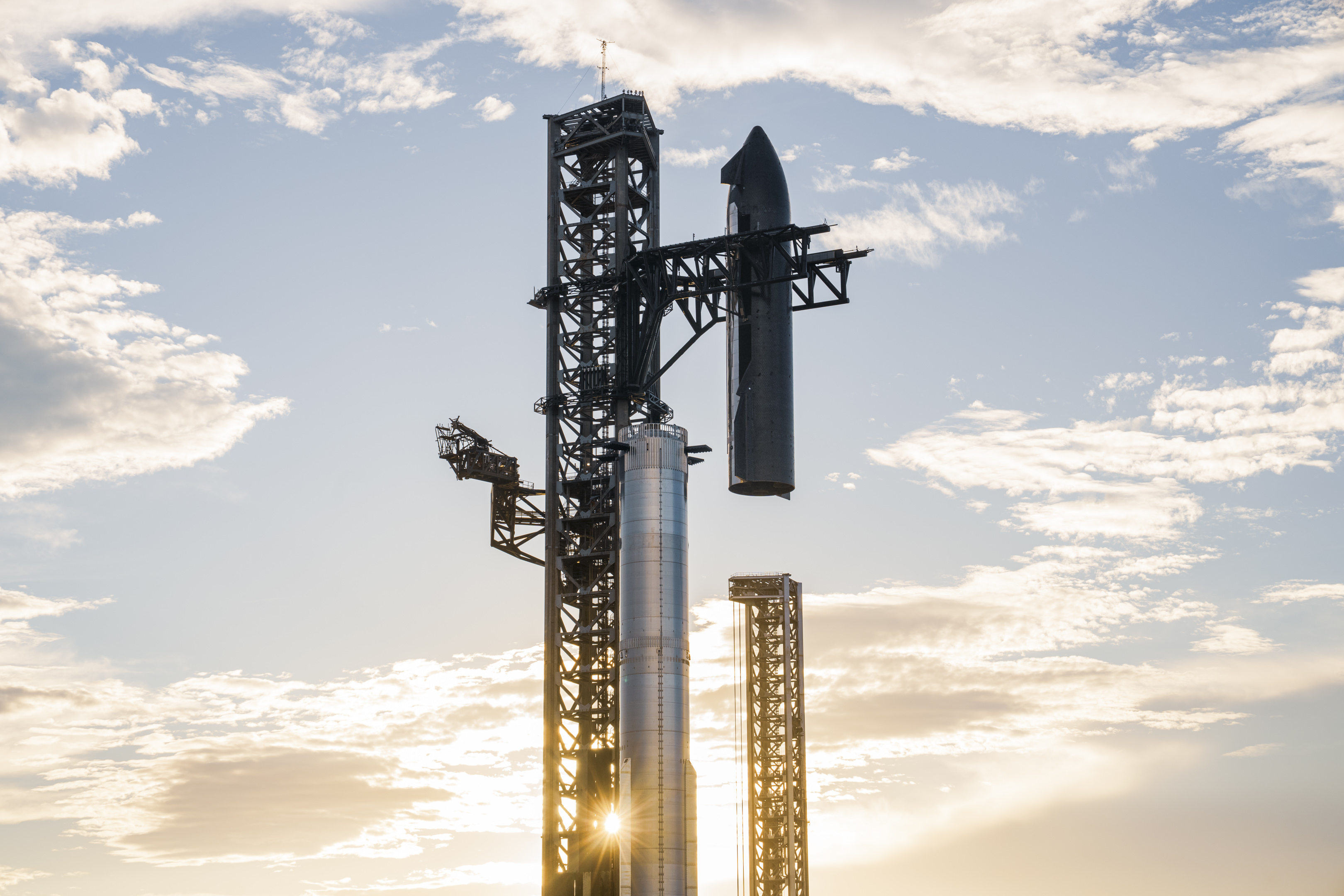
SpaceX plans to catch both Starship and its Super Heavy booster at the launch tower on Flight 15, which could fly as soon as Friday, Nov. 13, pending regulatory approval. The 75-minute launch window opens at 4:45 p.m. CT (5:45 p.m. ET). SpaceX says that catching both stages would mark the first full recovery of an orbital launch system.
Mechazilla, the launch tower at Starbase, will catch the booster about six and a half minutes after liftoff. The tower closes a pair of mechanical arms, known as chopsticks, around the booster as it slows alongside. It will be the first catch attempt for the third version of Super Heavy, known as V3. SpaceX has caught three first-version boosters on earlier test flights and flown two of them again. On Flight 14, the booster splashed down off Starbase.
The ship’s return might not come until almost a day later. SpaceX said it will only bring the ship back to the launch site if controllers confirm that the systems needed for re-entry, the final landing burn and the approach to the tower are healthy. Flight 15 is planned to circle Earth about 14 times over more than 22 hours.
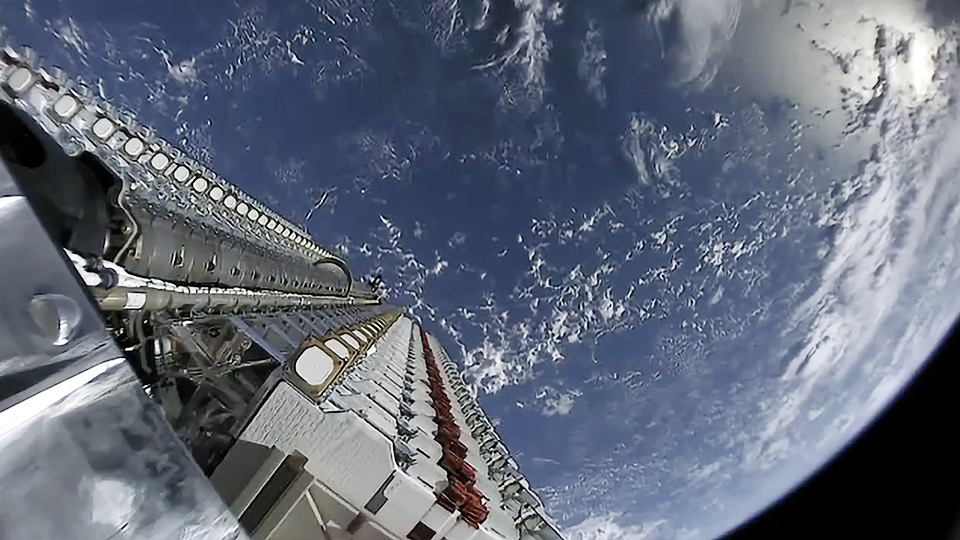
Starship will again carry 26 Starlink V3 satellites. SpaceX says each V3 satellite will add one terabit of capacity, and a full load matches about 10 Falcon 9 launches of the older V2 Mini satellites. Three of the satellites carry cameras to photograph Starship’s heat shield from orbit. The shield keeps the fixes made for Flight 14, with the change for Flight 15 being a curved tile design across a large portion of the shield that SpaceX says has reduced heating in the gaps between tiles.
NASA Awards CLPS 2 Moon Cargo Contract, Orders Nuclear Rover
NASA announced on Saturday it has picked eight companies to compete for a decade of cargo deliveries to the Moon, and ordered a nuclear-powered rover to explore the lunar South Pole from late 2028. Administrator Jared Isaacman unveiled the awards at the MAX POWER aerospace expo at Kennedy Space Center in Florida.
The new CLPS 2 contract succeeds the Commercial Lunar Payload Services program under which NASA has been paying private companies to land its instruments on the Moon. The eight winners are Blue Origin, Firefly Aerospace, Intuitive Machines, ispace-U.S., Lockheed Martin Space, Northrop Grumman Space Systems, SpaceX and Voyager Technologies. CLPS 2 is an indefinite-delivery, indefinite-quantity contract with a combined ceiling of $US 10 billion. Each delivery is competed, so in theory one or more companies could end up without any missions.
NASA also raised the value of the first CLPS contract pool to $US 4.2 billion from $US 2.6 billion to cover the first phase of Moon Base. It will stay open for new orders until November 2028.
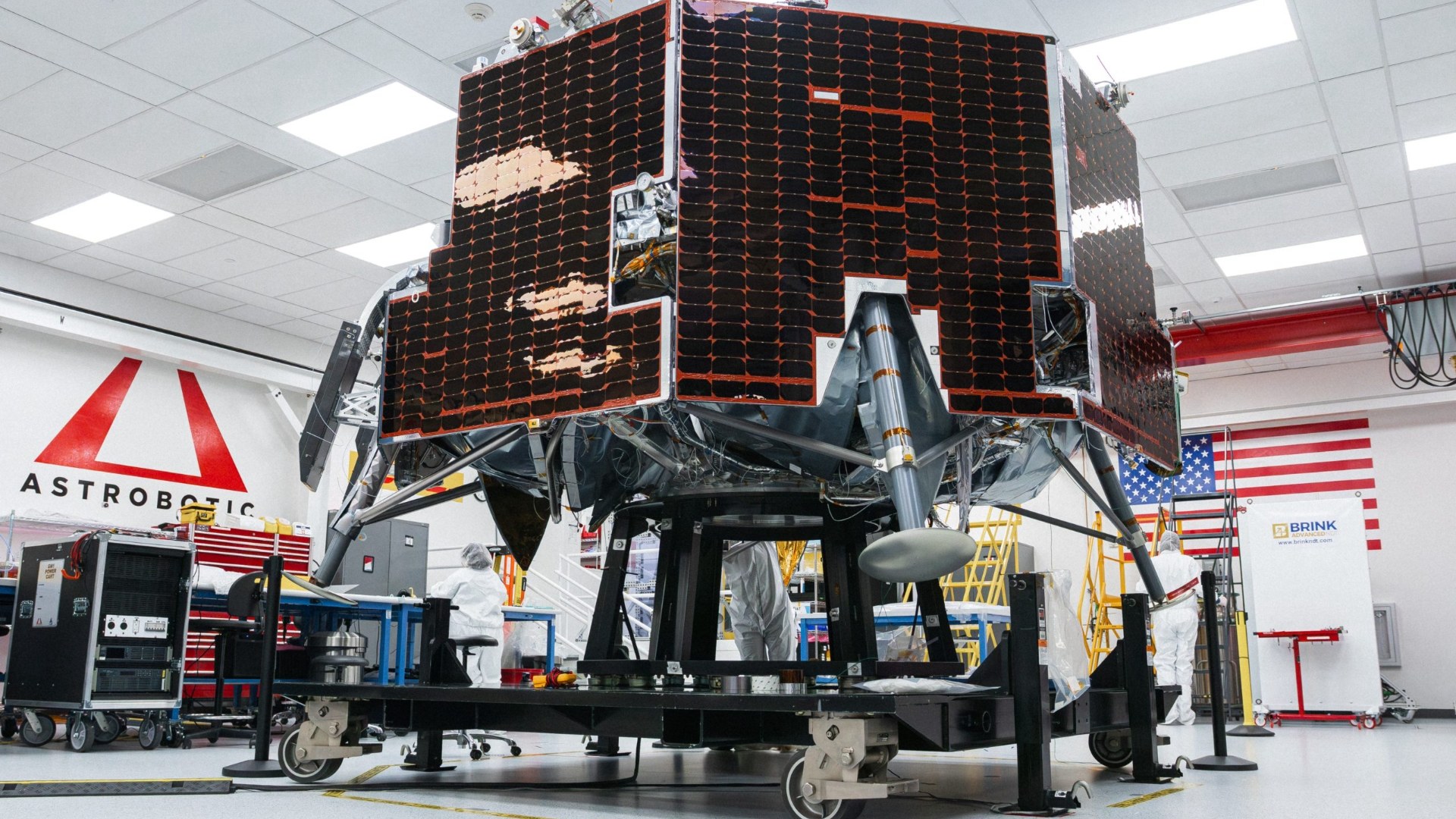
The rover, the Polar Rover for Observation, Mapping, and In-Situ Exploration (PROMISE), is an SUV-sized, six-wheeled vehicle that NASA’s Jet Propulsion Laboratory will assemble from spare flight parts and engineering test models left over from the Curiosity and Perseverance Mars rovers. It will run on a spare multi-mission radioisotope thermoelectric generator, a nuclear battery that turns the heat of decaying plutonium into electricity. Solar-powered landers freeze in the two-week lunar night; PROMISE should not, and it can drive into craters that never see sunlight, where water ice is thought to be trapped.
Its payload includes a drill that reaches about a metre into the soil, built by Blue Origin subsidiary Honeybee Robotics, plus a mass spectrometer, neutron and infrared spectrometers, a radiation detector and a laser reflector for navigation. Four of the instruments are shared with NASA’s VIPER rover. NASA is targeting a late 2028 launch and an 18-month mission.
Blue Origin will carry PROMISE on its Mark 1 lander under a $US 94 million base contract, with a $US 140 million option tied to performance.
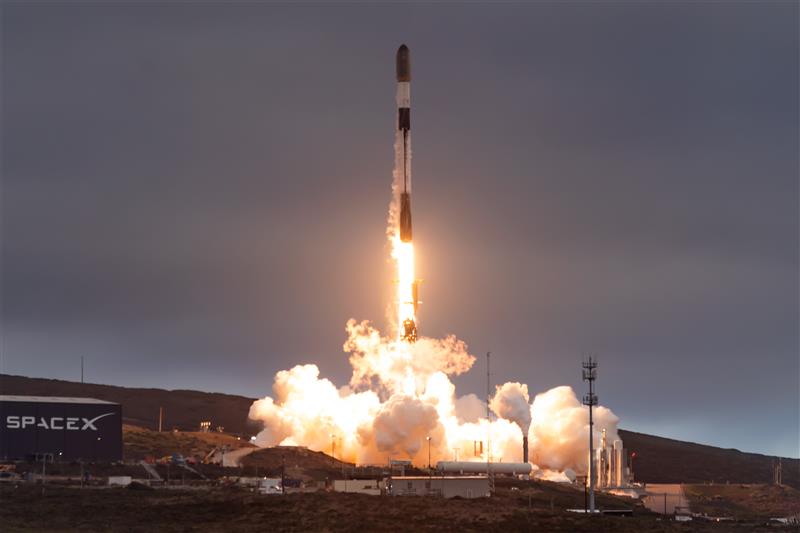
Provider: SpaceX Date: November 12, 2026 Time: 2:35 AM UTC Vehicle: Falcon 9
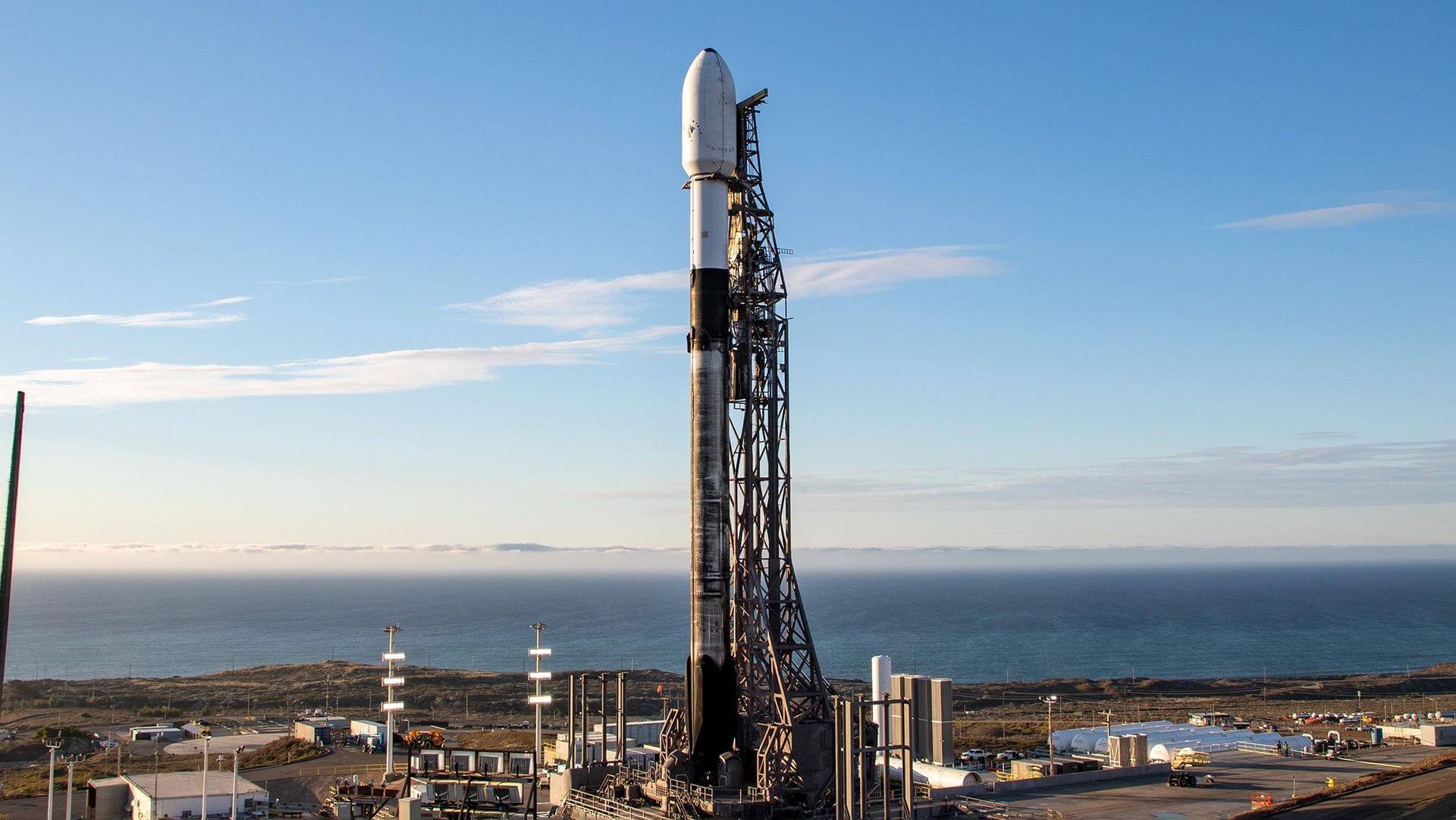
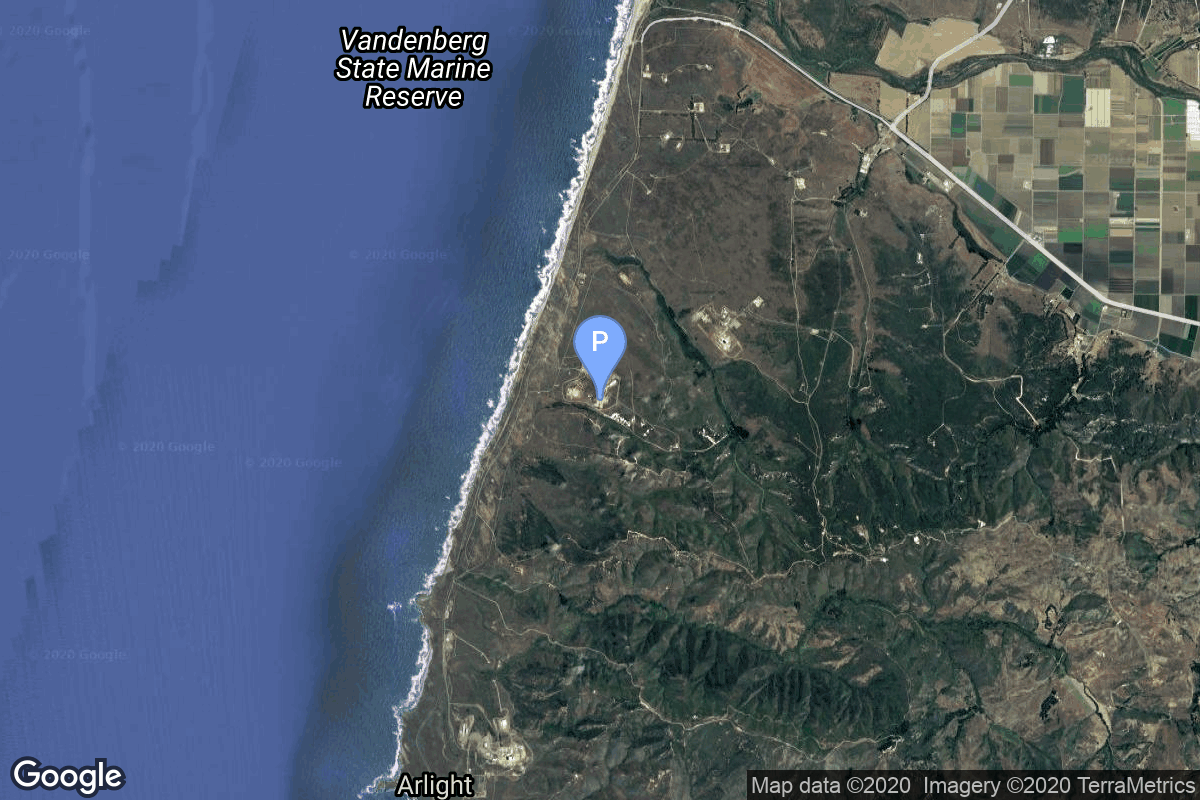
A classified mission for the United States Space Force. It is possibly a batch of classified LEO satellites based on SpaceX’s Starshield satellite bus, based on locations of rocket stage drop zones being exact fits with previous Starlink Group 15 launches.
Unknown Payload
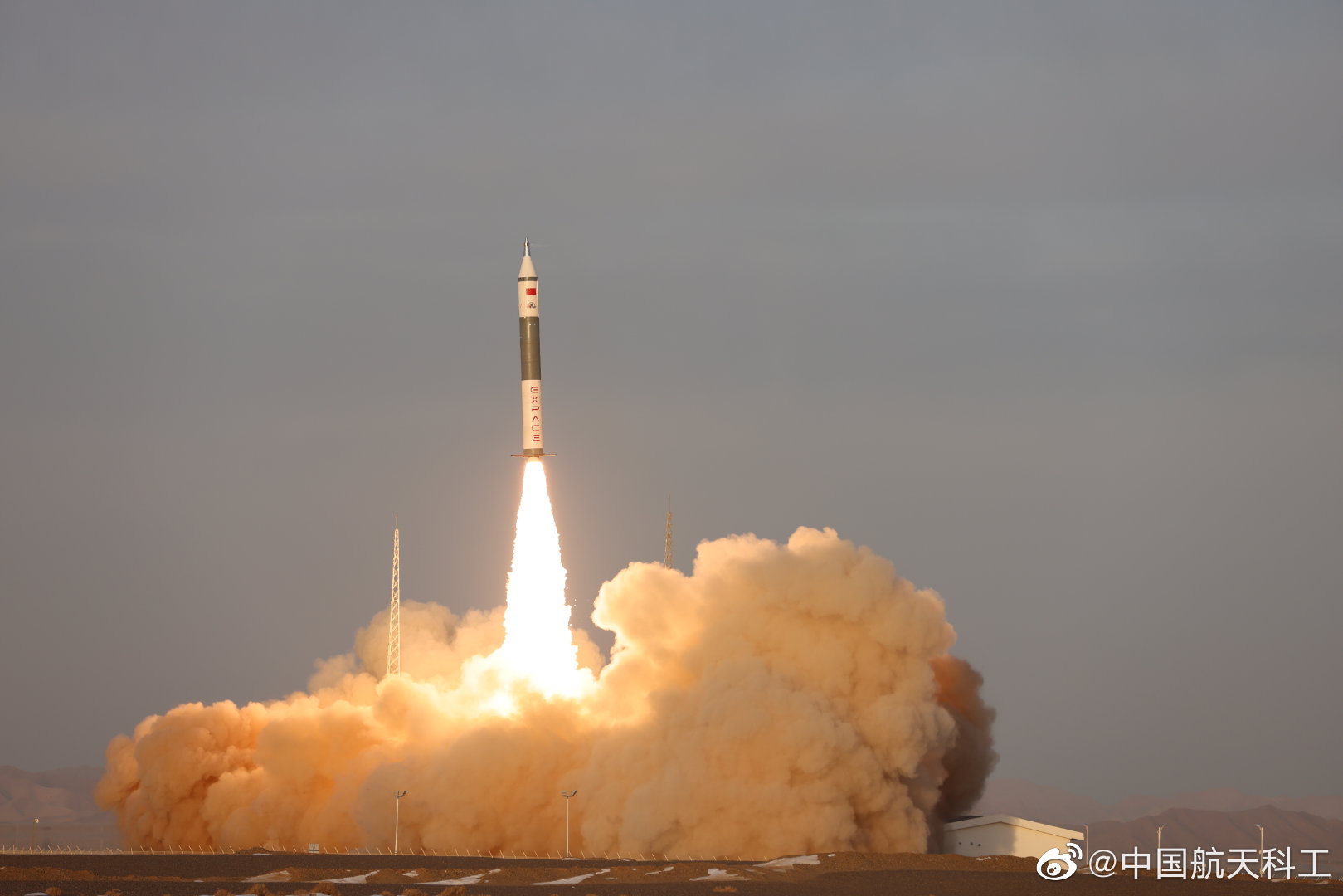
Provider: ExPace Date: November 12, 2026 Time: 7:50 PM UTC Vehicle: Kuaizhou 11
Details TBD.
Demo Flight
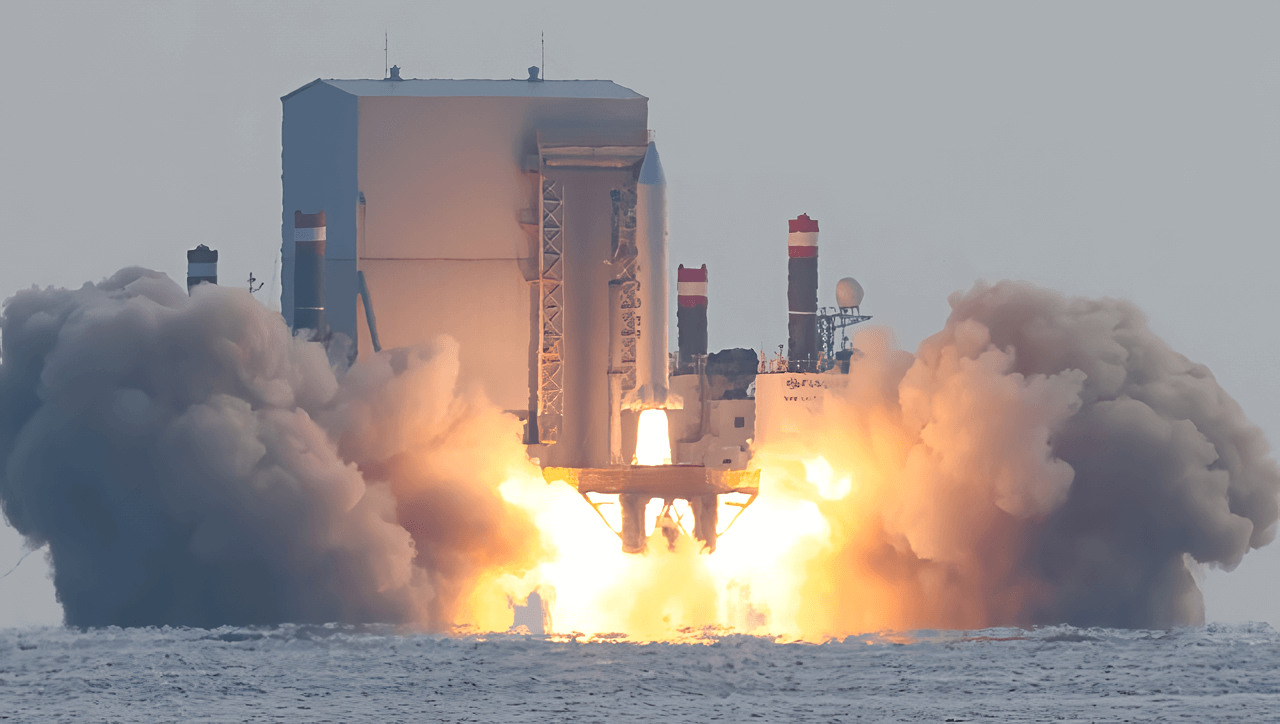
Provider: Agency for Defense Development Date: November 13, 2026 Time: 5:00 AM UTC Vehicle: Mir
Note: Launch vehicle name is provisional.
First orbital full version launch of the South Korean military small satellite launch vehicle, after 2 sub-orbital tests of individual stages on 30 March and 30 December 2022, and 1 orbital test flight without the 2nd stage on 4 December 2023. Details TBD.
Amazon Leo (LV-01)
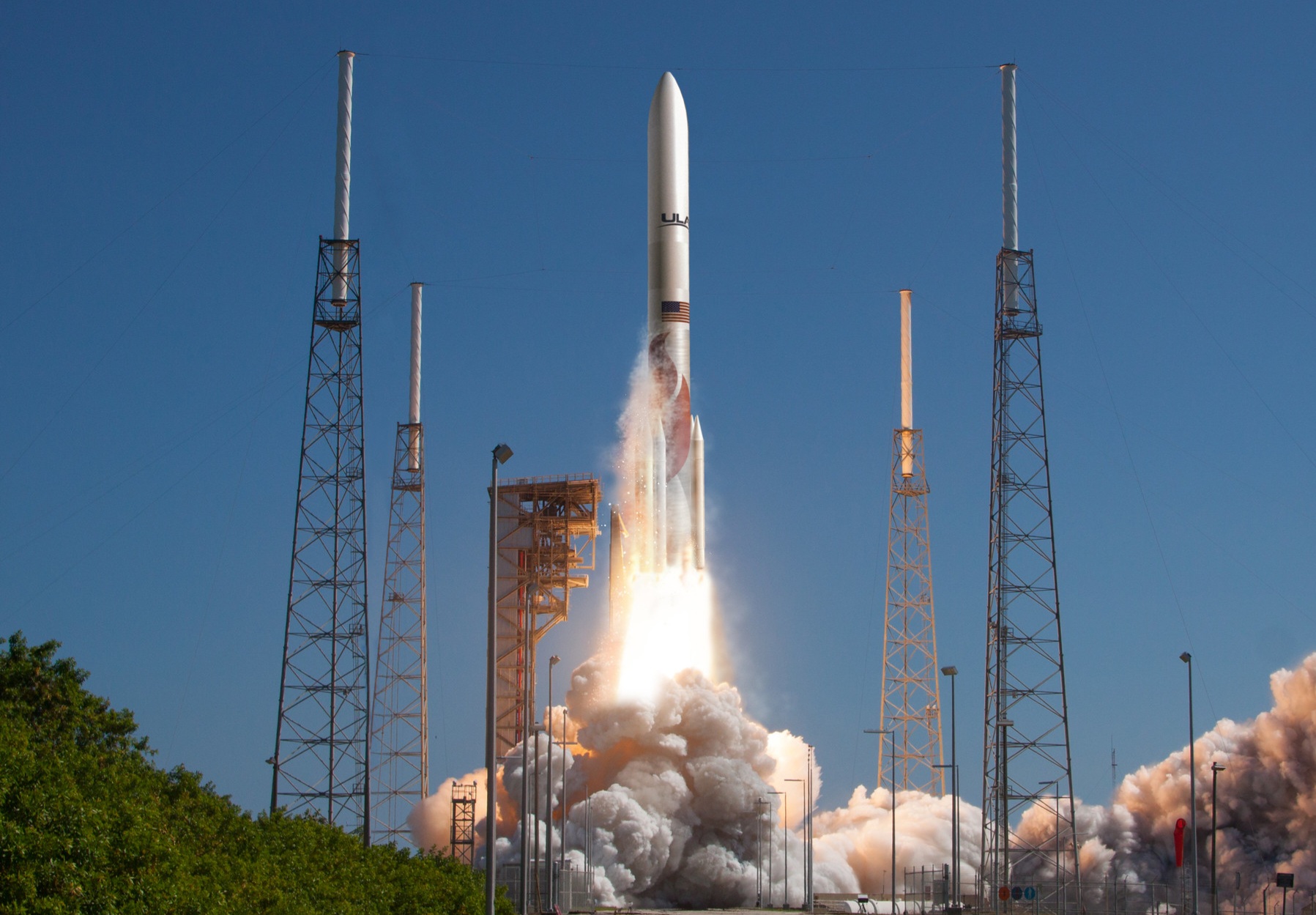
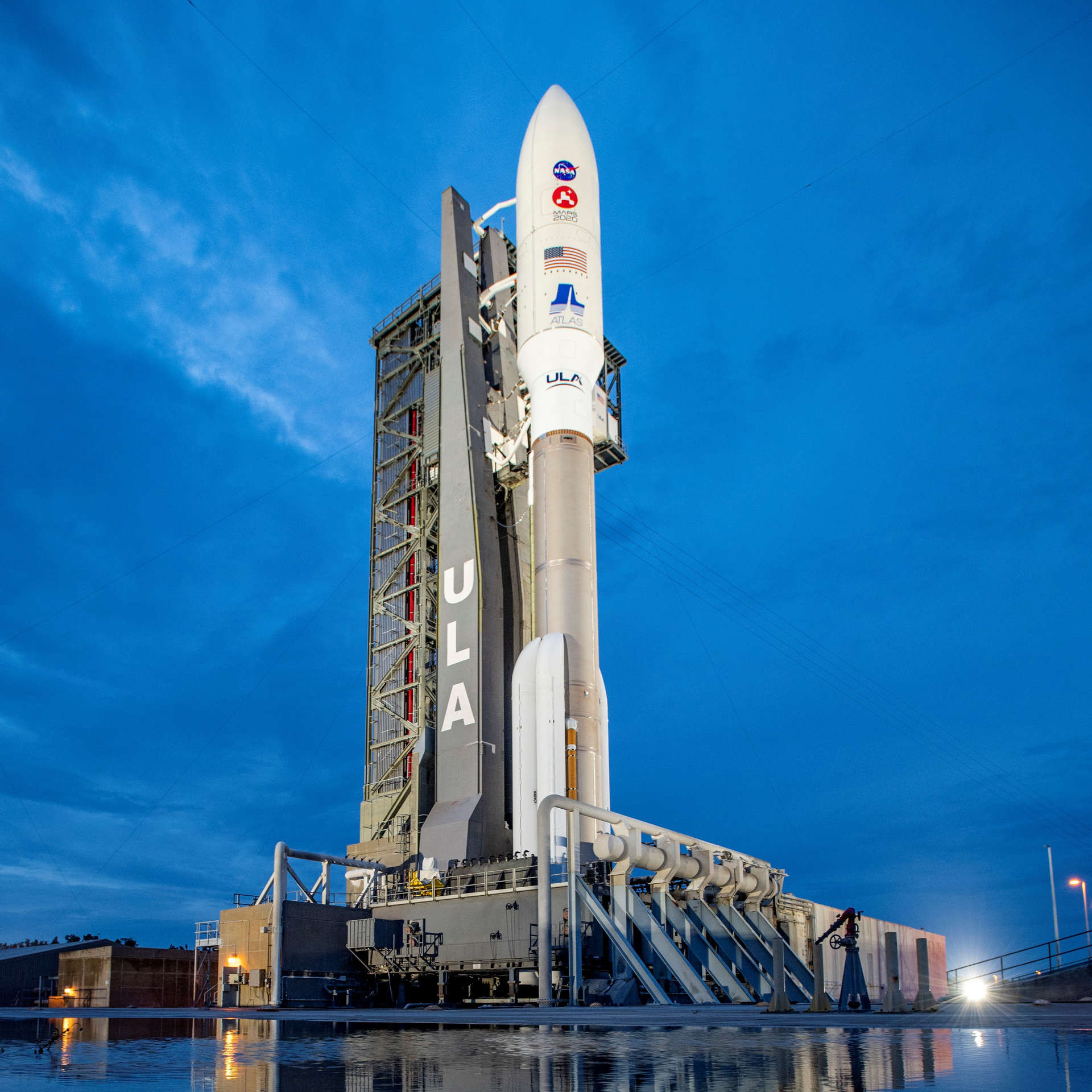
Provider: United Launch Alliance Date: November 13, 2026 Time: 5:54 PM UTC Vehicle: Vulcan VC6L
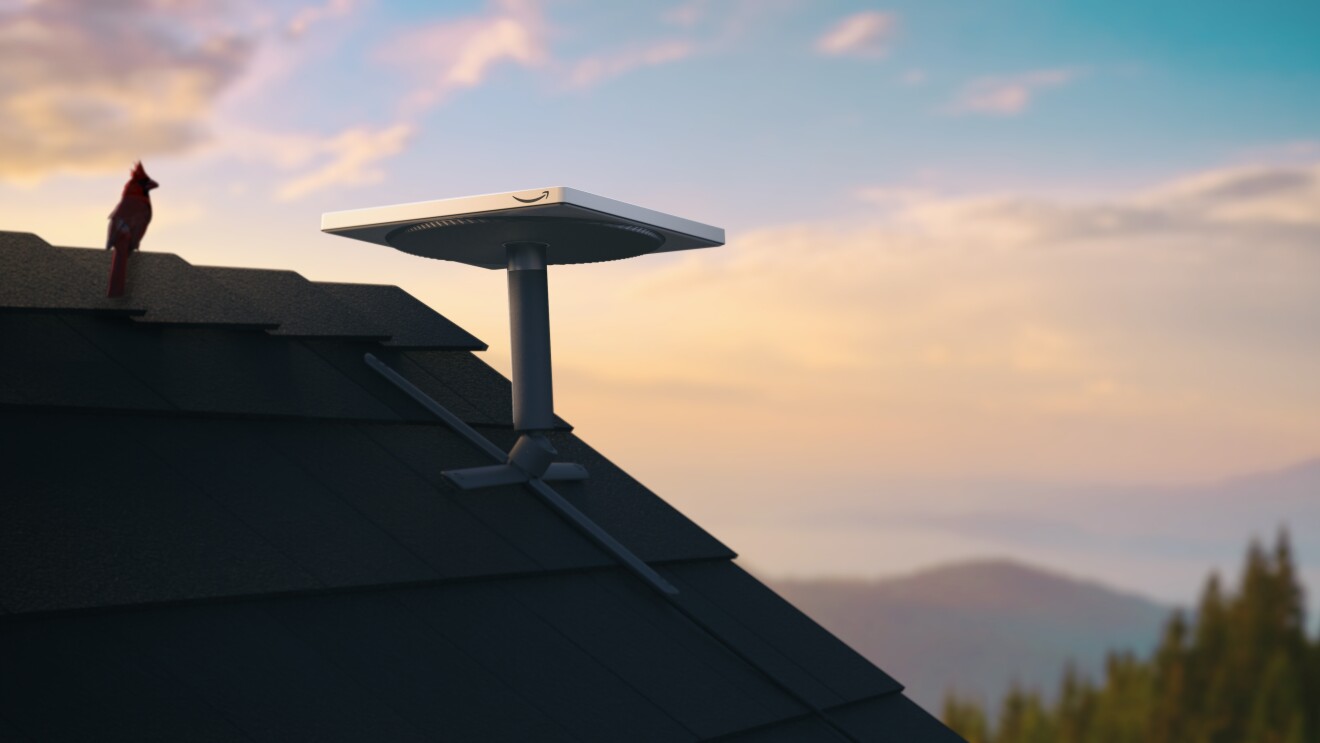
Amazon Leo, formerly known as Project Kuiper, is a mega constellation of satellites in Low Earth Orbit that will offer broadband internet access, this constellation will be managed by Kuiper Systems LLC, a subsidiary of Amazon. This constellation is planned to be composed of 3,276 satellites. The satellites are projected to be placed in 98 orbital planes in three orbital layers, one at 590 km, 610 km and 630 km altitude.
45 satellites will be carried on each Vulcan launch.
Starlink Group 31-2 (Starship Flight 15)
Provider: SpaceX Date: November 13, 2026 Time: 10:45 PM UTC Vehicle: Starship
15th test flight of the two-stage Starship launch vehicle and 4th flight of Starship V3. Second Starship flight to deploy satellites (a group of Starlink satellites known as Starlink Group 31-2) into stable Low Earth Orbit and first ever to attempt returning the Starship 2nd stage back to the launch site.
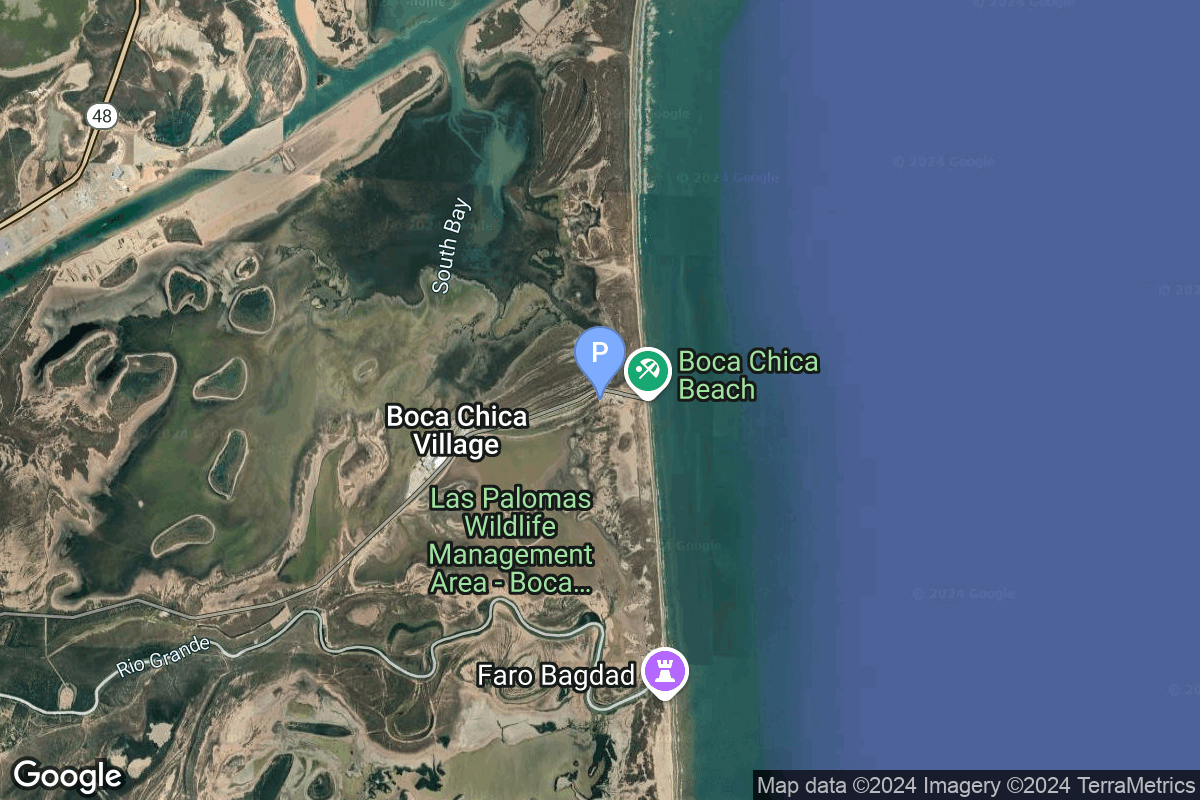
The ship is expected to fly at an altitude approximately 275 km above Earth and complete approximately 14 orbits around the planet for more than 22 hours, with the ship expected to attempt returning back to Starbase, Texas on its launch pad by pad arms catching.
The booster’s primary test objective on Flight 15 will be executing a successful launch, ascent, stage separation, boostback burn, and landing by pad arms catching. This will also be the 1st Starship V3 booster to attempt returning to its launch site.
Starship will deliver 26 Starlink V3 satellites to orbit for the second time, which aim to greatly expand the network’s capacity and user speeds. Each Starlink V3 satellite will add 1 Tbps of capacity to the constellation. 3 of the satellites have been modified with a suite of cameras to scan Starship’s heatshield and transmit imagery down to operators.
USSF-627 ×
Mission Details
TypeGovernment/Top Secret
OrbitLow Earth Orbit
TargetEarth
A classified mission for the United States Space Force. It is possibly a batch of classified LEO satellites based on SpaceX’s Starshield satellite bus, based on locations of rocket stage drop zones being exact fits with previous Starlink Group 15 launches.
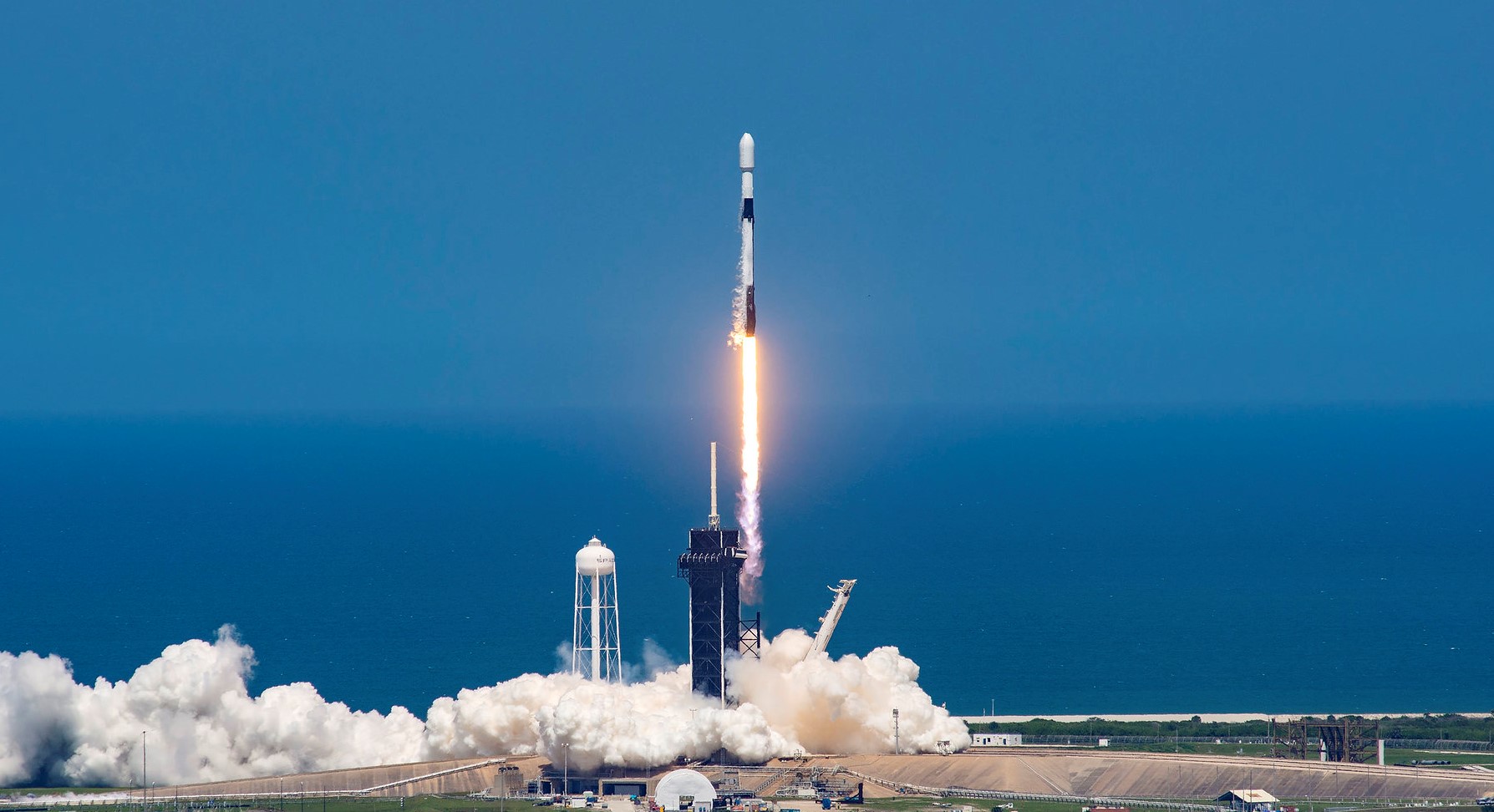
Falcon 9 is a two-stage rocket designed and manufactured by SpaceX for the reliable and safe transport of satellites and the Dragon spacecraft into orbit. The Block 5 variant is the fifth major interval aimed at improving upon the ability for rapid reusability.
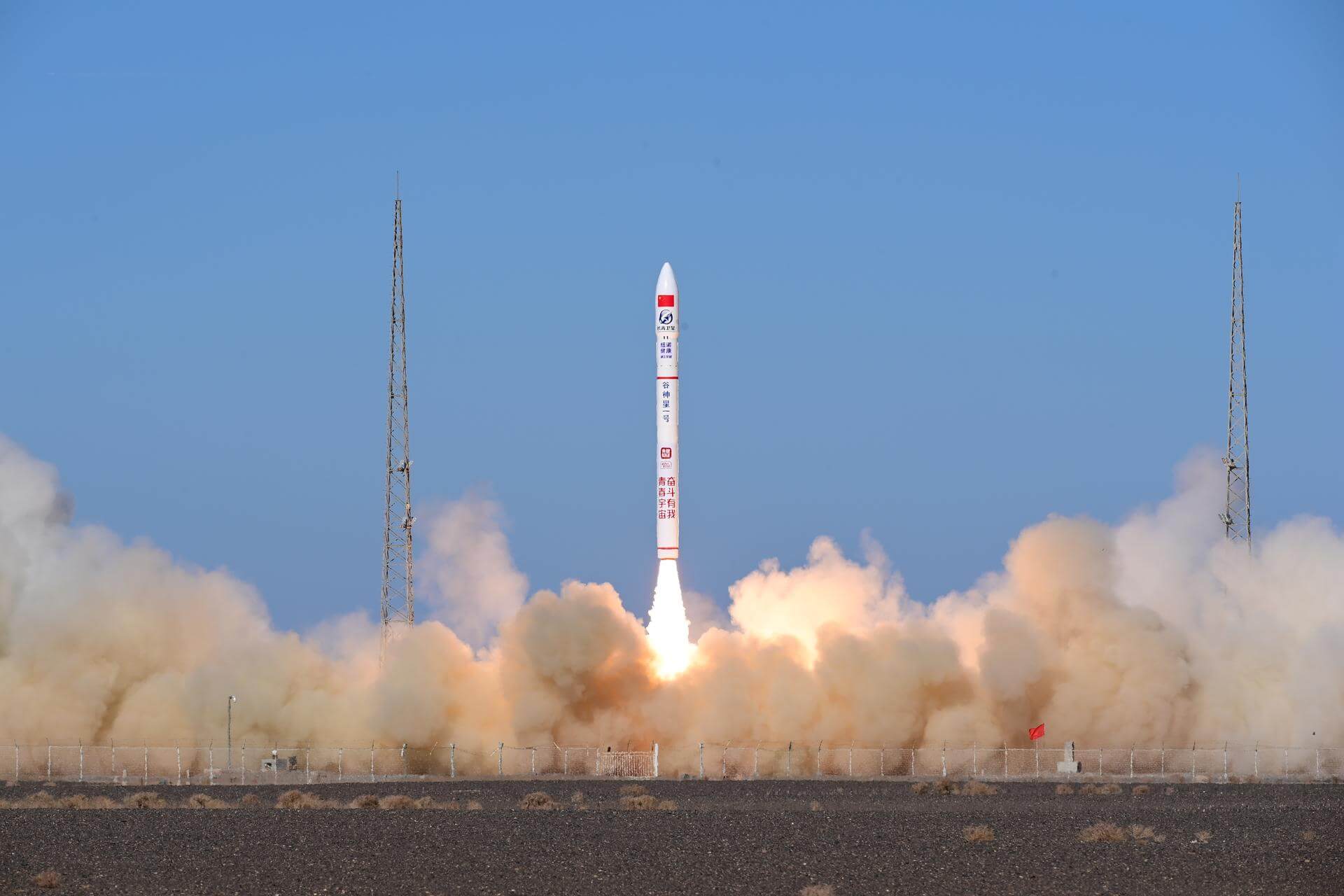
The Kuaizhou-11 (KZ-11), is a planned Chinese commercial launch vehicle.
Reportedly, the payload is about 1000 kg for low earth orbit and 700 kg for a sun-synchronous orbit.
The three stage rocket is possibly based on the DF-31 missile. It consists of three solid-fueled stages. The principal…
Specifications
Diameter2.2 m
Launch Mass78 t
LEO Capacity1,000 kg
SSO Capacity700 kg
ReusableNo
Maiden Flight2020-07-10
Launch Record
6 successful / 7 total launches
Current streak: 6 successful
Demo Flight ×
Mission Details
TypeTest Flight
OrbitLow Earth Orbit
TargetEarth
Note: Launch vehicle name is provisional.
First orbital full version launch of the South Korean military small satellite launch vehicle, after 2 sub-orbital tests of individual stages on 30 March and 30 December 2022, and 1 orbital test flight without the 2nd stage on 4 December 2023. Details TBD.
Offshore launch platform for the South Korean military small satellite launch vehicle.
Total launches from this pad: 1
Vehicle: Mir
Mir (Korean for a kind of dragon, and previously only known as “Solid-fuel space launch vehicle”) is a South Korean military developed small satellite launch vehicle for “quick response” usage. First orbital test launch in December 2023 omits the 2nd stage but still carries satellite into orbit.
Amazon Leo, formerly known as Project Kuiper, is a mega constellation of satellites in Low Earth Orbit that will offer broadband internet access, this constellation will be managed by Kuiper Systems LLC, a subsidiary of Amazon. This constellation is planned to be composed of 3,276 satellites. The satellites are projected to be placed in 98 orbital planes in three orbital layers, one at 590 km, 610 km and 630 km altitude.
45 satellites will be carried on each Vulcan launch.
Amazon Leo is a satellite internet constellation aimed at providing high-speed, low-latency broadband connectivity to underserved and remote areas globally. The project involves deploying a constellation of low Earth orbit (LEO) satellites to create a satellite internet network capable of delivering reliable internet access.
Vulcan Centaur is a two-stage-to-orbit, heavy-lift launch vehicle under development by United Launch Alliance (ULA) since 2014. It is principally designed to meet launch demands for the U.S. government’s National Security Space Launch (NSSL) program for use by the United States Space Force and U.S….
This will be the maiden flight of the Vulcan VC6L.
Starlink Group 31-2 (Starship Flight 15) ×
Mission Details
TypeCommunications
OrbitLow Earth Orbit
TargetEarth
15th test flight of the two-stage Starship launch vehicle and 4th flight of Starship V3. Second Starship flight to deploy satellites (a group of Starlink satellites known as Starlink Group 31-2) into stable Low Earth Orbit and first ever to attempt returning the Starship 2nd stage back to the launch site.
The ship is expected to fly at an altitude approximately 275 km above Earth and complete approximately 14 orbits around the planet for more than 22 hours, with the ship expected to attempt returning back to Starbase, Texas on its launch pad by pad arms catching.
The booster’s primary test objective on Flight 15 will be executing a successful launch, ascent, stage separation, boostback burn, and landing by pad arms catching. This will also be the 1st Starship V3 booster to attempt returning to its launch site.
Starship will deliver 26 Starlink V3 satellites to orbit for the second time, which aim to greatly expand the network’s capacity and user speeds. Each Starlink V3 satellite will add 1 Tbps of capacity to the constellation. 3 of the satellites have been modified with a suite of cameras to scan Starship’s heatshield and transmit imagery down to operators.
The SpaceX Starship is a fully reusable super heavy-lift launch vehicle under development by SpaceX since 2012, as a self-funded private spaceflight project. The second stage of the Starship — is designed as a long-duration cargo and passenger-carrying spacecraft. It is expected to be initially used without any booster stage at all, as part of an extensive development program to prove out launch-and-landing and iterate on a variety of design details, particularly with respect to the vehicle’s atmospheric reentry.
The second launch and landing pad of the full version of the combined SpaceX Starship and Superheavy booster. To be first used for launch in 2025 with version 3 of Starship and the Superheavy…
The Super Heavy Booster 22 will attempt to return the launch site at Starbase.
Spacecraft: Ship 42
Fourth V3 Starship to fly with various enhancements, to be used on the 15th Starship test flight, the 2nd Starship flight to deploy satellites into stable Low Earth Orbit. It is the first ever Starship 2nd stage to attempt returning to its launch pad.
Specifications
SerialS42
TypeReuseable Upper Stage
StatusActive
DestinationLow Earth Orbit
Height52.1 m
Diameter9 m
Maiden Flight2026-05-22
History
The third-generation Starship upper stage will be introduced on flight 12.
Capability
More than 100 tons to Earth orbit
Details
Third-generation second stage of the two-stage Starship super heavy-lift launch vehicle.
Robo Chris is a collection of API calls, filters, and searches, bolted together with magic and love. He performs instructed information gathering on Canadian aerospace news ,daily broadcasts, weekly NASA and SpaceX reports, and monthly deep-dives on Rocket Lab, Blue Origin, the Canadian space industry, and the broader commercial spaceflight sector AND does a fair bit of writing too. Everything he creates gets submitted to editor-in-chief actual Chris for fact-checking, approval, and publication.








Leave a Reply