
Canadian Space Agency Backs Mars Methane Detector
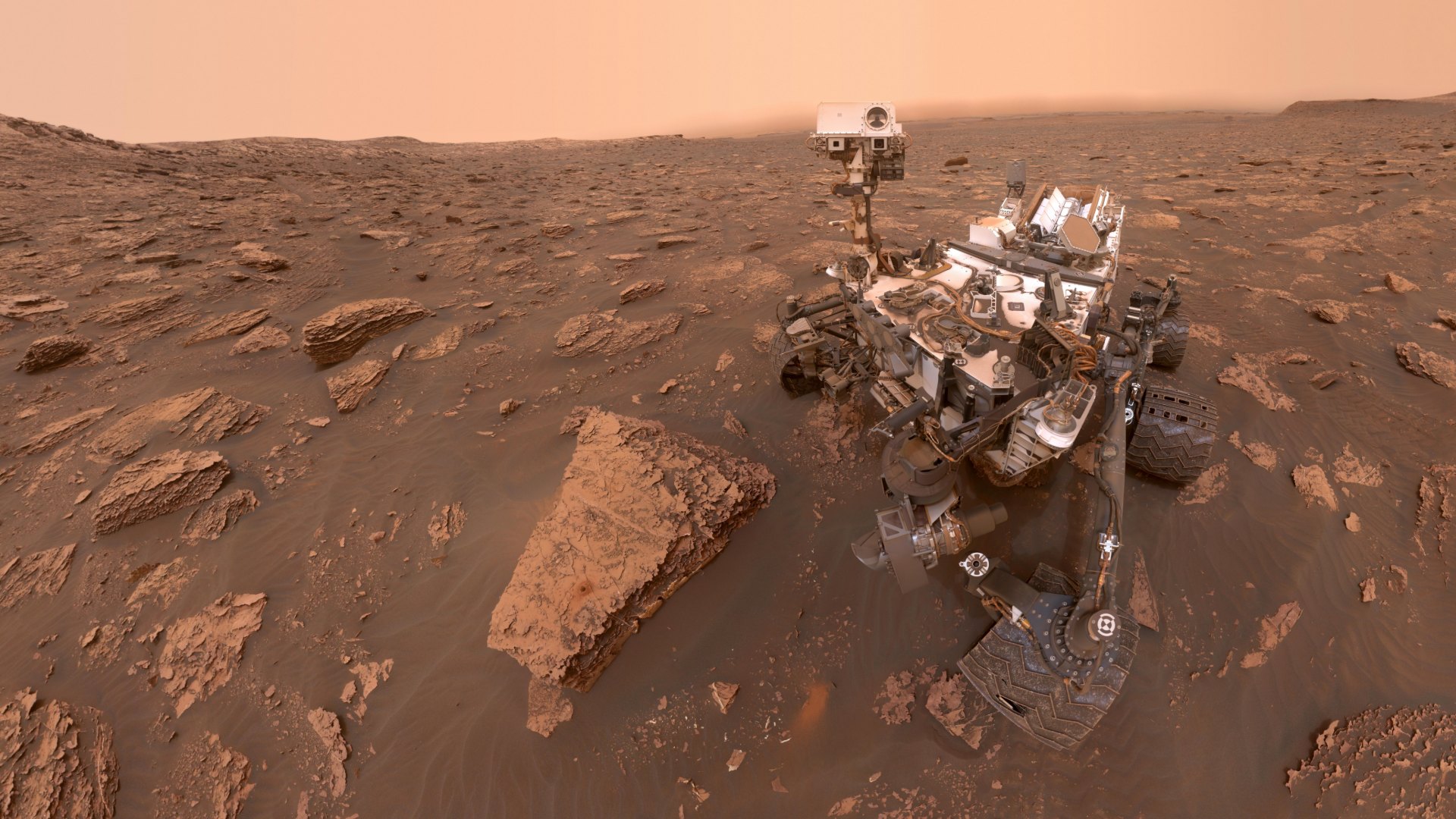
CSA Awards ABB About $1.5 Million for Mars Methane Detector
The Canadian Space Agency has awarded Quebec City-based ABB Inc. a contract worth about $1.5 million to further develop an instrument that could detect trace amounts of methane directly in the Martian atmosphere.
The instrument, called the Martian Atmospheric Gas Evolution Experiment – Inter-Cavity Optical Spectroscopy, or MAGE-ICOS, uses optical spectroscopy — a technique that identifies gases by the way they absorb light. The contract was awarded through the CSA’s Space Technology Development Program (STDP).
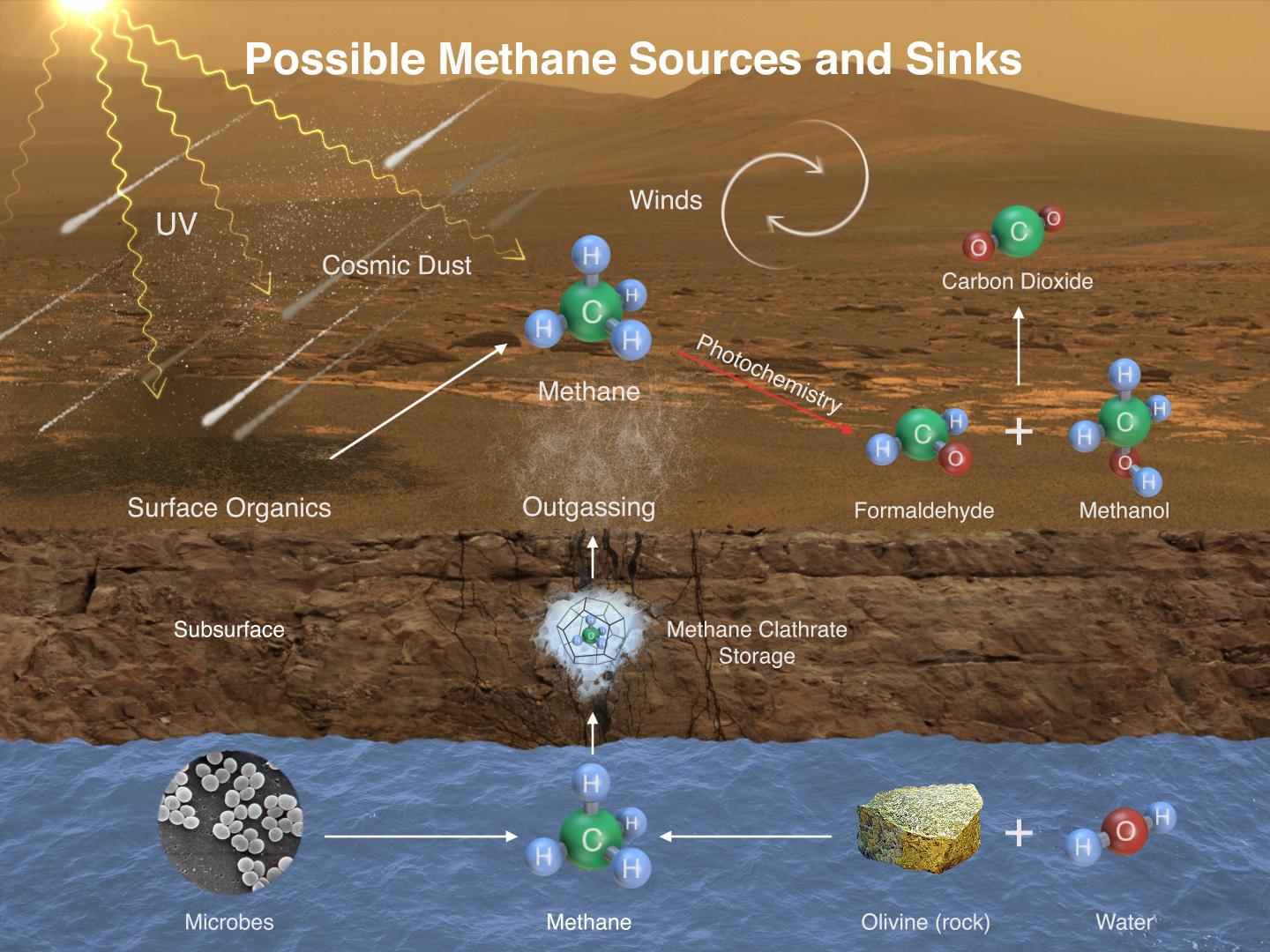
Methane on Mars could offer clues about the planet’s past and present, including whether it may once have supported life. Signals suggesting the gas is there have been detected, but scientists still do not fully understand where the methane comes from or what processes produce it. The CSA calls it one of the planet’s biggest scientific mysteries and says more frequent measurements near the surface could help answer those questions.
Under the new contract, ABB will refine and test the technology, reduce measurement noise — the random variation that can drown out a faint signal — and improve the instrument’s sensitivity under conditions like those in the Martian atmosphere. The company will then build and test a prototype to demonstrate how the instrument performs.
ABB in Quebec City already builds the methane sensors for Montreal-based GHGSat’s satellites, which detect emissions on Earth from orbit. MAGE-ICOS would work differently: instead of observing from a distance, it would sample the Martian air directly, bouncing laser light between mirrors so it passes through the gas many times to pick up faint traces.
The methane contract is one of several recent CSA awards to ABB. In October, the company received a contribution of nearly $1 million under the STDP for a very-high-resolution optical imaging payload, and last December it was selected to develop an infrared spectrometer for Canada’s Lunar Utility Rover.
The CSA said the work is meant to strengthen Canada’s capabilities in planetary science and bring the Canadian instrument closer to a possible contribution to future international missions to Mars.
ESCAPADE Spacecraft Head to Mars After Powered Earth Flybys
Two NASA smallsats are headed toward Mars after completing flybys of Earth yesterday, nearly a year after their launch.

The second Escape and Plasma Acceleration and Dynamics Explorers spacecraft, nicknamed Gold, flew by Earth at about 6 a.m. Eastern on November 9, coming within about 1,050 kilometres of Earth. That came a little more than 48 hours after the first ESCAPADE spacecraft, Blue, made a similar flyby at an altitude of about 1,600 kilometres.
During both flybys, the Rocket Lab-built spacecraft fired their engines, using a principle called the Oberth effect to maximize the performance of the maneuver. It was the first time a NASA spacecraft used a powered flyby to go to Mars.
“This is the first time NASA has used a powered Earth flyby to propel a spacecraft toward Mars, and we’ve now executed this maneuver twice, flawlessly, in just two days,” Asal Naseri, acting associate flight director in NASA’s heliophysics division, said in an agency statement.
ESCAPADE launched last November on the second flight of Blue Origin’s New Glenn. The two spacecraft loitered around the Earth-sun L-2 Lagrange point for nearly a year before swinging around Earth in a final maneuver. That trajectory, developed by Advanced Space, was designed to open up Mars mission launch opportunities outside the traditional two-year windows.
“This method provides the flexibility to launch almost anytime and then use Earth’s gravity to get a boost to Mars, rather than waiting every two years to launch there directly when the planets are aligned,” said Jeff Parker of Advanced Space.
The maneuvers put both spacecraft on trajectories to Mars, arriving two days apart in September 2027. Each will perform an 11-minute burn of its main engine to enter orbit around Mars, later maneuvering into its planned science orbit.
ESCAPADE is the last surviving mission of a NASA program called SIMPLEx, or Small Innovative Missions for Planetary Exploration. The two spacecraft will study space weather at Mars, examining how the solar wind interacts with the planet’s magnetosphere and atmosphere.
Isar Aerospace Could Launch Third Spectrum Rocket as Early as November 26
German launch company Isar Aerospace could attempt the third flight of its Spectrum rocket from Andøya Spaceport in Norway as early as November 26, according to an aviation notice published on October 28.
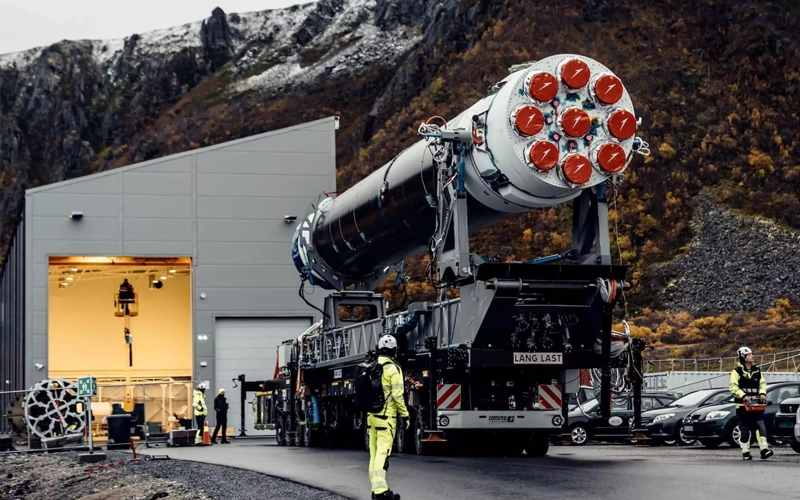
The notice, published by Norwegian air navigation services provider Avinor, outlines a launch window opening on November 26 and extending through February 17, 2027. Launch attempts during that period will be possible between 20:00 and 21:30 UTC each day. Isar Aerospace has not publicly announced an expected launch date.
Preparations for the third flight follow the successful second launch of Spectrum on September 5, which marked the vehicle’s first successful mission. An earlier attempt in March 2025 ended less than a minute after liftoff, with the rocket crashing into the Norwegian Sea within sight of the launch pad.
Following the September success, Isar Aerospace confirmed that its third through seventh Spectrum launch vehicles were already in production. CEO Daniel Metzler said the third rocket was in final assembly and would undergo acceptance testing before being shipped to Norway.
Austrian satellite company R-Space confirmed in June that its AT-Astra satellite would be aboard the mission. The spacecraft is expected to carry technology demonstrations for Portugal’s Synopsis Planet and Austrian companies ENPULSION and SunBooster.
Citations
- CSA awards ABB $1.5 million to develop a Mars methane detector — spaceq.ca
- ESCAPADE on its way to Mars after Earth flybys — spacenews.com
- Isar Aerospace Could Launch Third Spectrum Rocket as Early as 26 November — europeanspaceflight.com
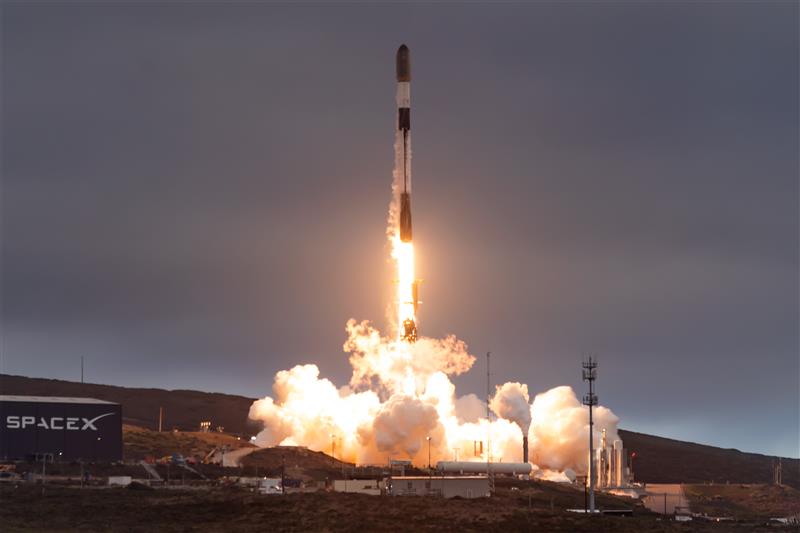
USSF-627
Provider: SpaceX
Date: November 11, 2026
Time: 2:49 AM UTC
Vehicle: Falcon 9
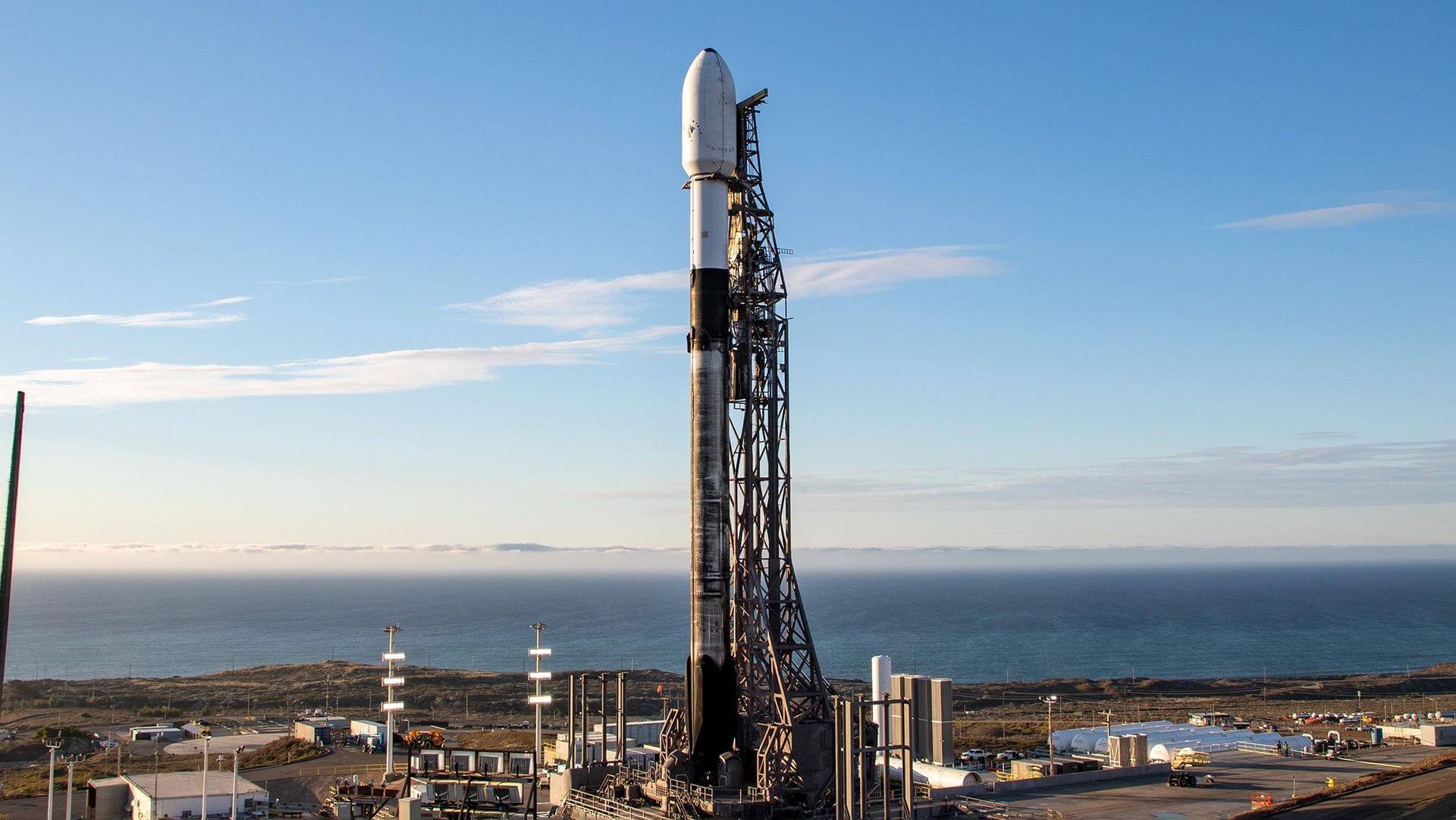
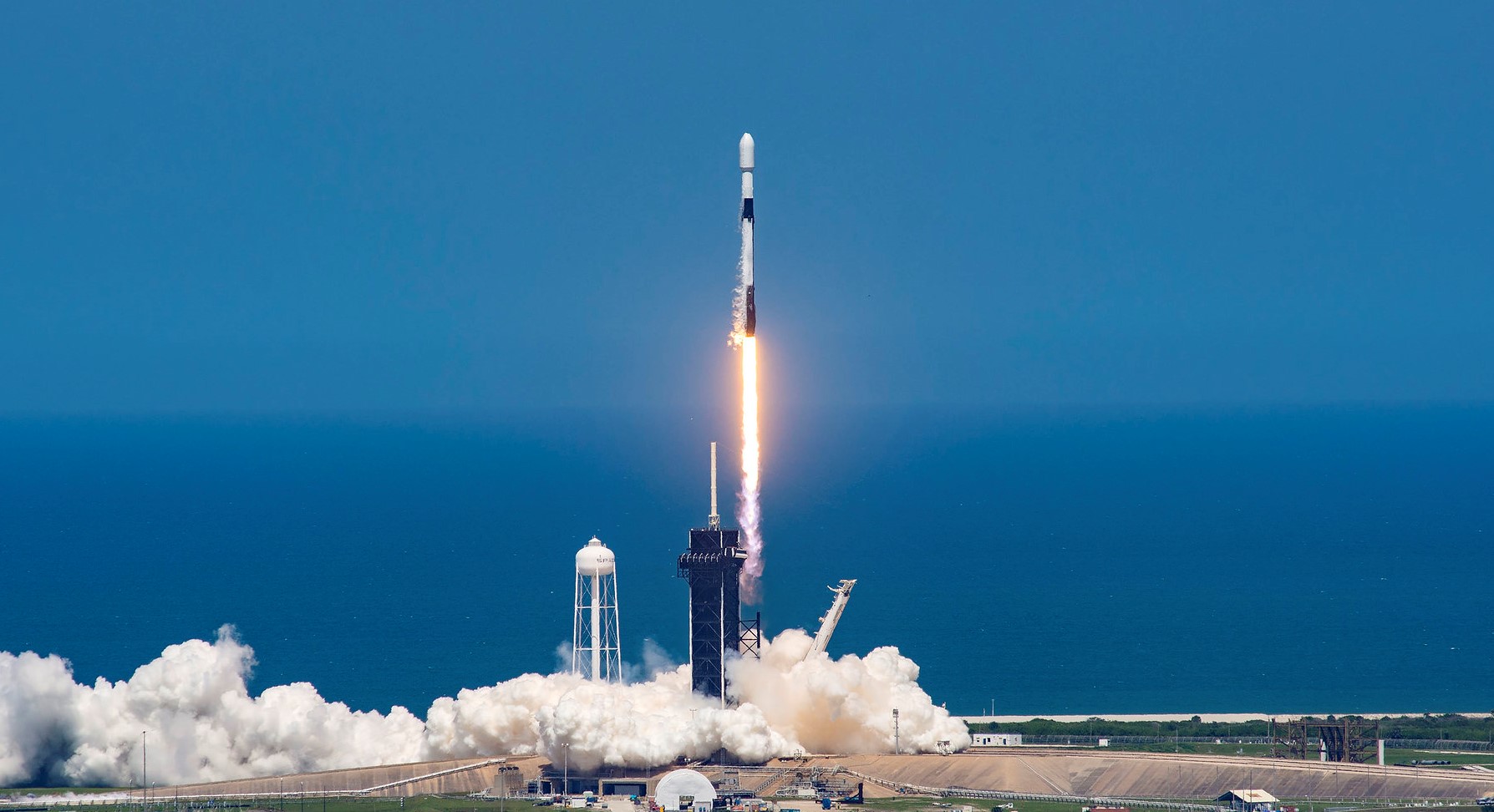
A classified mission for the United States Space Force. It is possibly a batch of classified LEO satellites based on SpaceX’s Starshield satellite bus, based on locations of rocket stage drop zones being exact fits with previous Starlink Group 15 launches.
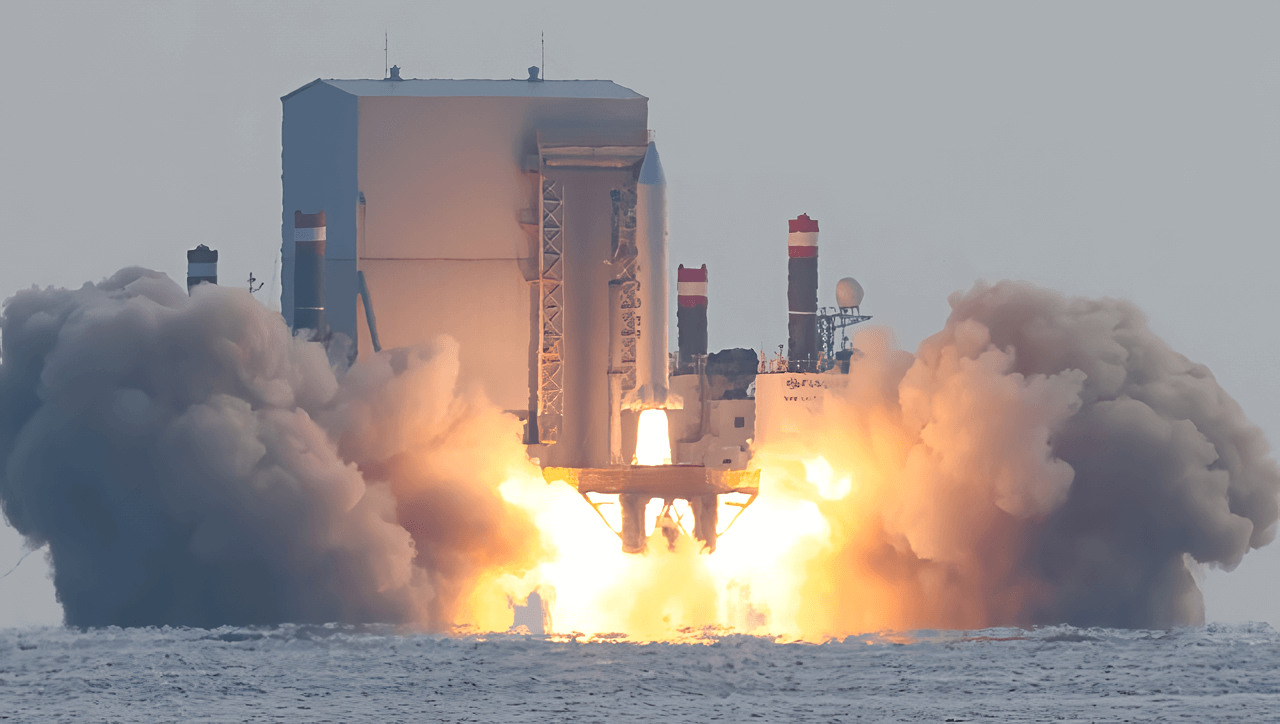
Demo Flight
Provider: Agency for Defense Development
Date: November 11, 2026
Time: 5:00 AM UTC
Vehicle: Mir
Note: Launch vehicle name is provisional.
First orbital full version launch of the South Korean military small satellite launch vehicle, after 2 sub-orbital tests of individual stages on 30 March and 30 December 2022, and 1 orbital test flight without the 2nd stage on 4 December 2023. Details TBD.
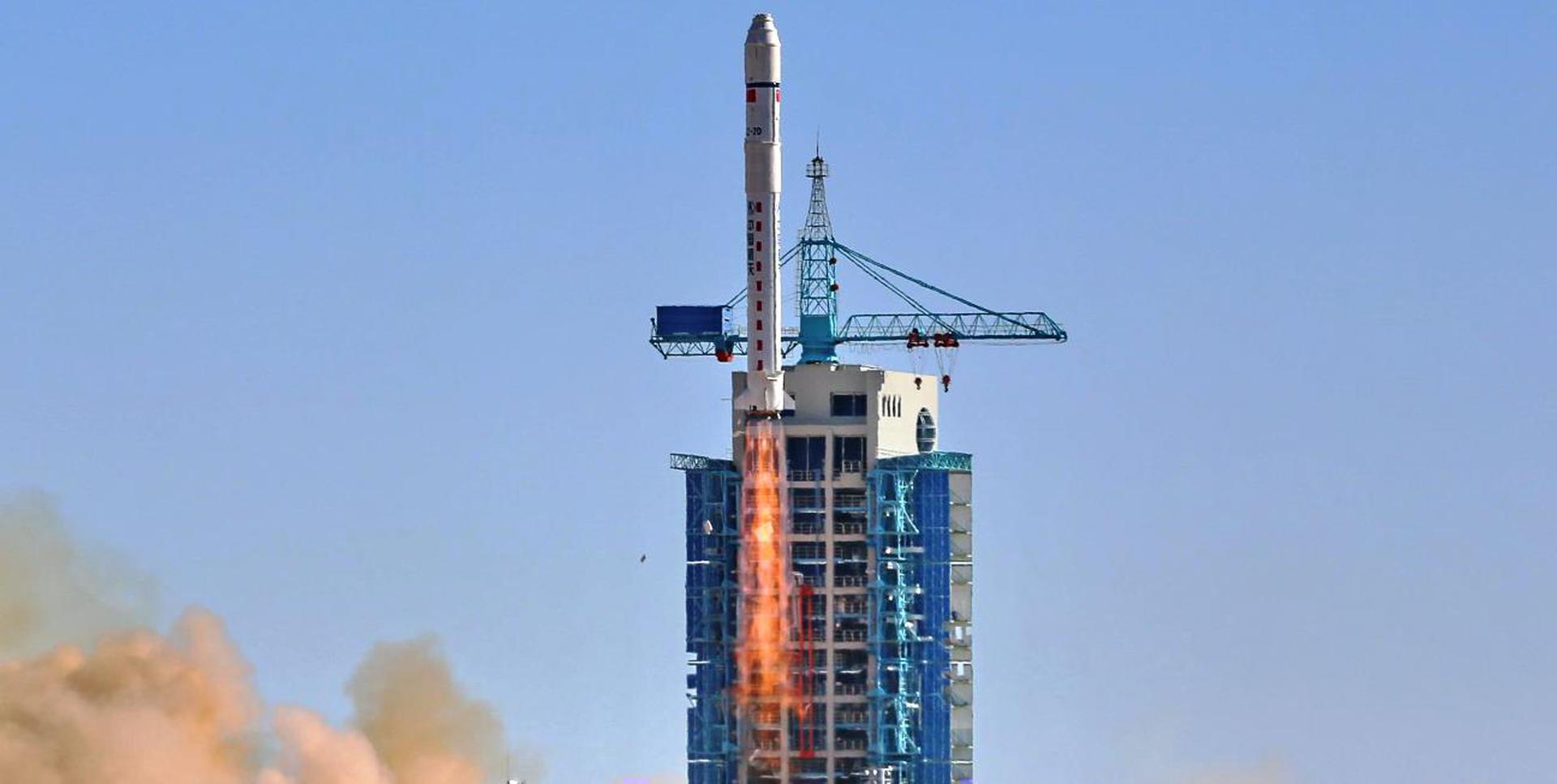
Unknown Payload
Provider: China Aerospace Science and Technology Corporation
Date: November 11, 2026
Time: 11:40 AM UTC
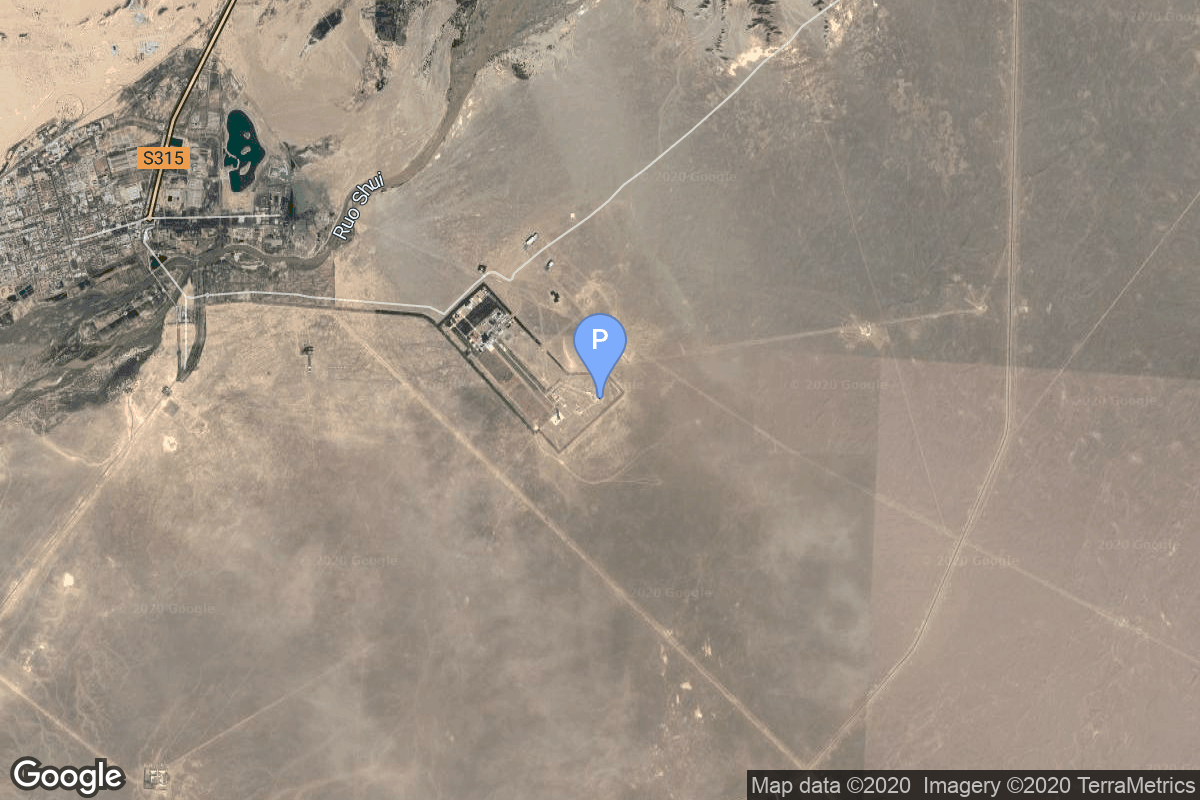
Vehicle: Long March 2D
Details TBD.
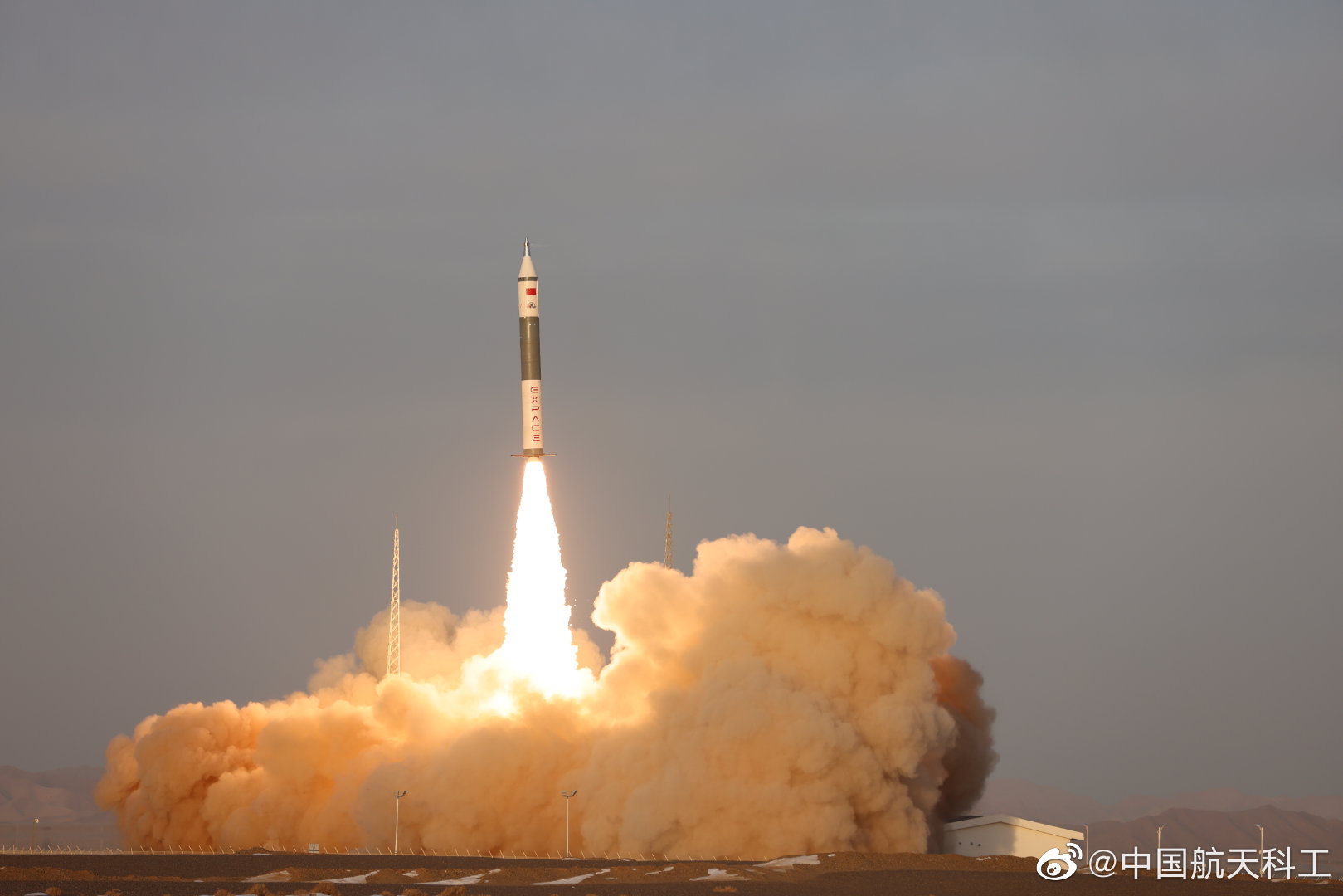
Unknown Payload
Provider: ExPace
Date: November 12, 2026
Time: 7:50 PM UTC
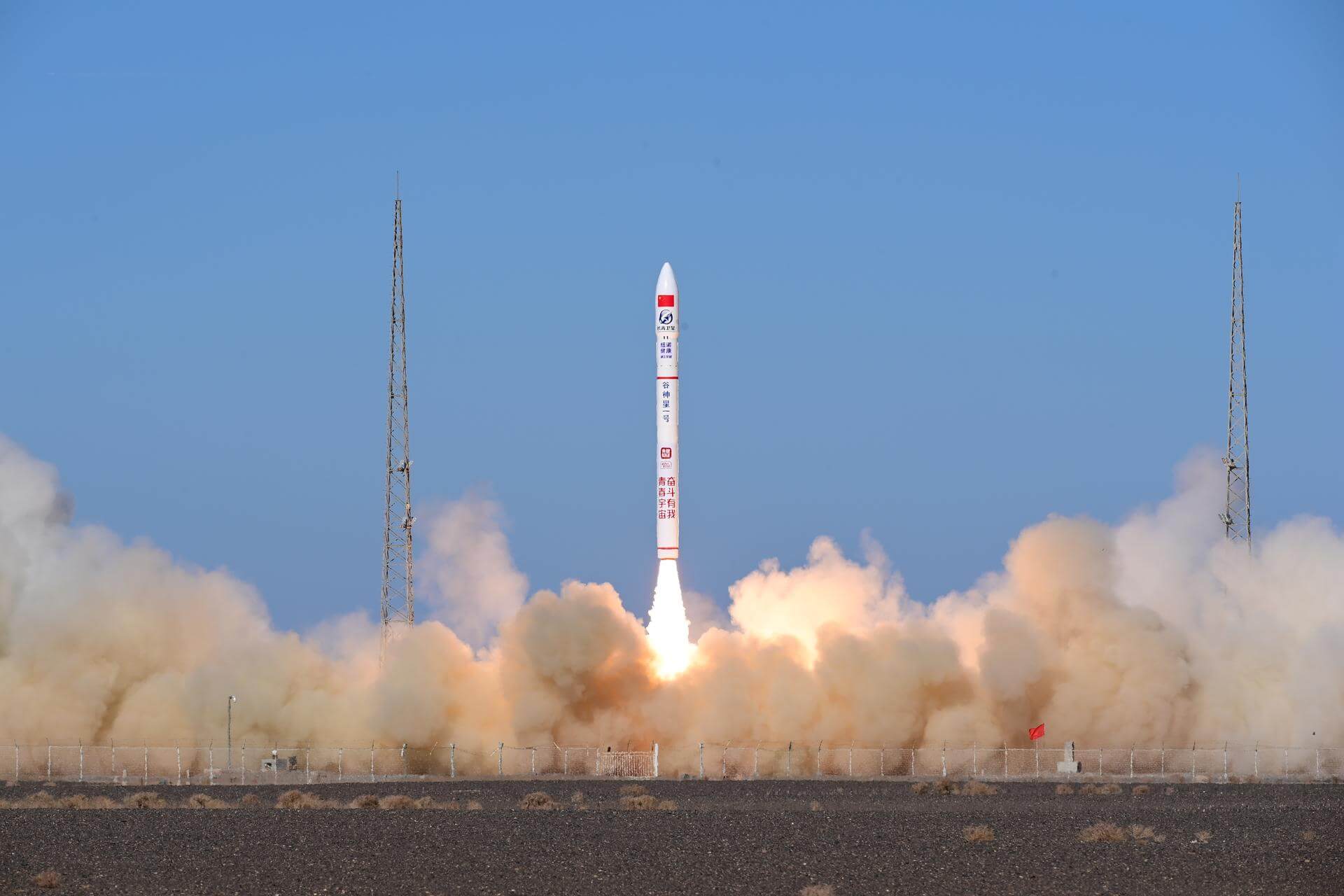
Vehicle: Kuaizhou 11
Details TBD.
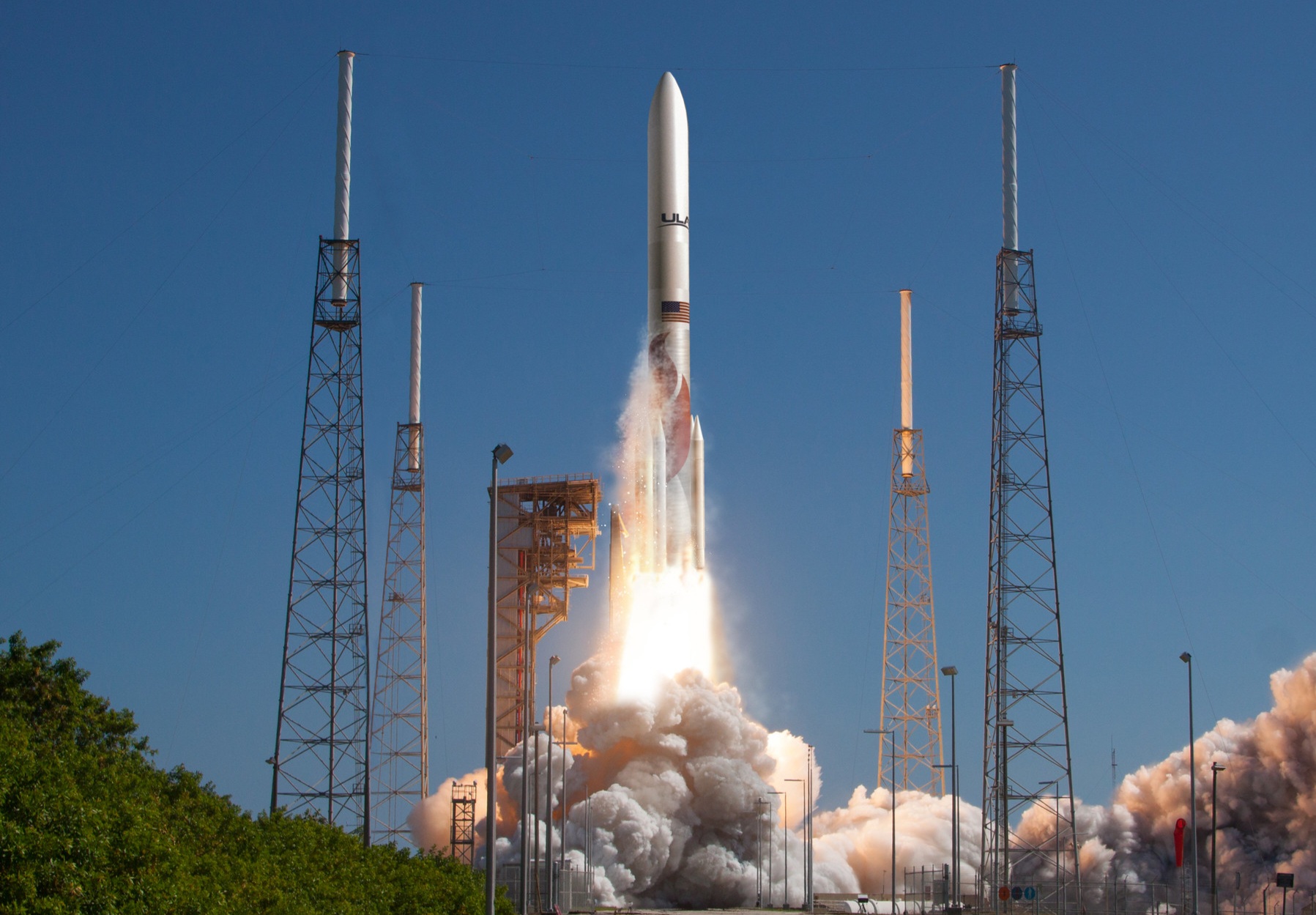
Amazon Leo (LV-01)
Provider: United Launch Alliance
Date: November 13, 2026
Time: 5:54 PM UTC
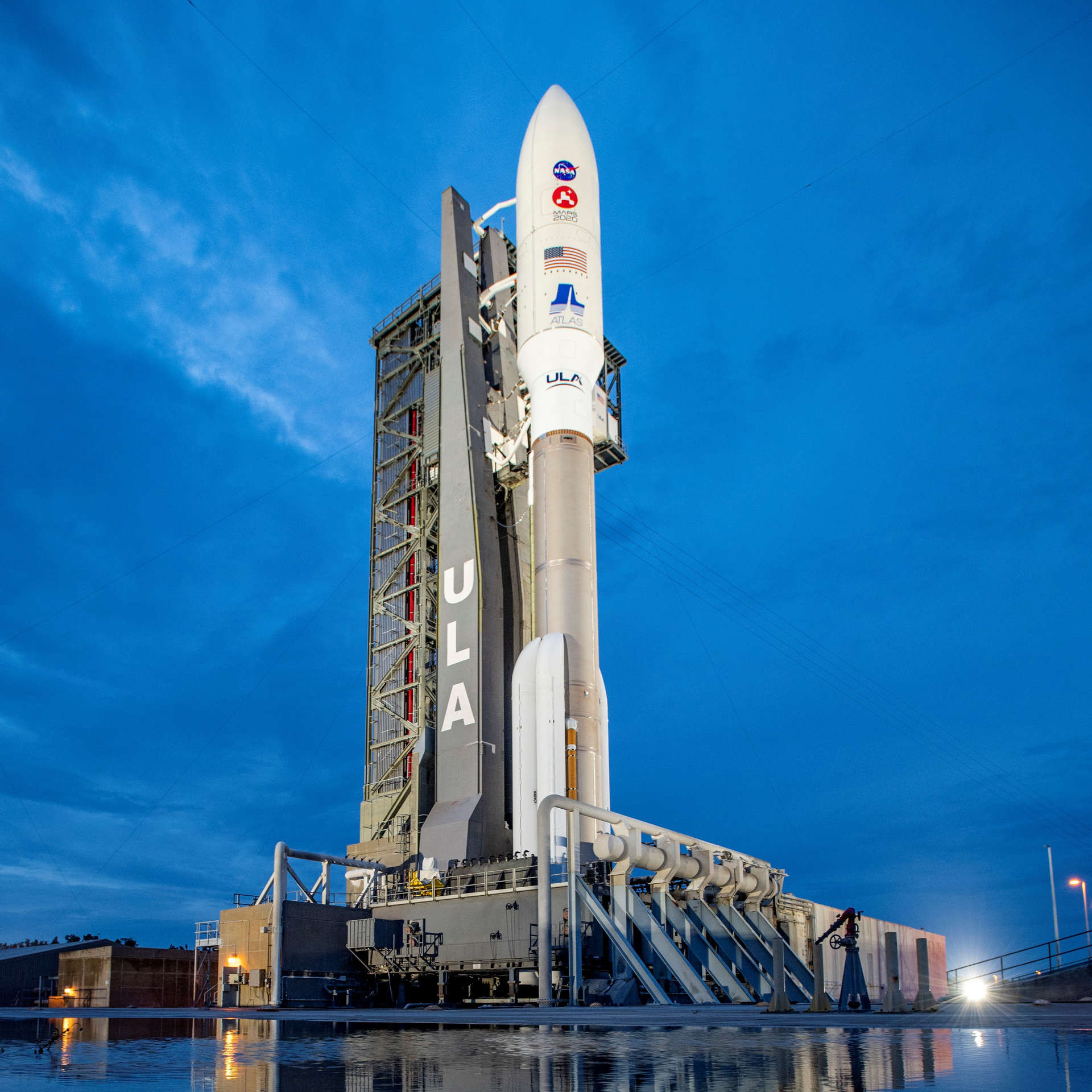
Vehicle: Vulcan VC6L
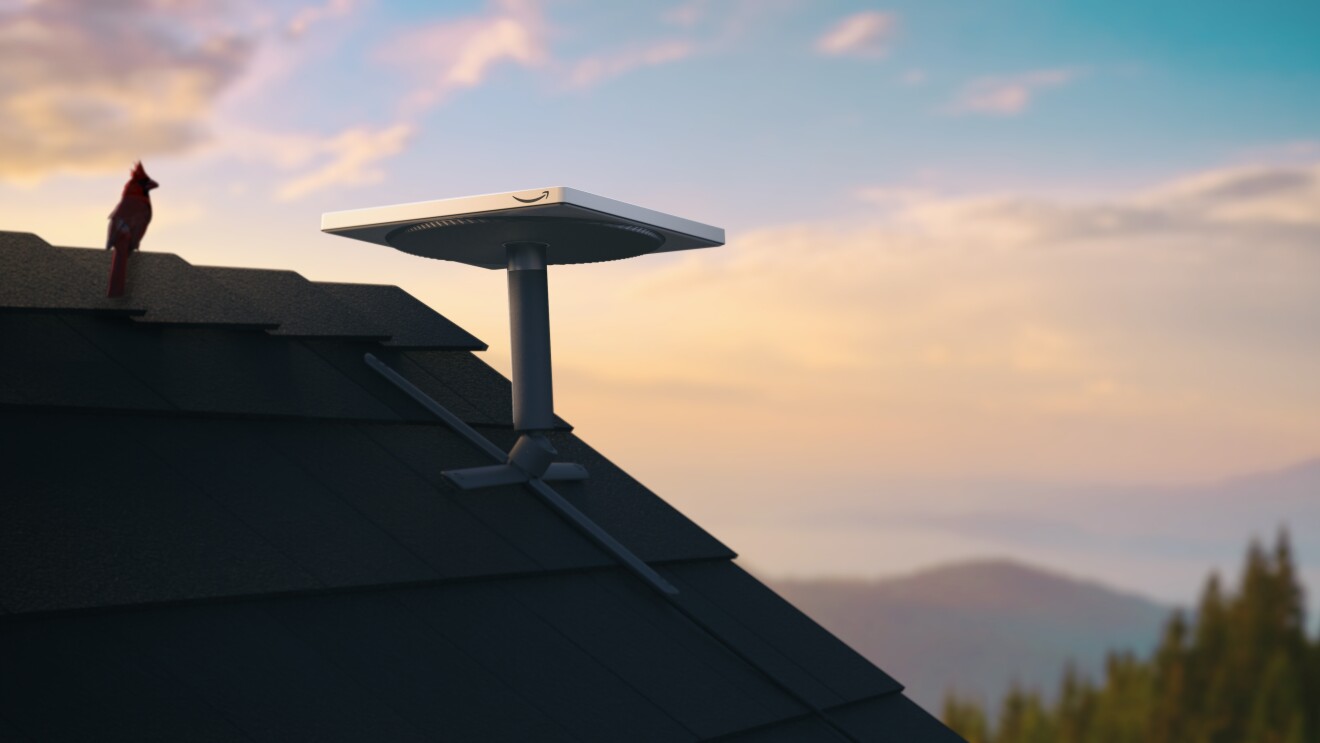
Amazon Leo, formerly known as Project Kuiper, is a mega constellation of satellites in Low Earth Orbit that will offer broadband internet access, this constellation will be managed by Kuiper Systems LLC, a subsidiary of Amazon. This constellation is planned to be composed of 3,276 satellites. The satellites are projected to be placed in 98 orbital planes in three orbital layers, one at 590 km, 610 km and 630 km altitude.
45 satellites will be carried on each Vulcan launch.






Enjoying the content? Stay up to date on everything happening behind the scenes by following our Patreon!


Leave a Reply