LUNR Aerospace Lists on Canadian Securities Exchange
Toronto startup LUNR Aerospace, which wants to launch small satellites to orbit by 2029, came out of stealth by listing its shares on the Canadian Securities Exchange on Oct. 27 under the symbol FLY. The company filed a prospectus but didn’t sell any new shares, so the listing didn’t raise any new funds. LUNR chose a direct listing over a reverse takeover, and its prospectus noted that private funding rounds were raised without a broker because of “little to no registered dealer interest” in companies at its stage. The company hired the brokerage Hampton Securities in August to review the prospectus and sign it as agent.
Chief executive Jeanue Chung, 22, began working on the idea in early 2024 while studying astronomy and astrophysics at the University of Toronto. He incorporated the company federally as LUNR Innovations Inc. on April 1, 2025, and renamed it LUNR Aerospace in June 2025. In the CSE’s announcement, Chung called the listing “a significant milestone in LUNR’s journey to advance sovereign Canadian access to space.”
LUNR’s advisers include Tony Clement, the former federal industry minister, and Dean Misterek, who spent 18 years at Blue Origin as a launch vehicle architect and chief engineer. They receive no salary but can be granted stock options.
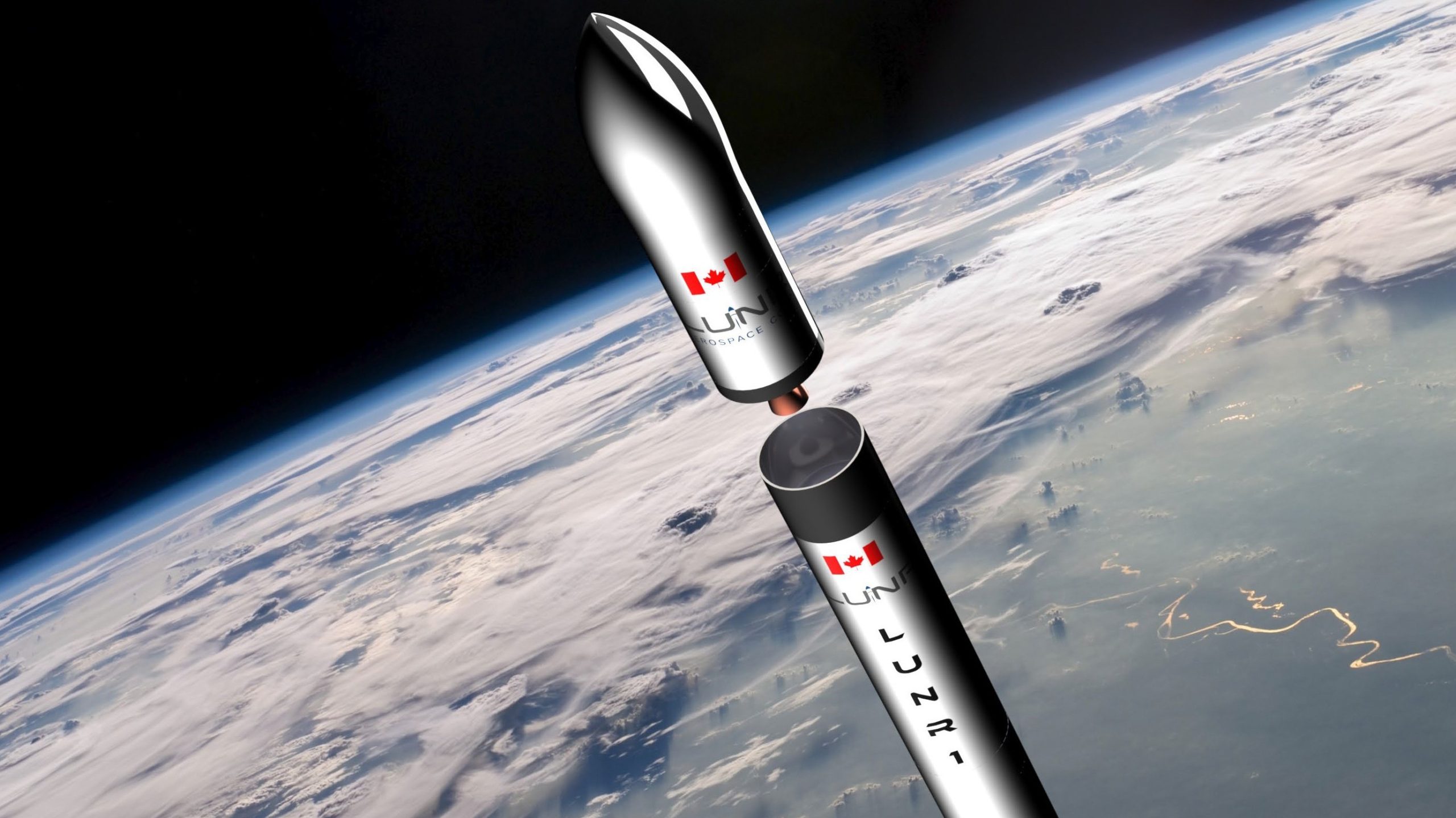
In an October investor presentation, LUNR described LUNR-01 as a two-stage rocket about 20 metres tall that burns methane and liquid oxygen. Its first stage would carry five engines fed by electric pumps and is designed to be recovered and flown again. LUNR-01 would carry 250 to 350 kilograms to low Earth orbit, with a 2029 target. A larger LUNR-02, meant to lift more than 2,000 kilograms, would follow in 2032.
Kutryk Installs Final Solar Array on Space Station
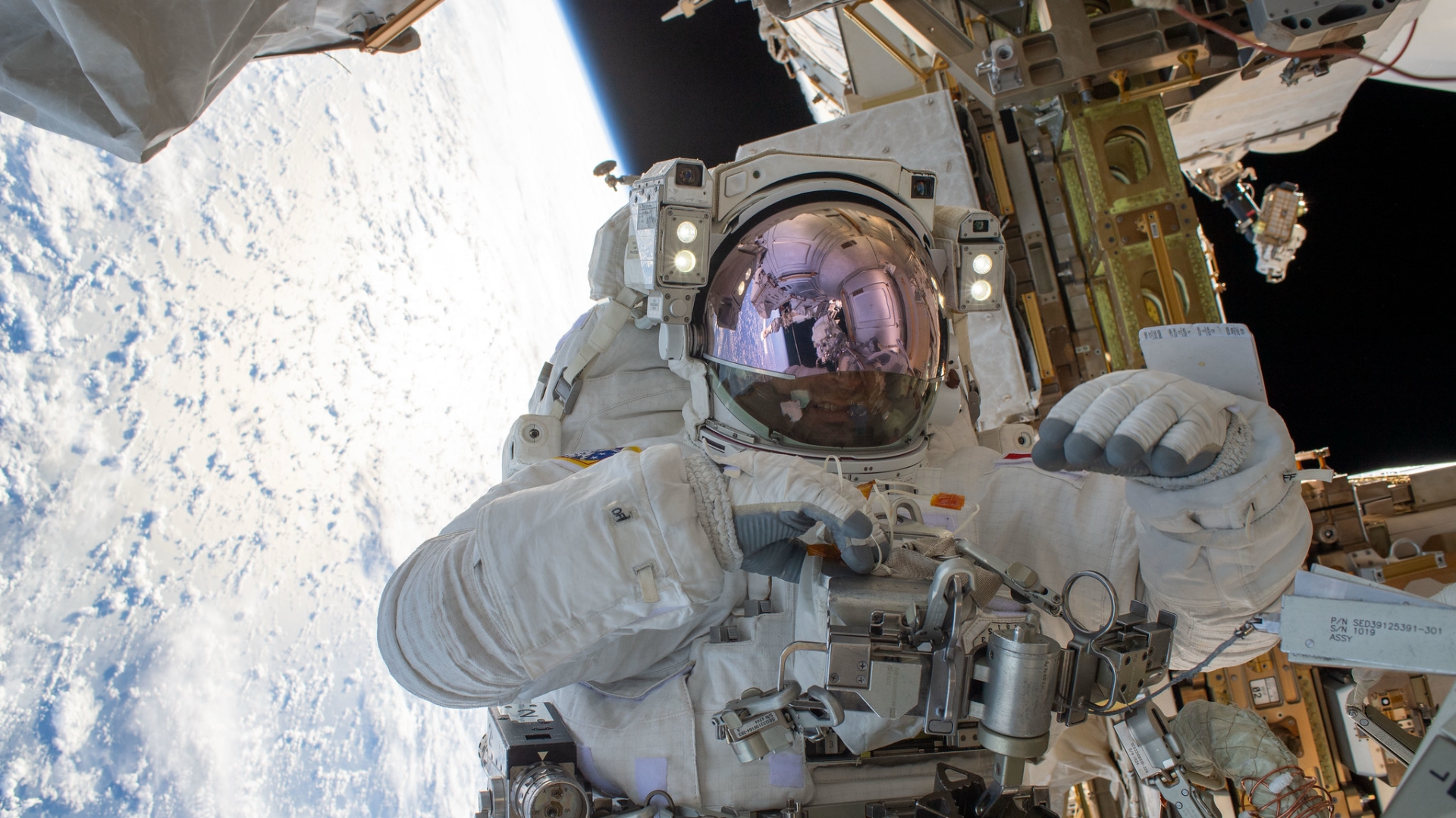
CSA astronaut Joshua Kutryk and NASA’s Anil Menon installed the International Space Station’s eighth and final new solar array on Nov. 5, finishing an upgrade to the station’s power system that began in 2021. Together, the eight roll-out arrays lift the station’s power-generation capacity by about 30 per cent, to about 215 kilowatts, NASA said.
Kutryk was the lead spacewalker on Nov. 5, wearing the suit with red stripes. His two spacewalks, including a seven-hour, 11-minute outing on Oct. 29, now total about 14 hours, about three and a half hours short of the Canadian record set by Dave Williams over three spacewalks in 2007.
“It was a good one,” Kutryk said from the Quest airlock in the final minutes of the outing. “It was so impressive to see the team respond, and get us to where we needed to be, despite the challenges that we encountered along the way.”
CSA astronaut Jenni Gibbons served as the capsule communicator in mission control in Houston, talking to the spacewalkers through each step. Teams at the CSA in Longueuil, Que., supported the operation from the ground. The original Canadarm also had its own moment on Nov. 4, when the federal government unveiled a plaque at the Canada Aviation and Space Museum in Ottawa recognizing the arm’s first deployment in space, aboard the space shuttle Columbia in 1981, as a national historic event.
RFA Confirms First RFA ONE Launch Slips to 2027
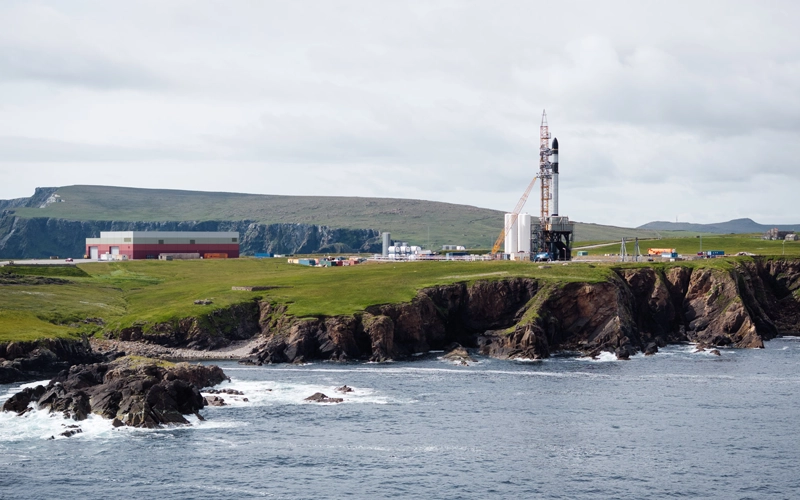
German launch company Rocket Factory Augsburg (RFA) has confirmed that it is now targeting 2027 for the inaugural flight of its RFA ONE rocket from the SaxaVord launch facility in Scotland. The revised target was announced in a LinkedIn post on Nov. 3, marking the first time RFA has publicly acknowledged a 2027 launch target since the rocket planned for the flight was destacked for an investigation. The company has not yet provided a more specific launch window.
RFA announced in March that it had delivered the first and second stages of RFA ONE to SaxaVord, with an inaugural flight planned for the summer. The vehicle was fully integrated and stacked on the launch pad in July ahead of a planned first-stage static fire test. On July 28, RFA announced it had encountered an issue during testing that required the vehicle to be de-stacked for further investigation. The setback resulted in the cancellation of a five-week launch window scheduled to open on Aug. 10.
During an earnings call on Aug. 6, Marco Fuchs, CEO of RFA’s majority shareholder OHB, which holds a 65.1% stake in the launch company, stated that “the first test flight is still planned for later this year.” Fuchs explained that the rocket had been returned to the integration hall to allow engineers to re-examine its tanks, but acknowledged the possibility that additional delays could arise.
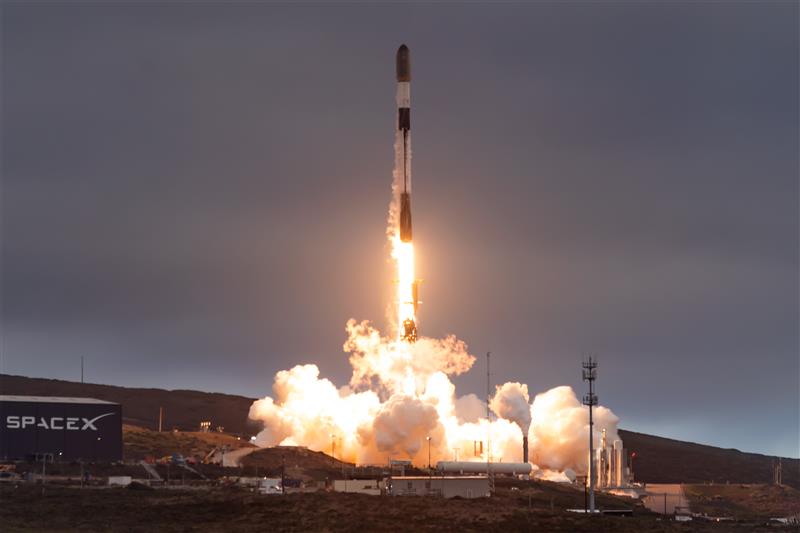
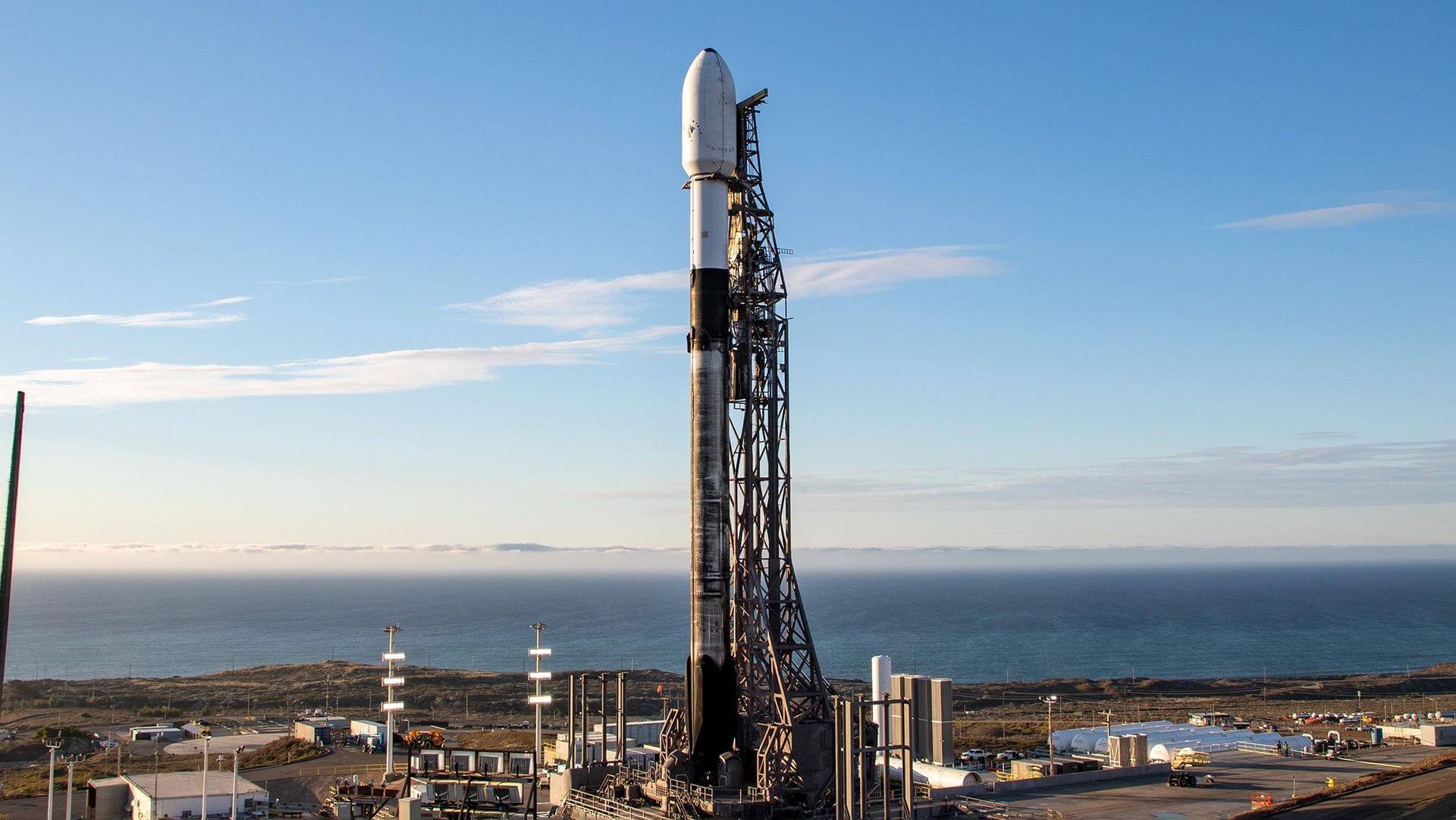
Provider: SpaceX Date: November 10, 2026 Time: 3:03 AM UTC Vehicle: Falcon 9
A classified mission for the United States Space Force. It is possibly a batch of classified LEO satellites based on SpaceX’s Starshield satellite bus, based on locations of rocket stage drop zones being exact fits with previous Starlink Group 15 launches.
Demo Flight
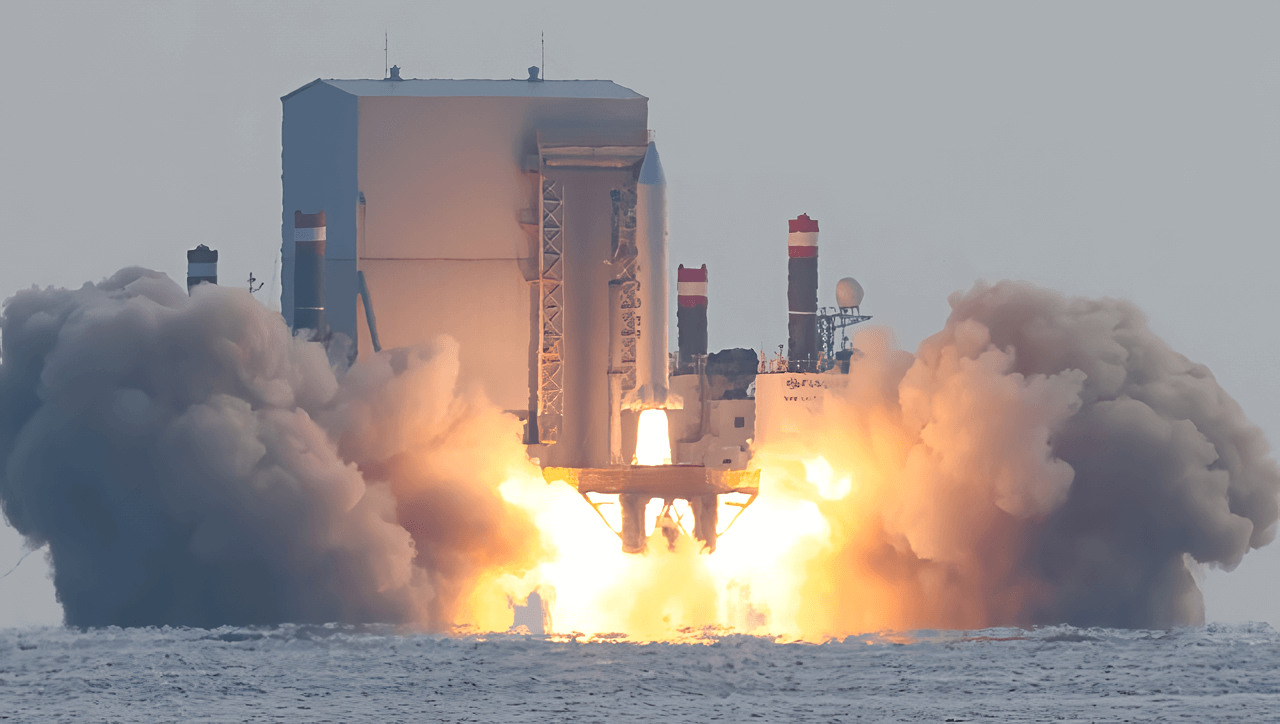
Provider: Agency for Defense Development Date: November 11, 2026 Time: 5:00 AM UTC Vehicle: Mir
Note: Launch vehicle name is provisional.
First orbital full version launch of the South Korean military small satellite launch vehicle, after 2 sub-orbital tests of individual stages on 30 March and 30 December 2022, and 1 orbital test flight without the 2nd stage on 4 December 2023. Details TBD.
Unknown Payload
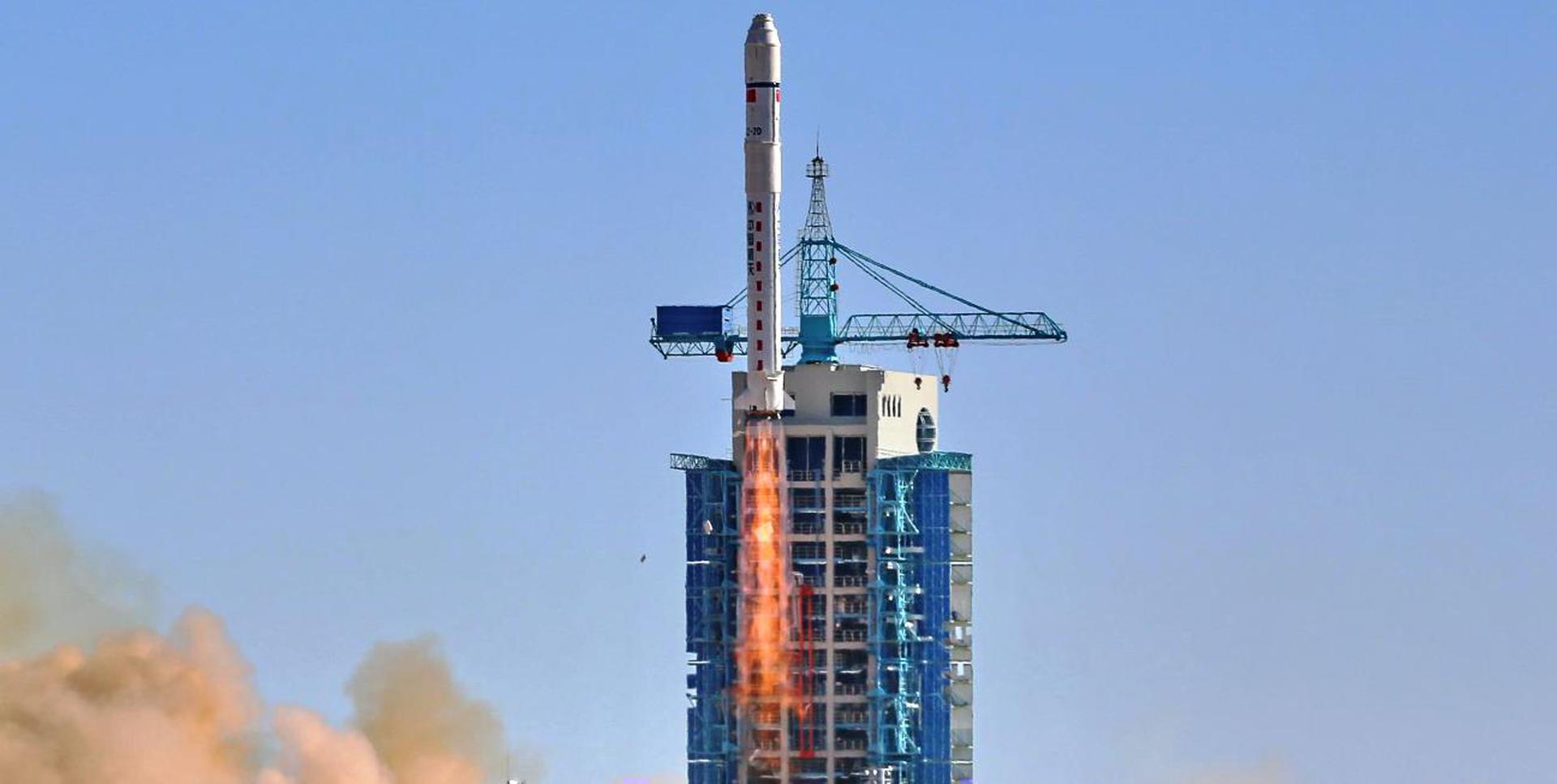
Provider: China Aerospace Science and Technology Corporation Date: November 11, 2026 Time: 11:40 AM UTC Vehicle: Long March 2D
Details TBD.
USSF-317
Provider: SpaceX Date: November 13, 2026 Time: 4:23 AM UTC Vehicle: Falcon 9
A classified mission for the United States Space Force. It is possibly a batch of classified LEO satellites based on SpaceX’s Starshield satellite bus, based on locations of rocket stage drop zones being exact fits with previous Starlink Group 15 launches.
Amazon Leo (LV-01)
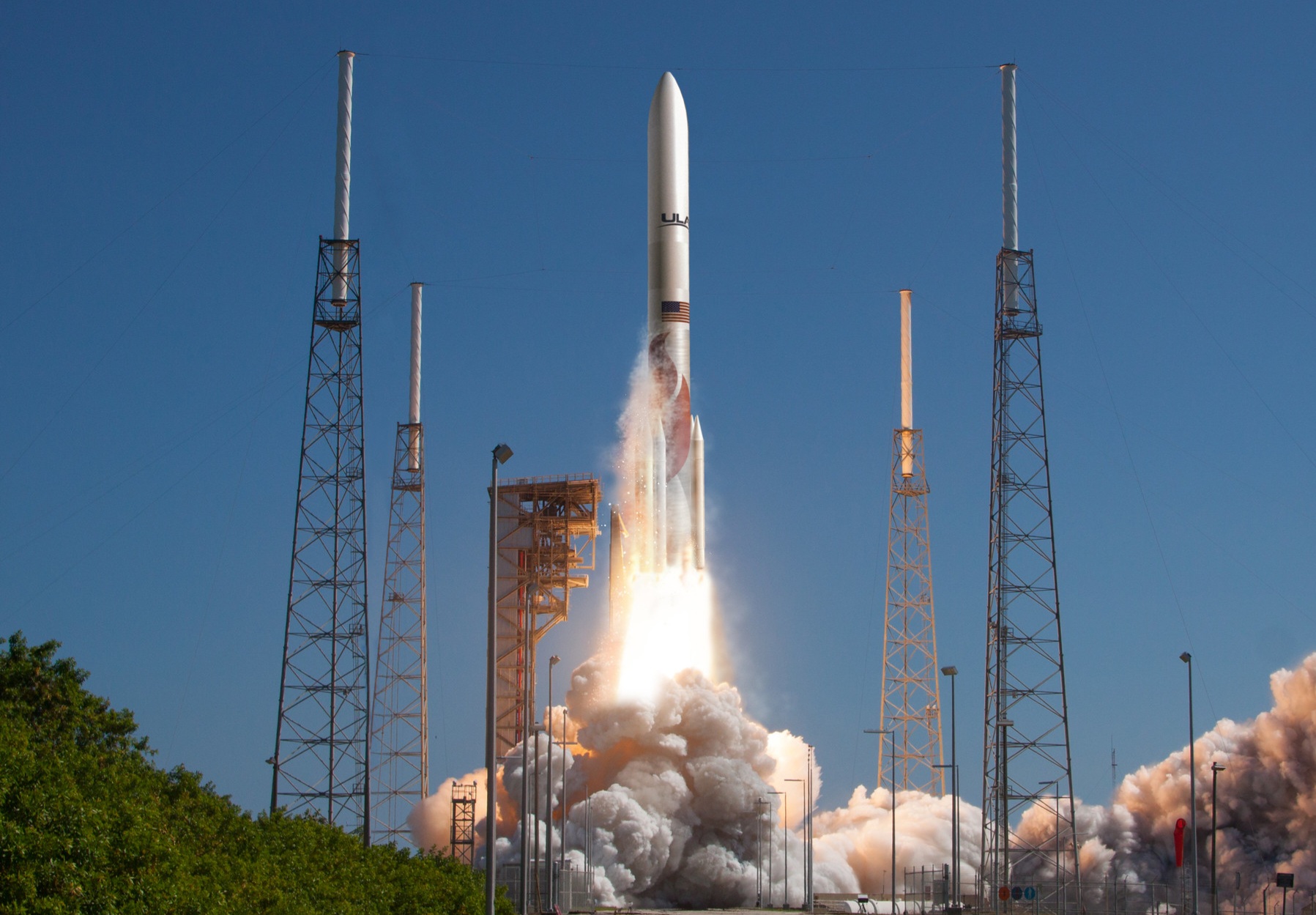
Provider: United Launch Alliance Date: November 13, 2026 Time: 5:54 PM UTC Vehicle: Vulcan VC6L
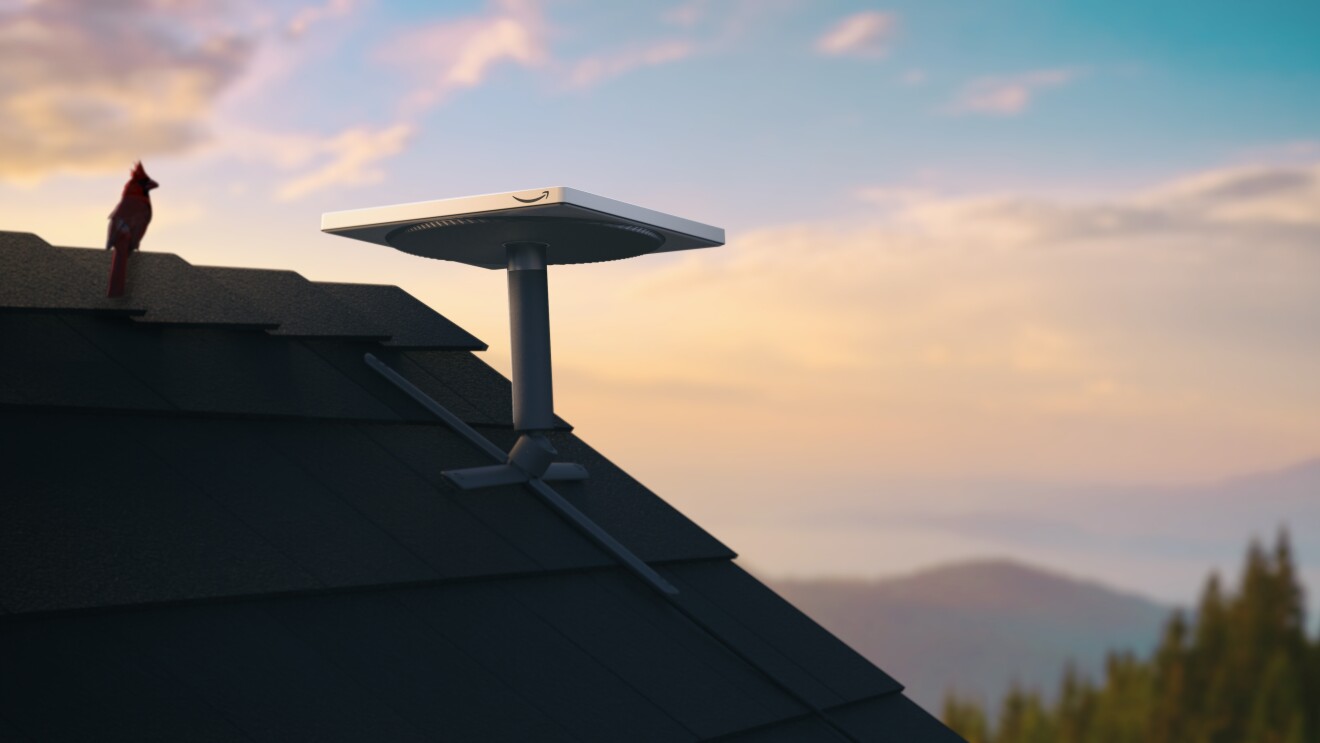
Amazon Leo, formerly known as Project Kuiper, is a mega constellation of satellites in Low Earth Orbit that will offer broadband internet access, this constellation will be managed by Kuiper Systems LLC, a subsidiary of Amazon. This constellation is planned to be composed of 3,276 satellites. The satellites are projected to be placed in 98 orbital planes in three orbital layers, one at 590 km, 610 km and 630 km altitude.
45 satellites will be carried on each Vulcan launch.
USSF-627 ×
Mission Details
TypeGovernment/Top Secret
OrbitLow Earth Orbit
TargetEarth
A classified mission for the United States Space Force. It is possibly a batch of classified LEO satellites based on SpaceX’s Starshield satellite bus, based on locations of rocket stage drop zones being exact fits with previous Starlink Group 15 launches.
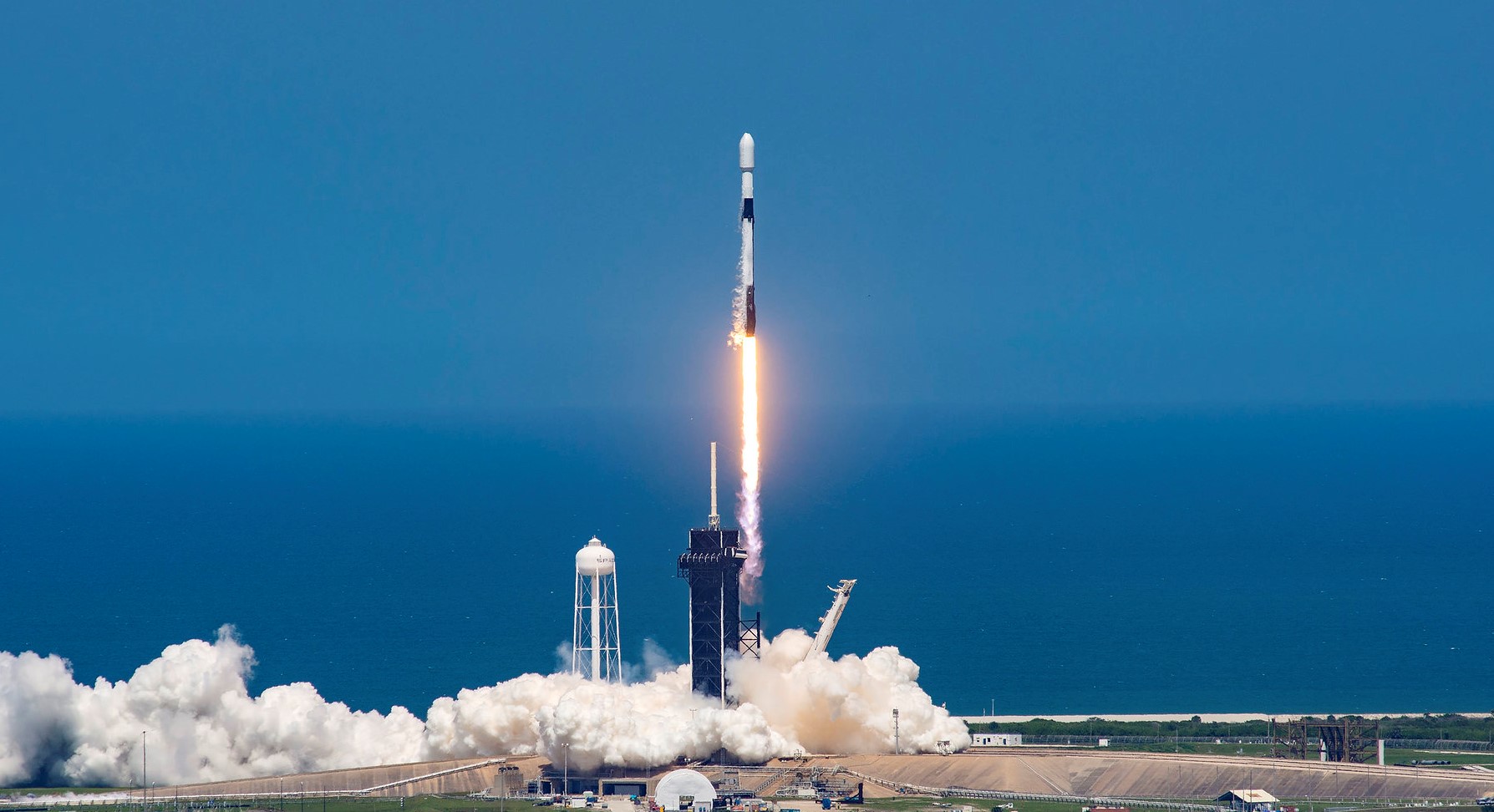
Falcon 9 is a two-stage rocket designed and manufactured by SpaceX for the reliable and safe transport of satellites and the Dragon spacecraft into orbit. The Block 5 variant is the fifth major interval aimed at improving upon the ability for rapid reusability.
The Falcon 9 first stage B1103 will land on ASDS OCISLY after its 7th flight.
Demo Flight ×
Mission Details
TypeTest Flight
OrbitLow Earth Orbit
TargetEarth
Note: Launch vehicle name is provisional.
First orbital full version launch of the South Korean military small satellite launch vehicle, after 2 sub-orbital tests of individual stages on 30 March and 30 December 2022, and 1 orbital test flight without the 2nd stage on 4 December 2023. Details TBD.
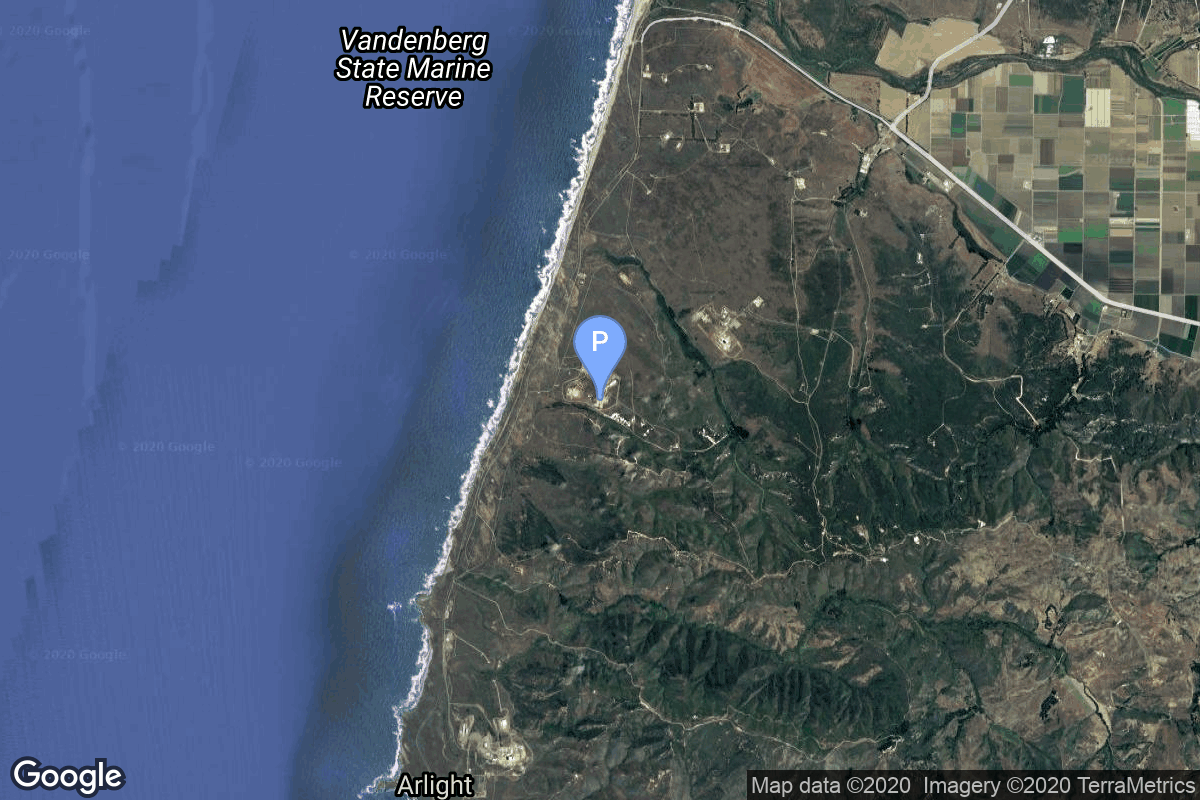
Offshore launch platform for the South Korean military small satellite launch vehicle.
Total launches from this pad: 1
Vehicle: Mir
Mir (Korean for a kind of dragon, and previously only known as “Solid-fuel space launch vehicle”) is a South Korean military developed small satellite launch vehicle for “quick response” usage. First orbital test launch in December 2023 omits the 2nd stage but still carries satellite into orbit.
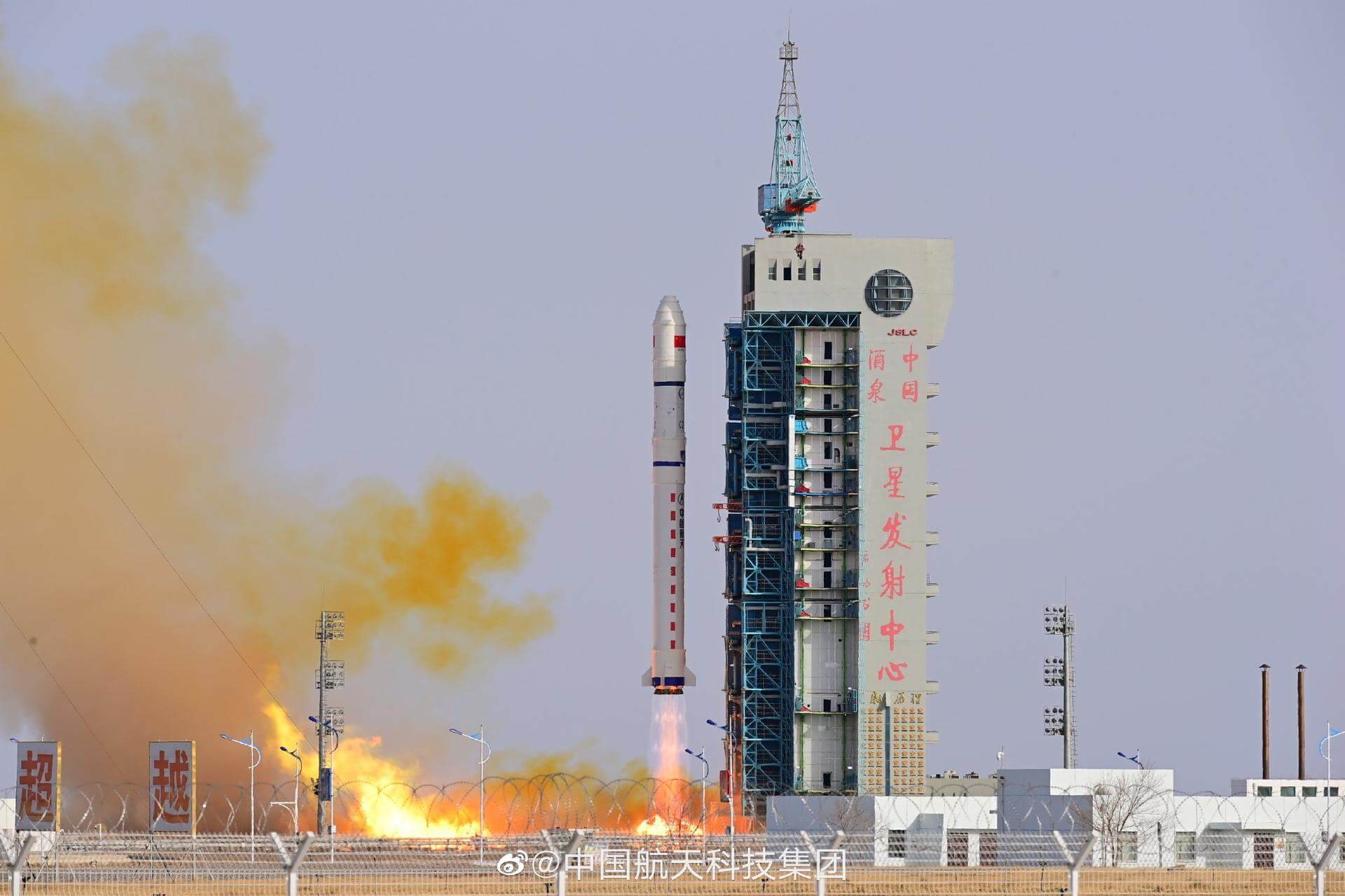
The Long March 2D, also known as the Chang Zheng 2D, CZ-2D and LM-2D, is a Chinese orbital carrier rocket. It is a 2-stage carrier rocket mainly used for launching LEO and SSO satellites.
A classified mission for the United States Space Force. It is possibly a batch of classified LEO satellites based on SpaceX’s Starshield satellite bus, based on locations of rocket stage drop zones being exact fits with previous Starlink Group 15 launches.
Falcon 9 is a two-stage rocket designed and manufactured by SpaceX for the reliable and safe transport of satellites and the Dragon spacecraft into orbit. The Block 5 variant is the fifth major interval aimed at improving upon the ability for rapid reusability.
The Falcon 9 first stage B1100 will land on ASDS OCISLY after its 11th flight.
Amazon Leo (LV-01) ×
Mission Details
TypeCommunications
OrbitLow Earth Orbit
TargetEarth
Amazon Leo, formerly known as Project Kuiper, is a mega constellation of satellites in Low Earth Orbit that will offer broadband internet access, this constellation will be managed by Kuiper Systems LLC, a subsidiary of Amazon. This constellation is planned to be composed of 3,276 satellites. The satellites are projected to be placed in 98 orbital planes in three orbital layers, one at 590 km, 610 km and 630 km altitude.
45 satellites will be carried on each Vulcan launch.
Amazon Leo is a satellite internet constellation aimed at providing high-speed, low-latency broadband connectivity to underserved and remote areas globally. The project involves deploying a constellation of low Earth orbit (LEO) satellites to create a satellite internet network capable of delivering reliable internet access.
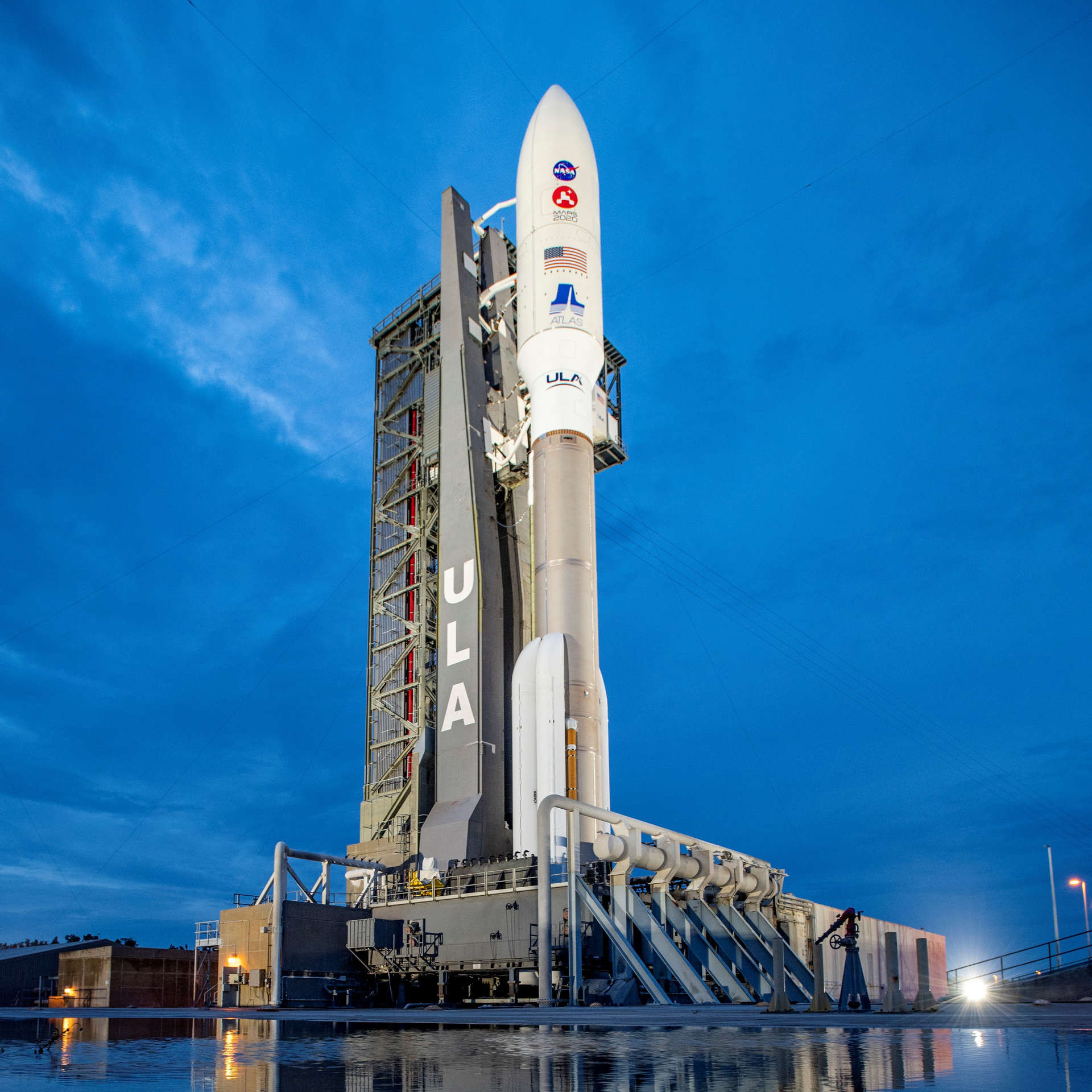
Vulcan Centaur is a two-stage-to-orbit, heavy-lift launch vehicle under development by United Launch Alliance (ULA) since 2014. It is principally designed to meet launch demands for the U.S. government’s National Security Space Launch (NSSL) program for use by the United States Space Force and U.S….
Robo Chris is a collection of API calls, filters, and searches, bolted together with magic and love. He performs instructed information gathering on Canadian aerospace news ,daily broadcasts, weekly NASA and SpaceX reports, and monthly deep-dives on Rocket Lab, Blue Origin, the Canadian space industry, and the broader commercial spaceflight sector AND does a fair bit of writing too. Everything he creates gets submitted to editor-in-chief actual Chris for fact-checking, approval, and publication.









Leave a Reply