
GHGSat Investment Secured, 20 Canadian Firms Head to Europe
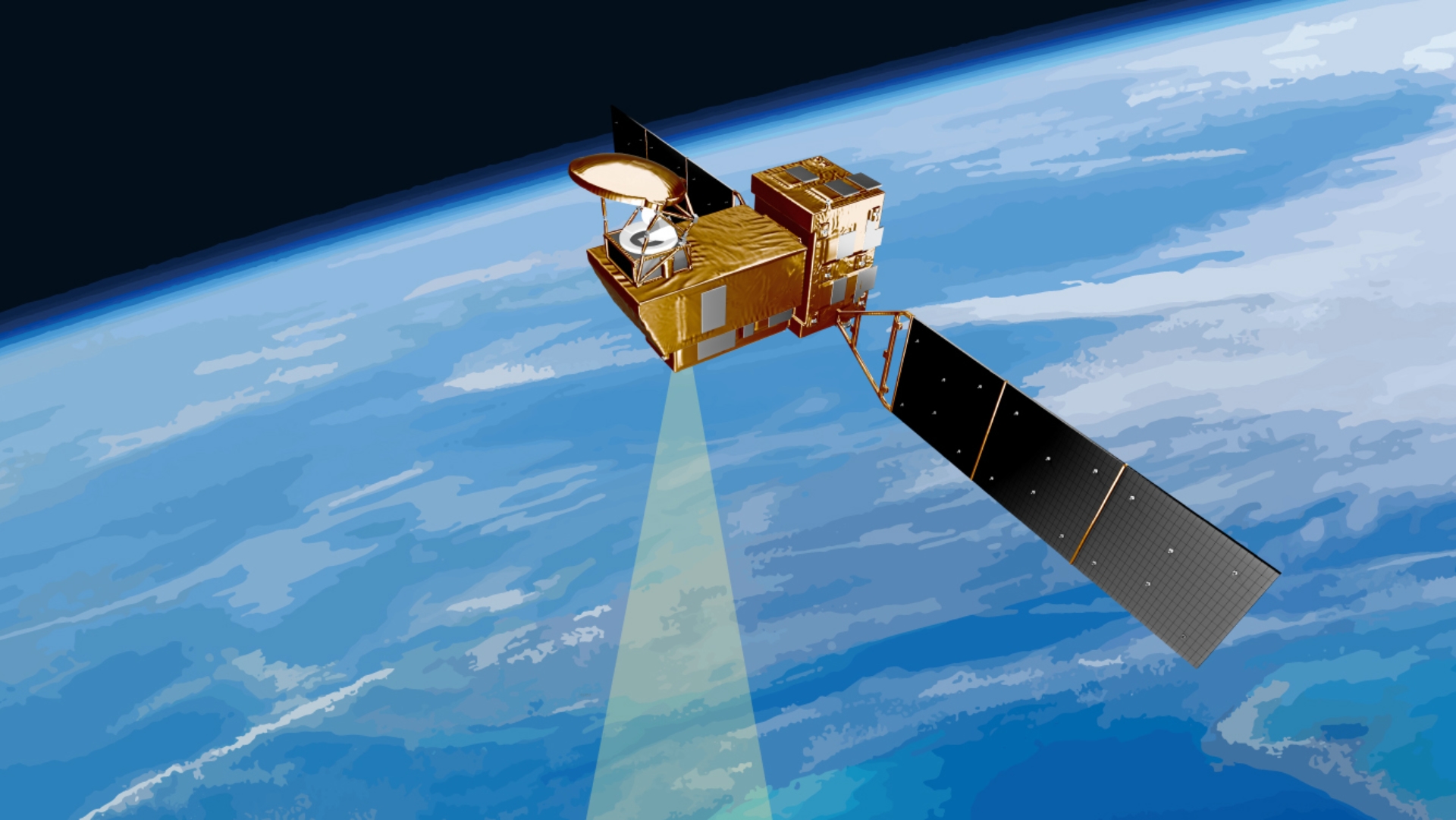
GHGSat Secures Investment for Methane-Tracking Service
Montreal-based GHGSat announced Nov. 5 that Mitsubishi Electric, MUFG Bank, and London’s Climate Investment have invested in the company. The funds are tied to a methane-tracking service built around a Japanese government satellite.
The three investors bought convertible notes in October — loans that turn into shares later, usually when a company next raises money. GHGSat did not say how much they put in. The company last raised money in September 2025, when it announced $47 million in loans and convertible notes.
Mitsubishi Electric, MUFG Bank, and GHGSat have worked on the service since late 2024, along with Tokyo’s Satellite Data Services. The service relies on GOSAT-GW, a Japanese government satellite that tracks greenhouse gases and the water cycle. Mitsubishi Electric built the satellite, and it launched in June 2025.
GOSAT-GW scans large areas for signs of greenhouse gas. When it spots a likely leak, the location goes to GHGSat’s satellites, which take a much closer look and can trace methane to a single plant.
Japan’s energy and metals security agency, JOGMEC, hired Mitsubishi Electric in June to test the system on real sites through March 2027, with GHGSat supplying the satellite data and analysis. Mitsubishi Electric is also studying joint tests at natural gas and liquefied natural gas (LNG) production sites. Methane is the main ingredient of natural gas and traps far more heat than carbon dioxide.
Mitsubishi Electric invested through its venture capital fund, and the money counts as green financing under rules GHGSat drew up with the bank’s help. Climate Investment has backed GHGSat since 2018.
Mitsubishi Electric plans to show the service at Japan’s pavilion at the COP31 climate talks in Antalya, Turkey, which open Nov. 9. It aims eventually to sell the service to companies and local governments that want to see where their emissions are coming from.
Twenty Canadian Space Companies Head to Europe
Twenty Canadian space companies and organisations will show their technology to European buyers and partners at Space Tech Expo Europe in Bremen, Germany, Nov. 17-19.
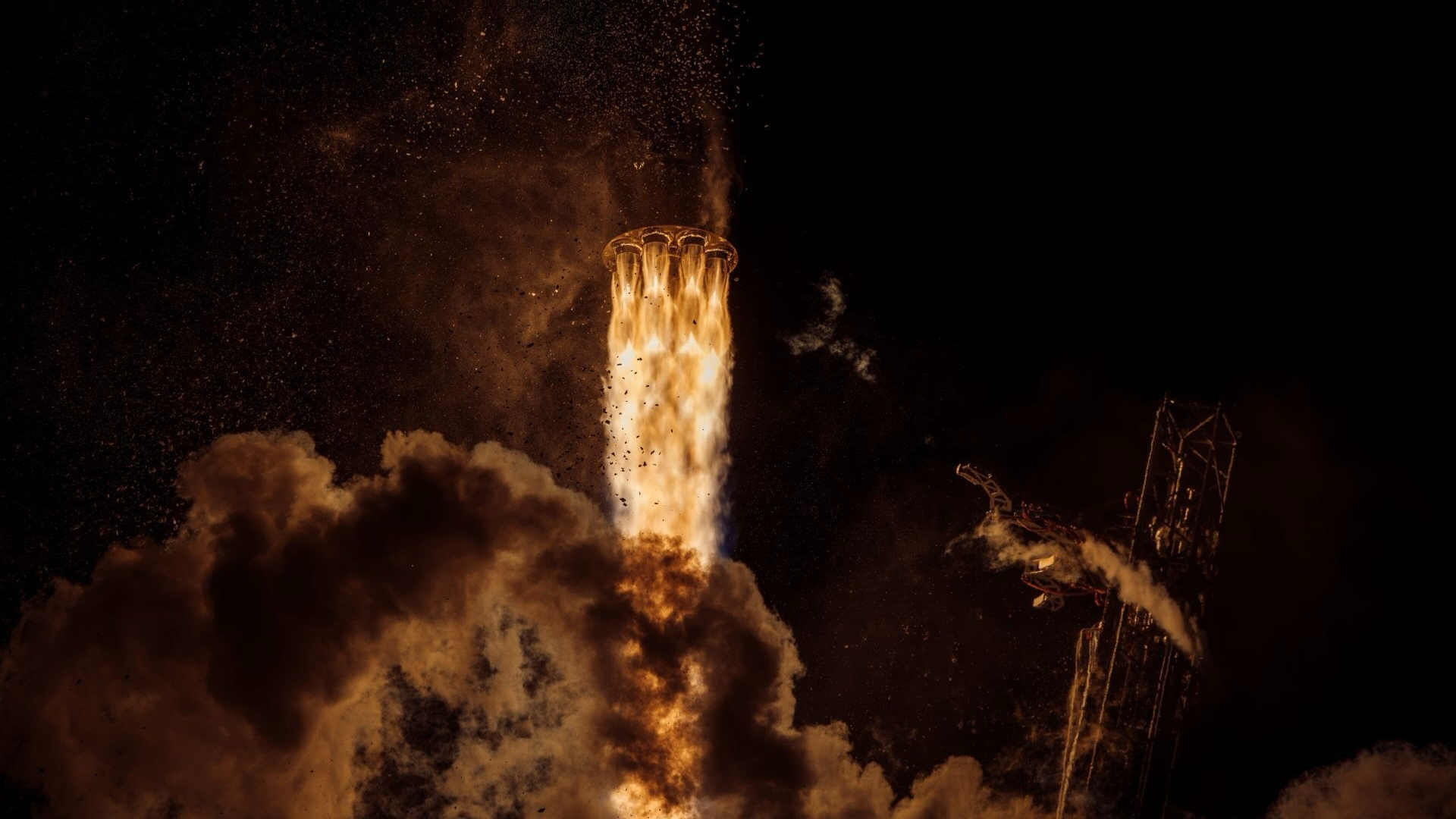
A dozen Canadian companies went to the expo last year on a trade mission organised by the Trade Commissioner Service at Global Affairs Canada. This year’s group has eight more, with four returning: Galaxia, Orbital Research, Reaction Dynamics, and Square Peg.
The Trade Commissioner Service’s office in Germany is hosting a Canada Seminar and networking event on Nov. 18 at Messe Bremen, with a pitch session where Canadian companies present to potential partners.
Ontario accounts for eight of the companies and organisations, British Columbia and Quebec four each, and Alberta and Nova Scotia two each. MDA Space, Kepler Communications, and Calian Group are among the best-known names, alongside spaceport and launch companies Maritime Launch Services and Reaction Dynamics.
Nano-Lit Technologies, of British Columbia, has built a circadian lighting system for crewed habitats that has not yet flown and is looking for partners to qualify it for space. BioAro, an Alberta genomics and digital health company, is pitching health monitoring. RAPPEL Lab is a research group at the Royal Military College of Canada developing satellite propulsion.
Bremen has hosted the show for 11 years, and this edition is its last there before it moves to Frankfurt in 2027. Its organiser, Smarter Shows, bills it as Europe’s largest business-to-business space event. Organisers expected more than 10,000 participants and over 950 exhibitors at last year’s show.
Canada’s ties to Germany have been growing in defence and space. Prime Minister Mark Carney picked Germany’s Thyssenkrupp Marine Systems (TKMS) in July as the preferred builder of up to 12 submarines for the Royal Canadian Navy. TKMS had brought Munich launch company Isar Aerospace into its bid in May. A day after Carney’s announcement, Isar signed a 10-year, $155-million ($US 112.5 million) deal to have its own launch pad at Spaceport Nova Scotia.
Carney and German Chancellor Friedrich Merz said the same week that they want a broader partnership agreement by the end of this year, with space among the areas it would cover. Canada and Norway’s space agencies finalised a cooperation agreement in September, and Norway’s Kongsberg signed agreements with MDA Space and Telesat during the same visit.
AST SpaceMobile Unveils $1.3 Billion Engine Deal with Firefly
Texas-based companies AST SpaceMobile and Firefly Aerospace announced a $1.3 billion agreement Friday to license a rocket engine that will power a new, heavy-lift rocket starting in 2028, if all goes to plan.

The proposed launcher is called Blacklift, and AST SpaceMobile classifies it as a 20-ton rocket, which would put it in the same category as SpaceX’s Falcon 9 and United Launch Alliance’s Vulcan. AST SpaceMobile will focus its launch capacity to fly its BlueBird satellites to orbit. The company said the rocket will be capable of launching five of its BlueBird satellites at a time.
“The Blacklift rocket is the springboard to significantly expand our total addressable market, providing AST SpaceMobile with regular unconstrained access to orbit and providing for most favorable owners’ economics in the industry,” said Abel Avellan, founder, chairman, and CEO of AST SpaceMobile.
Few details about the rocket itself were released alongside the announcement. Left unknown are things like height, propellant tank sizes, and proposed launch site.
AST SpaceMobile also hasn’t described its plan for going from rendering to launch in the span of about two years. An analysis from Payload Space found that it historically takes about six years to go from the start of development to a successful first launch.
The company said it will host an unveiling event in New York City on Thursday, Nov. 12, which may fill in some of the blanks. The company also has a third quarter earnings call scheduled for Monday, Nov. 9, at 5 p.m. EST (2200 UTC) and may offer some details at that time as well.
Citations
- Mitsubishi Electric, MUFG Bank invest in GHGSat — spaceq.ca
- 20 Canadian space companies head to Space Tech Expo Europe — spaceq.ca
- AST SpaceMobile unveils $1.3 billion engine deal with Firefly Aerospace to power new heavy-lift rocket — spaceflightnow.com
- AST SpaceMobile is so desperate for launch they’re building their own rocket — arstechnica.com
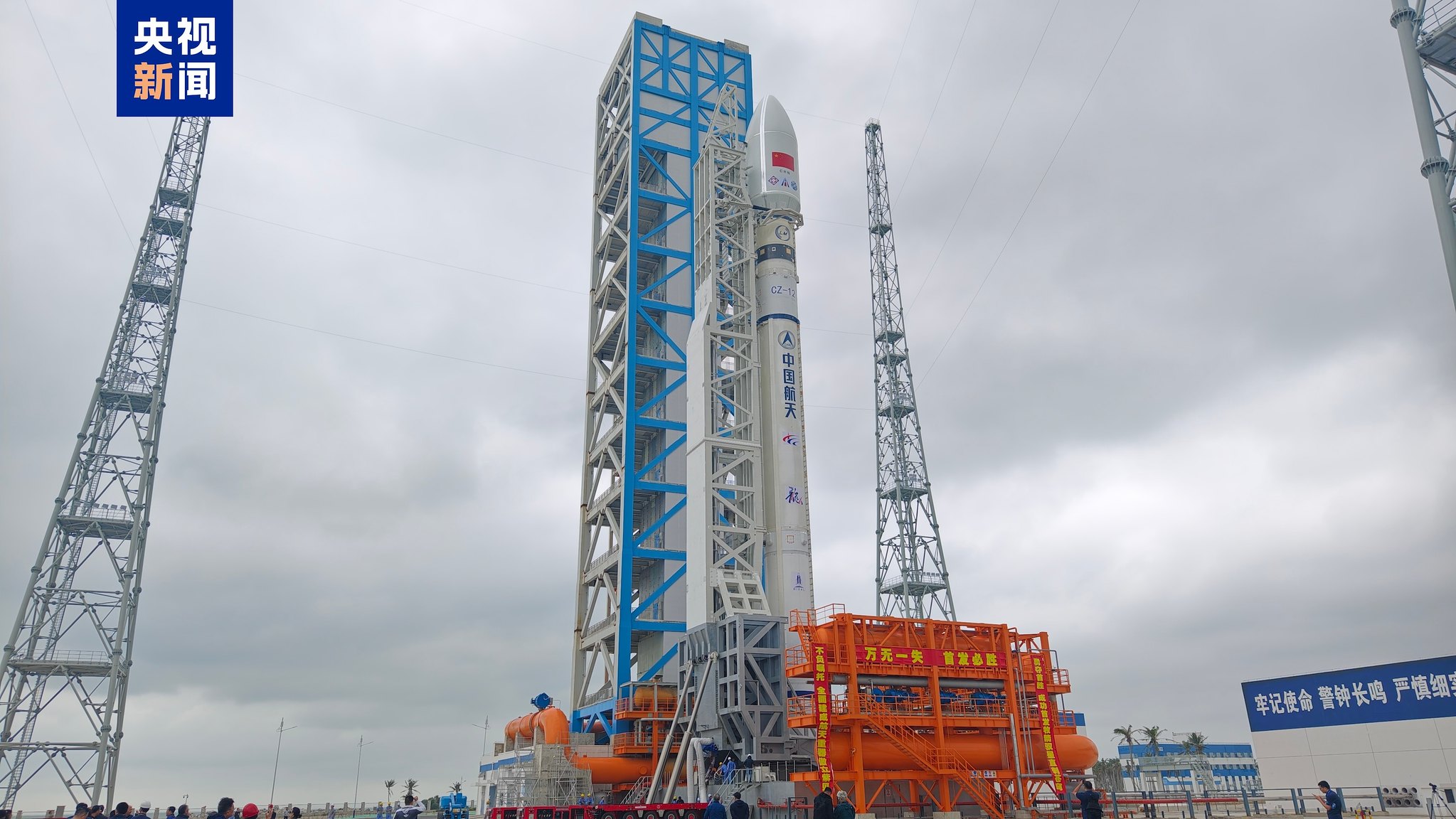
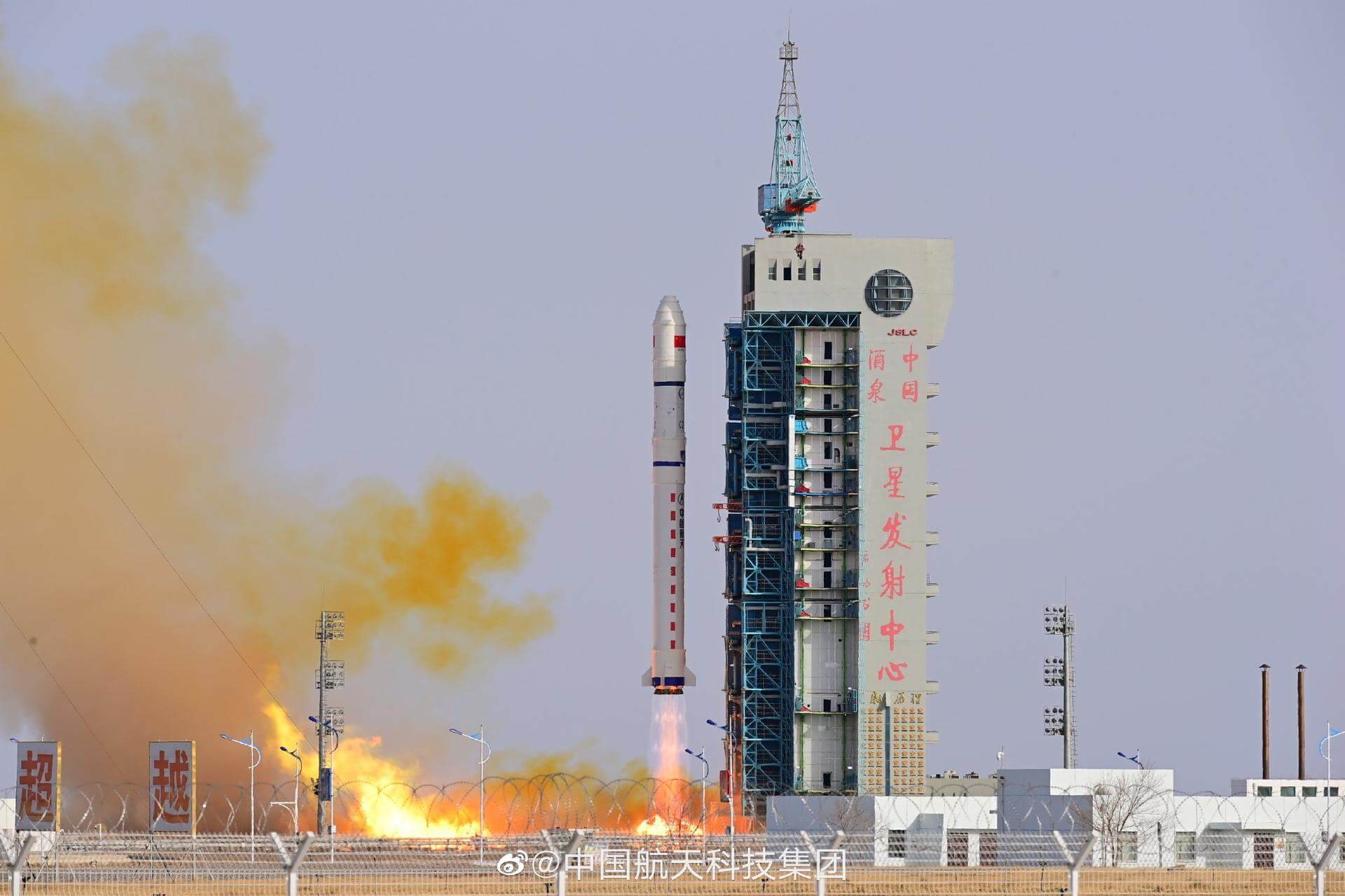
SatNet LEO Group TBD?
Provider: China Aerospace Science and Technology Corporation
Date: November 8, 2026
Time: 8:25 PM UTC
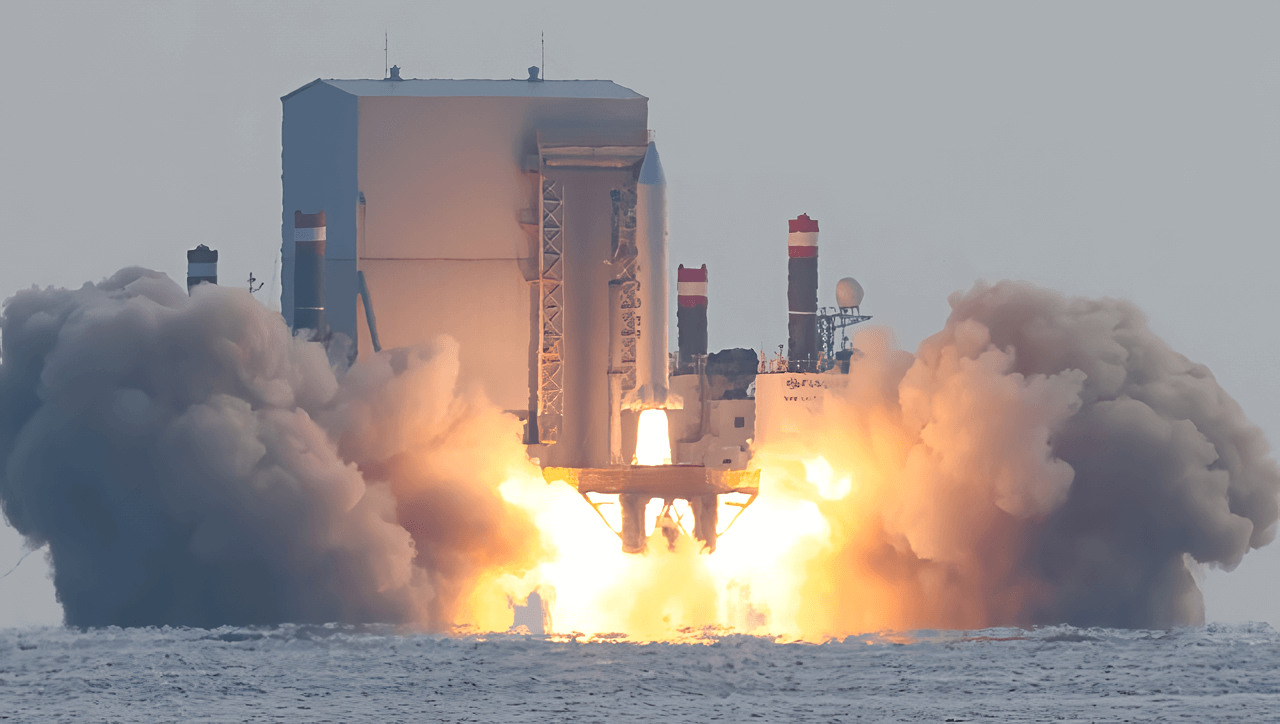
Vehicle: Long March 12
A batch of 9 Low Earth Orbit communication satellites for the Chinese state owned SatNet constellation operated by the China Satellite Network Group.
The constellation will eventually consists of 13000 satellites.
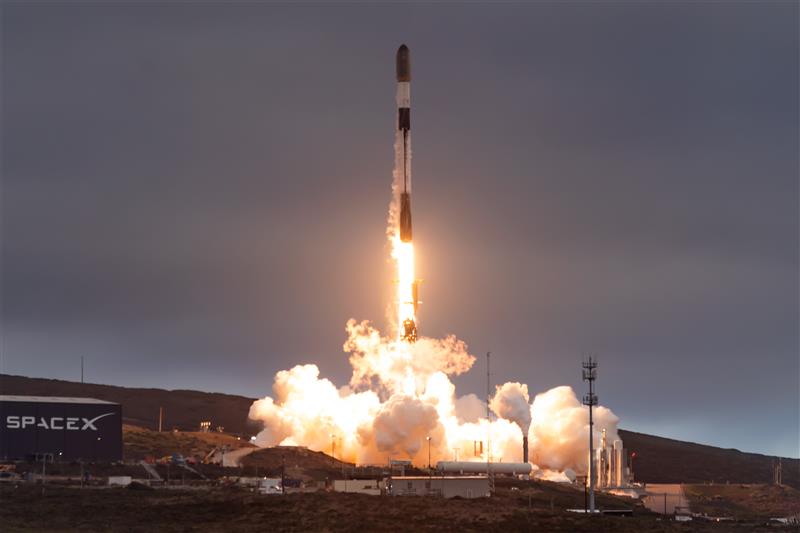
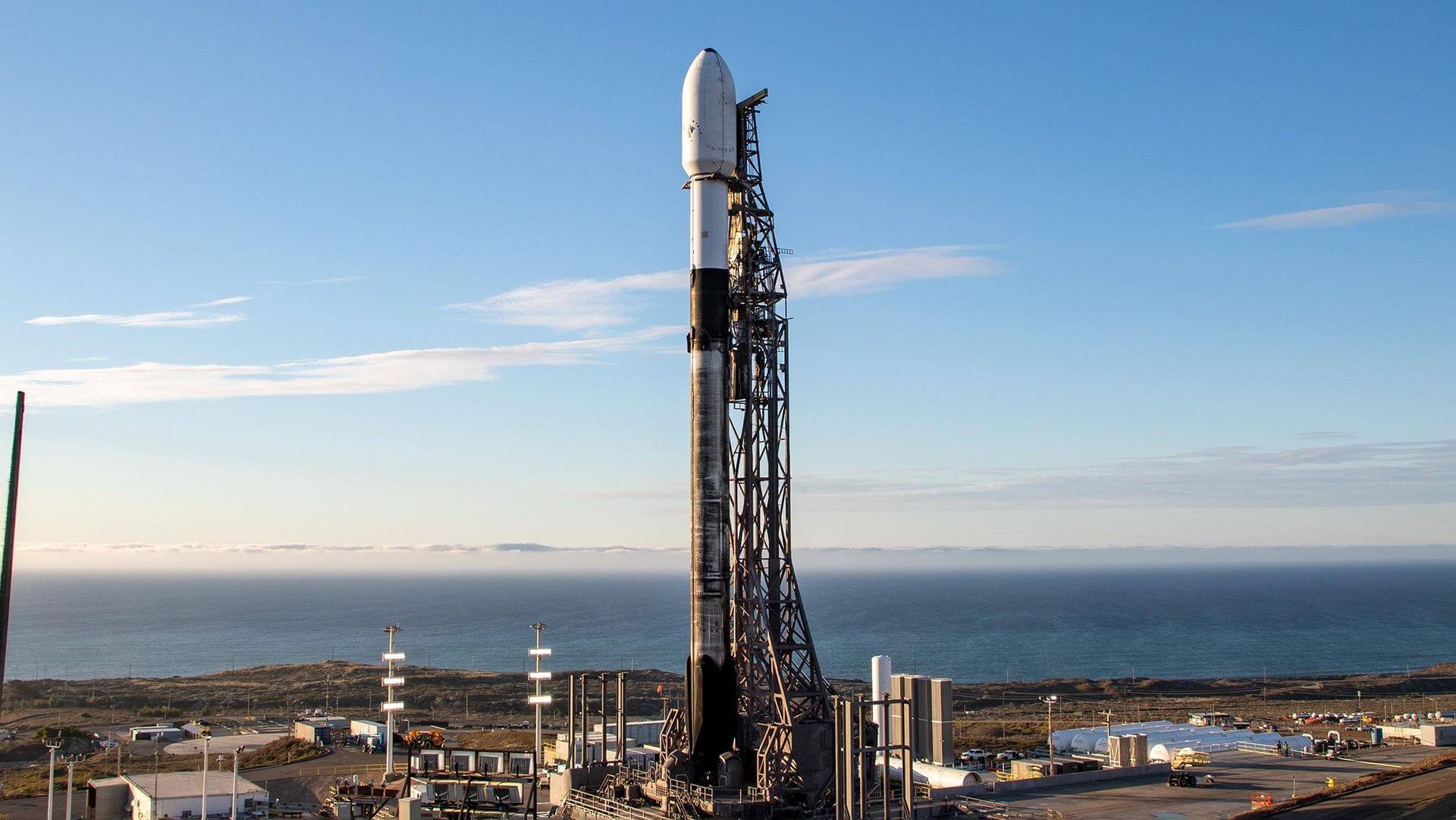
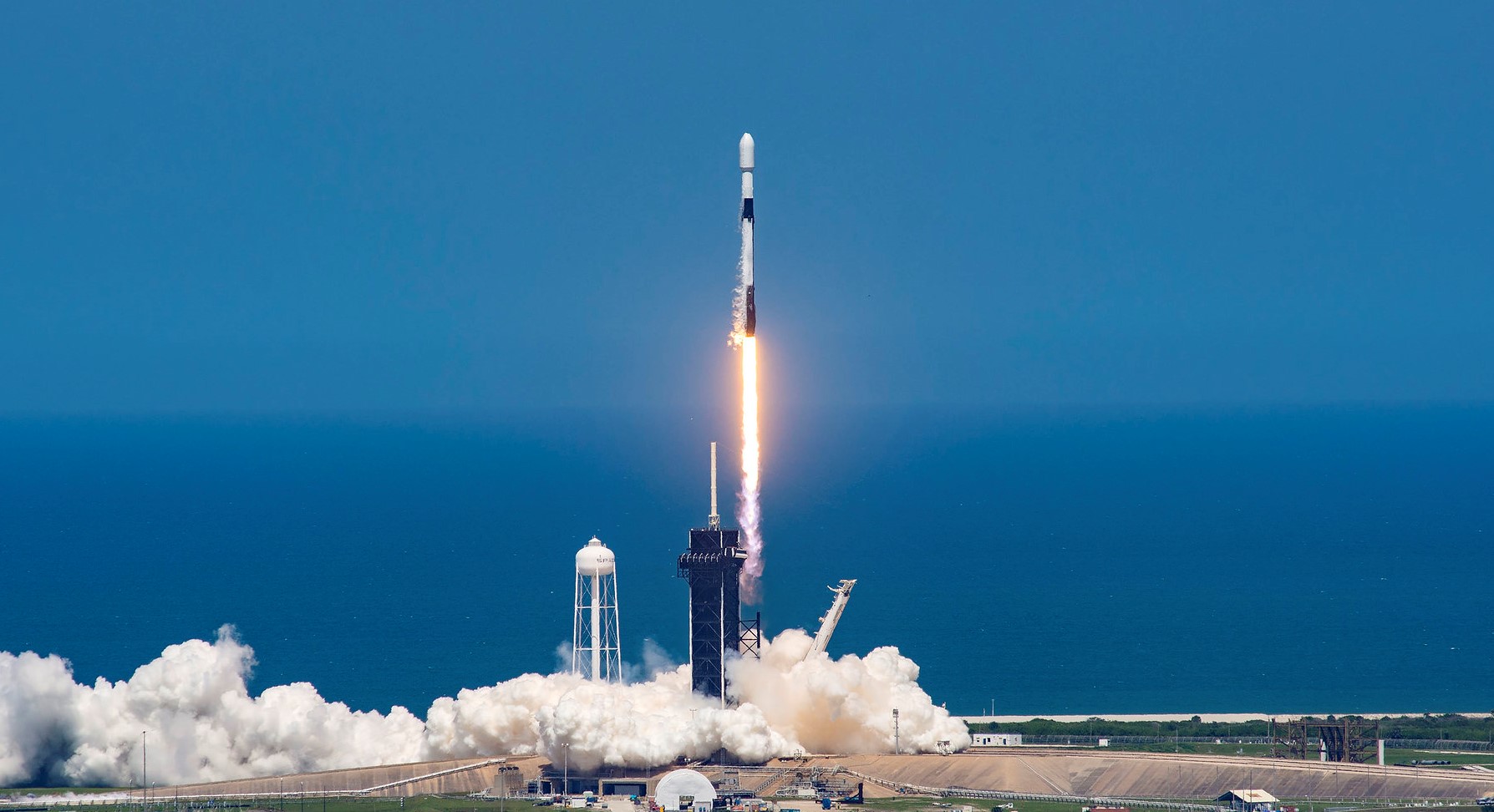
USSF-627
Provider: SpaceX
Date: November 10, 2026
Time: 3:03 AM UTC
Vehicle: Falcon 9
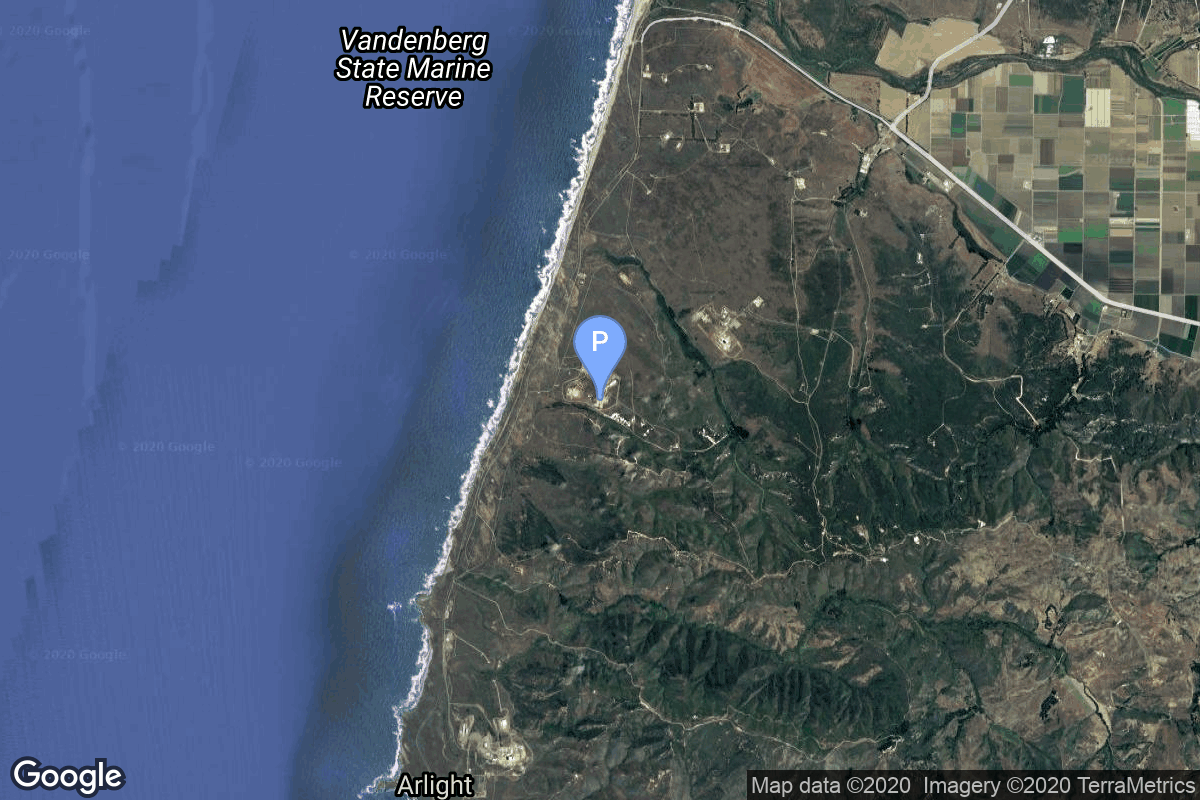
A classified mission for the United States Space Force. It is possibly a batch of classified LEO satellites based on SpaceX’s Starshield satellite bus, based on locations of rocket stage drop zones being exact fits with previous Starlink Group 15 launches.
Demo Flight
Provider: Agency for Defense Development
Date: November 11, 2026
Time: 5:00 AM UTC
Vehicle: Mir
Note: Launch vehicle name is provisional.
First orbital full version launch of the South Korean military small satellite launch vehicle, after 2 sub-orbital tests of individual stages on 30 March and 30 December 2022, and 1 orbital test flight without the 2nd stage on 4 December 2023. Details TBD.
Unknown Payload
Provider: China Aerospace Science and Technology Corporation
Date: November 11, 2026
Time: 11:40 AM UTC
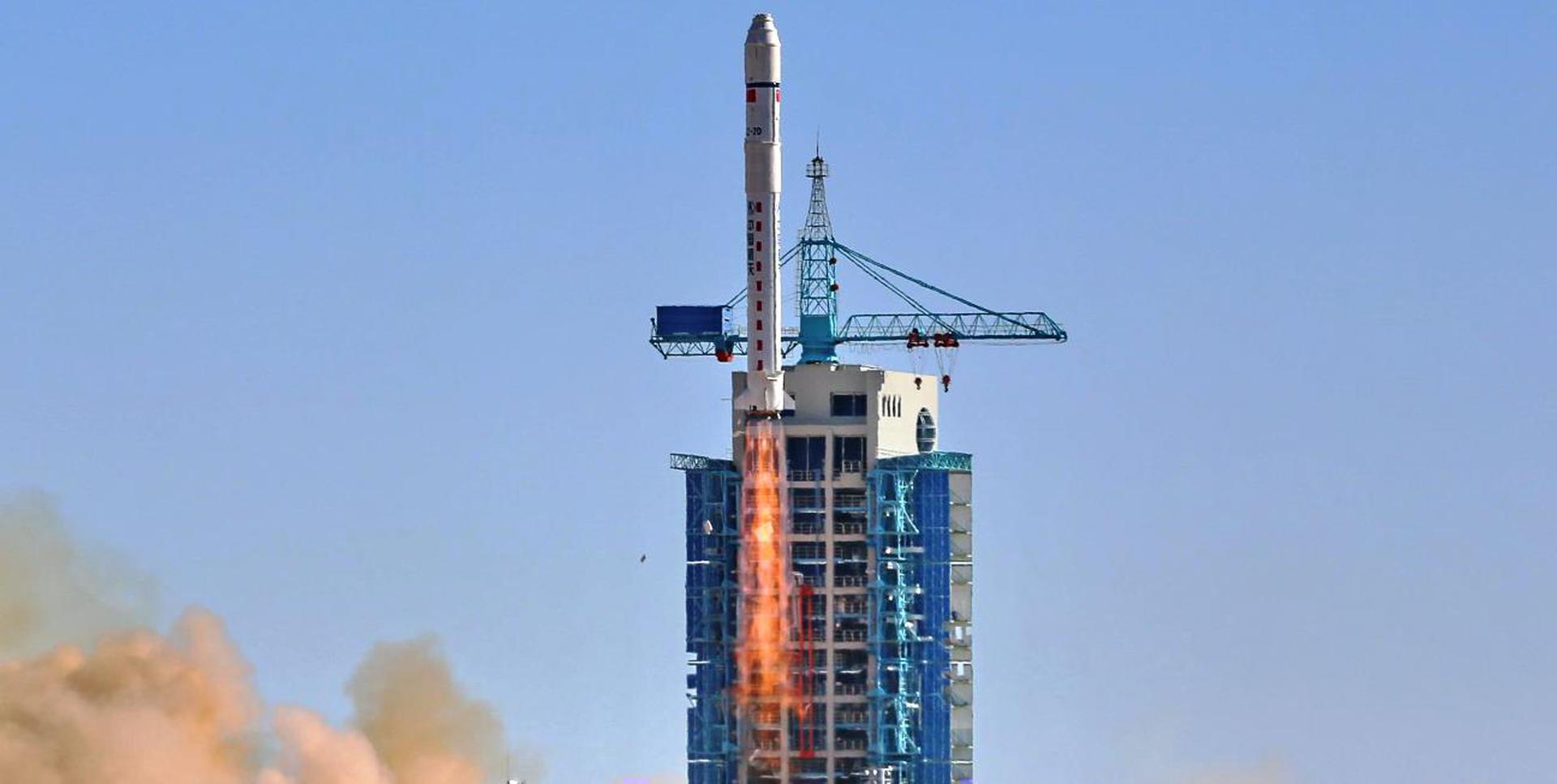
Vehicle: Long March 2D
Details TBD.
Flight 15
Provider: SpaceX
Date: November 13, 2026
Time: 12:00 AM UTC
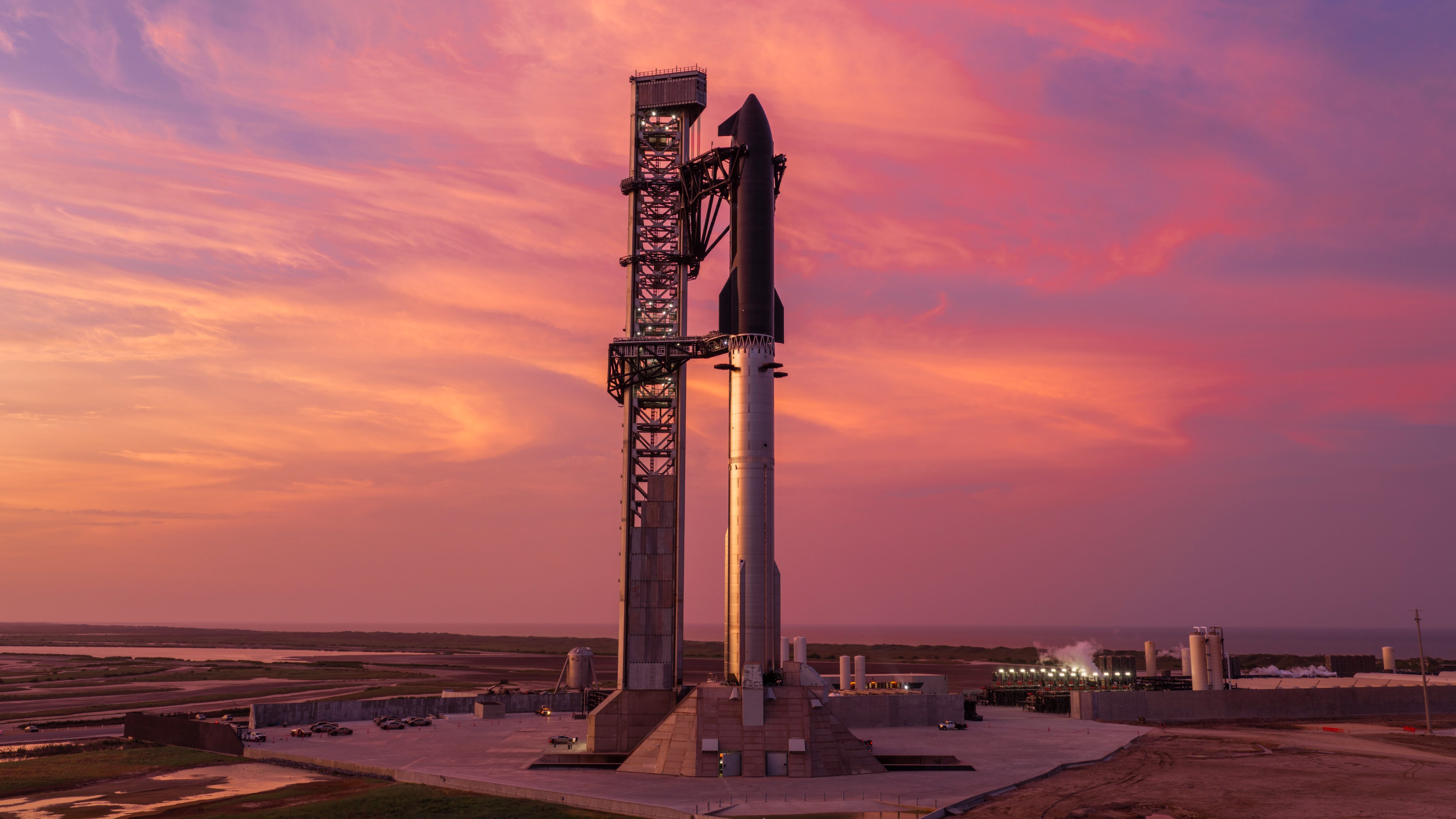
Vehicle: Starship
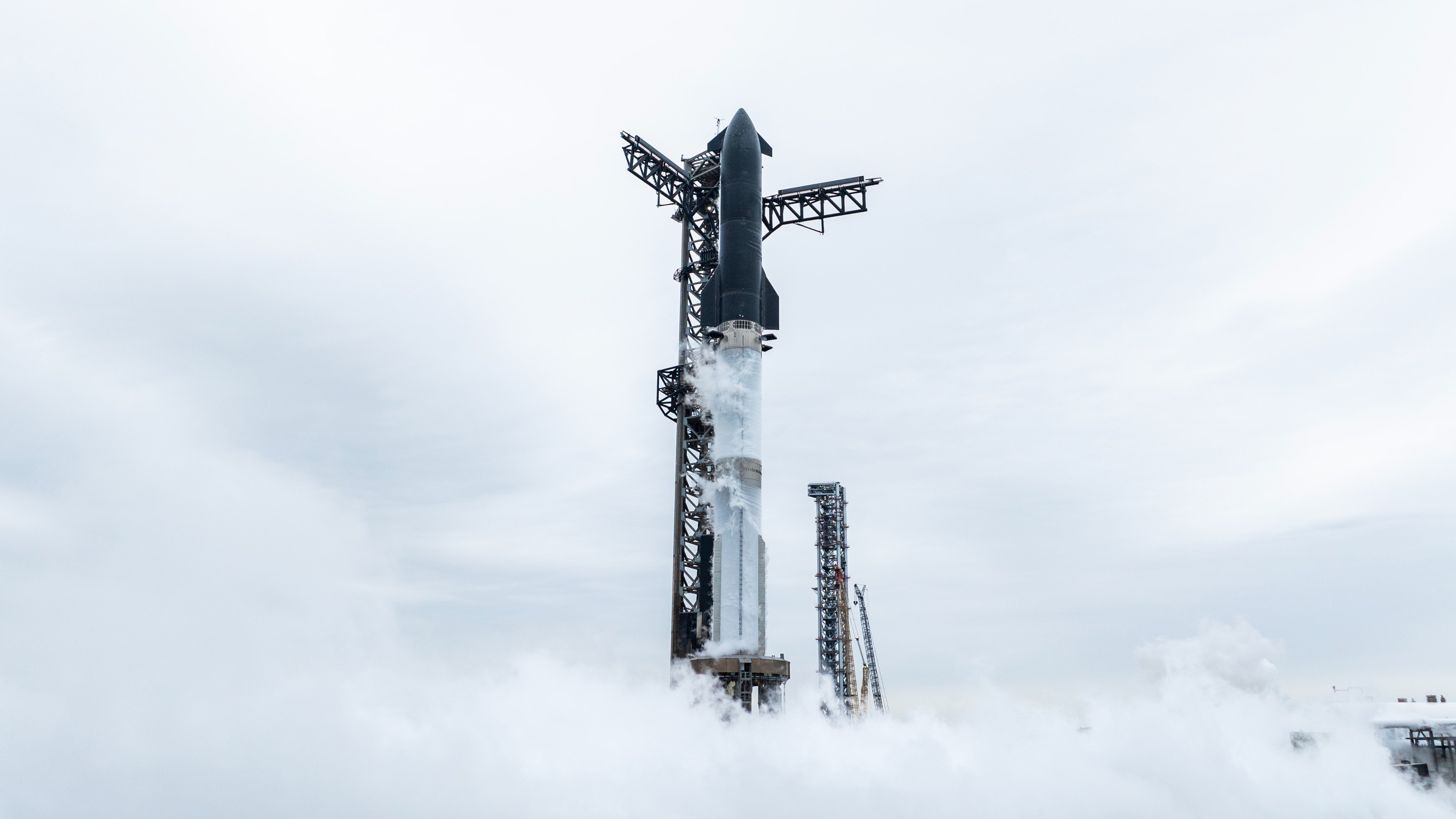
15th test flight of the two-stage Starship launch vehicle and 4th flight of Starship V3.





Enjoying the content? Stay up to date on everything happening behind the scenes by following our Patreon!


Leave a Reply