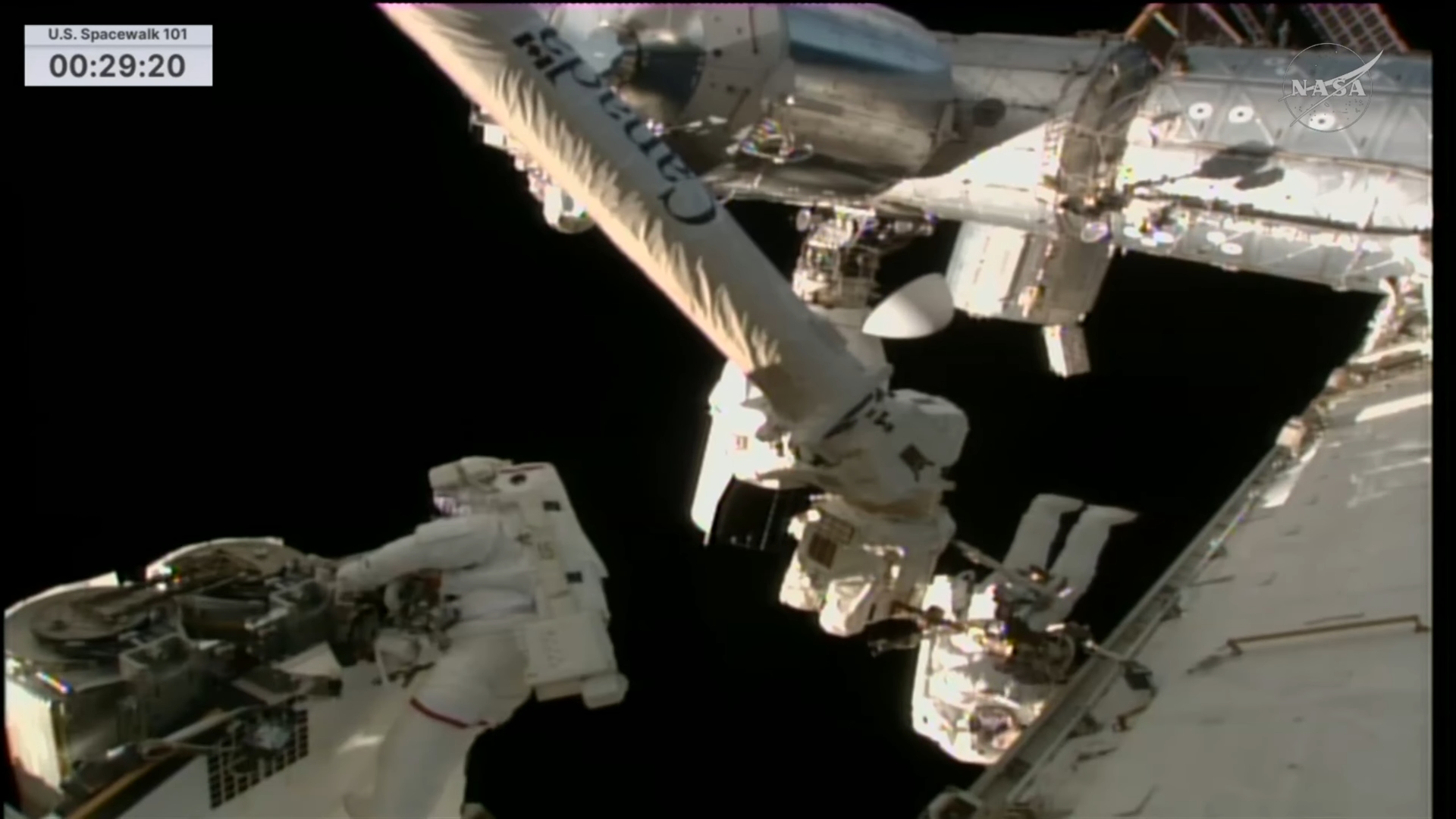
CSA astronaut Joshua Kutryk was the lead spacewalker on Thursday as he and NASA astronaut Anil Menon installed the eighth and final IROSA (ISS Roll-Out Solar Array) on the station. The 6-hour, 59-minute spacewalk wrapped up a five-year effort to upgrade the station’s power supply.
Kutryk, on his second career spacewalk, and Menon, on his fifth, exited the Quest airlock at 8:36 a.m. EST. The pair overcame temporary power-flow issues during cable connections but finished with consumables to spare.
“It was a good one,” Kutryk said in the final minutes of the spacewalk. “It was so impressive to see the team respond, and get us to where we needed to be, despite the challenges that we encountered along the way.”
The installation relied on Canadarm2. Menon was positioned on a platform attached to the arm while NASA astronauts Jessica Watkins and Luke Delaney worked together to hoist him near the installation site. Kutryk moved hand-over-hand over the station to reach the work area, then both spacewalkers grappled the array to prepare to complete the installation just beyond the arm’s reach.
The eight new arrays, built by Redwire Space under contract to Boeing, will collectively boost station power by up to 30 per cent, from 160 kilowatts to about 215 kilowatts. CSA astronaut Jenni Gibbons served as capcom for the spacewalk.
Budget 2026 Advances Medium-Lift Rockets
Ottawa confirmed medium-lift rockets as a formal national goal in Budget 2026, tabled Thursday by Finance Minister François-Philippe Champagne. The plan expands the Department of National Defence’s Launch the North program from light-lift to medium-lift launch vehicles and “a national rocket propulsion ecosystem.”
The budget proposes to “direct up to $2.7 billion over five years” to the broader Defence Industrial Strategy from previously announced funding, without breaking out individual amounts for launch. Companies would receive “competitive, milestone-based support” to mature propulsion systems, vehicle designs and launch technologies.
The strategy builds on last year’s $182.6 million, three-year commitment to establish sovereign launch capability. Through its IDEaS program, DND launched a $105 million challenge and selected NordSpace, Canada Rocket Company and Reaction Dynamics for $8.3 million each in March — targeting a small rocket that can reach orbit on four days’ notice by 2028.
DND has also secured launch sites: a 10-year, $200 million lease for a dedicated pad at Maritime Launch Services’ Spaceport Nova Scotia near Canso, N.S., and a $20 million standby agreement with NordSpace at its Atlantic Spaceport Complex in St. Lawrence, N.L.
Defence Minister David McGuinty has framed the small rockets as a starting point. “They’re where we start; they’re not where we stop,” he told Space Canada’s SpaceBound conference in October.
Blue Origin Unveils New Glenn GS3 Third Stage and Northstar Engine
Blue Origin CEO Dave Limp unveiled a third stage for New Glenn and a new booster engine at an event called Up.Summit at Kennedy Space Center on Thursday.
The Glenn Stage 3 (GS3) targets direct injection to geostationary orbit and Earth-escape trajectories. On the current 7×2 vehicle, GS3 can deliver up to 8 metric tonnes to GEO and 10 metric tonnes to trans-lunar injection. On the larger 9×4 variant, those figures rise to 14 metric tonnes to GEO and 20 metric tonnes to TLI.
GS3 is powered by the BE-7 engine, already used on Blue Origin’s Blue Moon Mark 1 and 2 lunar landers. The stage uses the same fixed payload adapters and fairing as the two-stage vehicle and is integrated within an interstage. Blue Origin said GS3 is already under contract for a cis-lunar mission with a government customer, scheduled to launch in 2028. The company did not name the customer.
Testing is underway at Launch Site One in Texas. Blue Origin pressurized a liquid hydrogen tank for 2.5 hours at 100 per cent of its Maximum Expected Operating Pressure, and to 150 per cent of MEOP for 10 minutes. The company said the GS3 tank is expected to be the first composite LH2 tank ever flown in space.
Blue Origin also introduced Northstar, a liquid oxygen and liquefied natural gas booster engine rated at 715,000 pounds of thrust. The new engine expands the company’s propulsion line-up for the New Glenn first stage.
The announcements come as Blue Origin prepares to return to flight with New Glenn following the NG-4 pad explosion during a static fire attempt in May. The company is preparing to fly NG-4.1 with booster “Never Tell Me The Odds” early in 2027.
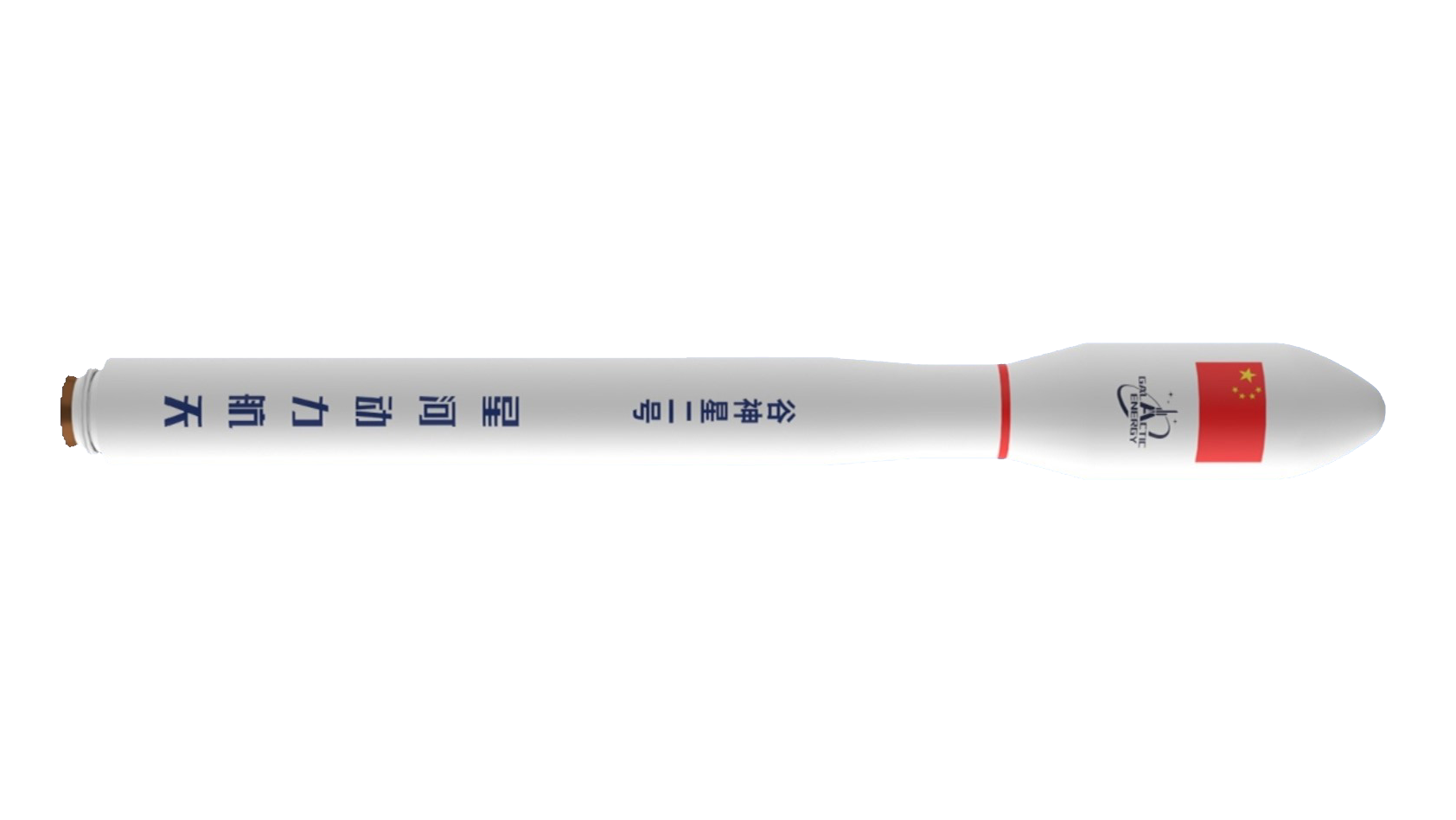
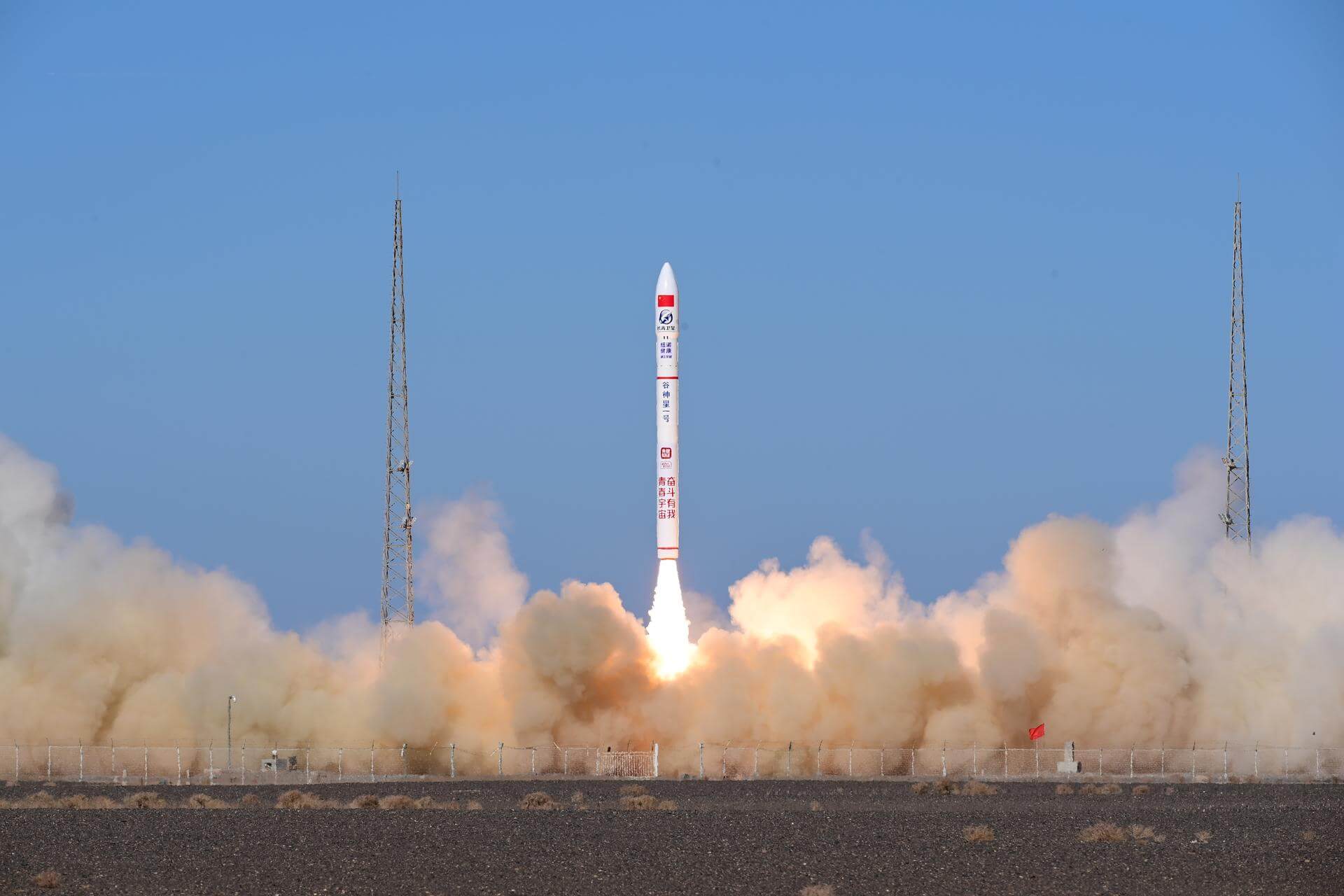
Provider: Galactic Energy Date: November 6, 2026 Time: 11:35 PM UTC Vehicle: Ceres-2
Details TBD.
USSF-432
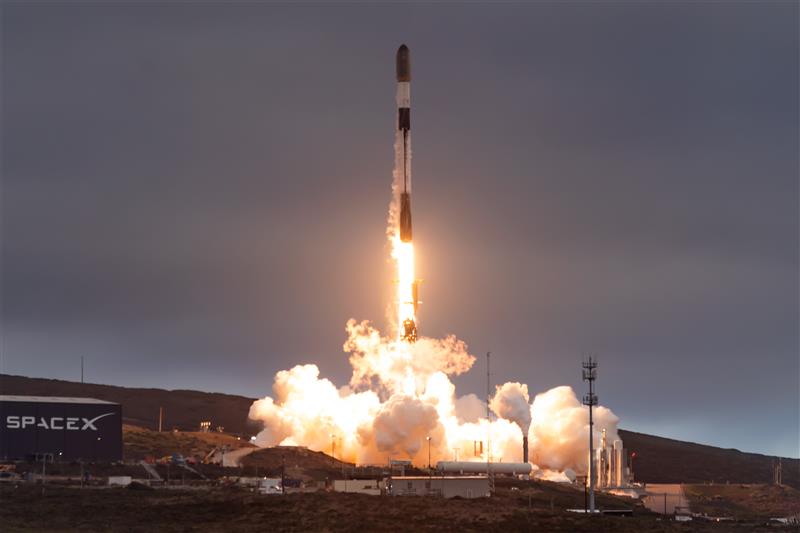
Provider: SpaceX Date: November 7, 2026 Time: 12:48 AM UTC Vehicle: Falcon 9
A classified mission for the United States Space Force. It is possibly a batch of classified LEO satellites based on SpaceX’s Starshield satellite bus, based on locations of rocket stage drop zones being exact fits with previous Starlink Group 15 launches.
SatNet LEO Group TBD?
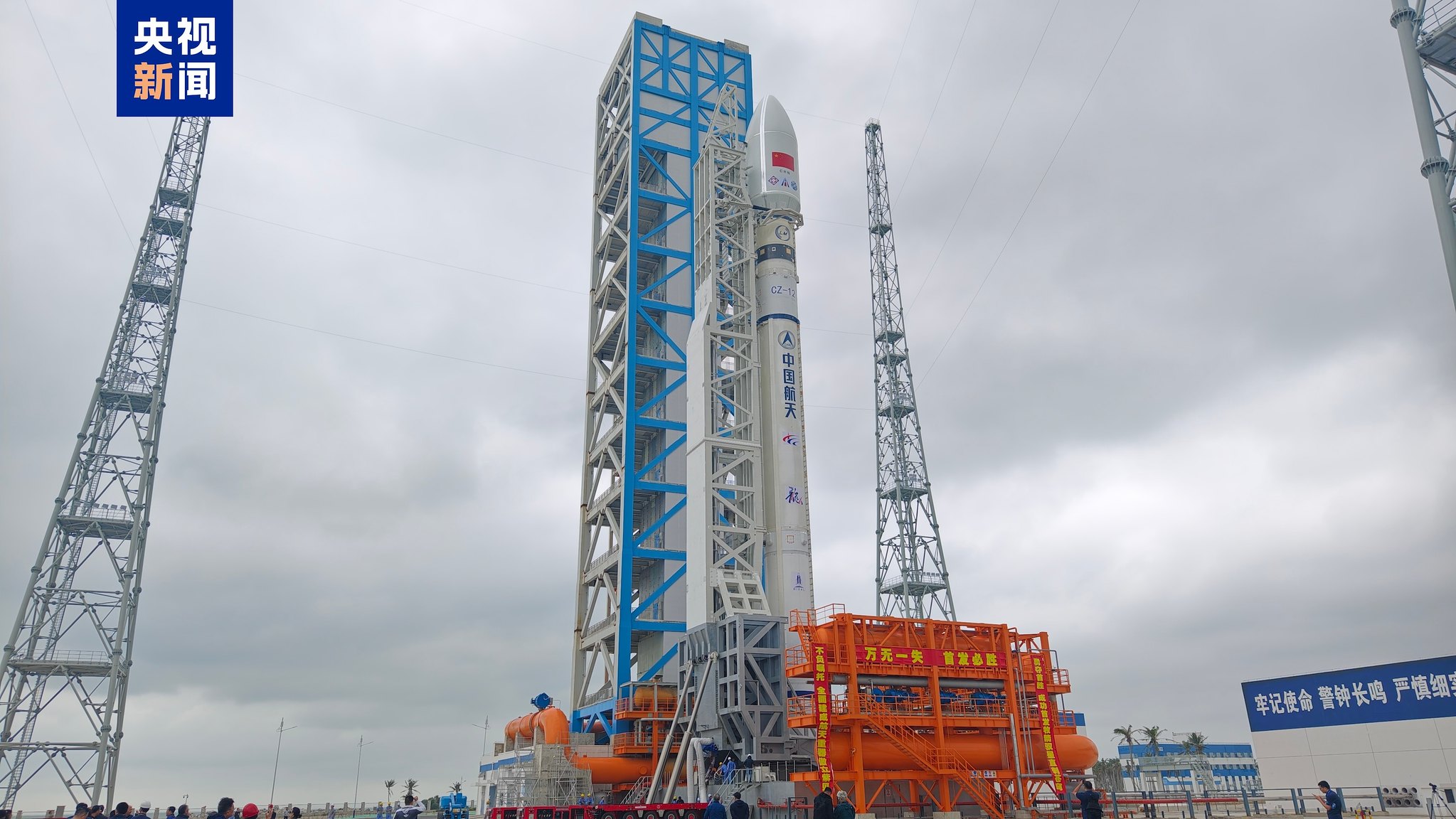
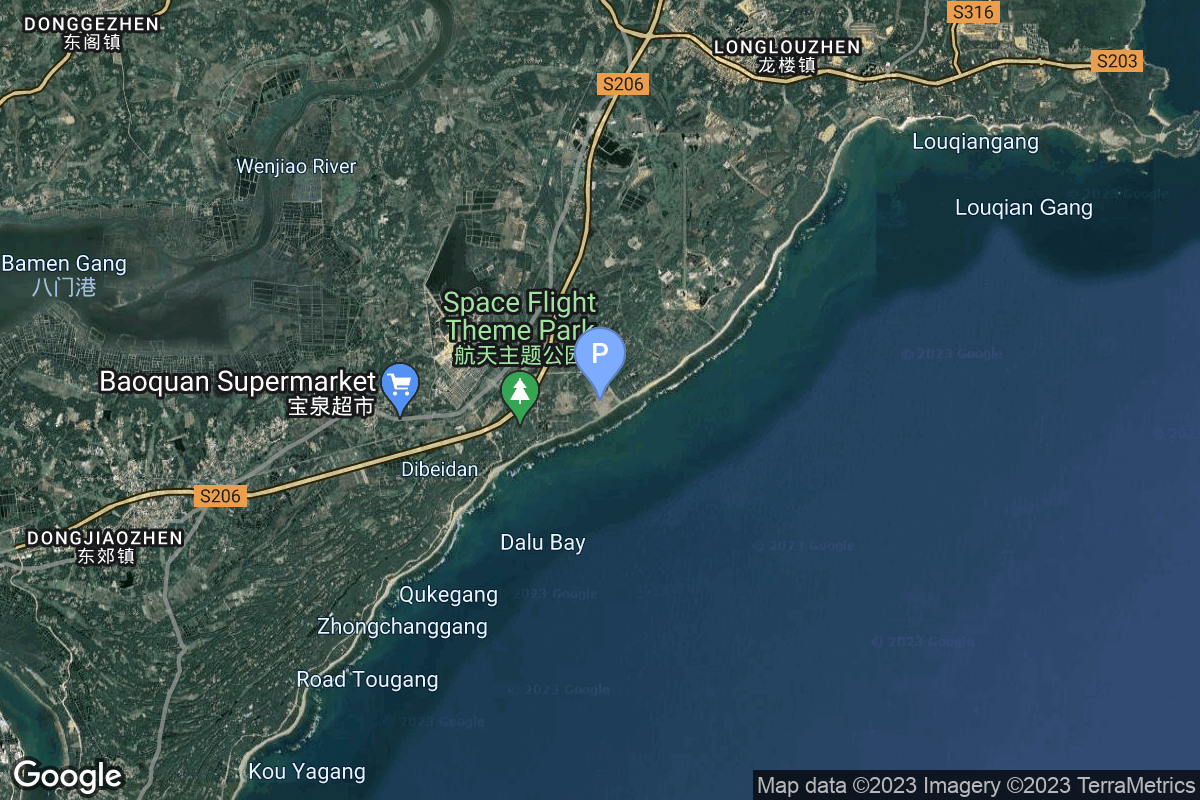
Provider: China Aerospace Science and Technology Corporation Date: November 8, 2026 Time: 8:25 PM UTC Vehicle: Long March 12
A batch of 9 Low Earth Orbit communication satellites for the Chinese state owned SatNet constellation operated by the China Satellite Network Group.
The constellation will eventually consists of 13000 satellites.
USSF-627
Provider: SpaceX Date: November 10, 2026 Time: 3:03 AM UTC Vehicle: Falcon 9
A classified mission for the United States Space Force. It is possibly a batch of classified LEO satellites based on SpaceX’s Starshield satellite bus, based on locations of rocket stage drop zones being exact fits with previous Starlink Group 15 launches.
Demo Flight
Provider: Agency for Defense Development Date: November 10, 2026 Time: 6:00 AM UTC Vehicle: Mir
Note: Launch vehicle name is provisional.
First orbital full version launch of the South Korean military small satellite launch vehicle, after 2 sub-orbital tests of individual stages on 30 March and 30 December 2022, and 1 orbital test flight without the 2nd stage on 4 December 2023. Details TBD.
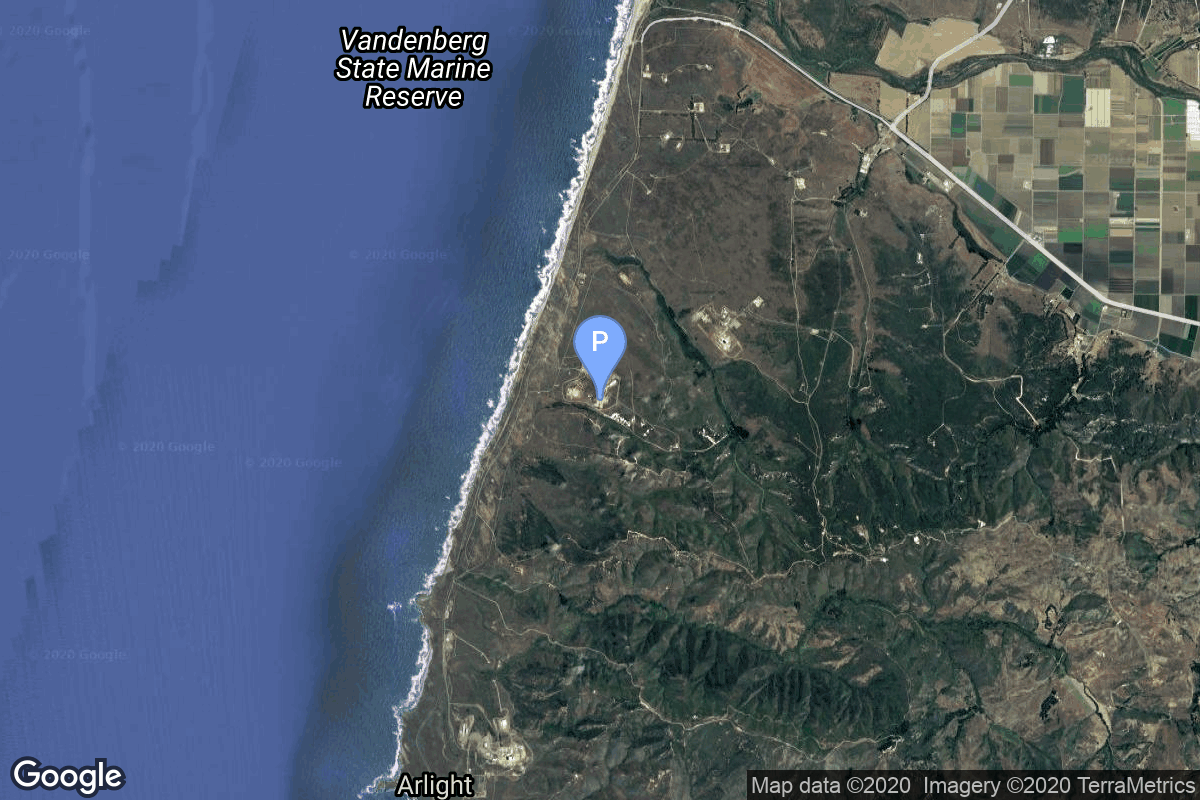
A classified mission for the United States Space Force. It is possibly a batch of classified LEO satellites based on SpaceX’s Starshield satellite bus, based on locations of rocket stage drop zones being exact fits with previous Starlink Group 15 launches.
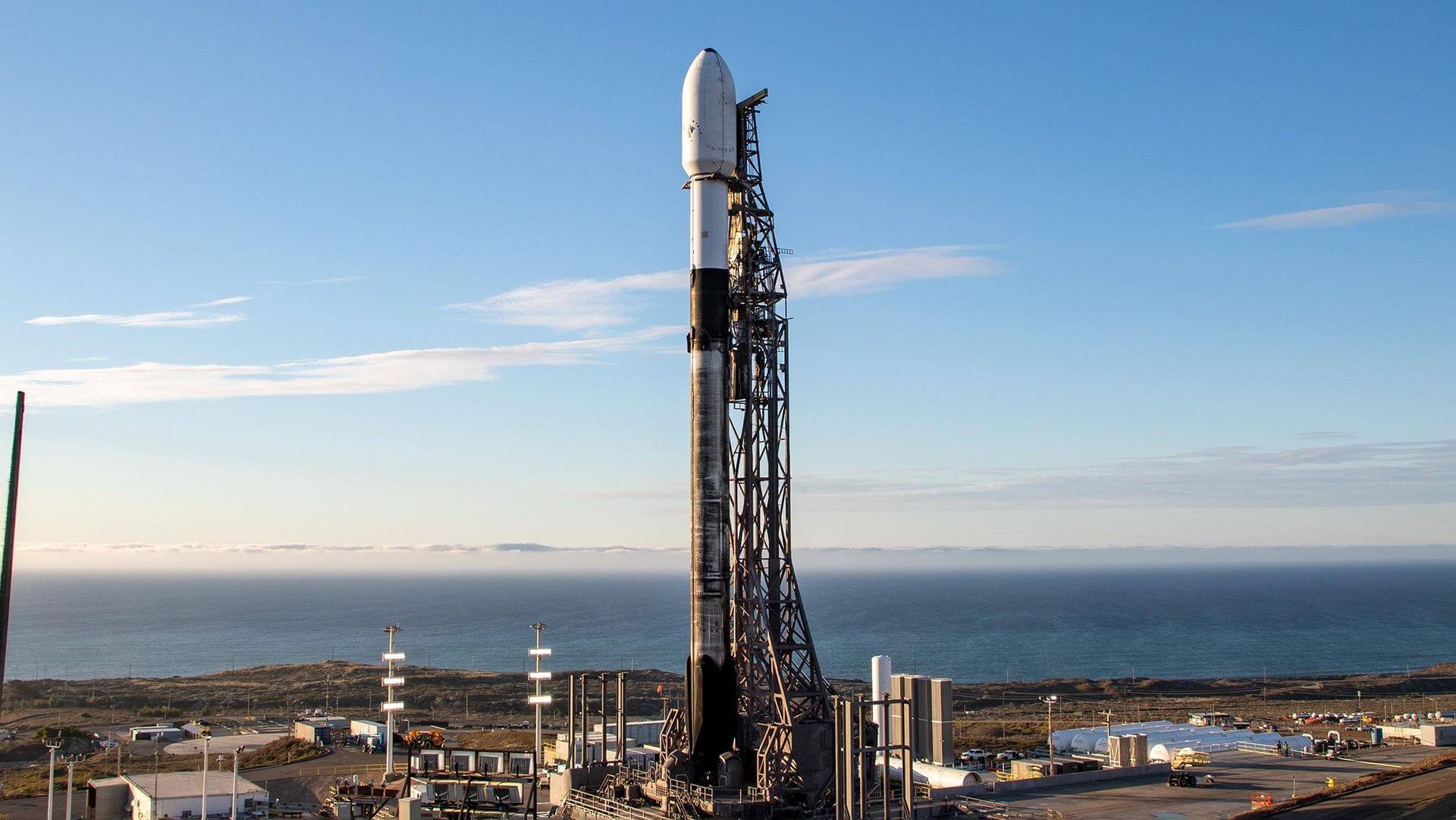
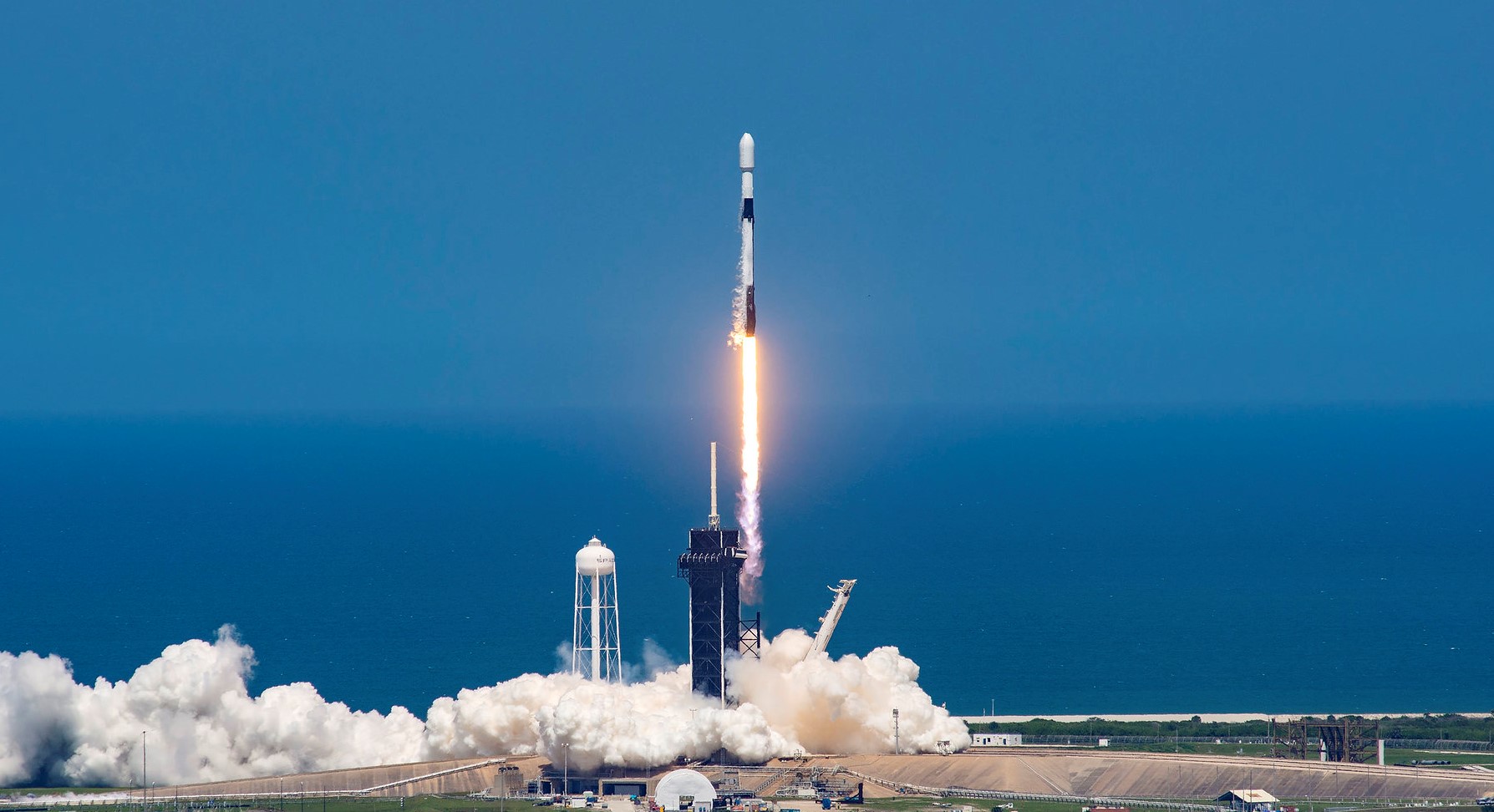
Falcon 9 is a two-stage rocket designed and manufactured by SpaceX for the reliable and safe transport of satellites and the Dragon spacecraft into orbit. The Block 5 variant is the fifth major interval aimed at improving upon the ability for rapid reusability.
The Long March 12 carrier rocket is a Chinese medium-lift launch vehicle currently under development by the Shanghai Academy of Spaceflight Technology, using kerosene and liquid oxygen as propellant. It will be capable of placing at least 10 tonnes of payload in low Earth orbit and at least 6…
A classified mission for the United States Space Force. It is possibly a batch of classified LEO satellites based on SpaceX’s Starshield satellite bus, based on locations of rocket stage drop zones being exact fits with previous Starlink Group 15 launches.
Falcon 9 is a two-stage rocket designed and manufactured by SpaceX for the reliable and safe transport of satellites and the Dragon spacecraft into orbit. The Block 5 variant is the fifth major interval aimed at improving upon the ability for rapid reusability.
The Falcon 9 first stage B1103 will land on ASDS OCISLY after its 7th flight.
Demo Flight ×
Mission Details
TypeTest Flight
OrbitLow Earth Orbit
TargetEarth
Note: Launch vehicle name is provisional.
First orbital full version launch of the South Korean military small satellite launch vehicle, after 2 sub-orbital tests of individual stages on 30 March and 30 December 2022, and 1 orbital test flight without the 2nd stage on 4 December 2023. Details TBD.
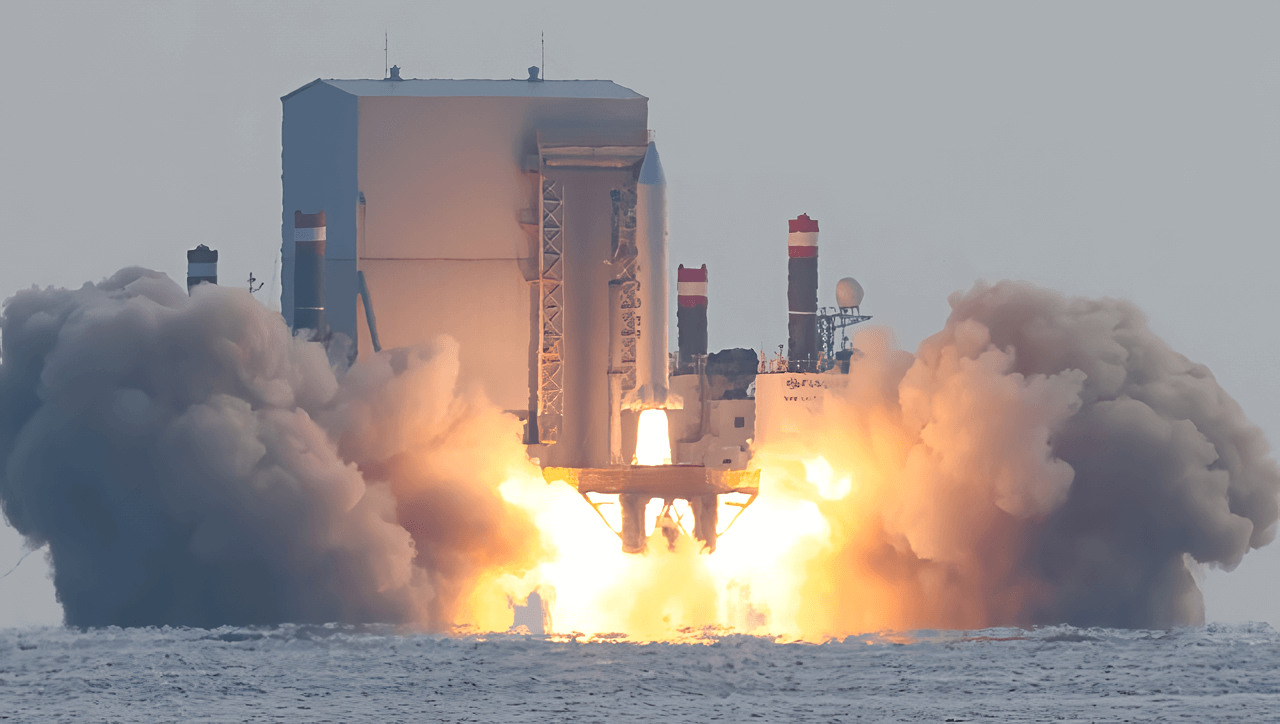
Offshore launch platform for the South Korean military small satellite launch vehicle.
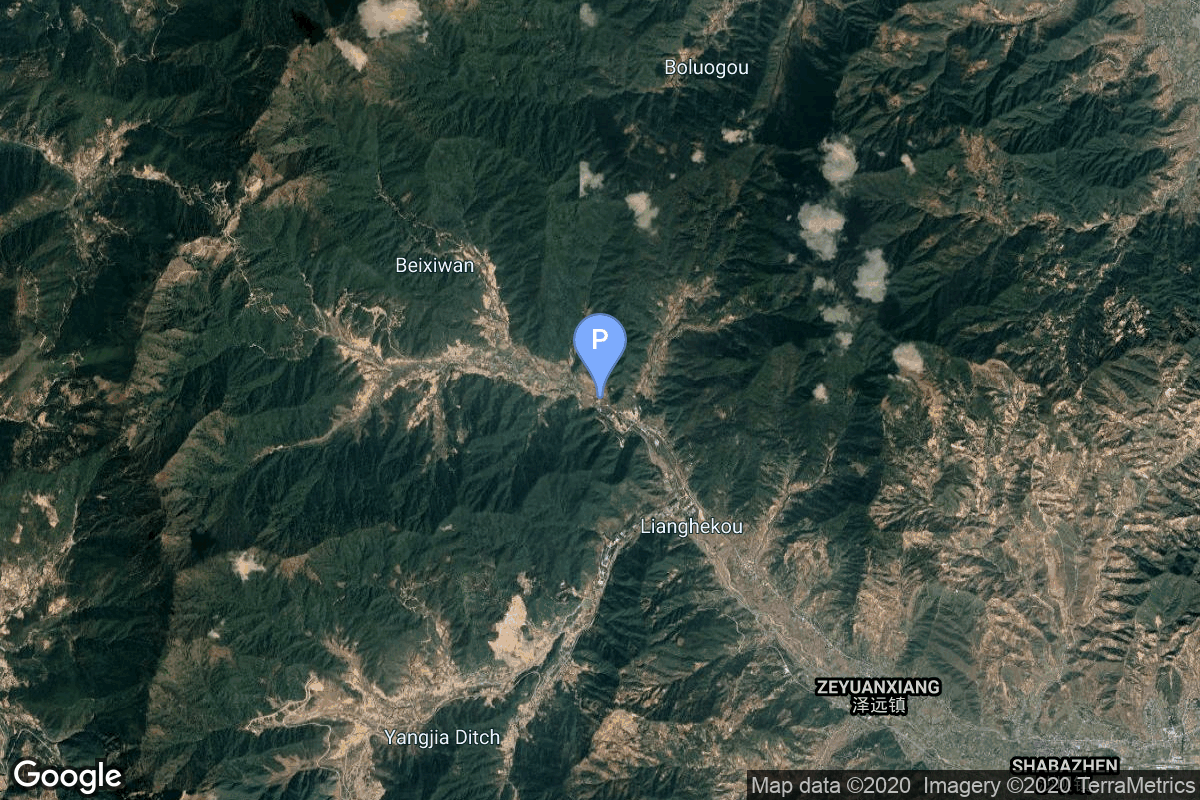
Total launches from this pad: 1
Vehicle: Mir
Mir (Korean for a kind of dragon, and previously only known as “Solid-fuel space launch vehicle”) is a South Korean military developed small satellite launch vehicle for “quick response” usage. First orbital test launch in December 2023 omits the 2nd stage but still carries satellite into orbit.
Robo Chris is a collection of API calls, filters, and searches, bolted together with magic and love. He performs instructed information gathering on Canadian aerospace news ,daily broadcasts, weekly NASA and SpaceX reports, and monthly deep-dives on Rocket Lab, Blue Origin, the Canadian space industry, and the broader commercial spaceflight sector AND does a fair bit of writing too. Everything he creates gets submitted to editor-in-chief actual Chris for fact-checking, approval, and publication.











Leave a Reply