
Alex MacDonald Appointed Canadian Space Agency President
Alex MacDonald to Lead the Canadian Space Agency

Industry Minister Mélanie Joly announced Wednesday that Alex MacDonald will be the next president of the Canadian Space Agency. MacDonald, NASA’s first chief economist, starts the position on November 16.
He succeeds Lisa Campbell, who led the agency from September 2020 until July, when senior vice-president Jean-Claude Piedboeuf took over as acting president. The appointment followed an open, competency-based process opened in April with a May 21 deadline. Under the Canadian Space Agency Act, a president serves at the government’s pleasure for up to five years.
Joly said MacDonald brings “a strong understanding that space is crucial to our national and economic security,” calling him “perfectly suited” to lead the agency through “space exploration and sovereign capability development.”
MacDonald worked at NASA for about 17 years, until December 2024. He started at the Ames Research Center designing small satellite missions, moved to the Jet Propulsion Laboratory to work on commercial space, and went on to headquarters as founding program executive of the Emerging Space Office and senior economic advisor in the Office of the Administrator. As chief economist, he helped shape the agency’s Moon to Mars strategy and the Artemis program, and served as program executive for the International Space Station National Laboratory. NASA gave him its Exceptional Service Medal in 2024.
A dual Canadian-U.S. citizen born in Canada, MacDonald studied economics at Queen’s University and the University of British Columbia, then earned a doctorate at the University of Oxford on the long-run economic history of American spaceflight. He is the author of The Long Space Age, a 2017 Yale University Press book. Since leaving NASA, he has been a senior associate with the Aerospace Security Project at the Center for Strategic and International Studies and a Distinguished Professor of Practice at Arizona State University.
SpaceQ reported in May that MacDonald was recommending Canada pivot away from building Canadarm3 following NASA’s decision to pause the Gateway lunar space station and focus on lunar surface robotics instead.
Galaxia Building OSPREY Satellite for Defence Data Tests
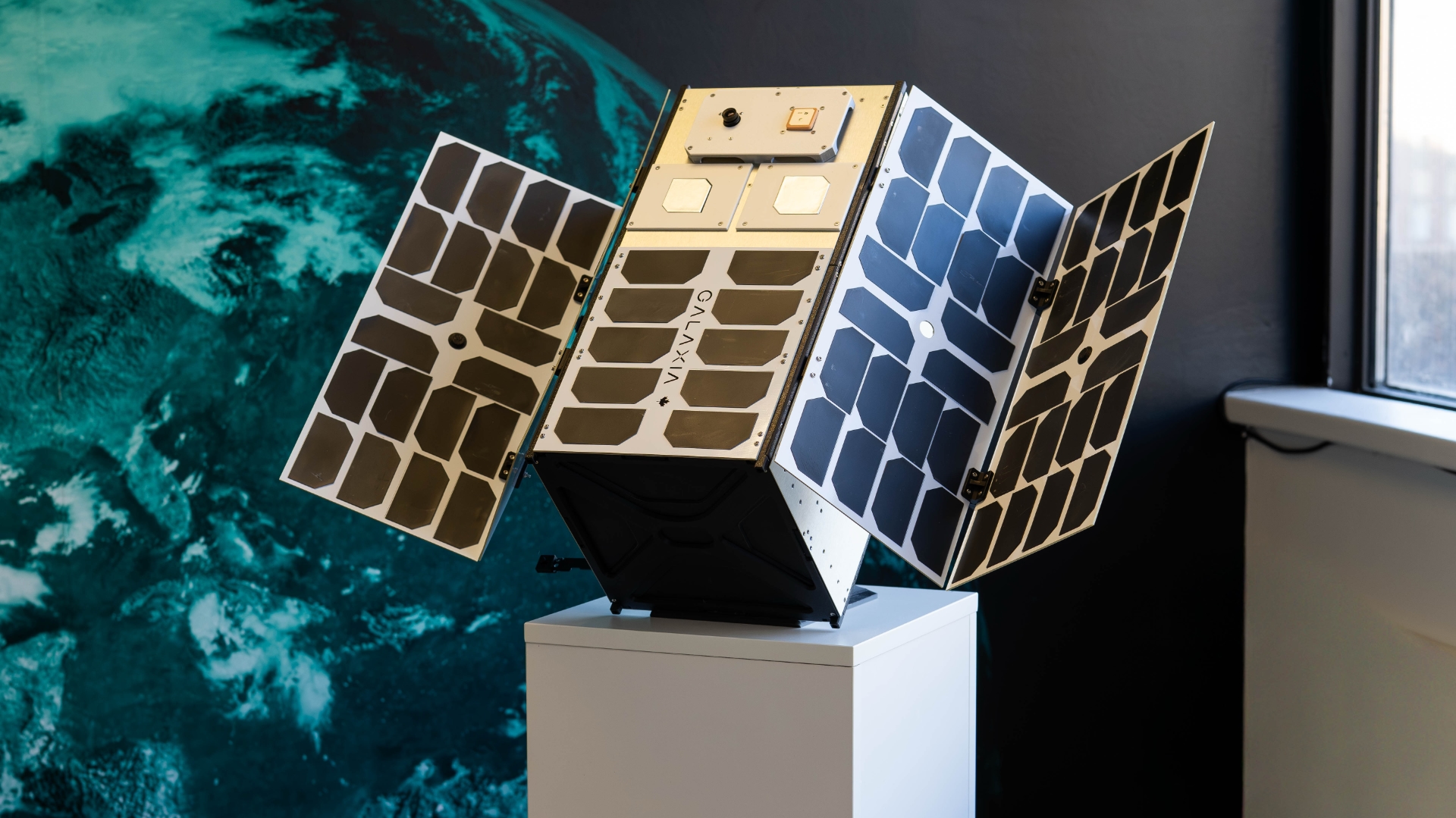
Halifax-based Galaxia announced Wednesday it is building OSPREY, a satellite that will test handing data from older spacecraft to a new satellite in orbit and processing it there. The work is funded through a Department of National Defence Innovation for Defence Excellence and Security challenge award.
Federal contract disclosures show DND awarded Galaxia a competitively sourced contract worth about $5.7 million on April 6. The Gateway to the Stars challenge offers up to $5 million, before taxes, for building and validating a prototype.
Galaxia will build OSPREY on its Halifax Class satellite bus for defence sensing and intelligence, surveillance and reconnaissance in places with poor communications, such as the Canadian Arctic. Instead of the traditional route where a satellite holds what it collects until it passes over a ground station, data from legacy spacecraft would go to OSPREY in orbit, then be processed onboard or forwarded through other networks in low Earth orbit.
“Galaxia is developing intelligent spacecraft that can operate cooperatively, establish resilient communications, form secure space-based networks, process observations onboard and deliver relevant information to users in near real time,” founder and chief executive Arad Gharagozli said.
DND issued the Gateway challenge in September 2025, with proposals closing October 22 that year. Kepler won the only other Gateway award DND has announced.
U.S. Midterms Shift Space Committee Control to Democrats

American voters gave Democrats a majority in both the Senate and the House on Tuesday, handing the party control over the committees that write NASA’s budget, set Space Force policy and can compel CEOs like Elon Musk to testify. CBS News projects Democrats will hold at least 54 Senate seats, with two races still unresolved. The party flipped seats in Kansas, Iowa, Texas, Ohio, Maine, North Carolina and South Carolina. Democrats passed the 218 seats needed for a House majority by Wednesday, and CBS estimates they could finish with more than 250. The new Congress sits on Jan. 3.
Zoe Lofgren of California, the top Democrat on the House Science, Space, and Technology Committee, is in line to take its gavel from Texas Republican Brian Babin. Lofgren told the American Institute of Physics last month that a Democratic committee would work to reverse “the tremendous damage that the administration has done to the science enterprise,” and that she wanted budget restrictions on NASA and other science agencies lifted.
Valerie Foushee of North Carolina, the top Democrat on the House space and aeronautics subcommittee, was re-elected and is next in line to chair it. George Whitesides of California, a former NASA chief of staff and Virgin Galactic chief executive, won a second term and remains the committee’s vice ranking member.
In the Senate, Maria Cantwell of Washington is in line to reclaim the Commerce, Science, and Transportation Committee, which she chaired from 2021 to 2025. Ted Cruz of Texas moves to the minority after two years in which he steered an extra $10 billion to NASA through last year’s budget reconciliation law.
Citations
- Alex MacDonald appointed Canadian Space Agency president — spaceq.ca
- Former NASA Chief Economist is New Head of Canadian Space Agency — spacepolicyonline.com
- Galaxia OSPREY satellite to test moving defence data in orbit — spaceq.ca
- Midterm elections shift space power to Democrats, with stakes for Canada — spaceq.ca
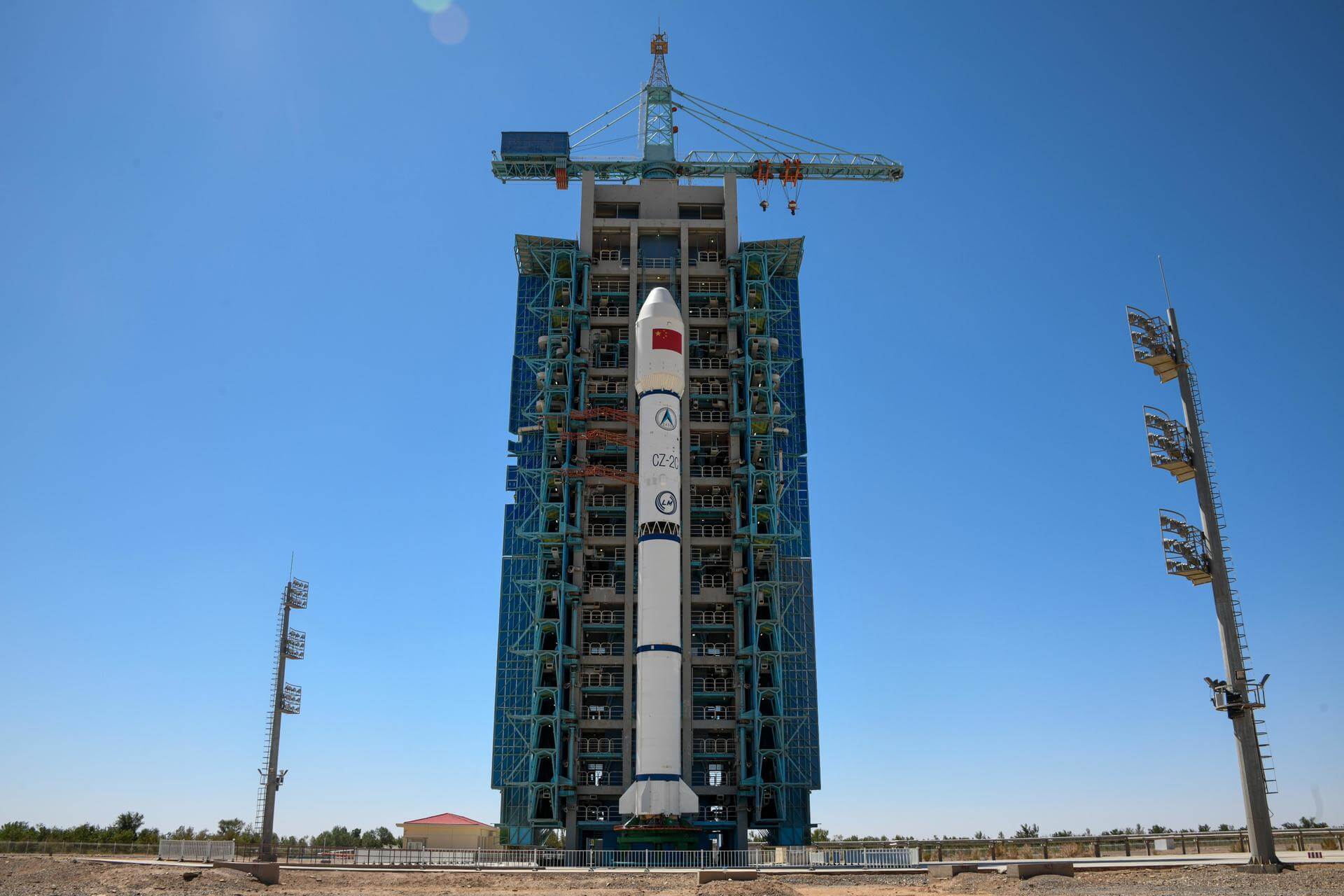
Unknown Payload
Provider: China Aerospace Science and Technology Corporation
Date: November 5, 2026
Time: 4:00 PM UTC
Vehicle: Long March 2C
Details TBD.

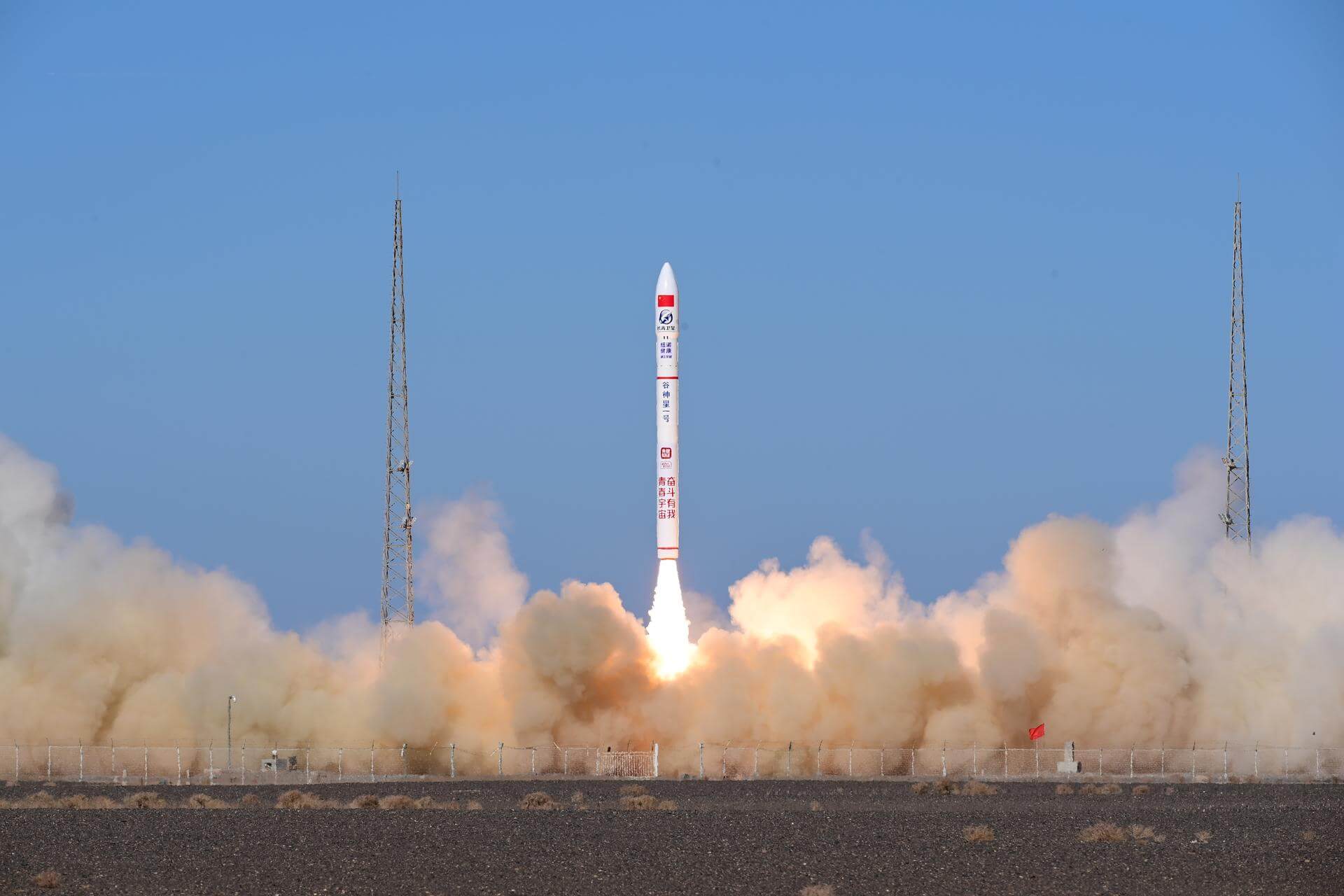
Unknown Payload
Provider: Galactic Energy
Date: November 6, 2026
Time: 11:35 PM UTC
Vehicle: Ceres-2
Details TBD.
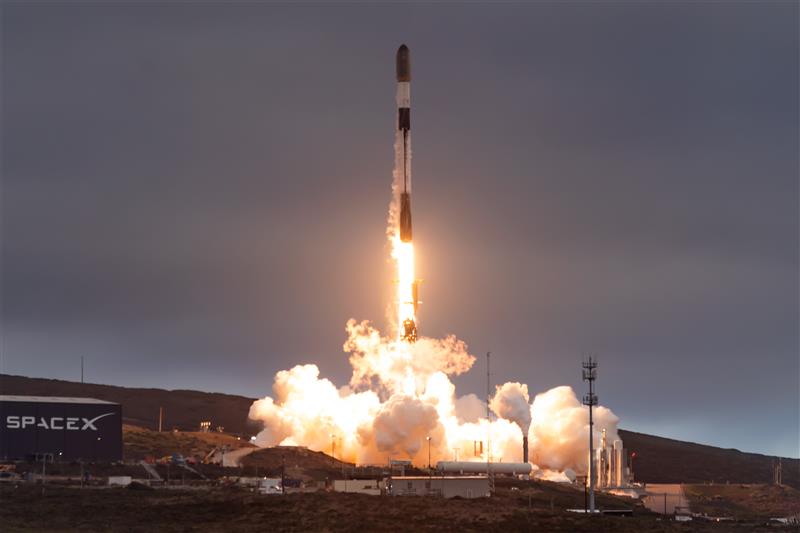
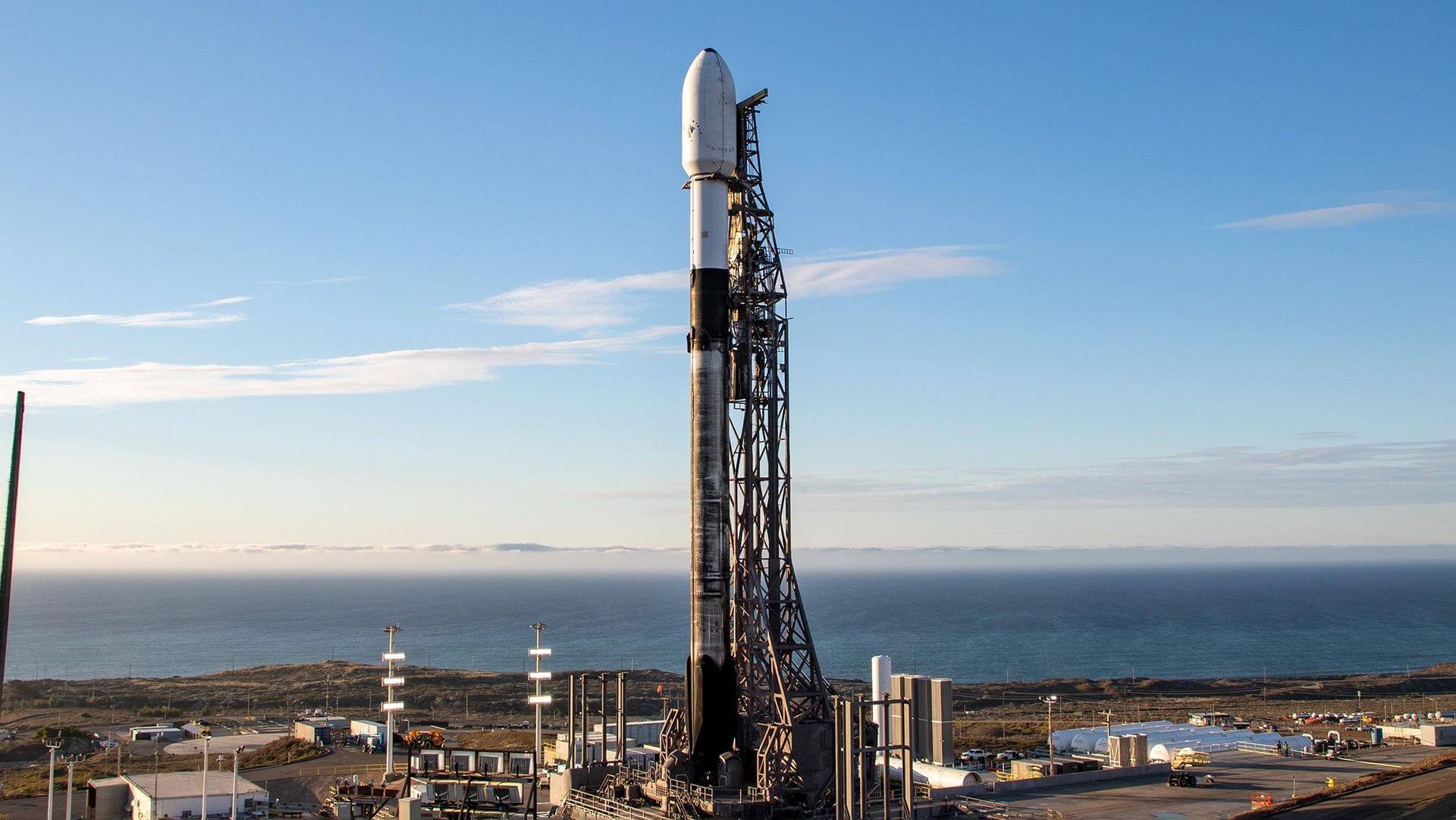
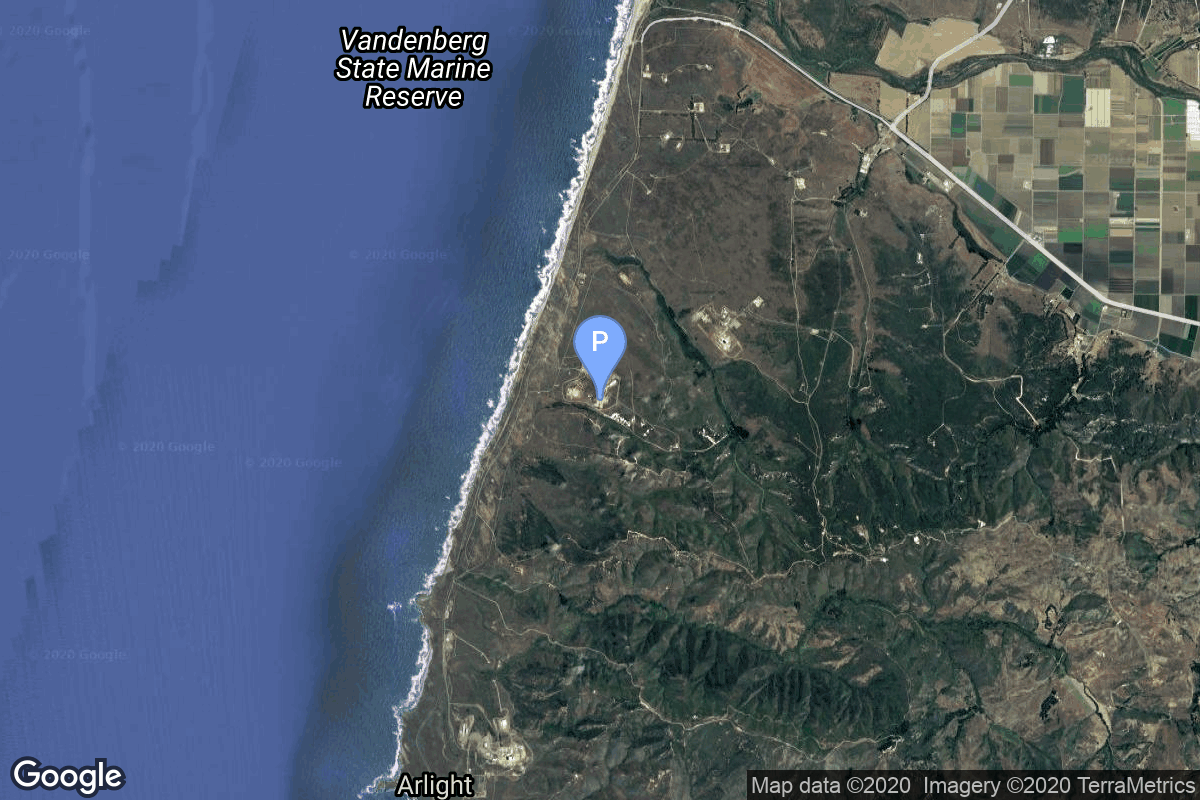
USSF-432
Provider: SpaceX
Date: November 7, 2026
Time: 12:46 AM UTC
Vehicle: Falcon 9
A classified mission for the United States Space Force. It is possibly a batch of classified LEO satellites based on SpaceX’s Starshield satellite bus, based on locations of rocket stage drop zones being exact fits with previous Starlink Group 15 launches.
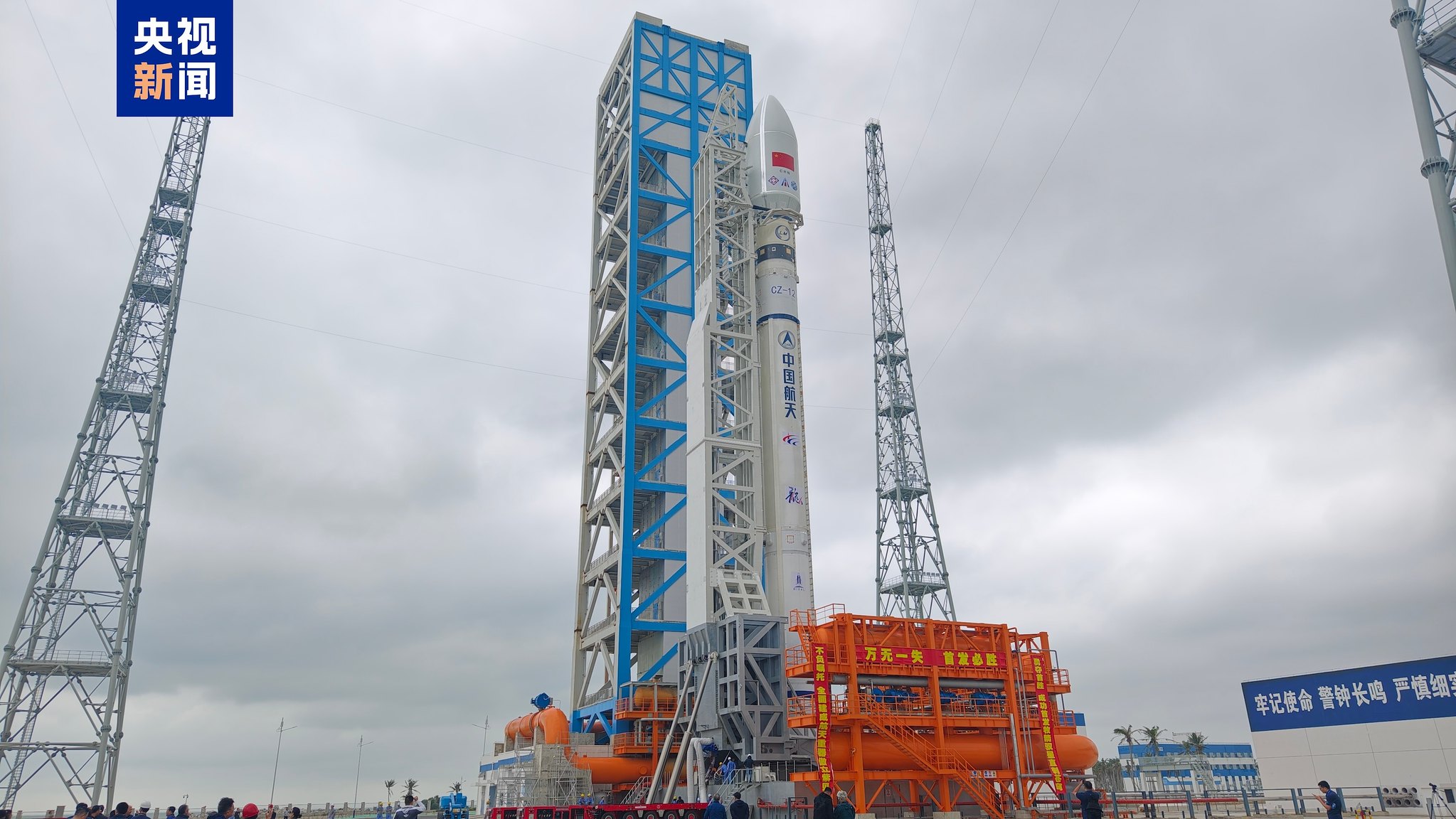
SatNet LEO Group TBD?
Provider: China Aerospace Science and Technology Corporation
Date: November 8, 2026
Time: 8:25 PM UTC
Vehicle: Long March 12
A batch of 9 Low Earth Orbit communication satellites for the Chinese state owned SatNet constellation operated by the China Satellite Network Group.
The constellation will eventually consists of 13000 satellites.
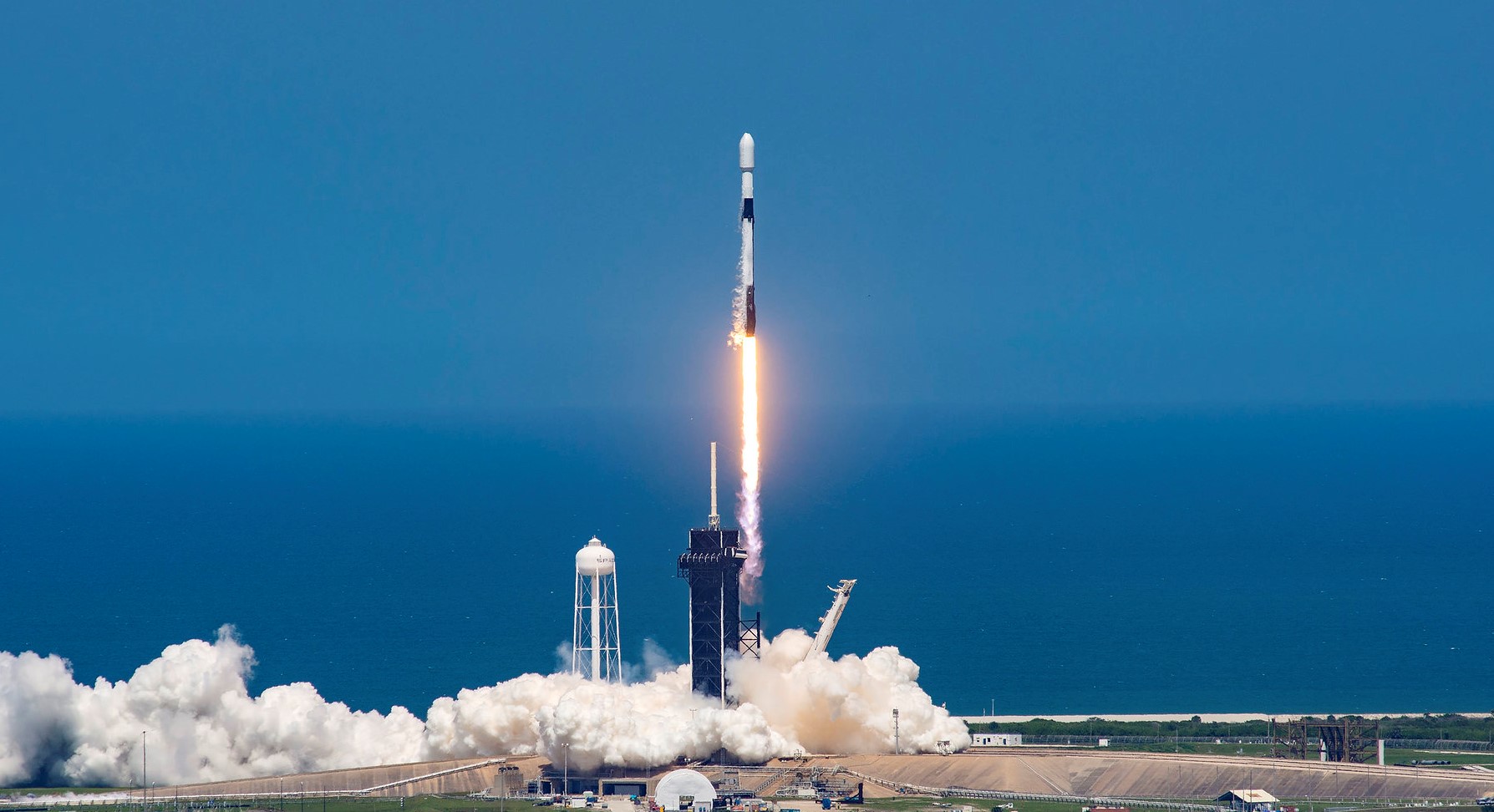
USSF-627
Provider: SpaceX
Date: November 10, 2026
Time: 3:03 AM UTC
Vehicle: Falcon 9
A classified mission for the United States Space Force. It is possibly a batch of classified LEO satellites based on SpaceX’s Starshield satellite bus, based on locations of rocket stage drop zones being exact fits with previous Starlink Group 15 launches.







Enjoying the content? Stay up to date on everything happening behind the scenes by following our Patreon!


Leave a Reply