Canadian Astronaut Joshua Kutryk Makes First Spacewalk
CSA astronaut Joshua Kutryk became the fifth Canadian to walk in space on Oct. 29, spending more than seven hours outside the International Space Station to install a new solar array. Working alongside NASA astronaut Anil Menon, Kutryk successfully installed and unfurled the seventh of eight IROSAs — the Roll-Out Solar Arrays designed to boost the station’s power through its planned retirement in 2030.
The spacewalk lasted seven hours and 11 minutes. Menon, 50, and Kutryk, 44, switched their spacesuits to battery power at 7:57 a.m. EDT and began repressurizing the Quest airlock at 3:08 p.m. EDT. The pair finished the IROSA work far enough ahead of NASA’s planned timeline that they tackled “get-ahead tasks,” including preparations for the final IROSA installation scheduled for Nov. 5.
“The spacewalk was essentially flawless,” NASA Mission Control commentator Rob Navias said. The 60-foot solar panel unfurled from its rolled-up configuration over about 10 minutes, adding 8 kilowatts to the station’s power capability. When all eight arrays are installed, the station’s available power will rise from 160 kilowatts to about 215 kilowatts.
Kutryk arrived at the station on Oct. 1 aboard a SpaceX Crew Dragon capsule. His spacewalk was the 285th devoted to station assembly, maintenance and upgrades, and brought NASA’s cumulative spacewalk time outside the station since 1998 to 75 days, seven hours and 14 minutes. It was Menon’s fourth spacewalk, bringing his total time spacewalking to 26 hours and 31 minutes.
CSA Opens Bids on RADARSAT+ Pathfinder Missions
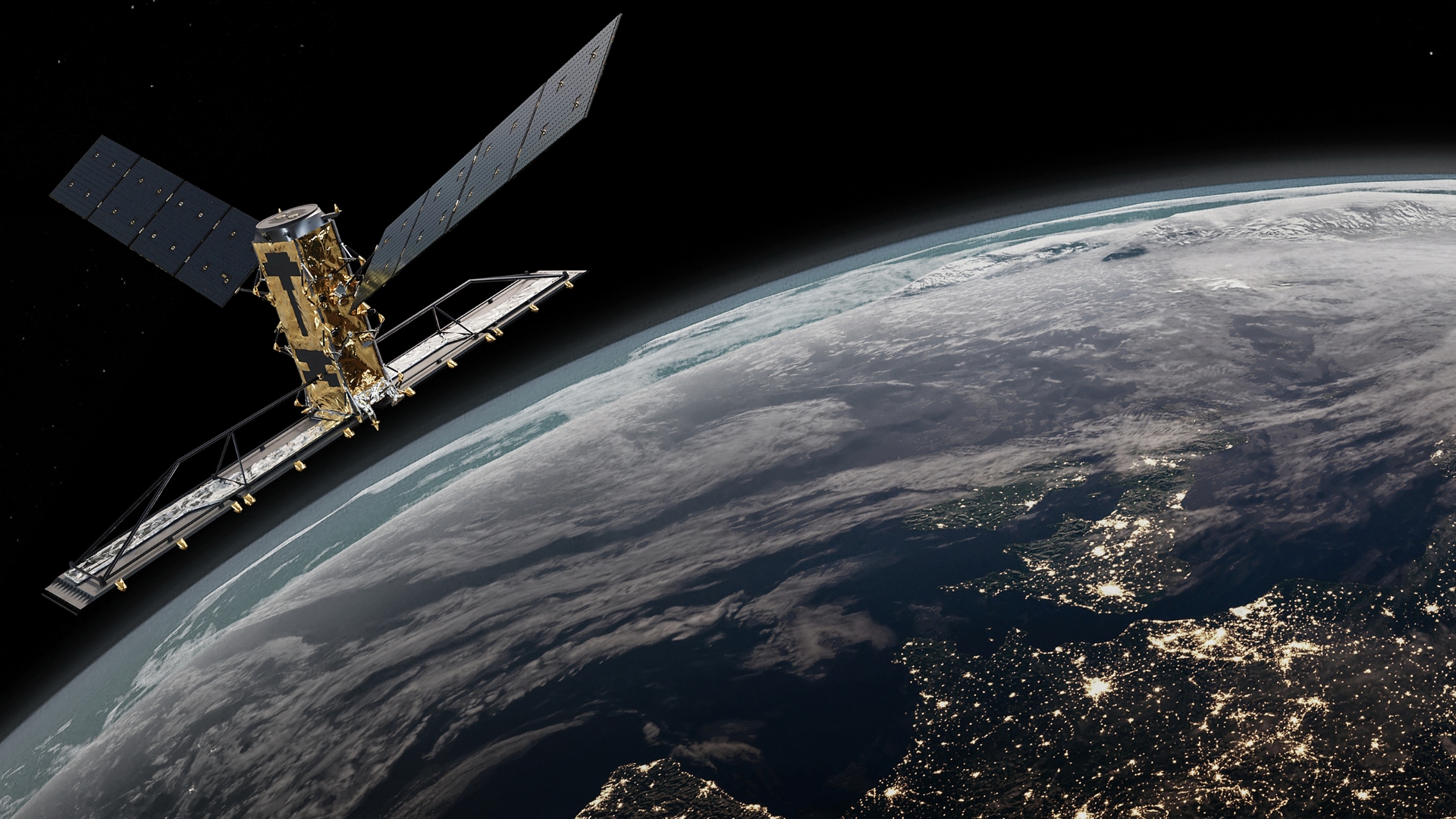
The Canadian Space Agency posted a solicitation on Oct. 26 for early definition work on two pathfinder satellites that would test new radar technology for RADARSAT+, Canada’s next-generation Earth observation system. One satellite would operate in the Ku band, the other in the X band. Bids close Dec. 7.
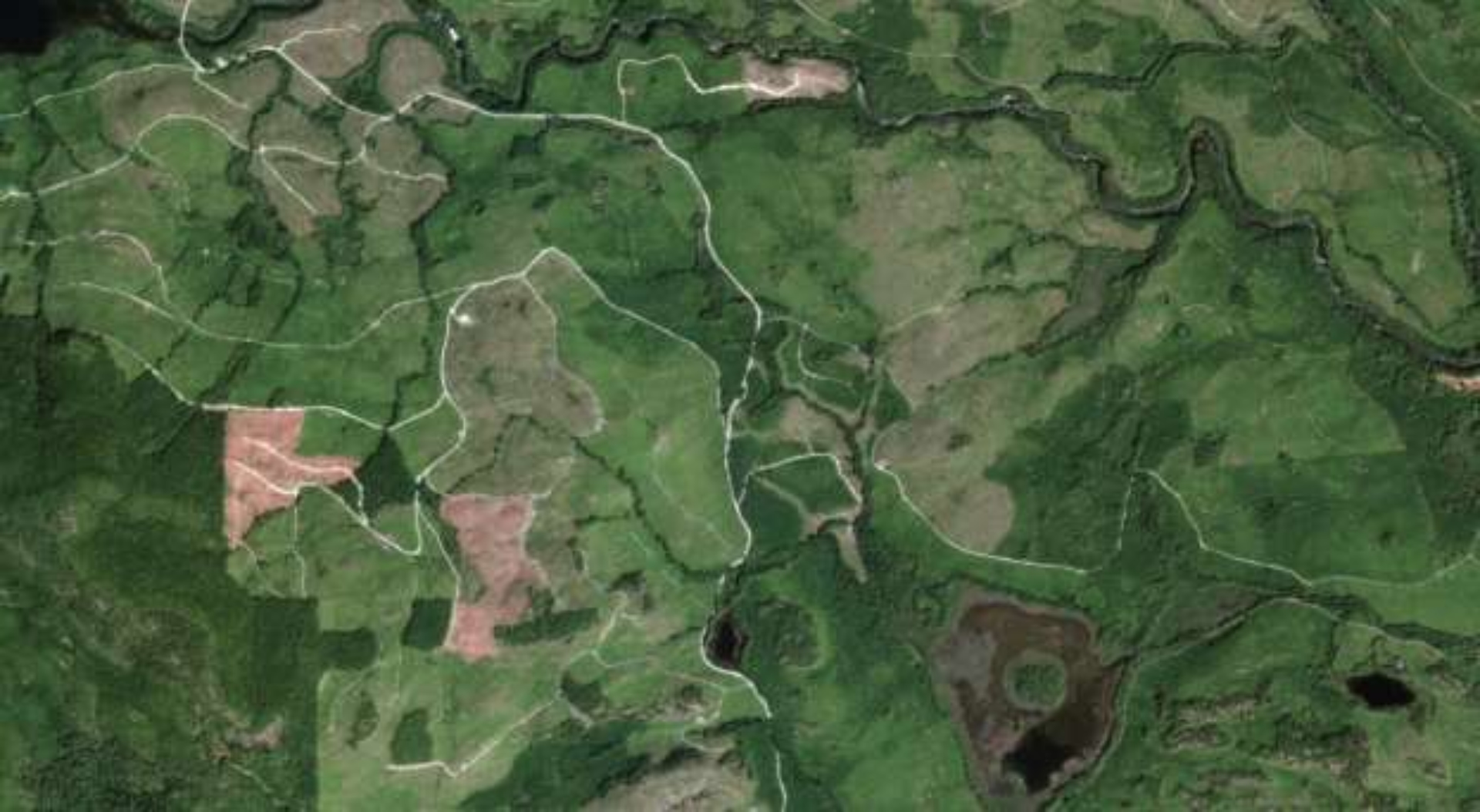
Both missions would carry synthetic aperture radar, which builds images by bouncing microwave pulses off the ground and works through cloud and darkness. The RADARSAT Constellation Mission, launched in 2019, and the RADARSAT satellites before it use the longer-wavelength C band. Commercial radar constellations such as ICEYE and Capella Space fly X-band radar, whose shorter wavelength suits finer detail. Ku-band radars have measured sea level, ice and ocean winds from orbit for decades, but few satellites have used the band to make images.
Winning bidders would help the CSA set system requirements, judge whether each mission is technically feasible, identify technologies still to be developed and plan how the missions would be carried out. The solicitation was posted on the opening day of the fourth National Earth Observation Forum, which ran through Oct. 28 at the CSA’s John H. Chapman Space Centre in Longueuil, Que.
Ottawa set aside $1.012 billion over 15 years for RADARSAT+ in October 2023. The portfolio covers a replenishment satellite for the RCM and the definition of a system to succeed it. MDA Space signed a $688-million contract in June to build and launch the replenishment satellite, which will fly with the existing three RCM satellites.
EarthDaily Wins NASA Task Order for Landsat Comparison
Vancouver-based EarthDaily Analytics has won a task order worth about $4.2 million ($US 3 million) from NASA to test whether imagery from its new satellite constellation is accurate enough to use with Landsat, the U.S. government’s half-century record of Earth’s land surface.
The task order is under the Sustainable Land Imaging commercial transition initiative, run jointly by NASA and the U.S. Geological Survey, which operates the Landsat satellites and their archive. Scientists at both agencies will check EarthDaily’s data against Landsat’s standards for calibration, stability and geometric performance. They will also process it with the same systems the agencies use to turn raw Landsat and Europe’s Sentinel-2 imagery into ready-to-analyze data.
Agency scientists want to know whether the data can yield Landsat-grade surface reflectance and surface temperature. NASA’s procurement notice adds higher-level products, such as vegetation indices and evapotranspiration. The work will also look at products prepared for machine-learning systems.
“To understand change, you first need measurements you can trust and compare over time,” EarthDaily chief executive Don Osborne said in the company’s release. NASA selected EarthDaily as its sole source for the work in July, citing a rule that lets it skip competition when only one responsible source can meet its needs. The notice lists about 110,000 scenes, most of them multispectral and short-wave infrared, drawn from new collection and EarthDaily’s archive.
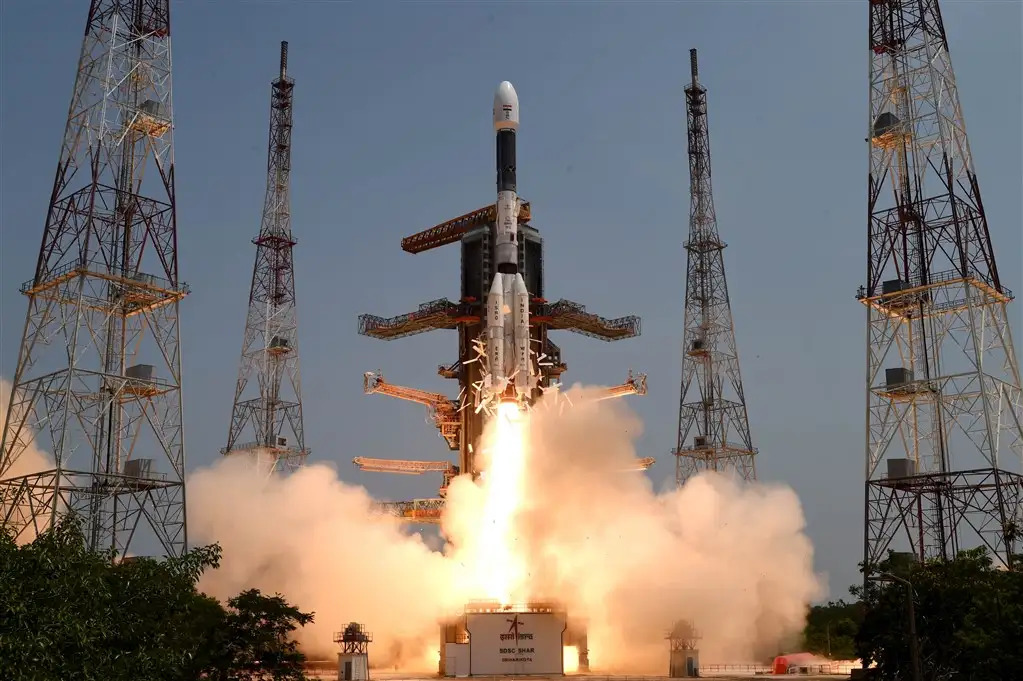
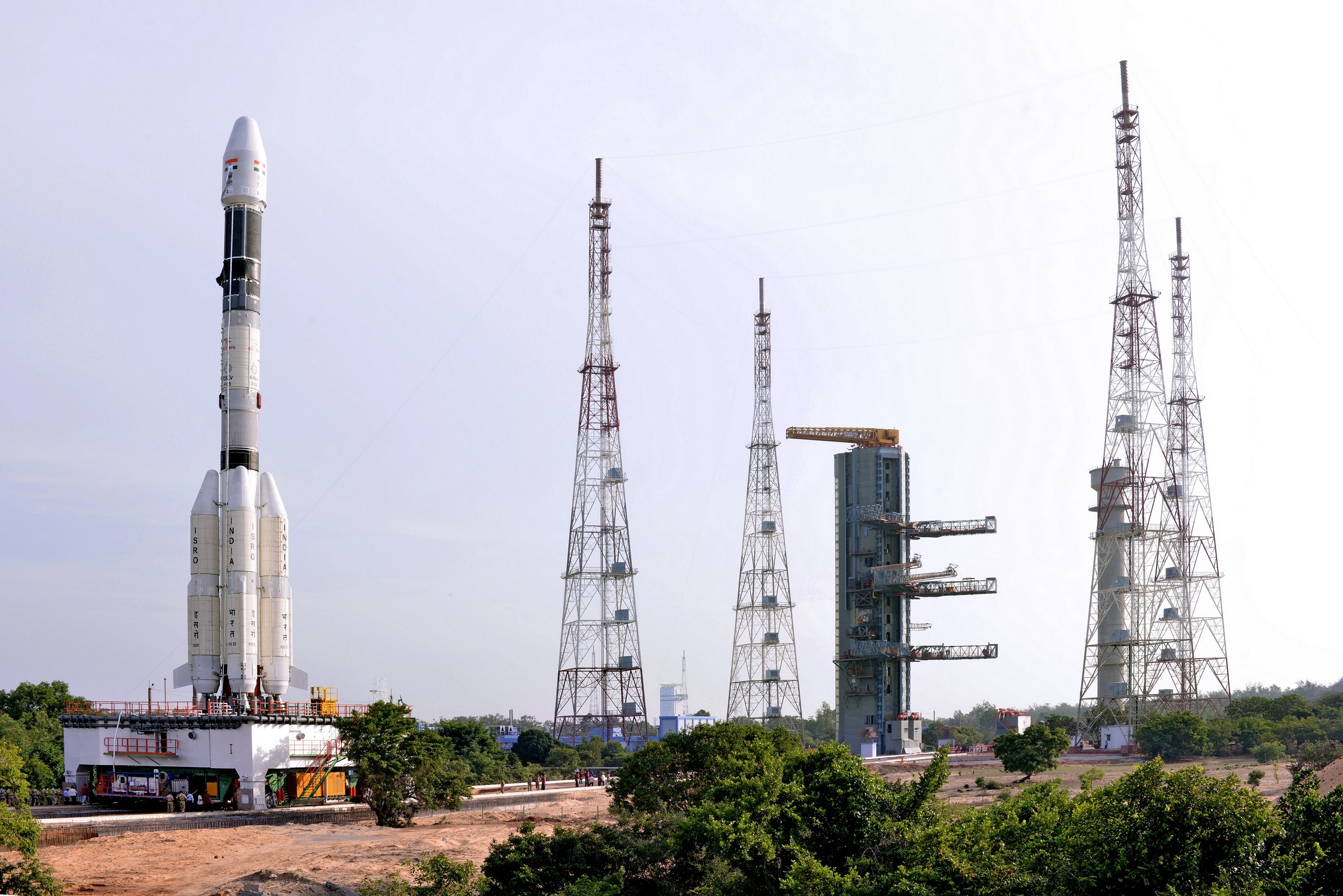
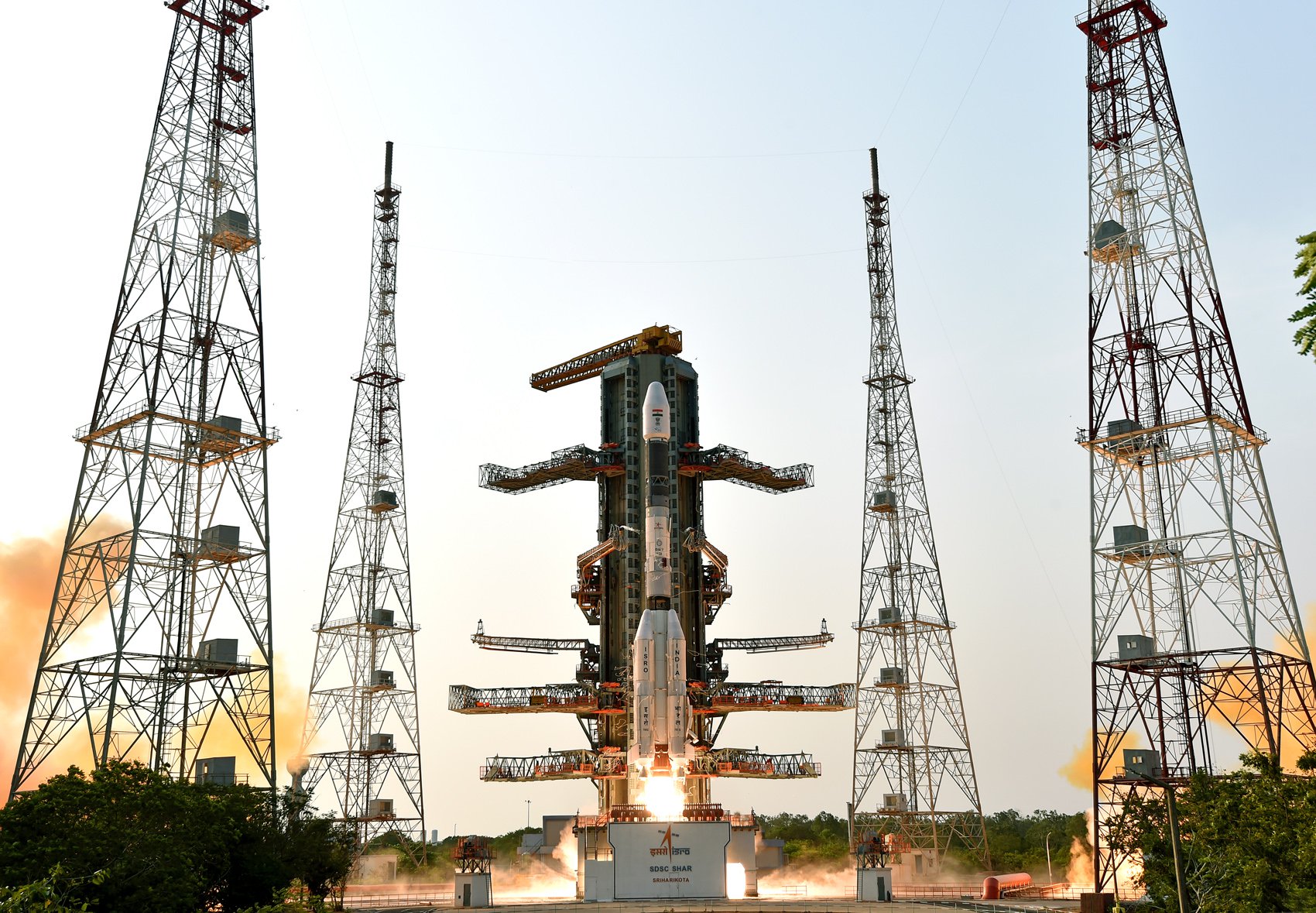
Provider: Indian Space Research Organization Date: October 30, 2026 Time: 6:21 PM UTC Vehicle: GSLV Mk II
This is a replacement satellite for the Indian Regional Navigation Satellite System. The constellation will provide India with an alternative to GPS and will be used for military and civilian use. Located at a geosynchronous orbit, the system will be operated by the Indian government.
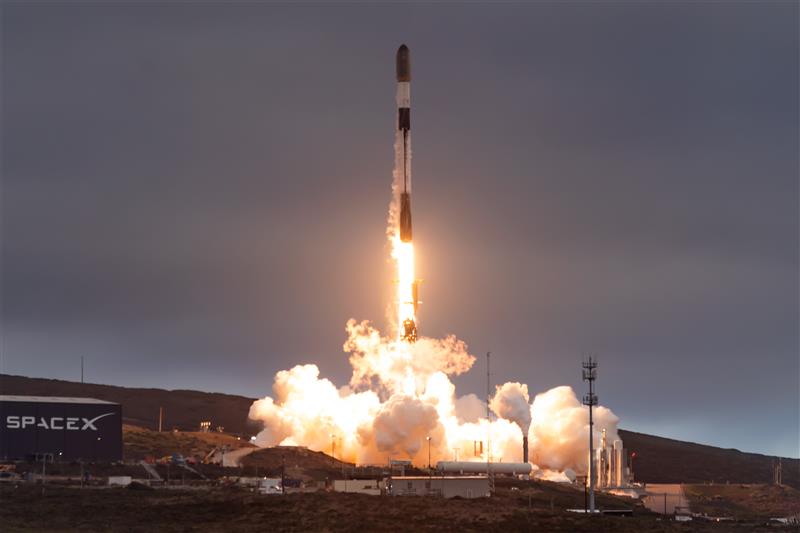
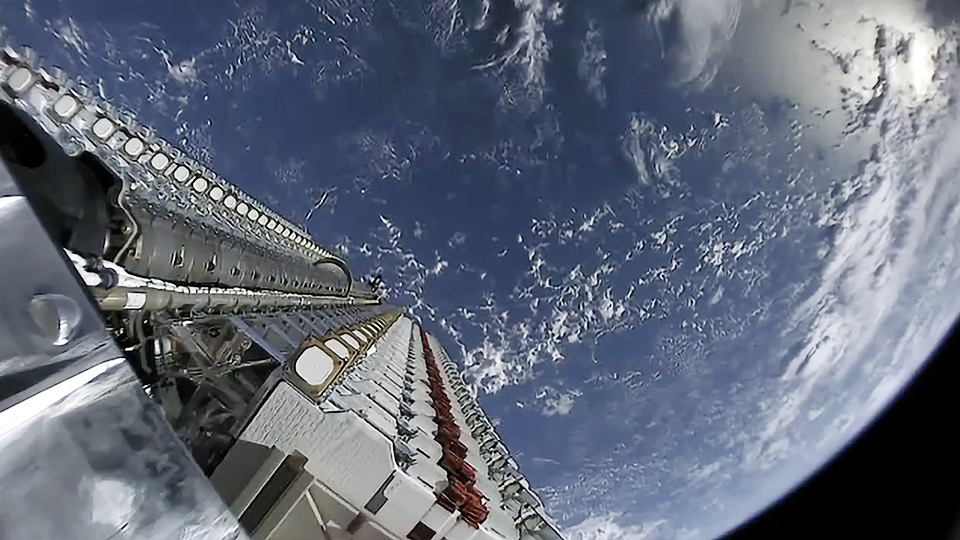
Starlink Group 15-18
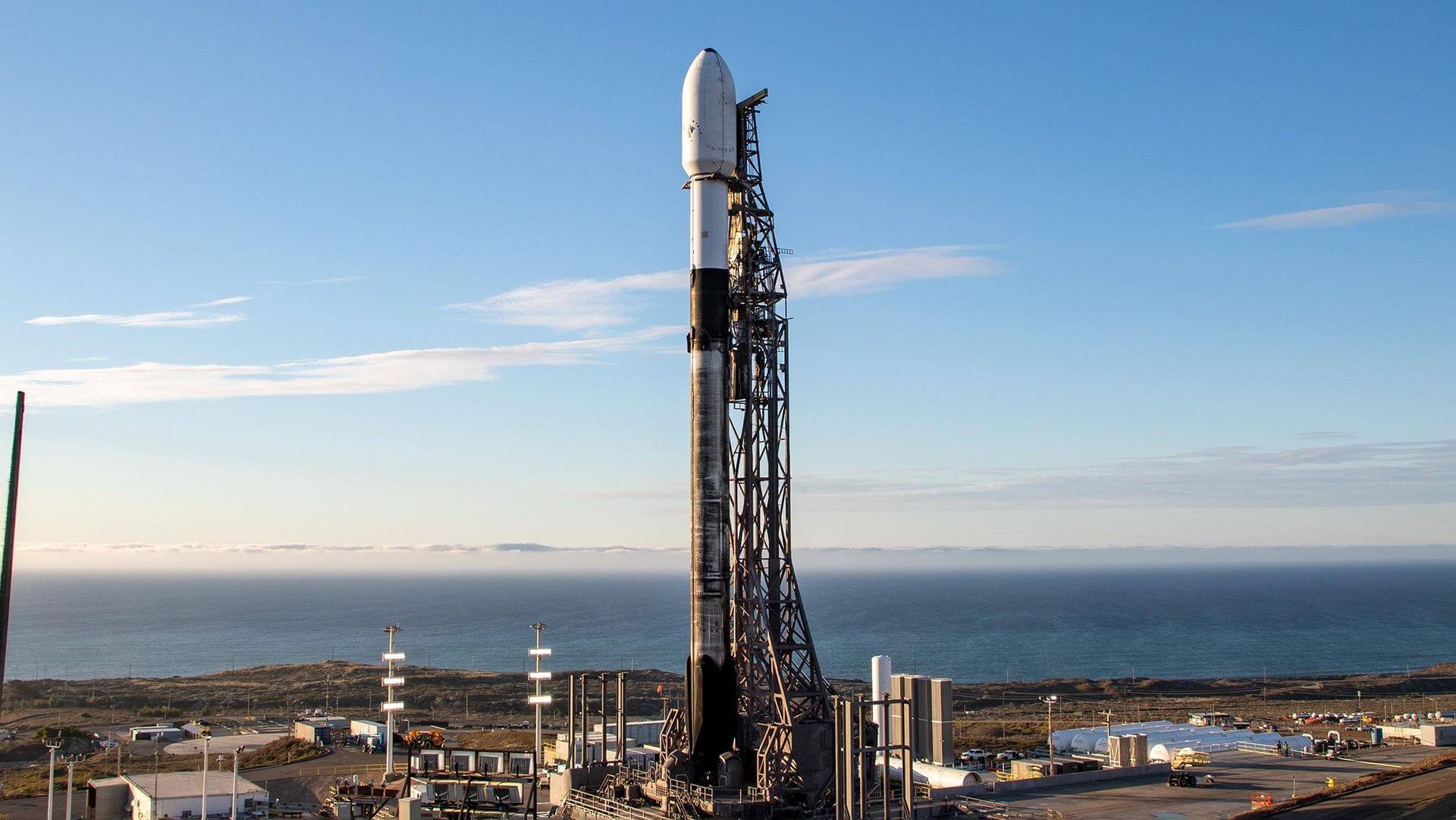
Provider: SpaceX Date: October 31, 2026 Time: 3:48 AM UTC Vehicle: Falcon 9
A batch of 27 satellites for the Starlink mega-constellation – SpaceX’s project for space-based Internet communication system.
The Sea God Surveys (iQPS Launch 9)
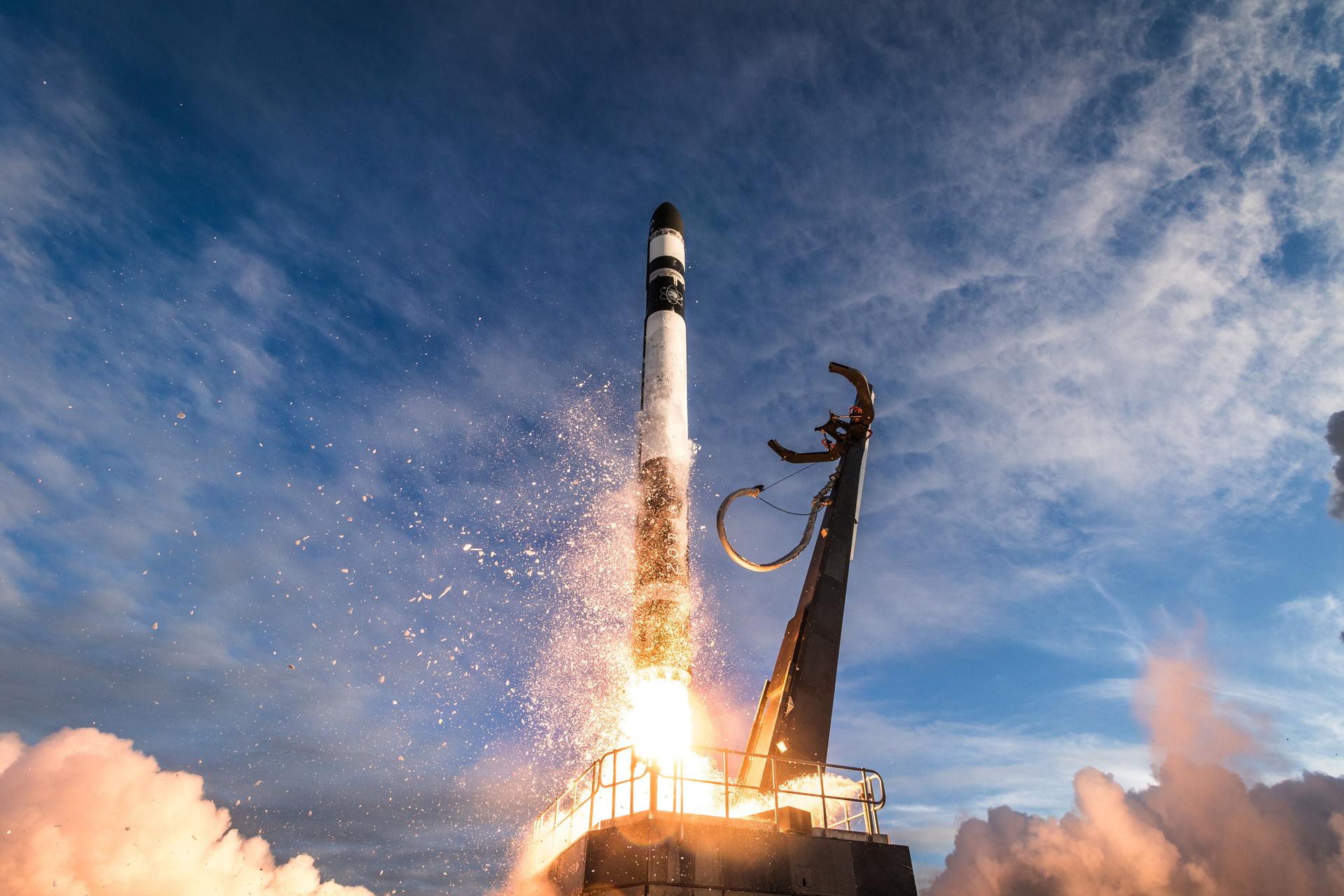
Provider: Rocket Lab Date: November 2, 2026 Time: 4:00 PM UTC Vehicle: Electron
Synthetic aperture radar Earth observation satellite for Japanese Earth imaging company iQPS.
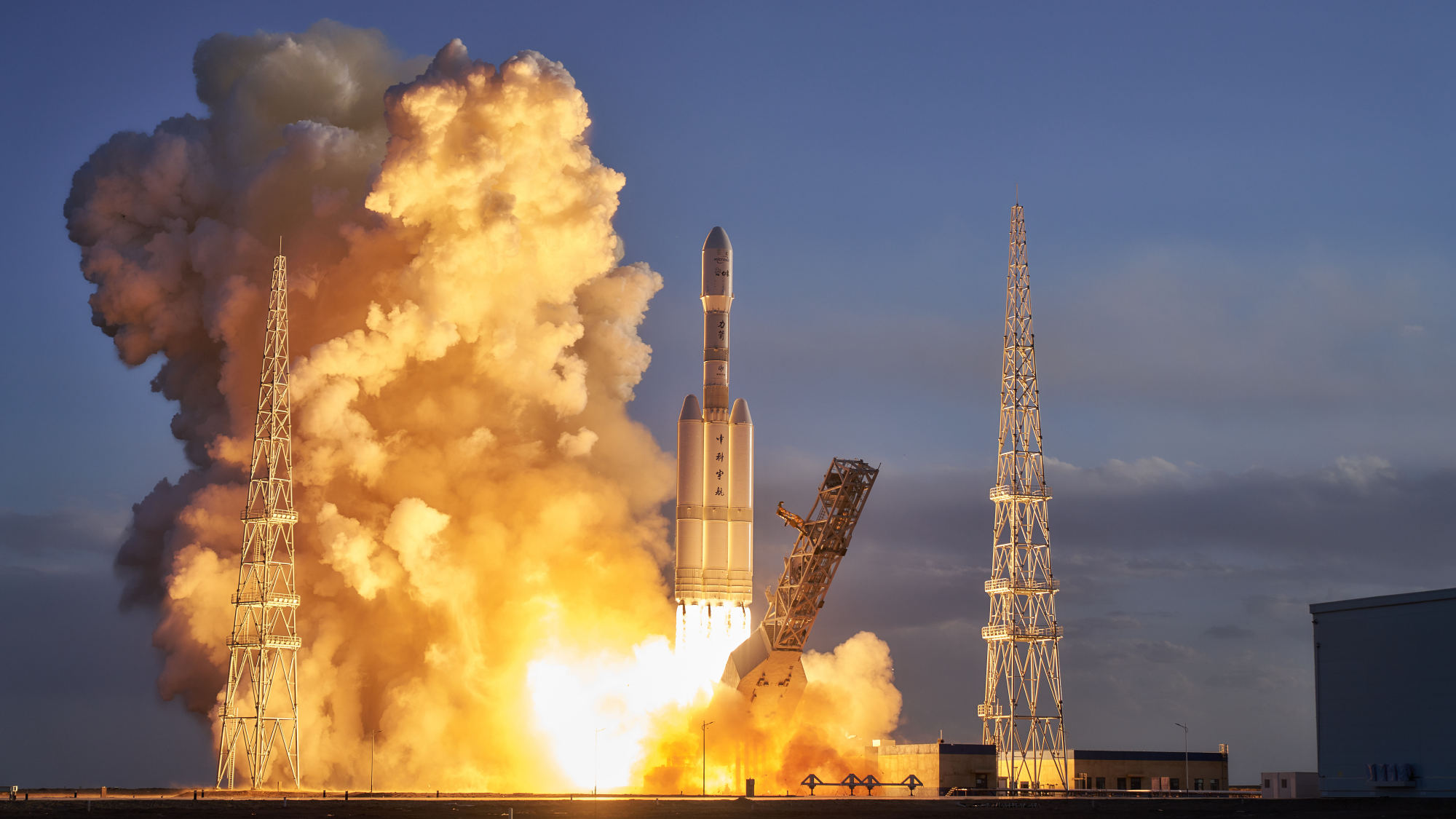
SpaceSail Polar Group TBD?
Provider: CAS Space Date: November 3, 2026 Time: 12:10 AM UTC Vehicle: Kinetica 2
Low Earth Orbit communication satellites with Ku, Q and V band payloads for the G60 constellation operated by Shanghai Spacesail Technologies with funding backed by the Shanghai local government.
Initial constellation will consist of 1296 satellites by 2027 with long term plans to expand it to 12000 satellites.
USSF-432
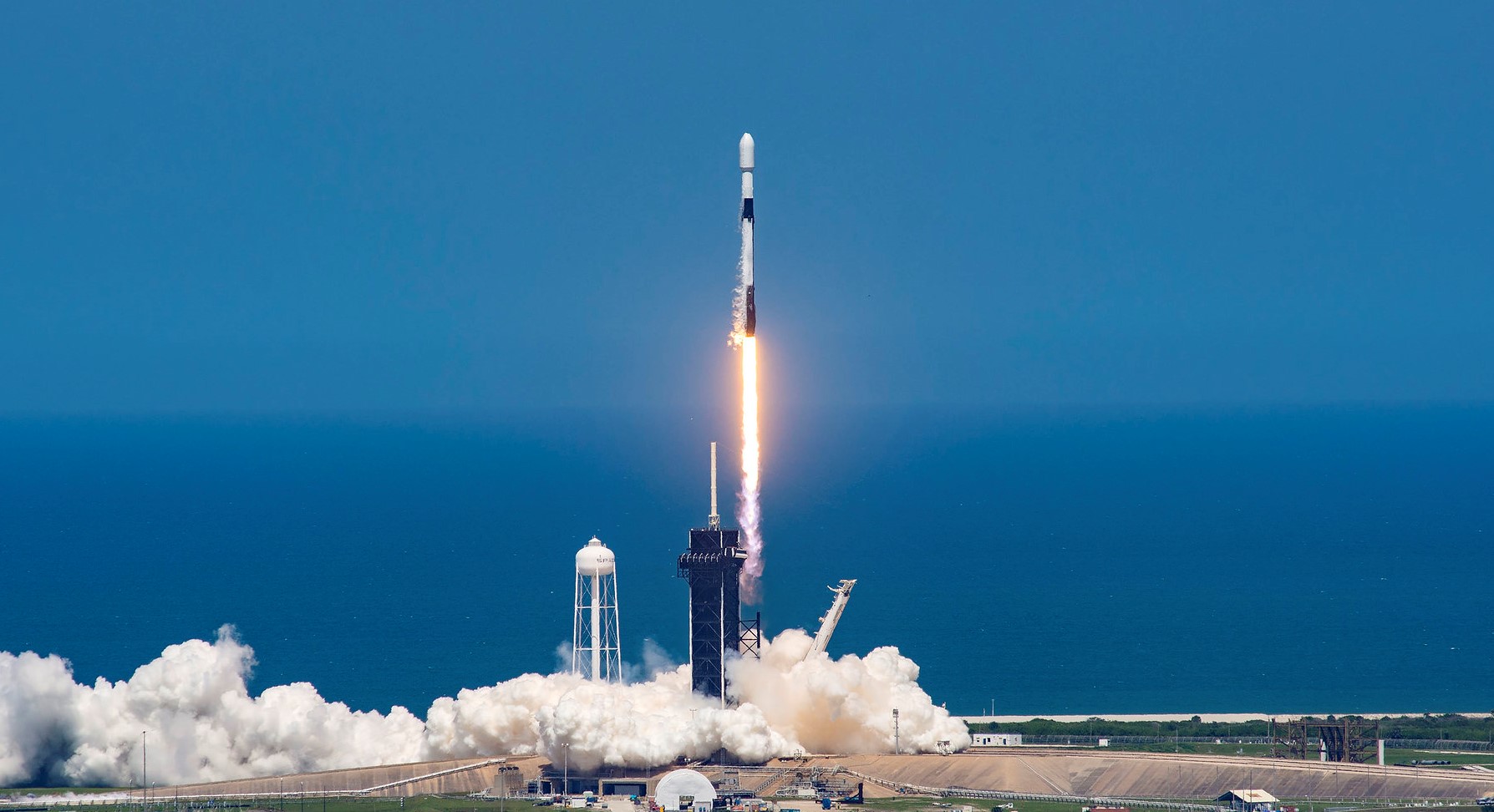
Provider: SpaceX Date: November 3, 2026 Time: 1:42 AM UTC Vehicle: Falcon 9
A classified mission for the United States Space Force. It is possibly a batch of classified LEO satellites based on SpaceX’s Starshield satellite bus, based on locations of rocket stage drop zones being exact fits with previous Starlink Group 15 launches.
IRNSS-1L (NVS-03) ×
Mission Details
TypeNavigation
OrbitGeostationary Transfer Orbit
TargetEarth
This is a replacement satellite for the Indian Regional Navigation Satellite System. The constellation will provide India with an alternative to GPS and will be used for military and civilian use. Located at a geosynchronous orbit, the system will be operated by the Indian government.
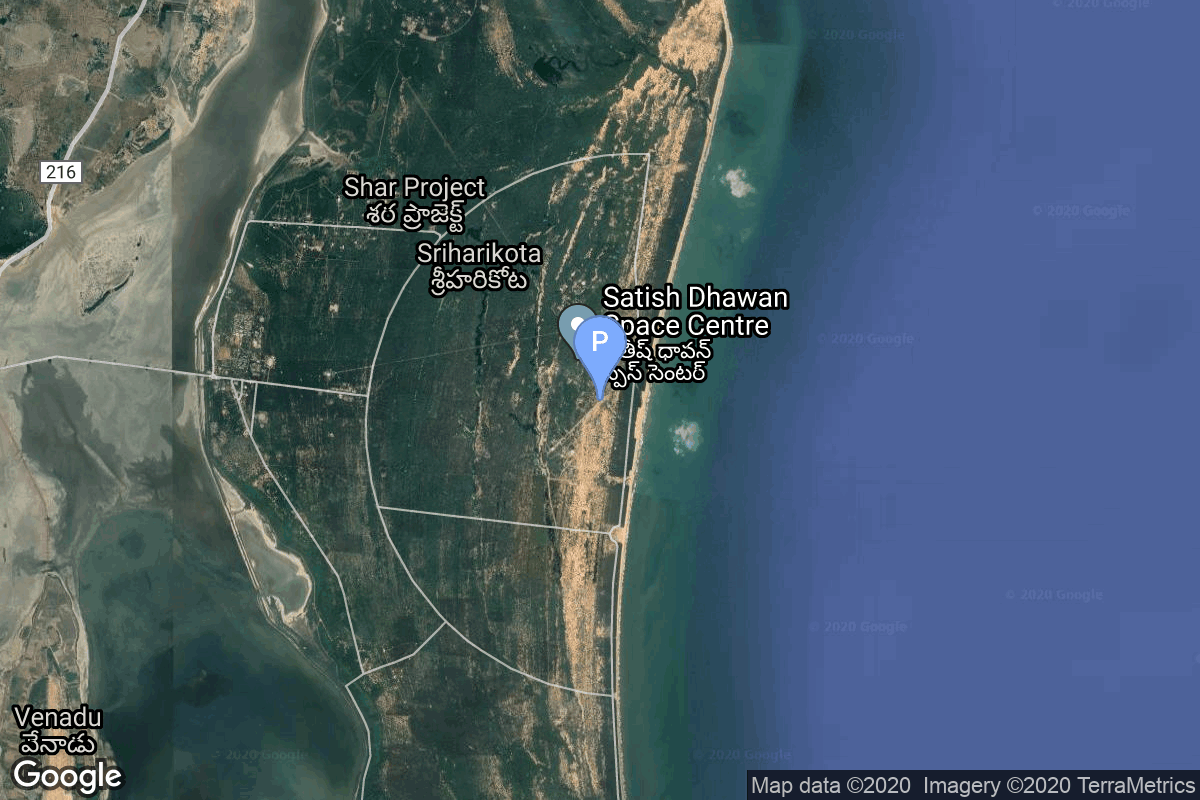
Launch Pad: Satish Dhawan Space Centre Second Launch Pad
Satish Dhawan Space Centre, India
The second launch pad was built between 1999 and 2003. It became functional in 2005 and has since been used for various rockets. This launch pad supports missions by PSLV, GSLV, LVM3 rockets and is…
Geosynchronous Satellite Launch Vehicle Mark II (GSLV Mk II) is the largest launch vehicle developed by India, which is currently in operation. This fourth generation launch vehicle is a three stage vehicle with four liquid strap-ons. The indigenously developed cryogenic Upper Stage (CUS), which is…
Falcon 9 is a two-stage rocket designed and manufactured by SpaceX for the reliable and safe transport of satellites and the Dragon spacecraft into orbit. The Block 5 variant is the fifth major interval aimed at improving upon the ability for rapid reusability.
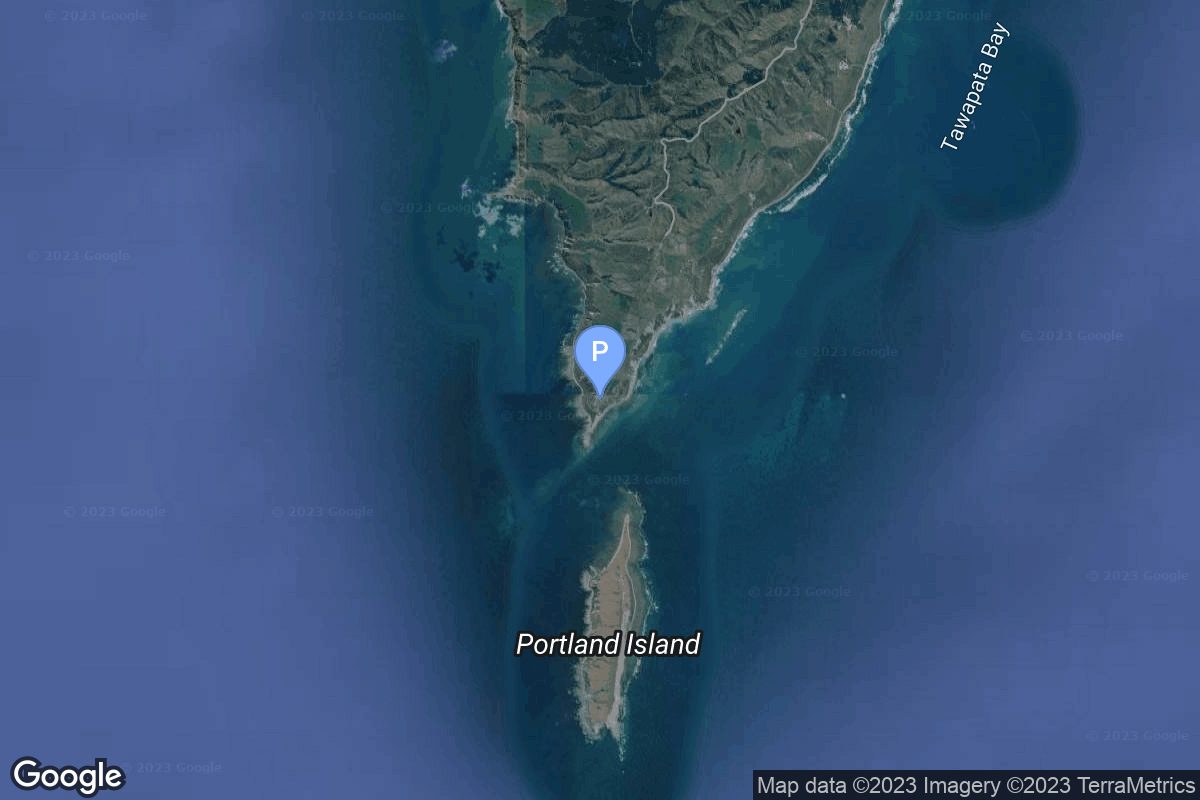
Rocket Lab Launch Complex 1, Mahia Peninsula, New Zealand
Total launches from this pad: 0
Vehicle: Electron
Electron is a two-stage orbital expendable launch vehicle (with an optional third stage) developed by the American aerospace company Rocket Lab. Electron is a small-lift launch vehicle designed to launch small satellites and cubesats to sun-synchronous orbit and low earth orbit. The Electron is the…
Low Earth Orbit communication satellites with Ku, Q and V band payloads for the G60 constellation operated by Shanghai Spacesail Technologies with funding backed by the Shanghai local government.
Initial constellation will consist of 1296 satellites by 2027 with long term plans to expand it to 12000 satellites.
A classified mission for the United States Space Force. It is possibly a batch of classified LEO satellites based on SpaceX’s Starshield satellite bus, based on locations of rocket stage drop zones being exact fits with previous Starlink Group 15 launches.
Falcon 9 is a two-stage rocket designed and manufactured by SpaceX for the reliable and safe transport of satellites and the Dragon spacecraft into orbit. The Block 5 variant is the fifth major interval aimed at improving upon the ability for rapid reusability.
Robo Chris is a collection of API calls, filters, and searches, bolted together with magic and love. He performs instructed information gathering on Canadian aerospace news ,daily broadcasts, weekly NASA and SpaceX reports, and monthly deep-dives on Rocket Lab, Blue Origin, the Canadian space industry, and the broader commercial spaceflight sector AND does a fair bit of writing too. Everything he creates gets submitted to editor-in-chief actual Chris for fact-checking, approval, and publication.










Leave a Reply