CSA Seeks Proposals for Three Priority Technologies
The Canadian Space Agency posted the CSA technology RFP on Oct. 15 under its Space Technology Development Program, seeking industry work on three priority technologies worth up to $4 million in total. One contract will be awarded per technology, each aimed at raising a technology’s readiness level toward flight.
The three priorities and their parameters:
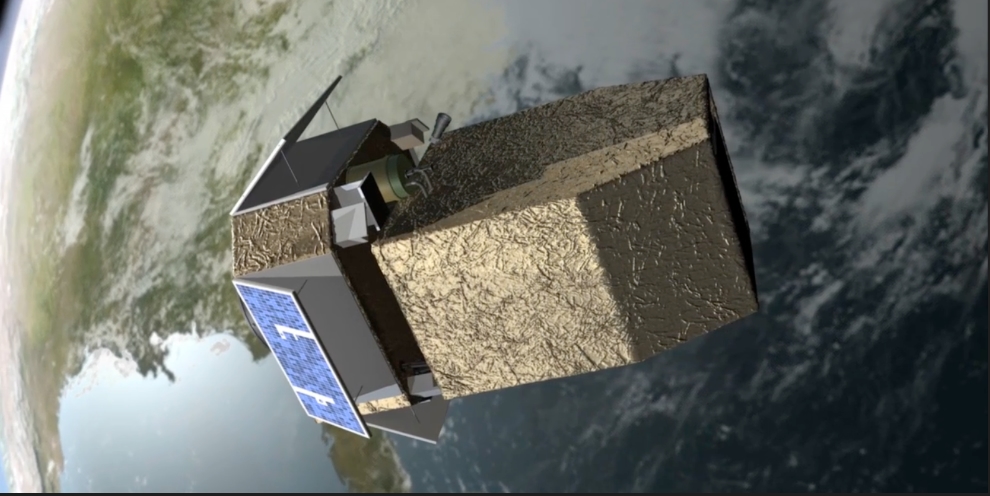
Lightweight athermal reflecting telescope for CubeSats — up to $1 million, 16-month timeline, target TRL 5. The telescope must occupy no more than two standard CubeSat units and resolve features smaller than seven metres on the ground.
Readout electronics for large mosaic focal plane arrays (CASTOR) — up to $1 million, 24-month timeline, target TRL 4.
Technologies for the Terrestrial Snow Mass Mission — up to $2 million, 12-month timeline, target TRL 4. This covers a radar module for the planned snow-monitoring satellite.
A fourth priority technology from a February draft — a $1.6-million spectrometer for the Atmospheric Data Continuity and Improvement initiative — is being sourced separately. In July, the CSA posted an advance contract award notice identifying Quebec City-based ABB, which built the ACE-FTS spectrometer on Canada’s SCISAT satellite. The notice stated the work “is fundamentally dependent on ABB’s ownership of the original design data.”
For the CubeSat telescope, the RFP notes most CubeSats still use lens telescopes, limiting resolution. Mirrors fold the light path and pack a longer focal length into the same volume. The new design should adapt to satellites of different sizes rather than being a one-off custom build.
Kutryk Scheduled for First Spacewalk to Install Seventh IROSA
NASA astronaut Anil Menon and Canadian Space Agency astronaut Joshua Kutryk are scheduled to exit the International Space Station’s Quest airlock at 8 a.m. EDT today to install the seventh of eight International Space Station Roll-Out Solar Arrays. The excursion, on the 2A electrical power channel, is planned to last about six hours and 45 minutes.
The spacewalk is the 285th devoted to station assembly, maintenance and upgrades, and marks U.S. spacewalk 100. It is Menon’s fourth spacewalk and Kutryk’s first. Menon will wear a suit with red stripes as crew member 1; Kutryk will wear an unmarked suit as crew member 2.
During the outing, Menon will ride the Canadarm2 robotic arm to carry the rolled-up solar array to the port truss worksite. Kutryk will translate to the worksite while tethered to the orbital outpost, then join Menon to complete the installation. Mission controllers will remotely activate the array to begin generating power.
The compact roll-out panels are designed to compensate for power lost as the station’s original solar wings degrade after more than two decades in orbit. NASA says the eight IROSAs will raise the station’s available power from 160 kilowatts to about 215 kilowatts. “Overall, these roll-out arrays increase our power generation capability up to 30 percent,” Gaurang Patel, operations integration manager for NASA’s Low Earth Orbit Program, said during an Oct. 20 briefing.
The upgrade campaign began in 2021. If the Nov. 5 installation of the eighth and final array proceeds as planned, the work will be complete, supporting station operations through its planned decommissioning in 2030.
Vulcan Return to Flight Set for November 13
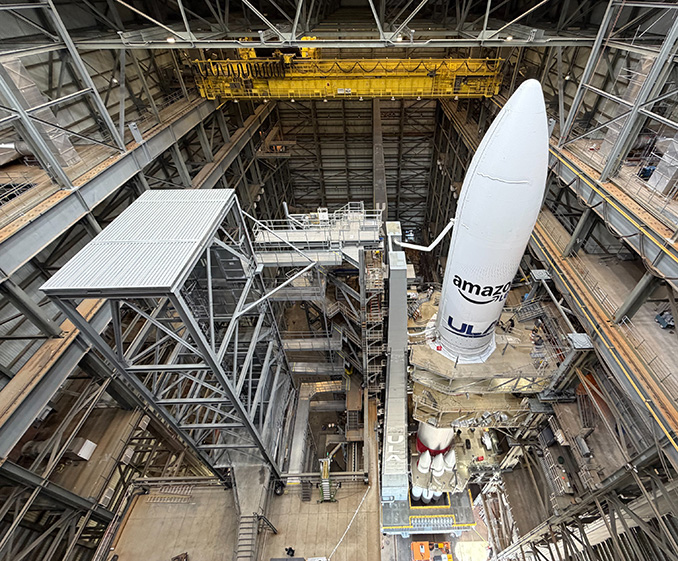
United Launch Alliance announced its Vulcan rocket will return to flight on Friday, November 13, ending a nine-month grounding caused by solid rocket booster nozzle problems. The mission will carry 40 satellites for Amazon’s Leo internet service and marks the fifth Vulcan flight since the rocket’s 2024 debut.
It will also be the first time Vulcan flies with six strap-on solid rocket boosters. The nozzle failures that grounded the rocket occurred on Northrop Grumman-built 63XL Graphite Epoxy Motors. During Vulcan’s second flight, a nozzle disintegrated on one of two boosters. A similar failure afflicted one of four boosters less than 30 seconds into the USSF-87 mission in February 2026. In both cases, the methane-fuelled first stage and hydrogen-fuelled upper stage compensated for the reduced and asymmetric thrust and reached their intended orbits.
An industry-government team comprising ULA, Northrop Grumman and the U.S. Space Force investigated the most recent incident. ULA said the team “has made great strides in improving our understanding of the solid rocket booster (SRB) anomaly… and have identified several potential contributors which have been mitigated through design and process improvements to the nozzle.” The upcoming launch will use the improved nozzle design, with additional testing and analysis continuing in parallel.
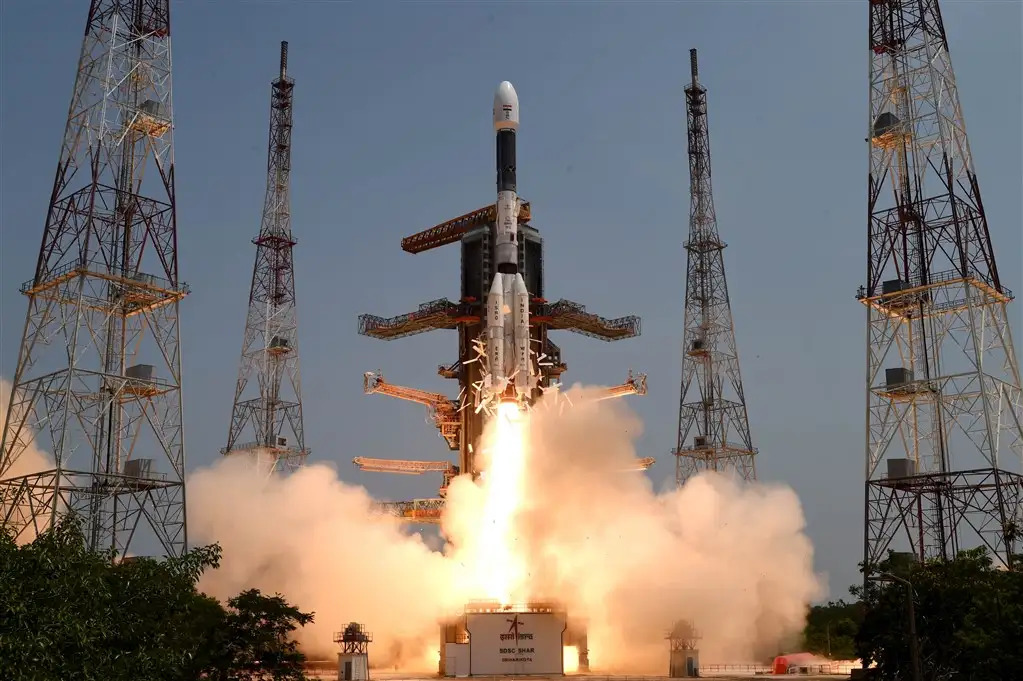
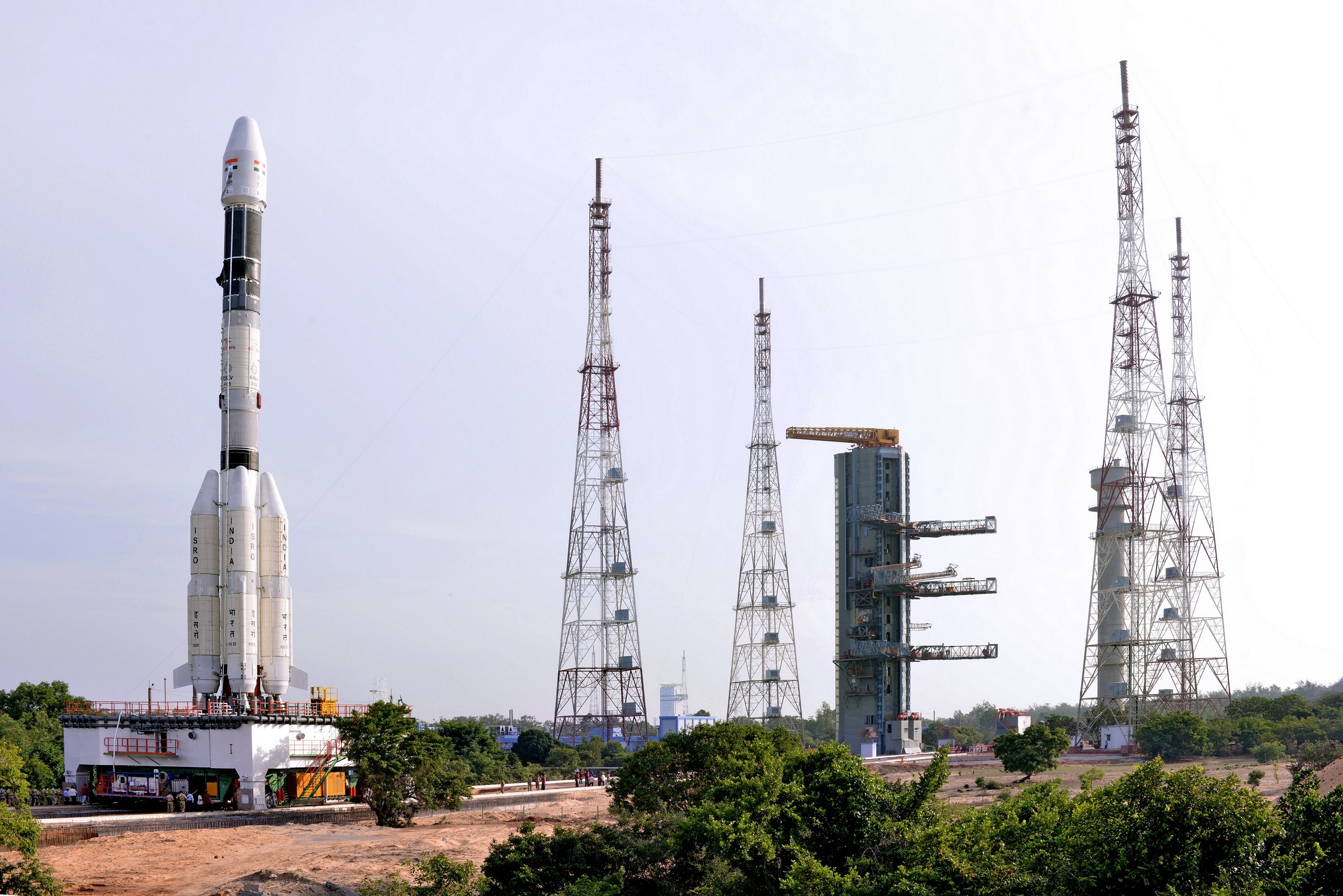
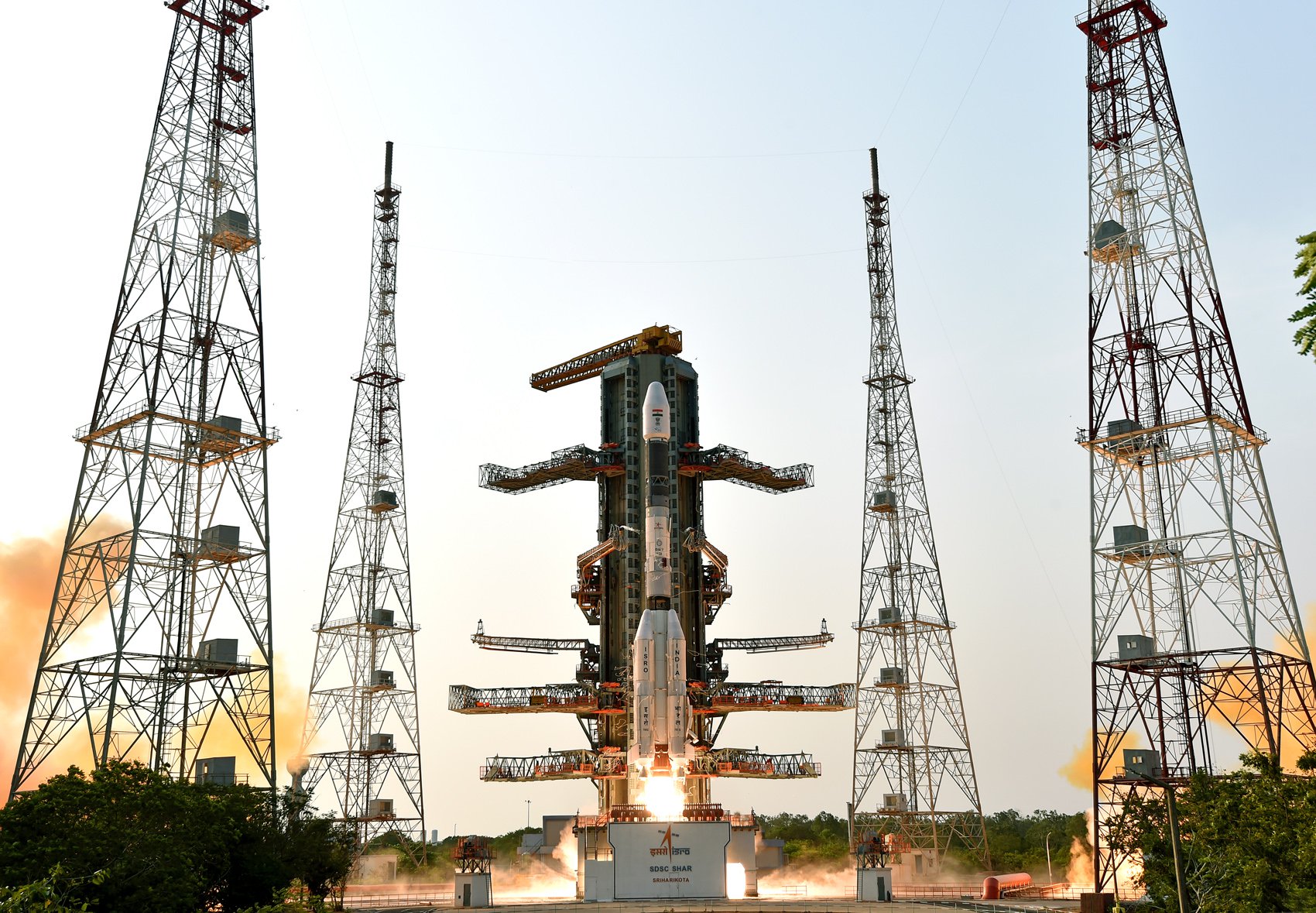
Provider: Indian Space Research Organization Date: October 30, 2026 Time: 6:21 PM UTC Vehicle: GSLV Mk II
This is a replacement satellite for the Indian Regional Navigation Satellite System. The constellation will provide India with an alternative to GPS and will be used for military and civilian use. Located at a geosynchronous orbit, the system will be operated by the Indian government.
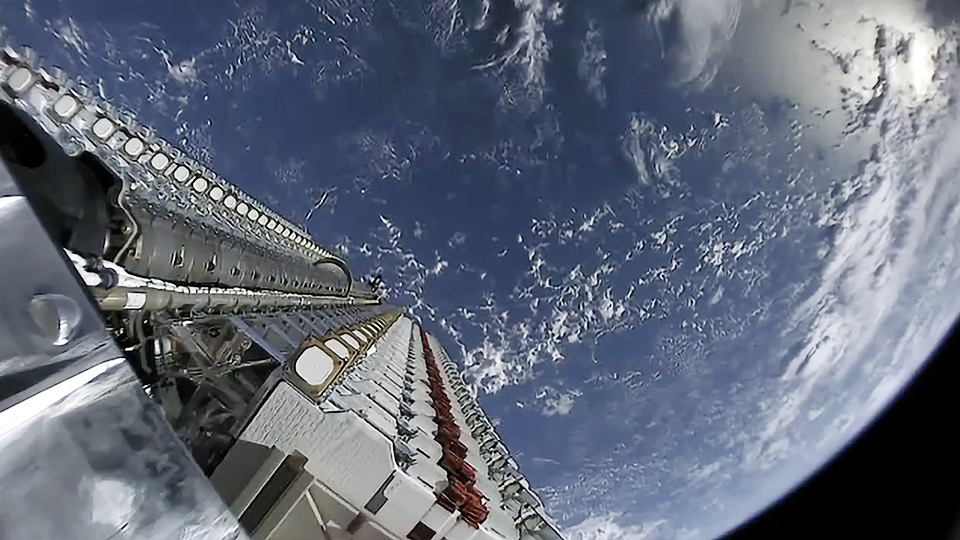
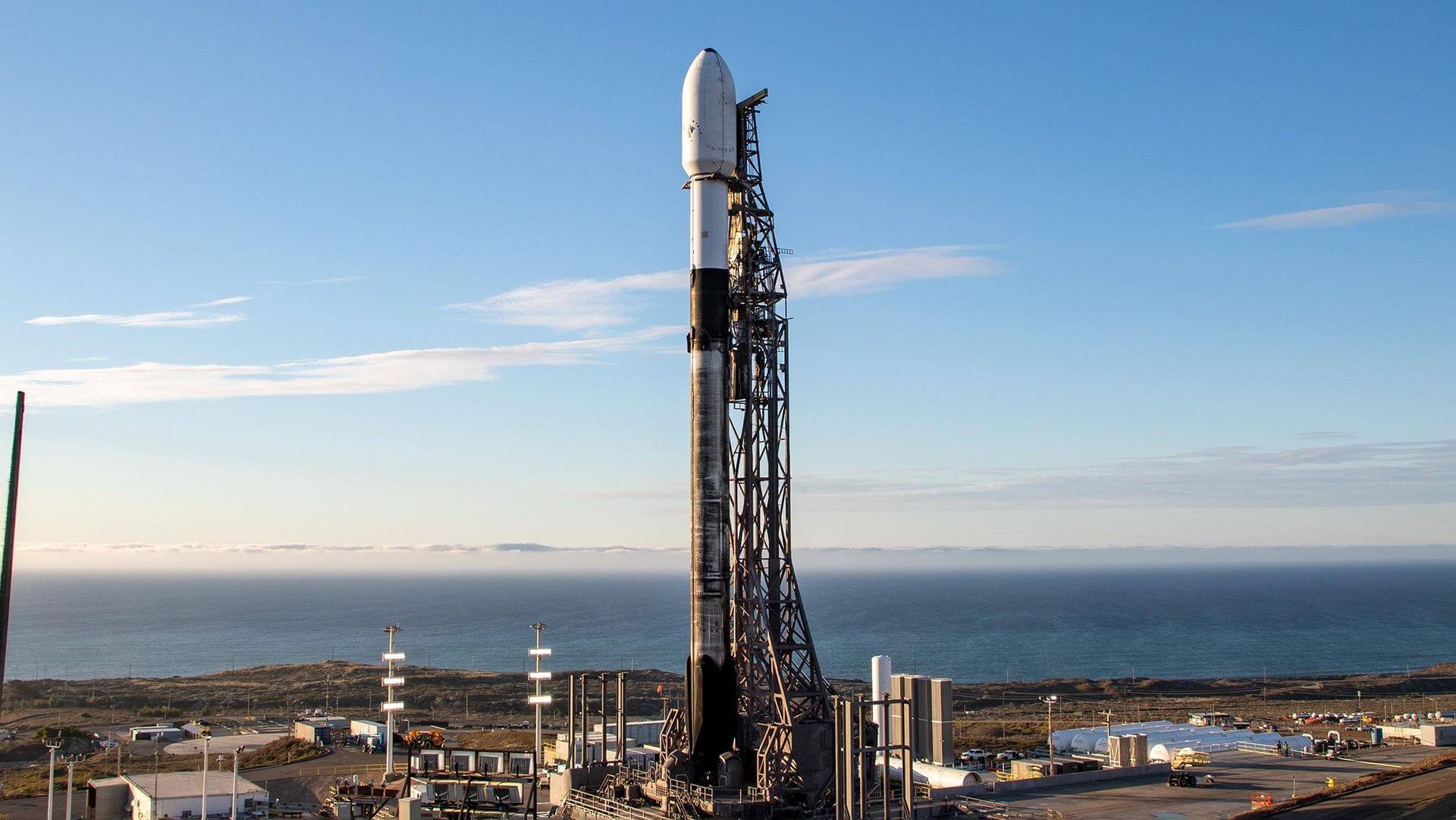
Starlink Group 15-18
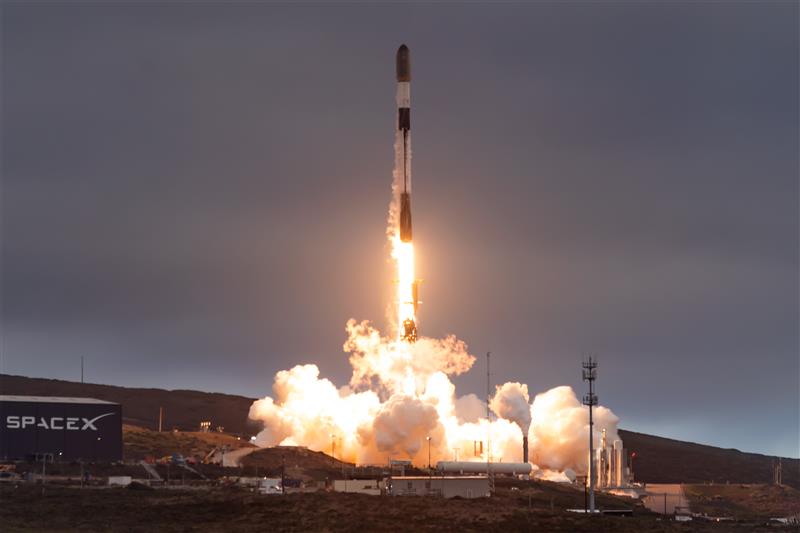
Provider: SpaceX Date: October 31, 2026 Time: 3:48 AM UTC Vehicle: Falcon 9
A batch of 27 satellites for the Starlink mega-constellation – SpaceX’s project for space-based Internet communication system.
The Sea God Surveys (iQPS Launch 9)
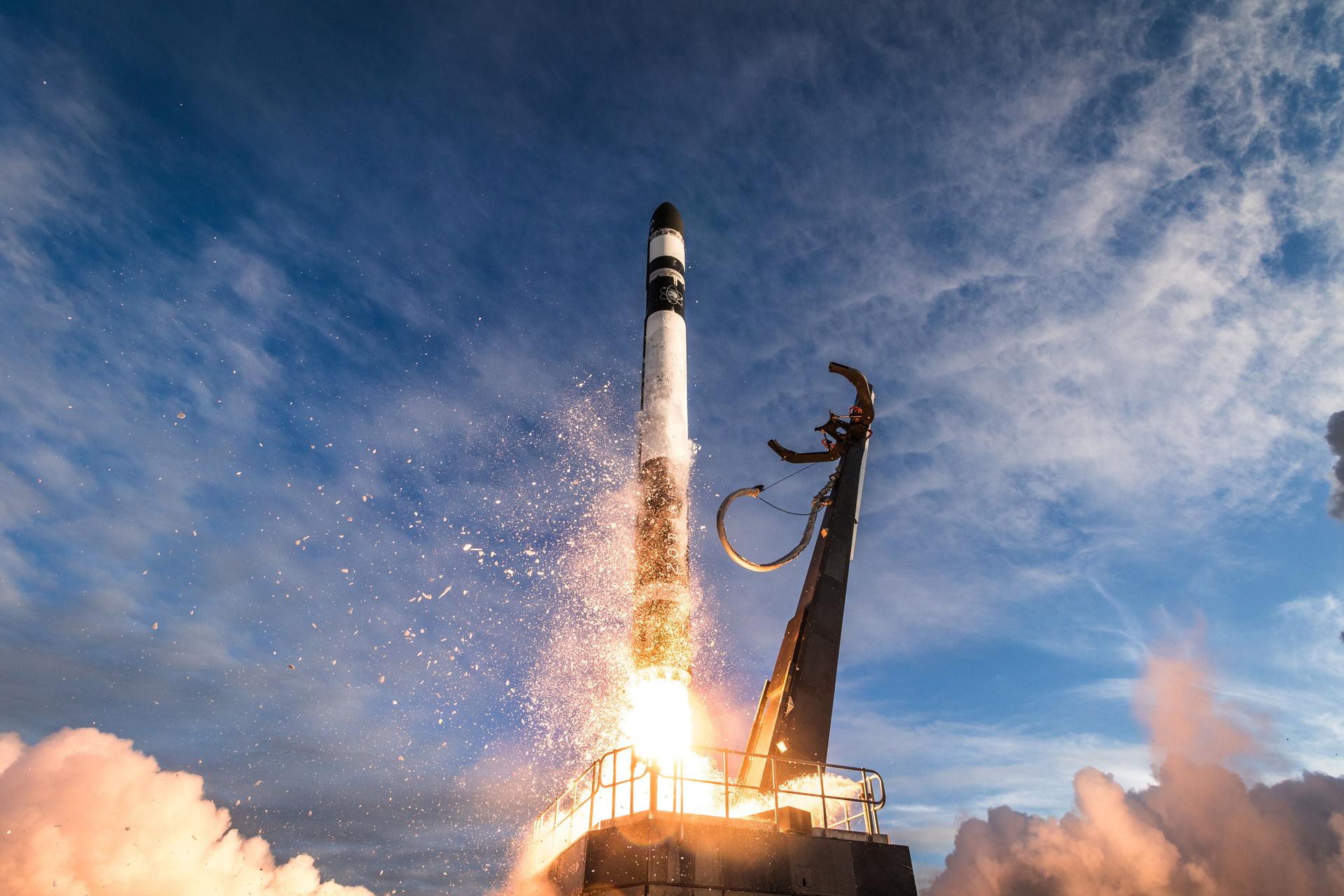
Provider: Rocket Lab Date: November 2, 2026 Time: 8:45 AM UTC Vehicle: Electron
Synthetic aperture radar Earth observation satellite for Japanese Earth imaging company iQPS.
SpaceSail Polar Group TBD?
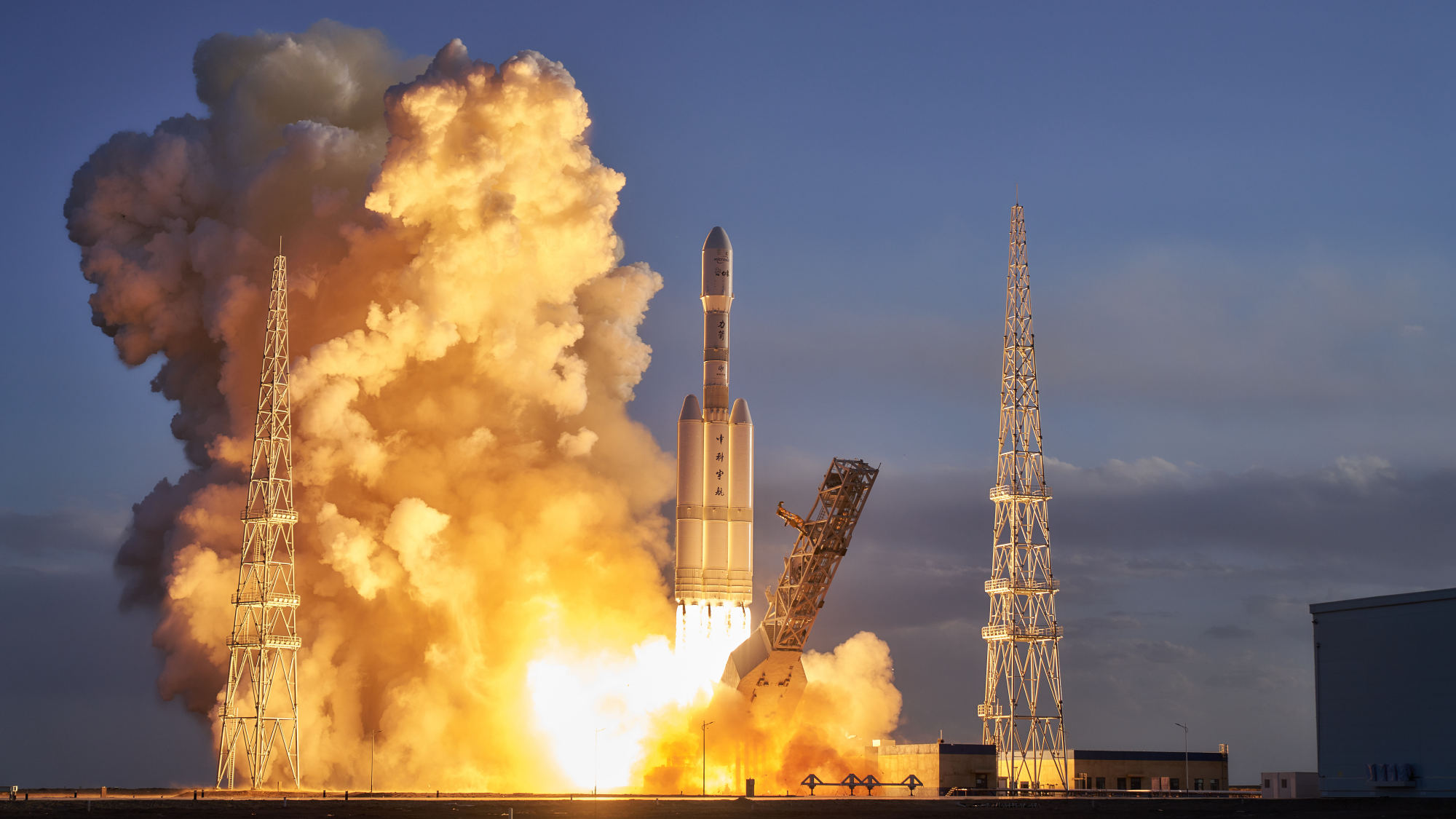
Provider: CAS Space Date: November 3, 2026 Time: 12:10 AM UTC Vehicle: Kinetica 2
Low Earth Orbit communication satellites with Ku, Q and V band payloads for the G60 constellation operated by Shanghai Spacesail Technologies with funding backed by the Shanghai local government.
Initial constellation will consist of 1296 satellites by 2027 with long term plans to expand it to 12000 satellites.
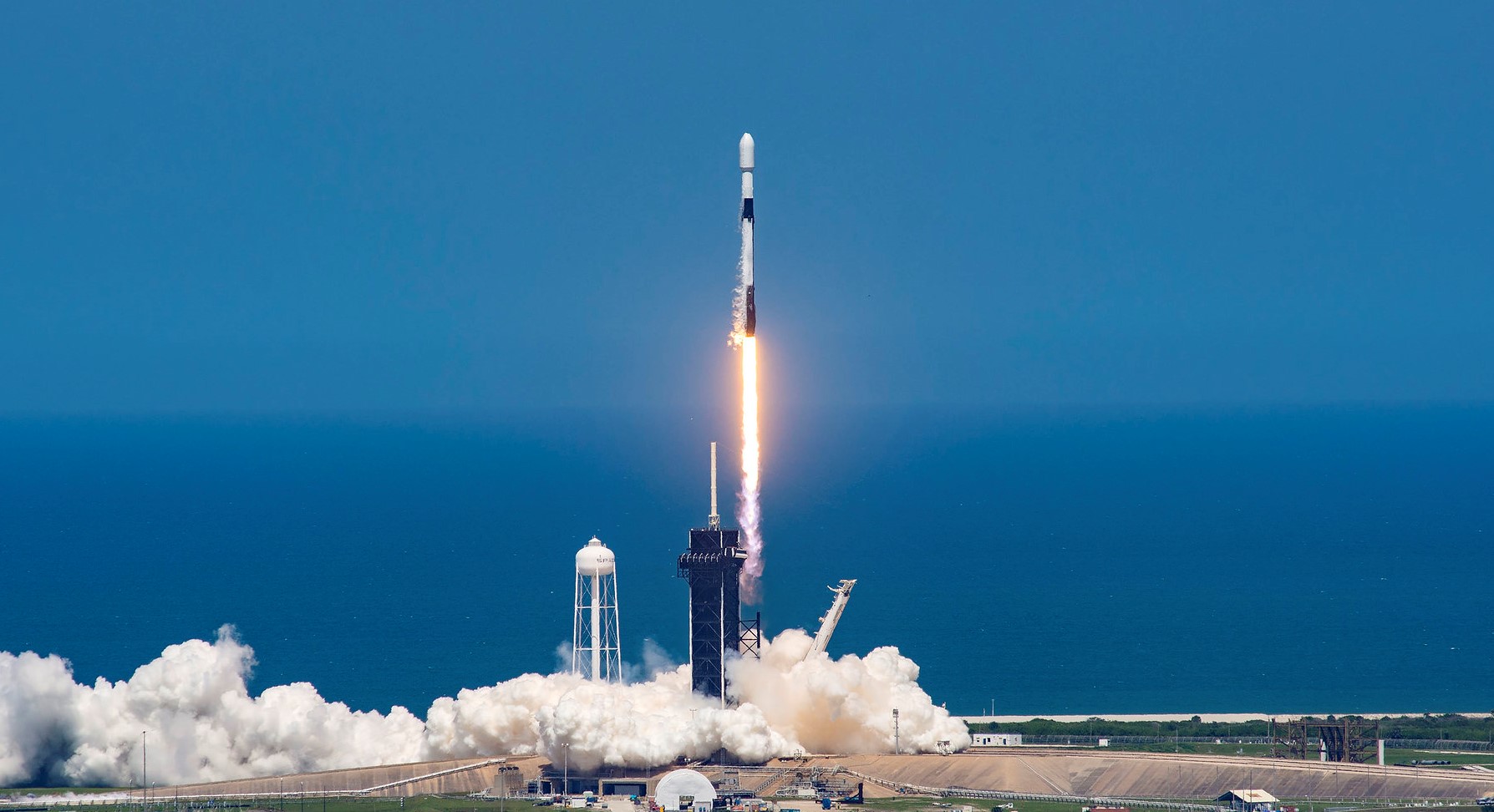
USSF-432
Provider: SpaceX Date: November 3, 2026 Time: 1:42 AM UTC Vehicle: Falcon 9
A classified mission for the United States Space Force. It is possibly a batch of classified LEO satellites based on SpaceX’s Starshield satellite bus, based on locations of rocket stage drop zones being exact fits with previous Starlink Group 15 launches.
IRNSS-1L (NVS-03) ×
Mission Details
TypeNavigation
OrbitGeostationary Transfer Orbit
TargetEarth
This is a replacement satellite for the Indian Regional Navigation Satellite System. The constellation will provide India with an alternative to GPS and will be used for military and civilian use. Located at a geosynchronous orbit, the system will be operated by the Indian government.
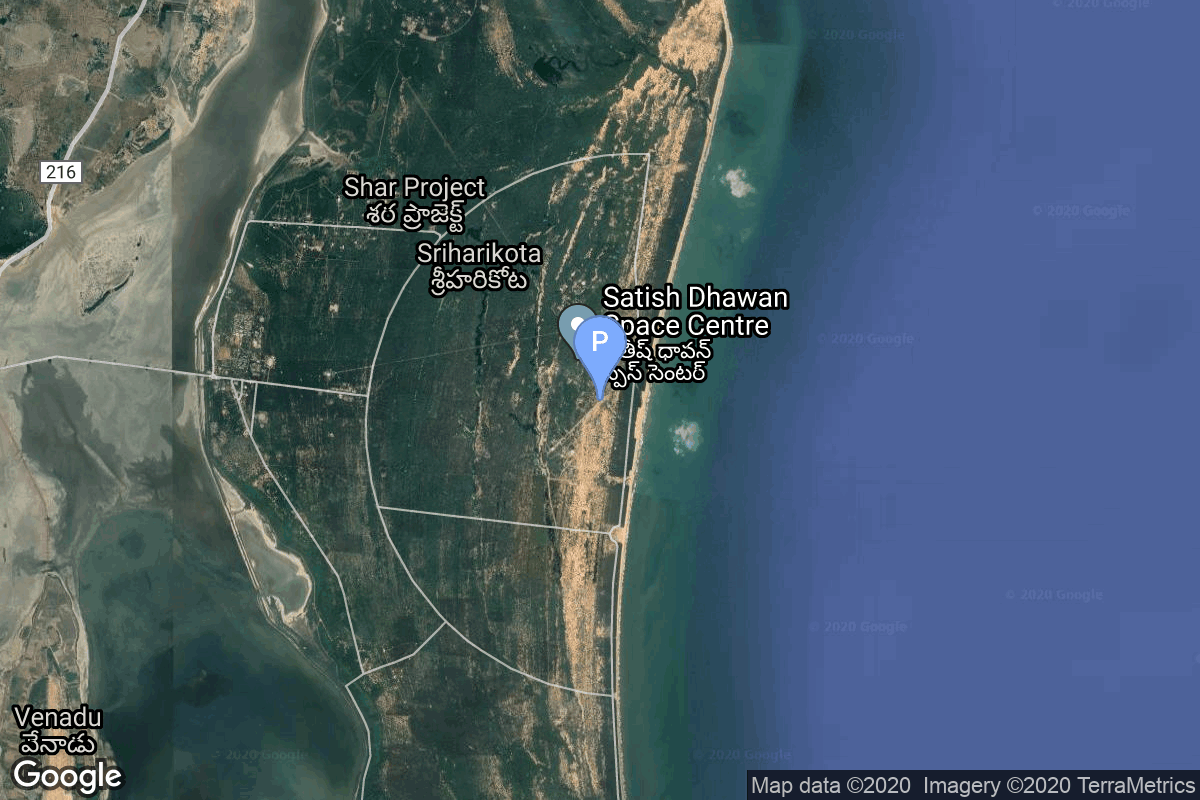
Launch Pad: Satish Dhawan Space Centre Second Launch Pad
Satish Dhawan Space Centre, India
The second launch pad was built between 1999 and 2003. It became functional in 2005 and has since been used for various rockets. This launch pad supports missions by PSLV, GSLV, LVM3 rockets and is…
Geosynchronous Satellite Launch Vehicle Mark II (GSLV Mk II) is the largest launch vehicle developed by India, which is currently in operation. This fourth generation launch vehicle is a three stage vehicle with four liquid strap-ons. The indigenously developed cryogenic Upper Stage (CUS), which is…
Falcon 9 is a two-stage rocket designed and manufactured by SpaceX for the reliable and safe transport of satellites and the Dragon spacecraft into orbit. The Block 5 variant is the fifth major interval aimed at improving upon the ability for rapid reusability.
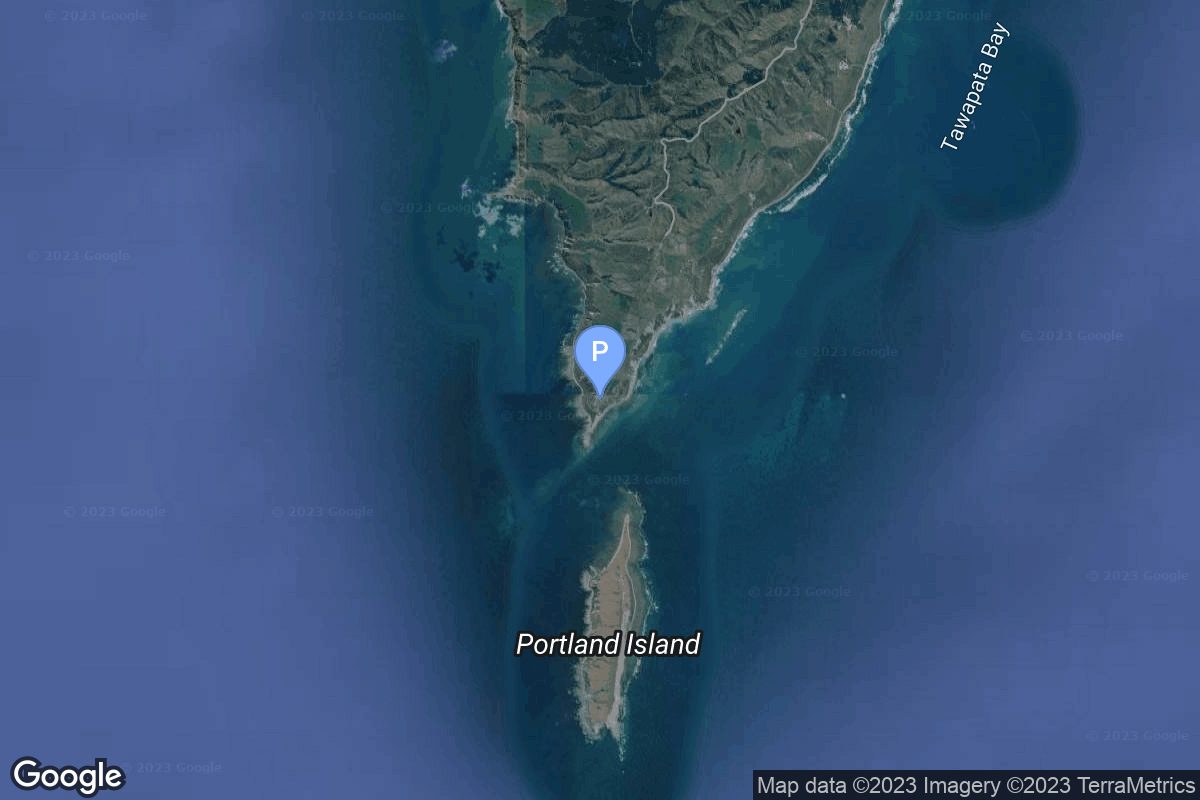
Rocket Lab Launch Complex 1, Mahia Peninsula, New Zealand
Total launches from this pad: 0
Vehicle: Electron
Electron is a two-stage orbital expendable launch vehicle (with an optional third stage) developed by the American aerospace company Rocket Lab. Electron is a small-lift launch vehicle designed to launch small satellites and cubesats to sun-synchronous orbit and low earth orbit. The Electron is the…
Low Earth Orbit communication satellites with Ku, Q and V band payloads for the G60 constellation operated by Shanghai Spacesail Technologies with funding backed by the Shanghai local government.
Initial constellation will consist of 1296 satellites by 2027 with long term plans to expand it to 12000 satellites.
A classified mission for the United States Space Force. It is possibly a batch of classified LEO satellites based on SpaceX’s Starshield satellite bus, based on locations of rocket stage drop zones being exact fits with previous Starlink Group 15 launches.
Falcon 9 is a two-stage rocket designed and manufactured by SpaceX for the reliable and safe transport of satellites and the Dragon spacecraft into orbit. The Block 5 variant is the fifth major interval aimed at improving upon the ability for rapid reusability.
Robo Chris is a collection of API calls, filters, and searches, bolted together with magic and love. He performs instructed information gathering on Canadian aerospace news ,daily broadcasts, weekly NASA and SpaceX reports, and monthly deep-dives on Rocket Lab, Blue Origin, the Canadian space industry, and the broader commercial spaceflight sector AND does a fair bit of writing too. Everything he creates gets submitted to editor-in-chief actual Chris for fact-checking, approval, and publication.









Leave a Reply