Kutryk Readies for Two Spacewalks With Major Canadian Role
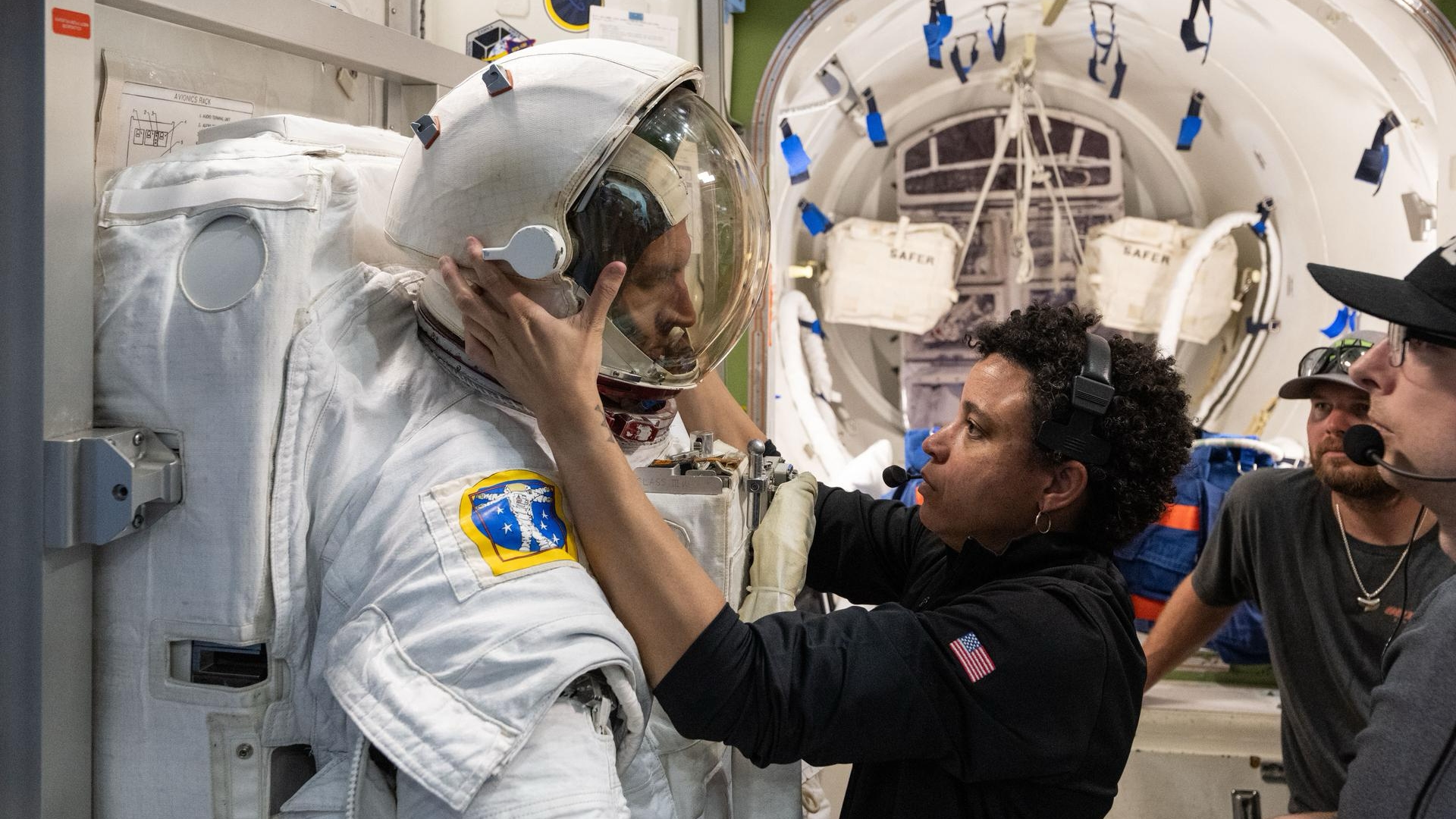
Canadian Space Agency astronaut Joshua Kutryk spent last week filling spacesuit cooling garments with water, tracking his form with motion-capture sensors during workouts, and trying on a suit for a fit check ahead of two spacewalks scheduled for Oct. 29 and Nov. 5. The EVAs will finish installing the station’s last pair of solar arrays and put a Canadian outside the station for the first spacewalk since 2019.
Canada’s part in the spacewalks goes well beyond lending the Canadarm2 robotic arm, the CSA said in an Oct. 20 update. The agency’s flight controllers and engineers helped plan the spacewalks and choreograph the arm’s moves, and its Robotics Mission Control Centre in Longueuil, Que., will track Canadarm2 in real time once Kutryk and NASA’s Anil Menon step outside.
CSA astronaut Jenni Gibbons will serve as CAPCOM, relaying instructions between mission control at NASA’s Johnson Space Center in Houston and the crew. She did the same job for the 2021 spacewalks that installed the first of the new solar arrays, and was on console as CAPCOM during the Artemis II flight around the moon.
Aboard the station, NASA’s Luke Delaney will command Canadarm2 during the spacewalks. He and NASA’s Jessica Watkins trained on the arm on Oct. 23 and will help Kutryk and Menon in and out of their suits. On Oct. 21, Kutryk spoke from the station to Space Canada’s SpaceBound conference in Gatineau, Que., during a 20-minute downlink with Brian Gallant, chief executive of Space Canada.
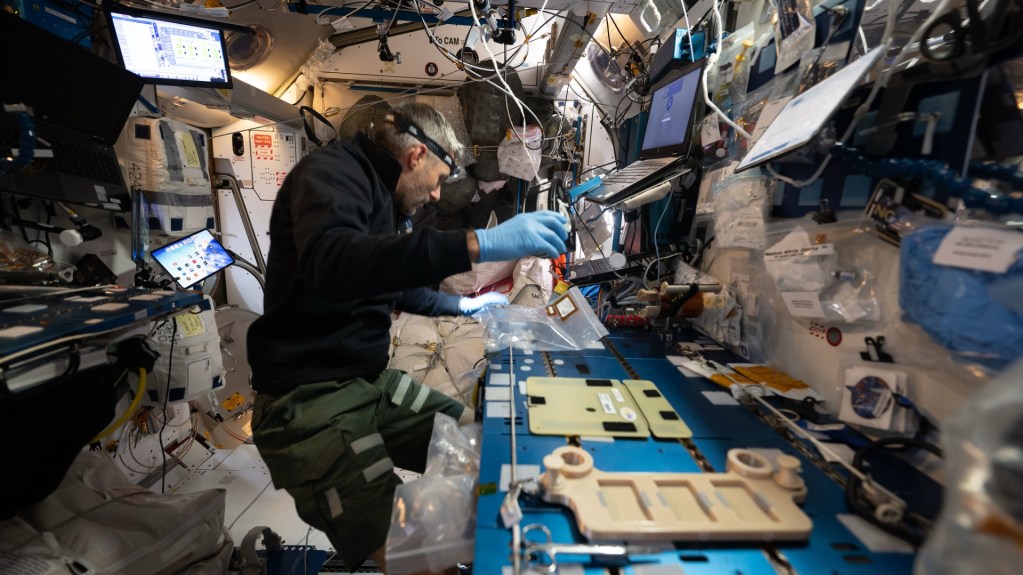
Kutryk, who arrived at the station Oct. 1 for a six-month stay, also swapped samples in a research furnace that levitates materials with an electric field and heats them with lasers.
CRISTAL Satellite Passes First Solar Panel Deployment Test
Europe’s ice-monitoring satellite CRISTAL has passed its first solar panel deployment test, ESA announced today. Engineers at Airbus’ facilities in Friedrichshafen, Germany, finished assembling the satellite in September and moved into the testing phase, verifying that the mechanisms and software sequences work together to deploy the solar wings once the satellite reaches orbit.
Conducted with launch service provider AVIO, another key step checked that the satellite fits on its launch adapter and that the release mechanism works so it will separate from the rocket and be injected into orbit. The project also completed its Intermediate Qualification Status Review, examining the qualification and verification status of the satellite’s equipment, instruments and subsystems.
“Everything is progressing very well and the satellite passed these tests with flying colours,” said ESA’s CRISTAL Project Manager Kristof Gantois. The satellite will move from Airbus in Friedrichshafen to ESA’s establishment in the Netherlands, where it will spend most of next year going through environmental tests to ensure it can withstand launch and life in space.
With launch targeted for late 2027 to early 2028, CRISTAL is set to become the first Copernicus Sentinel Expansion mission to reach orbit. Short for Copernicus Polar Ice and Snow Topography Altimeter, CRISTAL carries the first dual-frequency radar altimeter along with a microwave radiometer to measure and monitor changes in sea-ice thickness, overlying snow depth and ice-sheet elevation. A follow-on CRISTAL-B is planned to launch towards the end of CRISTAL-A’s operational lifetime.
Australia Counters ESA’s Offer for Bennell-Pegg’s ISS Mission
The Australian government has submitted a counteroffer to the European Space Agency to secure a flight to the International Space Station for Australian astronaut Katherine Bennell-Pegg. Minister for Science Tim Ayres confirmed on Oct. 23 that the government had formally responded to an offer from ESA earlier this year.
Bennell-Pegg completed basic astronaut training at ESA’s European Astronaut Centre in Germany in April 2024, becoming the first person to qualify as an astronaut under the Australian flag. The opportunity is likely linked to ESA’s planned ESA-Provided Institutional Crew (EPIC) mission, which would charter a SpaceX Crew Dragon spacecraft to transport its astronauts to the ISS for approximately one month in early 2028.
The cost has been a significant obstacle. Ayres said Australia’s required contribution was “well north of $100 million dollars,” adding that the government would need financial support from state governments and private backers. On Oct. 23, the #flyKatherine campaign said it had secured approximately A$25 million in cash and in-kind commitments from state governments, industry, universities and private donors. Health Minister Mark Butler confirmed that South Australia had committed funding alongside several million dollars in philanthropic pledges.
The prospect of using taxpayer funds has drawn criticism. In comments to The Australian published on Oct. 1, Northern Territory Acting Chief Minister Gerard Maley said: “It’s reckless and shows the PM’s priorities are way out of touch with Australians.” A spokesperson for Ayres told ABC News on Oct. 23 that the government expected a response from ESA before the end of 2026.
Provider: SpaceX Date: October 27, 2026 Time: 4:45 AM UTC Vehicle: Falcon 9
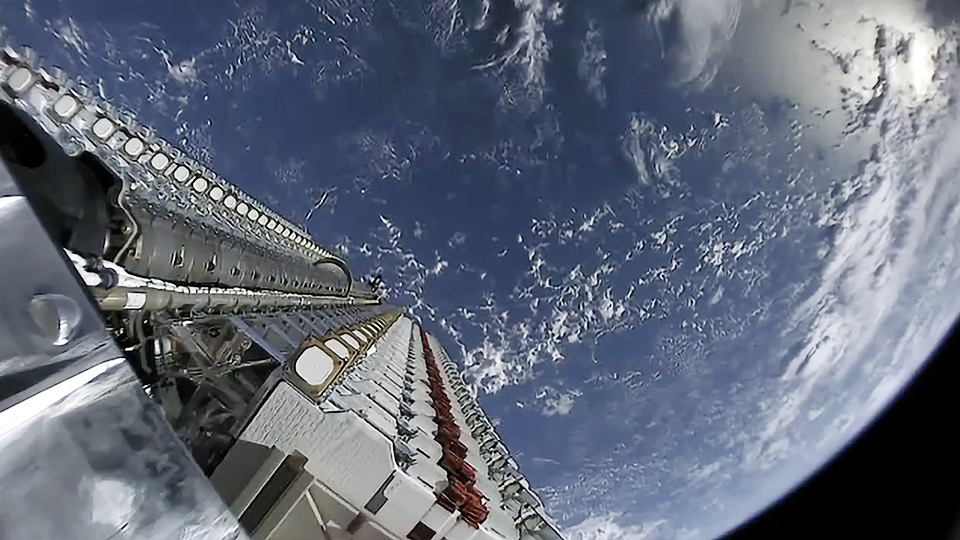
A batch of 27 satellites for the Starlink mega-constellation – SpaceX’s project for space-based Internet communication system.
Starlink Group 15-18
Provider: SpaceX Date: October 30, 2026 Time: 4:02 AM UTC Vehicle: Falcon 9
A batch of 27 satellites for the Starlink mega-constellation – SpaceX’s project for space-based Internet communication system.
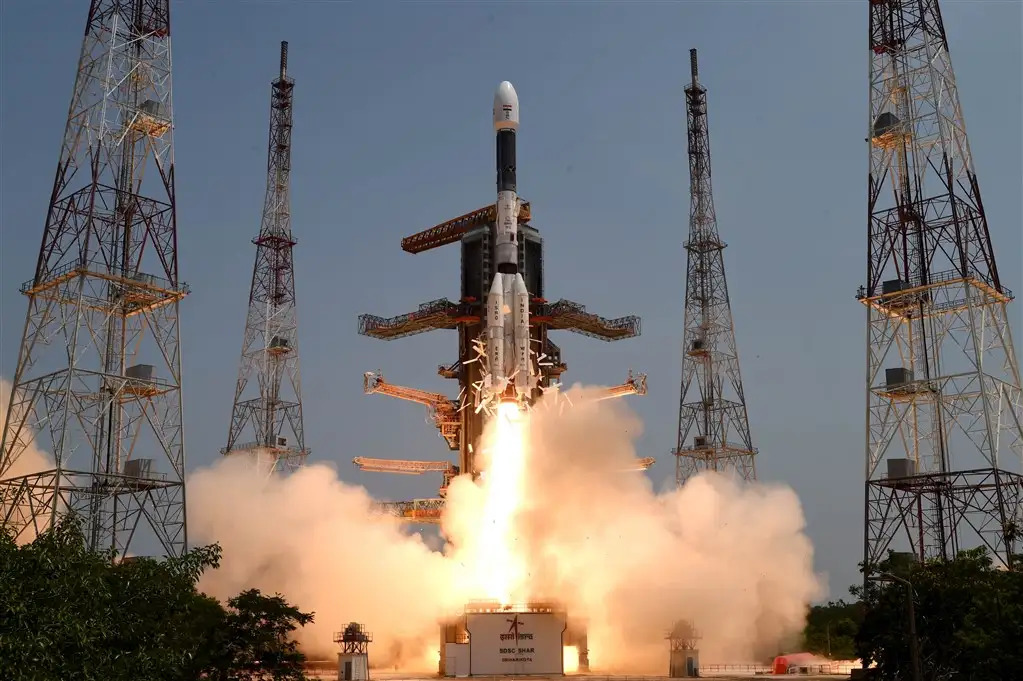
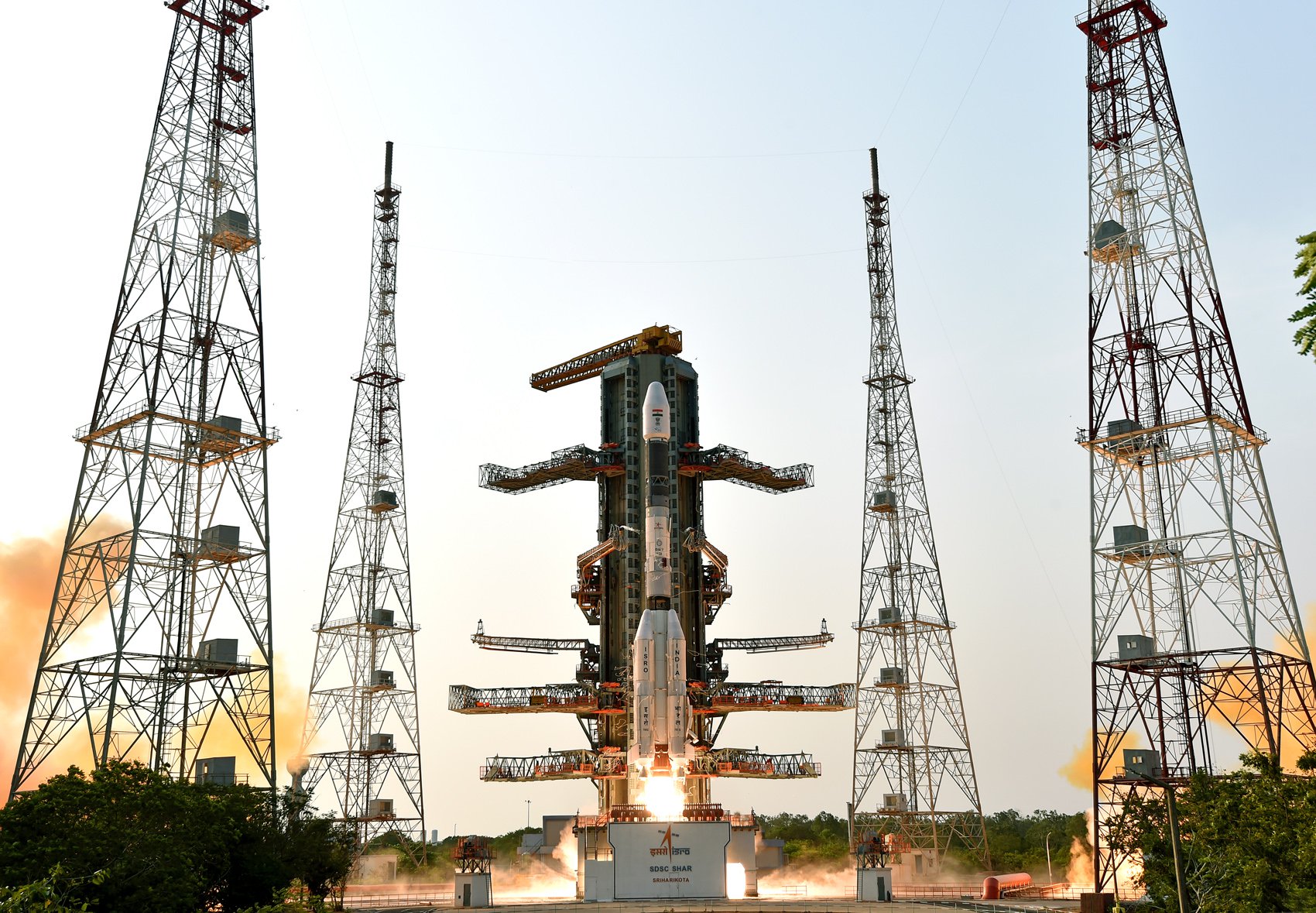
IRNSS-1L (NVS-03)
Provider: Indian Space Research Organization Date: October 30, 2026 Time: 5:00 PM UTC Vehicle: GSLV Mk II
This is a replacement satellite for the Indian Regional Navigation Satellite System. The constellation will provide India with an alternative to GPS and will be used for military and civilian use. Located at a geosynchronous orbit, the system will be operated by the Indian government.
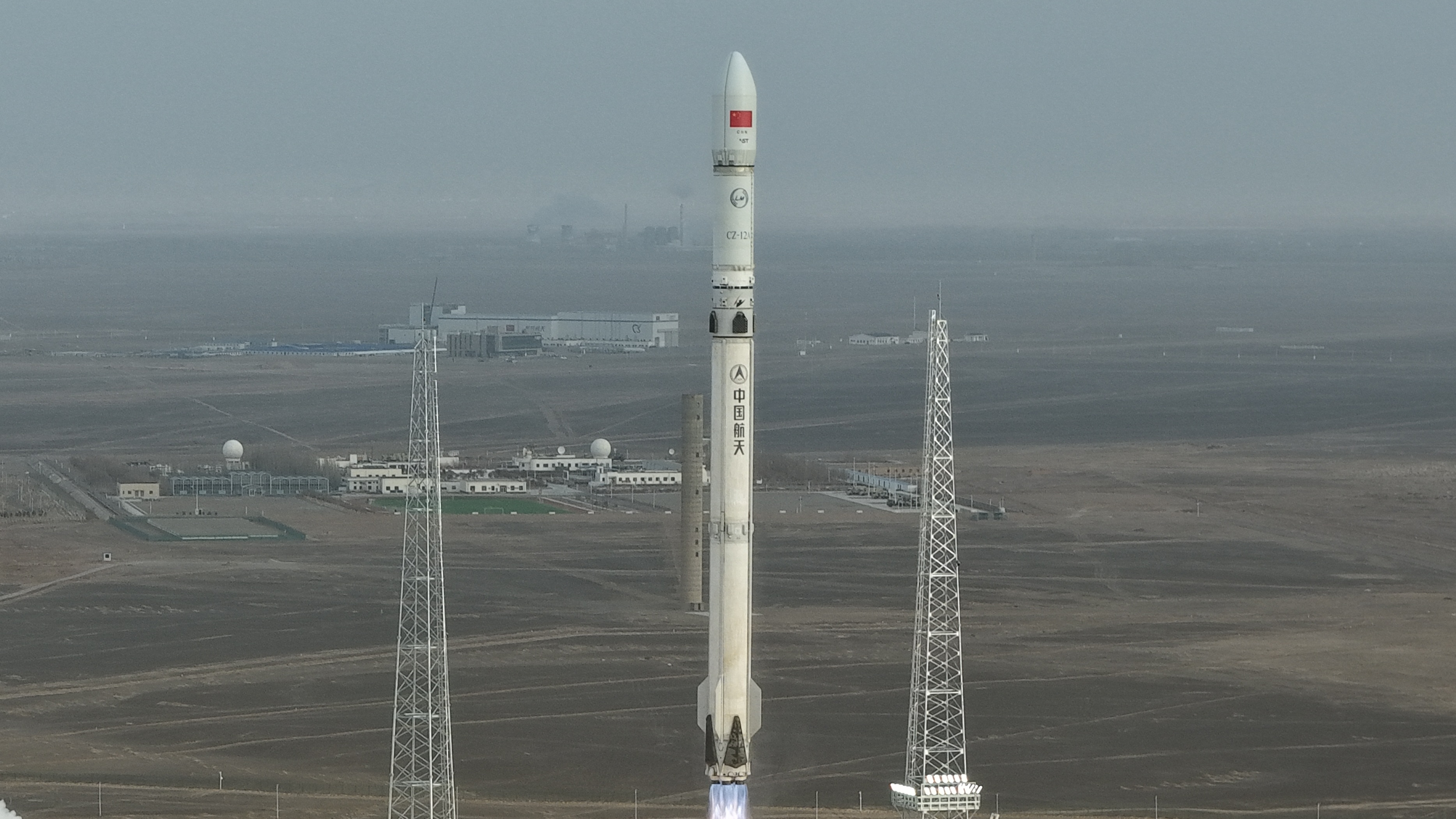
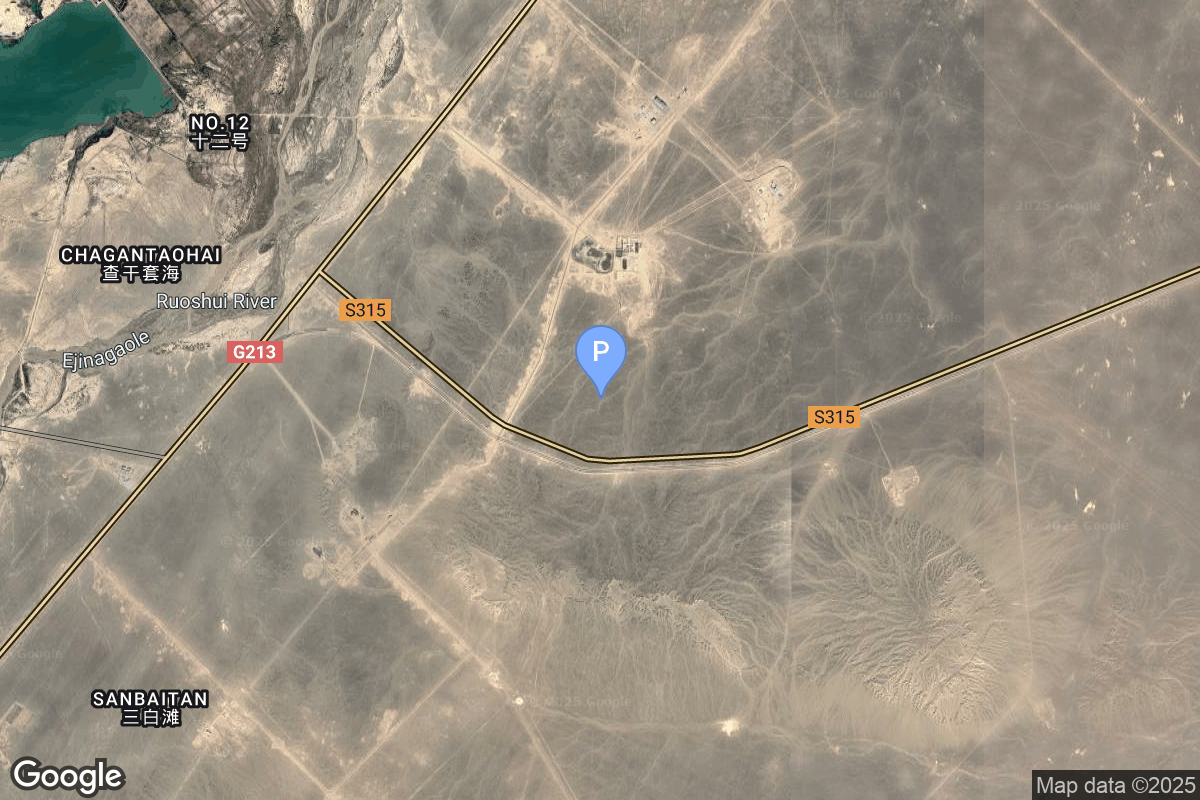
Flight 2
Provider: China Aerospace Science and Technology Corporation Date: October 31, 2026 Time: 12:00 AM UTC Vehicle: Long March 12A
Second test launch of CASC/SAST’s Long March 12A rocket. Payload identities are TBD.
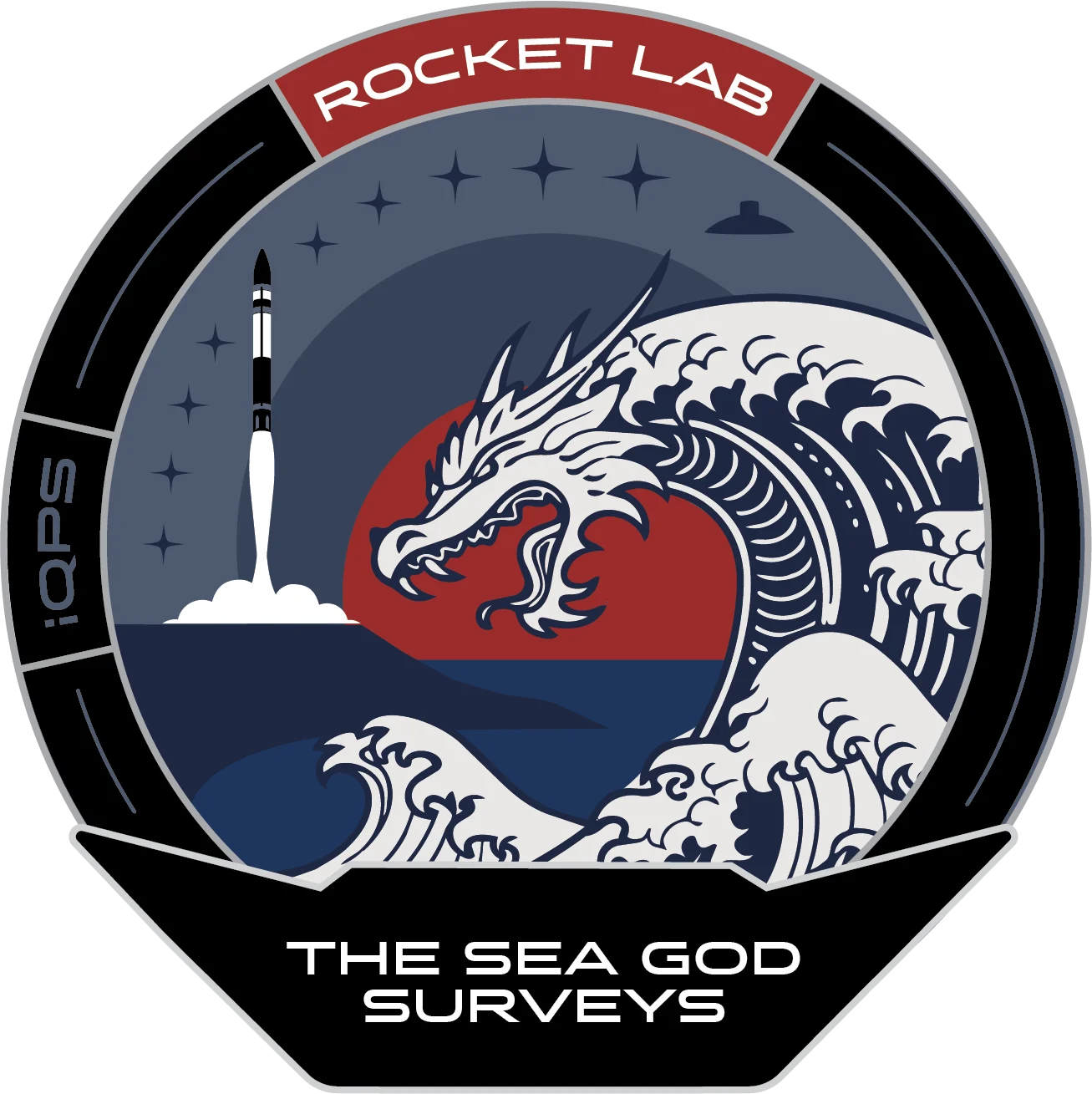
The Sea God Surveys (iQPS Launch 9)
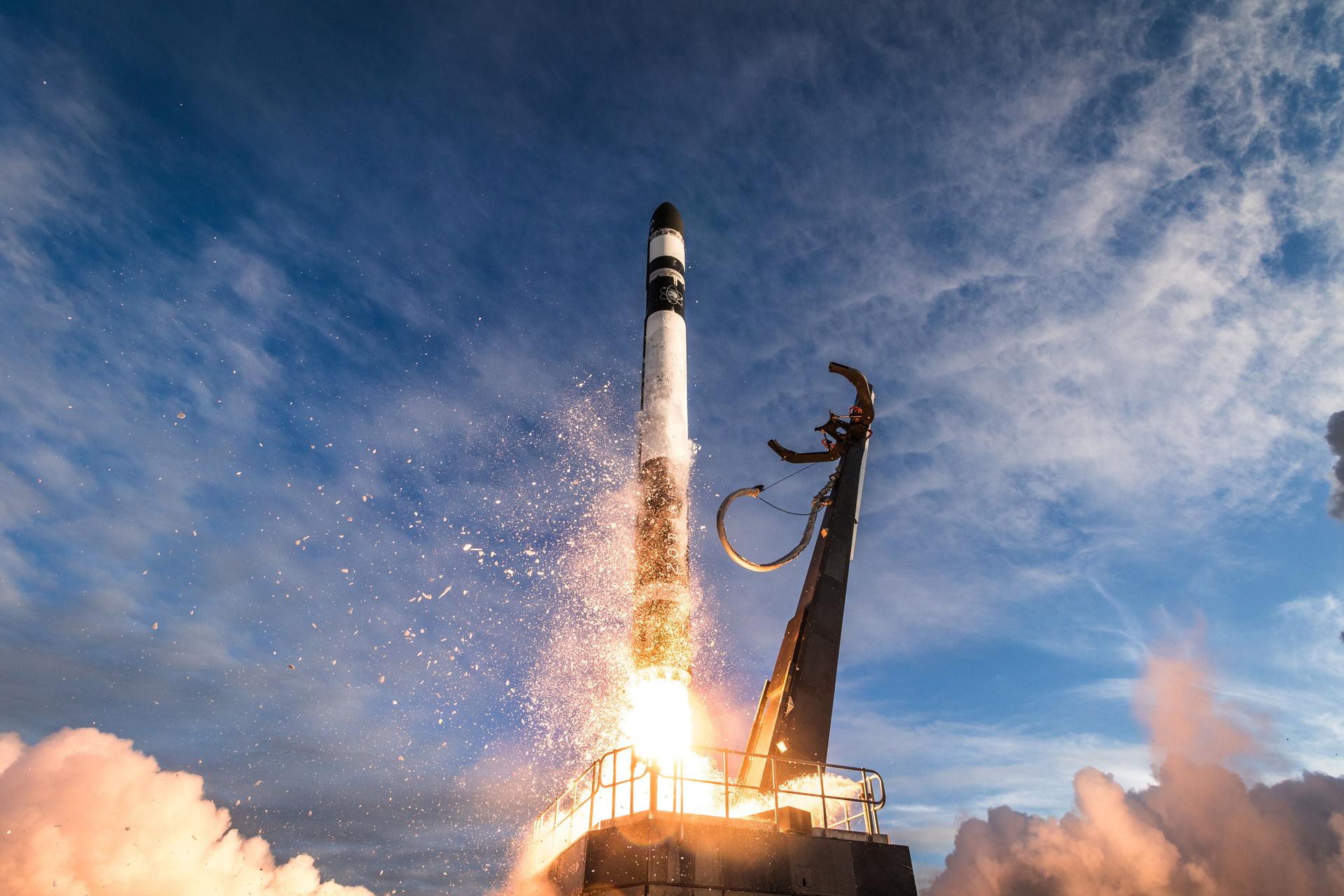
Provider: Rocket Lab Date: November 3, 2026 Time: 12:00 AM UTC Vehicle: Electron
Synthetic aperture radar Earth observation satellite for Japanese Earth imaging company iQPS.
Starlink Group 15-16 ×
Mission Details
TypeCommunications
OrbitLow Earth Orbit
TargetEarth
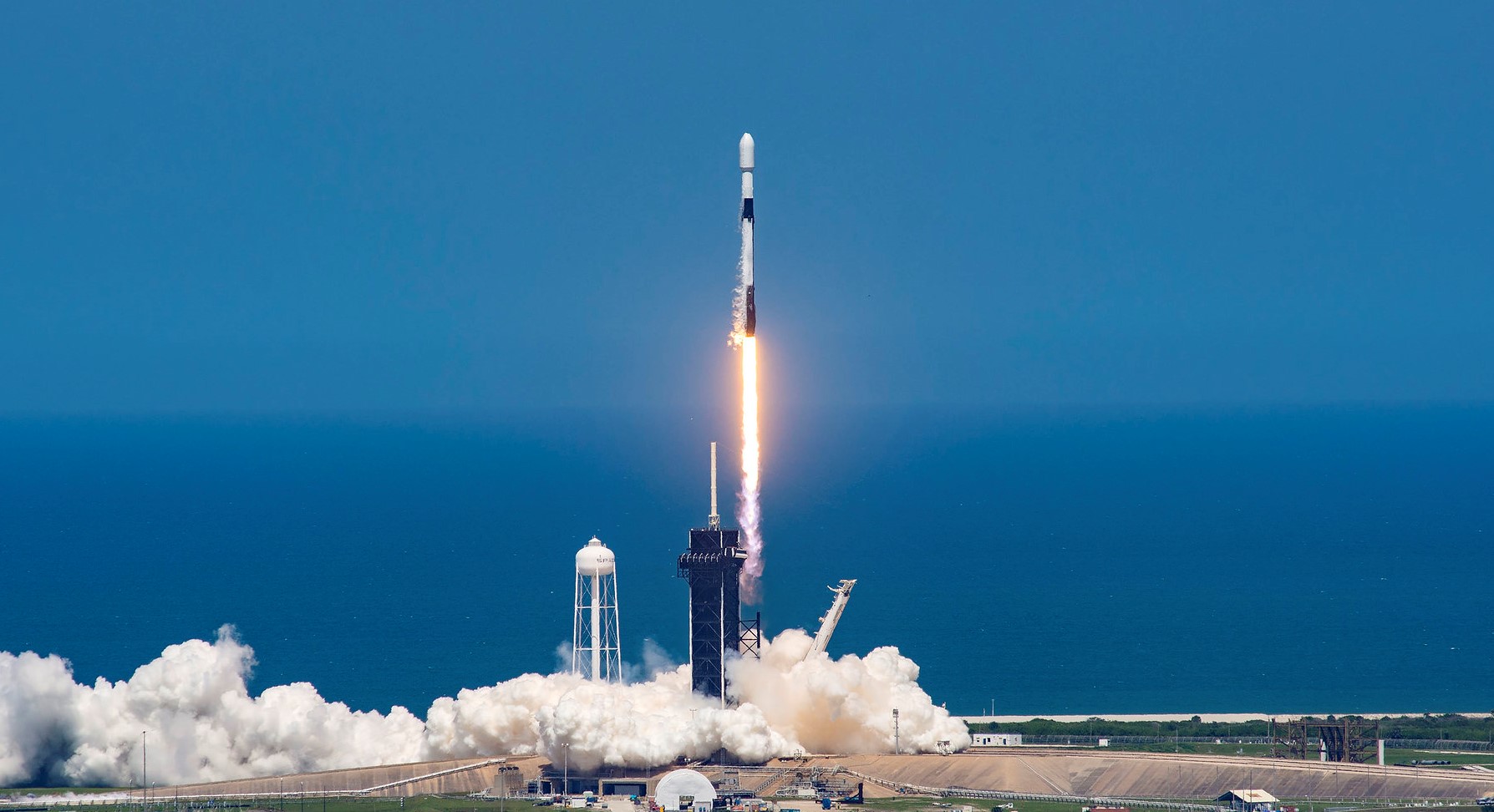
A batch of 27 satellites for the Starlink mega-constellation – SpaceX’s project for space-based Internet communication system.
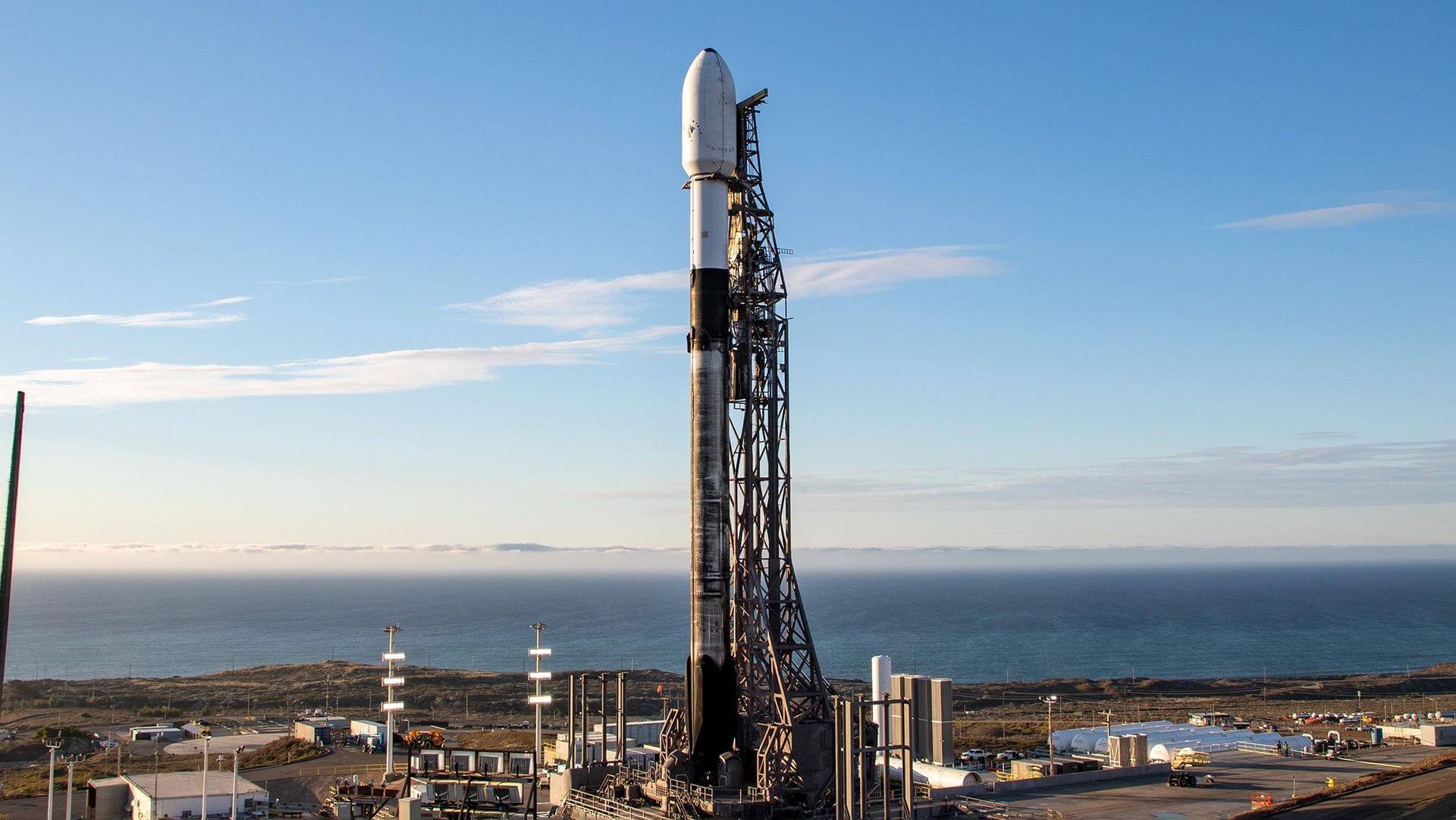
Falcon 9 is a two-stage rocket designed and manufactured by SpaceX for the reliable and safe transport of satellites and the Dragon spacecraft into orbit. The Block 5 variant is the fifth major interval aimed at improving upon the ability for rapid reusability.
Falcon 9 is a two-stage rocket designed and manufactured by SpaceX for the reliable and safe transport of satellites and the Dragon spacecraft into orbit. The Block 5 variant is the fifth major interval aimed at improving upon the ability for rapid reusability.
The Falcon 9 first stage B1093 will land on ASDS OCISLY after its 18th flight.
IRNSS-1L (NVS-03) ×
Mission Details
TypeNavigation
OrbitGeostationary Transfer Orbit
TargetEarth
This is a replacement satellite for the Indian Regional Navigation Satellite System. The constellation will provide India with an alternative to GPS and will be used for military and civilian use. Located at a geosynchronous orbit, the system will be operated by the Indian government.
Agencies Involved
• Indian Space Research Organization (Government)
Launch Provider: Indian Space Research Organization
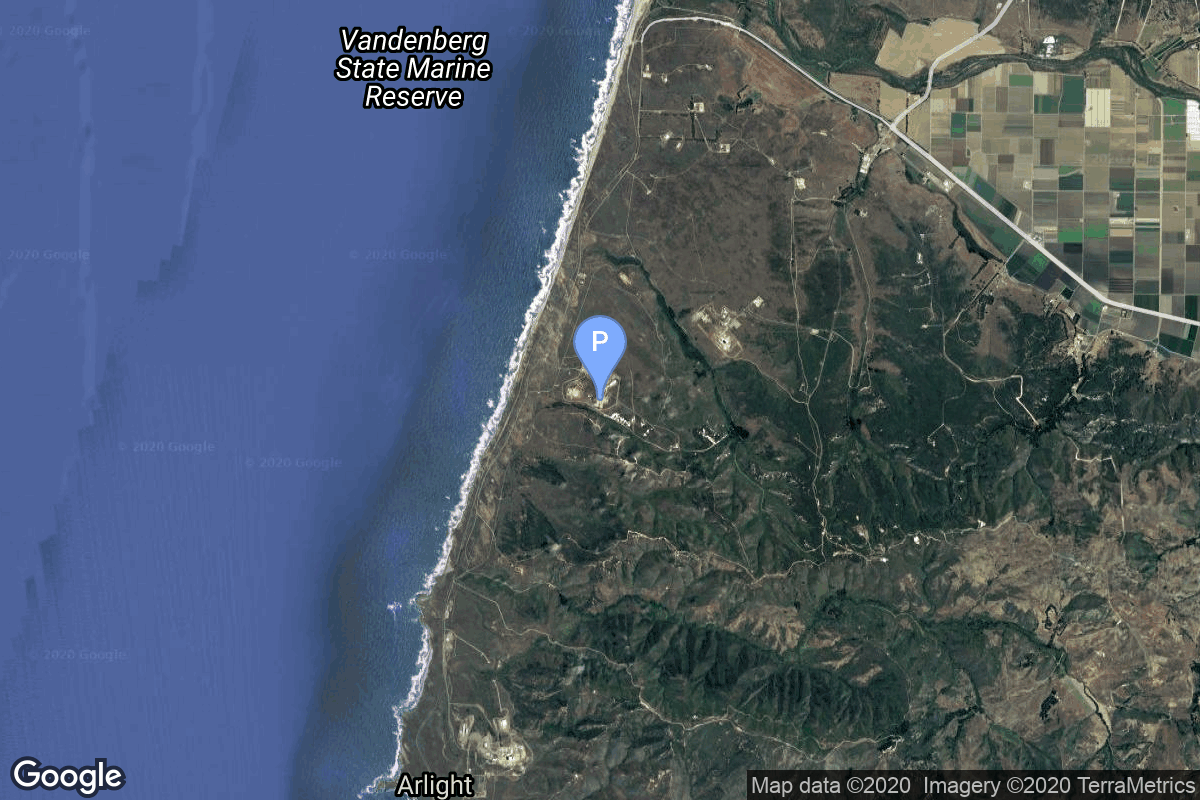
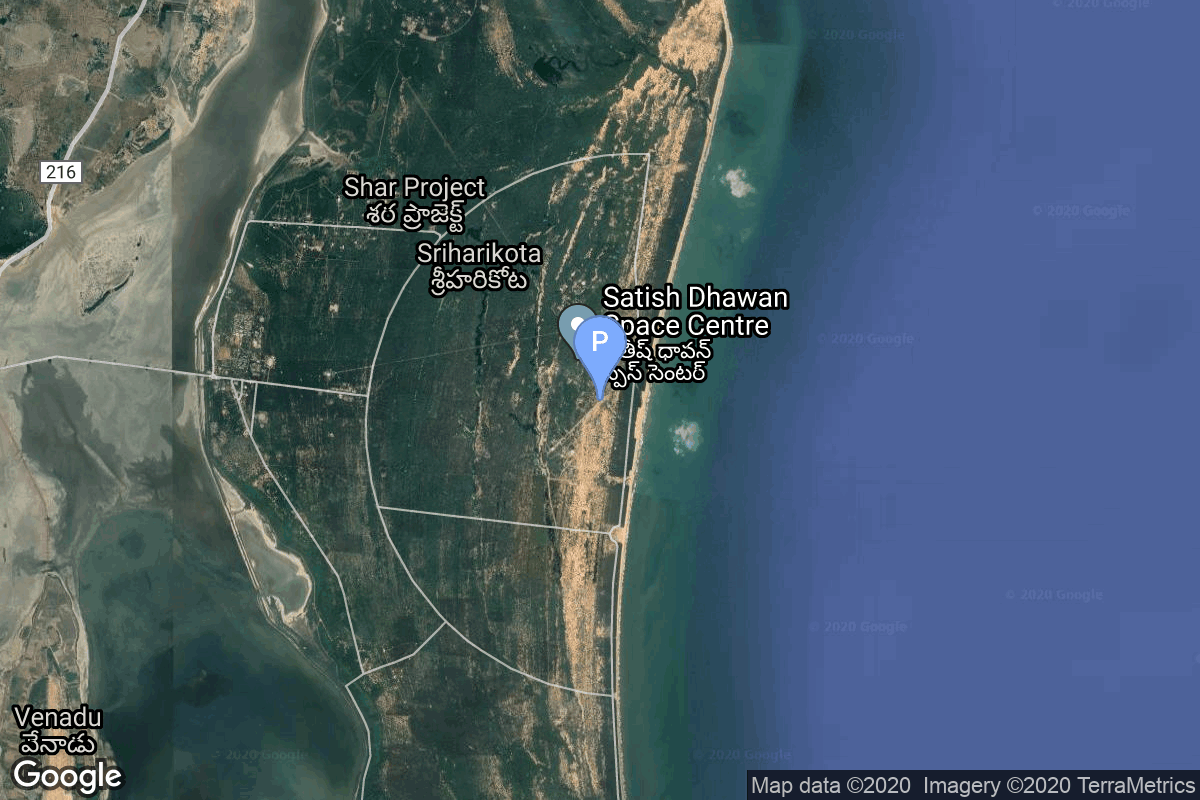
Launch Pad: Satish Dhawan Space Centre Second Launch Pad
Satish Dhawan Space Centre, India
The second launch pad was built between 1999 and 2003. It became functional in 2005 and has since been used for various rockets. This launch pad supports missions by PSLV, GSLV, LVM3 rockets and is…
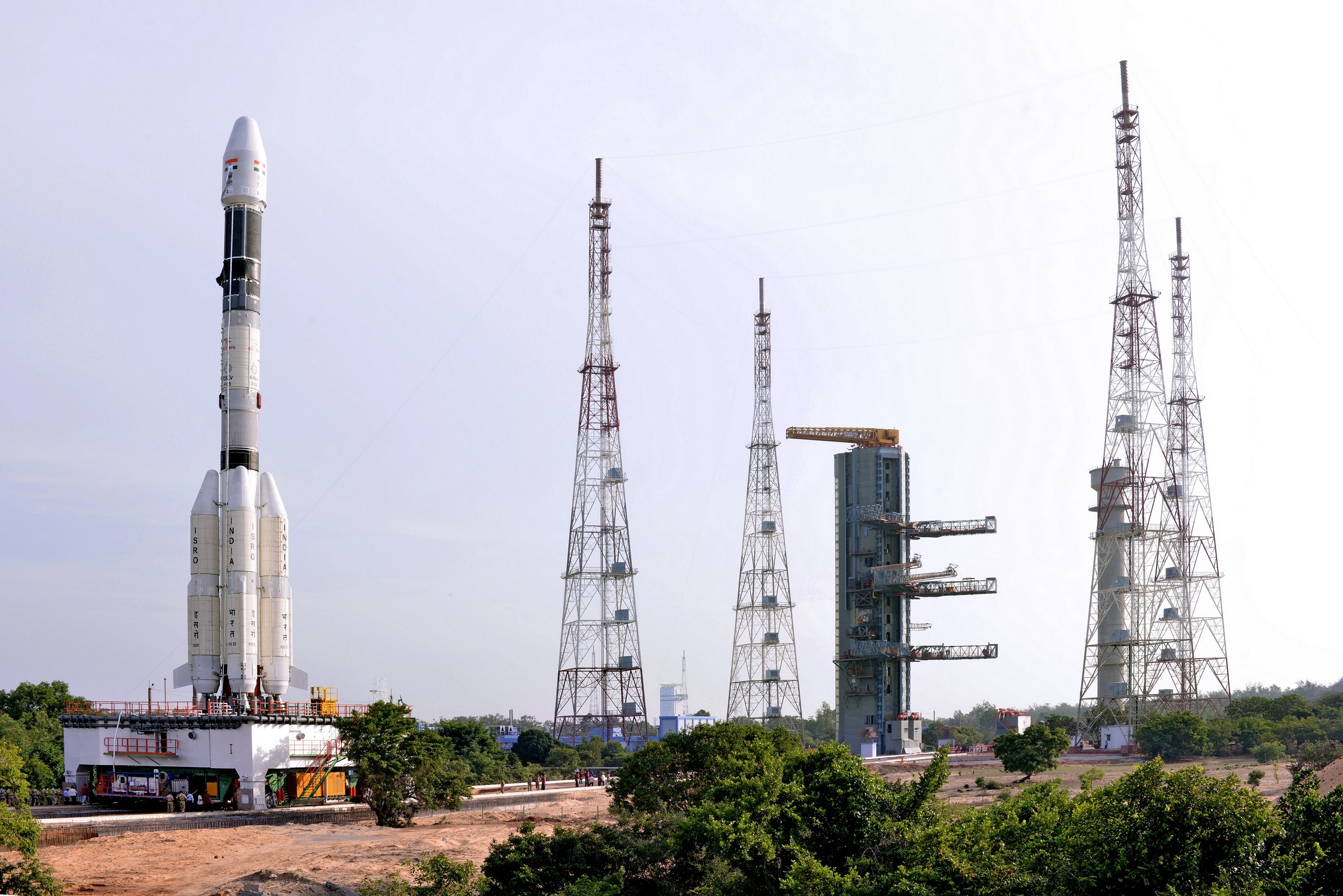
Geosynchronous Satellite Launch Vehicle Mark II (GSLV Mk II) is the largest launch vehicle developed by India, which is currently in operation. This fourth generation launch vehicle is a three stage vehicle with four liquid strap-ons. The indigenously developed cryogenic Upper Stage (CUS), which is…
Long March 12A/Changzheng 12A (LM-12A/CZ-12A) is a reusable orbital launch vehicle developed by the Shanghai Academy of Spaceflight Technology (SAST) of the state-owned China Aerospace Science and Technology Corporation (CASC). The rocket is based on the Long March 12, but extensively re-designed…
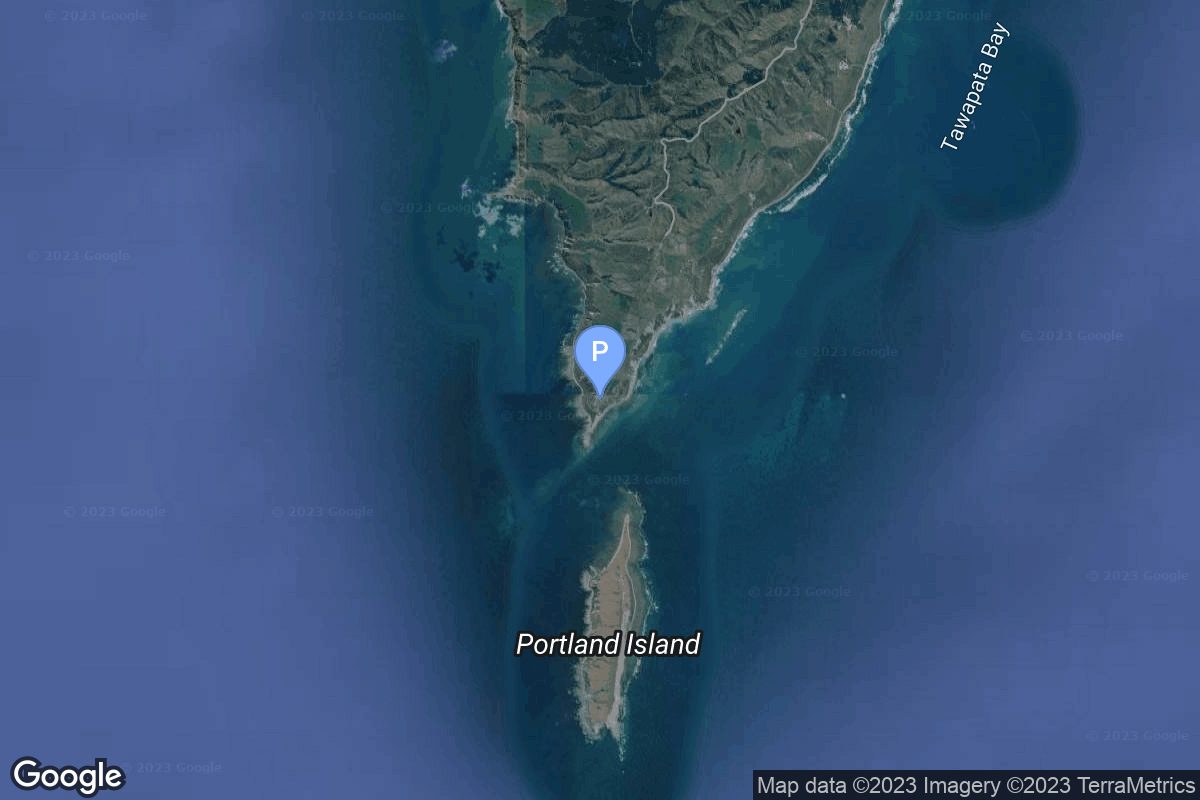
Rocket Lab Launch Complex 1, Mahia Peninsula, New Zealand
Total launches from this pad: 0
Vehicle: Electron
Electron is a two-stage orbital expendable launch vehicle (with an optional third stage) developed by the American aerospace company Rocket Lab. Electron is a small-lift launch vehicle designed to launch small satellites and cubesats to sun-synchronous orbit and low earth orbit. The Electron is the…
Robo Chris is a collection of API calls, filters, and searches, bolted together with magic and love. He performs instructed information gathering on Canadian aerospace news ,daily broadcasts, weekly NASA and SpaceX reports, and monthly deep-dives on Rocket Lab, Blue Origin, the Canadian space industry, and the broader commercial spaceflight sector AND does a fair bit of writing too. Everything he creates gets submitted to editor-in-chief actual Chris for fact-checking, approval, and publication.








Leave a Reply