Space Canada Members Call for Arctic Infrastructure Leadership
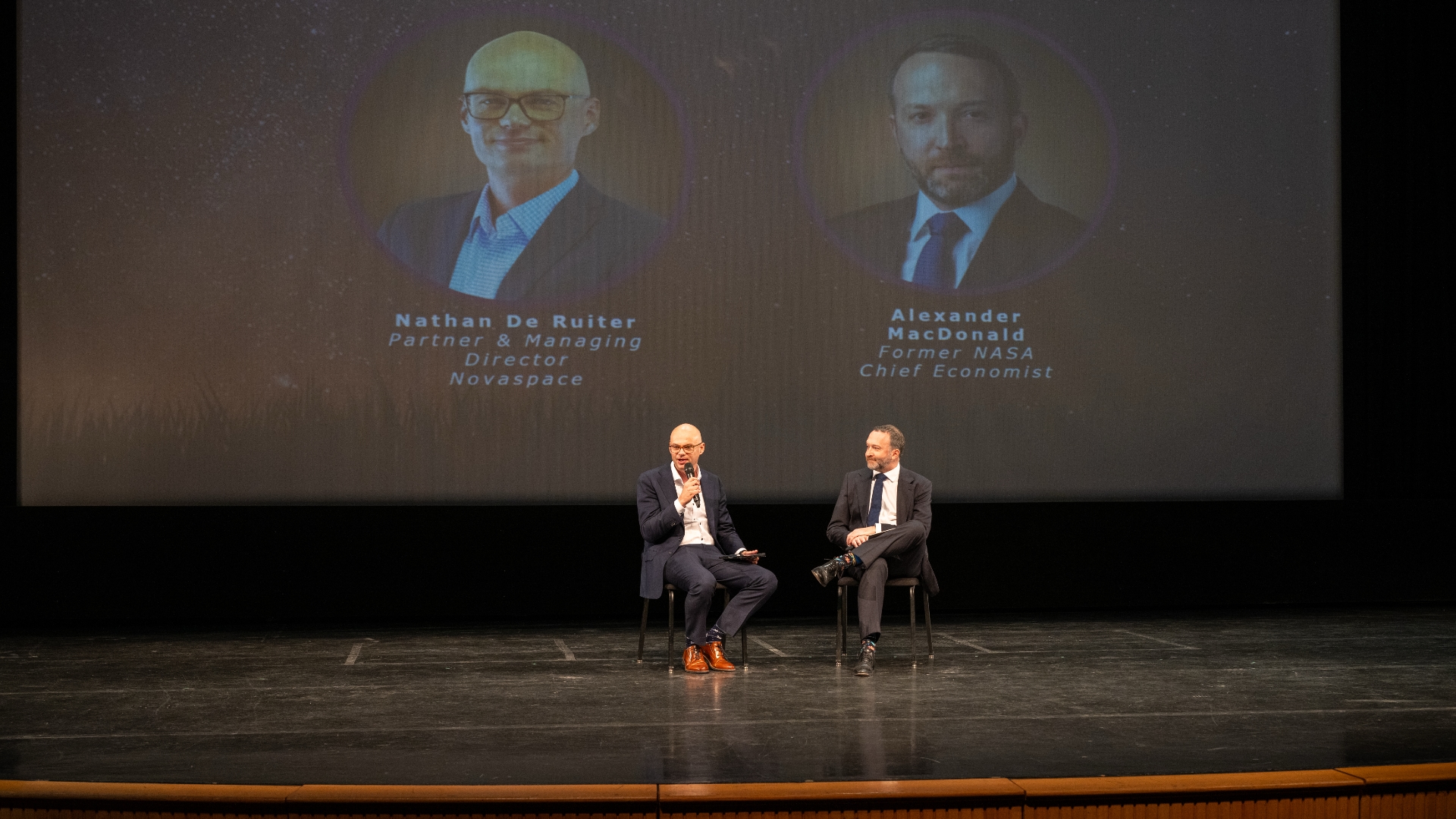
On Arctic space defence, former NASA chief economist Alex MacDonald told Space Canada’s SpaceBound conference on October 20 that the association’s members see “a legitimate opportunity for Canada to lead the world in space-based Arctic northern infrastructure” as defence spending rises.
MacDonald met with about 40 Space Canada members on October 19 and shared several takeaways. On defence, members called for “empowering program managers and delegating down authority” to take greater advantage of the opportunity. Representatives from the university sector want more of their integrated knowledge used alongside government departments such as Innovation, Science and Economic Development Canada, the Department of National Defence and the Canadian Space Agency.
Members also want to engage provinces and territories more directly. Nova Scotia and Newfoundland and Labrador are obvious priorities because of their spaceports, MacDonald said, noting that U.S. states such as Texas “regularly give out over $100 million of state level grants to companies.” The Texas Space Commission has committed its first $US 150 million grant fund across 24 projects since 2025.
On funding, members called for a “stepwise approach” extending beyond the Space Technology Development Program for early-stage work. Companies want “a consistent demand signal across our activities,” say procurement should move faster, and express concern that government risk-aversion toward new technology leads in some cases to “micromanagement.” MacDonald also urged a broader national conversation about why Canada is investing in space, calling it “critical to our economy and to our national defence.”
Reaction Dynamics Seeks $350 Million for Aurora and Borealis Rockets
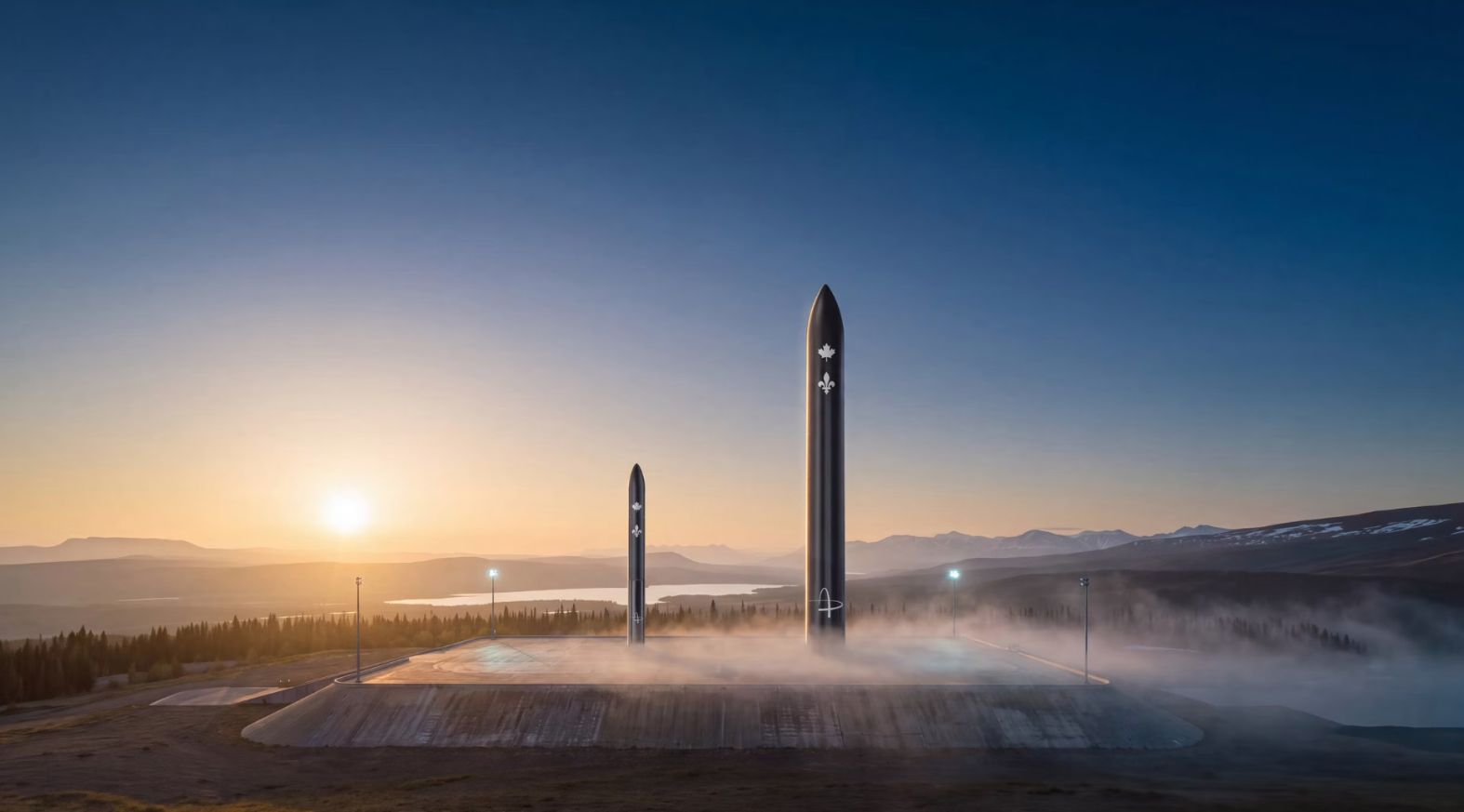
Reaction Dynamics, one of three prominent Canadian launch startups, announced it is seeking to raise $350 million to grow its staff from 68 to more than 350 people. The company is developing the small-lift Aurora rocket, which it hopes will reach orbit in 2028, and has also announced plans for a medium-lift vehicle called Borealis targeting a debut by 2031.
With a lift capacity of 6 tons to low-Earth orbit, Borealis would carry a little under half of the advertised payload capacity of Rocket Lab’s Neutron vehicle. “We founded Reaction Dynamics because we believe Canada should be able to reach orbit on its own terms,” founder and chief executive Bachar Elzein said. “Aurora is how we get to orbit in 2028. Borealis is how we deliver sovereign access to orbit, at scale, by 2031.”
Ars Technica noted that both the 2028 and 2031 dates appear to be highly aspirational.
Parafoil Detachment Dooms ESA Space Rider Drop Test
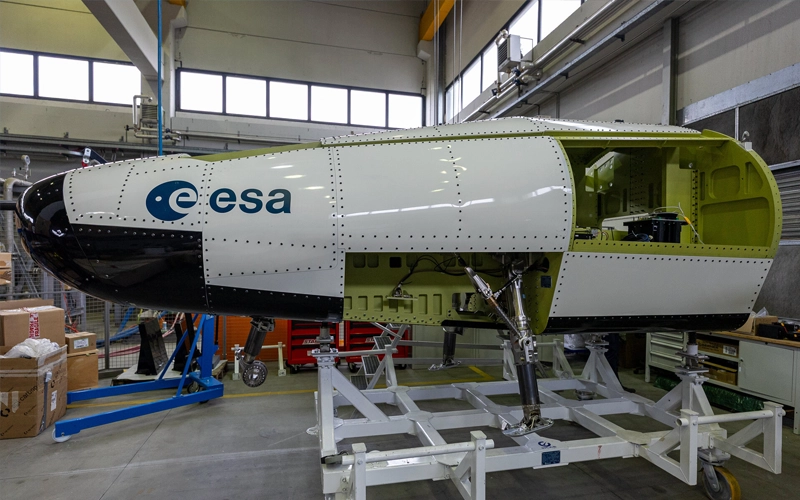
The European Space Agency has confirmed that a parafoil detached from a full-scale Space Rider test model during a drop test on October 6, sending the vehicle into the ground more rapidly than planned. Géraldine Naja, ESA’s Director of Space Transportation, said the test model was released from a helicopter at an altitude of approximately three kilometres over a military test range in Sardinia, Italy.
The initial drogue parachute deployed successfully, slowing the vehicle as intended. However, the subsequent parafoil deployment failed. “Unfortunately, the parafoil detached itself from the mock-up,” Naja said at an October 22 media briefing. Without the parafoil to control its descent, the test model crashed into the ground. Teams have recovered remnants of the model and an investigation board has been established, though investigators have not yet identified what caused the detachment.
Despite the setback, ESA does not currently expect the failure to delay Space Rider’s development. Naja said the remaining qualification activities are not on the programme’s critical path, meaning development work can continue while the investigation proceeds. ESA is still targeting the first half of 2028 for Space Rider’s inaugural flight aboard a Vega C rocket. Space Rider is being developed as Europe’s first reusable uncrewed orbital spacecraft, capable of carrying experiments into low Earth orbit and returning them to Earth.
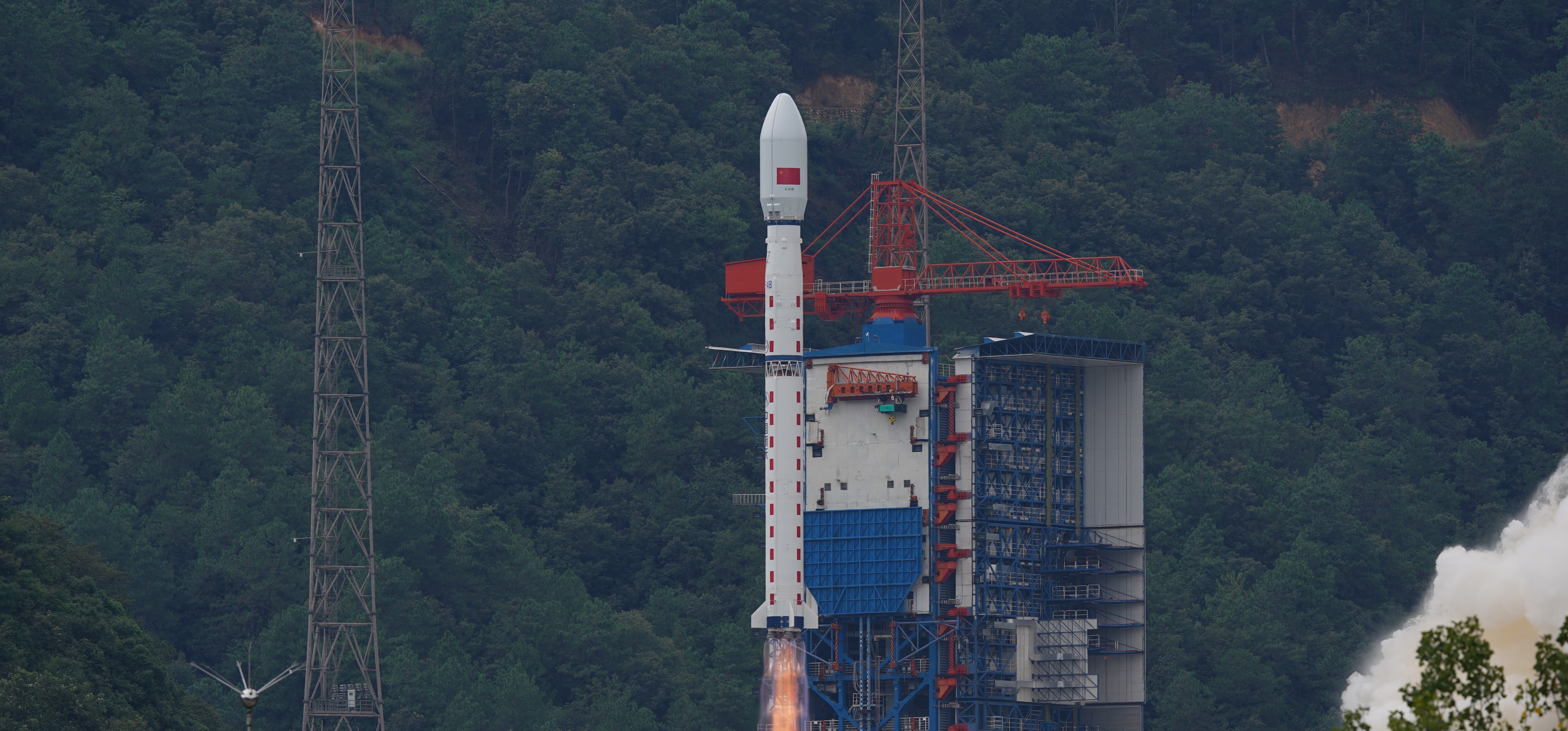
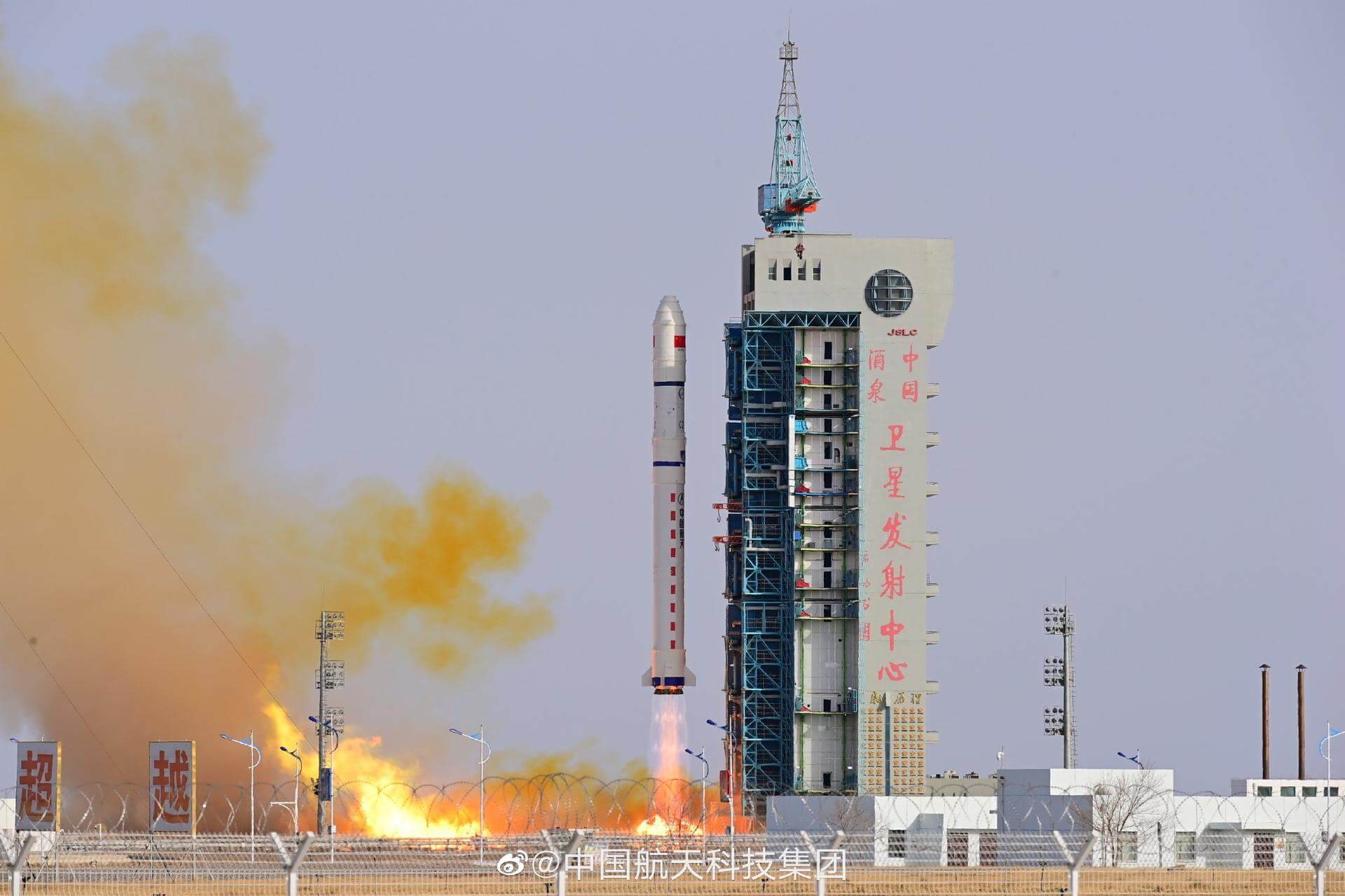
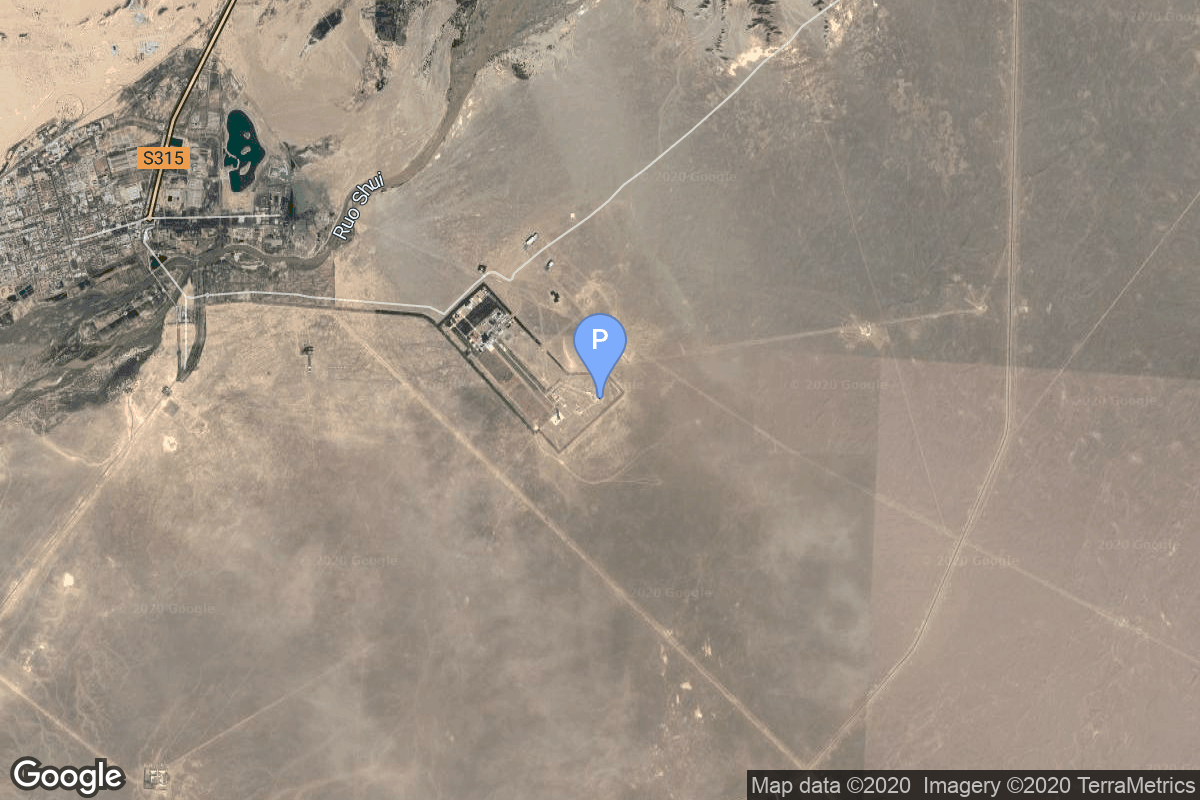
Provider: China Aerospace Science and Technology Corporation Date: October 23, 2026 Time: 7:25 PM UTC Vehicle: Long March 4B
Details TBD.
Starlink Group 15-15
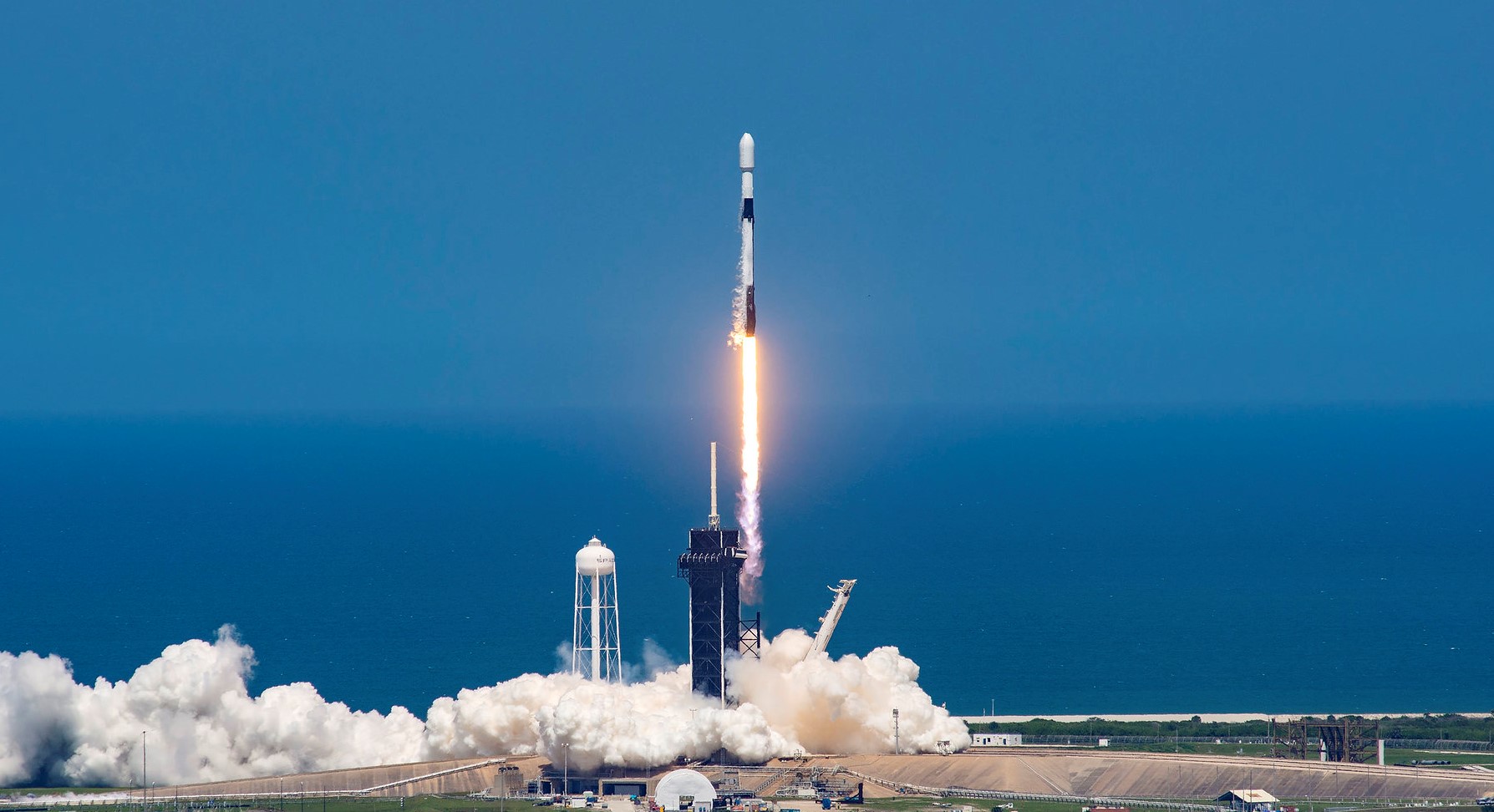
Provider: SpaceX Date: October 23, 2026 Time: 9:30 PM UTC Vehicle: Falcon 9
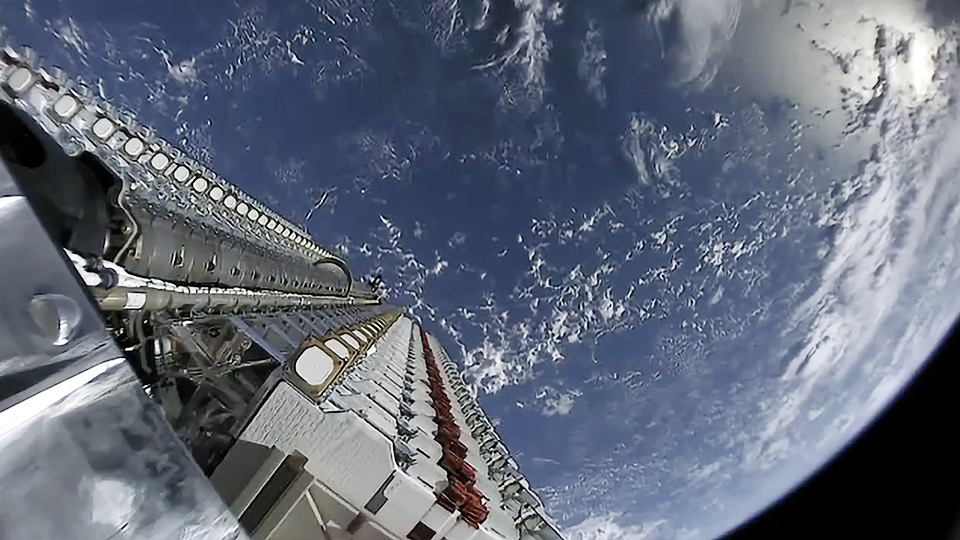
A batch of 27 satellites for the Starlink mega-constellation – SpaceX’s project for space-based Internet communication system.
Unknown Payload
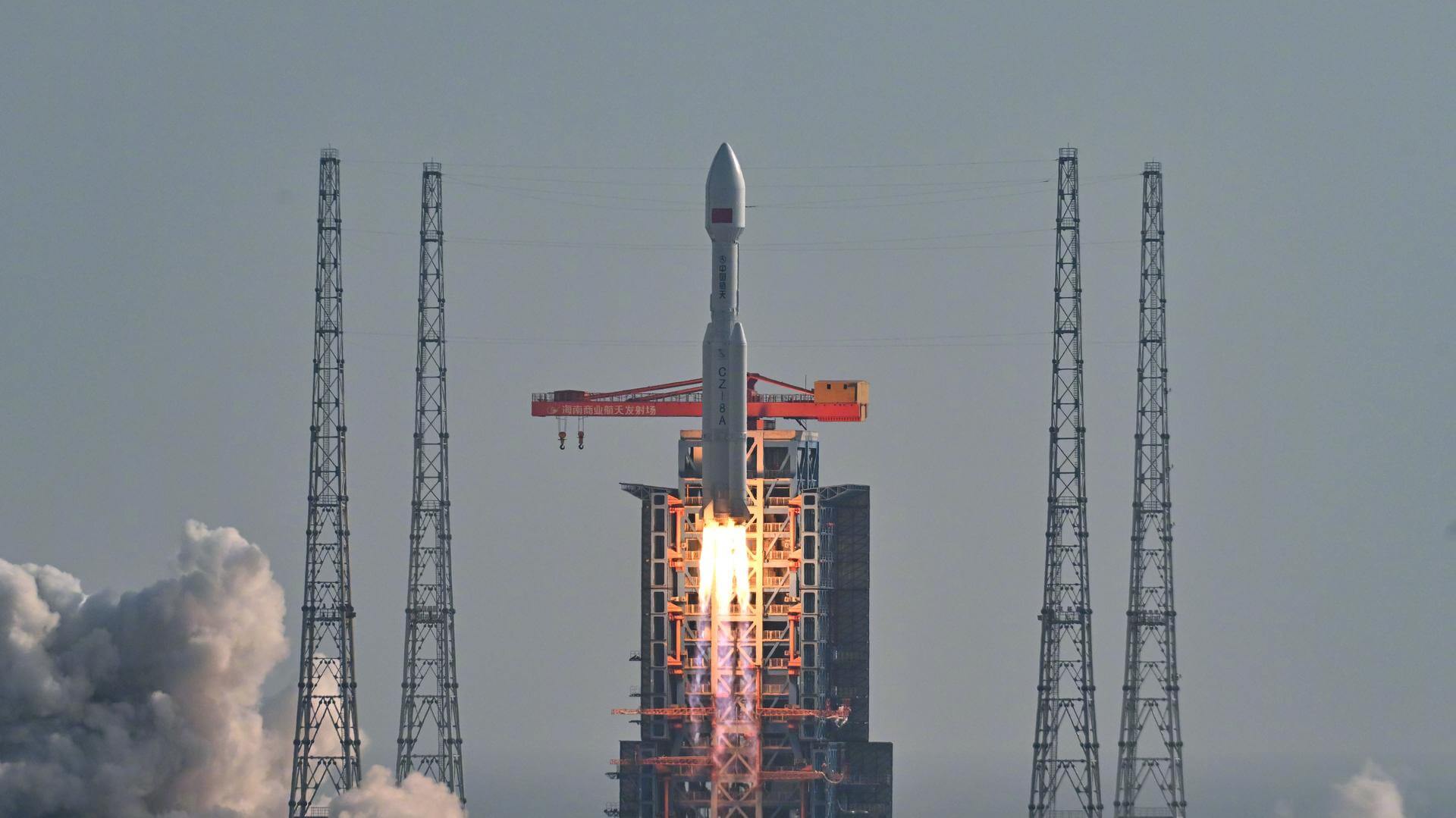
Provider: China Aerospace Science and Technology Corporation Date: October 25, 2026 Time: 1:50 AM UTC Vehicle: Long March 8A
Details TBD.
Starlink Group 15-16
Provider: SpaceX Date: October 26, 2026 Time: 5:00 AM UTC Vehicle: Falcon 9
A batch of 27 satellites for the Starlink mega-constellation – SpaceX’s project for space-based Internet communication system.
Amazon Leo (LV-01)
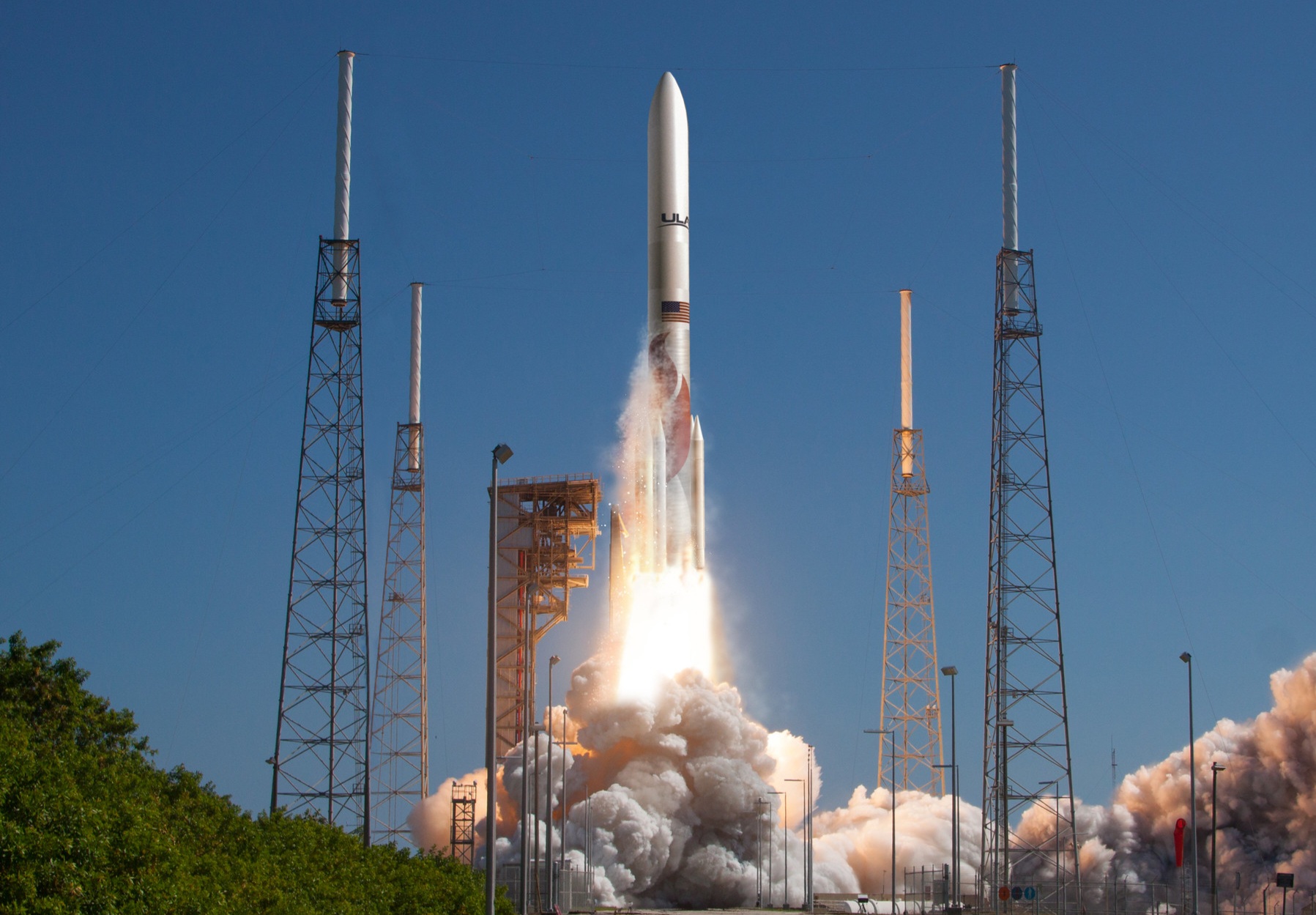
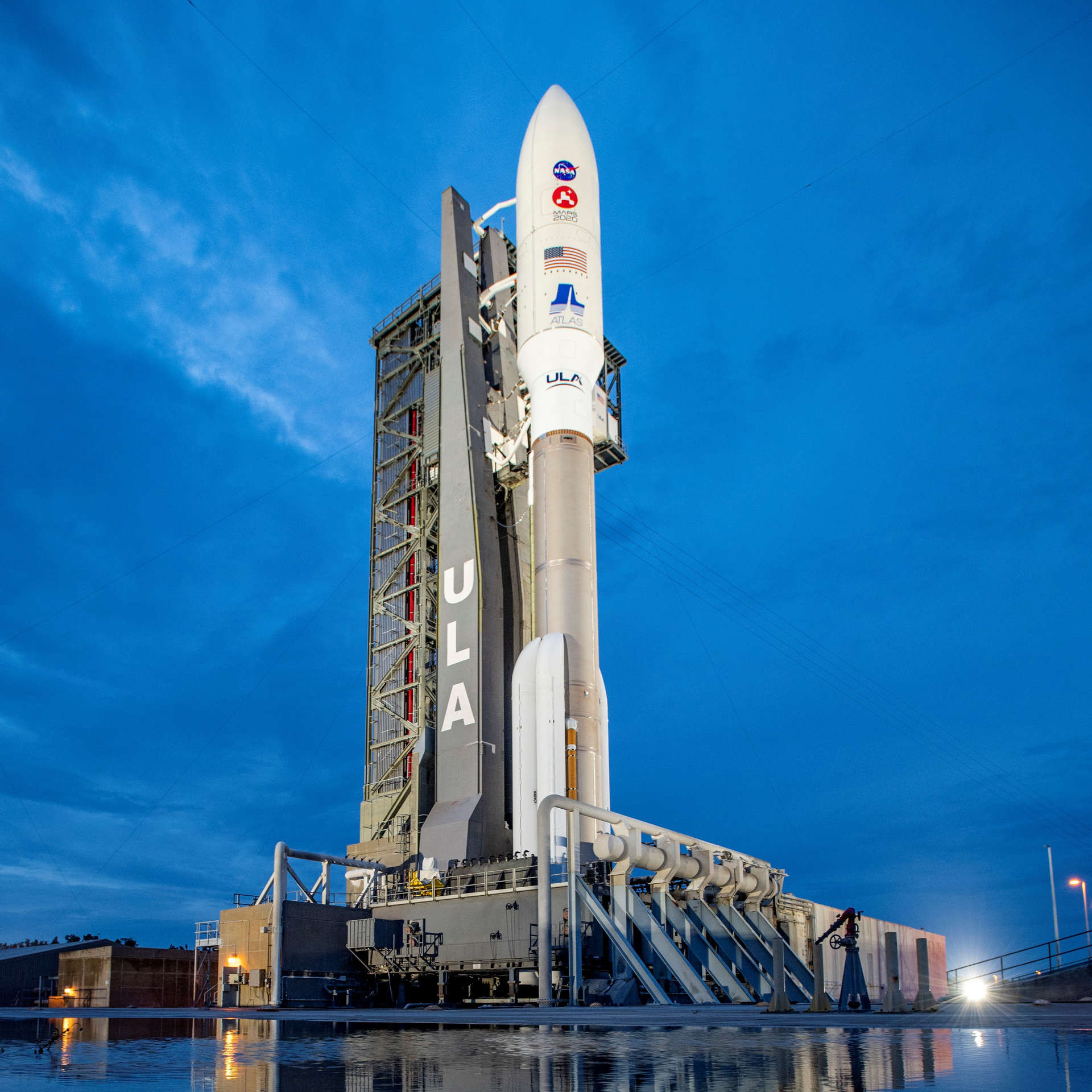
Provider: United Launch Alliance Date: October 29, 2026 Time: 12:00 AM UTC Vehicle: Vulcan VC6L
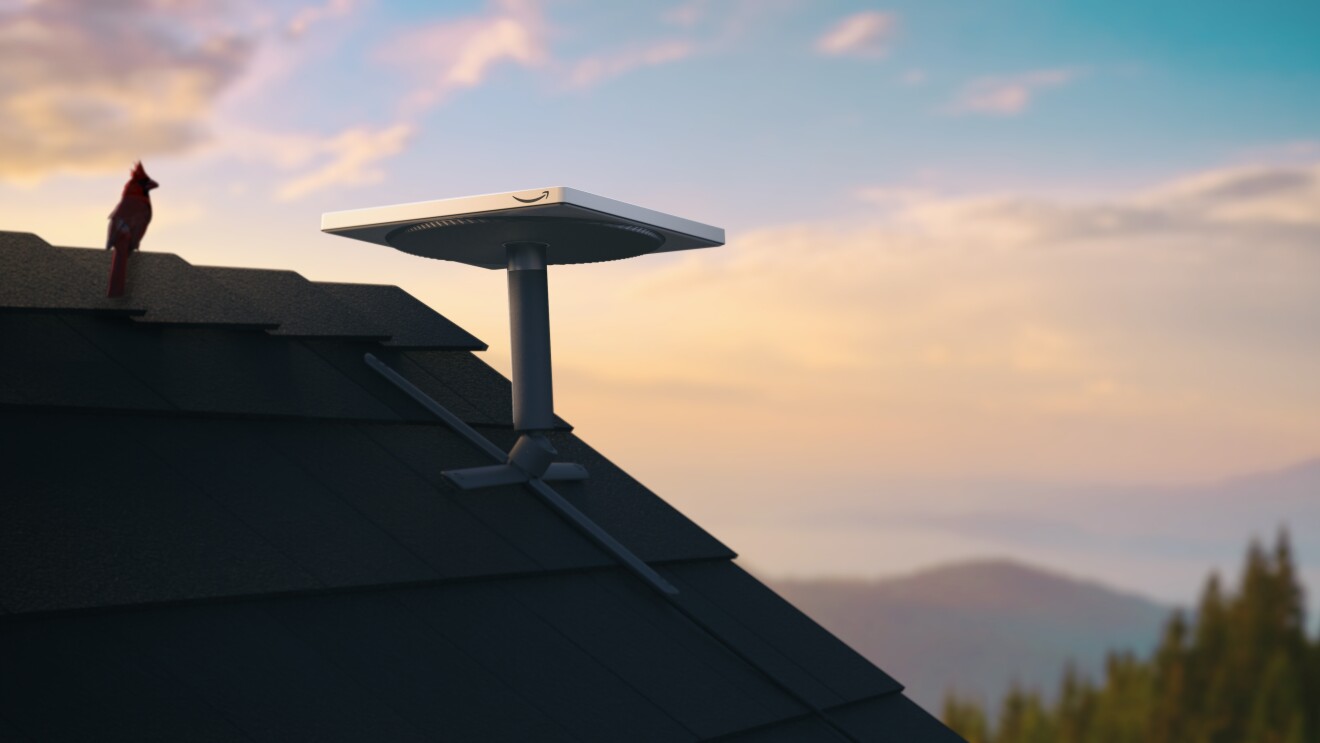
Amazon Leo, formerly known as Project Kuiper, is a mega constellation of satellites in Low Earth Orbit that will offer broadband internet access, this constellation will be managed by Kuiper Systems LLC, a subsidiary of Amazon. This constellation is planned to be composed of 3,276 satellites. The satellites are projected to be placed in 98 orbital planes in three orbital layers, one at 590 km, 610 km and 630 km altitude.
45 satellites will be carried on each Vulcan launch.
Unknown Payload ×
Mission Details
TypeUnknown
OrbitUnknown
TargetEarth
Details TBD.
Launch Provider: China Aerospace Science and Technology Corporation
The Long March 4B (Chinese: 长征四号乙火箭), also known as the Chang Zheng 4B, CZ-4B and LM-4B is a Chinese orbital carrier rocket. Launched from Launch Complex 1 at the Taiyuan Satellite Launch Center, it is a 3-stage rocket, used mostly to place satellites into low Earth and sun synchronous orbits.
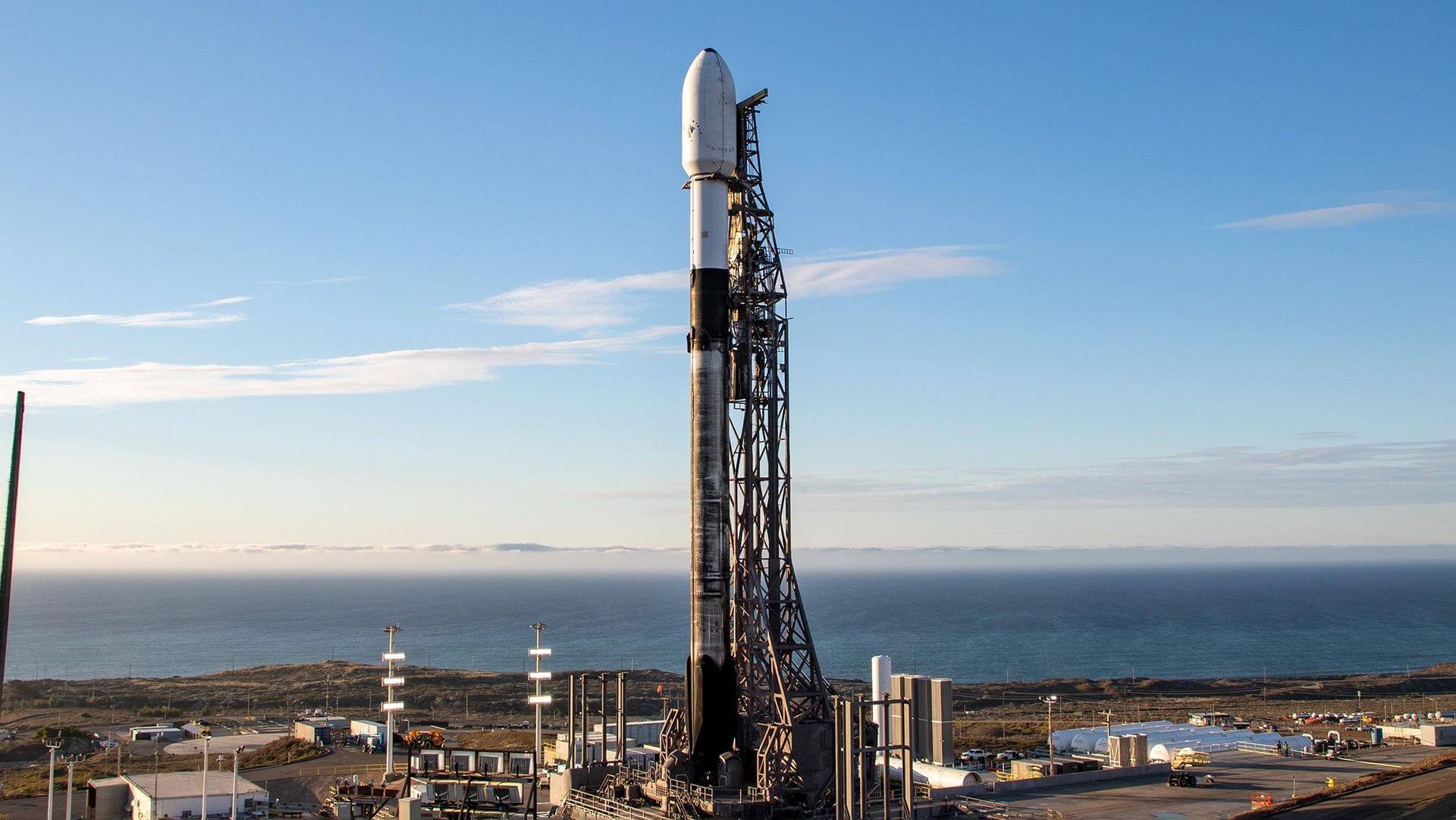
Falcon 9 is a two-stage rocket designed and manufactured by SpaceX for the reliable and safe transport of satellites and the Dragon spacecraft into orbit. The Block 5 variant is the fifth major interval aimed at improving upon the ability for rapid reusability.
The Long March 8A is an orbital launch vehicle developed by the China Academy of Launch Vehicle Technology based on the Long March 8. It has an increased capability of up to 7 tonnes to a 700 km altitude sun-synchronous orbit. It implements a larger 3.35 meters diameter liquid hydrogen/liquid…
Falcon 9 is a two-stage rocket designed and manufactured by SpaceX for the reliable and safe transport of satellites and the Dragon spacecraft into orbit. The Block 5 variant is the fifth major interval aimed at improving upon the ability for rapid reusability.
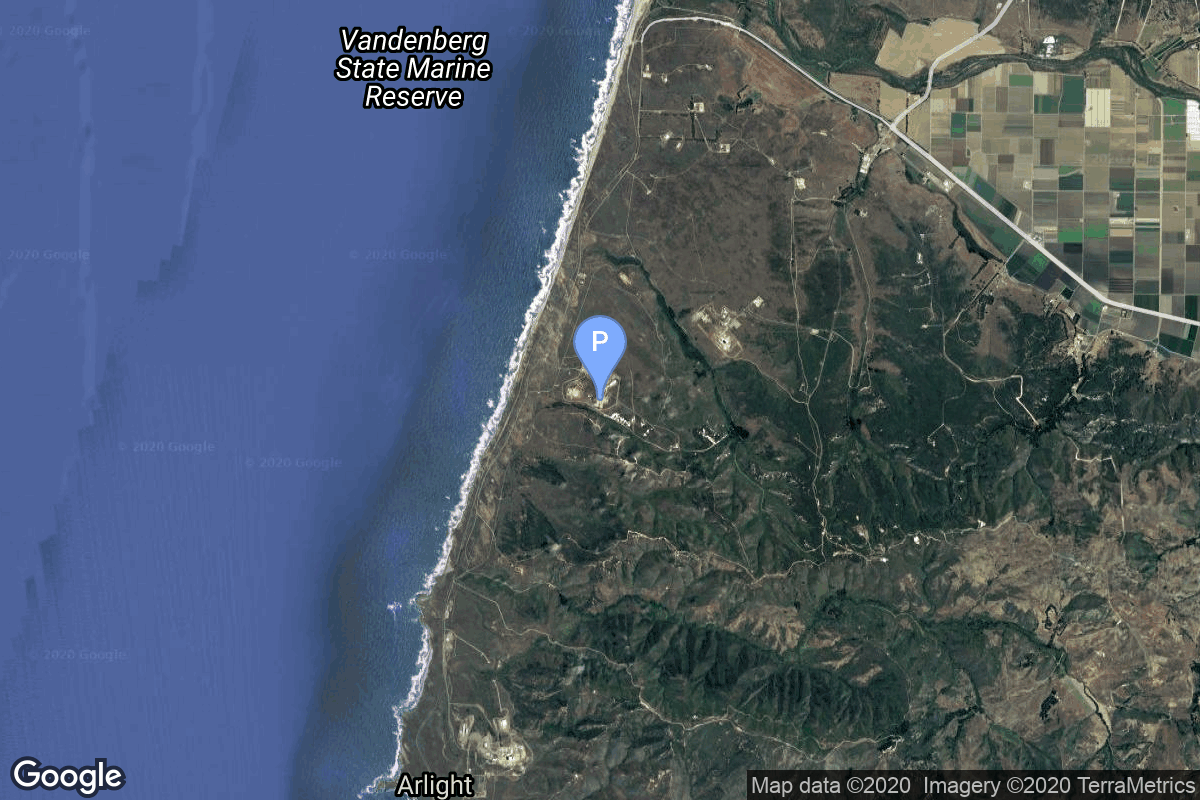
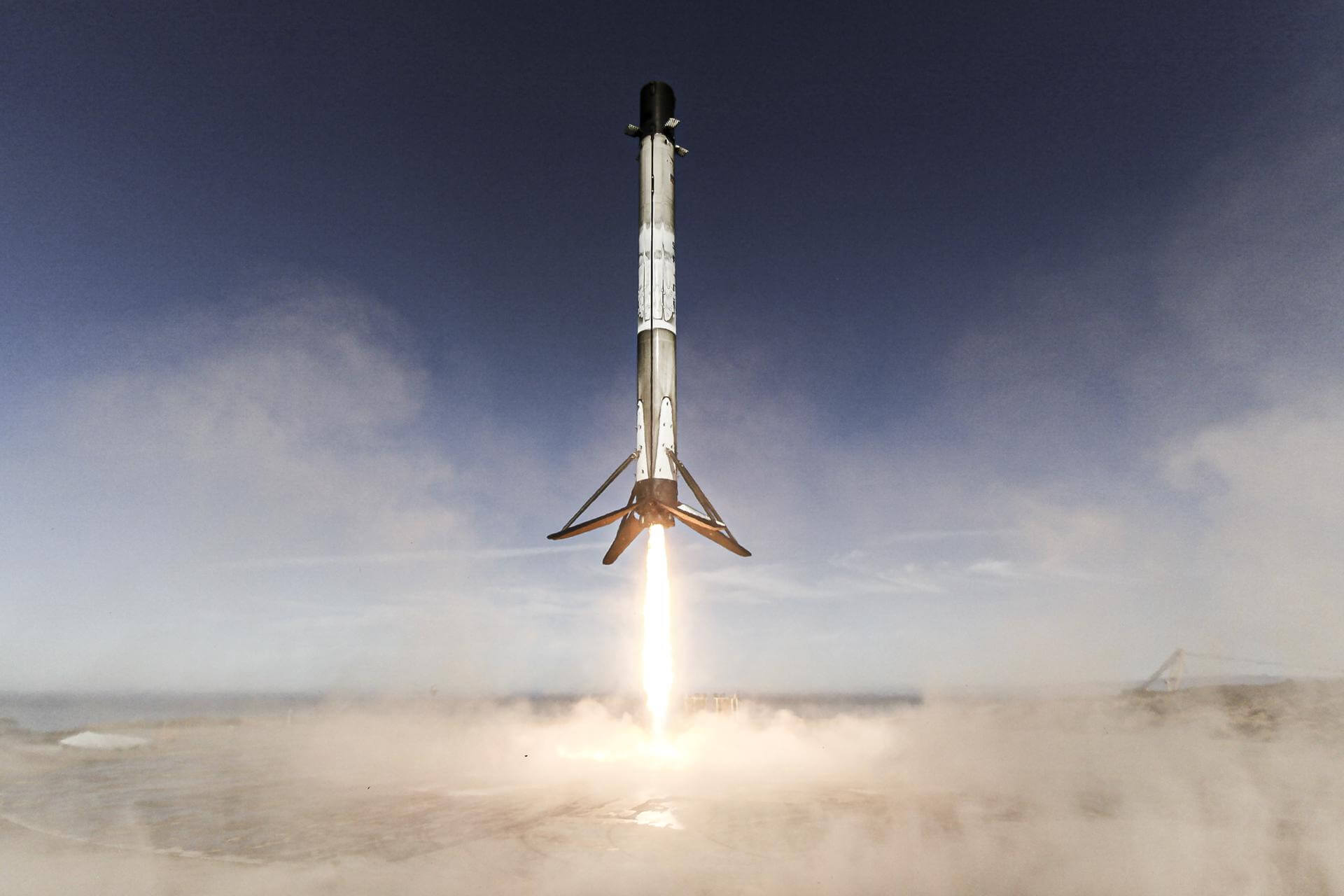
The Falcon 9 first stage B1082 will land on ASDS OCISLY after its 26th flight.
Amazon Leo (LV-01) ×
Mission Details
TypeCommunications
OrbitLow Earth Orbit
TargetEarth
Amazon Leo, formerly known as Project Kuiper, is a mega constellation of satellites in Low Earth Orbit that will offer broadband internet access, this constellation will be managed by Kuiper Systems LLC, a subsidiary of Amazon. This constellation is planned to be composed of 3,276 satellites. The satellites are projected to be placed in 98 orbital planes in three orbital layers, one at 590 km, 610 km and 630 km altitude.
45 satellites will be carried on each Vulcan launch.
Agencies Involved
• Amazon Leo (Private)
Program: Amazon Leo
Amazon Leo is a satellite internet constellation aimed at providing high-speed, low-latency broadband connectivity to underserved and remote areas globally. The project involves deploying a constellation of low Earth orbit (LEO) satellites to create a satellite internet network capable of delivering reliable internet access.
Vulcan Centaur is a two-stage-to-orbit, heavy-lift launch vehicle under development by United Launch Alliance (ULA) since 2014. It is principally designed to meet launch demands for the U.S. government’s National Security Space Launch (NSSL) program for use by the United States Space Force and U.S….
Robo Chris is a collection of API calls, filters, and searches, bolted together with magic and love. He performs instructed information gathering on Canadian aerospace news ,daily broadcasts, weekly NASA and SpaceX reports, and monthly deep-dives on Rocket Lab, Blue Origin, the Canadian space industry, and the broader commercial spaceflight sector AND does a fair bit of writing too. Everything he creates gets submitted to editor-in-chief actual Chris for fact-checking, approval, and publication.







Leave a Reply