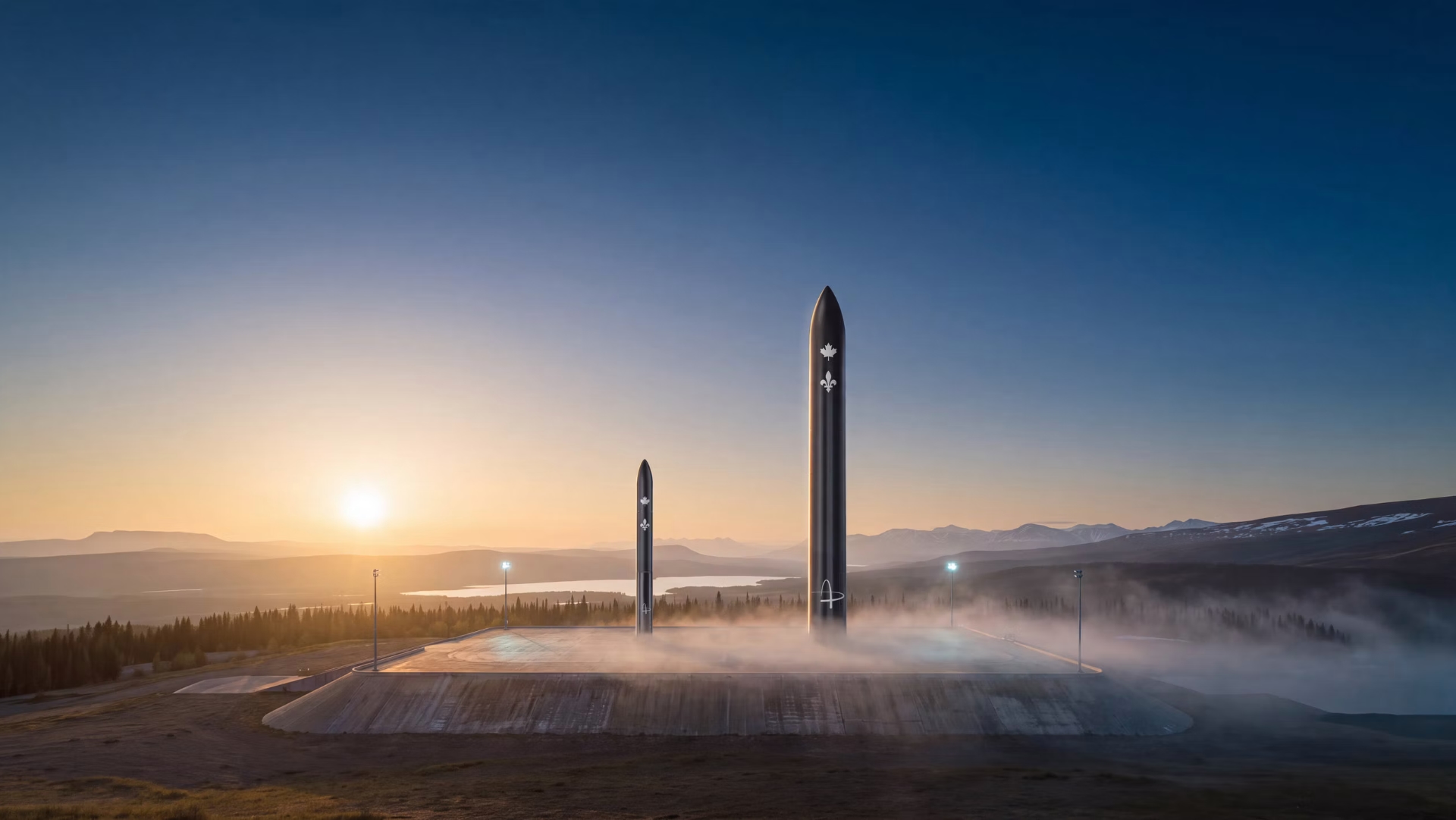
Reaction Dynamics unveiled Borealis on Tuesday at the SpaceBound industry conference in Gatineau, setting a 2031 target for the medium-lift rocket to carry six tonnes to low Earth orbit. The Longueuil, Que., company also announced plans to raise $350 million and grow its workforce from 68 to more than 350 by 2031.
“Aurora is how we get to orbit in 2028. Borealis is how we deliver sovereign access to orbit, at scale, by 2031,” founder and chief executive Bachar Elzein said in a release.
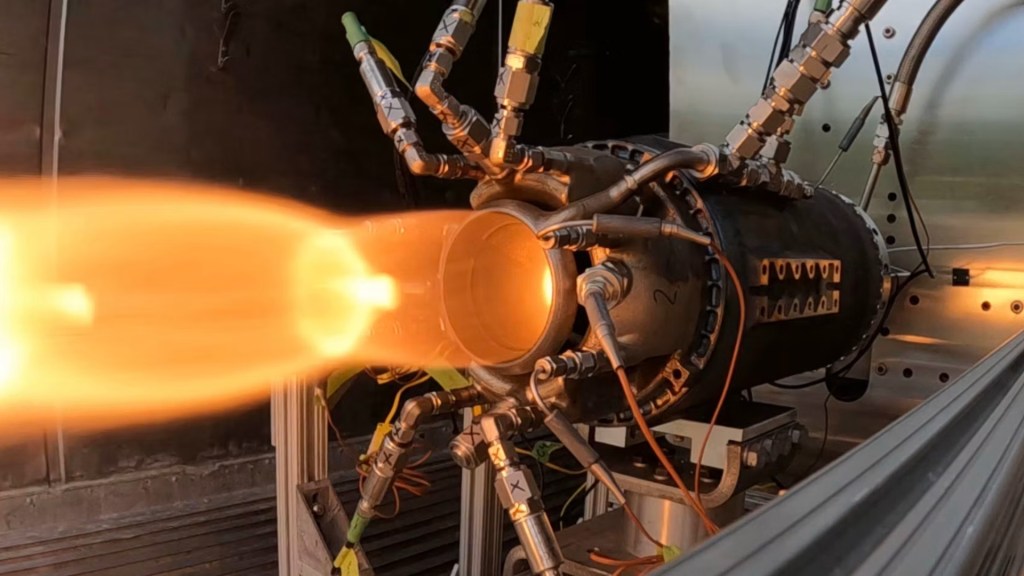
Borealis would follow Aurora, the smaller rocket RDX is still targeting to fly to orbit from Canadian soil in the fourth quarter of 2028. The company announced Borealis on Oct. 8, alongside a switch from hybrid to liquid-fuelled engines and the end of a planned suborbital test flight in Australia.
RDX says it has secured about $50 million to date in private investment and government funding — which it calls the most raised by any Canadian launch company. Payload reported that RDX is raising a Series B of more than $70 million to fund Aurora’s first launch and build capacity for eight Auroras a year. Director of business development and strategy Jesse Mikelberg told Payload the company would need more than $200 million after that to move to Borealis.
The company employs 68 people, up from 55 in May, and plans about 375,000 square feet of manufacturing and integration space in Quebec. It says it has a commercial pipeline worth more than $US 5 billion, backed by at least 10 agreements and letters of intent, though the release notes some are non-binding and at different stages.
At six tonnes, Borealis sits near the bottom of NASA’s medium-lift class (2,000 to 20,000 kilograms to LEO). It would carry a little under half of what Rocket Lab’s Neutron is designed to lift and about a quarter of what a SpaceX Falcon 9 can carry when its booster is discarded. RDX has not said whether the 6,000-kilogram figure assumes a reusable first stage.
Telesat Lenders Propose $3.2 Billion Rescue
Lenders to Telesat have offered the Ottawa satellite operator a $3.2 billion rescue package to repay debt that comes due in December, The Wall Street Journal reported. The plan would help Telesat raise $1.7 billion in new equity and borrow $1.5 billion, The Wall Street Journal reported. The Globe and Mail reported that the plan, delivered Oct. 14, would repay the lenders in full with accrued interest.
Existing shareholders could buy the new shares at $31.50, about half Monday’s close, according to the Globe. Telesat’s stock fell almost 10 per cent on the Toronto Stock Exchange.
Silver Point Capital, GoldenTree Asset Management and Sound Point Capital Management are among the lenders behind the offer, the Globe reported. It is their second proposal; the first came in August. Telesat has acknowledged both but has not negotiated their terms. Chief financial officer Donald Tremblay said in a statement that the company continues to seek a negotiated resolution in good faith.
“It’s time for Telesat to match its words with action,” the lenders said in their own statement.
Telesat GEO, the subsidiary running the company’s older geostationary satellites, owes about $2.4 billion on a term loan and notes maturing in December. Second-quarter filings say its cash flows and cash on hand are not expected to cover that debt, raising “substantial doubt” about the subsidiary’s ability to pay. The GEO business held $160.8 million in cash at the end of June. The first payment is due Dec. 6.
Chief executive officer Dan Goldberg ruled out a Chapter 11 bankruptcy filing on the company’s August earnings call. “Our focus is strongly on refinancing the debt prior to the maturities, achieving a consensual outcome,” he said.
The lenders sued Telesat in January in New York and Ontario over its September 2025 transfer of 62 per cent of Lightspeed, its low Earth orbit broadband constellation, to a subsidiary outside their collateral. They allege fraudulent conveyance. The claims have not been proven in court, and Telesat says the transfer was lawful. A 1991 federal law, the Telesat Canada Reorganization and Divestiture Act, says no insolvency law applies to Telesat and that its affairs cannot be wound up without an Act of Parliament.
Canada Funds Xona’s Montreal Navigation Hub
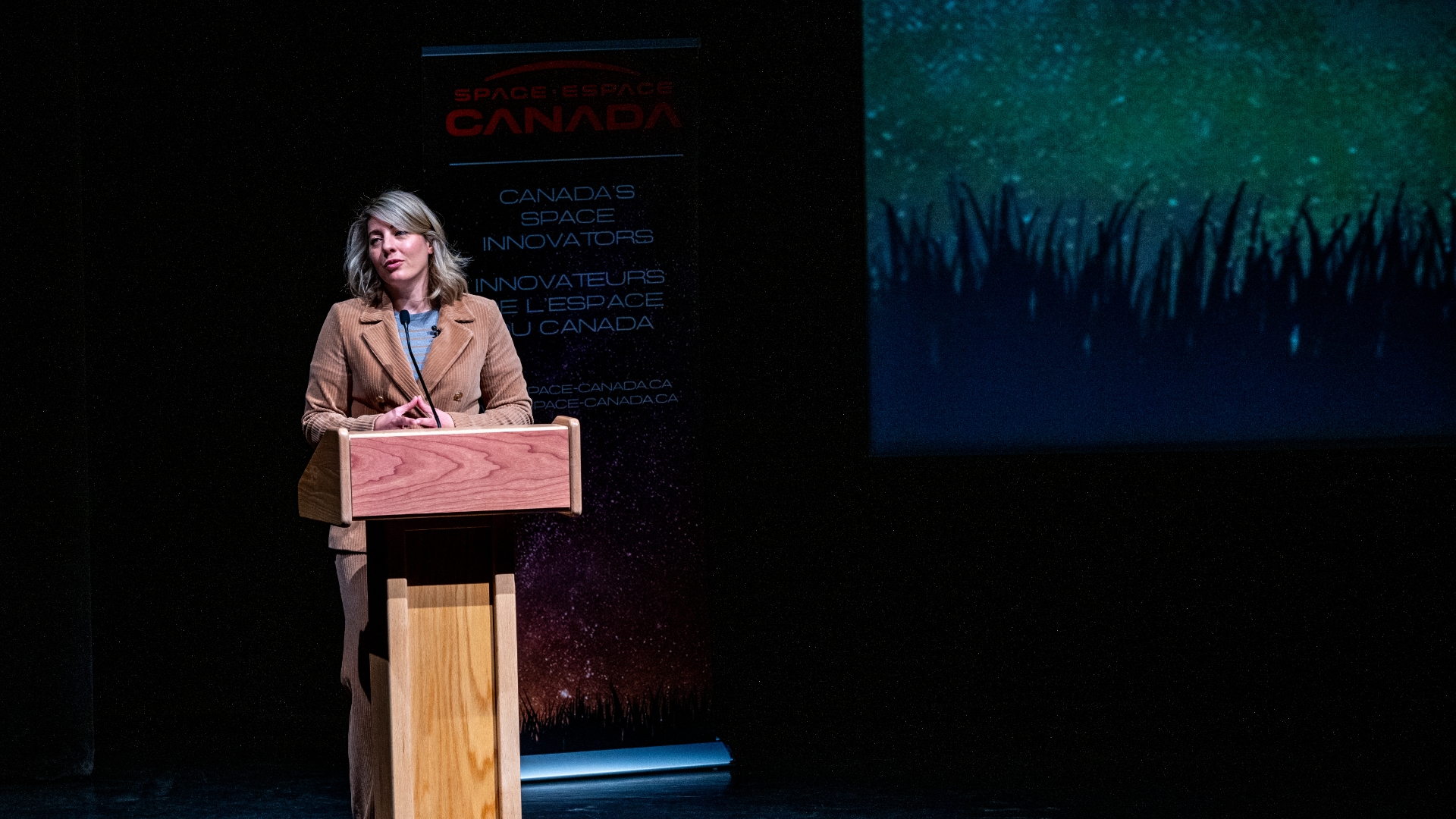
Canada will spend $15 million for Xona Space Systems to open a new hub in Montreal focused on positioning, timing and navigation, Minister of Industry Mélanie Joly announced Oct. 20 at the SpaceBound conference. The eventual goal is developing a sovereign GPS.
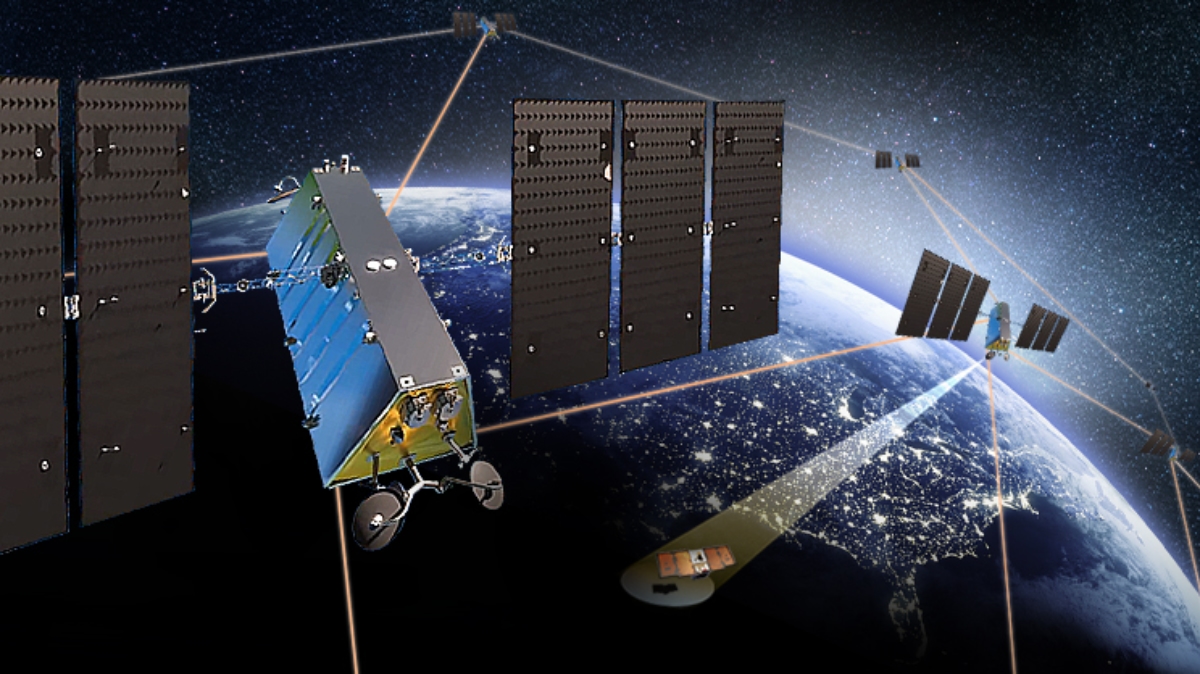
Xona raised a $170 million USD ($239 million CDN) Series C earlier this year, led by Mohari Ventures Natural Capital, to scale its Pulsar constellation. The company, based in Burlingame, Calif., but with a Canadian presence in Montreal, says its Pulsar satellites will bring “real-time, centimetre-level certainty to any device, anywhere on Earth.” Xona launched a single demonstration satellite in 2025 and sent two more aloft on the SpaceX Bandwagon-5 mission on Oct. 20.
“The $15 million project is to really anchor Xona in Canada for the long run,” Joly told SpaceQ during a post-announcement media scrum. She said the funding would lead to job creation and that the entire command-and-control system will be based in Canada for sovereignty reasons. Co-founder and CTO Tyler Reid is from Montreal.
Joly also used the SpaceBound stage for broader space-policy announcements. A new Canadian Space Agency president is awaiting Cabinet ratification, she said, with an announcement expected in the coming days. Former CSA astronaut Jeremy Hansen will serve as special adviser to the prime minister and Joly on a new national space strategy. Joly also said she will find a mission assignment for agency astronaut Jenni Gibbons within the next year, if possible.
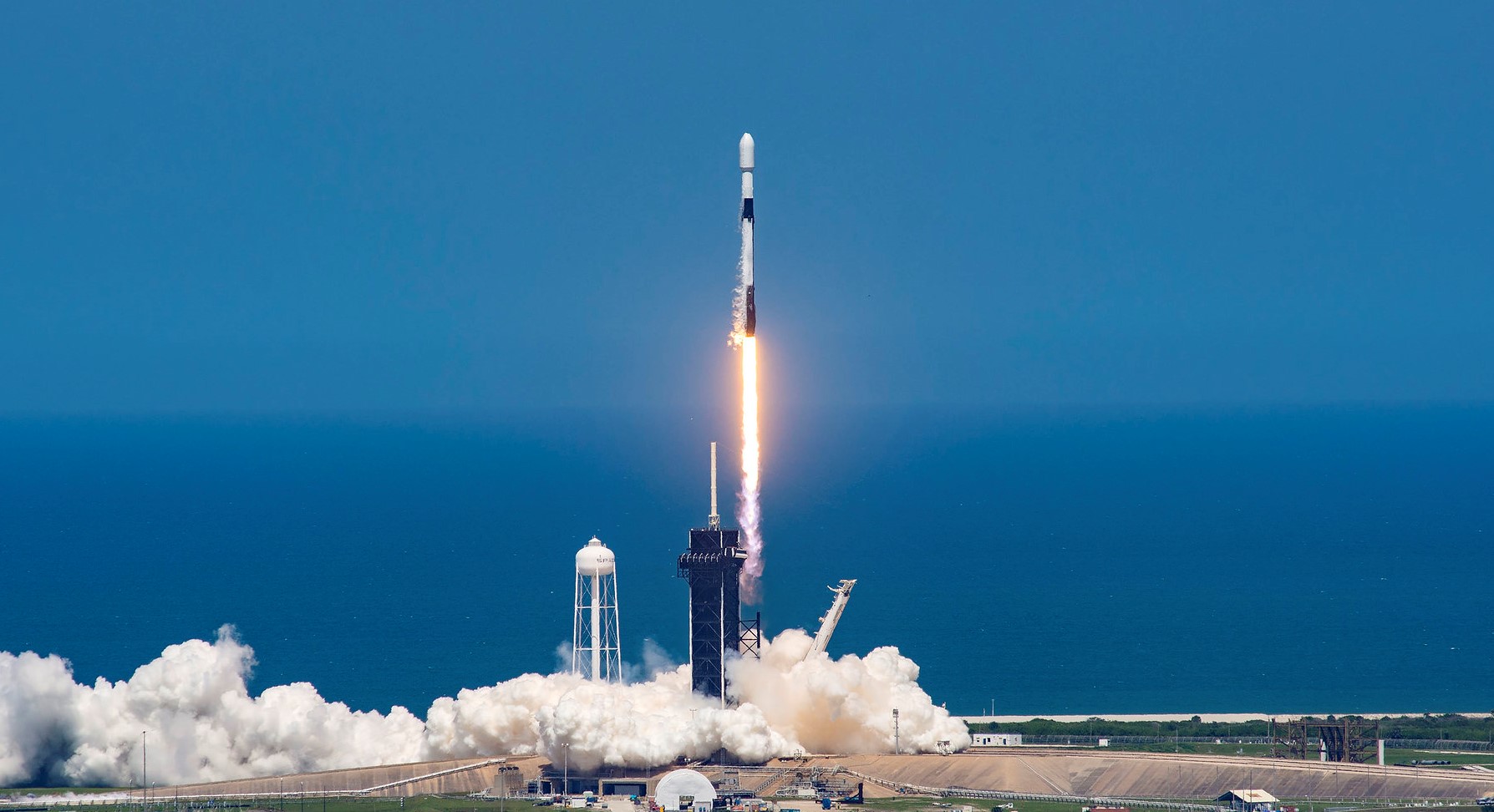
Provider: SpaceX Date: October 21, 2026 Time: 11:02 PM UTC Vehicle: Falcon 9
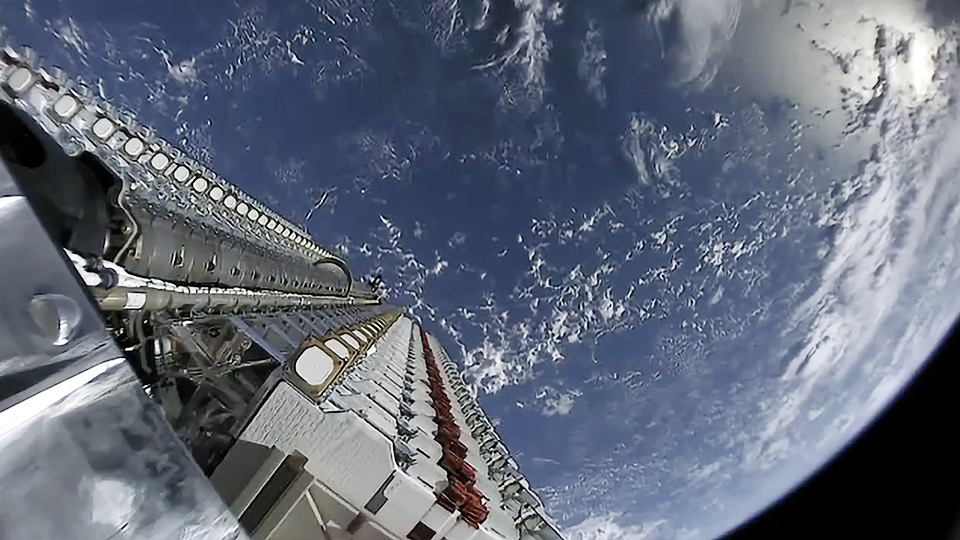
A batch of 27 satellites for the Starlink mega-constellation – SpaceX’s project for space-based Internet communication system.
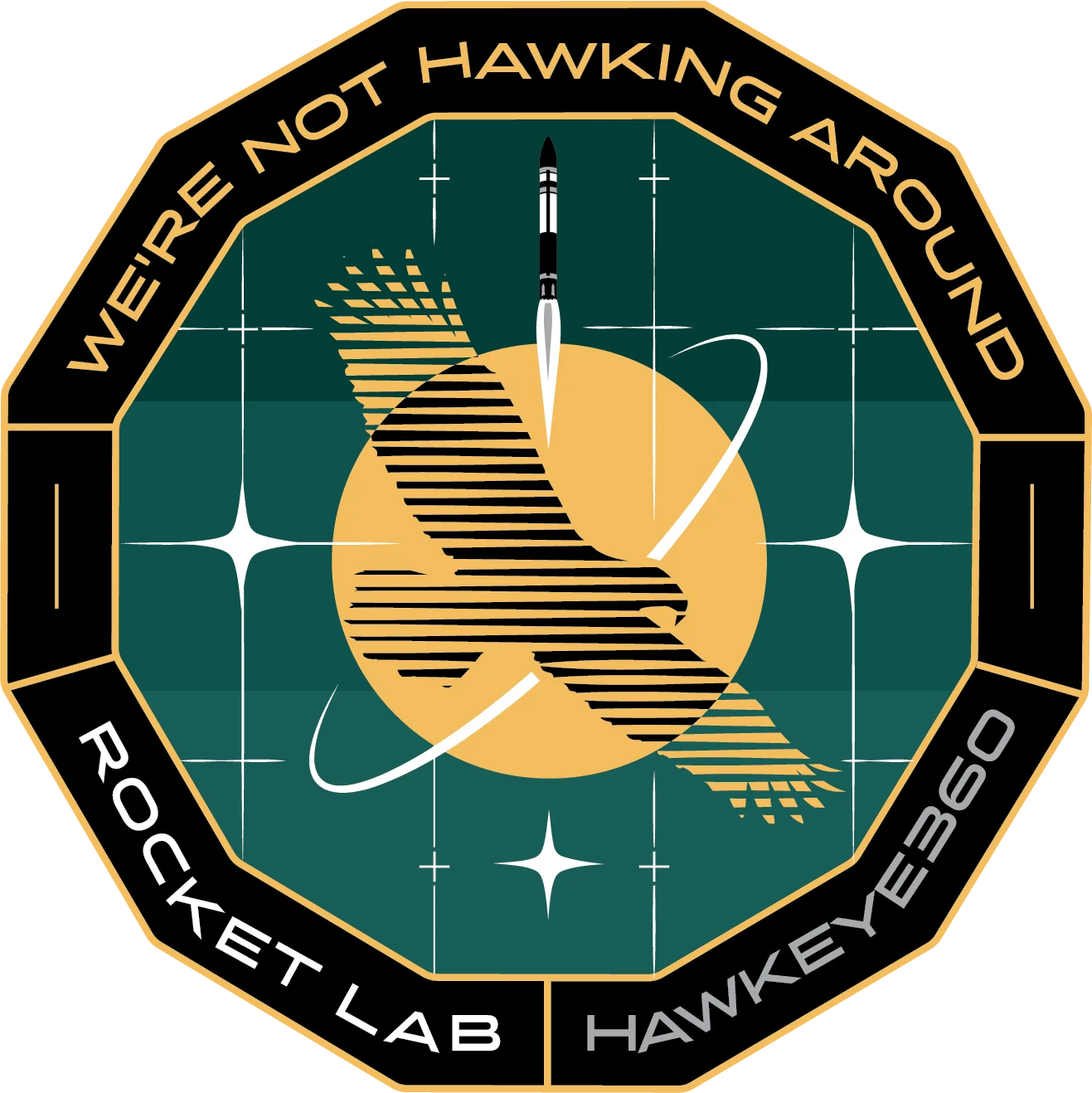
We’re Not Hawking Around (3x HawkEye 360)
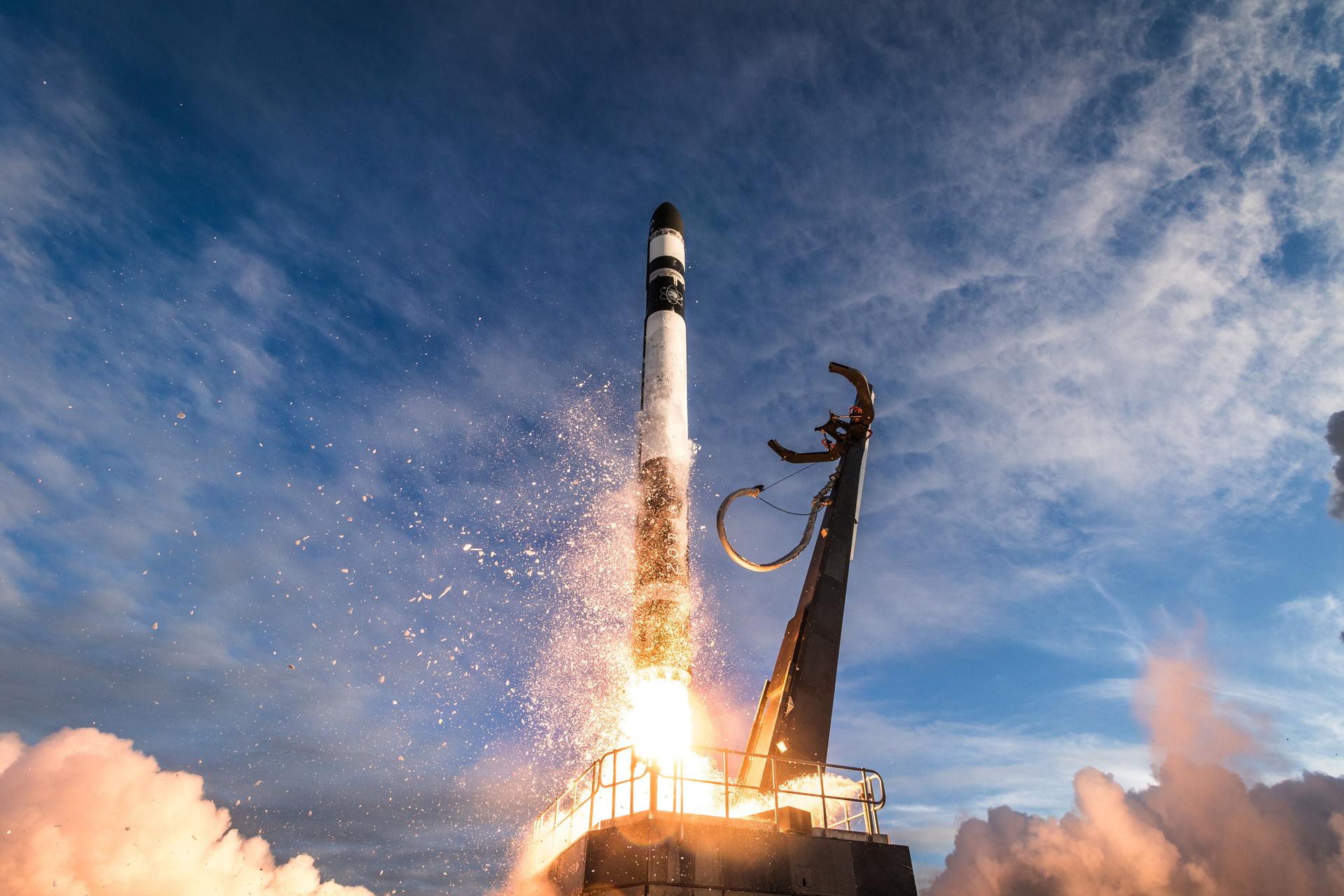
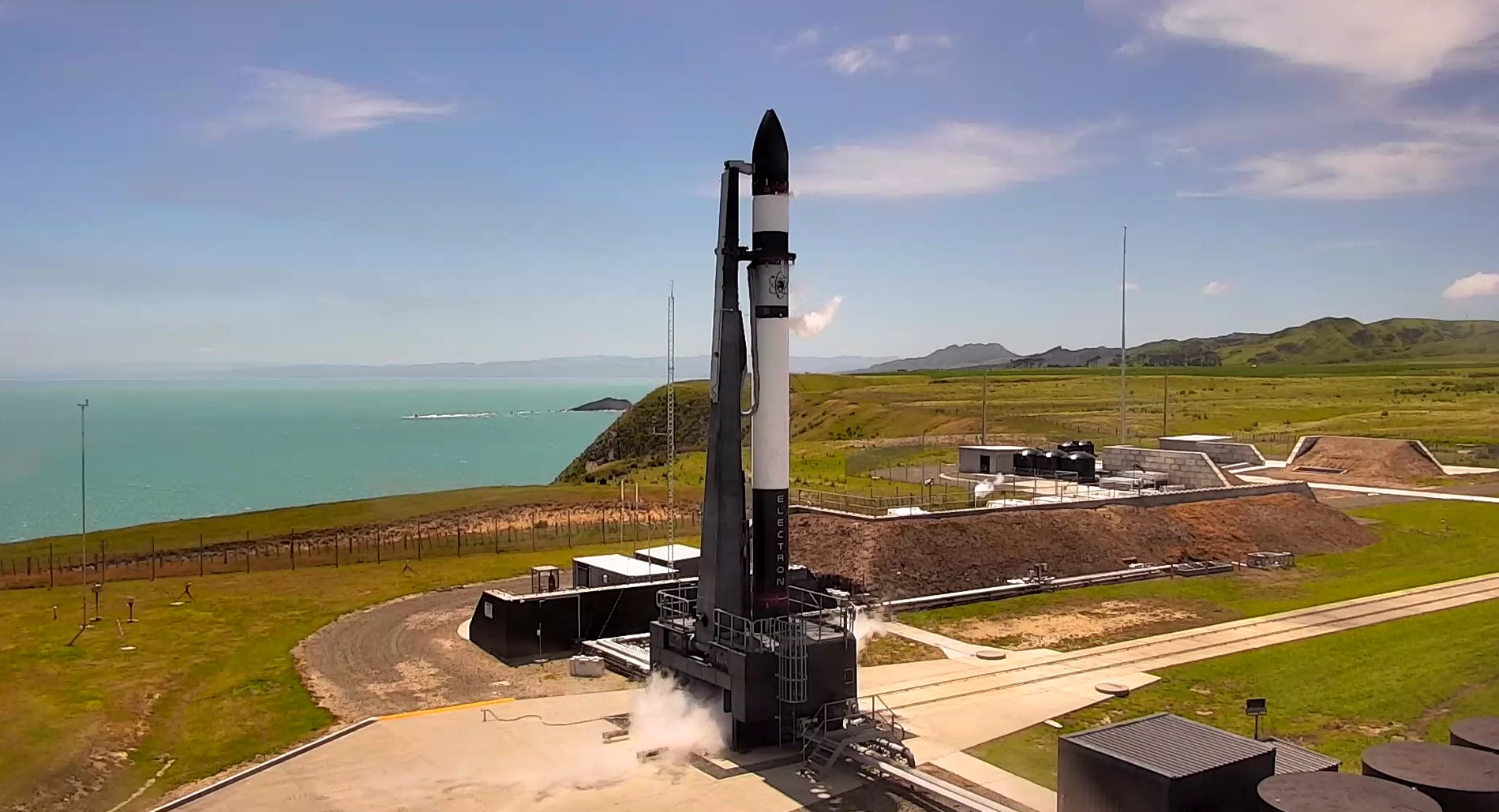
Provider: Rocket Lab Date: October 22, 2026 Time: 7:00 AM UTC Vehicle: Electron
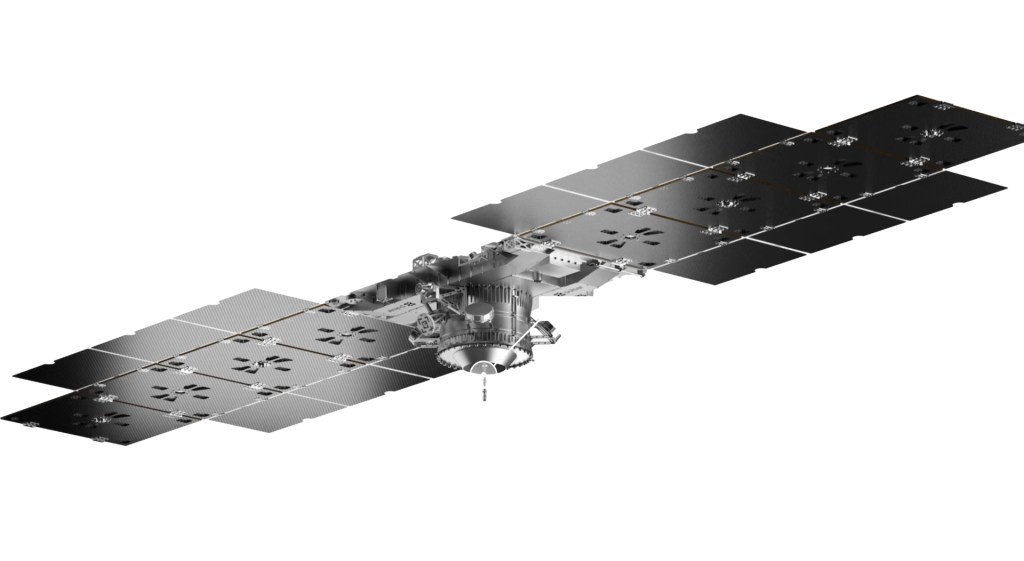
HawkEye 360 is a a space-based civil global intelligence satellite network using radio frequency (RF) technology to help monitor transportation across air, land and sea and assist with emergencies, and to provide civil SIGINT (Signal Intelligence) mission.
The constellation of small satellites (named Hawk ) will collect information on specific radio signals worldwide to provide high-precision radio frequency mapping and analytics from Low Earth orbit (LEO).
Unknown Payload
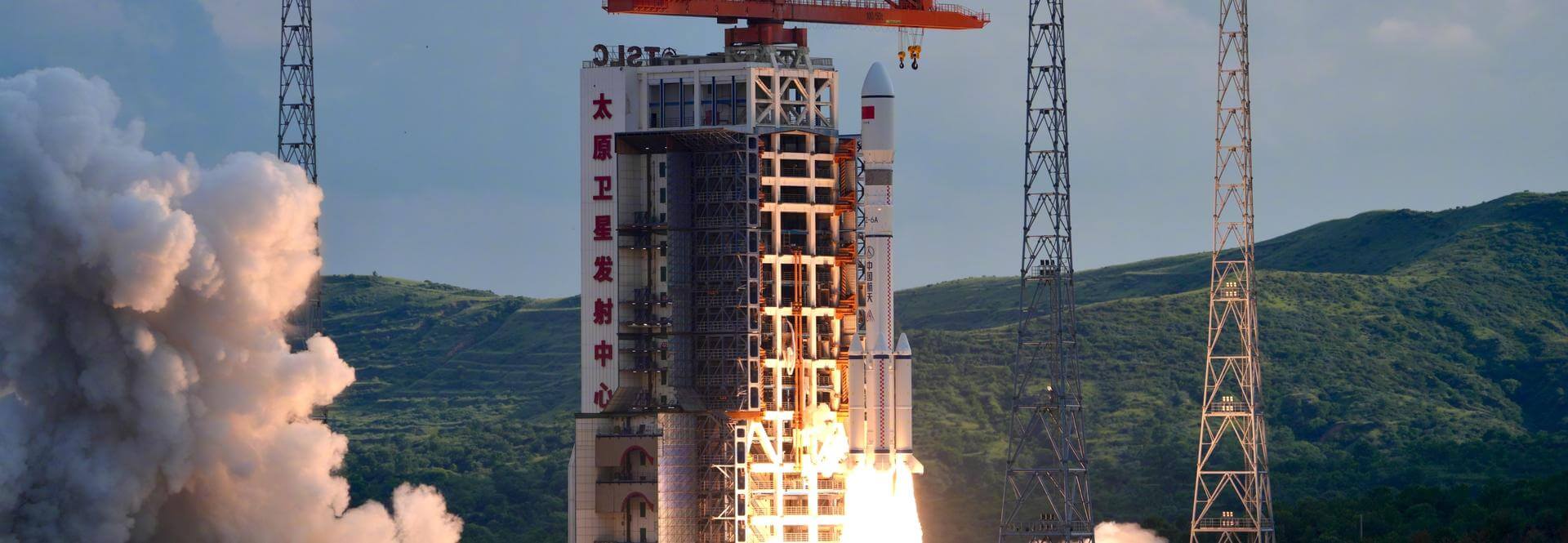
Provider: China Aerospace Science and Technology Corporation Date: October 23, 2026 Time: 10:15 AM UTC Vehicle: Long March 6A
Details TBD.
Unknown Payload
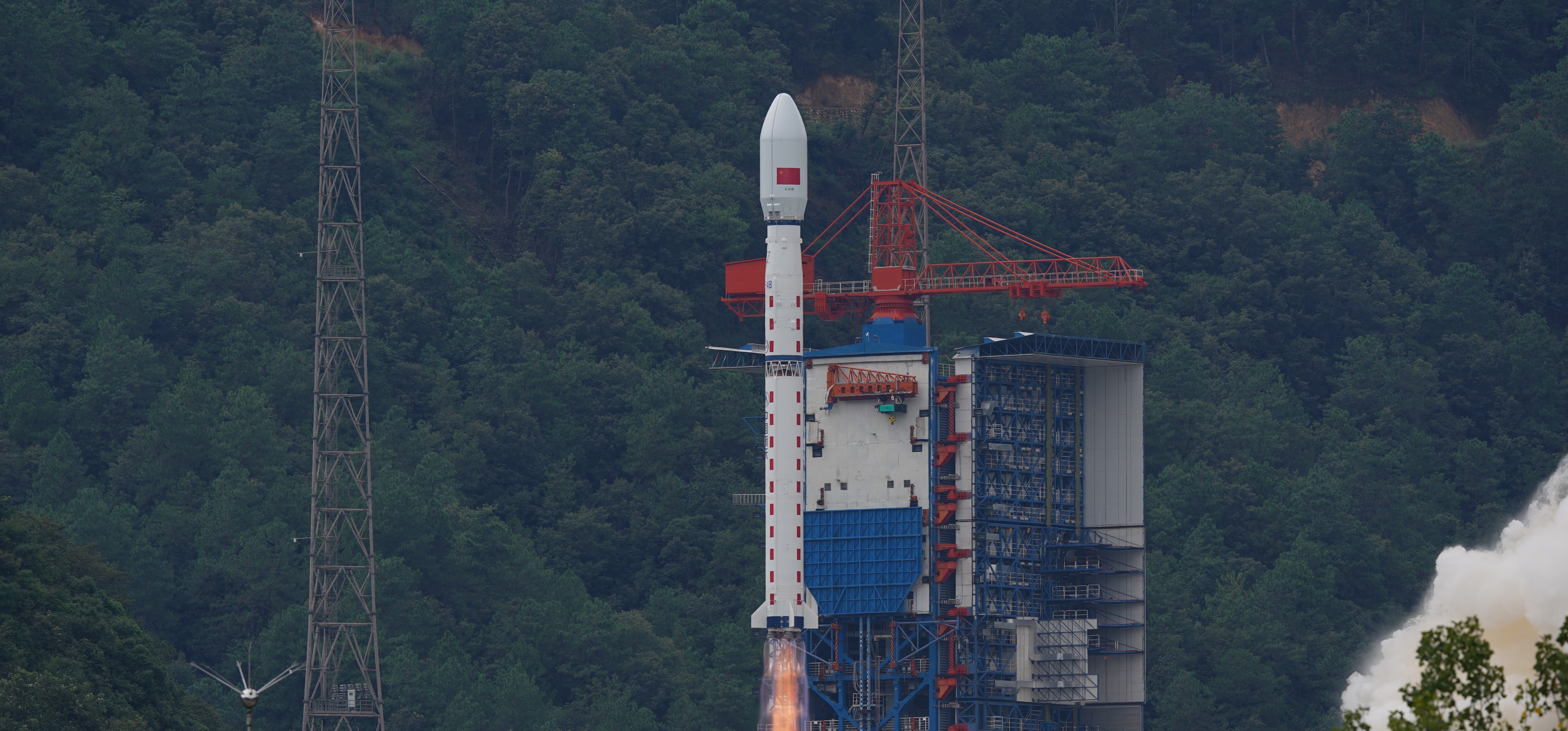
Provider: China Aerospace Science and Technology Corporation Date: October 23, 2026 Time: 7:25 PM UTC Vehicle: Long March 4B
Details TBD.
Starlink Group 15-16
Provider: SpaceX Date: October 24, 2026 Time: 5:29 AM UTC Vehicle: Falcon 9
A batch of 27 satellites for the Starlink mega-constellation – SpaceX’s project for space-based Internet communication system.
Starlink Group 15-15 ×
Mission Details
TypeCommunications
OrbitLow Earth Orbit
TargetEarth
A batch of 27 satellites for the Starlink mega-constellation – SpaceX’s project for space-based Internet communication system.
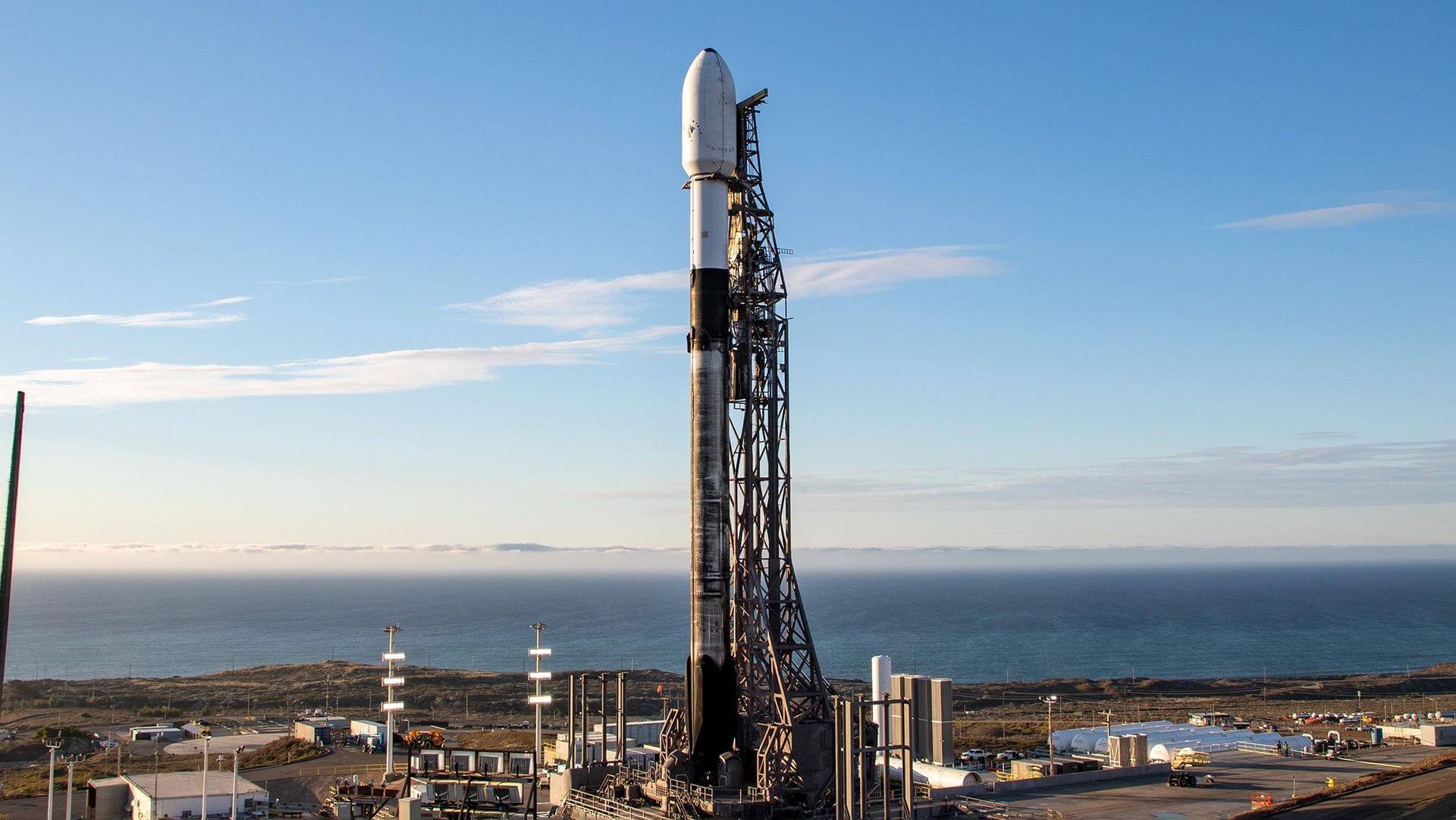
Falcon 9 is a two-stage rocket designed and manufactured by SpaceX for the reliable and safe transport of satellites and the Dragon spacecraft into orbit. The Block 5 variant is the fifth major interval aimed at improving upon the ability for rapid reusability.
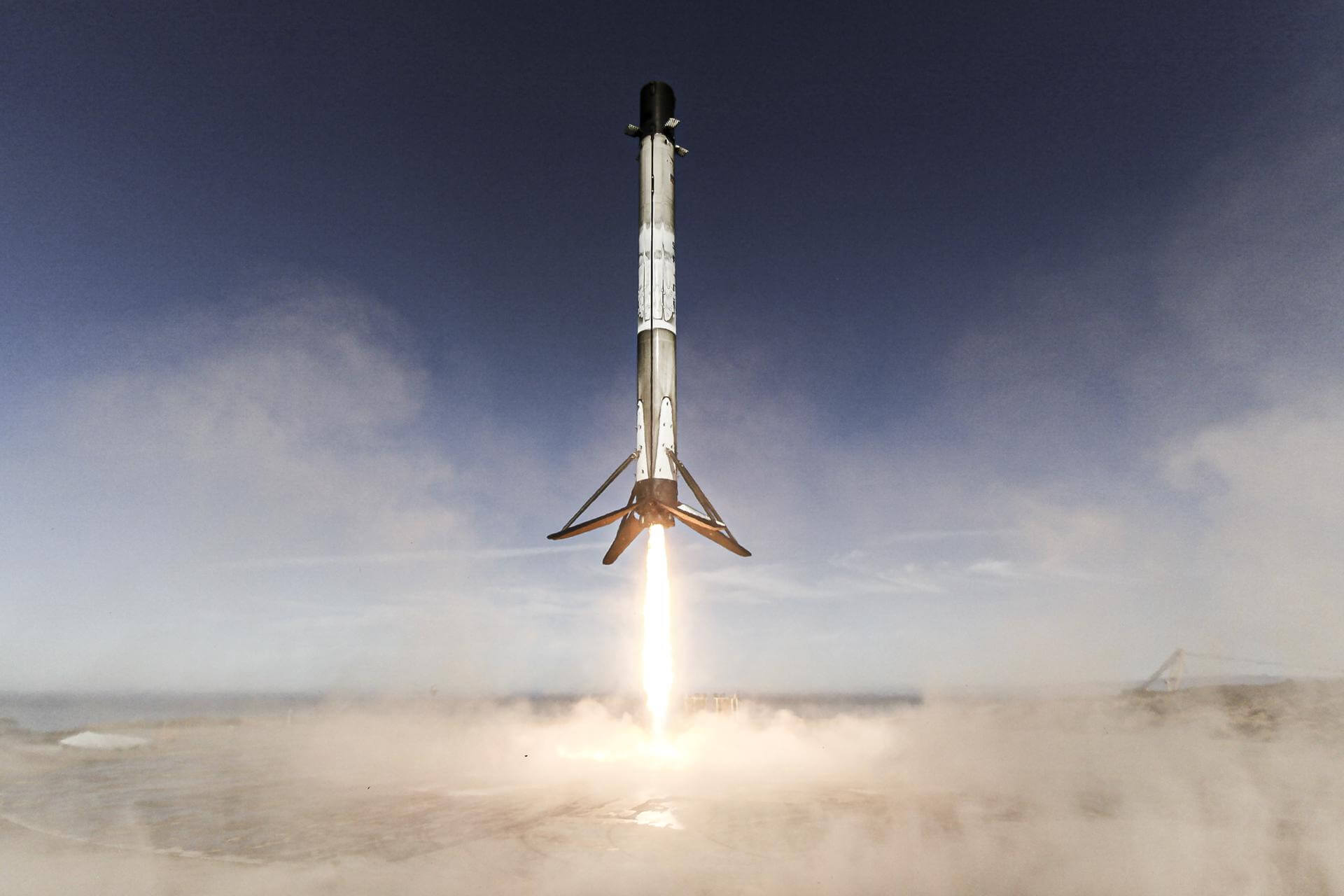
The Falcon 9 first stage B1063 will land on ASDS OCISLY after its 36th flight.
We’re Not Hawking Around (3x HawkEye 360) ×
Mission Details
TypeEarth Science
OrbitSun-Synchronous Orbit
TargetEarth
HawkEye 360 is a a space-based civil global intelligence satellite network using radio frequency (RF) technology to help monitor transportation across air, land and sea and assist with emergencies, and to provide civil SIGINT (Signal Intelligence) mission.
The constellation of small satellites (named Hawk ) will collect information on specific radio signals worldwide to provide high-precision radio frequency mapping and analytics from Low Earth orbit (LEO).
Electron is a two-stage orbital expendable launch vehicle (with an optional third stage) developed by the American aerospace company Rocket Lab. Electron is a small-lift launch vehicle designed to launch small satellites and cubesats to sun-synchronous orbit and low earth orbit. The Electron is the…
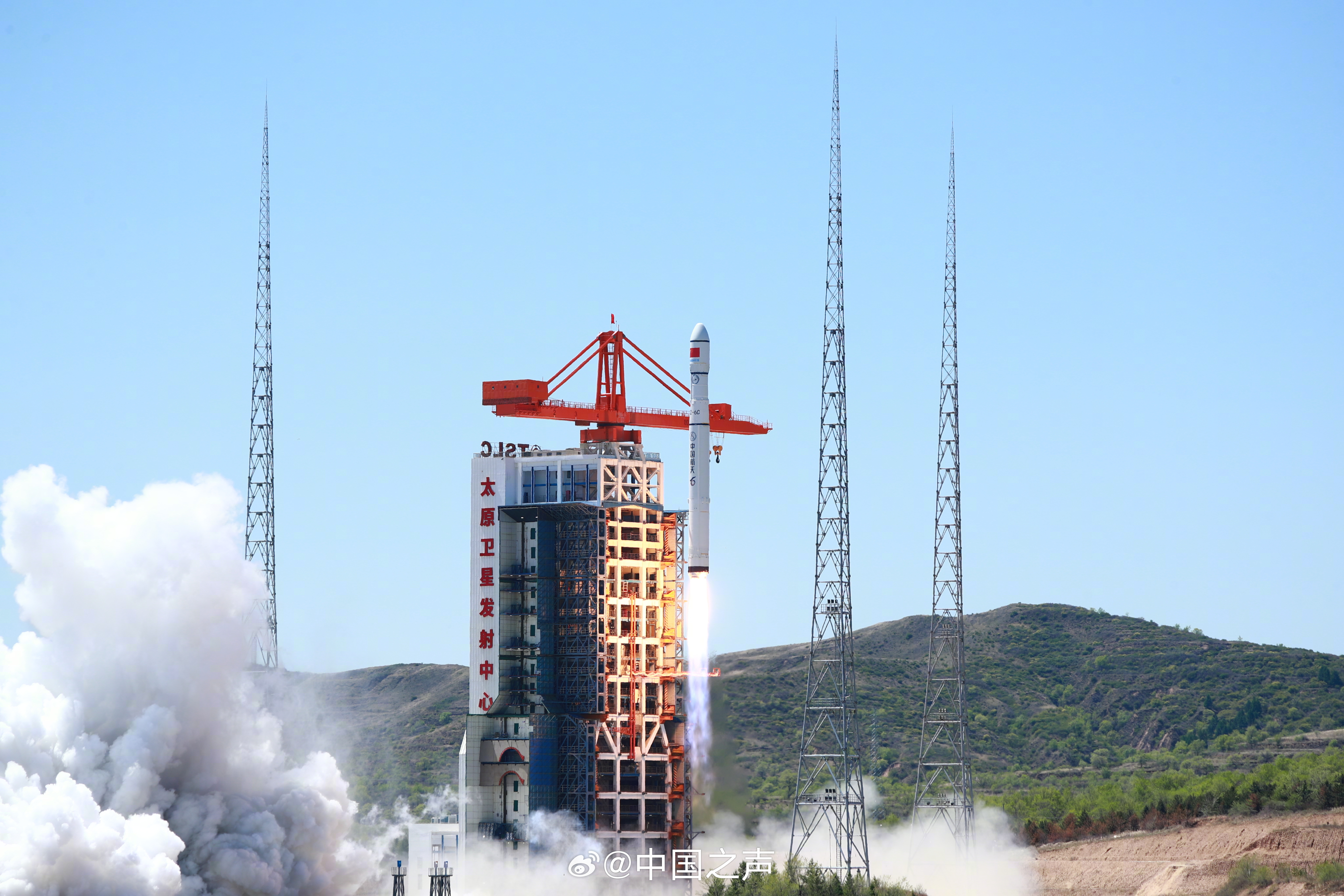
The Long March 6A is a Chinese launch vehicle of the Long March family, which was developed by the China Aerospace Science and Technology Corporation (CASC) and the Shanghai Academy of Spaceflight Technology (SAST). The vehicle is a further development of the Long March 6, with 2 YF-100 engines on…
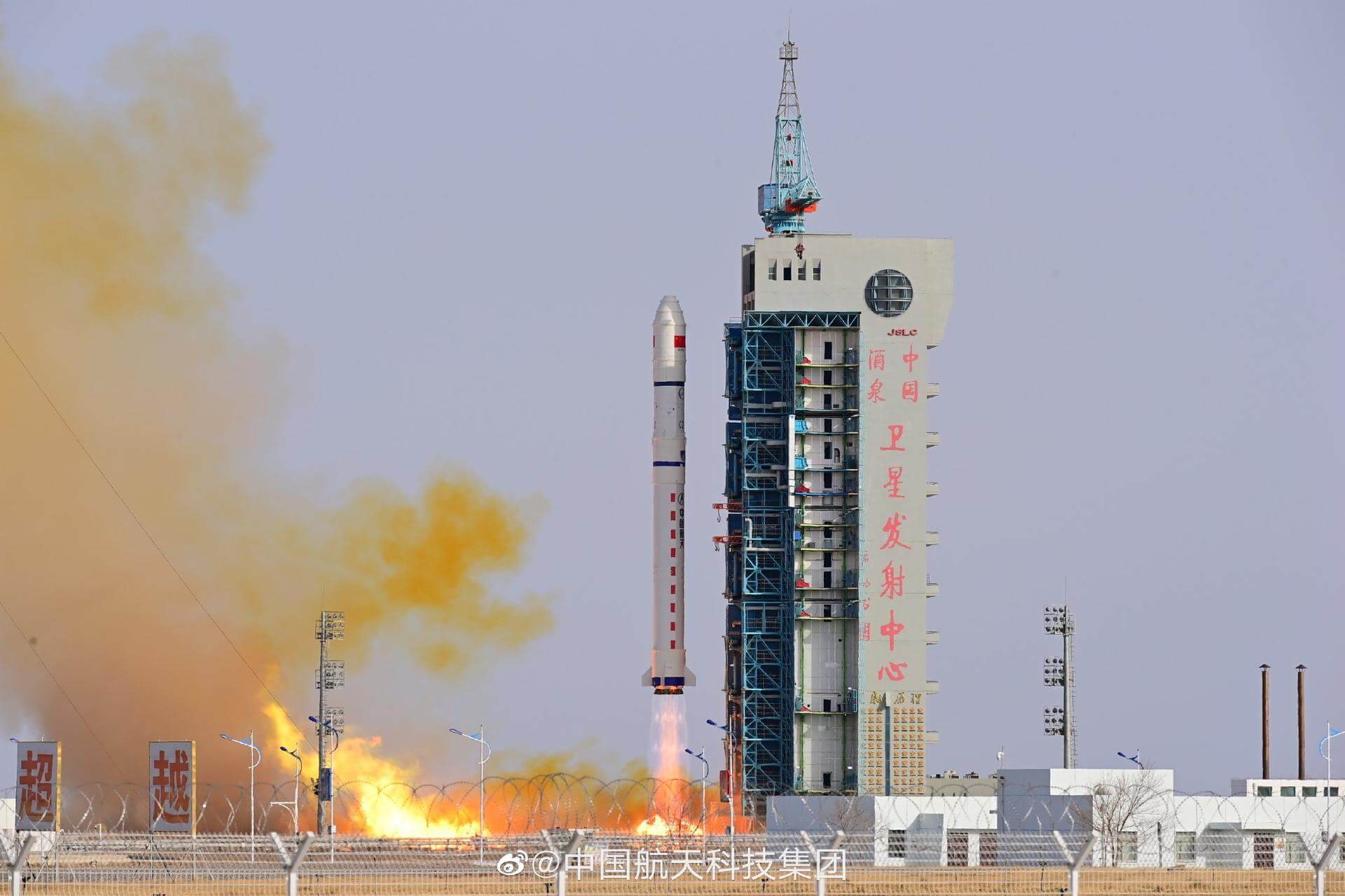
The Long March 4B (Chinese: 长征四号乙火箭), also known as the Chang Zheng 4B, CZ-4B and LM-4B is a Chinese orbital carrier rocket. Launched from Launch Complex 1 at the Taiyuan Satellite Launch Center, it is a 3-stage rocket, used mostly to place satellites into low Earth and sun synchronous orbits.
Falcon 9 is a two-stage rocket designed and manufactured by SpaceX for the reliable and safe transport of satellites and the Dragon spacecraft into orbit. The Block 5 variant is the fifth major interval aimed at improving upon the ability for rapid reusability.
Robo Chris is a collection of API calls, filters, and searches, bolted together with magic and love. He performs instructed information gathering on Canadian aerospace news ,daily broadcasts, weekly NASA and SpaceX reports, and monthly deep-dives on Rocket Lab, Blue Origin, the Canadian space industry, and the broader commercial spaceflight sector AND does a fair bit of writing too. Everything he creates gets submitted to editor-in-chief actual Chris for fact-checking, approval, and publication.







Leave a Reply