Jeremy Hansen Calls for Space Sector Collaboration at SpaceBound
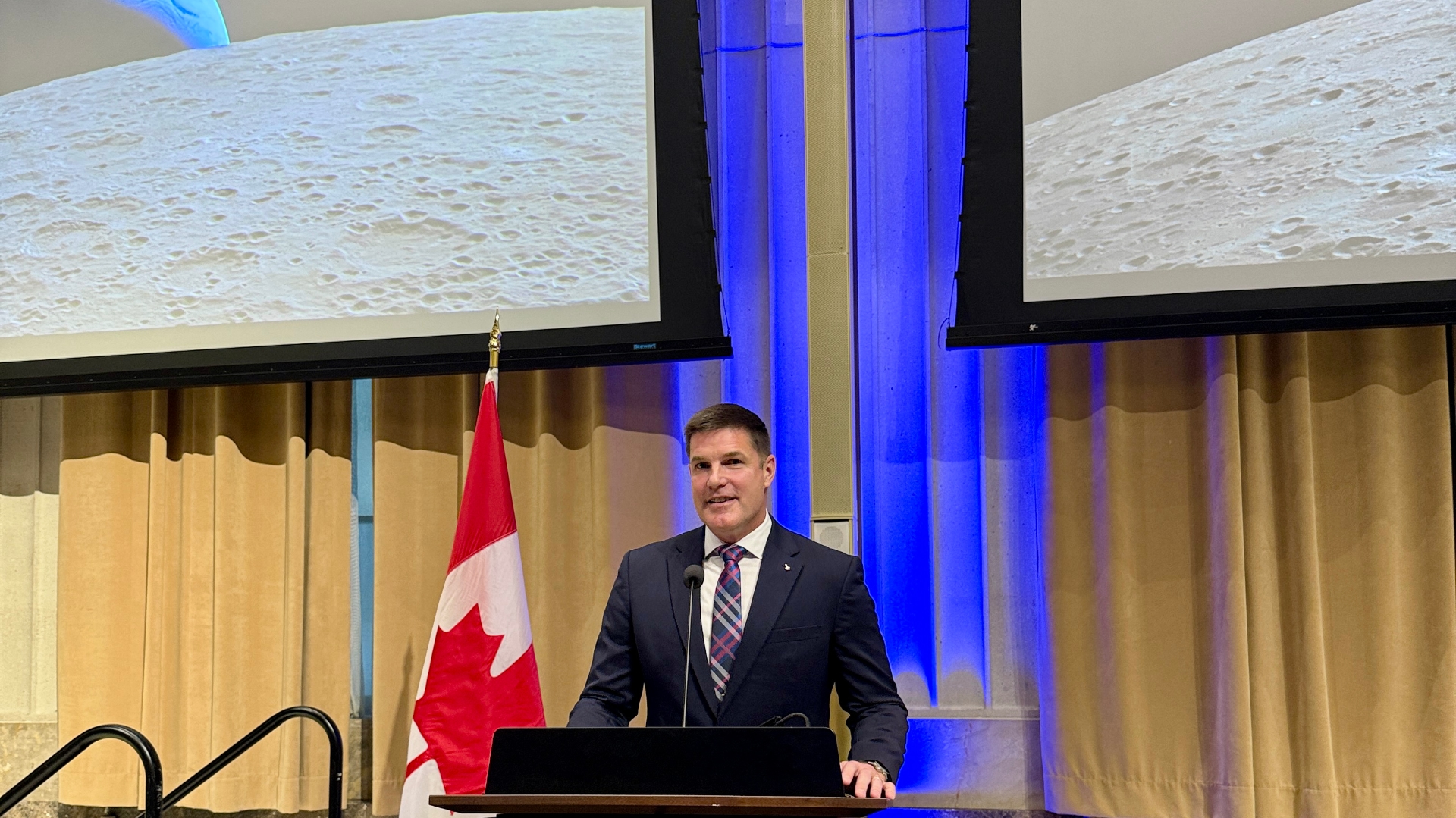
Jeremy Hansen, the first Canadian to fly around the Moon, told Canada’s space industry Monday night that his Artemis II crew became a real team only after agreeing to “launch as friends” and “land as friends,” and he asked the sector to find a common goal of its own.
Hansen, who left the Canadian Space Agency (CSA) in September, spoke at the opening reception of Space Canada’s SpaceBound conference in Ottawa, after an introduction by Brian Gallant, Space Canada’s chief executive.
His remarks came as the sector gathers for SpaceBound.
Canadian Astronaut Joshua Kutryk Prepares for First Spacewalk
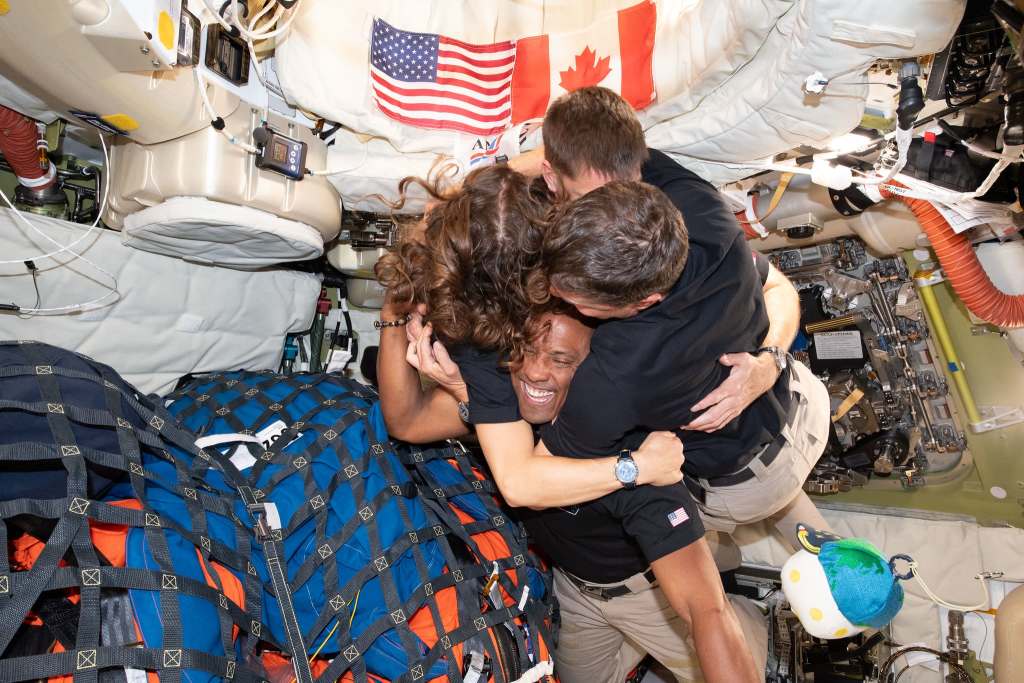
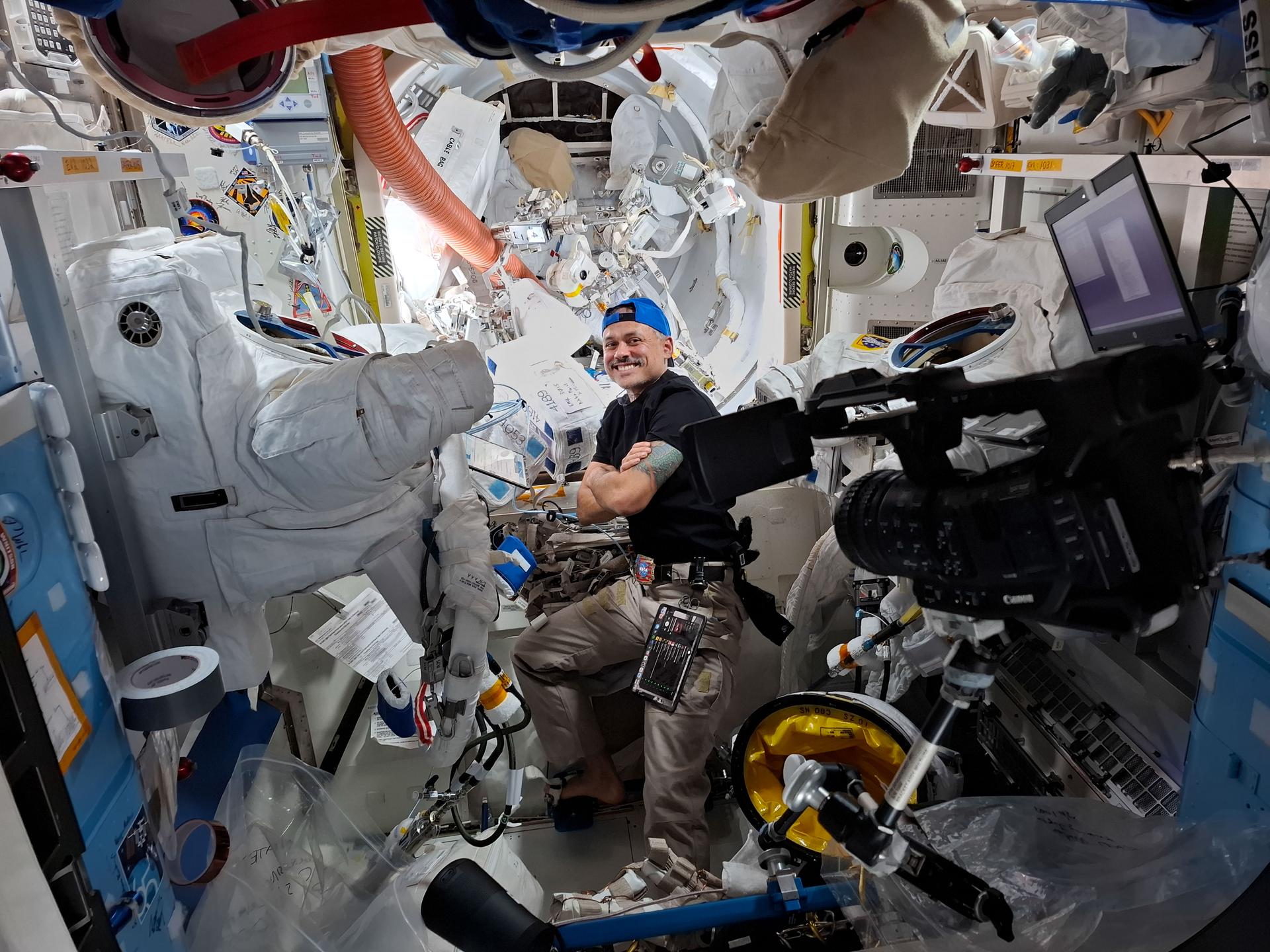
Spacewalk preparations kicked off the week aboard the International Space Station as two astronauts get ready to install a roll-out solar array at the end of October. Flight engineers Anil Menon of NASA and Joshua Kutryk of the Canadian Space Agency are gearing up for the first of two spacewalks to install roll-out solar arrays on the station’s truss structure.
The first spacewalk is scheduled for Oct. 29 when Menon will go on his fourth excursion and Kutryk will go on his first to install a roll-out solar array on the truss structure’s port side. The second spacewalk will take place on Nov. 5 when the duo will install the station’s eighth and final roll-out solar array on the truss structure’s starboard side.
Menon worked inside the Quest airlock on Monday and cleaned cooling loops in a pair of spacesuits that keep the suits thermally conditioned and astronauts comfortable during a spacewalk. Afterward, Kutryk filled the spacesuit tanks and liquid cooling and ventilation garments with clean water. The pair also joined NASA flight engineers Luke Delaney and Jessica Watkins and called down to mission controllers for a pre-spacewalk conference.
NASA managers will discuss the upcoming spacewalks during a news conference from Johnson Space Center at 2 p.m. EDT on Tuesday, Oct. 20.
JAXA’s MMX Mission Launches to Mars’s Moon Phobos
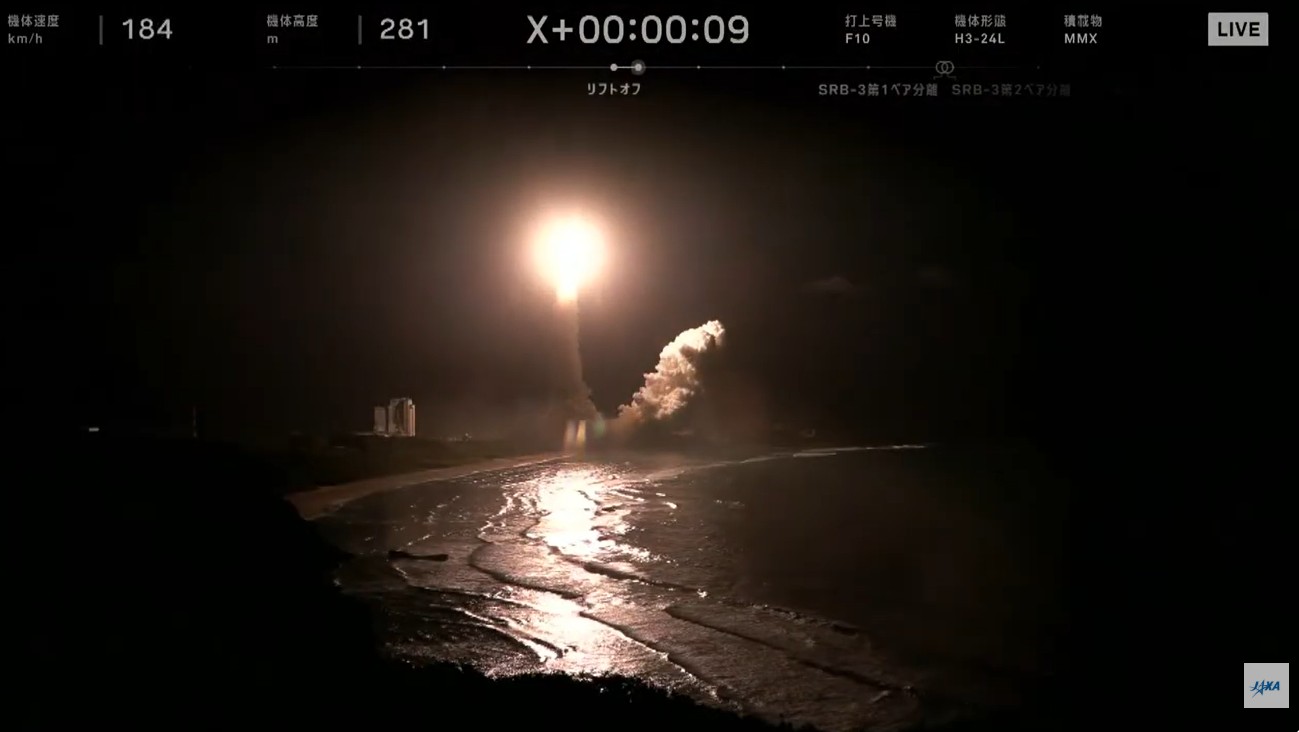
The Japan Aerospace Exploration Agency successfully launched the Martian Moons eXploration (MMX) mission on Monday, October 19, 2026. MMX lifted off on a Mitsubishi Heavy Industries H3 rocket at 3:41 pm EDT (4:41 am JST on October 20) from the Tanegashima launch site.
MMX will not land on Mars, but instead explore its two moons, Phobos and Deimos, returning samples of Phobos to Earth in 2031. This will be the first sample return from a moon other than our own and could solve the mystery of whether Phobos is an asteroid captured by Mars’s gravity or a piece of Mars ejected by a collision.
MMX is headed to Mars, but instead of landing it will enter a Quasi-Satellite Orbit or QSO. That will enable it to study the moons Phobos and Deimos including a landing on Phobos to collect samples for return to Earth. The larger of the two, Phobos, is just 22 kilometers (14 miles) in diameter. Deimos is even smaller, 12 km (7.5 mi).
Monday’s launch was just the first leg of the journey, which will last five years. MMX will arrive at Mars in August 2027 and descend to land on Phobos no earlier than December 2028. The samples will come back to Earth in 2031, landing in Australia just like JAXA’s two previous asteroid sample missions, Hayabusa from Itokawa in 2010 and Hayabusa2 from Ryugu in 2020.
MMX is led by JAXA, in collaboration with NASA, the French space agency (CNES), the German Aerospace Center (DLR) and the European Space Agency (ESA). The mission carries 13 scientific instruments, including two from NASA: the Mars-moon Exploration with GAmma rays and NEutrons (MEGANE) spectroscopy instrument developed by the Johns Hopkins University Applied Physics Lab, and the Pneumatic collection mechanism (P-Sampler) from Honeybee Robotics, part of Blue Origin.
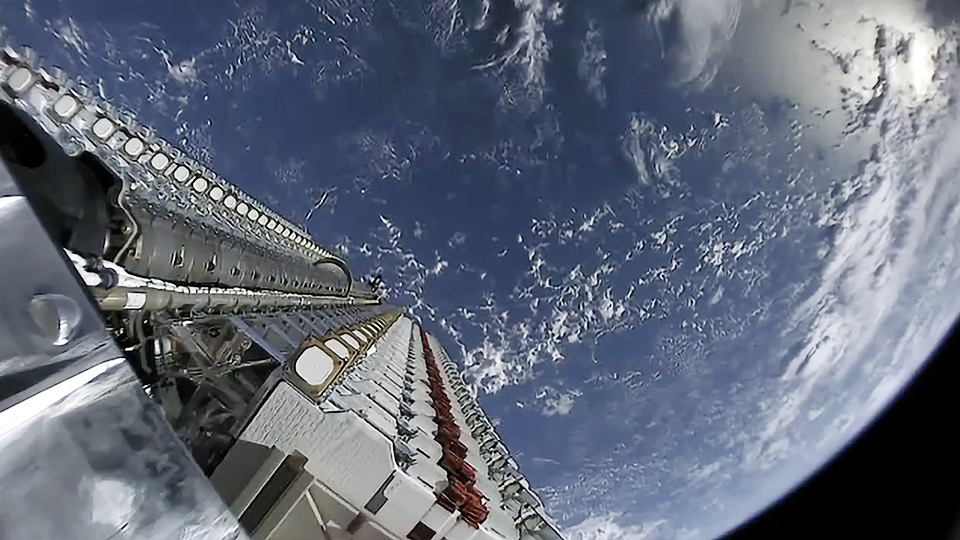
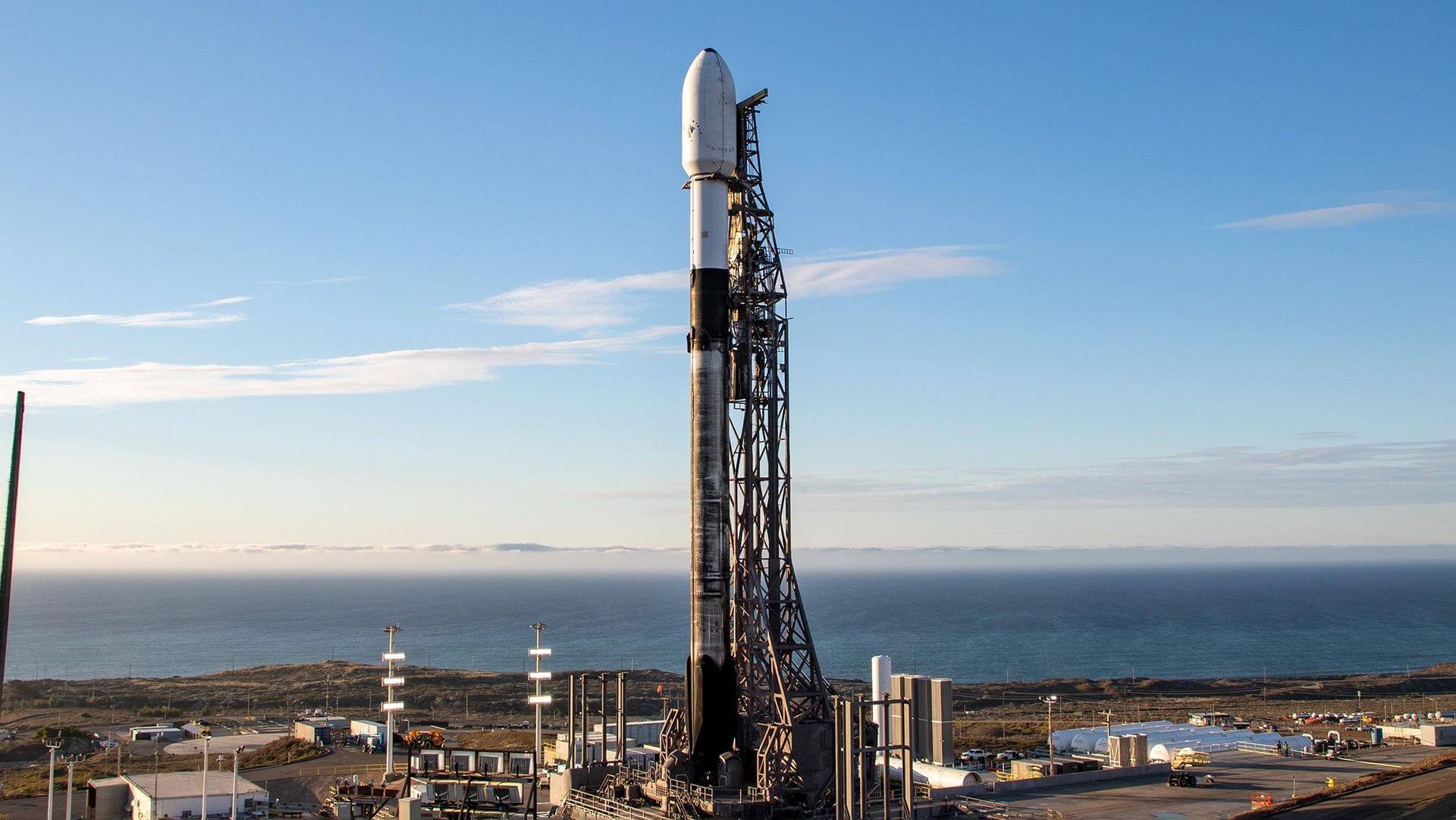
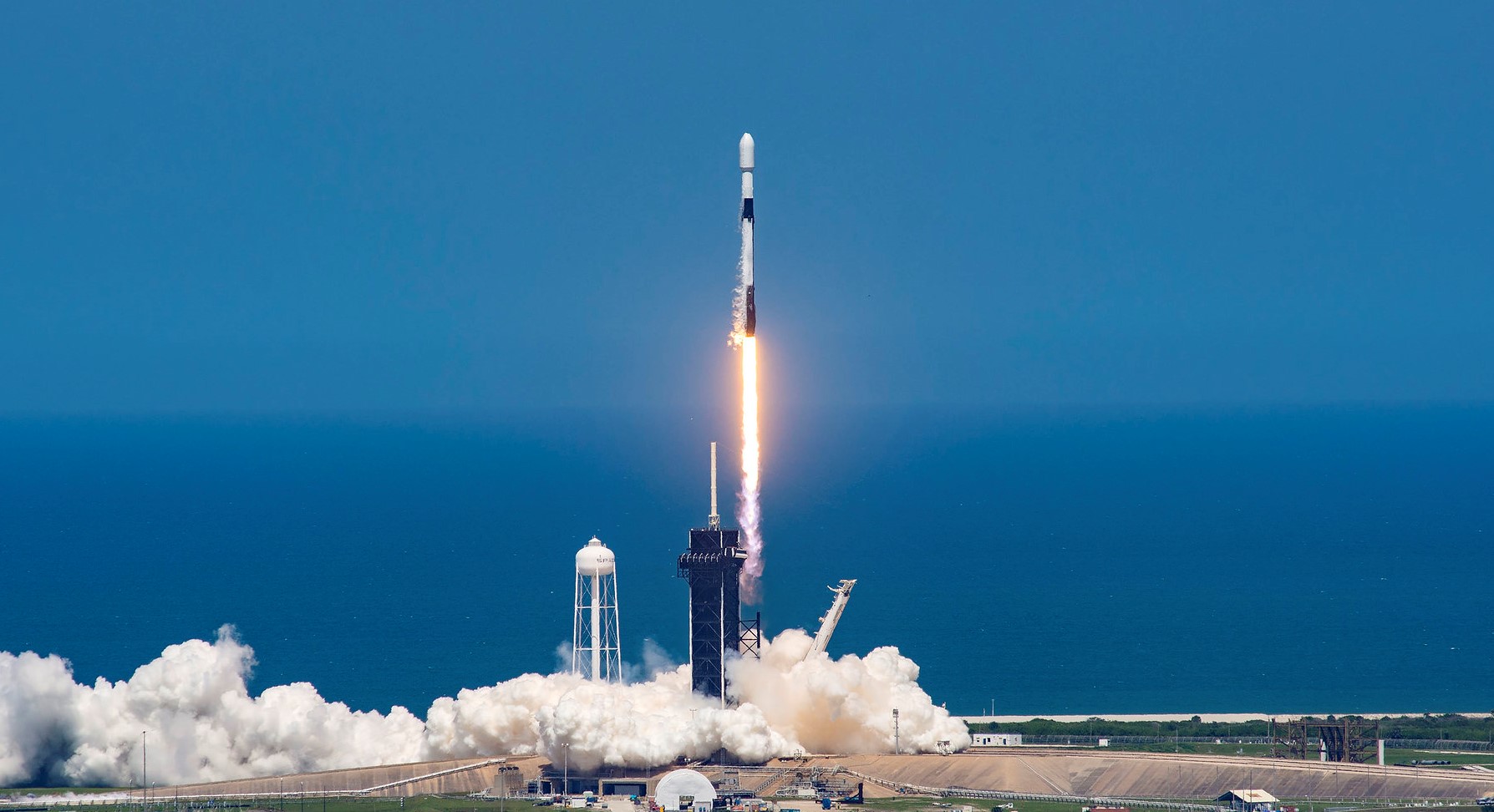
Provider: SpaceX Date: October 20, 2026 Time: 11:10 PM UTC Vehicle: Falcon 9
A batch of 27 satellites for the Starlink mega-constellation – SpaceX’s project for space-based Internet communication system.
Unknown Payload
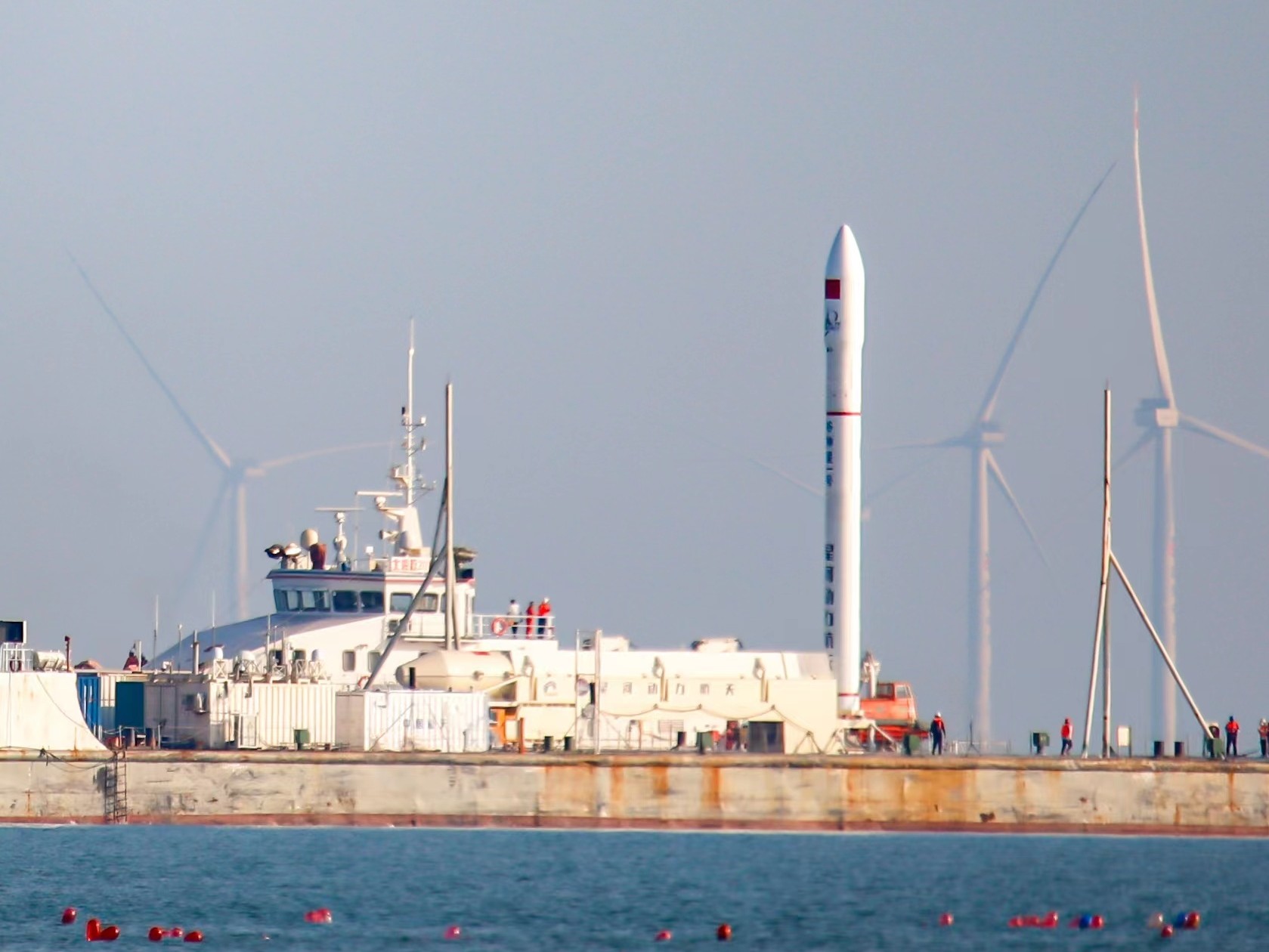
Provider: Galactic Energy Date: October 21, 2026 Time: 3:35 AM UTC Vehicle: Ceres-1S
Details TBD.
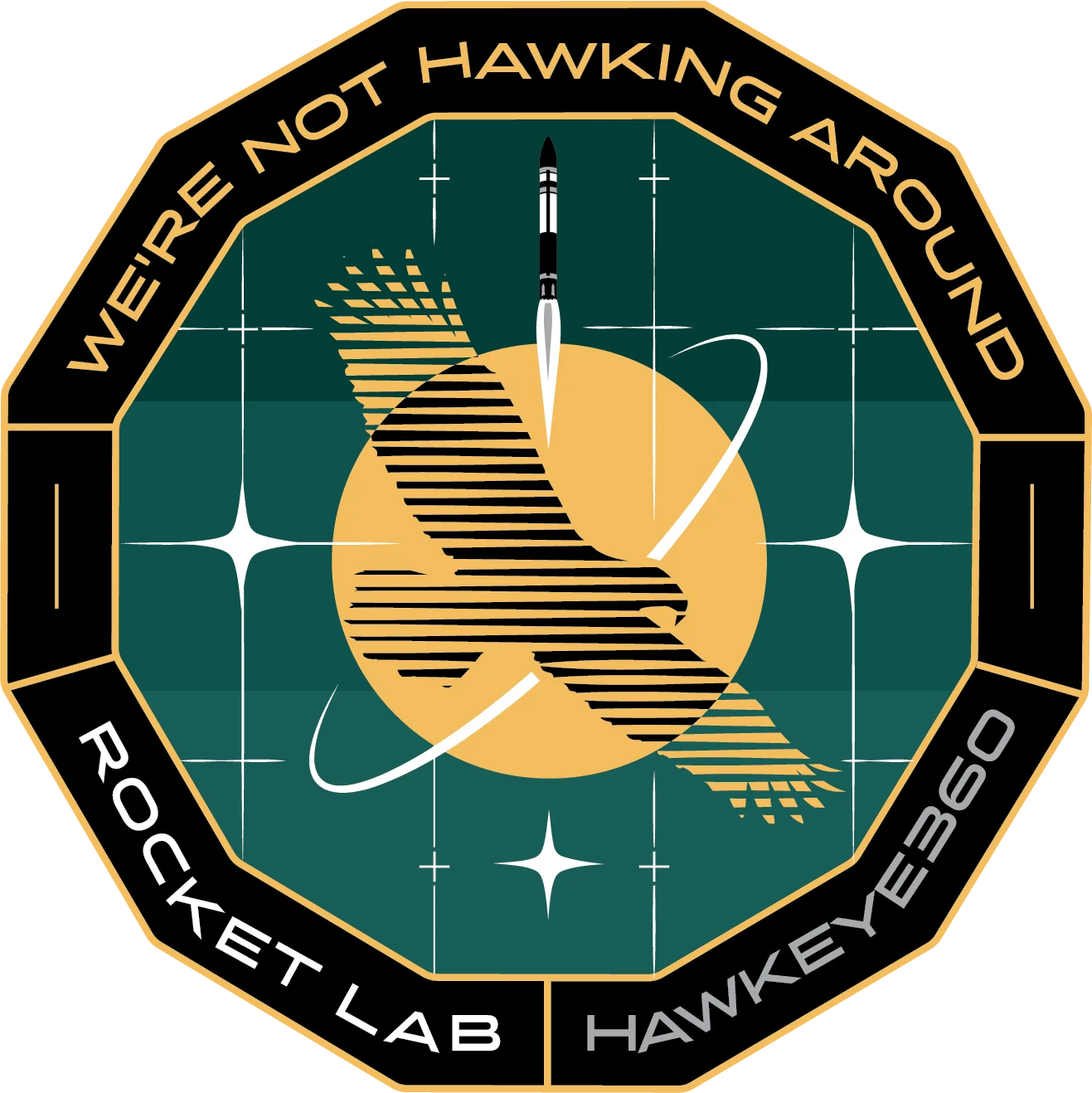
We’re Not Hawking Around (3x HawkEye 360)
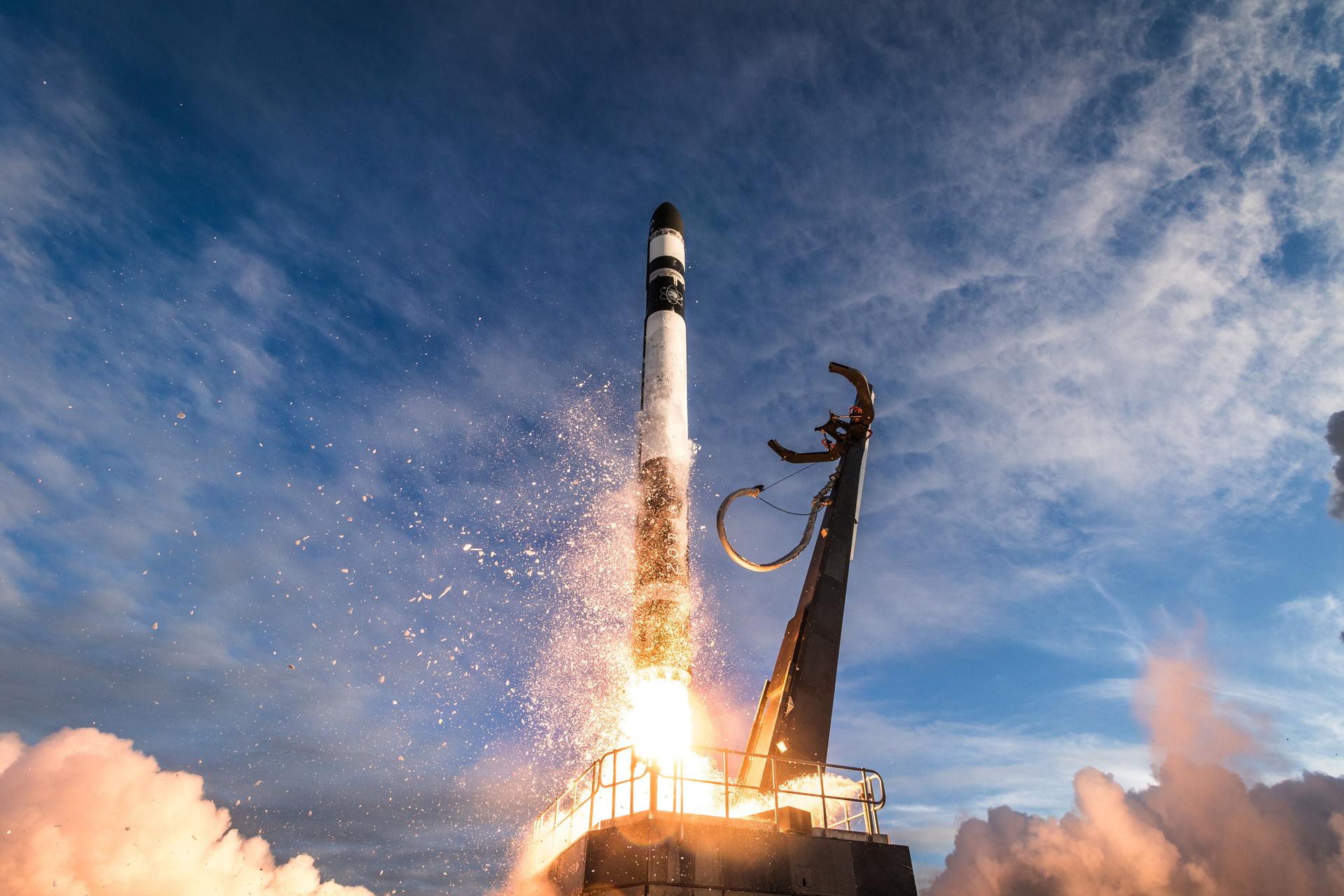
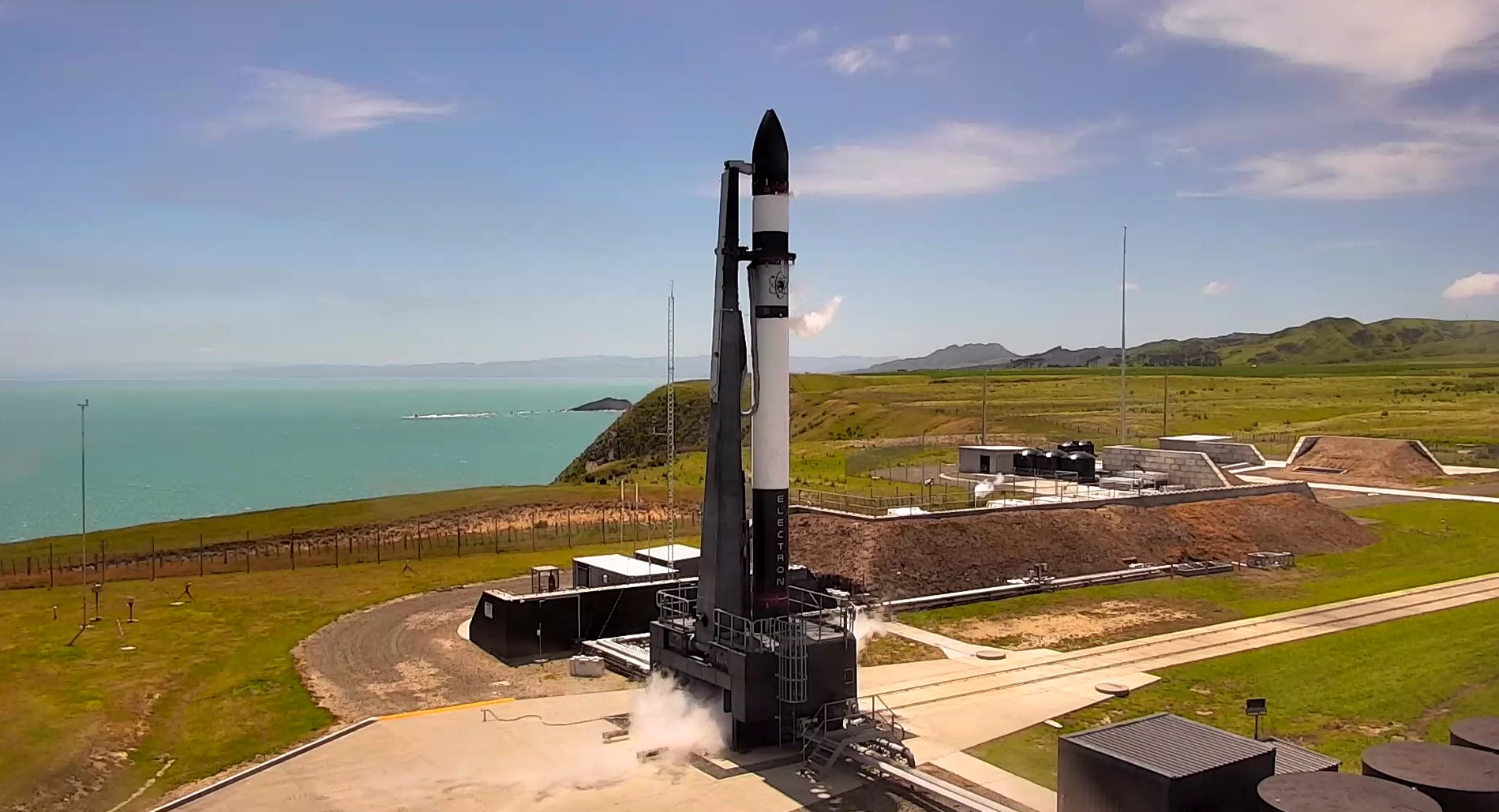
Provider: Rocket Lab Date: October 21, 2026 Time: 7:00 AM UTC Vehicle: Electron
HawkEye 360 is a a space-based civil global intelligence satellite network using radio frequency (RF) technology to help monitor transportation across air, land and sea and assist with emergencies, and to provide civil SIGINT (Signal Intelligence) mission.
The constellation of small satellites (named Hawk ) will collect information on specific radio signals worldwide to provide high-precision radio frequency mapping and analytics from Low Earth orbit (LEO).
Unknown Payload
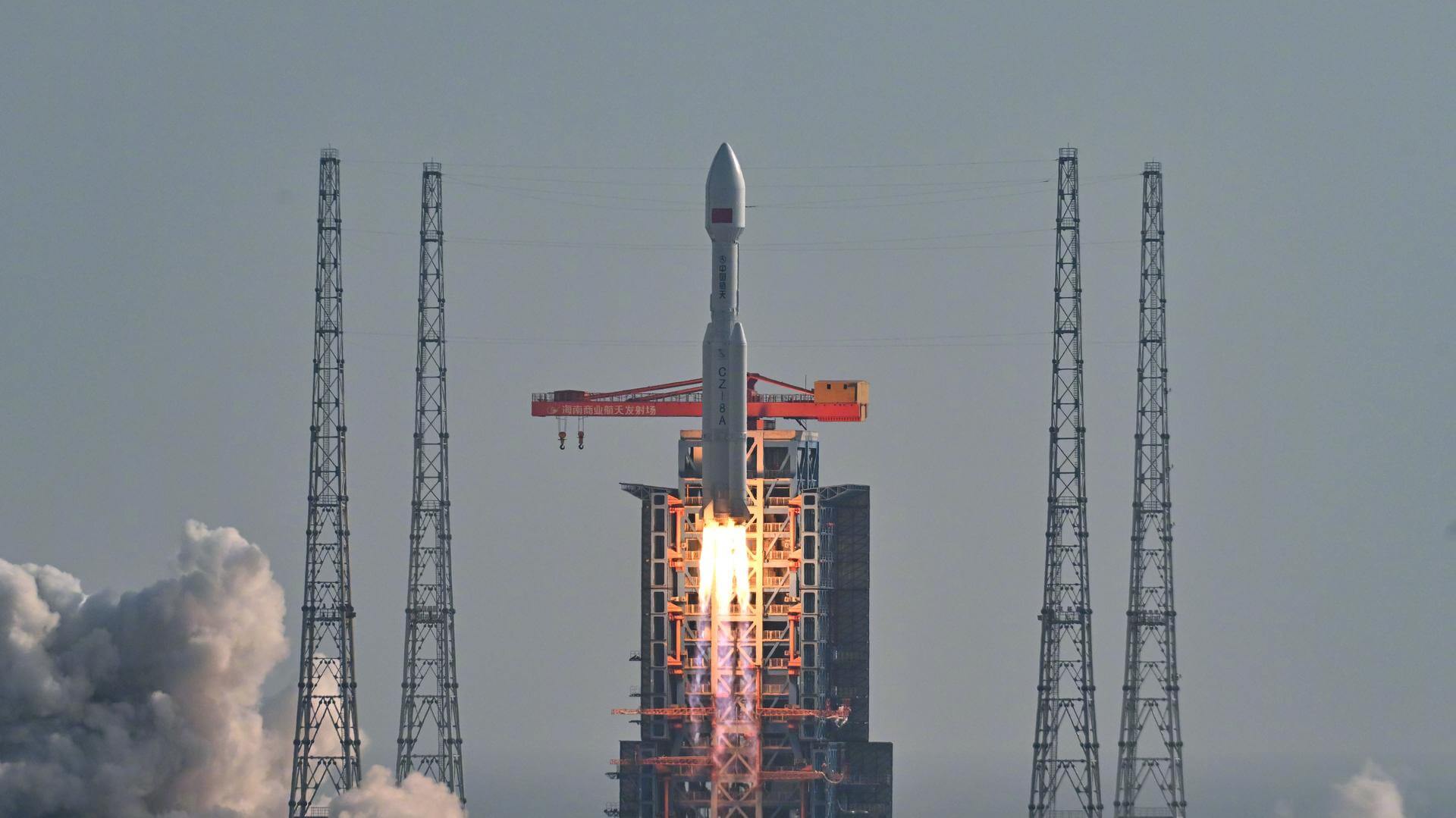
Provider: China Aerospace Science and Technology Corporation Date: October 22, 2026 Time: 2:57 AM UTC Vehicle: Long March 8A
Details TBD.
Unknown Payload
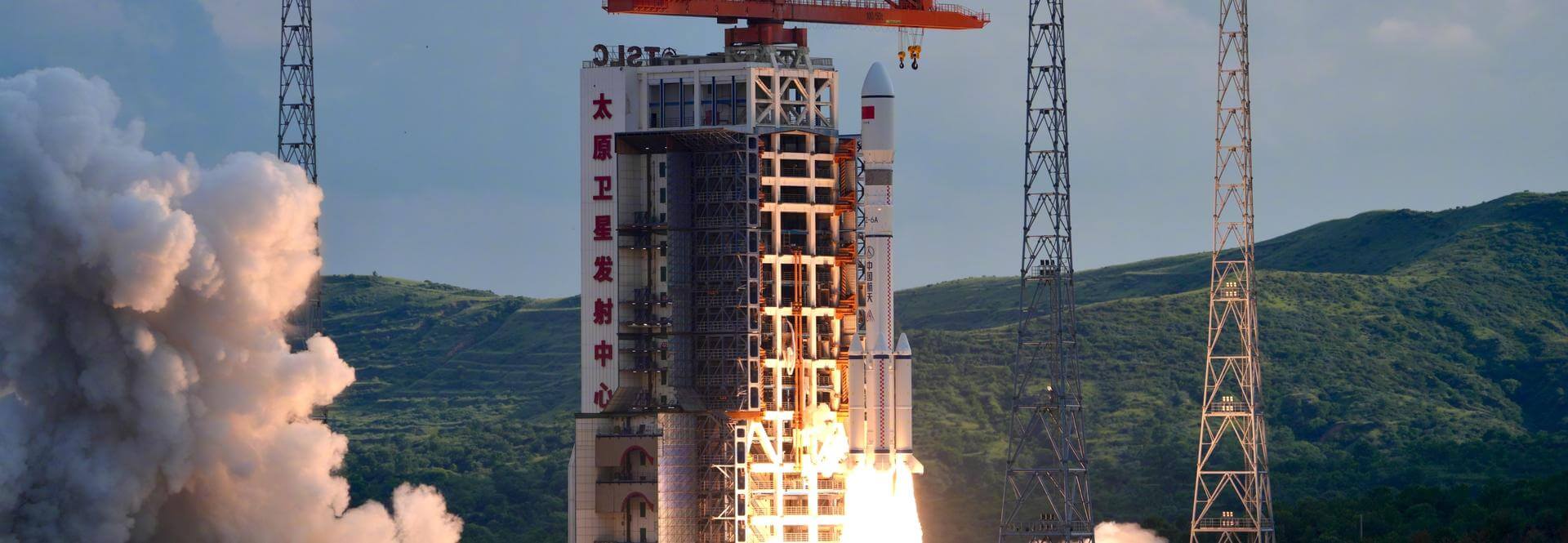
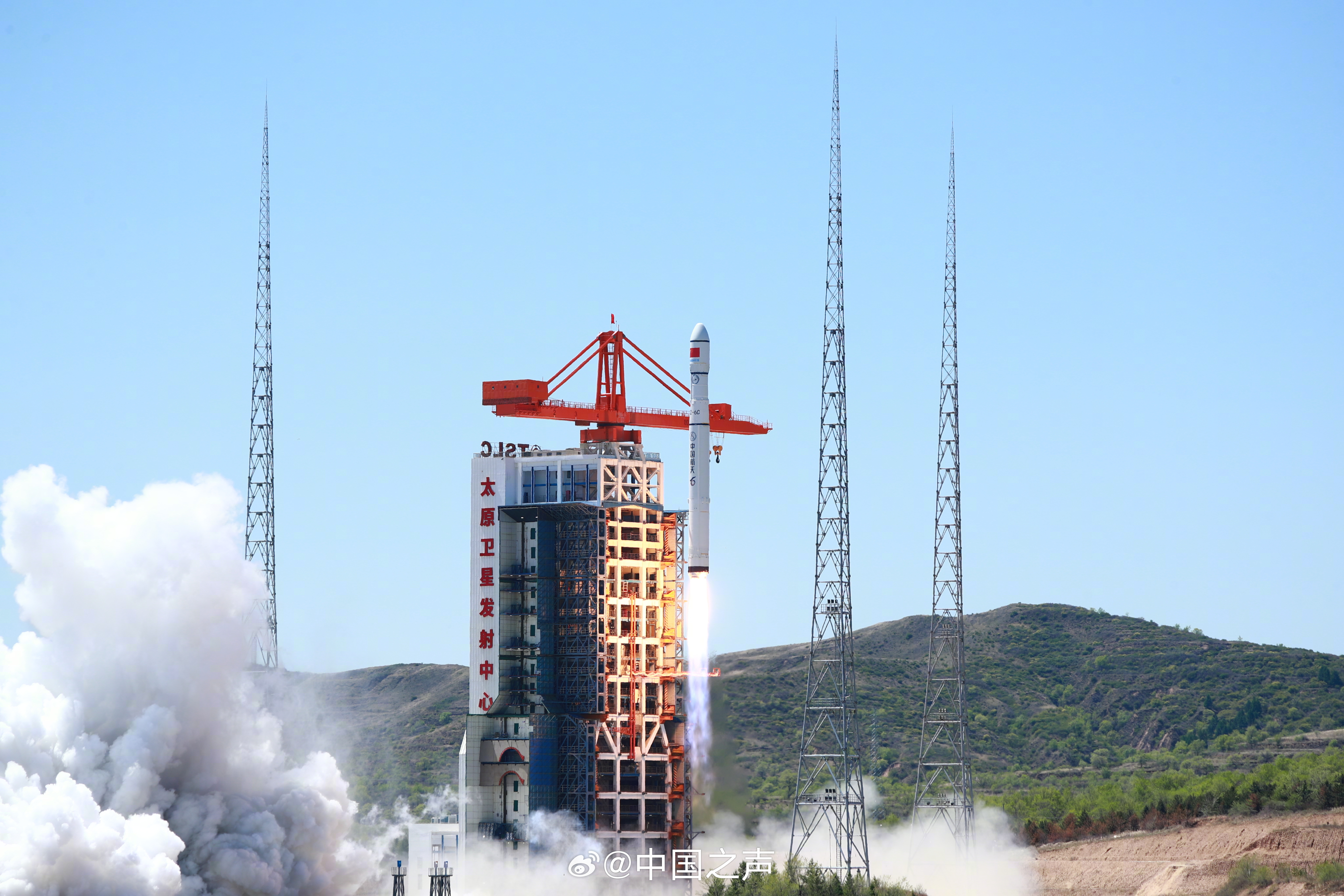
Provider: China Aerospace Science and Technology Corporation Date: October 23, 2026 Time: 10:15 AM UTC Vehicle: Long March 6A
Details TBD.
Starlink Group 15-15 ×
Mission Details
TypeCommunications
OrbitLow Earth Orbit
TargetEarth
A batch of 27 satellites for the Starlink mega-constellation – SpaceX’s project for space-based Internet communication system.
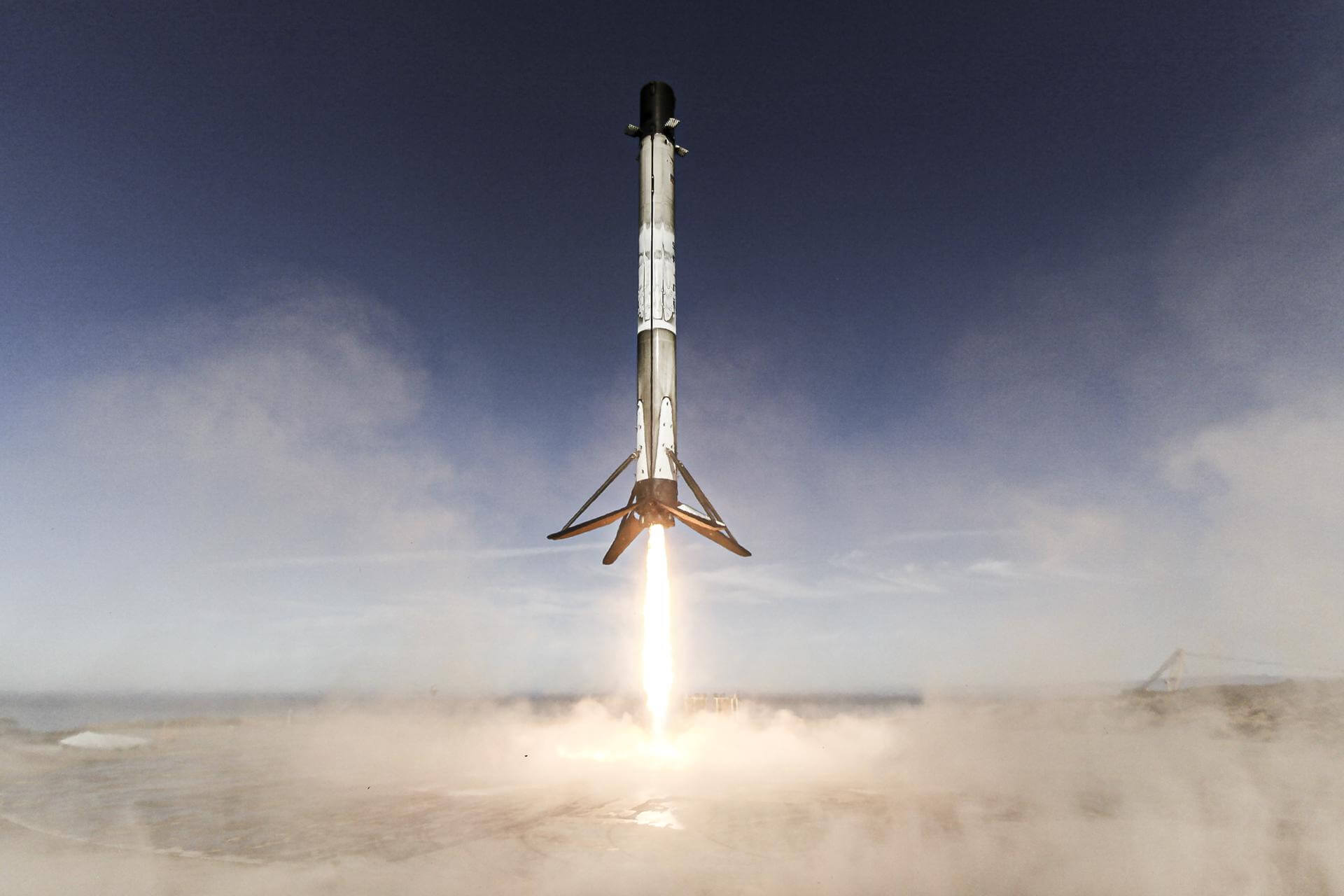
Falcon 9 is a two-stage rocket designed and manufactured by SpaceX for the reliable and safe transport of satellites and the Dragon spacecraft into orbit. The Block 5 variant is the fifth major interval aimed at improving upon the ability for rapid reusability.
Ceres-1S is the sea launched version of Ceres-1 from Galactic Energy.
Specifications
Liftoff Thrust598 kN
LEO Capacity350 kg
SSO Capacity230 kg
ReusableNo
Maiden Flight2023-09-05
Launch Record
6 successful / 6 total launches
Current streak: 6 successful
We’re Not Hawking Around (3x HawkEye 360) ×
Mission Details
TypeEarth Science
OrbitSun-Synchronous Orbit
TargetEarth
HawkEye 360 is a a space-based civil global intelligence satellite network using radio frequency (RF) technology to help monitor transportation across air, land and sea and assist with emergencies, and to provide civil SIGINT (Signal Intelligence) mission.
The constellation of small satellites (named Hawk ) will collect information on specific radio signals worldwide to provide high-precision radio frequency mapping and analytics from Low Earth orbit (LEO).
Electron is a two-stage orbital expendable launch vehicle (with an optional third stage) developed by the American aerospace company Rocket Lab. Electron is a small-lift launch vehicle designed to launch small satellites and cubesats to sun-synchronous orbit and low earth orbit. The Electron is the…
The Long March 8A is an orbital launch vehicle developed by the China Academy of Launch Vehicle Technology based on the Long March 8. It has an increased capability of up to 7 tonnes to a 700 km altitude sun-synchronous orbit. It implements a larger 3.35 meters diameter liquid hydrogen/liquid…
The Long March 6A is a Chinese launch vehicle of the Long March family, which was developed by the China Aerospace Science and Technology Corporation (CASC) and the Shanghai Academy of Spaceflight Technology (SAST). The vehicle is a further development of the Long March 6, with 2 YF-100 engines on…
Robo Chris is a collection of API calls, filters, and searches, bolted together with magic and love. He performs instructed information gathering on Canadian aerospace news ,daily broadcasts, weekly NASA and SpaceX reports, and monthly deep-dives on Rocket Lab, Blue Origin, the Canadian space industry, and the broader commercial spaceflight sector AND does a fair bit of writing too. Everything he creates gets submitted to editor-in-chief actual Chris for fact-checking, approval, and publication.









Leave a Reply