CSA astronaut Joshua Kutryk is scheduled to make two spacewalks at the International Space Station in the coming weeks to install new solar arrays, NASA said October 14. Kutryk and NASA astronaut Anil Menon will fit the station’s seventh and eighth roll-out solar arrays, finishing an upgrade that NASA says will raise the station’s power generation capacity by up to 30 per cent.
Kutryk will become the fifth Canadian to spacewalk and the first since David Saint-Jacques in 2019.
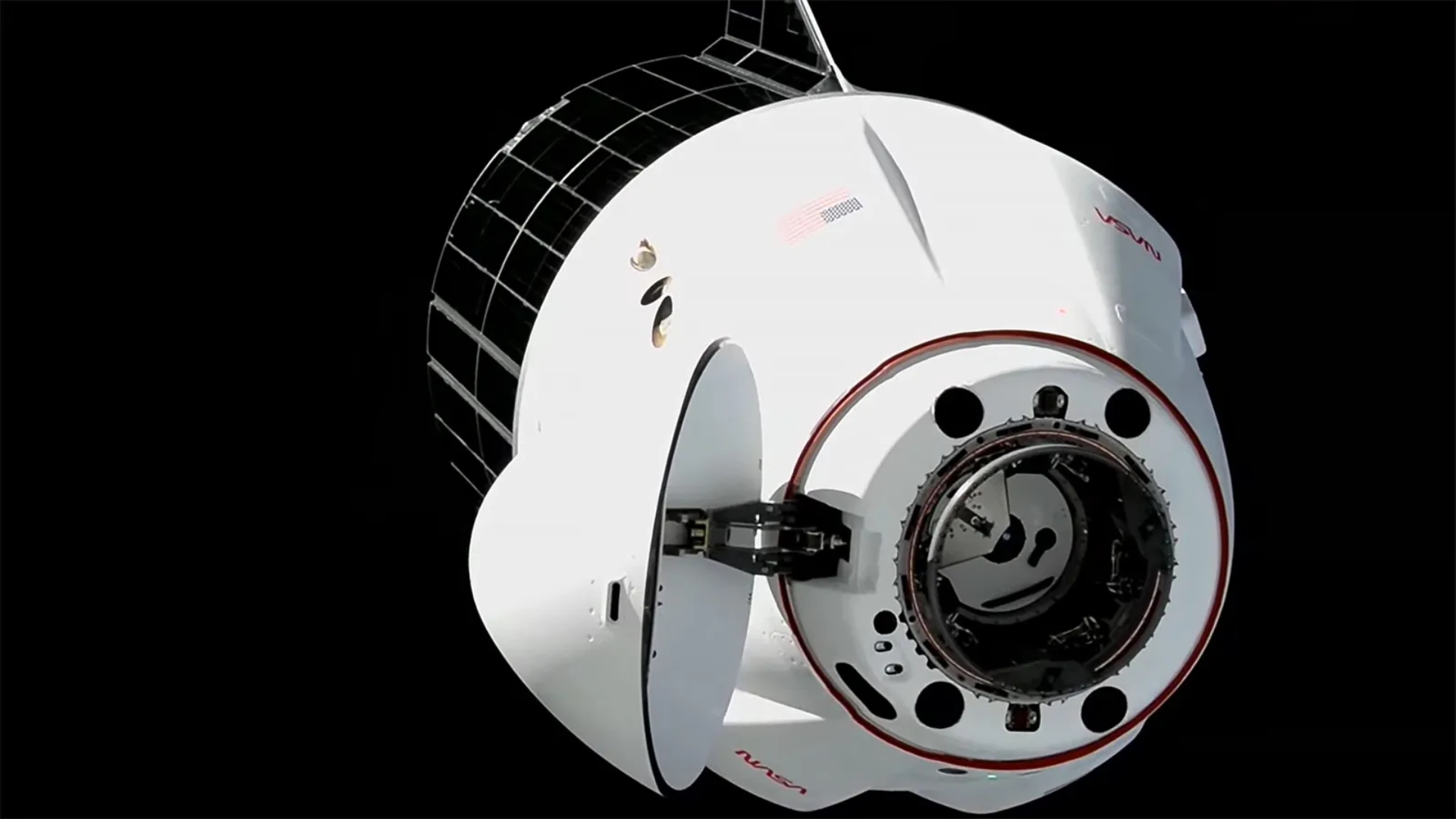
The two roll-out solar arrays arrived at the station on October 15 aboard a cargo spacecraft that lifted off from Cape Canaveral Space Force Station in Florida on October 13. The vehicle carried more than 2,850 kilograms of food, supplies and research hardware to the orbiting laboratory.
Canadarm2 will play a central role in the spacewalk preparations. Ground controllers will use the robotic arm to lift the two arrays out of the cargo spacecraft’s trunk and park them on the station’s truss. During the spacewalks, the arm will serve as a platform for one of the two astronauts to stand on, the Canadian Space Agency said.
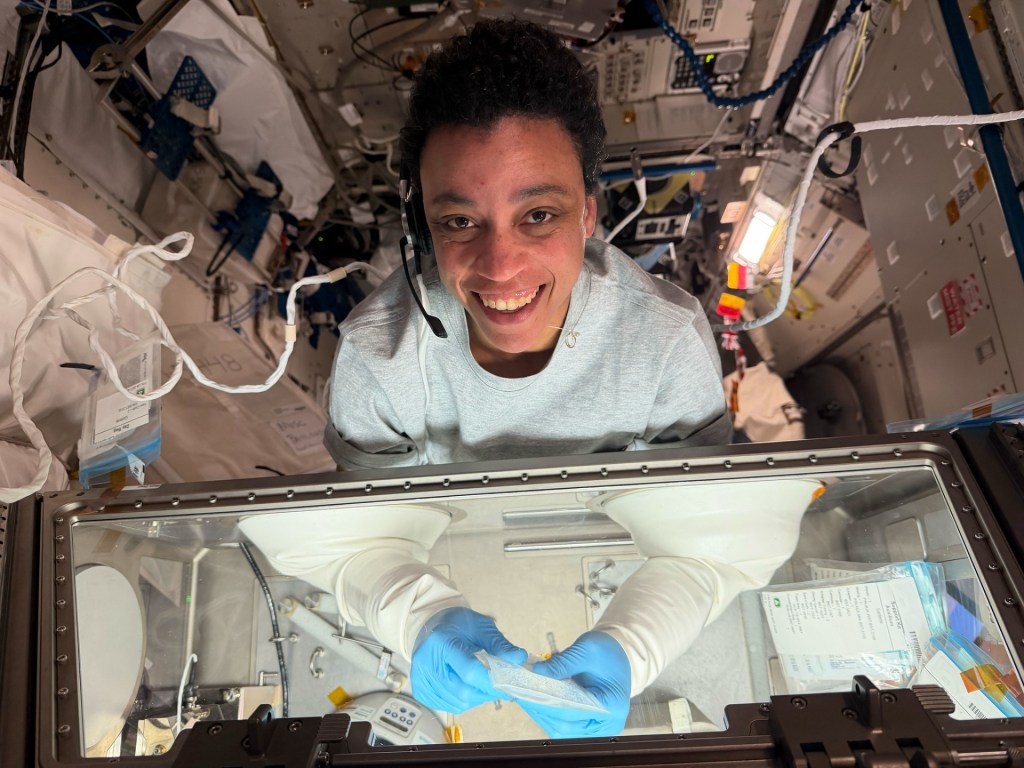
Kutryk and Menon were assigned to monitor the cargo spacecraft’s automated approach. Last week, Kutryk wore the CSA’s Bio-Monitor vest and headband, which track crew health data, and helped Menon clean a science freezer in Japan’s Kibo module. A day later he cleaned an experiment rack in Europe’s Columbus laboratory.
He also took questions from Canadian reporters in the CSA’s first live space-to-Earth news conference. He said he hopes Canadians see in the mission “a recipe for the future.”
The cargo mission also delivered hardware to grow artificial retinas and 3D heart-tissue models in weightlessness, material to study how a new type of glass forms without gravity, and brain organoids that NASA says could reveal treatment targets for Alzheimer’s, Parkinson’s and multiple sclerosis. Menon opened the hatch after docking, and he, Kutryk, NASA astronaut Jessica Watkins and NASA astronaut Luke Delaney began moving samples into the station’s freezers and research racks, NASA said October 16.
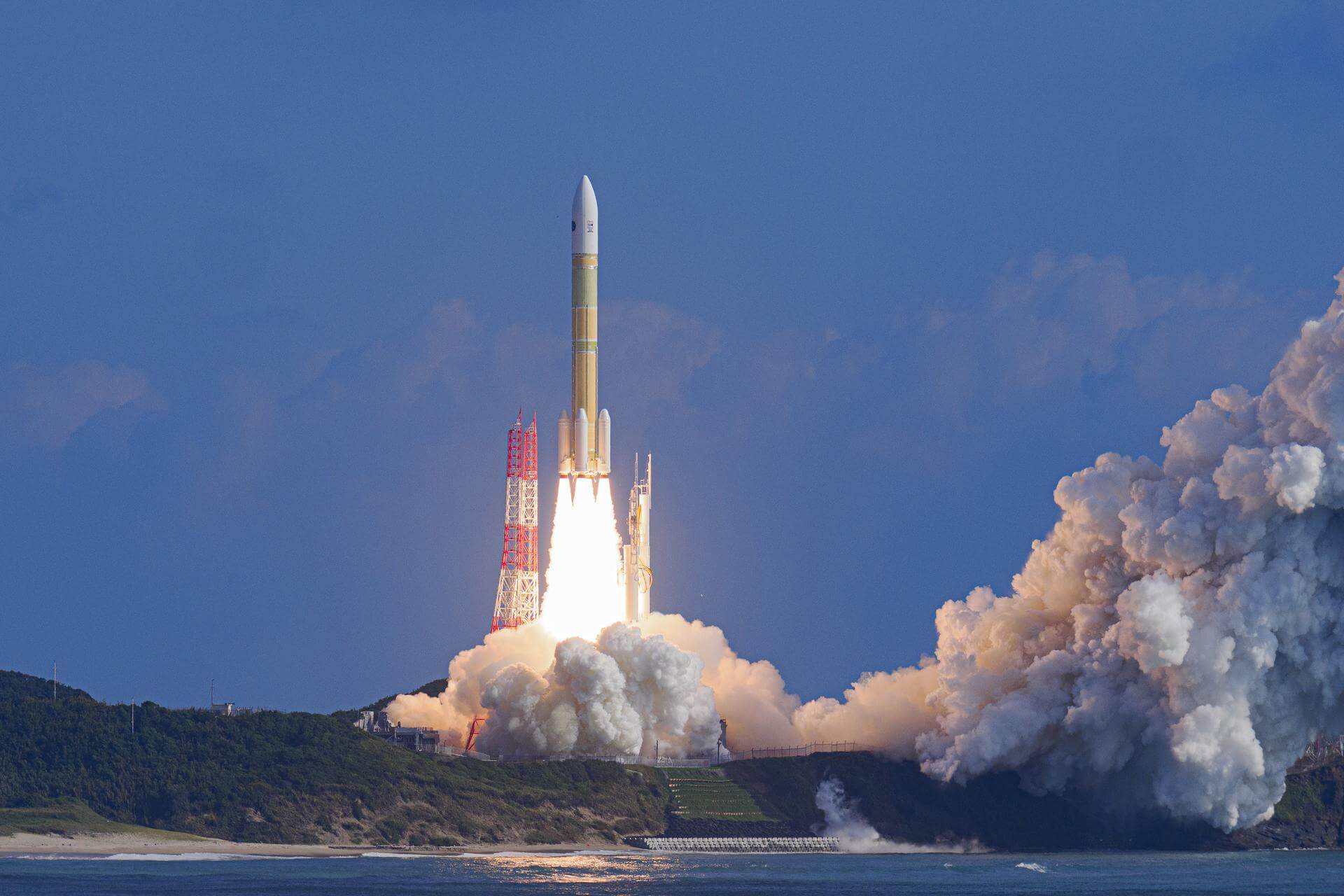
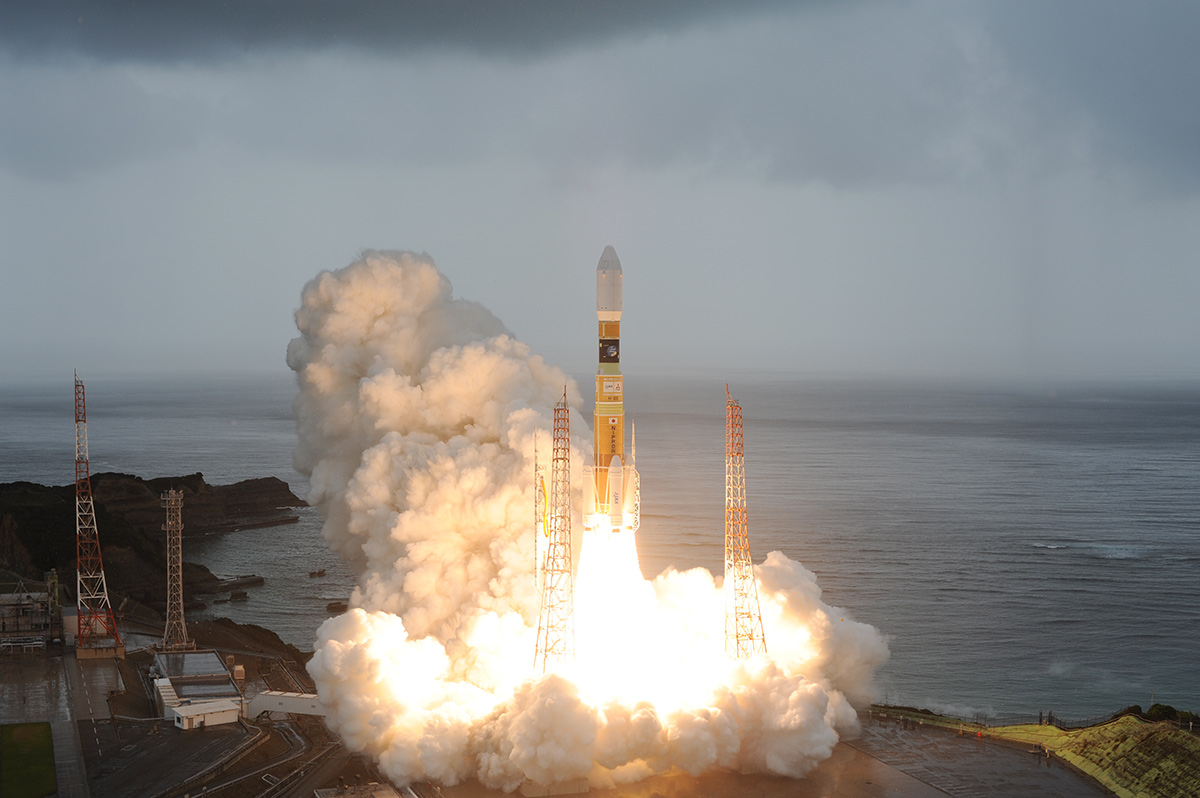
Provider: Mitsubishi Heavy Industries Date: October 19, 2026 Time: 7:41 PM UTC Vehicle: H3-24
MMX is a Japanese scientific mission to land on Phobos, one of the two moons of Mars, to collect samples before bringing them back to Earth.
The mission includes a small French/German rover to explore the surface of Phobos.
Bandwagon 5 (Dedicated Mid-Inclination Rideshare)
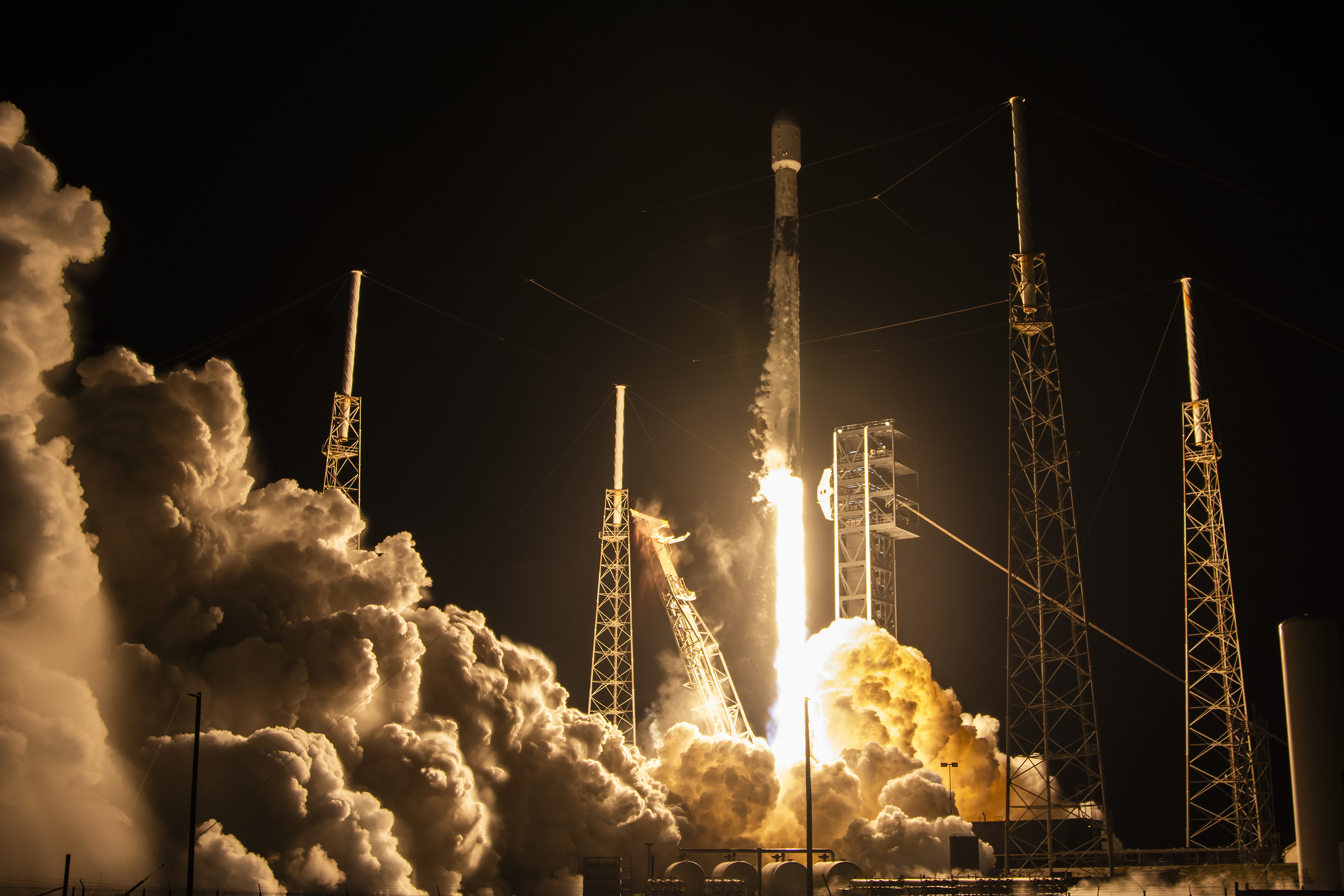
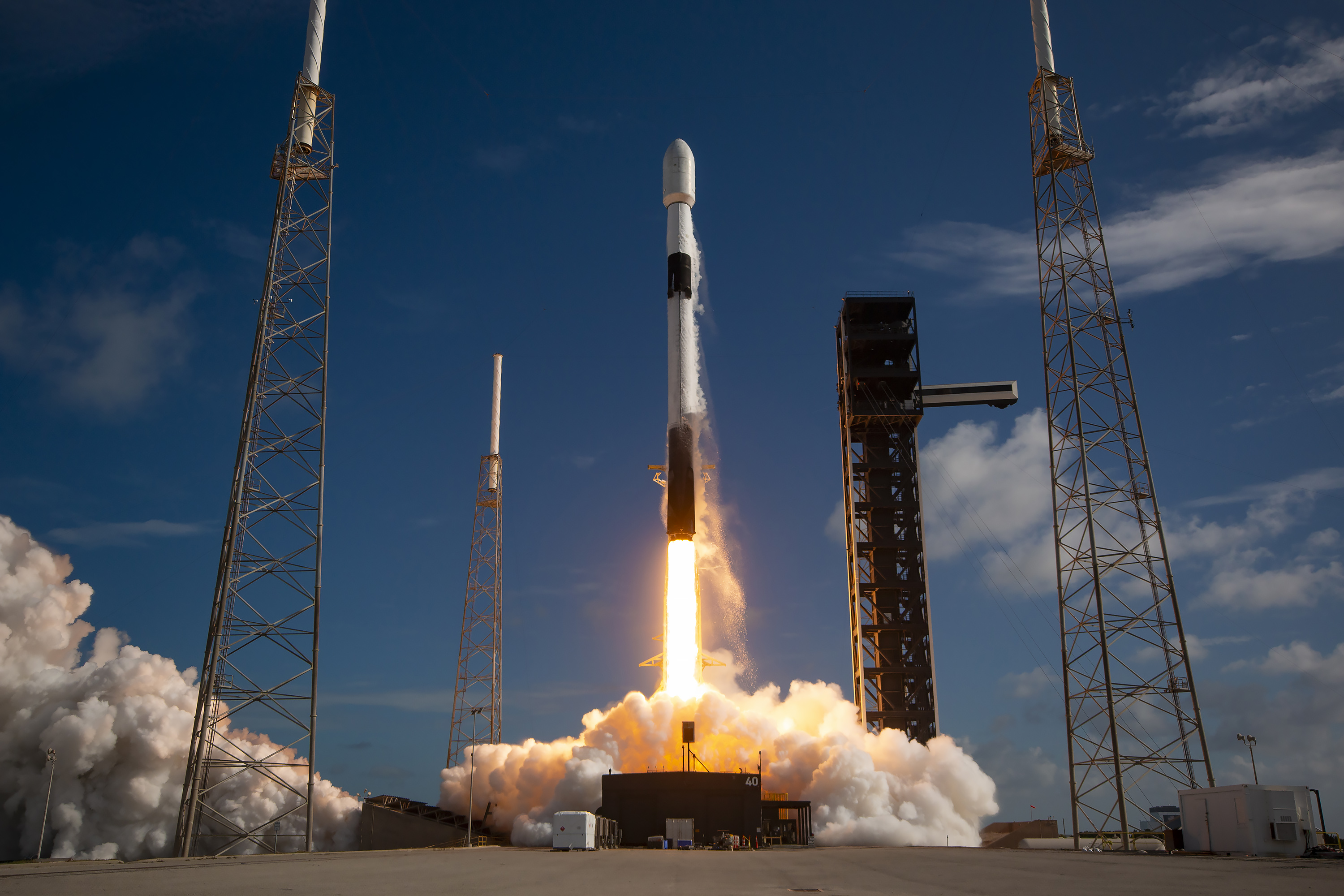
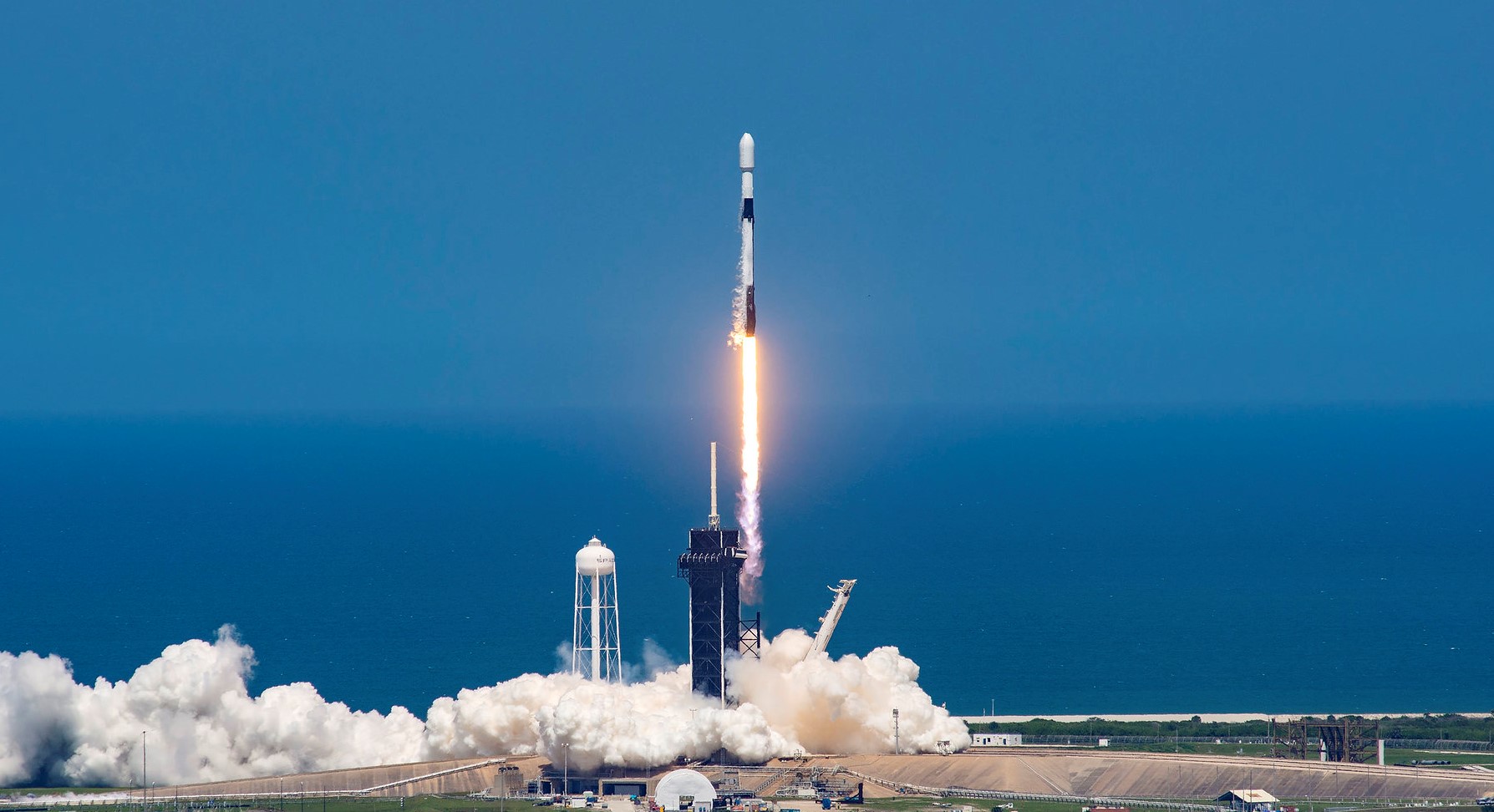
Provider: SpaceX Date: October 20, 2026 Time: 10:30 AM UTC Vehicle: Falcon 9
Dedicated rideshare flight to a mid-inclination orbit with dozens of small microsatellites and nanosatellites for commercial and government customers.
This launch also carries the second demonstration mission for SpaceX’s Project Starfall, which aims to mass-produce reentry capsules designed to autonomously transport valuable customer experiments and other payloads safely back from space to Earth, including for in-orbit manufacturing.
Starfall is a cylindrical shaped capsule approximately 0.75 meters tall with a diameter of 3.1 meters, weighing approximately 2100 kilograms, and capable of carrying 1000 kilograms of payload. It is designed to be carried on Starship flights.
Starlink Group 15-15
Provider: SpaceX Date: October 20, 2026 Time: 10:14 PM UTC Vehicle: Falcon 9
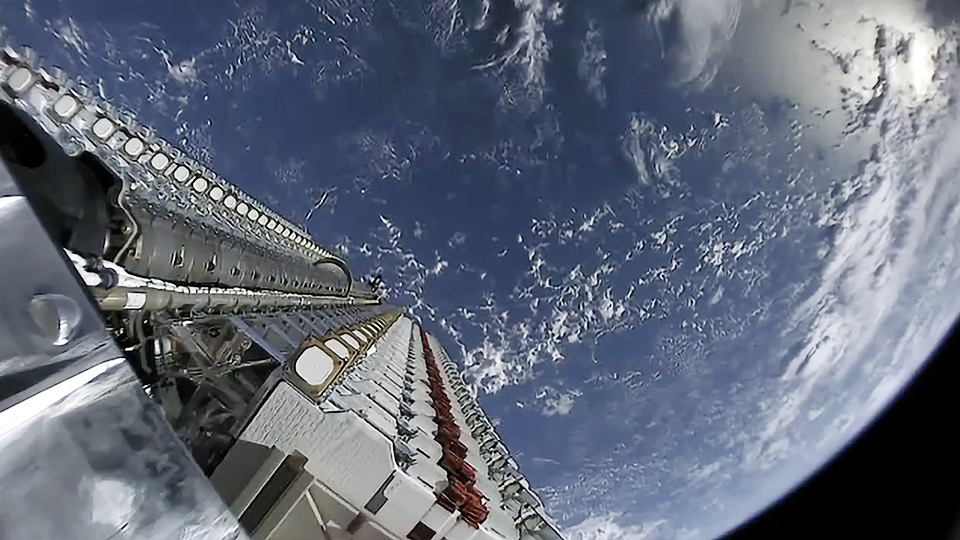
A batch of 27 satellites for the Starlink mega-constellation – SpaceX’s project for space-based Internet communication system.
Unknown Payload
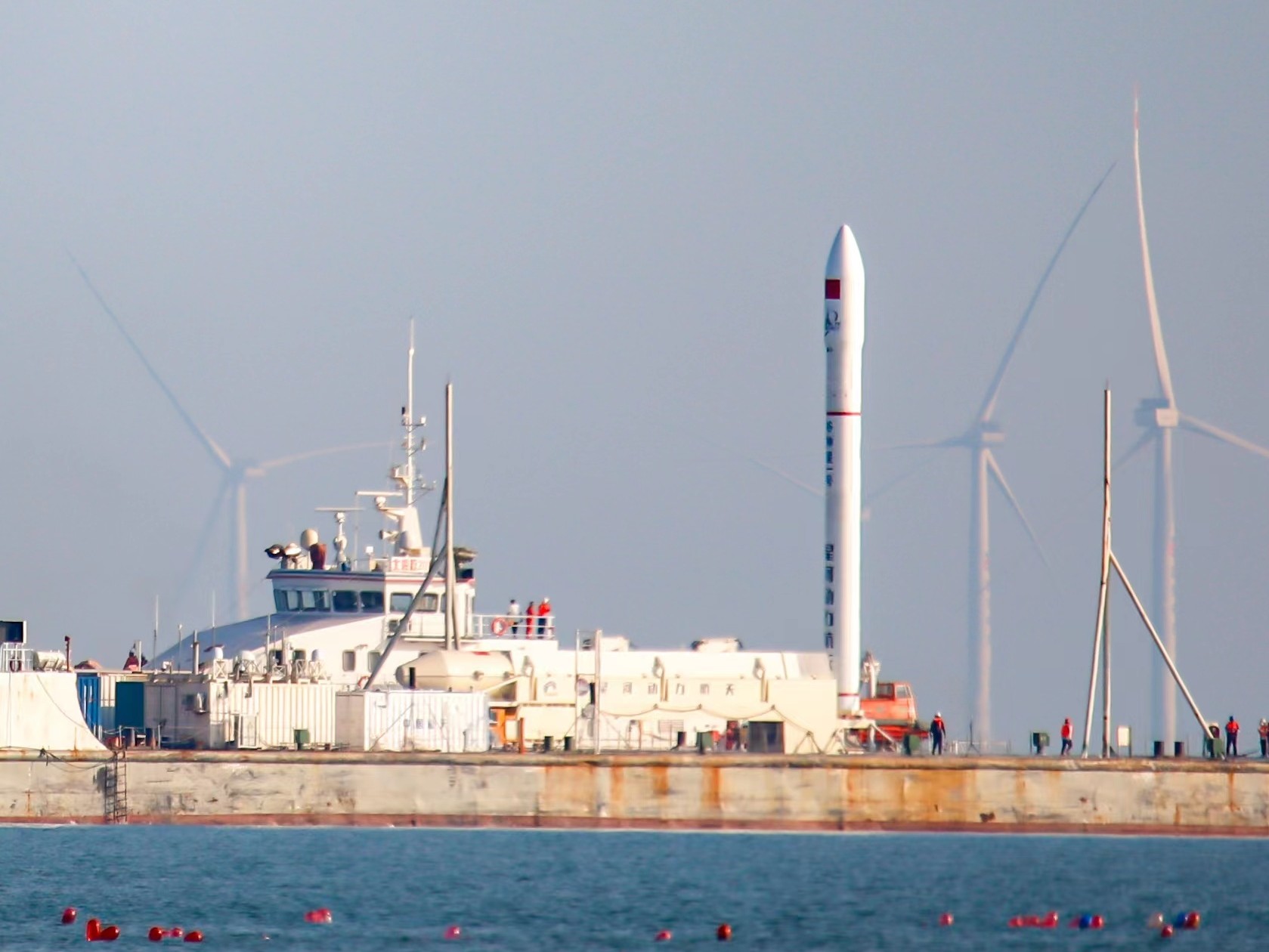
Provider: Galactic Energy Date: October 21, 2026 Time: 3:35 AM UTC Vehicle: Ceres-1S
Details TBD.
We’re Not Hawking Around (3x HawkEye 360)
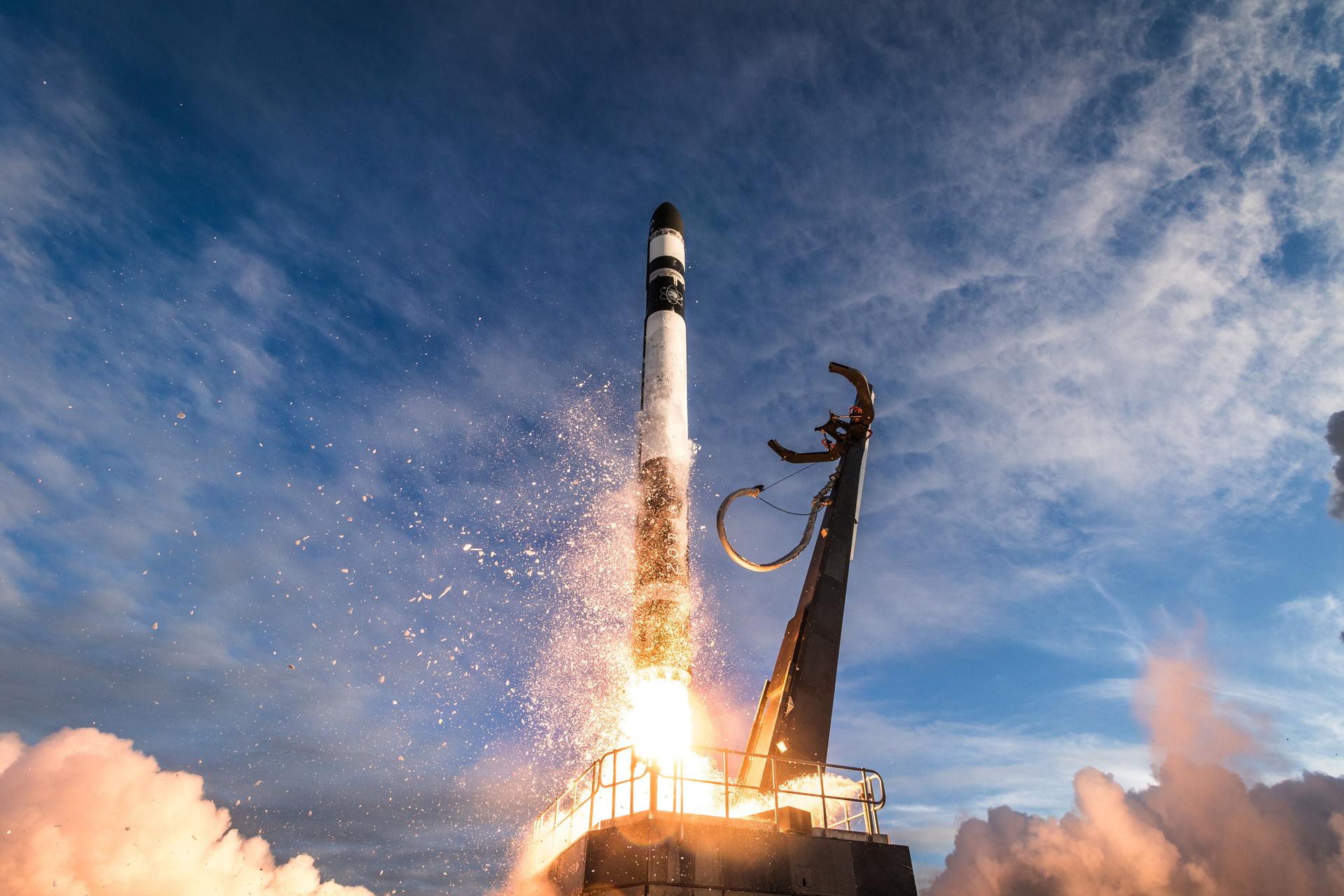
Provider: Rocket Lab Date: October 21, 2026 Time: 5:00 AM UTC Vehicle: Electron
HawkEye 360 is a a space-based civil global intelligence satellite network using radio frequency (RF) technology to help monitor transportation across air, land and sea and assist with emergencies, and to provide civil SIGINT (Signal Intelligence) mission.
The constellation of small satellites (named Hawk ) will collect information on specific radio signals worldwide to provide high-precision radio frequency mapping and analytics from Low Earth orbit (LEO).
Martian Moons eXploration (MMX) ×
Mission Details
TypePlanetary Science
OrbitMars Orbit
TargetEarth
MMX is a Japanese scientific mission to land on Phobos, one of the two moons of Mars, to collect samples before bringing them back to Earth.
The mission includes a small French/German rover to explore the surface of Phobos.
The H3 Launch Vehicle is a Japanese expendable launch system.
Each H3 booster configuration has a two-digit and a letter designation that indicates the features of that configuration. The first digit represents the number of LE-9 engines on the main stage, either “2” or “3”. The second digit…
Dedicated rideshare flight to a mid-inclination orbit with dozens of small microsatellites and nanosatellites for commercial and government customers.
This launch also carries the second demonstration mission for SpaceX’s Project Starfall, which aims to mass-produce reentry capsules designed to autonomously transport valuable customer experiments and other payloads safely back from space to Earth, including for in-orbit manufacturing.
Starfall is a cylindrical shaped capsule approximately 0.75 meters tall with a diameter of 3.1 meters, weighing approximately 2100 kilograms, and capable of carrying 1000 kilograms of payload. It is designed to be carried on Starship flights.
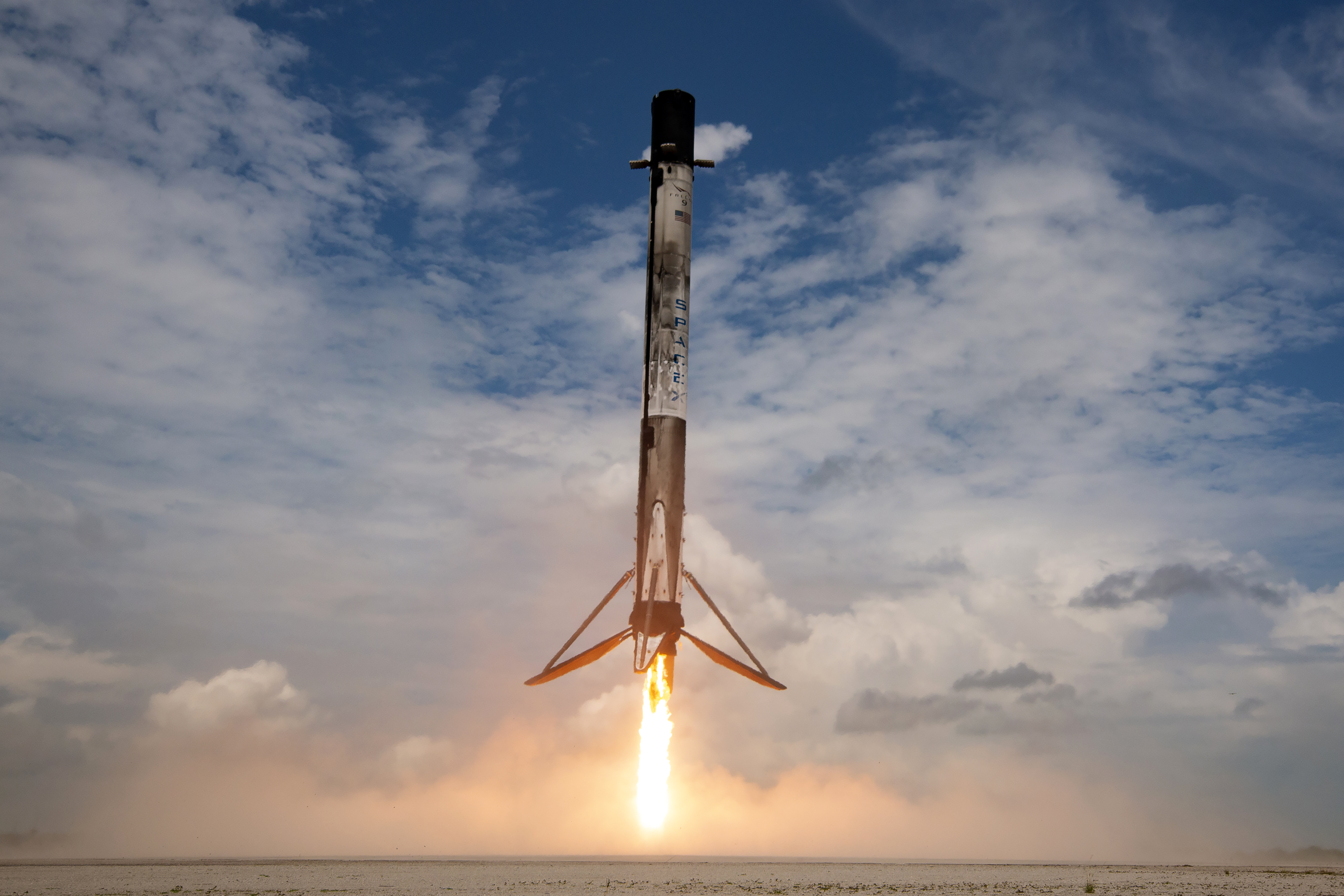
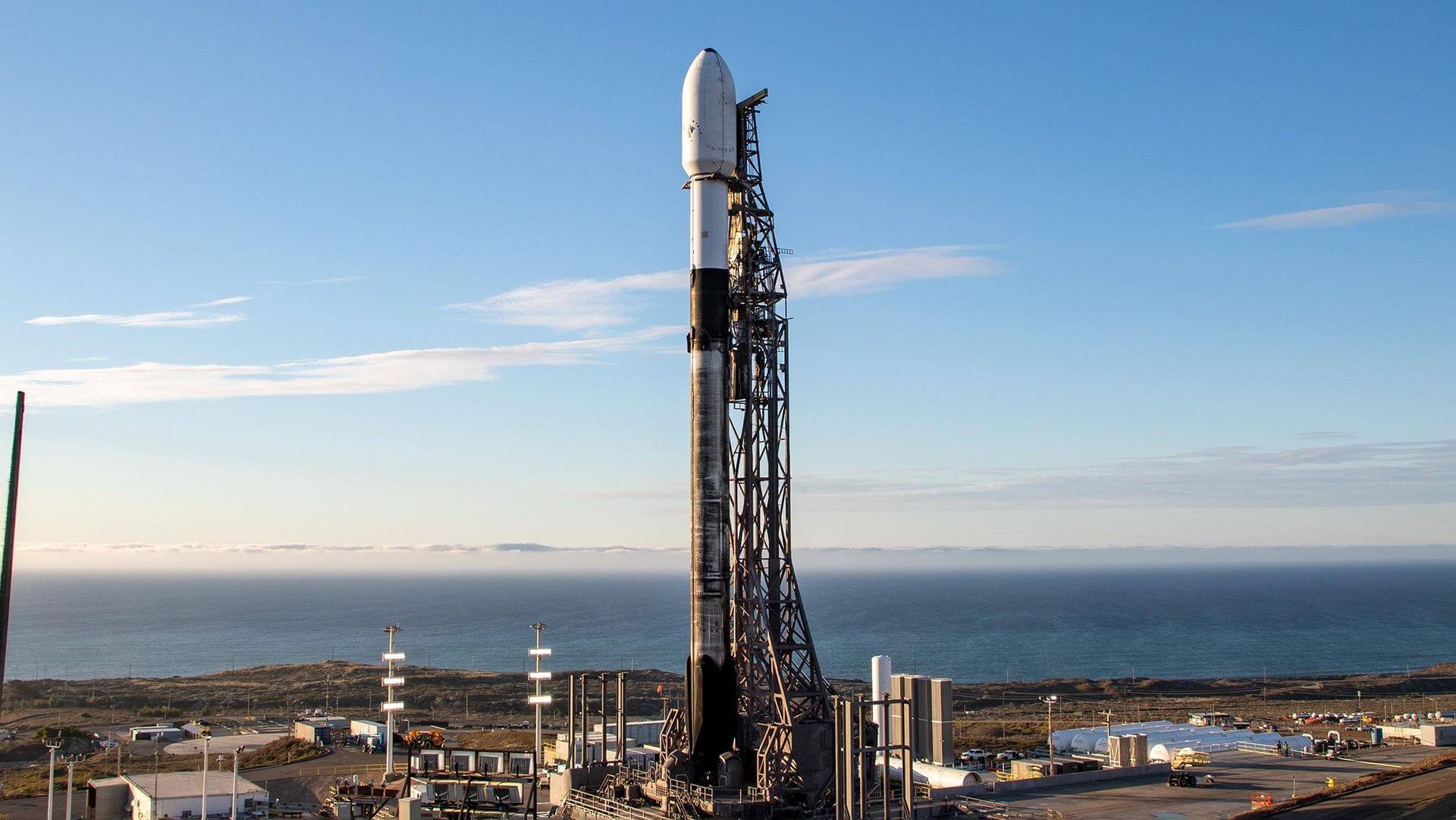
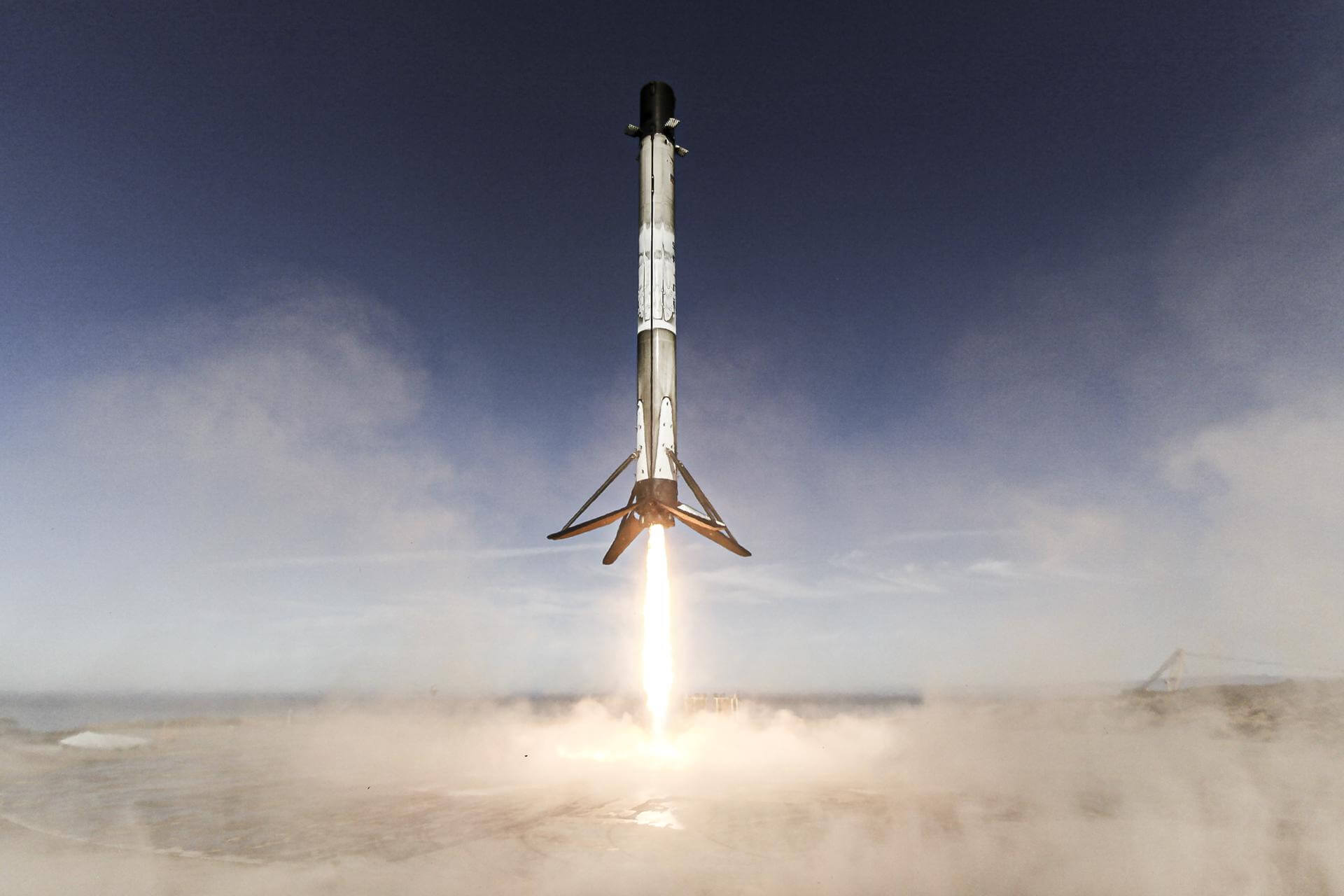
Falcon 9 is a two-stage rocket designed and manufactured by SpaceX for the reliable and safe transport of satellites and the Dragon spacecraft into orbit. The Block 5 variant is the fifth major interval aimed at improving upon the ability for rapid reusability.
Falcon 9 is a two-stage rocket designed and manufactured by SpaceX for the reliable and safe transport of satellites and the Dragon spacecraft into orbit. The Block 5 variant is the fifth major interval aimed at improving upon the ability for rapid reusability.
Ceres-1S is the sea launched version of Ceres-1 from Galactic Energy.
Specifications
Liftoff Thrust598 kN
LEO Capacity350 kg
SSO Capacity230 kg
ReusableNo
Maiden Flight2023-09-05
Launch Record
6 successful / 6 total launches
Current streak: 6 successful
We’re Not Hawking Around (3x HawkEye 360) ×
Mission Details
TypeEarth Science
OrbitSun-Synchronous Orbit
TargetEarth
HawkEye 360 is a a space-based civil global intelligence satellite network using radio frequency (RF) technology to help monitor transportation across air, land and sea and assist with emergencies, and to provide civil SIGINT (Signal Intelligence) mission.
The constellation of small satellites (named Hawk ) will collect information on specific radio signals worldwide to provide high-precision radio frequency mapping and analytics from Low Earth orbit (LEO).
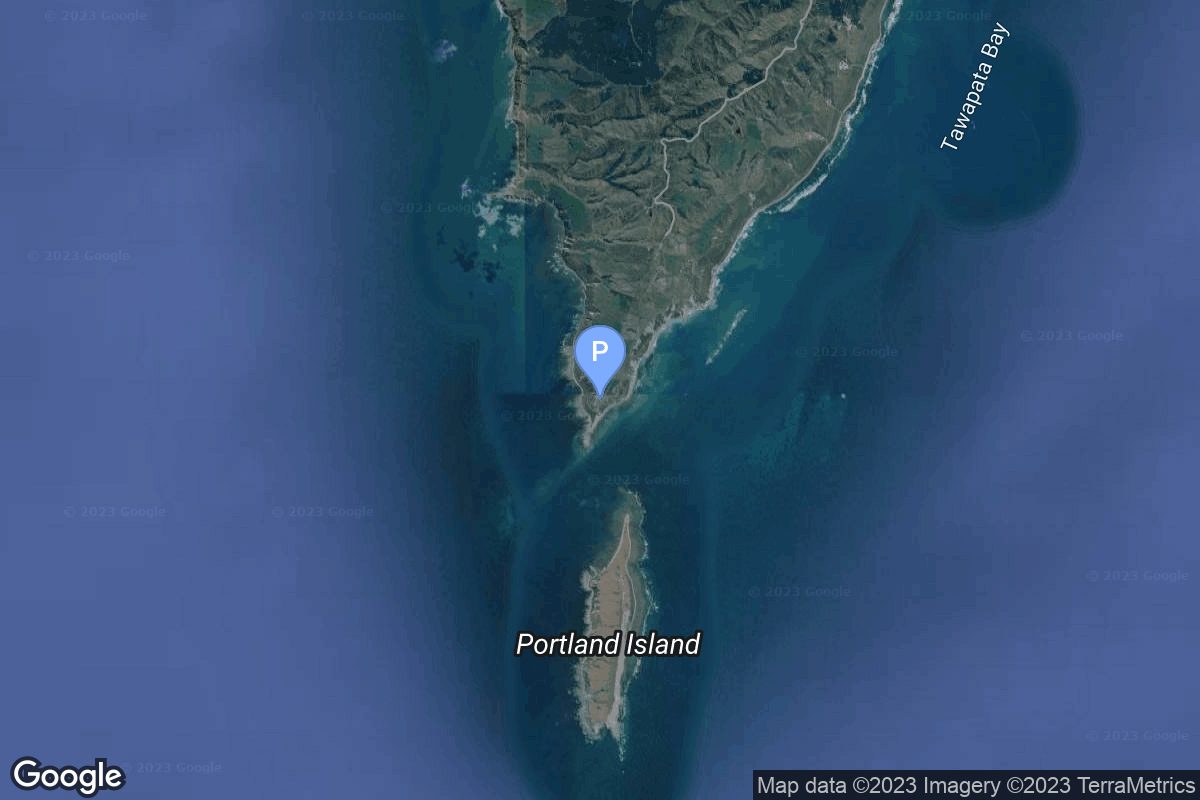
Rocket Lab Launch Complex 1, Mahia Peninsula, New Zealand
Total launches from this pad: 0
Vehicle: Electron
Electron is a two-stage orbital expendable launch vehicle (with an optional third stage) developed by the American aerospace company Rocket Lab. Electron is a small-lift launch vehicle designed to launch small satellites and cubesats to sun-synchronous orbit and low earth orbit. The Electron is the…
Robo Chris is a collection of API calls, filters, and searches, bolted together with magic and love. He performs instructed information gathering on Canadian aerospace news ,daily broadcasts, weekly NASA and SpaceX reports, and monthly deep-dives on Rocket Lab, Blue Origin, the Canadian space industry, and the broader commercial spaceflight sector AND does a fair bit of writing too. Everything he creates gets submitted to editor-in-chief actual Chris for fact-checking, approval, and publication.











Leave a Reply