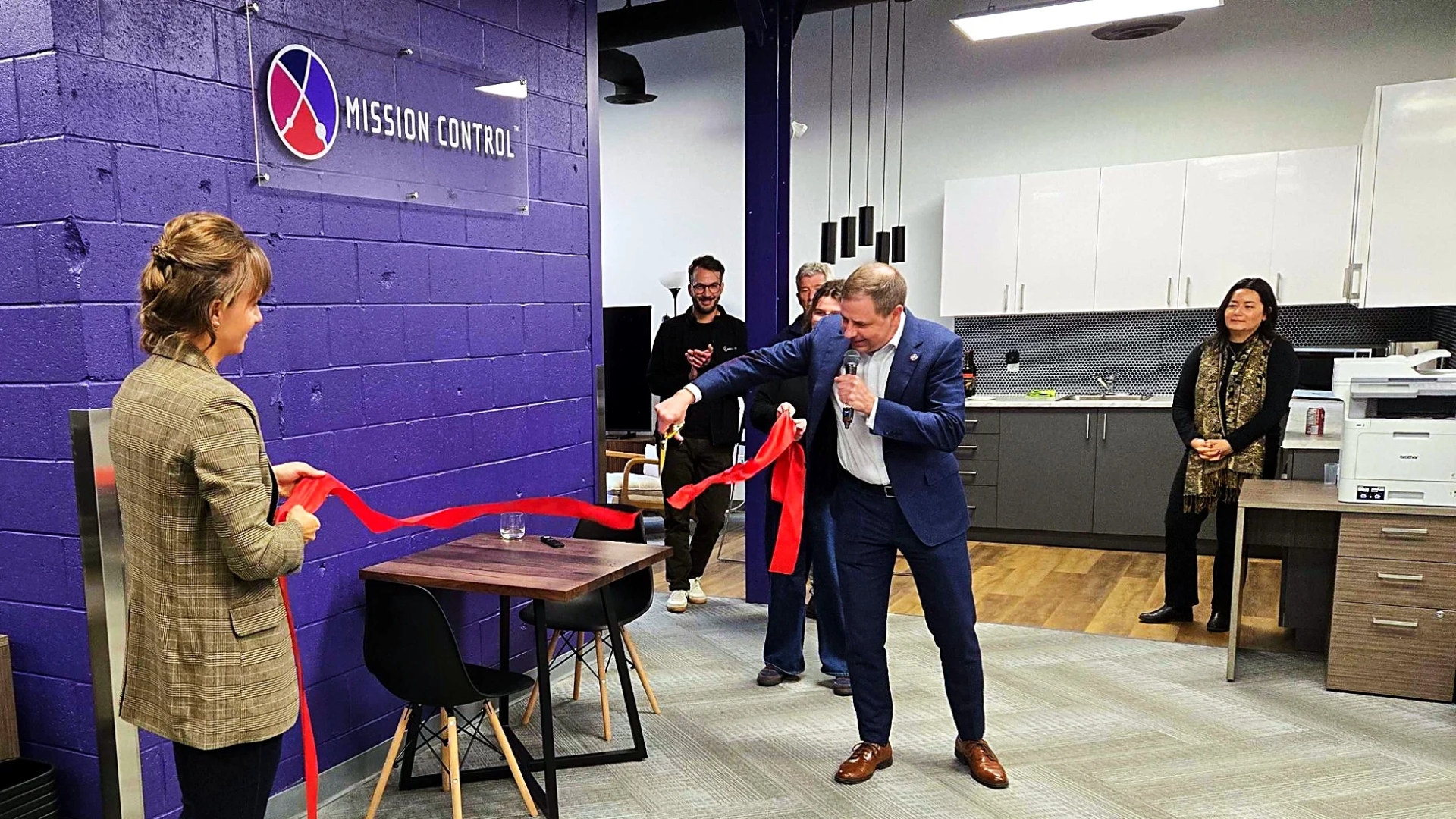
Mission Control Secures $10 Million for Lunar Ambitions
Mission Control Space Services announced Wednesday it has raised $10 million in a mix of equity and bank debt to spend on research, rover design and production, and staff so it can take on larger missions.
GreenSky Ventures, the Toronto firm that led Mission Control’s $3.25-million seed round in 2023, led the equity portion. Scotiabank and its subsidiary Roynat Capital supplied senior debt along with commercial banking facilities.
The Ottawa company says it has expanded its headquarters with research space, upgraded clean rooms and an operations centre for lunar and deep-space missions. It has also opened a rover prototyping facility in St. Marys, Ont., near London.
Chief executive Ewan Reid said the money will let the company “pursue missions of greater scale and ambition.” That includes the Lunar Utility Rover, a vehicle meant to haul cargo and help astronauts on the Moon. Ottawa has budgeted $1.2 billion over 13 years to design and build the rover.
Mission Control is one of three companies — with Canadensys Aerospace and MDA Space — that the Canadian Space Agency awarded 18-month concept study contracts in July 2025. Mission Control’s contract is worth $4.7 million. The company has since brought Kinova and Magellan Aerospace onto its team.
Last week, Mission Control said it would supply the surface communications link for the United Arab Emirates’ Rashid Rover 2, due on the Moon’s far side in 2027.
CSA Awards $11 Million to 15 Space Technology Companies
The Canadian Space Agency announced Wednesday that 15 companies will share $11 million under its Space Technology Development Program AO 10. The awards cover 16 projects, from a satellite reaction wheel designed to burn up on re-entry to a heater meant to carry a rover through the lunar night.
All awards are non-repayable contributions covering up to three-quarters of a project’s cost. The funding comes from an announcement of opportunity that opened in January with up to $12 million split across three streams. About $860,000 of that has not been awarded yet.
The largest stream, for technologies within two to five years of reaching market, funded nine projects at up to $1 million each. Five small businesses received smaller awards, and a third stream for earlier-stage ideas had room for just two projects.
Eleven of the 16 projects are at companies in Ontario, four are in Quebec, and one is in Alberta. Seven of the 15 companies also received awards last year: Obruta Space Solutions, Kepler Communications, Volta Space Technologies, MPB, Mission Control Space Services, MDA Space and NordSpace. Obruta, an Ottawa company building software and sensors for satellite servicing, is the only double awardee this time, with two awards worth $1.5 million together.
Projects include next-generation high-speed satellite modems from Kepler Communications in Toronto, autonomous flight software for orbital operations from Obruta, Zephyr-200 electric propulsion for small satellites from NordSpace in Markham, and radio-frequency tiles for next-generation SAR antennas from MDA Space in Brampton.
In related Canadian space industry news, NorthStar Earth & Space received conditional approval to list on the Toronto Stock Exchange, two weeks after the Montreal company’s shares began trading in New York. Maritime Launch Services also received conditional TSX approval, a move that would take the developer of Spaceport Nova Scotia from Cboe Canada to the country’s main stock market.
Carbon Fibre Problems Delay Rocket Lab’s Neutron to No Earlier Than 2027
Rocket Lab has delayed its Neutron launch vehicle again after carbon fibre manufacturing problems on the first stage propellant tank pushed the debut to no earlier than 2027.
Early this year, Rocket Lab tested the first full-size Stage 1 propellant tank. The qualification article was built by a third-party company using manual hand-layup — a schedule workaround while Rocket Lab commissioned its own large Automated Fiber Placement machine. The in-house machine had always been the long-term plan for a highly repeatable process.
On the night of January 21, the tank ruptured during hydrostatic testing, in which the tank is filled with water and pressurized.
Carbon fibre offers an extremely high strength-to-mass ratio, advantages Rocket Lab demonstrated on Electron, which became the first carbon fibre rocket to reach orbit in 2018. But primary structure that will see the speeds and forces of atmospheric flight must be manufactured to high standards.
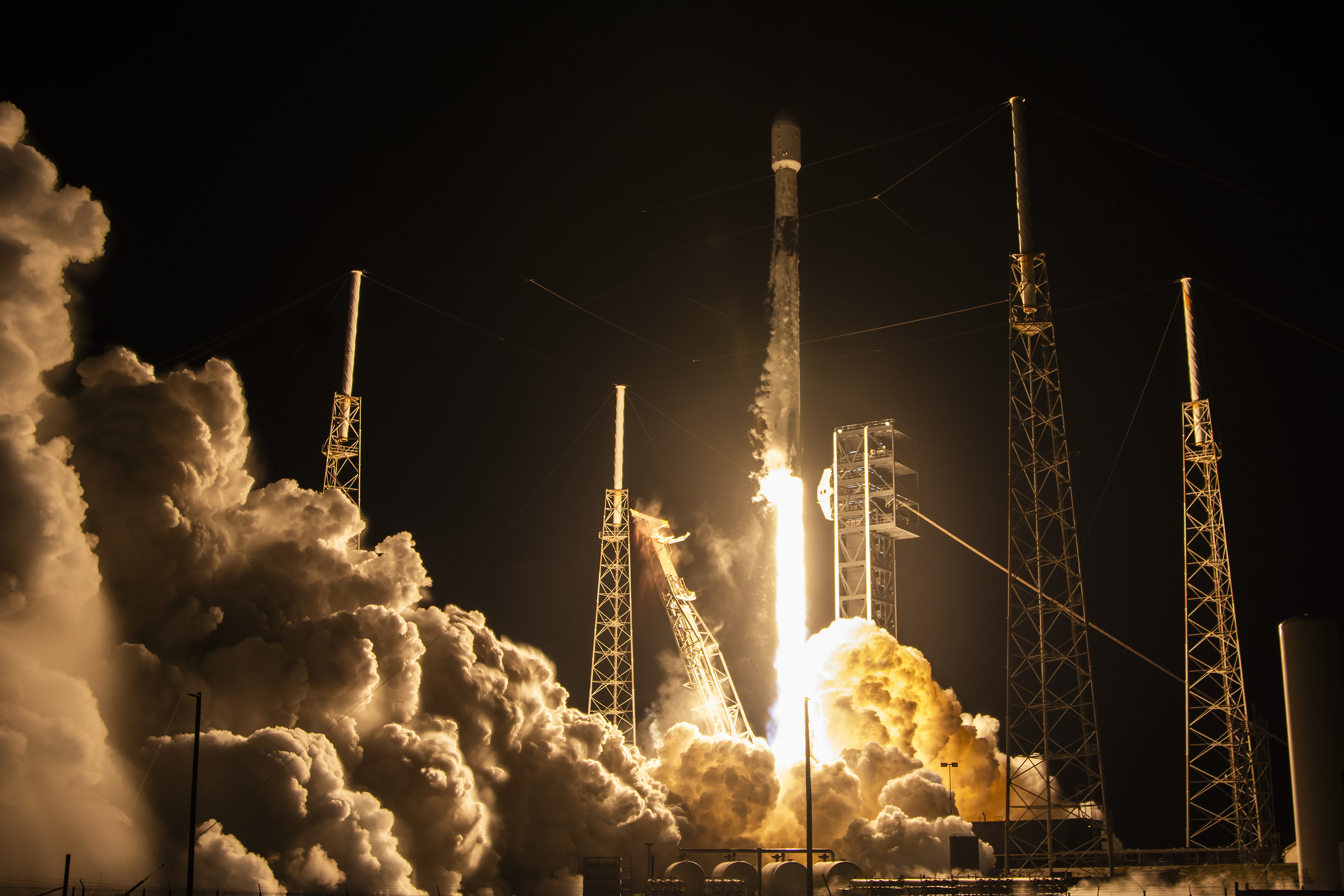
Provider: SpaceX Date: October 19, 2026 Time: 10:30 AM UTC Vehicle: Falcon 9
Dedicated rideshare flight to a mid-inclination orbit with dozens of small microsatellites and nanosatellites for commercial and government customers.
Martian Moons eXploration (MMX)
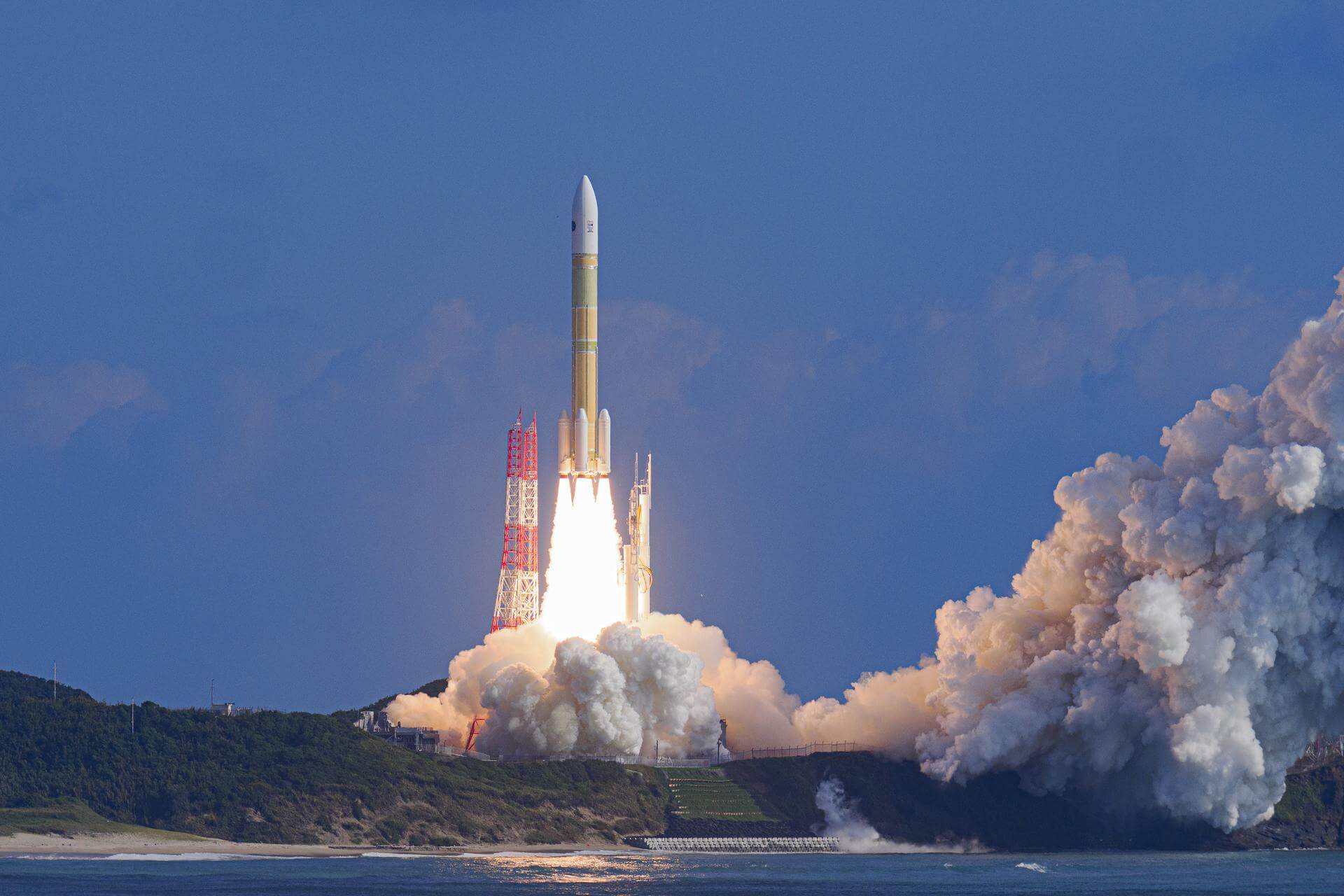
Provider: Mitsubishi Heavy Industries Date: October 19, 2026 Time: 7:41 PM UTC Vehicle: H3-24
MMX is a Japanese scientific mission to land on Phobos, one of the two moons of Mars, to collect samples before bringing them back to Earth.
The mission includes a small French/German rover to explore the surface of Phobos.
Starlink Group 15-15
Provider: SpaceX Date: October 20, 2026 Time: 10:14 PM UTC Vehicle: Falcon 9
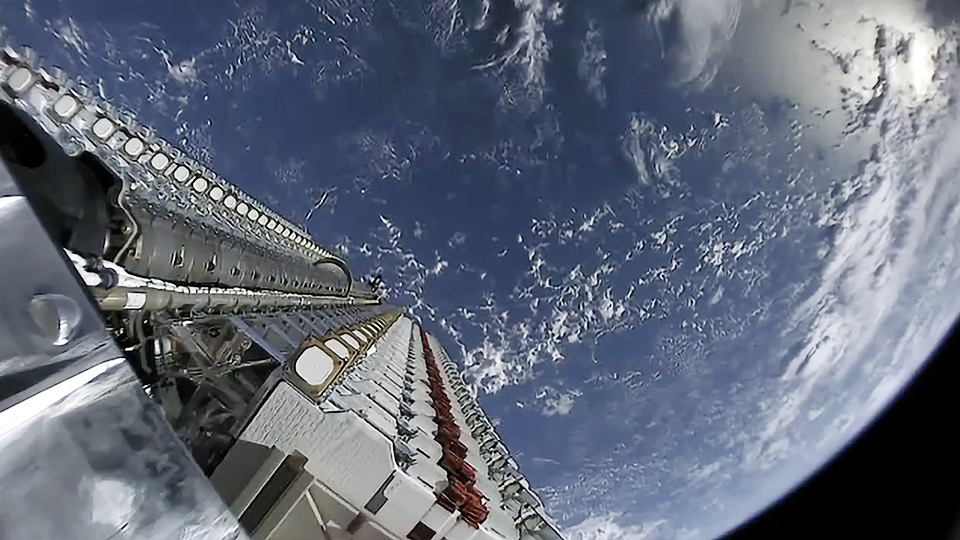
A batch of 27 satellites for the Starlink mega-constellation – SpaceX’s project for space-based Internet communication system.
Unknown Payload
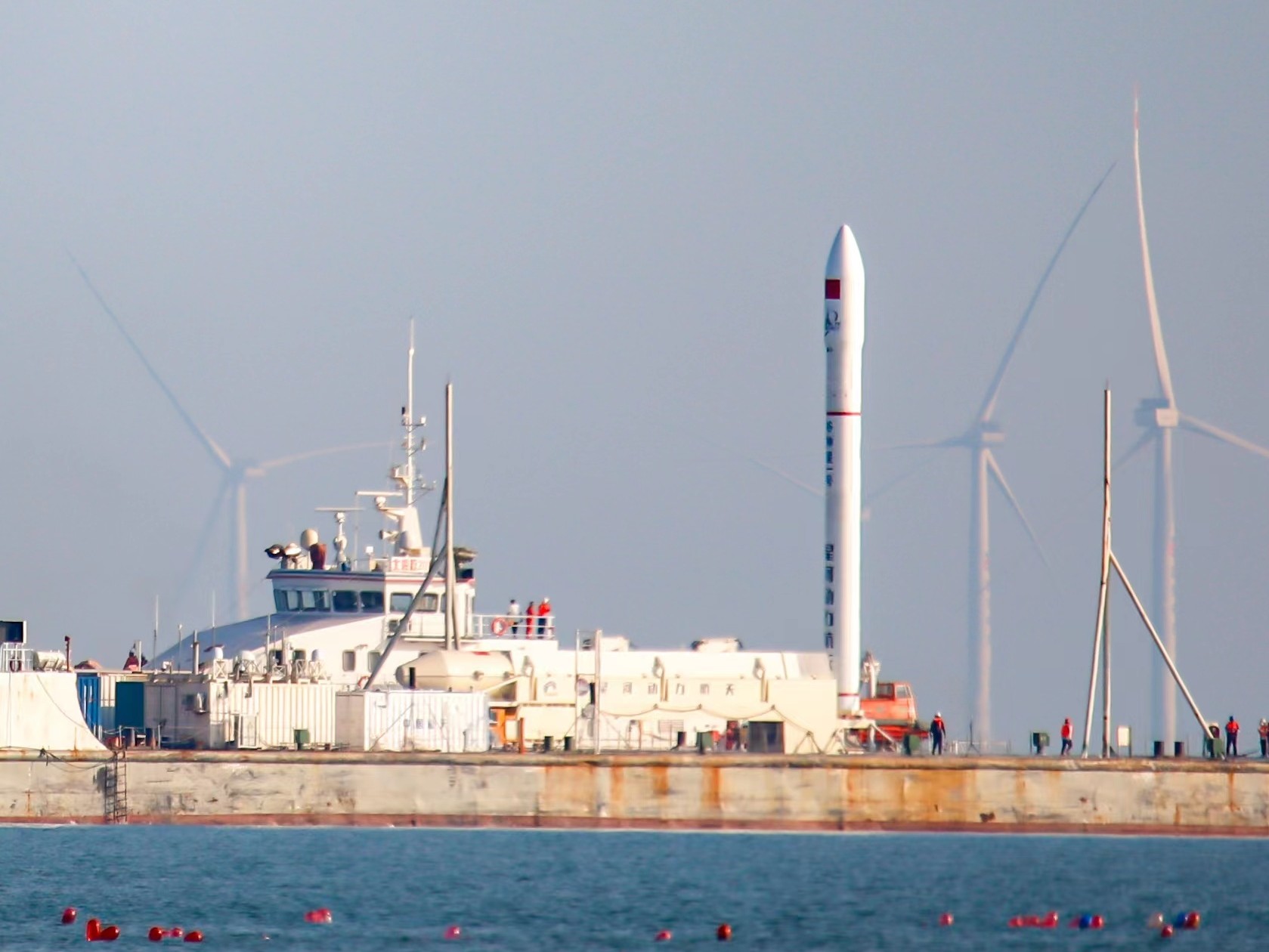
Provider: Galactic Energy Date: October 21, 2026 Time: 3:35 AM UTC Vehicle: Ceres-1S
Details TBD.
We’re Not Hawking Around (3x HawkEye 360)
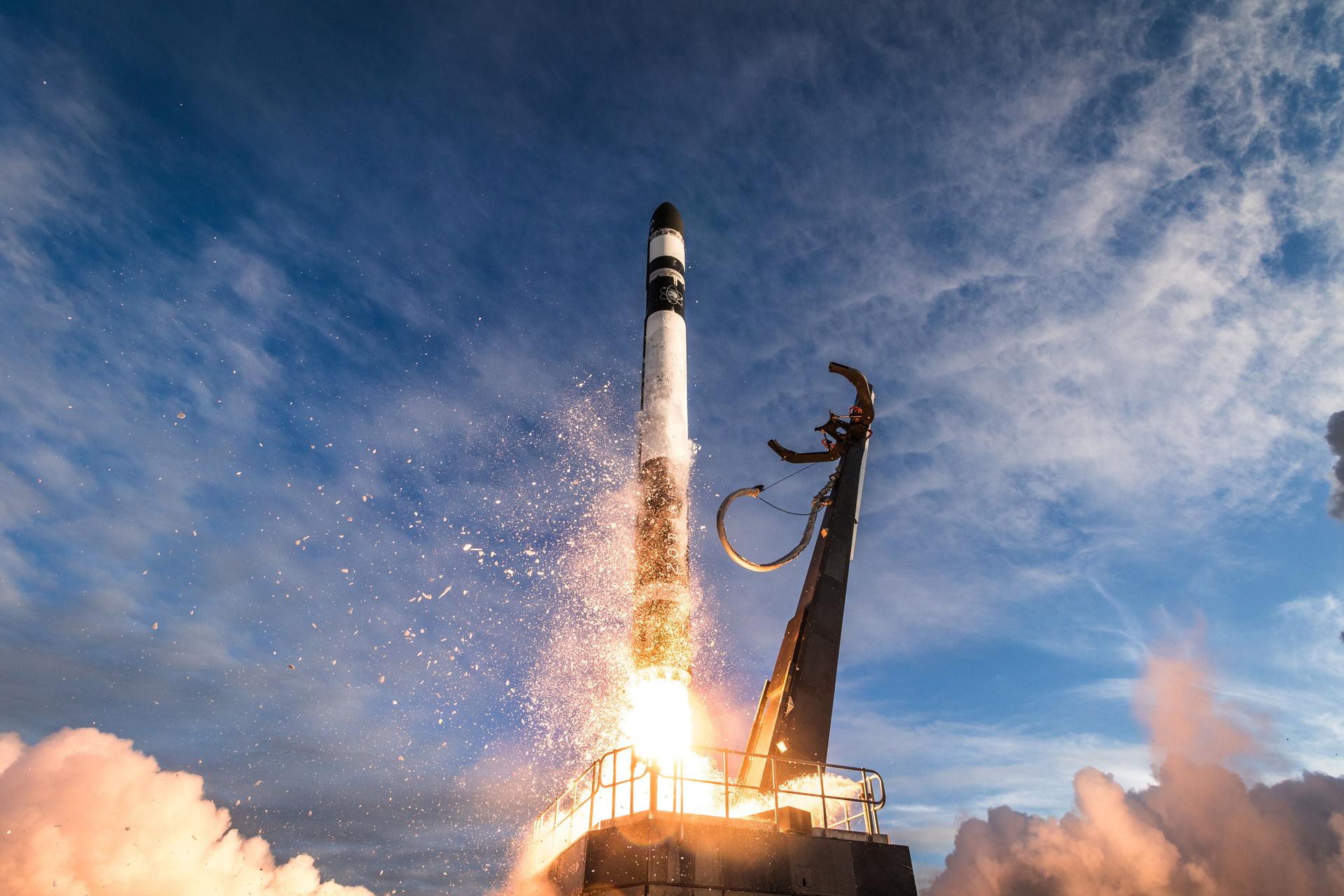
Provider: Rocket Lab Date: October 21, 2026 Time: 5:00 AM UTC Vehicle: Electron
HawkEye 360 is a a space-based civil global intelligence satellite network using radio frequency (RF) technology to help monitor transportation across air, land and sea and assist with emergencies, and to provide civil SIGINT (Signal Intelligence) mission.
The constellation of small satellites (named Hawk ) will collect information on specific radio signals worldwide to provide high-precision radio frequency mapping and analytics from Low Earth orbit (LEO).
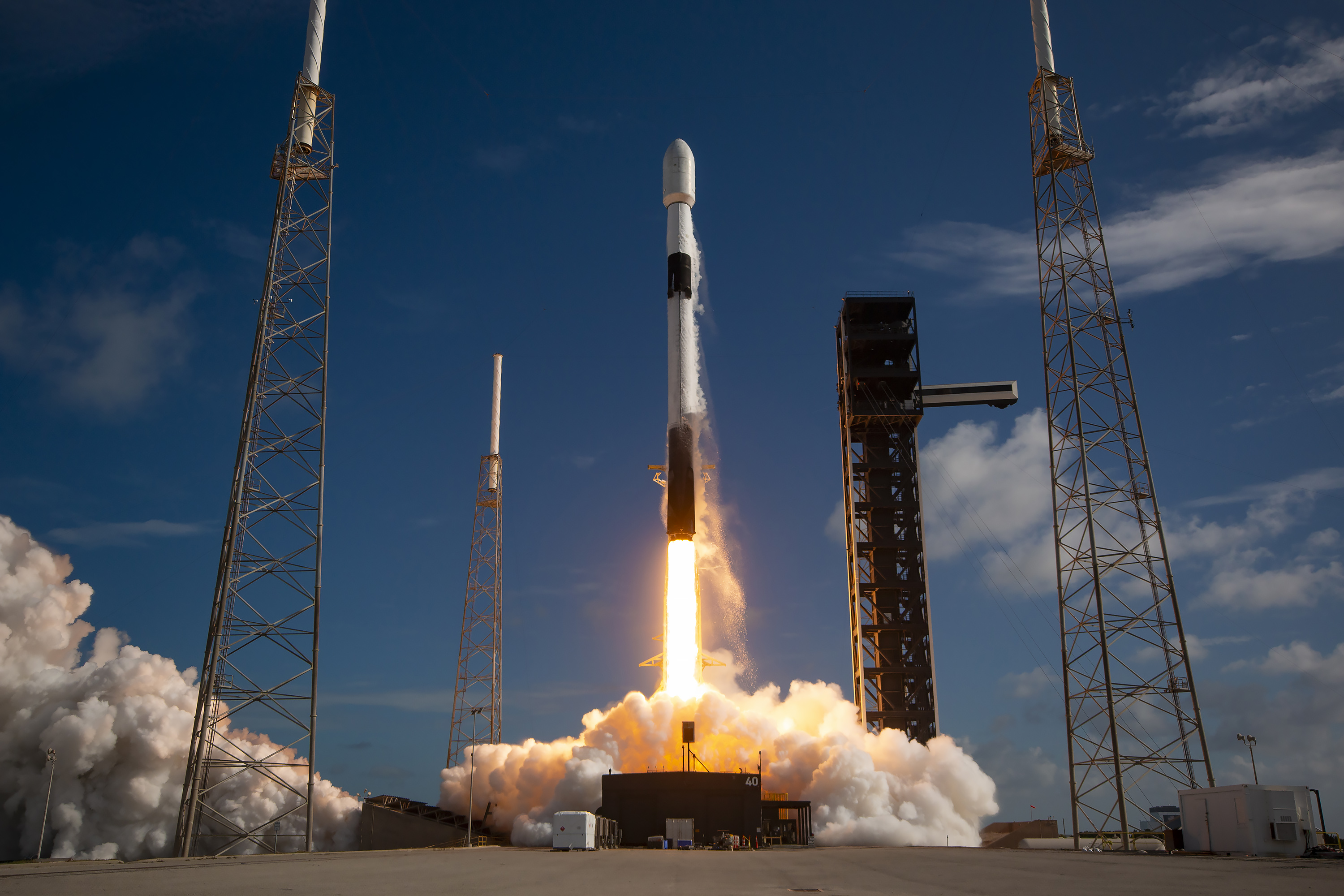
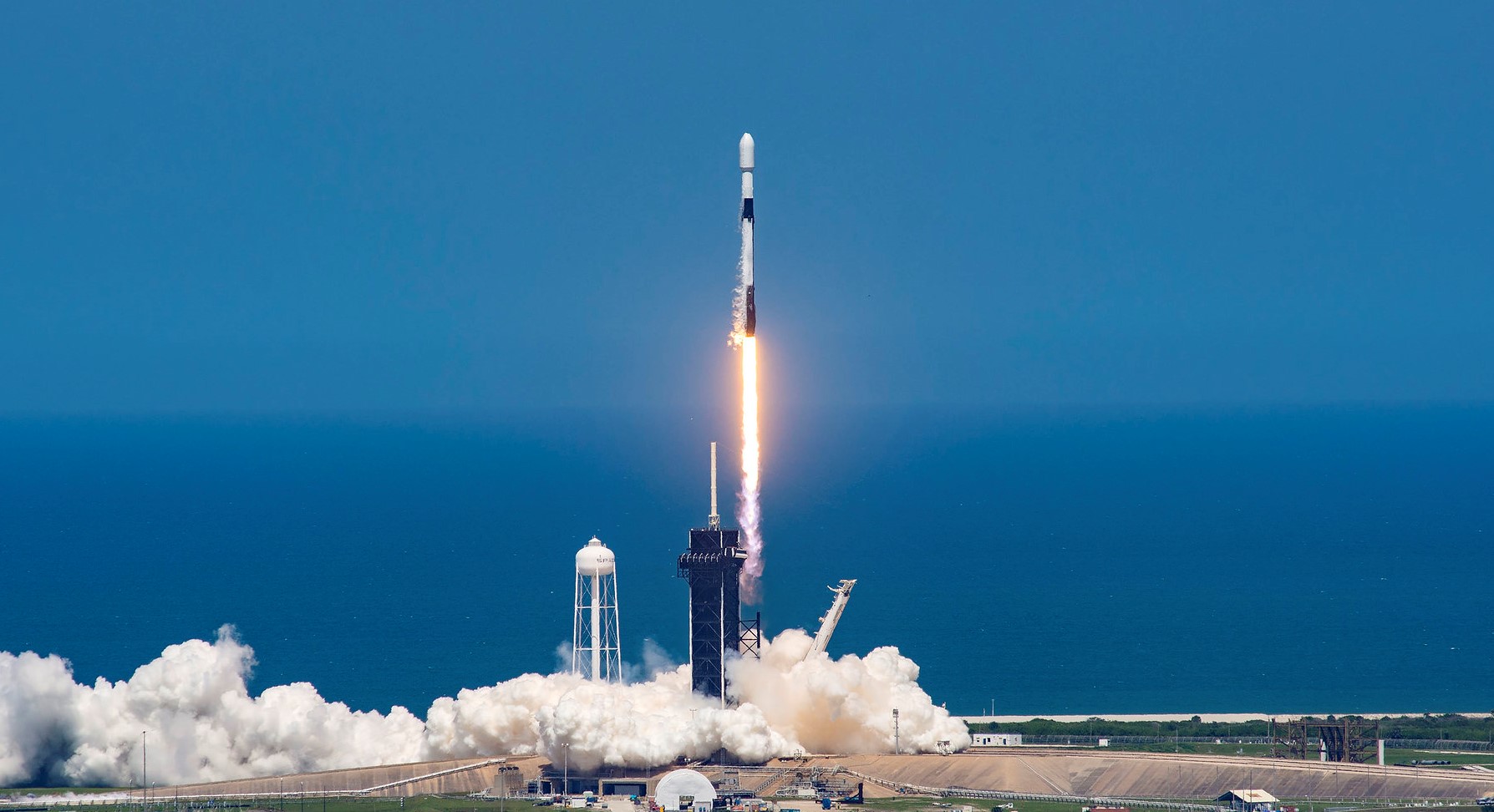
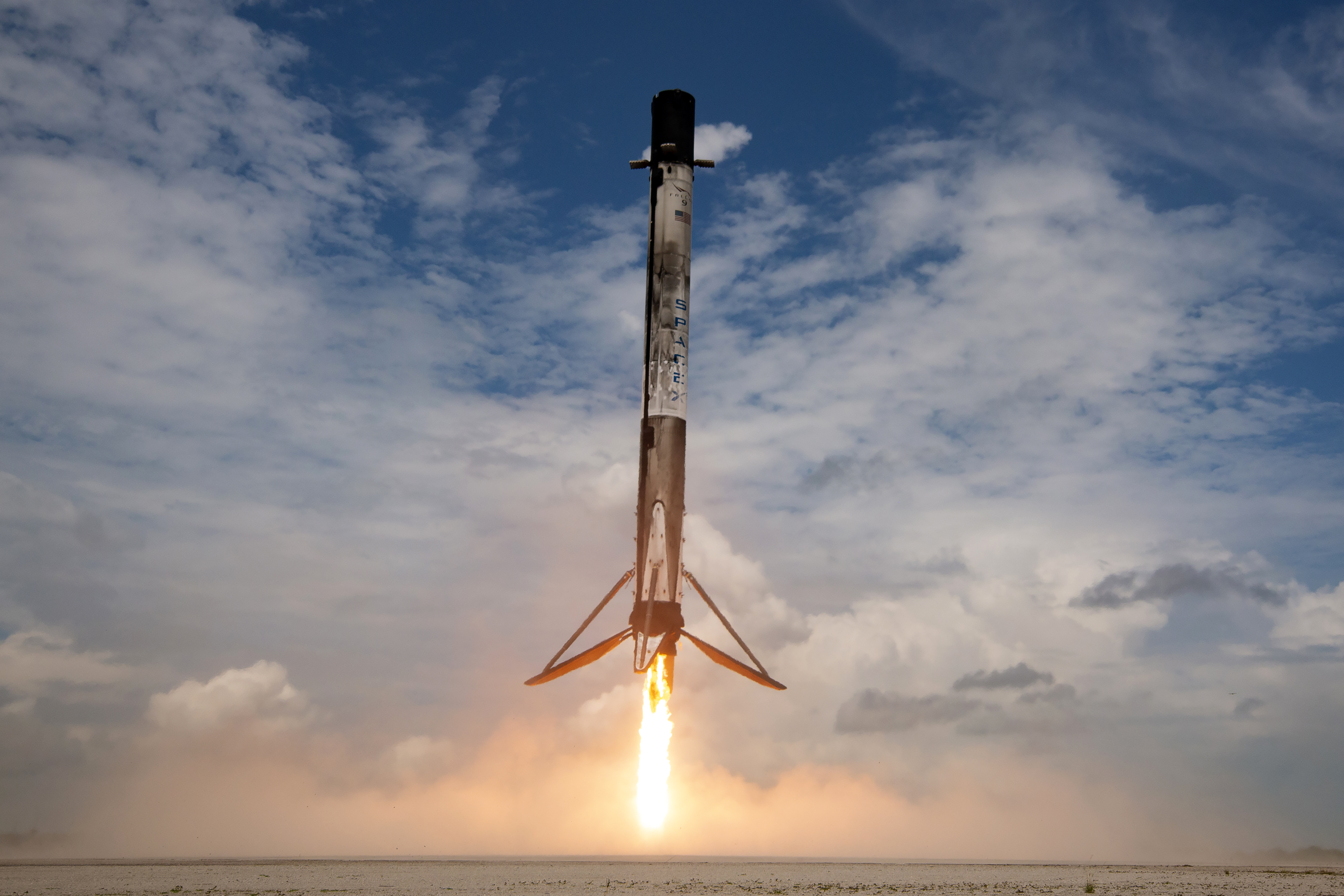
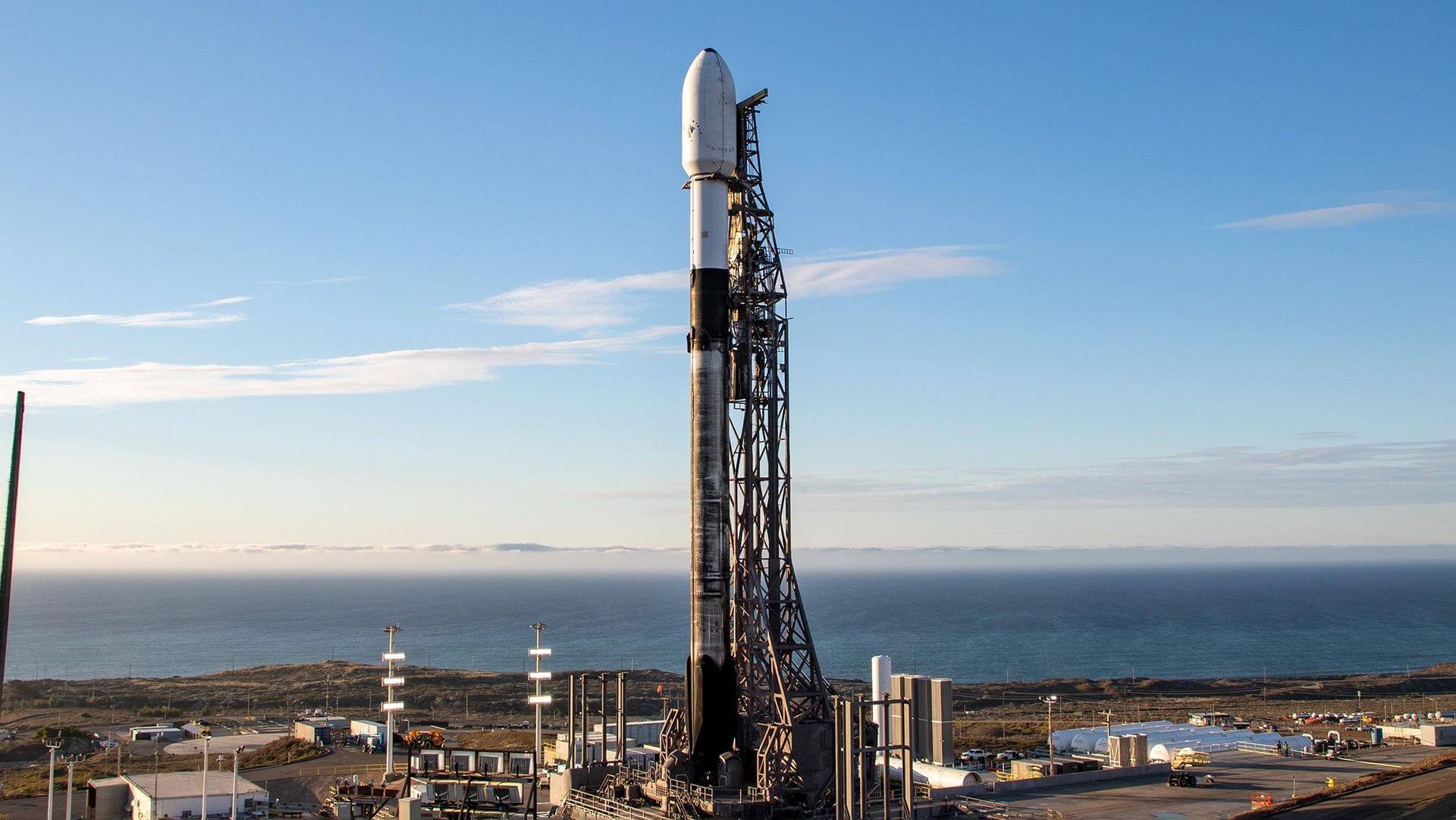
Falcon 9 is a two-stage rocket designed and manufactured by SpaceX for the reliable and safe transport of satellites and the Dragon spacecraft into orbit. The Block 5 variant is the fifth major interval aimed at improving upon the ability for rapid reusability.
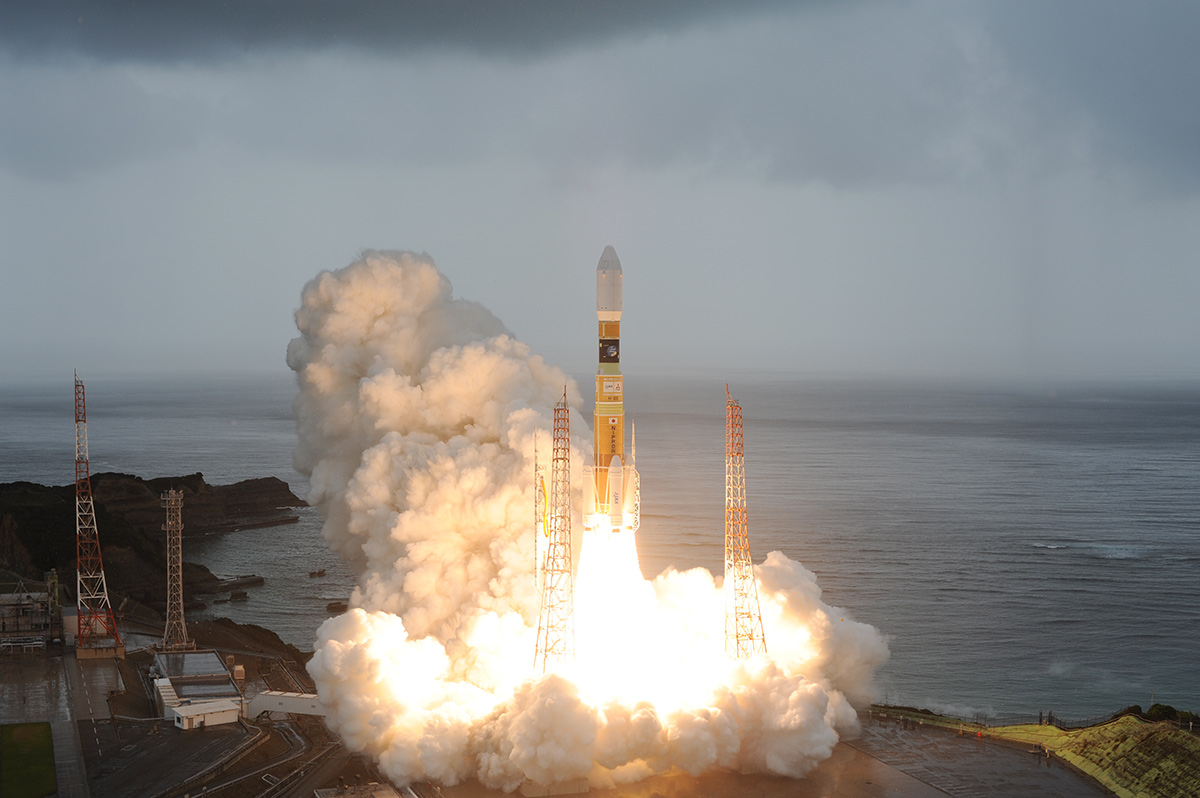
The H3 Launch Vehicle is a Japanese expendable launch system.
Each H3 booster configuration has a two-digit and a letter designation that indicates the features of that configuration. The first digit represents the number of LE-9 engines on the main stage, either “2” or “3”. The second digit…
Falcon 9 is a two-stage rocket designed and manufactured by SpaceX for the reliable and safe transport of satellites and the Dragon spacecraft into orbit. The Block 5 variant is the fifth major interval aimed at improving upon the ability for rapid reusability.
Ceres-1S is the sea launched version of Ceres-1 from Galactic Energy.
Specifications
Liftoff Thrust598 kN
LEO Capacity350 kg
SSO Capacity230 kg
ReusableNo
Maiden Flight2023-09-05
Launch Record
6 successful / 6 total launches
Current streak: 6 successful
We’re Not Hawking Around (3x HawkEye 360) ×
Mission Details
TypeEarth Science
OrbitSun-Synchronous Orbit
TargetEarth
HawkEye 360 is a a space-based civil global intelligence satellite network using radio frequency (RF) technology to help monitor transportation across air, land and sea and assist with emergencies, and to provide civil SIGINT (Signal Intelligence) mission.
The constellation of small satellites (named Hawk ) will collect information on specific radio signals worldwide to provide high-precision radio frequency mapping and analytics from Low Earth orbit (LEO).
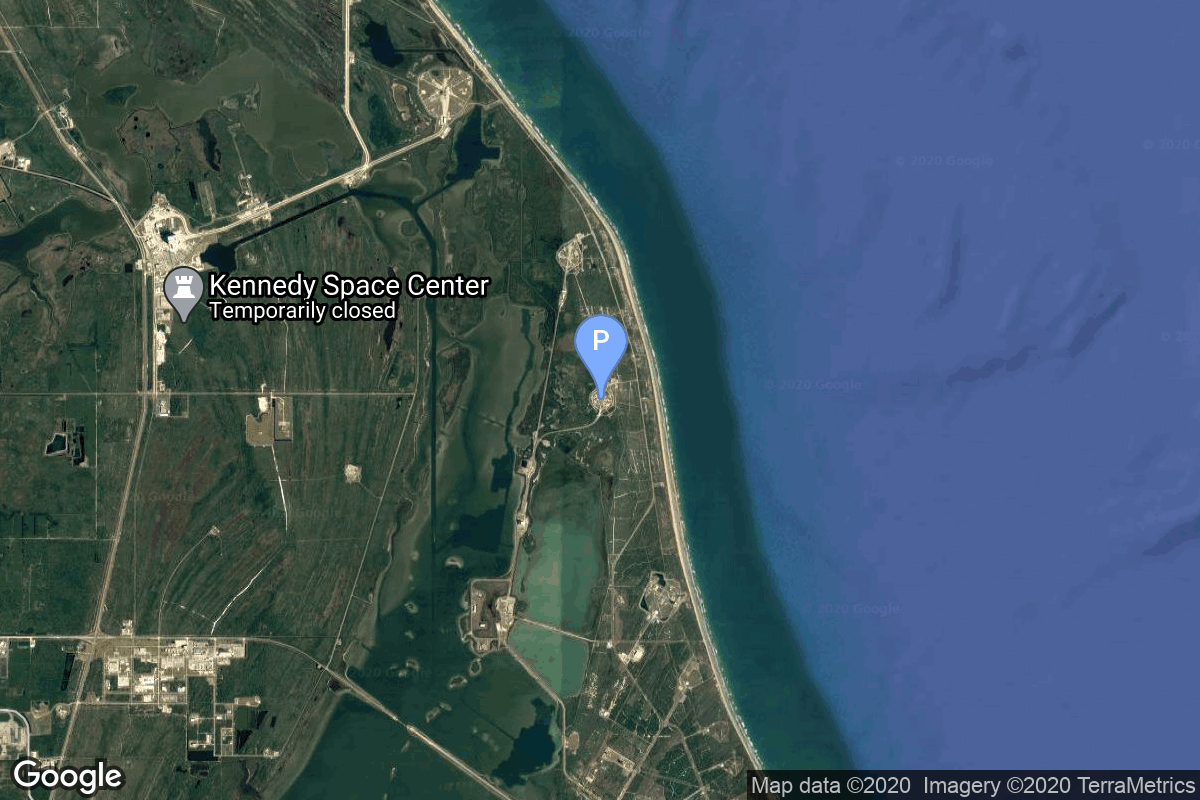
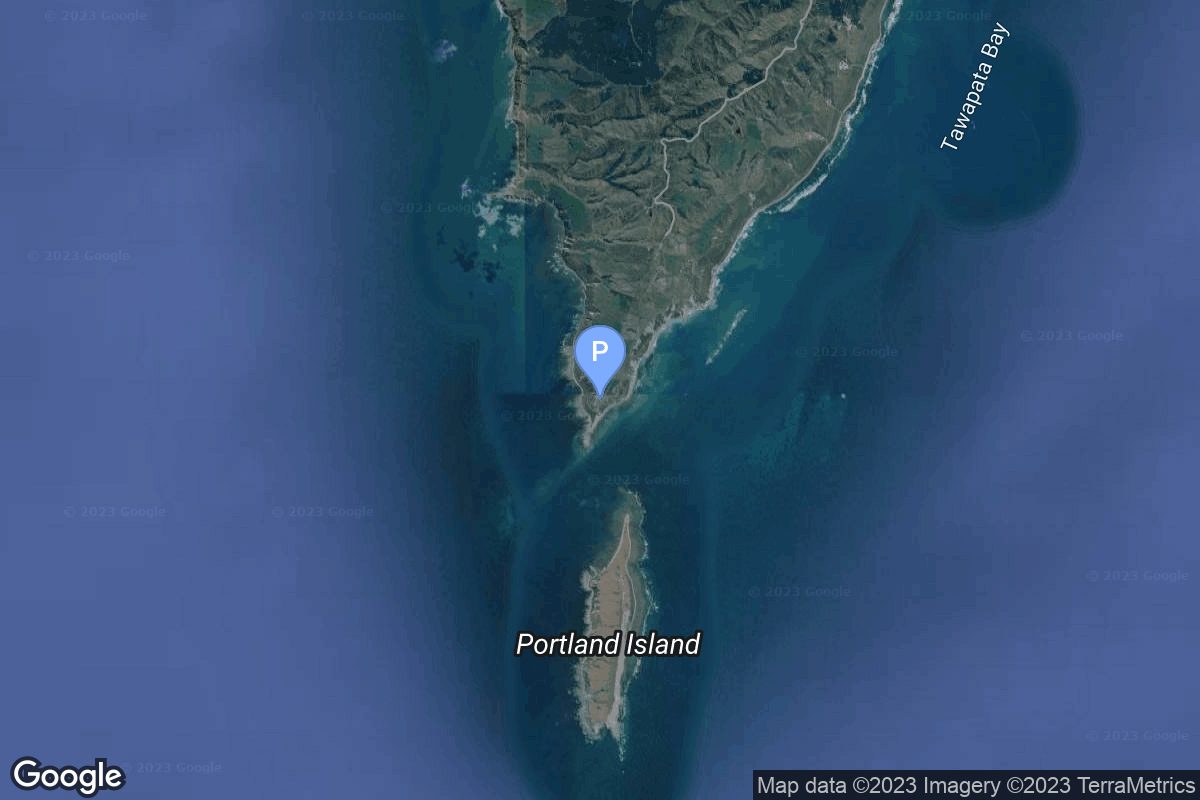
Rocket Lab Launch Complex 1, Mahia Peninsula, New Zealand
Total launches from this pad: 0
Vehicle: Electron
Electron is a two-stage orbital expendable launch vehicle (with an optional third stage) developed by the American aerospace company Rocket Lab. Electron is a small-lift launch vehicle designed to launch small satellites and cubesats to sun-synchronous orbit and low earth orbit. The Electron is the…
Robo Chris is a collection of API calls, filters, and searches, bolted together with magic and love. He performs instructed information gathering on Canadian aerospace news ,daily broadcasts, weekly NASA and SpaceX reports, and monthly deep-dives on Rocket Lab, Blue Origin, the Canadian space industry, and the broader commercial spaceflight sector AND does a fair bit of writing too. Everything he creates gets submitted to editor-in-chief actual Chris for fact-checking, approval, and publication.











Leave a Reply