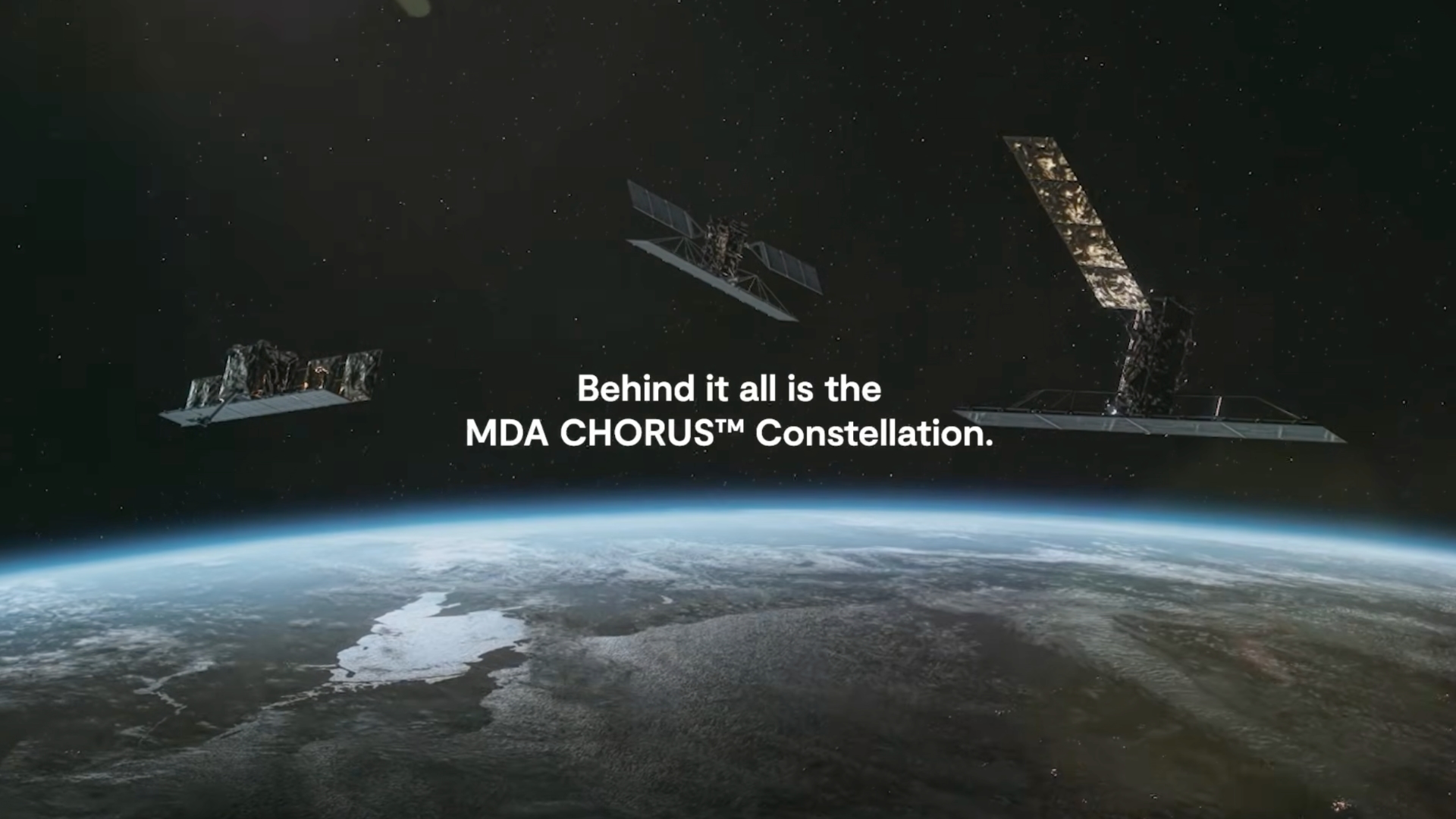
Czechoslovak Group (CSG), a Prague-based defence and industrial group, has paid about $656 million for a 9.5 per cent stake in MDA Space, and says it is now the Canadian company’s largest shareholder. CSG filed a Schedule 13D with the U.S. Securities and Exchange Commission on Wednesday.
The investment is CSG’s first major move into space. The group said it wants to be “a long-term strategic shareholder” and could work with MDA Space on manufacturing or assembly plants in Europe, on joint acquisitions, and by introducing MDA to CSG’s customers.
CSG set up the position on July 27 through a share forward with Morgan Stanley Europe. The contract could only be settled in cash until CSG obtained Investment Canada Act approval, which it received on Oct. 8. CSG acquired the 15.4 million shares outright on Oct. 13, paying an average of $42.69 each — about six per cent above MDA’s closing price the previous Friday.
Mike Greenley, MDA Space’s chief executive, welcomed the investment. “As countries around the world look to increase their sovereign defence and space investments, the expansion of MDA Space’s global investor network is a strategic tool for continued expansion of our business,” Greenley said, adding the company “continues to strengthen its investor and business partner base in Europe.”
Stanislav Kuba, CSG’s investment director, said the group approaches space “with a long-term industrial perspective and strict financial discipline.”
CSG is not the only Czech investor in MDA. PPF Group, controlled by Renata Kellnerová, reported holding 10.8 million MDA shares — 7.8 per cent — in a May filing. MDA has since sold 23 million new shares, which on its own dilutes that stake to about 6.7 per cent. On the latest filings, the two Czech groups own about 16 per cent of the company.
Kutryk Calls ISS Mission a Space-Industry Moment for Canada
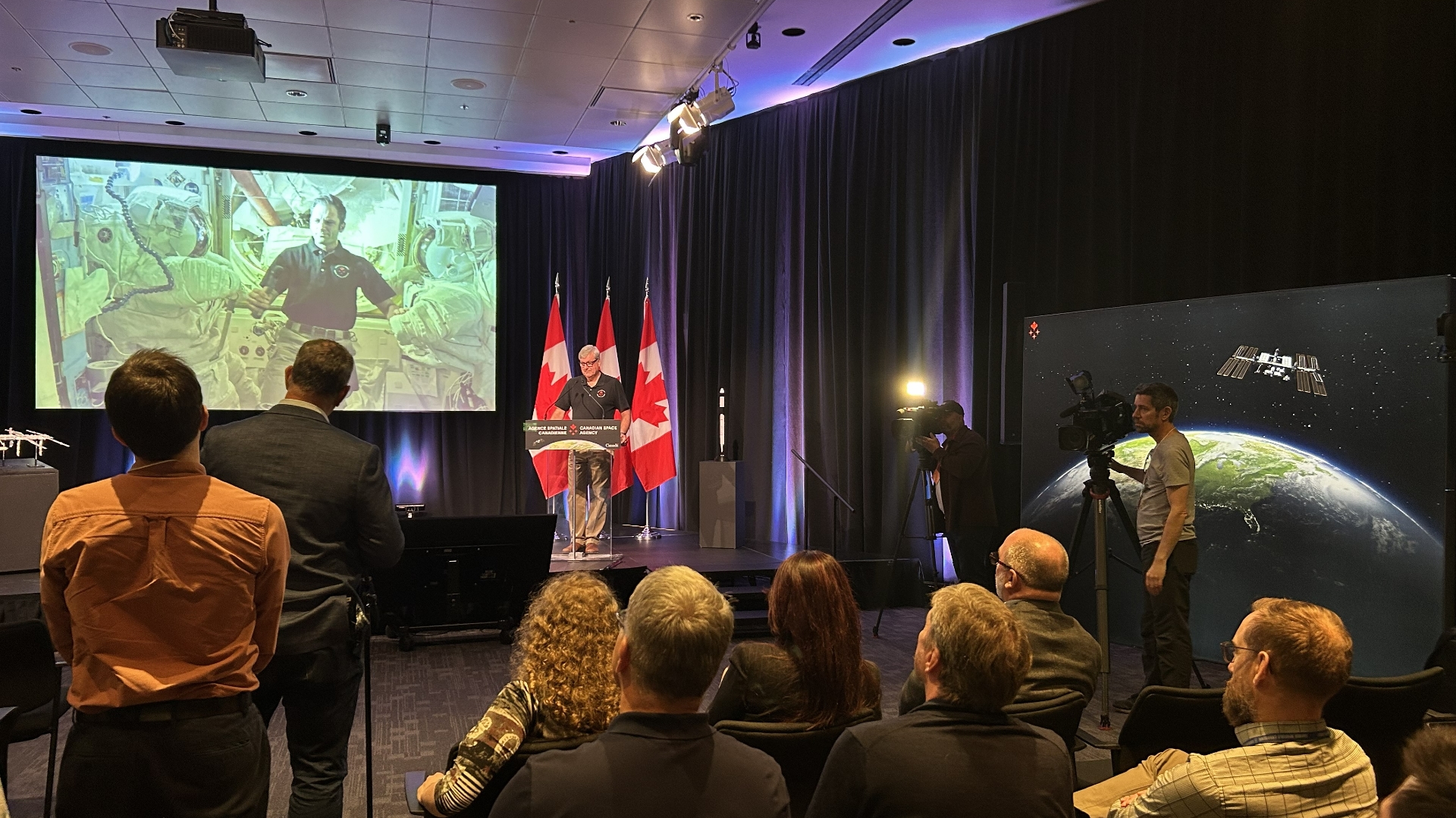
Canadian astronaut Josh Kutryk, speaking from the International Space Station during a news conference at the Canadian Space Agency headquarters in Longueuil, Que., on Tuesday, said his mission is important because “it puts industry and academia and commercial entities from Canada here with me, on that leading edge of space flight.”
Kutryk is the first CSA astronaut on the ISS in nearly seven years, since David Saint-Jacques completed his 2018-19 long-duration mission. He launched on Oct. 1 from Cape Canaveral, Fla., with SpaceX Crew-13, and is expected to remain for at least half a year.
“I hope people see it as testament to what Canada can do when we do certain things, when we’re bold with vision, when we’re a little bit ready to take risks,” Kutryk said, broadcasting near an airlock on the station with two EVA suits on either side of him.
Drawing on his Royal Canadian Air Force test-pilot background, Kutryk described the flight to orbit: “The first three minutes of flight are exhilarating, spectacular, powerful, violent. We accelerate so quickly. We’re through the speed of sound in the first minute, and then we settle down at about three and a half to four Gs for eight minutes. We cap out at, I think it was about eight kilometres a second.”
Just prior to Kutryk’s launch, Minister of Innovation, Science and Industry Mélanie Joly told SpaceQ that Canada is considering a new astronaut recruitment campaign and has secured a seat for CSA astronaut Jenni Gibbons, hired alongside Kutryk in 2017.
Ariane 6 Return to Flight No Earlier Than 23 November
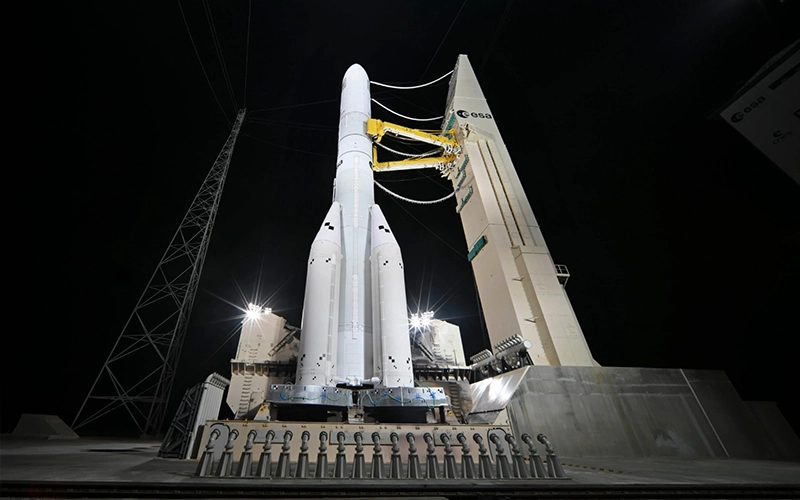
Arianespace announced the next Ariane 6 launch will take place no earlier than 23 November, marking the rocket’s return to flight after ground testing reportedly revealed an issue with one of its turbopumps.
The mission will carry 36 Amazon Leo satellites aboard an Ariane 64, the rocket’s four-booster configuration. It will be the fifth Ariane 6 flight of 2026 and the tenth since the rocket’s inaugural flight in July 2024.
The announcement follows a report from French newspaper La Tribune, published on Oct. 13, claiming ArianeGroup had resolved an anomaly affecting a liquid hydrogen turbopump. According to the report, the anomaly was first detected during an engine acceptance test shortly before the start of summer.
An ArianeGroup spokesperson declined to address the report directly, instead pointing to the newly announced launch date. “The next launch has been announced today, so the situation is on track,” the spokesperson said.
The mission had previously been targeted for launch no earlier than 7 October. The turbopump issue appears to have delayed the launch by almost seven weeks. Arianespace had been expected to conduct seven or eight Ariane 6 launches in 2026; with the return to flight now in late November, the company is unlikely to conduct more than one additional flight this year, bringing the expected total to six. The final Ariane 6 flight of 2026 is expected to carry the MetOp-SG-B1 weather satellite for EUMETSAT.
Arianespace is still targeting nine to ten Ariane 6 launches in 2027.
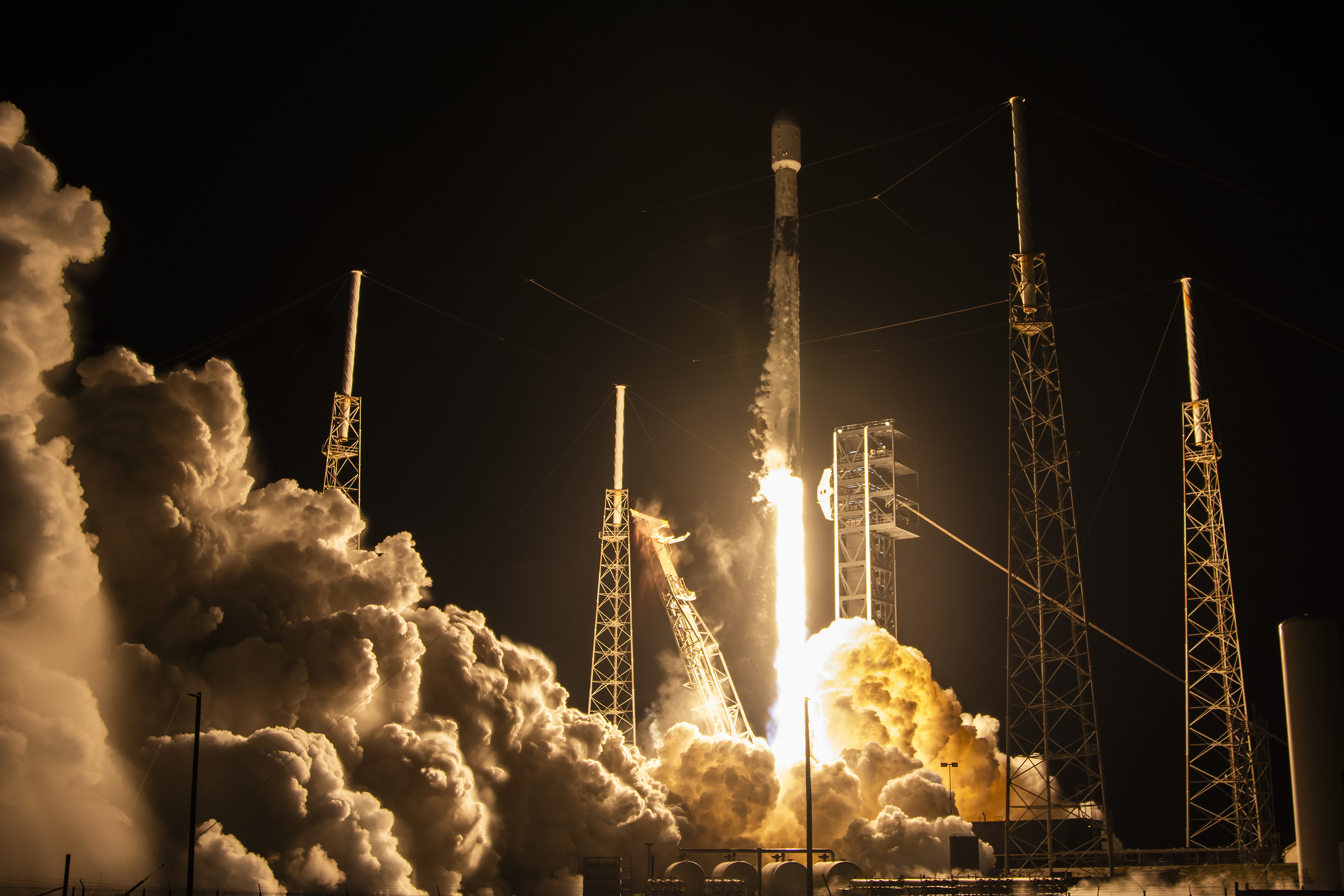
Provider: SpaceX Date: October 15, 2026 Time: 11:57 PM UTC Vehicle: Falcon 9
A classified mission for the United States Space Force. It is possibly a batch of classified LEO satellites based on SpaceX’s Starshield satellite bus, based on locations of ascent rocket stage drop zones being fits with previous SDA Transport Layer launches.
Bandwagon 5 (Dedicated Mid-Inclination Rideshare)
Provider: SpaceX Date: October 19, 2026 Time: 10:30 AM UTC Vehicle: Falcon 9
Dedicated rideshare flight to a mid-inclination orbit with dozens of small microsatellites and nanosatellites for commercial and government customers.
Martian Moons eXploration (MMX)
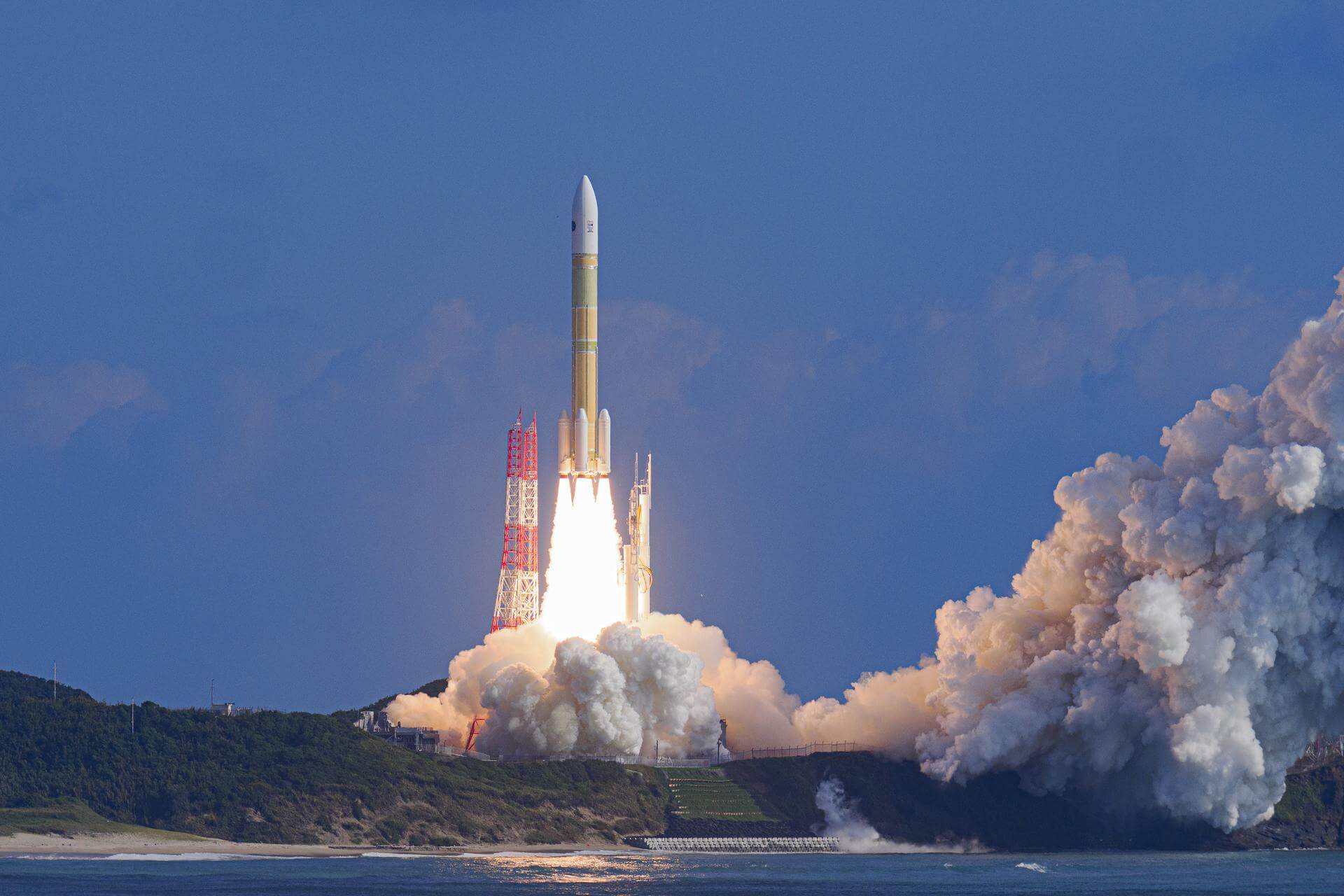
Provider: Mitsubishi Heavy Industries Date: October 19, 2026 Time: 7:41 PM UTC Vehicle: H3-24
MMX is a Japanese scientific mission to land on Phobos, one of the two moons of Mars, to collect samples before bringing them back to Earth.
The mission includes a small French/German rover to explore the surface of Phobos.
Starlink Group 15-15
Provider: SpaceX Date: October 20, 2026 Time: 10:14 PM UTC Vehicle: Falcon 9
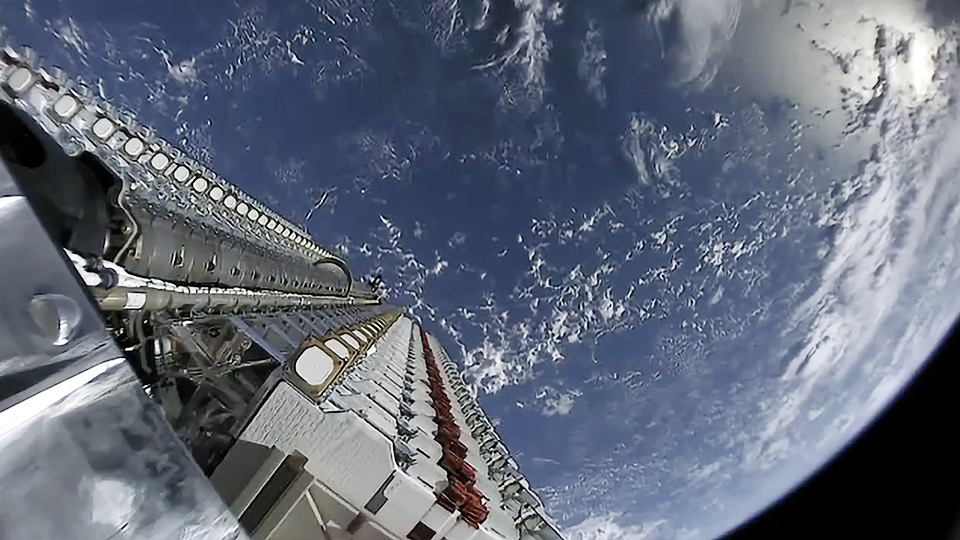
A batch of 27 satellites for the Starlink mega-constellation – SpaceX’s project for space-based Internet communication system.
We’re Not Hawking Around (3x HawkEye 360)
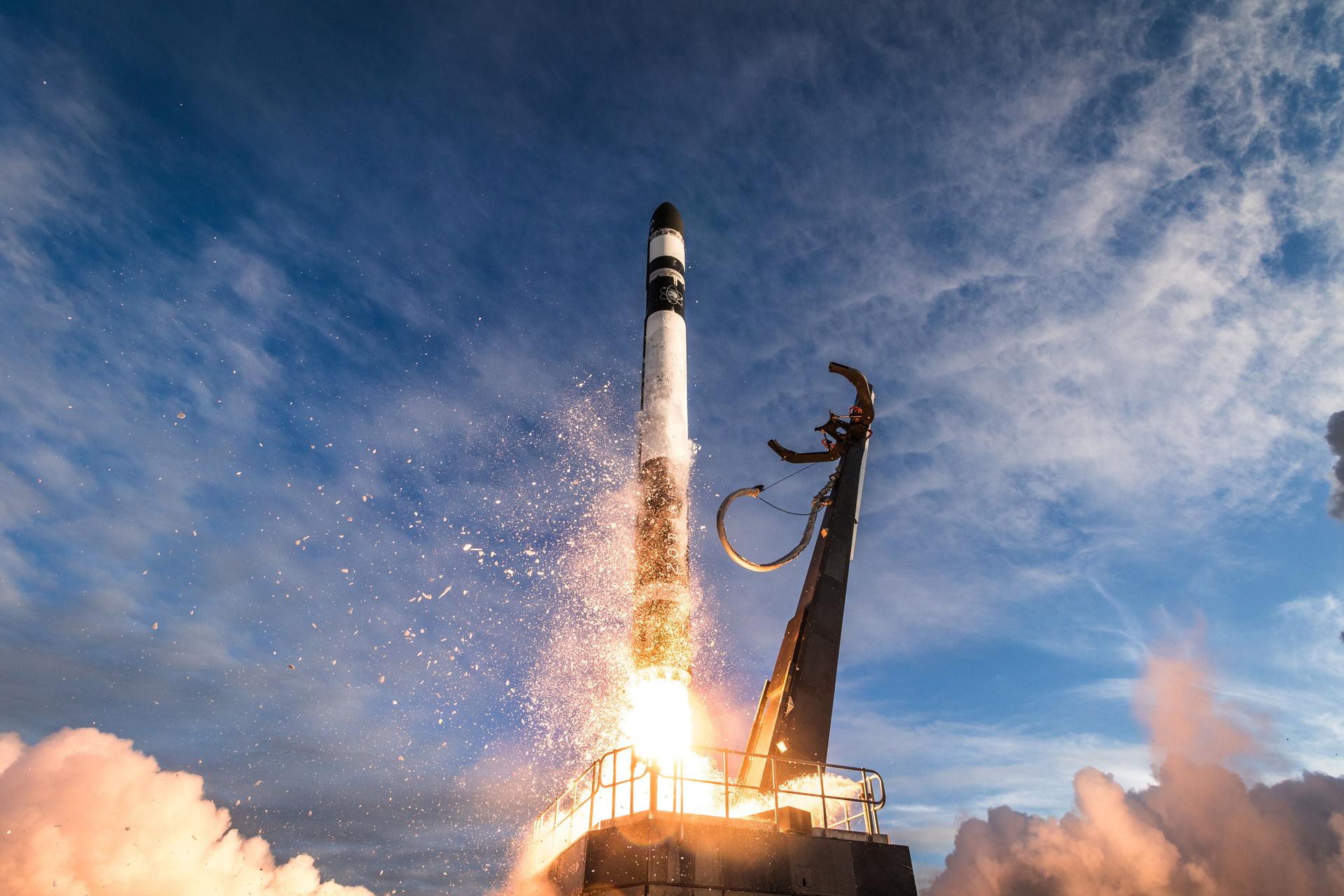
Provider: Rocket Lab Date: October 21, 2026 Time: 12:00 AM UTC Vehicle: Electron
HawkEye 360 is a a space-based civil global intelligence satellite network using radio frequency (RF) technology to help monitor transportation across air, land and sea and assist with emergencies, and to provide civil SIGINT (Signal Intelligence) mission.
The constellation of small satellites (named Hawk ) will collect information on specific radio signals worldwide to provide high-precision radio frequency mapping and analytics from Low Earth orbit (LEO).
USSF-481 ×
Mission Details
TypeGovernment/Top Secret
OrbitPolar Orbit
TargetEarth
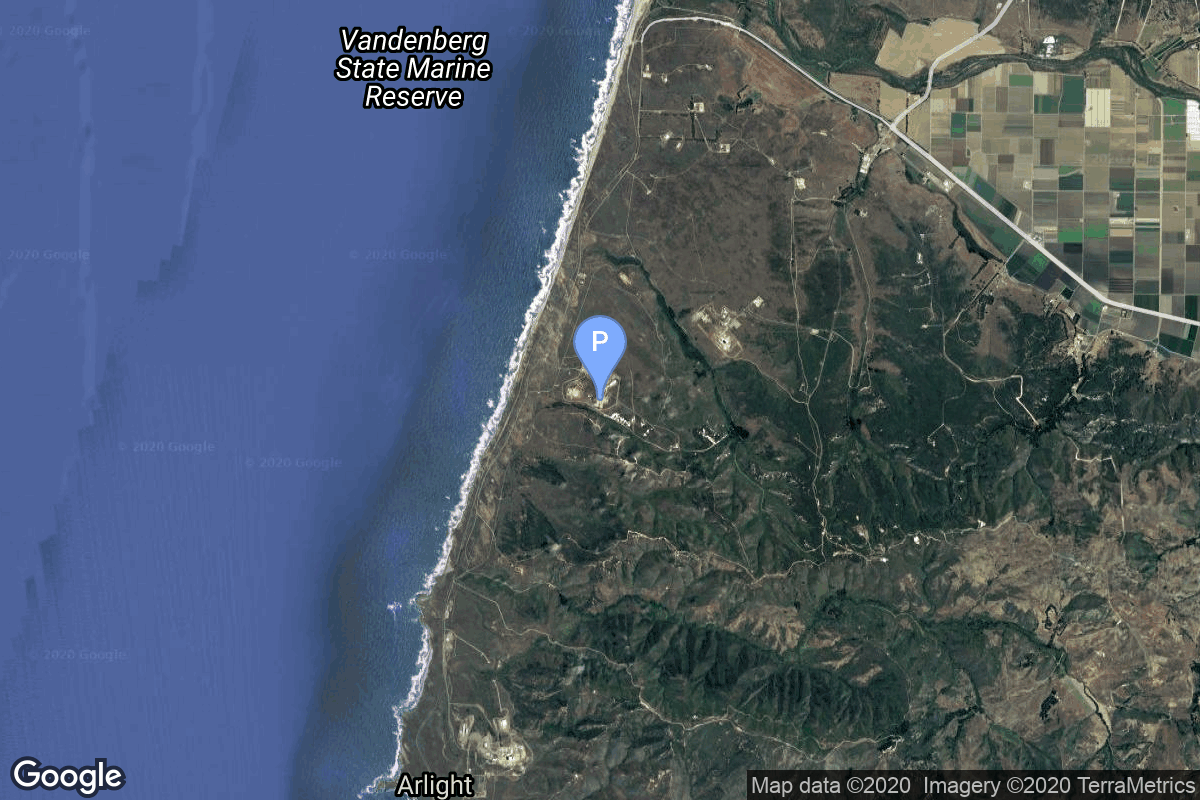
A classified mission for the United States Space Force. It is possibly a batch of classified LEO satellites based on SpaceX’s Starshield satellite bus, based on locations of ascent rocket stage drop zones being fits with previous SDA Transport Layer launches.
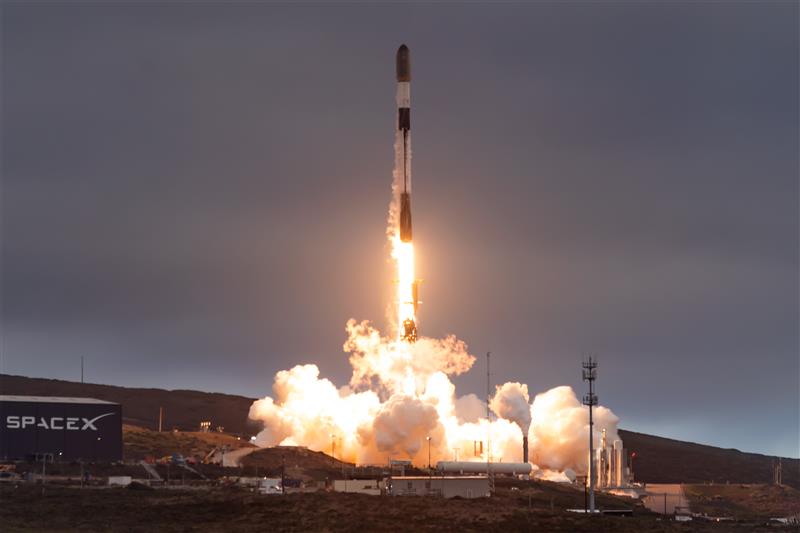
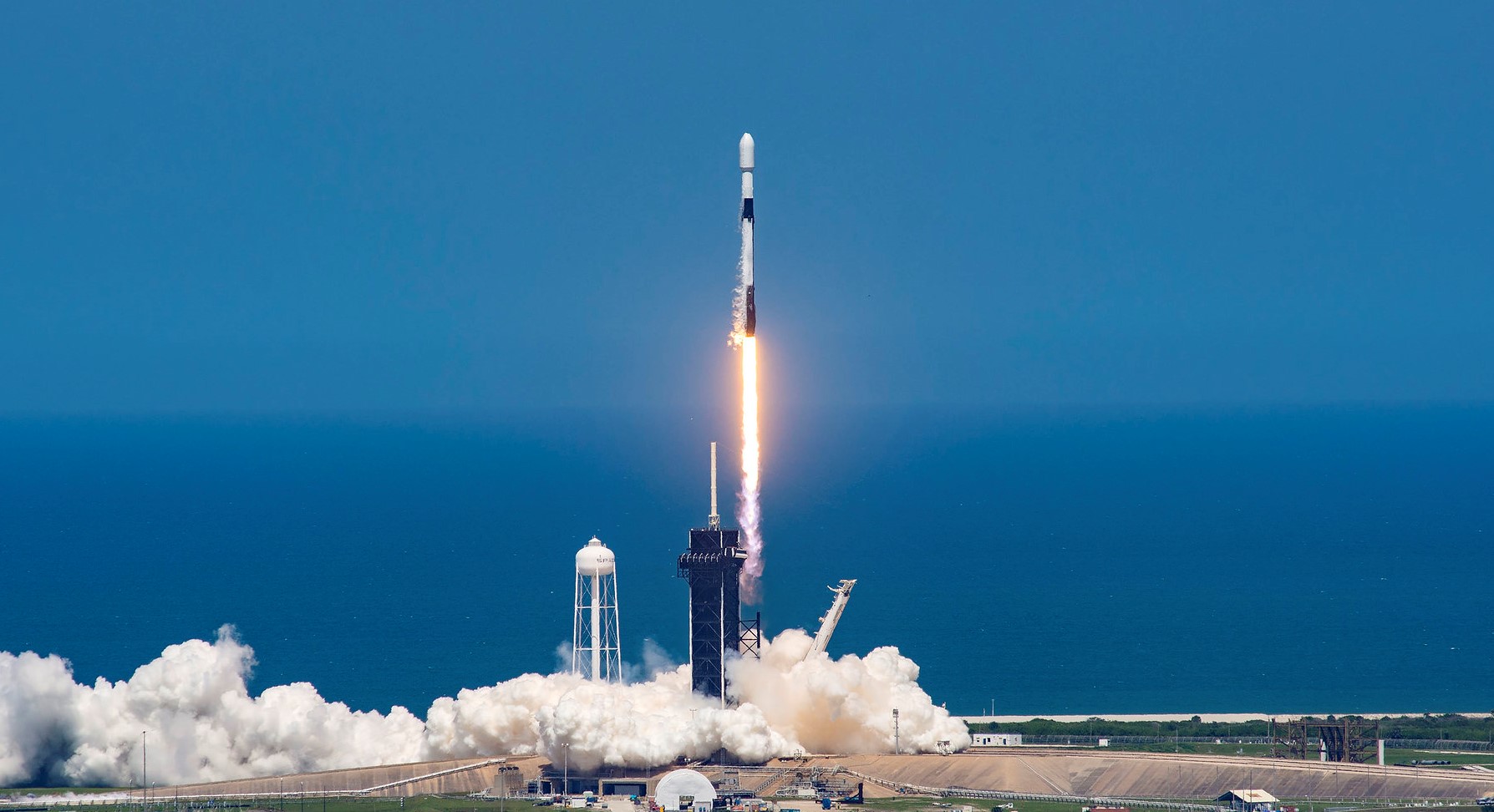
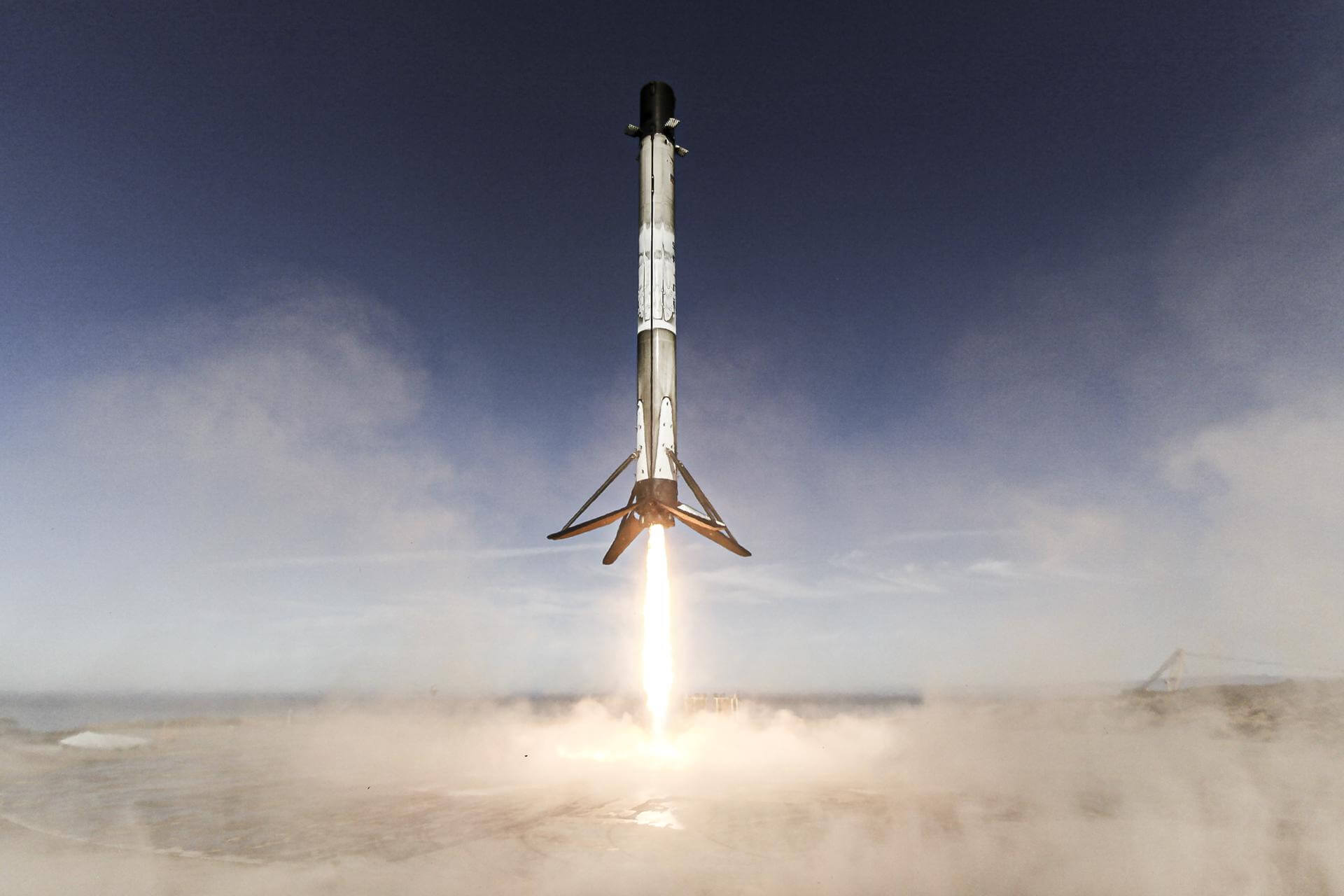
Falcon 9 is a two-stage rocket designed and manufactured by SpaceX for the reliable and safe transport of satellites and the Dragon spacecraft into orbit. The Block 5 variant is the fifth major interval aimed at improving upon the ability for rapid reusability.
Falcon 9 is a two-stage rocket designed and manufactured by SpaceX for the reliable and safe transport of satellites and the Dragon spacecraft into orbit. The Block 5 variant is the fifth major interval aimed at improving upon the ability for rapid reusability.
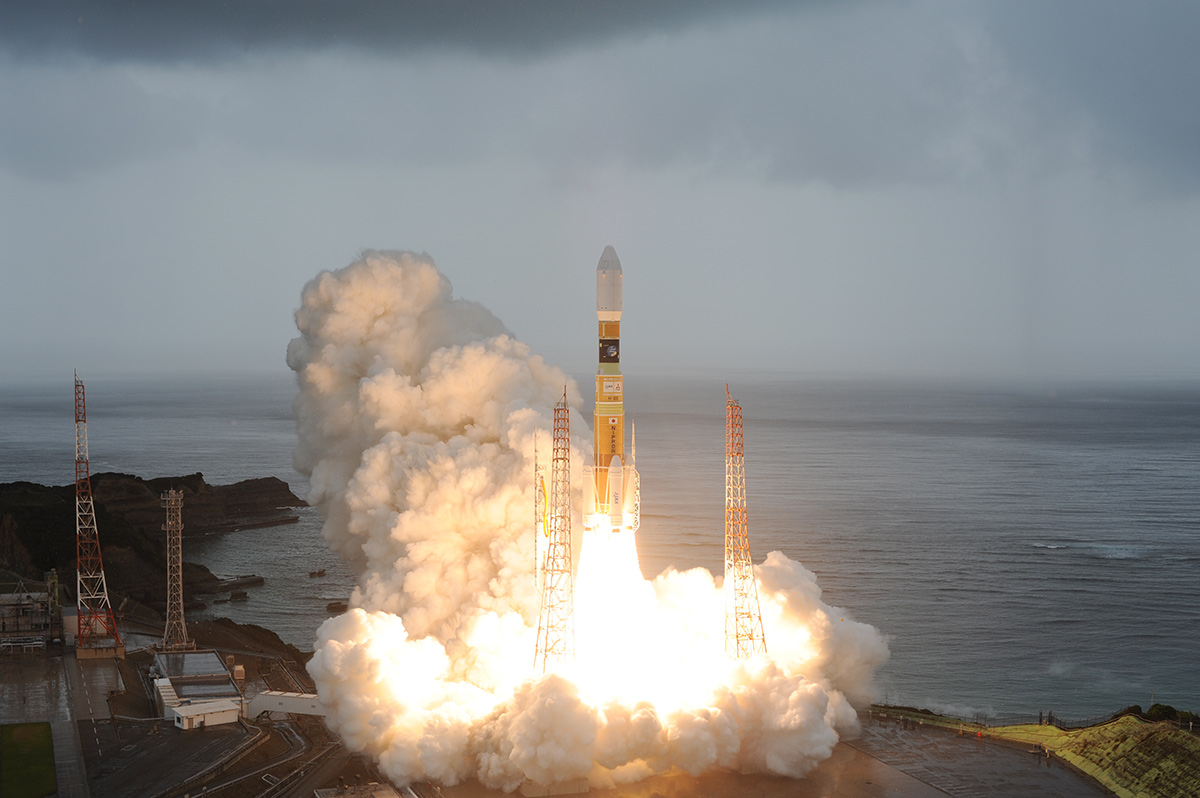
The H3 Launch Vehicle is a Japanese expendable launch system.
Each H3 booster configuration has a two-digit and a letter designation that indicates the features of that configuration. The first digit represents the number of LE-9 engines on the main stage, either “2” or “3”. The second digit…
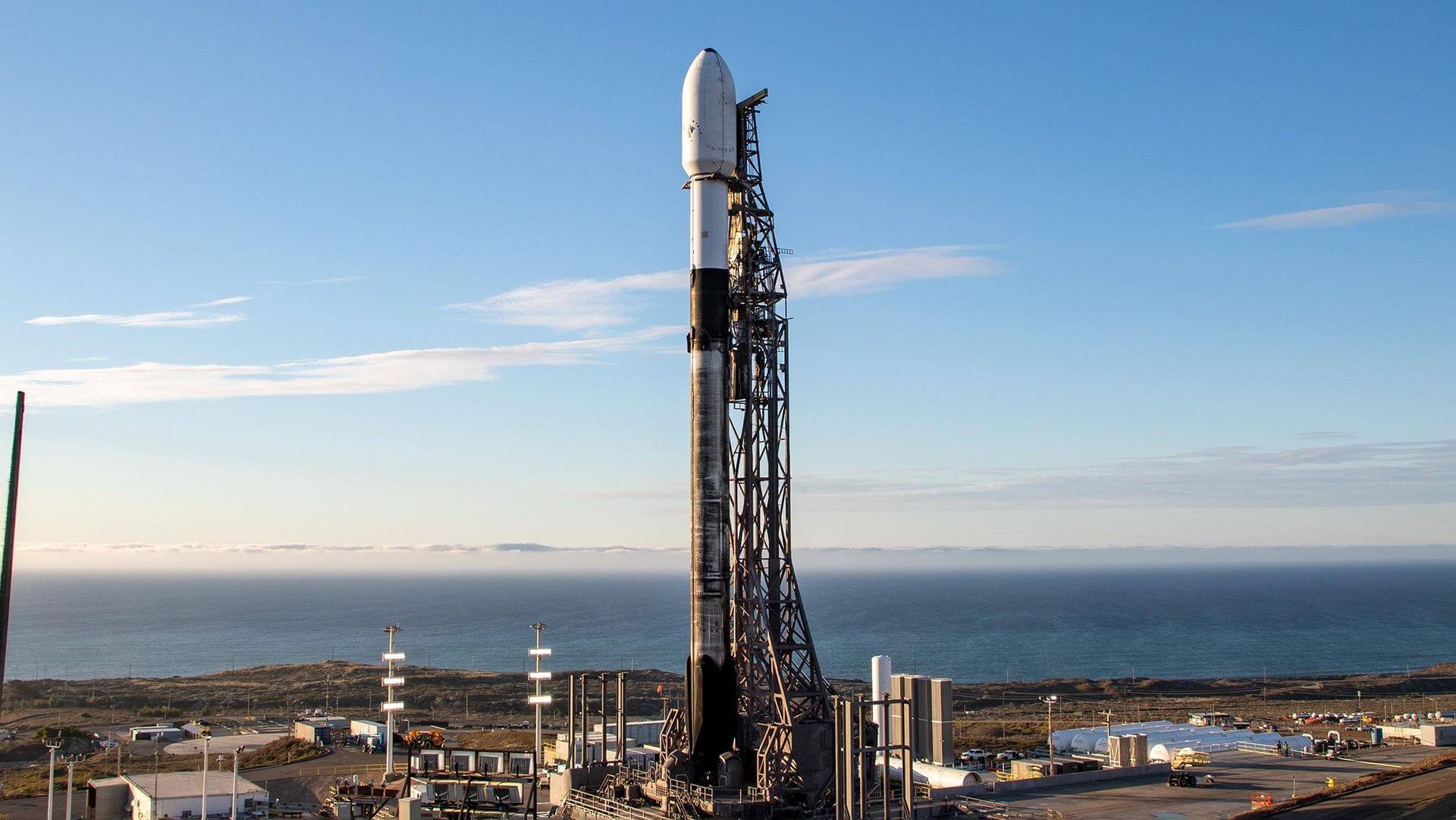
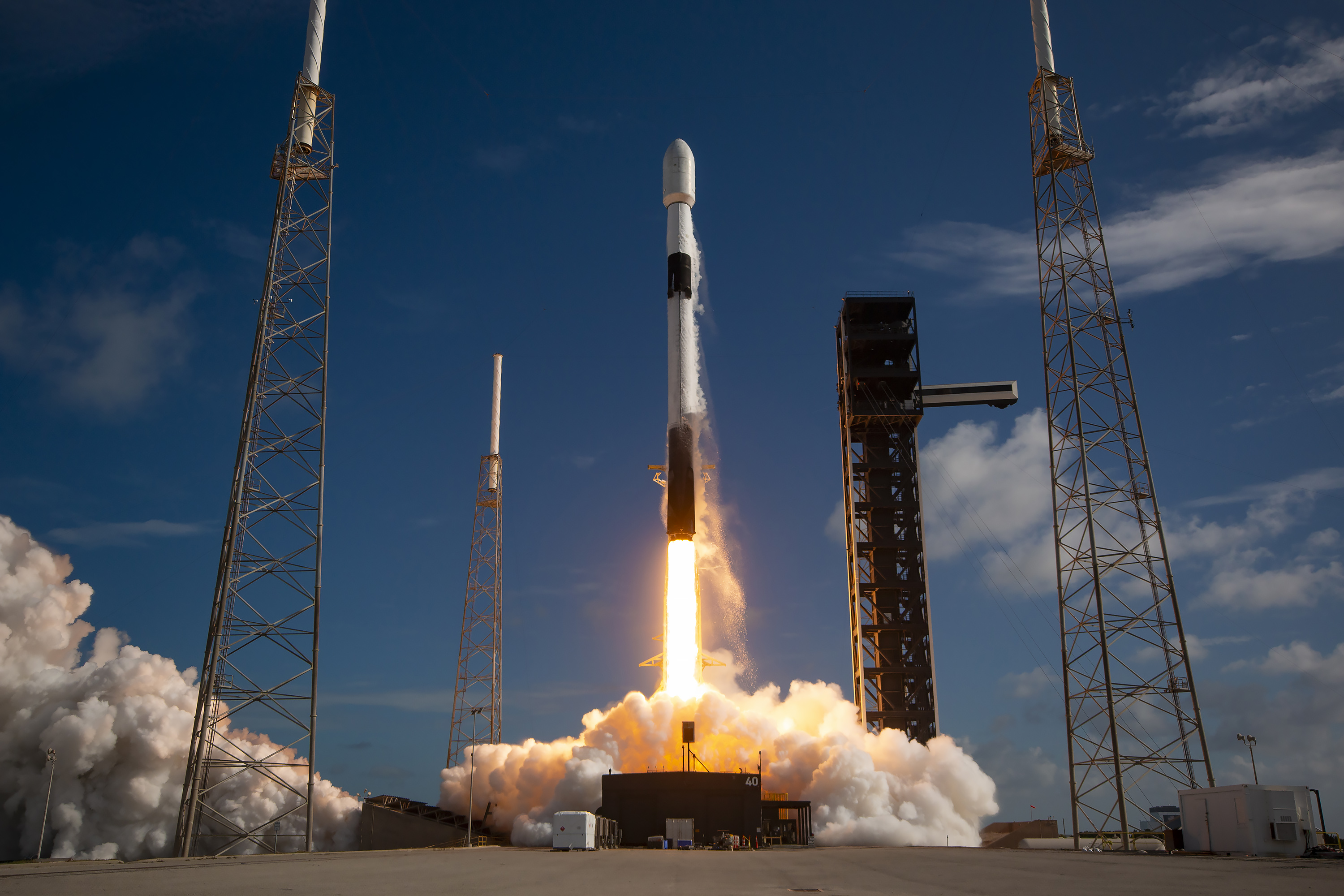
Falcon 9 is a two-stage rocket designed and manufactured by SpaceX for the reliable and safe transport of satellites and the Dragon spacecraft into orbit. The Block 5 variant is the fifth major interval aimed at improving upon the ability for rapid reusability.
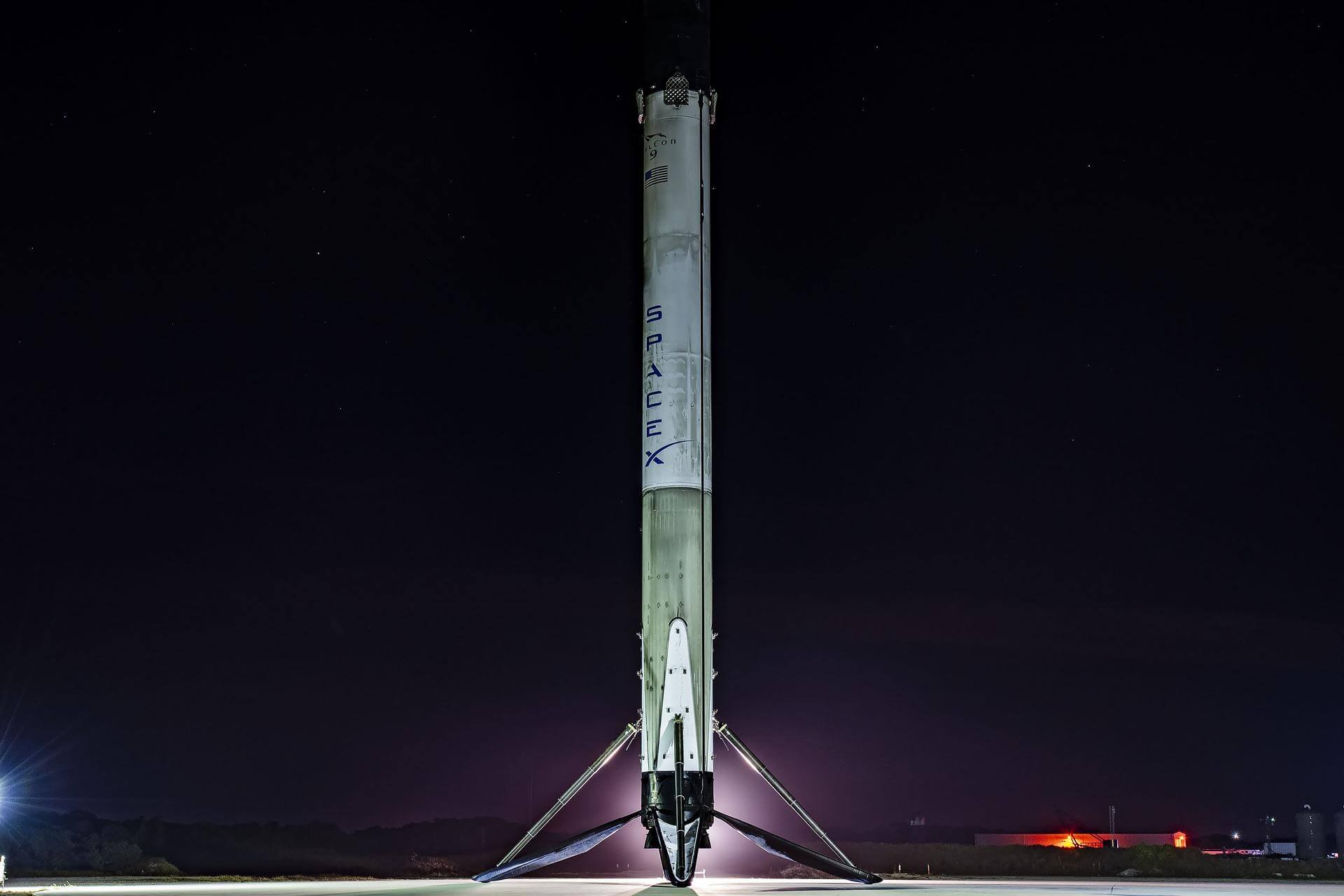
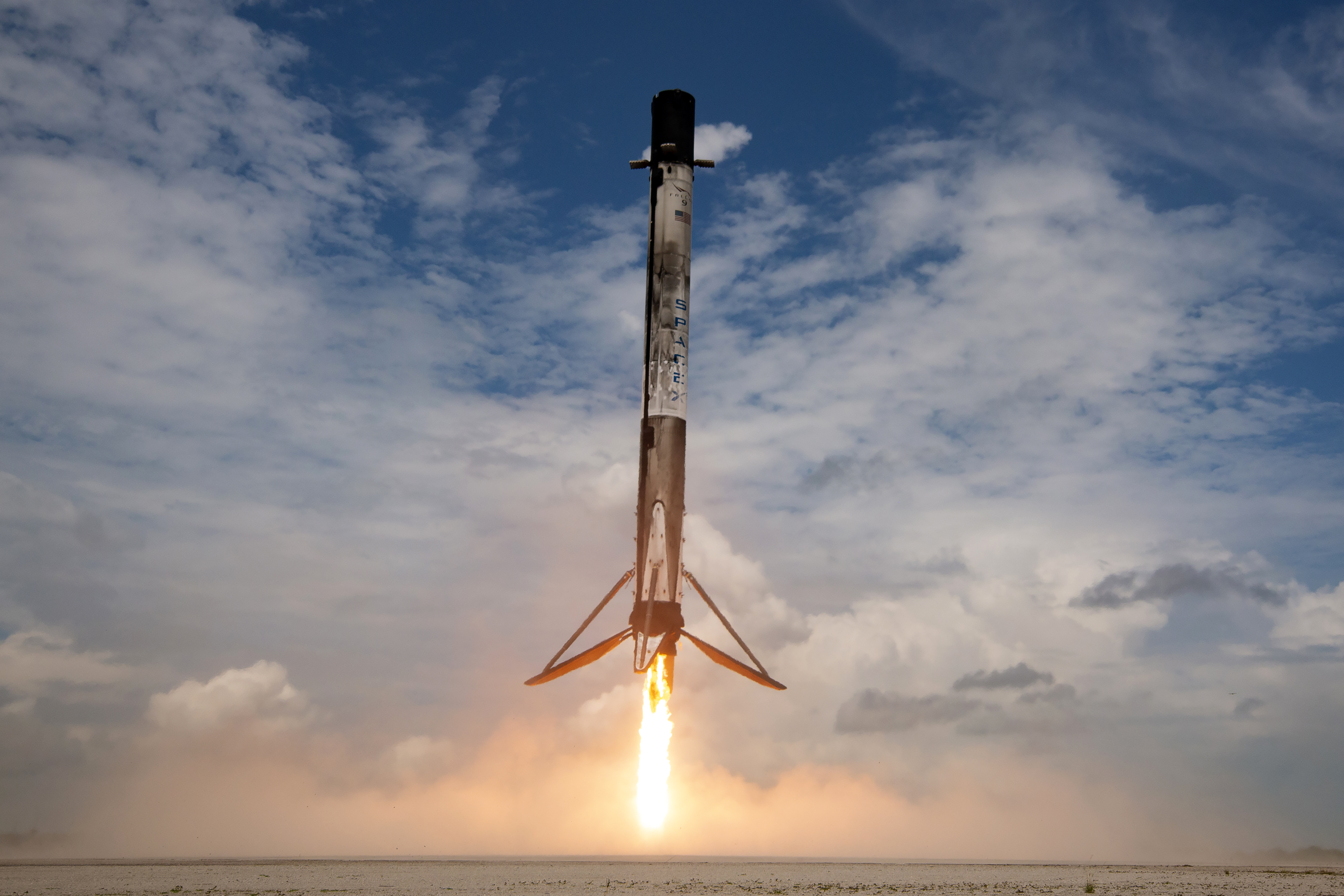
The Falcon 9 first stage B1063 will land on ASDS OCISLY after its 36th flight.
We’re Not Hawking Around (3x HawkEye 360) ×
Mission Details
TypeEarth Science
OrbitSun-Synchronous Orbit
TargetEarth
HawkEye 360 is a a space-based civil global intelligence satellite network using radio frequency (RF) technology to help monitor transportation across air, land and sea and assist with emergencies, and to provide civil SIGINT (Signal Intelligence) mission.
The constellation of small satellites (named Hawk ) will collect information on specific radio signals worldwide to provide high-precision radio frequency mapping and analytics from Low Earth orbit (LEO).
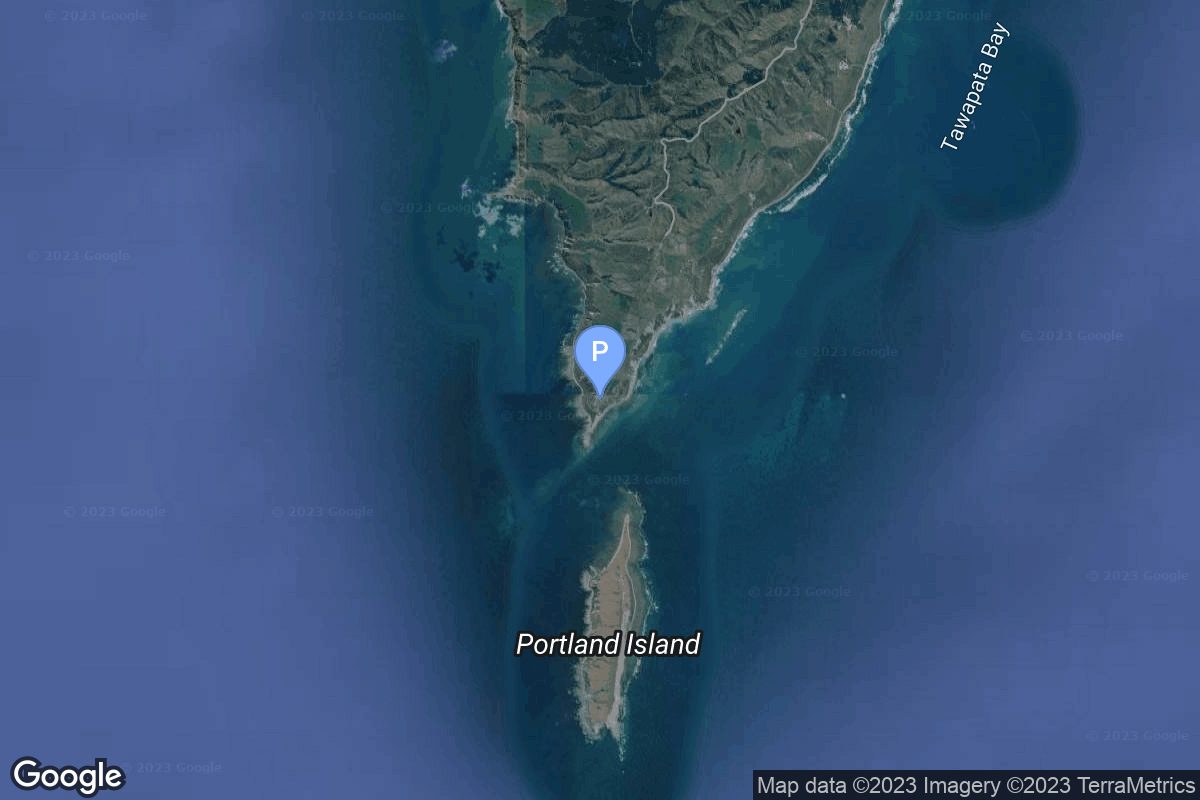
Rocket Lab Launch Complex 1, Mahia Peninsula, New Zealand
Total launches from this pad: 0
Vehicle: Electron
Electron is a two-stage orbital expendable launch vehicle (with an optional third stage) developed by the American aerospace company Rocket Lab. Electron is a small-lift launch vehicle designed to launch small satellites and cubesats to sun-synchronous orbit and low earth orbit. The Electron is the…
Robo Chris is a collection of API calls, filters, and searches, bolted together with magic and love. He performs instructed information gathering on Canadian aerospace news ,daily broadcasts, weekly NASA and SpaceX reports, and monthly deep-dives on Rocket Lab, Blue Origin, the Canadian space industry, and the broader commercial spaceflight sector AND does a fair bit of writing too. Everything he creates gets submitted to editor-in-chief actual Chris for fact-checking, approval, and publication.







Leave a Reply