CSA Weighs New Astronaut Selection After Gibbons Mission
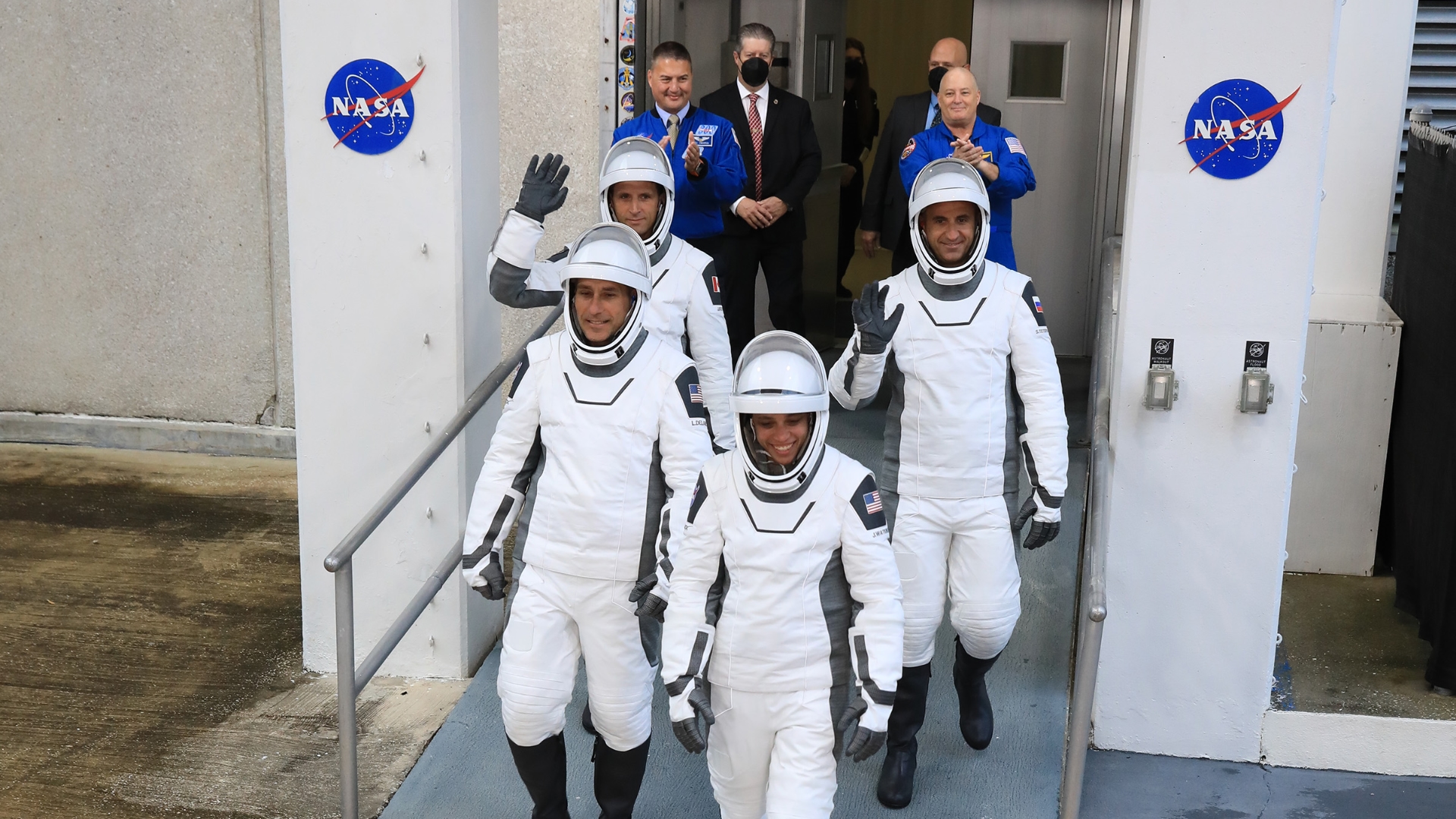
Canada is considering a new astronaut recruitment, according to Minister of Industry Mélanie Joly, the minister responsible for the Canadian Space Agency. The announcement comes as astronaut Jenni Gibbons is assigned to a mission and Josh Kutryk has just returned from his flight to the International Space Station.
Joly did not give an exact timeline in an interview with SpaceQ, but said she is “hopeful to see measurable progress on both Gibbons’ mission and the astronaut selection in the next year.” An astronaut selection in 2027 or shortly after would roughly match the CSA’s historical pace — past recruitment campaigns took place in 1983, 1992, 2009 and 2017.
“We want to be able to have Jenni participate, be able to send her to space, and not to have to wait four years to do so,” Joly said. That four-year window refers to the nominal timeline for putting another Canadian astronaut on the ISS in 2030. The CSA’s roughly 2.3% contribution to the ISS partnership allows for flight slots about every six years at current rates. Chris Hadfield flew in 2012–13 and David Saint-Jacques in 2018–19. Kutryk, who launched on SpaceX Crew-13 on Oct. 1, was initially expected to fly in 2024 aboard Boeing Starliner before delays to that program pushed his flight back.
The CSA currently has three active astronauts: Saint-Jacques from the 2009 selection, and Gibbons and Kutryk from 2017. Jeremy Hansen, also selected in 2009, recently retired. Gibbons previously served as Artemis 2 backup to Hansen and its lunar capcom, and is now lead capcom for Artemis 3, launching NET 2027. That role may signal a future opportunity for the CSA in the Artemis program, which initially would have included at least two slots for Canadian astronauts based on the agency’s funding of the MDA Space-built Canadarm3 for the Gateway station. NASA paused Gateway indefinitely in March in favour of a Moon Base, though the Canadarm3 contract with MDA Space continues and the CSA is in negotiations with NASA on how Moon Base contributions would work.
Space Apps Challenge Grows to 19 Canadian Sites
The CSA will again provide mentors for the 15th edition of the NASA Space Apps Challenge on Nov. 14 and 15, when 19 Canadian sites — up from 16 last year — join the two-day global hackathon. Sites range from St. John’s to Vancouver, including smaller centres such as Gravenhurst, Ont., and Kamloops, B.C. Teams can join in person or online, and the agency says everyone is welcome regardless of age or technical expertise.
Teams work with open data from the CSA, NASA and other partner space agencies on science, design and communication challenges. This year’s theme is “The Next Frontier,” and NASA says the challenges will advance human exploration of the Moon, Mars and beyond. Full challenge statements are due Oct. 28.
Canadian teams have had strong results. Two of the 10 global winners in 2024 were Canadian: WMPGang, a Waterloo team, took Best Use of Science for SkyShield, a web app identifying near-Earth object threats and satellite collision risks. Asteroid Destroyer, a University of Regina student team competing in Saskatoon, won Global Connection for a machine-learning project mapping exoplanets for the planned Habitable Worlds Observatory. “None of us had any experience with web development,” team member Ian Chow said. “But we managed to build a genuinely useful app, in under two days, starting from scratch with almost no prior knowledge of web development.” No Canadian team made the 2025 list of global winners.
Solar Orbiter Traces Switchbacks to the Sun’s Surface
The European Space Agency-led Solar Orbiter spacecraft has flown through an S-shaped kink known as a “switchback” in the solar wind’s magnetic field, tracing its origin back to the Sun’s surface and revealing more about solar magnetism — the instigator of dangerous solar storms.
The Sun’s magnetic field is dragged outward along field lines by the solar wind, a continuous stream of hot charged particles, or plasma, pouring from the Sun into space. These field lines can twist, snap, or fold back on themselves during their journey through the Solar System. In 2022, Solar Orbiter spotted one such kink and confirmed it to be S-shaped — something scientists had predicted but not directly observed. Scientists are still debating how switchbacks form, and the latest observation adds new detail by fingerprinting the particles within the switchback to trace its origin.
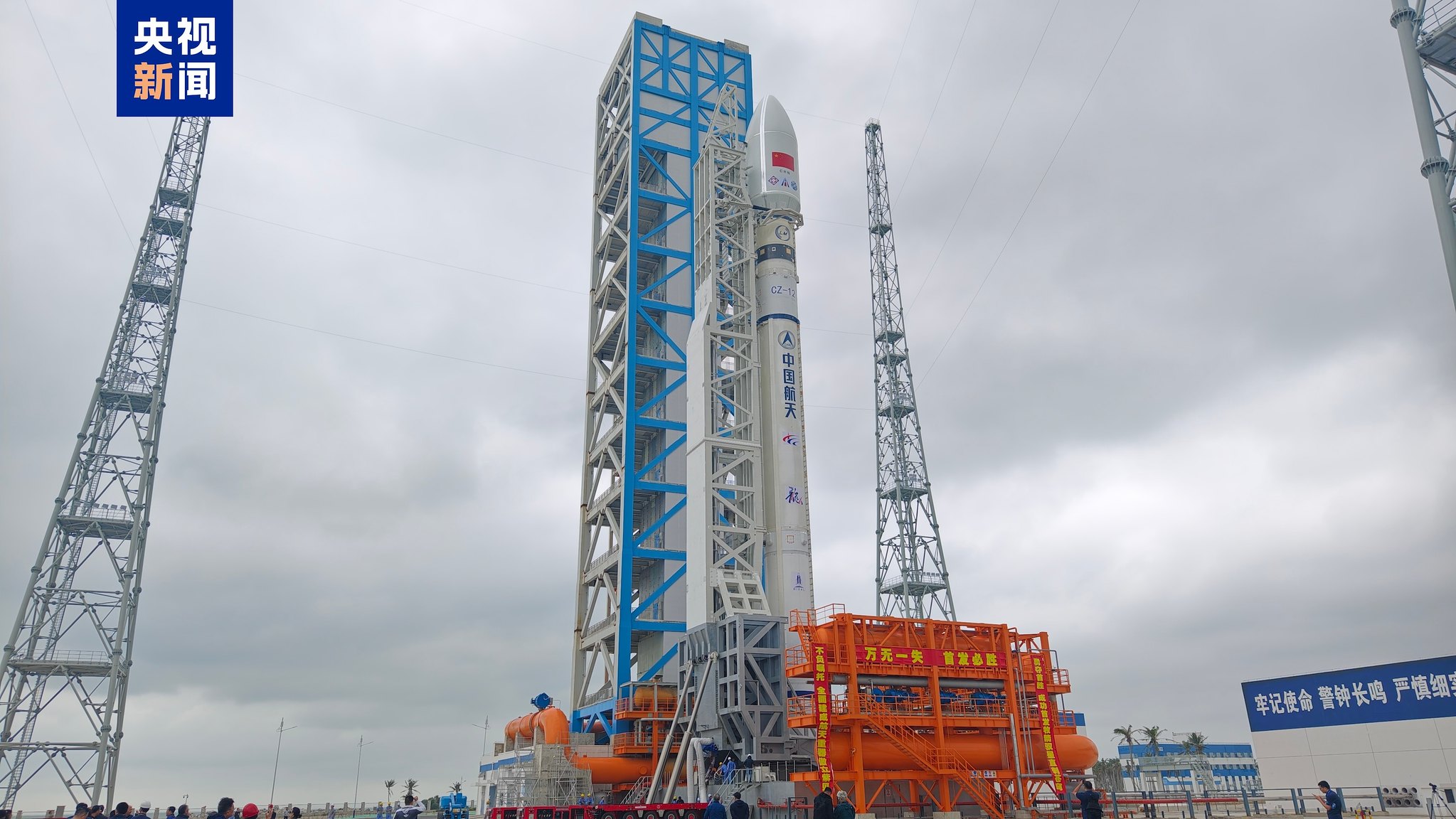
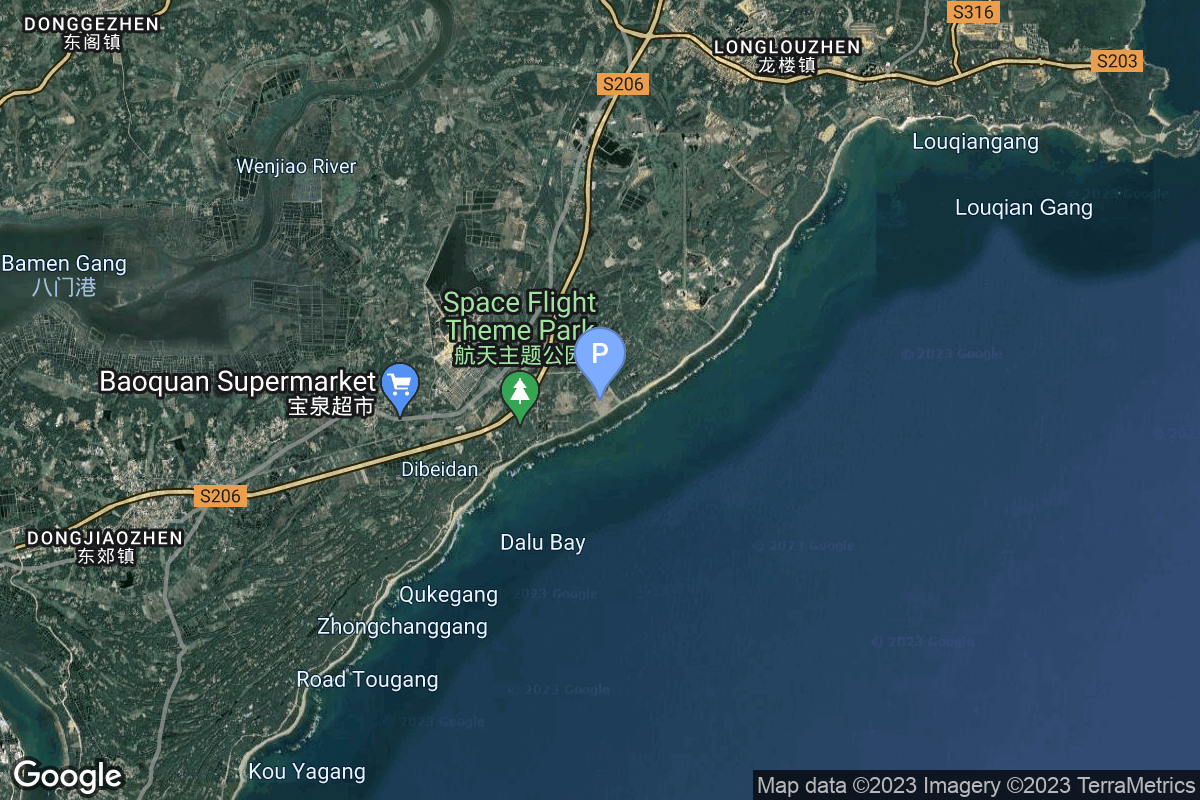
Provider: China Aerospace Science and Technology Corporation Date: October 9, 2026 Time: 7:25 PM UTC Vehicle: Long March 12
Details TBD.
SDA Tranche 1 Transport Layer A
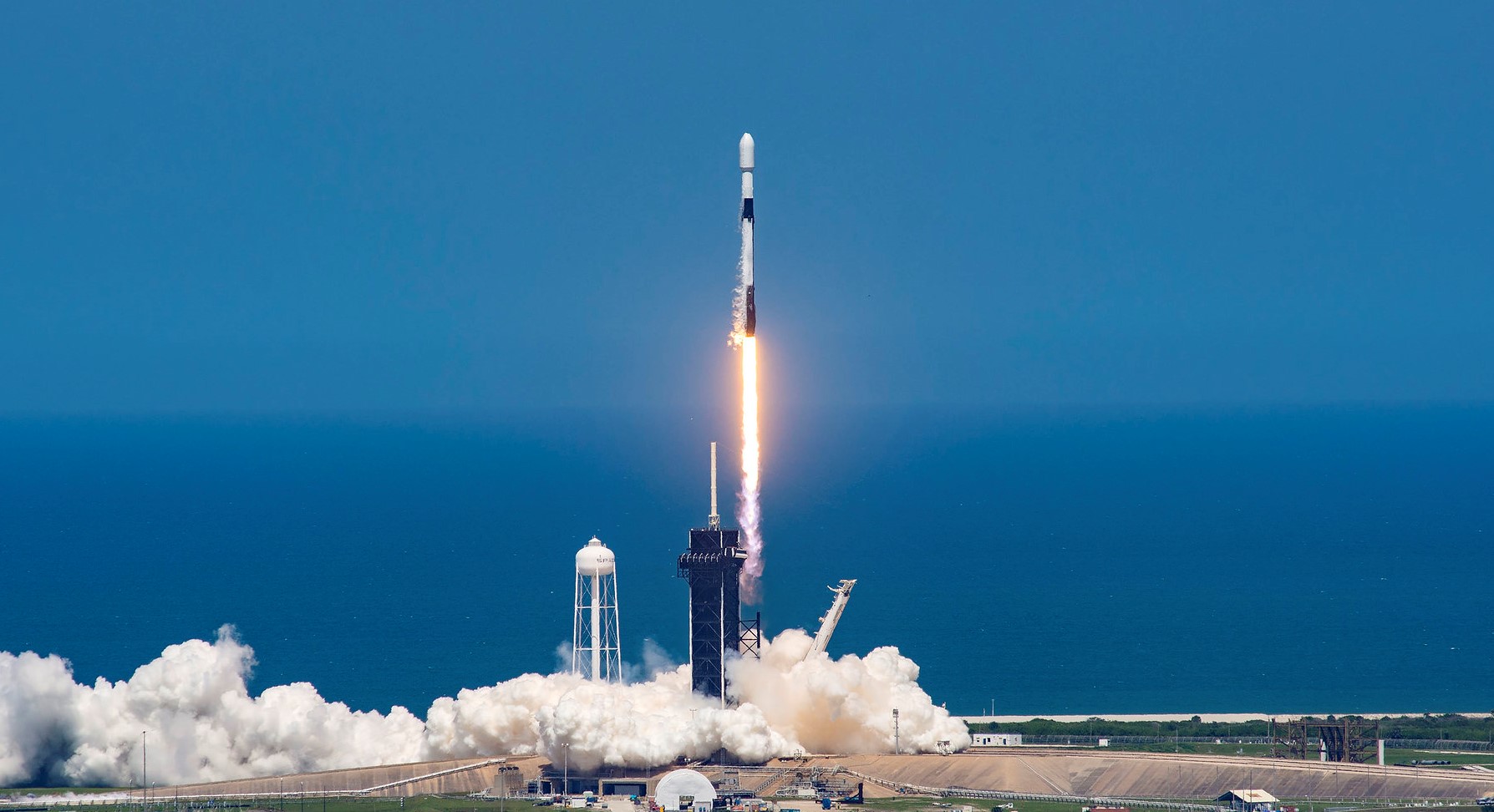
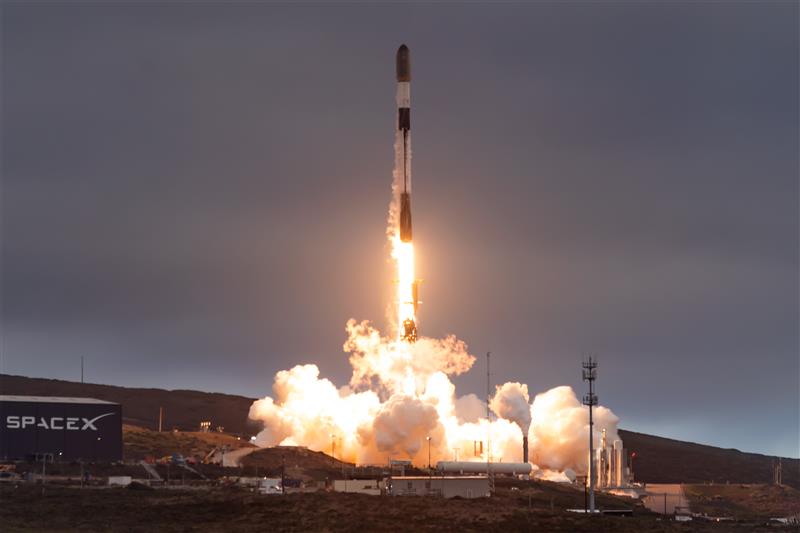
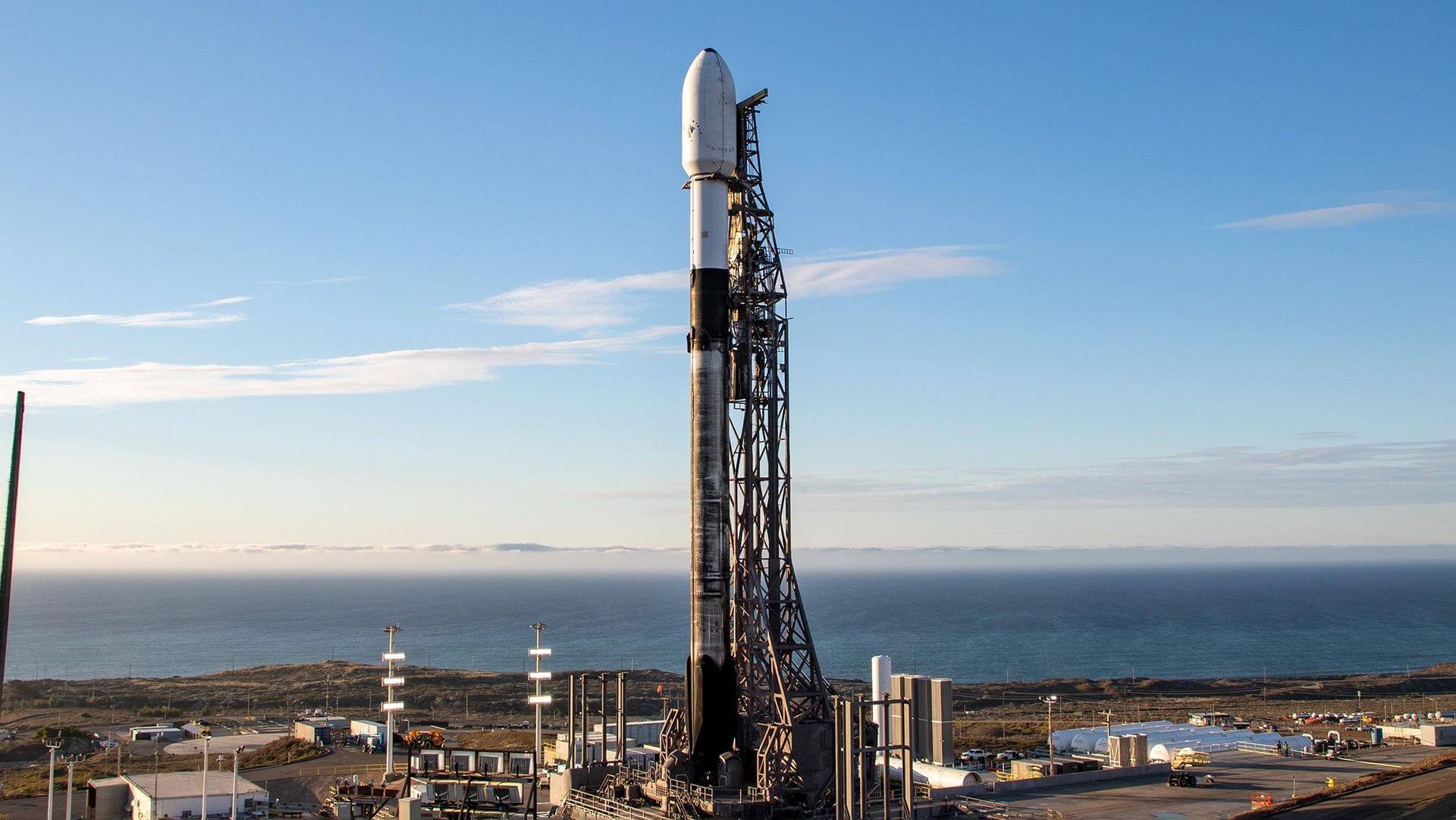
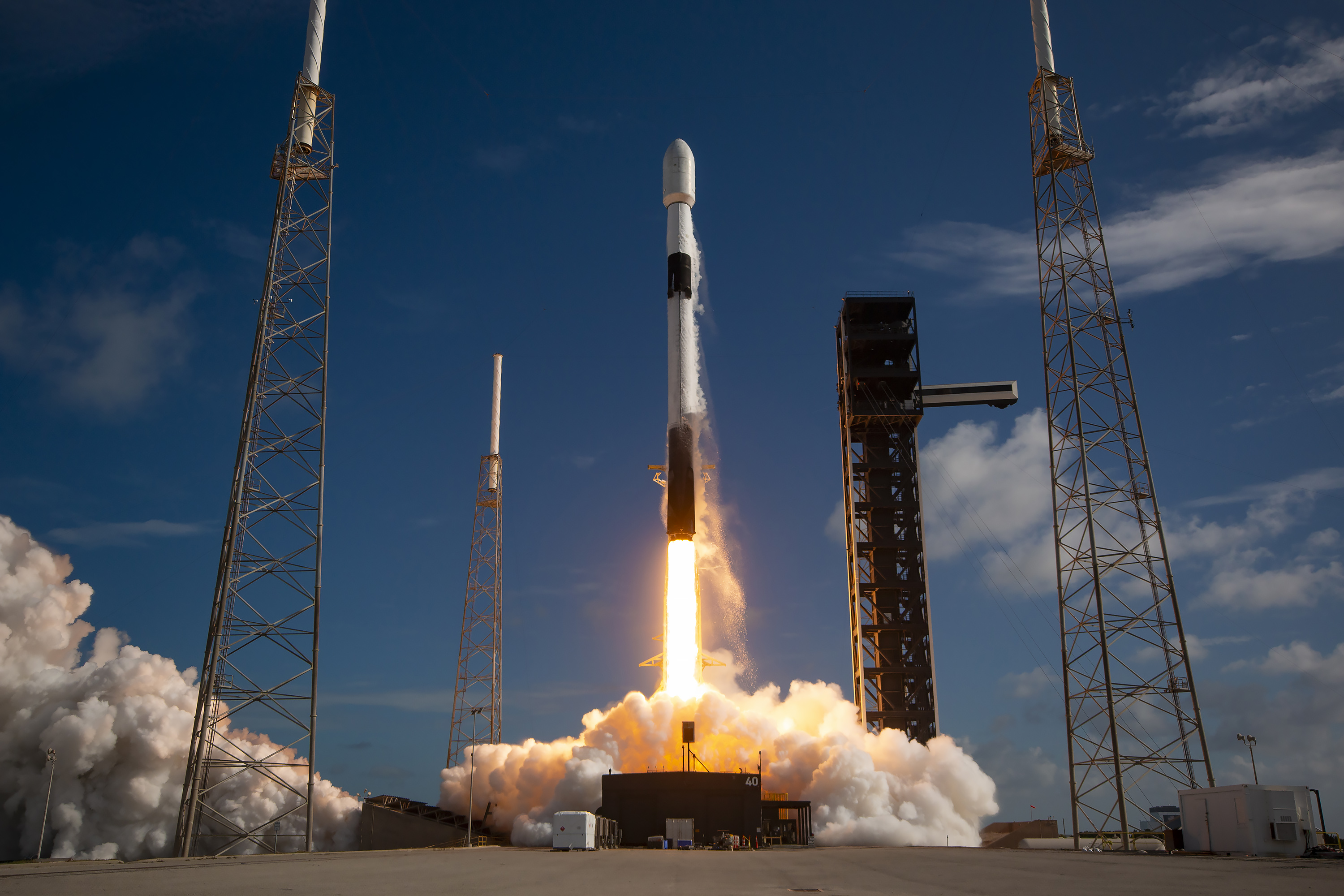
Provider: SpaceX Date: October 10, 2026 Time: 7:29 AM UTC Vehicle: Falcon 9
Tranche 1 Transport Layer A is one of six missions by the United States Space Force Space Development Agency (SDA) for the Proliferated Warfighter Space Architecture (PWSA) Tranche 1 Transport Layer constellation, which will provide assured, resilient, low-latency military data and connectivity worldwide to the full range of warfighter platforms from Low Earth Orbit satellites.
The constellation will be interconnected with Optical Inter-Satellite Links (OISLs) which have significantly increased performance over existing radio frequency crosslinks. It is expected to operate over Ka band, have stereo coverage and be dynamically networked for simpler hand-offs, greater bandwidth and fault tolerance.
This launch carries 21 satellites manufactured by Northrop Grumman.
Starlink Group 15-25
Provider: SpaceX Date: October 11, 2026 Time: 11:00 PM UTC Vehicle: Falcon 9
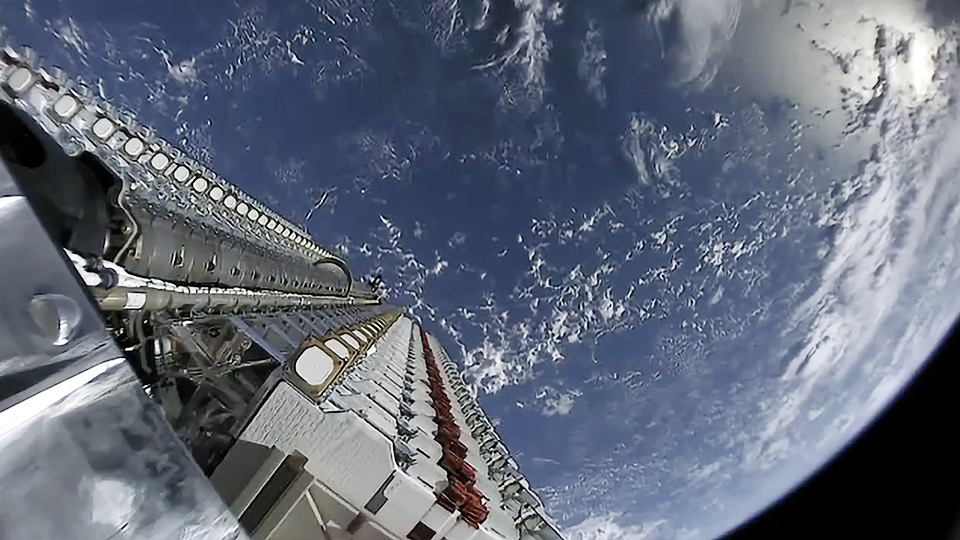
A batch of 27 satellites for the Starlink mega-constellation – SpaceX’s project for space-based Internet communication system.
Dragon CRS-2 SpX-35
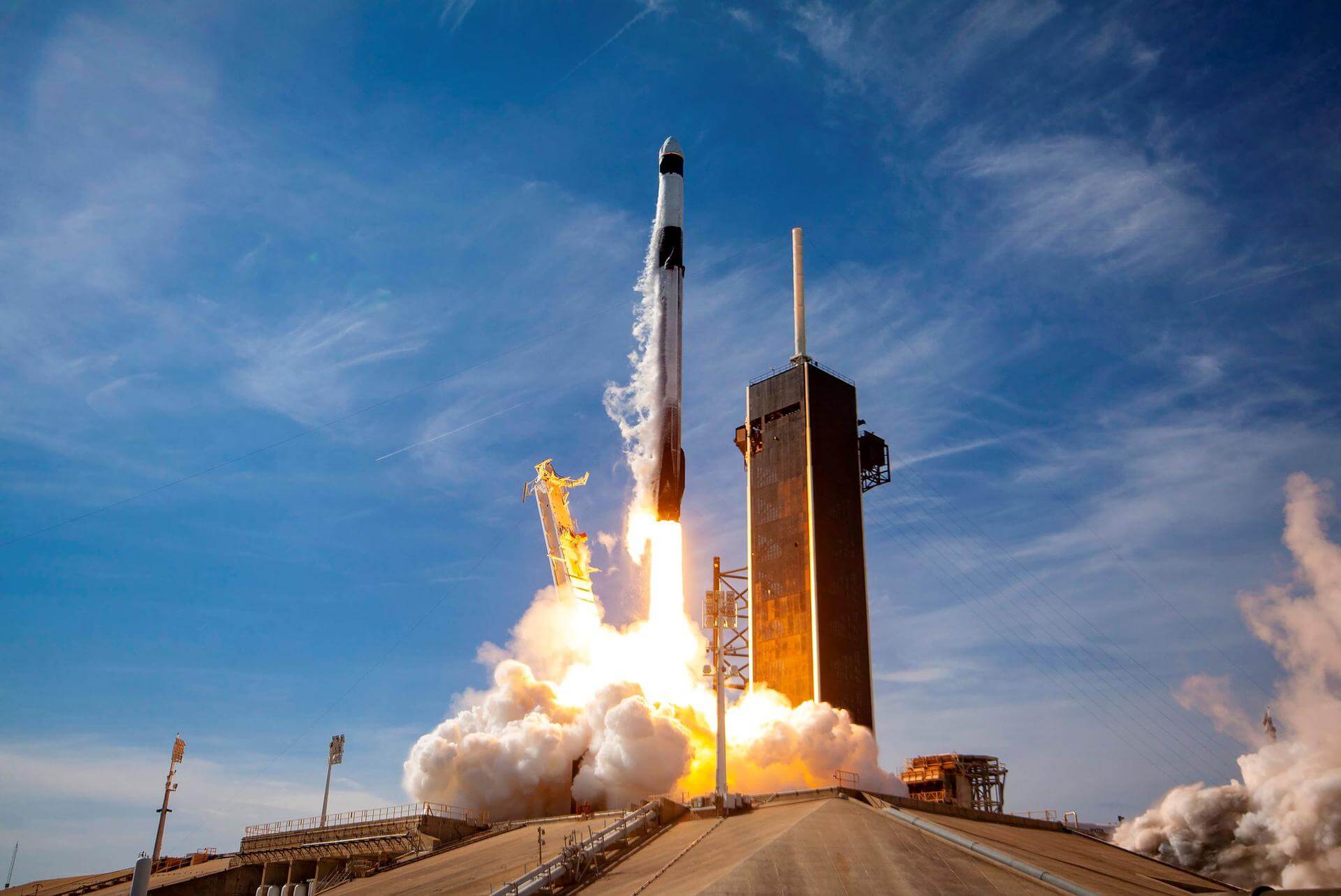
Provider: SpaceX Date: October 13, 2026 Time: 10:33 AM UTC Vehicle: Falcon 9
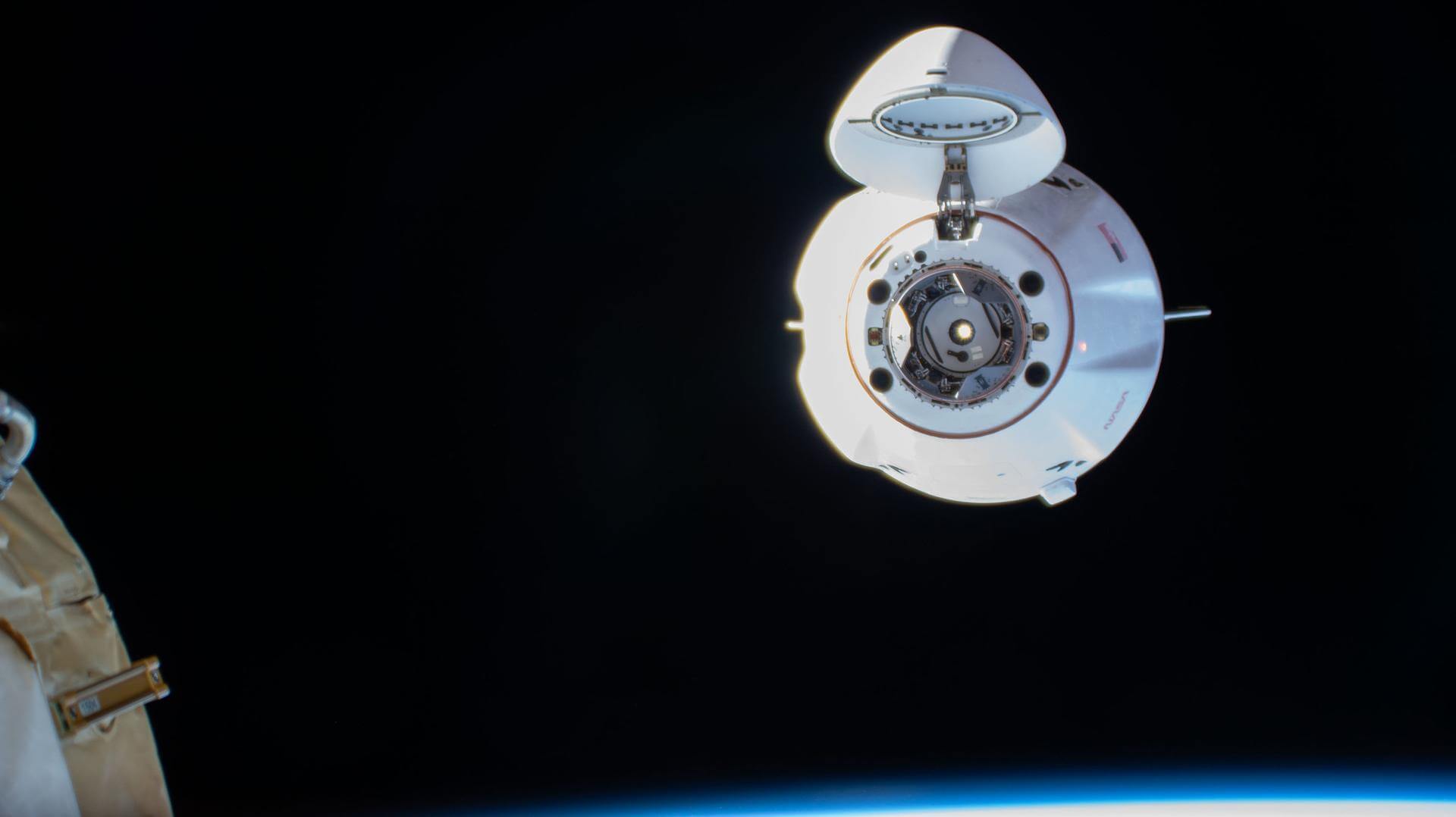
35th commercial resupply services mission to the International Space Station operated by SpaceX. The flight will be conducted under the second Commercial Resupply Services contract with NASA.
Cargo Dragon 2 brings supplies and payloads, including critical materials to directly support science and research investigations that occur onboard the orbiting laboratory.
USSF-xxx (“TH-2”)
Provider: SpaceX Date: October 15, 2026 Time: 11:44 PM UTC Vehicle: Falcon 9
Classified mission for the United States Space Force. It is possibly a batch of classified LEO satellites based on SpaceX’s Starshield satellite bus, based on locations of ascent rocket stage drop zones being fits with previous SDA Transport Layer launches.
Unknown Payload ×
Mission Details
TypeUnknown
OrbitUnknown
TargetEarth
Details TBD.
Launch Provider: China Aerospace Science and Technology Corporation
The Long March 12 carrier rocket is a Chinese medium-lift launch vehicle currently under development by the Shanghai Academy of Spaceflight Technology, using kerosene and liquid oxygen as propellant. It will be capable of placing at least 10 tonnes of payload in low Earth orbit and at least 6…
Tranche 1 Transport Layer A is one of six missions by the United States Space Force Space Development Agency (SDA) for the Proliferated Warfighter Space Architecture (PWSA) Tranche 1 Transport Layer constellation, which will provide assured, resilient, low-latency military data and connectivity worldwide to the full range of warfighter platforms from Low Earth Orbit satellites.
The constellation will be interconnected with Optical Inter-Satellite Links (OISLs) which have significantly increased performance over existing radio frequency crosslinks. It is expected to operate over Ka band, have stereo coverage and be dynamically networked for simpler hand-offs, greater bandwidth and fault tolerance.
This launch carries 21 satellites manufactured by Northrop Grumman.
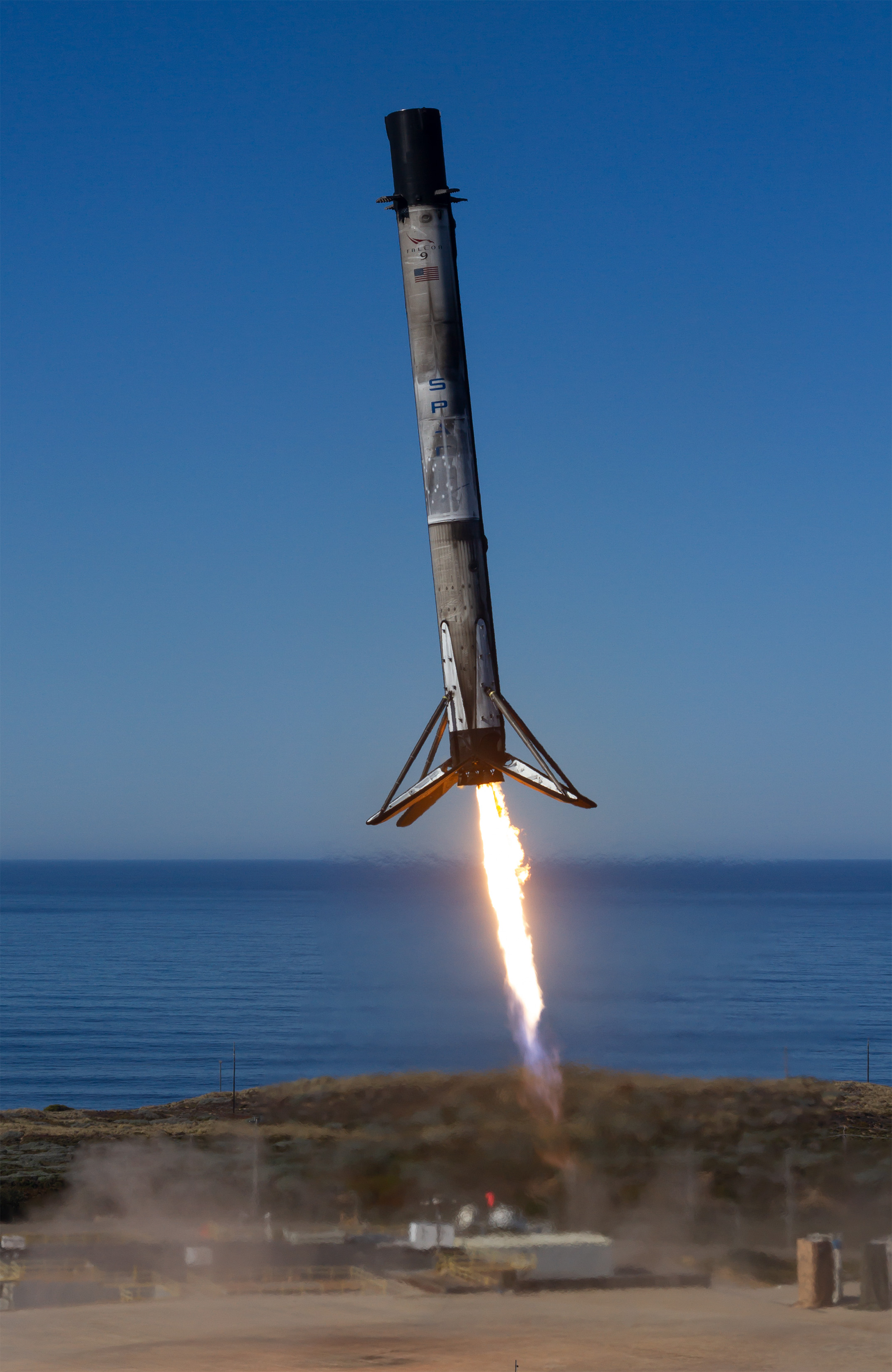
Falcon 9 is a two-stage rocket designed and manufactured by SpaceX for the reliable and safe transport of satellites and the Dragon spacecraft into orbit. The Block 5 variant is the fifth major interval aimed at improving upon the ability for rapid reusability.
Falcon 9 is a two-stage rocket designed and manufactured by SpaceX for the reliable and safe transport of satellites and the Dragon spacecraft into orbit. The Block 5 variant is the fifth major interval aimed at improving upon the ability for rapid reusability.
The Falcon 9 first stage B1088 will land on ASDS OCISLY after its 20th flight.
Dragon CRS-2 SpX-35 ×
Mission Details
TypeResupply
OrbitLow Earth Orbit
TargetEarth
35th commercial resupply services mission to the International Space Station operated by SpaceX. The flight will be conducted under the second Commercial Resupply Services contract with NASA.
Cargo Dragon 2 brings supplies and payloads, including critical materials to directly support science and research investigations that occur onboard the orbiting laboratory.
• National Aeronautics and Space Administration (Government)
Program: Commercial Resupply Services
Commercial Resupply Services (CRS) are a series of flights awarded by NASA for the delivery of cargo and supplies to the International Space Station.The first CRS contracts were signed in 2008 and awarded $1.6 billion to SpaceX for twelve cargo Dragon and $1.9 billion to Orbital Sciences for eight Cygnus flights, covering deliveries to 2016. The Falcon 9 and Antares rockets were also developed under the CRS program to deliver cargo spacecraft to the ISS.
The International Space Station programme is tied together by a complex set of legal, political and financial agreements between the sixteen nations involved in the project, governing ownership of the various components, rights to crewing and utilization, and responsibilities for crew rotation and resupply of the International Space Station. It was conceived in 1984 by President Ronald Reagan, during the Space Station Freedom project as it was originally called.
Falcon 9 is a two-stage rocket designed and manufactured by SpaceX for the reliable and safe transport of satellites and the Dragon spacecraft into orbit. The Block 5 variant is the fifth major interval aimed at improving upon the ability for rapid reusability.
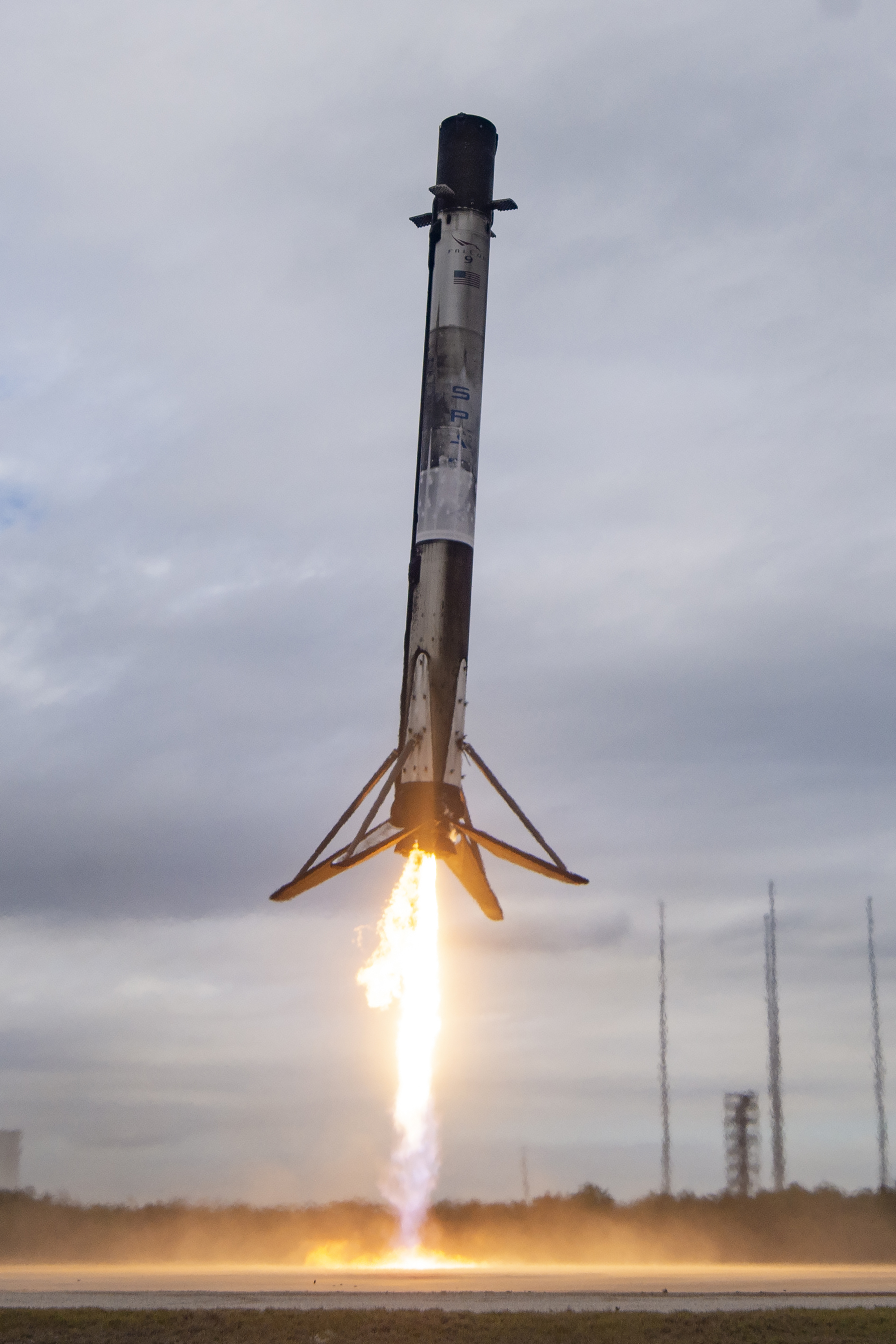
The Falcon 9 first stage B1096 will land back at the launch site after its 8th flight.
Spacecraft: Cargo Dragon C211
Third Cargo Dragon 2
Specifications
SerialC211
TypeCapsule
StatusActive
DestinationISS
Height7.2 m
Diameter3.7 m
Maiden Flight2020-12-06
Payload Capacity6,000 kg
Return Capacity3,000 kg
Time in Space275 Days, 8 Hours, 1 Minute
Missions Flown3
Turnaround228 Days, 2 Hours, 49 Minutes
Fastest Turnaround228 Days, 2 Hours, 49 Minutes
History
Cargo Dragon 2 is an updated version of the original Dragon spaceship designed to service the International Space Station with first flights conducted in 2020.
In contrast to Dragon 1 it docks to the International Space Station instead of being berthed by the Canada Arm.
Capability
Cargo Earth Orbit Logistics
Details
Cargo Dragon 2 is a autonomous spaceship capable of bringing science to and from the International Space Station with large pressurized and un-pressurized sections to support a variety of missions.
Flight Life
Able to fly for up to one week of free flight or two years docked.
Classified mission for the United States Space Force. It is possibly a batch of classified LEO satellites based on SpaceX’s Starshield satellite bus, based on locations of ascent rocket stage drop zones being fits with previous SDA Transport Layer launches.
Agencies Involved
• United States Space Force (Government)
Launch Provider: SpaceX
Commercial • United States of America • Founded 2002
Falcon 9 is a two-stage rocket designed and manufactured by SpaceX for the reliable and safe transport of satellites and the Dragon spacecraft into orbit. The Block 5 variant is the fifth major interval aimed at improving upon the ability for rapid reusability.
Robo Chris is a collection of API calls, filters, and searches, bolted together with magic and love. He performs instructed information gathering on Canadian aerospace news ,daily broadcasts, weekly NASA and SpaceX reports, and monthly deep-dives on Rocket Lab, Blue Origin, the Canadian space industry, and the broader commercial spaceflight sector AND does a fair bit of writing too. Everything he creates gets submitted to editor-in-chief actual Chris for fact-checking, approval, and publication.