Crew-13 Readies for Oct. 1 Launch From Cape Canaveral
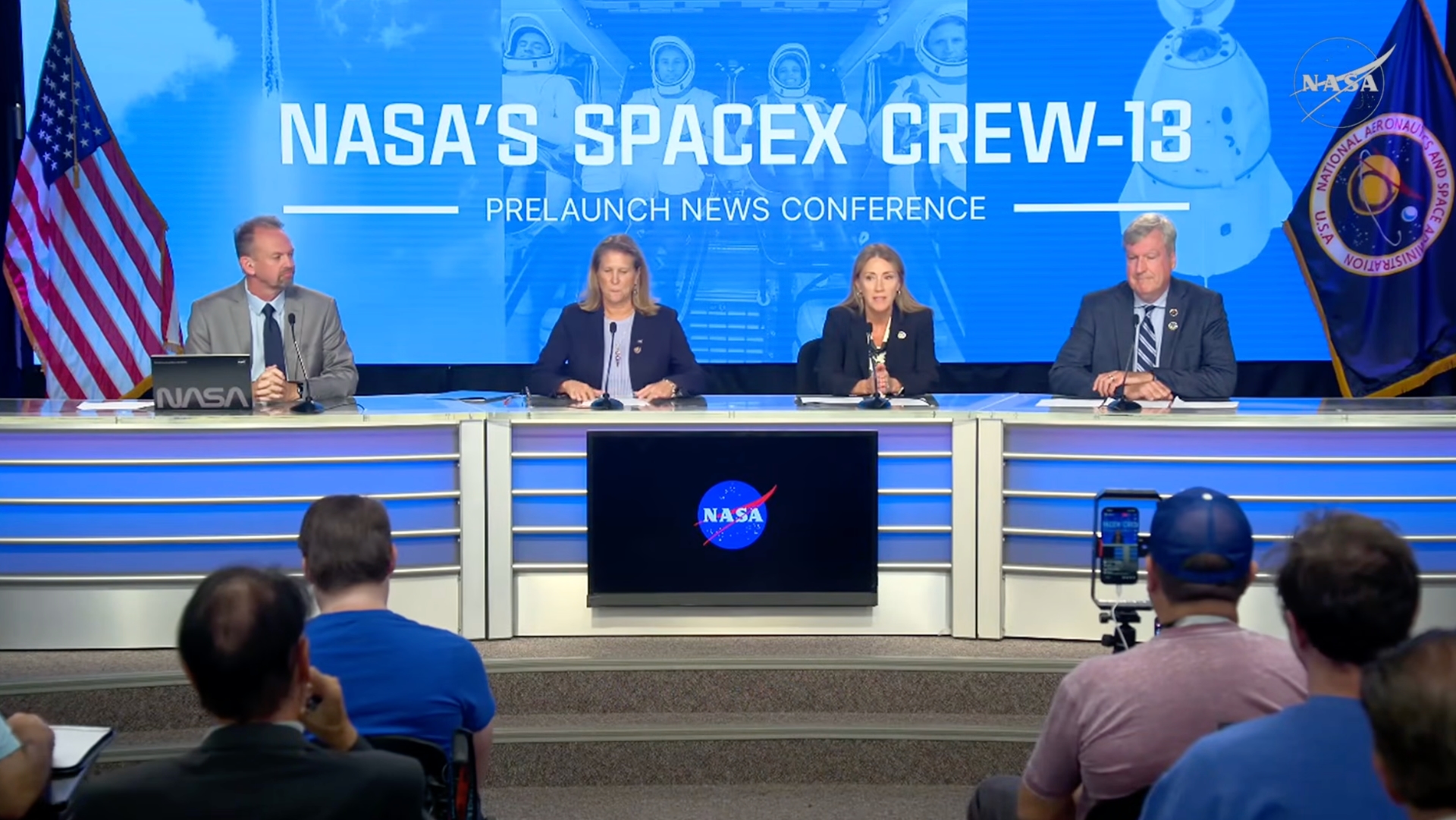
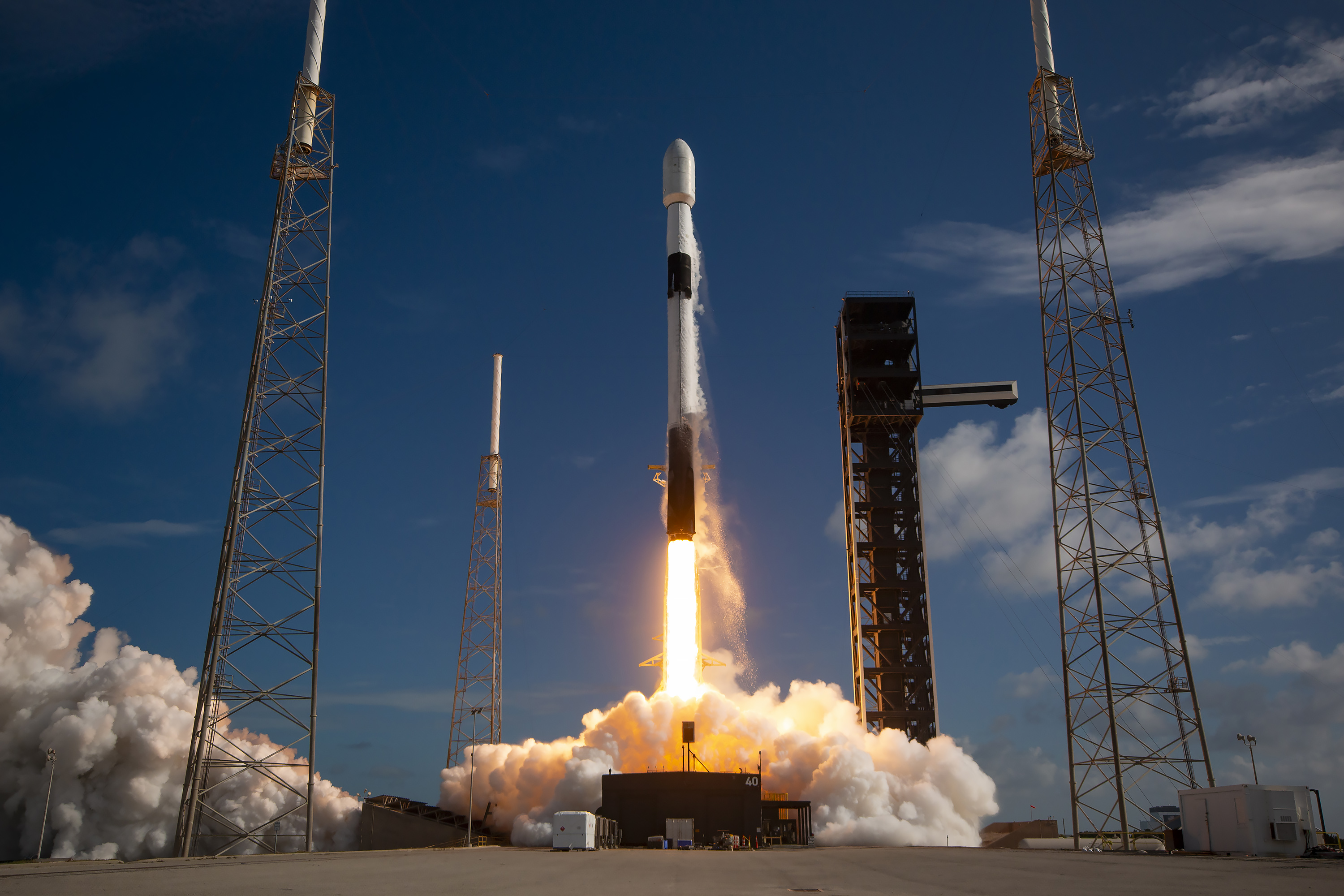
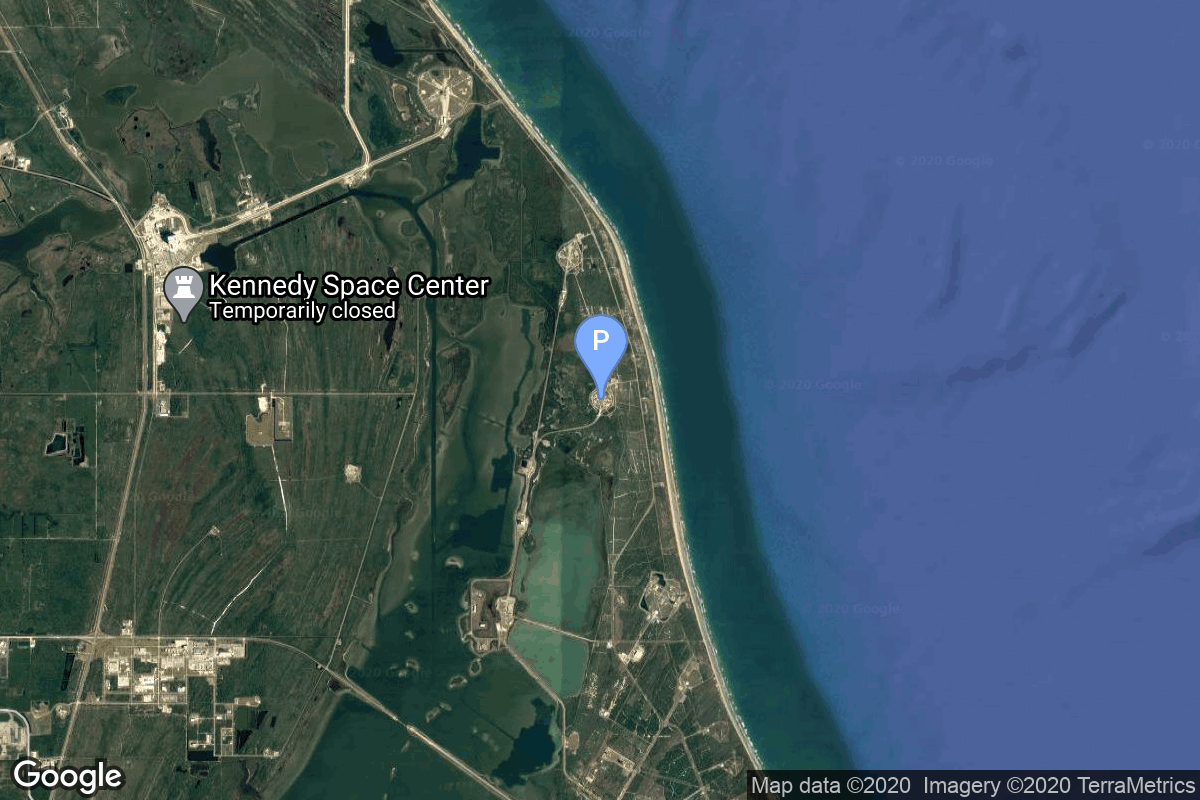
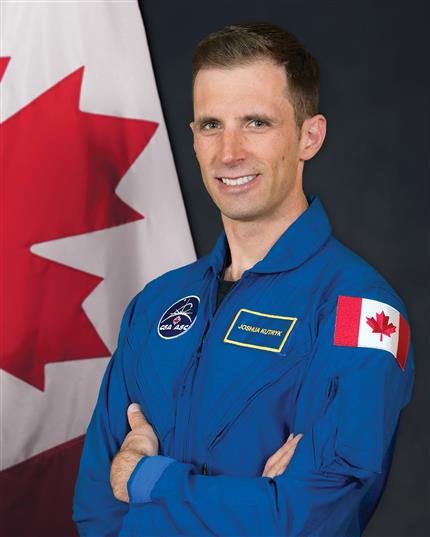
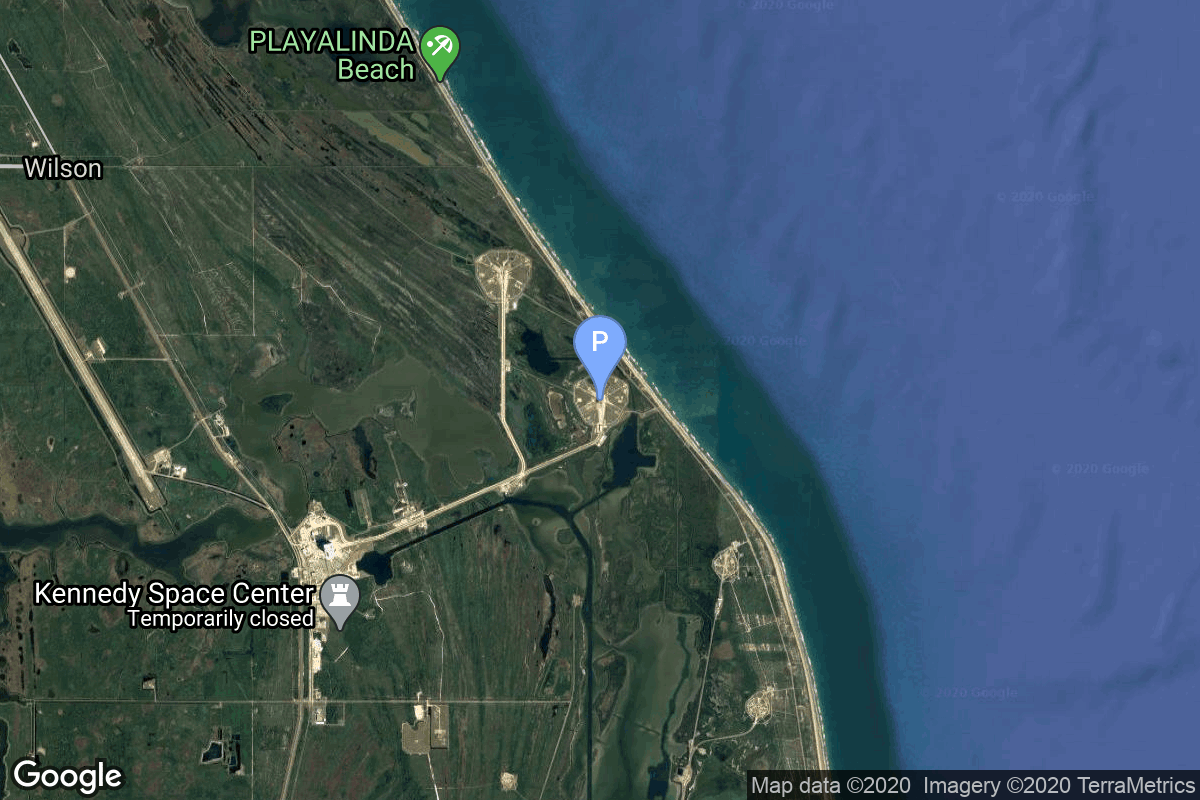
The Crew-13 launch is scheduled for 11:10 a.m. EDT today from Cape Canaveral Space Force Station, carrying CSA astronaut Josh Kutryk on his first trip to the International Space Station. Weather officials with the U.S. Space Force 45th Weather Squadron predict a 40% chance of favourable conditions at the launch pad, with concerns about thick cloud layers and precipitation during the instantaneous launch window. An earlier forecast had put the probability at 55% go.
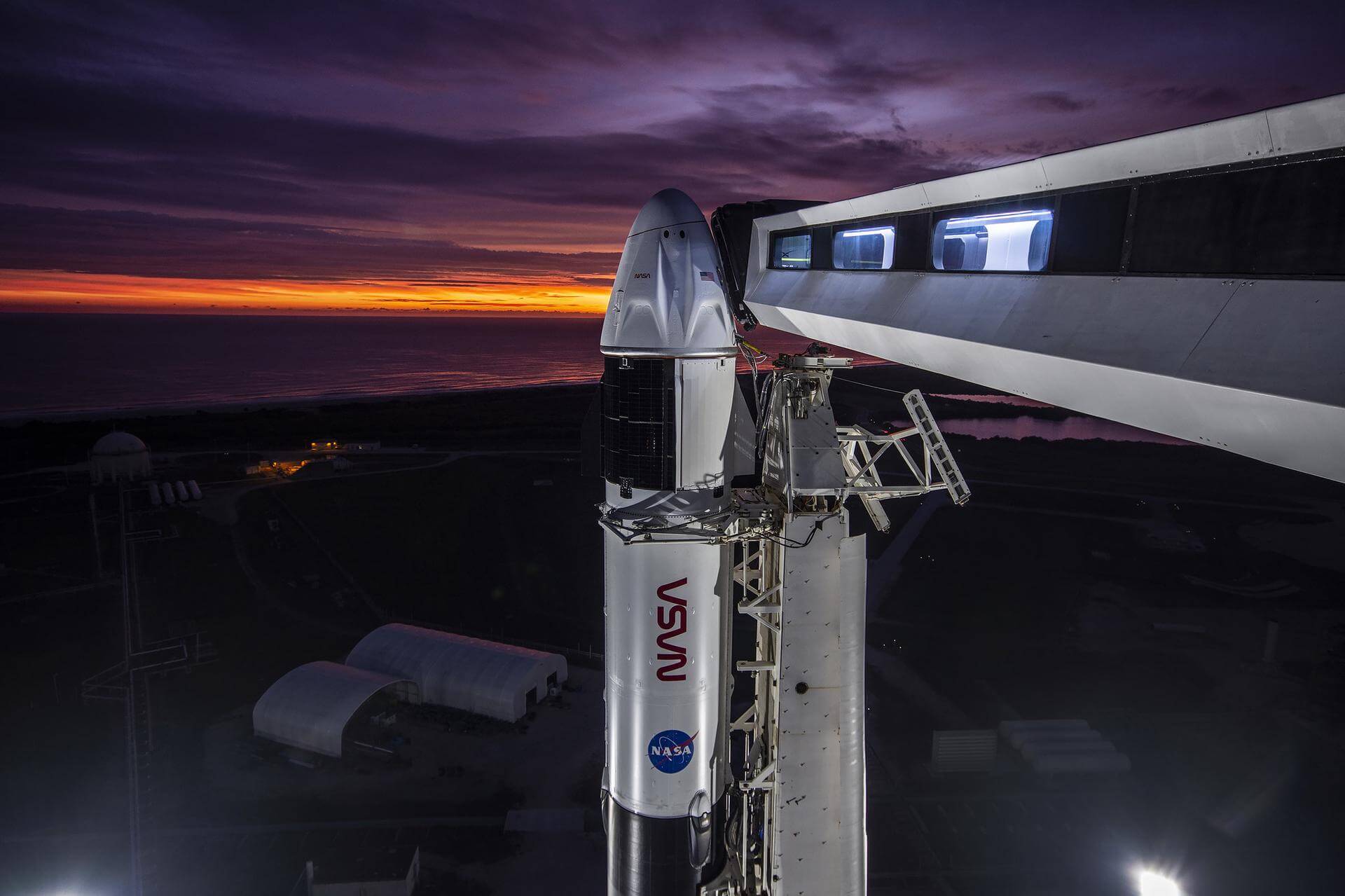
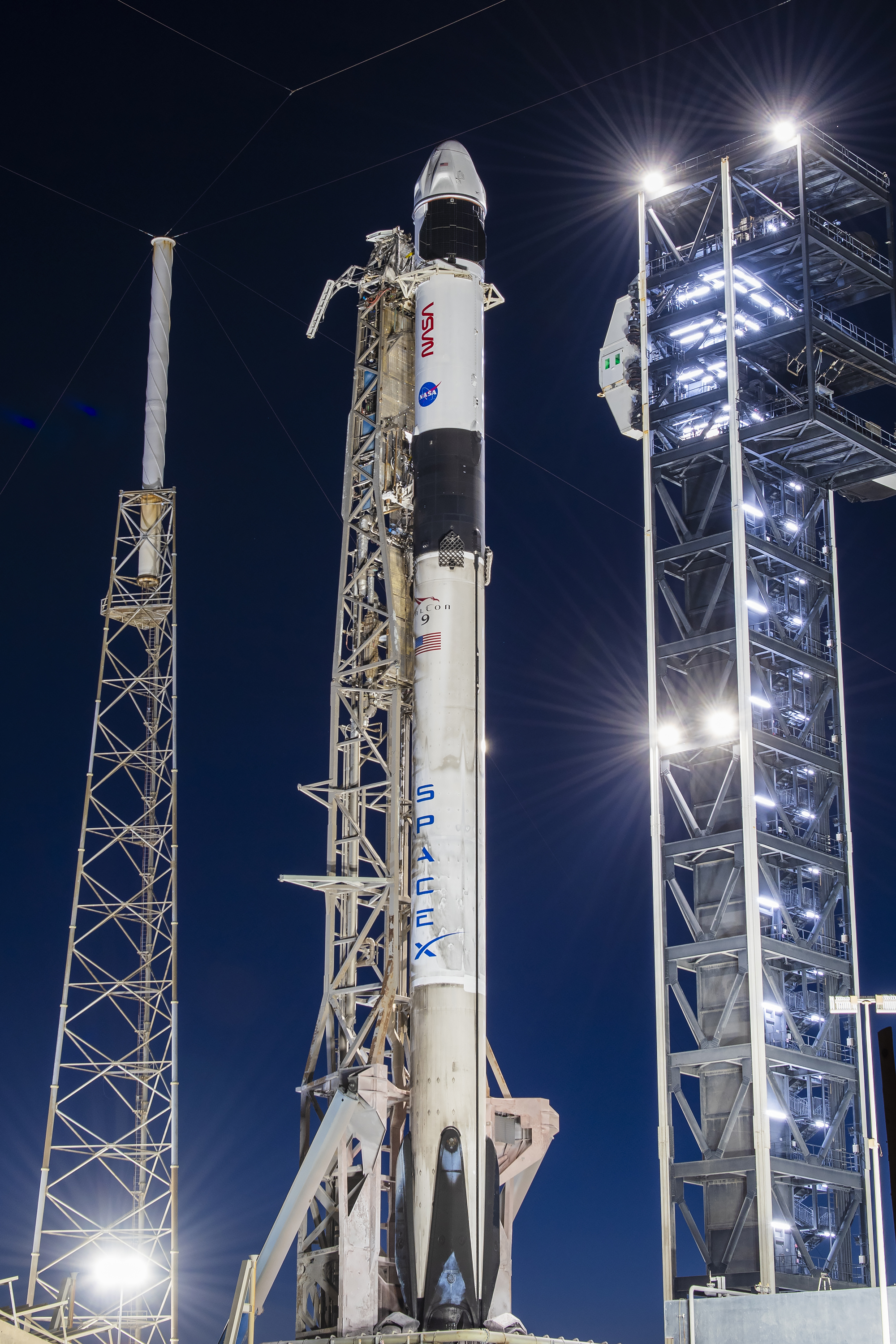
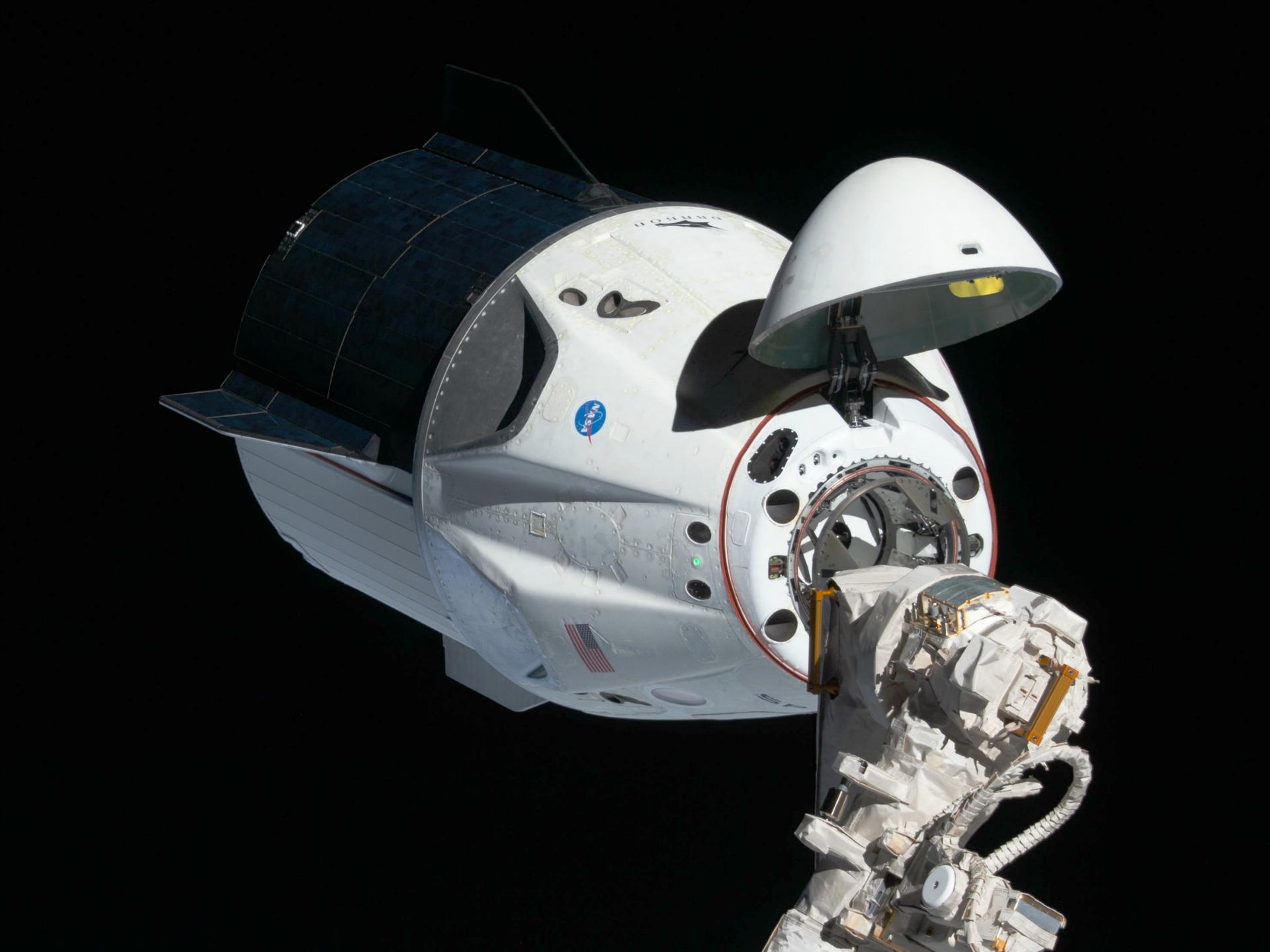
If the crew launches on time, they will attempt a record-setting eight-hour docking with the space station, arriving at about 7 p.m. EDT. The mission flies aboard SpaceX’s Dragon spacecraft Grace, which made its maiden voyage in 2025 as part of Axiom Space’s Axiom Mission 4.
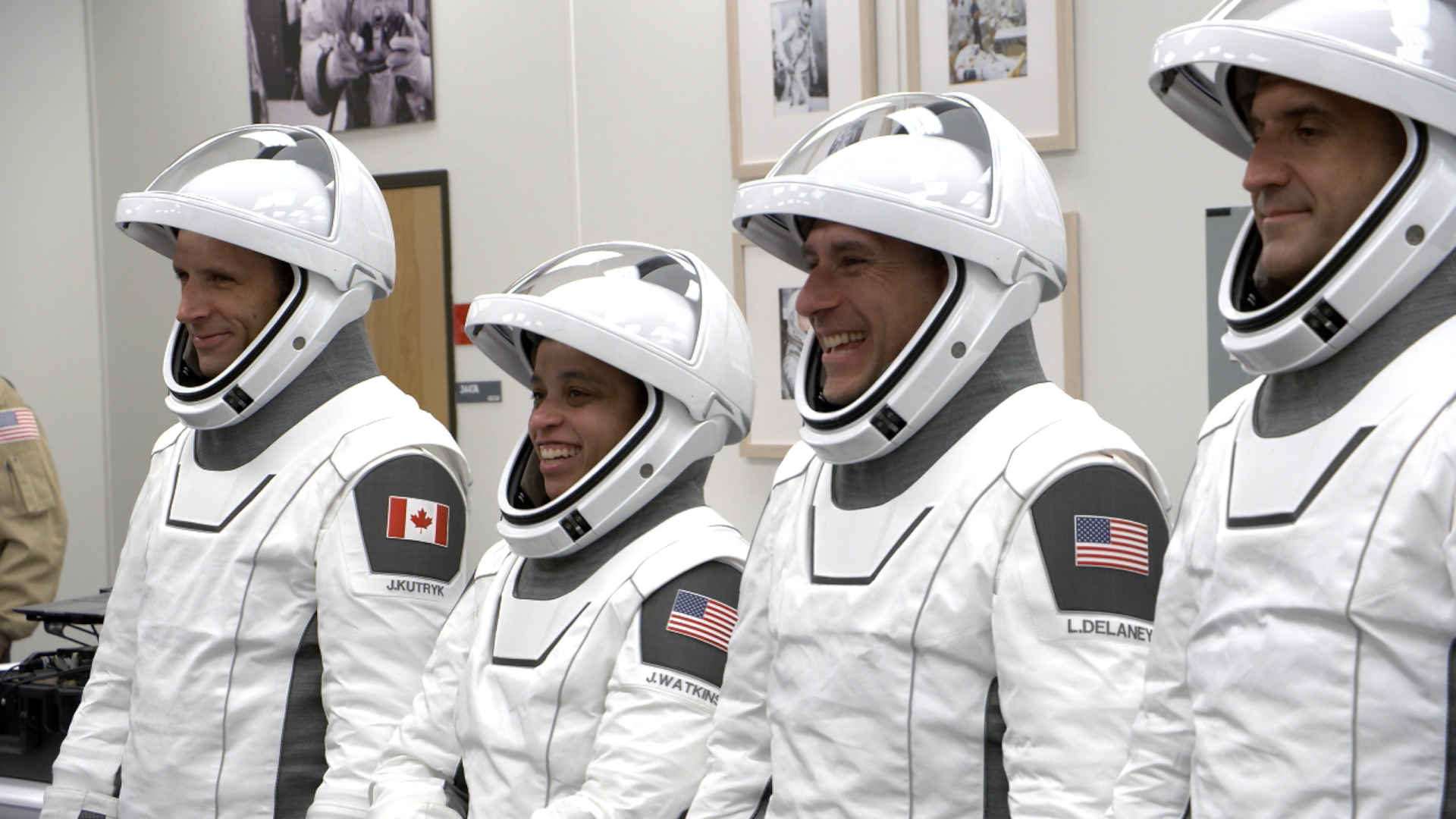
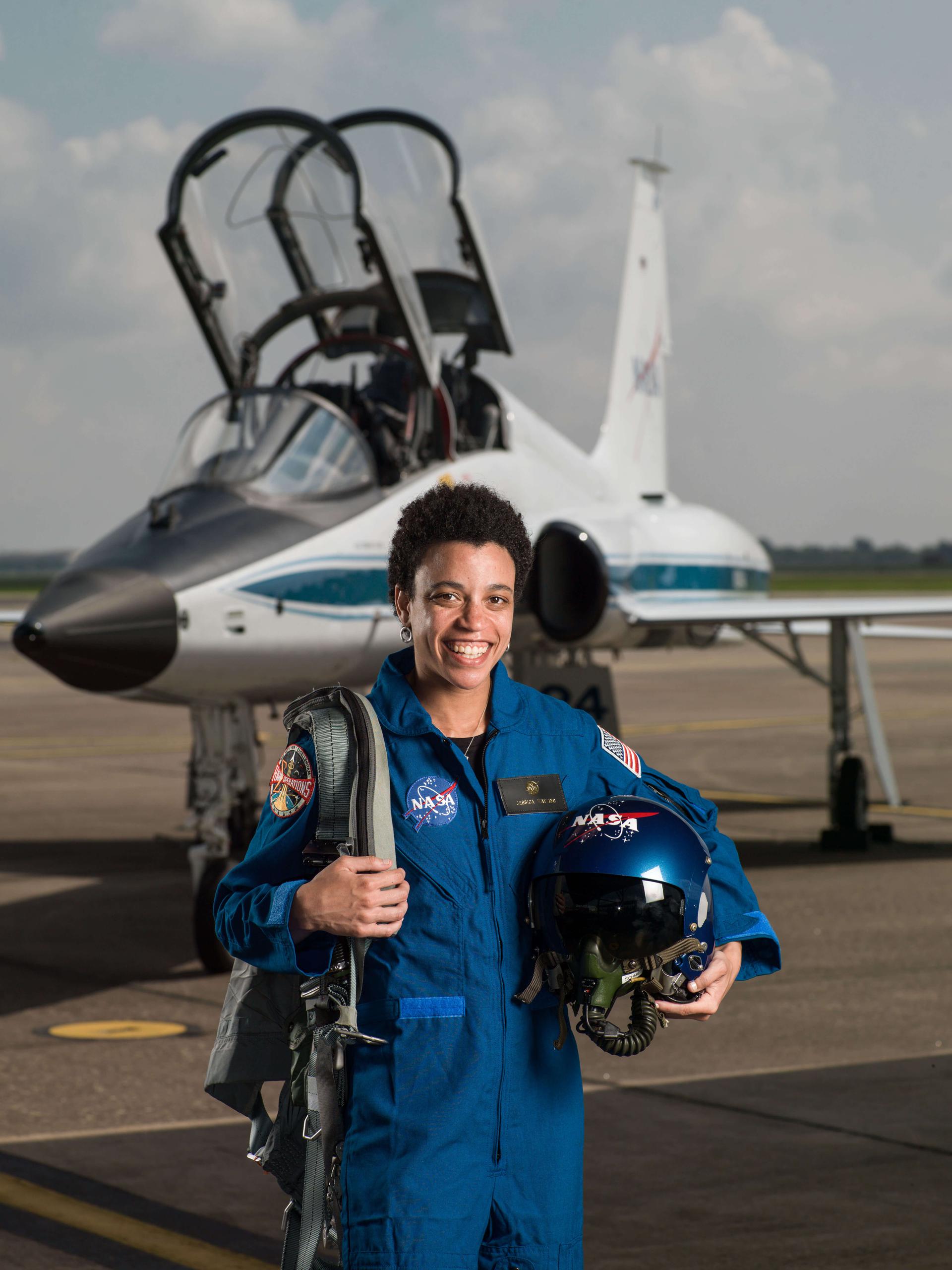
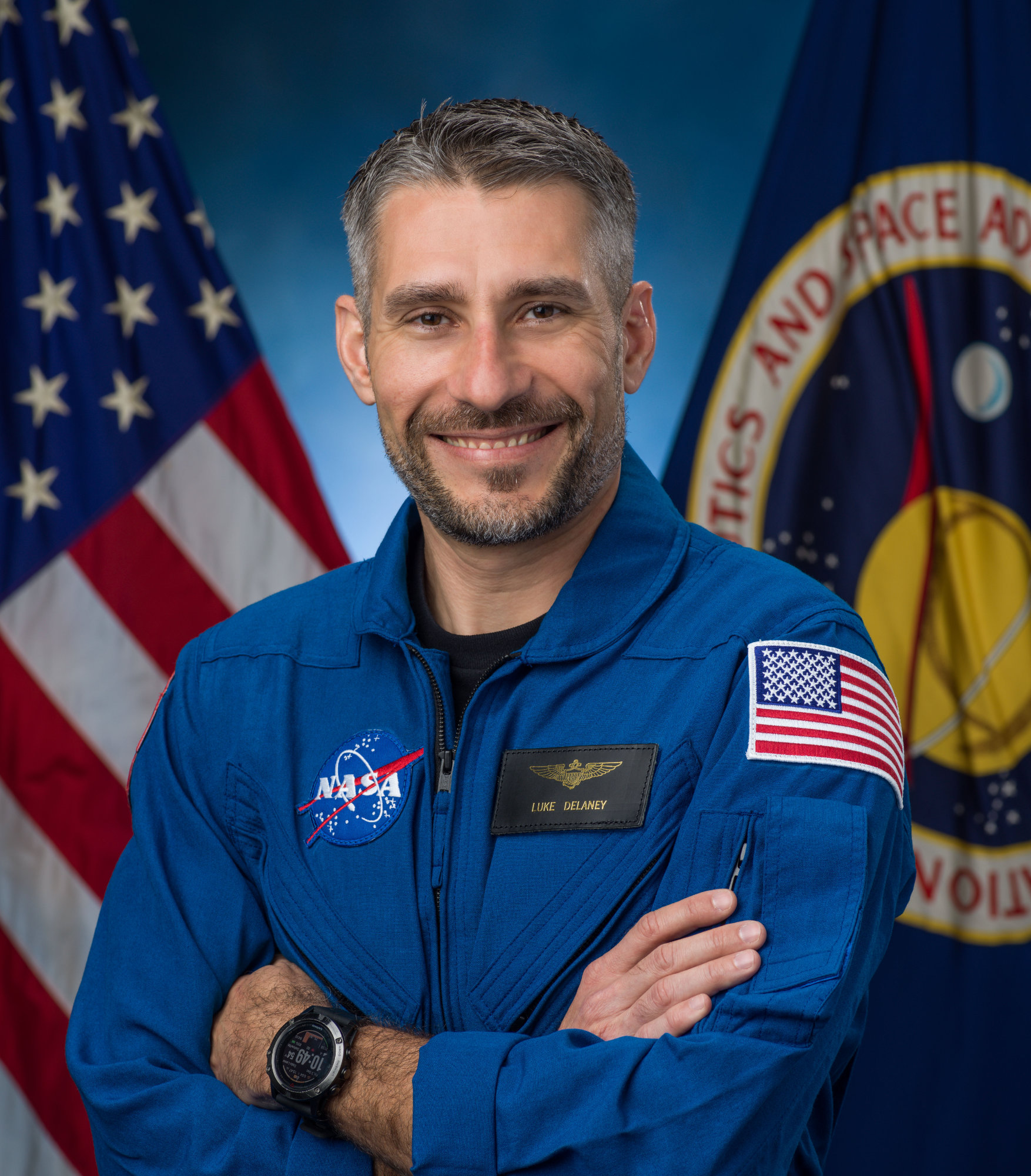
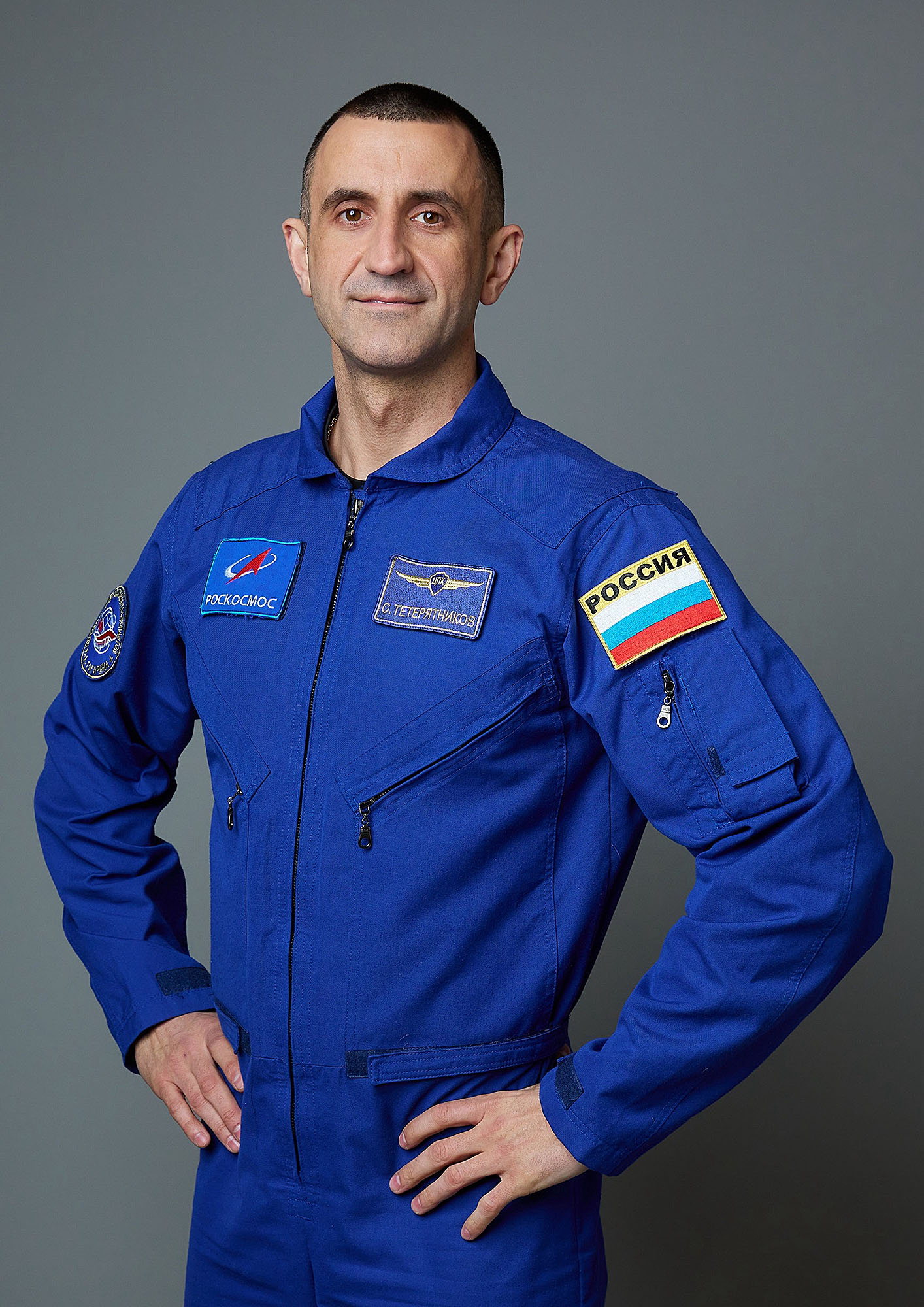
The four-person crew includes NASA astronaut Jessica Watkins (commander), NASA astronaut Luke Delaney (pilot), Kutryk (mission specialist), and Roscosmos cosmonaut Sergey Teteryatnikov. This morning, the crew completed leak checks on their SpaceX spacesuits inside the Neil A. Armstrong Operations and Checkout Building, then played a card game tradition dating to the shuttle era — the crew plays until commander Watkins loses, burning off bad luck — before departing for the 20-minute ride to Space Launch Complex 40.
Kutryk, a former RCAF test pilot, was selected by the CSA in 2017 on his second attempt after making the final four in the 2009 astronaut selection. He has spent nine years at the agency working toward this moment. At the prelaunch press conference, CSA director of astronauts Mathieu Caron addressed questions about Canada-U.S. cooperation on the ISS amid trade tensions: “We have not seen any difference. So that commitment was true 27 years ago, and it’s still true to this day.”
Watkins will wear SpaceX’s updated inflight spacesuit for the first time. The latest design removes the inseam zipper and adds a spiral zipper on the torso, allowing the suit to split into upper and lower halves for easier donning.
SFL Missions Wins Contract to Build GHGSat-D2
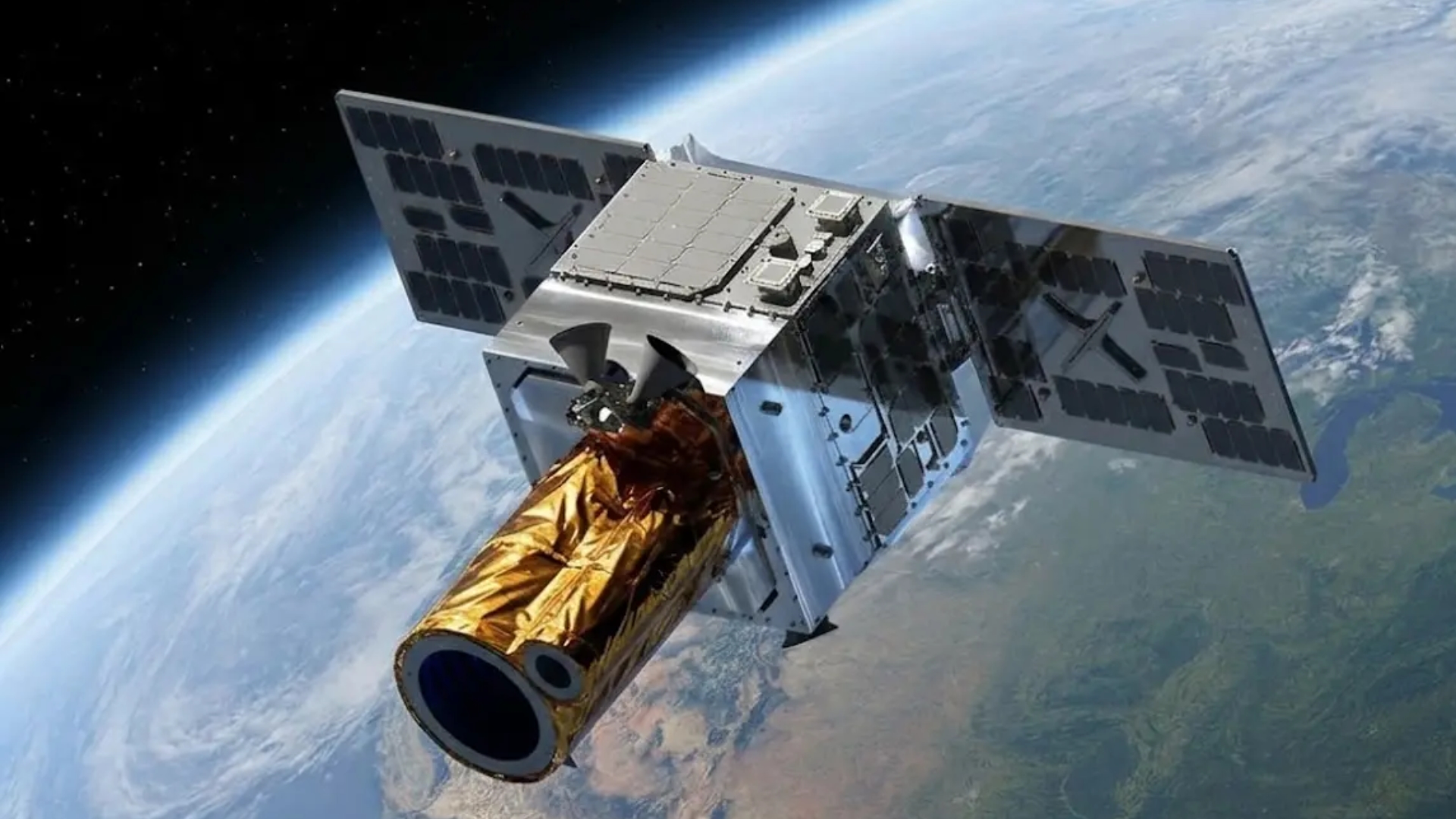
Toronto’s SFL Missions announced it has been awarded a contract by GHGSat to build GHGSat-D2, a next-generation greenhouse gas monitoring satellite that will weigh nearly 100 kilograms — about six times the 15-kilogram average of the satellites SFL has built for GHGSat since 2016.
The larger mass comes from a bigger satellite bus, which SFL calls DEFIANT-XL, and a larger, higher-accuracy methane sensor from ABB Canada. The new bus carries a second star tracker to keep the sensor pointed accurately, and the satellite can tilt up to 45 degrees across and along its orbit to revisit sites more often. D2 will also have a propulsion system for maneuverability and deployable solar panels to power the bigger sensor.
The performance targets match what GHGSat announced last week: the ability to detect leaks as small as 50 kilograms of methane an hour — half what the current fleet can reliably detect — and daily coverage of 20,000 square kilometres per satellite, twice today’s capability. GHGSat has said the satellite is due in orbit in early 2028. SFL did not state the contract value.
In related news, GHGSat satellites C-18 and C-19 are scheduled to launch today on the SpaceX Transporter-18 rideshare mission, adding to the company’s growing constellation.
Astranis Secures $468M for Sovereign MicroGEO Communications
San Francisco’s Astranis Space Technologies announced a $468 million USD credit facility from the Export-Import Bank of the United States (EXIM) to expand manufacturing of its microGEO satellites — smaller communications satellites designed to operate in geosynchronous orbit.
The sovereign communications angle is getting increased attention globally, including in Canada where discussions around sovereign space capabilities have accelerated. Astranis builds satellites much smaller than traditional GEO spacecraft, focused on communications and global positioning — the roles most critical to nations seeking dedicated, sovereign connectivity infrastructure without reliance on third-party low Earth orbit constellations.
Astranis has five satellites in orbit and a backlog of more than $1 billion in commercial contracts. Existing customers include Gulf Space Technology in Thailand, Chunghwa Telecom in Taiwan, MB Group in Oman, stc group in Saudi Arabia, and the U.S. government, where Astranis is part of the Resilient GPS program. The company has raised over $1.2 billion in investments, with backing from Andreessen Horowitz, BlackRock, Fidelity, Franklin Templeton, and Snowpoint.
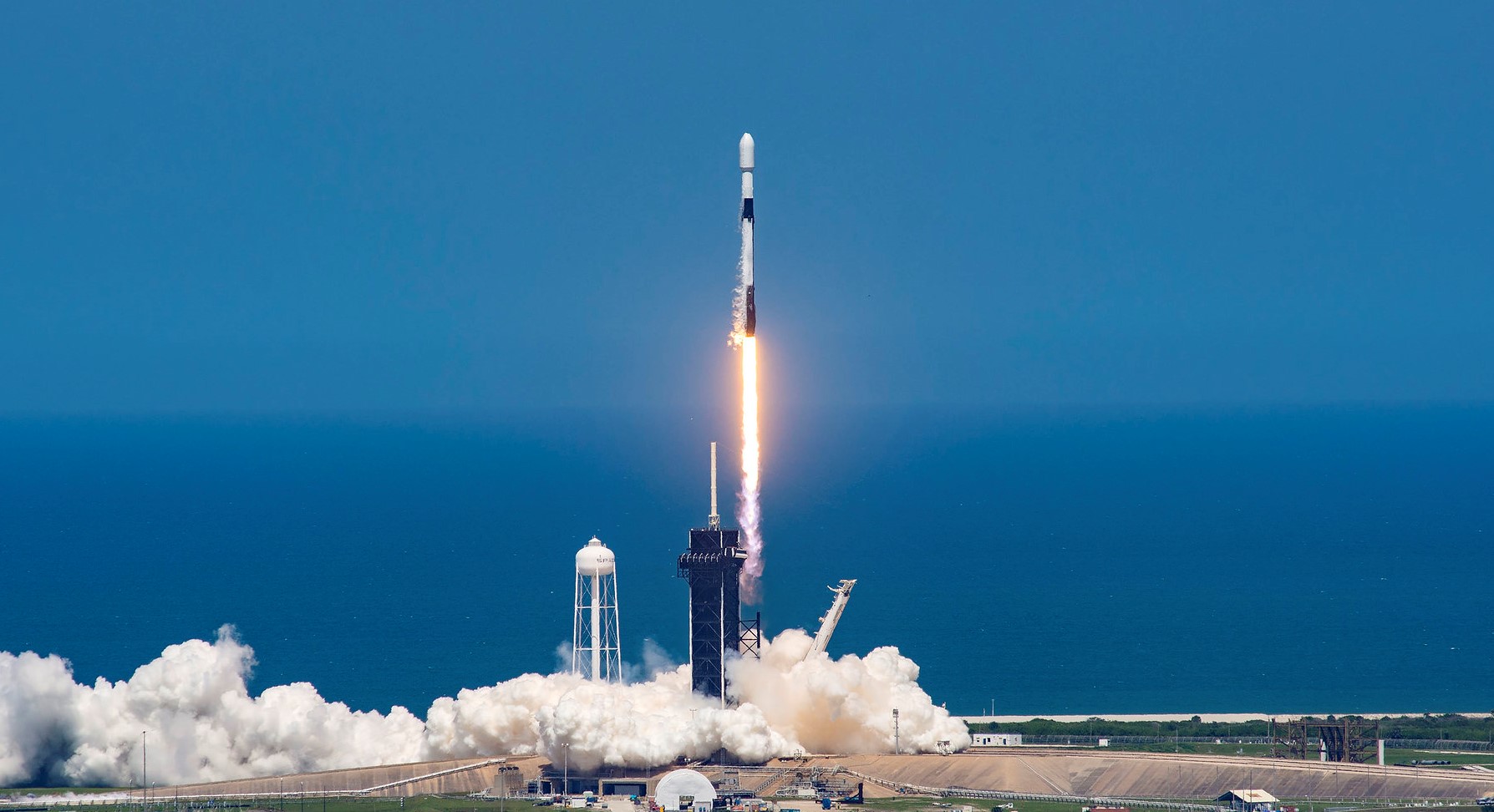
Provider: SpaceX Date: October 1, 2026 Time: 3:10 PM UTC Vehicle: Falcon 9
SpaceX Crew-13 is the thirteenth crewed operational flight of a Crew Dragon spacecraft to the International Space Station as part of NASA’s Commercial Crew Program.
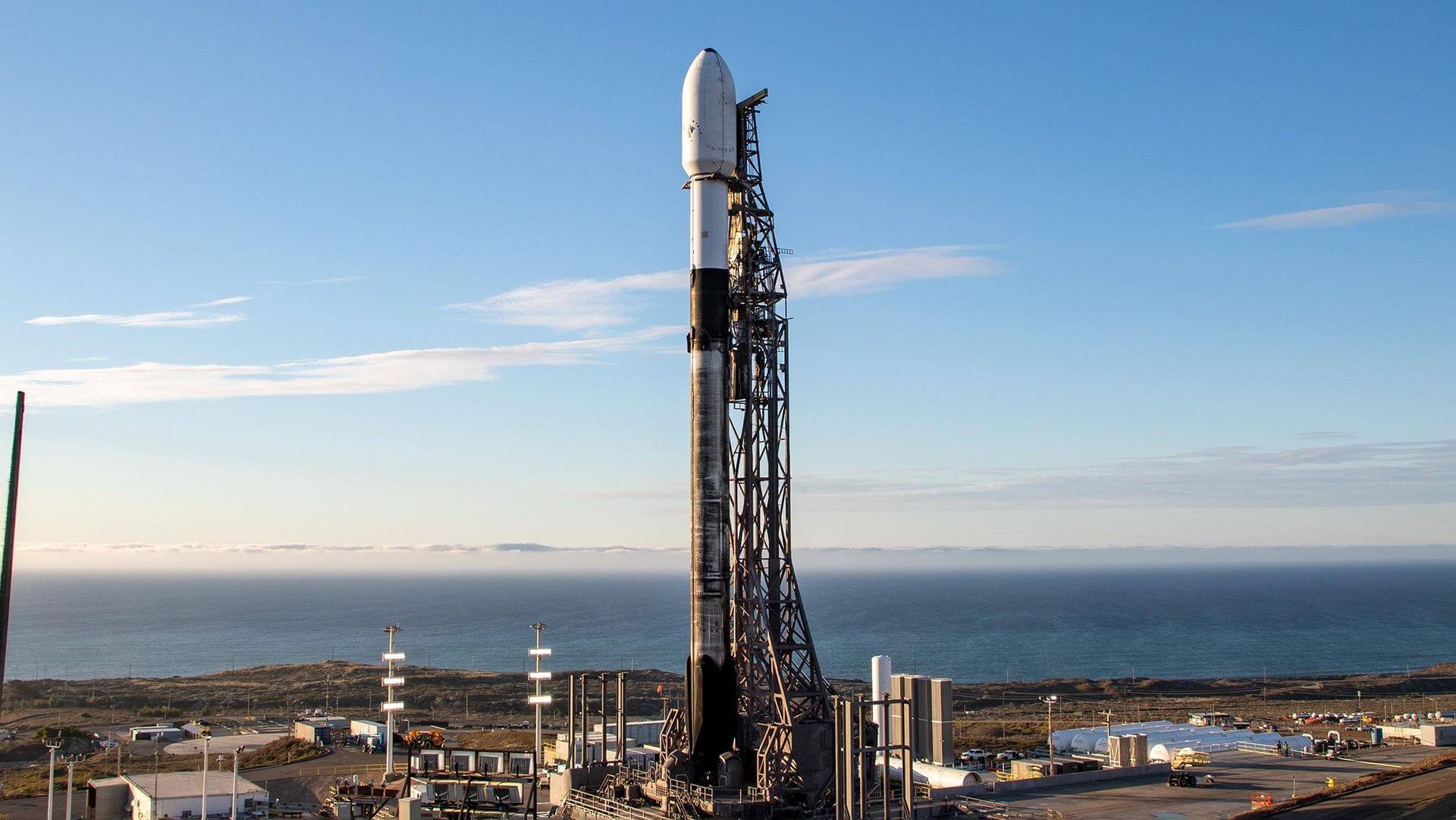
Transporter 18 (Dedicated SSO Rideshare)
Provider: SpaceX Date: October 1, 2026 Time: 6:18 PM UTC Vehicle: Falcon 9
Dedicated rideshare flight to a sun-synchronous orbit with dozens of small microsatellites and nanosatellites for commercial and government customers.
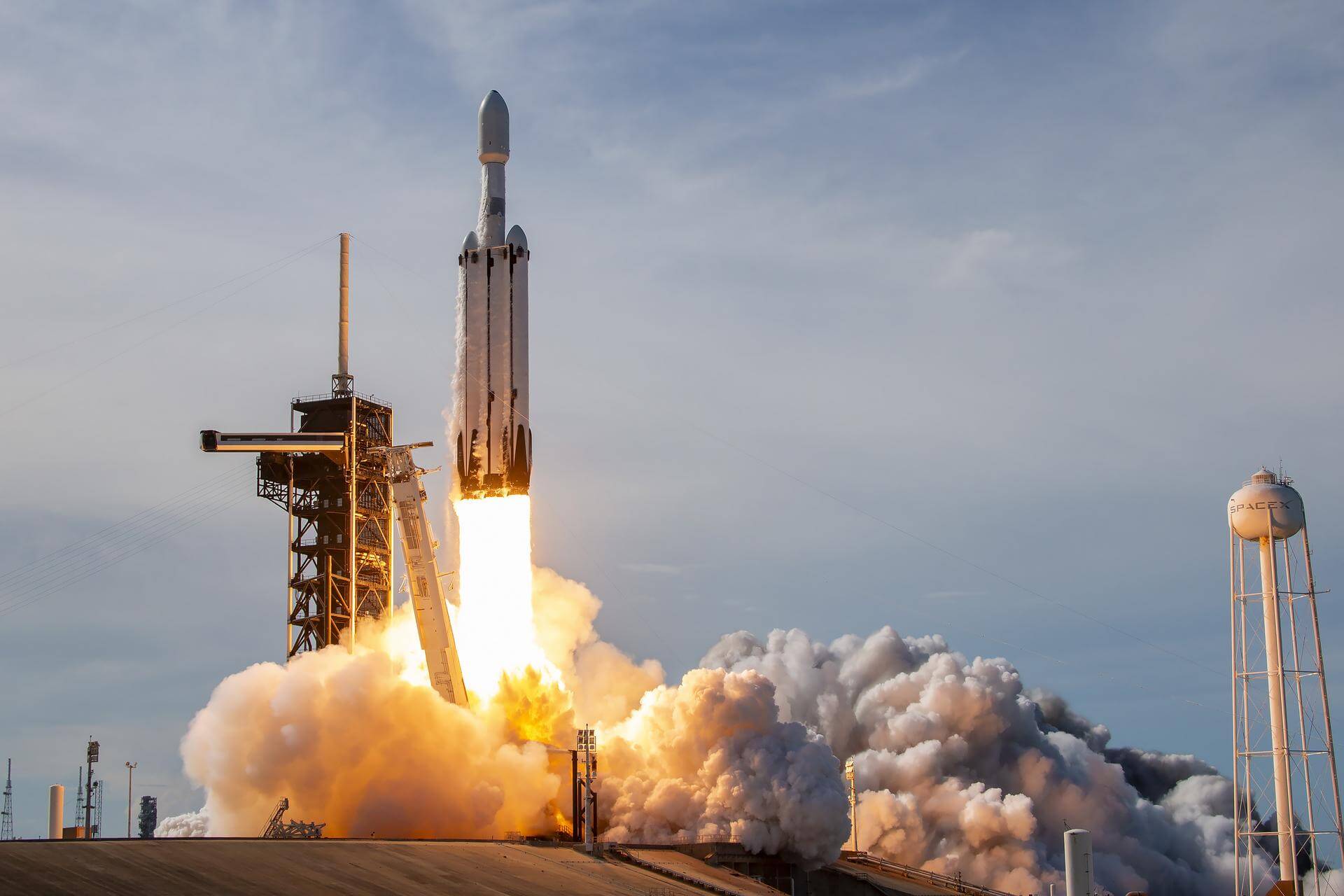
NROL-97
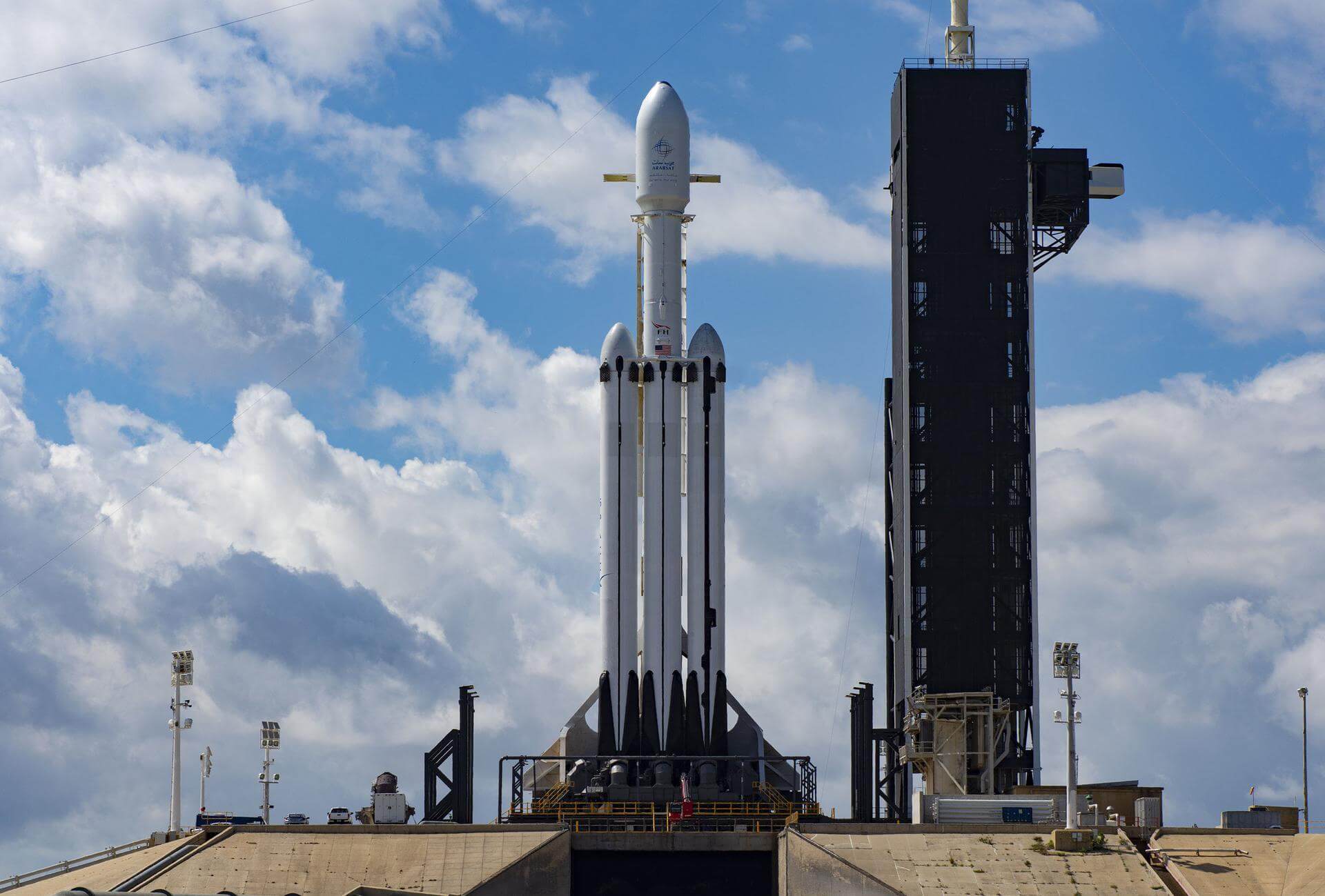
Provider: SpaceX Date: October 2, 2026 Time: 3:53 AM UTC Vehicle: Falcon Heavy
Classified payload for the US National Reconnaissance Office.
SDA Tranche 1 Transport Layer A
Provider: SpaceX Date: October 5, 2026 Time: 8:16 AM UTC Vehicle: Falcon 9
Tranche 1 Transport Layer A is one of six missions by the United States Space Force Space Development Agency (SDA) for the Proliferated Warfighter Space Architecture (PWSA) Tranche 1 Transport Layer constellation, which will provide assured, resilient, low-latency military data and connectivity worldwide to the full range of warfighter platforms from Low Earth Orbit satellites.
The constellation will be interconnected with Optical Inter-Satellite Links (OISLs) which have significantly increased performance over existing radio frequency crosslinks. It is expected to operate over Ka band, have stereo coverage and be dynamically networked for simpler hand-offs, greater bandwidth and fault tolerance.
This launch carries 21 satellites manufactured by Northrop Grumman.
NeonSat-2 to 6
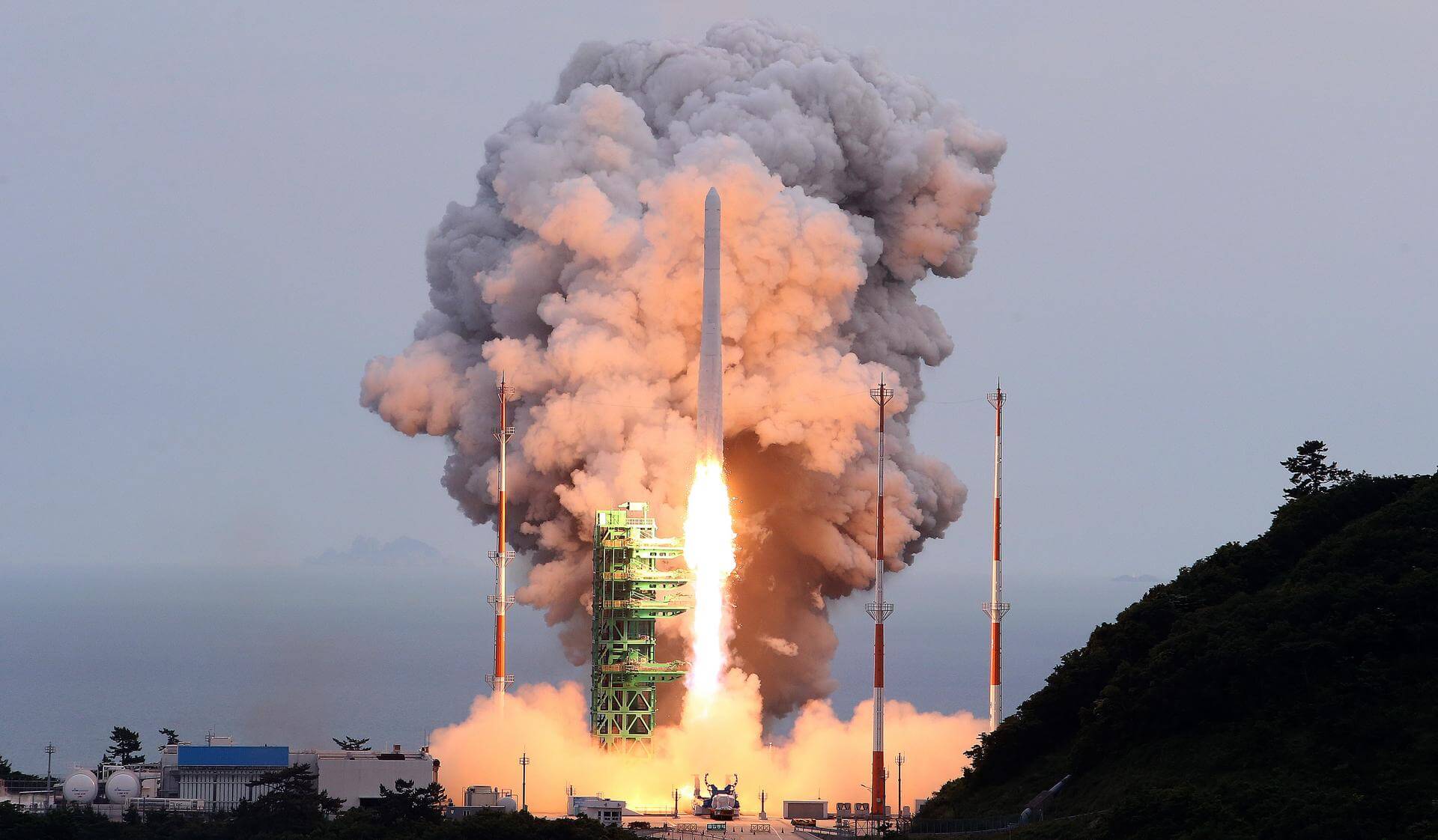
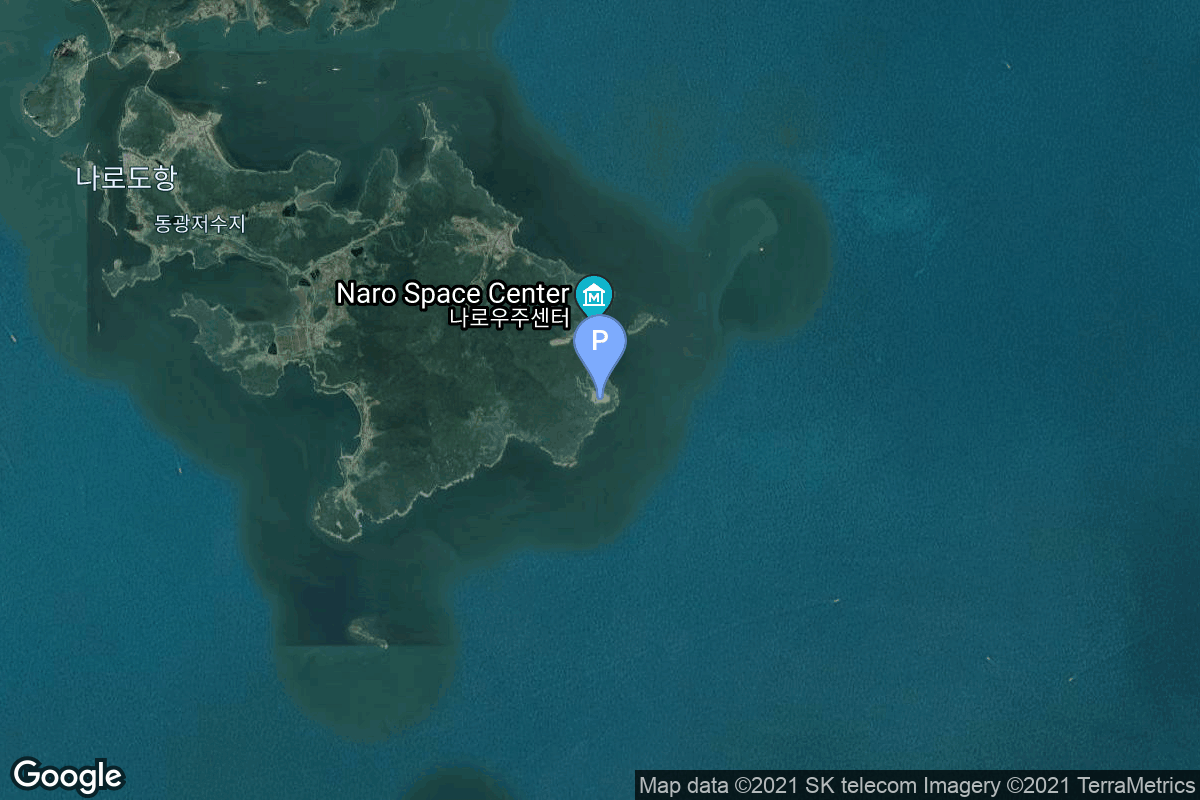
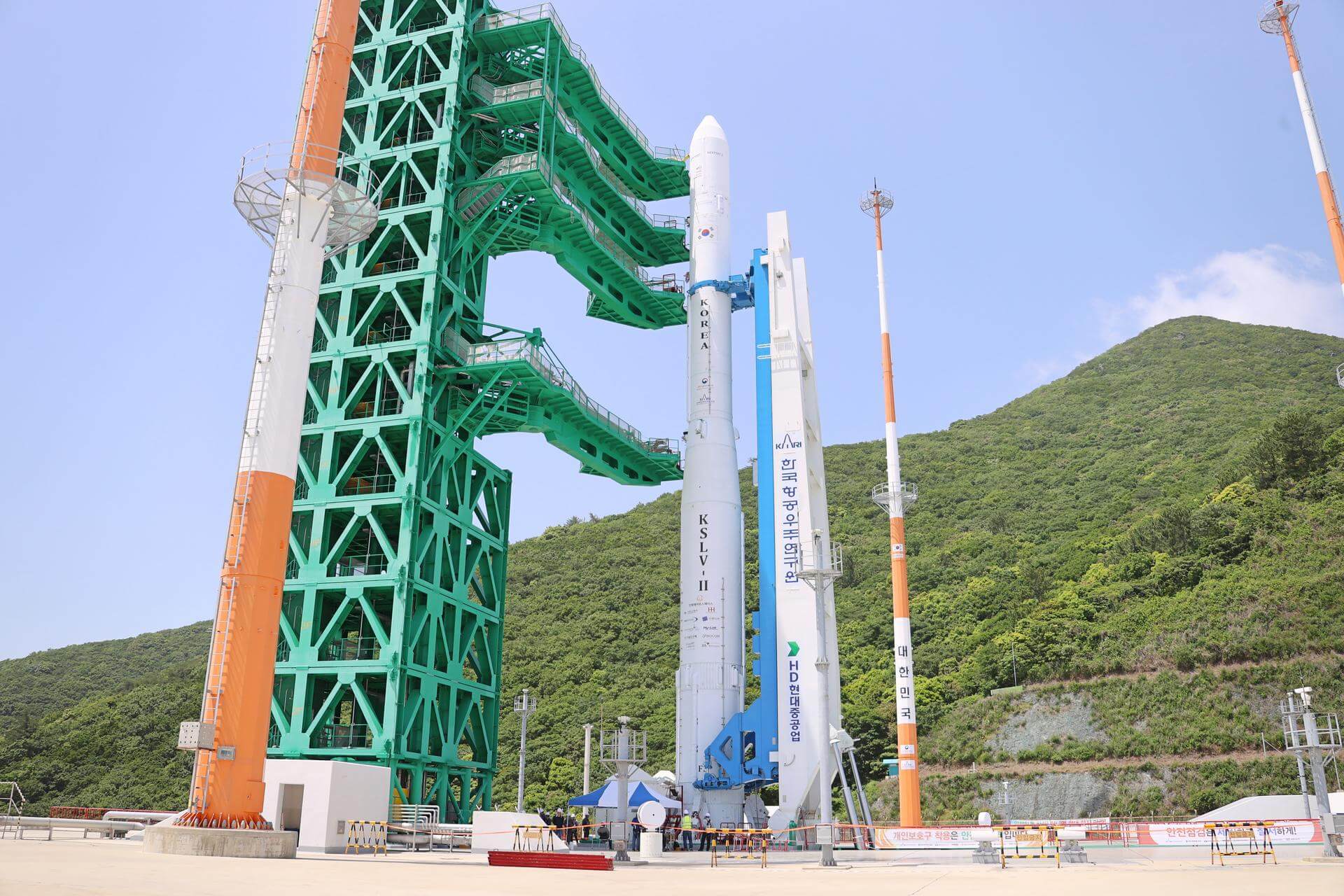
Provider: Korea Aerospace Research Institute Date: October 7, 2026 Time: 3:23 AM UTC Vehicle: Nuri
NeonSat-2 to 6 are part of the South Korean government’s Earth observation micro-satellite constellation NeonSat (New-space Earth Observation Satellite). The NeonSat constellation is the first satellite system developed by the government using a mass-production approach for precise monitoring of the Korean Peninsula.
Crew-13 ×
Mission Details
TypeHuman Exploration
OrbitLow Earth Orbit
TargetEarth
SpaceX Crew-13 is the thirteenth crewed operational flight of a Crew Dragon spacecraft to the International Space Station as part of NASA’s Commercial Crew Program.
• National Aeronautics and Space Administration (Government)
• Russian Federal Space Agency (ROSCOSMOS) (Government)
Program: Commercial Crew Program
The Commercial Crew Program (CCP) is a human spaceflight program operated by NASA, in association with American aerospace manufacturers Boeing and SpaceX. The program conducts rotations between the expeditions of the International Space Station program, transporting crews to and from the International Space Station (ISS) aboard Boeing Starliner and SpaceX Crew Dragon capsules, in the first crewed orbital spaceflights operated by private companies.
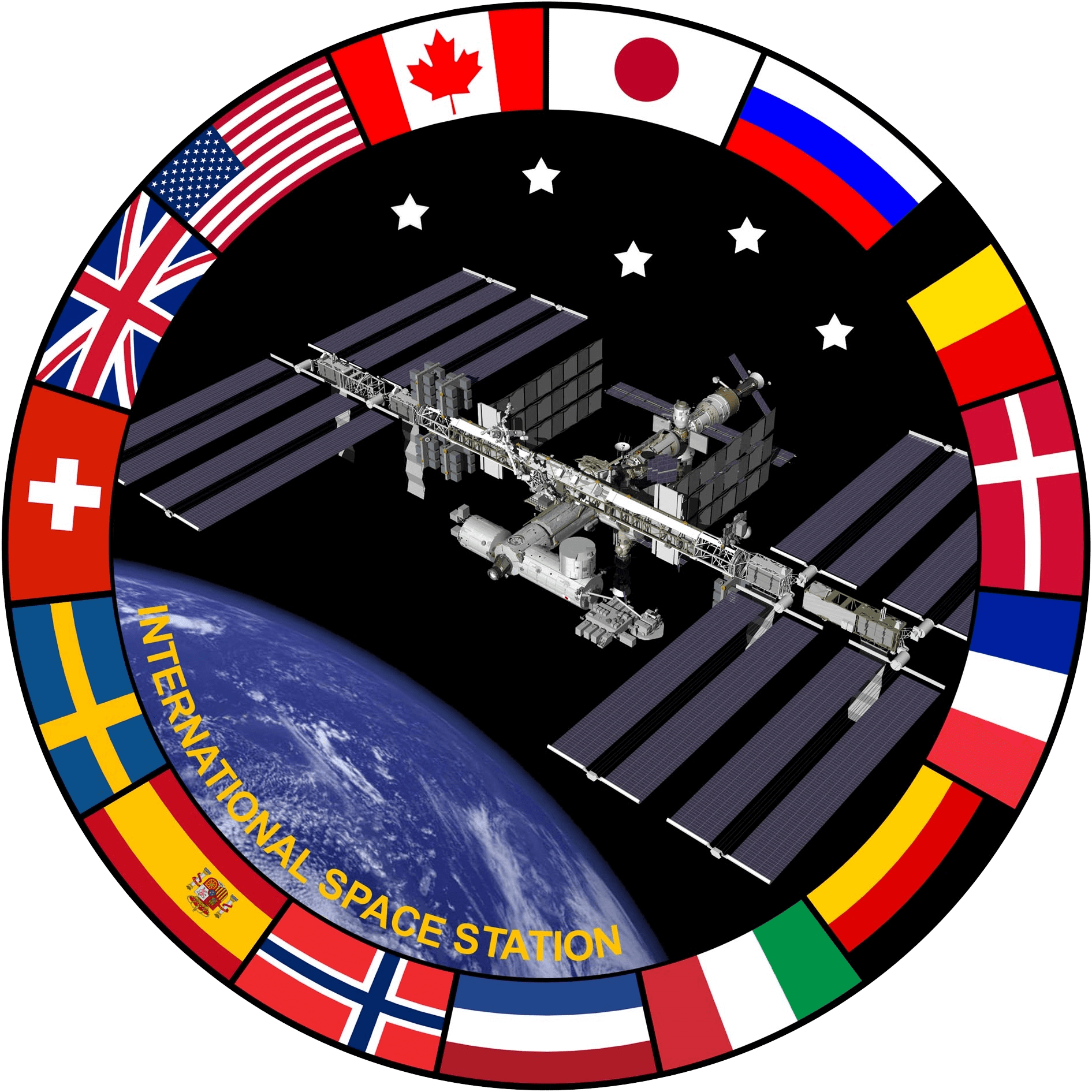
The International Space Station programme is tied together by a complex set of legal, political and financial agreements between the sixteen nations involved in the project, governing ownership of the various components, rights to crewing and utilization, and responsibilities for crew rotation and resupply of the International Space Station. It was conceived in 1984 by President Ronald Reagan, during the Space Station Freedom project as it was originally called.
Falcon 9 is a two-stage rocket designed and manufactured by SpaceX for the reliable and safe transport of satellites and the Dragon spacecraft into orbit. The Block 5 variant is the fifth major interval aimed at improving upon the ability for rapid reusability.
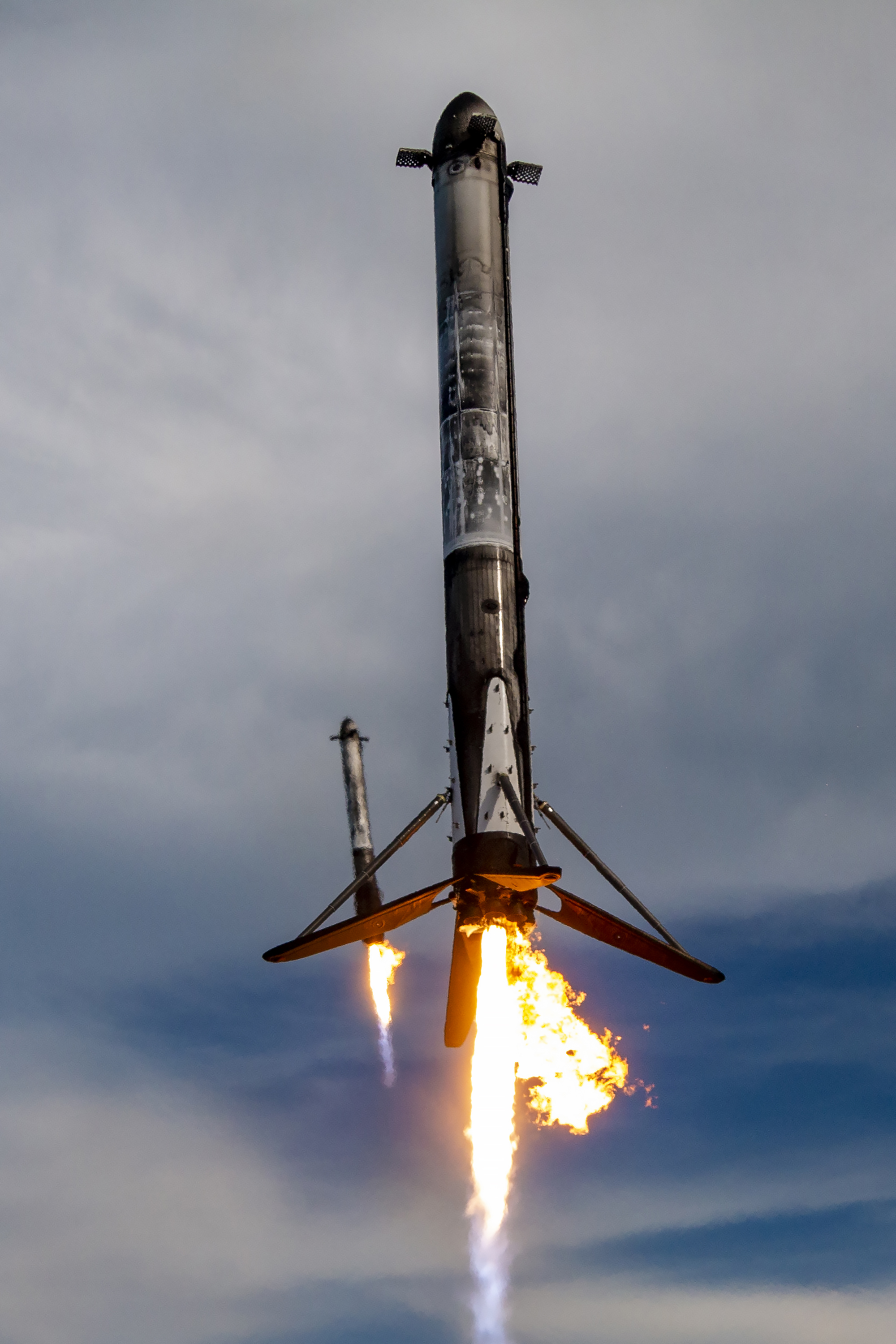
The Falcon 9 first stage B1101 will land back at the launch site at Landing Zone 40 after its 3rd flight.
Spacecraft: Crew Dragon Grace
Crew Dragon spacecraft first used for Axiom-4.
Specifications
SerialC213
TypeCapsule
StatusActive
DestinationInternational Space Station
Crew Capacity4
Height7.2 m
Diameter3.7 m
Maiden Flight2019-03-02
Payload Capacity6,000 kg
Time in Space20 Days, 2 Hours, 58 Minutes
Missions Flown1
Turnaround443 Days, 5 Hours, 40 Minutes
History
Crew Dragon 2 is a spacecraft developed by SpaceX, an American private space transportation company based in Hawthorne, California. Dragon is launched into space by the SpaceX Falcon 9 two-stage-to-orbit launch vehicle. It is one of two American Spacecraft being develeoped capable of lifting American Astronauts to the International Space Station.
The first crewed flight, launched on 30 May 2020 on a Falcon 9 rocket, and carried NASA astronauts Douglas Hurley and Robert Behnken to the…
Capability
Crew Flights to ISS or Low Earth Orbit
Details
Crew Dragon 2 is capable of lifting four astronauts, or a combination of crew and cargo to and from low Earth orbit. Its heat shield is designed to withstand Earth re-entry velocities from Lunar and Martian spaceflights.
Flight Life
Able to fly for up to one week of free flight or two years docked.
Joshua Kutryk, a Royal Canadian Air Force lieutenant colonel, is from Beauvallon, Alberta. He has a bachelor’s degree in mechanical engineering, as well as master’s degrees in space studies, flight test engineering, and defense studies.
Luke Delaney is a retired US Marine Corps major who grew up in Debary, Florida. He holds a degree in mechanical engineering from University of North Florida and a master’s degree in aerospace engineering from the Naval Postgraduate School.
Falcon 9 is a two-stage rocket designed and manufactured by SpaceX for the reliable and safe transport of satellites and the Dragon spacecraft into orbit. The Block 5 variant is the fifth major interval aimed at improving upon the ability for rapid reusability.
The Falcon Heavy is a variant of the Falcon 9 full thrust launch vehicle and consists of a standard Falcon 9 rocket core, with two additional boosters derived from the Falcon 9 first stage.
The Falcon Heavy side booster B1072 will land back at the launch site at Landing Zone 2 after its 4th flight.
Strap-On Booster: B1104
Flight #2
Total Flights1
Landings1
First LaunchAug 30, 2026
Previous FlightAug 30, 2026
Turnaround32 Days, 16 Hours
LandingPlanned
Landing MethodRTLS
Landing SiteLanding Zone 1
The Falcon Heavy side booster B1104 will land back at the launch site at Landing Zone 1 after its 2nd flight.
Core: B1106
Flight #1
LandingNo attempt
Landing MethodEXP
Landing SiteAtlantic Ocean
The Falcon Heavy center core B1106 will be expended.
SDA Tranche 1 Transport Layer A ×
Mission Details
TypeGovernment/Top Secret
OrbitPolar Orbit
TargetEarth
Tranche 1 Transport Layer A is one of six missions by the United States Space Force Space Development Agency (SDA) for the Proliferated Warfighter Space Architecture (PWSA) Tranche 1 Transport Layer constellation, which will provide assured, resilient, low-latency military data and connectivity worldwide to the full range of warfighter platforms from Low Earth Orbit satellites.
The constellation will be interconnected with Optical Inter-Satellite Links (OISLs) which have significantly increased performance over existing radio frequency crosslinks. It is expected to operate over Ka band, have stereo coverage and be dynamically networked for simpler hand-offs, greater bandwidth and fault tolerance.
This launch carries 21 satellites manufactured by Northrop Grumman.
Falcon 9 is a two-stage rocket designed and manufactured by SpaceX for the reliable and safe transport of satellites and the Dragon spacecraft into orbit. The Block 5 variant is the fifth major interval aimed at improving upon the ability for rapid reusability.
The Falcon 9 first stage B1103 will land on Landing Zone 4 after its 6th flight.
NeonSat-2 to 6 ×
Mission Details
TypeEarth Science
OrbitSun-Synchronous Orbit
TargetEarth
NeonSat-2 to 6 are part of the South Korean government’s Earth observation micro-satellite constellation NeonSat (New-space Earth Observation Satellite). The NeonSat constellation is the first satellite system developed by the government using a mass-production approach for precise monitoring of the Korean Peninsula.
Launch Provider: Korea Aerospace Research Institute
Robo Chris is a collection of API calls, filters, and searches, bolted together with magic and love. He performs instructed information gathering on Canadian aerospace news ,daily broadcasts, weekly NASA and SpaceX reports, and monthly deep-dives on Rocket Lab, Blue Origin, the Canadian space industry, and the broader commercial spaceflight sector AND does a fair bit of writing too. Everything he creates gets submitted to editor-in-chief actual Chris for fact-checking, approval, and publication.