NorthStar Earth & Space Promotes Peter Klimas to Chief Technology Officer
Montreal-based NorthStar Earth & Space promoted Peter Klimas to chief technology officer, effective Sept. 24. Klimas moves up from Executive Director of Engineering at the company, which catalogues objects in orbit and provides space intelligence and data analytics for defence and civil customers.
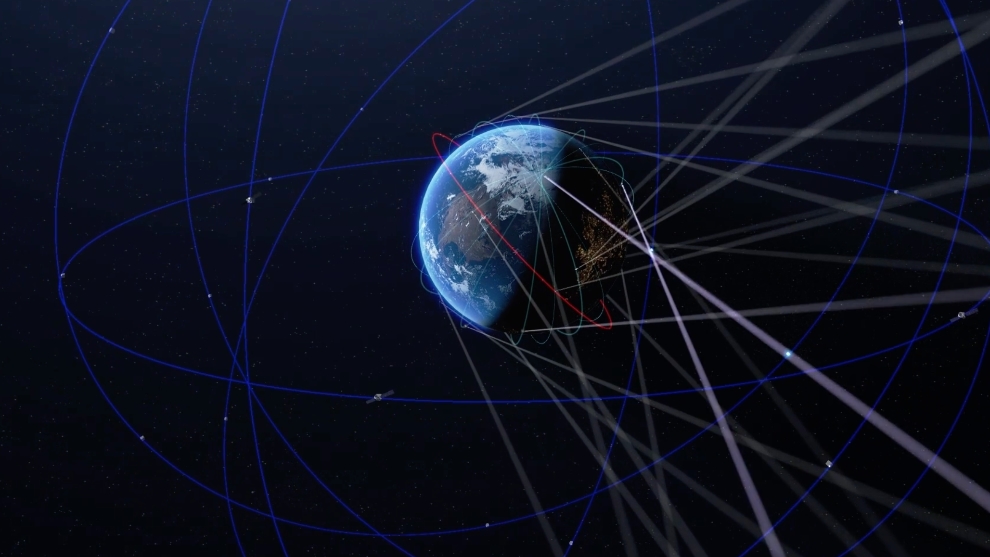
His customers include Canada’s 3 Canadian Space Division, the U.S. Space Force and the European Space Agency. As CTO, Klimas will oversee how the company’s satellite sensors, ground systems, data processing and orbital planning fit together, with a mandate to improve coverage, shorten revisit times and close observation gaps across its tracking network.
Klimas reached his previous post after working through Technical Director and Senior Director of Systems Engineering roles at NorthStar. Before joining the company, he held senior engineering roles in aerospace and optical communications, including work on the James Webb Space Telescope.
“As CTO, my priority will be to help our teams translate their expertise into a clear and coordinated technology roadmap,” Klimas said in the announcement. “Together, we will make our system architecture more adaptable, scalable, and resilient while focusing our innovation on the capabilities that improve mission value for our customers.”
NorthStar recently turned to Kepler Communications for its next hosting payloads, agreeing to fly sensors on Kepler’s satellites rather than build dedicated spacecraft of its own. Neither company has disclosed the deal’s value or a launch timeline for the first Kepler-hosted sensor.
Starship Reaches Orbit for the First Time on Flight 14
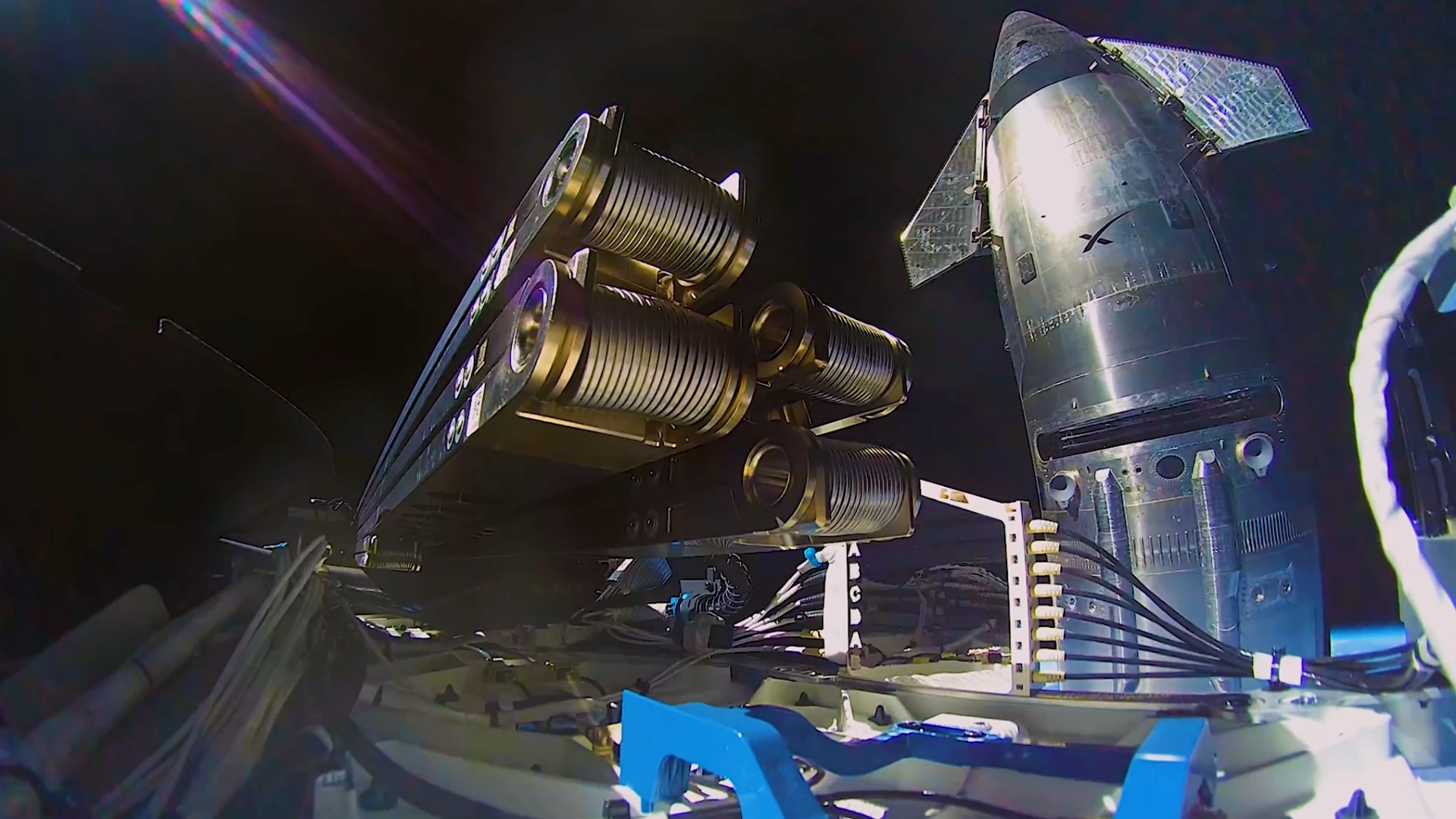
SpaceX flew a Starship into orbit for the first time on Monday, Sept. 28, after an engine anomaly forced a 20-minute hold during the mission. Ship 41, flying for the first time, released 26 Starlink version 3 satellites — the first time SpaceX has added operational satellites to the network from Starship.
Super Heavy Booster 21, also on its first flight, lit all 33 engines at liftoff and separated from Ship 41 in a hot-staging manoeuvre a little over two minutes later. The booster splashed down softly off Starbase in the Gulf of Mexico.
During the ascent burn, one of Ship 41’s six Raptor engines shut down early. SpaceX had stated all week it would only commit to orbit if every system checked out, so flight controllers held the ship in its suborbital holding pattern for about 20 minutes while they checked the three sea-level engines it would need both to reach orbit and to return.
“We’ve got the saying, only the paranoid survive,” SpaceX’s Dan Hewitt told the broadcast before liftoff. “That’s going to be in full effect today.”
Once the review was complete, Hewitt delivered the go-for-orbit call. Ship 41 lit a single engine fed from tanks in its nose cone — a burn Starship had never attempted — and reached orbit roughly 275 kilometres up.
Ship 41 began releasing Starlink satellites about 34 minutes after liftoff, deploying all 26 over the next half hour. Each satellite adds roughly a terabit per second of capacity to the network. One full Starship load moves about as much bandwidth as 10 Falcon 9 launches of the older satellite version, SpaceX said.
A July Starship flight had test-deployed 20 of the same satellites without adding them to the network. Monday’s 26 should start serving customers within a few weeks, the company said.
Flight documentation filed before launch indicated controllers could end the mission after as few as two orbits. Ship 41 splashed down in the Pacific north of Hawaii about three hours after liftoff, completing roughly two orbits instead of the six SpaceX had publicly described.
Boeing Starliner Crewed Flights Slip to 2028
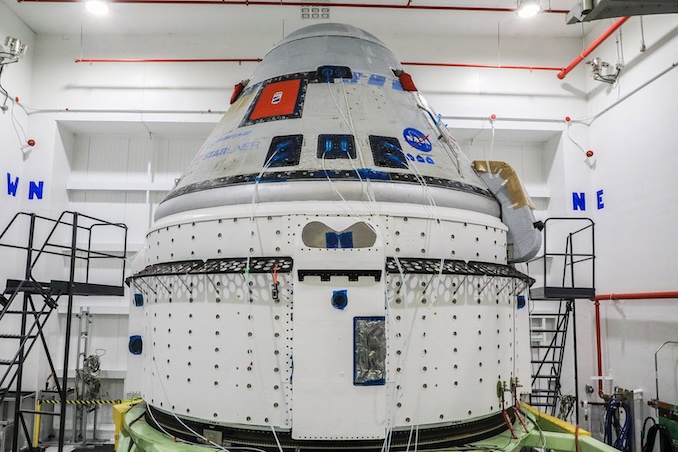
Boeing and NASA announced Monday that the next crewed Starliner flight will not happen until 2028, two years after the spacecraft landed in the New Mexico desert without NASA’s Butch Wilmore and Suni Williams. An uncrewed test flight is expected no sooner than the end of this year, with another year or more needed to evaluate those results before putting astronauts back aboard.
The message from the NASA-Boeing news conference at Kennedy Space Center was clear: both organizations remain committed to Starliner despite persistent problems since the program’s first test flight in 2019. NASA Administrator Jared Isaacman, Low Earth Orbit Program Manager Dana Weigel, NASA astronaut Woody Hoburg and Boeing Vice President and Commercial Crew Program Manager John Mulholland participated in the briefing.
NASA awarded fixed-price contracts to Boeing and SpaceX in 2014 to restore American crew transportation to the International Space Station. From the Space Shuttle’s retirement in 2011 until SpaceX’s Crew Dragon first flight in 2020, NASA paid Russia for crew transportation at a price that ultimately reached $90 million per seat.
NASA wanted two commercial crew providers for redundancy and competition. That remains the goal, but SpaceX is currently the only operational provider. SpaceX’s Crew-13 mission is scheduled to launch on Oct. 1.
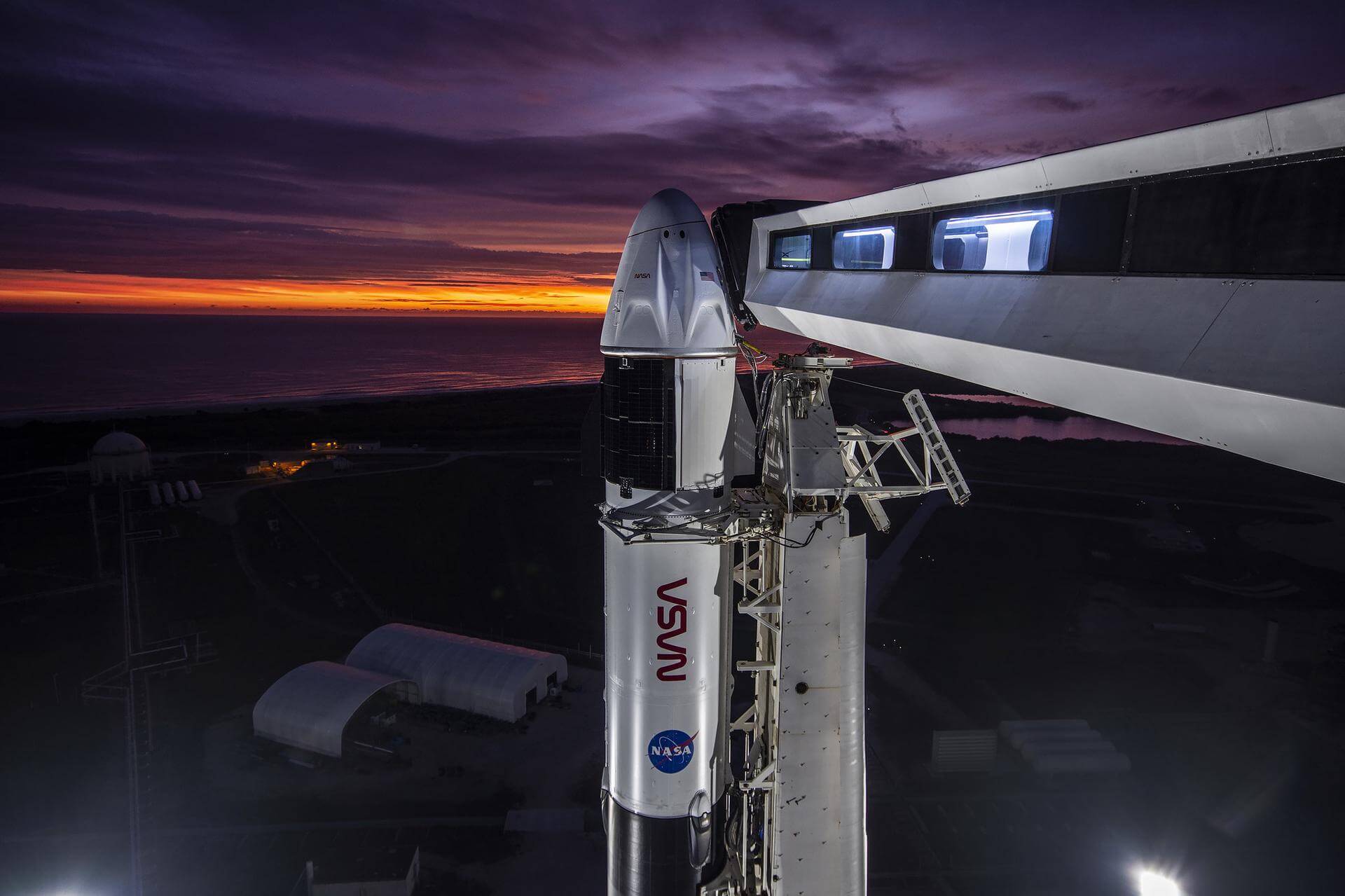
Provider: SpaceX Date: October 1, 2026 Time: 3:10 PM UTC Vehicle: Falcon 9
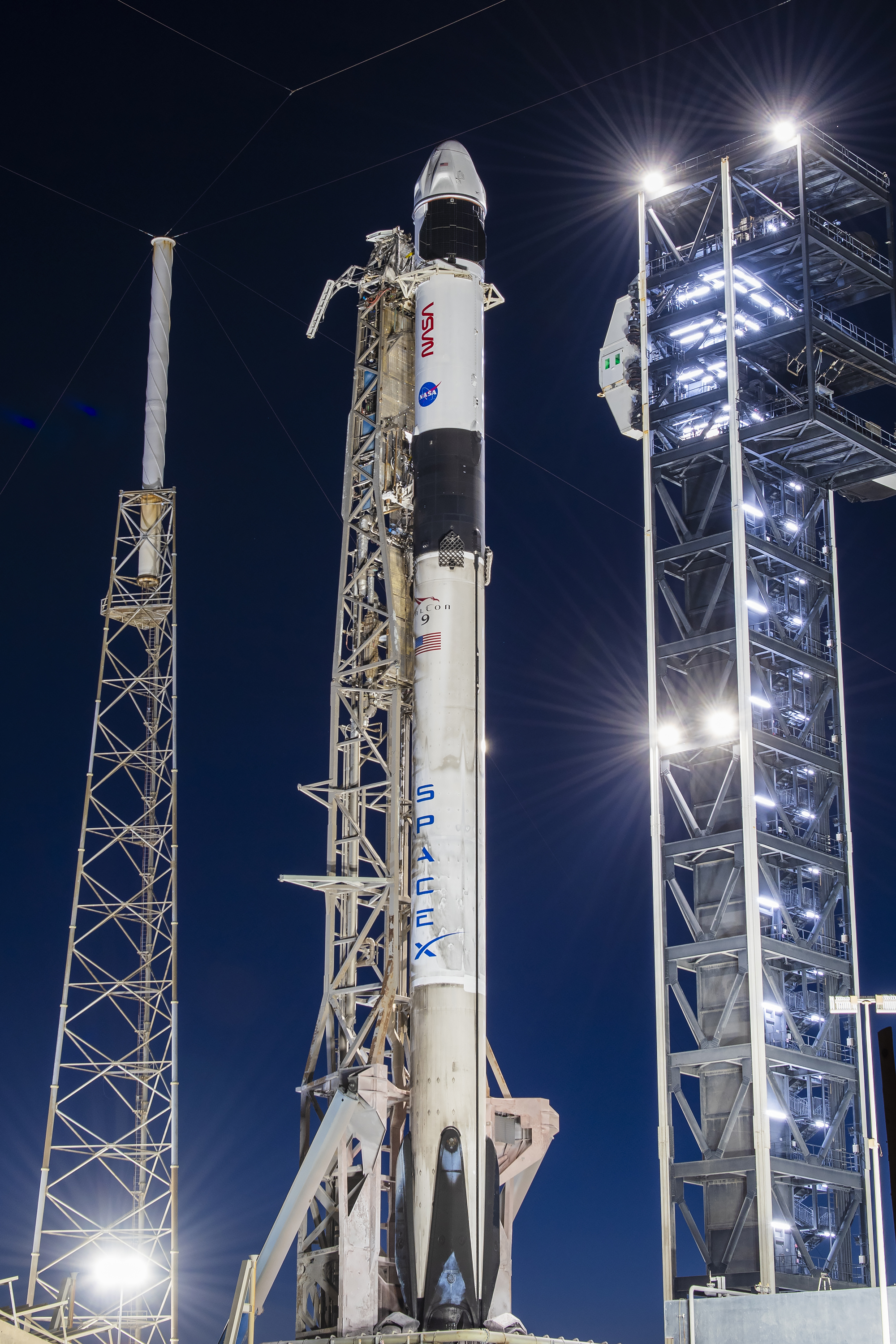
SpaceX Crew-13 is the thirteenth crewed operational flight of a Crew Dragon spacecraft to the International Space Station as part of NASA’s Commercial Crew Program.
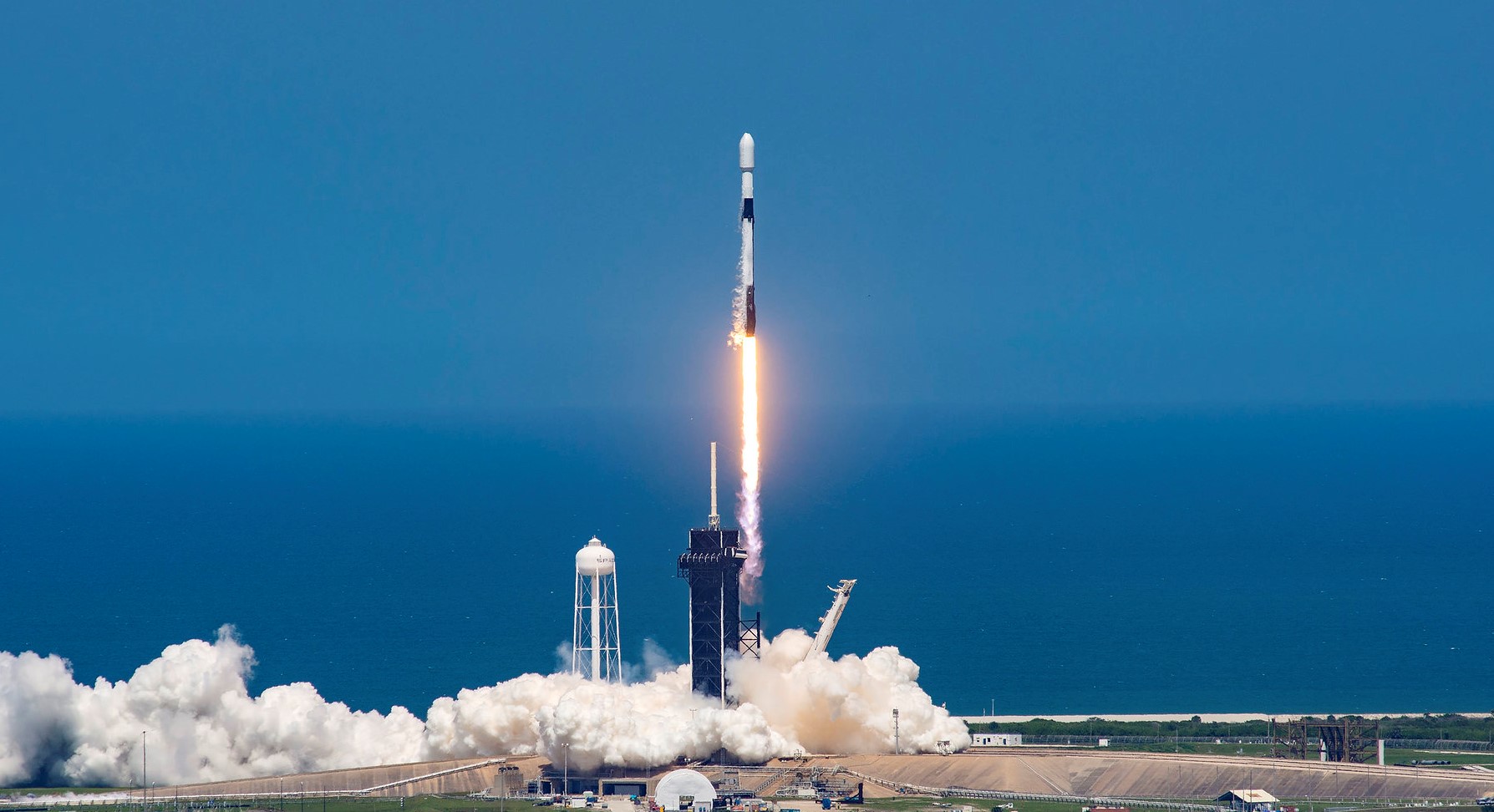
Transporter 18 (Dedicated SSO Rideshare)
Provider: SpaceX Date: October 1, 2026 Time: 6:18 PM UTC Vehicle: Falcon 9
Dedicated rideshare flight to a sun-synchronous orbit with dozens of small microsatellites and nanosatellites for commercial and government customers.
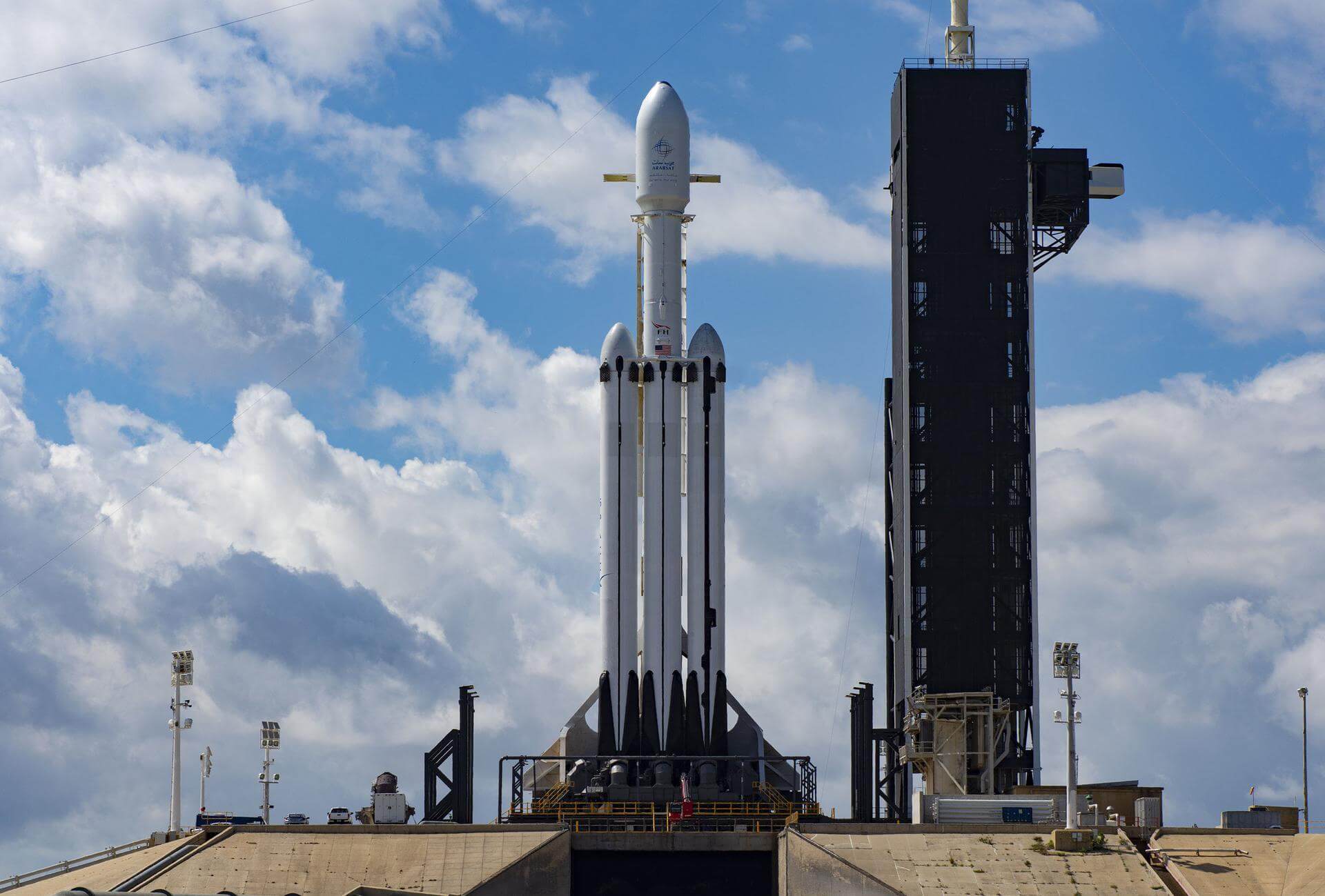
NROL-97
Provider: SpaceX Date: October 2, 2026 Time: 3:53 AM UTC Vehicle: Falcon Heavy
Classified payload for the US National Reconnaissance Office.
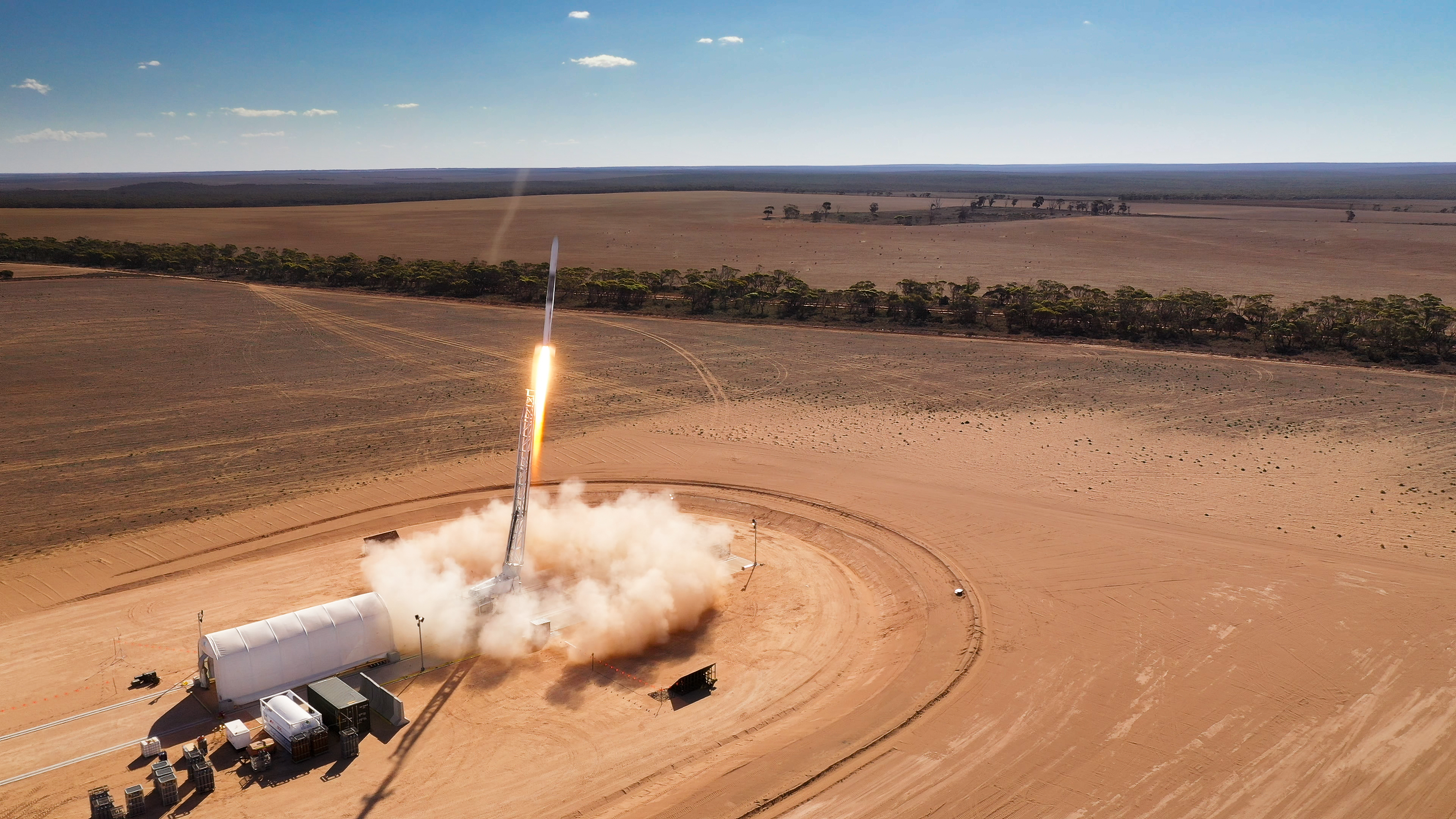
Flight 2
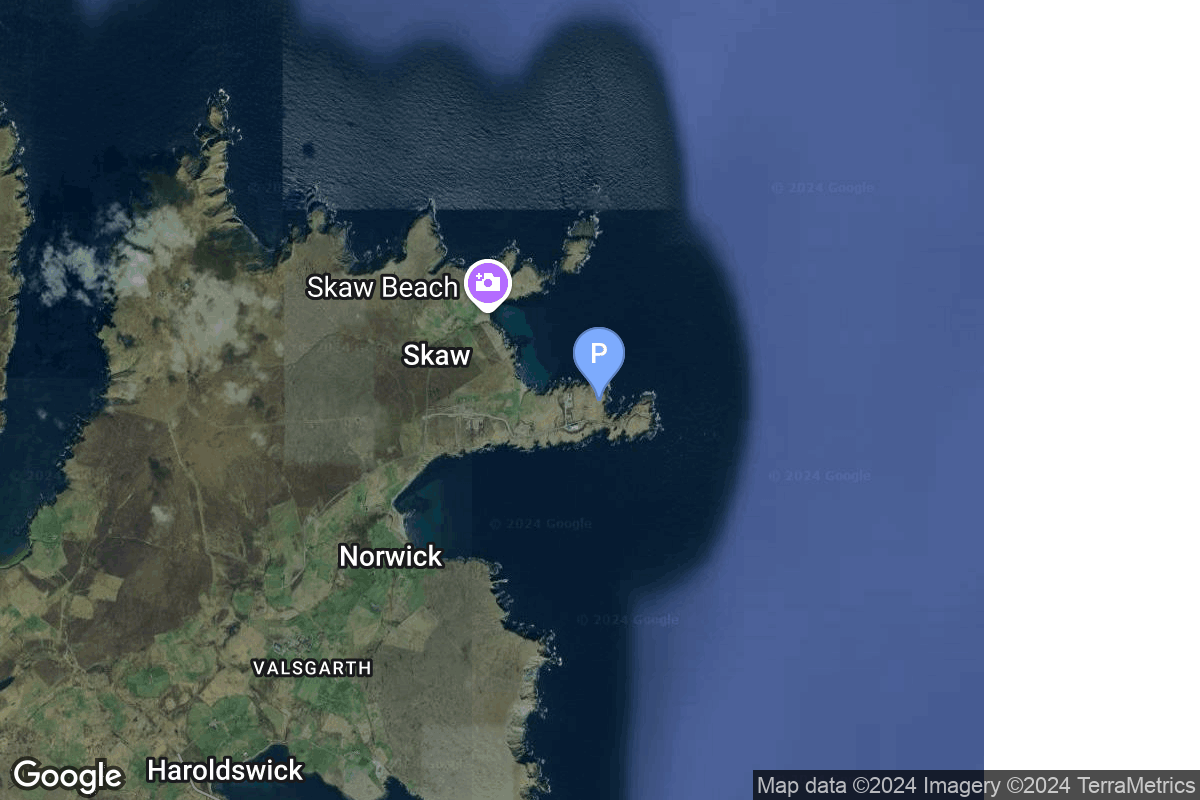
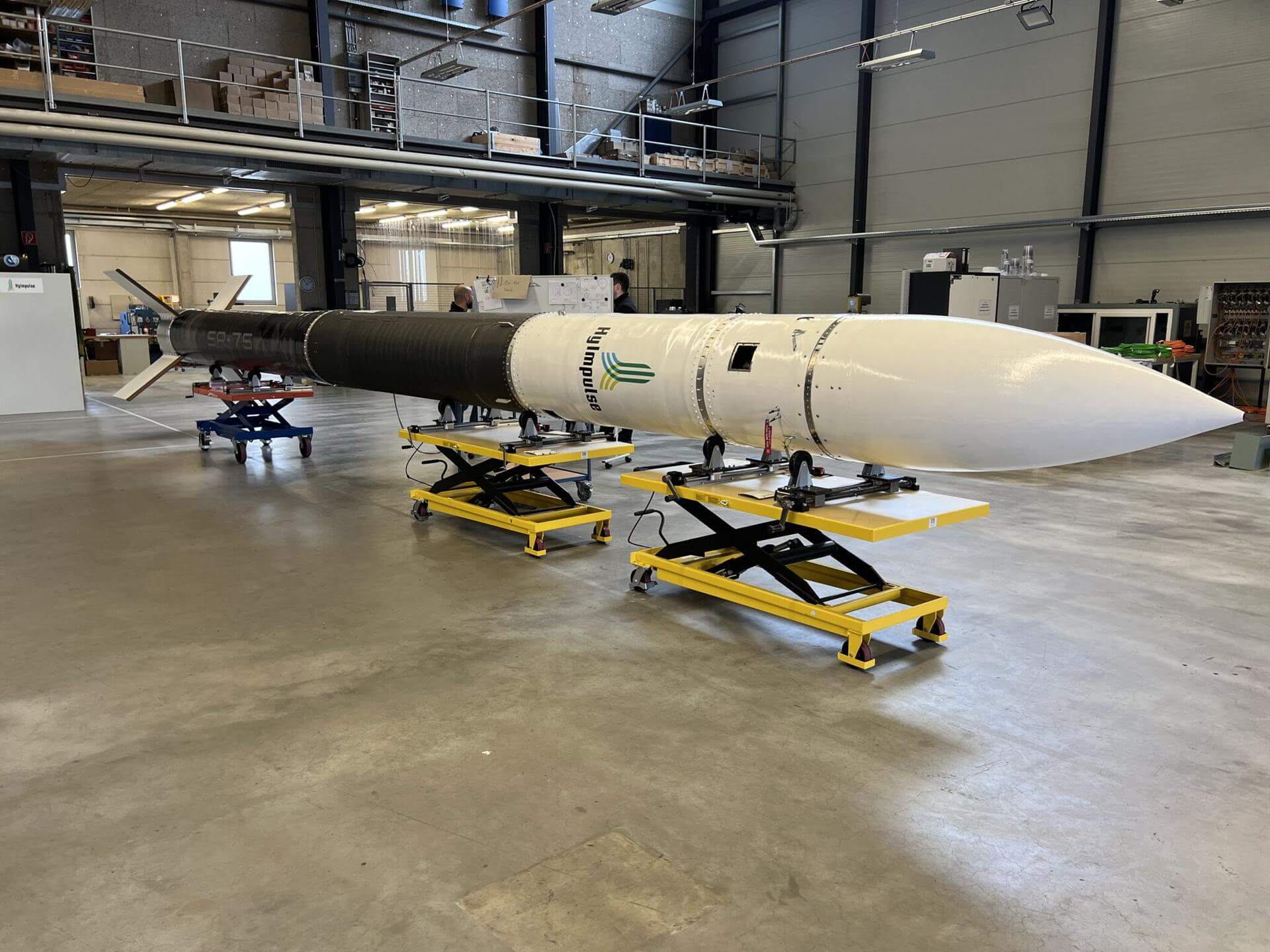
Provider: HyImpulse Date: October 5, 2026 Time: 12:00 AM UTC Vehicle: SR75
Test flight of HyImpulse’s SR75 sounding rocket.
SDA Tranche 1 Transport Layer A
Provider: SpaceX Date: October 5, 2026 Time: 8:06 AM UTC Vehicle: Falcon 9
Tranche 1 Transport Layer A is one of six missions by the United States Space Force Space Development Agency (SDA) for the Proliferated Warfighter Space Architecture (PWSA) Tranche 1 Transport Layer constellation, which will provide assured, resilient, low-latency military data and connectivity worldwide to the full range of warfighter platforms from Low Earth Orbit satellites.
The constellation will be interconnected with Optical Inter-Satellite Links (OISLs) which have significantly increased performance over existing radio frequency crosslinks. It is expected to operate over Ka band, have stereo coverage and be dynamically networked for simpler hand-offs, greater bandwidth and fault tolerance.
This launch carries 21 satellites manufactured by Northrop Grumman.
Crew-13 ×
Mission Details
TypeHuman Exploration
OrbitLow Earth Orbit
TargetEarth
SpaceX Crew-13 is the thirteenth crewed operational flight of a Crew Dragon spacecraft to the International Space Station as part of NASA’s Commercial Crew Program.
• National Aeronautics and Space Administration (Government)
• Russian Federal Space Agency (ROSCOSMOS) (Government)
Program: Commercial Crew Program
The Commercial Crew Program (CCP) is a human spaceflight program operated by NASA, in association with American aerospace manufacturers Boeing and SpaceX. The program conducts rotations between the expeditions of the International Space Station program, transporting crews to and from the International Space Station (ISS) aboard Boeing Starliner and SpaceX Crew Dragon capsules, in the first crewed orbital spaceflights operated by private companies.
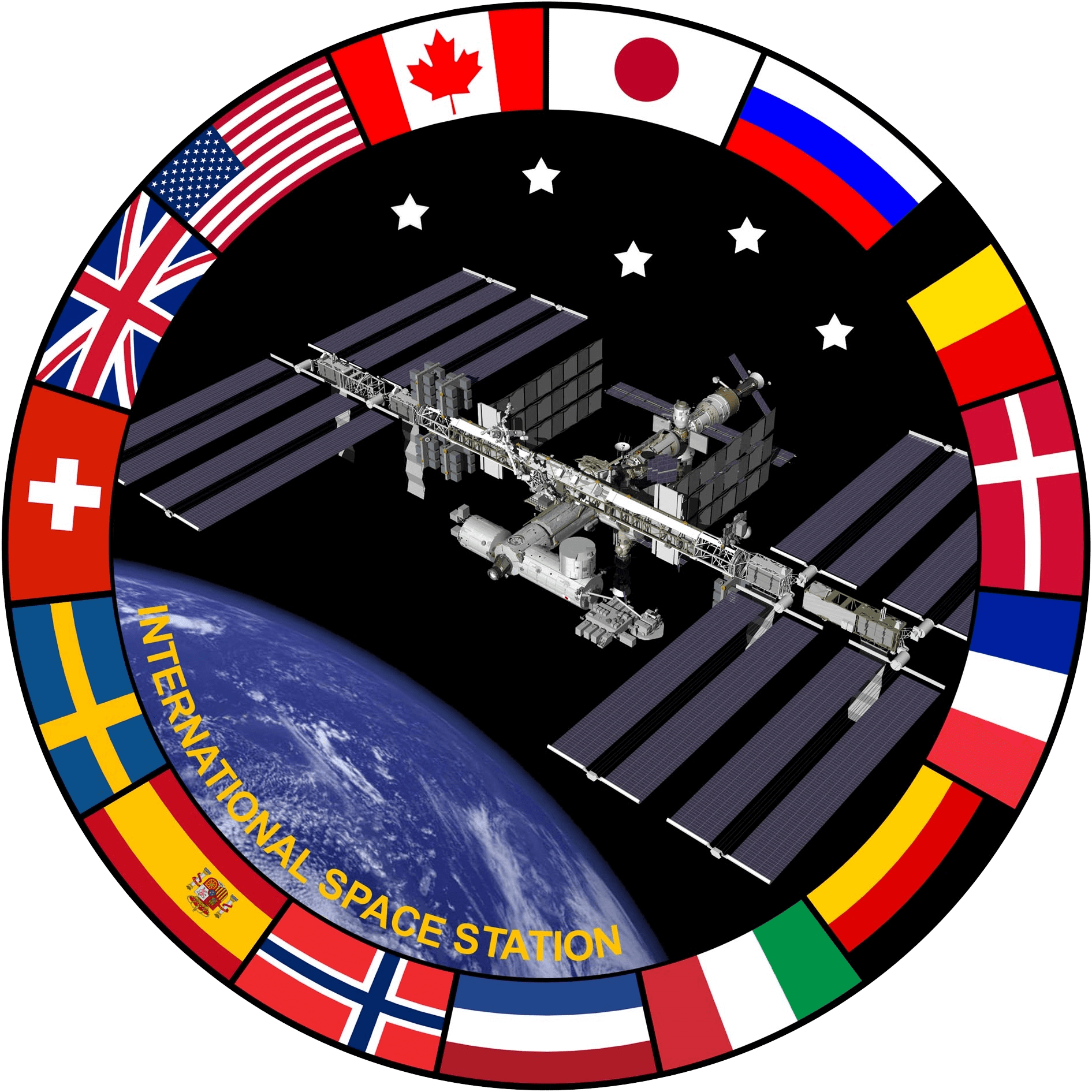
The International Space Station programme is tied together by a complex set of legal, political and financial agreements between the sixteen nations involved in the project, governing ownership of the various components, rights to crewing and utilization, and responsibilities for crew rotation and resupply of the International Space Station. It was conceived in 1984 by President Ronald Reagan, during the Space Station Freedom project as it was originally called.
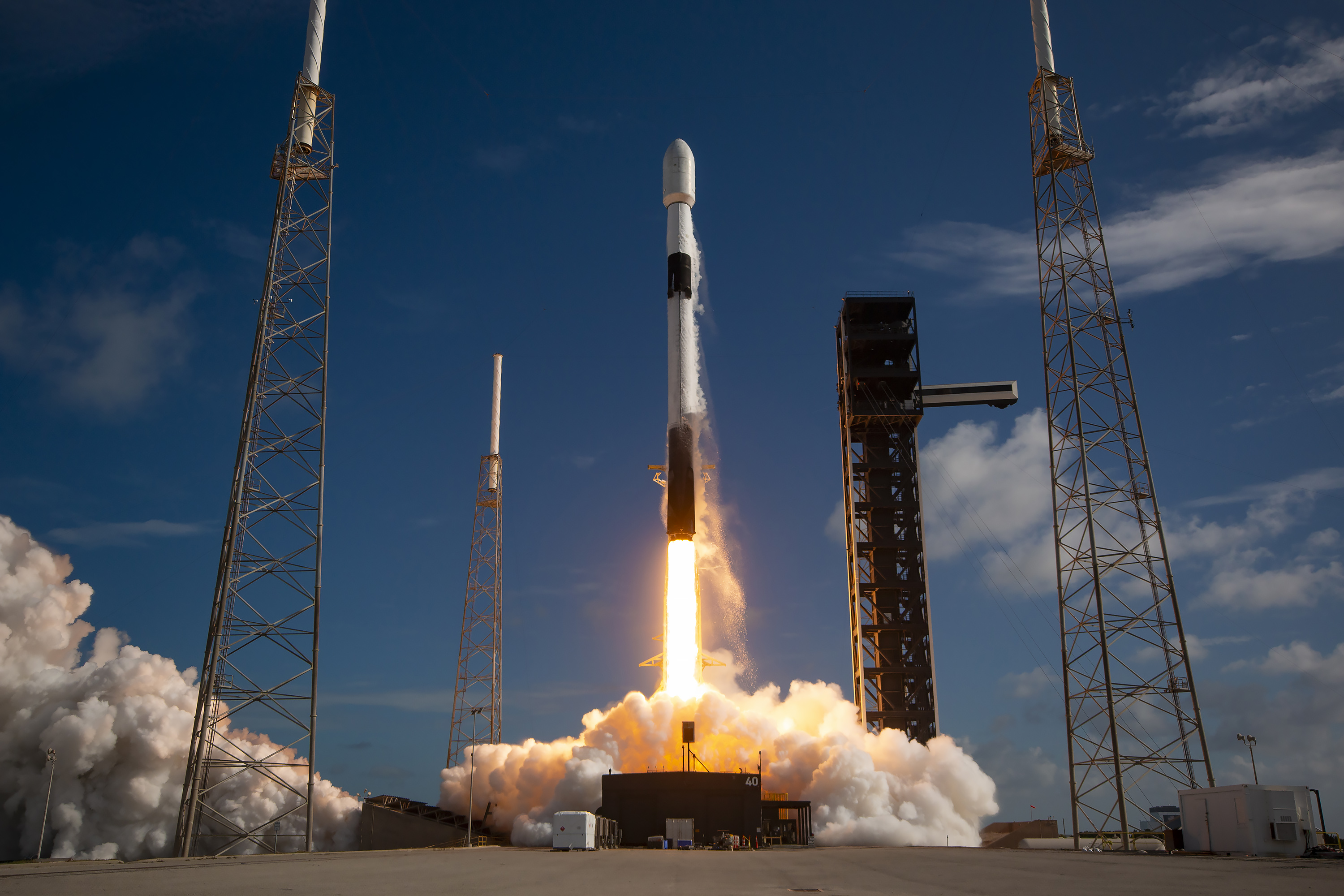
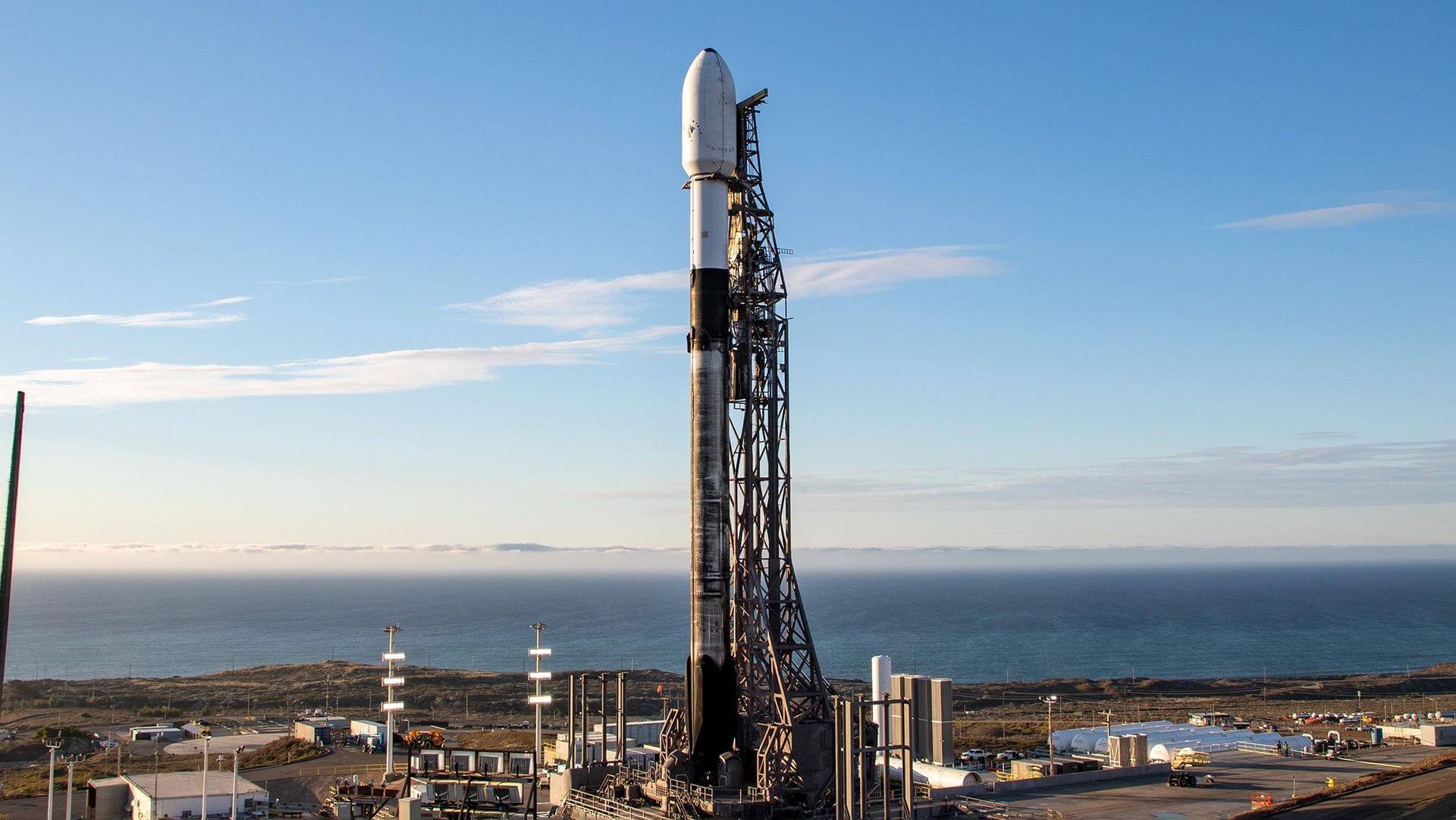
Falcon 9 is a two-stage rocket designed and manufactured by SpaceX for the reliable and safe transport of satellites and the Dragon spacecraft into orbit. The Block 5 variant is the fifth major interval aimed at improving upon the ability for rapid reusability.
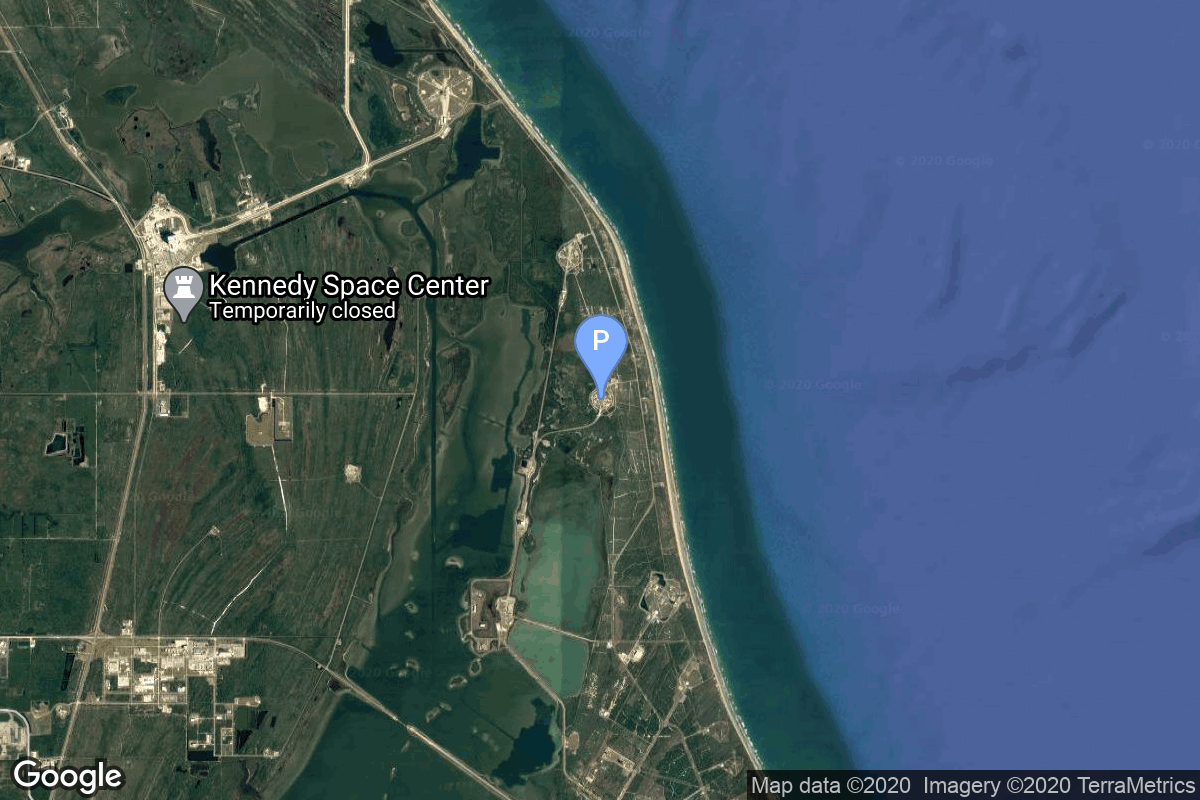
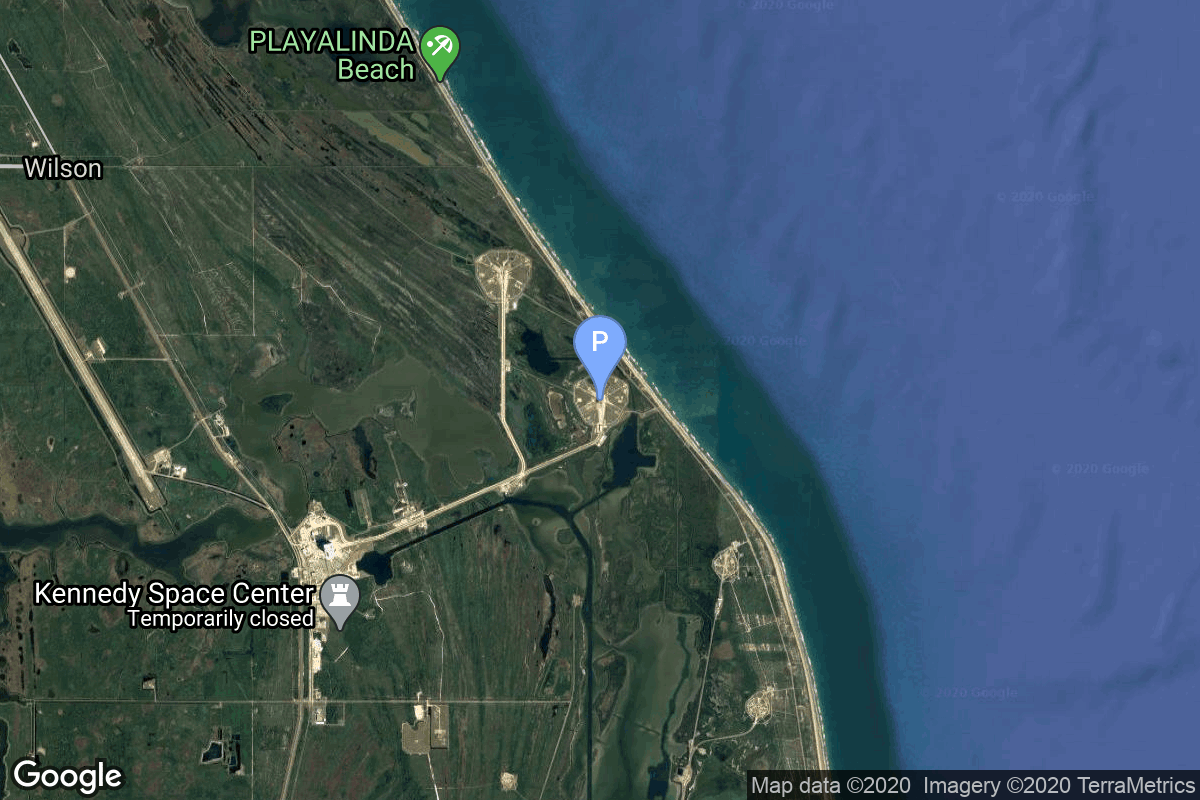
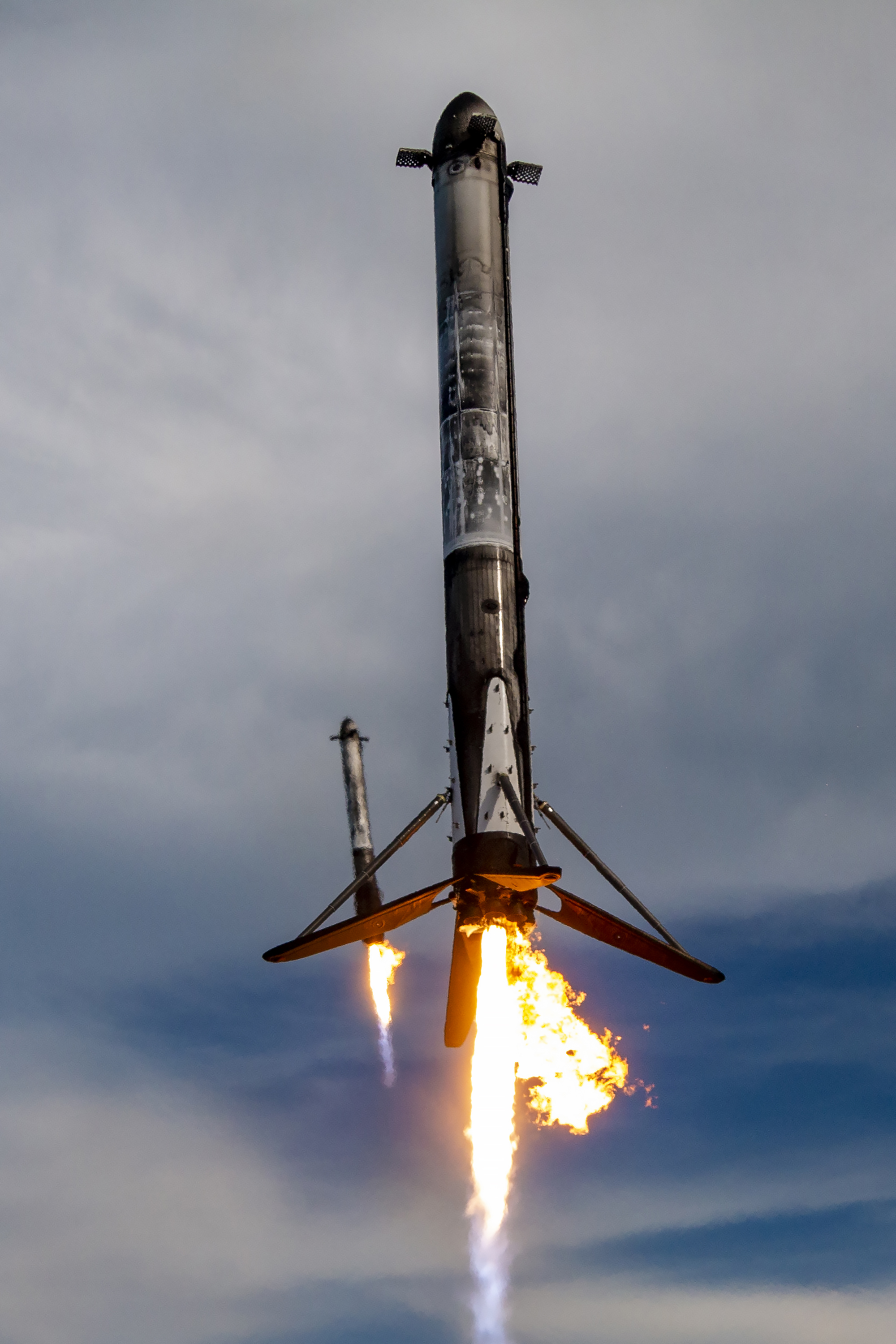
The Falcon 9 first stage B1101 will land back at the launch site at Landing Zone 40 after its 3rd flight.
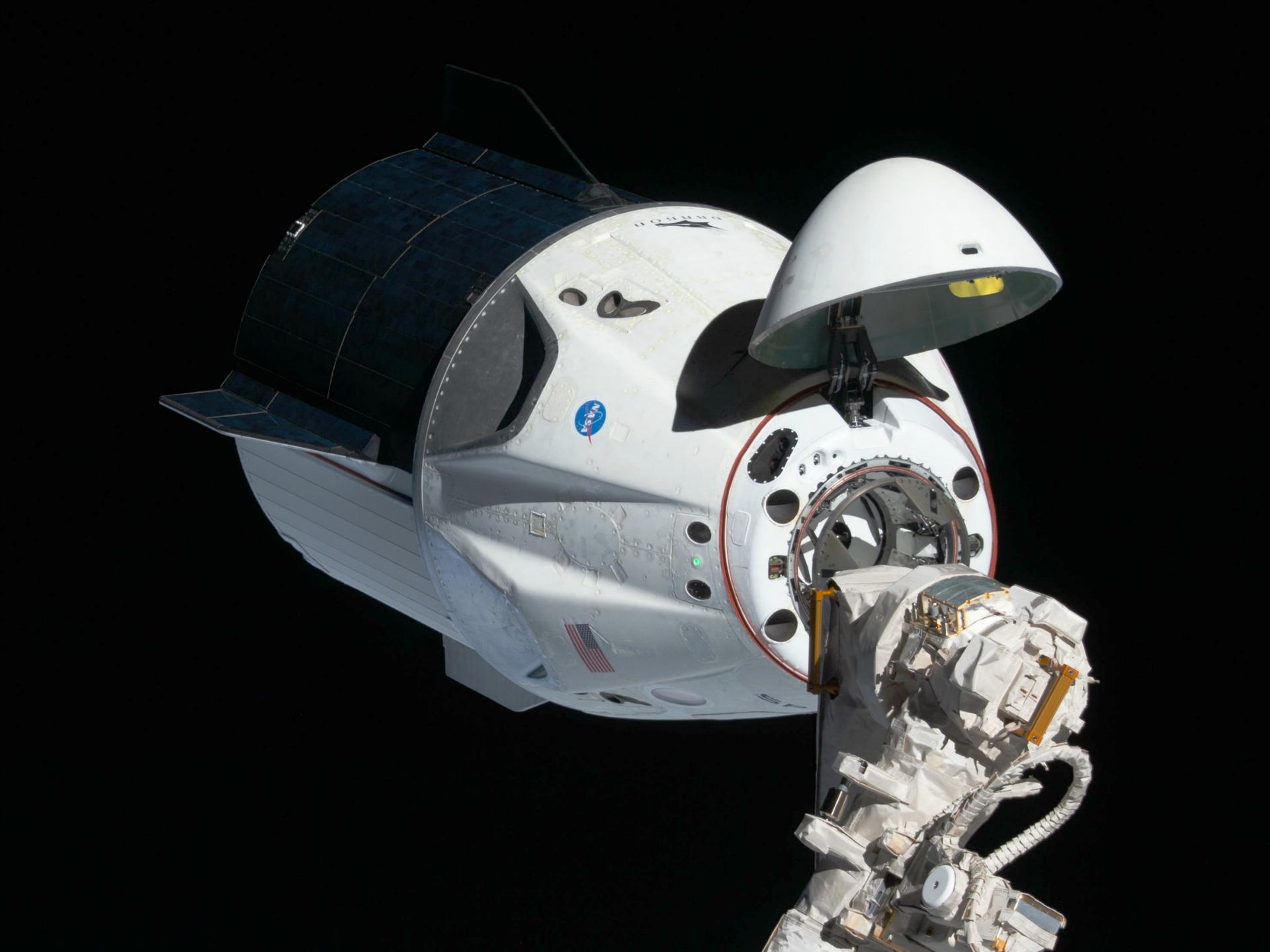
Spacecraft: Crew Dragon Grace
Crew Dragon spacecraft first used for Axiom-4.
Specifications
SerialC213
TypeCapsule
StatusActive
DestinationInternational Space Station
Crew Capacity4
Height7.2 m
Diameter3.7 m
Maiden Flight2019-03-02
Payload Capacity6,000 kg
Time in Space20 Days, 2 Hours, 58 Minutes
Missions Flown1
Turnaround443 Days, 5 Hours, 40 Minutes
History
Crew Dragon 2 is a spacecraft developed by SpaceX, an American private space transportation company based in Hawthorne, California. Dragon is launched into space by the SpaceX Falcon 9 two-stage-to-orbit launch vehicle. It is one of two American Spacecraft being develeoped capable of lifting American Astronauts to the International Space Station.
The first crewed flight, launched on 30 May 2020 on a Falcon 9 rocket, and carried NASA astronauts Douglas Hurley and Robert Behnken to the…
Capability
Crew Flights to ISS or Low Earth Orbit
Details
Crew Dragon 2 is capable of lifting four astronauts, or a combination of crew and cargo to and from low Earth orbit. Its heat shield is designed to withstand Earth re-entry velocities from Lunar and Martian spaceflights.
Flight Life
Able to fly for up to one week of free flight or two years docked.
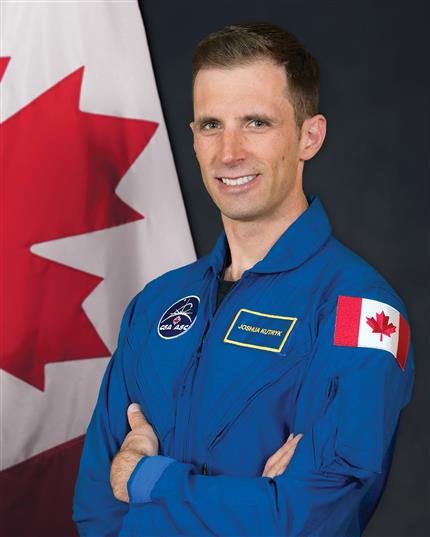
Joshua Kutryk, a Royal Canadian Air Force lieutenant colonel, is from Beauvallon, Alberta. He has a bachelor’s degree in mechanical engineering, as well as master’s degrees in space studies, flight test engineering, and defense studies.
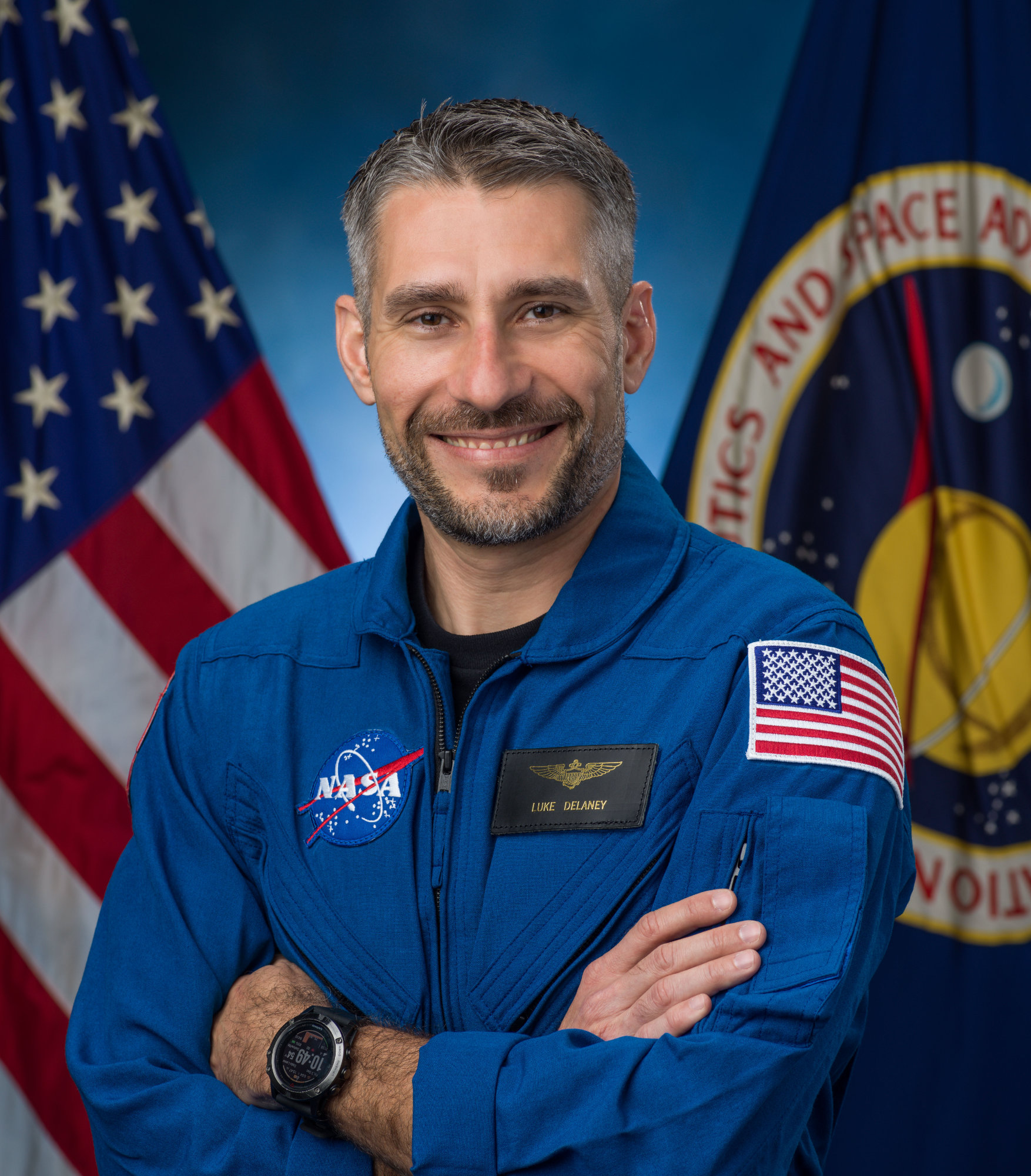
Luke Delaney is a retired US Marine Corps major who grew up in Debary, Florida. He holds a degree in mechanical engineering from University of North Florida and a master’s degree in aerospace engineering from the Naval Postgraduate School.
Falcon 9 is a two-stage rocket designed and manufactured by SpaceX for the reliable and safe transport of satellites and the Dragon spacecraft into orbit. The Block 5 variant is the fifth major interval aimed at improving upon the ability for rapid reusability.
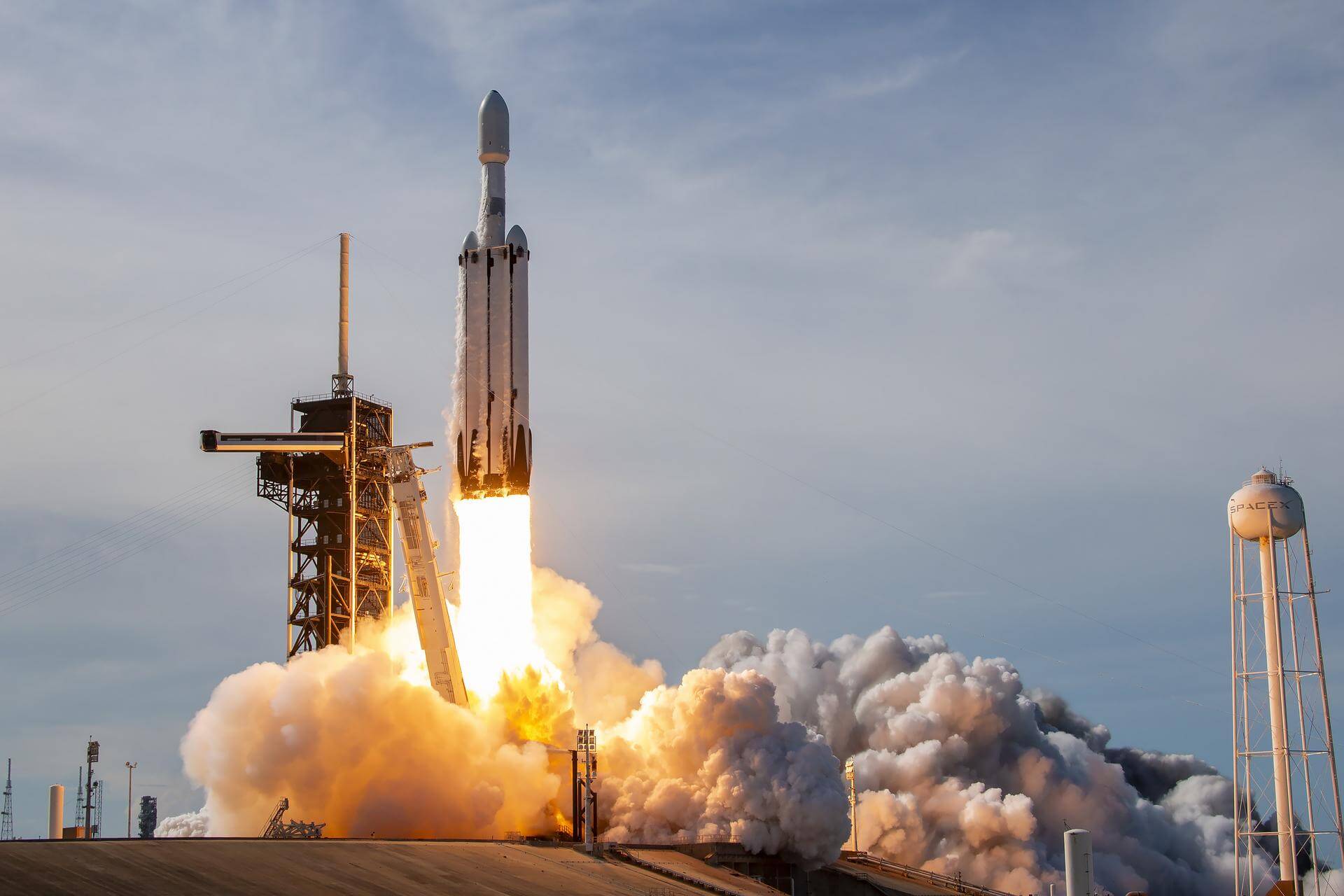
The Falcon Heavy is a variant of the Falcon 9 full thrust launch vehicle and consists of a standard Falcon 9 rocket core, with two additional boosters derived from the Falcon 9 first stage.
Single-stage suborbital sounding rocket developed by German private company HyImpulse. Used to offer commercial microgravity services and as a test bed for the company’s SL1 orbital rocket.
Specifications
Diameter0.64 m
Liftoff Thrust75 kN
Max Apogee200 km
ReusableNo
Maiden Flight2024-05-03
Launch Record
1 successful / 1 total launches
Current streak: 1 successful
SDA Tranche 1 Transport Layer A ×
Mission Details
TypeGovernment/Top Secret
OrbitPolar Orbit
TargetEarth
Tranche 1 Transport Layer A is one of six missions by the United States Space Force Space Development Agency (SDA) for the Proliferated Warfighter Space Architecture (PWSA) Tranche 1 Transport Layer constellation, which will provide assured, resilient, low-latency military data and connectivity worldwide to the full range of warfighter platforms from Low Earth Orbit satellites.
The constellation will be interconnected with Optical Inter-Satellite Links (OISLs) which have significantly increased performance over existing radio frequency crosslinks. It is expected to operate over Ka band, have stereo coverage and be dynamically networked for simpler hand-offs, greater bandwidth and fault tolerance.
This launch carries 21 satellites manufactured by Northrop Grumman.
Agencies Involved
• Space Development Agency (Government)
Launch Provider: SpaceX
Commercial • United States of America • Founded 2002
Falcon 9 is a two-stage rocket designed and manufactured by SpaceX for the reliable and safe transport of satellites and the Dragon spacecraft into orbit. The Block 5 variant is the fifth major interval aimed at improving upon the ability for rapid reusability.
Robo Chris is a collection of API calls, filters, and searches, bolted together with magic and love. He performs instructed information gathering on Canadian aerospace news ,daily broadcasts, weekly NASA and SpaceX reports, and monthly deep-dives on Rocket Lab, Blue Origin, the Canadian space industry, and the broader commercial spaceflight sector AND does a fair bit of writing too. Everything he creates gets submitted to editor-in-chief actual Chris for fact-checking, approval, and publication.