Carleton Rover Dominates Canadian International Rover Challenge
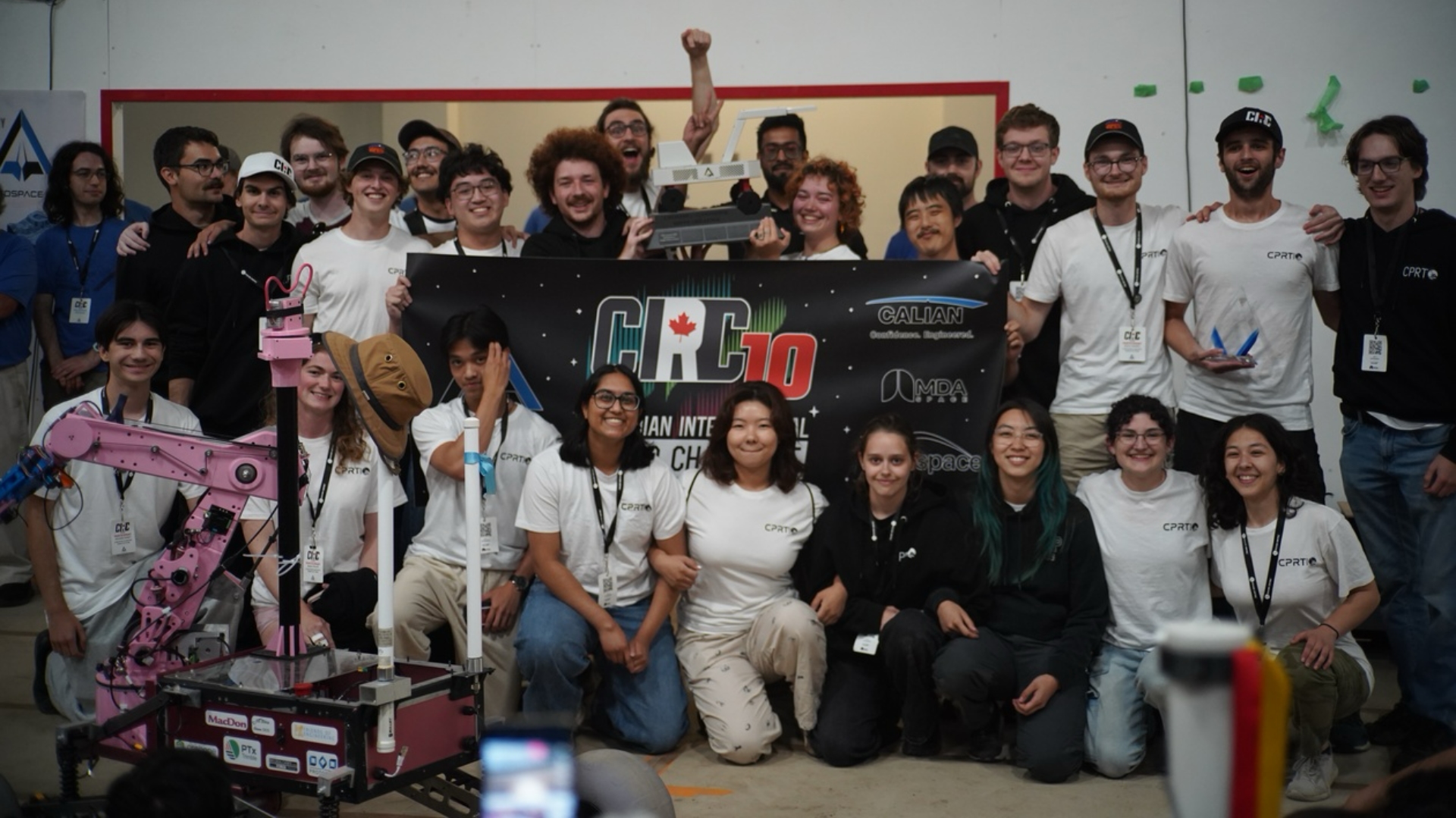
Carleton University’s Planetary Robotics Team won the 2026 Canadian International Rover Challenge, scoring 382.19 points at the event held last month in the badlands near Drumheller, Alberta — more than 100 points ahead of the second-place finisher at 256.21.
“It was a bit crazy,” Owen Davidson, president of the Carleton rover team and a fourth-year aerospace engineering student, told SpaceQ. “A couple of us were, like, ‘Okay, did we do the math correctly?'”
The Carleton rover outperformed the field on four tasks: a “snack run” to retrieve astronaut items from a competition vending machine, a “heist mission” to recover a simulated stolen artifact, and two tasks involving food and refreshment delivery to crew members.
Davidson credited the many students who have worked on rover iterations since 2013, as well as support from Carleton’s Faculty of Engineering and Design. The team’s leadership group of 14 saw many members contribute 20 to 40 hours a week during critical build phases, with 60 to 80 participants across multiple disciplines depending on the week.
The rover — constrained by competition rules to fit within a 1.2-metre cube, weigh under 50 kg, and cost less than $24,000 USD ($34,000 CAD) — features a four-wheeled suspension system with independent steering allowing each wheel to turn 90 degrees, plus a six-degree-of-freedom arm with a one-metre-by-one-metre-by-1.2-metre working envelope.
Carleton had earlier placed 23rd in a field of 116 at the University Rover Challenge in Utah in May.
Waterloo Rocketry Breaks Amateur Altitude Record at Launch Canada
Waterloo Rocketry’s Polaris rocket achieved a new world record altitude for amateur liquid rocketry during the Launch Canada challenge, which brought university and college student rocket teams to Timmins and Mattagami First Nation last month.
Launch Canada also announced it will receive significant support from Defence Research and Development Canada under the “Launch the North” program, and kicked off its first cohort of high school rocket teams.
Launch Canada founder and president Adam Trumpour emphasized the event’s collaborative spirit, noting that teams helped each other get rockets launched and cheered each other on. Université de Sherbrooke took first place in the Advanced Launch category, followed by Carleton University and McGill University. The University of Ottawa won the Restricted Launch, while École secondaire catholique L’Essor topped the Junior Launch category.
MDA Space Cleared for Share Buyback
The Toronto Stock Exchange approved MDA Space’s normal course issuer bid on Monday, allowing the company to repurchase up to five per cent of its outstanding shares over the next year. Based on 162.1 million shares outstanding as of Sept. 11, the approval covers up to 8.1 million shares.
MDA, dual-listed on the TSX and the New York Stock Exchange, can buy no more than approximately 313,000 shares per trading day — a quarter of the stock’s recent average volume. The program runs from Wednesday, Sept. 23, 2026, through Sept. 22, 2027. Every share purchased will be cancelled.
MDA framed the buyback as opportunistic, citing “potential benefits” during “periods of general market volatility.” The company is not obligated to purchase any shares. A broker-run automatic purchase plan allows buying to continue through MDA’s self-imposed blackout periods.
The buyback authorization comes alongside significant recent spending: MDA raised $600 million in senior notes this summer to fund its acquisition of Blue Canyon Technologies, a Colorado satellite-component maker purchased from Raytheon, and paid $278 million last year for satellite chipmaker SatixFy.
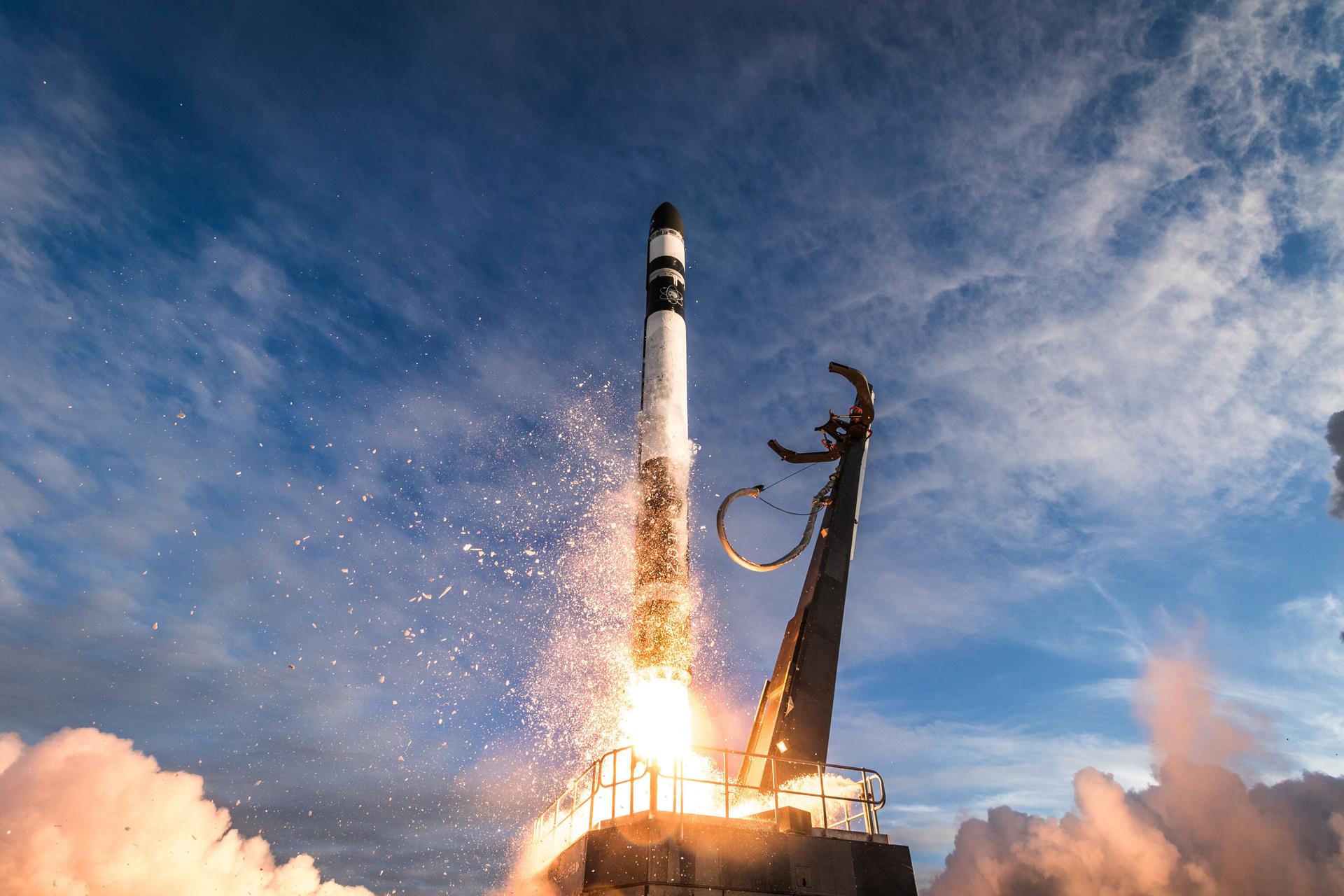
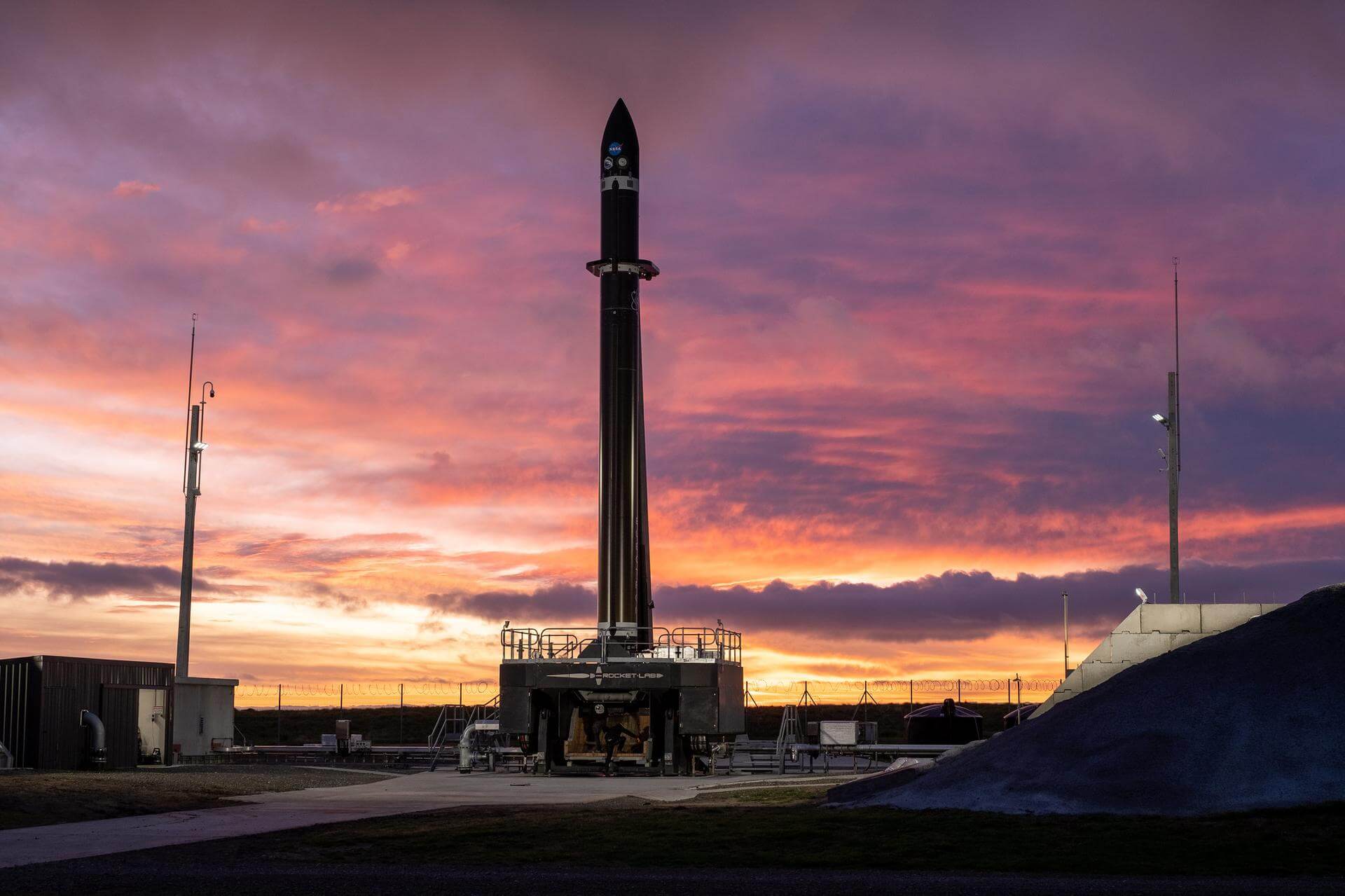
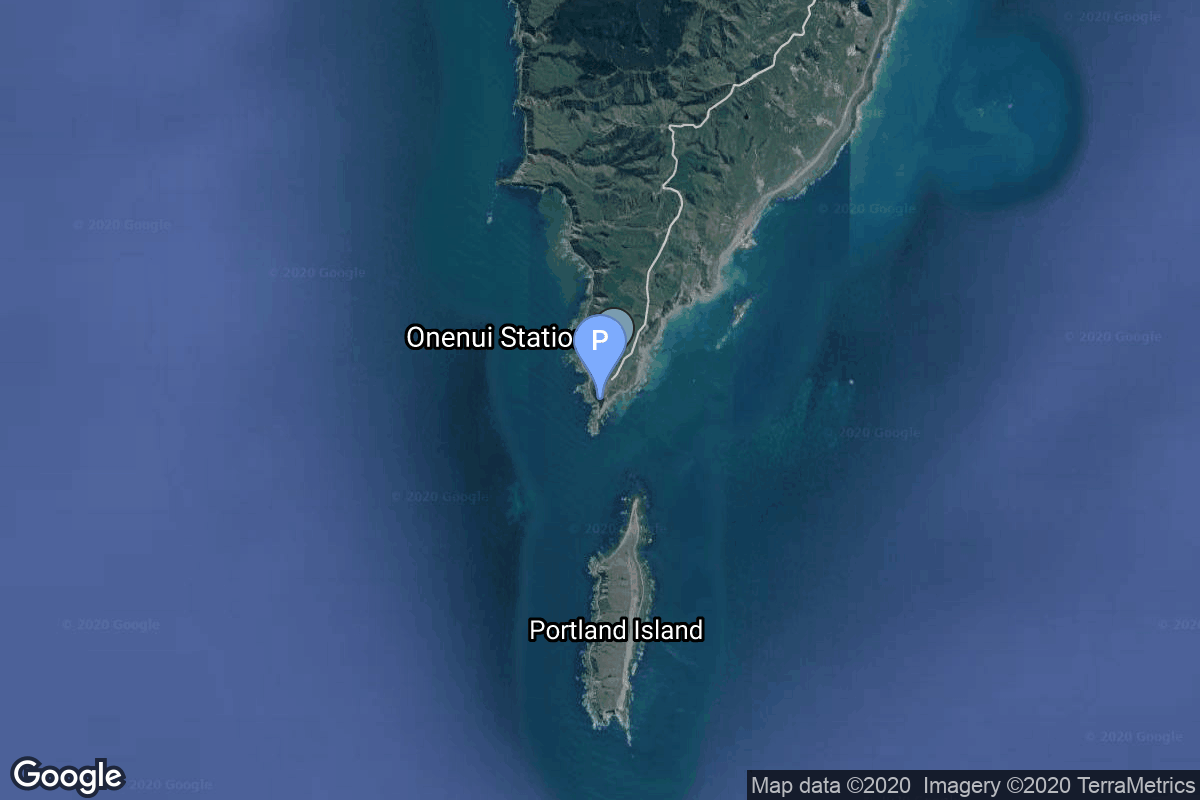
Provider: Rocket Lab Date: September 26, 2026 Time: 12:15 AM UTC Vehicle: Electron
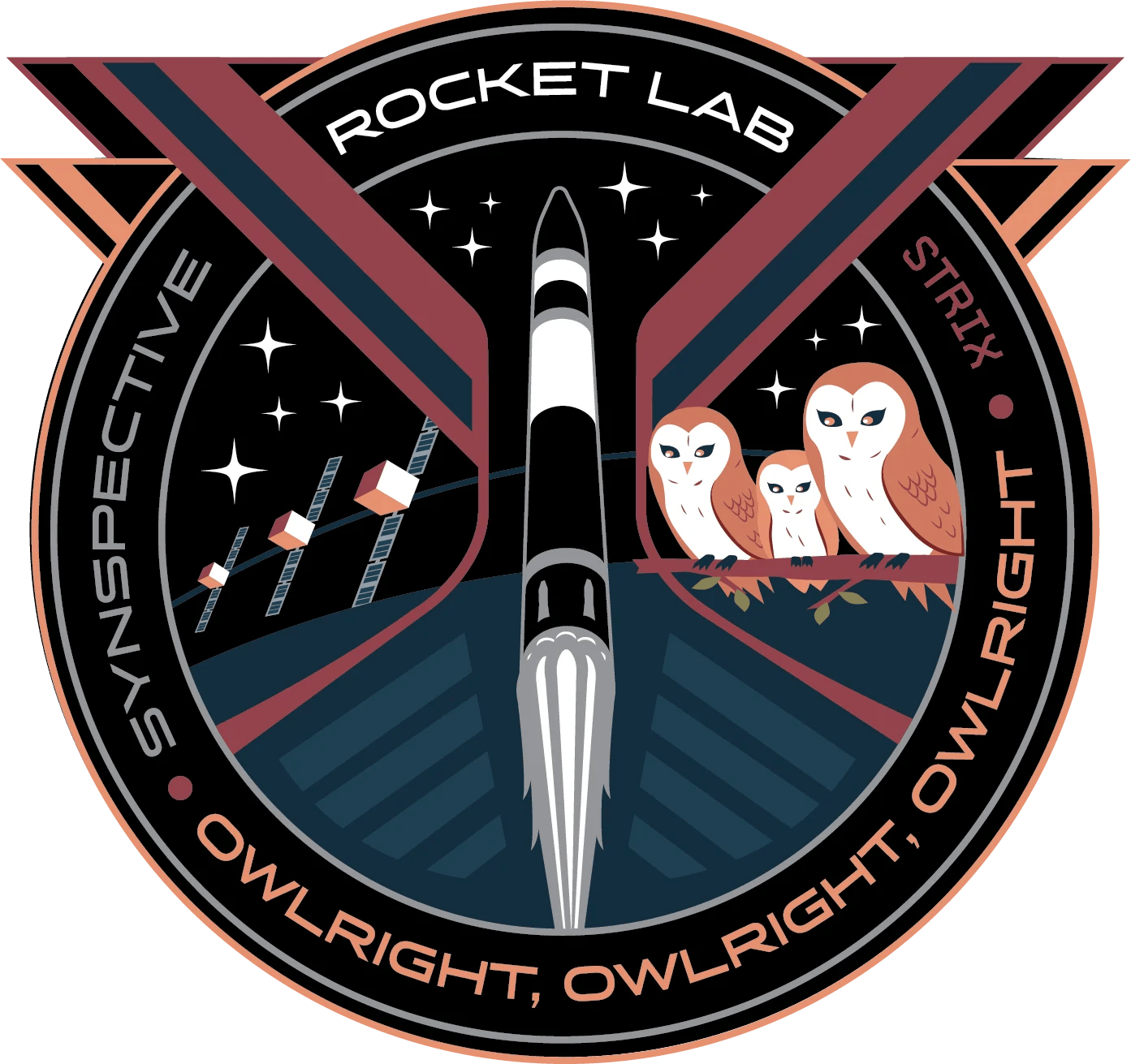
Synthetic aperture radar satellite for Japanese Earth imaging company Synspective.
USSF-385
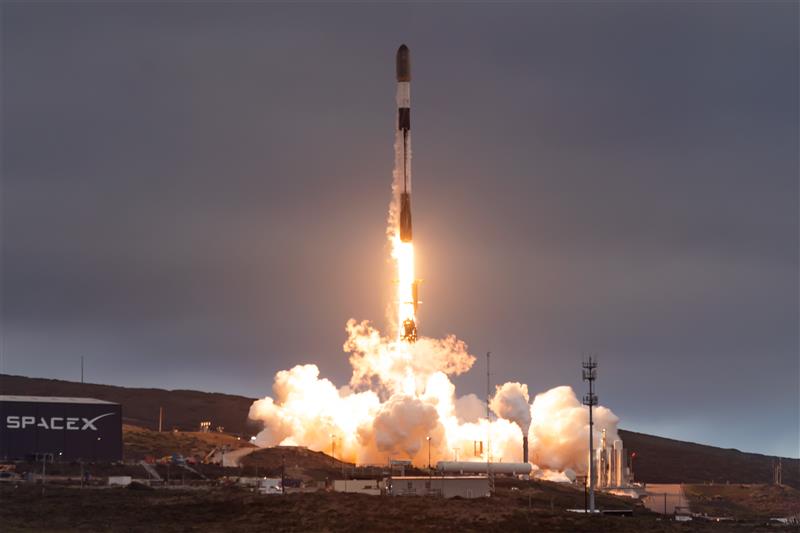
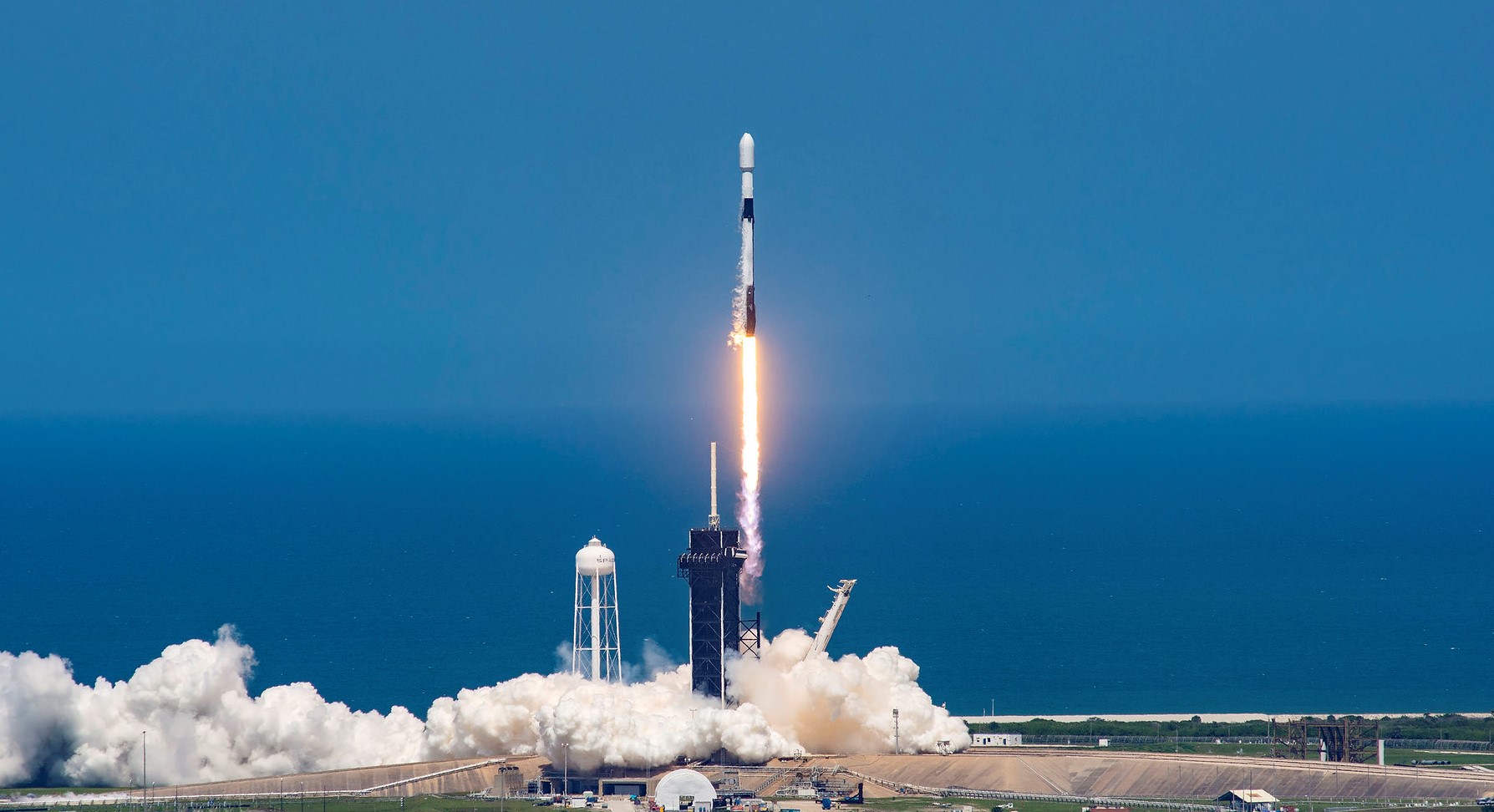
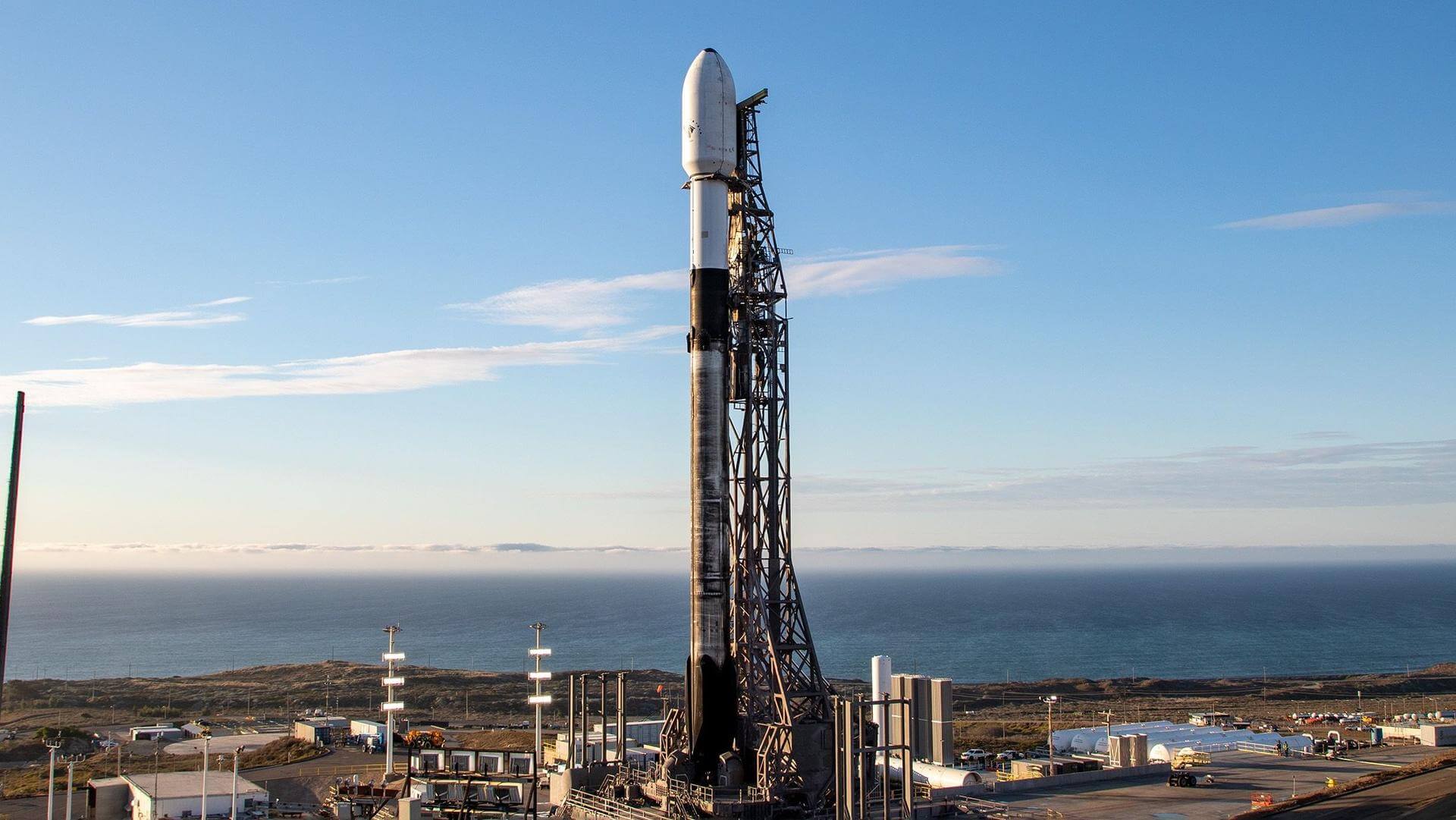
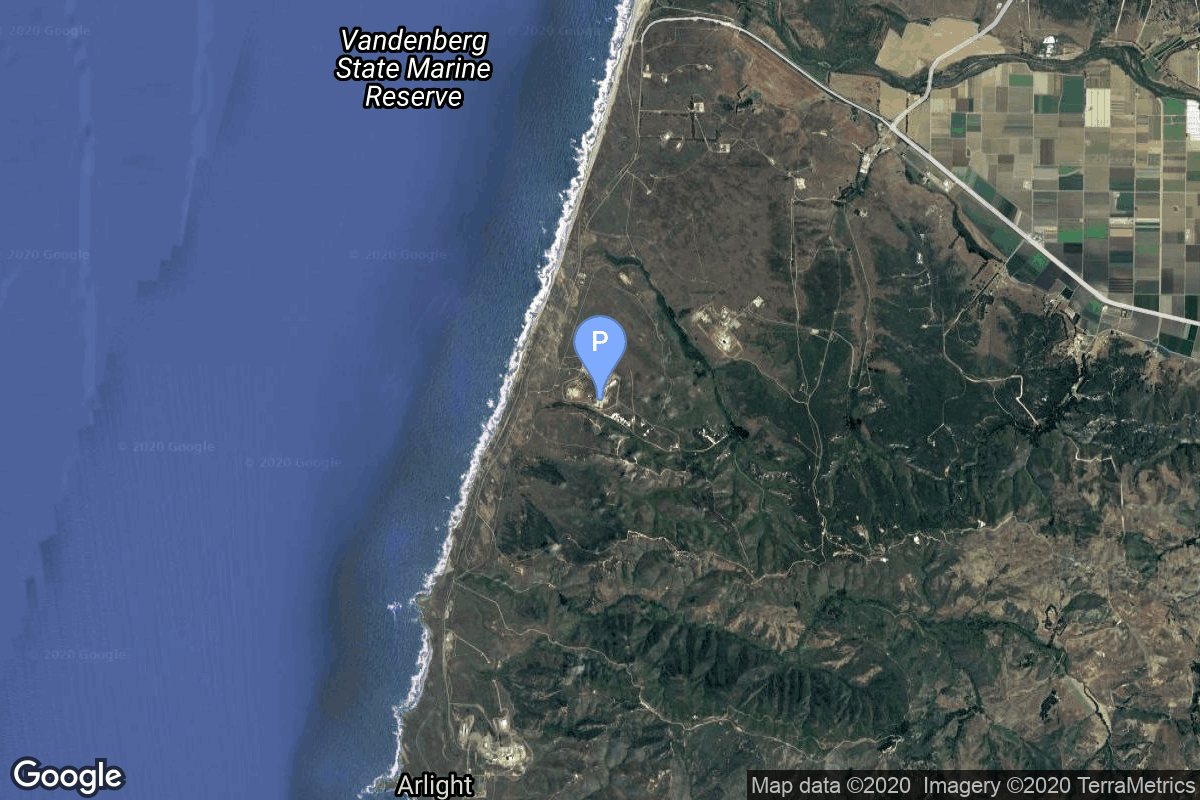
Provider: SpaceX Date: September 26, 2026 Time: 11:56 AM UTC Vehicle: Falcon 9
A classified mission for the United States Space Force. It is possibly a batch of classified LEO satellites based on SpaceX’s Starshield satellite bus, based on locations of rocket stage drop zones being exact fits with previous Starlink Group 15 launches.
Starlink Group 31-1 (Starship Flight 14)
Provider: SpaceX Date: September 28, 2026 Time: 12:15 PM UTC Vehicle: Starship
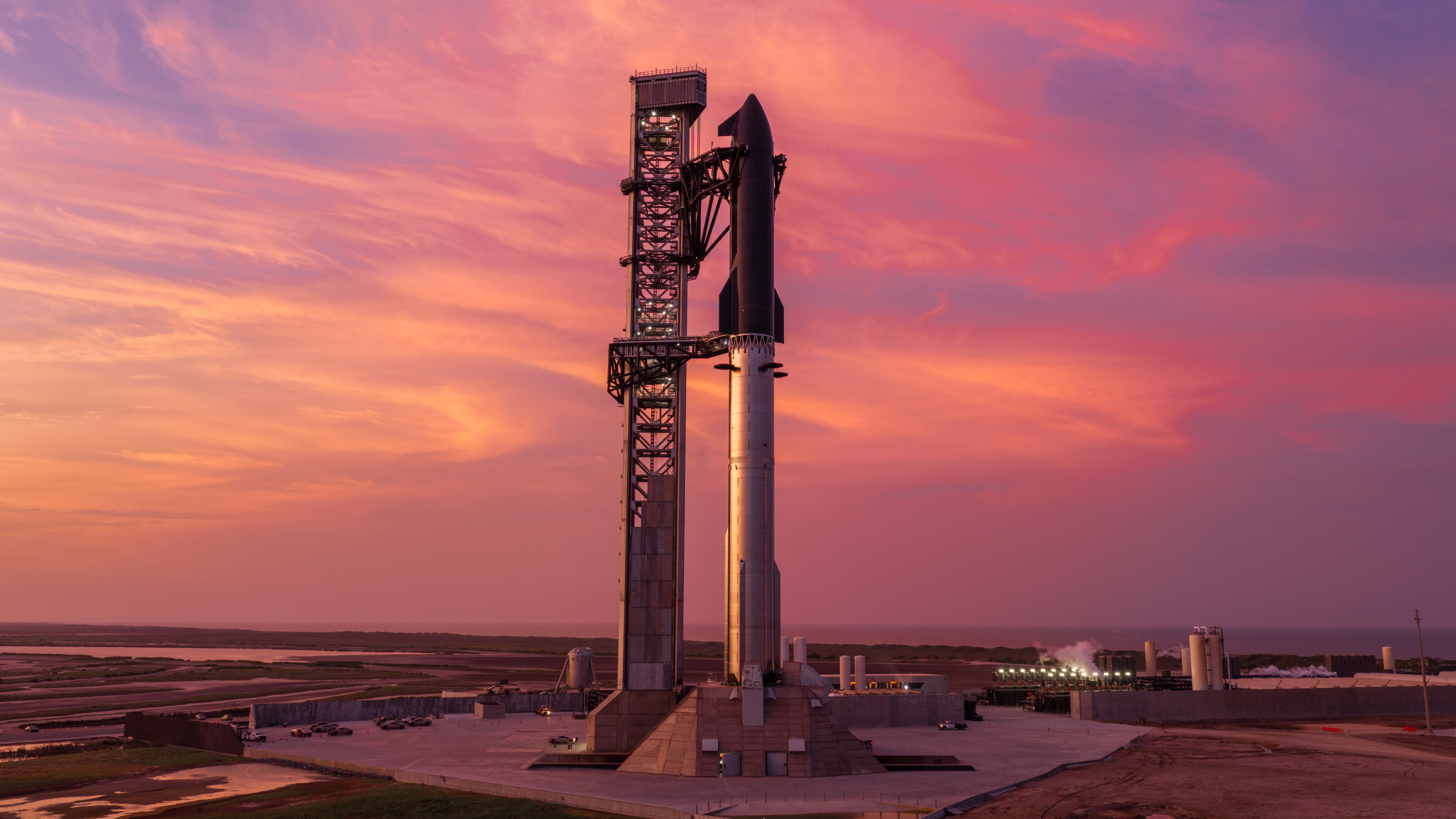
14th test flight of the two-stage Starship launch vehicle. 3rd flight of Starship V3 and the first Starship flight to deploy satellites (a group of Starlink satellites known as Starlink Group 31-1) into stable Low Earth Orbit.
The ship is expected to fly at an altitude approximately 275 km above Earth and complete approximately 6 orbits around the planet for nearly 10 hours, with splashdown targeted in the Pacific Ocean west of Chile.
The booster’s primary test objective on Flight 14 will be executing a successful launch, ascent, stage separation, boostback burn, and landing burn at an offshore landing point in the Gulf.
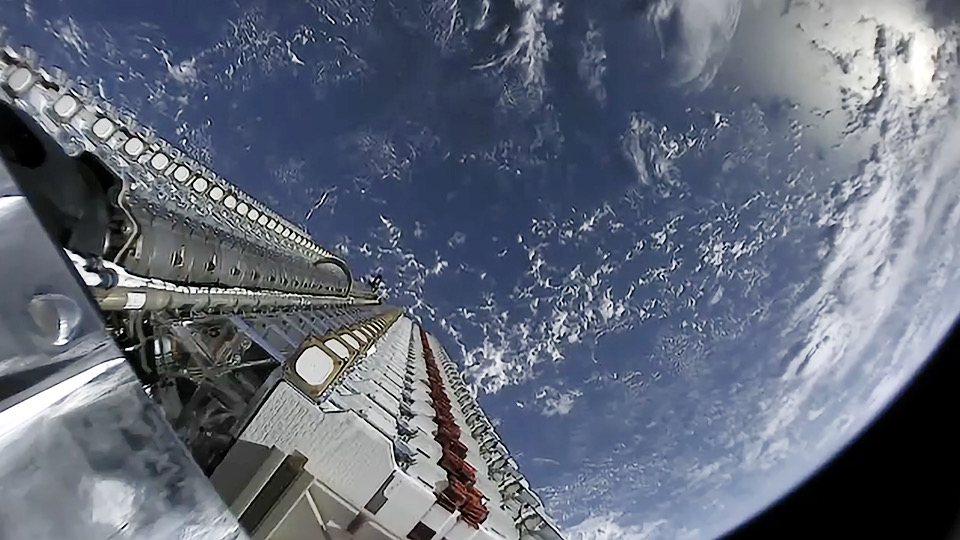
Starship will deliver 26 Starlink V3 satellites to orbit for the first time, which aim to greatly expand the network’s capacity and user speeds. Each Starlink V3 satellite will add 1 Tbps of capacity to the constellation.
Crew-13
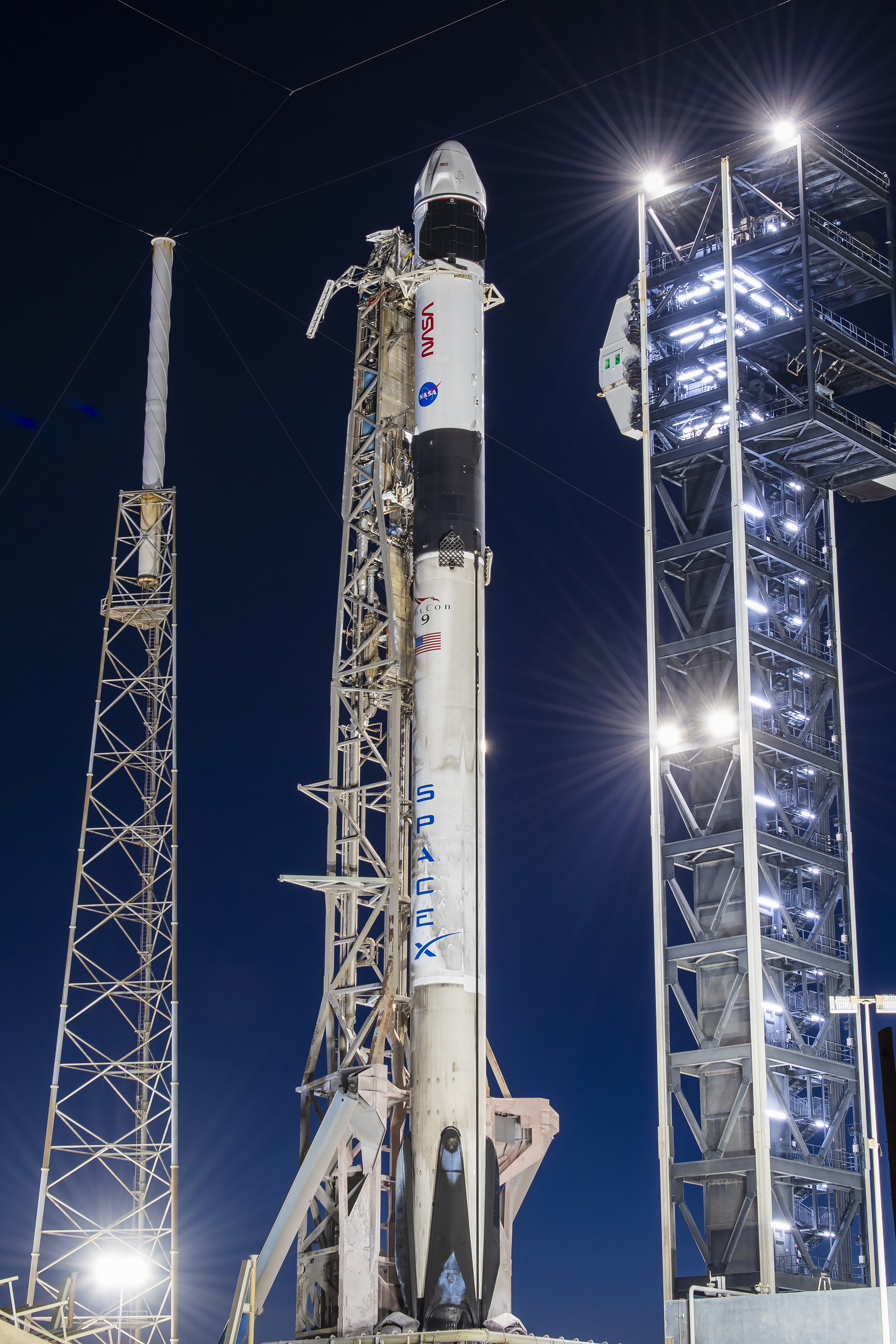
Provider: SpaceX Date: October 1, 2026 Time: 3:10 PM UTC Vehicle: Falcon 9
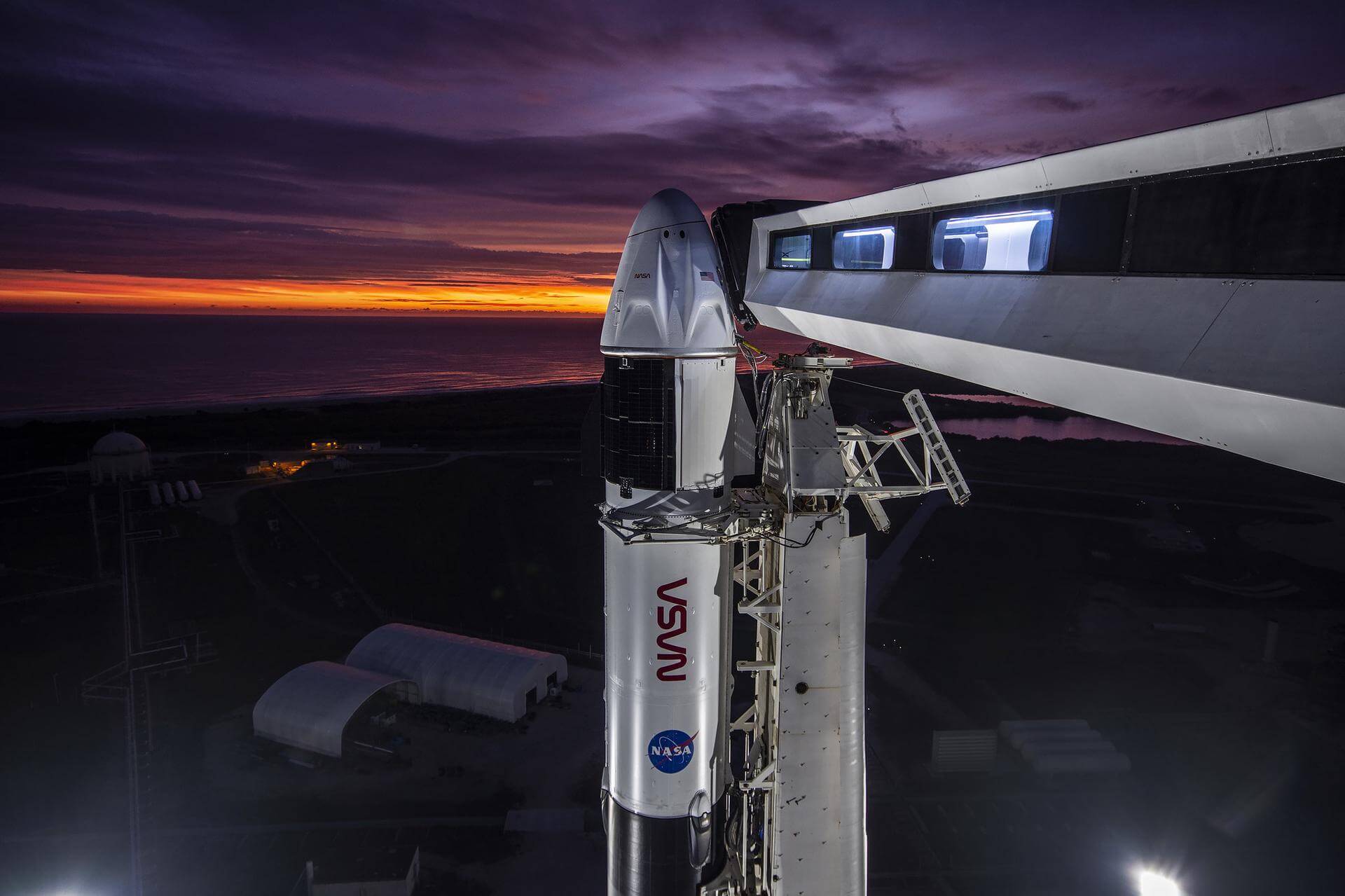
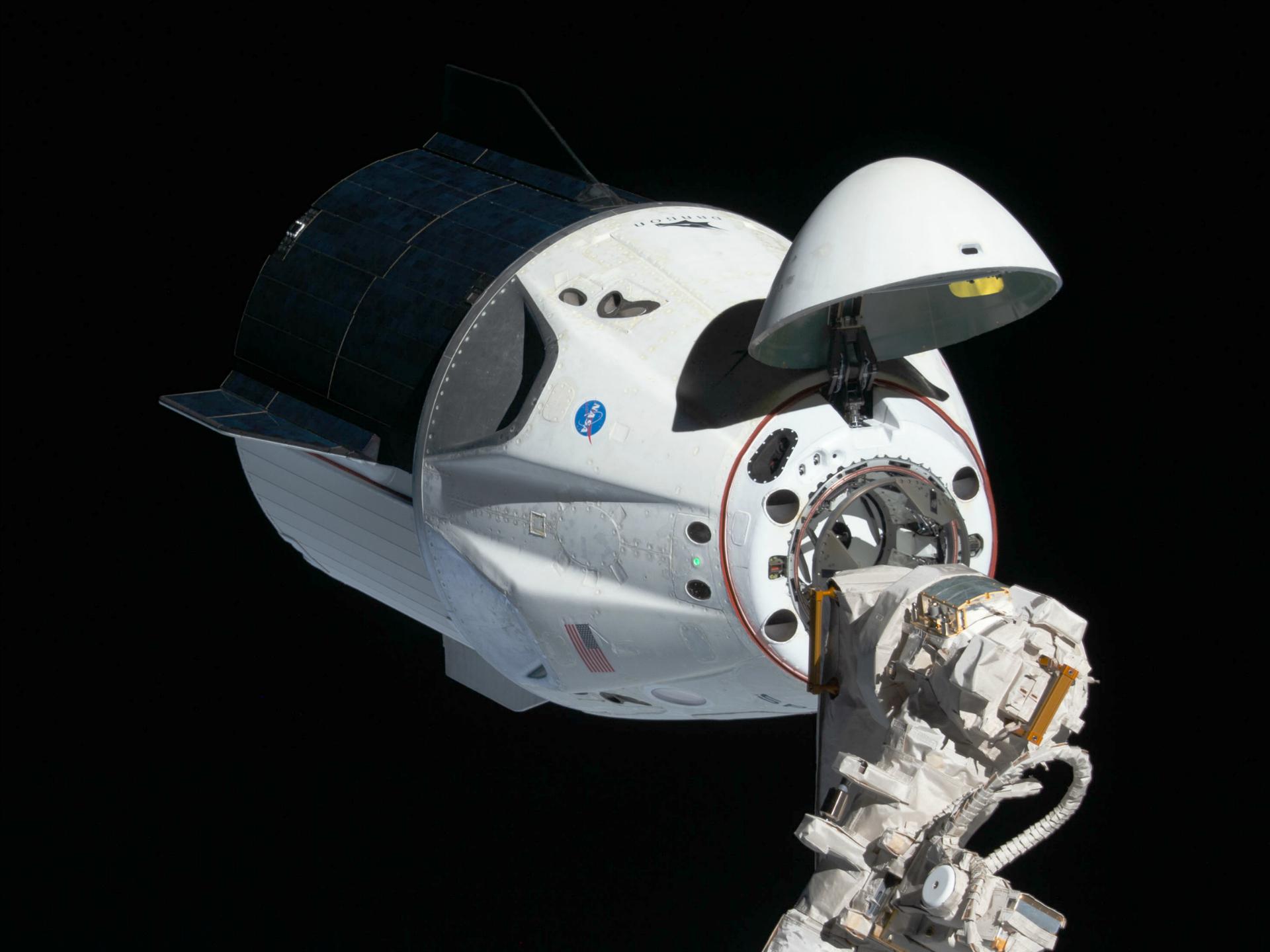
SpaceX Crew-13 is the thirteenth crewed operational flight of a Crew Dragon spacecraft to the International Space Station as part of NASA’s Commercial Crew Program.
Transporter 18 (Dedicated SSO Rideshare)
Provider: SpaceX Date: October 1, 2026 Time: 6:08 PM UTC Vehicle: Falcon 9
Dedicated rideshare flight to a sun-synchronous orbit with dozens of small microsatellites and nanosatellites for commercial and government customers.
Owlright, Owlright, Owlright (StriX Launch 13) ×
Mission Details
TypeEarth Science
OrbitLow Earth Orbit
TargetEarth
Synthetic aperture radar satellite for Japanese Earth imaging company Synspective.
Electron is a two-stage orbital expendable launch vehicle (with an optional third stage) developed by the American aerospace company Rocket Lab. Electron is a small-lift launch vehicle designed to launch small satellites and cubesats to sun-synchronous orbit and low earth orbit. The Electron is the…
A classified mission for the United States Space Force. It is possibly a batch of classified LEO satellites based on SpaceX’s Starshield satellite bus, based on locations of rocket stage drop zones being exact fits with previous Starlink Group 15 launches.
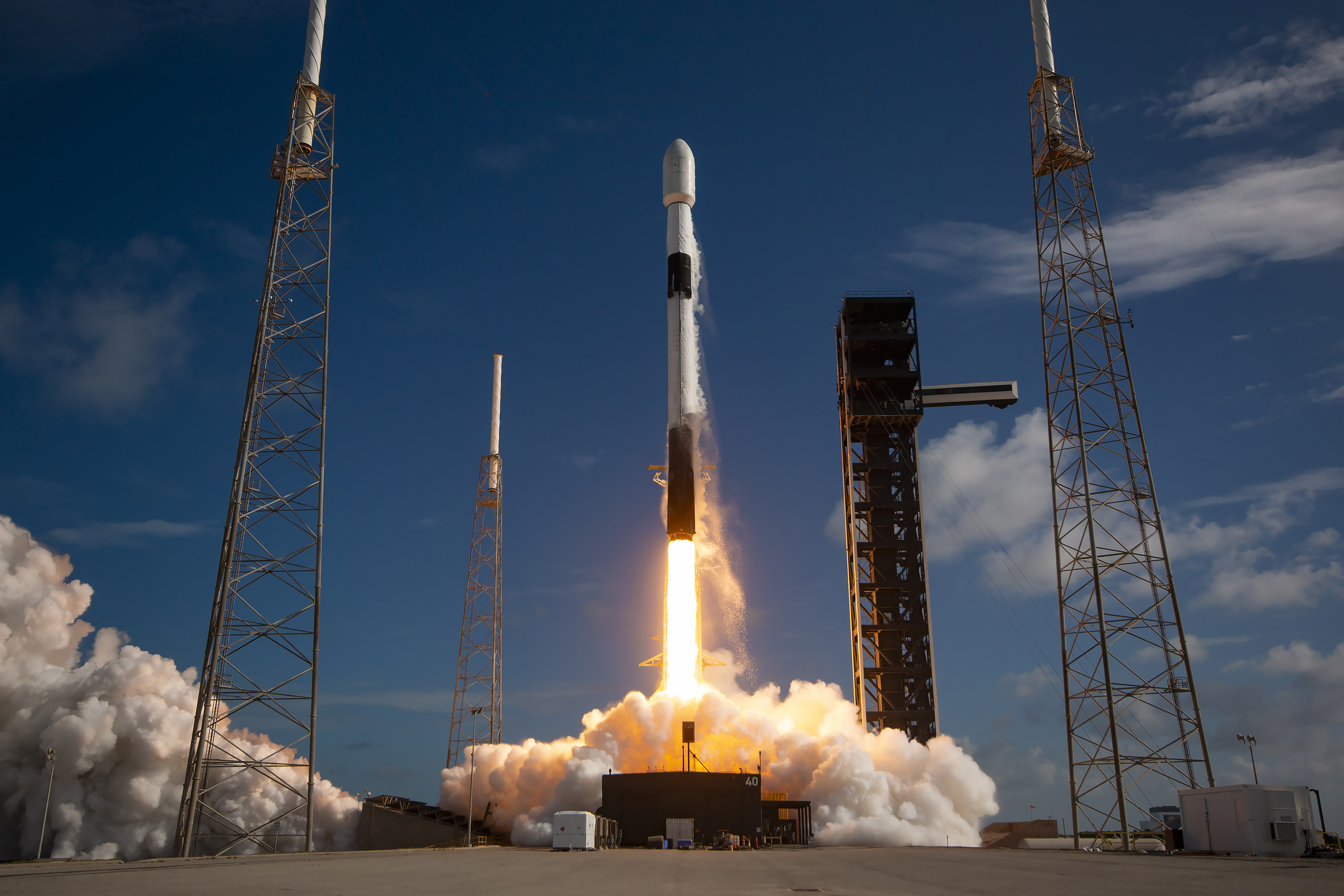
Falcon 9 is a two-stage rocket designed and manufactured by SpaceX for the reliable and safe transport of satellites and the Dragon spacecraft into orbit. The Block 5 variant is the fifth major interval aimed at improving upon the ability for rapid reusability.
The Falcon 9 first stage B1100 will land on ASDS OCISLY after its 10th flight.
Starlink Group 31-1 (Starship Flight 14) ×
Mission Details
TypeCommunications
OrbitLow Earth Orbit
TargetEarth
14th test flight of the two-stage Starship launch vehicle. 3rd flight of Starship V3 and the first Starship flight to deploy satellites (a group of Starlink satellites known as Starlink Group 31-1) into stable Low Earth Orbit.
The ship is expected to fly at an altitude approximately 275 km above Earth and complete approximately 6 orbits around the planet for nearly 10 hours, with splashdown targeted in the Pacific Ocean west of Chile.
The booster’s primary test objective on Flight 14 will be executing a successful launch, ascent, stage separation, boostback burn, and landing burn at an offshore landing point in the Gulf.
Starship will deliver 26 Starlink V3 satellites to orbit for the first time, which aim to greatly expand the network’s capacity and user speeds. Each Starlink V3 satellite will add 1 Tbps of capacity to the constellation.
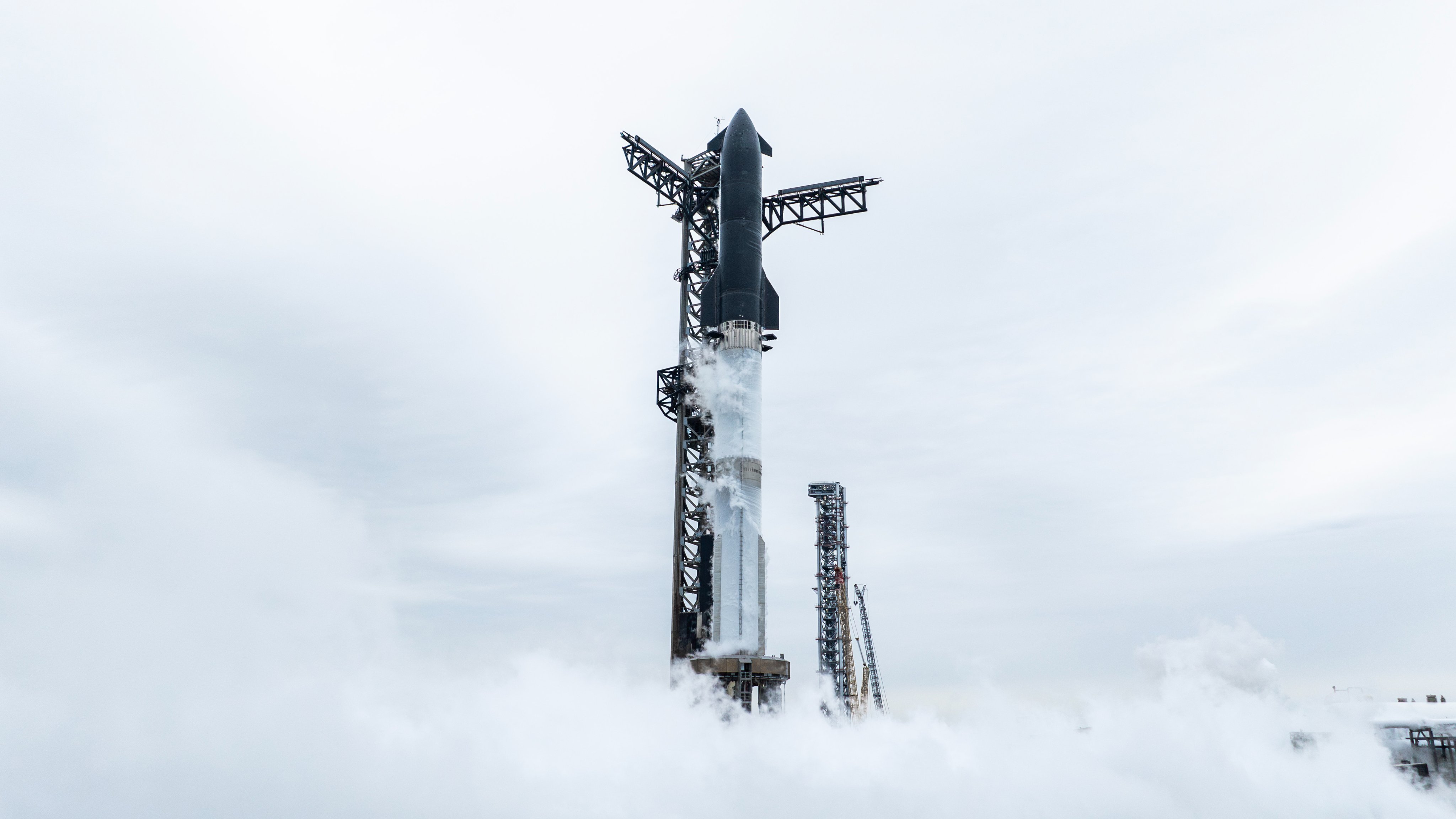
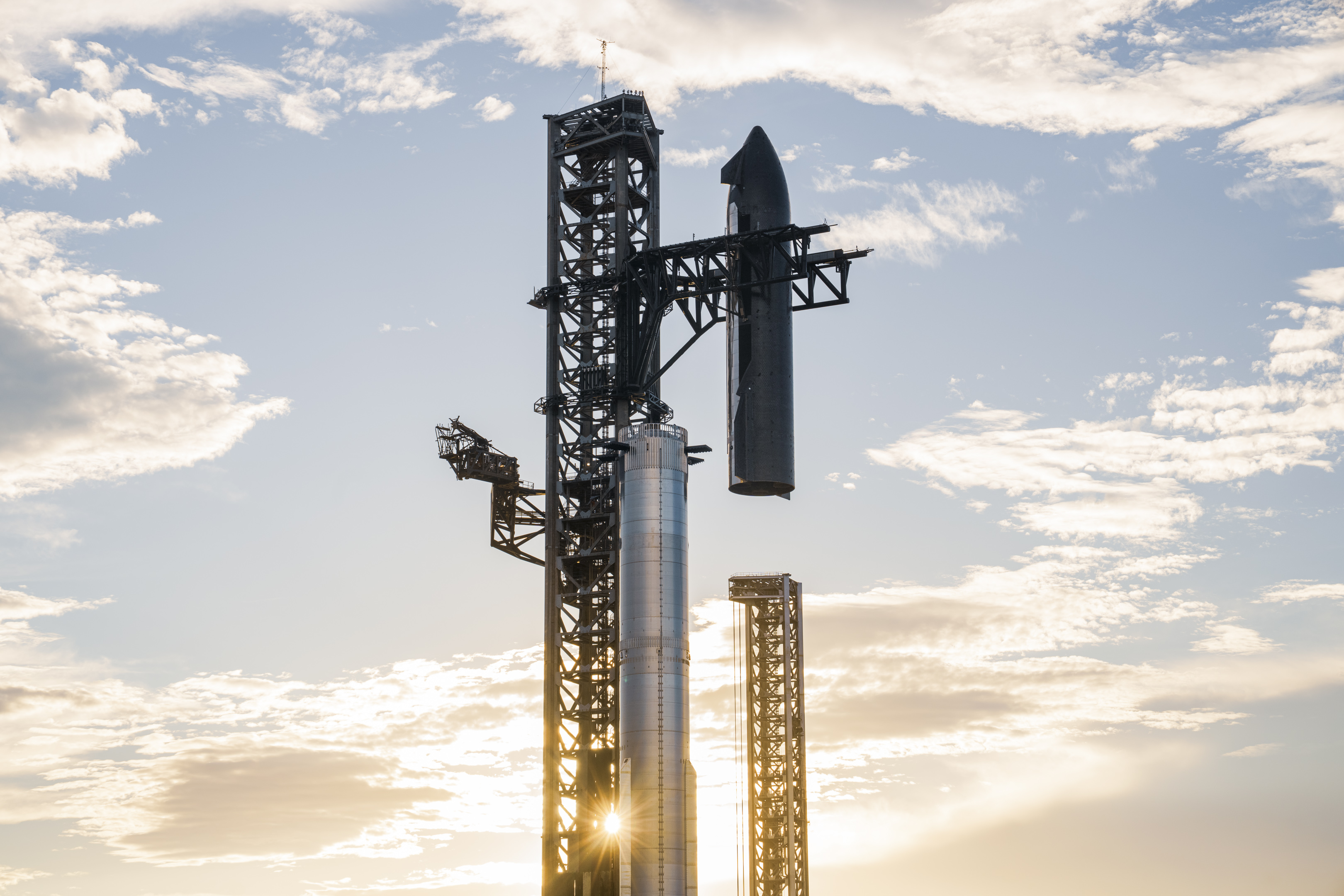
The SpaceX Starship is a fully reusable super heavy-lift launch vehicle under development by SpaceX since 2012, as a self-funded private spaceflight project. The second stage of the Starship — is designed as a long-duration cargo and passenger-carrying spacecraft. It is expected to be initially used without any booster stage at all, as part of an extensive development program to prove out launch-and-landing and iterate on a variety of design details, particularly with respect to the vehicle’s atmospheric reentry.
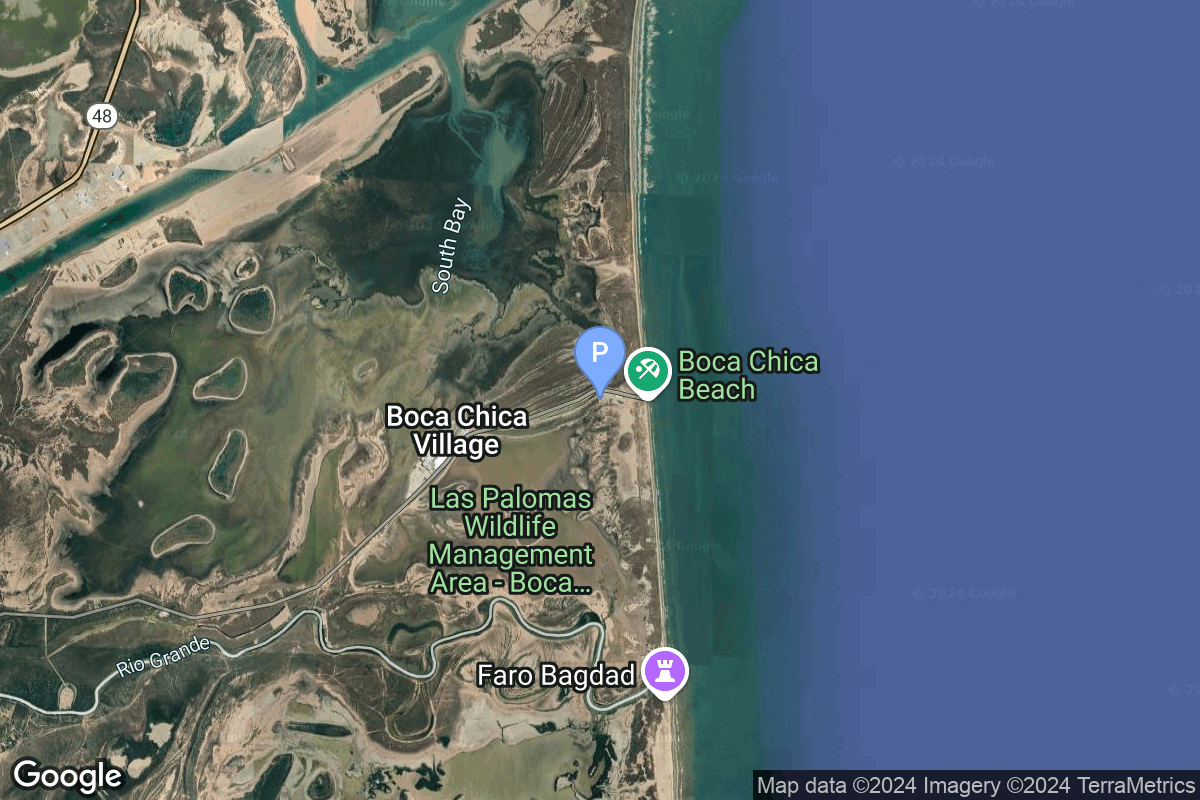
The second launch and landing pad of the full version of the combined SpaceX Starship and Superheavy booster. To be first used for launch in 2025 with version 3 of Starship and the Superheavy…
The Super Heavy Booster 21 will attempt to perform a soft splashdown in the Gulf of Mexico.
Spacecraft: Ship 41
Third V3 Starship to fly with various enhancements, to be used on the 14th Starship test flight, the first Starship flight to deploy satellites into stable Low Earth Orbit.
Specifications
SerialS41
TypeReuseable Upper Stage
StatusActive
DestinationLow Earth Orbit
Height52.1 m
Diameter9 m
Maiden Flight2026-05-22
History
The third-generation Starship upper stage will be introduced on flight 12.
Capability
More than 100 tons to Earth orbit
Details
Third-generation second stage of the two-stage Starship super heavy-lift launch vehicle.
SpaceX Crew-13 is the thirteenth crewed operational flight of a Crew Dragon spacecraft to the International Space Station as part of NASA’s Commercial Crew Program.
• National Aeronautics and Space Administration (Government)
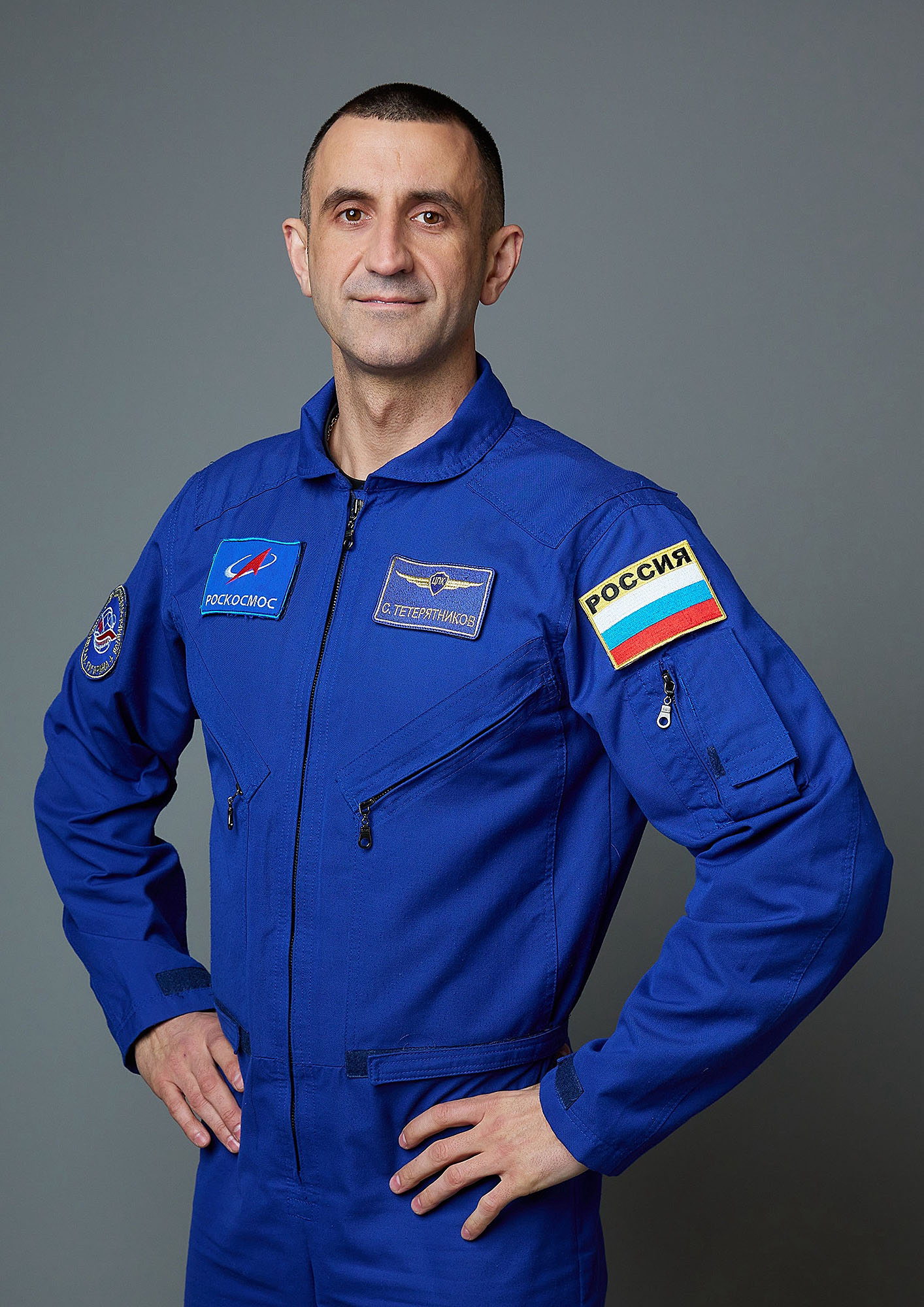
• Russian Federal Space Agency (ROSCOSMOS) (Government)
Program: Commercial Crew Program
The Commercial Crew Program (CCP) is a human spaceflight program operated by NASA, in association with American aerospace manufacturers Boeing and SpaceX. The program conducts rotations between the expeditions of the International Space Station program, transporting crews to and from the International Space Station (ISS) aboard Boeing Starliner and SpaceX Crew Dragon capsules, in the first crewed orbital spaceflights operated by private companies.
The International Space Station programme is tied together by a complex set of legal, political and financial agreements between the sixteen nations involved in the project, governing ownership of the various components, rights to crewing and utilization, and responsibilities for crew rotation and resupply of the International Space Station. It was conceived in 1984 by President Ronald Reagan, during the Space Station Freedom project as it was originally called.
Falcon 9 is a two-stage rocket designed and manufactured by SpaceX for the reliable and safe transport of satellites and the Dragon spacecraft into orbit. The Block 5 variant is the fifth major interval aimed at improving upon the ability for rapid reusability.
The Falcon 9 first stage B1101 will land back at the launch site after its 3rd flight.
Spacecraft: Crew Dragon Grace
Crew Dragon spacecraft first used for Axiom-4.
Specifications
SerialC213
TypeCapsule
StatusActive
DestinationInternational Space Station
Crew Capacity4
Height7.2 m
Diameter3.7 m
Maiden Flight2019-03-02
Payload Capacity6,000 kg
Time in Space20 Days, 2 Hours, 58 Minutes
Missions Flown1
Turnaround443 Days, 5 Hours, 40 Minutes
History
Crew Dragon 2 is a spacecraft developed by SpaceX, an American private space transportation company based in Hawthorne, California. Dragon is launched into space by the SpaceX Falcon 9 two-stage-to-orbit launch vehicle. It is one of two American Spacecraft being develeoped capable of lifting American Astronauts to the International Space Station.
The first crewed flight, launched on 30 May 2020 on a Falcon 9 rocket, and carried NASA astronauts Douglas Hurley and Robert Behnken to the…
Capability
Crew Flights to ISS or Low Earth Orbit
Details
Crew Dragon 2 is capable of lifting four astronauts, or a combination of crew and cargo to and from low Earth orbit. Its heat shield is designed to withstand Earth re-entry velocities from Lunar and Martian spaceflights.
Flight Life
Able to fly for up to one week of free flight or two years docked.
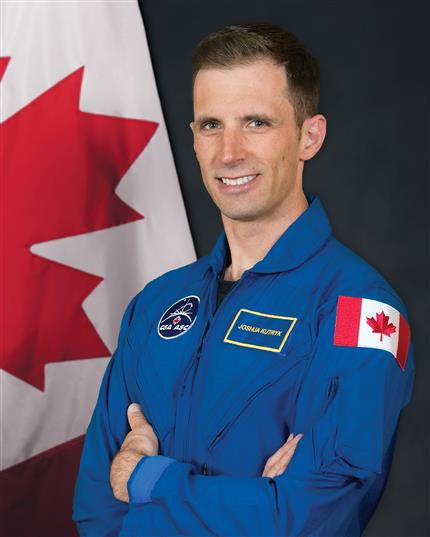
Joshua Kutryk, a Royal Canadian Air Force lieutenant colonel, is from Beauvallon, Alberta. He has a bachelor’s degree in mechanical engineering, as well as master’s degrees in space studies, flight test engineering, and defense studies.
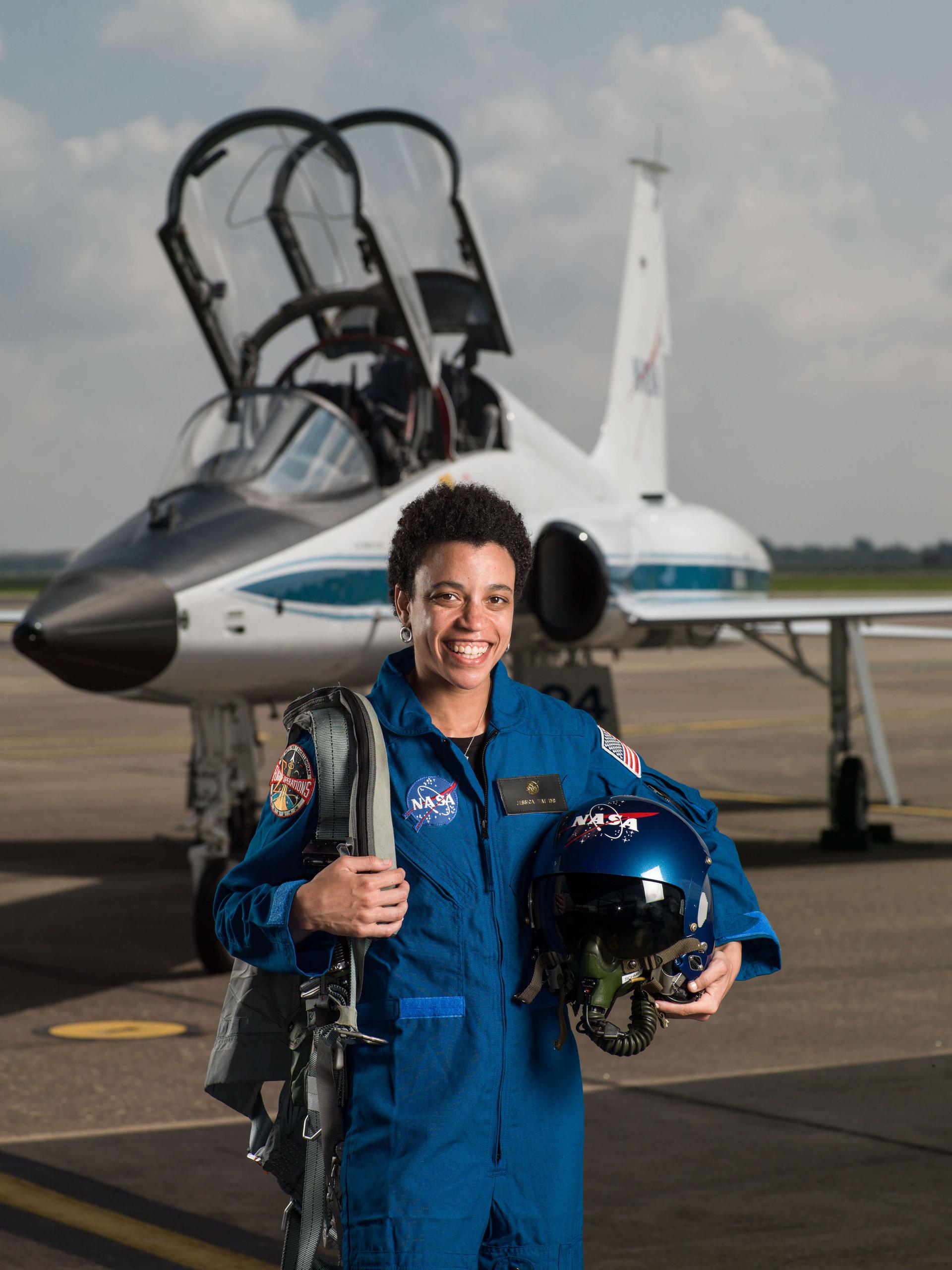
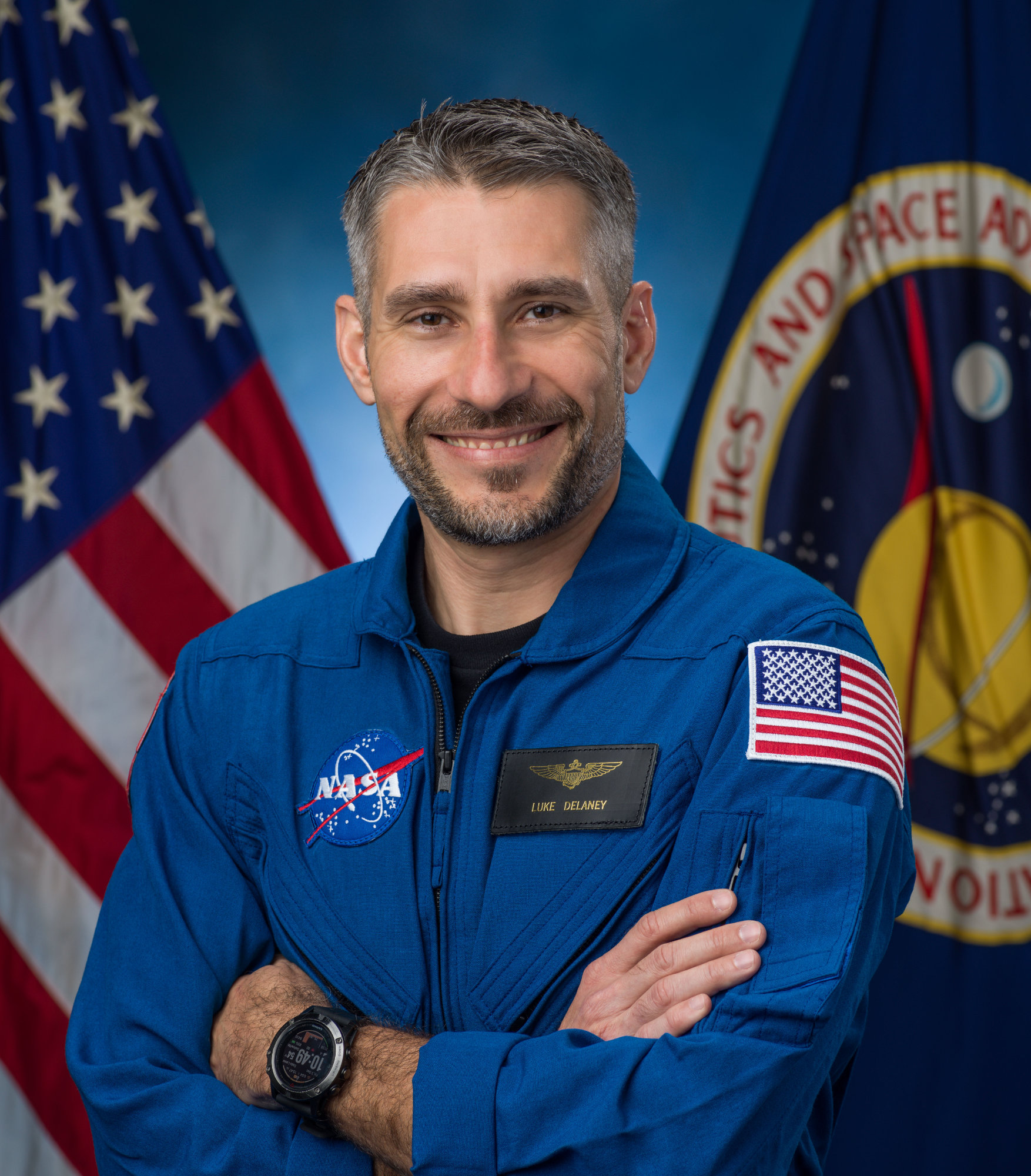
Luke Delaney is a retired US Marine Corps major who grew up in Debary, Florida. He holds a degree in mechanical engineering from University of North Florida and a master’s degree in aerospace engineering from the Naval Postgraduate School.
Falcon 9 is a two-stage rocket designed and manufactured by SpaceX for the reliable and safe transport of satellites and the Dragon spacecraft into orbit. The Block 5 variant is the fifth major interval aimed at improving upon the ability for rapid reusability.
Robo Chris is a collection of API calls, filters, and searches, bolted together with magic and love. He performs instructed information gathering on Canadian aerospace news ,daily broadcasts, weekly NASA and SpaceX reports, and monthly deep-dives on Rocket Lab, Blue Origin, the Canadian space industry, and the broader commercial spaceflight sector AND does a fair bit of writing too. Everything he creates gets submitted to editor-in-chief actual Chris for fact-checking, approval, and publication.









Leave a Reply