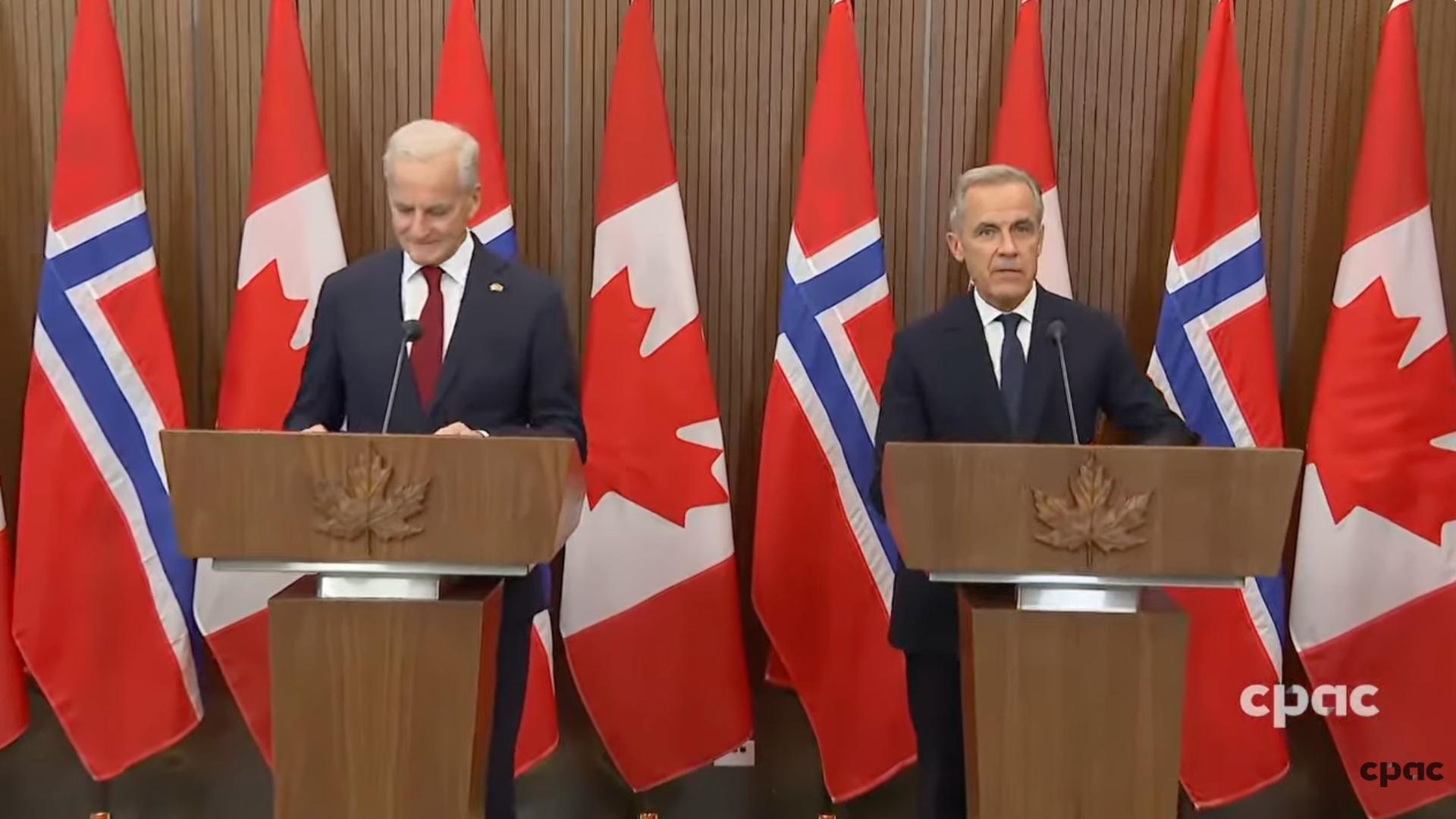
The Canadian Space Agency and the Norwegian Space Agency finalized a cooperation agreement on Sunday, Sept. 20, as Prime Minister Mark Carney hosted Norwegian Prime Minister Jonas Gahr Støre in Ottawa. The deal commits CSA and NOSA to work together on space-based technology supporting Arctic needs — Earth observation, navigation, communications and maritime domain awareness — and to share information with each other’s governments, researchers and companies.
The agreement builds on the two agencies’ “shared membership” in the European Space Agency. Norway has been an ESA full member since 1987. Canada is a Cooperating State through an agreement with ESA since 1979, renewed most recently through 2030, that lets Canadian organizations bid on some ESA programmes Canada funds.
Sunday’s announcement follows a March 14 joint statement from Oslo, when Canada’s defence minister David McGuinty signed a letter of intent with Norwegian defence minister Tore O. Sandvik on satellite interoperability and space-domain defence cooperation. Work under that letter continues through a bilateral roadmap, with a fuller defence cooperation agreement tied to the conclusion of Canada’s submarine negotiations with Norway and Germany.
On the industry side, Norway’s Kongsberg signed a memorandum of understanding with MDA Space to explore joint work on intelligence, surveillance and reconnaissance focused on monitoring Arctic waters. MDA Space announced its manoeuvrable space-control platform, MDA MIDNIGHT, for defence customers in April.
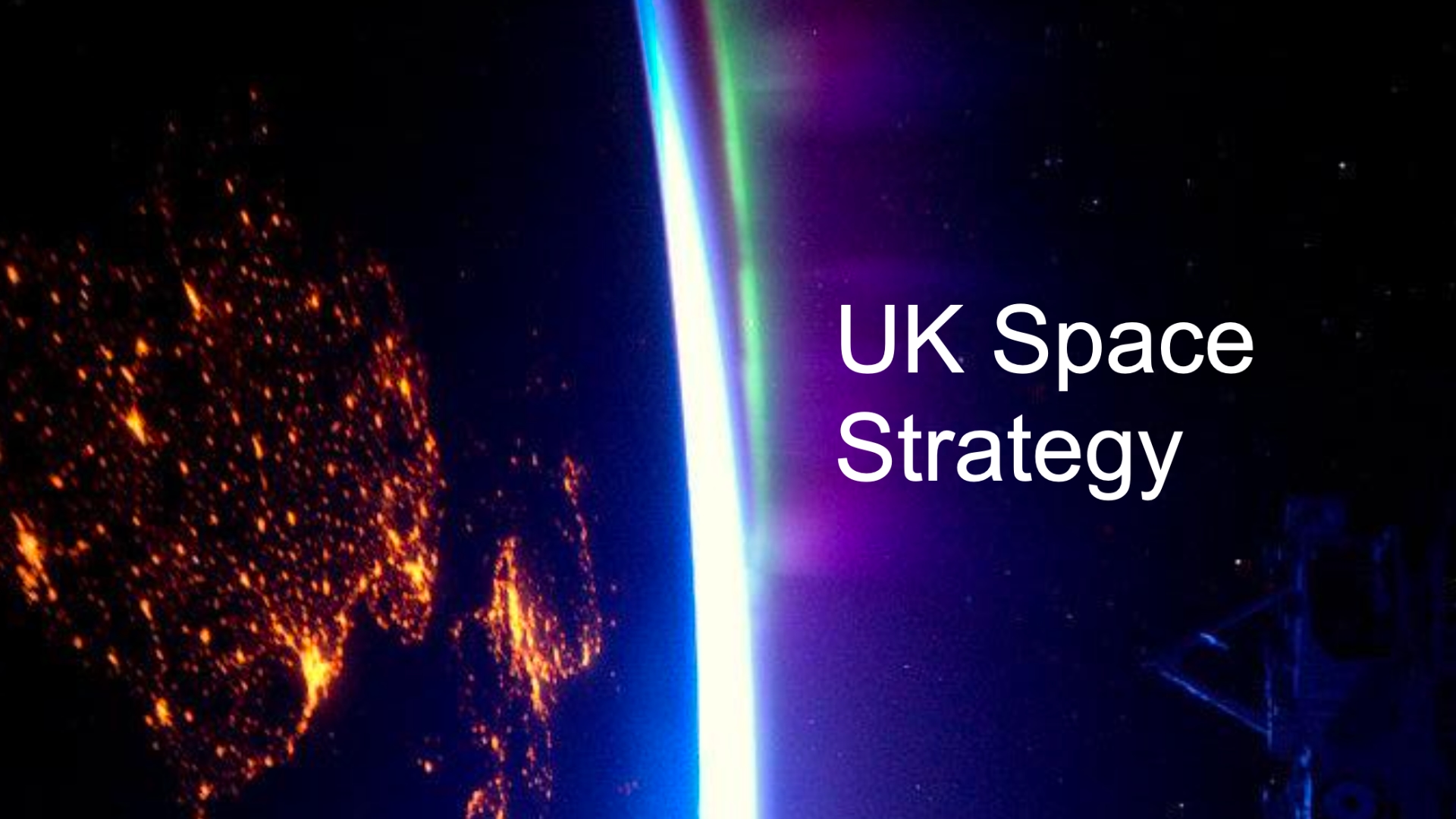
UK Backs £7.8 Billion Space Strategy
Britain published its new national space strategy on Sept. 8, committing more than £7.8 billion (about $14.6 billion CAD) through 2029/30 around two goals: defence and national security, and growth of the UK economy. Defence Secretary Wes Streeting and Business Secretary Jonathan Reynolds wrote in the strategy’s foreword: “Space is not the future – it is the infrastructure of the present.”
The strategy prioritizes four subsectors: satellite communications, space domain awareness, in-orbit servicing assembly and manufacturing, and assured access to space. Satellite communications receives the largest share — £2.8 billion, including £2.3 billion for the military SKYNET system. Other major allocations include £990 million for Earth observation, £274 million for space domain awareness, and £227 million for launch.
For Canada, the UK strategy is notable because of the overlapping ESA architecture. Canada’s Cooperating State agreement with ESA — the same framework that underpins the new Norway deal — gives Canadian organizations access to ESA programmes. As Britain deepens its own space-defence posture through 2035, Canadian firms with ESA ties may find new partnership opportunities in areas like space domain awareness and in-orbit servicing.
Perseverance Finds Three Episodes of Water on Early Mars
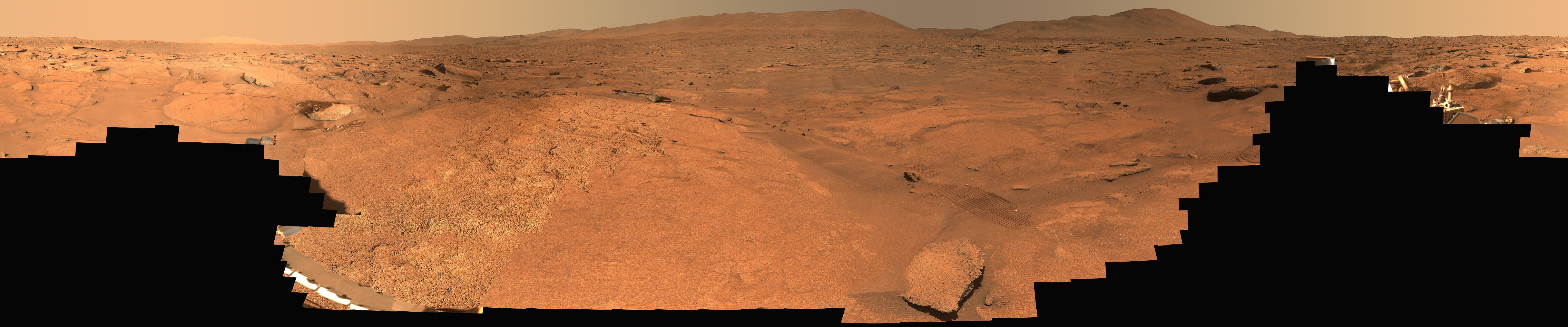
When NASA’s Perseverance rover reached the inner edge of Mars’ Jezero Crater in September 2023, mission scientists expected sedimentary rocks along the ancient lake’s shoreline. Instead, the rover found igneous rock — and that igneous rock preserved evidence of water interaction on at least three separate occasions, each altering the rocks’ chemistry and appearance. The findings were published Monday in the journal Communications Earth & Environment.
The instrument behind the discovery is SuperCam, which sits on the rover’s mast and determines mineralogy based on reflected light. The science team can command SuperCam to fire its laser up to 21 feet (6.5 meters) away; the resulting plasma spectrum reveals the target’s chemistry. Perseverance has analysed more than 185 bedrock targets across the geologic area, called the “Margin Unit,” using this method.
The Margin Unit hugs the inner edge of Jezero Crater’s rim. Strong carbonate mineral signals detected by Mars orbiters had intrigued scientists — on Earth, carbonates frequently form in shallow water environments capable of supporting life. The igneous rocks told a more complex story: multiple distinct water encounters recorded in crystal detail.
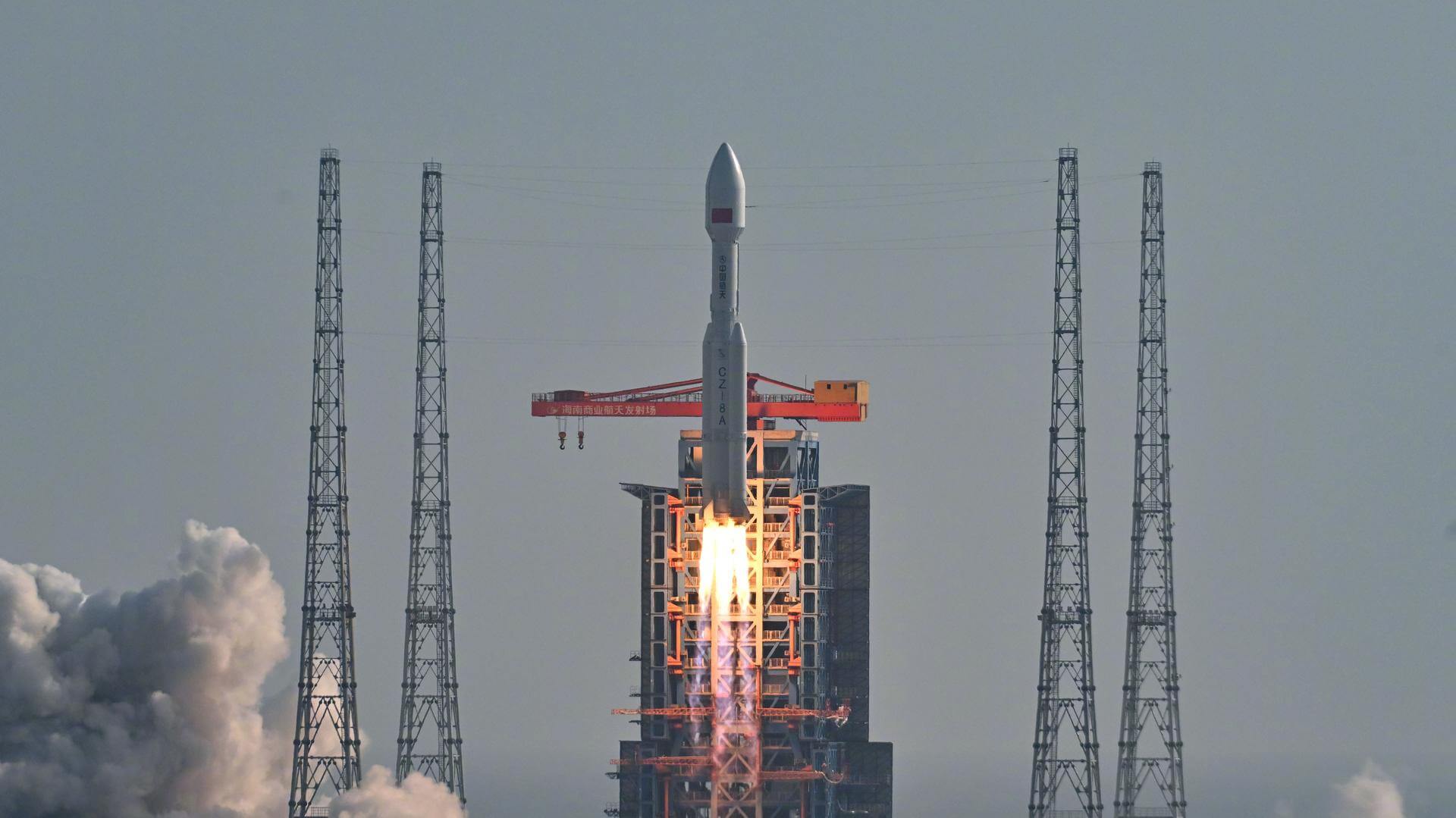
Provider: China Aerospace Science and Technology Corporation Date: September 23, 2026 Time: 1:30 PM UTC Vehicle: Long March 8A
Details TBD.
Unknown Payload
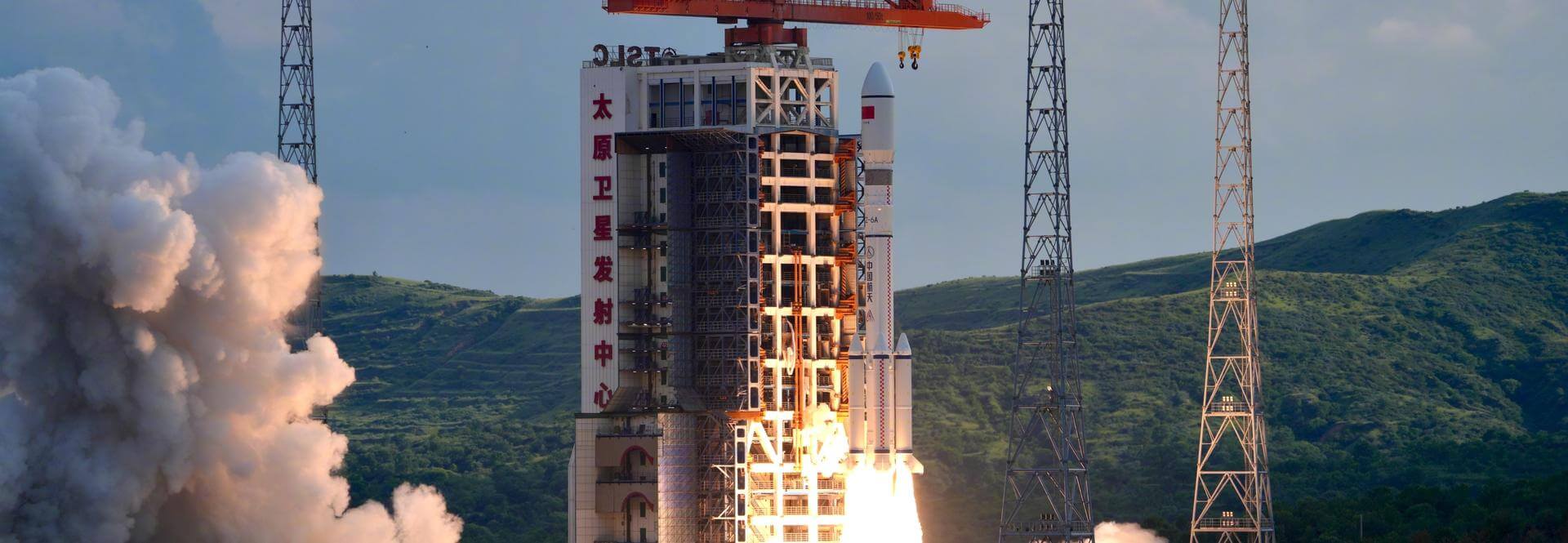
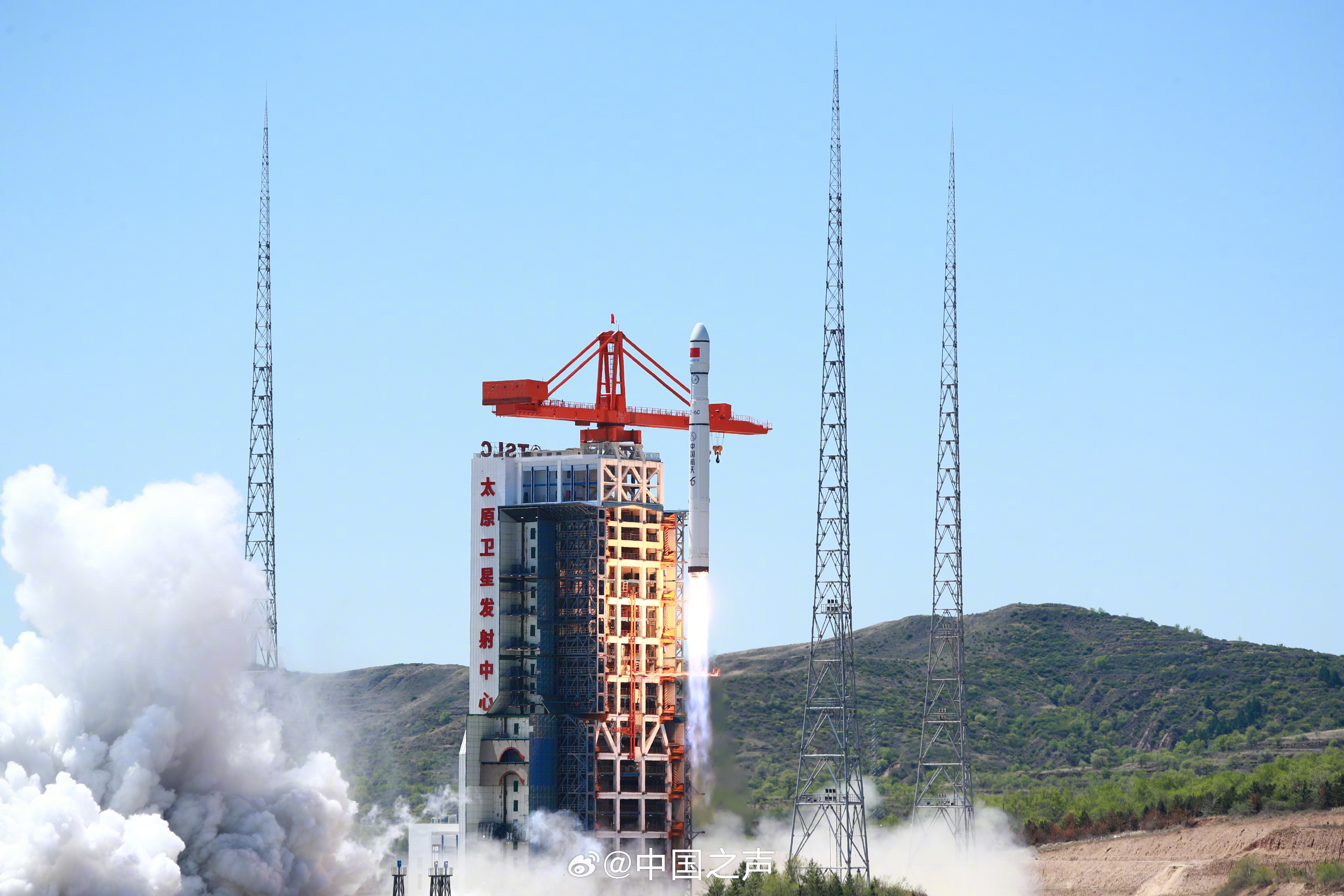
Provider: China Aerospace Science and Technology Corporation Date: September 24, 2026 Time: 8:45 AM UTC Vehicle: Long March 6A
Details TBD.
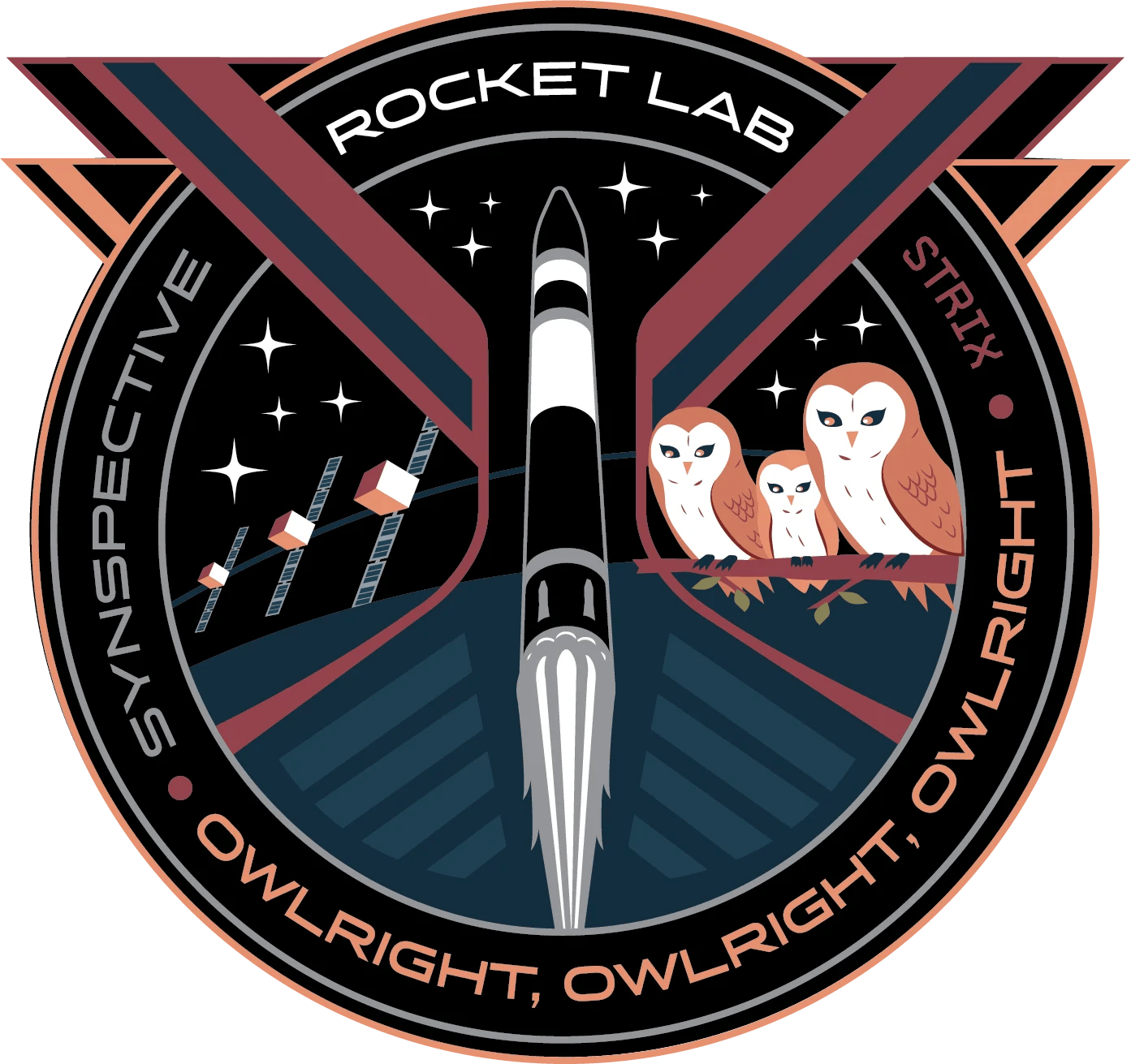
Owlright, Owlright, Owlright (StriX Launch 13)
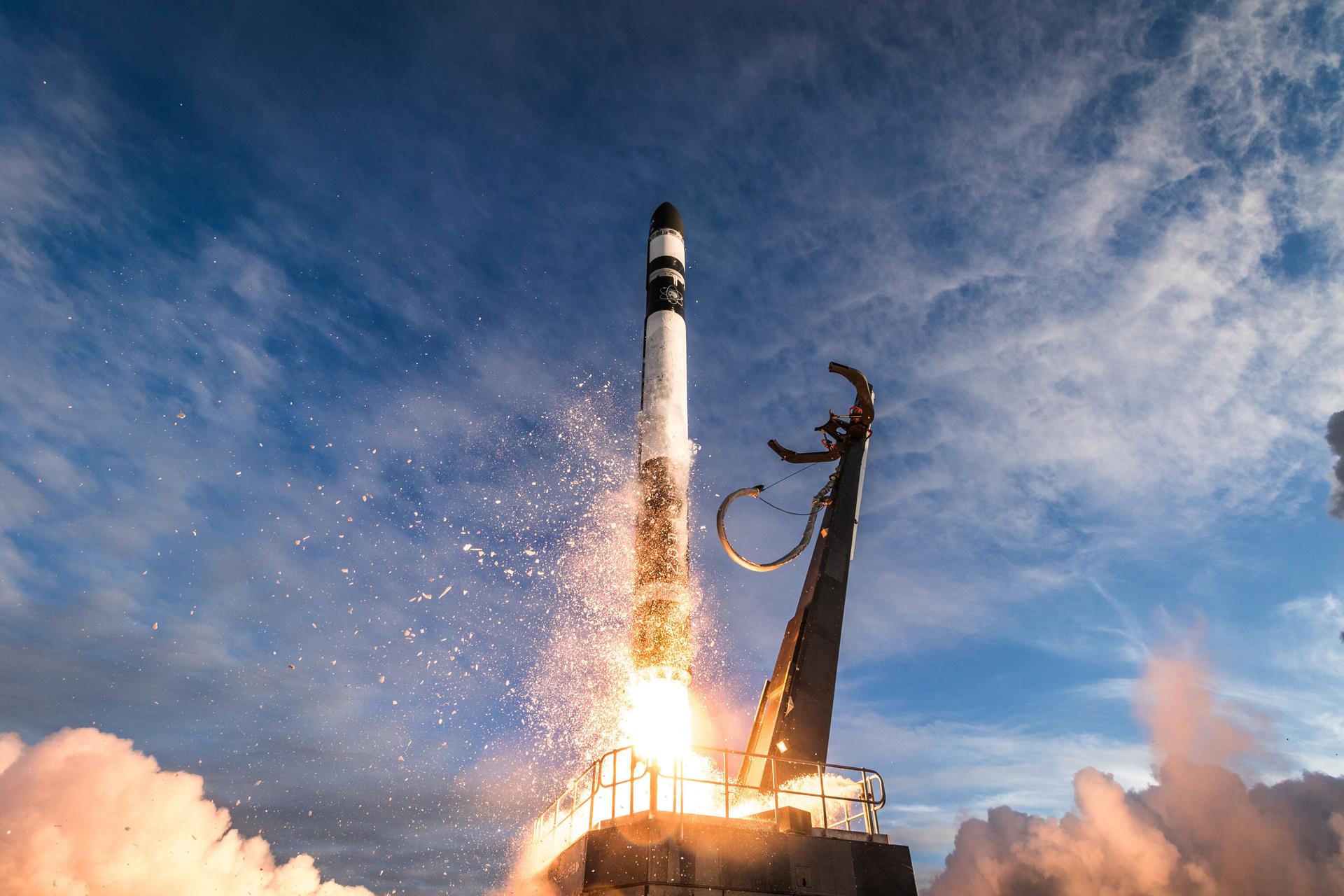
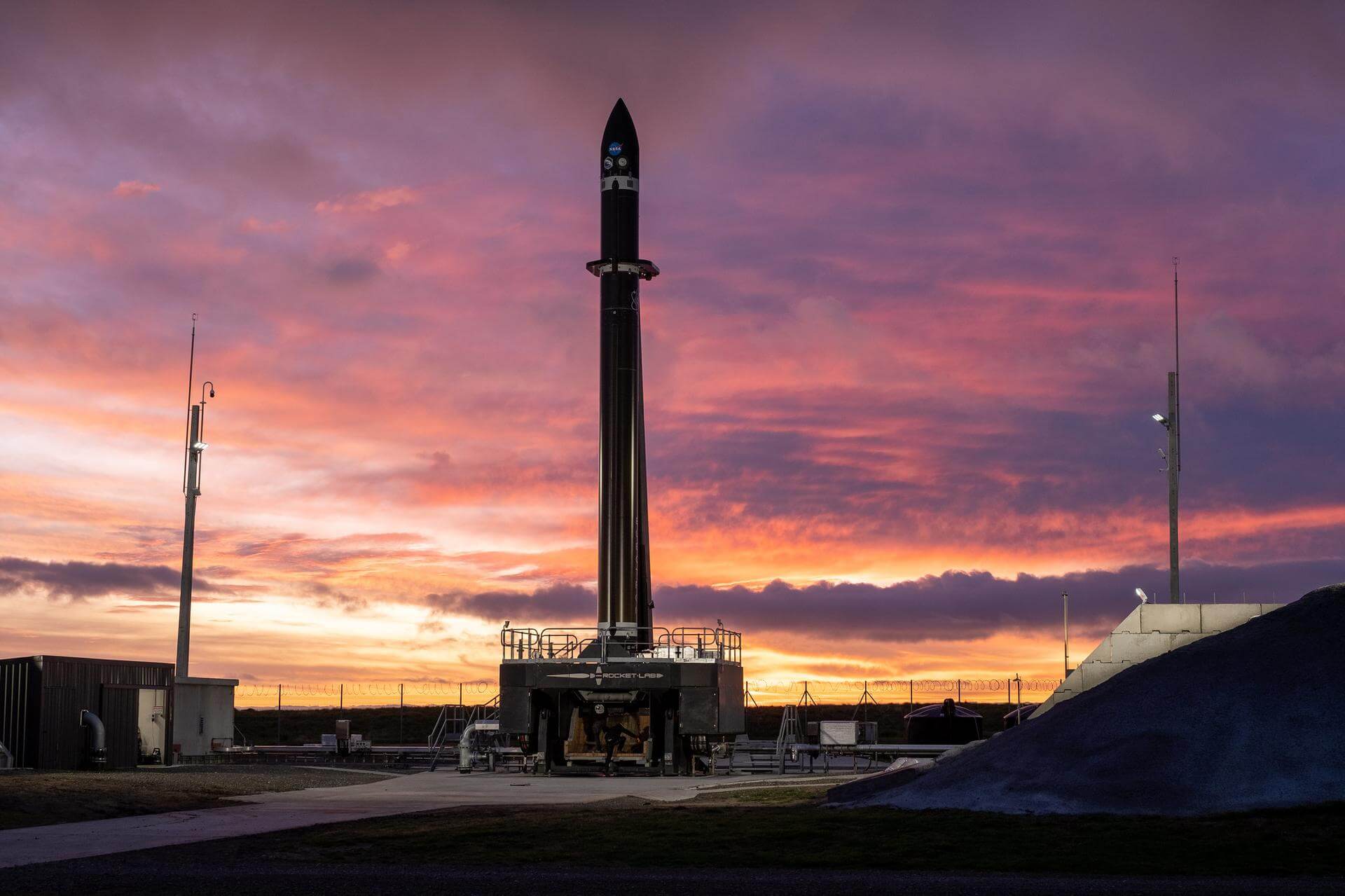
Provider: Rocket Lab Date: September 26, 2026 Time: 12:15 AM UTC Vehicle: Electron
Synthetic aperture radar satellite for Japanese Earth imaging company Synspective.
USSF-385
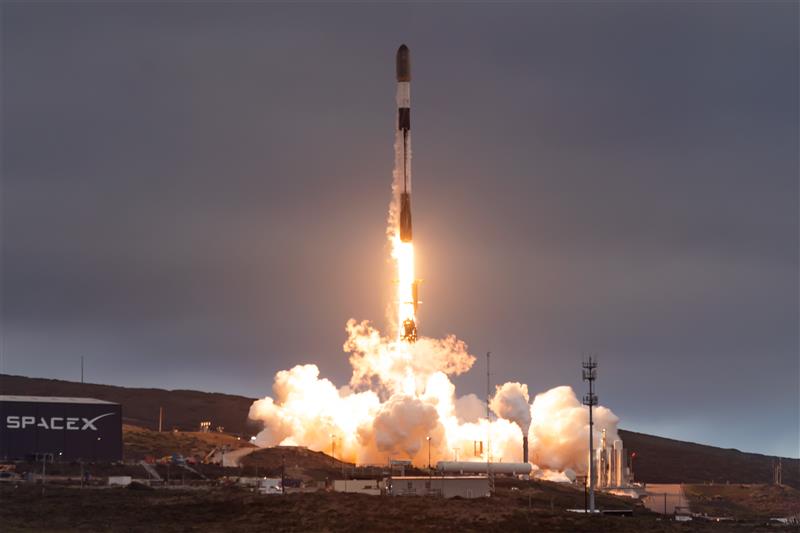
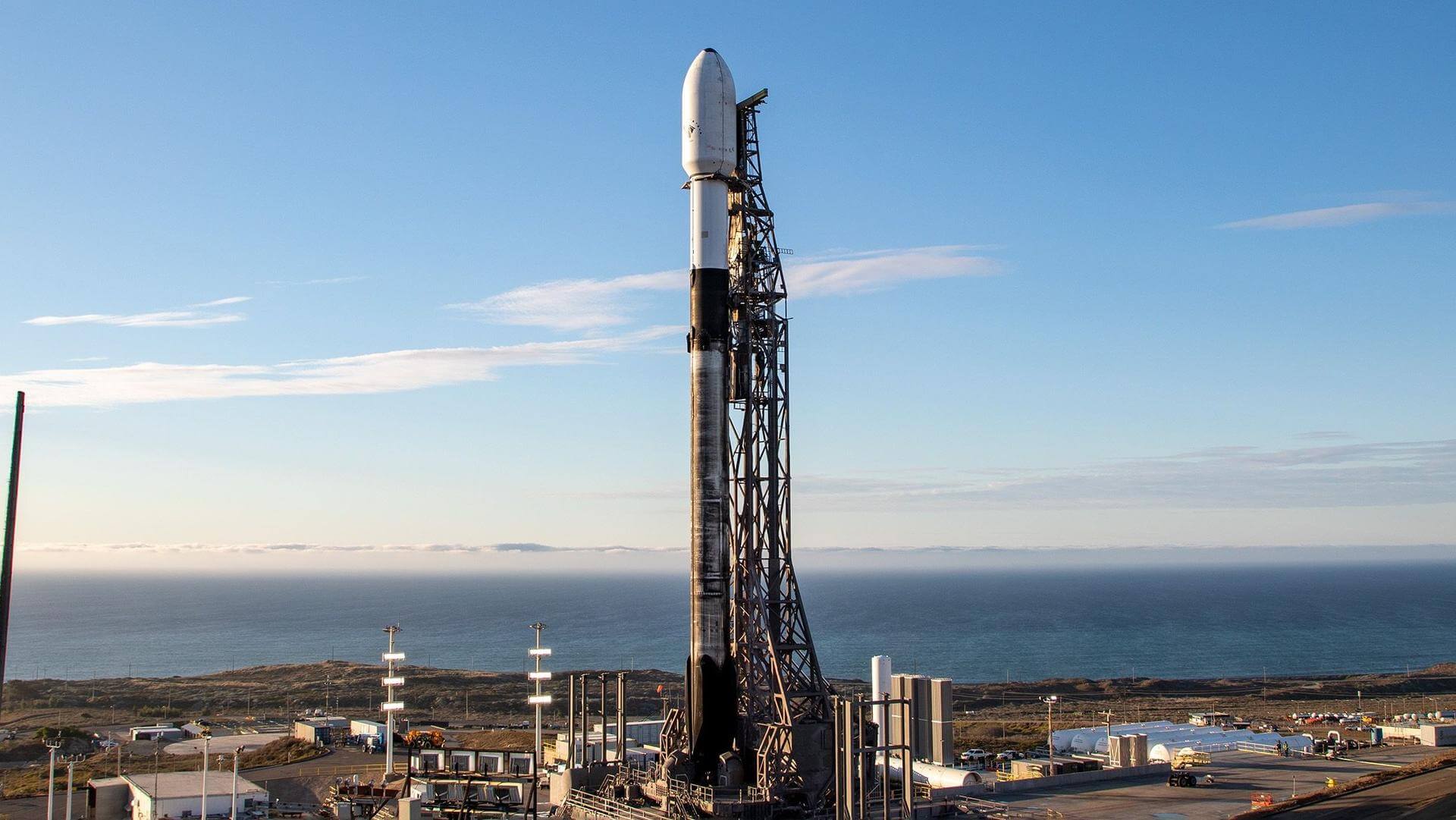
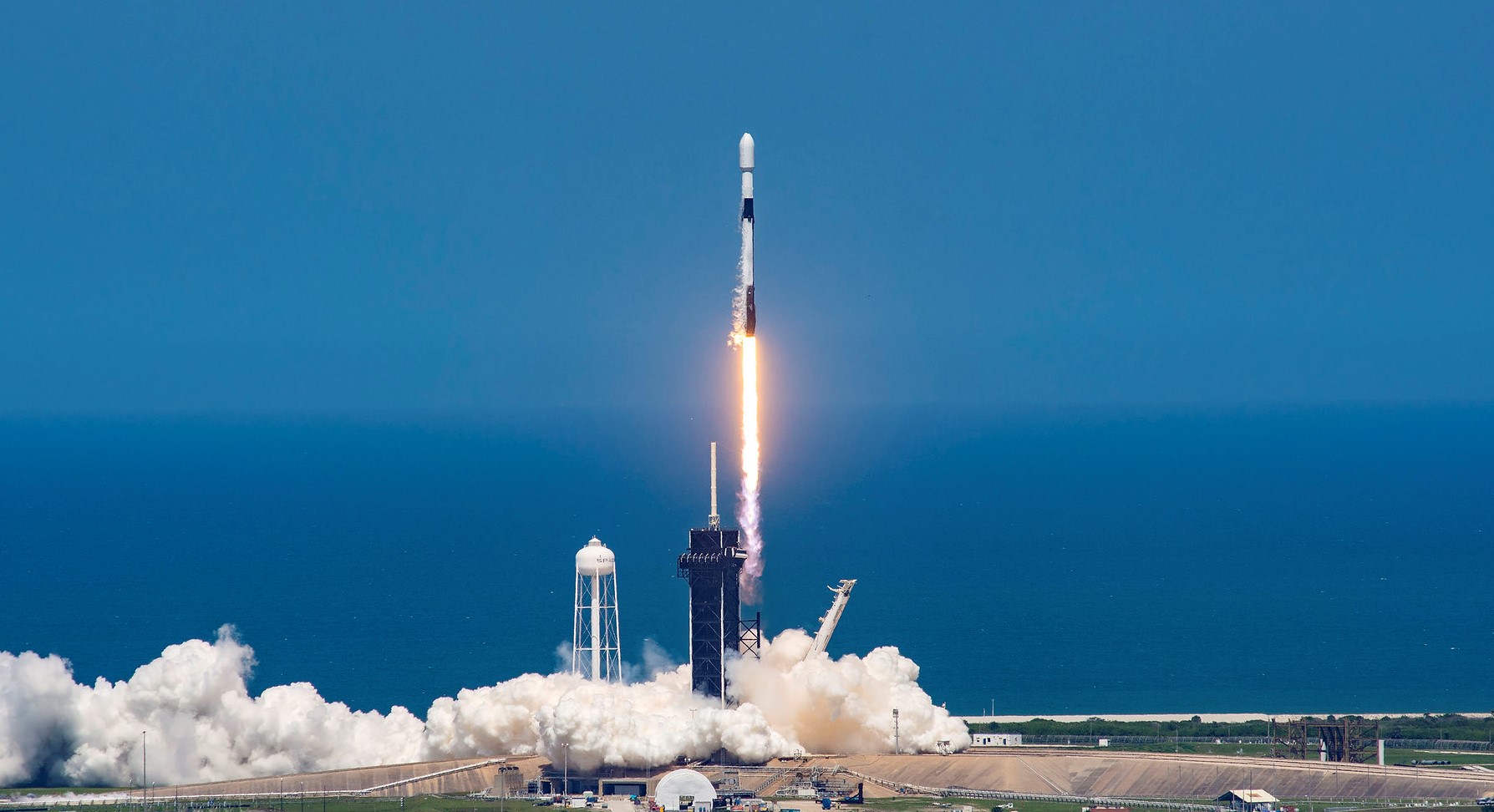
Provider: SpaceX Date: September 26, 2026 Time: 11:56 AM UTC Vehicle: Falcon 9
A classified mission for the United States Space Force. It is possibly a batch of classified LEO satellites based on SpaceX’s Starshield satellite bus, based on locations of rocket stage drop zones being exact fits with previous Starlink Group 15 launches.
Starlink Group 31-1 (Starship Flight 14)
Provider: SpaceX Date: September 28, 2026 Time: 12:15 PM UTC Vehicle: Starship
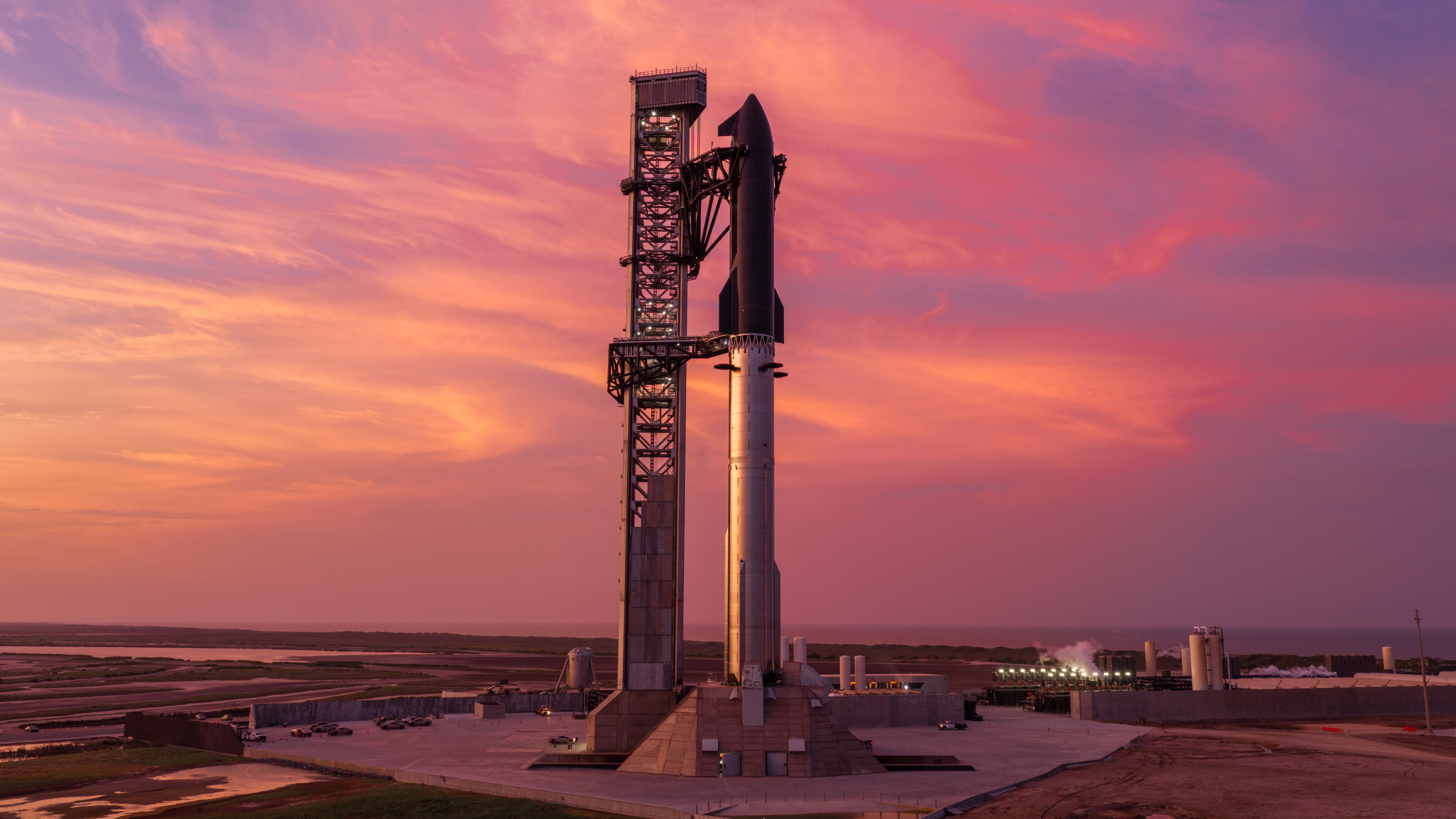
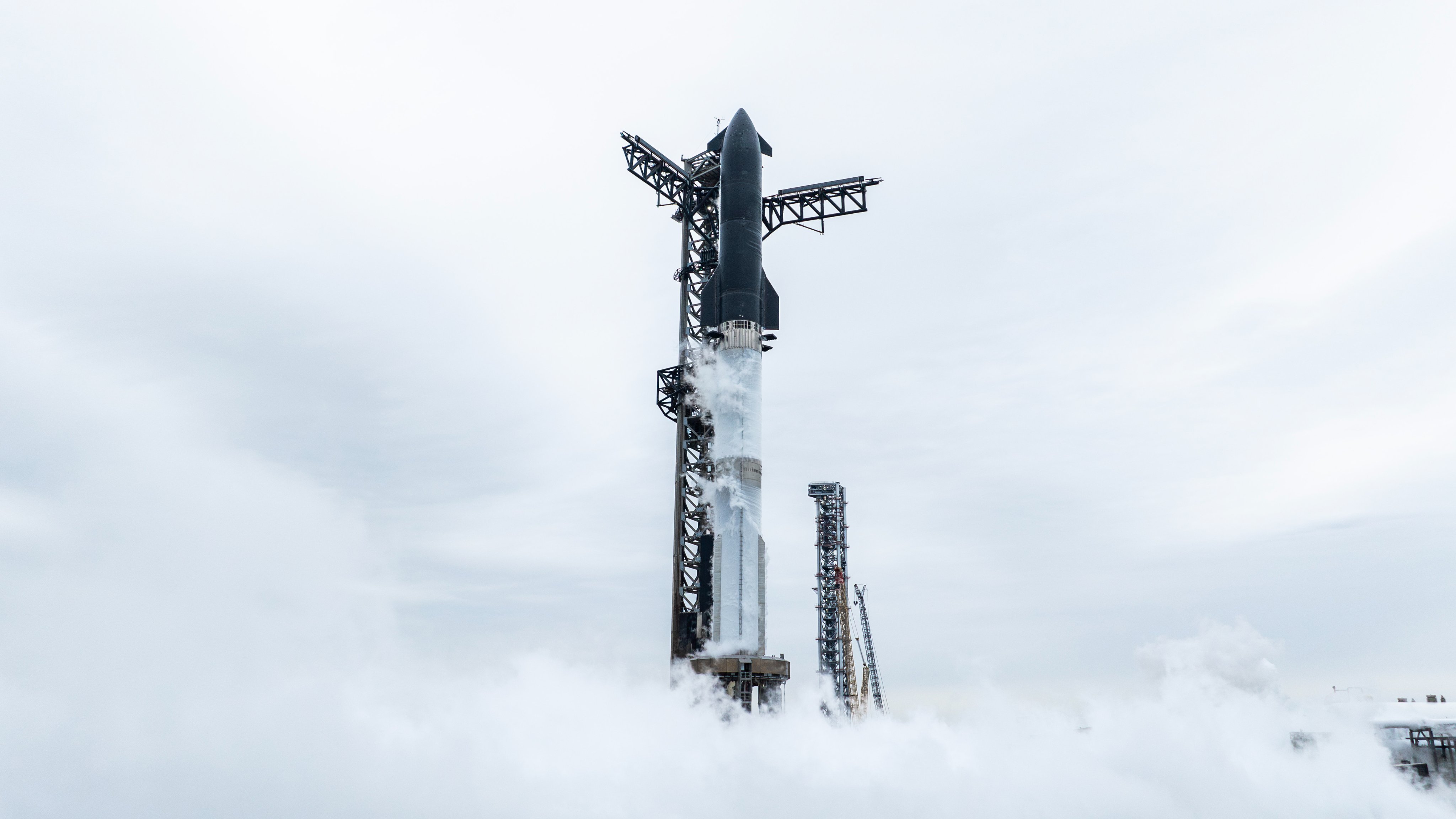
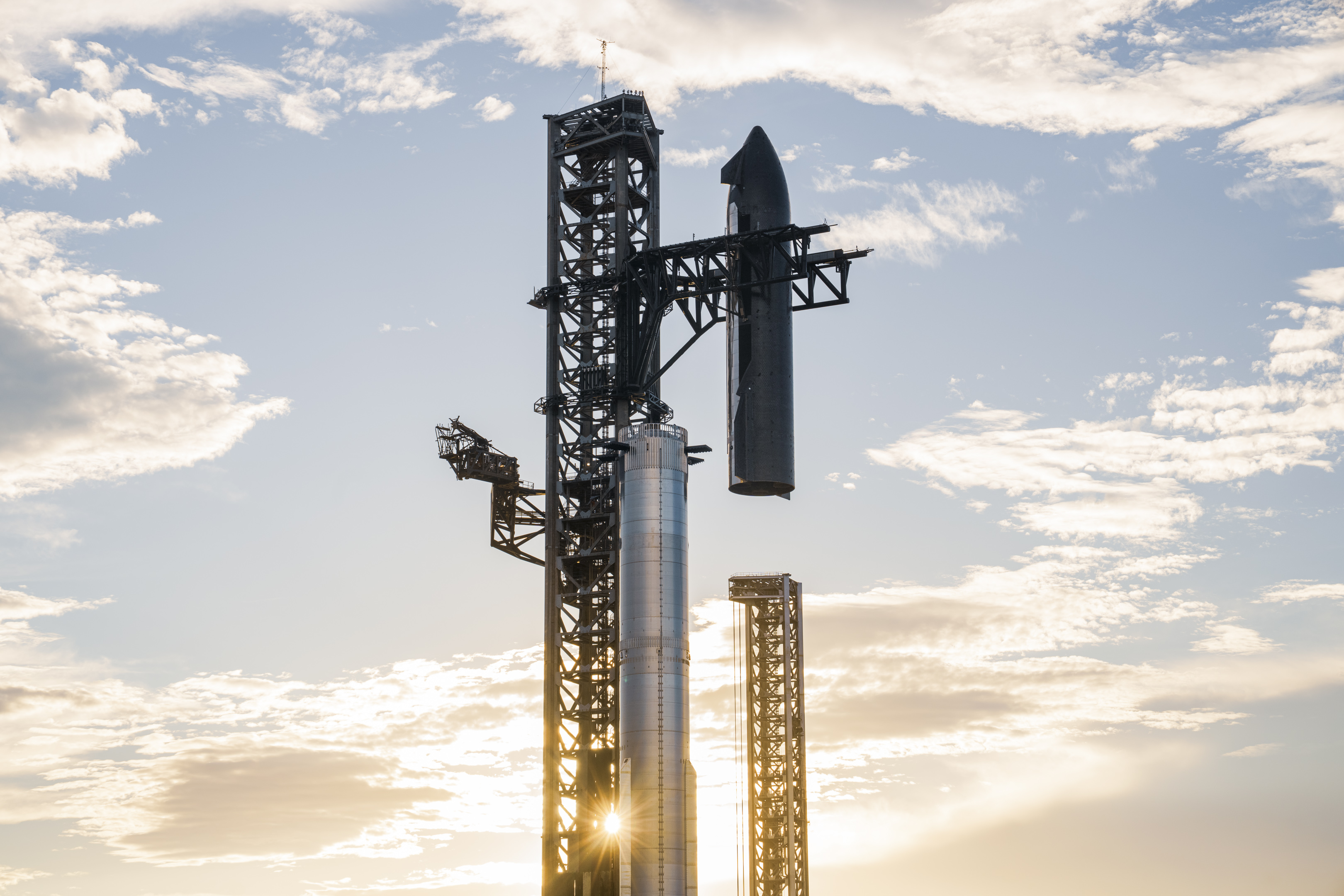
14th test flight of the two-stage Starship launch vehicle. 3rd flight of Starship V3 and the first Starship flight to deploy satellites (a group of Starlink satellites known as Starlink Group 31-1) into stable Low Earth Orbit.
The ship is expected to fly at an altitude approximately 275 km above Earth and complete approximately 6 orbits around the planet for nearly 10 hours, with splashdown targeted in the Pacific Ocean west of Chile.
The booster’s primary test objective on Flight 14 will be executing a successful launch, ascent, stage separation, boostback burn, and landing burn at an offshore landing point in the Gulf.
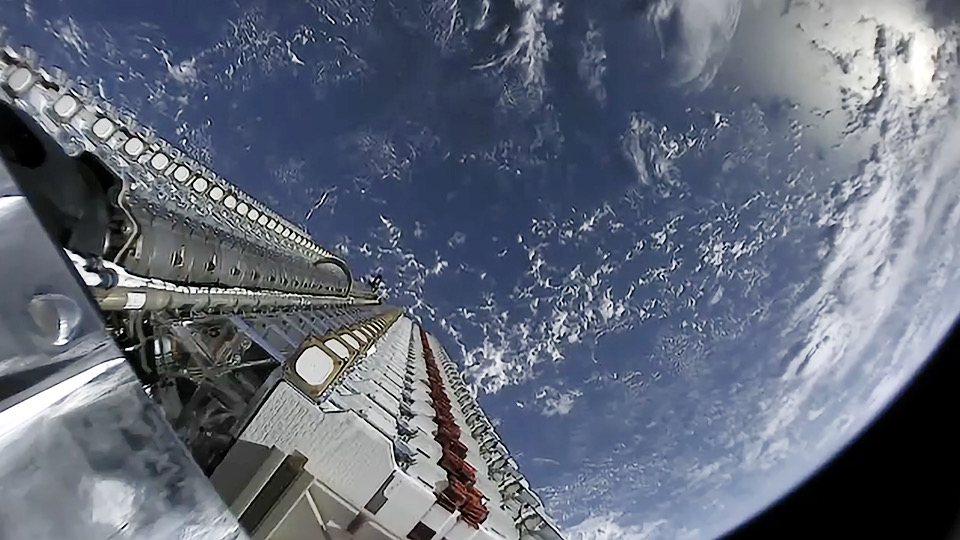
Starship will deliver 26 Starlink V3 satellites to orbit for the first time, which aim to greatly expand the network’s capacity and user speeds. Each Starlink V3 satellite will add 1 Tbps of capacity to the constellation.
Unknown Payload ×
Mission Details
TypeUnknown
OrbitUnknown
TargetEarth
Details TBD.
Launch Provider: China Aerospace Science and Technology Corporation
The Long March 8A is an orbital launch vehicle developed by the China Academy of Launch Vehicle Technology based on the Long March 8. It has an increased capability of up to 7 tonnes to a 700 km altitude sun-synchronous orbit. It implements a larger 3.35 meters diameter liquid hydrogen/liquid…
The Long March 6A is a Chinese launch vehicle of the Long March family, which was developed by the China Aerospace Science and Technology Corporation (CASC) and the Shanghai Academy of Spaceflight Technology (SAST). The vehicle is a further development of the Long March 6, with 2 YF-100 engines on…
Electron is a two-stage orbital expendable launch vehicle (with an optional third stage) developed by the American aerospace company Rocket Lab. Electron is a small-lift launch vehicle designed to launch small satellites and cubesats to sun-synchronous orbit and low earth orbit. The Electron is the…
A classified mission for the United States Space Force. It is possibly a batch of classified LEO satellites based on SpaceX’s Starshield satellite bus, based on locations of rocket stage drop zones being exact fits with previous Starlink Group 15 launches.
Falcon 9 is a two-stage rocket designed and manufactured by SpaceX for the reliable and safe transport of satellites and the Dragon spacecraft into orbit. The Block 5 variant is the fifth major interval aimed at improving upon the ability for rapid reusability.
The Falcon 9 first stage B1100 will land on ASDS OCISLY after its 10th flight.
Starlink Group 31-1 (Starship Flight 14) ×
Mission Details
TypeCommunications
OrbitLow Earth Orbit
TargetEarth
14th test flight of the two-stage Starship launch vehicle. 3rd flight of Starship V3 and the first Starship flight to deploy satellites (a group of Starlink satellites known as Starlink Group 31-1) into stable Low Earth Orbit.
The ship is expected to fly at an altitude approximately 275 km above Earth and complete approximately 6 orbits around the planet for nearly 10 hours, with splashdown targeted in the Pacific Ocean west of Chile.
The booster’s primary test objective on Flight 14 will be executing a successful launch, ascent, stage separation, boostback burn, and landing burn at an offshore landing point in the Gulf.
Starship will deliver 26 Starlink V3 satellites to orbit for the first time, which aim to greatly expand the network’s capacity and user speeds. Each Starlink V3 satellite will add 1 Tbps of capacity to the constellation.
The SpaceX Starship is a fully reusable super heavy-lift launch vehicle under development by SpaceX since 2012, as a self-funded private spaceflight project. The second stage of the Starship — is designed as a long-duration cargo and passenger-carrying spacecraft. It is expected to be initially used without any booster stage at all, as part of an extensive development program to prove out launch-and-landing and iterate on a variety of design details, particularly with respect to the vehicle’s atmospheric reentry.
The second launch and landing pad of the full version of the combined SpaceX Starship and Superheavy booster. To be first used for launch in 2025 with version 3 of Starship and the Superheavy…
The Super Heavy Booster 21 will attempt to perform a soft splashdown in the Gulf of Mexico.
Spacecraft: Ship 41
Third V3 Starship to fly with various enhancements, to be used on the 14th Starship test flight, the first Starship flight to deploy satellites into stable Low Earth Orbit.
Specifications
SerialS41
TypeReuseable Upper Stage
StatusActive
DestinationLow Earth Orbit
Height52.1 m
Diameter9 m
Maiden Flight2026-05-22
History
The third-generation Starship upper stage will be introduced on flight 12.
Capability
More than 100 tons to Earth orbit
Details
Third-generation second stage of the two-stage Starship super heavy-lift launch vehicle.
Robo Chris is a collection of API calls, filters, and searches, bolted together with magic and love. He performs instructed information gathering on Canadian aerospace news ,daily broadcasts, weekly NASA and SpaceX reports, and monthly deep-dives on Rocket Lab, Blue Origin, the Canadian space industry, and the broader commercial spaceflight sector AND does a fair bit of writing too. Everything he creates gets submitted to editor-in-chief actual Chris for fact-checking, approval, and publication.







Leave a Reply