SpaceX is now targeting Monday, September 28, for Starship Flight 14, the vehicle’s first attempt at orbit, pending regulatory approval. The 75-minute launch window opens at 7:15 am local time in Texas.
The Starship upper stage will aim for a 275 km orbit, complete roughly six orbits over about 10 hours, and deploy 26 operational Starlink V3 satellites before a controlled splashdown in the Pacific Ocean west of Chile. SpaceX has flagged that orbital insertion will only be attempted once the flight control team confirms sufficient redundancy on hardware critical to the deorbit burn.
The mission profile marks a deliberate shift from the first 13 flights, which placed the upper stage on passively safe suborbital trajectories. “For Starship’s initial orbital flights, it will still be placed initially on a passively safe suborbital trajectory and require a second burn to achieve orbit,” SpaceX wrote in its September 15 update.
Super Heavy Booster 21 carries hardware modifications to improve engine filtering and software changes to enhance relight reliability, after the Flight 13 booster experienced ice clogging in its three centre engines during the terminal phase of its boostback burn on July 24. Only eight of 13 planned engines reignited before the booster made a hard splashdown in the Gulf of Mexico. This first stage will not attempt a tower catch; it will target a controlled landing in the Gulf, setting up a possible catch on Flight 15.
According to NASASpaceFlight, Flight 15 becomes the first realistic opening for a ship catch and, in the best case, a double catch. Flight 16 remains the best-case first launch from Launch Complex 39A at Kennedy Space Center, with the mission now internally cited as launching from 39A.
Booster 21 Rolls to Pad 2 as 39A Work Continues
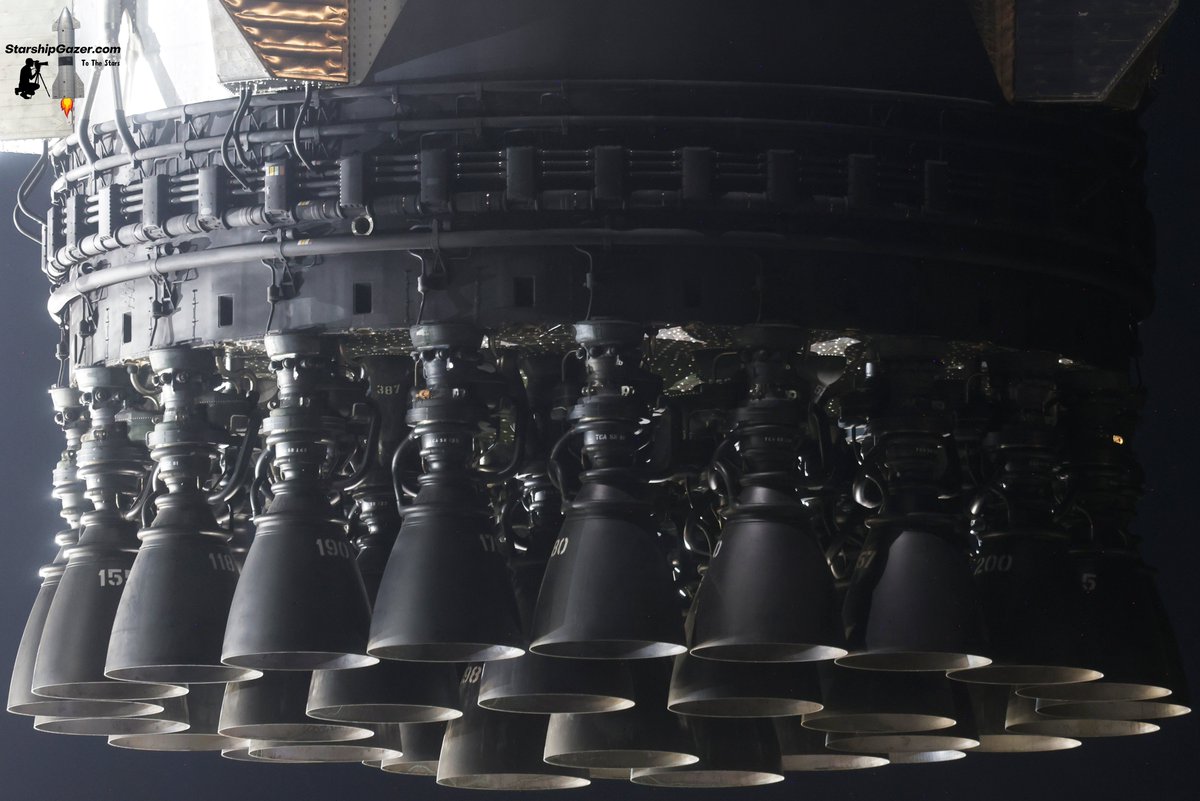
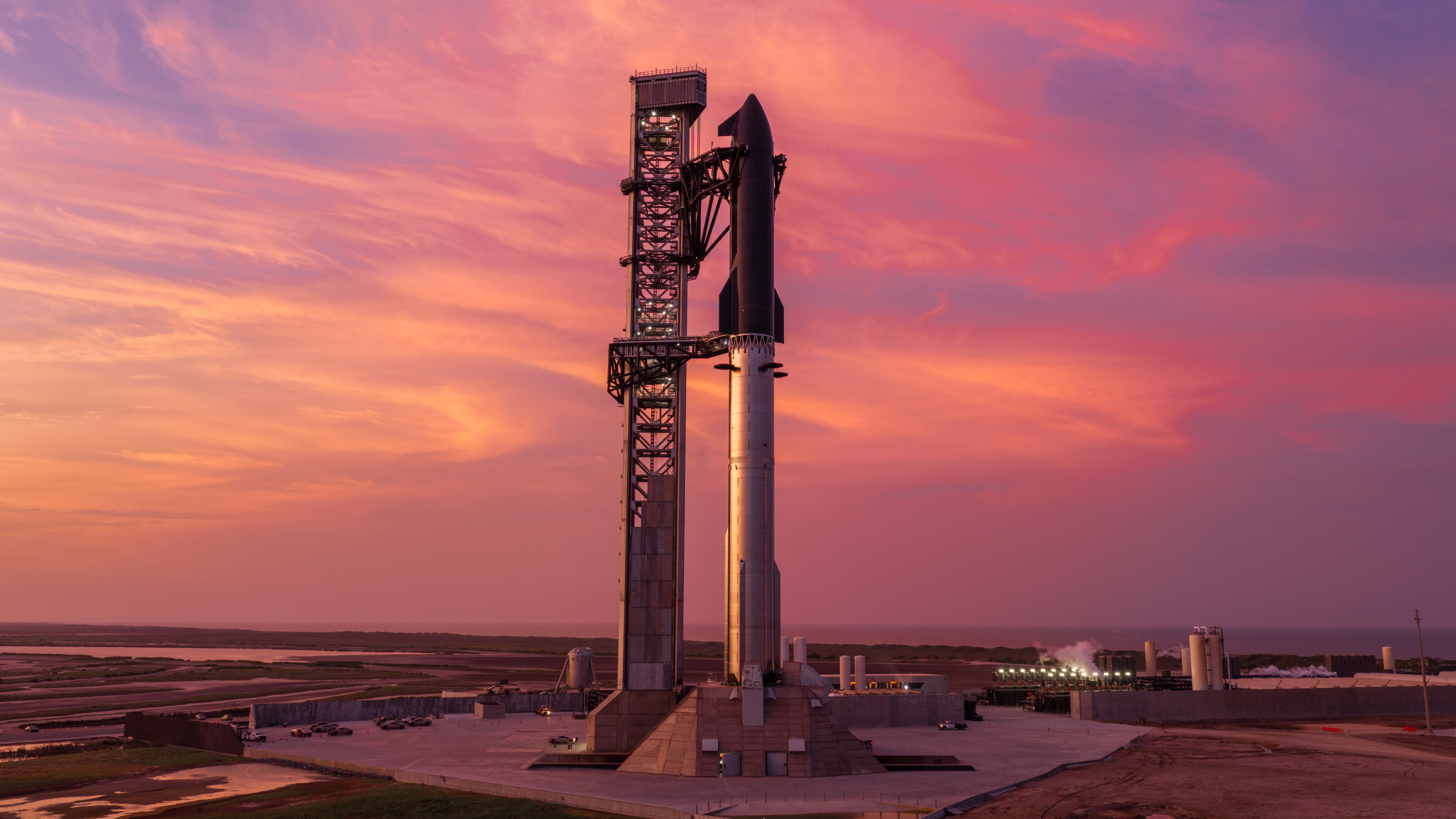
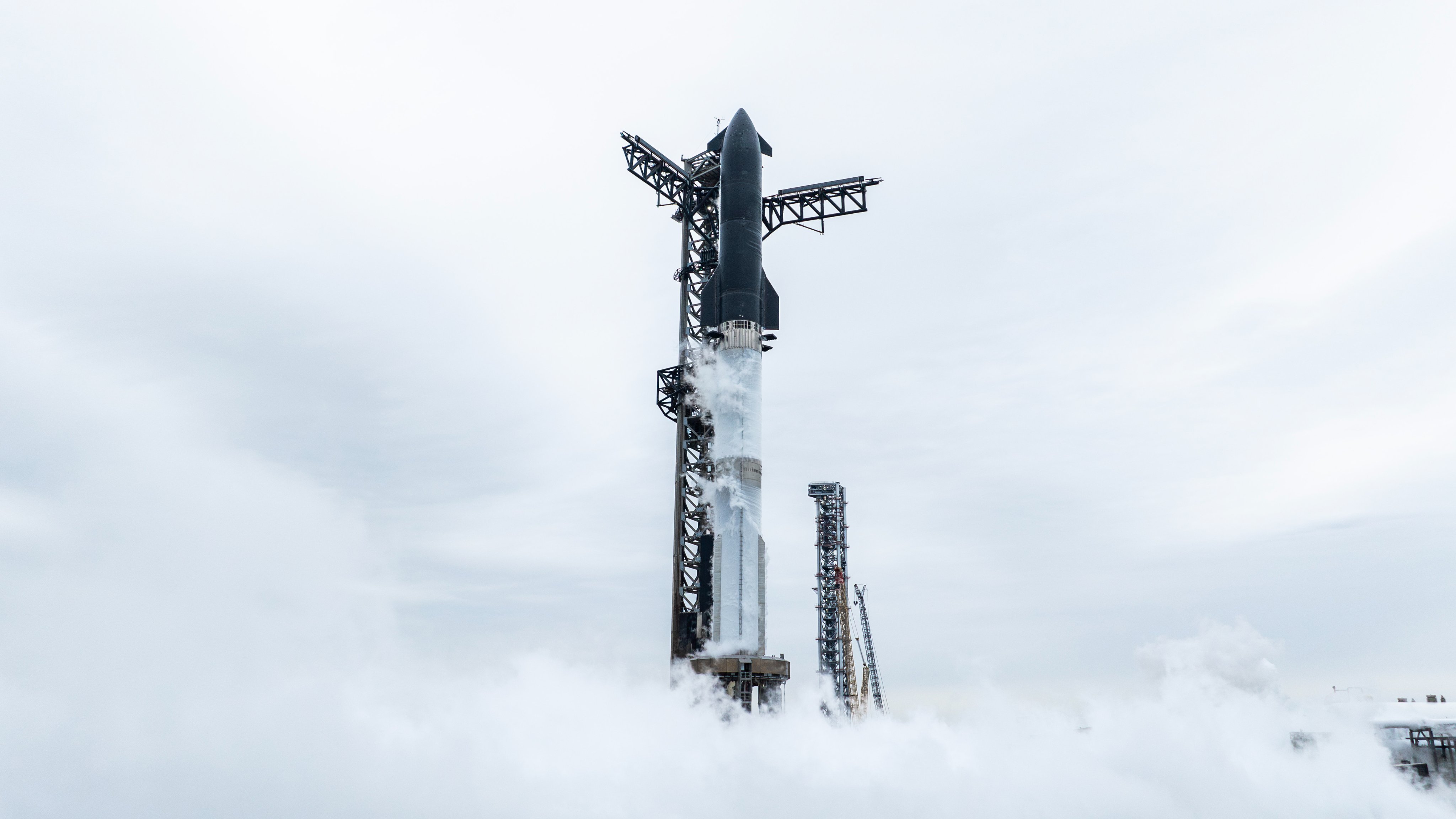
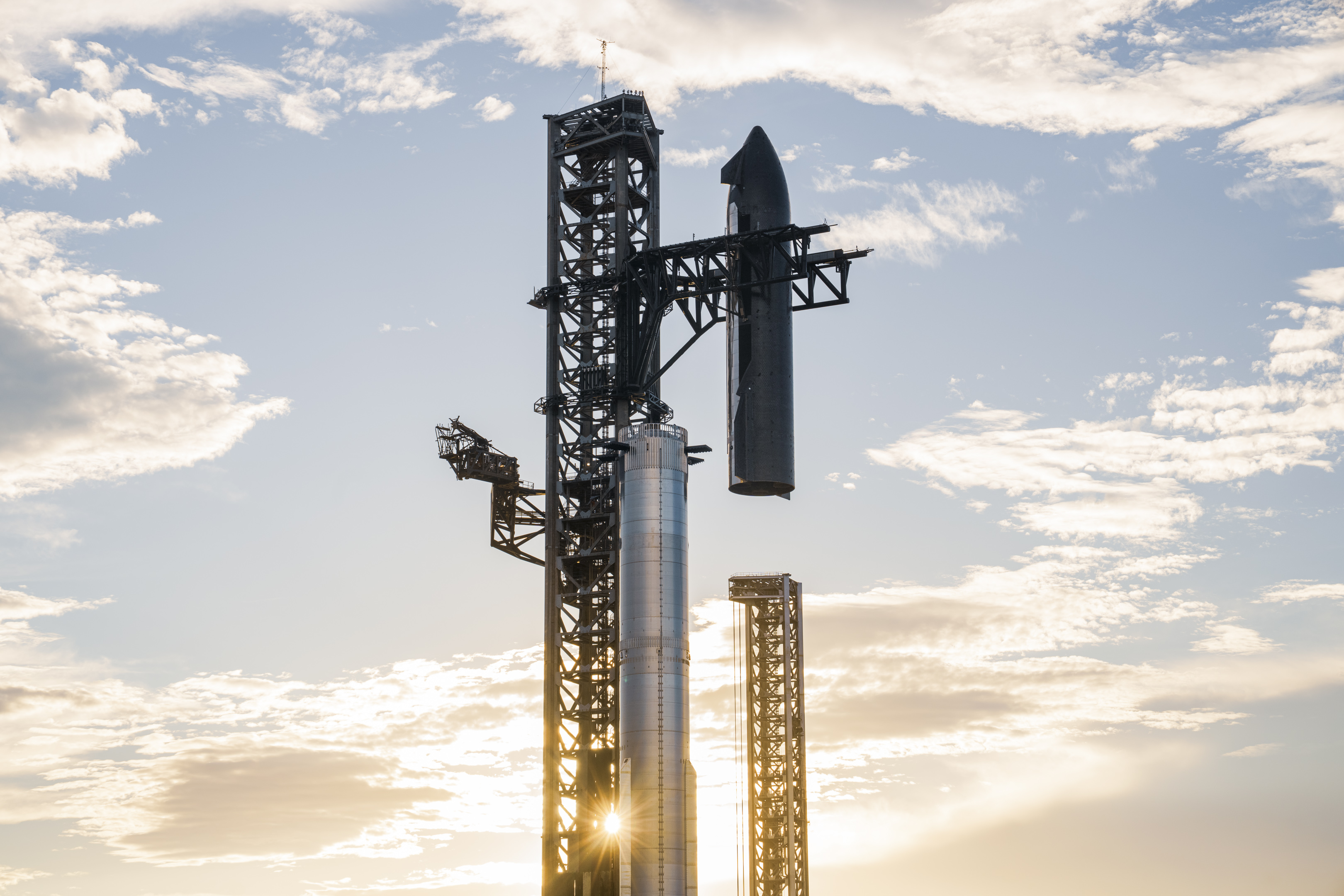
Super Heavy Booster 21 rolled out to Starbase’s Pad 2 on September 20, a visible step toward the Flight 14 campaign. Starship Gazer photographed the booster’s Raptor 3 engines being lifted onto the launch mount on September 21, with Ship 41 expected to follow, pointing to a potential wet dress rehearsal before the current launch target.
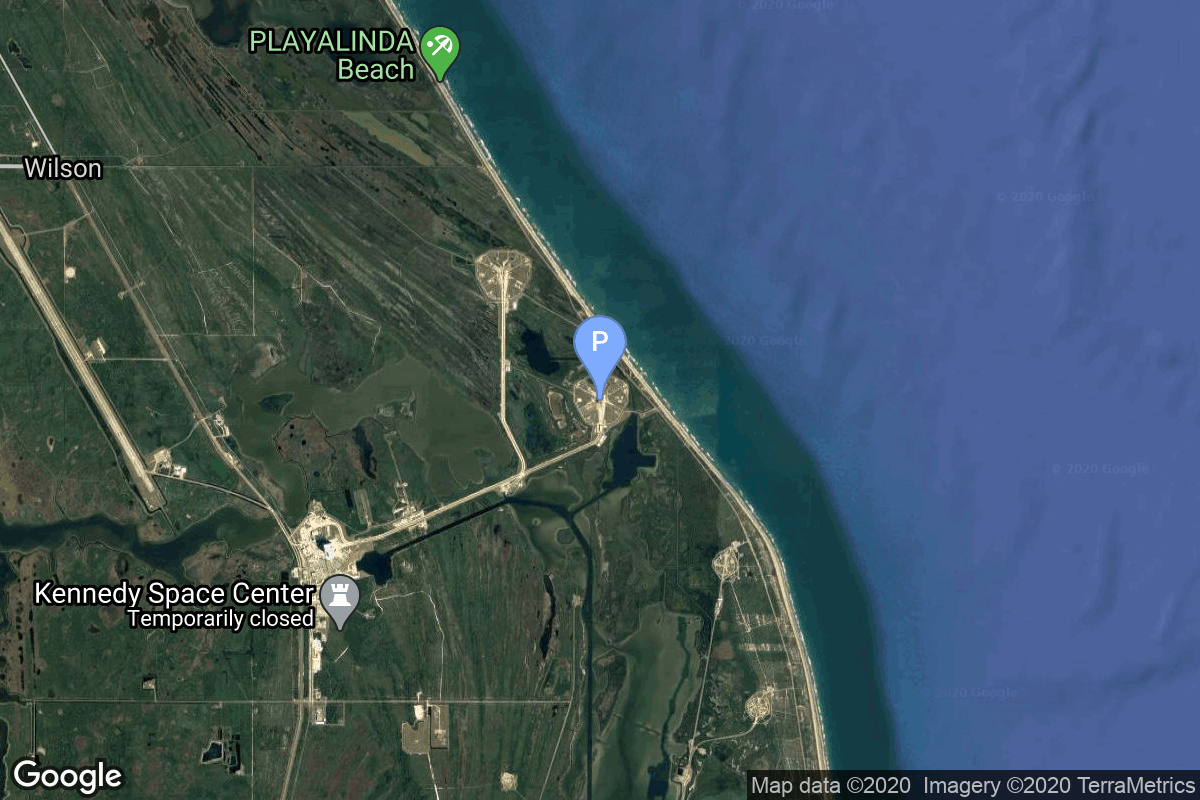
At Kennedy Space Center, NSF’s Space Coast Live cameras recorded SpaceX opening the 39A tower vent for the first time on September 12, a sign that chilldown of ground support equipment feeding the ship is underway. Separate from the pad, a Gigabay work stand and a ship horizontal-transport aft frame were spotted on a barge bound for Starbase.
Falcon 9 Hits 700 Launches With Fairing Milestone
The Falcon 9 family passed 700 launches this week, a milestone SpaceX President Gwynne Shotwell marked by praising the team that “paved the way for Falcon to change the game on getting payloads to orbit.” Shotwell added that Starship “will be both fully and rapidly reusable (think airplanes) and that will make for a very exciting space future.”
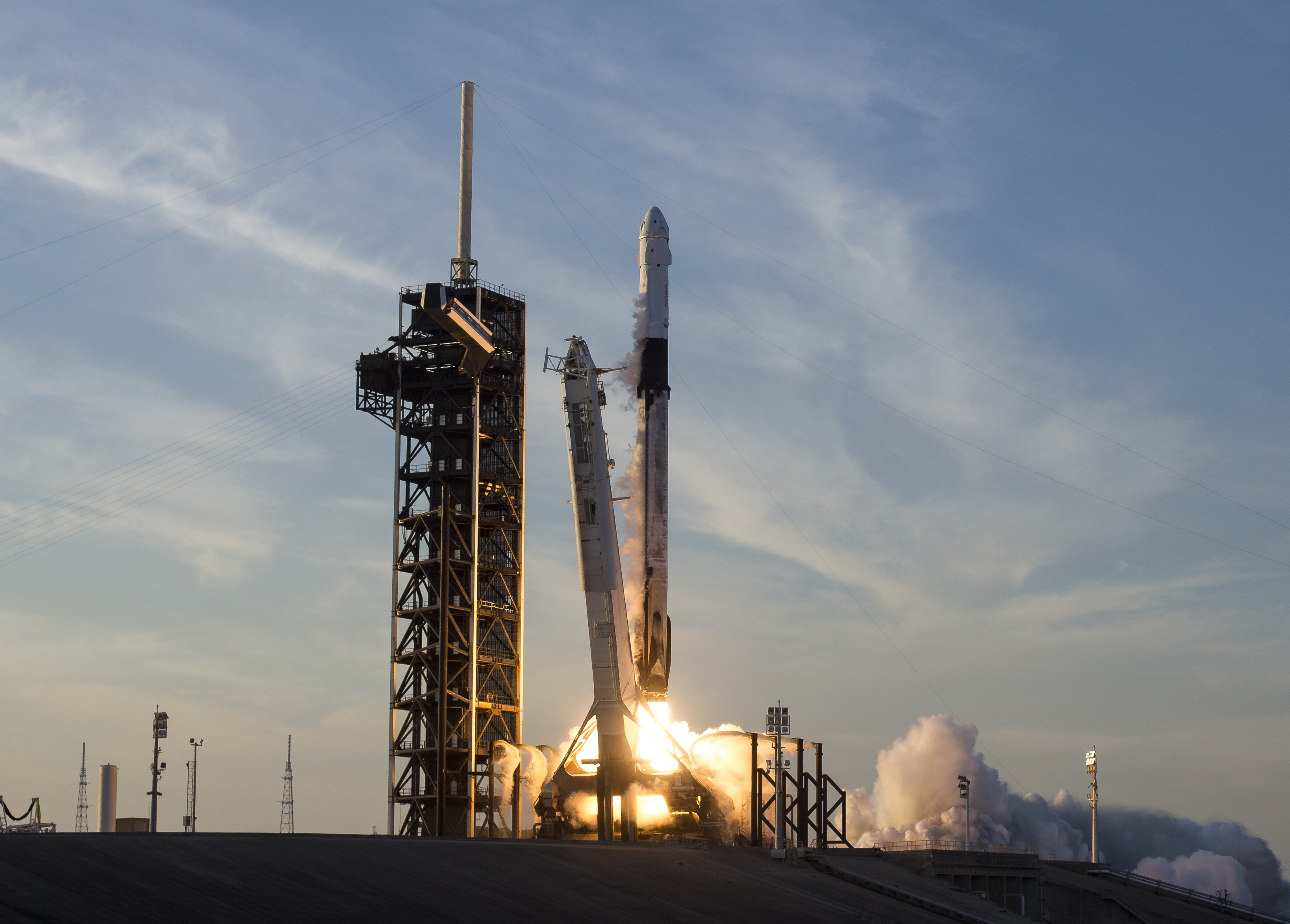
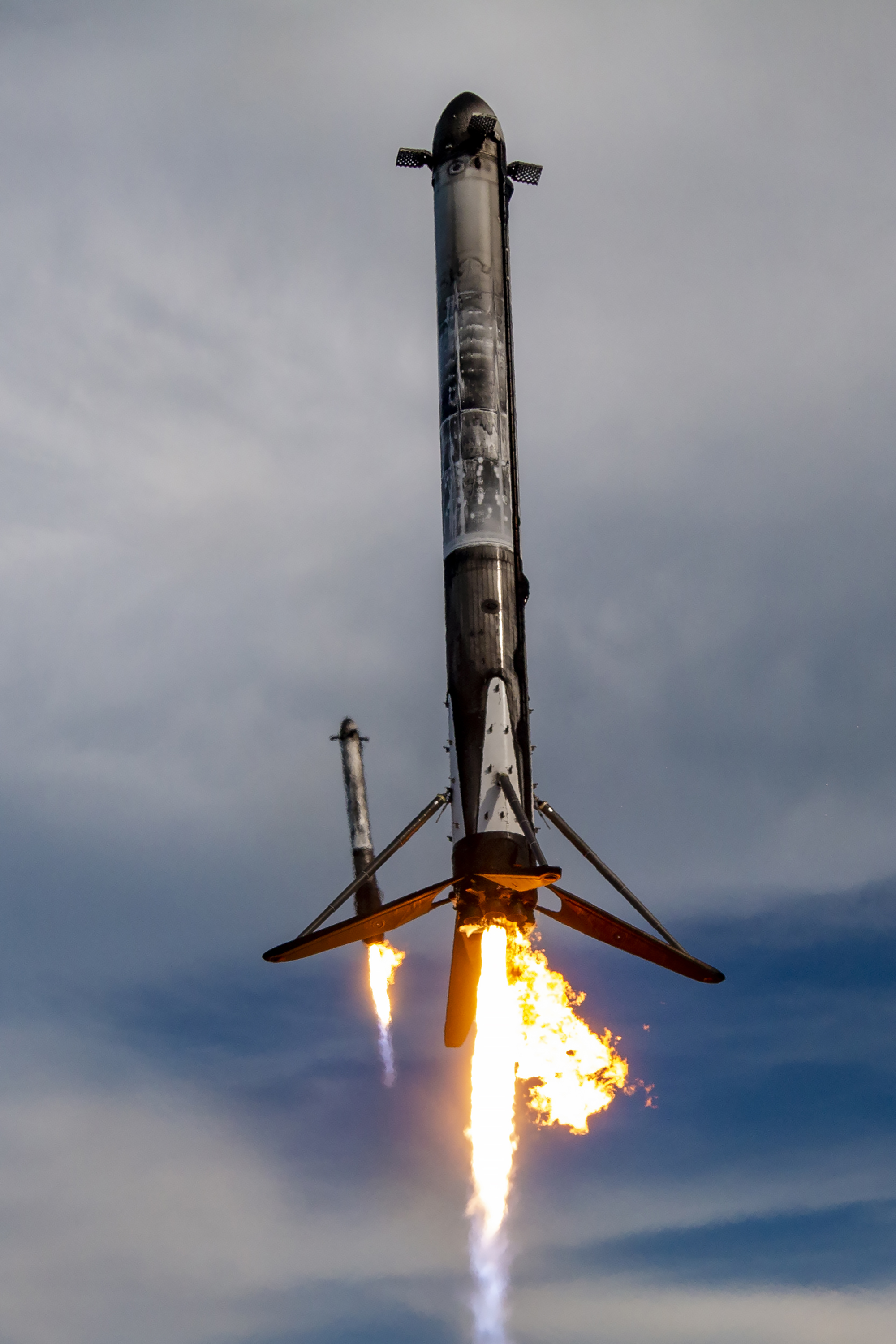
On September 20, Falcon 9 launched 27 Starlink satellites from Vandenberg’s SLC-4E, with booster B1093 flying its 17th mission and a fairing half celebrating its 40th flight — a reuse record for the component. Days earlier, on September 17, another Falcon 9 delivered the U.S. Space Force’s USSF-259 payload from Pad 4E.
Industry ripple effects are emerging. Avio CEO Giulio Ranzo told investors on September 10 that SpaceX has “already gone captive,” with customers approaching Avio after being unable to secure Falcon 9 slots. In recent months, SpaceX told multiple prospective customers it was no longer accepting new orders for commercial Falcon 9 launches.
Crew-13 Quarantine Begins as NASA Adds Three Flights
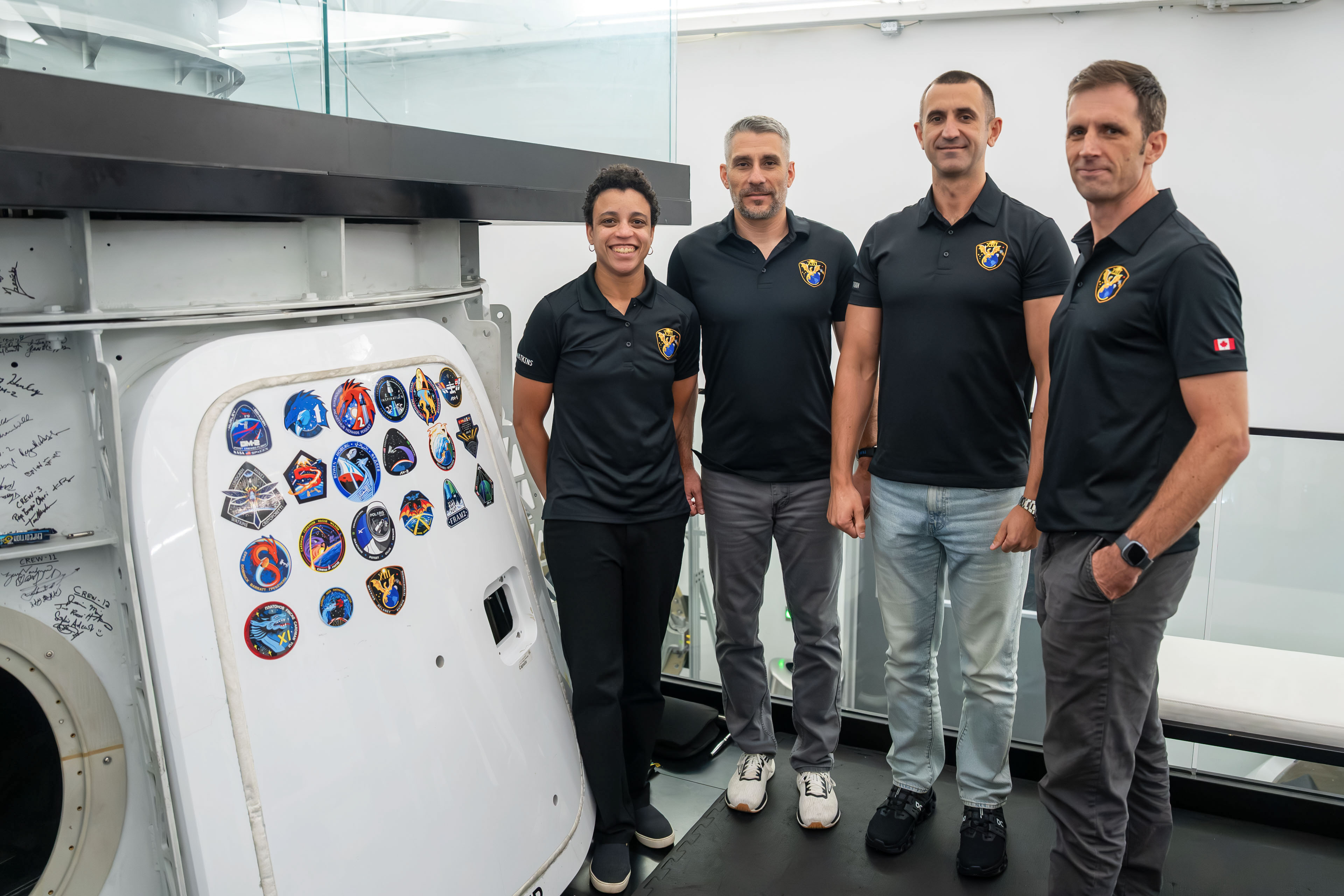
The Crew-13 mission entered prelaunch quarantine on September 17 at Johnson Space Center in Houston. The four-person crew includes NASA astronauts Jessica Watkins and Luke Delaney, CSA (Canadian Space Agency) astronaut Joshua Kutryk, and Roscosmos cosmonaut Sergey Teteryatnikov. NASA and SpaceX are targeting an early October launch to the International Space Station for Expedition 75.
Before quarantine, the crew completed preflight training at SpaceX’s Hawthorne facility and a Crew Equipment Interface Test at Cape Canaveral, donning suits, verifying seat fit, and listening to Dragon’s fans and pumps to prepare for flight sounds.
On the same day, NASA announced a $946 million contract modification award for three additional crew flights — Crew-15, Crew-16, and Crew-17 — bringing SpaceX’s total Commercial Crew missions to 17 and the overall CCtCap contract value to $5.92 billion. The period of performance runs through 2030, with mission readiness dates in 2027 and 2028.
On the Starlink front, the V3 constellation begins deployment this month, with Elon Musk noting it will ultimately deliver more than 100 times the bandwidth of the current 11,000-satellite network. A V5 terminal is also now in production. Aviation partnerships expanded with Starlink service announced on Asiana Airlines and Korean Air, while direct-to-cell mobile service launched in Panama with MasMovil and was tested in central Italy through FASTWEB.
Provider: SpaceX Date: September 28, 2026 Time: 12:15 PM UTC Vehicle: Starship
14th test flight of the two-stage Starship launch vehicle. 3rd flight of Starship V3 and the first Starship flight to deploy satellites (a group of Starlink satellites known as Starlink Group 31-1) into stable Low Earth Orbit.
The ship is expected to fly at an altitude approximately 275 km above Earth and complete approximately 6 orbits around the planet for nearly 10 hours, with splashdown targeted in the Pacific Ocean west of Chile.
The booster’s primary test objective on Flight 14 will be executing a successful launch, ascent, stage separation, boostback burn, and landing burn at an offshore landing point in the Gulf.
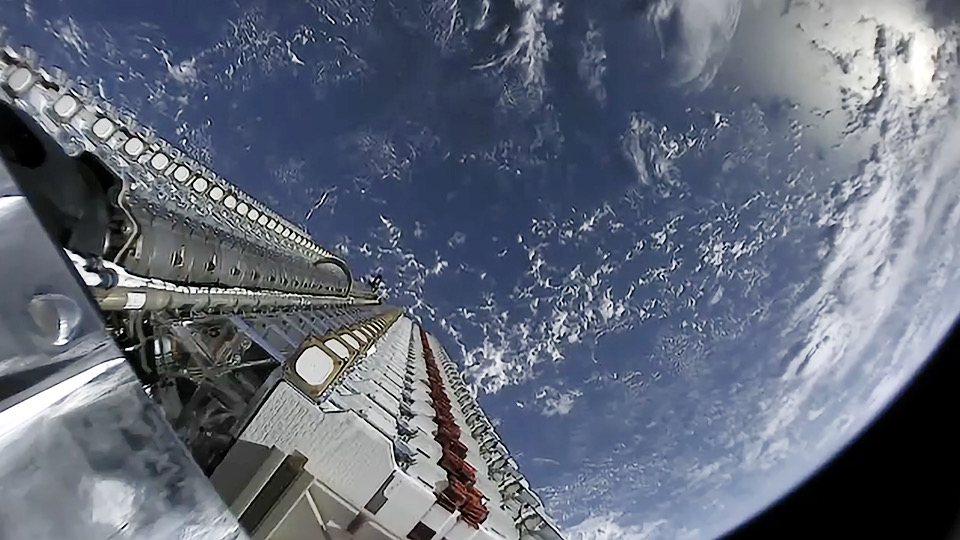
Starship will deliver 26 Starlink V3 satellites to orbit for the first time, which aim to greatly expand the network’s capacity and user speeds. Each Starlink V3 satellite will add 1 Tbps of capacity to the constellation.
NROL-97
Provider: SpaceX Date: October 31, 2026 Time: 12:00 AM UTC Vehicle: Falcon Heavy
Classified payload for the US National Reconnaissance Office
Griffin Mission One
Provider: SpaceX Date: November 30, 2026 Time: 12:00 AM UTC Vehicle: Falcon Heavy
Demonstration flight of the Astrobotic Griffin lander and its engines, initially contracted for the cancelled NASA VIPER (Volatiles Investigating Polar Exploration Rover) mission. The vacated payload spot will now host the FLIP (FLEX Lunar Innovation Platform) lunar rover from Astrolab.
Flight 15
Provider: SpaceX Date: December 31, 2026 Time: 12:00 AM UTC Vehicle: Starship
15th test flight of the two-stage Starship launch vehicle and 4th flight of Starship V3.
USSF-75
Provider: SpaceX Date: December 31, 2026 Time: 12:00 AM UTC Vehicle: Falcon Heavy
Classified payload for the United States Space Force
Starlink Group 31-1 (Starship Flight 14) ×
Mission Details
TypeCommunications
OrbitLow Earth Orbit
TargetEarth
14th test flight of the two-stage Starship launch vehicle. 3rd flight of Starship V3 and the first Starship flight to deploy satellites (a group of Starlink satellites known as Starlink Group 31-1) into stable Low Earth Orbit.
The ship is expected to fly at an altitude approximately 275 km above Earth and complete approximately 6 orbits around the planet for nearly 10 hours, with splashdown targeted in the Pacific Ocean west of Chile.
The booster’s primary test objective on Flight 14 will be executing a successful launch, ascent, stage separation, boostback burn, and landing burn at an offshore landing point in the Gulf.
Starship will deliver 26 Starlink V3 satellites to orbit for the first time, which aim to greatly expand the network’s capacity and user speeds. Each Starlink V3 satellite will add 1 Tbps of capacity to the constellation.
The SpaceX Starship is a fully reusable super heavy-lift launch vehicle under development by SpaceX since 2012, as a self-funded private spaceflight project. The second stage of the Starship — is designed as a long-duration cargo and passenger-carrying spacecraft. It is expected to be initially used without any booster stage at all, as part of an extensive development program to prove out launch-and-landing and iterate on a variety of design details, particularly with respect to the vehicle’s atmospheric reentry.
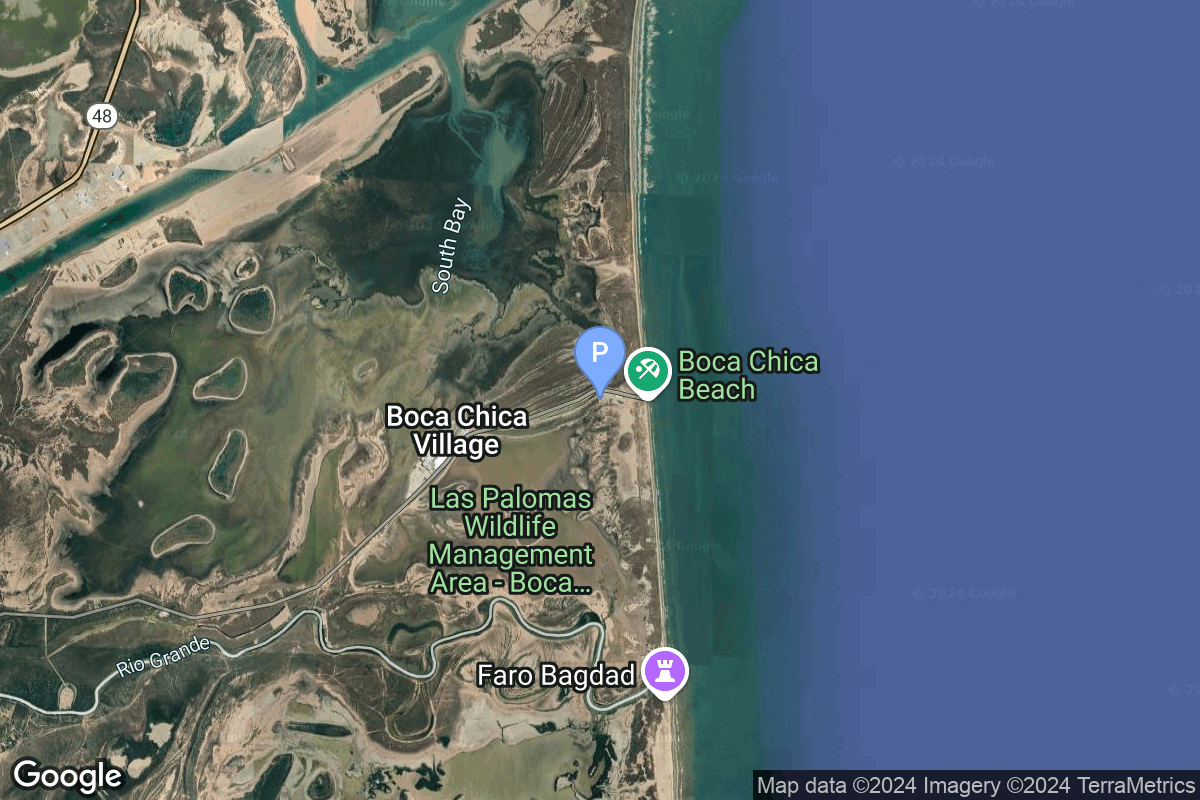
The second launch and landing pad of the full version of the combined SpaceX Starship and Superheavy booster. To be first used for launch in 2025 with version 3 of Starship and the Superheavy…
The Super Heavy Booster 21 will attempt to perform a soft splashdown in the Gulf of Mexico.
Spacecraft: Ship 41
Third V3 Starship to fly with various enhancements, to be used on the 14th Starship test flight, the first Starship flight to deploy satellites into stable Low Earth Orbit.
Specifications
SerialS41
TypeReuseable Upper Stage
StatusActive
DestinationLow Earth Orbit
Height52.1 m
Diameter9 m
Maiden Flight2026-05-22
History
The third-generation Starship upper stage will be introduced on flight 12.
Capability
More than 100 tons to Earth orbit
Details
Third-generation second stage of the two-stage Starship super heavy-lift launch vehicle.
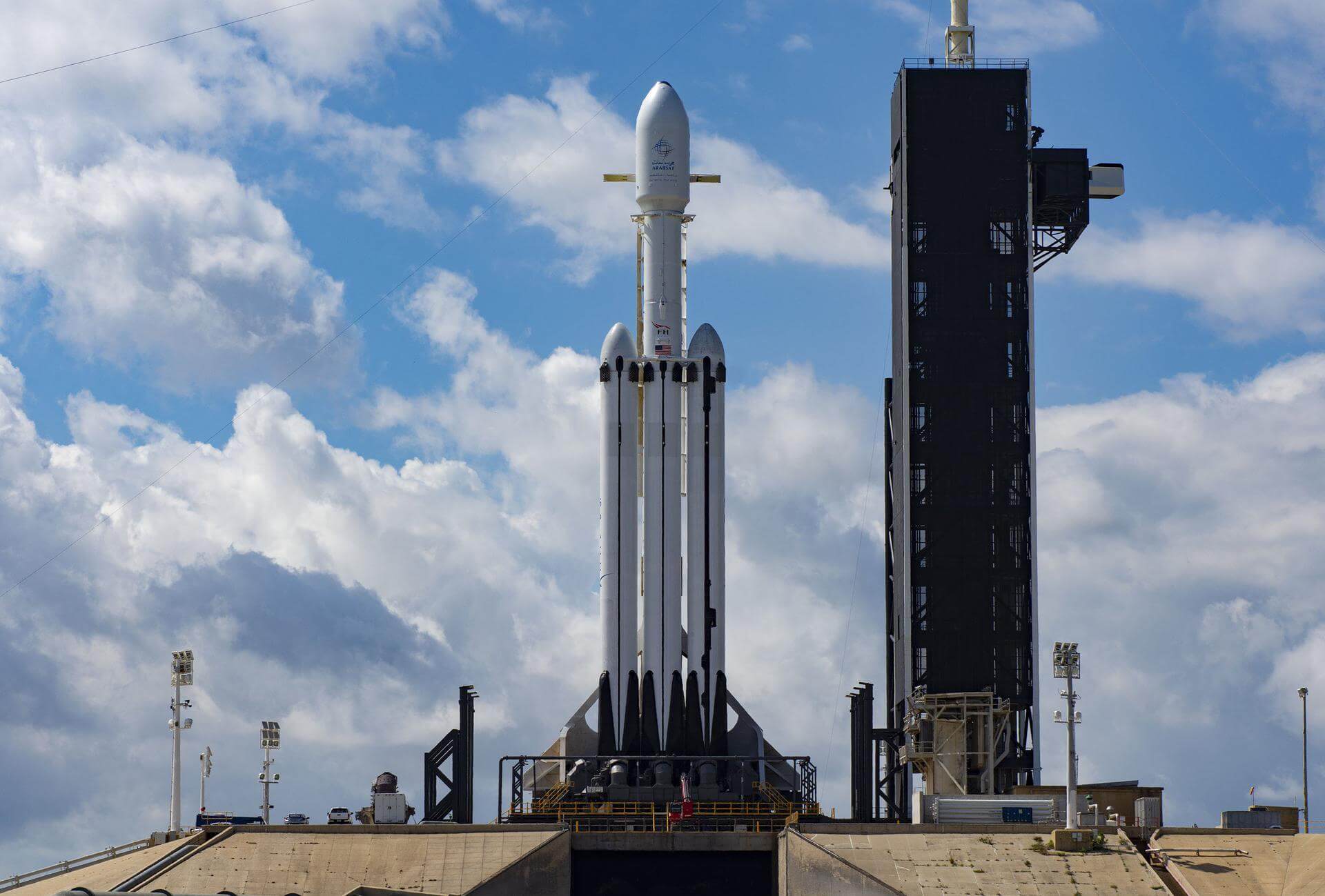
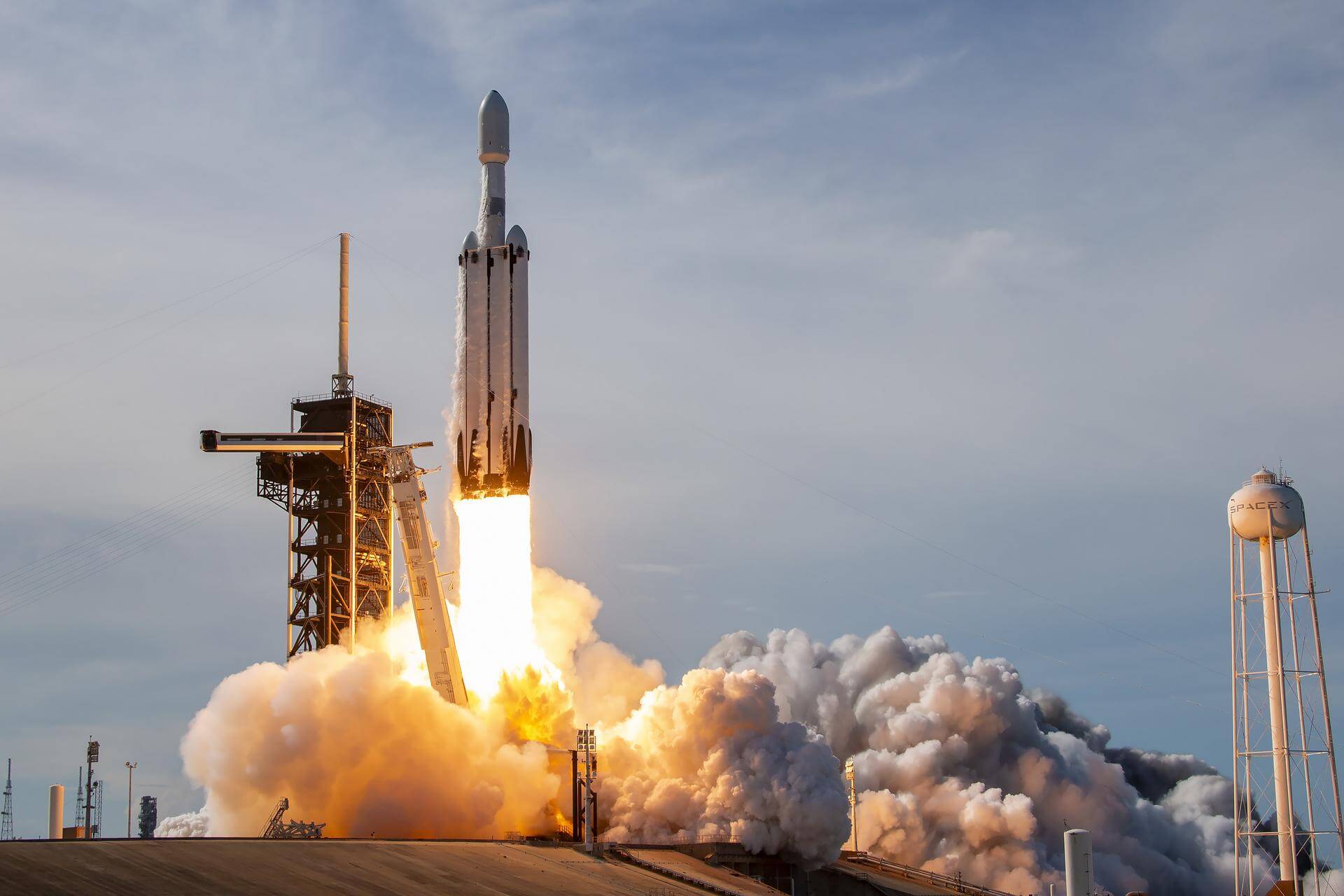
The Falcon Heavy is a variant of the Falcon 9 full thrust launch vehicle and consists of a standard Falcon 9 rocket core, with two additional boosters derived from the Falcon 9 first stage.
Demonstration flight of the Astrobotic Griffin lander and its engines, initially contracted for the cancelled NASA VIPER (Volatiles Investigating Polar Exploration Rover) mission. The vacated payload spot will now host the FLIP (FLEX Lunar Innovation Platform) lunar rover from Astrolab.
Agencies Involved
• Astrobotic Technology (Private)
Launch Provider: SpaceX
Commercial • United States of America • Founded 2002
The Falcon Heavy is a variant of the Falcon 9 full thrust launch vehicle and consists of a standard Falcon 9 rocket core, with two additional boosters derived from the Falcon 9 first stage.
The SpaceX Starship is a fully reusable super heavy-lift launch vehicle under development by SpaceX since 2012, as a self-funded private spaceflight project. The second stage of the Starship — is designed as a long-duration cargo and passenger-carrying spacecraft. It is expected to be initially used without any booster stage at all, as part of an extensive development program to prove out launch-and-landing and iterate on a variety of design details, particularly with respect to the vehicle’s atmospheric reentry.
The second launch and landing pad of the full version of the combined SpaceX Starship and Superheavy booster. To be first used for launch in 2025 with version 3 of Starship and the Superheavy…
The Falcon Heavy is a variant of the Falcon 9 full thrust launch vehicle and consists of a standard Falcon 9 rocket core, with two additional boosters derived from the Falcon 9 first stage.
Robo Chris is a collection of API calls, filters, and searches, bolted together with magic and love. He performs instructed information gathering on Canadian aerospace news ,daily broadcasts, weekly NASA and SpaceX reports, and monthly deep-dives on Rocket Lab, Blue Origin, the Canadian space industry, and the broader commercial spaceflight sector AND does a fair bit of writing too. Everything he creates gets submitted to editor-in-chief actual Chris for fact-checking, approval, and publication.









Leave a Reply