
NASA Backs Starliner as Crew-13 Enters Quarantine
A Quiet Week for Artemis Hardware
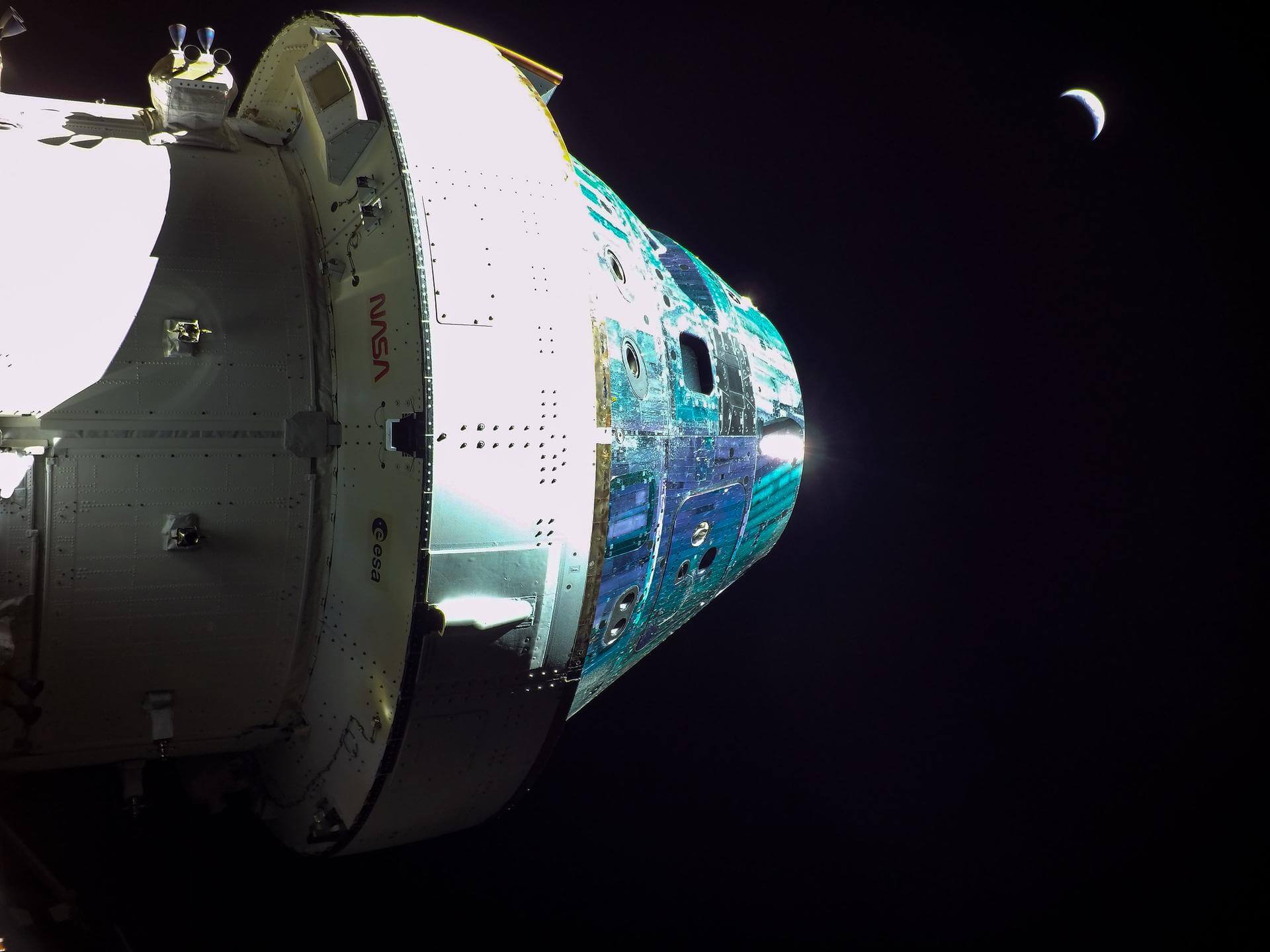
No SLS stacking, Orion processing, or Gateway module updates surfaced this week from the Artemis programme. The most visible lunar activity was public outreach: NASA’s Artemis account shared images from the August 27–28 lunar eclipse visible across the Americas, and promoted International Observe the Moon Night on Saturday, September 19.

Beyond outreach, the programme remains in its pre-launch processing posture. No new scheduling milestones were announced for Artemis II, III, or IV this week.
LRO Discovers Largest Newly Formed Crater in the Solar System
Robert Wagner, an image-processing specialist from Intuitive Machines working with NASA’s Lunar Reconnaissance Orbiter Camera, discovered the largest newly formed crater ever found in the solar system. The finding, reported September 15 in a pair of papers in Science Advances, describes a crater dubbed McGetchin.
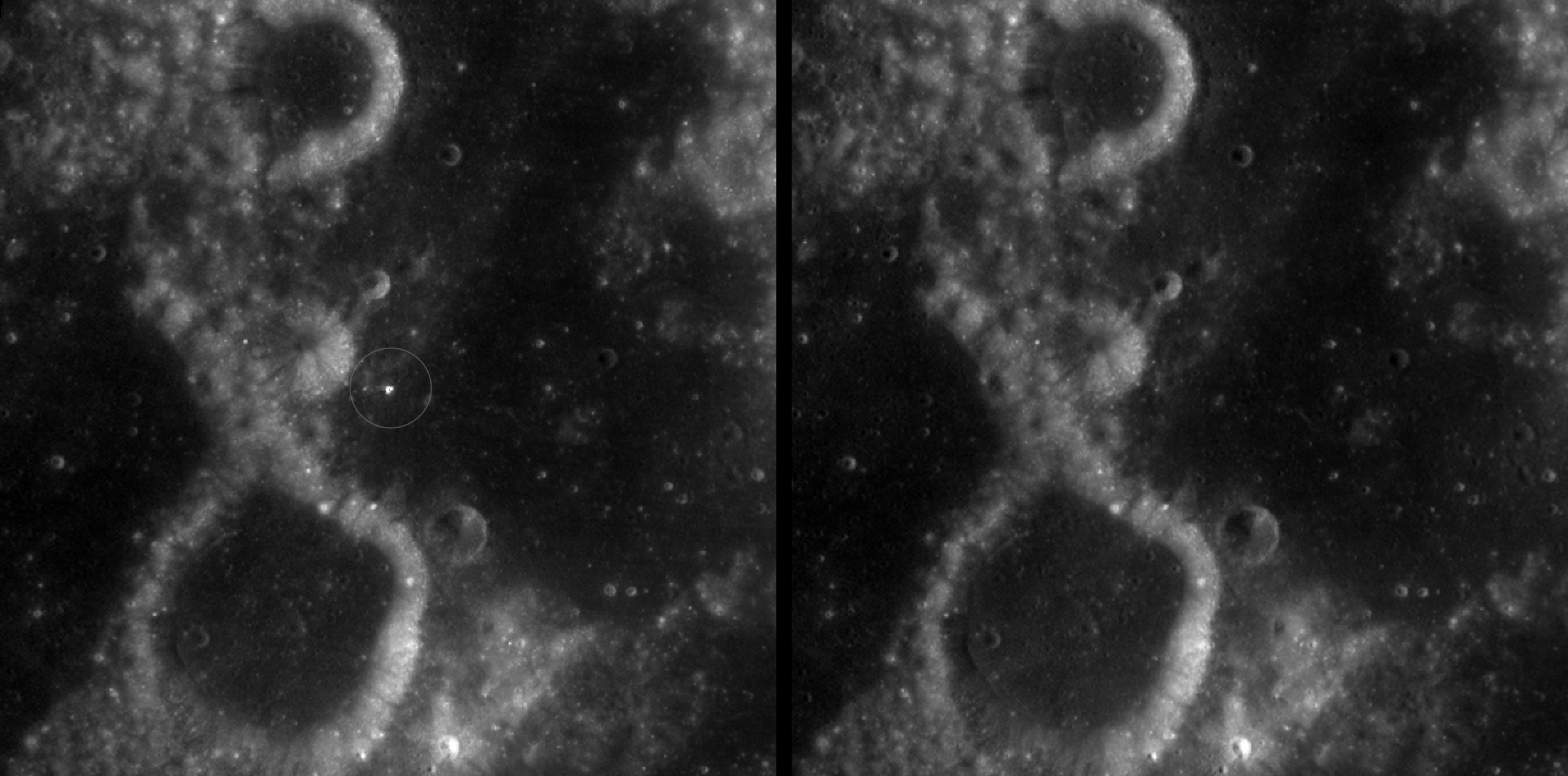
The crater formed when a rock possibly the size of a three- to six-story building crashed into the Moon between April 11 and May 22, 2024. According to NASA’s Solar System account, the crater is 141 feet deep and wider than the length of two football fields. Wagner spotted the feature — a bright spot circled by a dark halo — during a routine data-quality check of a global Moon map.
In separate lunar development news, NASA’s Moon Base programme is seeking proposals to advance technologies for a sustained human presence on the lunar surface, including vertical solar arrays, in-space manufacturing, radioisotope generators, and nanomaterials production. The LRO, now past 17 years of operations, continues to deliver foundational science — this week’s mosaic combined 1,231 images from the orbiter.
Curiosity Marks 5,000 Martian Days
NASA’s Curiosity rover reached its 5,000th Martian day, or sol, on the Red Planet. The rover’s team marked the milestone with a postcard combining two panoramas, with blue colours representing morning images and yellow colours for dusk images.

Curiosity has been exploring Mars since its landing in August 2012. No new Mars Sample Return or orbiter updates were announced this week.
StarBurst Gets a Falcon 9 Ride; Webb Spots Surprising Brown Dwarfs
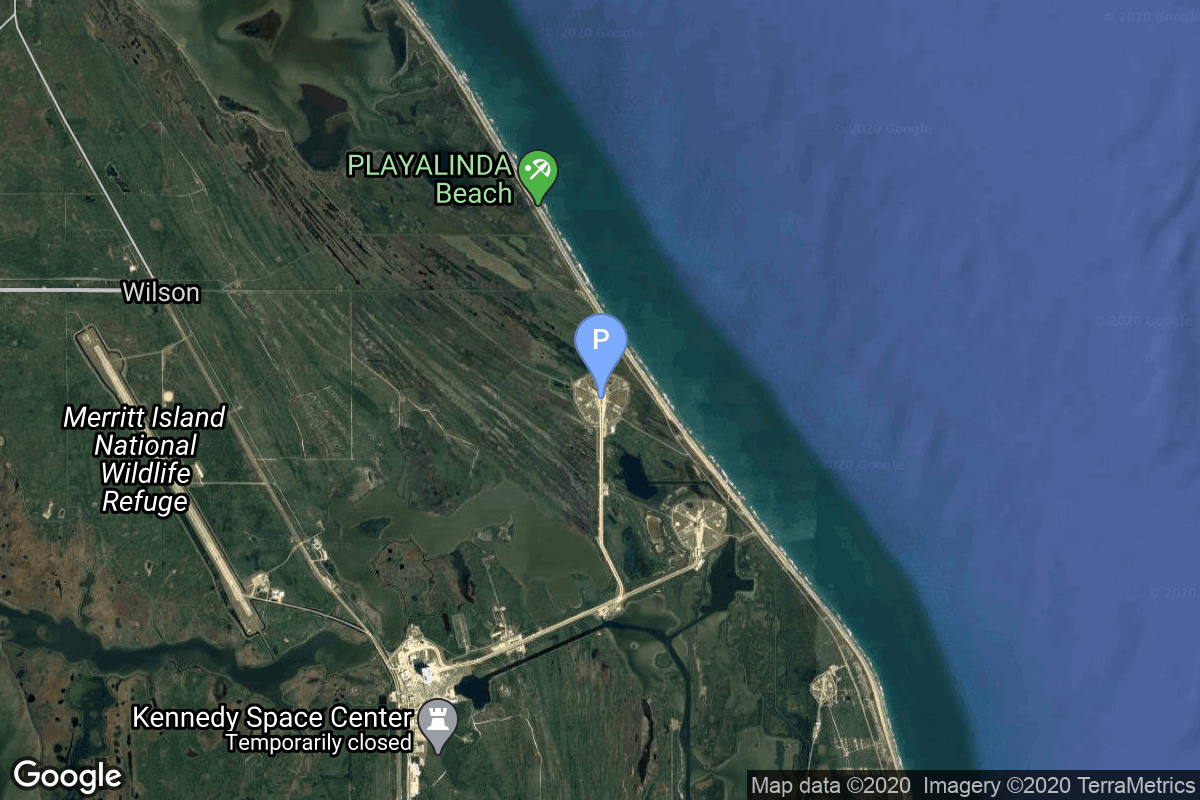
NASA selected SpaceX to provide launch services for the StarBurst mission, a small satellite designed to investigate neutron star mergers and the origins of short gamma-ray bursts. StarBurst will launch aboard a Bandwagon rideshare mission on a Falcon 9 rocket from Space Launch Complex 40 at Cape Canaveral Space Force Station no earlier than 2028.
The selection is a firm-fixed-price task order under NASA’s VADR (Venture-Class Acquisition of Dedicated and Rideshare) launch services contract, which carries a maximum total value of $1 billion across all contracts over a 10-year ordering period. StarBurst will observe the entire portion of the sky not blocked by Earth, focusing on detecting the initial high-energy emission from short gamma-ray bursts produced when neutron stars merge.
In astrophysics, researchers using the James Webb Space Telescope found brown dwarfs twice the mass of Jupiter in a large star field image — small for this class of object, which forms like stars but never becomes hot enough to fuse ordinary hydrogen into helium.

JPL also congratulated the Nancy Grace Roman Space Telescope team on a milestone, noting that testing is going well for the Roman Coronagraph, which will demonstrate new ways to directly image planets around other stars.
Crew-13 Enters Quarantine; Progress 96 Delivers Three Tonnes to Station
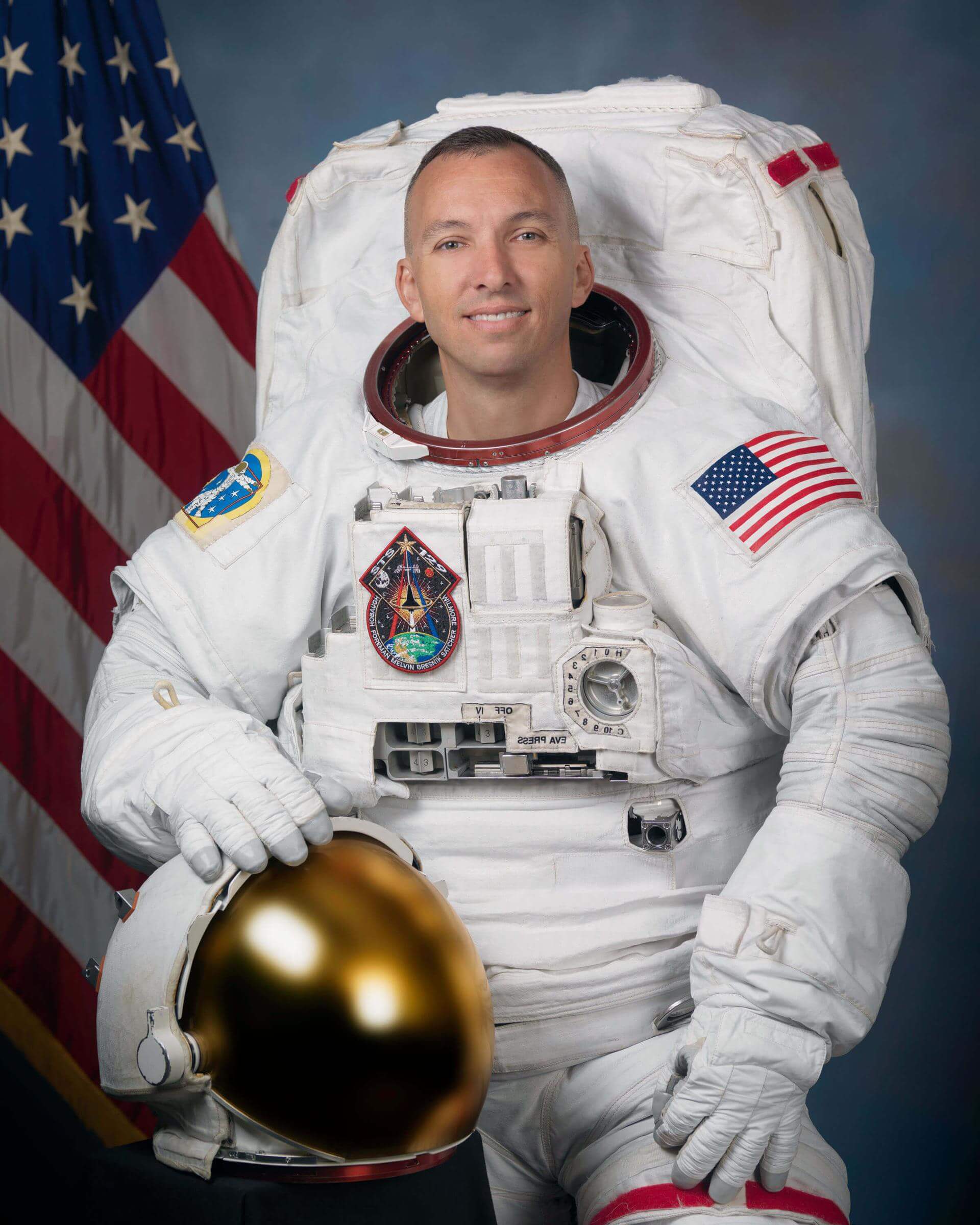
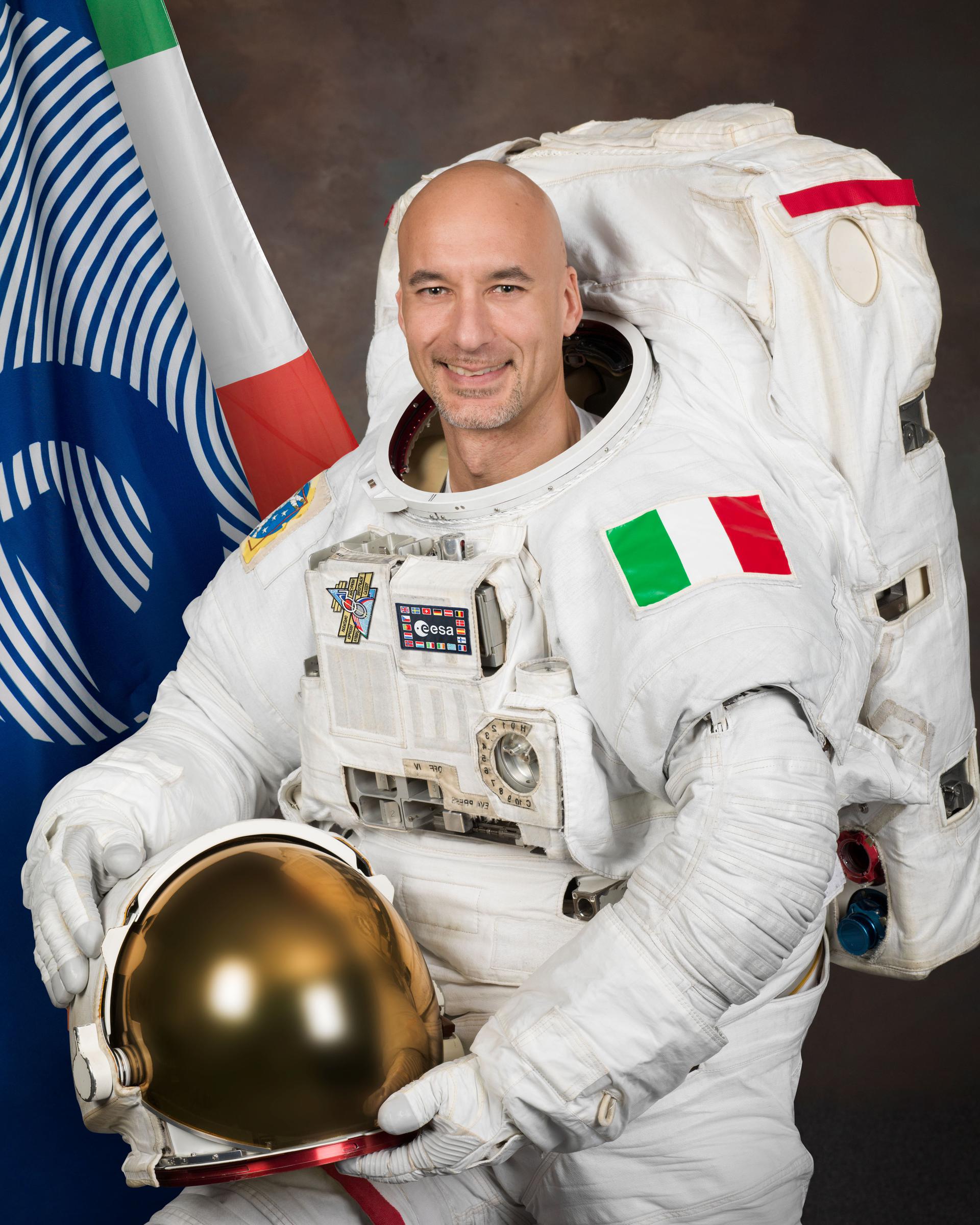
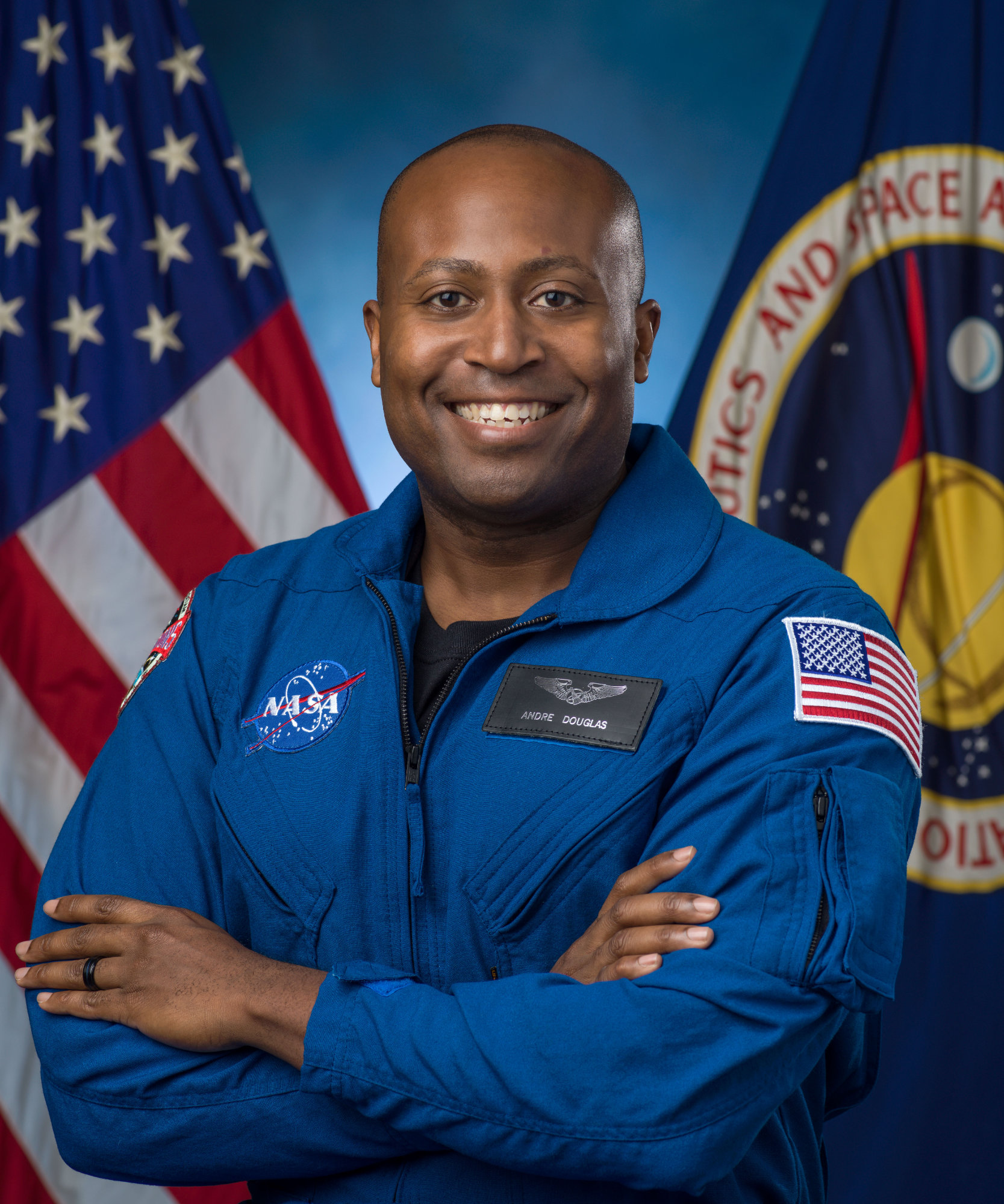
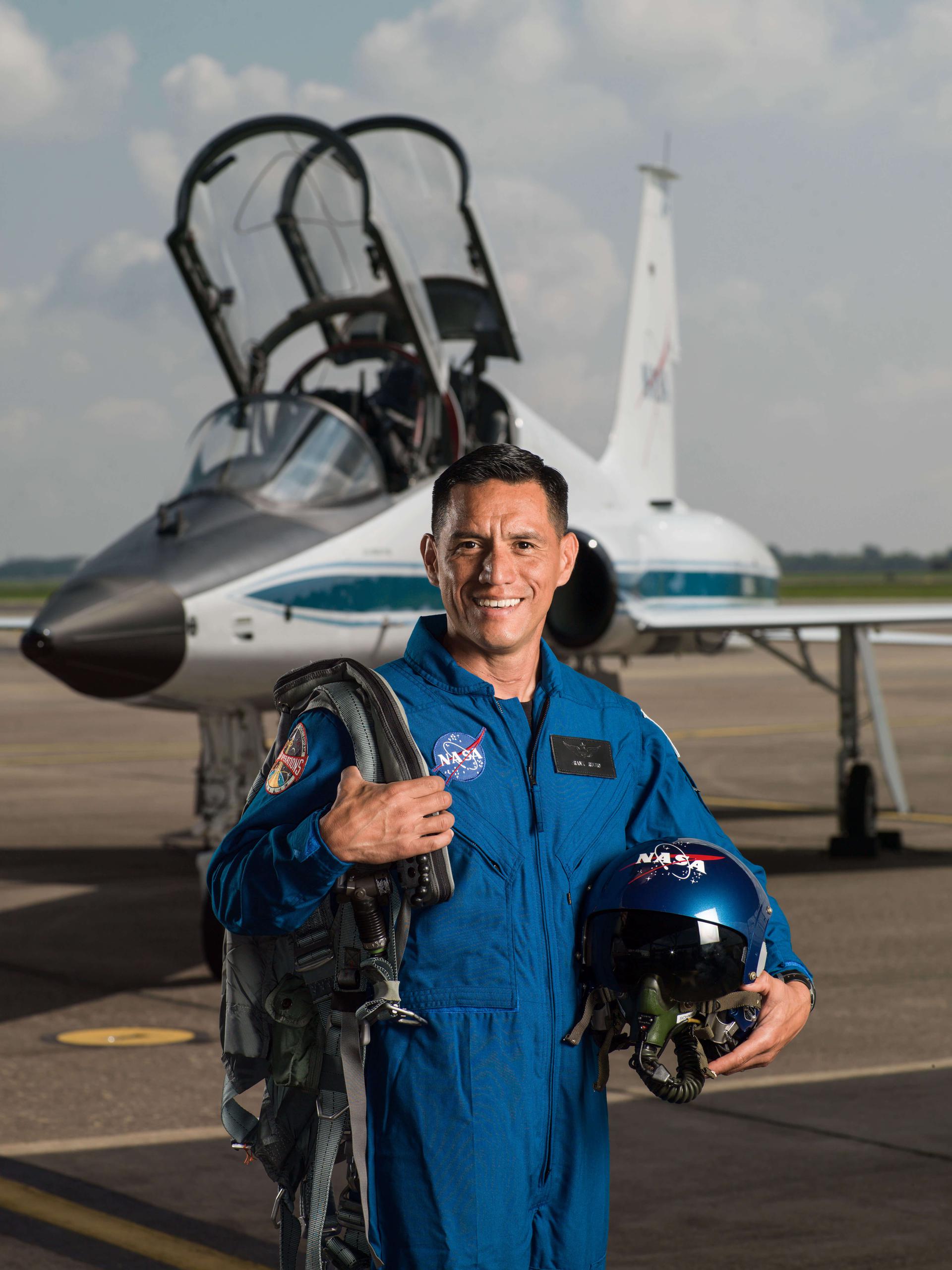
The Crew-13 mission entered quarantine late Thursday at NASA’s Johnson Space Center in Houston. The crew — NASA astronauts Jessica Watkins and Luke Delaney, CSA astronaut Joshua Kutryk, and Roscosmos cosmonaut Sergey Teteryatnikov — will limit in-person contact as part of routine prelaunch quarantine that traces back to the Apollo programme.
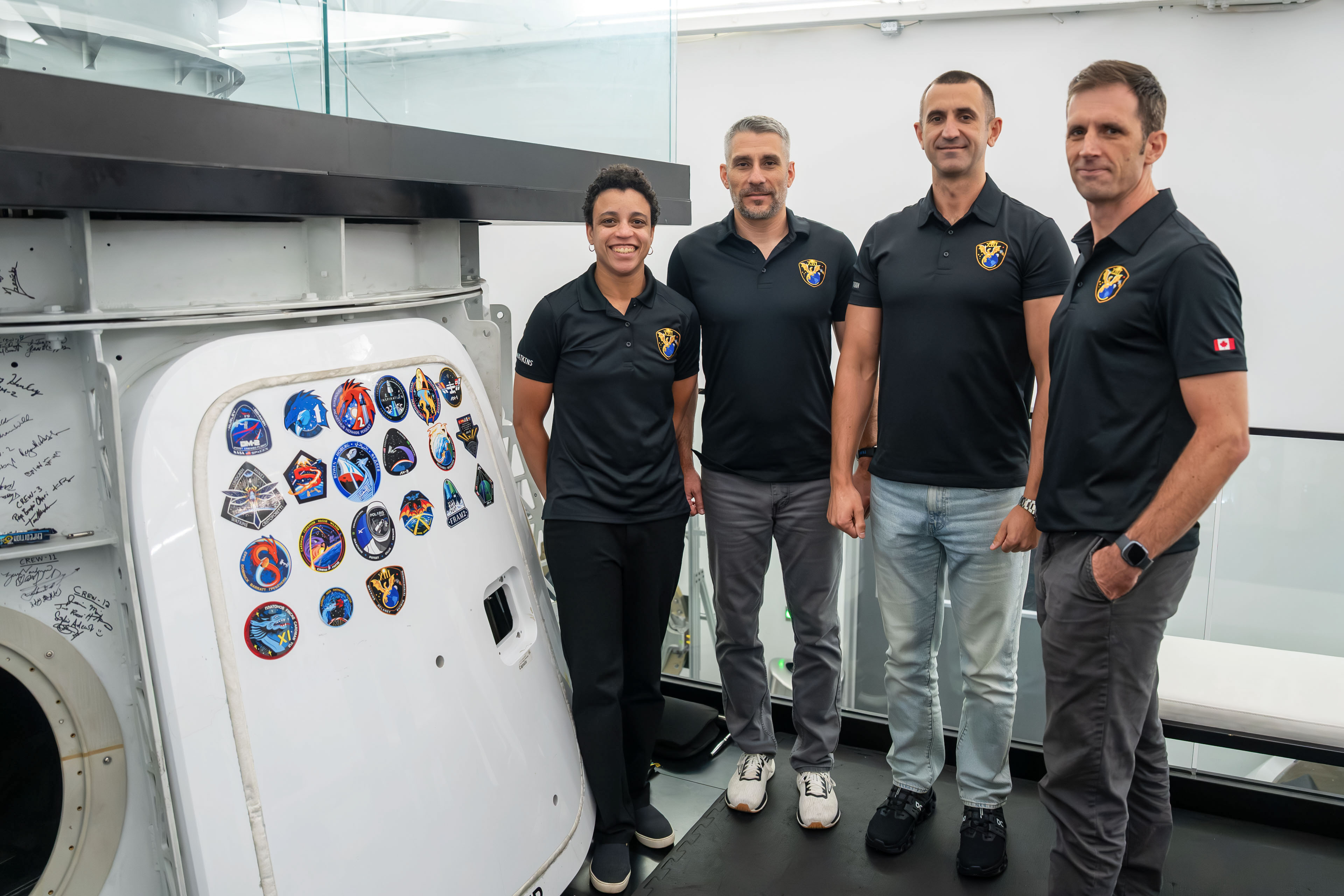
Before quarantine, the crew completed preflight training at SpaceX’s Hawthorne, California facility and a Crew Equipment Interface Test at Cape Canaveral, where they donned spacesuits, conducted suit leak checks, verified seat fit, and completed communications checks. NASA and SpaceX are targeting an early October launch. The timeline shift from an earlier target followed the successful replacement of an oxidizer valve in Dragon’s propulsion system after a leak was detected during processing.
Progress 96 launched Wednesday at 9:33 a.m. EDT from Kazakhstan carrying about three tonnes of food, fuel, and supplies. The spacecraft is scheduled to dock to the station at 9:46 a.m. on Saturday, September 19.
Meanwhile, the Crew-12 members held their pre-departure news conference on Wednesday, speaking to journalists from the station they have occupied since February 14. Looking ahead, NASA and SpaceX are targeting no earlier than October for the 35th commercial resupply mission, which will deliver the final sets of ISS Roll-Out Solar Arrays (IROSA) to complete the station’s power augmentation for critical operations including its safe and controlled deorbit.
NASA to Order More Starliner Missions, Back New Rocket Certification
In the week’s most significant policy development, multiple sources confirmed to Ars Technica that NASA will announce two additional Starliner crewed missions from Boeing, pay some of the costs to fix the spacecraft’s thruster issues, and provide support to certify the spacecraft’s launch on a new rocket after the Atlas V retires.
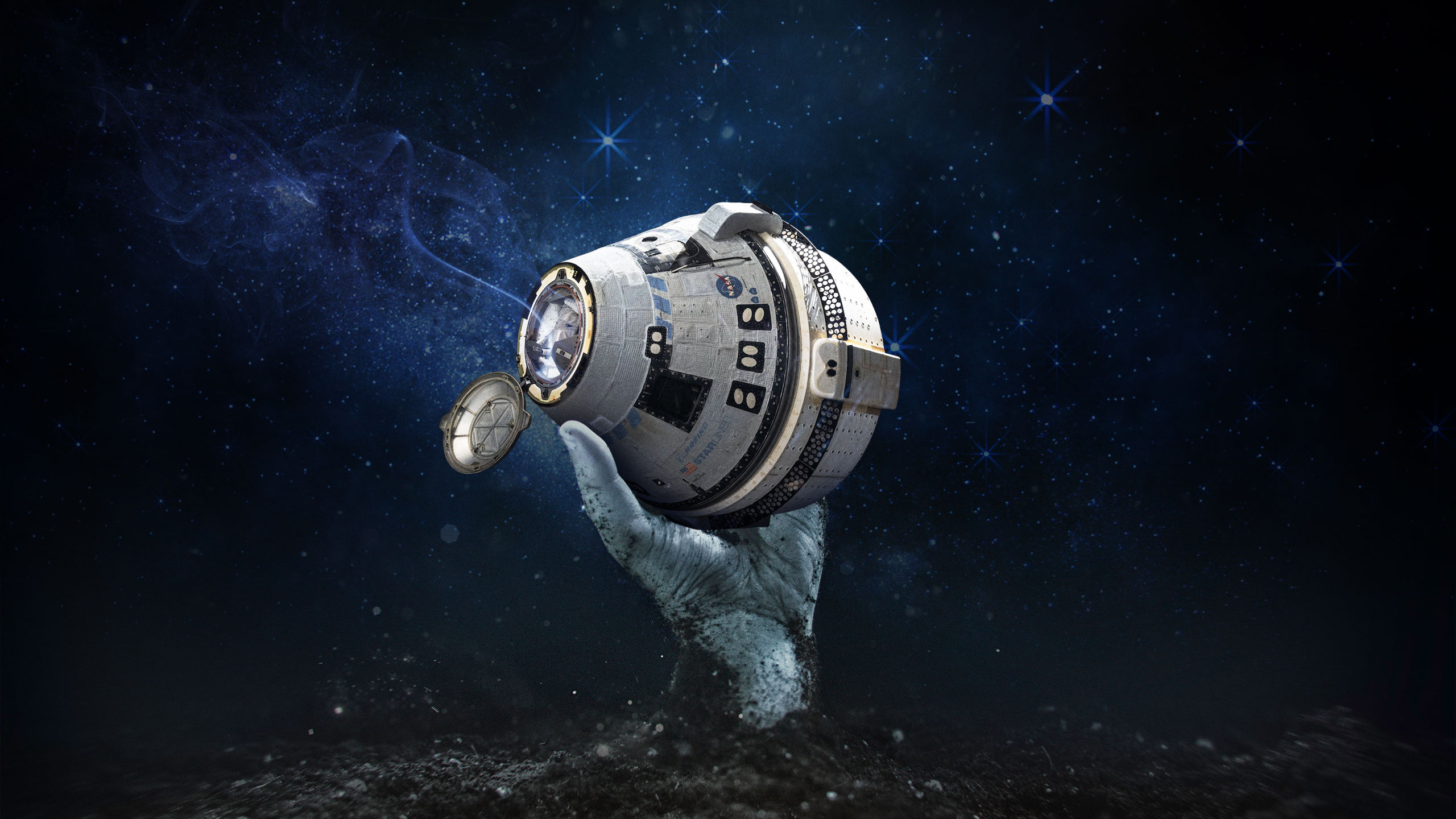
The moves follow SpaceX’s signal to NASA officials that it intends to retire Crew Dragon by 2030, if not before, as the company pivots toward Starship for Starlink and a planned orbital data centre constellation. On the All-In Podcast this week, SpaceX President and COO Gwynne Shotwell would not commit to continuing Dragon flights: “We’re not retiring it today, for sure,” she said, adding that “Boeing has been paid, I think, probably more than we have been paid to develop their human capsule. So we’re just gonna let them have some business.”
Under the Commercial Crew programme dating to 2010, NASA has paid SpaceX approximately $3.1 billion and Boeing $5.1 billion for vehicle development and certification. SpaceX has launched 13 successful crewed missions to the ISS for NASA, with Crew-13 set for October. Starliner, by contrast, has had a checkered record.
Citations
- “NASA, SpaceX Continue Crew‑13 Prep as Crew Enters Quarantine” — https://www.nasa.gov/blogs/commercialcrew/2026/09/17/nasa-spacex-continue-crew-13-prep-as-crew-enters-quarantine/
- “NASA to order more Starliner missions and help certify a new rocket to keep it flying” — https://arstechnica.com/space/2026/09/nasa-to-order-more-starliner-missions-and-help-certify-a-new-rocket-to-keep-it-flying/
- “NASA’s Moon Orbiter Spots New, ‘Once-in-Century’ Moon Crater” — https://science.nasa.gov/solar-system/moon/nasas-moon-orbiter-spots-new-once-in-century-moon-crater/
- “NASA Awards Launch Services for StarBurst Gamma-Ray Detector” — https://www.nasa.gov/news-release/nasa-awards-launch-services-for-starburst-gamma-ray-detector/
- “NASA Invites Media to SpaceX’s 35th Resupply Launch to Space Station” — https://www.nasa.gov/news-release/nasa-invites-media-to-spacexs-35th-resupply-launch-to-space-station/
- “X — NASA (Official)” — https://x.com/NASA
- “X — NASA JPL” — https://x.com/NASAJPL
- “X — NASA Artemis” — https://x.com/NASAArtemis
- “X — NASA Mars” — https://x.com/NASAMars
- “X — International Space Station” — https://x.com/Space_Station
- “X — NASA Moon to Mars” — https://x.com/NASAMoonBase
- “X — NASA Solar System” — https://x.com/NASASolarSystem
Artemis III
Provider: National Aeronautics and Space Administration
Date: June 30, 2027
Time: 12:00 AM UTC
Vehicle: Space Launch System (SLS)
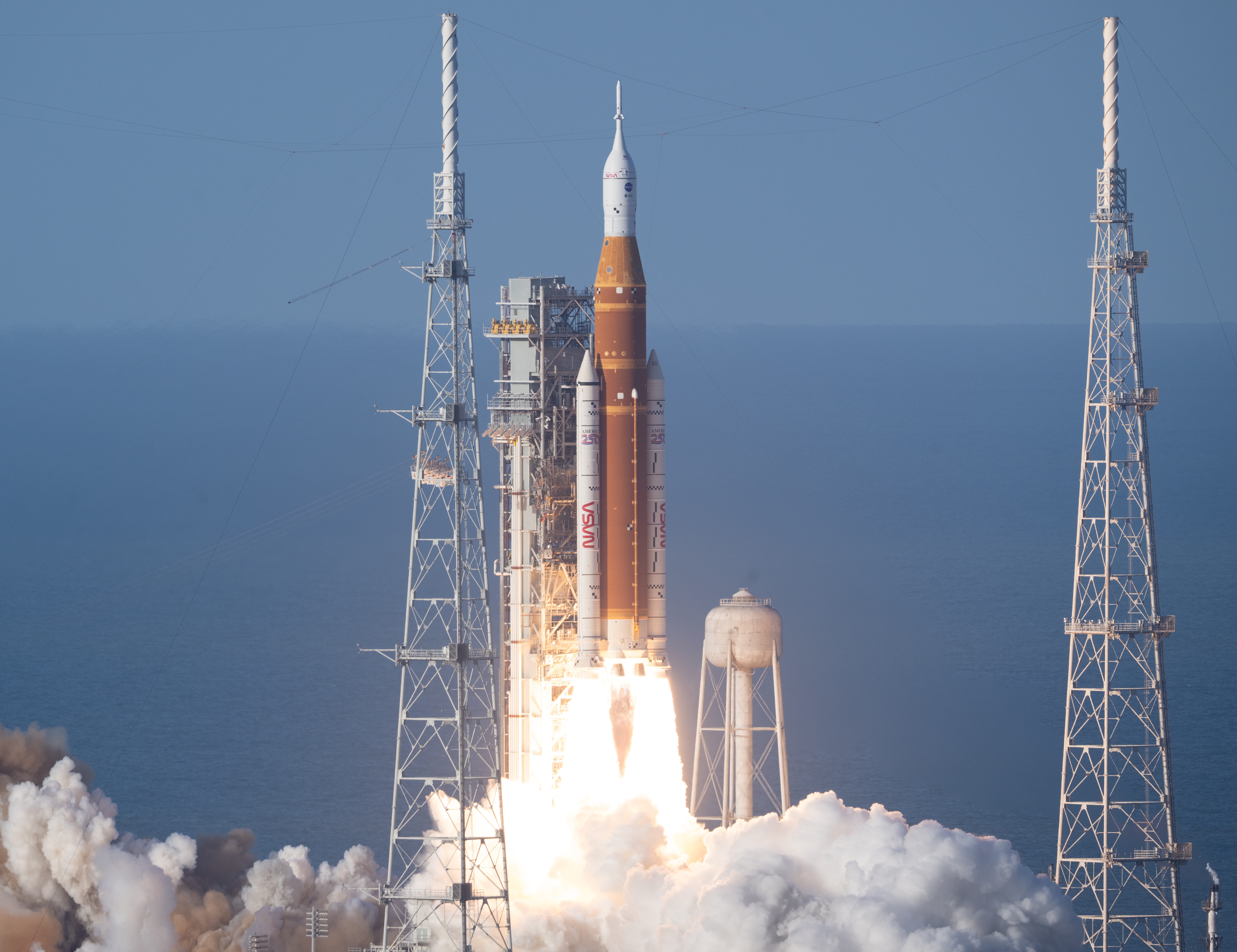
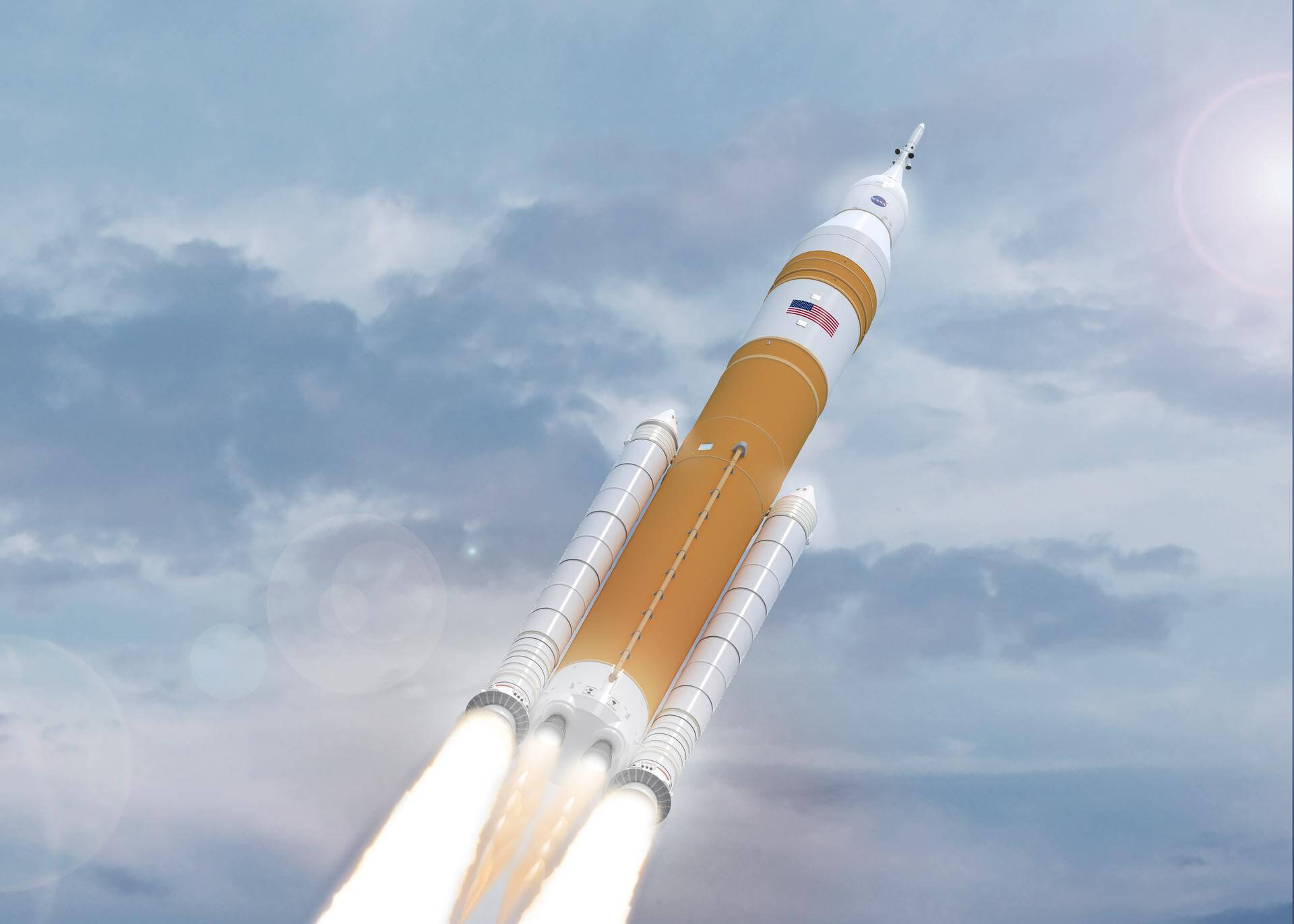
Artemis III is the second crew mission as part of the Artemis program. Artemis III will send a crew of 4 on a Low Earth Orbit mission, with the Orion rendezvous and dock with one or both commercial lunar landers in development by SpaceX and Blue Origin, performing in-space tests of the docked vehicles, integrated checkout of life support, communications, and propulsion systems, as well as tests of the new Extravehicular Activity (xEVA) suits.
Artemis IV
Provider: National Aeronautics and Space Administration
Date: June 30, 2028
Time: 12:00 AM UTC
Vehicle: Space Launch System (SLS)
Artemis IV is planned to be the first human lunar landing mission since the Apollo Program.
Artemis V
Provider: National Aeronautics and Space Administration
Date: December 31, 2028
Time: 12:00 AM UTC
Vehicle: Space Launch System (SLS)
Artemis V is planned to be the second human lunar landing mission since the Apollo Program.
SLS Block 1B | Artemis VI
Provider: National Aeronautics and Space Administration
Date: September 30, 2030
Time: 12:00 AM UTC
Vehicle: Space Launch System (SLS)
No description available
SLS Block 1B | Artemis VII
Provider: National Aeronautics and Space Administration
Date: September 30, 2031
Time: 12:00 AM UTC
Vehicle: Space Launch System (SLS)
No description available

Enjoying the content? Stay up to date on everything happening behind the scenes by following our Patreon!


Leave a Reply