MDA Unveils Three-Tier CHORUS Product Line Ahead of Constellation Launch
MDA Space unveiled a three-tier software portfolio on Wednesday at the World Space Business Week conference in Paris, giving customers new ways to search Earth observation archives, schedule satellite imagery and, at the top tier, pull data directly into their own ground stations.
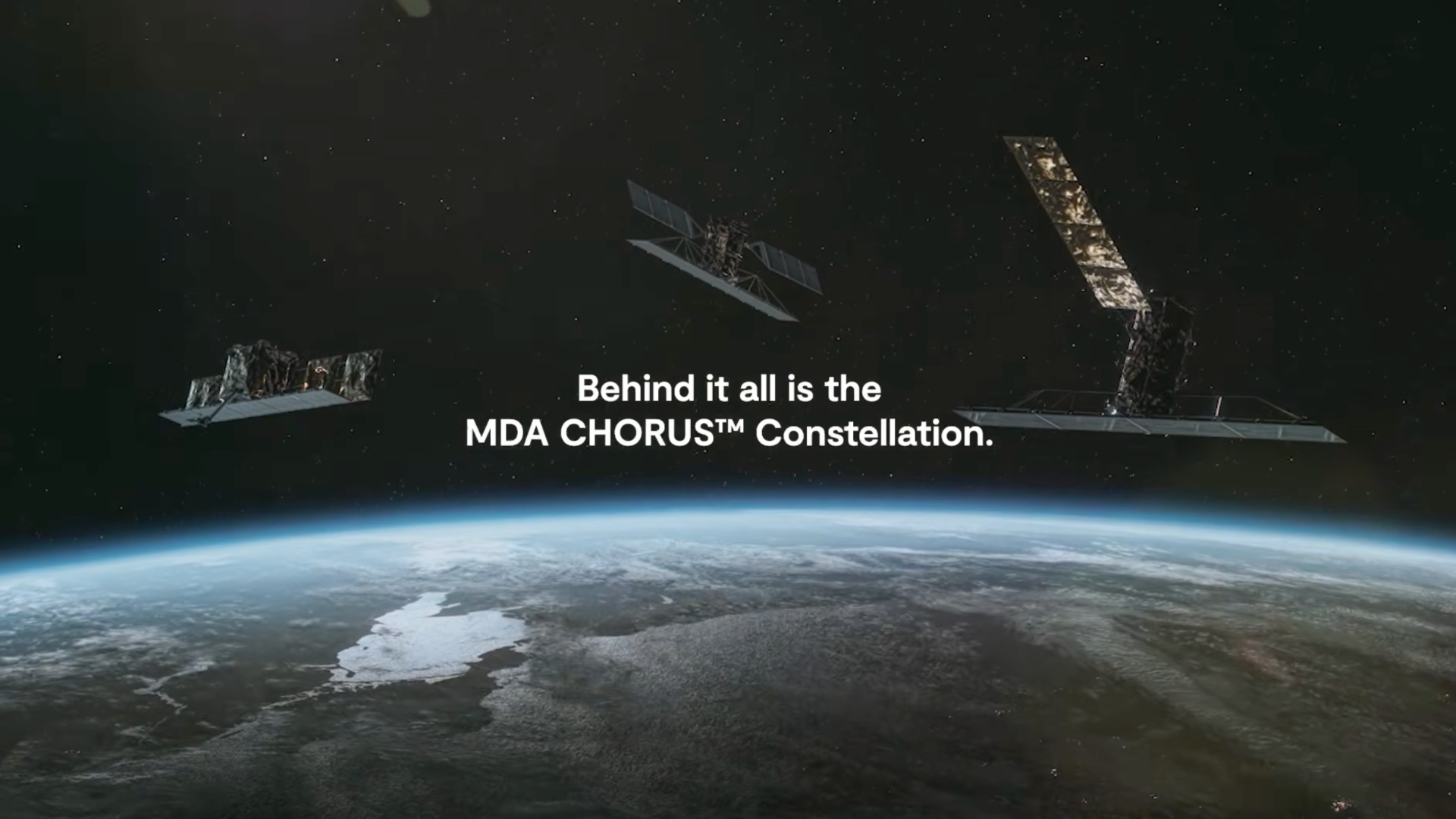
The announcement comes ahead of the late-2026 launch of the three-satellite CHORUS constellation. Two new spacecraft — a C-band satellite built by MDA and an X-band satellite supplied by Finland’s ICEYE — will join RADARSAT-2, the company’s radar imaging satellite already in orbit.
The base tier, CHORUS Command, handles archive searches and acquisition scheduling. CHORUS Command Pro, the premium tier, installs a CHORUS regional ground station inside a customer’s own operations, providing a direct downlink and near-real-time local processing. MDA says that independence is what its defence and critical-infrastructure customers are asking for. The third tier, CHORUS Intelligence, turns radar images and telemetry into finished products: vessel detection, oil-on-water tracking, ground deformation and energy-infrastructure monitoring.
“Earth observation at MDA Space has always meant more than building world-class spacecraft,” said Mike Greenley, chief executive officer of MDA Space. “With this new expanded MDA CHORUS product line, we have taken that same heritage and built it into a user-friendly and complete product system that customers can directly access, task, and grow with.”
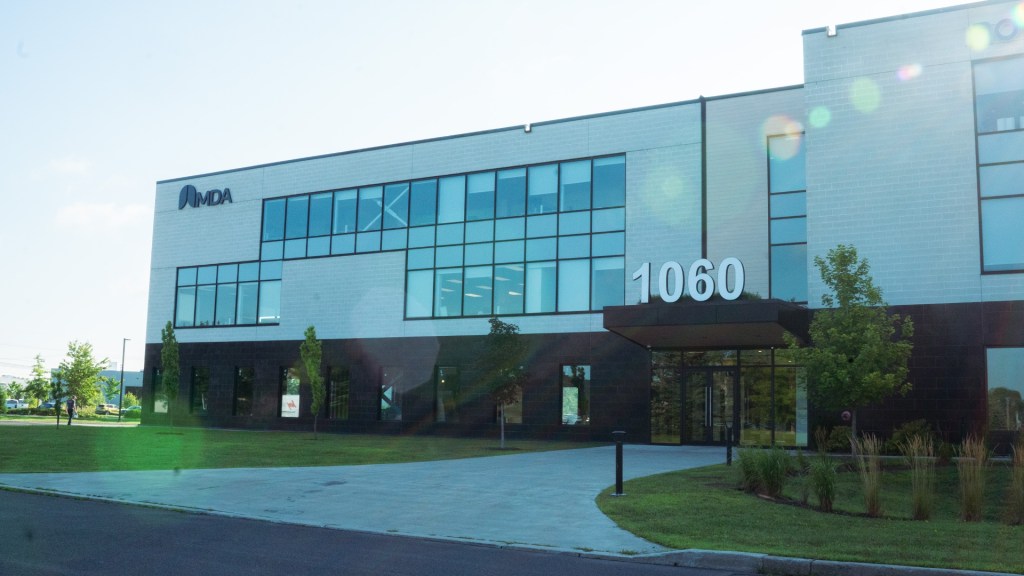
The announcement follows the August opening of the CHORUS control centre in St-Bruno-de-Montarville, Quebec, near the Canadian Space Agency’s headquarters. The facility will handle command, control and mission assurance for the constellation once it is in orbit.
Orange Activates Europe’s First Telesat Lightspeed Gateway in France
Orange switched on the first European ground gateway for Telesat Lightspeed on Thursday. The gateway sits inside Orange’s teleport in Bercenay-en-Othe, southeast of Paris, which is certified to the World Teleport Association’s Tier-4 standard — the industry’s top rating for security and uptime.
Orange will carry the site’s traffic onward, over its own network, to Telesat’s planned point of presence in Paris, the hub where Lightspeed data reaches Orange’s terrestrial network. The gateway follows through on the agreement Orange and Telesat signed in March 2025, when Orange committed to host a Lightspeed landing station at Bercenay-en-Othe and carry the network’s capacity on its wholesale business.
This announcement is separate from the global framework Telesat struck two days earlier with SatPort Infrastructure, an EQT-backed ground-infrastructure company, to build future Lightspeed landing stations on demand around the world. Orange’s gateway predates that arrangement and was negotiated directly between the two companies.
Telesat is aiming for Lightspeed, whose planned initial constellation numbers 225 satellites, to be in global service by the first quarter of 2028. Chief commercial officer Glenn Katz said Telesat wants to widen the Orange relationship “to Orange’s customers across Europe, Africa and other locations around the world.”
BDC Names Space in Defence Platform for the First Time
The Business Development Bank of Canada named space for the first time in a Defence Platform release earlier this week, as it detailed how $1 billion will move into two investment vehicles under the $6-billion program.
BDC, a federal Crown corporation that lends to and invests in small and medium-sized Canadian businesses, introduced the platform in December 2025 with $4 billion. Its original list of priority sectors included manufacturing, critical minerals, robotics, quantum computing, aerospace, artificial intelligence and cybersecurity — but not space. The platform grew to $6 billion in March 2026, when the federal government added $1.2 billion in new capital and Ottawa’s Defence Industrial Strategy named space a sovereign capability.
Half the new money flows into the $500-million Defence Fund, which targets venture capital, growth-equity and private-equity investments in Canadian and allied defence and dual-use technology. Space sits alongside artificial intelligence, cybersecurity, advanced materials, quantum technology and energy systems on its target list. Its first disclosed investment, in Intrepid Growth Partners’ AI fund, has no stated direct space focus.
The remaining $500 million went to StrongNorth, BDC’s fund for early-stage dual-use companies, which grows from $300 million. StrongNorth’s target list also names space, next to artificial intelligence, autonomy, cybersecurity, secure communications and intelligence, surveillance and reconnaissance. Its first disclosed investment, announced in April, went to Landing Zones Canada, which builds reusable drones for the stratosphere.
“Canadian entrepreneurs are developing technologies that are increasingly important to Canada’s security, resilience and economic growth,” BDC president and chief executive officer Isabelle Hudon said in the release. BDC made the announcement at the Canada Investment Summit, where federal officials pitched investors on four Canadian space projects, including Telesat’s Lightspeed constellation.
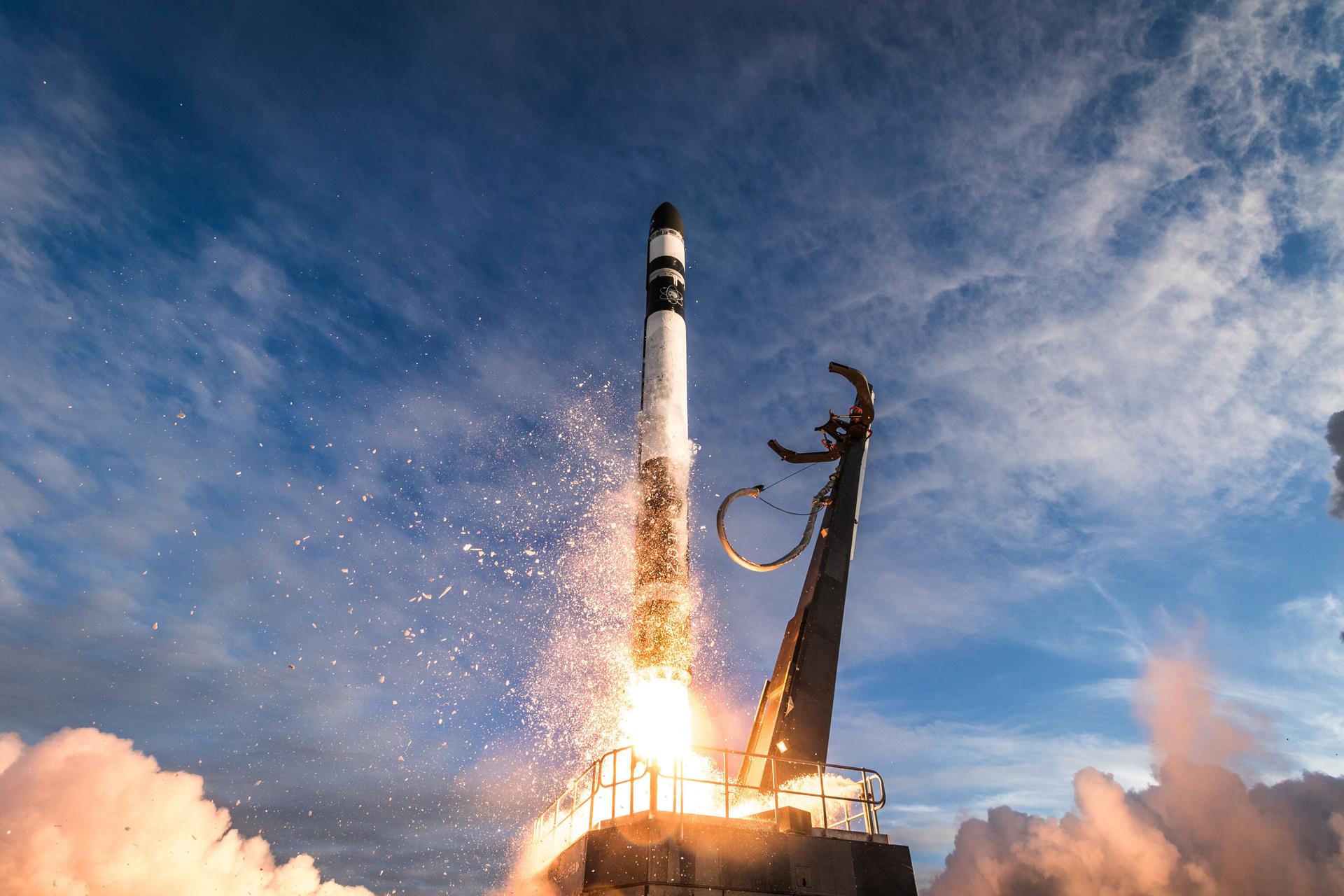
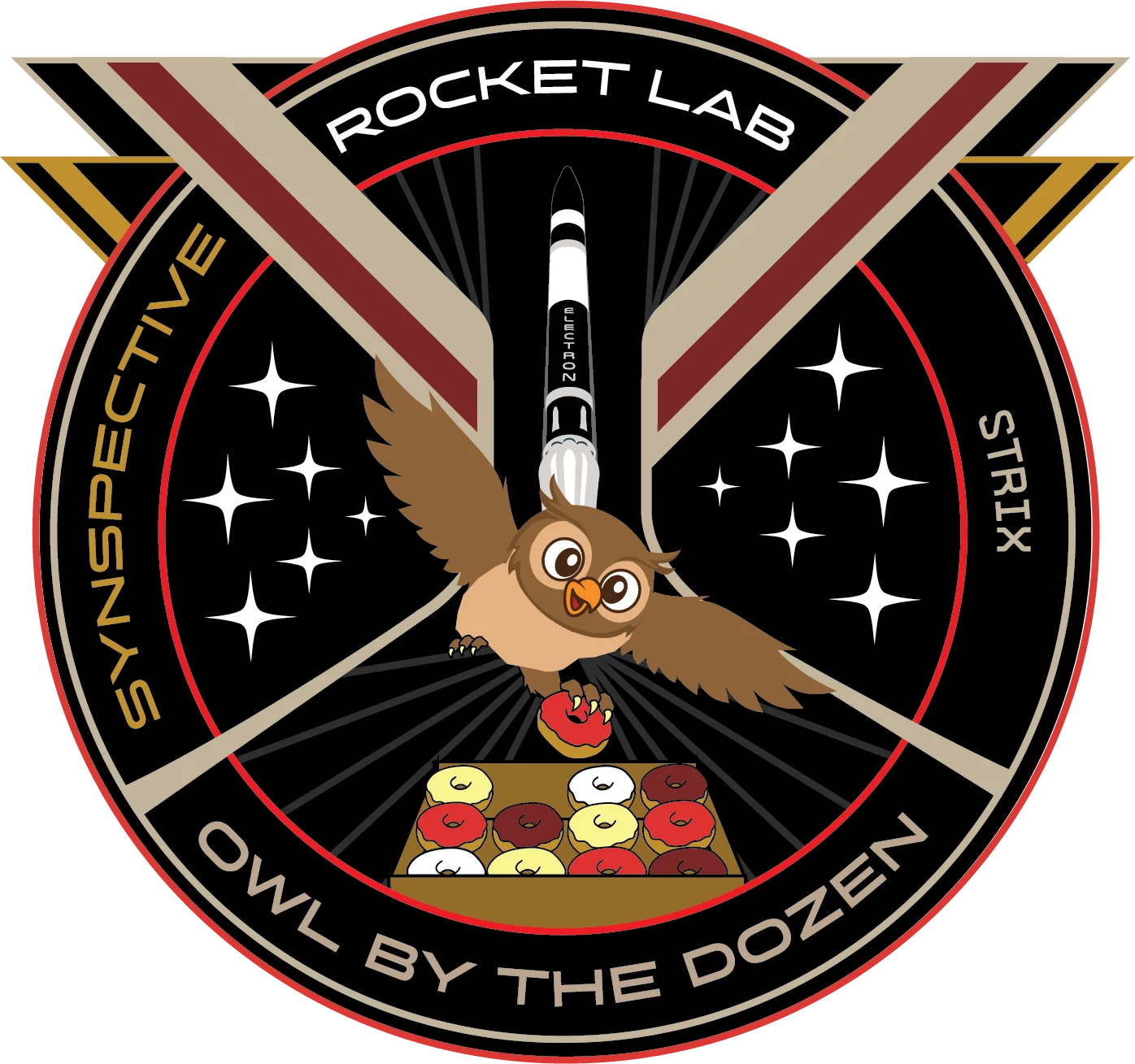
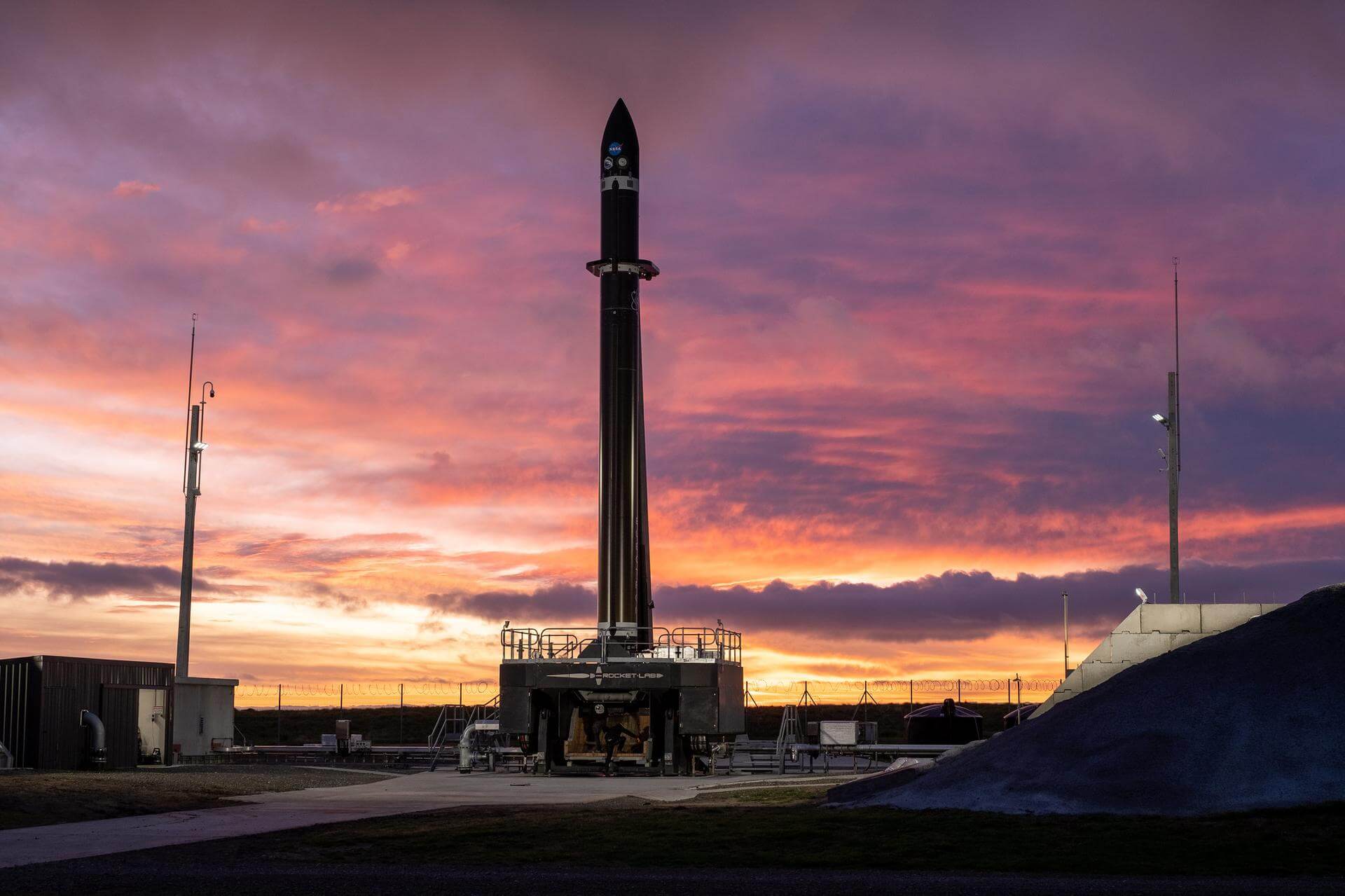
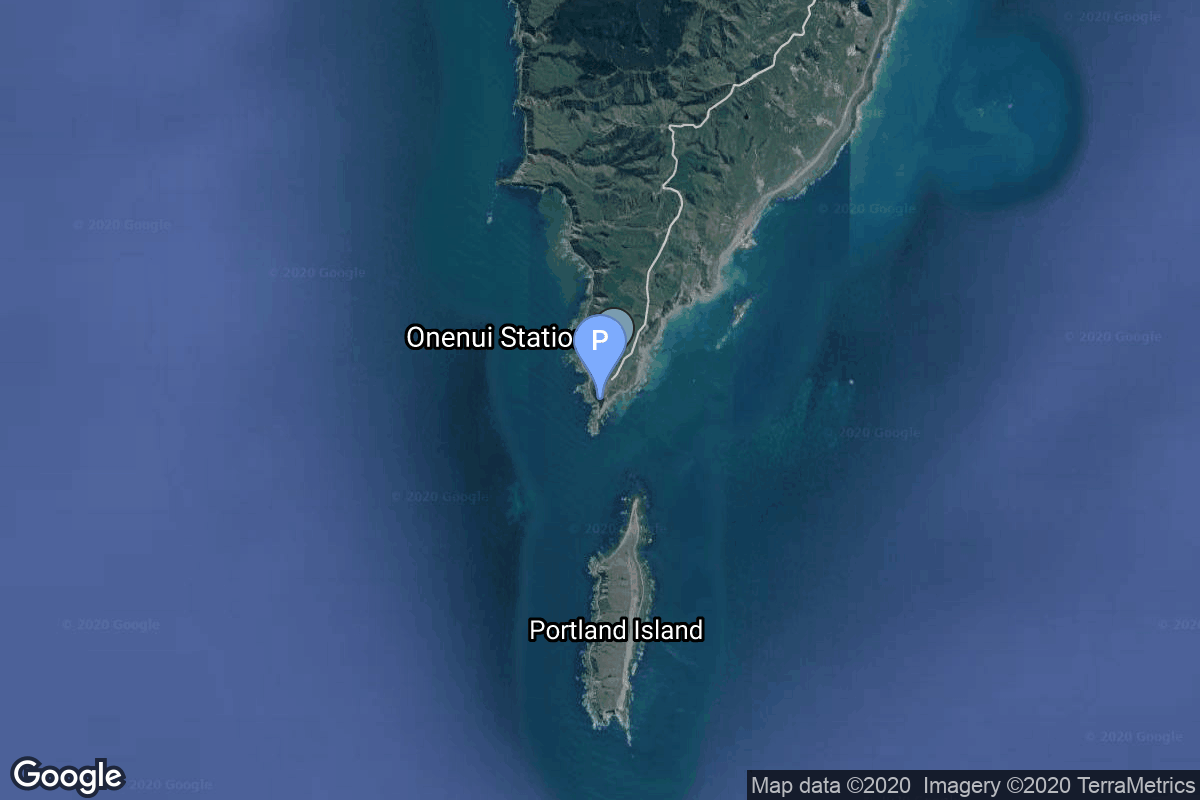
Provider: Rocket Lab Date: September 19, 2026 Time: 3:15 AM UTC Vehicle: Electron
Synthetic aperture radar satellite for Japanese Earth imaging company Synspective.
Unknown Payload
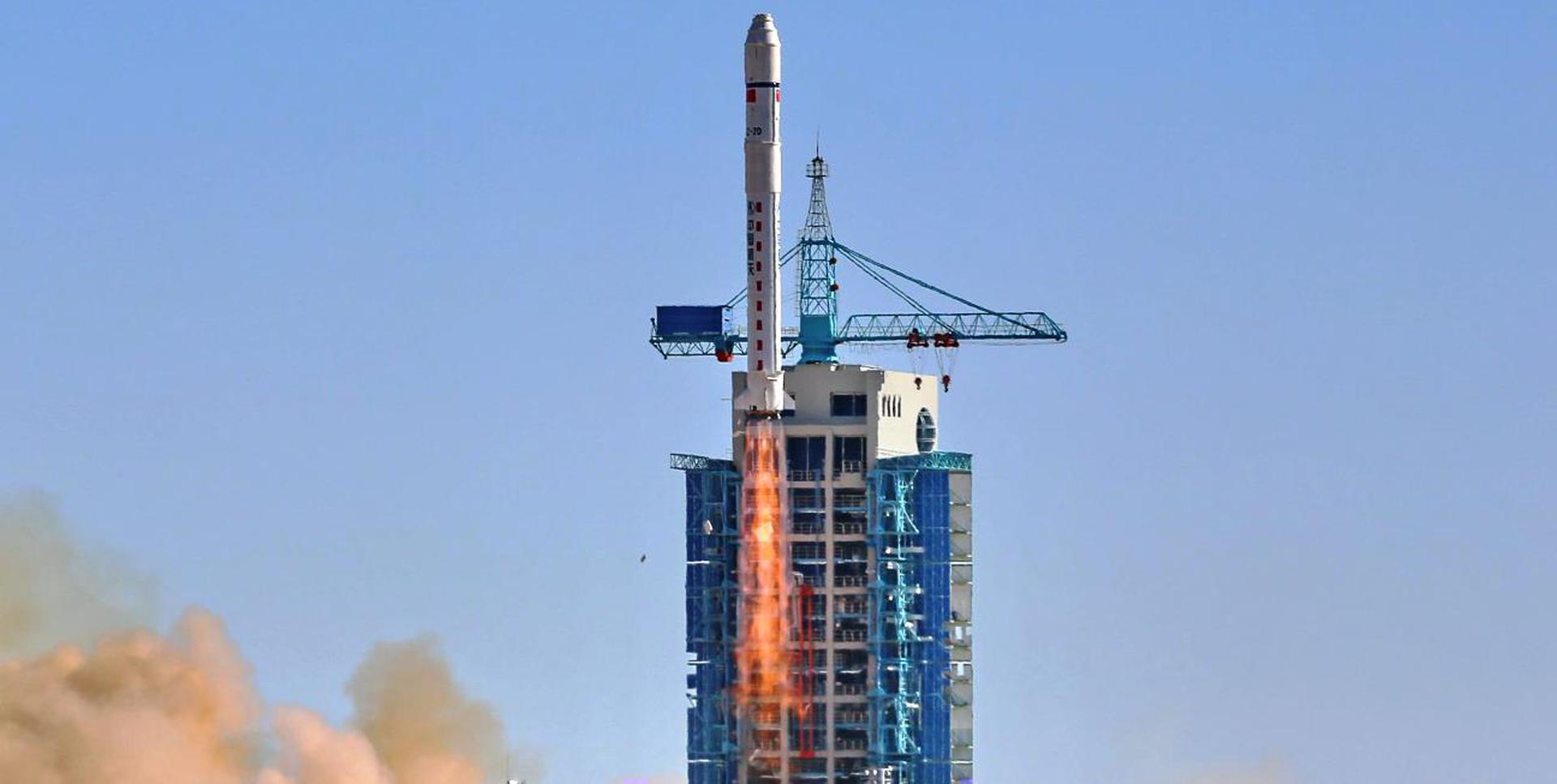
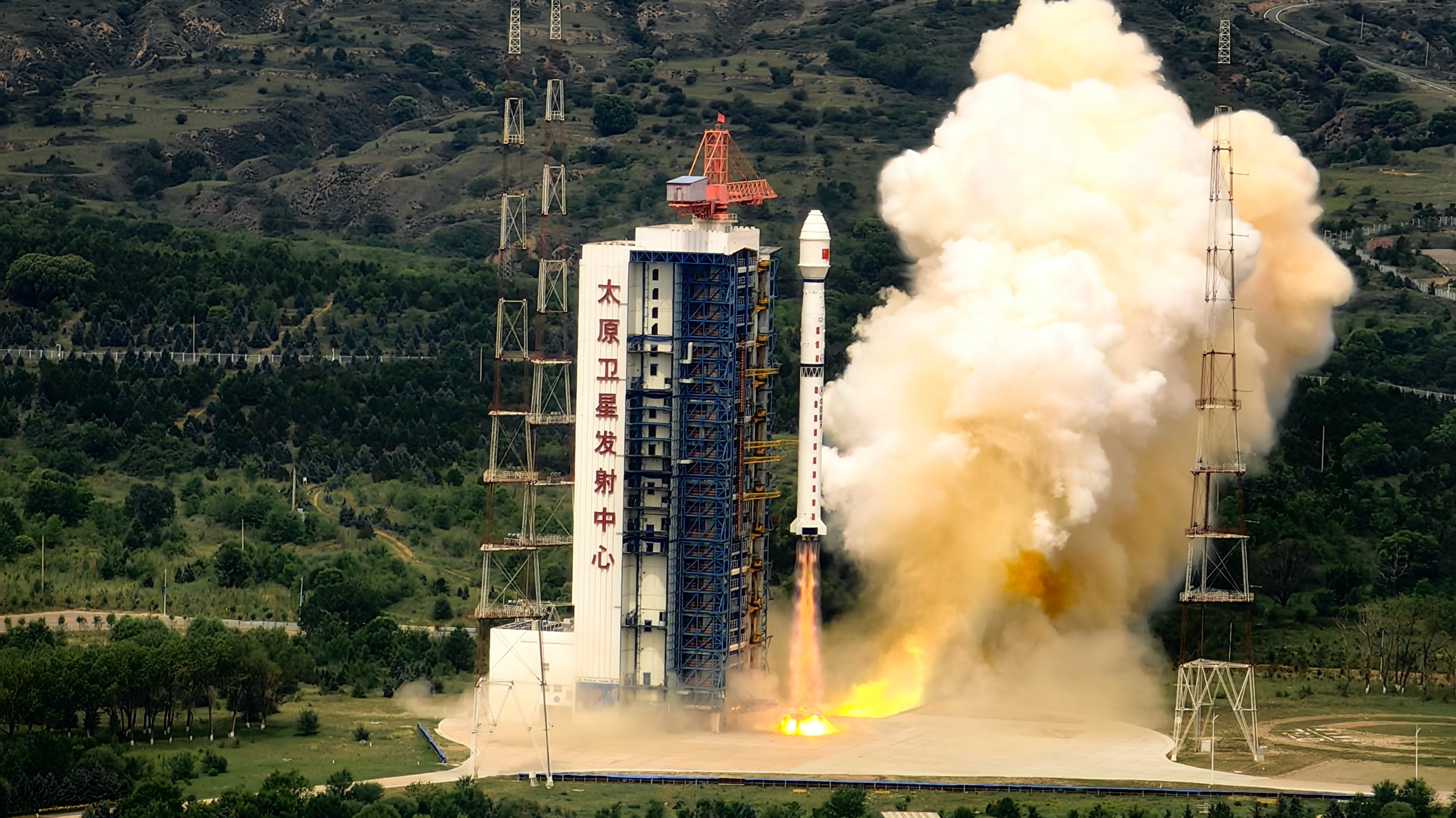
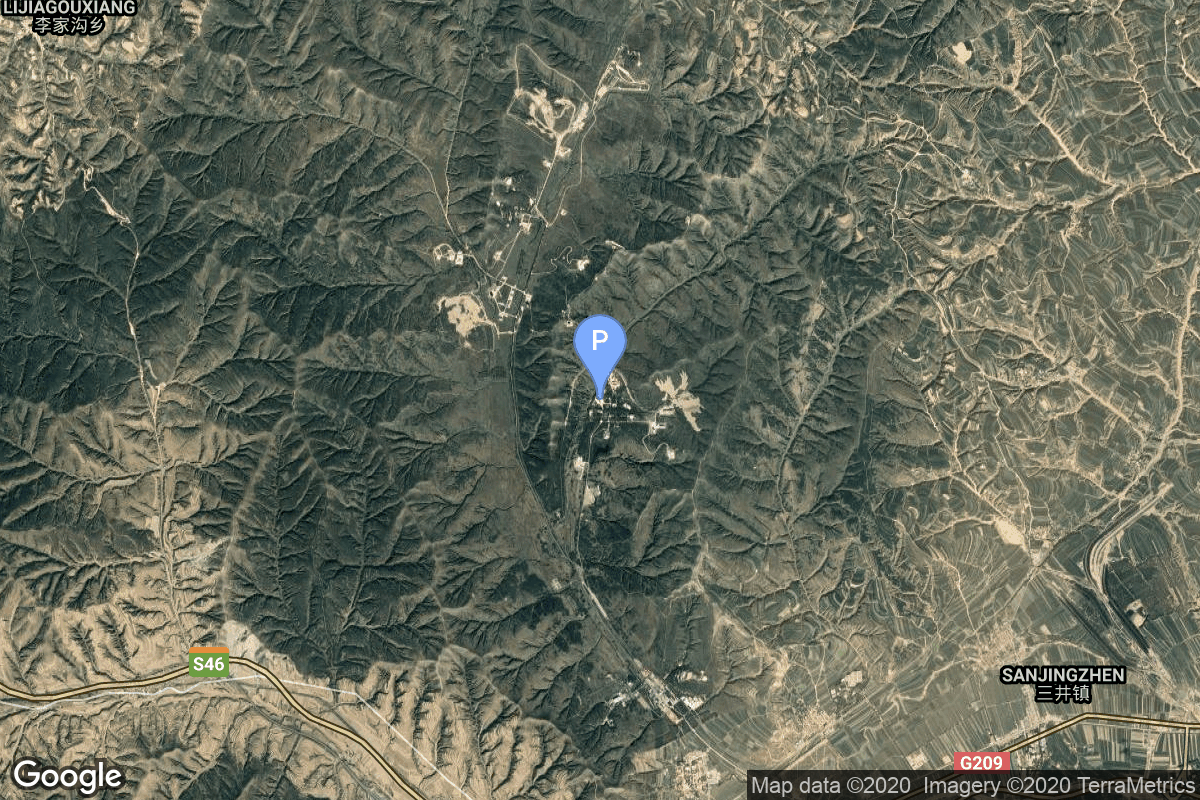
Provider: China Aerospace Science and Technology Corporation Date: September 19, 2026 Time: 10:50 AM UTC Vehicle: Long March 2D
Details TBD.
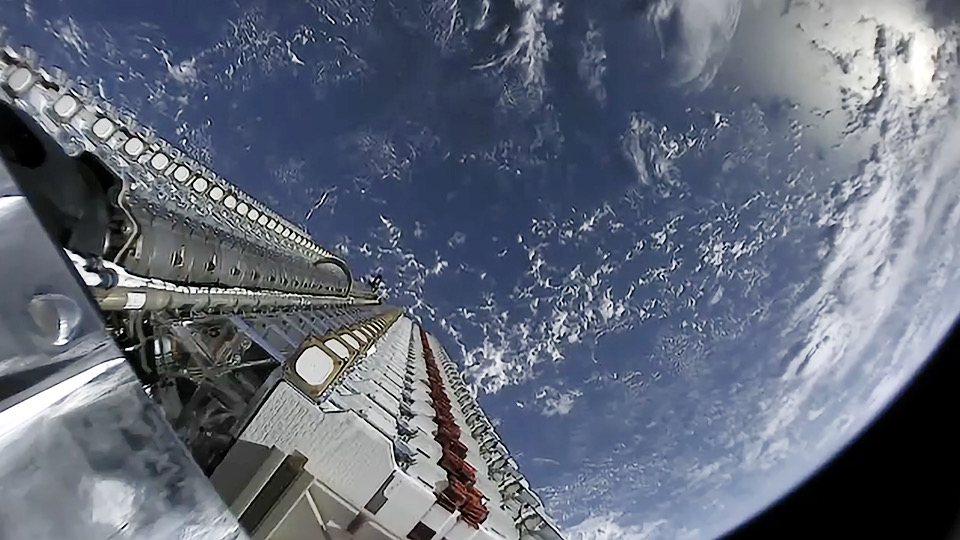
Starlink Group 15-27
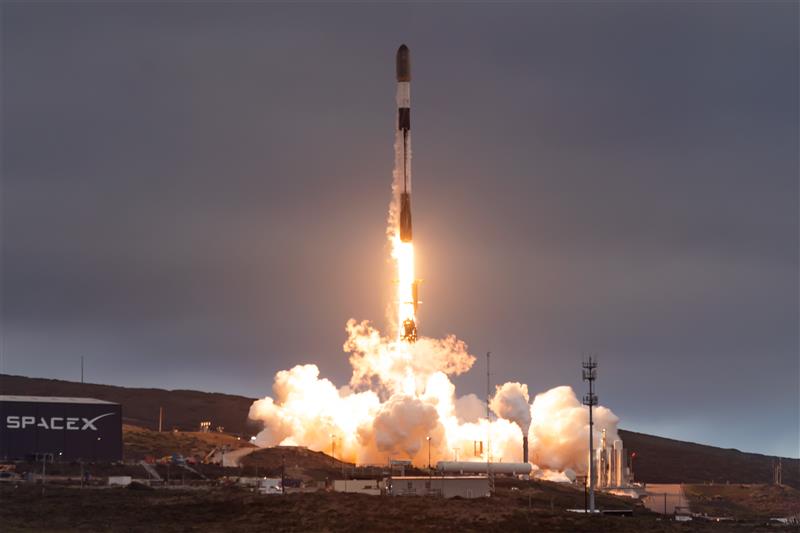
Provider: SpaceX Date: September 20, 2026 Time: 1:47 AM UTC Vehicle: Falcon 9
A batch of 27 satellites for the Starlink mega-constellation – SpaceX’s project for space-based Internet communication system.
Unknown Payload
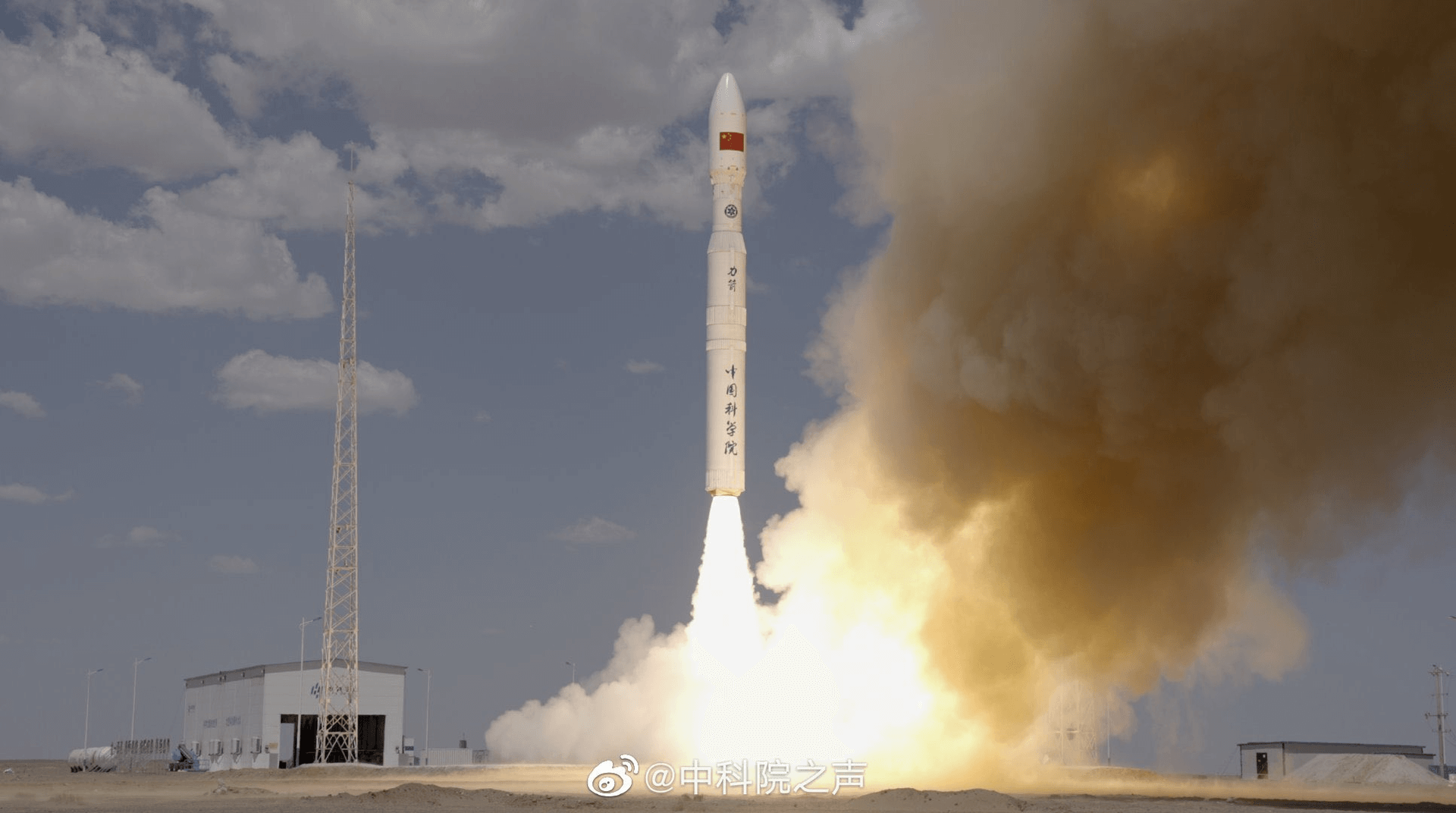
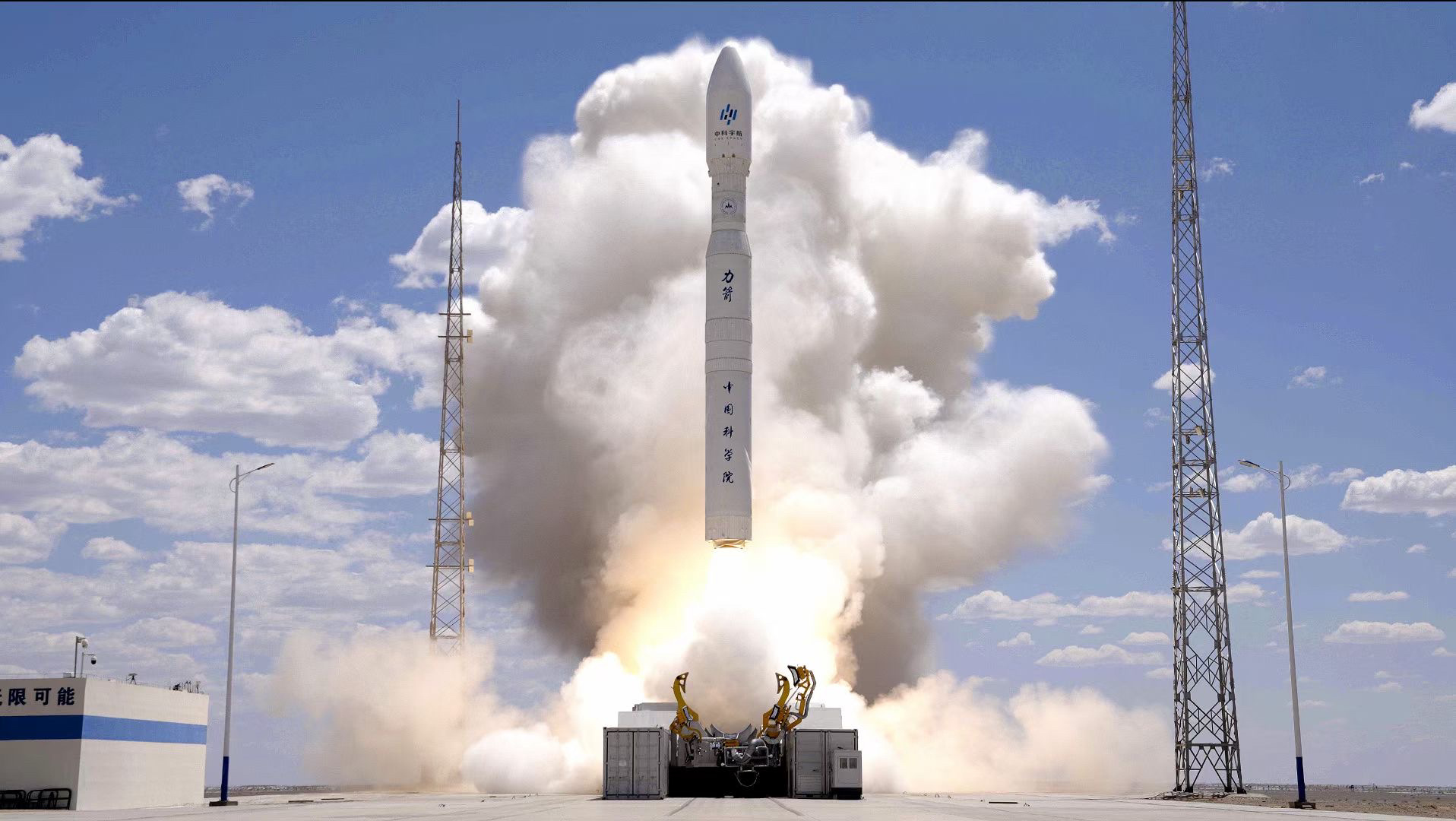
Provider: CAS Space Date: September 20, 2026 Time: 4:00 AM UTC Vehicle: Kinetica 1
Details TBD.
USSF-385
Provider: SpaceX Date: September 26, 2026 Time: 11:56 AM UTC Vehicle: Falcon 9
A classified mission for the United States Space Force. It is possibly a batch of classified LEO satellites based on SpaceX’s Starshield satellite bus, based on locations of rocket stage drop zones being exact fits with previous Starlink Group 15 launches.
Owl By The Dozen (StriX Launch 12) ×
Mission Details
TypeEarth Science
OrbitLow Earth Orbit
TargetEarth
Synthetic aperture radar satellite for Japanese Earth imaging company Synspective.
Electron is a two-stage orbital expendable launch vehicle (with an optional third stage) developed by the American aerospace company Rocket Lab. Electron is a small-lift launch vehicle designed to launch small satellites and cubesats to sun-synchronous orbit and low earth orbit. The Electron is the…
The Long March 2D, also known as the Chang Zheng 2D, CZ-2D and LM-2D, is a Chinese orbital carrier rocket. It is a 2-stage carrier rocket mainly used for launching LEO and SSO satellites.
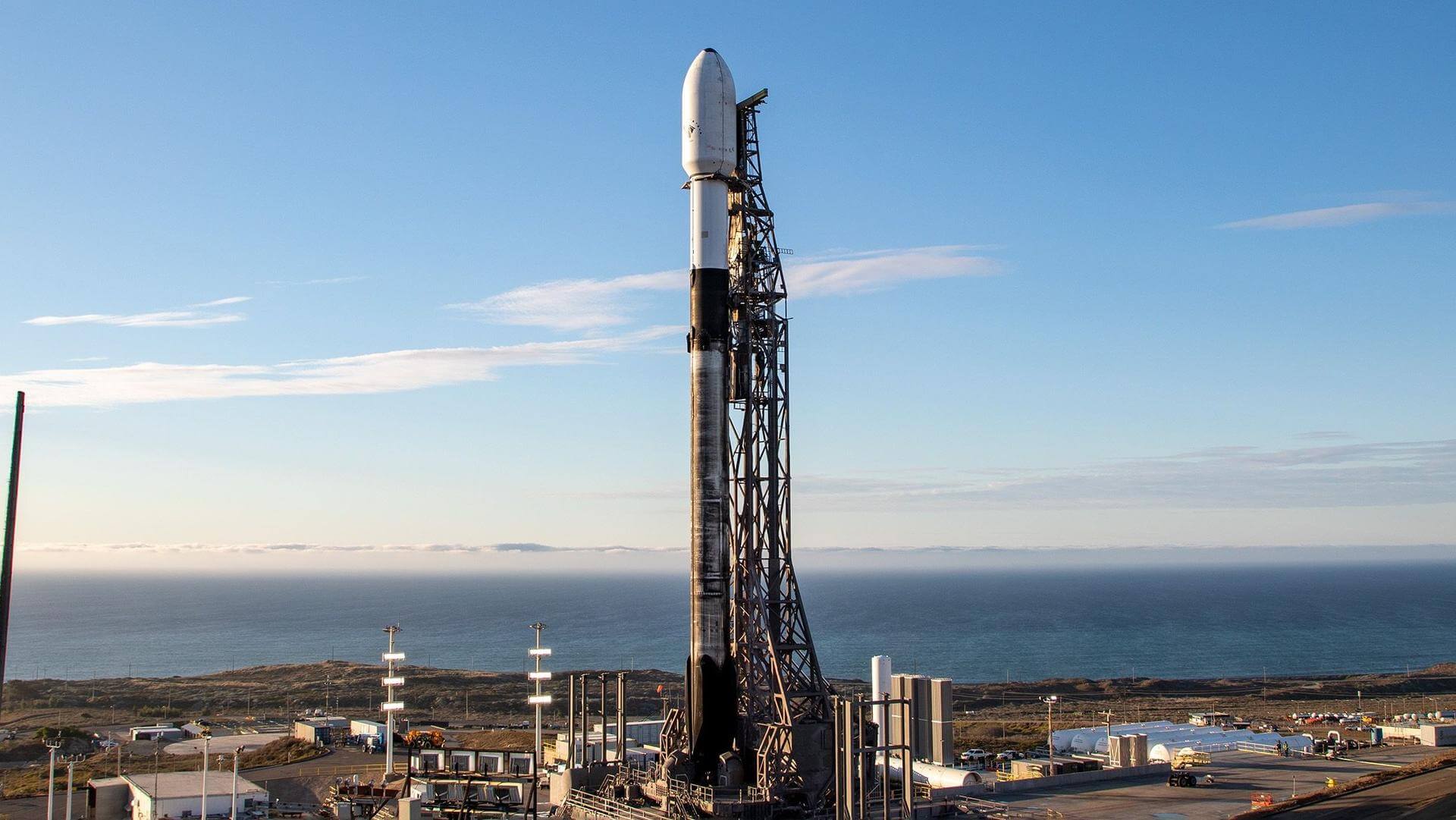
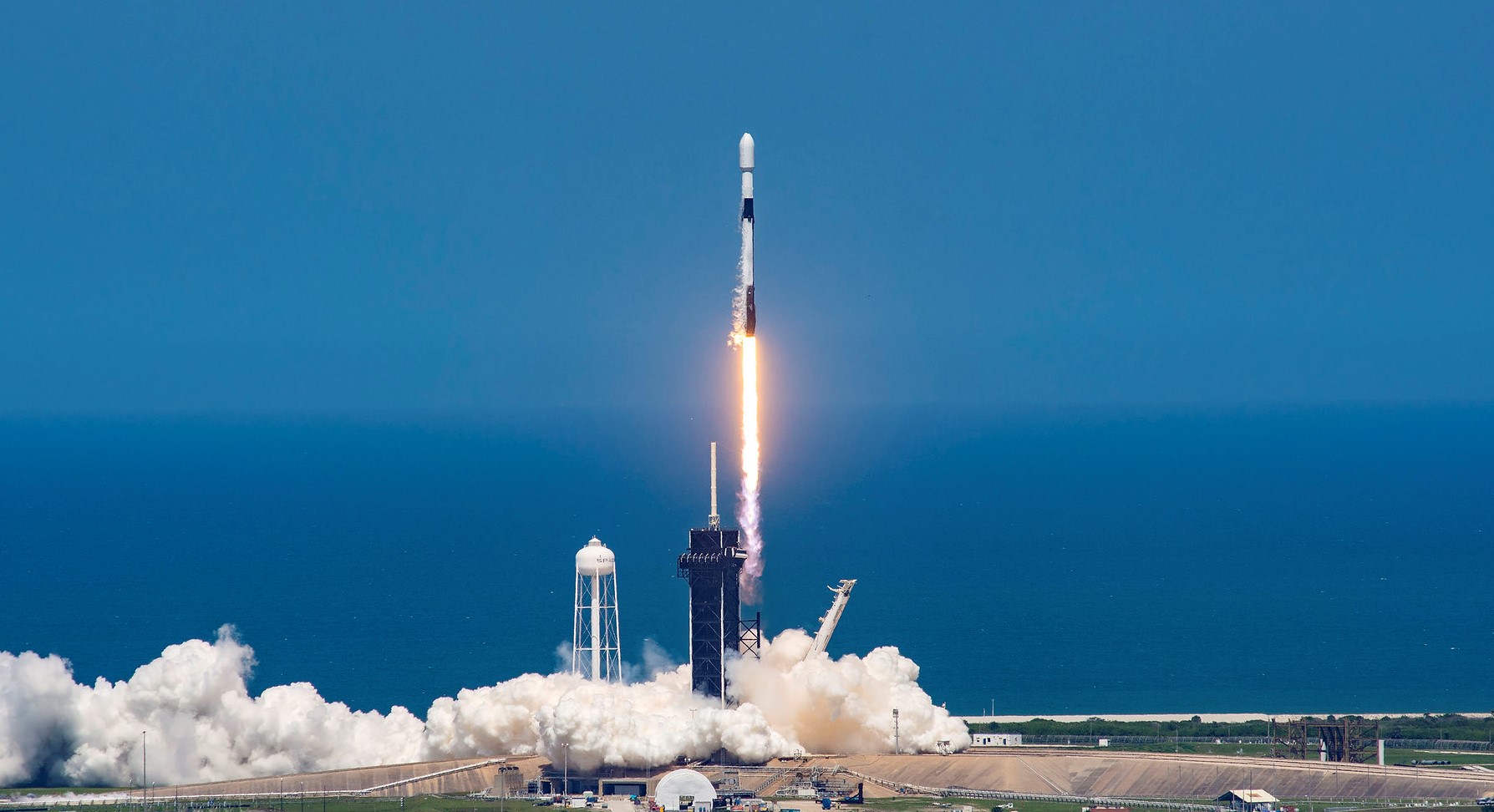
Falcon 9 is a two-stage rocket designed and manufactured by SpaceX for the reliable and safe transport of satellites and the Dragon spacecraft into orbit. The Block 5 variant is the fifth major interval aimed at improving upon the ability for rapid reusability.
Kinetica 1 (also known as Lijian-1, Chinese: 力箭一号) is a Chinese solid-propellant light launch vehicle. It is capable of placing about 2 tons into low earth orbit and 1.5 tons into sun-synchronous orbit. It is developed by CAS Space, a subsidiary of the Chinese Academy of Sciences. Kinetica 1 is a…
Specifications
Length30 m
Diameter2.65 m
Launch Mass135 t
Liftoff Thrust1,961 kN
LEO Capacity2,000 kg
SSO Capacity1,500 kg
ReusableNo
Maiden Flight2022-07-27
Launch Record
14 successful / 15 total launches
Current streak: 9 successful
USSF-385 ×
Mission Details
TypeGovernment/Top Secret
OrbitLow Earth Orbit
TargetEarth
A classified mission for the United States Space Force. It is possibly a batch of classified LEO satellites based on SpaceX’s Starshield satellite bus, based on locations of rocket stage drop zones being exact fits with previous Starlink Group 15 launches.
Falcon 9 is a two-stage rocket designed and manufactured by SpaceX for the reliable and safe transport of satellites and the Dragon spacecraft into orbit. The Block 5 variant is the fifth major interval aimed at improving upon the ability for rapid reusability.
Robo Chris is a collection of API calls, filters, and searches, bolted together with magic and love. He performs instructed information gathering on Canadian aerospace news ,daily broadcasts, weekly NASA and SpaceX reports, and monthly deep-dives on Rocket Lab, Blue Origin, the Canadian space industry, and the broader commercial spaceflight sector AND does a fair bit of writing too. Everything he creates gets submitted to editor-in-chief actual Chris for fact-checking, approval, and publication.









Leave a Reply