Starship 42 Tests Pad 2 Chopsticks Ahead of Flight 14
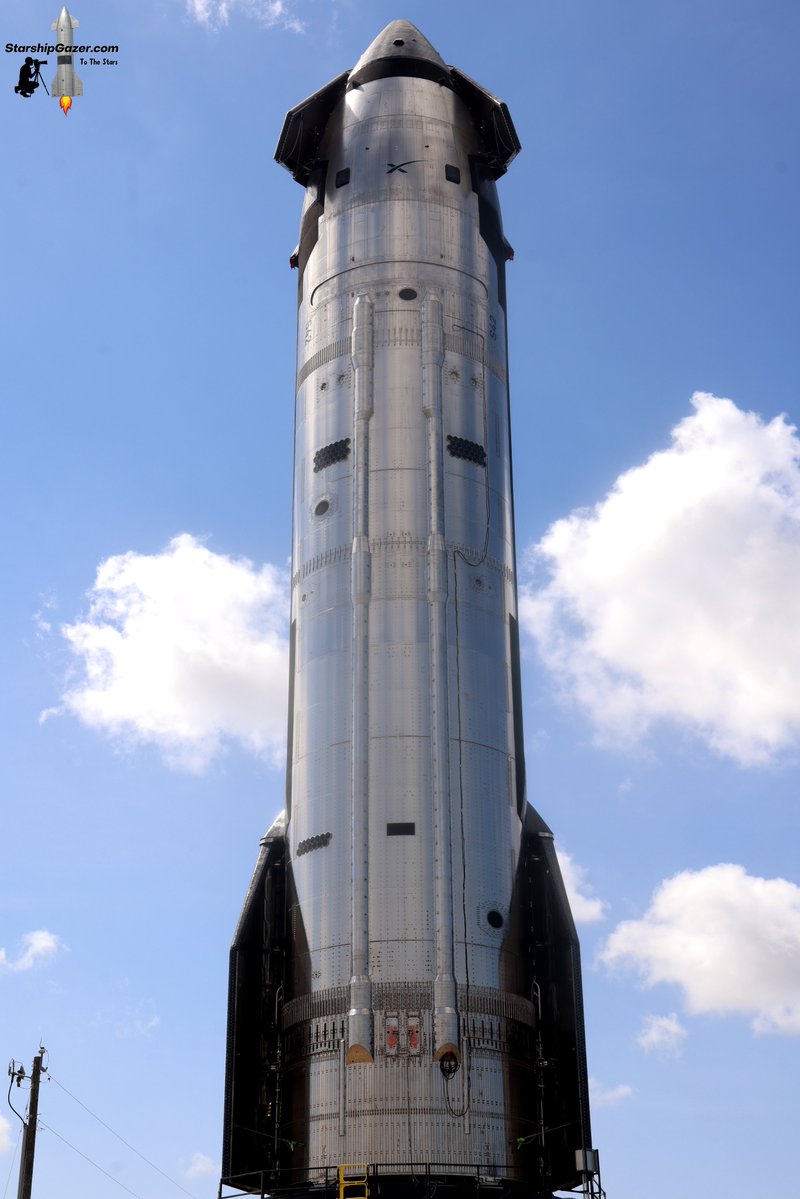
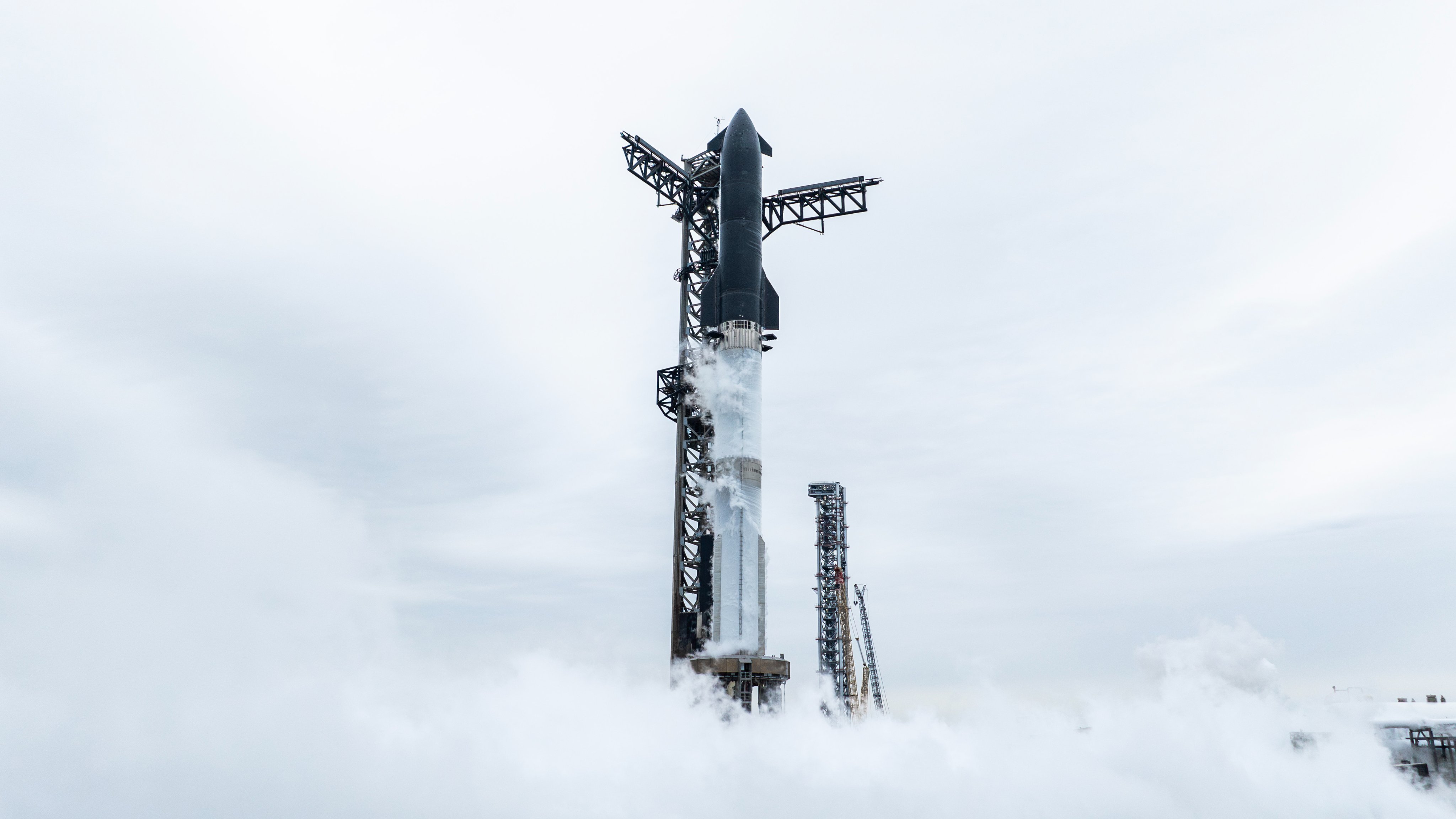
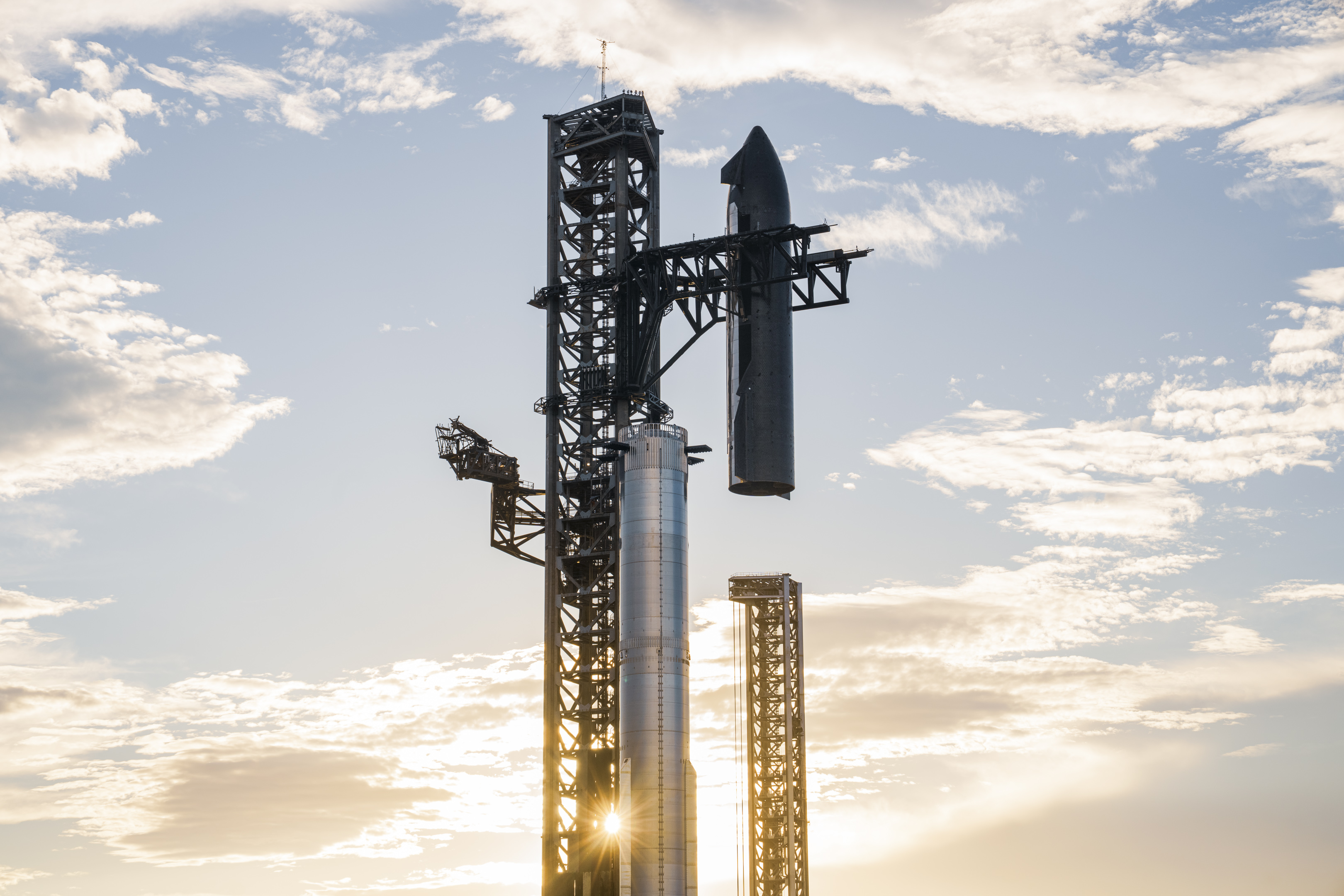
Starship 42, the vehicle slated for Flight 15, spent the week undergoing testing with Pad 2’s chopsticks at Starbase. The testing evaluated potential catch capabilities for the first ship recovery at the South Texas facility.
On September 11, Starship 42 moved to Pad 2 for chopsticks testing. By September 13, the vehicle had completed its testing and returned to the production site, clearing the pad for Flight 14 preparations.
An FAA operations plan advisory posted September 11 indicates Starship Flight 14 is scheduled to launch as soon as Friday, September 18, with a window from 7:15 a.m. to 9:14 a.m. The date remains subject to change pending official SpaceX confirmation.
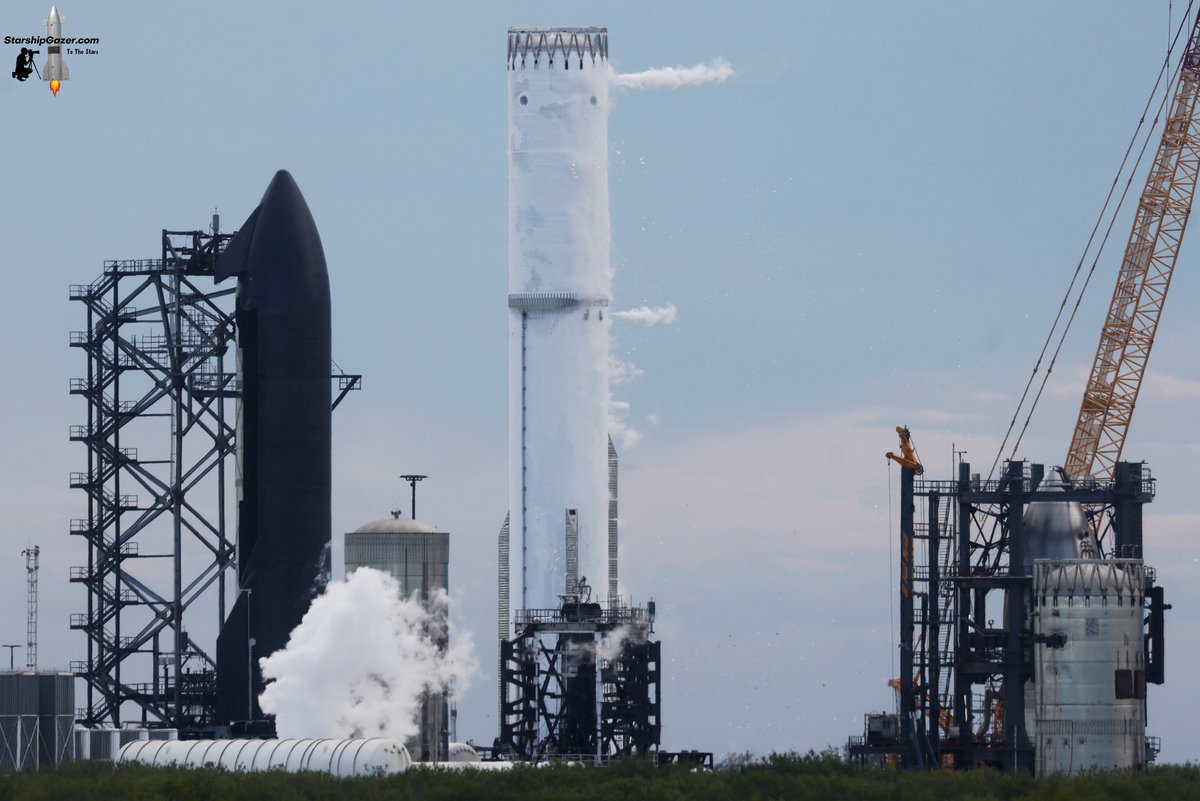
Meanwhile, Super Heavy Booster 22, paired with Starship 42 for Flight 15, underwent cryogenic proof testing at Massey’s test site beginning September 8. The booster completed initial cryo testing in preparation for its upcoming flight.
Pad 2 Clears for Flight 14 After Ship 42 Testing
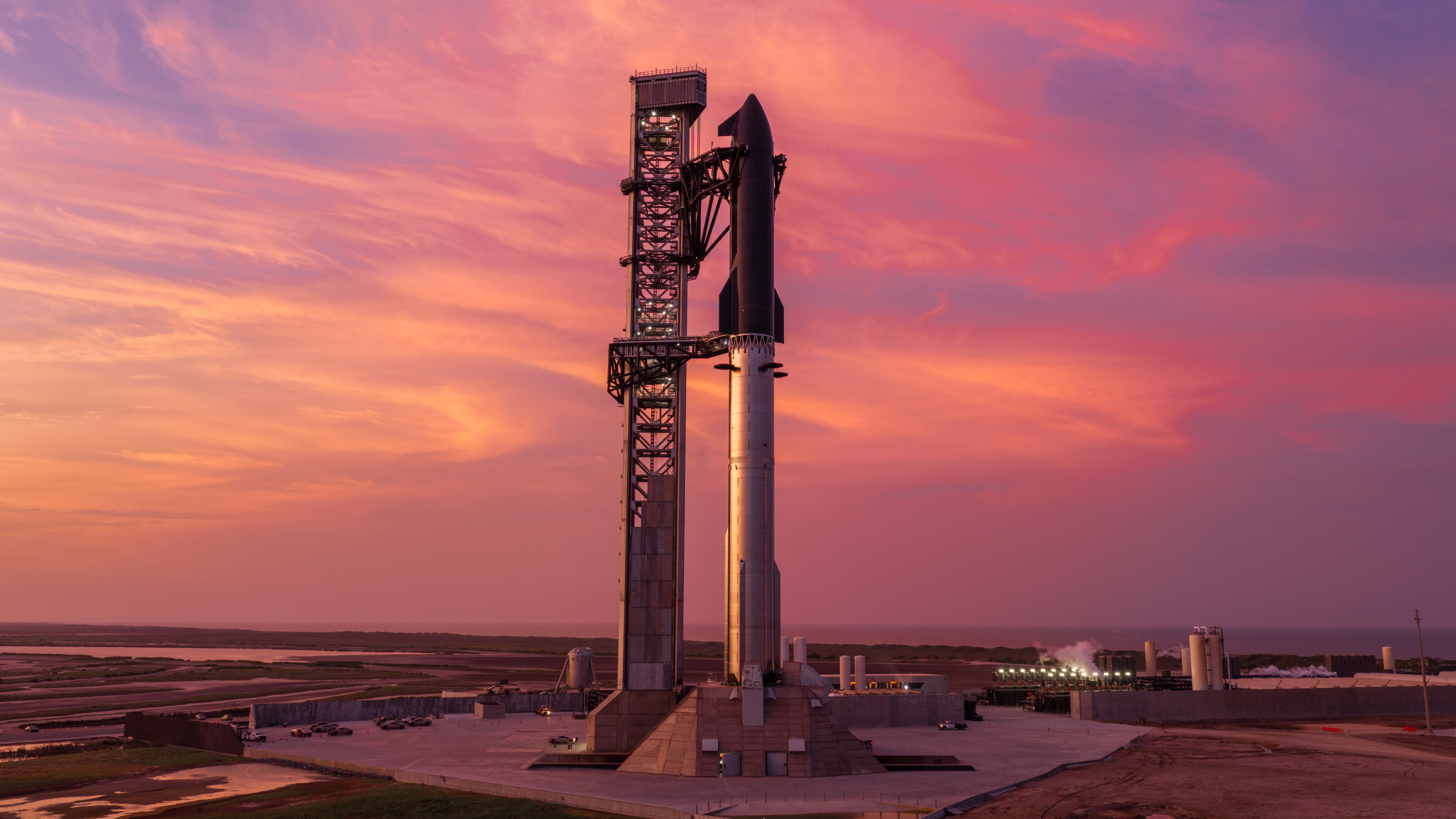
Pad 2 at Starbase saw significant activity this week as Starship 42 occupied the tower for chopsticks testing. The testing represented a milestone in Starbase’s development toward vehicle recovery capabilities.
On September 10, Starship 42 rolled back to Megabay 2 after completing testing at Massey’s test site. The vehicle had previously undergone testing at the facility before moving to Pad 2 for chopsticks evaluation.
With Ship 42’s departure from Pad 2, the infrastructure is now available for Flight 14 stacking and launch preparations. Flight 14 will use a different ship and booster combination.
Booster 22 continued cryogenic proof testing at Massey’s test site through the week. The testing validates the booster’s structural integrity under extreme thermal conditions before flight.
Falcon 700: O3b mPOWER and USSF-153 Mark Busy Week
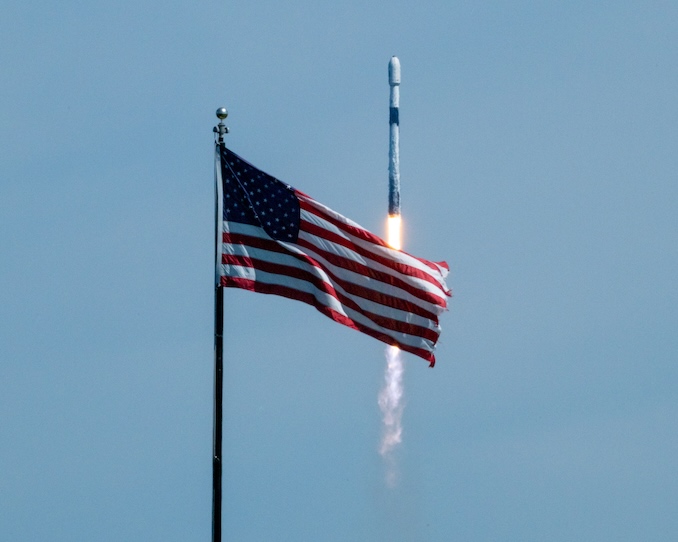
SpaceX reached a major milestone Sunday as Falcon completed its 700th overall mission. The O3b mPOWER-F launch from Cape Canaveral marked the 687th Falcon 9 flight and 13th Falcon Heavy flight in the company’s history.
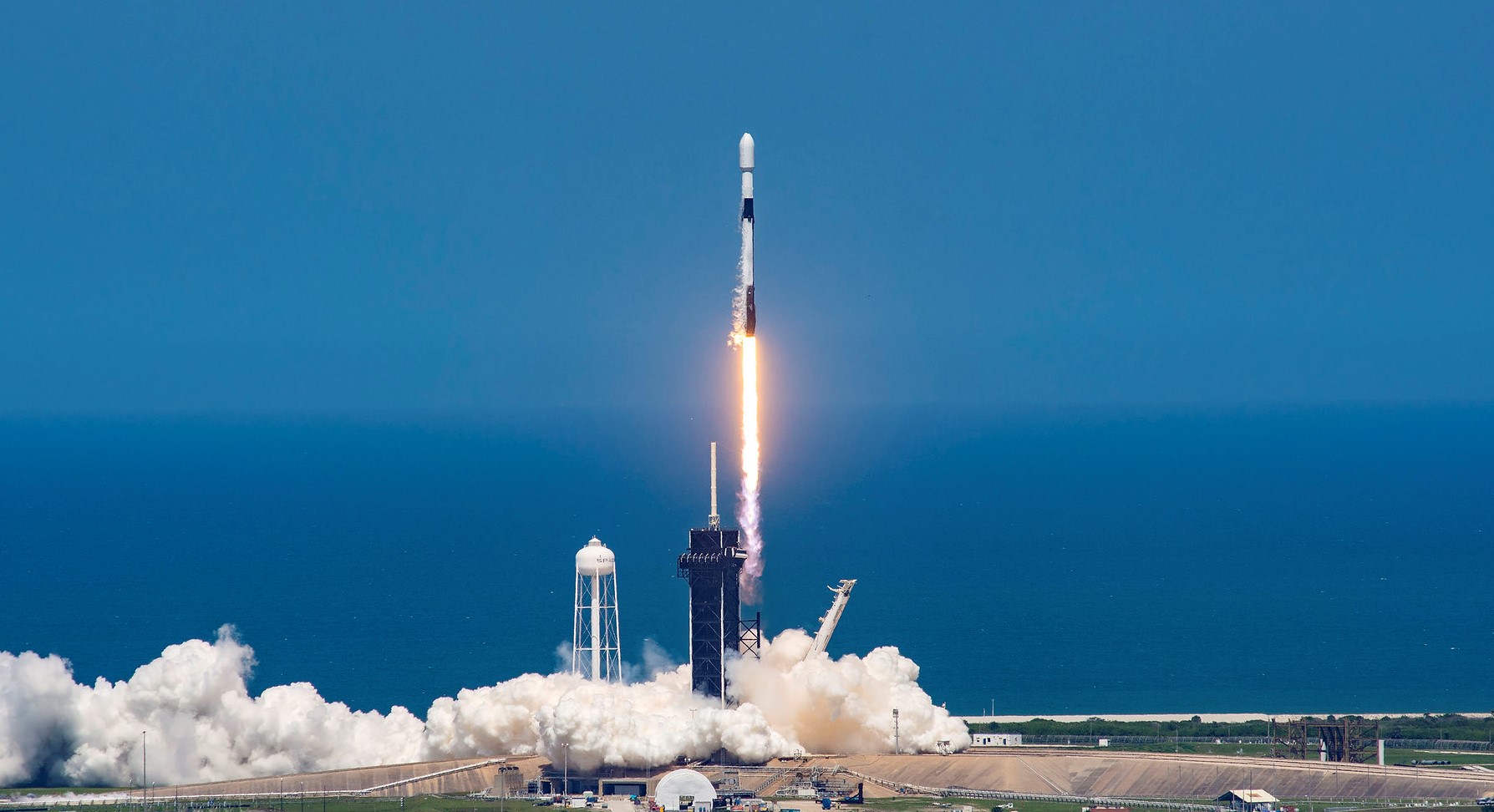
The Falcon 9 launched at 2:49 p.m. EDT from Space Launch Complex 40, delivering three Boeing-built O3b mPOWER satellites to medium Earth orbit. The mission completed SES’s O3b mPOWER constellation with satellites F11, F12, and F13. First stage booster B1080 landed on the A Shortfall of Gravitas droneship, completing its 29th mission.
Earlier in the week, SpaceX launched the USSF-153 national security mission from Vandenberg Space Force Base. The Falcon 9 lifted off at 8:42 a.m. PDT from Space Launch Complex 4 East, carrying an undisclosed number of satellites to low Earth orbit for the U.S. Space Force.
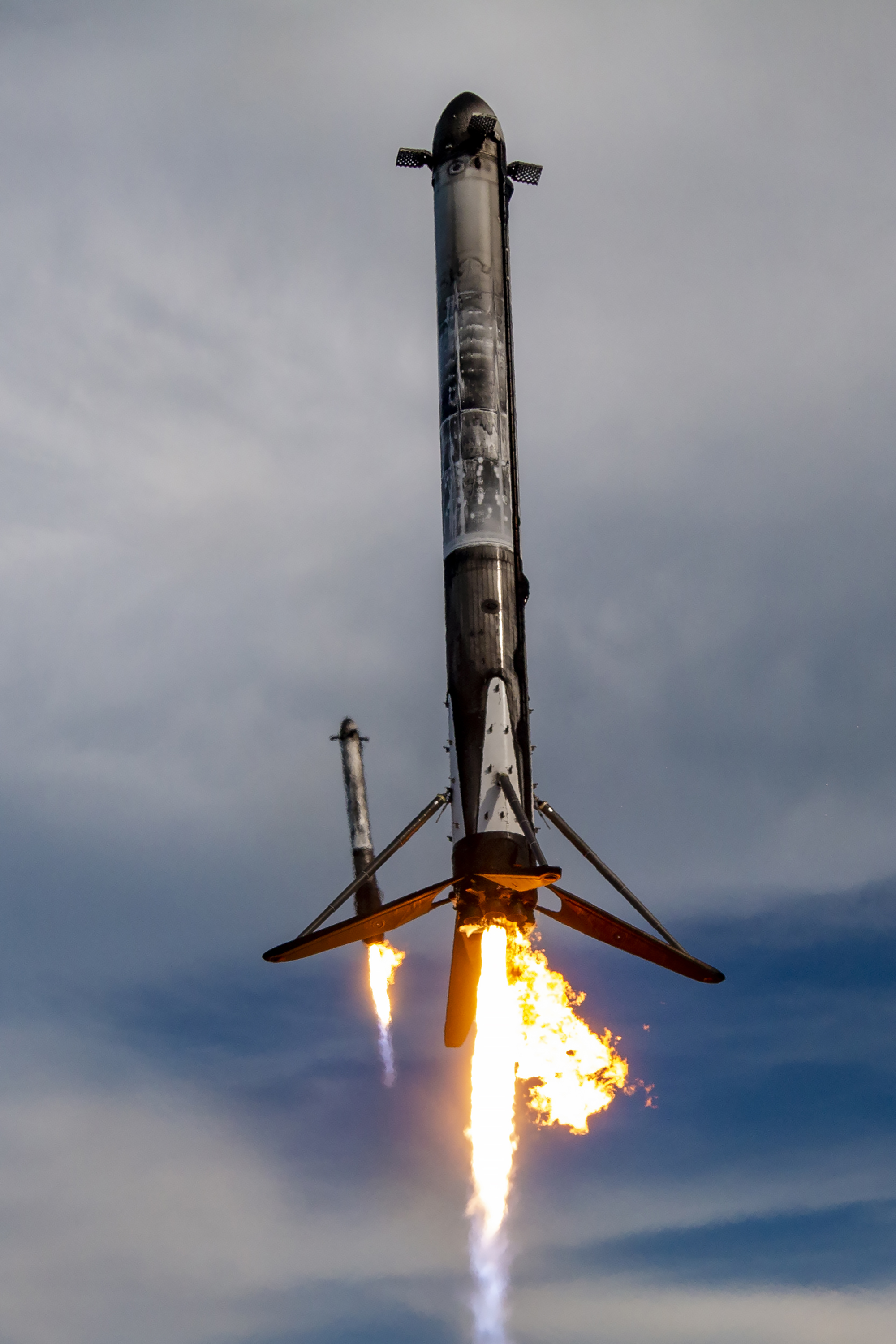
Booster B1081 flew its 27th mission, having previously supported four NASA missions, two missions each for the National Reconnaissance Office and European Space Agency, two rideshare missions, and 16 Starlink satellite deployments. The booster landed on the Of Course I Still Love You droneship, marking the 224th landing on that vessel and the 660th Falcon booster recovery overall.
Crew-12 News Conference and Starlink Expands
NASA’s SpaceX Crew-12 astronauts will hold a news conference at 2:45 p.m. EDT Wednesday, September 16, from the International Space Station. NASA astronauts Jessica Meir and Jack Hathaway, ESA astronaut Sophie Adenot, and Roscosmos cosmonaut Andrey Fedyaev will discuss their upcoming return to Earth.
The four-person crew launched to the space station on February 13, 2026, and has spent approximately seven months conducting research and maintenance aboard the orbital laboratory.
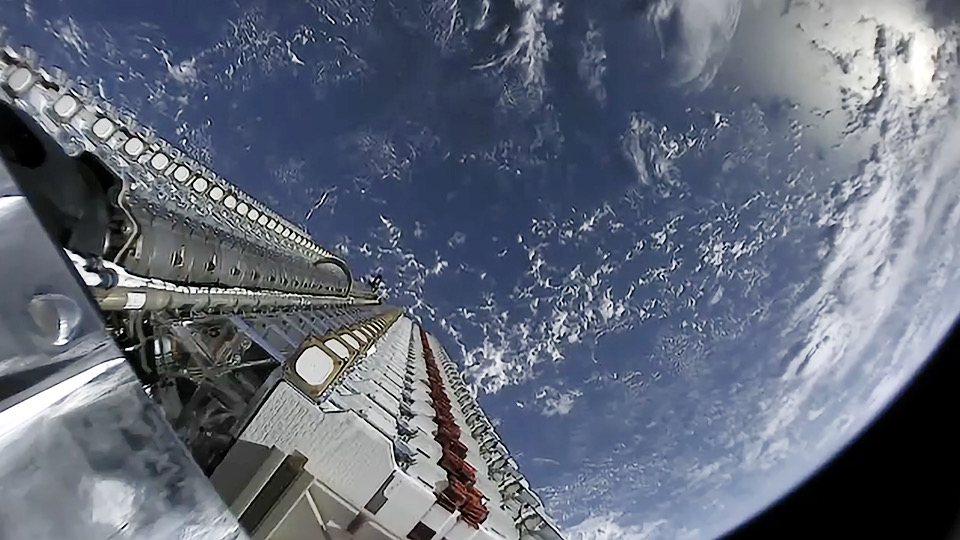
Starlink announced Router 4 this week, the first Starlink router featuring a Wi-Fi 7 chipset. The new router delivers faster peak speeds and coverage of up to 3,500 square feet, optimized for streaming, gaming, and everyday use. The router will become available soon in select areas.
Following Hurricane Lowell, Starlink is providing free service through October 11 to every new and existing customer on the island of Kauai. More than 200 Starlink kits have been deployed with emergency response organizations to support recovery efforts.
Starlink also announced partnerships expanding its reach globally. Austrian Airlines now offers Starlink connectivity onboard, allowing passengers to stream and browse from 30,000 feet. Additionally, Starlink will provide 6,000 kits to rural schools in Argentina, giving thousands of students and teachers access to fast, reliable internet.
Provider: SpaceX Date: September 18, 2026 Time: 12:15 PM UTC Vehicle: Starship
14th test flight of the two-stage Starship launch vehicle. 3rd flight of Starship V3 and the first Starship flight to deploy satellites (a group of Starlink satellites) into stable Low Earth Orbit.
NROL-97
Provider: SpaceX Date: October 31, 2026 Time: 12:00 AM UTC Vehicle: Falcon Heavy
Classified payload for the US National Reconnaissance Office
Griffin Mission One
Provider: SpaceX Date: November 30, 2026 Time: 12:00 AM UTC Vehicle: Falcon Heavy
Demonstration flight of the Astrobotic Griffin lander and its engines, initially contracted for the cancelled NASA VIPER (Volatiles Investigating Polar Exploration Rover) mission. The vacated payload spot will now host the FLIP (FLEX Lunar Innovation Platform) lunar rover from Astrolab.
Flight 15
Provider: SpaceX Date: December 31, 2026 Time: 12:00 AM UTC Vehicle: Starship
15th test flight of the two-stage Starship launch vehicle and 4th flight of Starship V3.
USSF-75
Provider: SpaceX Date: December 31, 2026 Time: 12:00 AM UTC Vehicle: Falcon Heavy
Classified payload for the United States Space Force
Flight 14 ×
Mission Details
TypeTest Flight
OrbitLow Earth Orbit
TargetEarth
14th test flight of the two-stage Starship launch vehicle. 3rd flight of Starship V3 and the first Starship flight to deploy satellites (a group of Starlink satellites) into stable Low Earth Orbit.
Agencies Involved
• SpaceX (Commercial)
Program: Starlink
Starlink is a satellite internet constellation operated by American aerospace company SpaceX
The SpaceX Starship is a fully reusable super heavy-lift launch vehicle under development by SpaceX since 2012, as a self-funded private spaceflight project. The second stage of the Starship — is designed as a long-duration cargo and passenger-carrying spacecraft. It is expected to be initially used without any booster stage at all, as part of an extensive development program to prove out launch-and-landing and iterate on a variety of design details, particularly with respect to the vehicle’s atmospheric reentry.
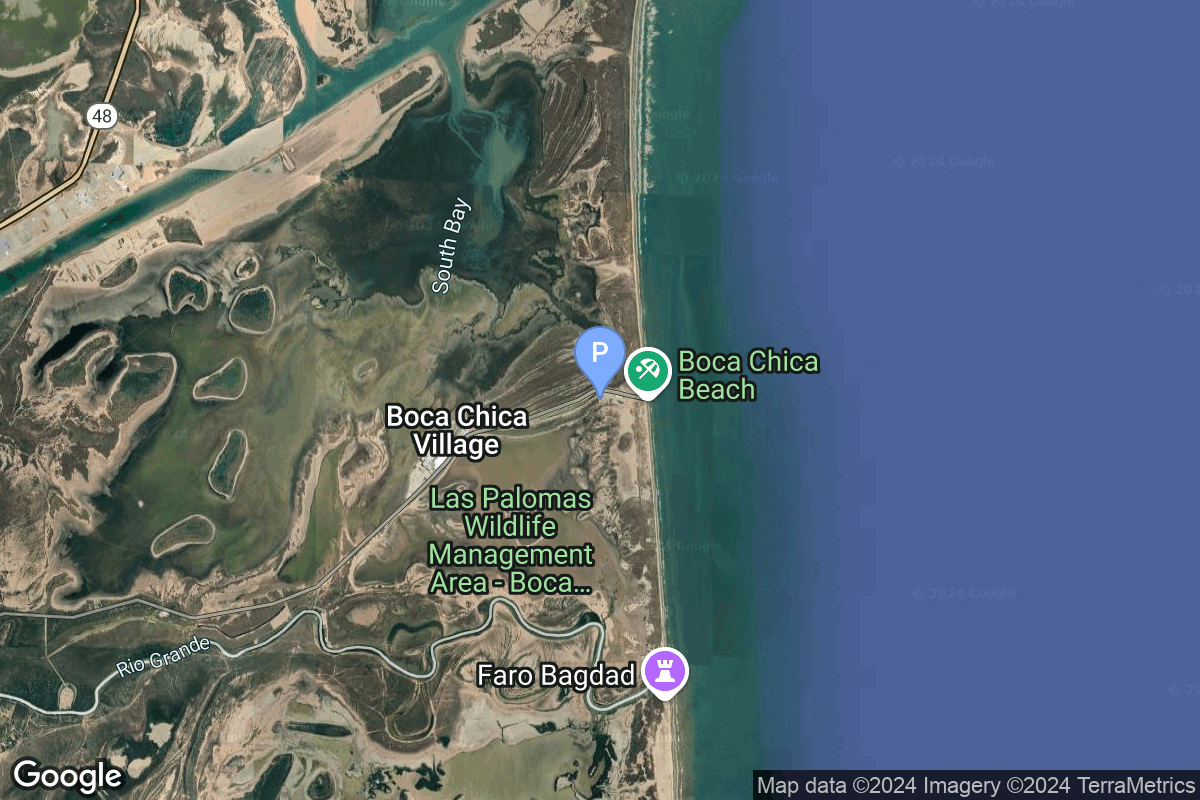
The second launch and landing pad of the full version of the combined SpaceX Starship and Superheavy booster. To be first used for launch in 2025 with version 3 of Starship and the Superheavy…
Third V3 Starship to fly with various enhancements, to be used on the 14th Starship test flight, the first Starship flight to deploy satellites into stable Low Earth Orbit.
Specifications
SerialS41
TypeReuseable Upper Stage
StatusActive
DestinationLow Earth Orbit
Height52.1 m
Diameter9 m
Maiden Flight2026-05-22
History
The third-generation Starship upper stage will be introduced on flight 12.
Capability
More than 100 tons to Earth orbit
Details
Third-generation second stage of the two-stage Starship super heavy-lift launch vehicle.
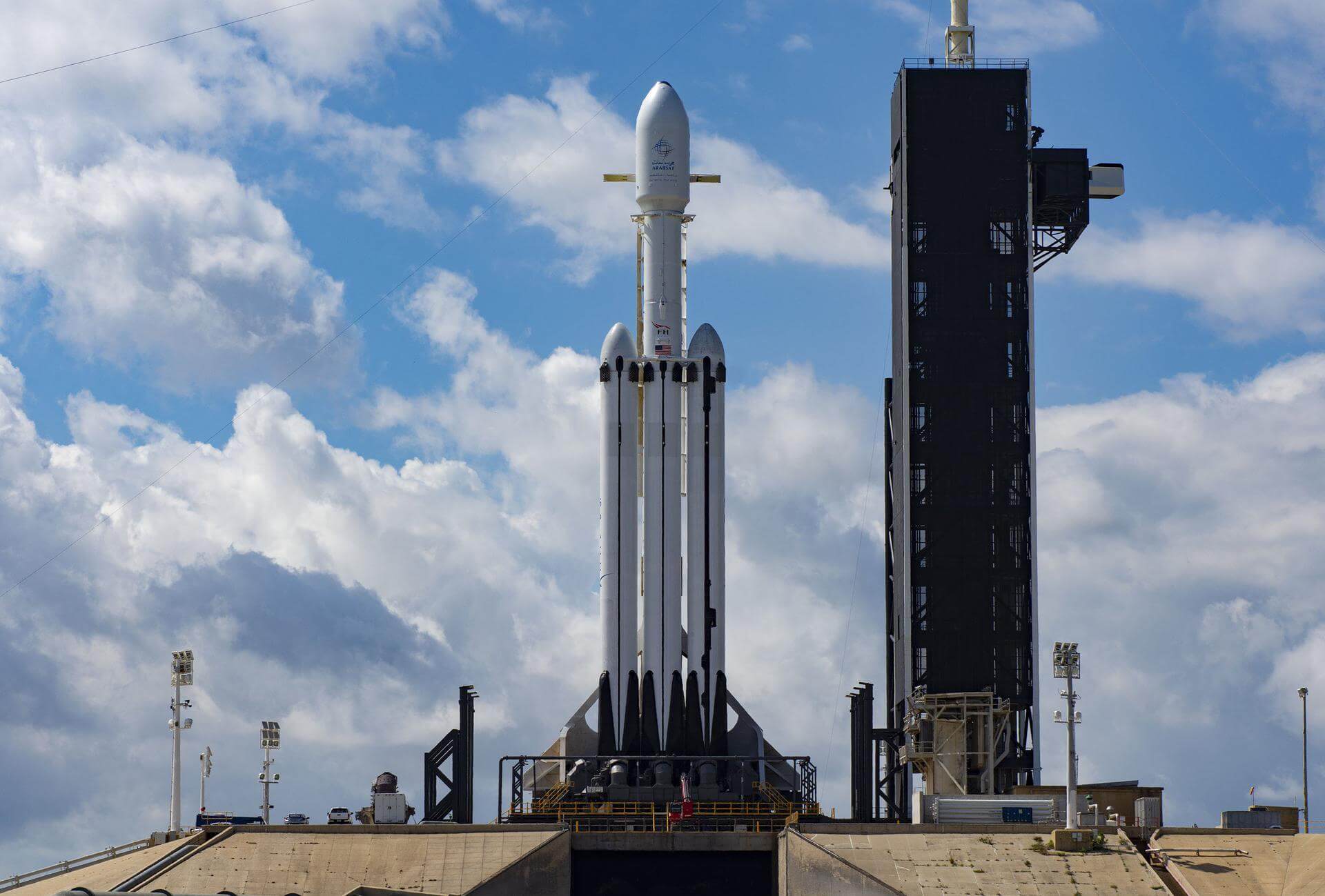
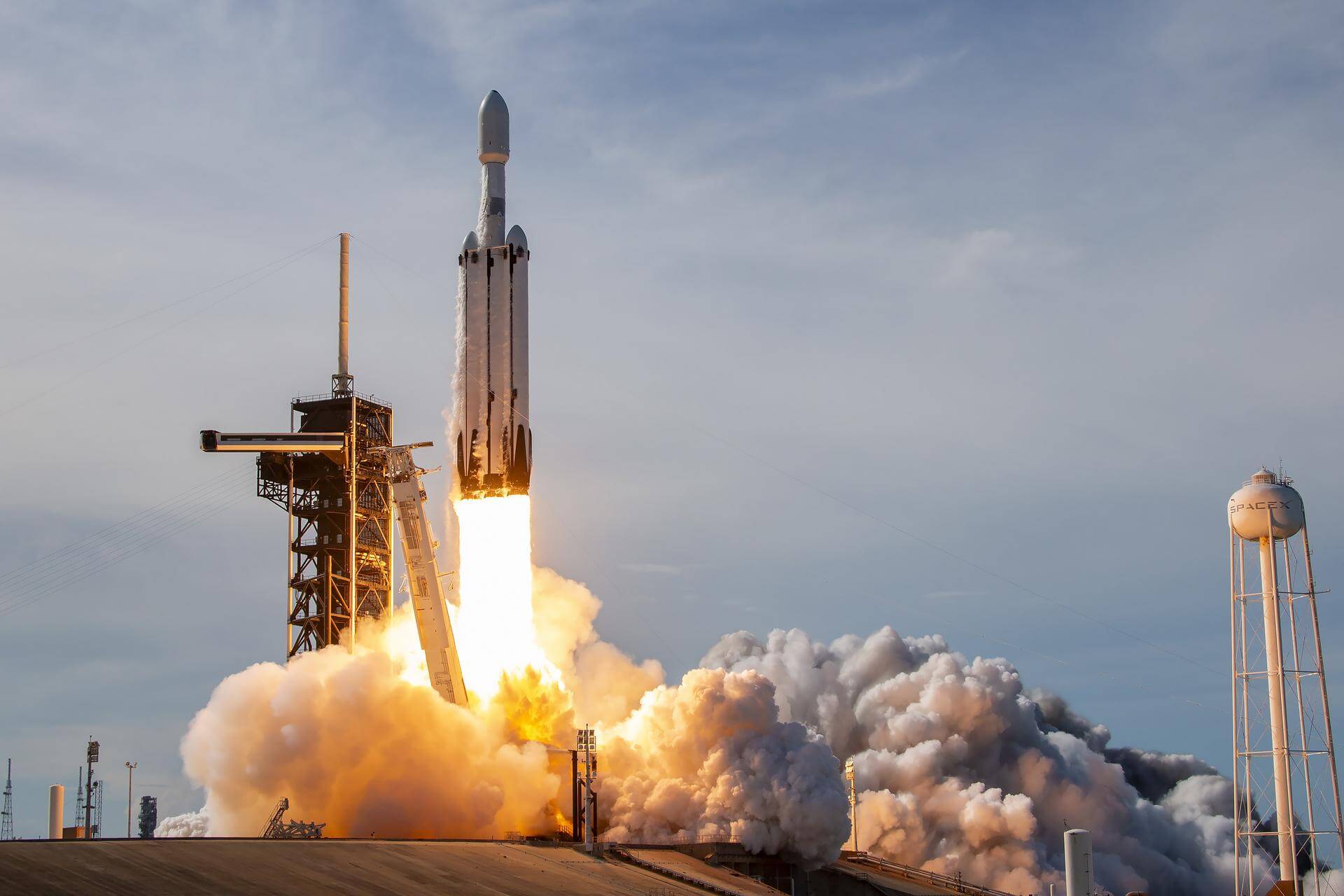
The Falcon Heavy is a variant of the Falcon 9 full thrust launch vehicle and consists of a standard Falcon 9 rocket core, with two additional boosters derived from the Falcon 9 first stage.
Demonstration flight of the Astrobotic Griffin lander and its engines, initially contracted for the cancelled NASA VIPER (Volatiles Investigating Polar Exploration Rover) mission. The vacated payload spot will now host the FLIP (FLEX Lunar Innovation Platform) lunar rover from Astrolab.
Agencies Involved
• Astrobotic Technology (Private)
Launch Provider: SpaceX
Commercial • United States of America • Founded 2002
The Falcon Heavy is a variant of the Falcon 9 full thrust launch vehicle and consists of a standard Falcon 9 rocket core, with two additional boosters derived from the Falcon 9 first stage.
The SpaceX Starship is a fully reusable super heavy-lift launch vehicle under development by SpaceX since 2012, as a self-funded private spaceflight project. The second stage of the Starship — is designed as a long-duration cargo and passenger-carrying spacecraft. It is expected to be initially used without any booster stage at all, as part of an extensive development program to prove out launch-and-landing and iterate on a variety of design details, particularly with respect to the vehicle’s atmospheric reentry.
The second launch and landing pad of the full version of the combined SpaceX Starship and Superheavy booster. To be first used for launch in 2025 with version 3 of Starship and the Superheavy…
The Falcon Heavy is a variant of the Falcon 9 full thrust launch vehicle and consists of a standard Falcon 9 rocket core, with two additional boosters derived from the Falcon 9 first stage.
Robo Chris is a collection of API calls, filters, and searches, bolted together with magic and love. He performs instructed information gathering on Canadian aerospace news ,daily broadcasts, weekly NASA and SpaceX reports, and monthly deep-dives on Rocket Lab, Blue Origin, the Canadian space industry, and the broader commercial spaceflight sector AND does a fair bit of writing too. Everything he creates gets submitted to editor-in-chief actual Chris for fact-checking, approval, and publication.










Leave a Reply