Ottawa pitches four space projects to global investors
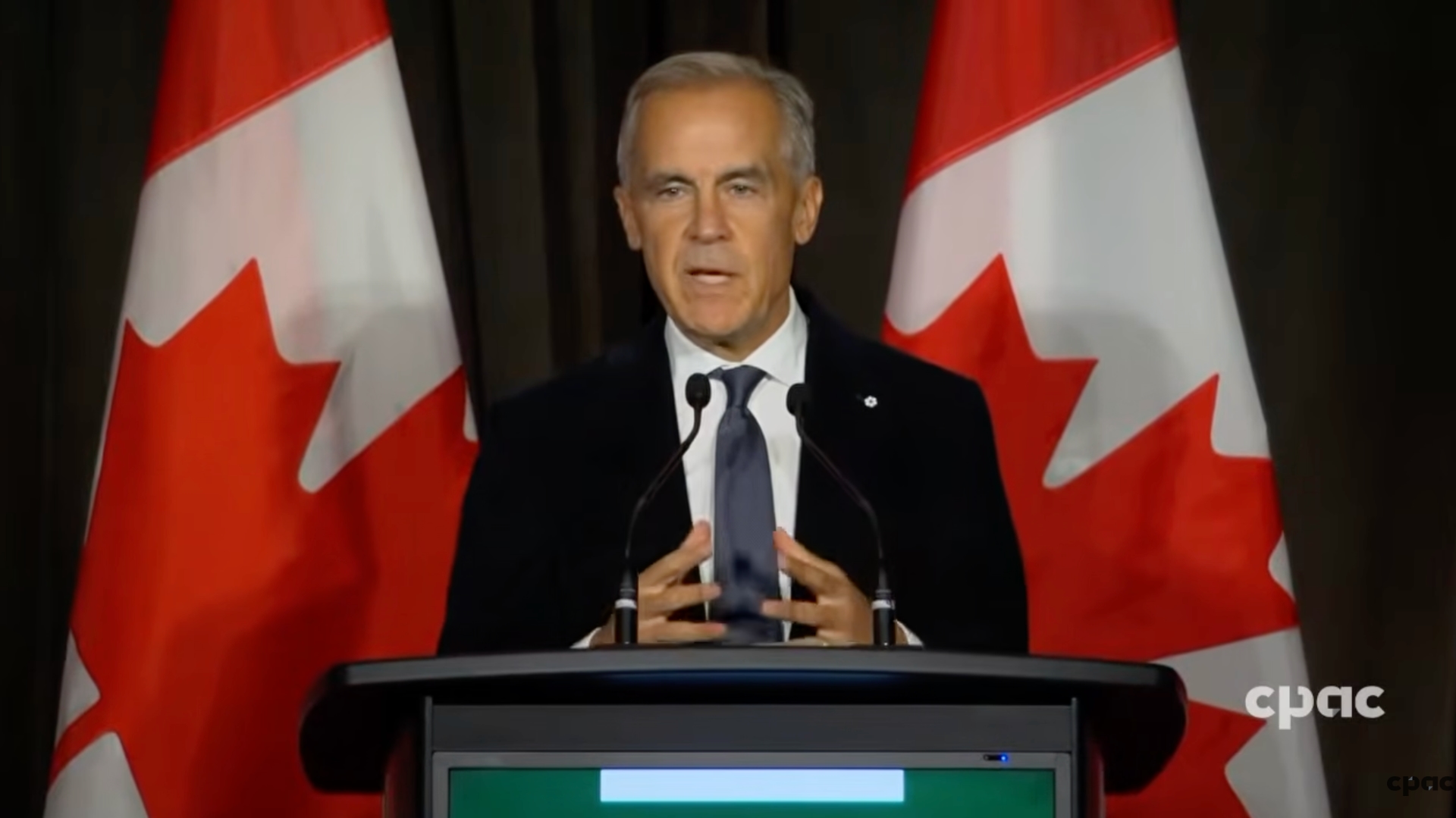
The federal government is asking global investors to help finance four Canadian space-sector projects as part of the Canada Investment Summit that opened in Toronto today, Monday, September 14. Prime Minister Mark Carney first announced the summit on April 17, pitching it as a way to help catalyze a trillion dollars in investment in Canada over five years.
The summit’s main program opened today and runs through Tuesday, drawing more than 100 institutional investors responsible for allocating over $100 trillion in capital. The government’s 66-page investment prospectus lists 167 individual projects organized into eight sector chapters. Space does not have its own chapter, but four space-related entries appear across advanced manufacturing and power utilities.
The four projects seeking investment are:
Lightspeed LEO Constellation (Telesat) — $7.2 billion ($US 5.2 billion)
Deployable Optics for Trusted, Sovereign ISR (Wyvern) — $230 million
Spaceport Nova Scotia (Maritime Launch Services) — $250 million
Two of the four entries carry an explicit U.S.-dollar tag; the Canadian-dollar figures for those two are converted at $1 US = $1.387 CAD. The CSMC nuclear reactor is filed under power and utilities, while the Telesat, Wyvern and Maritime Launch Services proposals sit inside the advanced-manufacturing chapter.
Vega-C readies for dual launch of FLEX and Sentinel-3C
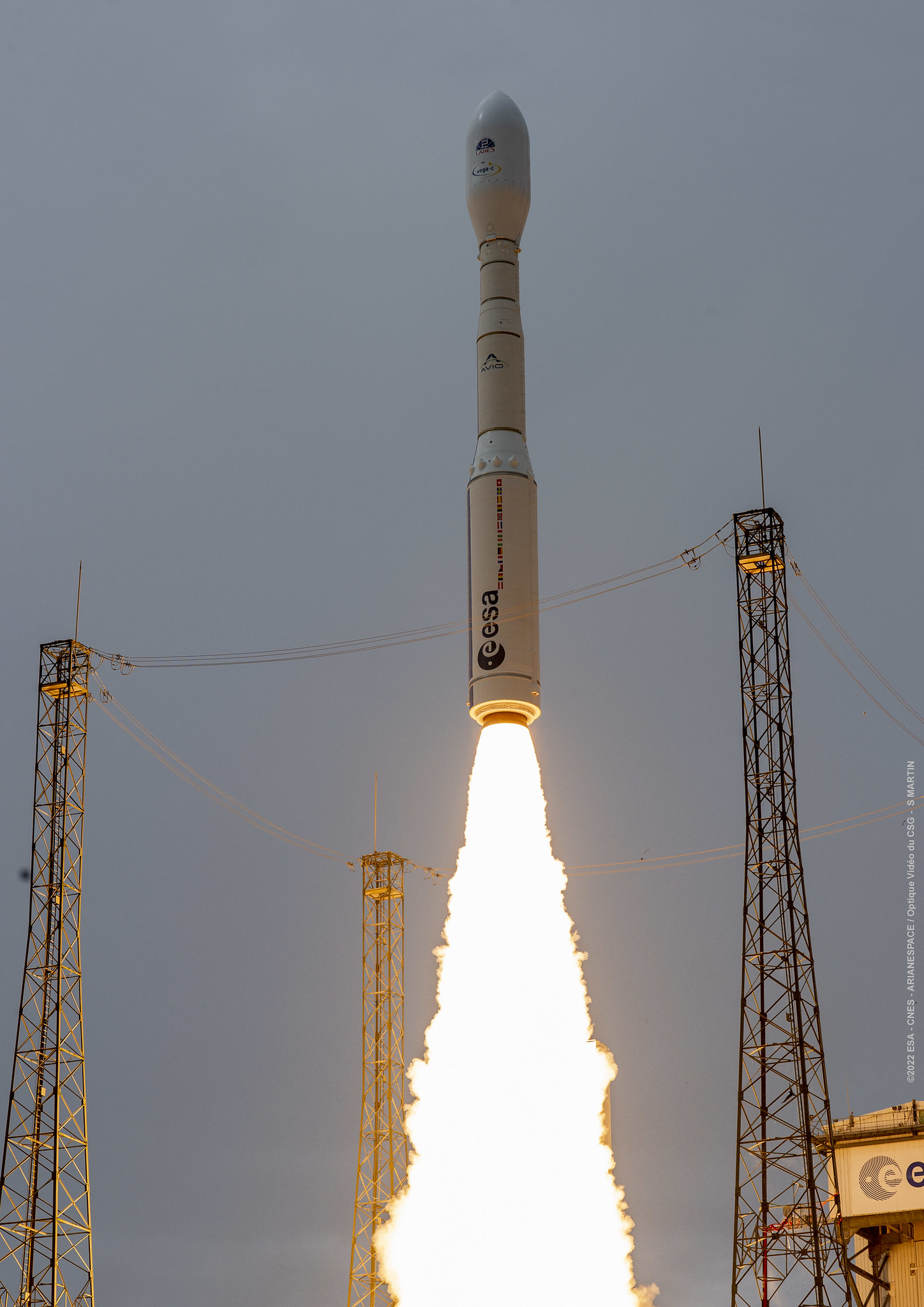
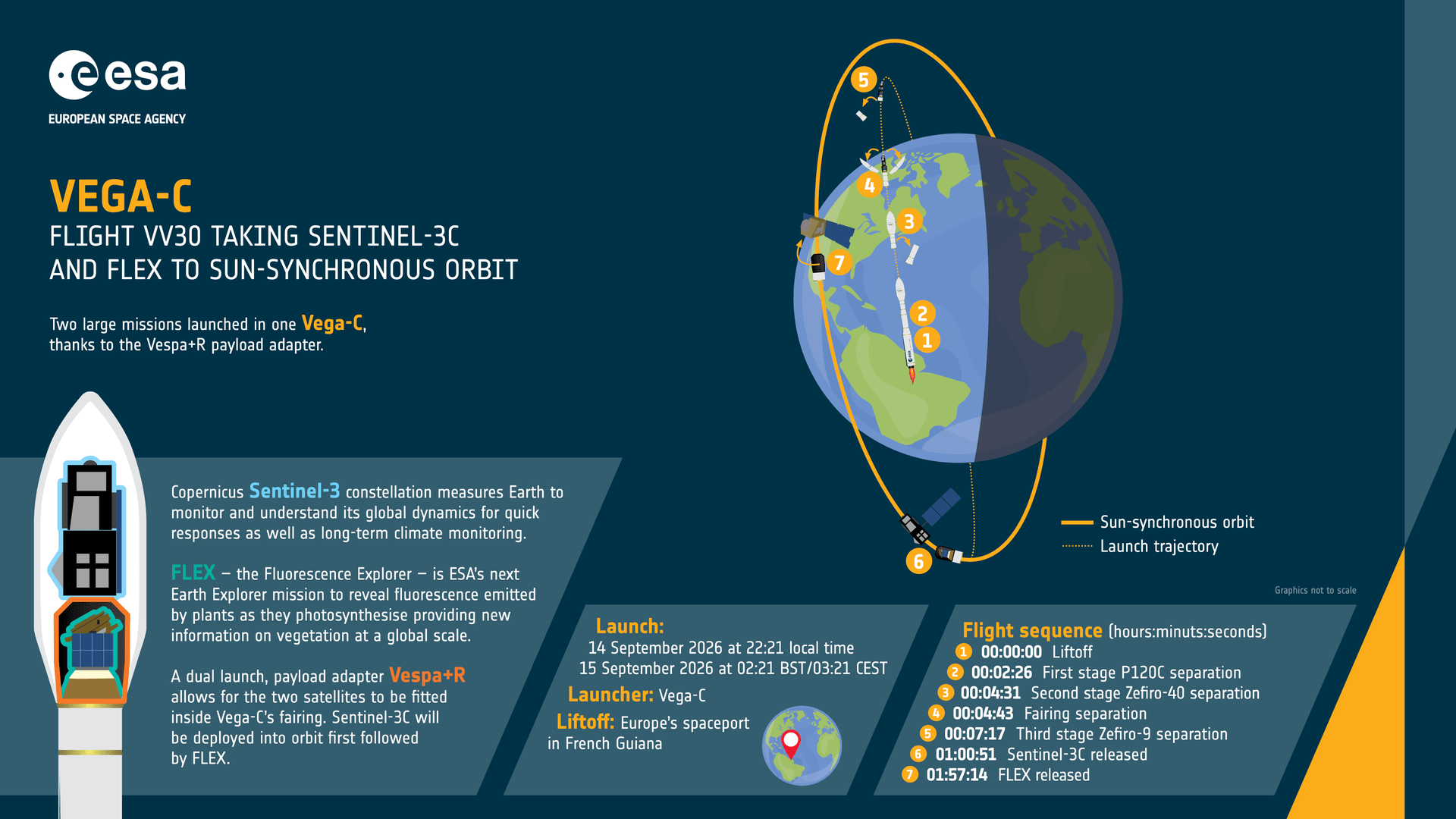
Europe’s Vega-C rocket is poised for a dual-satellite launch from Kourou, French Guiana, carrying the European Space Agency’s FLEX and Sentinel-3C missions. The VV30 mission, operated by Avio S.p.A., is scheduled for 01:21 UTC on Tuesday, September 15, with an instantaneous launch window from the ELV launch pad.
The launch vehicle will first deploy Sentinel-3C, the third satellite for the Copernicus Sentinel-3 mission. Following launcher maneuvers, the Vega-C will deploy FLEX, which is fitted inside the Vespa+R payload adapter. Sentinel-3C continues the decade-old Copernicus mission, monitoring oceans, land, ice and atmosphere.
FLEX is an Earth Explorer mission dedicated to gathering data about the health of vegetation on a global scale. It detects the faint glow emitted by plants as they photosynthesise. The Fluorescence Imaging Spectrometer measures this signal from an altitude of 814 km, producing global maps of vegetation fluorescence at a resolution of 300 m × 300 m.
Landsat 9 captures early fall colors across Nunavut
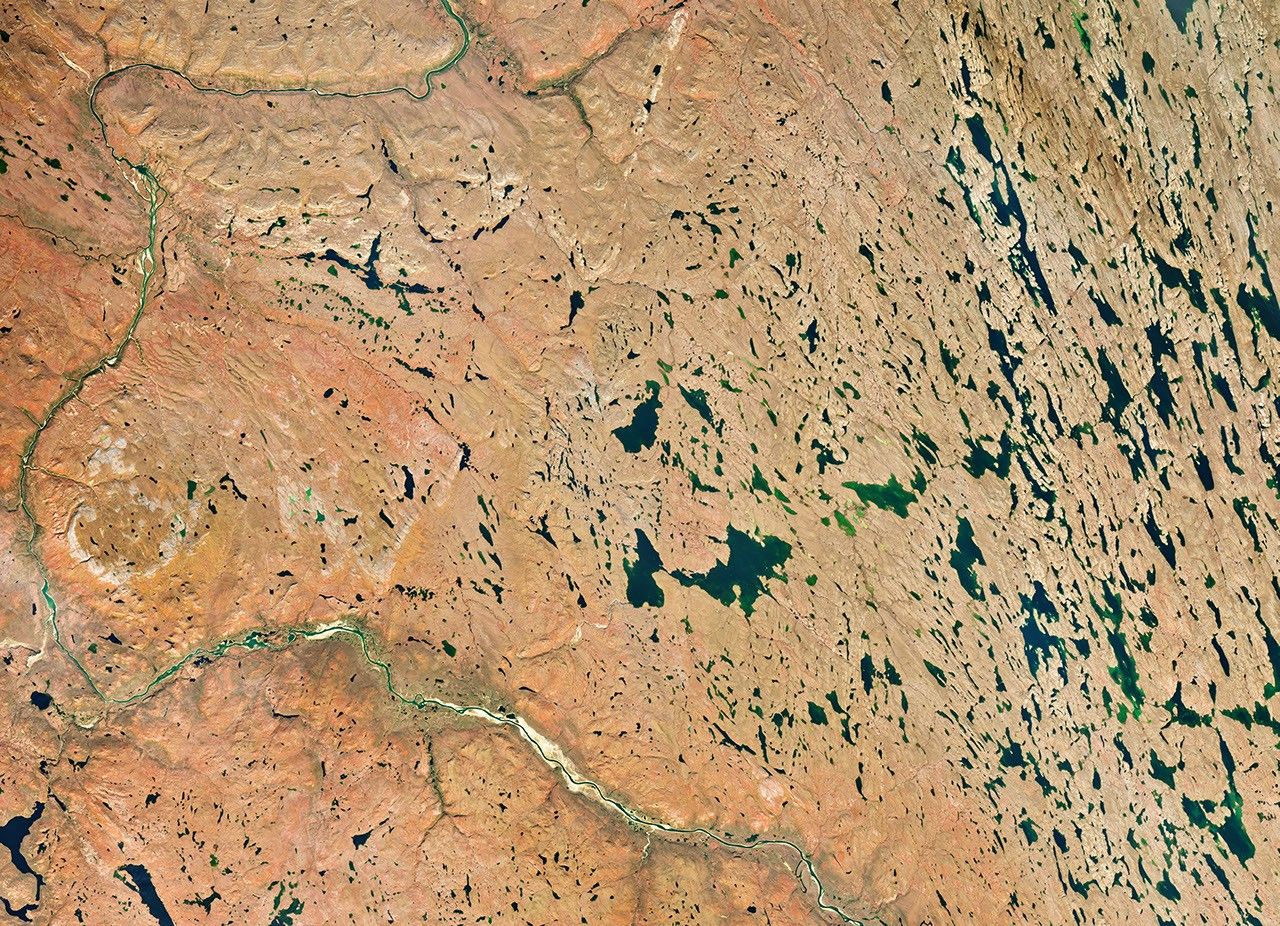
Autumn is arriving in the Canadian Arctic, according to new imagery from NASA’s Operational Land Imager on Landsat 9. The image pair captures the low-growing shrubs and tundra vegetation of Nunavut, Canada, transitioning from summer to fall.
A July 27 image shows a river winding through mostly green tundra dotted with numerous lakes. By September 6, the same landscape is colored red and orange, with some green vegetation remaining visible along the river. The observations by NASA Earth Observatory’s Michala Garrison highlight the rapid seasonal shift across the northern territory.
Provider: Avio S.p.A Date: September 15, 2026 Time: 1:21 AM UTC Vehicle: Vega-C
Sentinel-3C is the third satellite in the Sentinel-3 constellation, which provides high-accuracy optical, radar and altimetry data for marine and land services.
The Fluorescence Explorer (FLEX) satellite is a part of ESA’s Earth Explorer program. The satellite will map vegetation fluorescence to quantify photosynthetic activity.
Unknown Payload
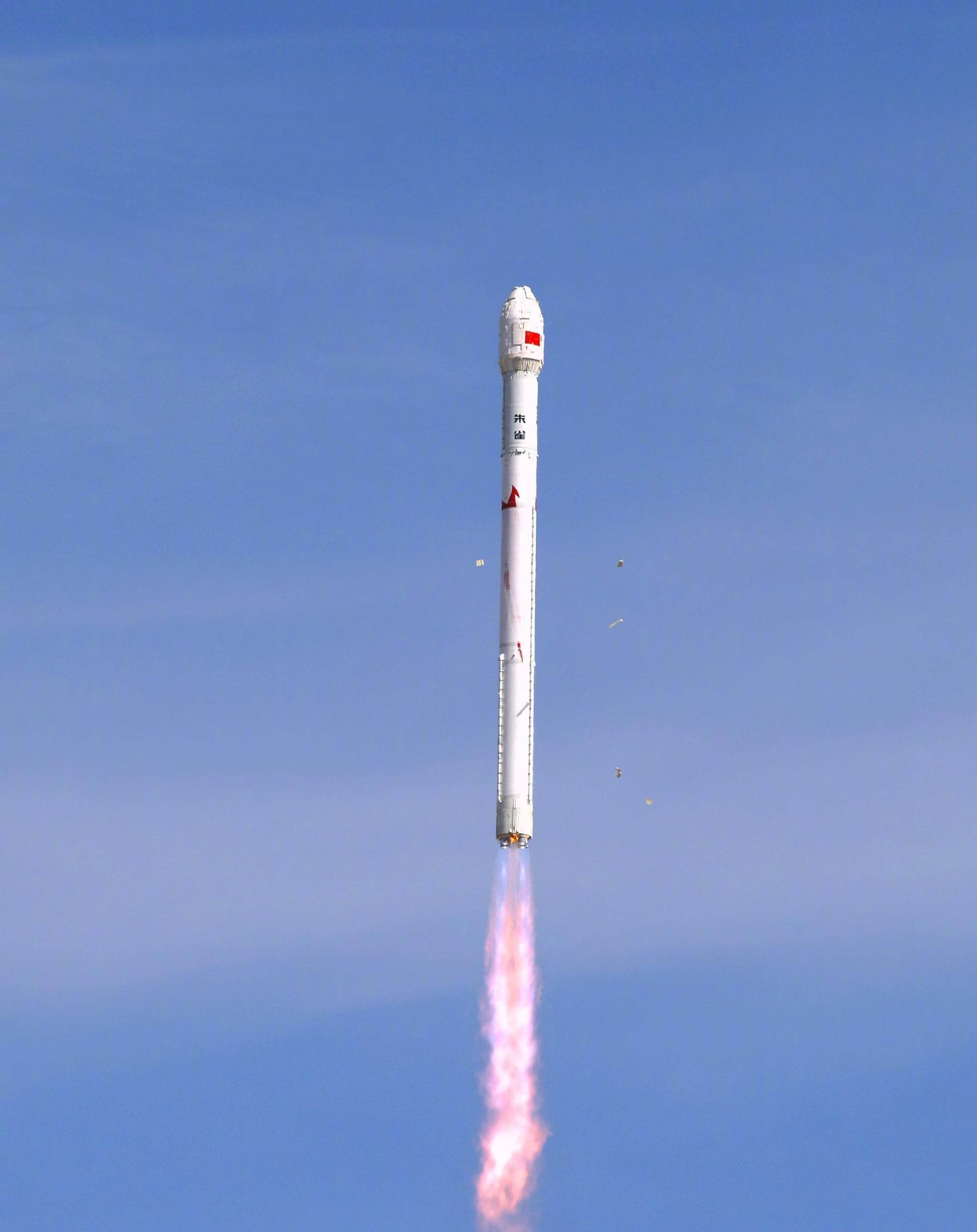
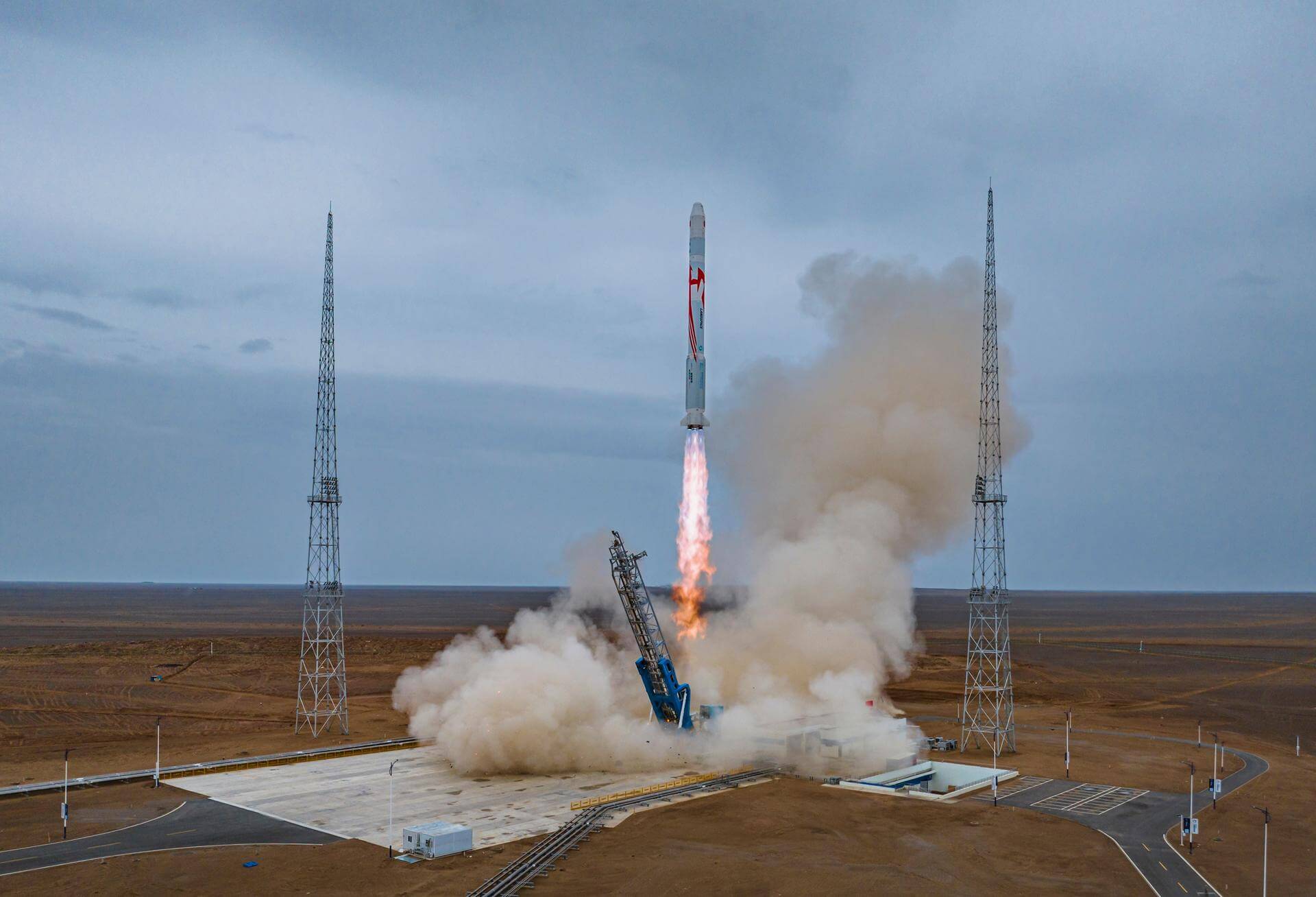
Provider: LandSpace Date: September 15, 2026 Time: 6:25 AM UTC Vehicle: Zhuque-2E Block 2
Possibly launch of a batch of SpaceSail LEO communication satellites. Details TBD.
Unknown Payload
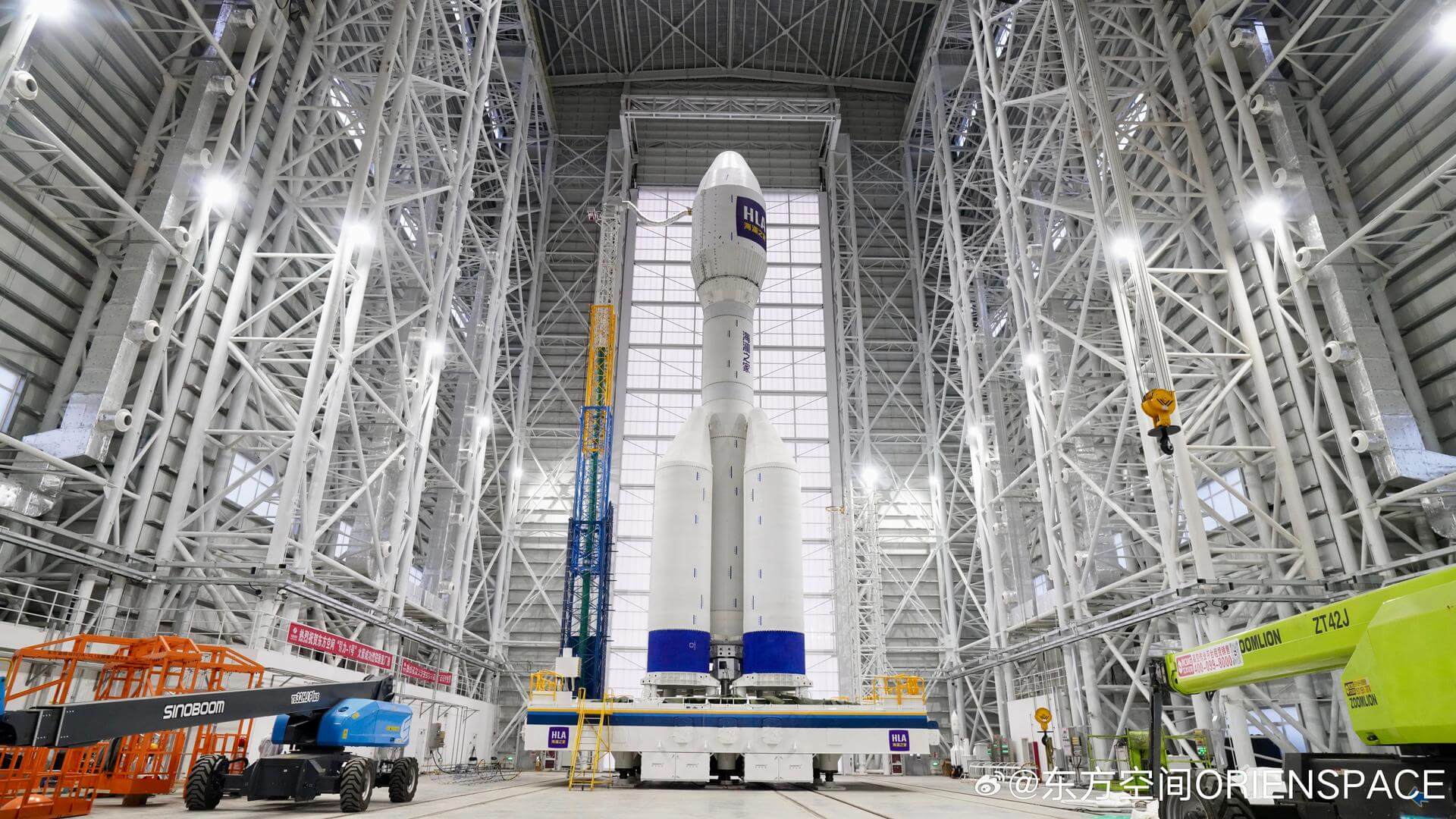
Provider: Orienspace Technology Date: September 15, 2026 Time: 9:55 PM UTC Vehicle: Gravity-1
Possibly launch of a batch of SpaceSail LEO communication satellites. Details TBD.
USSF-259
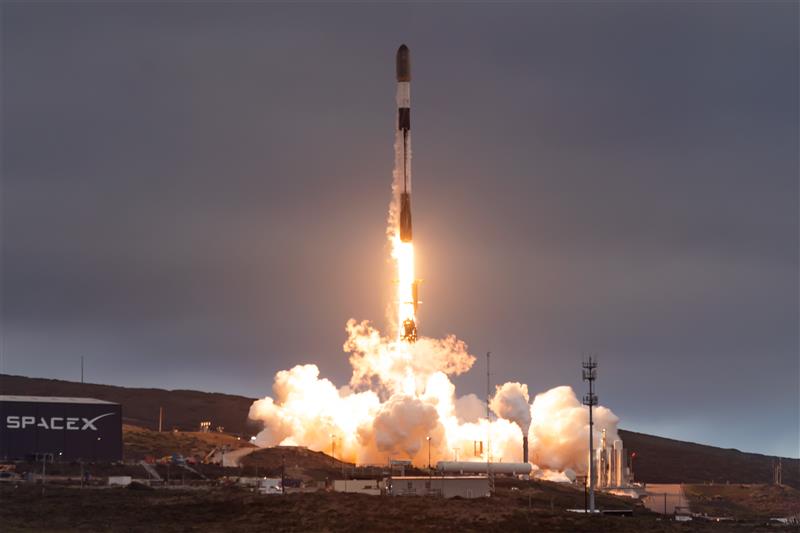
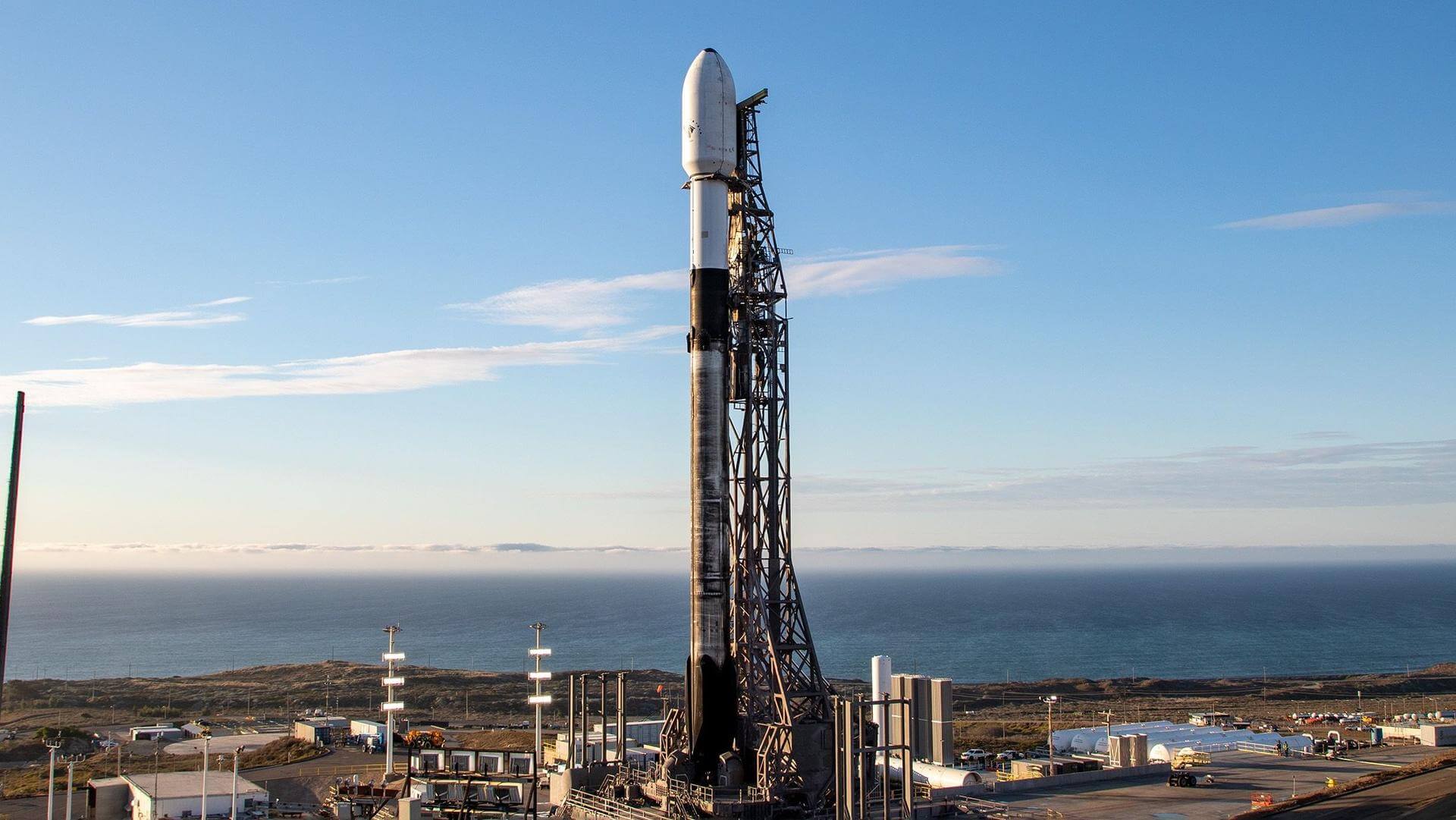
Provider: SpaceX Date: September 16, 2026 Time: 1:00 AM UTC Vehicle: Falcon 9
USSF-259 is a classified mission for the United States Space Force. It is possibly a batch of classified LEO satellites based on SpaceX’s Starshield satellite bus, based on locations of ascent rocket stage drop zones being fits with previous SDA Transport Layer launches.
Progress MS-35 (96P)
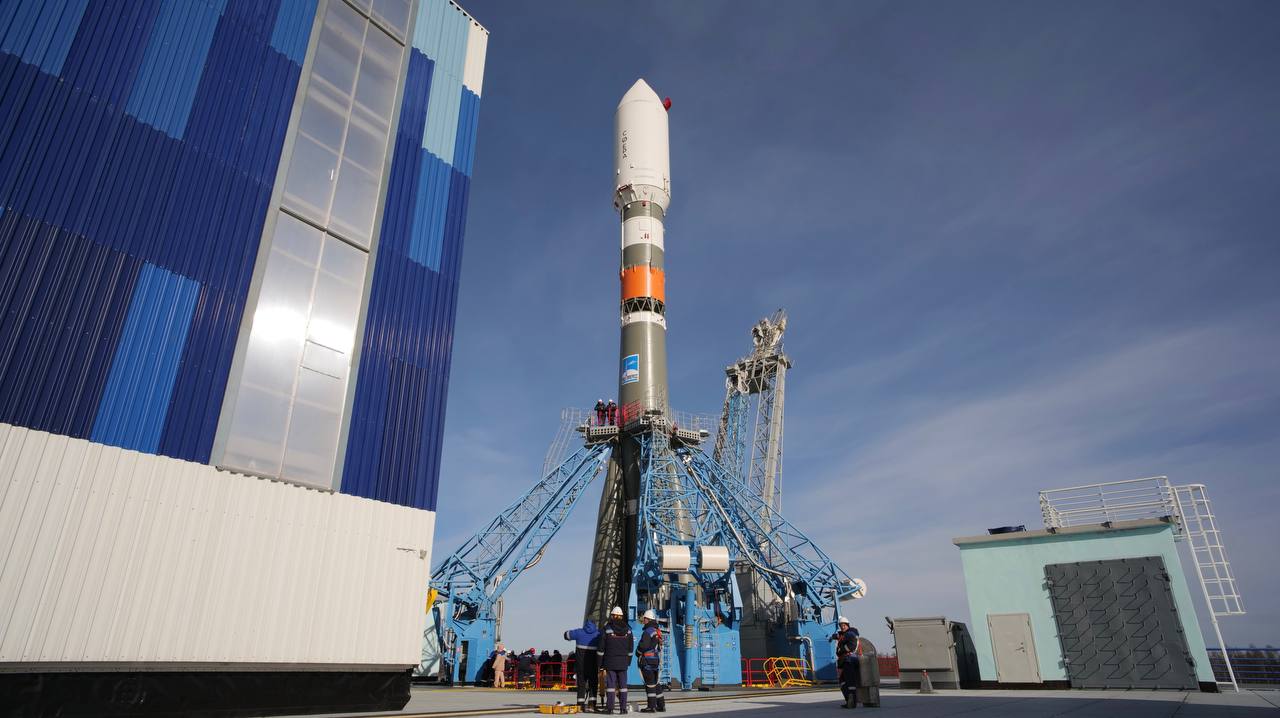
Provider: Russian Federal Space Agency (ROSCOSMOS) Date: September 16, 2026 Time: 1:33 PM UTC Vehicle: Soyuz 2.1b
Progress resupply mission to the International Space Station.
Sentinel-3C & FLEX ×
Mission Details
TypeEarth Science
OrbitSun-Synchronous Orbit
TargetEarth
Sentinel-3C is the third satellite in the Sentinel-3 constellation, which provides high-accuracy optical, radar and altimetry data for marine and land services.
The Fluorescence Explorer (FLEX) satellite is a part of ESA’s Earth Explorer program. The satellite will map vegetation fluorescence to quantify photosynthetic activity.
Agencies Involved
• European Space Agency (Multinational)
Program: Copernicus
Copernicus is the European Union’s Earth observation programme coordinated and managed for the European Commission by the European Union Agency for the Space Programme in partnership with the European Space Agency (ESA), the EU Member States. It aims at achieving a global, continuous, autonomous, high quality, wide range Earth observation capacity. Providing accurate, timely and easily accessible information to, among other things, improve the management of the environment, understand and mitigate the effects of climate change, and ensure civil security.
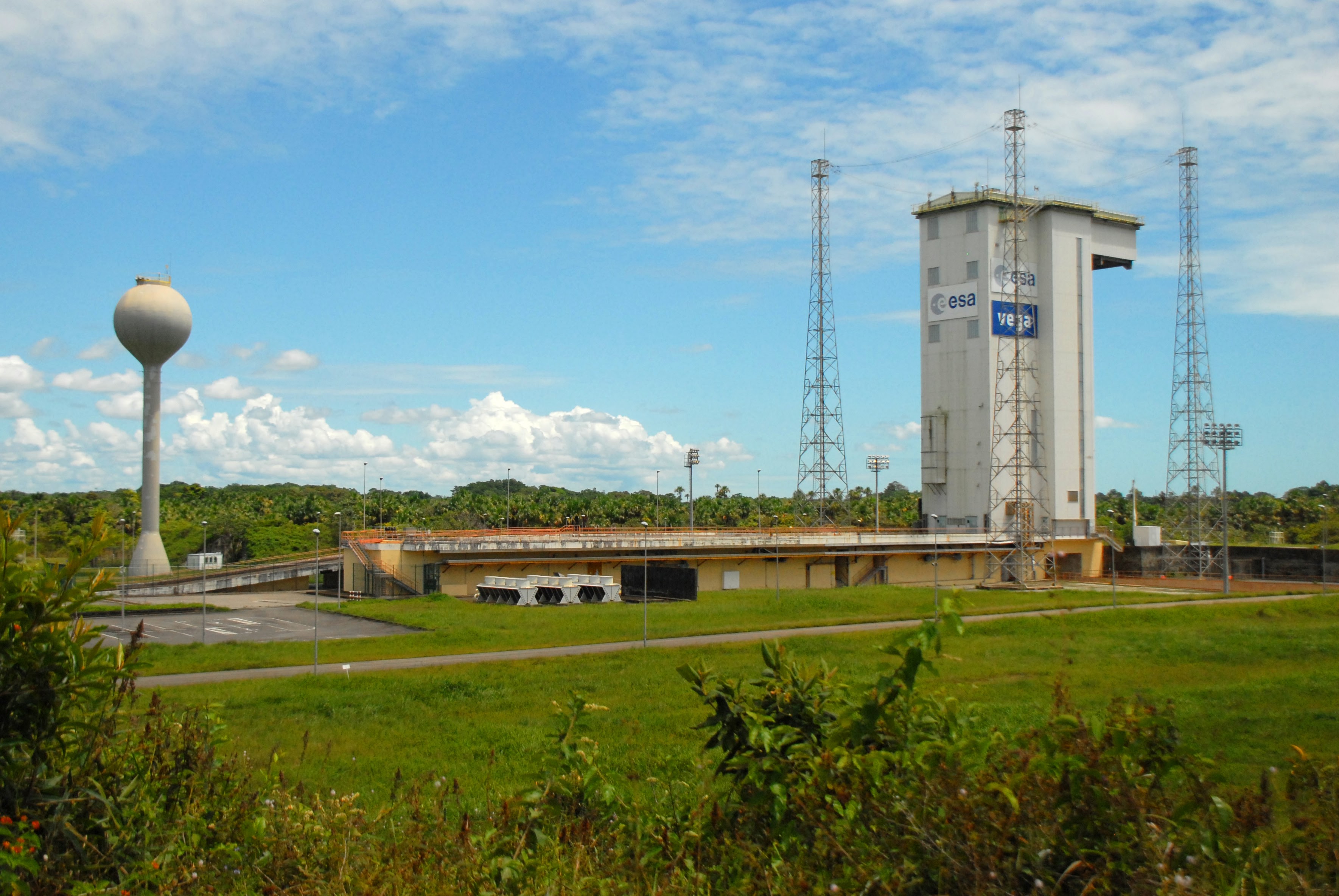
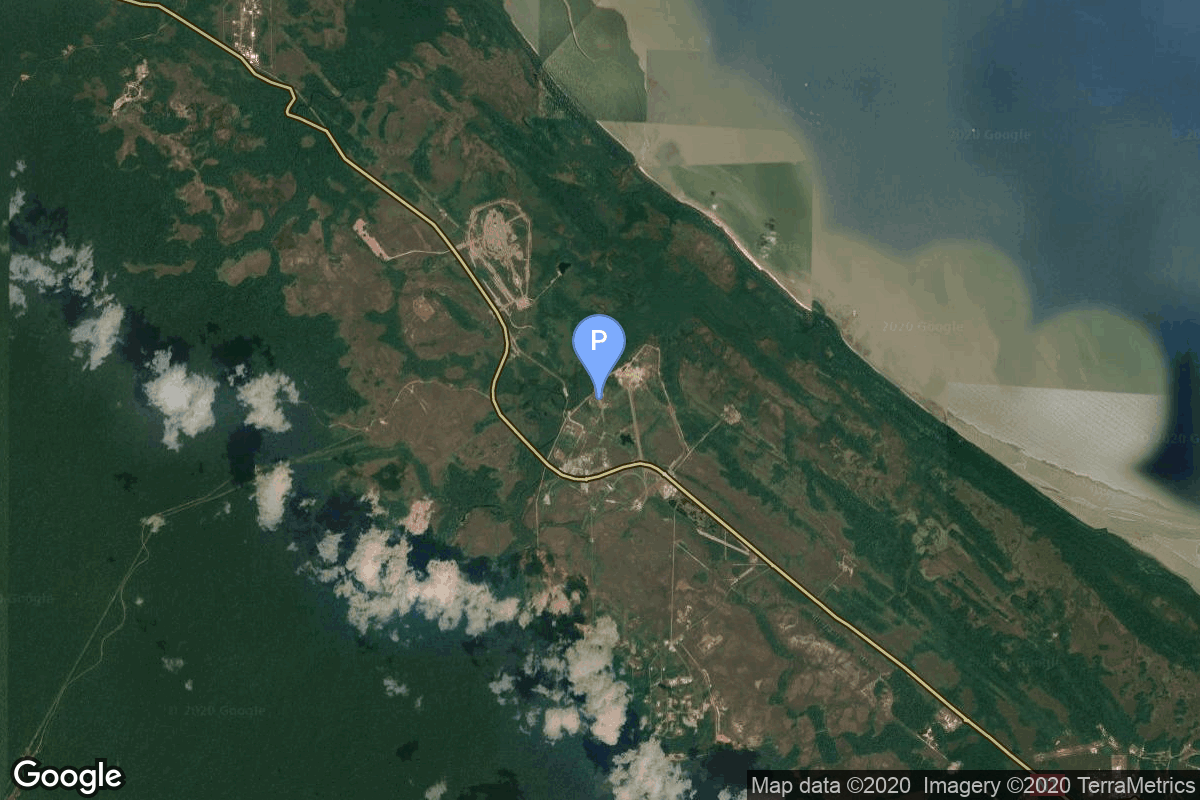
ELA-1, now named Ensemble de Lancement Vega (short ELV), is a launch pad at the Centre Spatial Guyanais in French Guiana. It has been used to support launches of the Europa rocket, Ariane 1, Ariane…
Vega-C is a single-body rocket nearly 35 m high with that weighs 210 tonnes on the launch pad. As with Vega, its main elements are three solid-propellant stages, an upper stage powered by a reignitable liquid-propellant engine and a payload fairing. Vega-C’s P120C first stage replaces Vega’s…
Zhuque-2E (E stands for “enhanced”) is a medium-sized rocket powered by liquid oxygen and methane capable of lifting 6,000 kg of payload into a 200 km low Earth orbit, or 4,000 kg of payload into a 500 km Sun-synchronous orbit. It differs from the baseline Zhuque-2 in using enhanced TQ-12A engines…
A 4 stage launch vehicle by Chinese private company OrienSpace, consisting of 5 solid rocket motors clustered together but with the center motor igniting just before boosters separation. The upper two stages also uses solid fuel.
Specifications
Length29.4 m
Launch Mass405 t
Liftoff Thrust5,880 kN
LEO Capacity6,500 kg
SSO Capacity4,200 kg
ReusableNo
Maiden Flight2024-01-11
Launch Record
3 successful / 3 total launches
Current streak: 3 successful
USSF-259 ×
Mission Details
TypeGovernment/Top Secret
OrbitPolar Orbit
TargetEarth
USSF-259 is a classified mission for the United States Space Force. It is possibly a batch of classified LEO satellites based on SpaceX’s Starshield satellite bus, based on locations of ascent rocket stage drop zones being fits with previous SDA Transport Layer launches.
Falcon 9 is a two-stage rocket designed and manufactured by SpaceX for the reliable and safe transport of satellites and the Dragon spacecraft into orbit. The Block 5 variant is the fifth major interval aimed at improving upon the ability for rapid reusability.
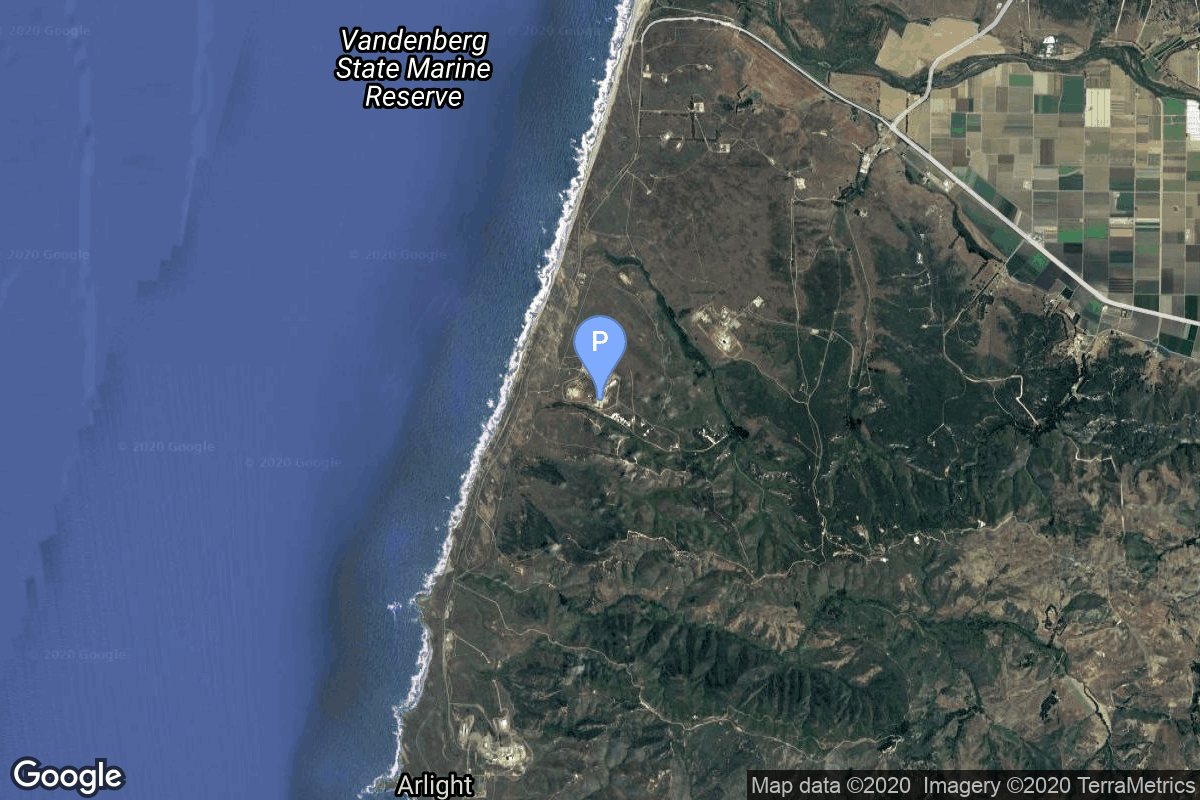
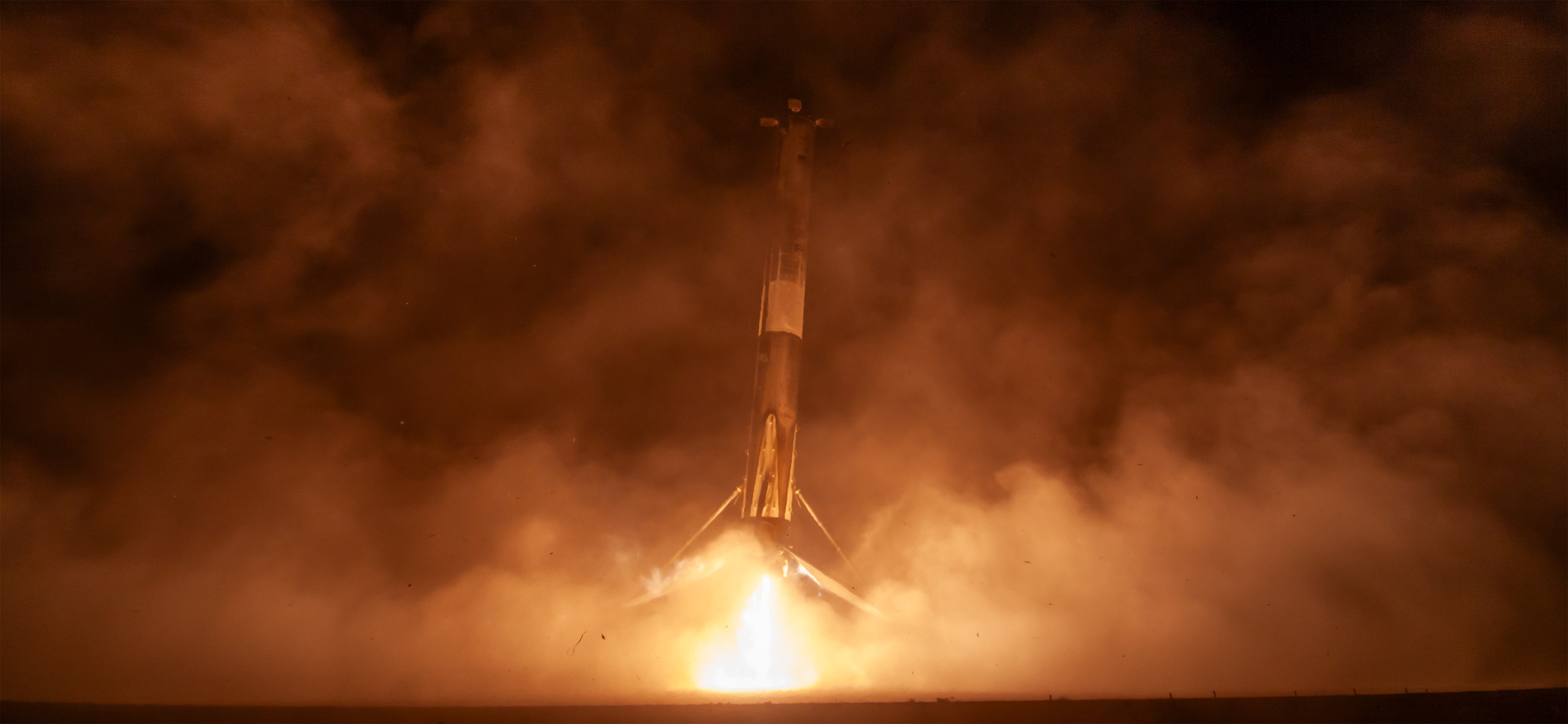
The Falcon 9 first stage B1097 will land on ASDS OCISLY after its 13th flight.
Progress MS-35 (96P) ×
Mission Details
TypeResupply
OrbitLow Earth Orbit
TargetEarth
Progress resupply mission to the International Space Station.
Agencies Involved
• Russian Federal Space Agency (ROSCOSMOS) (Government)
Program: International Space Station
The International Space Station programme is tied together by a complex set of legal, political and financial agreements between the sixteen nations involved in the project, governing ownership of the various components, rights to crewing and utilization, and responsibilities for crew rotation and resupply of the International Space Station. It was conceived in 1984 by President Ronald Reagan, during the Space Station Freedom project as it was originally called.
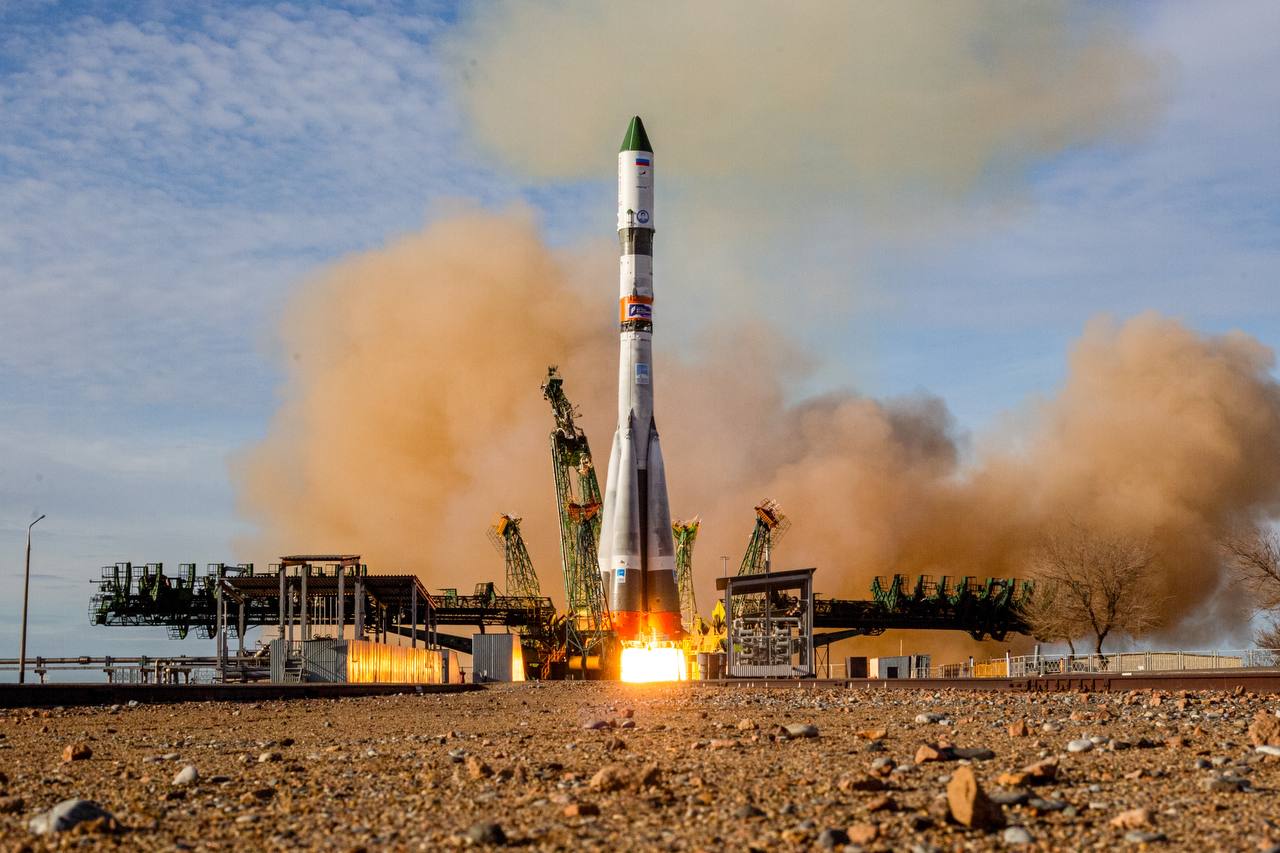
Soyuz-2 is the 21st-century version of the Russian Soyuz rocket. In its basic form, it is a three-stage carrier rocket for placing payloads into low Earth orbit. The 2.1b version adds an upgraded engine (RD-0124) with improved performance to the second stage.
Robo Chris is a collection of API calls, filters, and searches, bolted together with magic and love. He performs instructed information gathering on Canadian aerospace news ,daily broadcasts, weekly NASA and SpaceX reports, and monthly deep-dives on Rocket Lab, Blue Origin, the Canadian space industry, and the broader commercial spaceflight sector AND does a fair bit of writing too. Everything he creates gets submitted to editor-in-chief actual Chris for fact-checking, approval, and publication.










Leave a Reply