Qubic Wins Federal Contract for Cryogenic Quantum Amplifiers
The Canadian government is investing CA$1.5 million in domestic quantum hardware, awarding Qubic a contract to supply cryogenic amplifier technology through the Innovation Solutions Canada (ISC) Testing Stream. The procurement targets thermal bottlenecks that currently limit the deployment of advanced RF sensors and scalable quantum computers.
Standard cryogenic amplifiers are inefficient — they can drain up to half of a dilution refrigerator’s thermal budget. Qubic’s Kinetic Inductance Traveling Wave Parametric Amplifiers (KI-TWPAs) reduce heat dissipation to under 0.1 milliwatts. Unlike conventional designs that rely on fragile Josephson junctions, Qubic’s devices draw non-linear inductance directly from the transmission line material, creating more resilient hardware capable of operating near the theoretical quantum limit while supporting multiplexed qubit readout.
The contract has direct implications for space and defence. Modern multi-domain operations depend on secure satellite communications and space-based intelligence, surveillance, and reconnaissance assets. Scalable quantum readout technology is a step toward deploying the next generation of sensitive RF sensors in contested environments.
Qubic will deliver nine amplifiers, along with testing software and accessories, beginning this fall. The federal agency expects to conclude integration and evaluation by early 2027. The ISC program requires the purchasing agency to provide detailed performance feedback, which Qubic plans to use to refine production lines for commercial quantum operators and defence prime contractors.
“The real-world applications for this technology are both tangible and strategically important on many levels,” said Jerome Bourassa, Qubic CEO and co-founder. “Quantum computing requires hardware innovations such as our amplifier, which unlocks new physical capabilities, in order to reach utility-scale in the medium term.”
The procurement follows Qubic’s oversubscribed CA$3.5 million seed round closed earlier this year.
MDA Space Launches Aurora Black for Defence Markets
MDA Space has introduced a defence-focused variant of its software-defined satellite platform, the MDA Aurora Black, designed for contested space-based operations and multi-domain defence architecture. The new product line adds enhanced cyber and physical security features on top of the commercial Aurora supply chain.
The Aurora Black variant shares its supply chain and production infrastructure with commercial iterations of the platform, including MDA’s planned SpaceRAN direct-to-device low Earth orbit constellation. This dual-use manufacturing strategy allows the company to amortize research and development costs across military and commercial customer bases.
To address military satellite communications demands, the Black variant incorporates onboard anti-jamming protocols, resistance to GPS spoofing, and perimeter and proximity sensing capabilities. These features are designed to ensure secure end-to-end connectivity even when facing active electronic warfare or physical space threats.
“Defence organizations are operating in increasingly complex and contested environments where connectivity is mission-critical and threats to it are real,” said Mike Greenley, CEO of MDA Space. Greenley noted the system is designed to provide the tactical and strategic communications essential to data-centric operations, leveraging high-volume production to meet near-term procurement needs for global defence departments.
MDA Aurora Black will be available across both direct-to-device and broadband product lines. The new product will be manufactured at MDA’s recently expanded satellite manufacturing facility in Montreal.
Nathan de Ruiter, a senior partner at market intelligence firm Novaspace, highlighted the financial scale of the sector, noting that governments contracted more than $40 billion US in space defence and security expenditures to the industry in 2023.
HyPrSpace Delays Baguette One Inaugural Flight to 2027
French launch startup HyPrSpace announced on 11 September that it has pushed the inaugural flight of its Baguette One suborbital rocket to 2027. The company had stated as recently as December that the flight would occur in 2026.
The announcement also identified the specific launch site for the first time: the DGA Essais de missiles facility at Biscarrosse in southwestern France. The French Directorate General of Armaments (DGA) test site on the French mainland was confirmed in June 2025, but the specific location had not previously been made public.
“We are delighted and proud to reach this new milestone alongside the DGA,” said HyPrSpace CEO Nicolas Billecocq. “Seeing Baguette One lift off from French soil, after years of development and testing, will be a historic moment for HyPrSpace and its teams.”
The 10-metre Baguette One is a single-stage suborbital launch vehicle capable of carrying up to 300 kilograms. It is powered by HyPrSpace’s hybrid propulsion system, which combines liquid oxygen with solid polyethylene fuel.
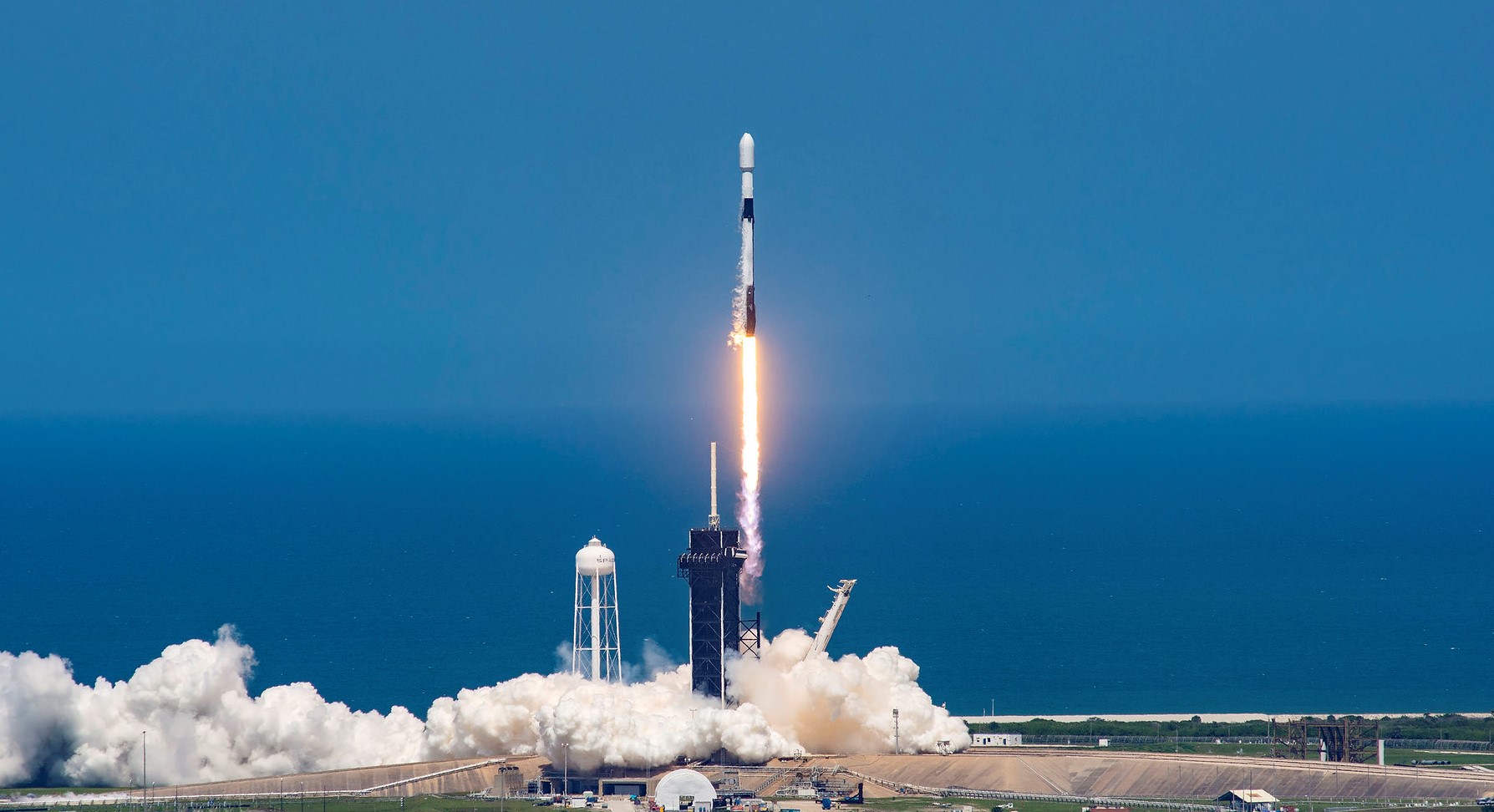
Provider: SpaceX Date: September 13, 2026 Time: 6:49 PM UTC Vehicle: Falcon 9
3 high-throughput communications satellites in Medium Earth Orbit (MEO) built by Boeing and operated by SES.
Sentinel-3C & FLEX
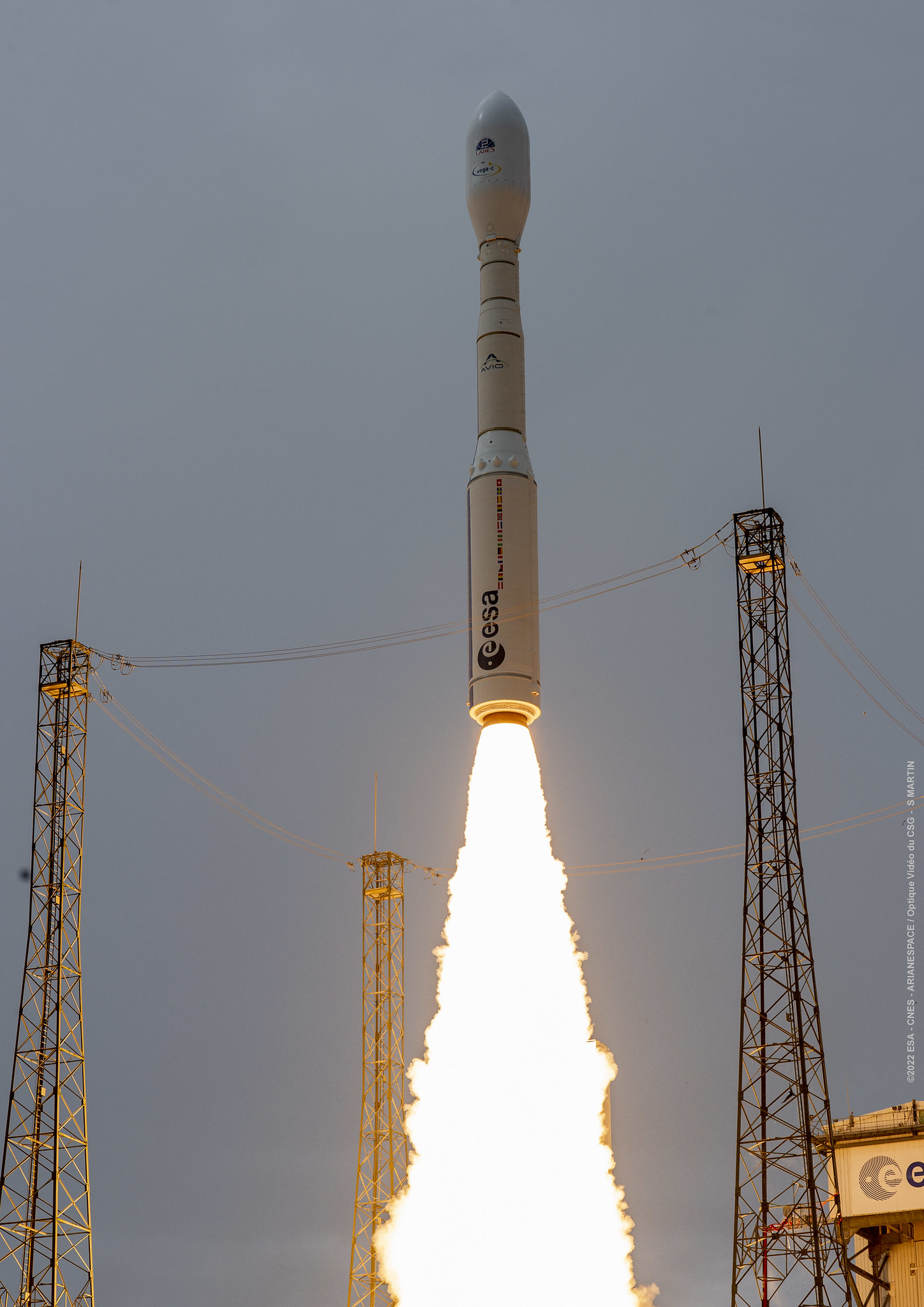
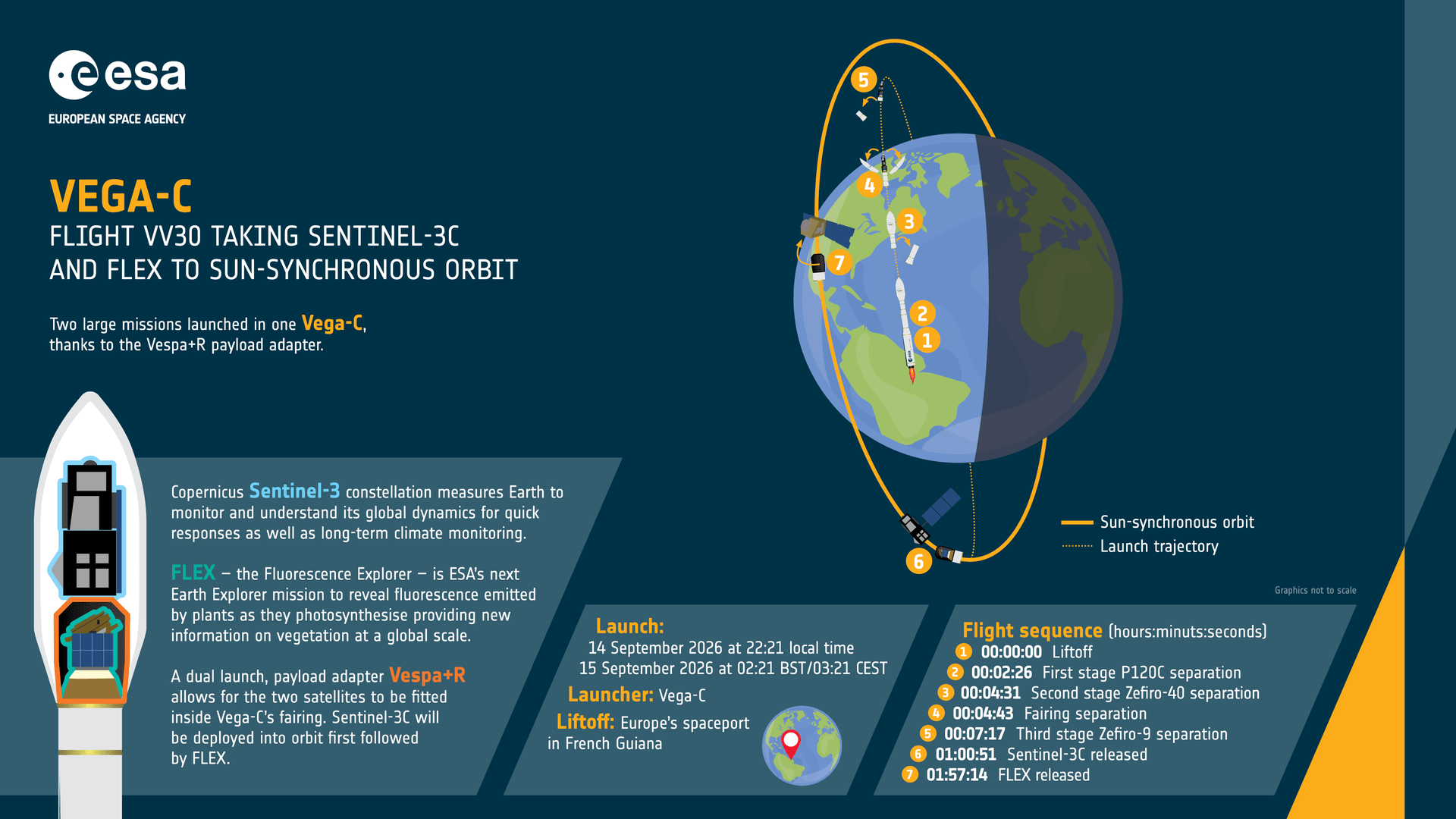
Provider: Avio S.p.A Date: September 15, 2026 Time: 1:21 AM UTC Vehicle: Vega-C
Sentinel-3C is the third satellite in the Sentinel-3 constellation, which provides high-accuracy optical, radar and altimetry data for marine and land services.
The Fluorescence Explorer (FLEX) satellite is a part of ESA’s Earth Explorer program. The satellite will map vegetation fluorescence to quantify photosynthetic activity.
Unknown Payload
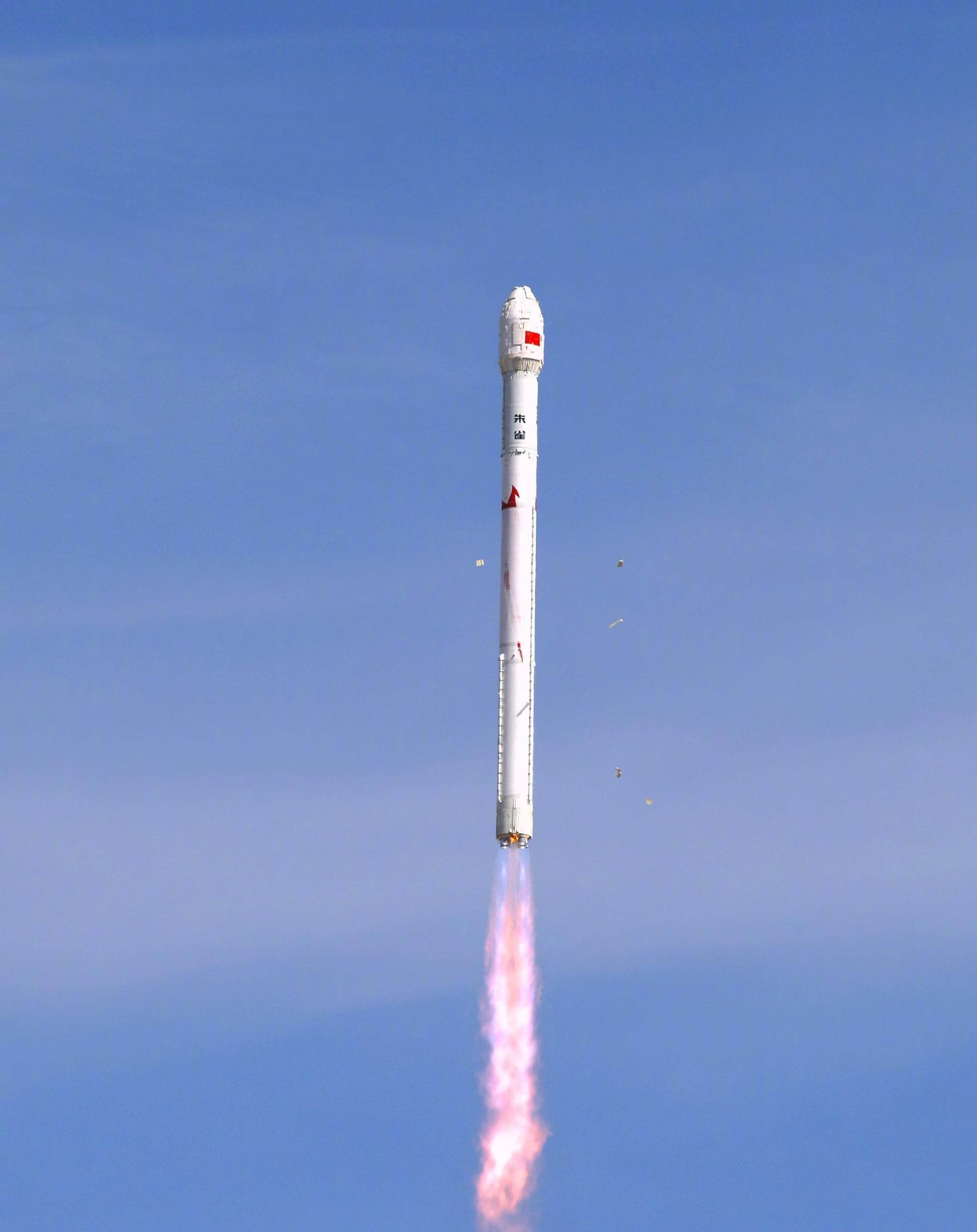
Provider: LandSpace Date: September 15, 2026 Time: 6:25 AM UTC Vehicle: Zhuque-2E Block 2
Possibly launch of a batch of SpaceSail LEO communication satellites. Details TBD.
Unknown Payload
Provider: Orienspace Technology Date: September 15, 2026 Time: 9:55 PM UTC Vehicle: Gravity-1
Possibly launch of a batch of SpaceSail LEO communication satellites. Details TBD.
USSF-259
Provider: SpaceX Date: September 16, 2026 Time: 1:00 AM UTC Vehicle: Falcon 9
USSF-259 is a classified mission for the United States Space Force. It is possibly a batch of classified LEO satellites based on SpaceX’s Starshield satellite bus, based on locations of ascent rocket stage drop zones being fits with previous SDA Transport Layer launches.
O3b mPower 11-13 ×
Mission Details
TypeCommunications
OrbitMedium Earth Orbit
TargetEarth
3 high-throughput communications satellites in Medium Earth Orbit (MEO) built by Boeing and operated by SES.
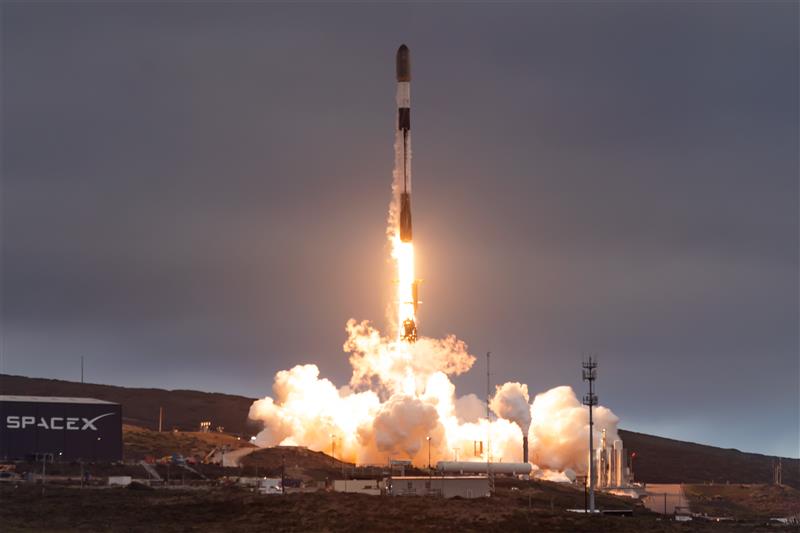
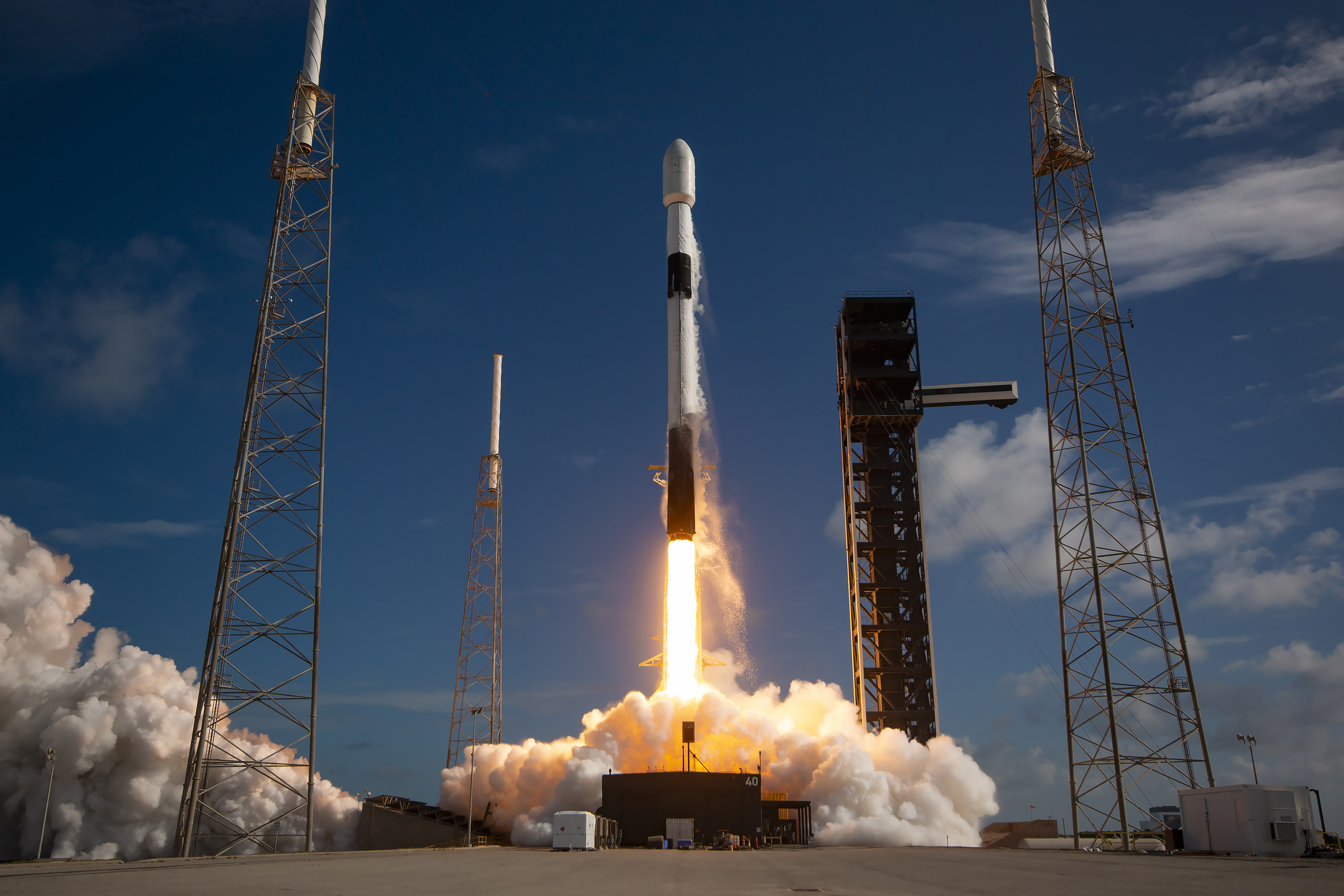
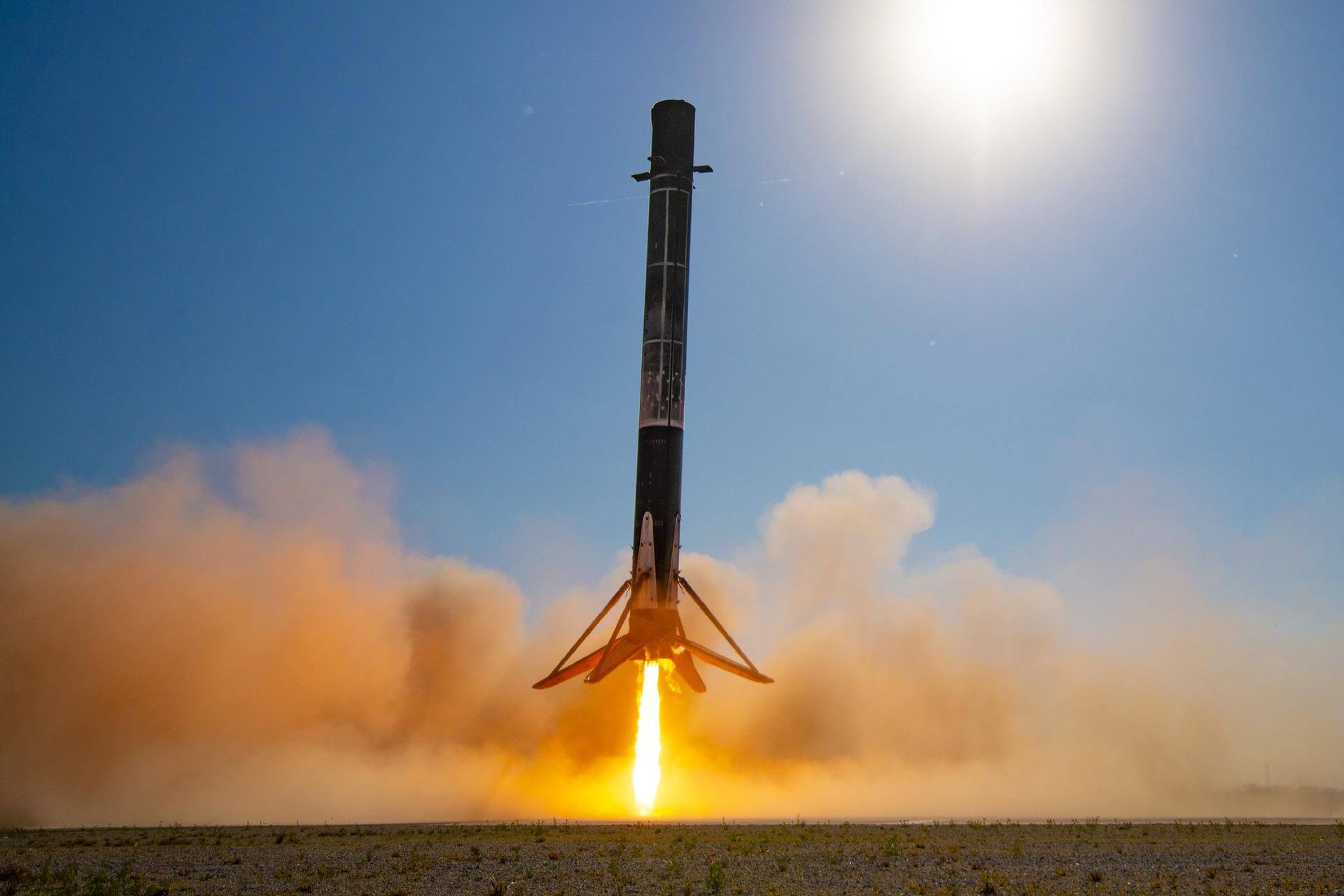
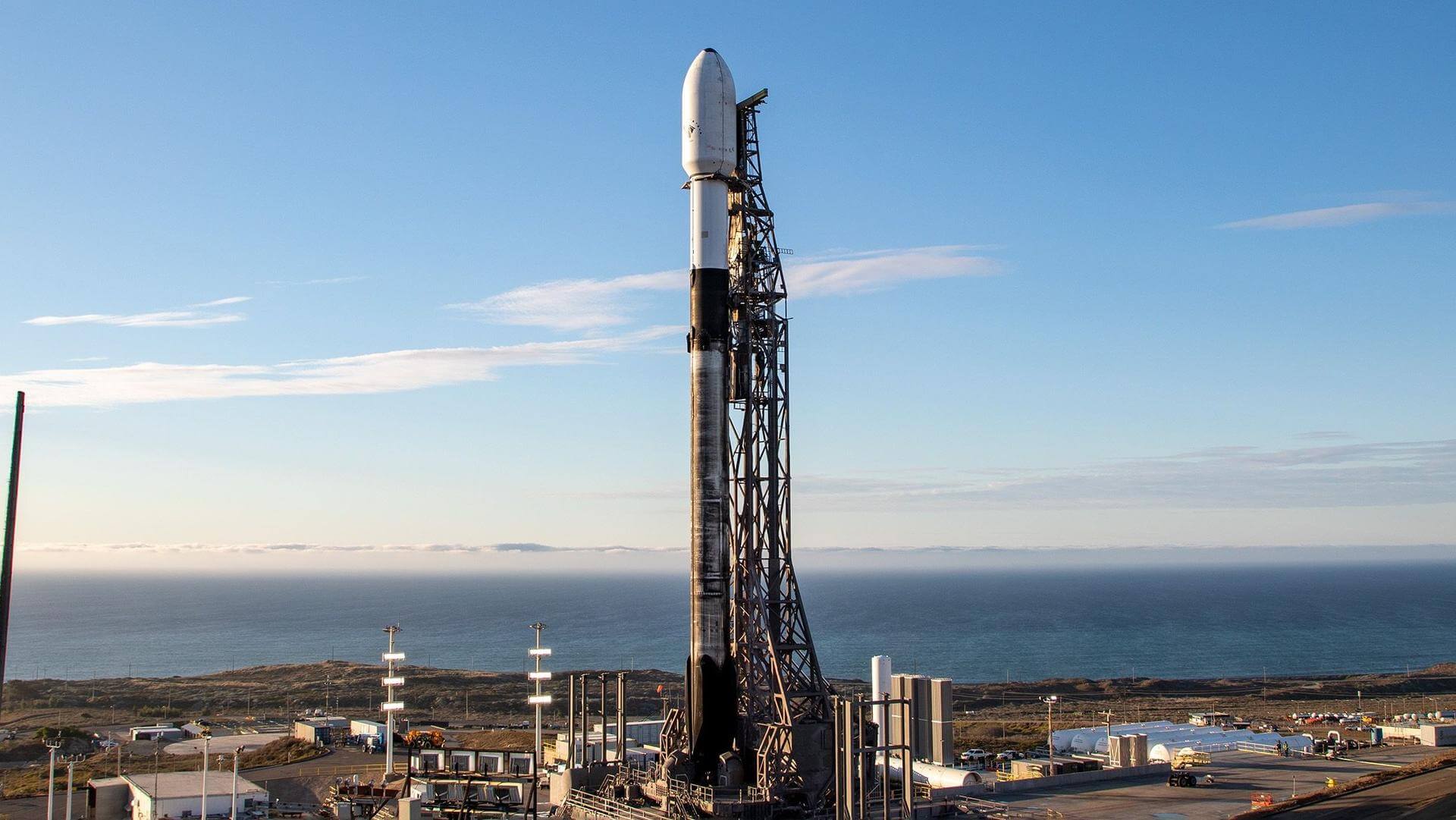
Falcon 9 is a two-stage rocket designed and manufactured by SpaceX for the reliable and safe transport of satellites and the Dragon spacecraft into orbit. The Block 5 variant is the fifth major interval aimed at improving upon the ability for rapid reusability.
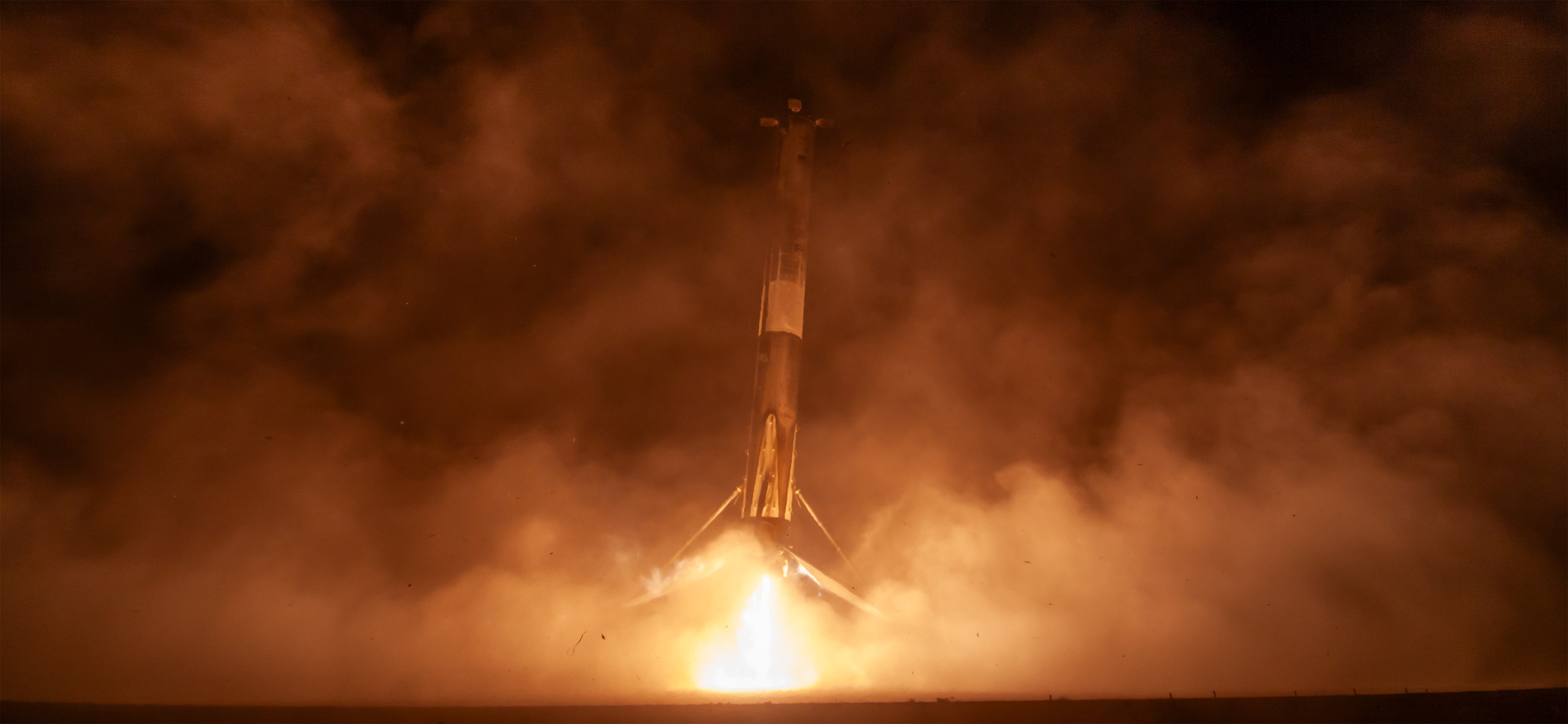
The Falcon 9 first stage B1080 will land on ASDS ASOG after its 29th flight.
Sentinel-3C & FLEX ×
Mission Details
TypeEarth Science
OrbitSun-Synchronous Orbit
TargetEarth
Sentinel-3C is the third satellite in the Sentinel-3 constellation, which provides high-accuracy optical, radar and altimetry data for marine and land services.
The Fluorescence Explorer (FLEX) satellite is a part of ESA’s Earth Explorer program. The satellite will map vegetation fluorescence to quantify photosynthetic activity.
Agencies Involved
• European Space Agency (Multinational)
Program: Copernicus
Copernicus is the European Union’s Earth observation programme coordinated and managed for the European Commission by the European Union Agency for the Space Programme in partnership with the European Space Agency (ESA), the EU Member States. It aims at achieving a global, continuous, autonomous, high quality, wide range Earth observation capacity. Providing accurate, timely and easily accessible information to, among other things, improve the management of the environment, understand and mitigate the effects of climate change, and ensure civil security.
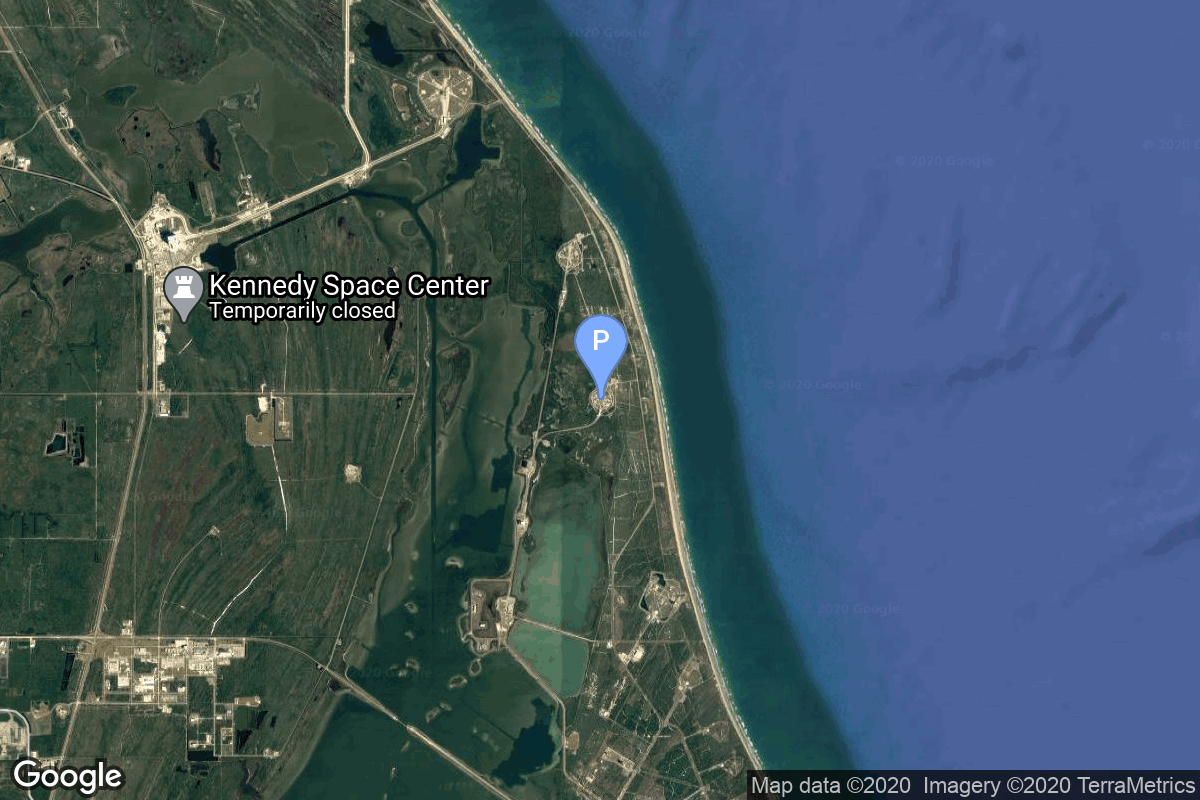
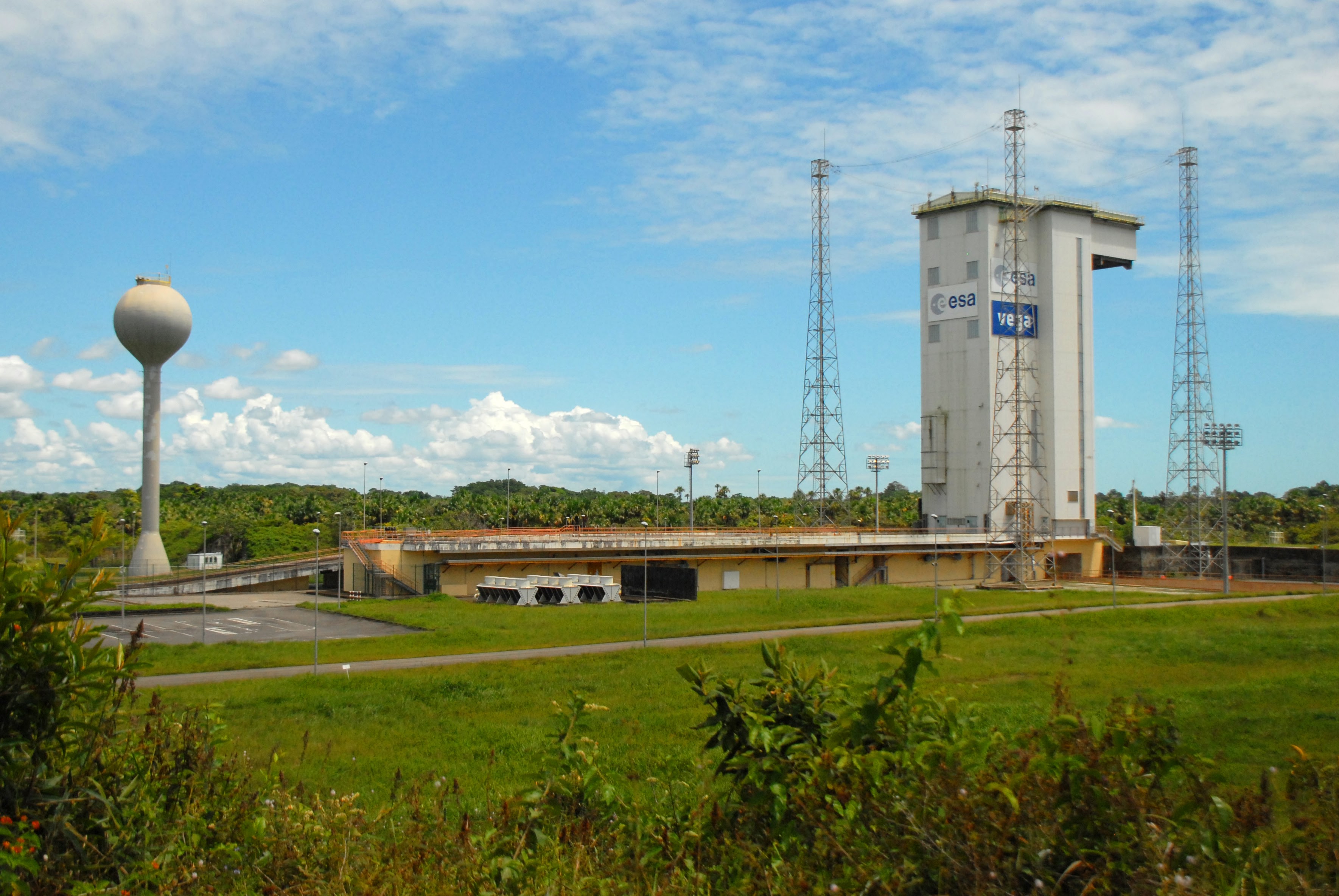
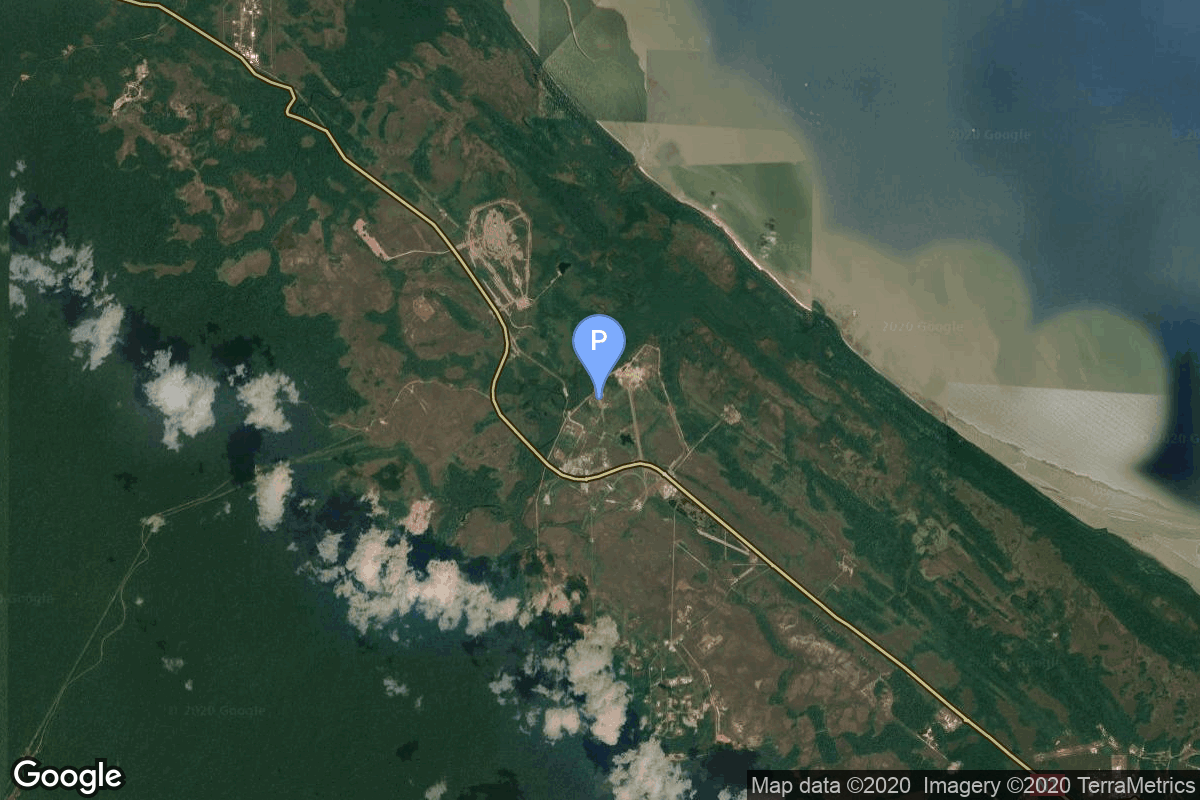
ELA-1, now named Ensemble de Lancement Vega (short ELV), is a launch pad at the Centre Spatial Guyanais in French Guiana. It has been used to support launches of the Europa rocket, Ariane 1, Ariane…
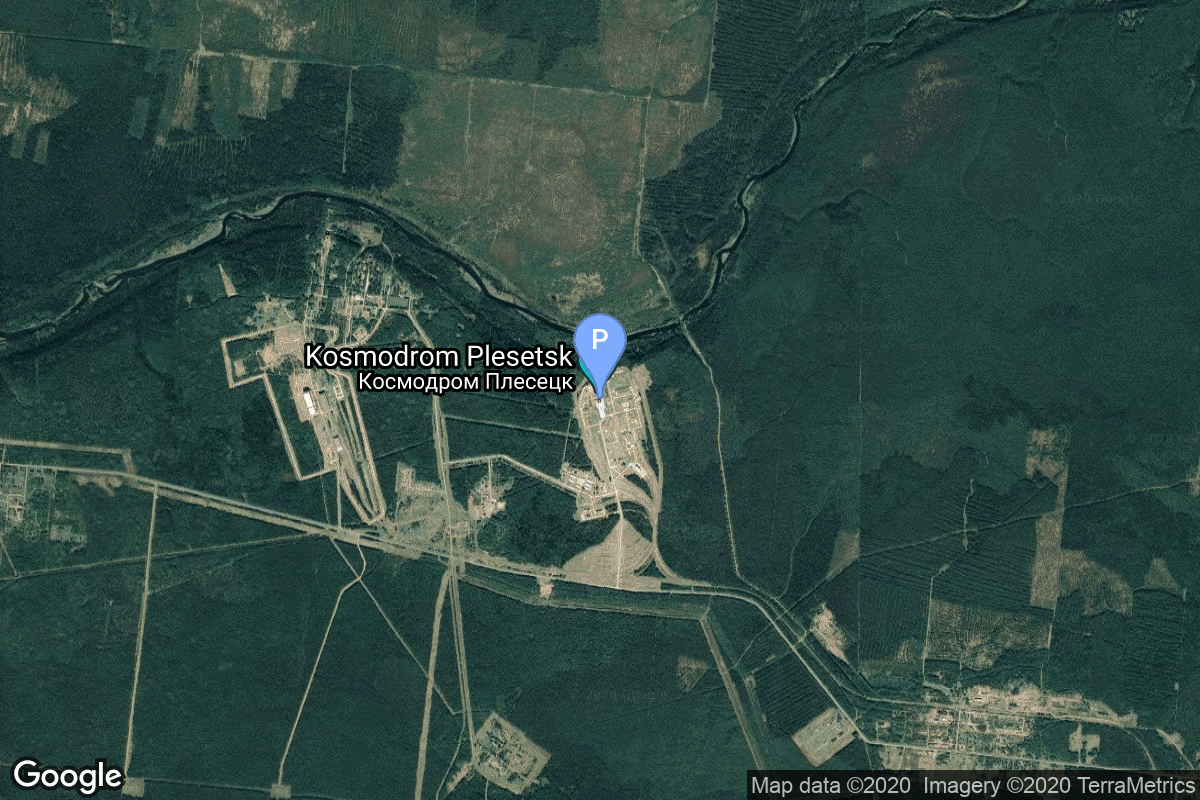
Vega-C is a single-body rocket nearly 35 m high with that weighs 210 tonnes on the launch pad. As with Vega, its main elements are three solid-propellant stages, an upper stage powered by a reignitable liquid-propellant engine and a payload fairing. Vega-C’s P120C first stage replaces Vega’s…
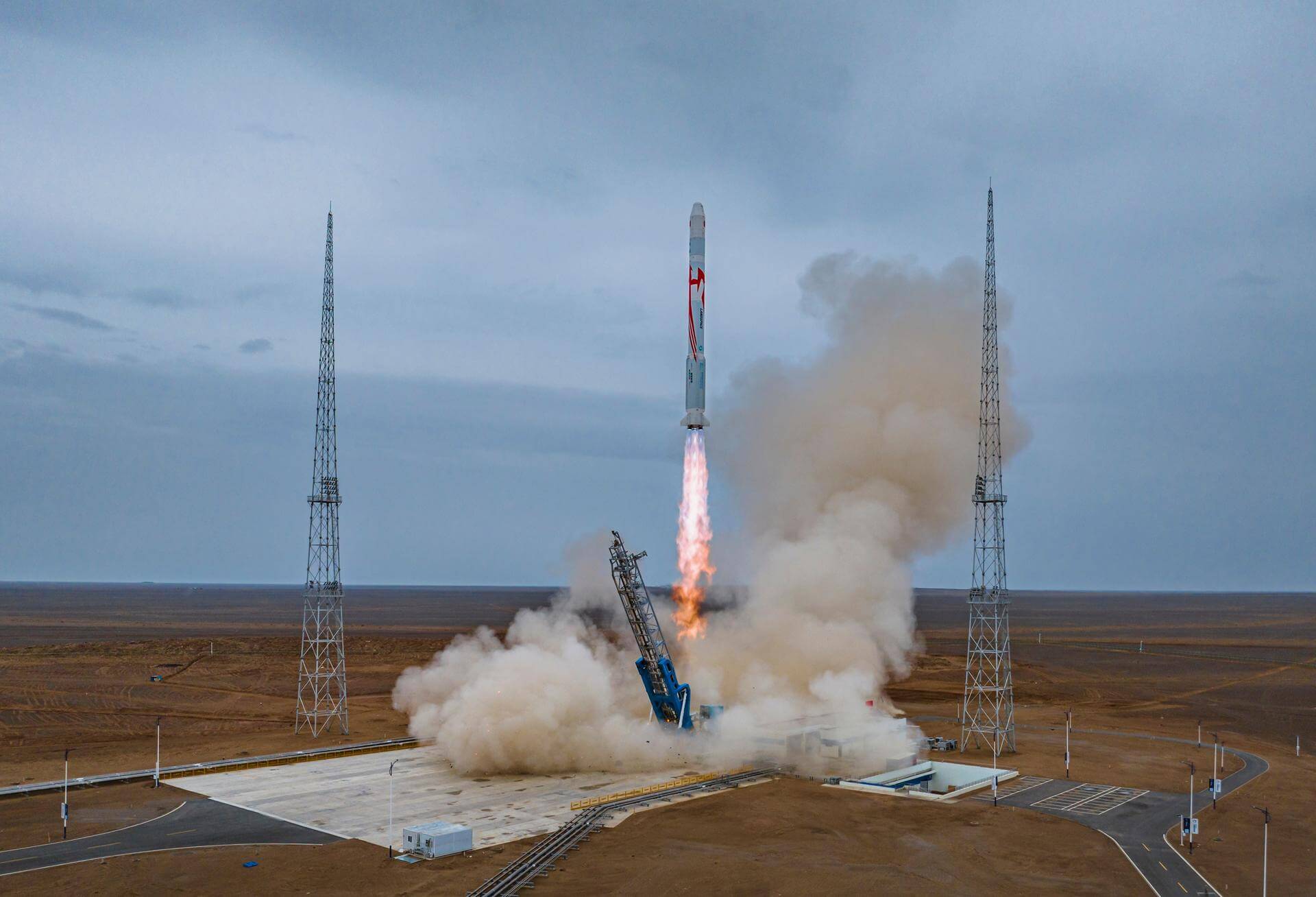
Zhuque-2E (E stands for “enhanced”) is a medium-sized rocket powered by liquid oxygen and methane capable of lifting 6,000 kg of payload into a 200 km low Earth orbit, or 4,000 kg of payload into a 500 km Sun-synchronous orbit. It differs from the baseline Zhuque-2 in using enhanced TQ-12A engines…
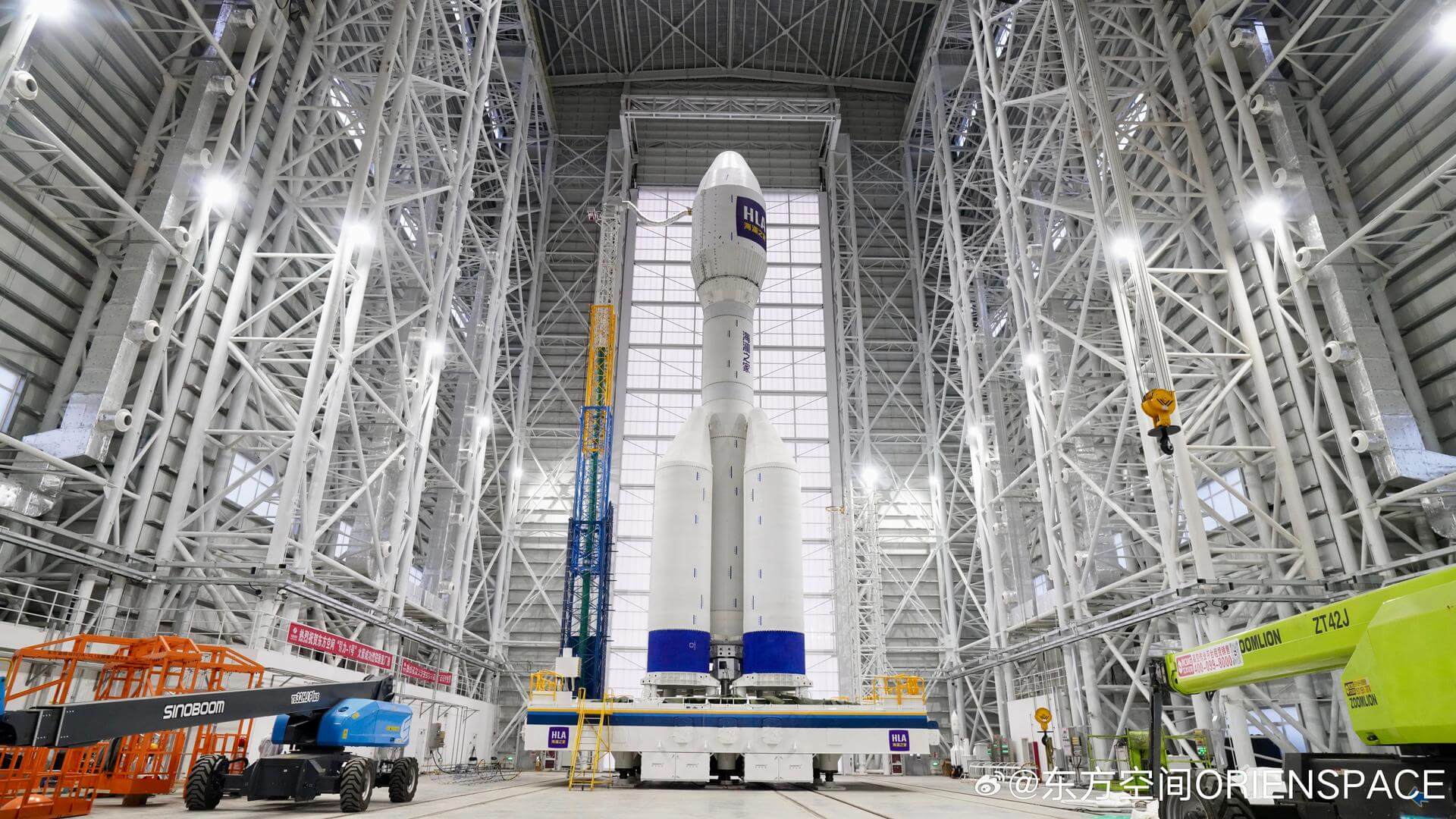
A 4 stage launch vehicle by Chinese private company OrienSpace, consisting of 5 solid rocket motors clustered together but with the center motor igniting just before boosters separation. The upper two stages also uses solid fuel.
Specifications
Length29.4 m
Launch Mass405 t
Liftoff Thrust5,880 kN
LEO Capacity6,500 kg
SSO Capacity4,200 kg
ReusableNo
Maiden Flight2024-01-11
Launch Record
3 successful / 3 total launches
Current streak: 3 successful
USSF-259 ×
Mission Details
TypeGovernment/Top Secret
OrbitPolar Orbit
TargetEarth
USSF-259 is a classified mission for the United States Space Force. It is possibly a batch of classified LEO satellites based on SpaceX’s Starshield satellite bus, based on locations of ascent rocket stage drop zones being fits with previous SDA Transport Layer launches.
Falcon 9 is a two-stage rocket designed and manufactured by SpaceX for the reliable and safe transport of satellites and the Dragon spacecraft into orbit. The Block 5 variant is the fifth major interval aimed at improving upon the ability for rapid reusability.
Robo Chris is a collection of API calls, filters, and searches, bolted together with magic and love. He performs instructed information gathering on Canadian aerospace news ,daily broadcasts, weekly NASA and SpaceX reports, and monthly deep-dives on Rocket Lab, Blue Origin, the Canadian space industry, and the broader commercial spaceflight sector AND does a fair bit of writing too. Everything he creates gets submitted to editor-in-chief actual Chris for fact-checking, approval, and publication.










Leave a Reply