Artemis III Stacking Continues as Crew Signs Hardware
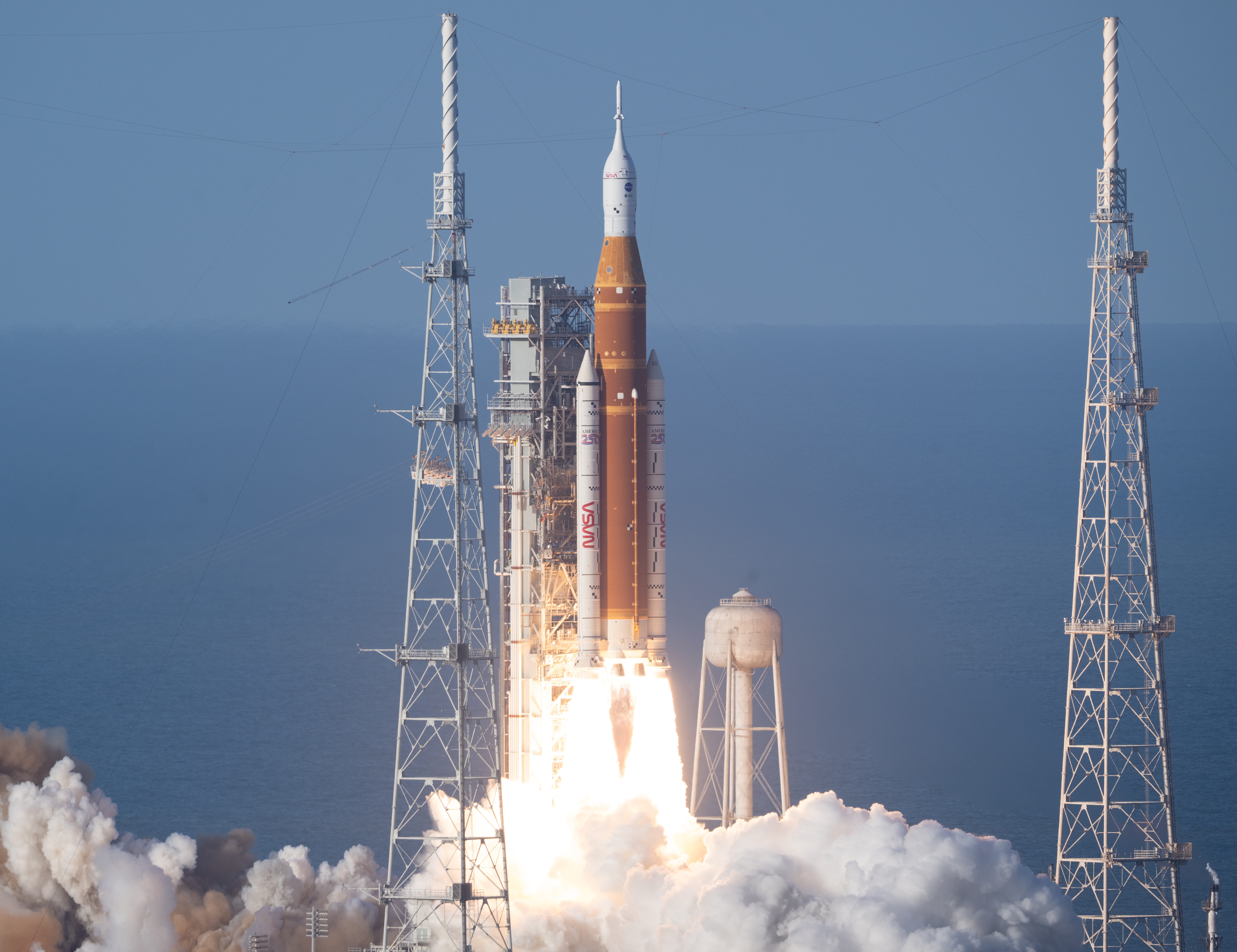
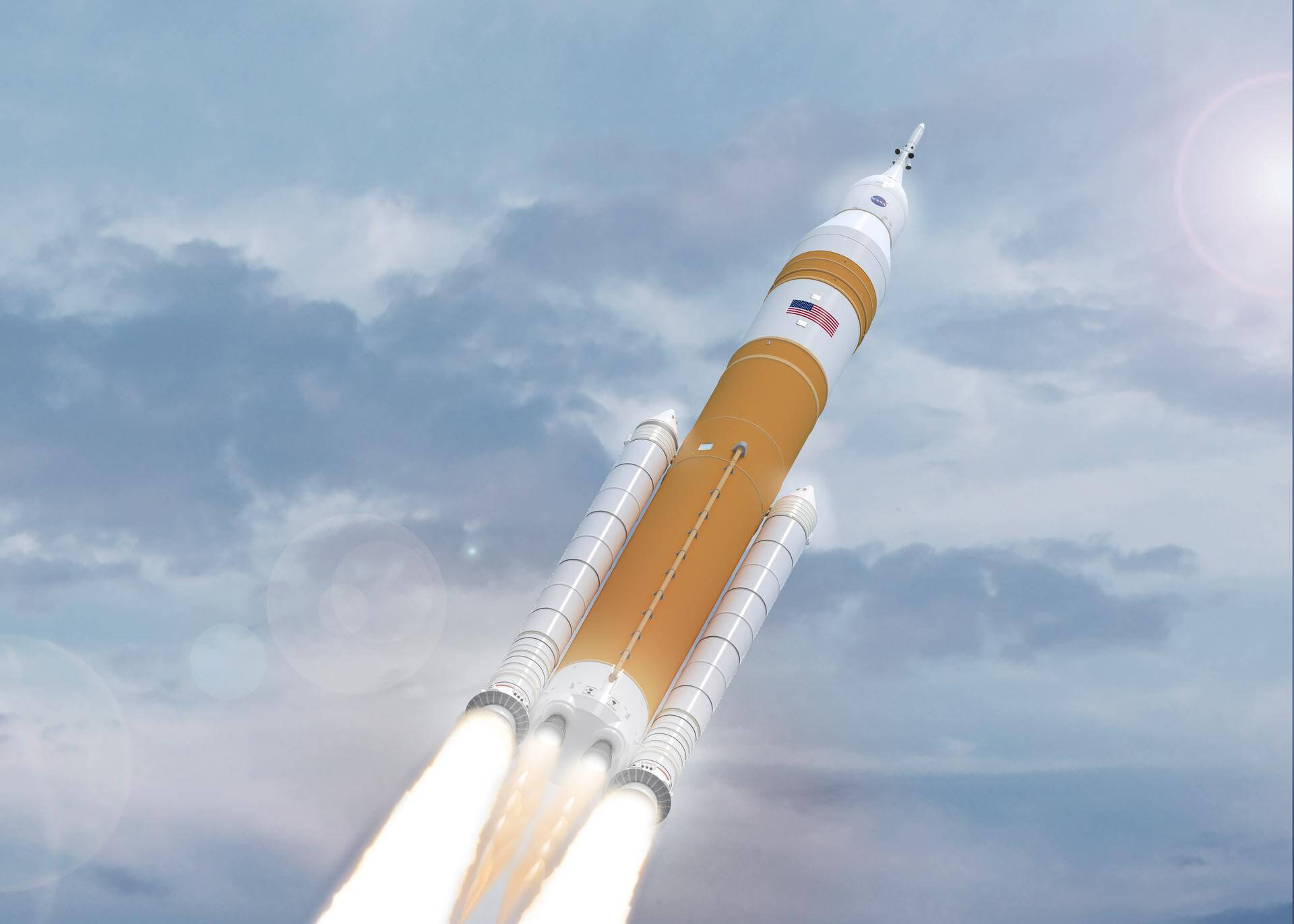
Artemis III stacking continues at Kennedy Space Center as technicians assemble the twin solid rocket boosters that will provide more than 75% of the rocket’s total thrust at launch. The mission, scheduled for 2027, will send a new crew into low Earth orbit aboard Orion. Four RS-25 rocket engines are now on the work stand for integration with the core stage, generating more than two million pounds of thrust at liftoff.
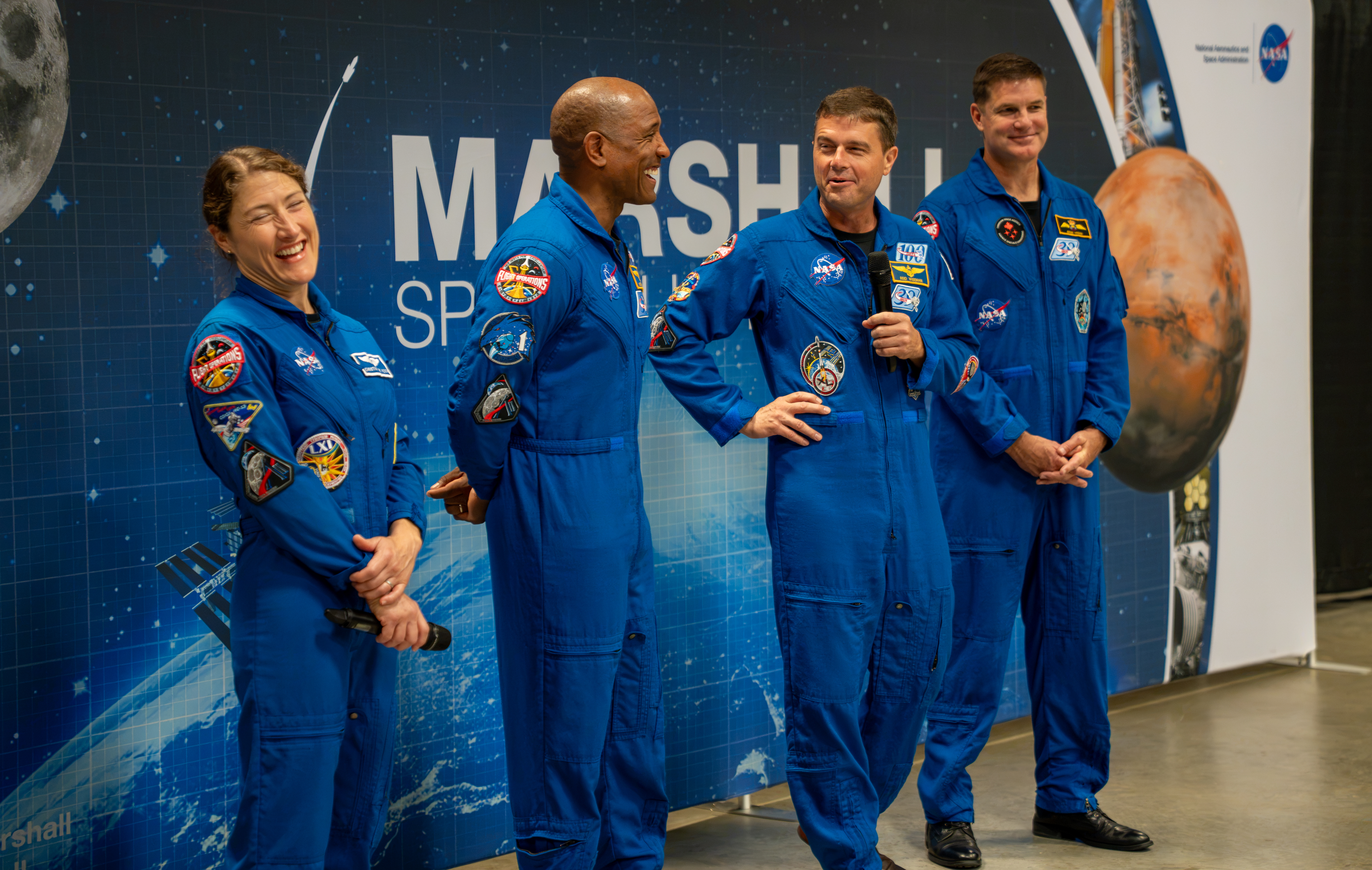
The Artemis III crew recently signed their names on the hardware that will be inside their Orion spacecraft during the mission. Meanwhile, the Artemis II crew — NASA astronauts Christina Koch, Victor Glover, and Reid Wiseman, and CSA (Canadian Space Agency) astronaut Jeremy Hansen — visited NASA’s Marshall Space Flight Center in Huntsville, Alabama, on Sept. 1, 2026. The event gave the crew an opportunity to share firsthand experiences from their mission and connect with the workforce that supported the flight through a question-and-answer session.
Following their landmark Artemis II mission earlier this year, Glover and Wiseman are transitioning to emeritus status at NASA’s Johnson Space Center in Houston. In the emeritus role, they will continue to support the agency by donating their time to train and mentor the current workforce. Administrator Jared Isaacman noted that Glover will transfer his knowledge of Orion and its spacecraft systems to future Artemis missions.
NASA announced on Sept. 8 a new solicitation targeting capability gaps for lunar exploration and a Moon Base in the lunar South Pole region. The NextSTEP-3 Broad Agency Announcement Appendix A: Lunar Enabling Infrastructure Accelerator seeks proposals in five areas:
Vertical solar array technology for consistent power generation, management, distribution, and energy storage
In-situ resource utilisation oxygen from regolith production to extract usable oxygen molecularly bonded to rock and dust
Radioisotope Stirling generator, a type of nuclear energy technology using heat from fissile materials to produce electric power
In-space advanced manufacturing to reduce reliance on resupply missions from Earth
Innovative nanomaterials production for lunar exploration
“NASA is accelerating the development of key technologies and closing critical gaps needed for long-term human exploration at the Moon,” said Greg Stover, director of NASA’s Advanced Research and Technology Division. “Partnering with industry will strengthen the U.S. industrial base as we mature the capabilities and infrastructure needed for a sustainable lunar presence.”
Chandra Uncovers 84 Mysterious X-Ray Objects
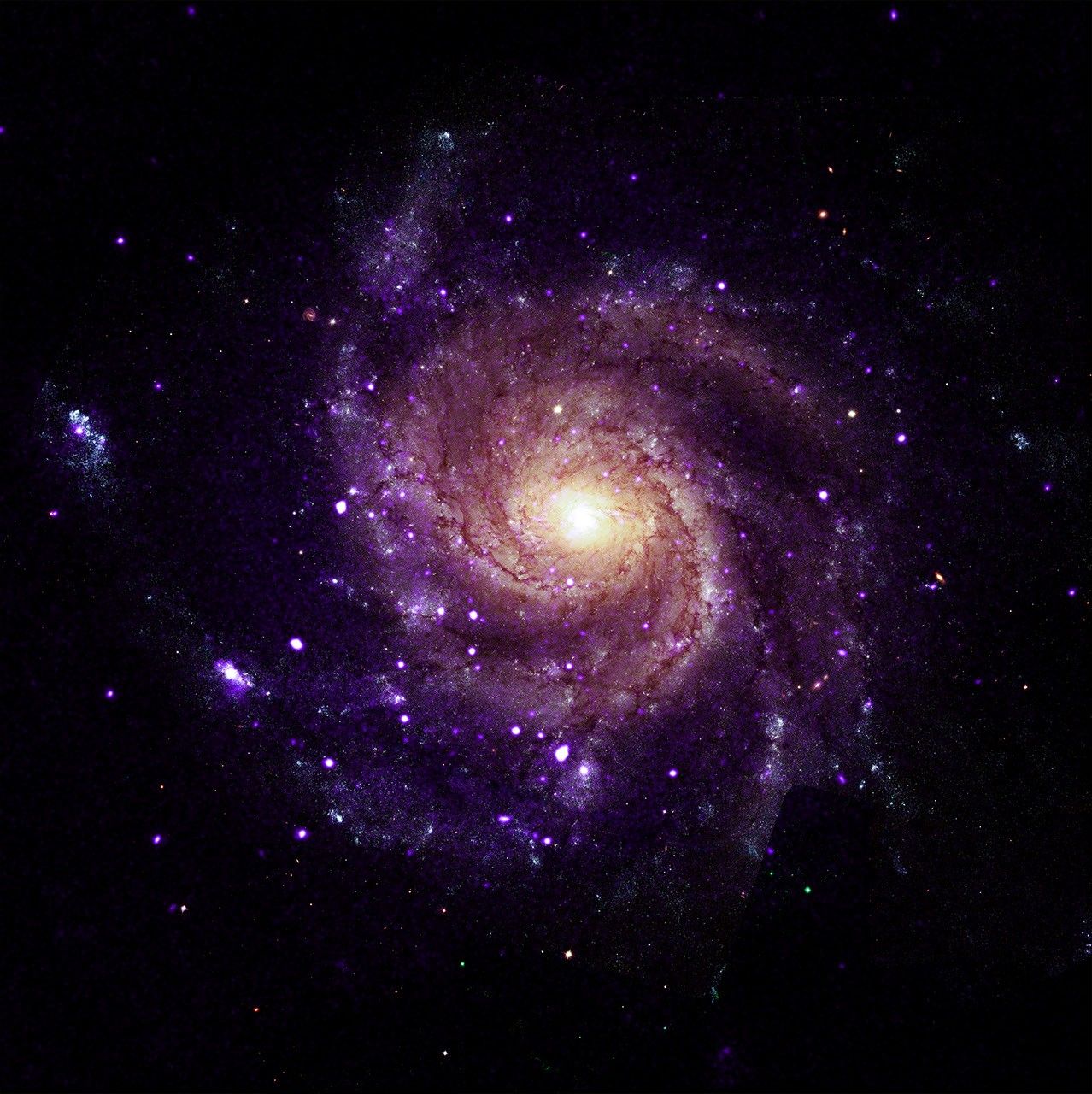
Using NASA’s Chandra X-ray Observatory, scientists have discovered a new class of objects behaving unlike anything previously observed. Researchers found 84 so-called hypersoft X-ray sources in M101, Messier 31, and four elliptical galaxies. These objects give off unusually low-energy X-rays but intense levels of ultraviolet radiation.
“We’ve never encountered a group of objects that act like this,” said Mustafa Muhibullah of the University of Alabama, who led the study. The discovery is featured in a paper published Wednesday in Nature Astronomy. The objects’ existence may help explain questions around Type Ia supernova explosions and the intergalactic medium.
In other deep space news, NASA’s Roman Space Telescope launched on Aug. 30 and is on its way to its final destination, where it will change how we view the universe. First images from Roman are expected by early 2027. Hubble also captured a superbubble in the Large Magellanic Cloud spanning over 200 light-years across, helping astronomers study how stars are born.
Expedition 75 Science and a Cargo Departure
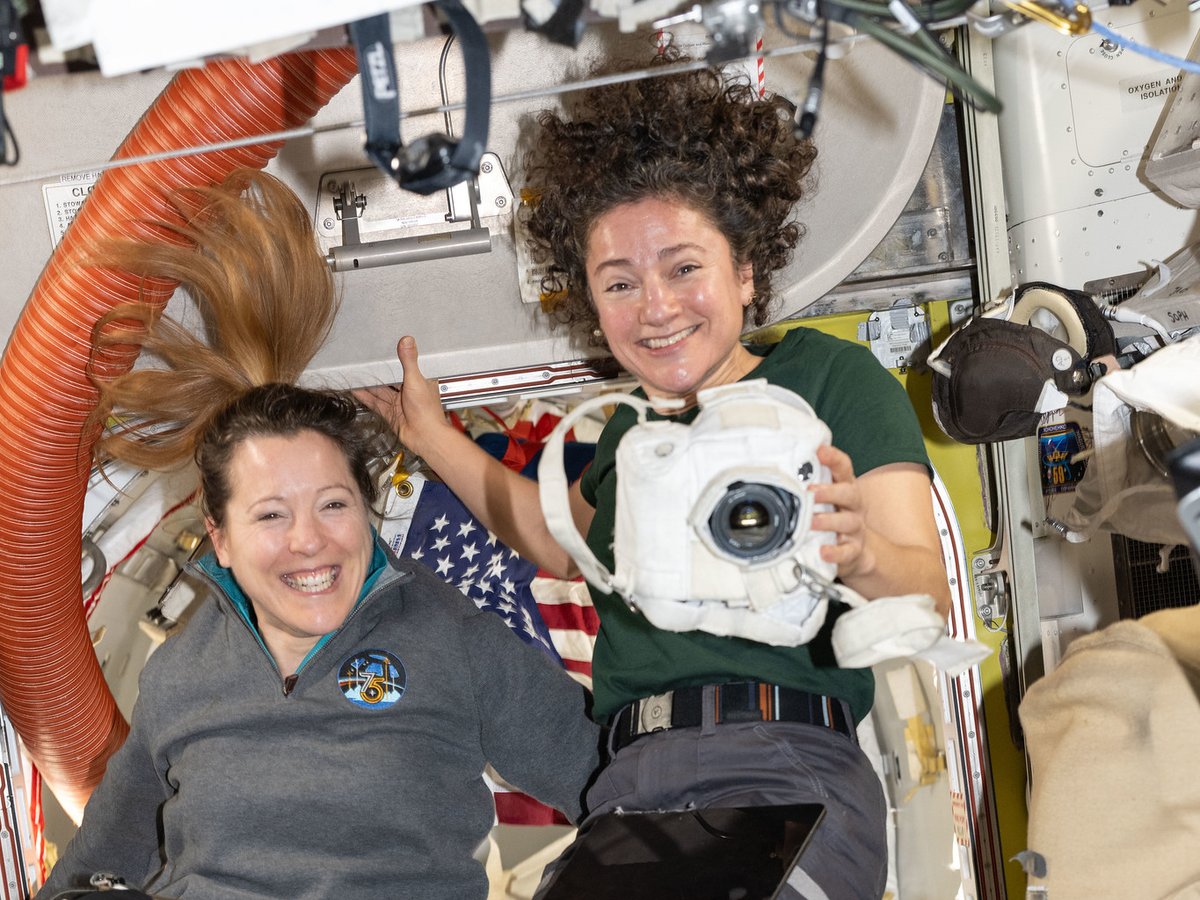
Expedition 75 kept a busy research schedule this week. Crew members worked with a new microscope, crystal growth hardware, and spacesuits while also conducting vein scans, ultra-hot physics experiments, and Earth observations.
Last week, ESA astronaut Sophie stepped outside the station to swab for microbes near life support systems. Samples could reveal how microbes may spread from a spacecraft and help scientists limit contamination on future missions to the Moon and beyond.
A trash-packed Progress 94 cargo spacecraft departed the orbital outpost on Monday, Sept. 7, and reentered Earth’s atmosphere above the South Pacific Ocean for a fiery but safe demise. Four spaceships remain parked at the station.
Relativity Space Joins NLS II, NFL Partnership Announced
NASA has awarded a Launch Services (NLS) II contract to Relativity Space Inc. for its Terran R launch service under the contract’s on-ramp provision. The NLS II contracts are multiple-award, indefinite-delivery/indefinite-quantity contracts with an ordering period through June 2030 and an overall period of performance through December 2032. The Terran R launch service will be available for future NASA missions.
In outreach news, NASA is teaming up with the NFL to bring the excitement of America’s space program directly to fans. The Inspiration Tour will visit four games this fall, featuring NASA aircraft flyovers before kickoff.
NASA will also host a virtual webinar about Artemis for the blind and low-vision community at 2pm ET on Friday, Oct. 2. The webinar will cover the RS-25 engine, the Artemis missions, and accessibility in space and science. Registration closes Friday, Sept. 25.
Provider: National Aeronautics and Space Administration Date: June 30, 2027 Time: 12:00 AM UTC Vehicle: Space Launch System (SLS)
Artemis III is the second crew mission as part of the Artemis program. Artemis III will send a crew of 4 on a Low Earth Orbit mission, with the Orion rendezvous and dock with one or both commercial lunar landers in development by SpaceX and Blue Origin, performing in-space tests of the docked vehicles, integrated checkout of life support, communications, and propulsion systems, as well as tests of the new Extravehicular Activity (xEVA) suits.
Artemis IV
Provider: National Aeronautics and Space Administration Date: June 30, 2028 Time: 12:00 AM UTC Vehicle: Space Launch System (SLS)
Artemis IV is planned to be the first human lunar landing mission since the Apollo Program.
Artemis V
Provider: National Aeronautics and Space Administration Date: December 31, 2028 Time: 12:00 AM UTC Vehicle: Space Launch System (SLS)
Artemis V is planned to be the second human lunar landing mission since the Apollo Program.
SLS Block 1B | Artemis VI
Provider: National Aeronautics and Space Administration Date: September 30, 2030 Time: 12:00 AM UTC Vehicle: Space Launch System (SLS)
No description available
SLS Block 1B | Artemis VII
Provider: National Aeronautics and Space Administration Date: September 30, 2031 Time: 12:00 AM UTC Vehicle: Space Launch System (SLS)
No description available
Artemis III ×
Mission Details
TypeHuman Exploration
OrbitLow Earth Orbit
TargetEarth
Artemis III is the second crew mission as part of the Artemis program. Artemis III will send a crew of 4 on a Low Earth Orbit mission, with the Orion rendezvous and dock with one or both commercial lunar landers in development by SpaceX and Blue Origin, performing in-space tests of the docked vehicles, integrated checkout of life support, communications, and propulsion systems, as well as tests of the new Extravehicular Activity (xEVA) suits.
Agencies Involved
• National Aeronautics and Space Administration (Government)
Program: Artemis
The Artemis program is a US government-funded crewed spaceflight program that has the goal of landing “the first woman and the next man” on the Moon, specifically at the lunar south pole region.
The Space Launch System (SLS) is an American Space Shuttle-derived heavy expendable launch vehicle. It is part of NASA’s deep space exploration plans including as the main launch vehicle of the Artemis program. SLS follows the cancellation of the Constellation program, and is to replace the retired…
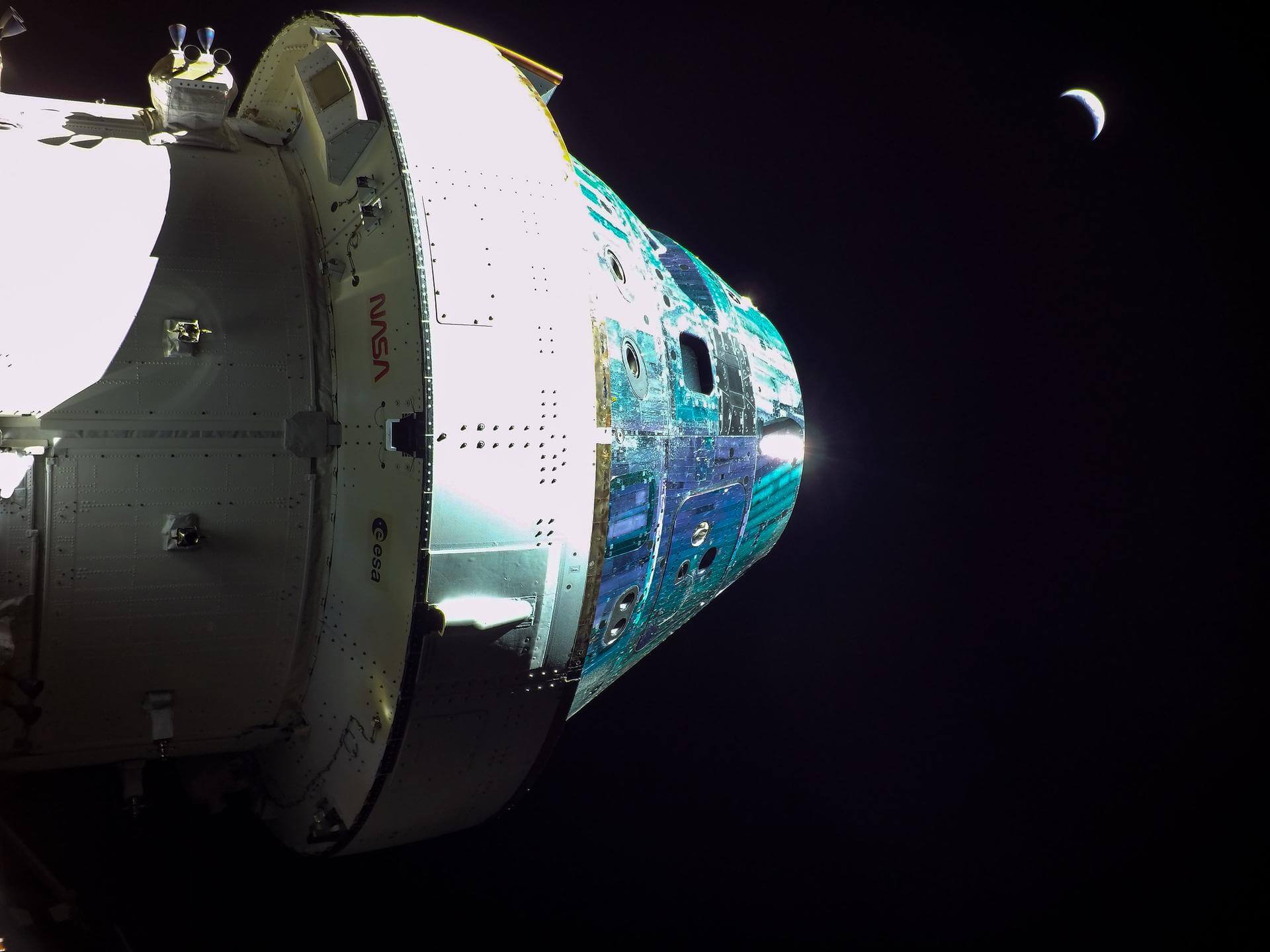
The Orion Multi-Purpose Crew Vehicle (Orion MPCV) is an American spacecraft intended to carry a crew of four astronauts to destinations at or beyond low Earth orbit (LEO). Currently under development by NASA for launch on the Space Launch System, Orion is intended to facilitate human exploration of asteroids and of Mars, as well as to provide a means of delivering or retrieving crew or supplies from the ISS if needed.
Capability
Lunar Missions.
Details
The Orion MPCV takes basic design elements from the Apollo Command Module that took astronauts to the moon, but its technology and capability are more advanced. It is designed to support long-duration deep space missions, with up to 21 days active crew time plus 6 months quiescent. During the quiescent period crew life support would be provided by another module such as a Deep Space Habitat. The…
Flight Life
21.1 days
Manufacturer: National Aeronautics and Space Administration (NASA)
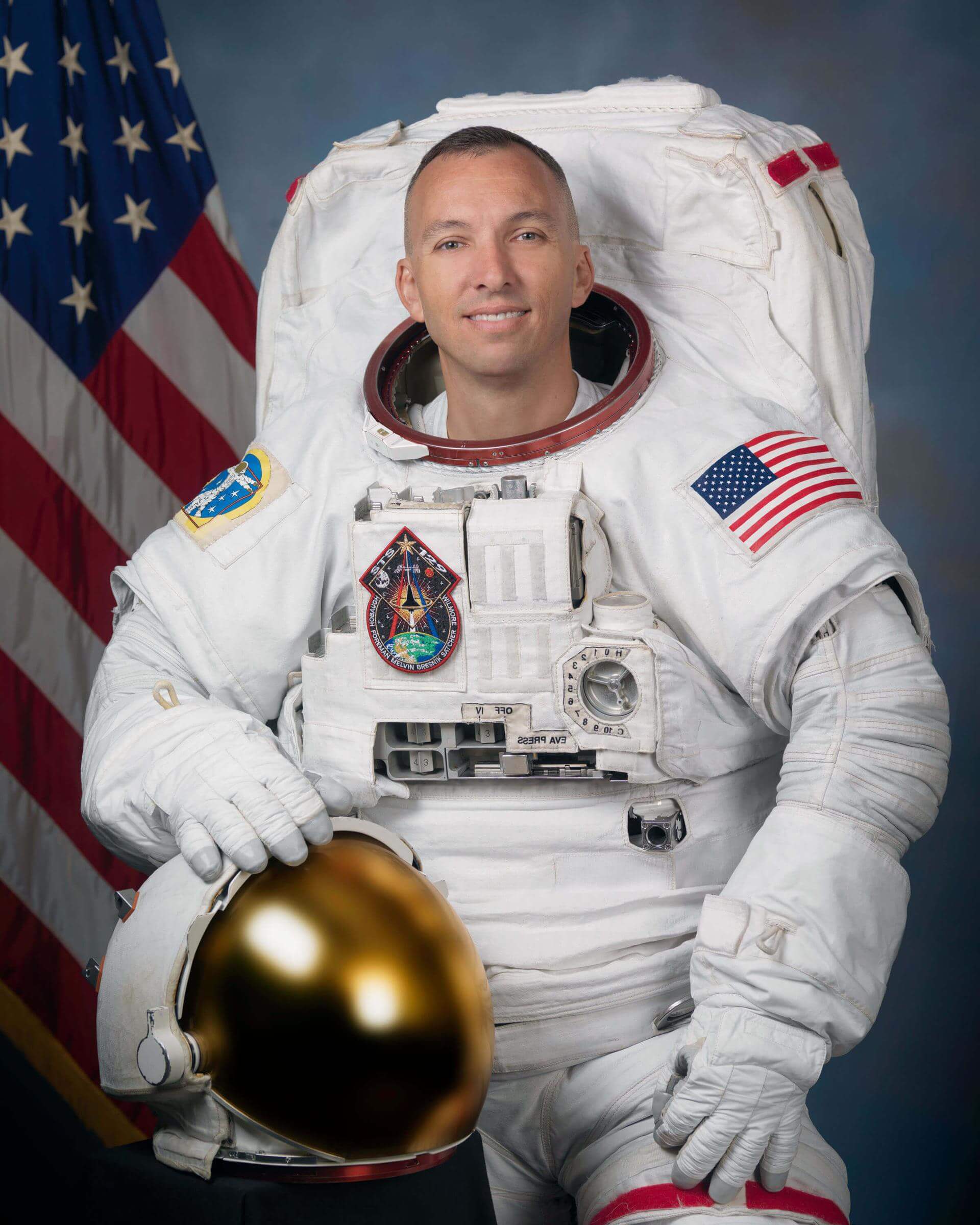
NASA • American • Age: 59 • Time in space: 149 Days, 12 Hours, 12 Minutes • EVA time: 1 Day, 8 Hours
Born: Sep 11, 1967 • First Flight: Nov 16, 2009 • Last Flight: Jul 28, 2017
Randolph James “Komrade” Bresnik is an officer in the United States Marine Corps and a NASA astronaut. A Marine Aviator by trade, Bresnik was selected as a member of NASA Astronaut Group 19 in May 2004.[5] First launched to space on STS-129.
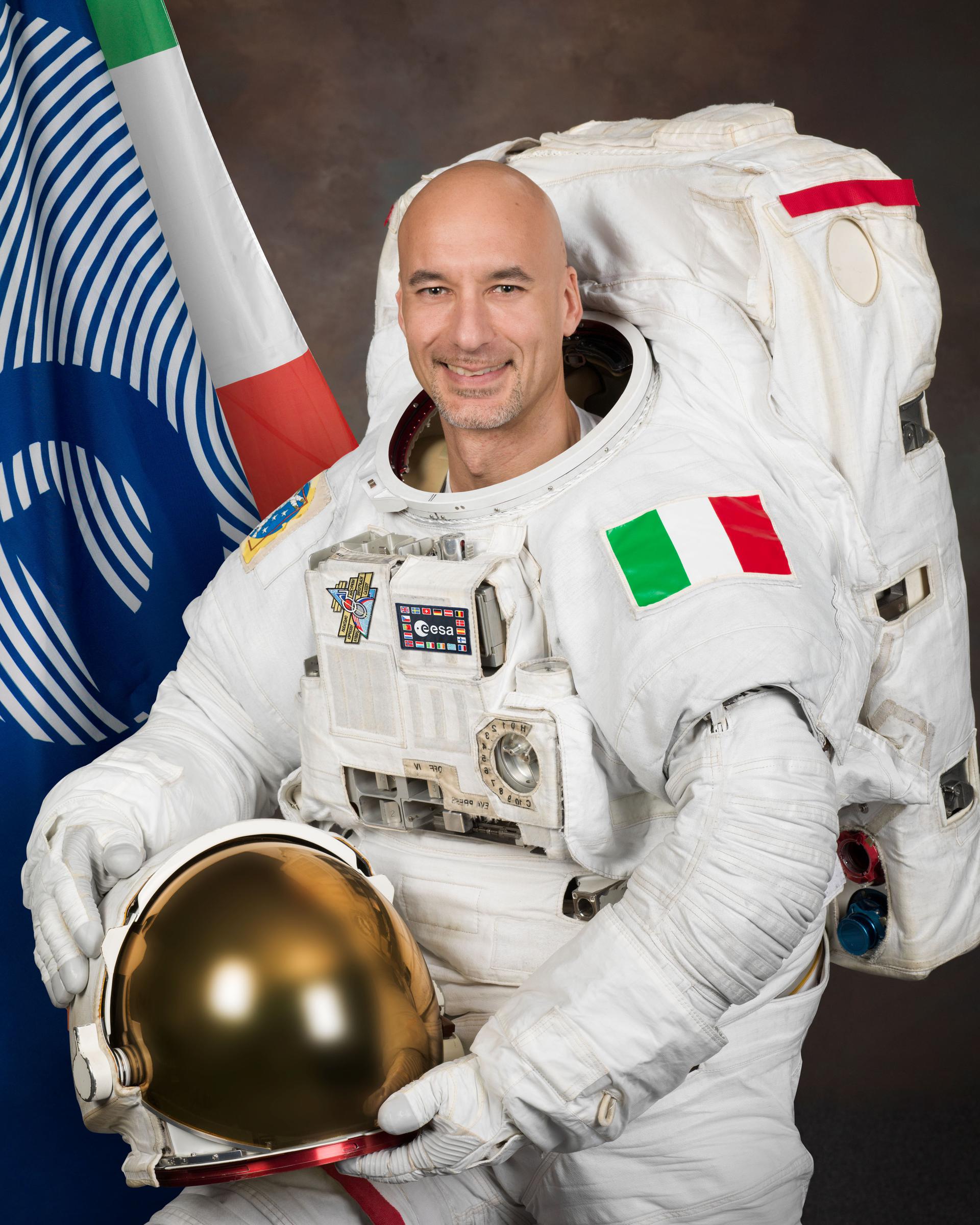
ESA • Italian • Age: 49 • Time in space: 366 Days, 23 Hours, 2 Minutes • EVA time: 1 Day, 9 Hours, 9 Minutes
Born: Sep 27, 1976 • First Flight: May 28, 2013 • Last Flight: Jul 20, 2019
Luca Parmitano (born 27 September 1976 in Paternò, Sicily) is an Italian engineer and astronaut in the European Astronaut Corps for the European Space Agency (ESA). The astronauts work on missions at the International Space Station. He was selected as an ESA astronaut in May 2009.
Artemis IV is planned to be the first human lunar landing mission since the Apollo Program.
Agencies Involved
• National Aeronautics and Space Administration (Government)
Program: Artemis
The Artemis program is a US government-funded crewed spaceflight program that has the goal of landing “the first woman and the next man” on the Moon, specifically at the lunar south pole region.
The Space Launch System (SLS) is an American Space Shuttle-derived heavy expendable launch vehicle. It is part of NASA’s deep space exploration plans including as the main launch vehicle of the Artemis program. SLS follows the cancellation of the Constellation program, and is to replace the retired…
Artemis V is planned to be the second human lunar landing mission since the Apollo Program.
Agencies Involved
• National Aeronautics and Space Administration (Government)
Program: Artemis
The Artemis program is a US government-funded crewed spaceflight program that has the goal of landing “the first woman and the next man” on the Moon, specifically at the lunar south pole region.
The Space Launch System (SLS) is an American Space Shuttle-derived heavy expendable launch vehicle. It is part of NASA’s deep space exploration plans including as the main launch vehicle of the Artemis program. SLS follows the cancellation of the Constellation program, and is to replace the retired…
The Artemis program is a US government-funded crewed spaceflight program that has the goal of landing “the first woman and the next man” on the Moon, specifically at the lunar south pole region.
The Space Launch System (SLS) is an American Space Shuttle-derived heavy expendable launch vehicle. It is part of NASA’s deep space exploration plans including as the main launch vehicle of the Artemis program. SLS follows the cancellation of the Constellation program, and is to replace the retired…
The Artemis program is a US government-funded crewed spaceflight program that has the goal of landing “the first woman and the next man” on the Moon, specifically at the lunar south pole region.
The Space Launch System (SLS) is an American Space Shuttle-derived heavy expendable launch vehicle. It is part of NASA’s deep space exploration plans including as the main launch vehicle of the Artemis program. SLS follows the cancellation of the Constellation program, and is to replace the retired…
Robo Chris is a collection of API calls, filters, and searches, bolted together with magic and love. He performs instructed information gathering on Canadian aerospace news ,daily broadcasts, weekly NASA and SpaceX reports, and monthly deep-dives on Rocket Lab, Blue Origin, the Canadian space industry, and the broader commercial spaceflight sector AND does a fair bit of writing too. Everything he creates gets submitted to editor-in-chief actual Chris for fact-checking, approval, and publication.








Leave a Reply