
The Daily Broadcast: Galaxia, Isar, CSMC Expand Canadian Space Reach

Galaxia Closes $4.5M Seed Round for Orbital Edge Computing
Halifax-based Galaxia has closed an oversubscribed $4.5 million Seed funding round to manufacture satellite hardware and orbital computing payloads. Quebec venture capital firm Amiral Ventures and provincial agency Invest Nova Scotia co-led the equity raise.
The injection provides institutional capital for Galaxia to commercialize edge computing payloads designed for low-Earth orbit. The firm previously financed its research through federal non-dilutive sources, including a recent $2.5 million contract from Defence Research and Development Canada, alongside a $50,000 accelerator investment from Wenova Ventures and Mandala Space Ventures.
Traditional Earth observation satellites function primarily as passive relays that beam raw files down for terrestrial analysis. Galaxia builds internal hardware that analyzes this information directly in orbit. Processing the files before transmission drastically reduces latency and minimizes the bandwidth required to link with ground stations.
This localized processing capability directly supports modern multi-domain defence operations. Contemporary ground, air, and sea deployments rely heavily on resilient space assets to execute secure intelligence, surveillance, and reconnaissance tasks.
Chief Executive Officer Arad Gharagozli said the funding reflects clear market demand for dynamic orbital architecture. “We are building the foundation for a new class of space systems which deliver intelligence, not just data,” Gharagozli said. He added that the capital allows the company to scale production and accelerate the shift toward software-defined payloads.
Amiral Ventures Managing Partner Frederic Bastien cited the growing necessity for enterprise resilience and real-time Earth observation as key drivers for the investment. Invest Nova Scotia CEO Chris Morrissey emphasized the dual-use nature of the technology to serve both military and commercial sectors.
Galaxia plans to use the funds to expand its engineering workforce and scale hardware output for its MissionOne program. The expansion positions the firm to meet procurement standards required to supply secure hardware to the Department of National Defence and allied nations.
Isar Aerospace Reaches Orbit, Eyes 2028 Launch from Nova Scotia

Isar Aerospace became the first purely commercial European company to reach orbit on Saturday, successfully launching its two-stage Spectrum rocket from a Norwegian spaceport inside the Arctic Circle. The milestone came on just the vehicle’s second flight attempt.
Founded in 2018 by three students at a German university, Isar is now the clear leader among a pack of several European launch startups vying to inject competition into Europe’s stagnant launch market.
The success follows the European Space Agency’s announcement on August 28 of the first contracts under the European Launcher Challenge. Rocket Factory Augsburg, PLD Space and Isar Aerospace will share roughly €544 million (about $871 million) to get their rockets flying by the end of 2027. ESA member states subscribed close to €902 million to the Challenge at the Bremen meeting where funding was approved.
The three signed contracts cover RFA One, PLD Space’s Miura 5 and Isar’s Spectrum. RFA One, launching from a spaceport in Scotland’s Shetland Islands, is built to carry up to 1,300 kilograms to sun-synchronous orbit. Miura 5, launching from French Guiana with an eye toward a reusable first stage, carries up to 540 kilograms to the same orbit. Spectrum, the only one of the three that has actually flown, is rated for about 700 kilograms.
MaiaSpace hasn’t signed yet; ESA says that contract is close. Orbex, the fifth of the five originally preselected, went into administration in February before it could convert its preselection into a funded contract.
That launch also has consequences for Canada. Isar is the company Maritime Launch Services has signed up for a dedicated pad at Spaceport Nova Scotia in a commercial deal signed in July, with plans to launch in 2028. That puts an ESA-funded rocket in the mix as Canada pushes to launch domestically.
CSMC Unveils Three Nuclear Reactor Platforms for Arctic, Lunar and Research Use
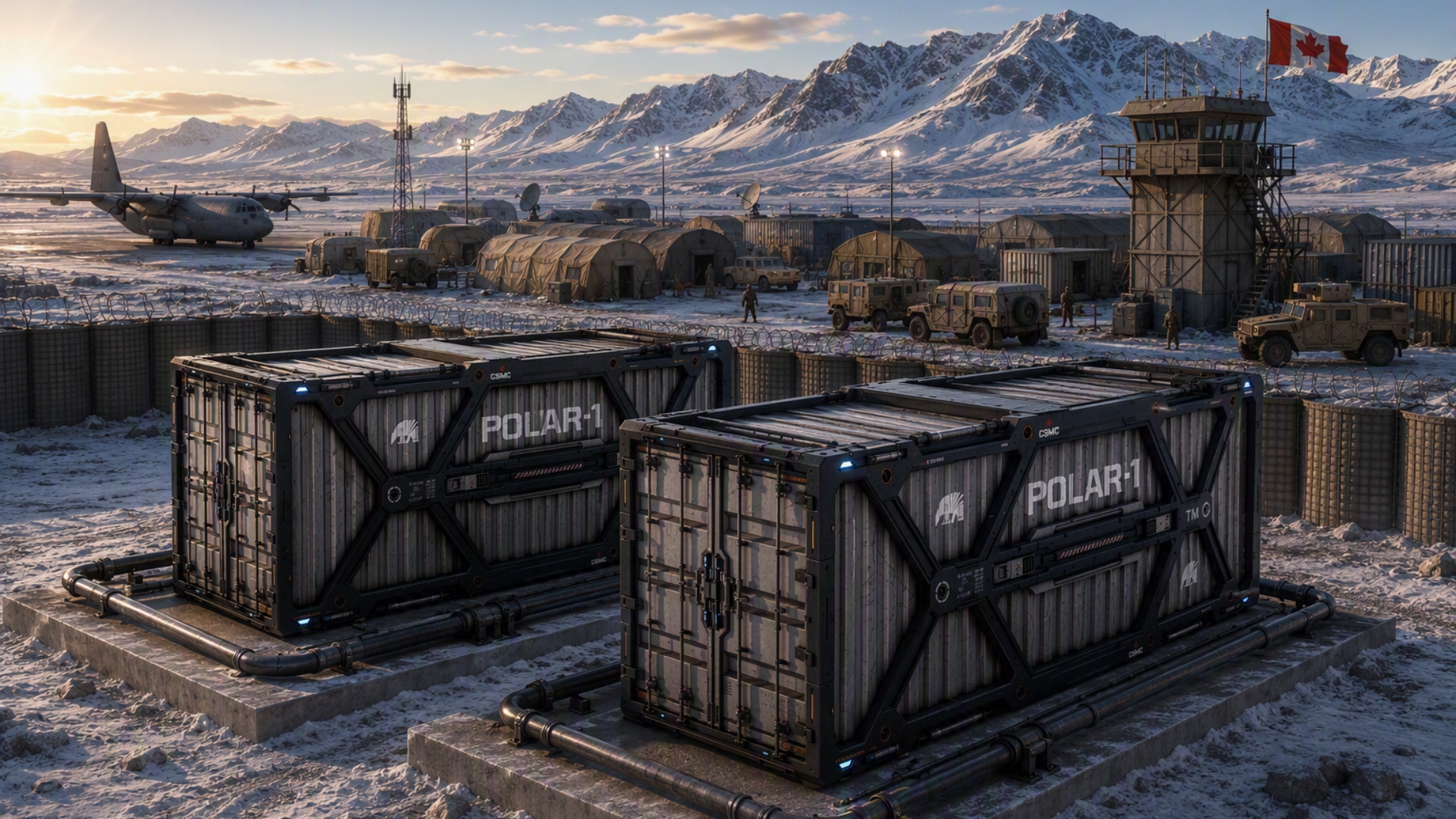
Canadian Strategic Missions Corporation (CSMC) has unveiled a restructured technology portfolio, introducing three nuclear reactor platforms aimed at defence, space and research applications. The technology platform update is part of a pivot the company began implementing in December 2025, when it moved away from space mining to broader technology development.
The reorganization retires the company’s previous Low Enriched Uranium Nuclear Reactor (LEUNR) concept and establishes separate development pathways for Arctic deployments, lunar infrastructure and workforce training.
CSMC founder and CEO Daniel Sax said the split reflects technology that has matured enough for each platform to need its own identity. The three are POLAR-1, a transportable megawatt-scale microreactor for defence installations, Arctic communities and remote industry; JAY-1, a compact reactor for lunar bases; and ORCA-1, a research reactor.
CSMC aims to switch on POLAR-1 for the first time by 2028, with fleet-scale deployment from 2030 onward.
The announcement follows a series of recent federal and provincial investments in the firm’s capabilities. Over the past year, CSMC secured a $4.5 million federal investment for Arctic microreactor design, $1.2 million in federal funding for a CSMC-led manufacturing project and $5 million from Alberta for an unfuelled prototype test unit, among other awards.
All told, CSMC has been awarded more than $17 million in government grants, contributions and contracts since 2022, about three-quarters of it for nuclear work.
Citations
- “Galaxia closes $4.5 million CAD Seed round to scale orbital edge computing hardware” — https://spaceq.ca/galaxia-closes-4-5-million-cad-seed-round-to-scale-orbital-edge-computing-hardware/
- “European Launcher Challenge contracts awarded as Canada eyes 2028” — https://spaceq.ca/european-launcher-challenge-kicks-off-canada-launch-the-north/
- “Rocket Report: Europe joins the commercial launch club; a Ravn X sighting?” — https://arstechnica.com/space/2026/09/rocket-report-europe-joins-the-commercial-launch-club-a-ravn-x-sighting/
- “CSMC unveils three reactor platforms, defence a priority” — https://spaceq.ca/csmc-unveils-three-reactor-platforms-defence-a-priority/
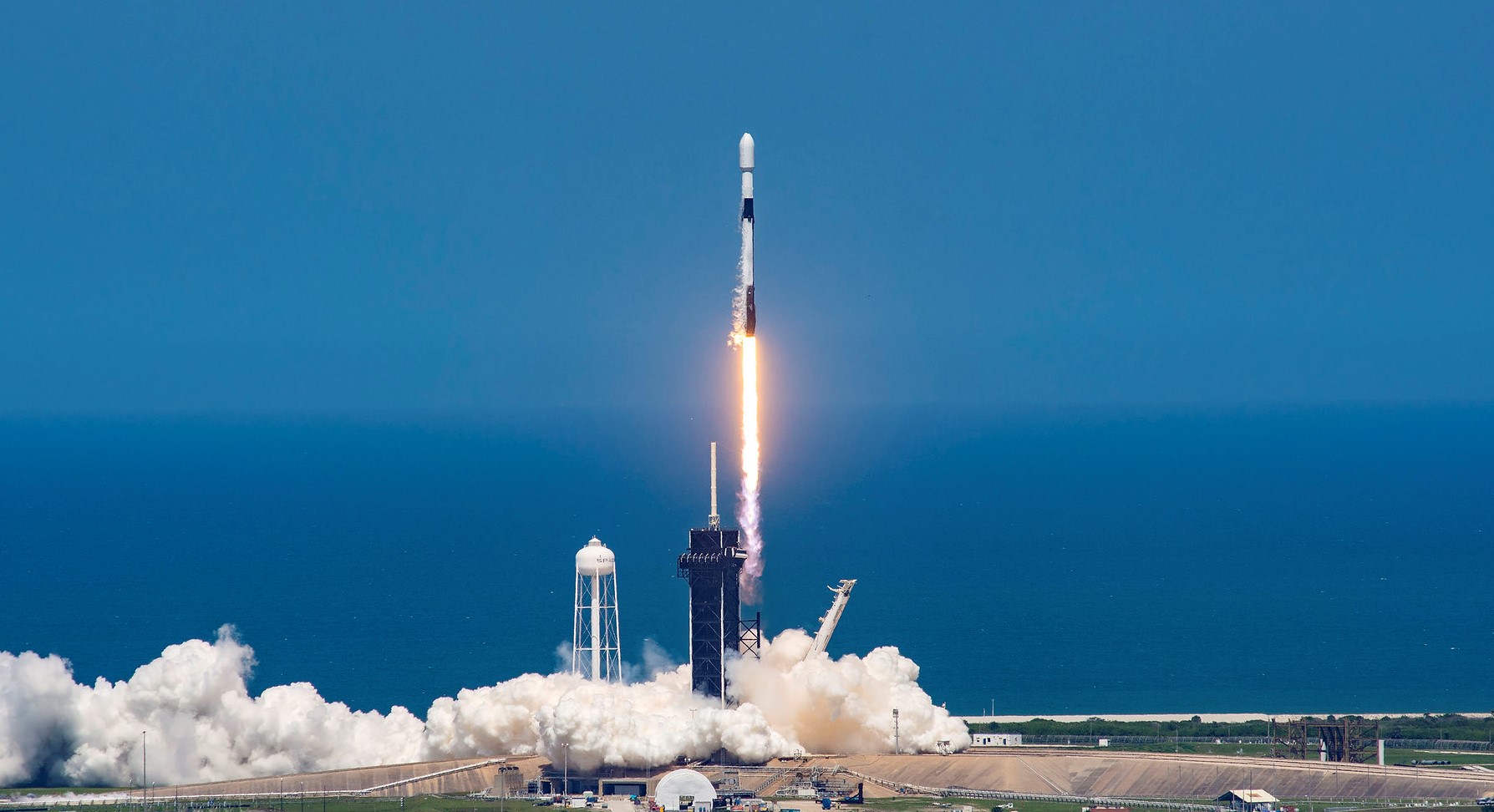
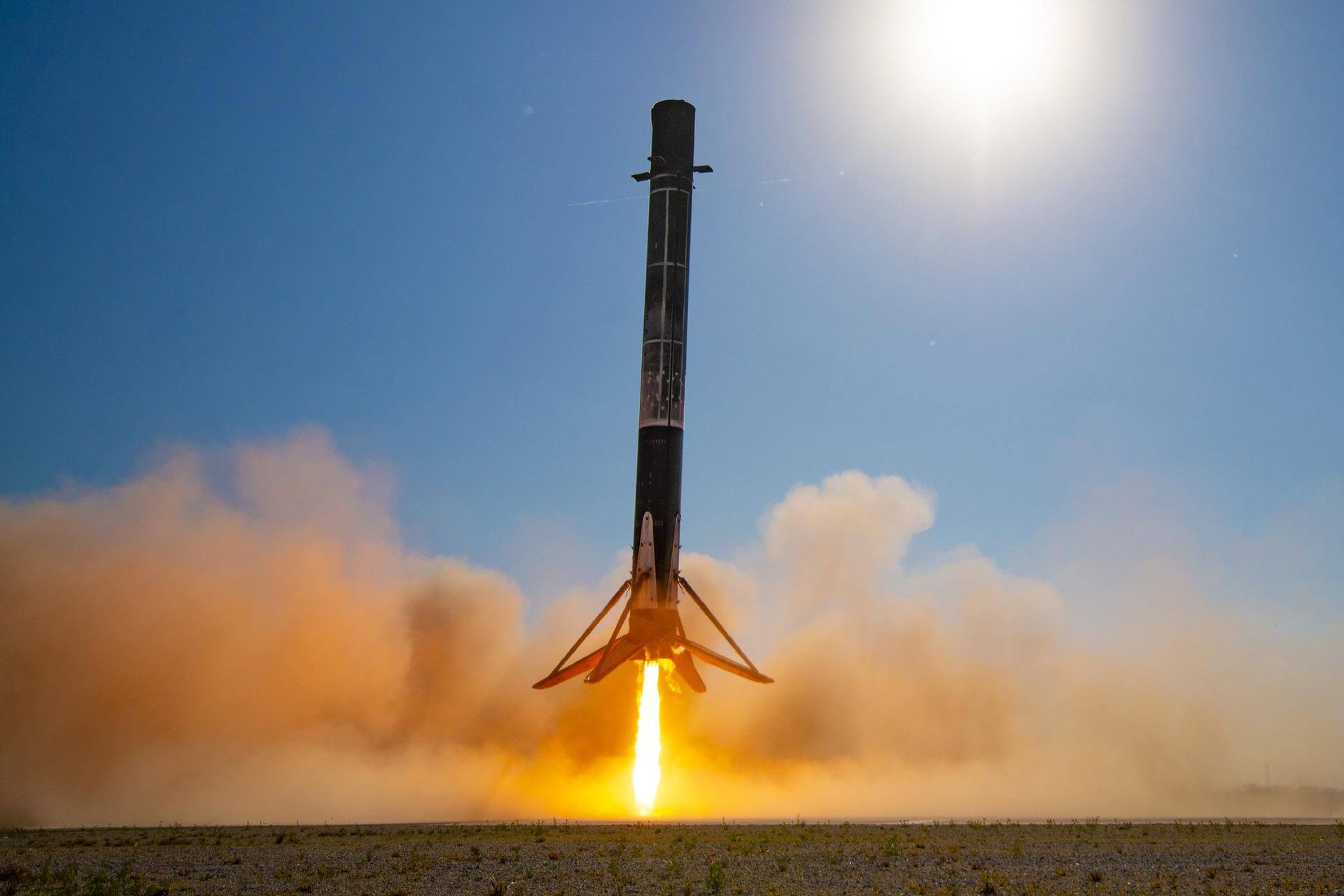
O3b mPower 11-13
Provider: SpaceX
Date: September 13, 2026
Time: 6:49 PM UTC
Vehicle: Falcon 9
3 high-throughput communications satellites in Medium Earth Orbit (MEO) built by Boeing and operated by SES.
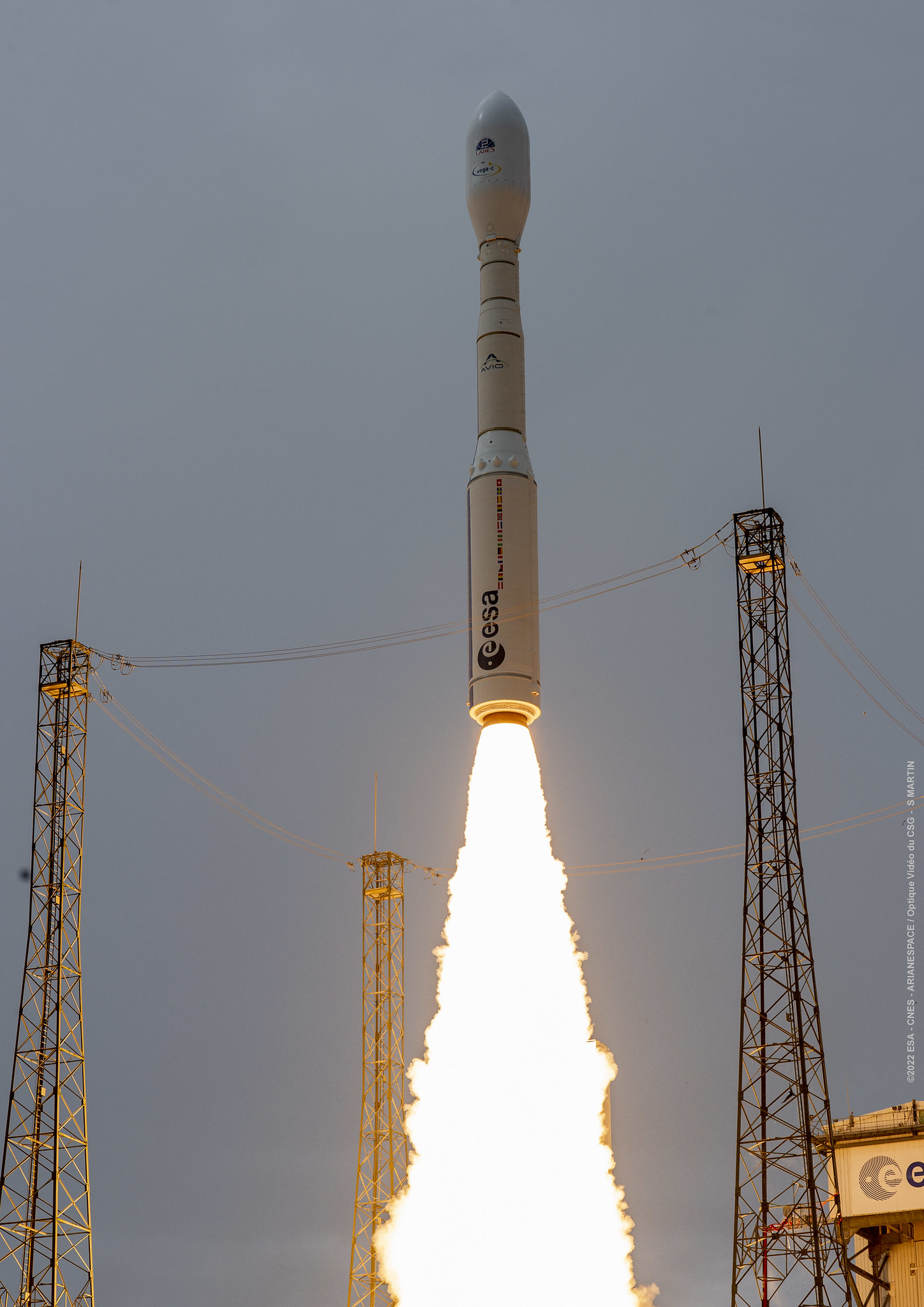
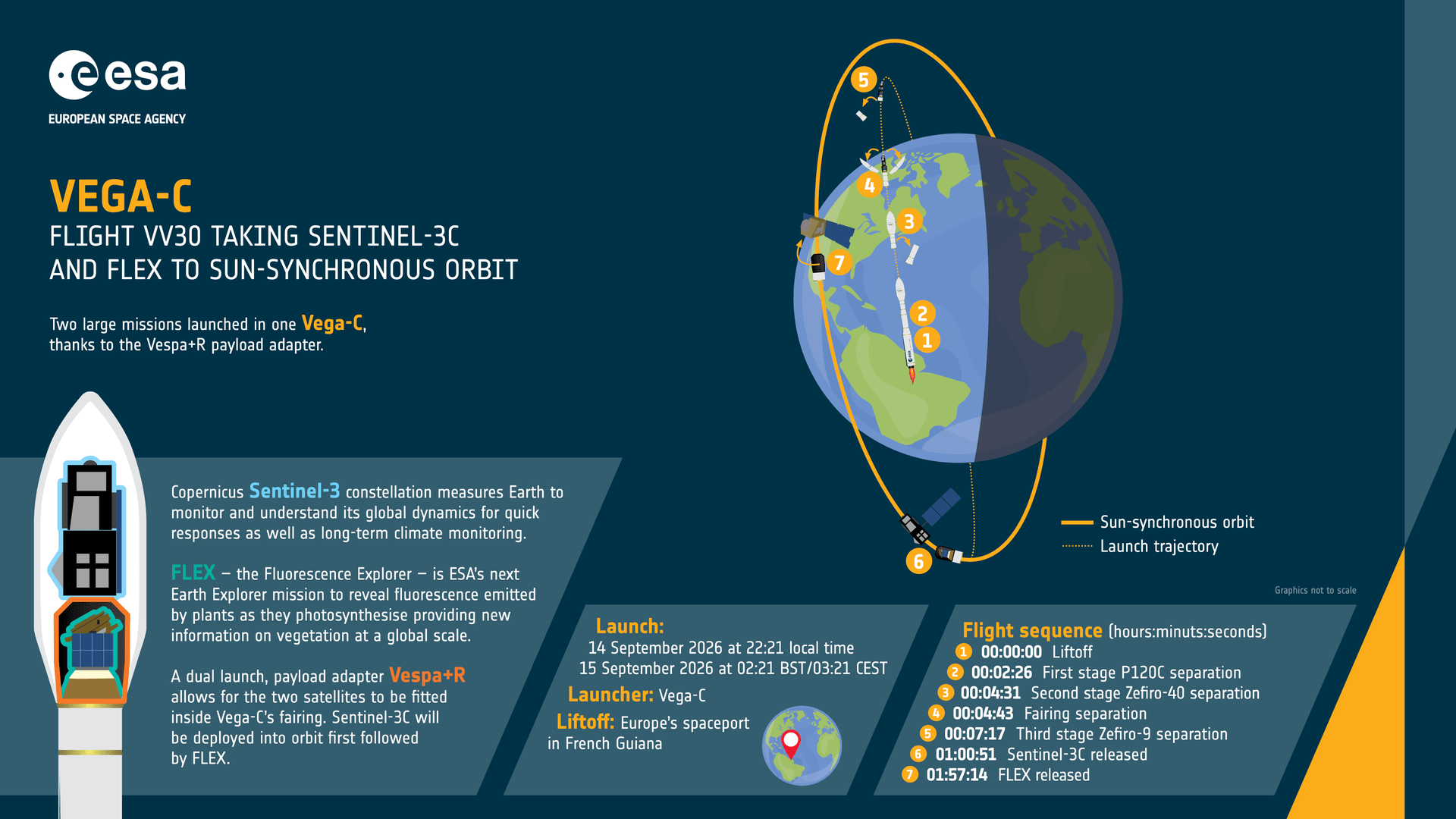
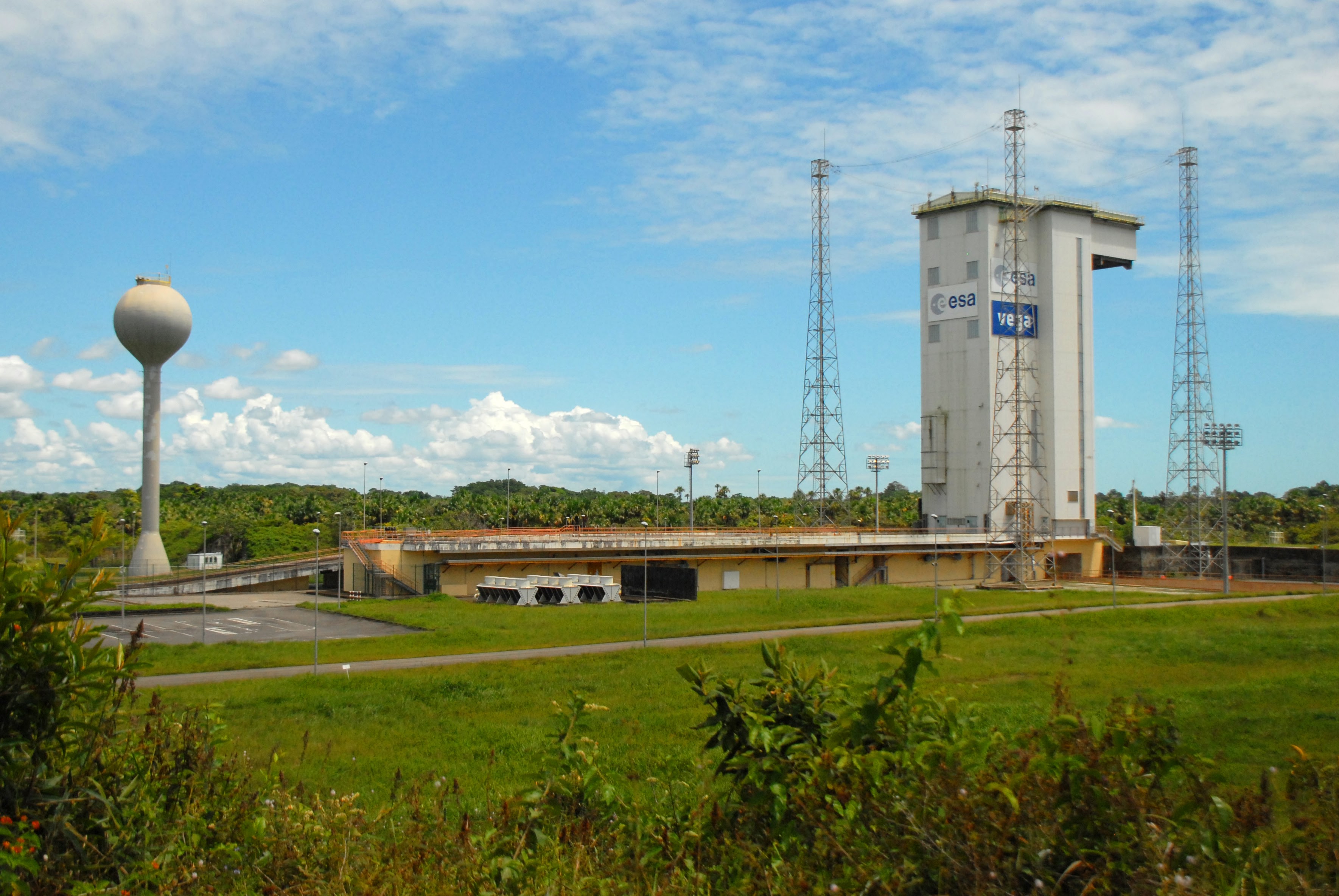
Sentinel-3C & FLEX
Provider: Avio S.p.A
Date: September 15, 2026
Time: 1:21 AM UTC
Vehicle: Vega-C
Sentinel-3C is the third satellite in the Sentinel-3 constellation, which provides high-accuracy optical, radar and altimetry data for marine and land services.
The Fluorescence Explorer (FLEX) satellite is a part of ESA’s Earth Explorer program. The satellite will map vegetation fluorescence to quantify photosynthetic activity.
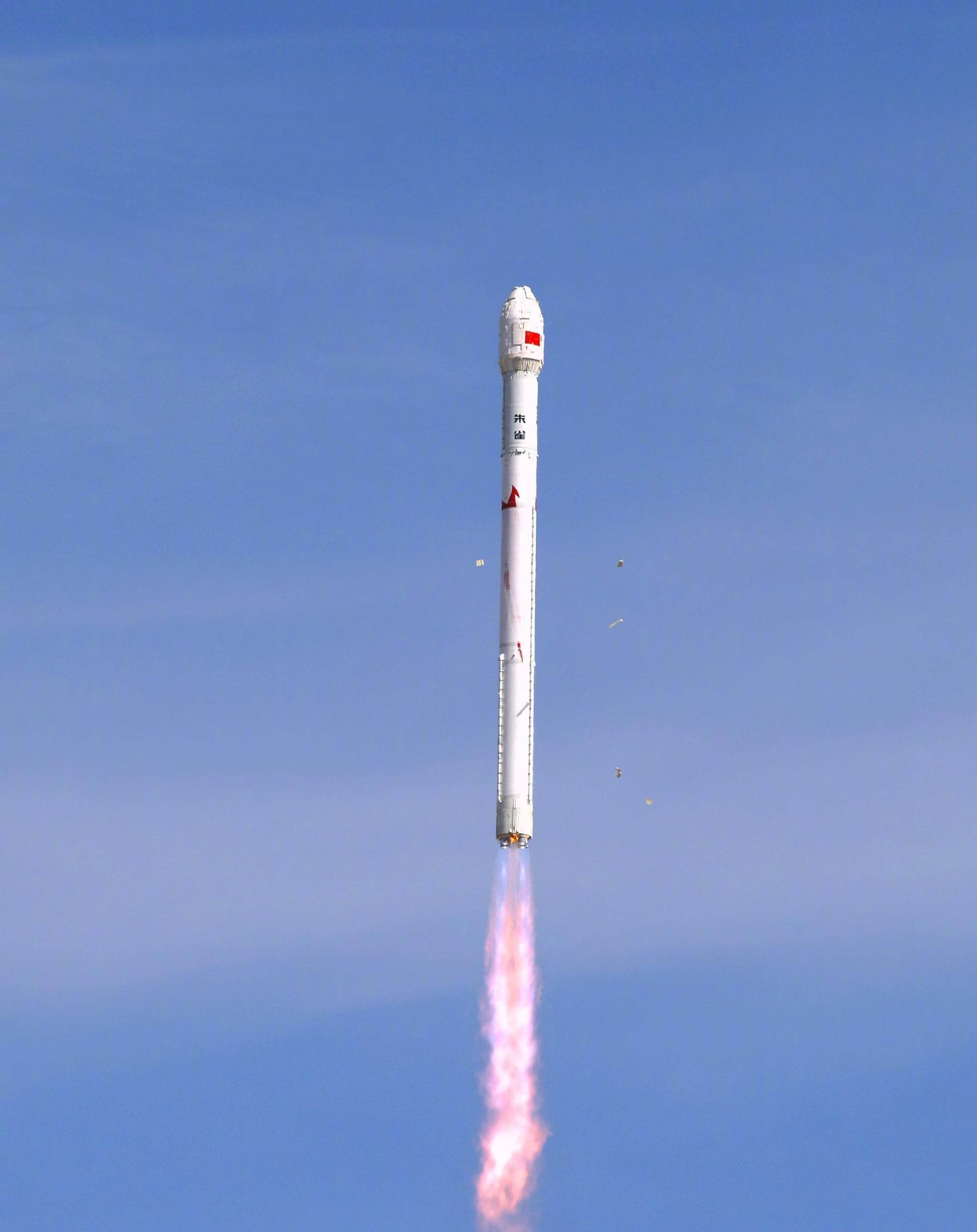
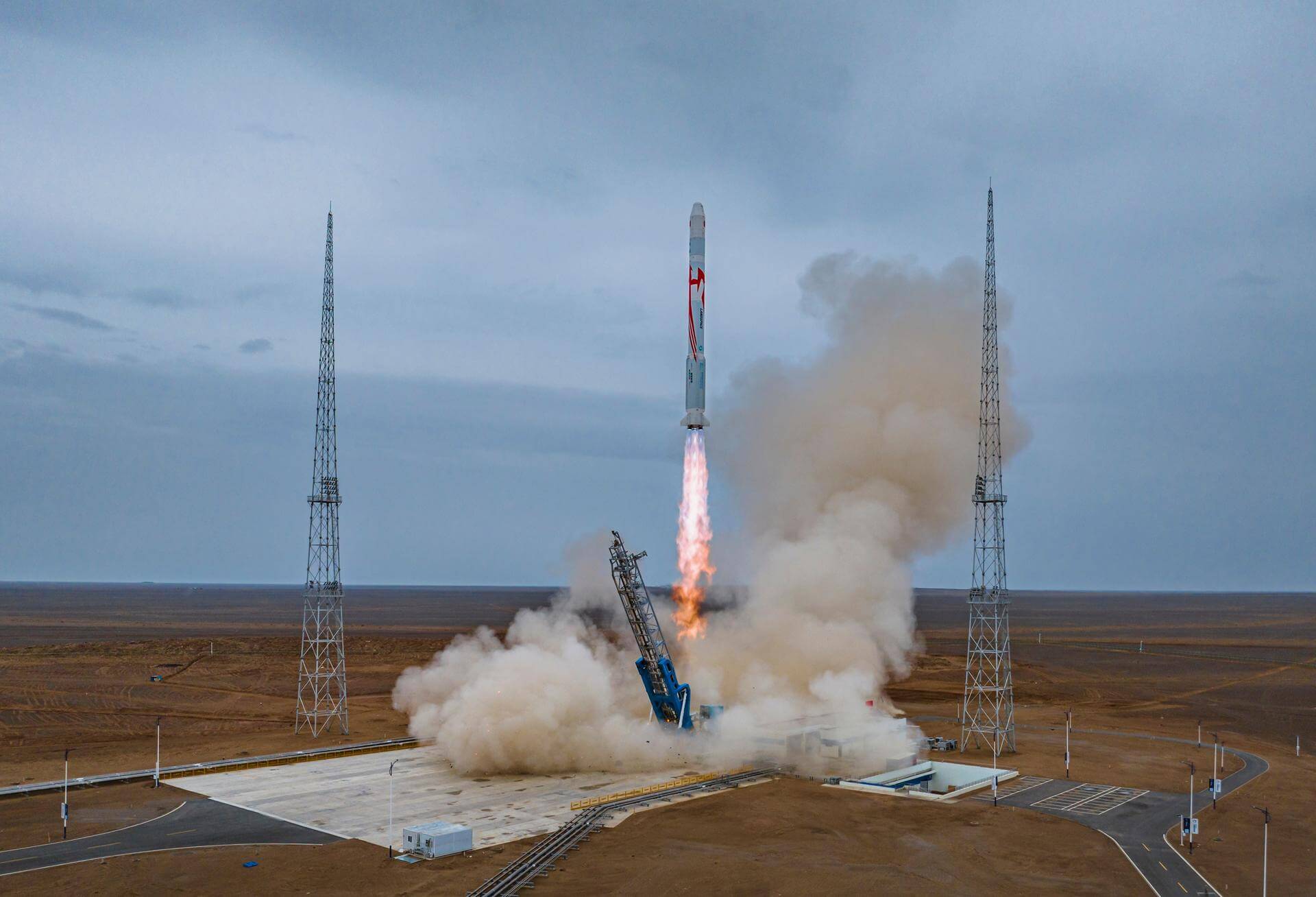
Unknown Payload
Provider: LandSpace
Date: September 15, 2026
Time: 6:25 AM UTC
Vehicle: Zhuque-2E Block 2
Possibly launch of a batch of SpaceSail LEO communication satellites. Details TBD.
Unknown Payload
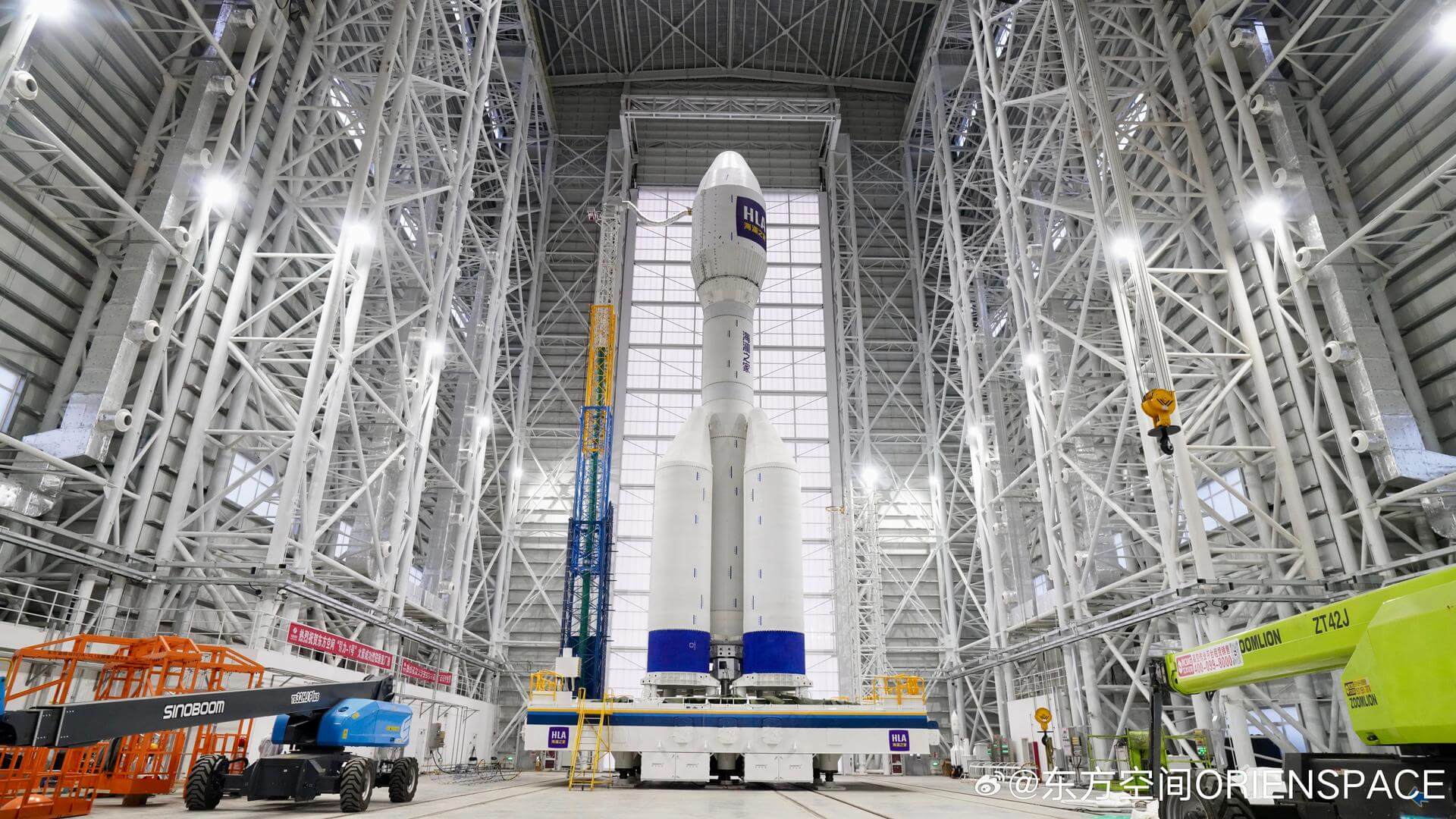
Provider: Orienspace Technology
Date: September 15, 2026
Time: 9:55 PM UTC
Vehicle: Gravity-1
Possibly launch of a batch of SpaceSail LEO communication satellites. Details TBD.
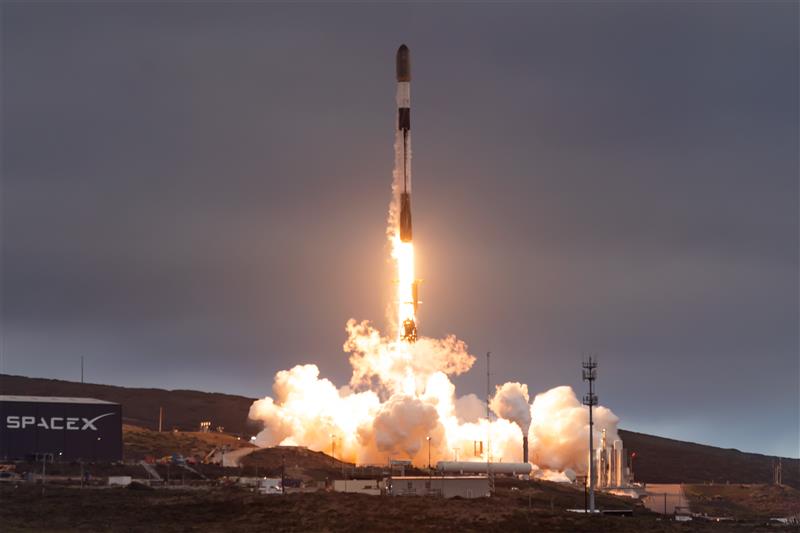
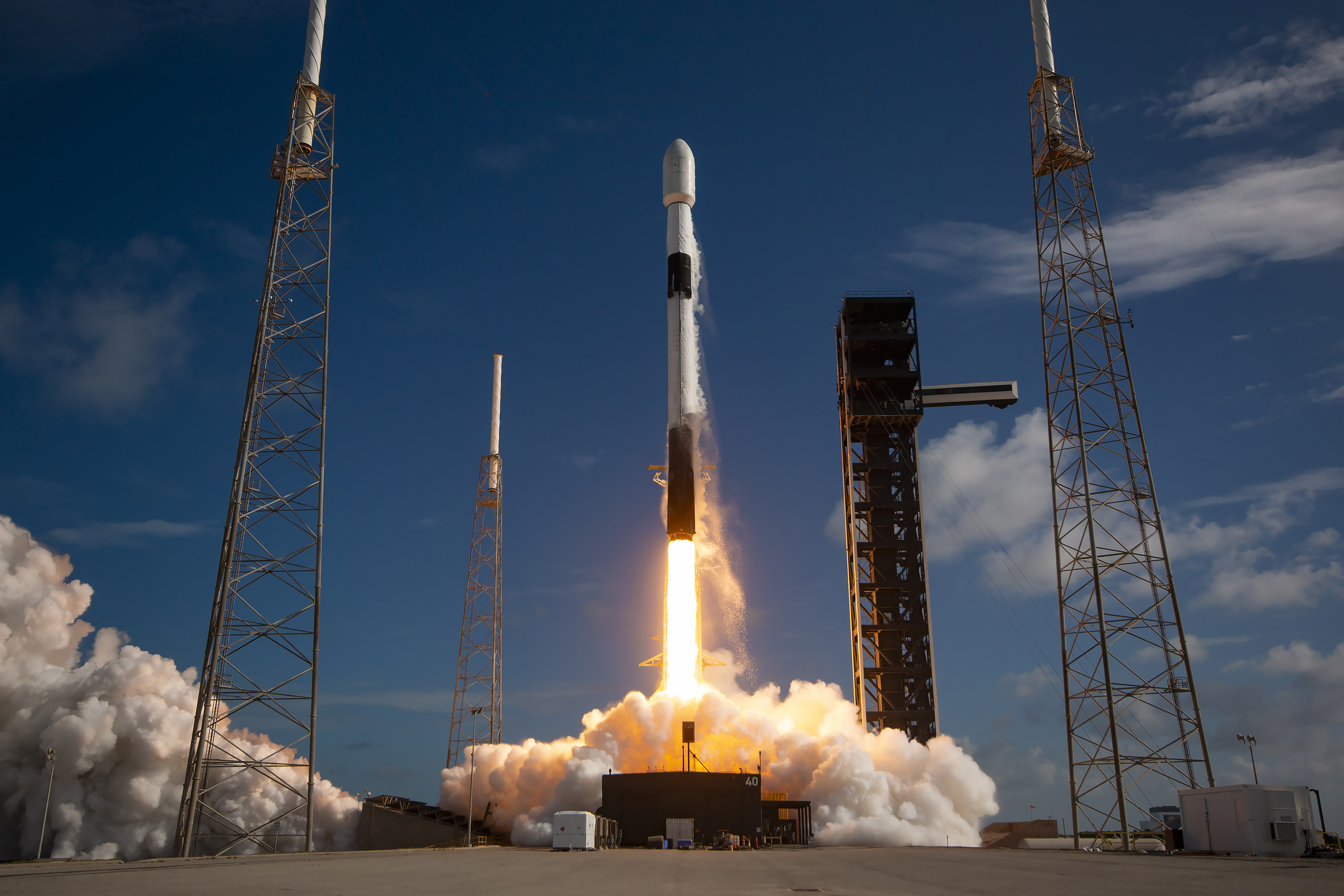
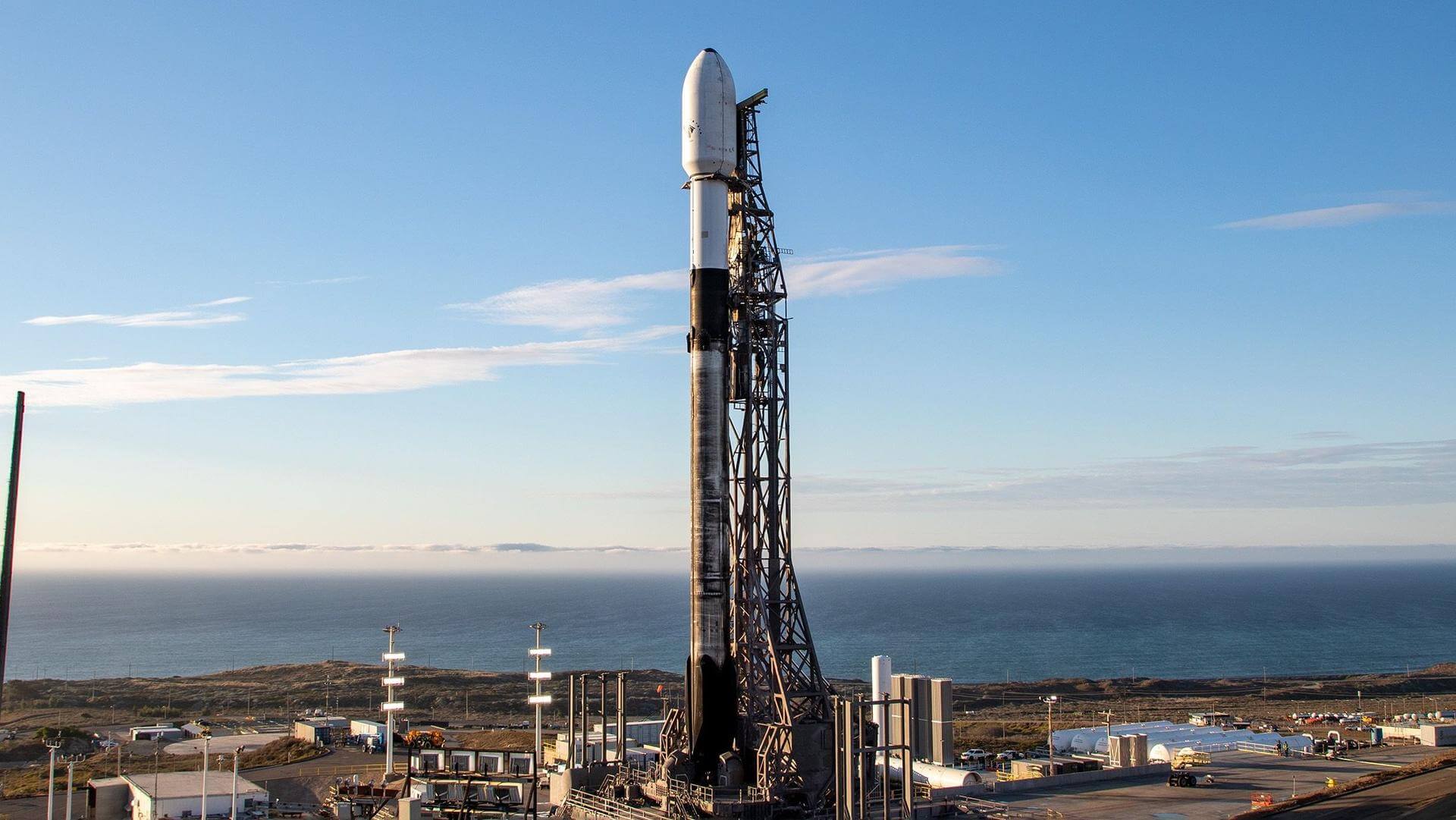
USSF-259
Provider: SpaceX
Date: September 16, 2026
Time: 1:00 AM UTC
Vehicle: Falcon 9
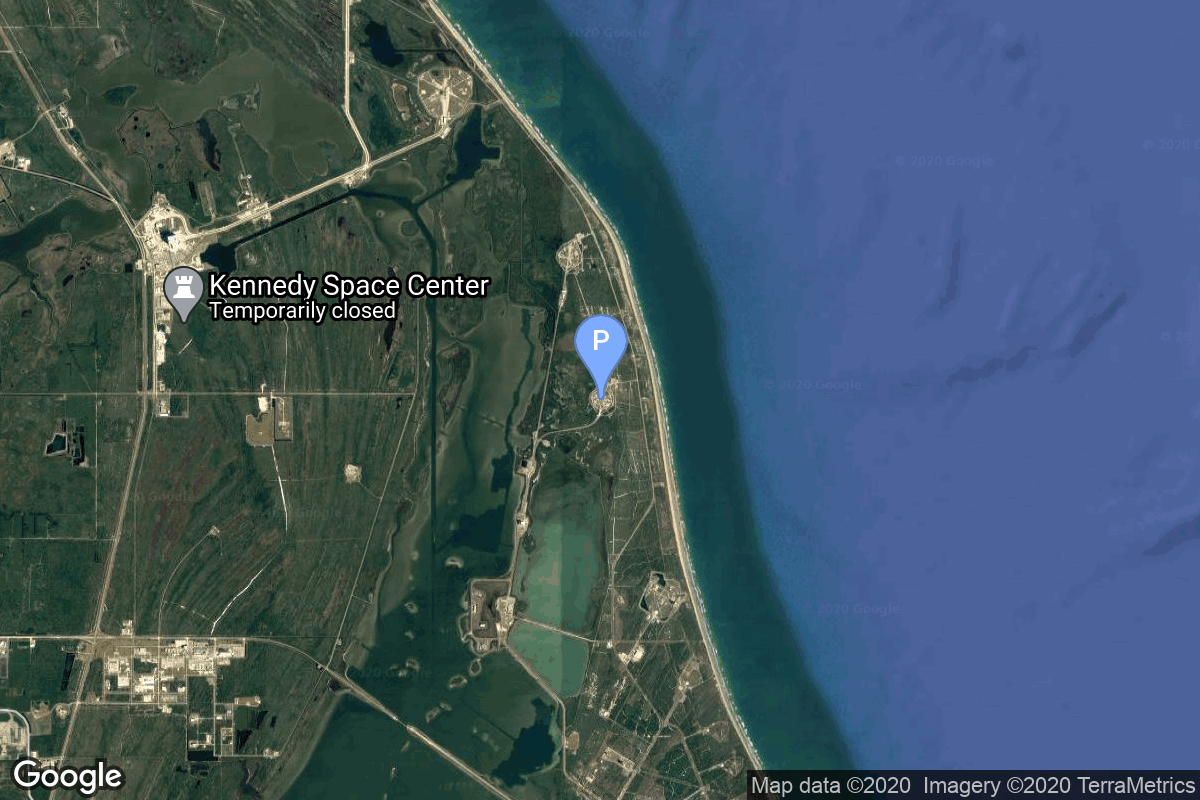
USSF-259 is a classified mission for the United States Space Force. It is possibly a batch of classified LEO satellites based on SpaceX’s Starshield satellite bus, based on locations of ascent rocket stage drop zones being fits with previous SDA Transport Layer launches.




Enjoying the content? Stay up to date on everything happening behind the scenes by following our Patreon!


Leave a Reply