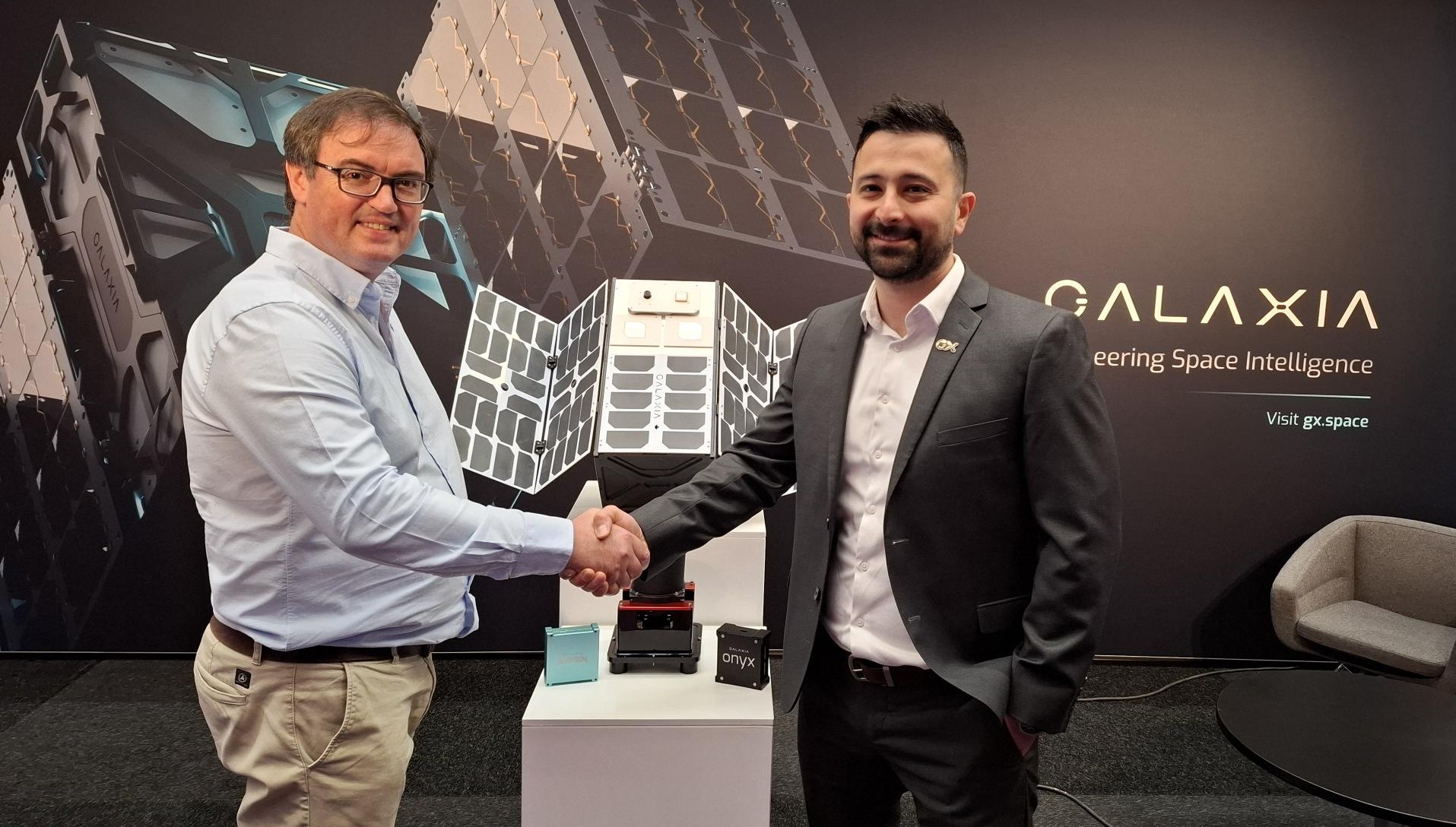
Galaxia Adds Hyperspectral Eye to Halifax Satellite Lineup
Halifax-based Galaxia announced Sept. 3 that it has acquired the HyperScape100, a hyperspectral camera from Belgian sensor maker Simera Sense that provides 32 user-selectable spectral bands in a compact form factor. The HyperScape100 draws its 32 bands from a library of 400, letting an operator retune the sensor for different jobs over a mission’s life.
Simera Sense describes hyperspectral sensing as reading light across hundreds of narrow wavelength bands rather than the handful of fixed channels a conventional camera uses, letting it identify specific materials and detect changes — in vegetation stress, pollution or mineral deposits — that ordinary imaging can’t. The company lists agriculture, environmental monitoring and maritime surveillance among the sensor’s uses.
Galaxia designs satellite platforms and onboard computers under its MissionOne program, selling access to them as a service to customers who supply the applications. In describing its CSA-funded Möbius satellite constellation in 2023, Galaxia said the project would include a multispectral camera; the Simera Sense acquisition is its first publicly announced move into hyperspectral hardware.
“Adding hyperspectral imaging to our offering significantly expands the range of missions we can support,” Galaxia chief executive Arad Gharagozli said in the release.
The acquisition follows a couple of announcements from Galaxia this year, including federal money to expand its Halifax facility and Onyx Edge, an onboard computer meant to process satellite data in orbit rather than sending it to the ground. Galaxia has one satellite in orbit, Möbius-1, which was launched in June 2025.
Farcast Antenna Holds Live Link to Telesat Test Satellite
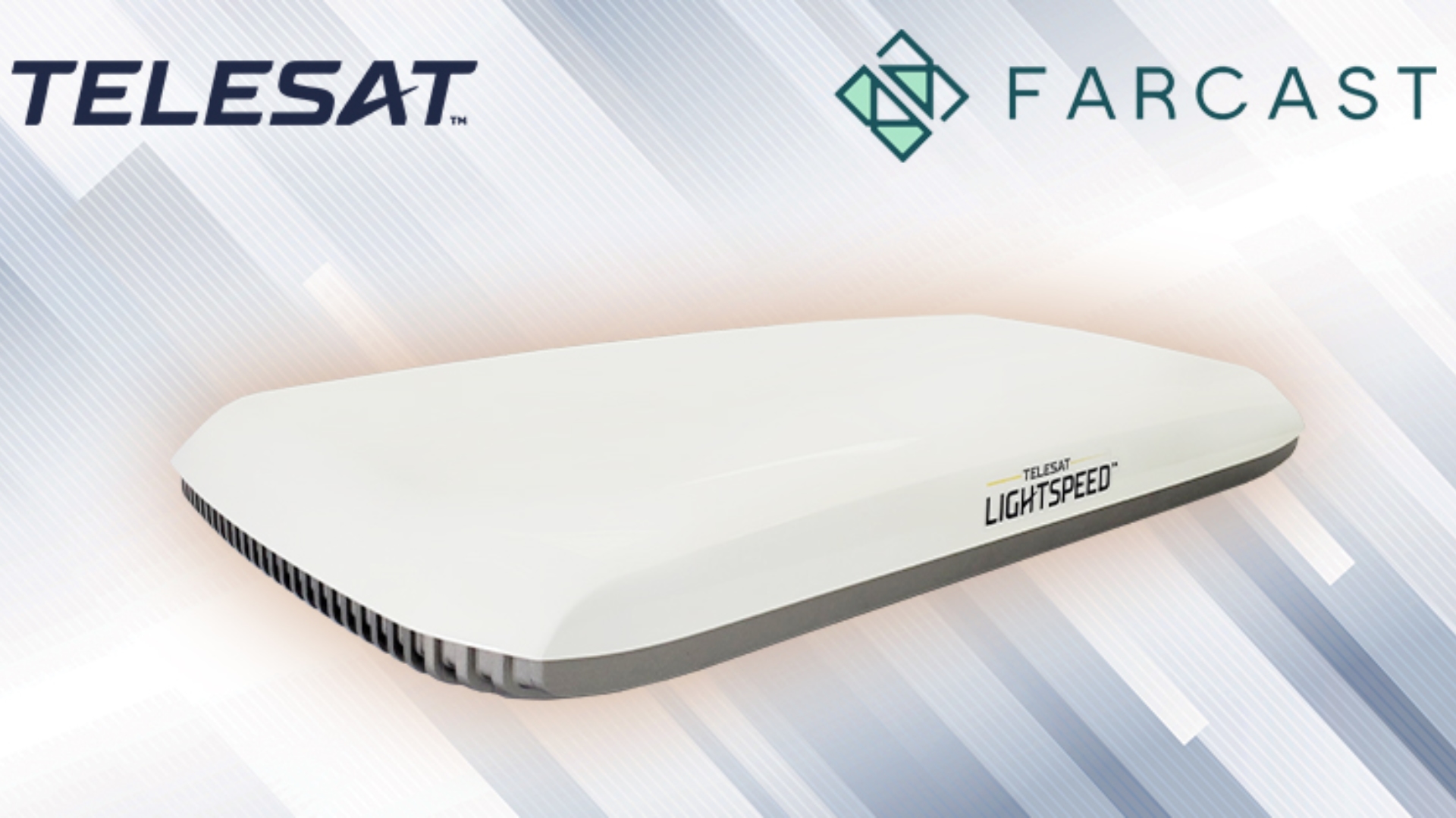
Farcast’s antenna technology held a live link to a Telesat test satellite in orbit, the companies said Sept. 2, clearing a milestone in a four-year-old partnership to build user terminals for the Ottawa company’s Lightspeed broadband constellation.
In the demonstration, Farcast’s shared-aperture terminal — an electronically steered antenna that sends and receives simultaneously through one panel instead of two, cutting the size, weight and cost of the hardware — established and held a connection through LEO 3, one of Telesat’s low Earth orbit test satellites, with the signal matching what engineers had predicted. That clears the way for the next phase: folding the antenna and the modem Telesat is building for Lightspeed into a single terminal.
The two companies have worked together since 2022. Telesat formalized the relationship last November, investing about $6.9 million ($US 5 million) in the San Francisco startup and taking a board seat, with Farcast committing to a production-ready terminal by 2027.
Farcast, founded in 2019 by chief executive Siamak Ebadi, has also drawn strategic investment from Gogo, the in-flight connectivity company, which put an undisclosed sum into Farcast in December to adapt the same antenna for aviation. Farcast has raised about $32.5 million ($US 23.6 million) since its founding.
“The results mark an important step in validating Farcast’s underlying antenna technology,” Telesat chief technology officer Michel Forest said in a statement. Ebadi said Farcast is “excited to build on this foundation as we move into modem integration and toward production for Telesat Lightspeed.”
Telesat now expects Lightspeed commercial service to begin in early 2028, after expanding the constellation to 225 satellites this summer following a $2.7-billion Arctic defence contract. The first Lightspeed satellites are still due to launch before the end of the year.
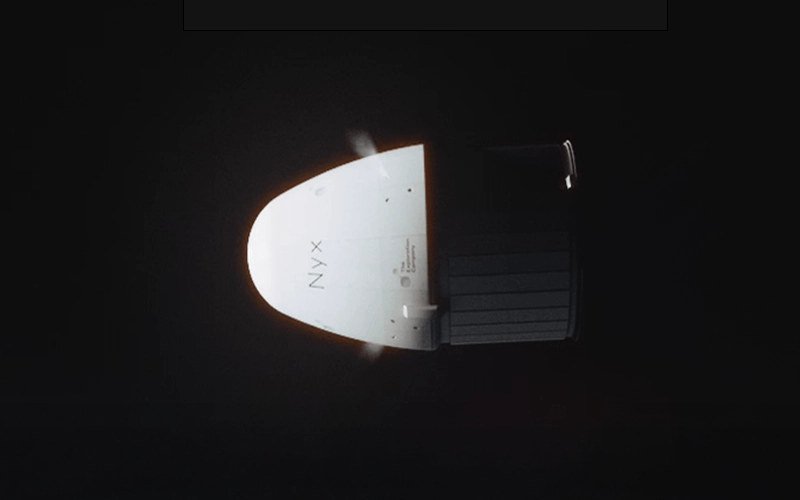
The Exploration Company Secures $450 Million for Nyx Capsule
European space logistics startup The Exploration Company raised $450 million (€387 million) in a Series C funding round announced Sept. 8 to support development of its Nyx capsule and Storm rocket engine.
The round was co-led by US venture capital firm Bessemer Venture Partners, London-based Atomico, and the Scaleup Europe Fund, a European growth investment fund managed by Swedish private equity group EQT. Existing investors also contributed. The new investment brings The Exploration Company’s total funding secured since its founding in 2021 to approximately $680 million. The company’s last funding round was a €150 million Series B in late 2024.
“This financing will allow us to execute with urgency: to bring Nyx to the International Space Station and safely back to Earth, while accelerating Storm, the high-thrust propulsion capability Europe needs for its future reusable heavy launcher,” said CEO Hélène Huby.
The company’s near-term focus for the new funding will be development of its Nyx reusable space capsule, designed to ferry cargo to and from low Earth orbit. Future iterations of the vehicle will add capabilities to carry crew to and from LEO and cargo to the surface of the Moon. In a June announcement, The Exploration Company said Nyx’s first demonstration flight was expected to launch in 2028.
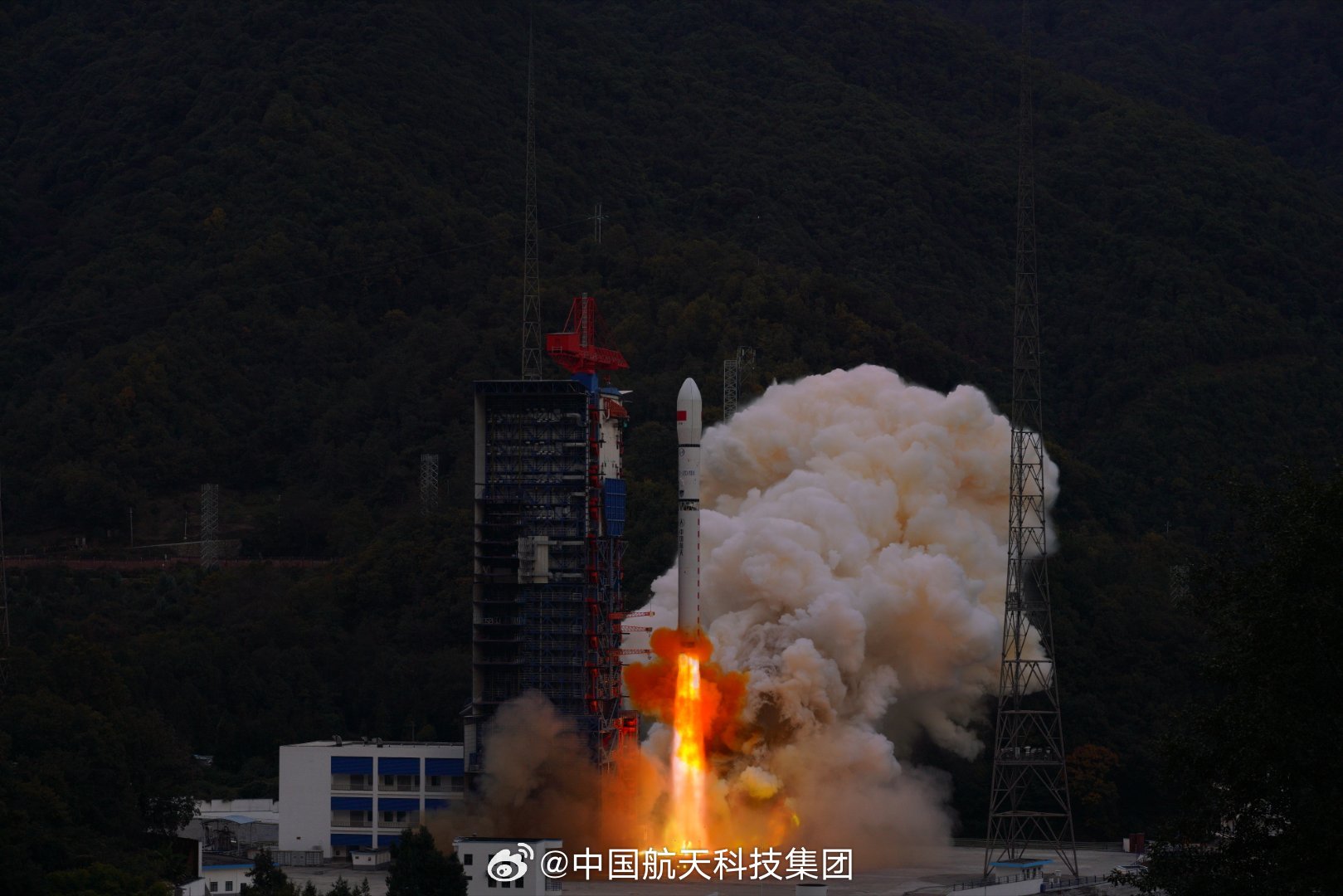
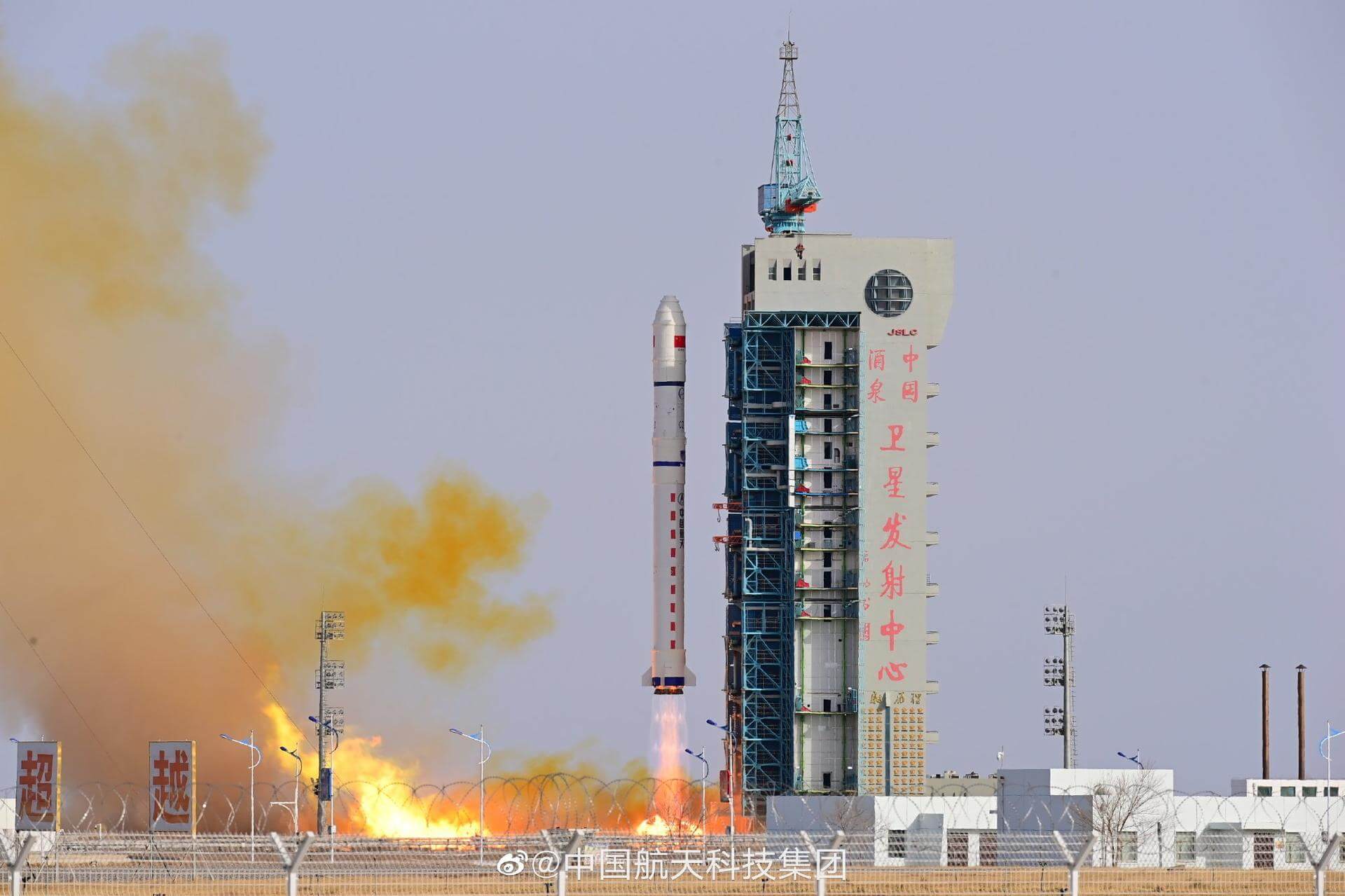
Provider: China Aerospace Science and Technology Corporation Date: September 10, 2026 Time: 9:00 AM UTC Vehicle: Long March 2D/YZ-3
Details TBD.
USSF-153
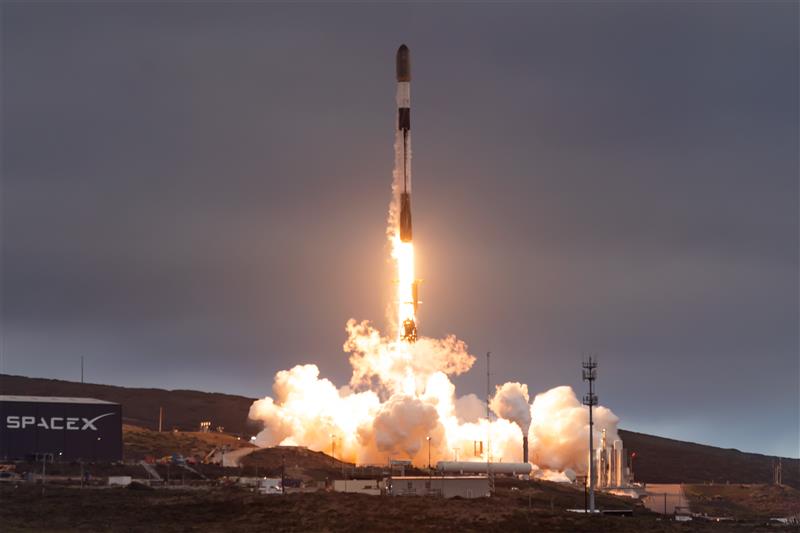
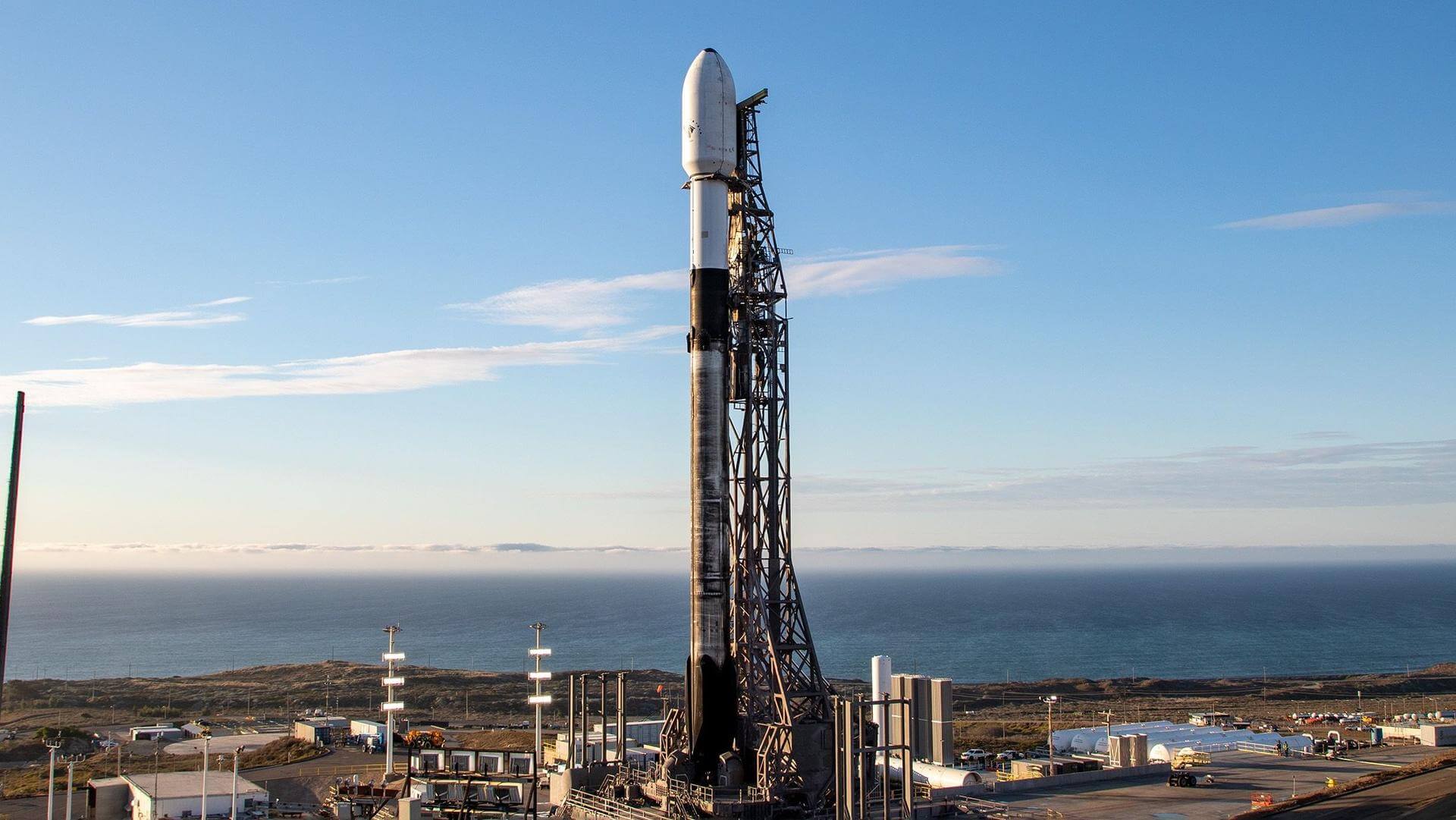
Provider: SpaceX Date: September 10, 2026 Time: 3:37 PM UTC Vehicle: Falcon 9
USSF-153 is a classified mission for the United States Space Force. It is possibly a batch of classified LEO satellites for a US government entity based on SpaceX’s Starshield satellite bus, based on locations of rocket stage drop zones being exact fits with previous Starlink Group 15 launches.
O3b mPower 11-13
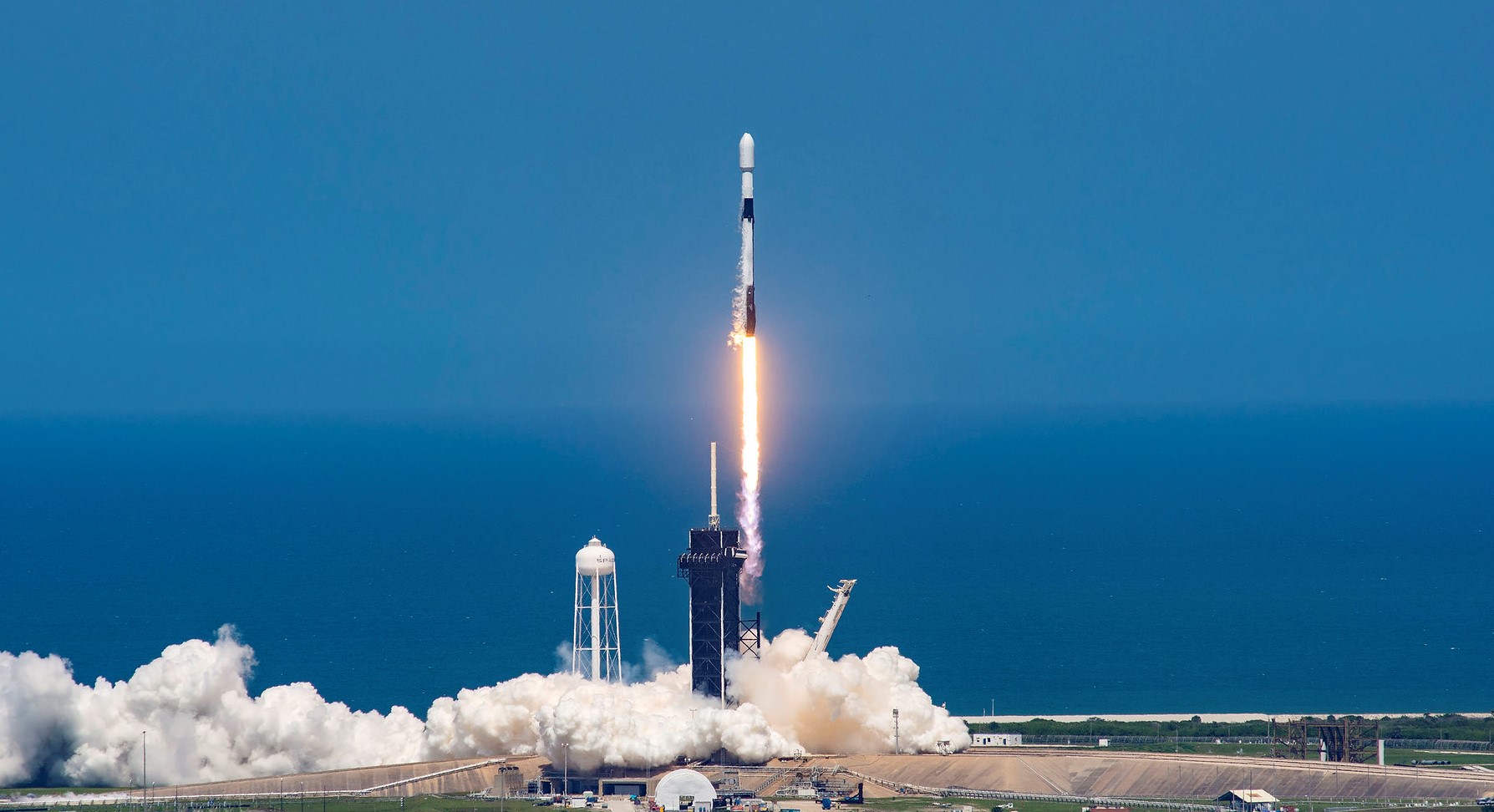
Provider: SpaceX Date: September 13, 2026 Time: 6:50 PM UTC Vehicle: Falcon 9
3 high-throughput communications satellites in Medium Earth Orbit (MEO) built by Boeing and operated by SES.
Flight 14
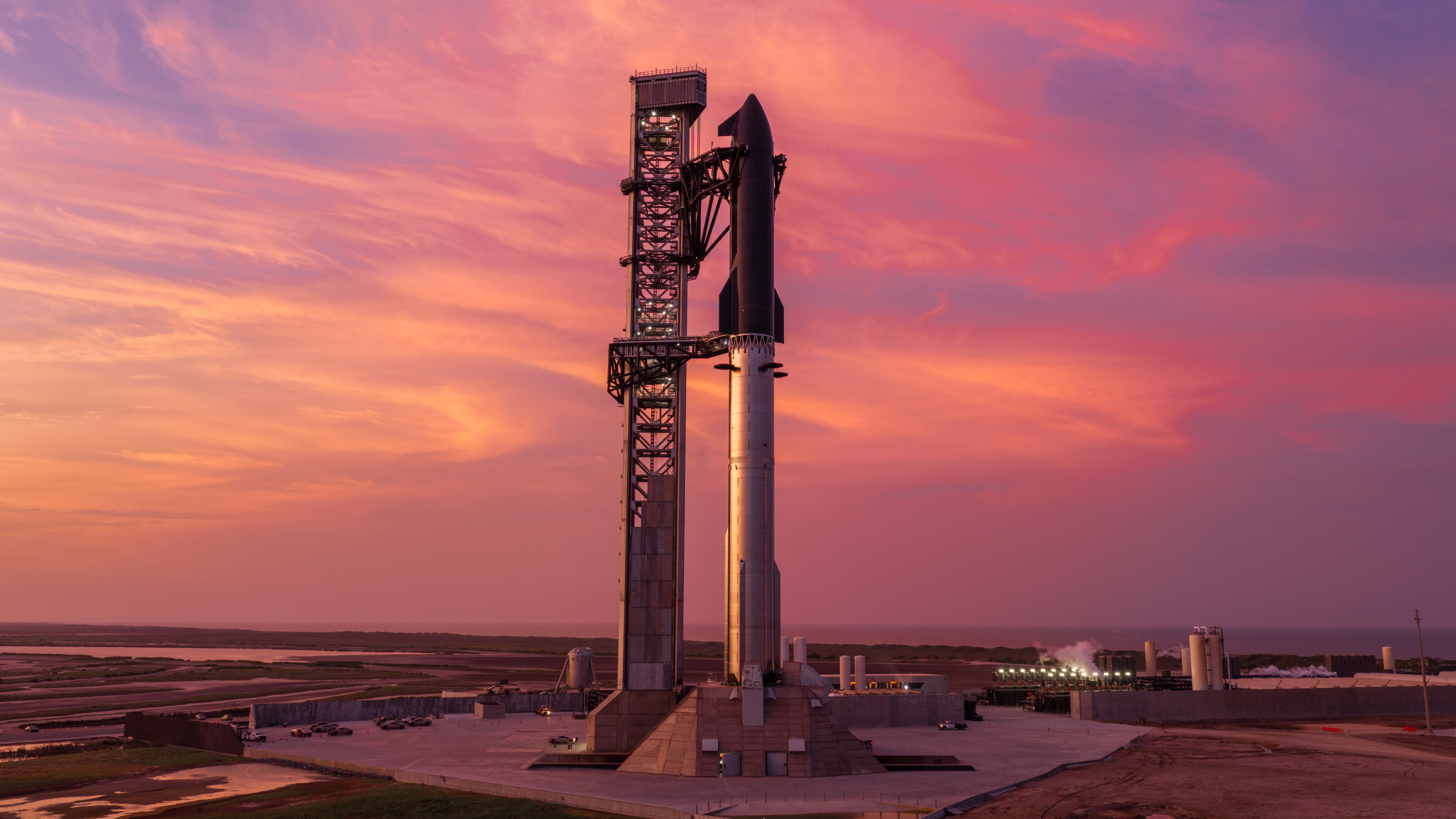
Provider: SpaceX Date: September 15, 2026 Time: 12:00 AM UTC Vehicle: Starship
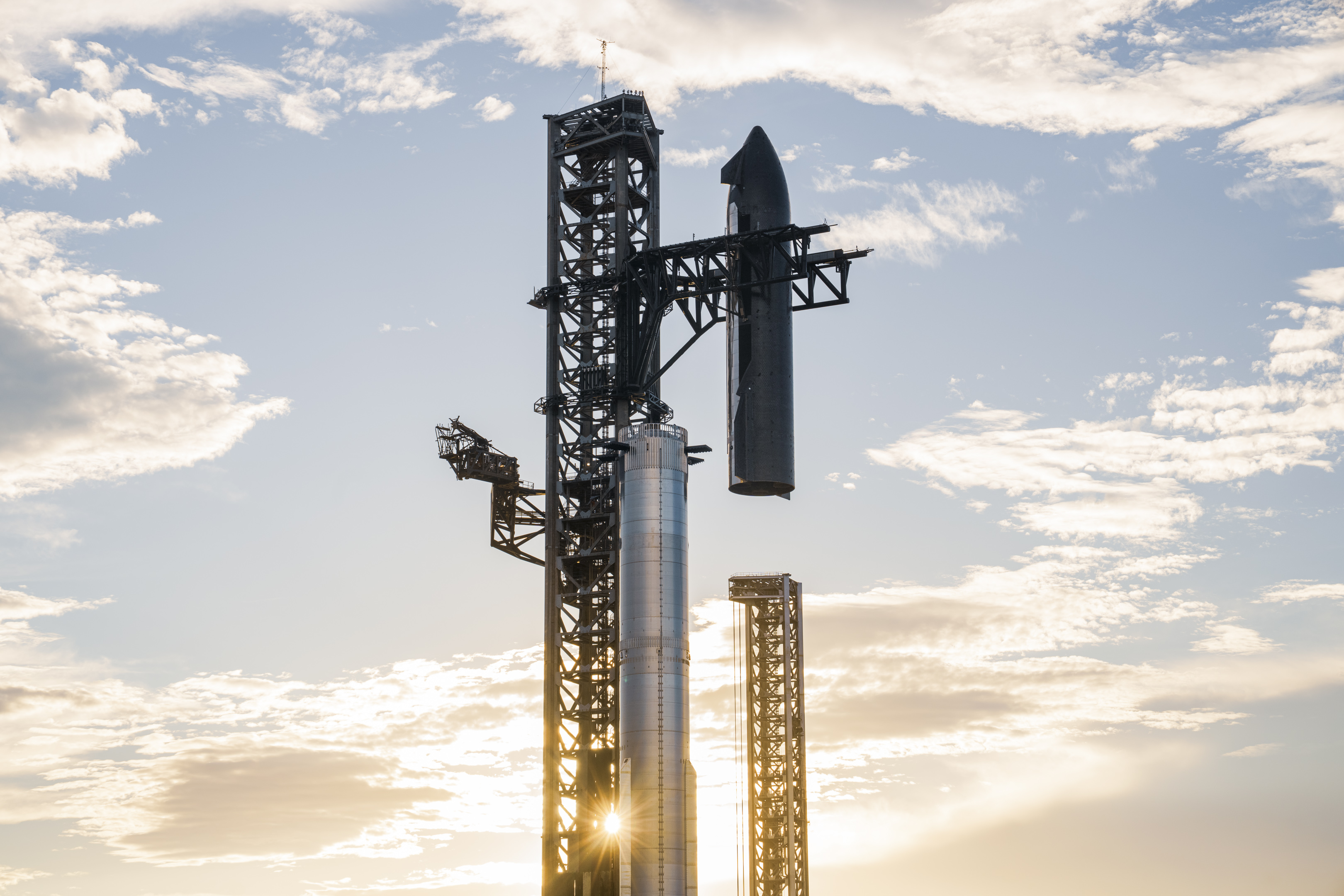
14th test flight of the two-stage Starship launch vehicle. 3rd flight of Starship V3 and the first Starship flight to deploy satellites (a group of Starlink satellites) into stable Low Earth Orbit.
Sentinel-3C & FLEX
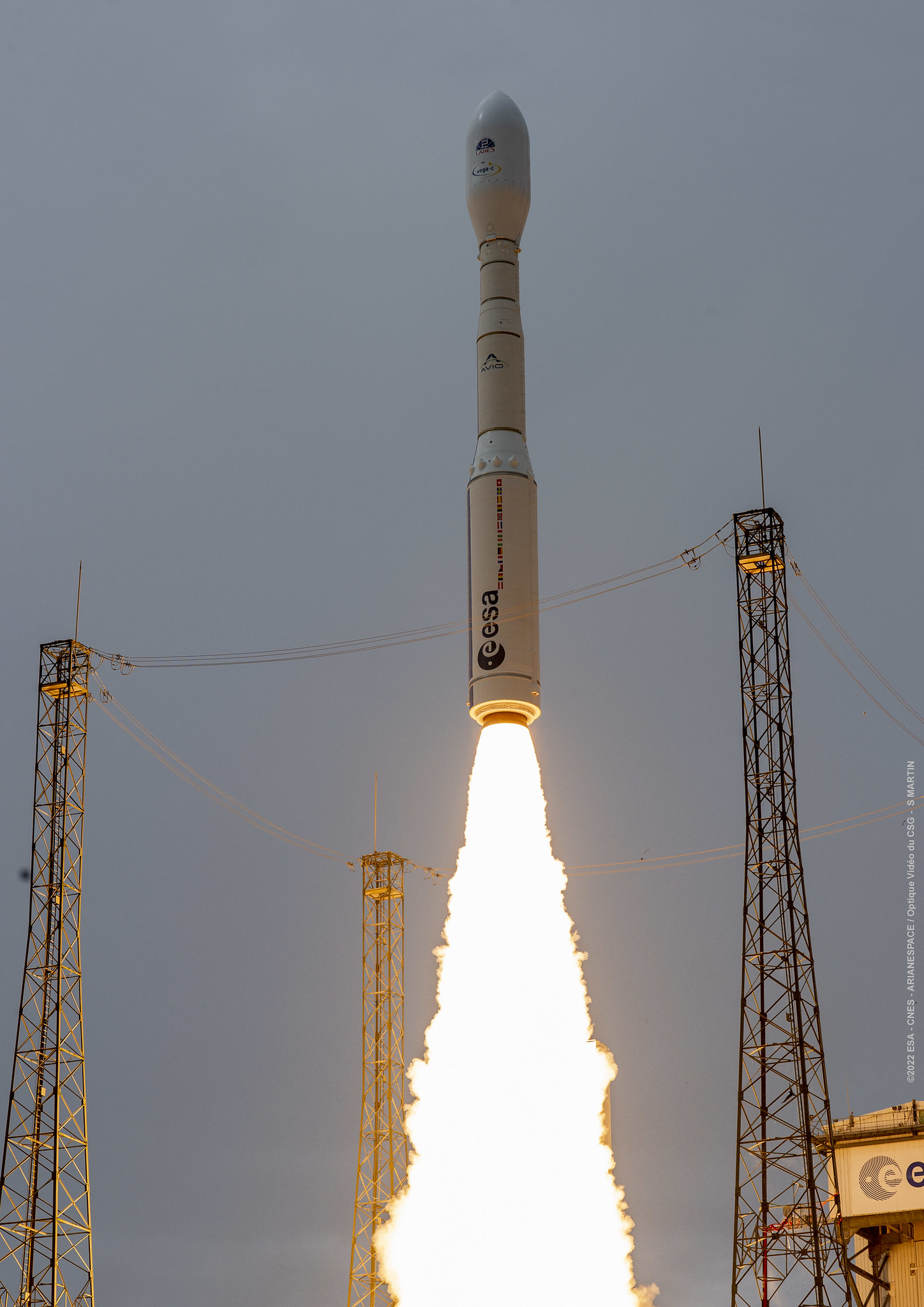
Provider: Avio S.p.A Date: September 15, 2026 Time: 1:21 AM UTC Vehicle: Vega-C
Sentinel-3C is the third satellite in the Sentinel-3 constellation, which provides high-accuracy optical, radar and altimetry data for marine and land services.
The Fluorescence Explorer (FLEX) satellite is a part of ESA’s Earth Explorer program. The satellite will map vegetation fluorescence to quantify photosynthetic activity.
Unknown Payload ×
Mission Details
TypeUnknown
OrbitUnknown
TargetEarth
Details TBD.
Launch Provider: China Aerospace Science and Technology Corporation
The Long March 2D, also known as the Chang Zheng 2D, CZ-2D and LM-2D, is a Chinese orbital carrier rocket. It is a 2-stage carrier rocket mainly used for launching LEO and SSO satellites.
The YZ-3 variant includes a YZ-3 upper stage able to push satellites into higher orbits.
Specifications
ReusableNo
Maiden Flight2018-12-29
Launch Record
4 successful / 4 total launches
Current streak: 4 successful
USSF-153 ×
Mission Details
TypeGovernment/Top Secret
OrbitLow Earth Orbit
TargetEarth
USSF-153 is a classified mission for the United States Space Force. It is possibly a batch of classified LEO satellites for a US government entity based on SpaceX’s Starshield satellite bus, based on locations of rocket stage drop zones being exact fits with previous Starlink Group 15 launches.
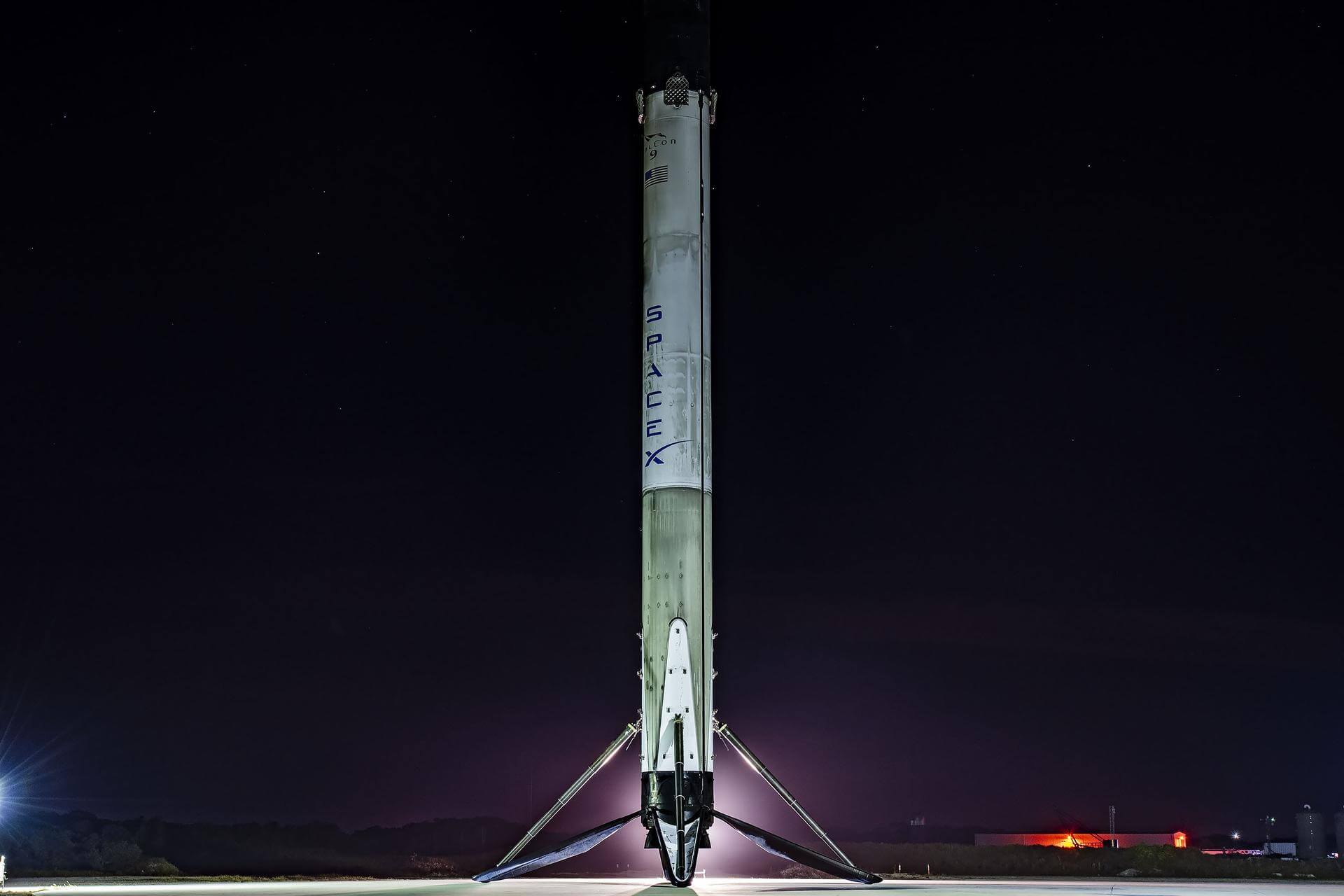
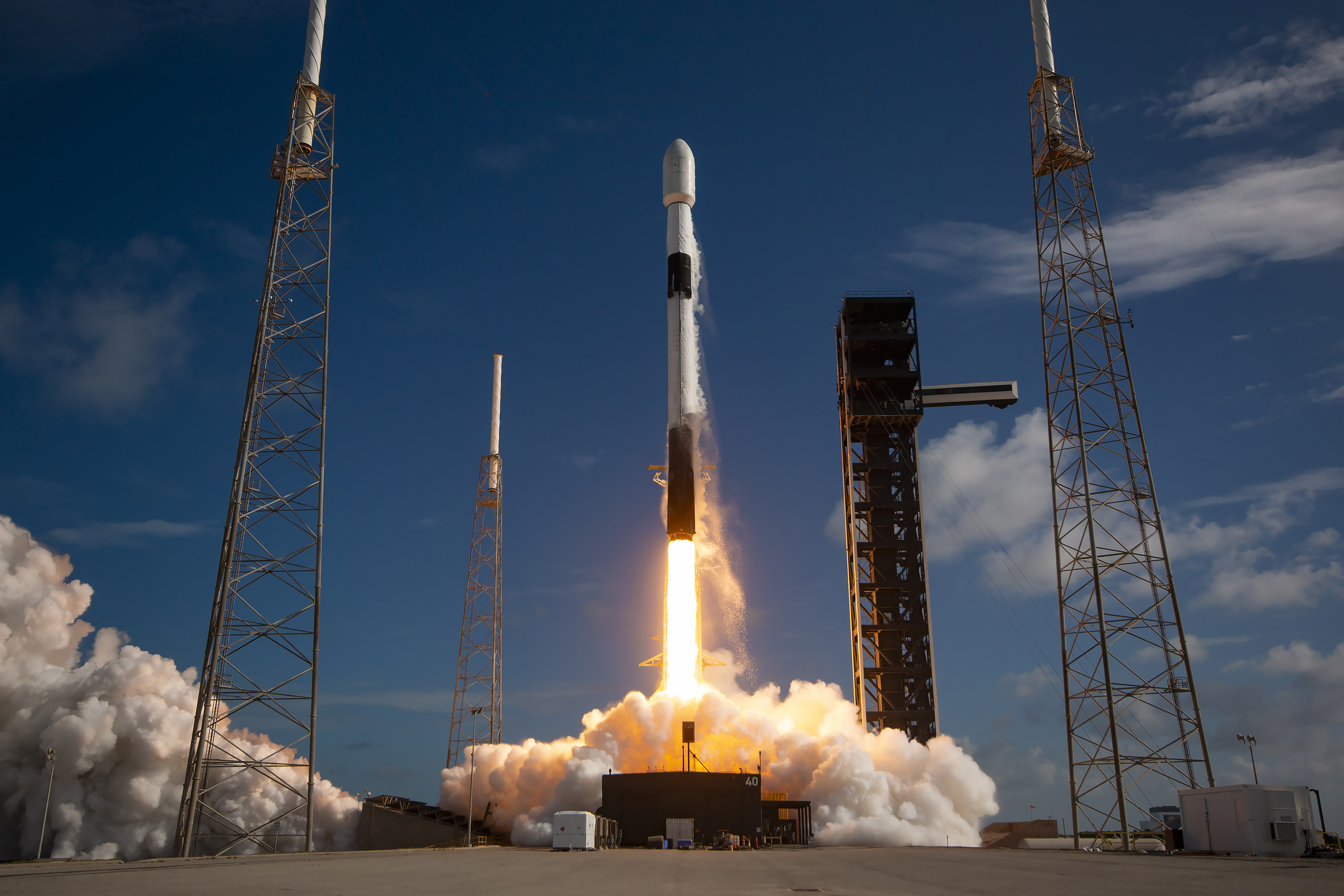
Falcon 9 is a two-stage rocket designed and manufactured by SpaceX for the reliable and safe transport of satellites and the Dragon spacecraft into orbit. The Block 5 variant is the fifth major interval aimed at improving upon the ability for rapid reusability.
Falcon 9 is a two-stage rocket designed and manufactured by SpaceX for the reliable and safe transport of satellites and the Dragon spacecraft into orbit. The Block 5 variant is the fifth major interval aimed at improving upon the ability for rapid reusability.
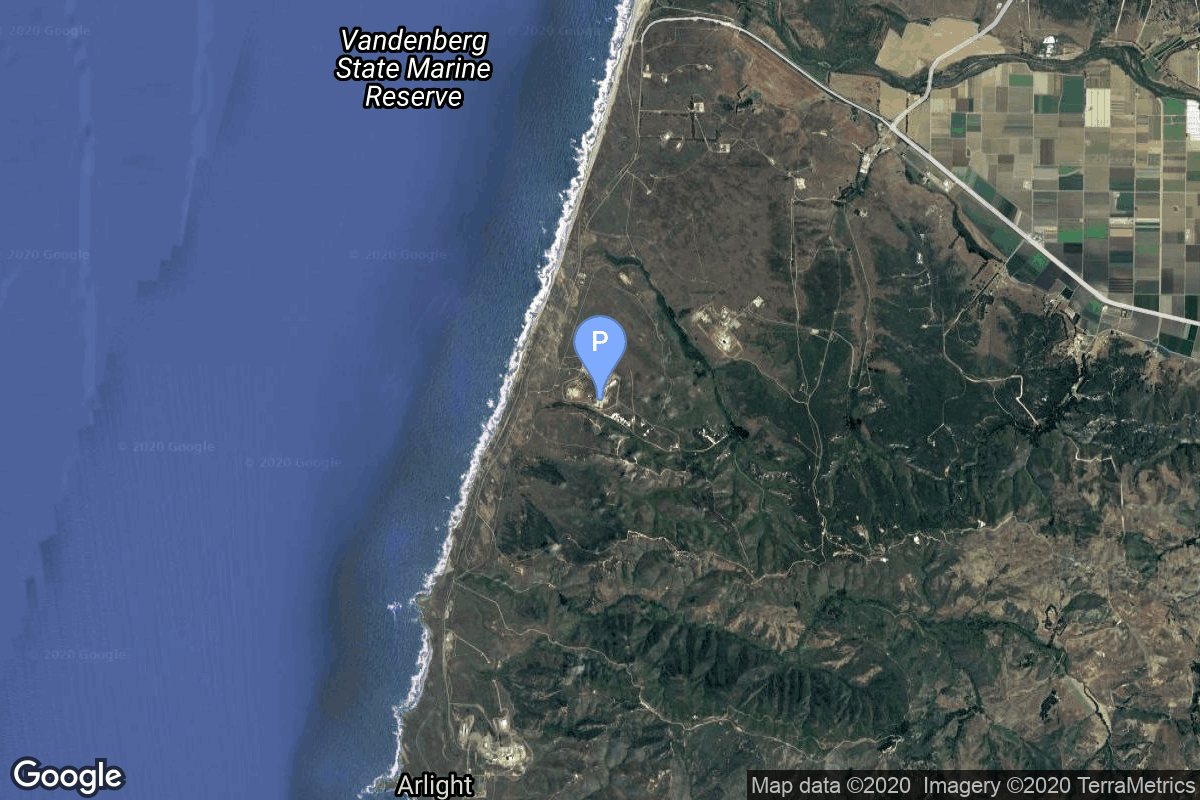
The Falcon 9 first stage will land on ASDS ASOG after its flight.
Flight 14 ×
Mission Details
TypeTest Flight
OrbitLow Earth Orbit
TargetEarth
14th test flight of the two-stage Starship launch vehicle. 3rd flight of Starship V3 and the first Starship flight to deploy satellites (a group of Starlink satellites) into stable Low Earth Orbit.
Program: SpaceX Starship
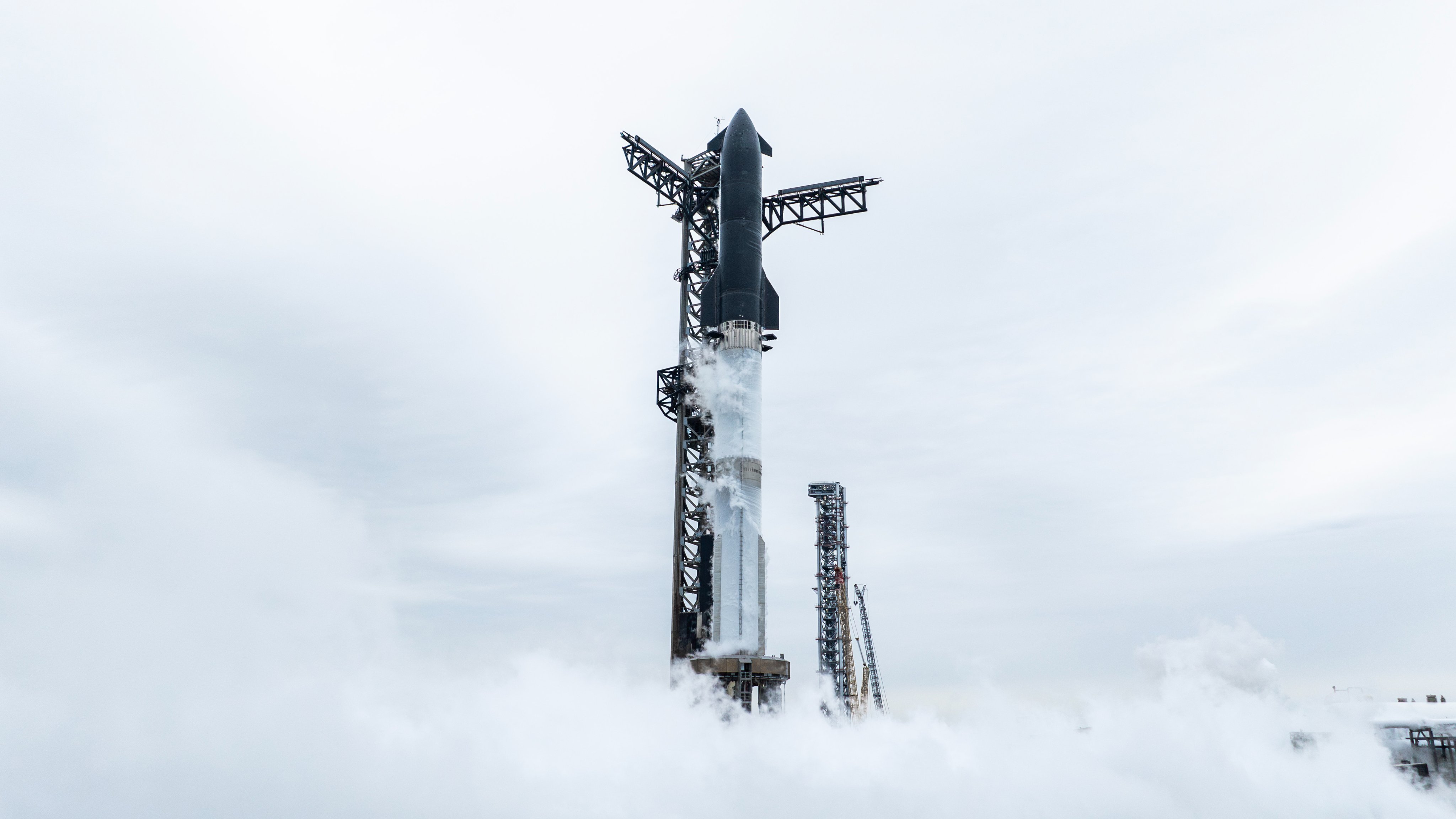
The SpaceX Starship is a fully reusable super heavy-lift launch vehicle under development by SpaceX since 2012, as a self-funded private spaceflight project. The second stage of the Starship — is designed as a long-duration cargo and passenger-carrying spacecraft. It is expected to be initially used without any booster stage at all, as part of an extensive development program to prove out launch-and-landing and iterate on a variety of design details, particularly with respect to the vehicle’s atmospheric reentry.
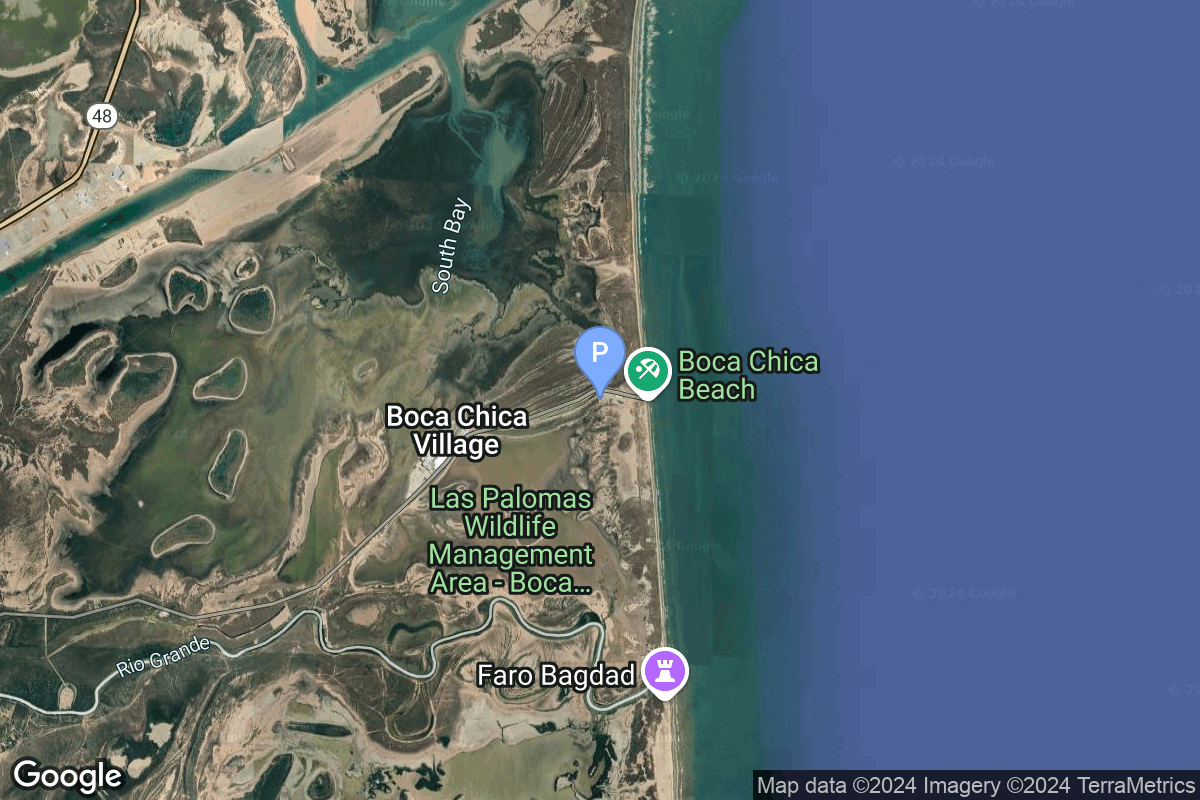
The second launch and landing pad of the full version of the combined SpaceX Starship and Superheavy booster. To be first used for launch in 2025 with version 3 of Starship and the Superheavy…
Third V3 Starship to fly with various enhancements, to be used on the 14th Starship test flight, the first Starship flight to deploy satellites into stable Low Earth Orbit.
Specifications
SerialS41
TypeReuseable Upper Stage
StatusActive
DestinationLow Earth Orbit
Height52.1 m
Diameter9 m
Maiden Flight2026-05-22
History
The third-generation Starship upper stage will be introduced on flight 12.
Capability
More than 100 tons to Earth orbit
Details
Third-generation second stage of the two-stage Starship super heavy-lift launch vehicle.
Sentinel-3C is the third satellite in the Sentinel-3 constellation, which provides high-accuracy optical, radar and altimetry data for marine and land services.
The Fluorescence Explorer (FLEX) satellite is a part of ESA’s Earth Explorer program. The satellite will map vegetation fluorescence to quantify photosynthetic activity.
Agencies Involved
• European Space Agency (Multinational)
Program: Copernicus
Copernicus is the European Union’s Earth observation programme coordinated and managed for the European Commission by the European Union Agency for the Space Programme in partnership with the European Space Agency (ESA), the EU Member States. It aims at achieving a global, continuous, autonomous, high quality, wide range Earth observation capacity. Providing accurate, timely and easily accessible information to, among other things, improve the management of the environment, understand and mitigate the effects of climate change, and ensure civil security.
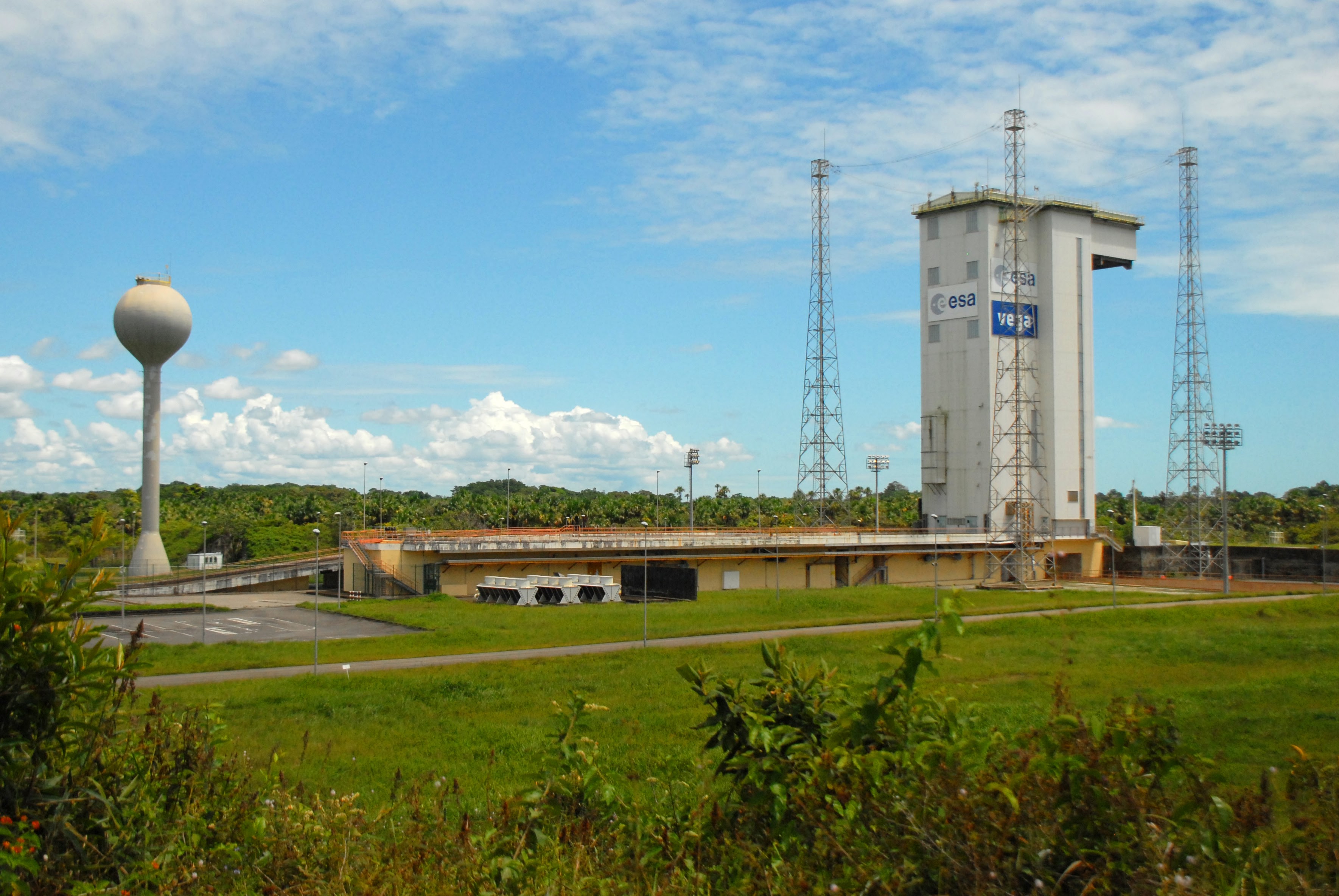
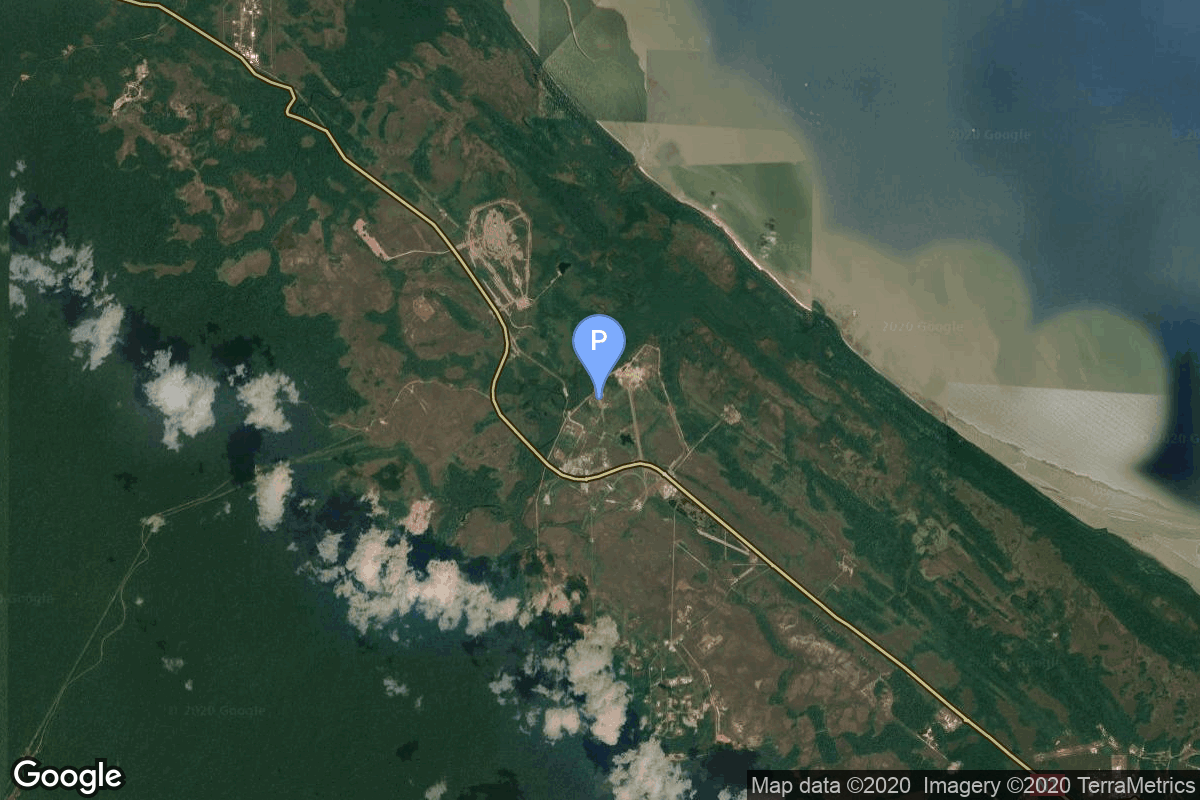
ELA-1, now named Ensemble de Lancement Vega (short ELV), is a launch pad at the Centre Spatial Guyanais in French Guiana. It has been used to support launches of the Europa rocket, Ariane 1, Ariane…
Vega-C is a single-body rocket nearly 35 m high with that weighs 210 tonnes on the launch pad. As with Vega, its main elements are three solid-propellant stages, an upper stage powered by a reignitable liquid-propellant engine and a payload fairing. Vega-C’s P120C first stage replaces Vega’s…
Robo Chris is a collection of API calls, filters, and searches, bolted together with magic and love. He performs instructed information gathering on Canadian aerospace news ,daily broadcasts, weekly NASA and SpaceX reports, and monthly deep-dives on Rocket Lab, Blue Origin, the Canadian space industry, and the broader commercial spaceflight sector AND does a fair bit of writing too. Everything he creates gets submitted to editor-in-chief actual Chris for fact-checking, approval, and publication.





Leave a Reply