Isar Aerospace Spectrum Reaches Orbit on Second Flight
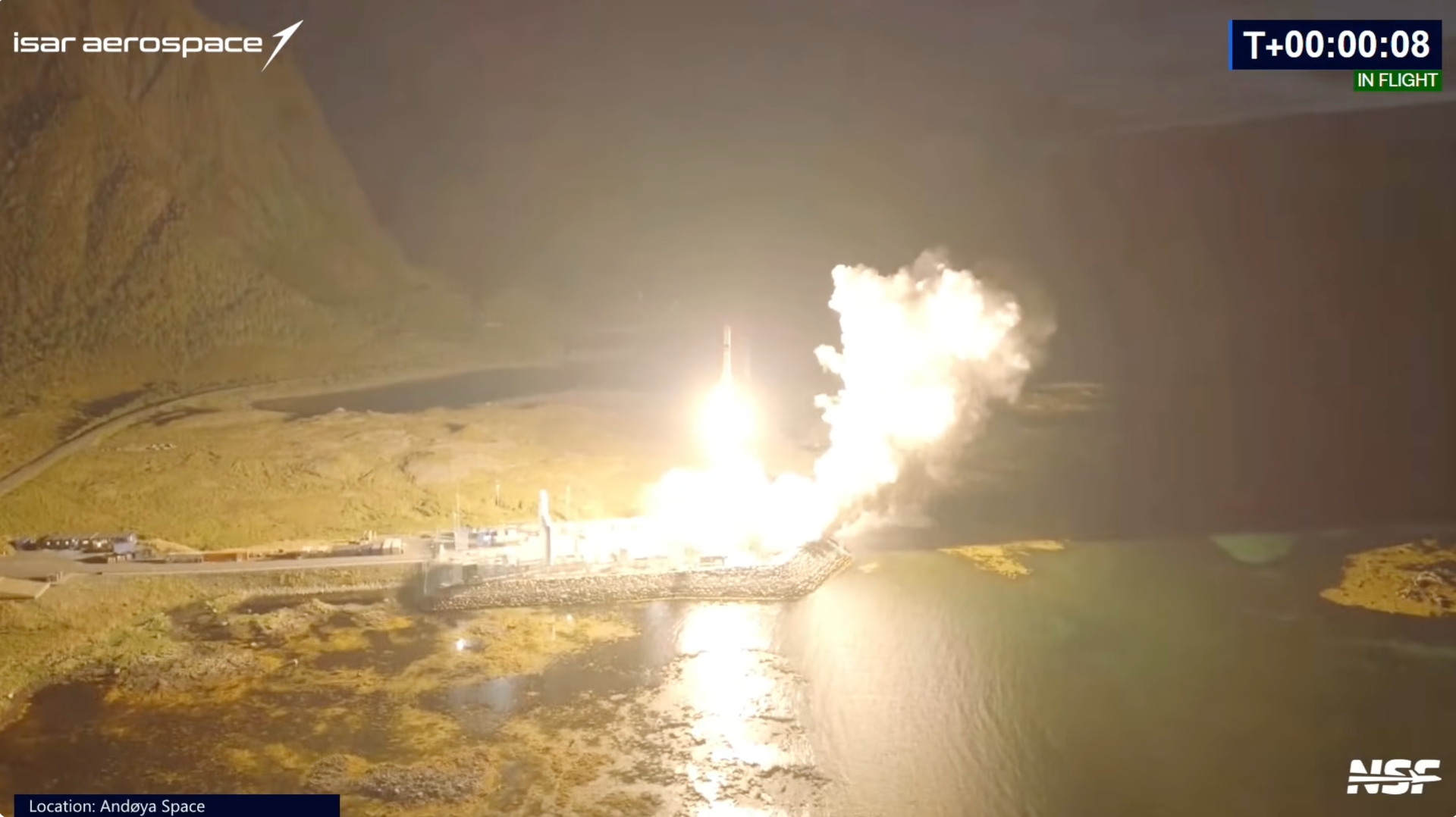
Isar Aerospace became the first commercial company to reach orbit from Western European soil on Saturday, September 5, when its Spectrum rocket lifted off from Andøya Space in northern Norway at 10:12 PM Central European Summer Time and deployed five satellites.
The mission, named “Onwards and Upwards,” marked a sharp turnaround from Spectrum’s first flight on March 30, 2025, which failed shortly after liftoff when the vehicle lost control. This second attempt went through several scrubs earlier in 2026, including one caused by a leaking pressure vessel, before Saturday’s success.
The two-stage rocket completed its full ascent profile, with the upper stage performing two burns to insert its payload into a stable orbit. Spectrum is designed to carry around 1,000 kilograms to orbit and uses propane and oxidizer as propellant for high energy density. The vehicle is powered by ten in-house Aquila engines: nine on the first stage and one on the upper stage.
Spaceport Nova Scotia in Isar’s Launch Plans
The successful orbit from Andøya clears the path for Isar’s planned operations at Spaceport Nova Scotia, where the company is building a dedicated Spectrum launch complex under a 10-year, roughly $155-million ($US 112.5 million) deal with Maritime Launch Services signed in July.
Isar and Maritime Launch Services pushed back a deadline to finalize remaining details of that agreement from September 1 to September 15. The first launch from Spaceport Nova Scotia targets sometime in 2028. Chief engineer Nikolaos Perakis noted on a livestream of Saturday’s launch that the Nova Scotia pad would let Spectrum fly east over open water into lower-inclination orbits — a capability Andøya cannot offer for those trajectories.
Isar is also planning to launch Spectrum from the Guiana Space Centre in French Guiana, under a dual-partnership framework shared between the French National Center for Space Studies and the European Space Agency.
NorthStar Secures $2M IRAP Funding for Space Sensors
Montreal-based NorthStar Earth & Space will receive advisory support and up to $2 million from Canada’s Industrial Research Assistance Program to build a new line of satellite-tracking sensors, the company announced in a September 4 release.
NorthStar provides space domain awareness — the tracking and cataloguing of objects in orbit — to commercial and defence customers. The IRAP funding, administered through the National Research Council, backs a modular sensor design meant to fly on almost any host satellite, including telecommunications constellations, rather than only on NorthStar’s own purpose-built spacecraft.
Luqia, the Montreal–Quebec City lab formed this year from the merger of two federal research institutes, is a subcontractor on the project, contributing sensor and payload design. IRAP contributions are non-repayable and reimbursed against project milestones, typically covering up to 80 per cent of an employee’s eligible salary and up to half the cost of subcontracted work.
“With NRC IRAP support, NorthStar is advancing a modular sensor architecture designed to expand SDA capacity and strengthen Canada’s sovereign and allied space security posture,” chief executive Stewart Bain said in the release. Government disclosure records show an earlier $75,000 NRC IRAP contribution to NorthStar in December for a related single-camera tracking project that wrapped up in May.
HyImpulse Eyes October SR75 Flight from SaxaVord
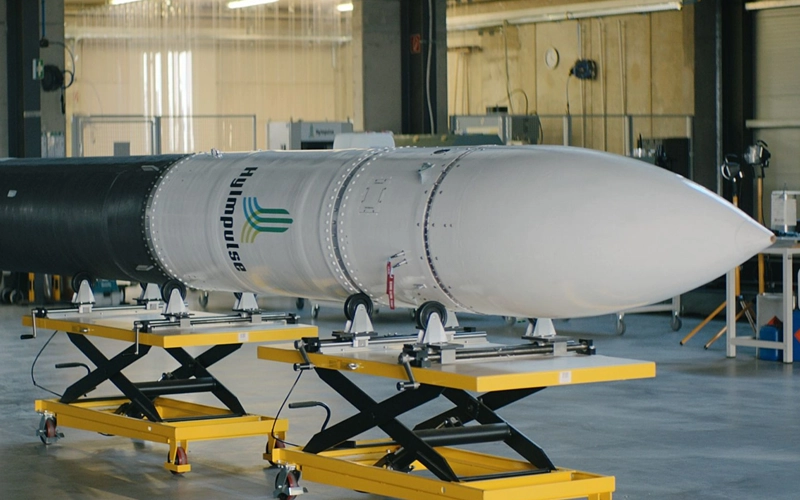
German launch company HyImpulse could attempt the second flight of its SR75 suborbital rocket from SaxaVord Spaceport in Scotland as early as October 5, according to maritime and aviation notices published this month.
On September 2, Norwegian air navigation service provider Avinor published a notice outlining temporary danger areas for a HyImpulse launch between October 5 and 18, with daily activity planned from 07:00 to 12:00 UTC. A UK Admiralty Notice to Mariners independently confirms the same window and states the rocket is expected to travel approximately 135 kilometres north from SaxaVord, with the booster and nose cone expected to splash down separately.
The notices follow an agreement signed in March between SaxaVord and HyImpulse covering the second SR75 flight. HyImpulse’s environmental assessment submitted to the UK Civil Aviation Authority states that a launch campaign is expected to last around four weeks — from hardware delivery through assembly, launchpad movement, countdown, flight and recovery. If the October 5 window holds, launch hardware could begin arriving at SaxaVord during September.
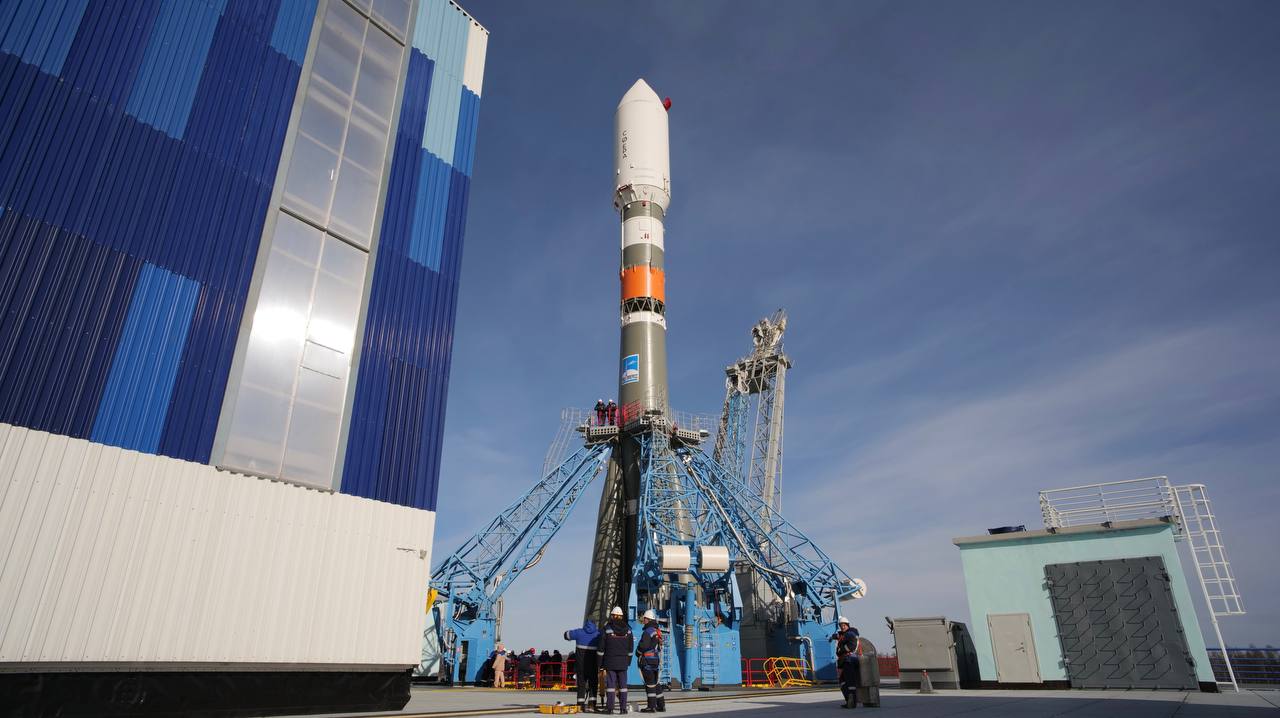
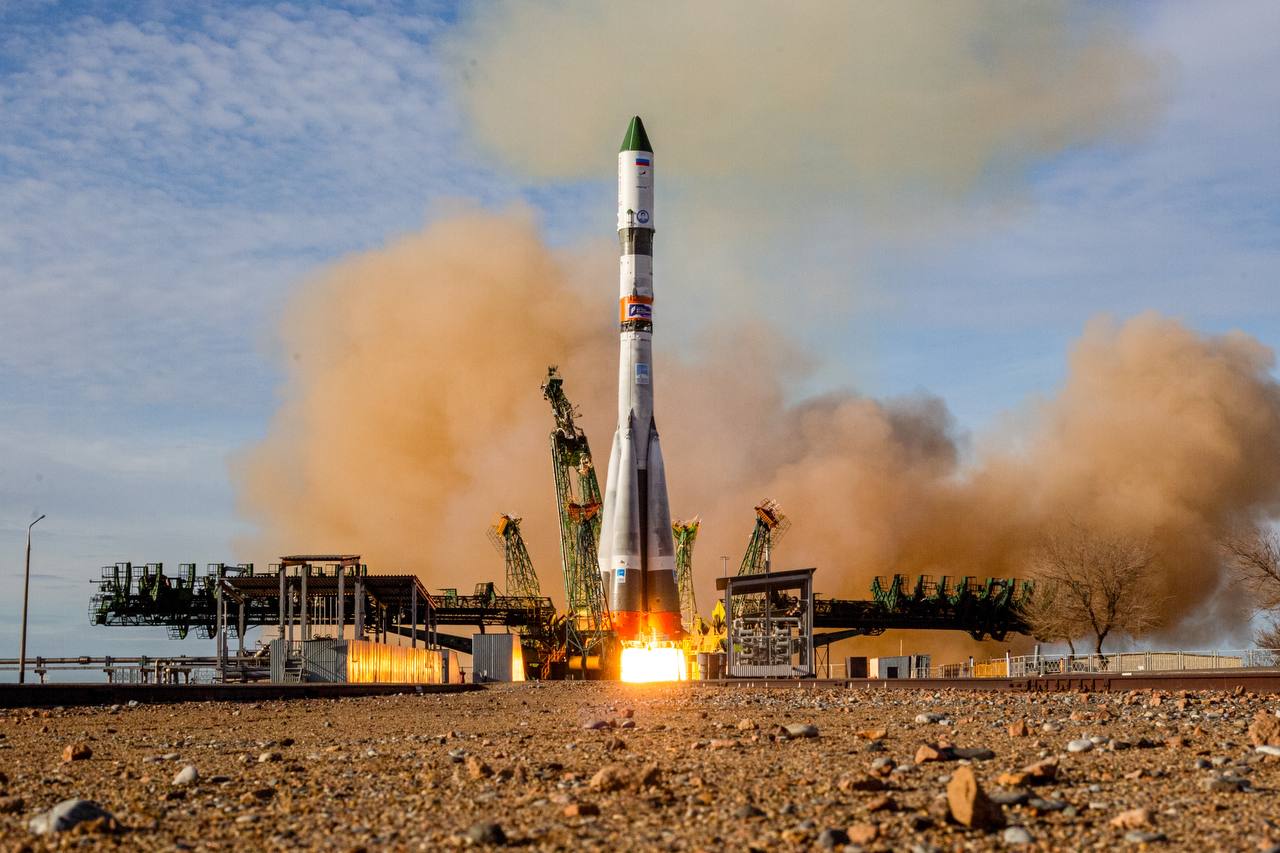
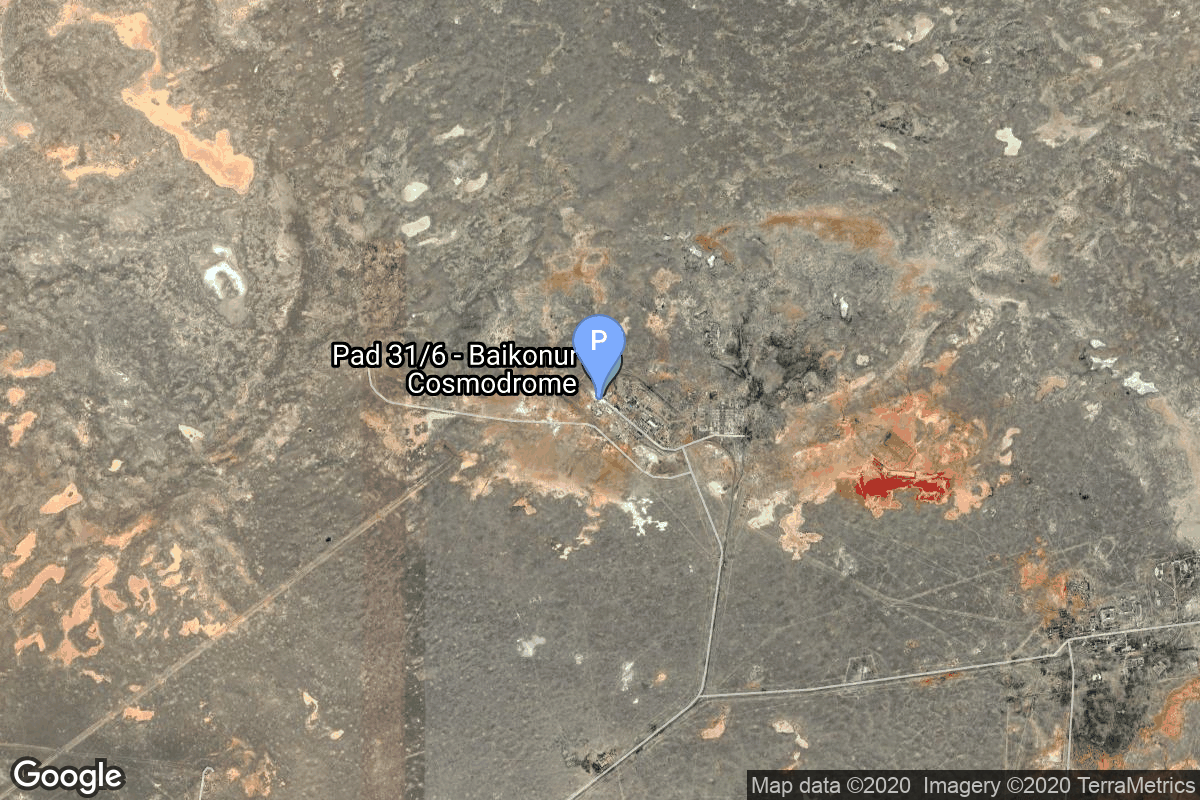
Provider: Russian Federal Space Agency (ROSCOSMOS) Date: September 9, 2026 Time: 4:15 PM UTC Vehicle: Soyuz 2.1b
Progress resupply mission to the International Space Station.
Unknown Payload
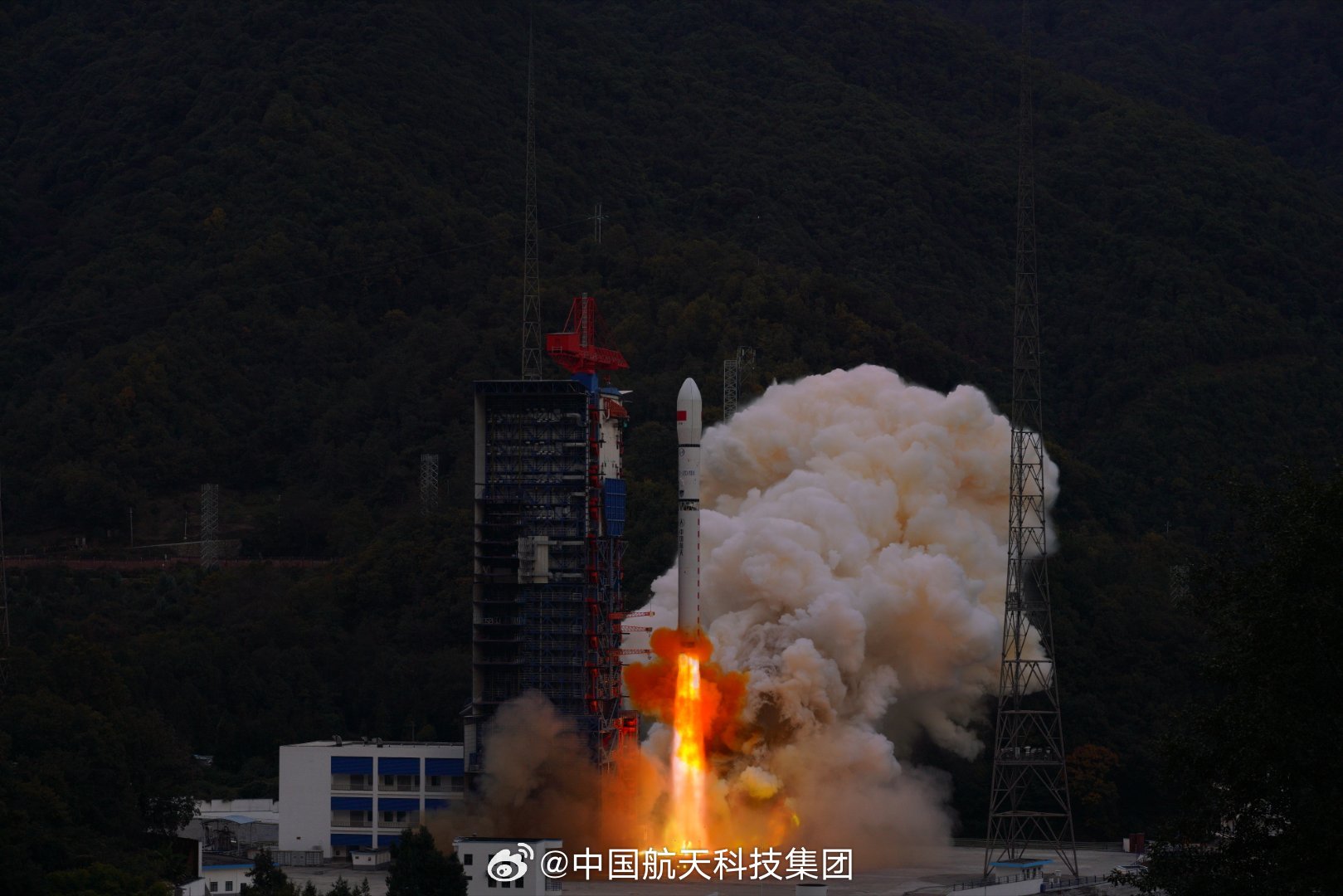
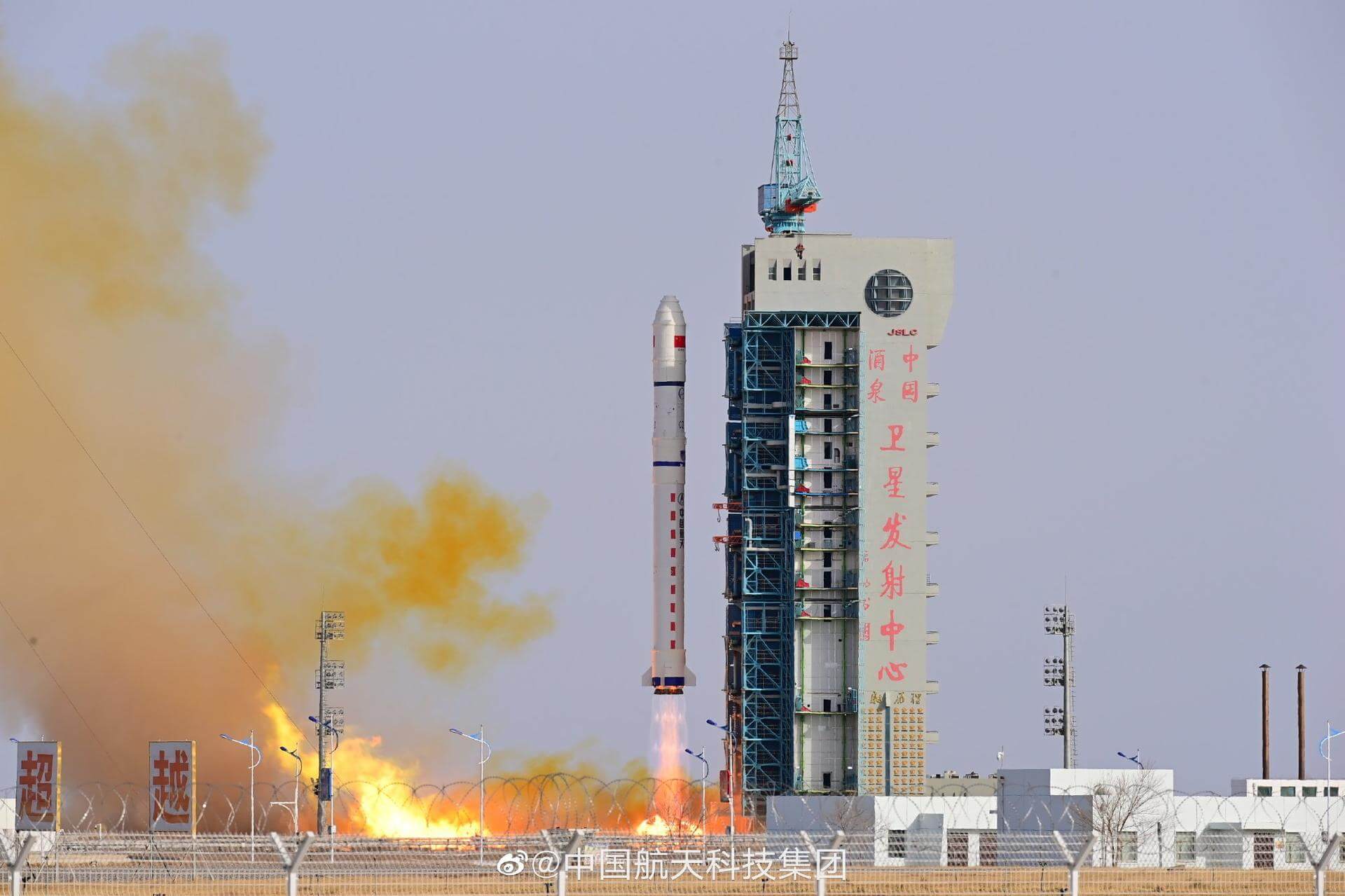
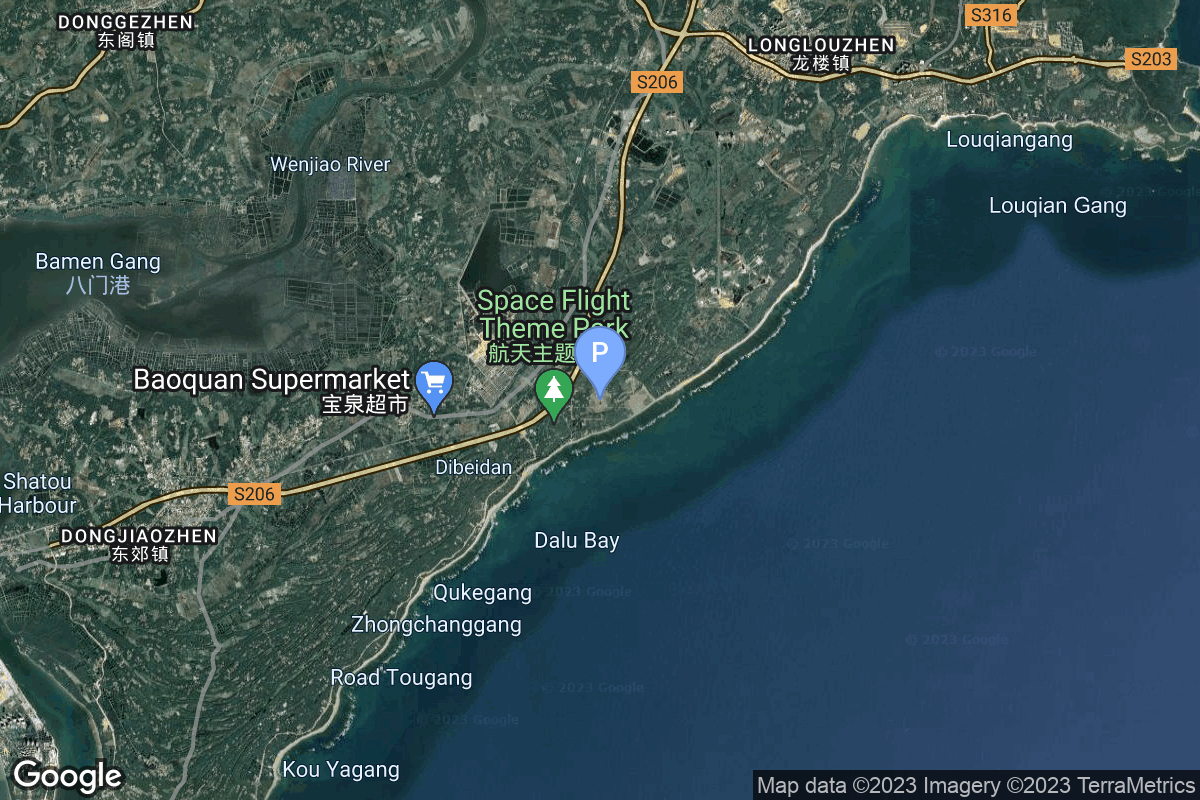
Provider: China Aerospace Science and Technology Corporation Date: September 10, 2026 Time: 9:00 AM UTC Vehicle: Long March 2D/YZ-3
Details TBD.
USSF-153
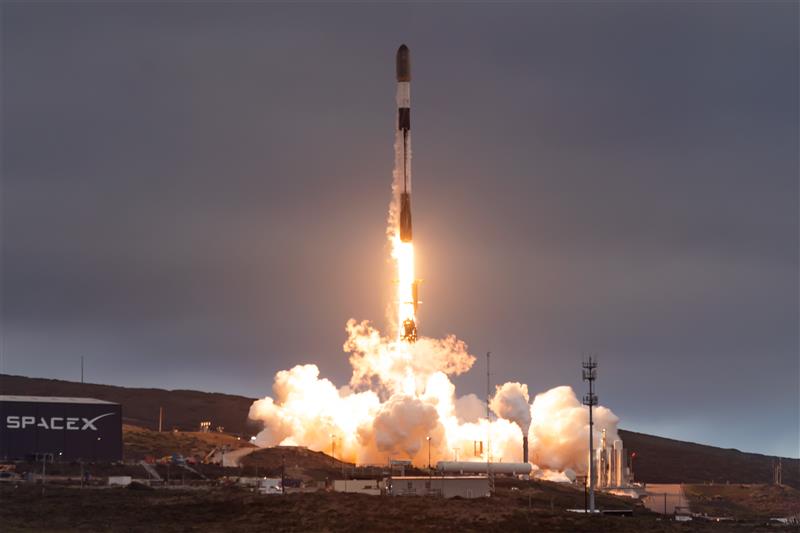
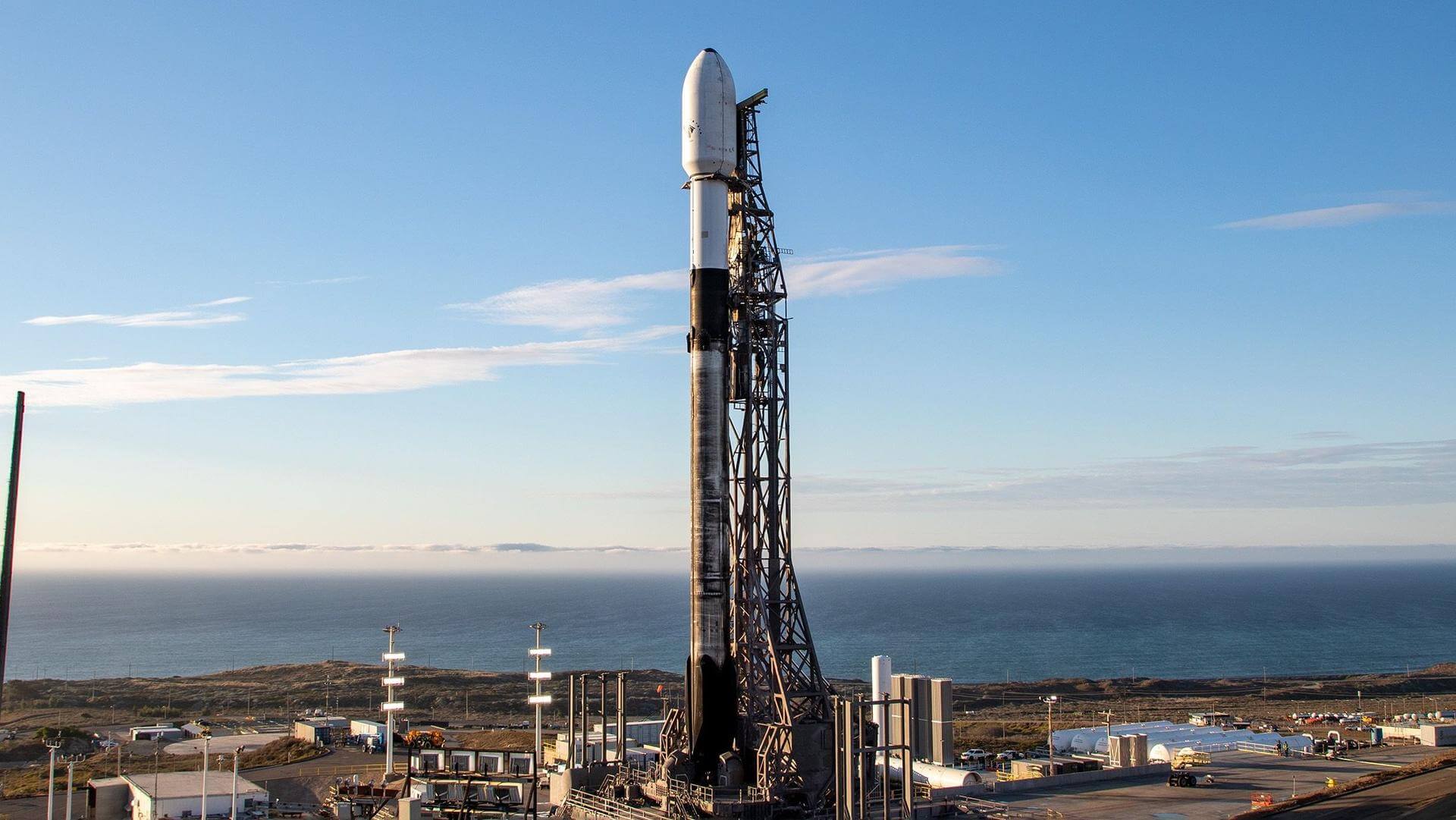
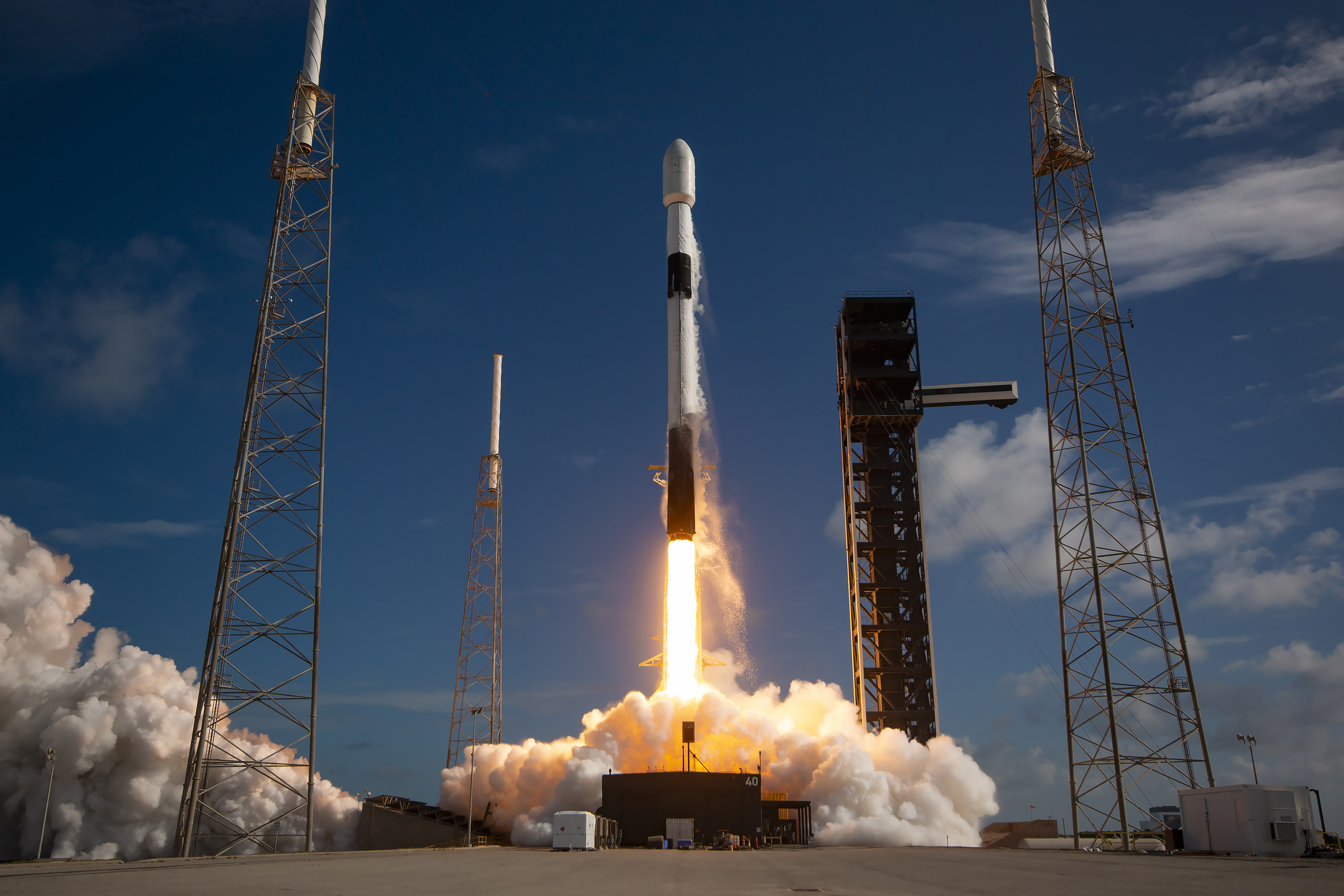
Provider: SpaceX Date: September 10, 2026 Time: 3:37 PM UTC Vehicle: Falcon 9
USSF-153 is a classified mission for the United States Space Force. It is possibly a batch of classified LEO satellites for a US government entity based on SpaceX’s Starshield satellite bus, based on locations of rocket stage drop zones being exact fits with previous Starlink Group 15 launches.
Unknown Payload
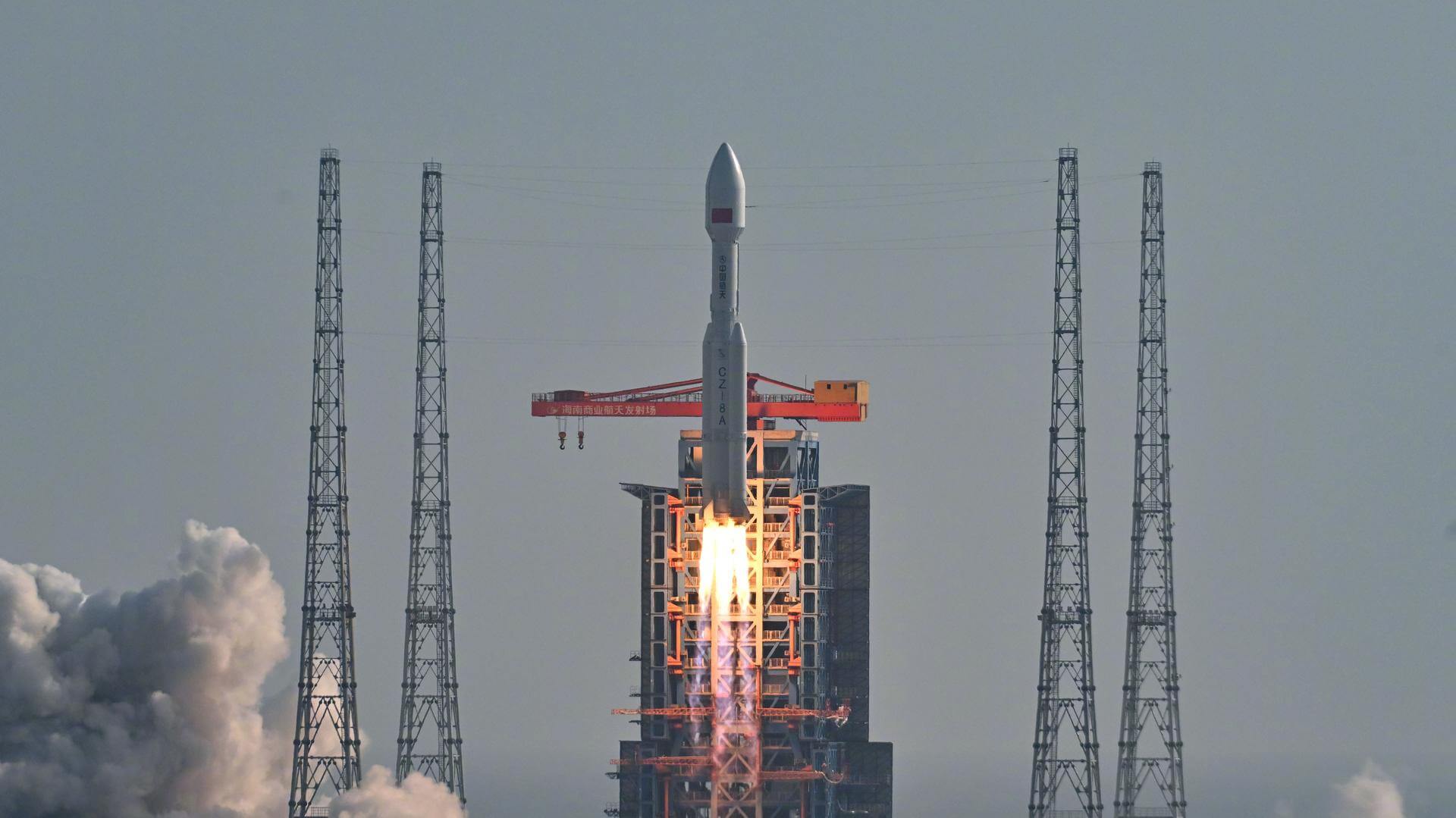
Provider: China Aerospace Science and Technology Corporation Date: September 11, 2026 Time: 4:00 PM UTC Vehicle: Long March 8A
Details TBD.
O3b mPower 11-13
Provider: SpaceX Date: September 13, 2026 Time: 6:50 PM UTC Vehicle: Falcon 9
3 high-throughput communications satellites in Medium Earth Orbit (MEO) built by Boeing and operated by SES.
Progress MS-35 (96P) ×
Mission Details
TypeResupply
OrbitLow Earth Orbit
TargetEarth
Progress resupply mission to the International Space Station.
Agencies Involved
• Russian Federal Space Agency (ROSCOSMOS) (Government)
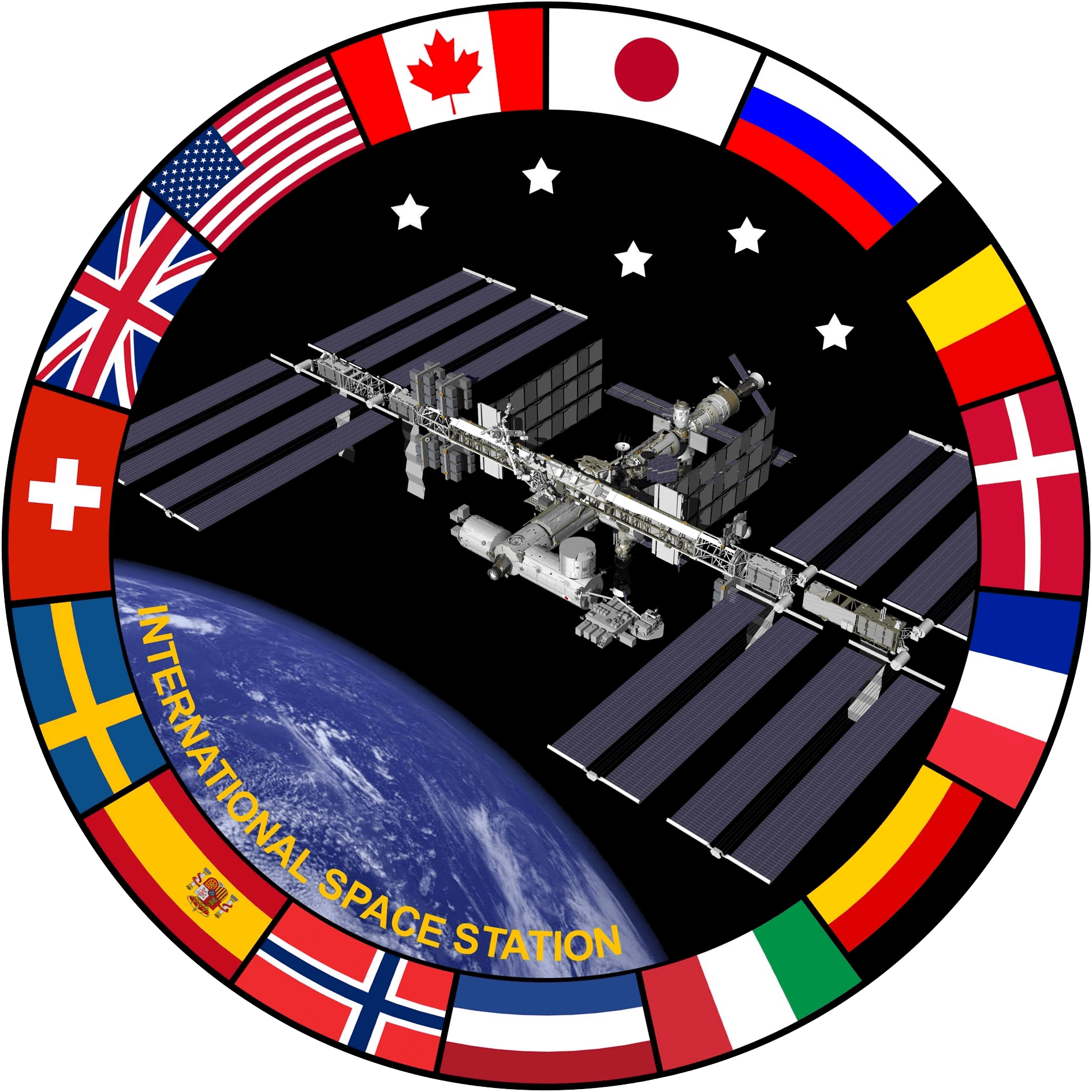
Program: International Space Station
The International Space Station programme is tied together by a complex set of legal, political and financial agreements between the sixteen nations involved in the project, governing ownership of the various components, rights to crewing and utilization, and responsibilities for crew rotation and resupply of the International Space Station. It was conceived in 1984 by President Ronald Reagan, during the Space Station Freedom project as it was originally called.
Soyuz-2 is the 21st-century version of the Russian Soyuz rocket. In its basic form, it is a three-stage carrier rocket for placing payloads into low Earth orbit. The 2.1b version adds an upgraded engine (RD-0124) with improved performance to the second stage.
The Long March 2D, also known as the Chang Zheng 2D, CZ-2D and LM-2D, is a Chinese orbital carrier rocket. It is a 2-stage carrier rocket mainly used for launching LEO and SSO satellites.
The YZ-3 variant includes a YZ-3 upper stage able to push satellites into higher orbits.
Specifications
ReusableNo
Maiden Flight2018-12-29
Launch Record
4 successful / 4 total launches
Current streak: 4 successful
USSF-153 ×
Mission Details
TypeGovernment/Top Secret
OrbitLow Earth Orbit
TargetEarth
USSF-153 is a classified mission for the United States Space Force. It is possibly a batch of classified LEO satellites for a US government entity based on SpaceX’s Starshield satellite bus, based on locations of rocket stage drop zones being exact fits with previous Starlink Group 15 launches.
Falcon 9 is a two-stage rocket designed and manufactured by SpaceX for the reliable and safe transport of satellites and the Dragon spacecraft into orbit. The Block 5 variant is the fifth major interval aimed at improving upon the ability for rapid reusability.
The Long March 8A is an orbital launch vehicle developed by the China Academy of Launch Vehicle Technology based on the Long March 8. It has an increased capability of up to 7 tonnes to a 700 km altitude sun-synchronous orbit. It implements a larger 3.35 meters diameter liquid hydrogen/liquid…
Falcon 9 is a two-stage rocket designed and manufactured by SpaceX for the reliable and safe transport of satellites and the Dragon spacecraft into orbit. The Block 5 variant is the fifth major interval aimed at improving upon the ability for rapid reusability.
Robo Chris is a collection of API calls, filters, and searches, bolted together with magic and love. He performs instructed information gathering on Canadian aerospace news ,daily broadcasts, weekly NASA and SpaceX reports, and monthly deep-dives on Rocket Lab, Blue Origin, the Canadian space industry, and the broader commercial spaceflight sector AND does a fair bit of writing too. Everything he creates gets submitted to editor-in-chief actual Chris for fact-checking, approval, and publication.








Leave a Reply