Static Fires Complete as Flight 14 Hardware Readies
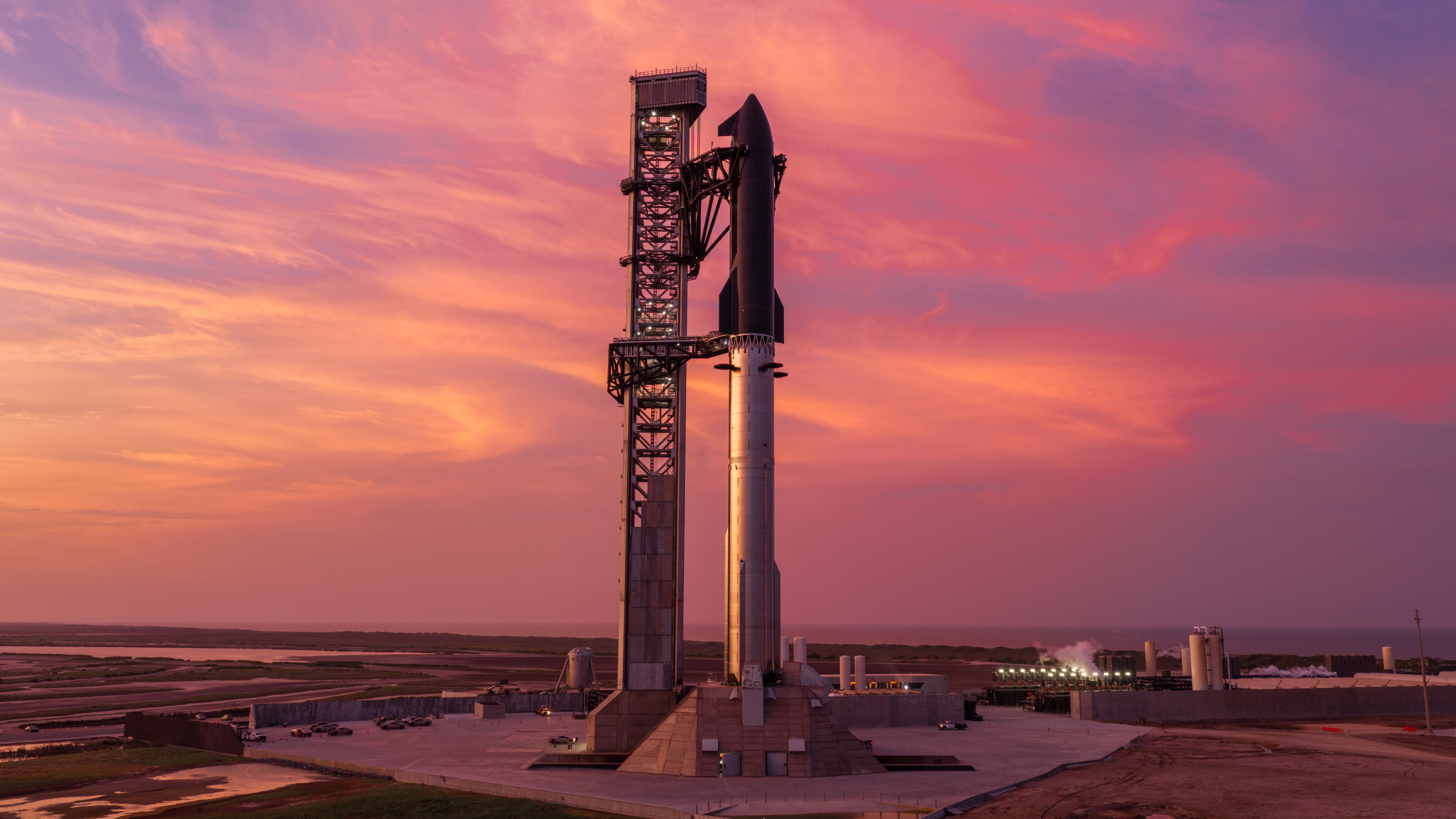
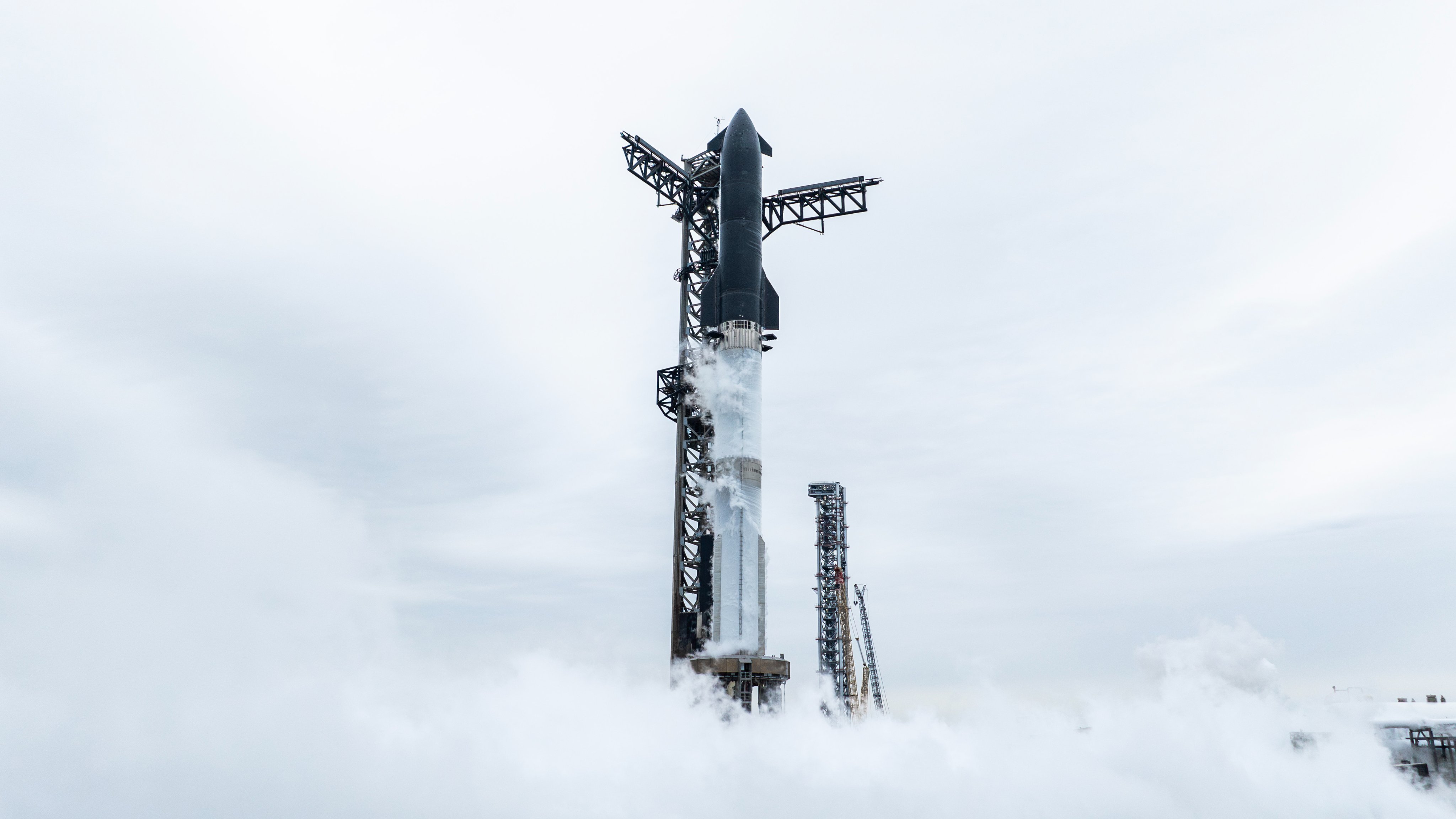
SpaceX completed key engine tests for Starship Flight 14 this week, clearing a major hurdle ahead of what would be the program’s first orbital launch deploying new high-capacity Starlink satellites. Ship 41 underwent single-engine and six-engine static fire tests, while Booster 21 passed a 33-engine static fire at Starbase.
An FCC filing dated Sept. 1 indicates a planned launch date of Tuesday, Sept. 15 for Flight 14. Hazard warnings for aviators and mariners corroborate that timeline, though no official date has been announced. The mission will also mark the first orbital Starship launch since the program’s return to flight.
Flight 15 hardware is already moving through the testing pipeline. Starship 42 rolled out to Massey’s test site on Sept. 2 for initial cryo proof testing, complete with its flight decals. Ship 42 is earmarked for Flight 15, which NASASpaceflight reports may feature a double catch attempt with Mechazilla.
Pad 1 Reconfiguration and Florida Tower Progress
Infrastructure work at Starbase continues to accelerate in preparation for a higher launch cadence. Flyover footage from Sept. 3 captured reconfiguration progress at Pad 1, ongoing construction at Pad 2, and activity at the Gigabay production facility. Structural test articles for future vehicles are also visible at the site.
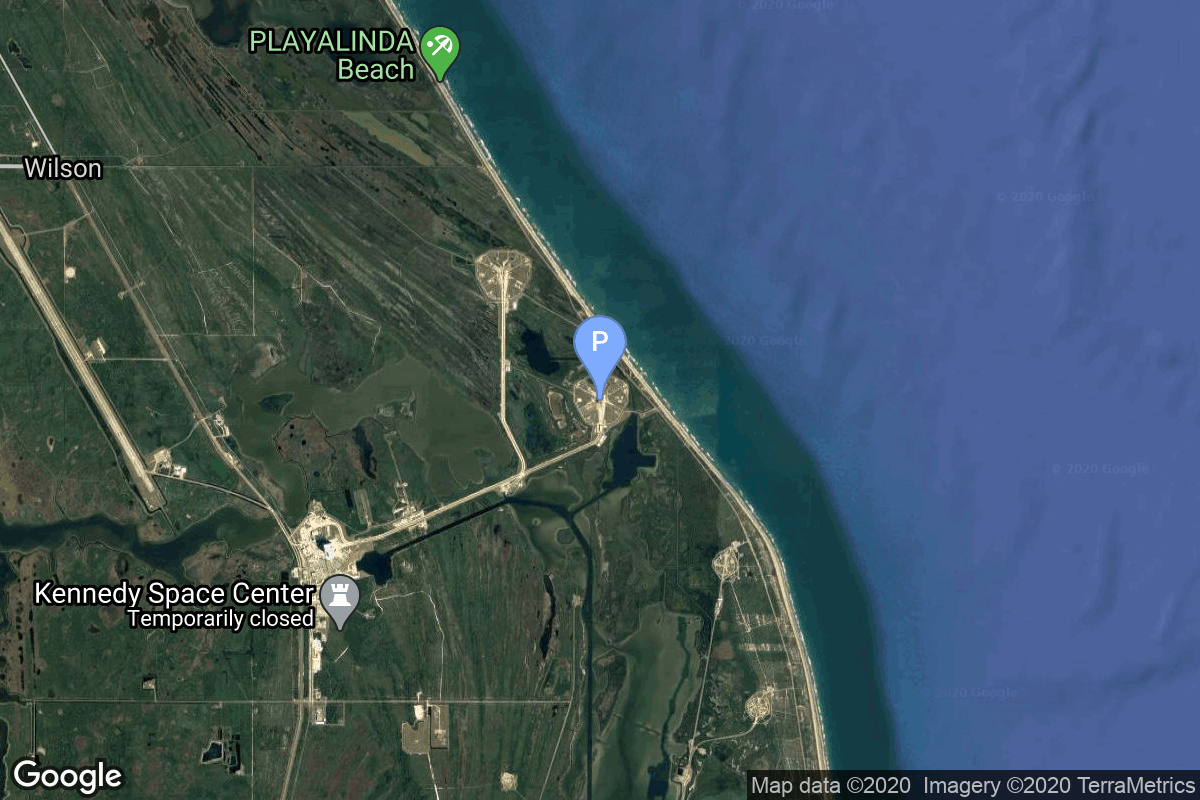
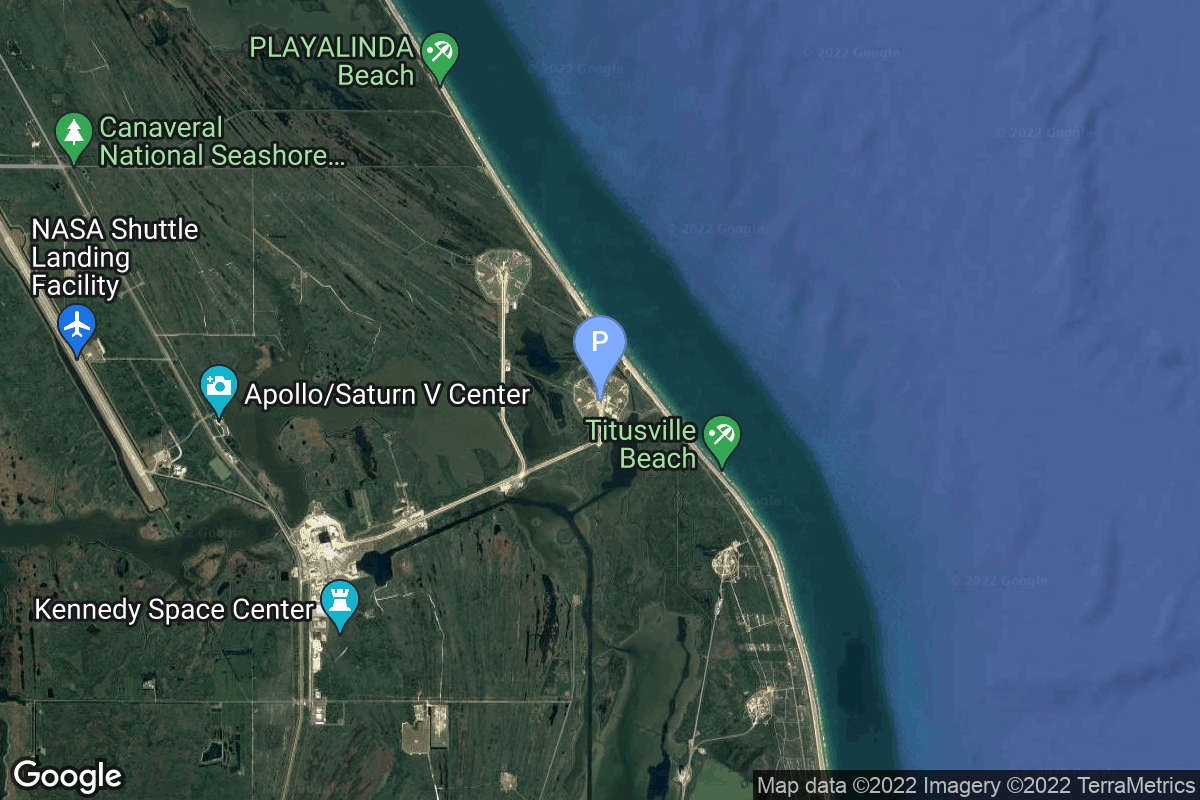
Beyond Texas, SpaceX is advancing its Florida Starship plans. A horizontal transporter frame and stand arrived at the Kennedy Space Center Turn Basin, signalling that Starship operations from Launch Complex 39A are moving closer to reality. SpaceX is building three Starship launch towers in Florida — one at LC-39A and two at Space Launch Complex 37 at Cape Canaveral Space Force Station — with a goal of launching the first Starship from Florida before the end of the year.
Falcon 9 Logs 80th Starlink Mission and 659th Booster Landing
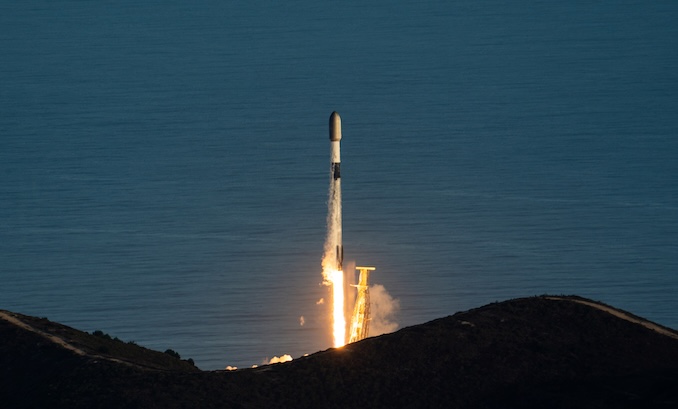
SpaceX kept its Falcon 9 cadence steady with two Starlink launches from Vandenberg Space Force Base this week. The Sunday morning flight of Starlink 15-24 lifted off at 7:26 a.m. PDT from Space Launch Complex 4 East, marking the 80th Starlink mission of 2026.
Booster B1088 flew for a 19th time on the mission, landing on the droneship Of Course I Still Love You for the 223rd recovery on that vessel and the 659th Falcon booster landing overall. Elon Musk noted on X that SpaceX has now surpassed 600 autonomous rocket landings.
A second Falcon 9 launched 27 Starlink satellites on Sept. 2, also from Vandenberg. The launches reflect a strategic shift: SpaceX Vice President for Launch Kiko Dontchev confirmed that all future Starlink missions from Florida will fly on Starship rather than Falcon 9.
Starlink Expands to UAE, Uganda, and European Mobile Networks
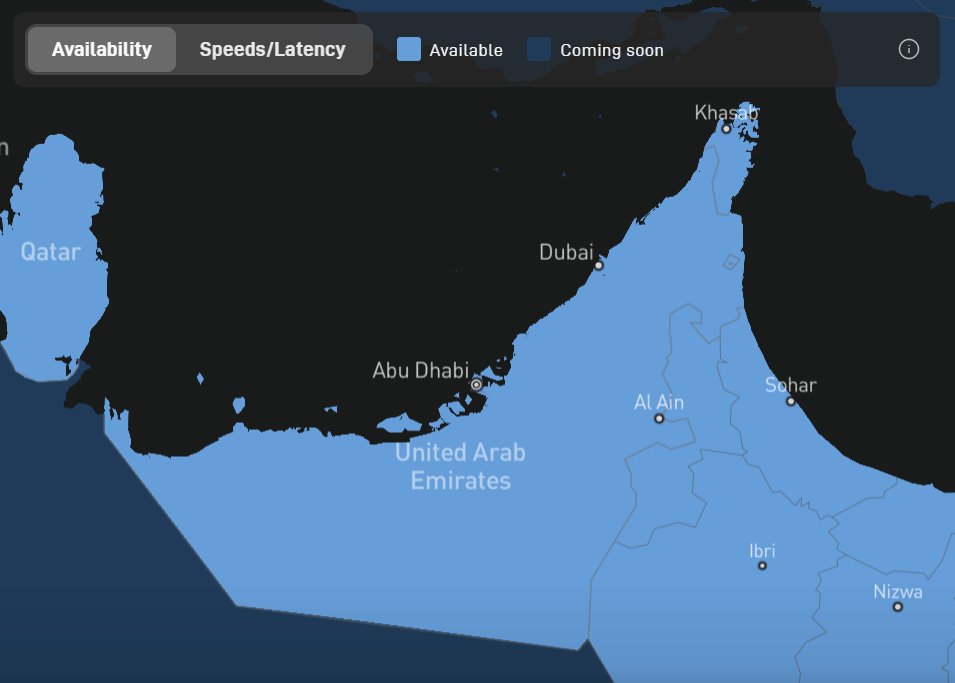
Starlink’s global footprint grew this week with service launches in two new countries. The United Arab Emirates went live on Sept. 3, followed by Uganda on Sept. 2.
In Europe, SpaceX President Gwynne Shotwell announced a partnership with 4iG Group to bring Starlink Mobile’s direct-to-device connectivity to millions of people across the continent, using SpaceX’s global 2GHz priority rights. Shotwell said the company looks forward to partnering with additional European operators.
Starlink also announced it will integrate Starlink V5 connectivity directly into Cybercab vehicles, enabling 4K live video streaming and vehicle operations in areas with poor or no cellular service.
Provider: SpaceX Date: September 30, 2026 Time: 12:00 AM UTC Vehicle: Starship
14th test flight of the two-stage Starship launch vehicle. 3rd flight of Starship V3.
Griffin Mission One
Provider: SpaceX Date: November 30, 2026 Time: 12:00 AM UTC Vehicle: Falcon Heavy
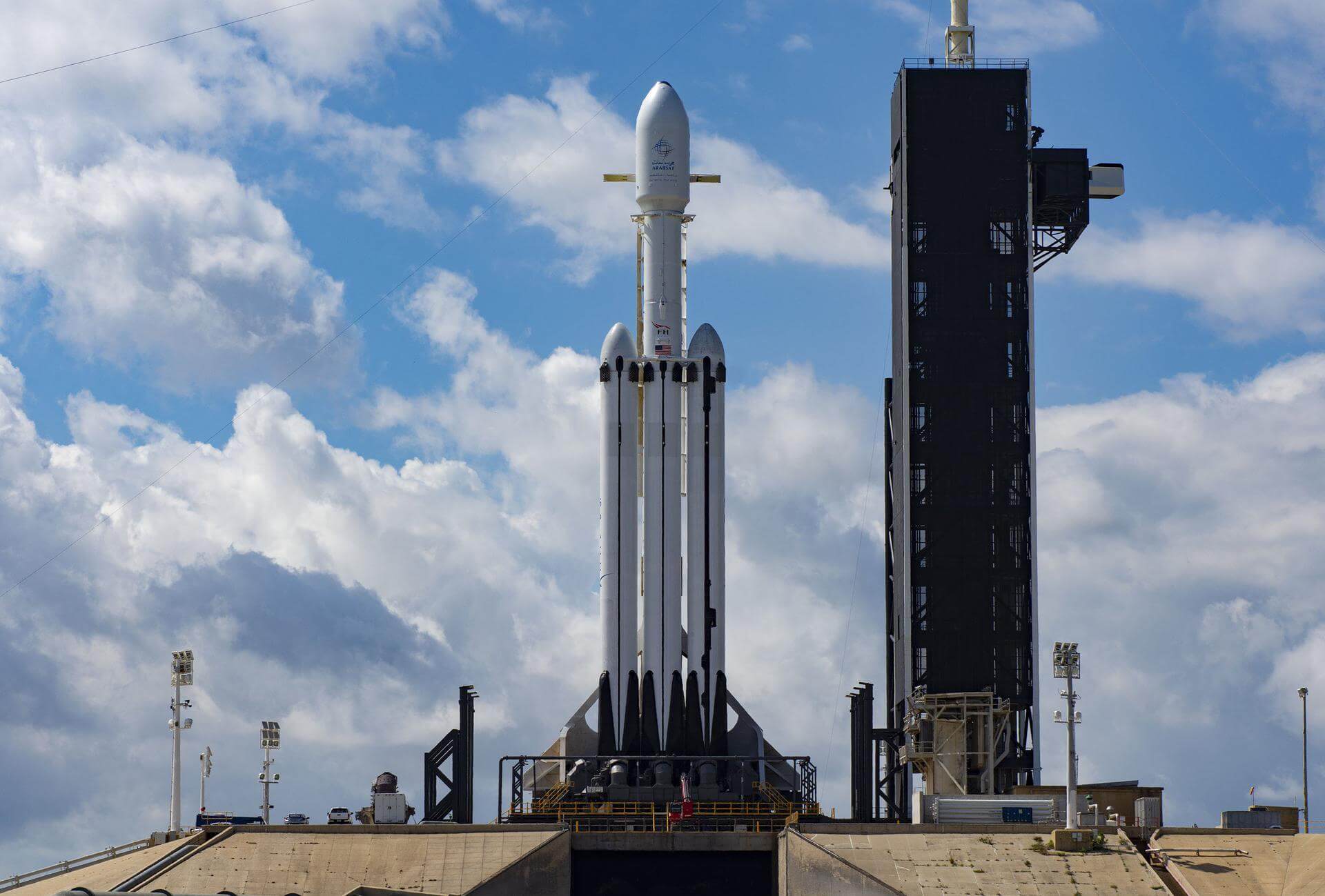
Demonstration flight of the Astrobotic Griffin lander and its engines, initially contracted for the cancelled NASA VIPER (Volatiles Investigating Polar Exploration Rover) mission. The vacated payload spot will now host the FLIP (FLEX Lunar Innovation Platform) lunar rover from Astrolab.
USSF-75
Provider: SpaceX Date: December 31, 2026 Time: 12:00 AM UTC Vehicle: Falcon Heavy
Classified payload for the United States Space Force
SpaceX HLS LEO Demo
Provider: SpaceX Date: June 30, 2027 Time: 12:00 AM UTC Vehicle: Starship
The Starship HLS pathfinder spacecraft in support of NASA’s Artemis III mission in Low Earth Orbit will be a Version 3 vehicle equipped with a docking mechanism, but with no crew cabin or environmental control systems on board. This Starship HLS will launch after the Artemis III Orion has launched into LEO aboard SLS, and has completed its demonstrations with Blue Origin’s Blue Moon lander. Once docked, Orion and Starship will spend about a day connected for checkouts and testing.
NROL-86
Provider: SpaceX Date: June 30, 2027 Time: 12:00 AM UTC Vehicle: Falcon Heavy
Classified payload for the US National Reconnaissance Office
Flight 14 ×
Mission Details
TypeTest Flight
OrbitUnknown
TargetEarth
14th test flight of the two-stage Starship launch vehicle. 3rd flight of Starship V3.
Program: SpaceX Starship
The SpaceX Starship is a fully reusable super heavy-lift launch vehicle under development by SpaceX since 2012, as a self-funded private spaceflight project. The second stage of the Starship — is designed as a long-duration cargo and passenger-carrying spacecraft. It is expected to be initially used without any booster stage at all, as part of an extensive development program to prove out launch-and-landing and iterate on a variety of design details, particularly with respect to the vehicle’s atmospheric reentry.
The second launch and landing pad of the full version of the combined SpaceX Starship and Superheavy booster. To be first used for launch in 2025 with version 3 of Starship and the Superheavy…
Demonstration flight of the Astrobotic Griffin lander and its engines, initially contracted for the cancelled NASA VIPER (Volatiles Investigating Polar Exploration Rover) mission. The vacated payload spot will now host the FLIP (FLEX Lunar Innovation Platform) lunar rover from Astrolab.
Agencies Involved
• Astrobotic Technology (Private)
Launch Provider: SpaceX
Commercial • United States of America • Founded 2002
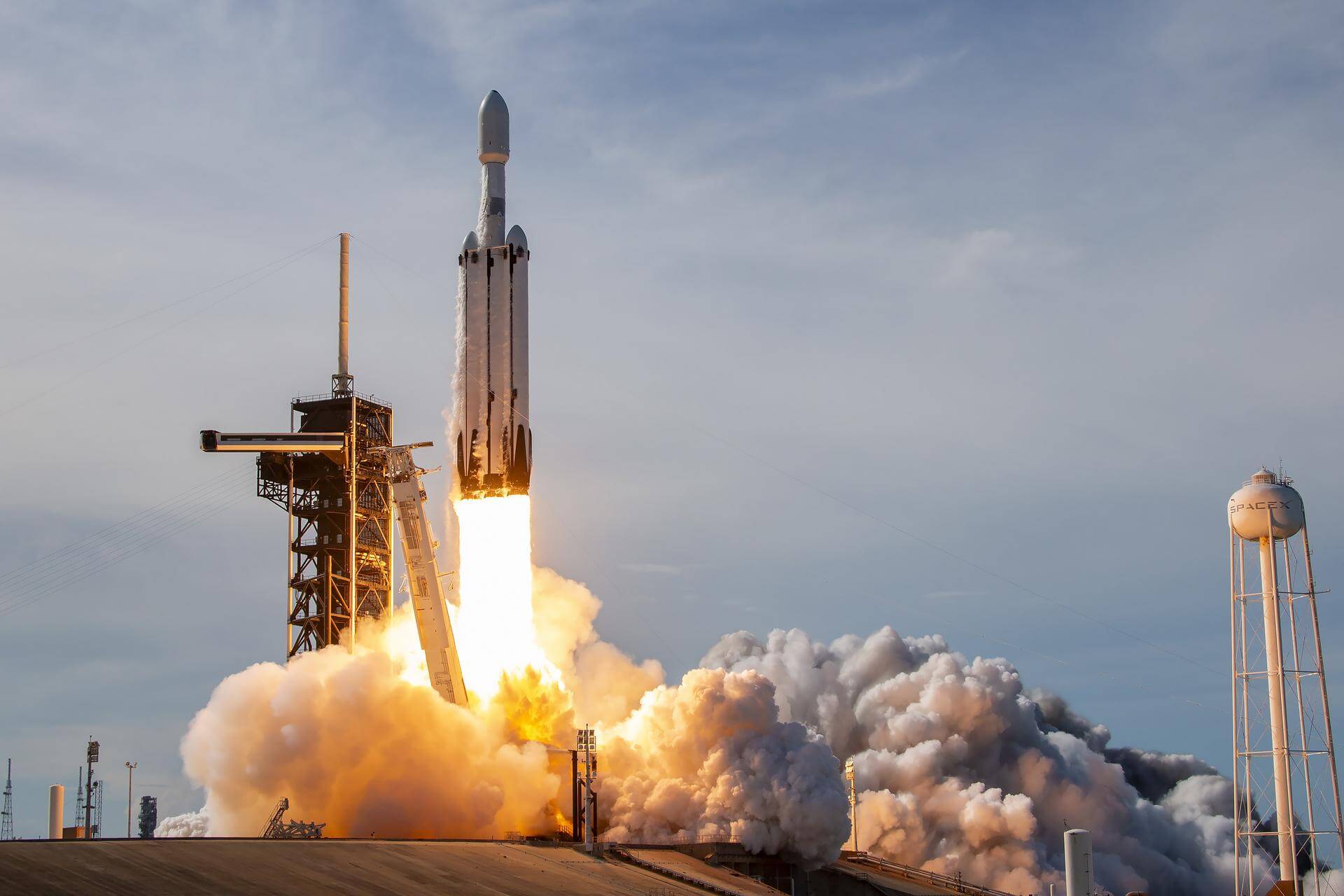
The Falcon Heavy is a variant of the Falcon 9 full thrust launch vehicle and consists of a standard Falcon 9 rocket core, with two additional boosters derived from the Falcon 9 first stage.
The Falcon Heavy is a variant of the Falcon 9 full thrust launch vehicle and consists of a standard Falcon 9 rocket core, with two additional boosters derived from the Falcon 9 first stage.
The Starship HLS pathfinder spacecraft in support of NASA’s Artemis III mission in Low Earth Orbit will be a Version 3 vehicle equipped with a docking mechanism, but with no crew cabin or environmental control systems on board. This Starship HLS will launch after the Artemis III Orion has launched into LEO aboard SLS, and has completed its demonstrations with Blue Origin’s Blue Moon lander. Once docked, Orion and Starship will spend about a day connected for checkouts and testing.
Agencies Involved
• SpaceX (Commercial)
Launch Provider: SpaceX
Commercial • United States of America • Founded 2002
The Falcon Heavy is a variant of the Falcon 9 full thrust launch vehicle and consists of a standard Falcon 9 rocket core, with two additional boosters derived from the Falcon 9 first stage.
Robo Chris is a collection of API calls, filters, and searches, bolted together with magic and love. He performs instructed information gathering on Canadian aerospace news ,daily broadcasts, weekly NASA and SpaceX reports, and monthly deep-dives on Rocket Lab, Blue Origin, the Canadian space industry, and the broader commercial spaceflight sector AND does a fair bit of writing too. Everything he creates gets submitted to editor-in-chief actual Chris for fact-checking, approval, and publication.








Leave a Reply