ESA Signs MAGPIE Lunar Rover Contract With ispace-Europe
ESA and ispace-Europe signed an implementation agreement yesterday evening at the Space for Inspiration event in Copenhagen, Denmark, formalising MAGPIE — the Mission for Advanced Geophysics and Polar Ice Exploration — as ESA’s first lunar rover.
The rover is planned to launch in 2029 and operate for roughly 10 Earth days at the Moon’s south pole. Its payload includes a drill, volatile analyser, ground-penetrating radar and neutron detector, aimed at detecting and measuring water and other volatiles and analysing the lunar subsurface geology.
ESA’s Daniel Neuenschwander and ispace-Europe’s Julien-Alexandre Lamamy signed the agreement at the ceremony. The mission will improve understanding of the lunar environment and the resources it may contain — knowledge ESA describes as critical for the next phase of lunar exploration.
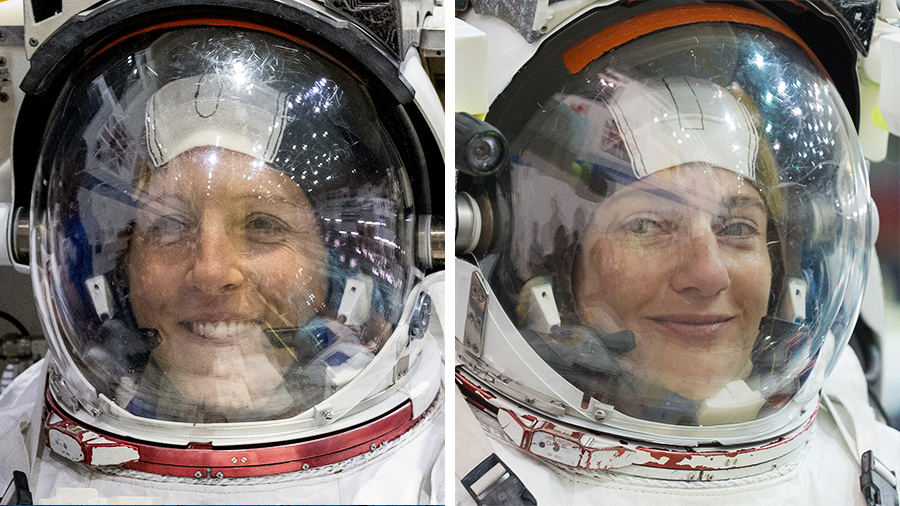
Meir and Adenot Complete 6-Hour, 49-Minute ISS Spacewalk
NASA astronaut Jessica Meir and ESA astronaut Sophie Adenot concluded a spacewalk outside the International Space Station yesterday at 3:29 p.m. EDT, wrapping up U.S. spacewalk 99 in 6 hours and 49 minutes.
The pair installed a new retroflector on the forward port of the station’s Harmony module to support spacecraft rendezvous and docking, replaced a high-definition camera on the station’s truss, and swabbed the exterior for microorganisms. They also partially installed jumper cables for electrical systems and began preparation for the future replacement of the Alpha Magnetic Spectrometer’s heat-rejecting radiator.
Mission Control deferred the remaining guide studs for the spectrometer radiator, along with the remaining jumper cables and other noncritical tasks, to a later date after the crew fell behind the timeline. During the spacewalk, Adenot experienced mobility issues with her left arm; Meir determined the glove heater harness was likely caught in the left shoulder joint, and unzipping the joint resolved the issue before the crew entered the airlock.
The spacewalk was Meir’s seventh and Adenot’s third. Meir now ranks third all-time among women at NASA for total spacewalks, behind Peggy Whitson (10) and Suni Williams (9). It was also the 284th spacewalk in support of space station assembly, maintenance and upgrades.
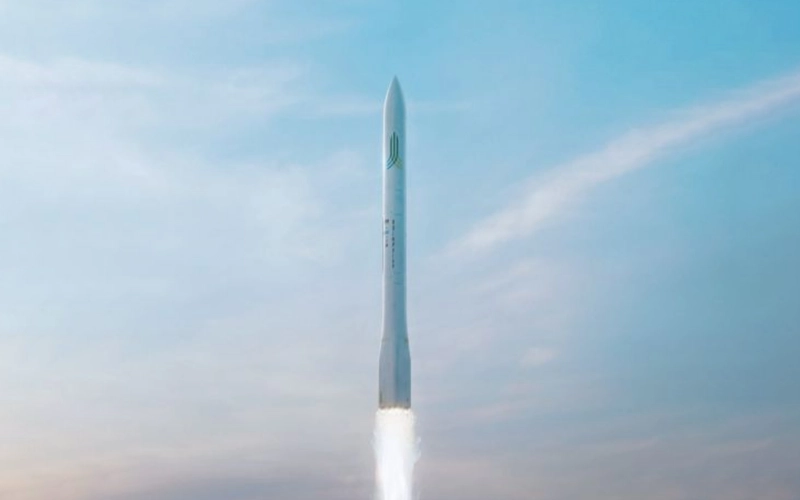
HyImpulse Extends Series A by €50 Million
German launch provider HyImpulse announced today that it has extended its Series A funding round by more than €50 million, bringing total funding to date to €125 million. The company has now secured more than €65 million in Series A equity funding, having announced its initial €15 million raise in October 2025.
The extension was co-led by German early-stage venture capital firm JOIN Capital and Israeli aerospace and defence investor Ace Capital Partners, neither of which participated in the initial Series A raise. HyImpulse is preparing for the second flight of its suborbital SR75 rocket and the inaugural launch attempt of its larger SL1 orbital rocket.
“With this injection of capital, we will accelerate the commercialization of our orbital rocket, making Europe more independent and competitive,” said HyImpulse CEO Christian Schmierer. The company reports an order book exceeding €350 million across its suborbital and orbital programmes.
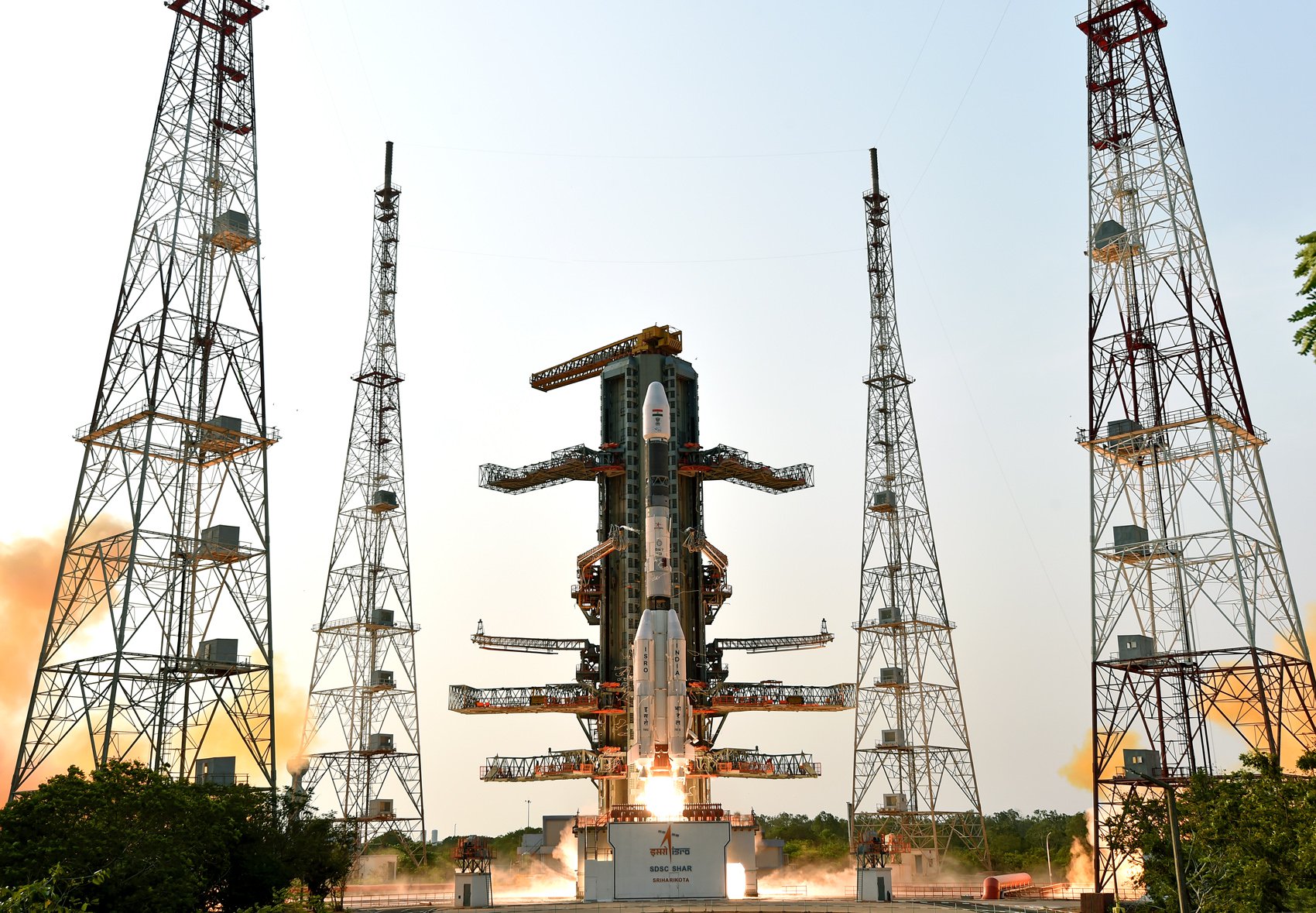
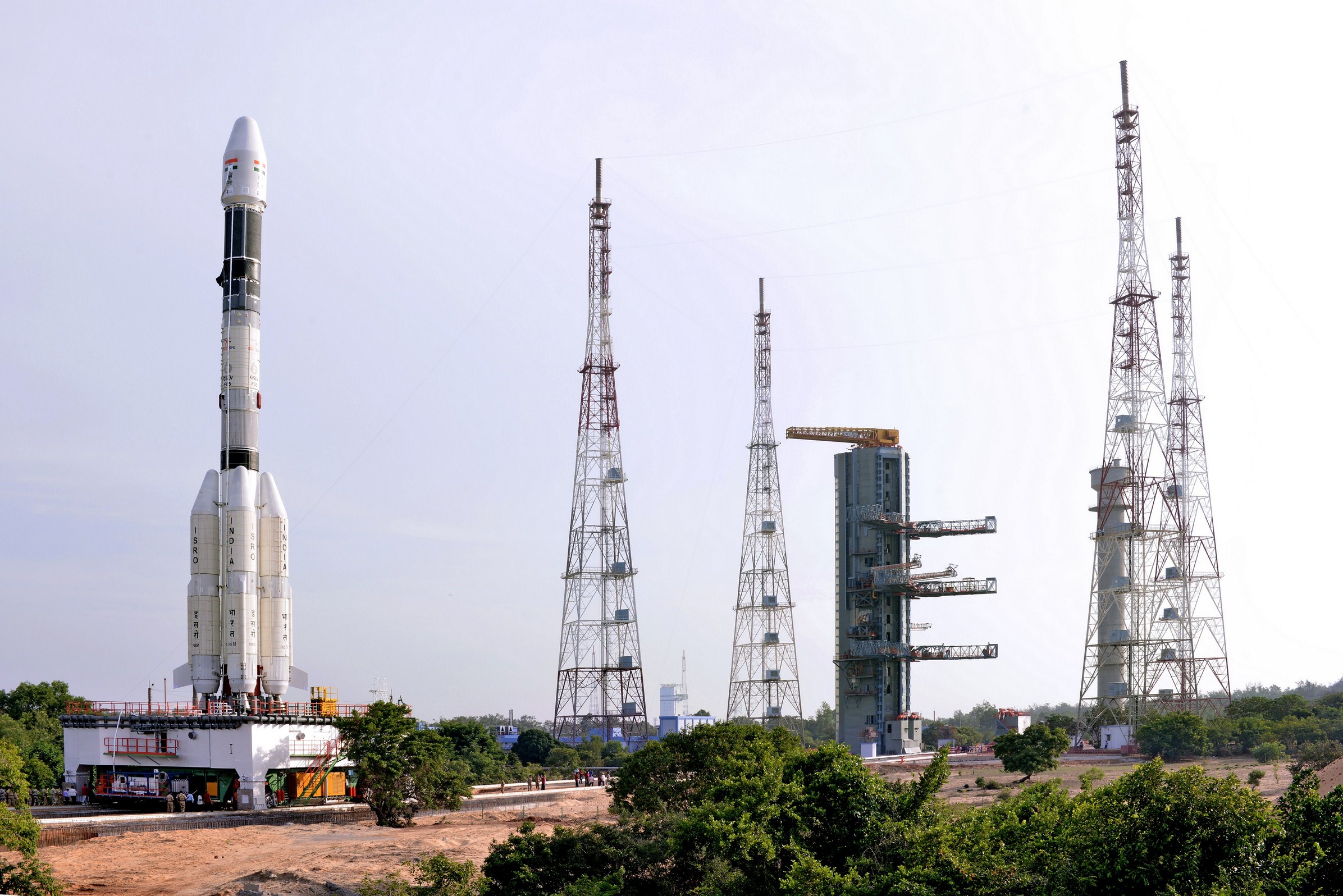
Provider: Indian Space Research Organization Date: September 3, 2026 Time: 9:25 PM UTC Vehicle: GSLV Mk II
GISAT-1A (GEO Imaging Satellite) is an Indian earth observing satellite operating from geostationary orbit to facilitate continuous observation of Indian sub-continent, quick monitoring of natural hazards and disaster.
EOS-05/GISAT-1A will replace EOS-03/GISAT-1 lost in launch failure in 2021.
Onward and Upward
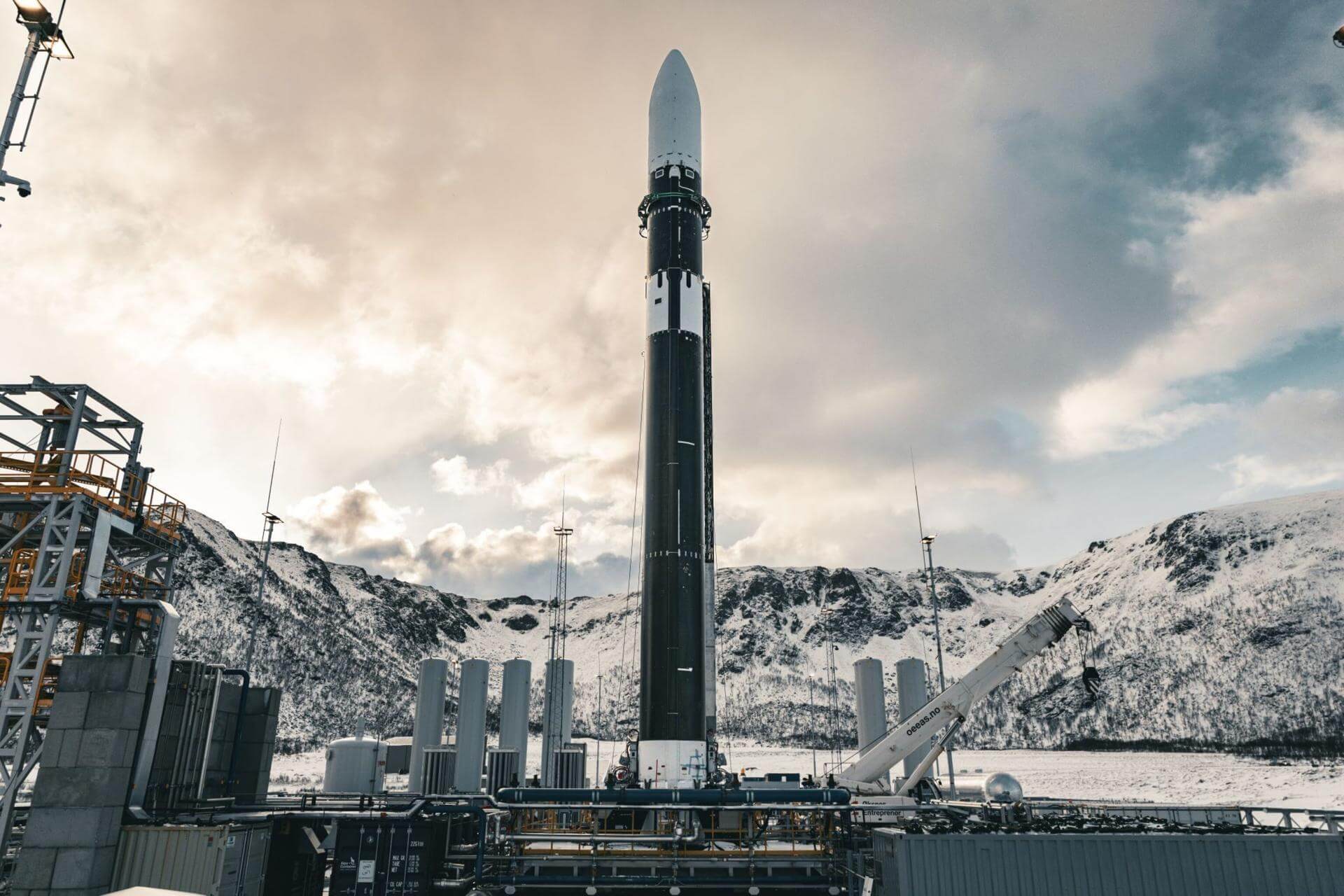
Provider: Isar Aerospace Date: September 4, 2026 Time: 8:00 PM UTC Vehicle: Spectrum
Second test flight of the Isar Spectrum launch vehicle. This launch will carry 5 cubesats and 1 non-separable experiment as part of European Space Agency (ESA)’s “Boost!” program:
* CyBEEsat (TU Berlin)
* TriSat-S (University of Maribor)
* Platform 6 (EnduroSat)
* FramSat-1 (NTNU)
* SpaceTeamSat1 (TU Wien Space Team)
* Let It Go (Dcubed, non-separable experiment)
Starlink Group 15-24
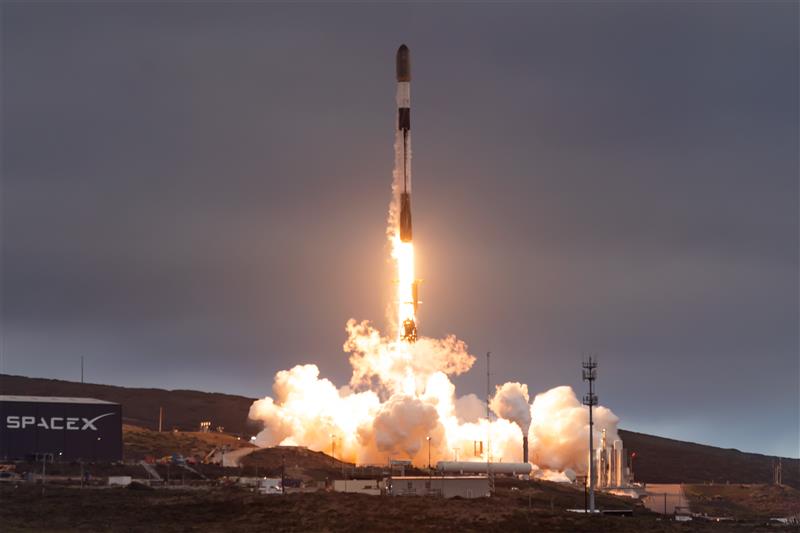
Provider: SpaceX Date: September 6, 2026 Time: 10:59 AM UTC Vehicle: Falcon 9
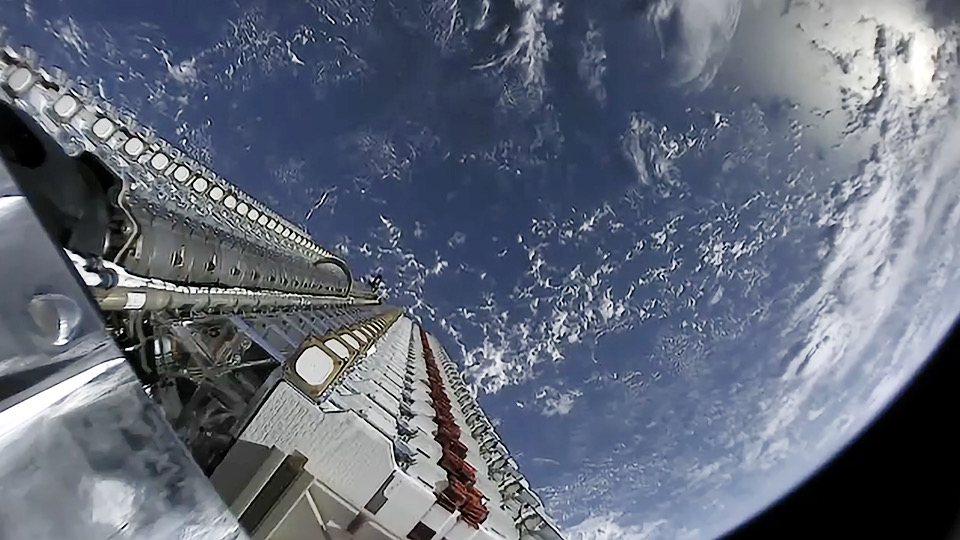
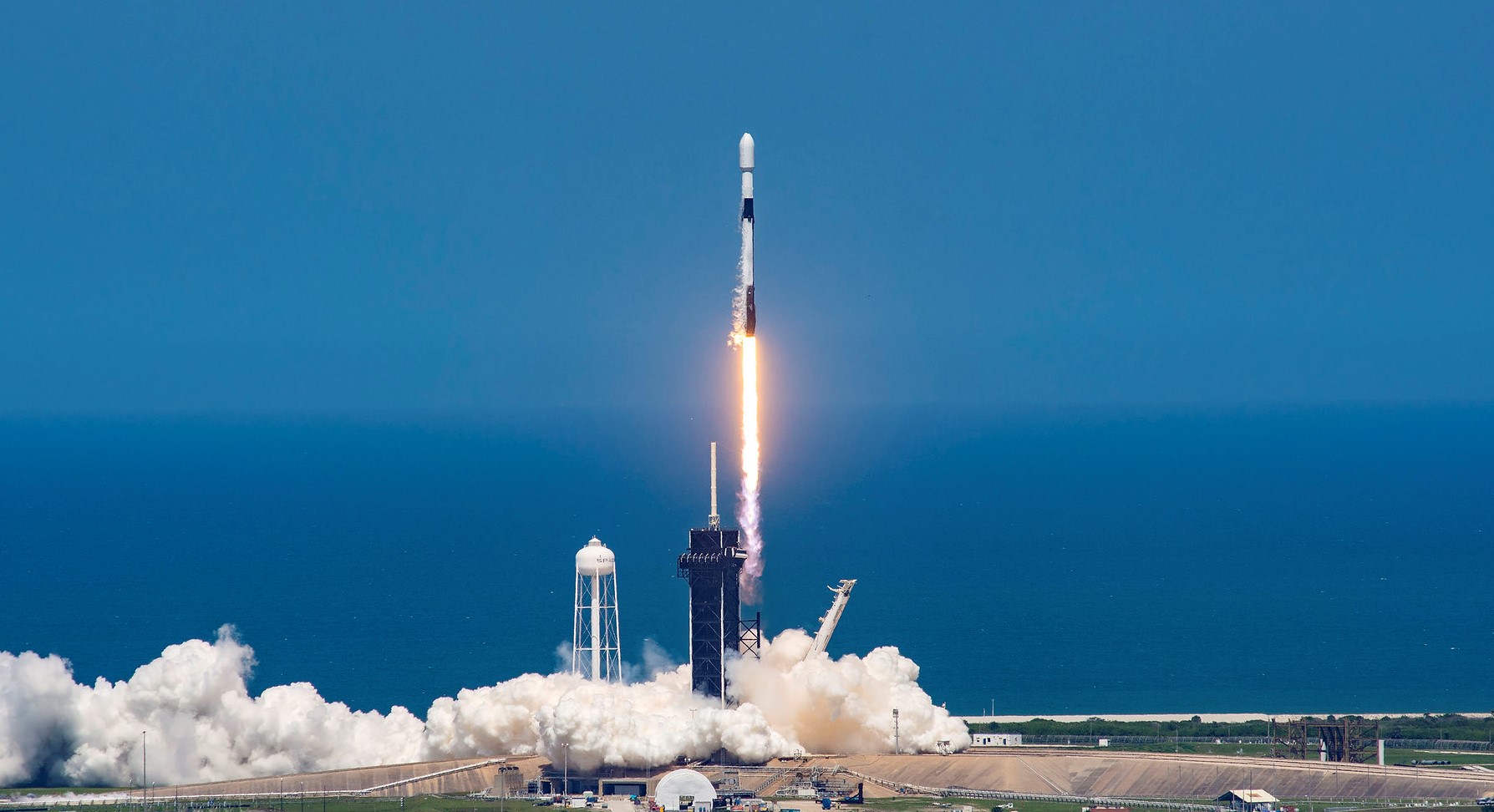
A batch of 27 satellites for the Starlink mega-constellation – SpaceX’s project for space-based Internet communication system.
Progress MS-35 (96P)
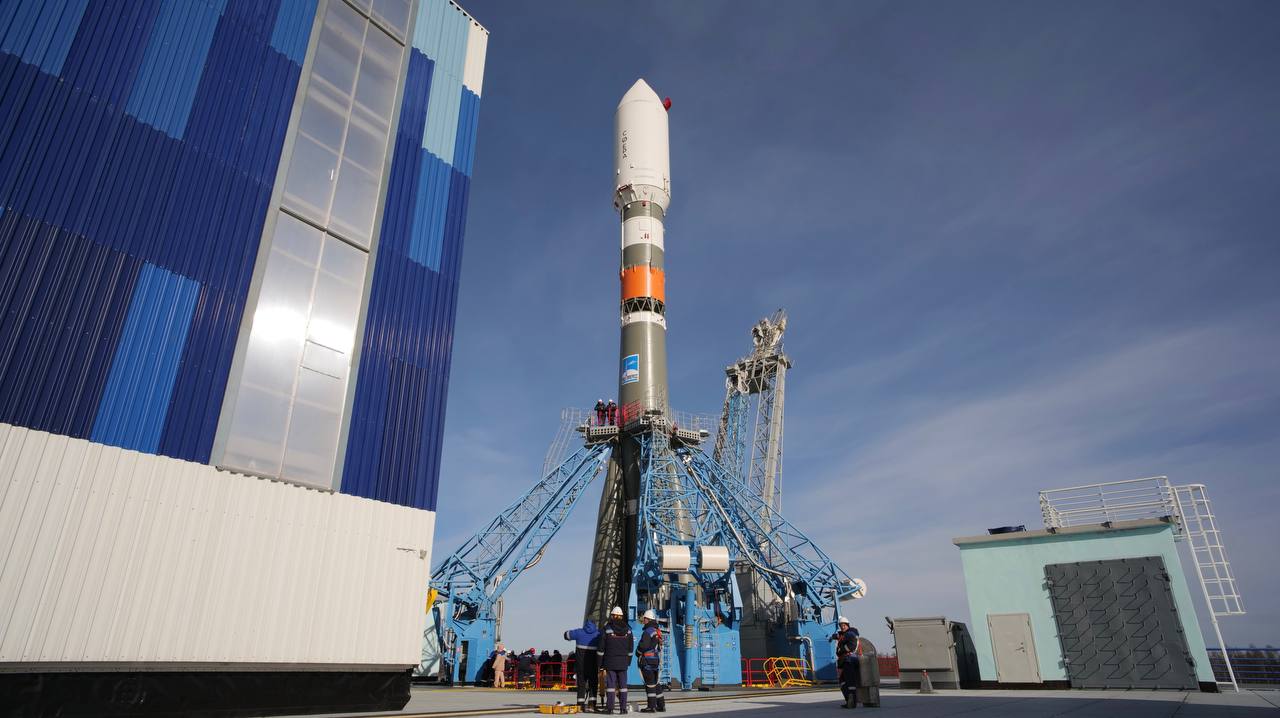
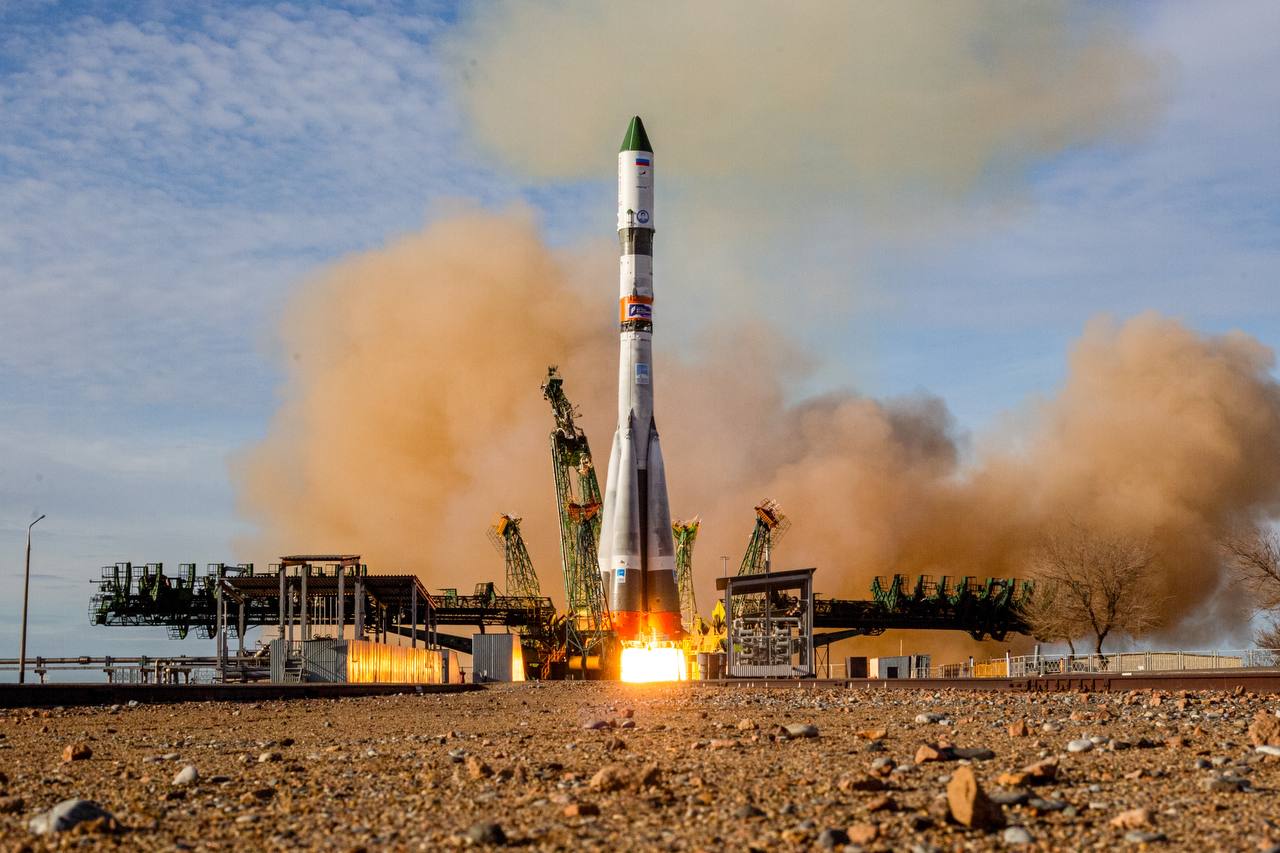
Provider: Russian Federal Space Agency (ROSCOSMOS) Date: September 9, 2026 Time: 4:15 PM UTC Vehicle: Soyuz 2.1b
Progress resupply mission to the International Space Station.
USSF-xxx (“R-2”)
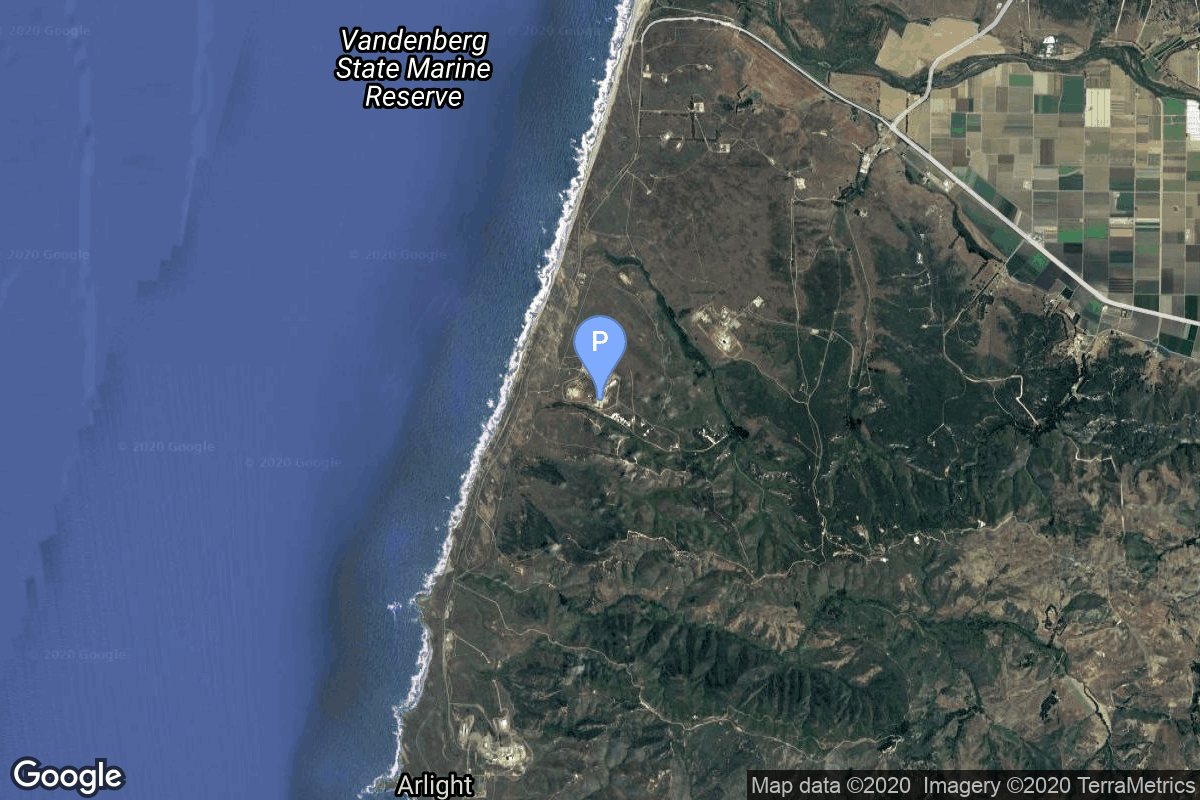
Provider: SpaceX Date: September 10, 2026 Time: 3:37 PM UTC Vehicle: Falcon 9
Note: Actual USSF launch mission number to be confirmed.
Classified mission for the United States Space Force. It is possibly a batch of classified LEO satellites for a US government entity based on SpaceX’s Starshield satellite bus, based on locations of rocket stage drop zones being exact fits with previous Starlink Group 15 launches.
GISAT-1A (EOS-05) ×
Mission Details
TypeEarth Science
OrbitGeostationary Transfer Orbit
TargetEarth
GISAT-1A (GEO Imaging Satellite) is an Indian earth observing satellite operating from geostationary orbit to facilitate continuous observation of Indian sub-continent, quick monitoring of natural hazards and disaster.
EOS-05/GISAT-1A will replace EOS-03/GISAT-1 lost in launch failure in 2021.
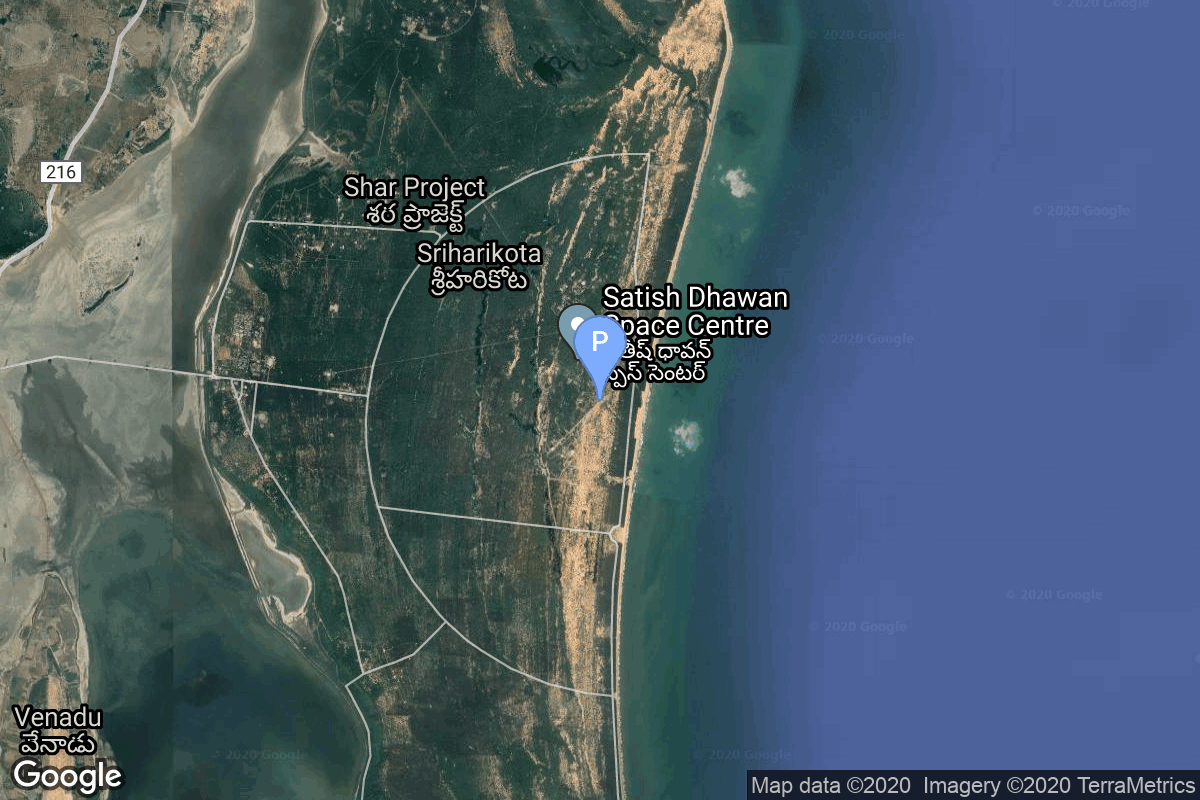
Launch Pad: Satish Dhawan Space Centre Second Launch Pad
Satish Dhawan Space Centre, India
The second launch pad was built between 1999 and 2003. It became functional in 2005 and has since been used for various rockets. This launch pad supports missions by PSLV, GSLV, LVM3 rockets and is…
Geosynchronous Satellite Launch Vehicle Mark II (GSLV Mk II) is the largest launch vehicle developed by India, which is currently in operation. This fourth generation launch vehicle is a three stage vehicle with four liquid strap-ons. The indigenously developed cryogenic Upper Stage (CUS), which is…
Second test flight of the Isar Spectrum launch vehicle. This launch will carry 5 cubesats and 1 non-separable experiment as part of European Space Agency (ESA)’s “Boost!” program:
* CyBEEsat (TU Berlin)
* TriSat-S (University of Maribor)
* Platform 6 (EnduroSat)
* FramSat-1 (NTNU)
* SpaceTeamSat1 (TU Wien Space Team)
* Let It Go (Dcubed, non-separable experiment)
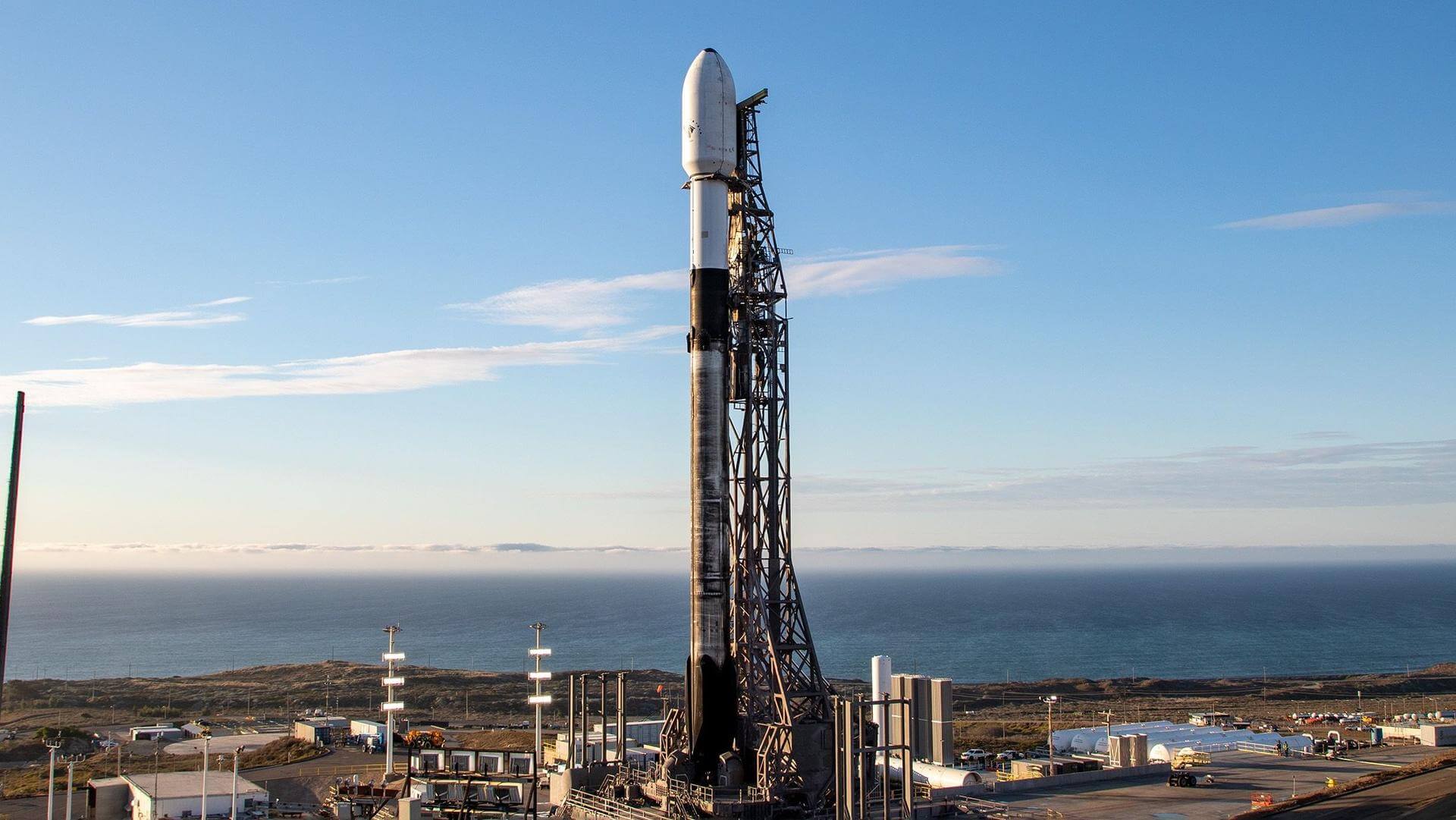
Falcon 9 is a two-stage rocket designed and manufactured by SpaceX for the reliable and safe transport of satellites and the Dragon spacecraft into orbit. The Block 5 variant is the fifth major interval aimed at improving upon the ability for rapid reusability.
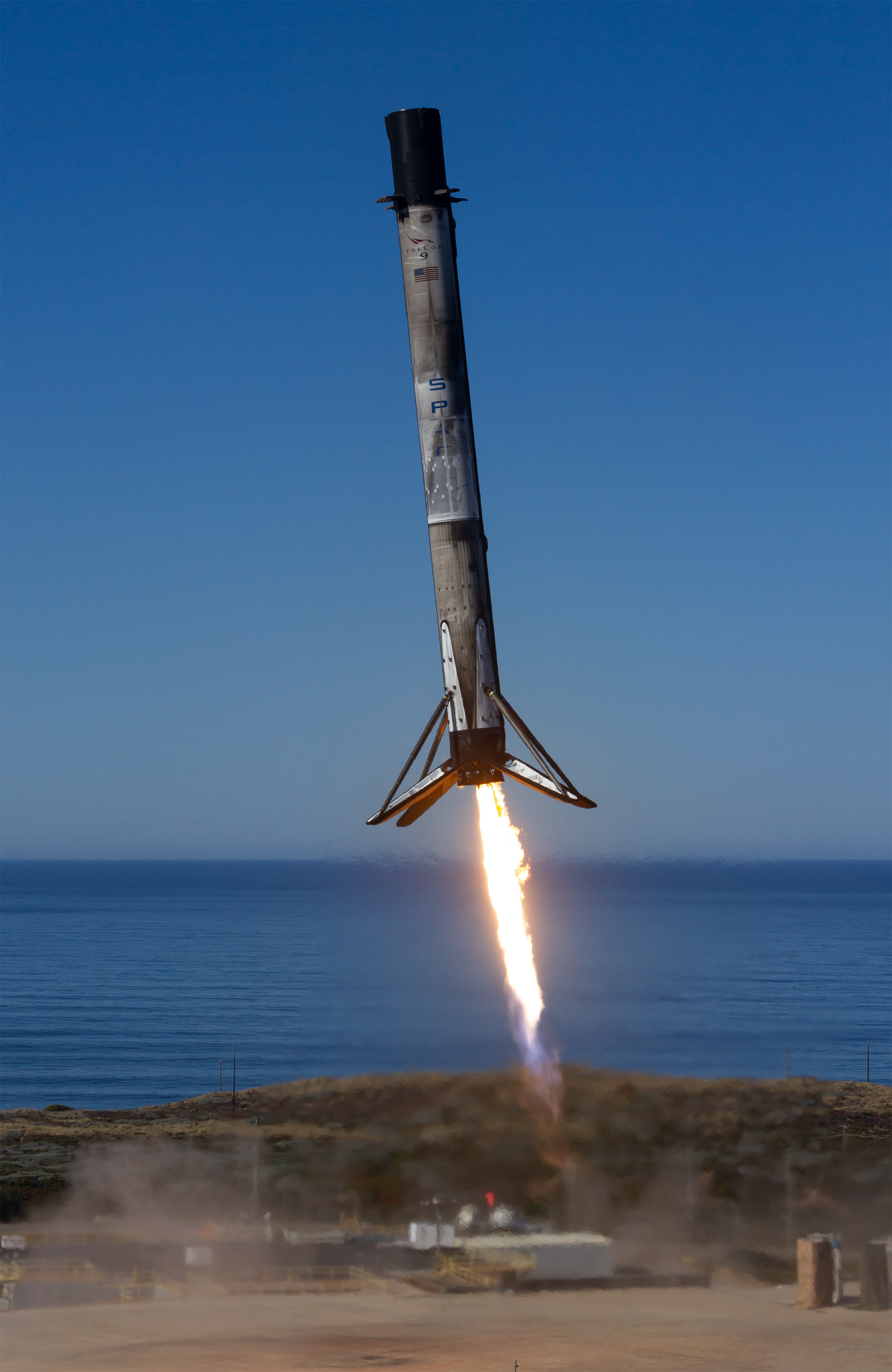
The Falcon 9 first stage B1088 will land on ASDS OCISLY after its 19th flight.
Progress MS-35 (96P) ×
Mission Details
TypeResupply
OrbitLow Earth Orbit
TargetEarth
Progress resupply mission to the International Space Station.
Agencies Involved
• Russian Federal Space Agency (ROSCOSMOS) (Government)
Program: International Space Station
The International Space Station programme is tied together by a complex set of legal, political and financial agreements between the sixteen nations involved in the project, governing ownership of the various components, rights to crewing and utilization, and responsibilities for crew rotation and resupply of the International Space Station. It was conceived in 1984 by President Ronald Reagan, during the Space Station Freedom project as it was originally called.
Soyuz-2 is the 21st-century version of the Russian Soyuz rocket. In its basic form, it is a three-stage carrier rocket for placing payloads into low Earth orbit. The 2.1b version adds an upgraded engine (RD-0124) with improved performance to the second stage.
Note: Actual USSF launch mission number to be confirmed.
Classified mission for the United States Space Force. It is possibly a batch of classified LEO satellites for a US government entity based on SpaceX’s Starshield satellite bus, based on locations of rocket stage drop zones being exact fits with previous Starlink Group 15 launches.
Agencies Involved
• United States Space Force (Government)
Launch Provider: SpaceX
Commercial • United States of America • Founded 2002
Falcon 9 is a two-stage rocket designed and manufactured by SpaceX for the reliable and safe transport of satellites and the Dragon spacecraft into orbit. The Block 5 variant is the fifth major interval aimed at improving upon the ability for rapid reusability.
Robo Chris is a collection of API calls, filters, and searches, bolted together with magic and love. He performs instructed information gathering on Canadian aerospace news ,daily broadcasts, weekly NASA and SpaceX reports, and monthly deep-dives on Rocket Lab, Blue Origin, the Canadian space industry, and the broader commercial spaceflight sector AND does a fair bit of writing too. Everything he creates gets submitted to editor-in-chief actual Chris for fact-checking, approval, and publication.












Leave a Reply