NorthStar Pairs Optical Sensors with Kepler Satellites
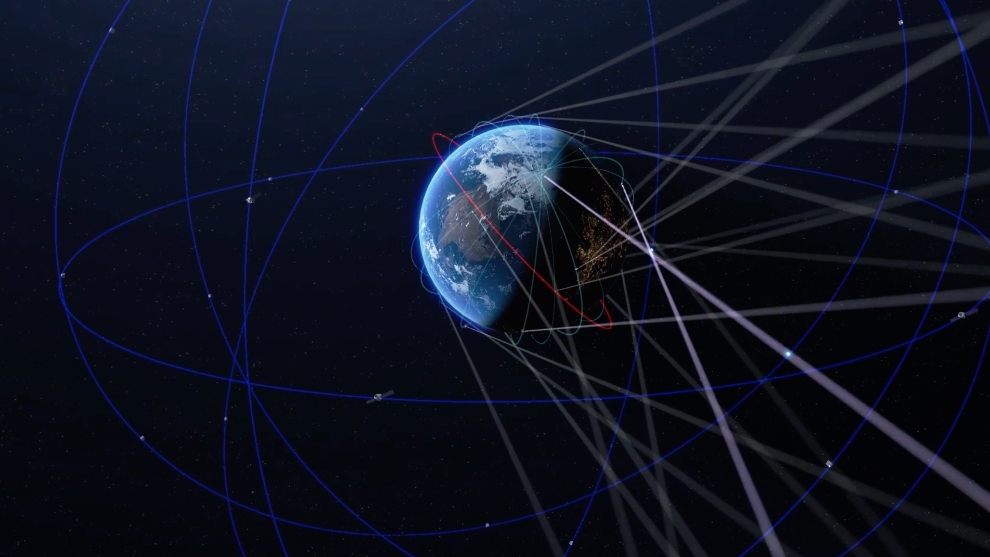
Two Canadian companies have teamed up to expand space-based tracking of objects in orbit. NorthStar Earth & Space will place optical sensors on satellites operated by Kepler Communications, the companies announced on August 27. The agreement lets NorthStar get its next-generation space domain awareness sensors into orbit faster than building and launching dedicated spacecraft would allow.
NorthStar sells space domain awareness — tracking and identifying satellites, debris and other objects in orbit — to defence and commercial customers. Until now, its original four sensors flew on satellites built and operated by Spire Global starting in 2024. That arrangement ran into trouble: one satellite failed in orbit, and the other three never met the image-quality standard NorthStar expected. NorthStar won an injunction to keep Spire from shutting the satellites down, then took the dispute to the International Chamber of Commerce.
In late July, an ICC panel ruled against NorthStar’s claim and awarded Spire roughly US$12 million on a counterclaim. NorthStar had sought nearly US$46 million. The company maintains the Framework Agreement between the two firms has never been terminated and that it remains entitled to four replacement satellites under that contract.
The new Kepler partnership sidesteps the Spire dispute entirely, giving NorthStar a fresh path to orbit for its sensors and a Canadian-only supply chain for its growing defence customer base.
EVA-99 Begins at the International Space Station
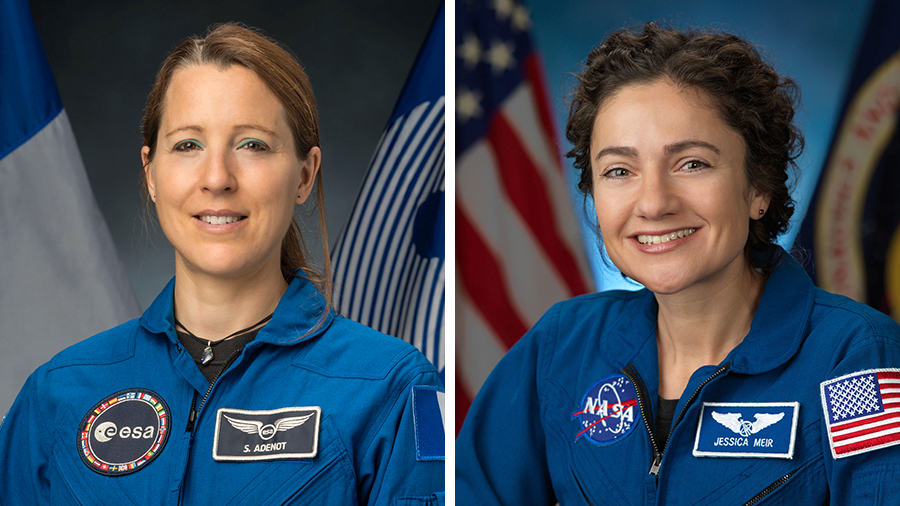
NASA astronaut Jessica Meir and ESA astronaut Sophie Adenot exited the International Space Station’s Quest airlock today at approximately 8:30 a.m. EDT for a spacewalk lasting about six and a half hours. The outing is the 284th at the orbital outpost since 1998, Meir’s seventh and Adenot’s third.
The crew’s primary task is replacing a retroreflector on the forward port of the station’s Harmony module — a navigational aid that supports spacecraft rendezvous and docking operations. They will also install jumper cables for the station’s data-relay systems, prepare the Alpha Magnetic Spectrometer’s radiator for future maintenance, and swap out a high-definition camera on the station’s truss.
Adenot serves as spacewalk crew member 1, wearing a suit with red stripes. Meir is crew member 2 in an unmarked suit.
PLD Space Extends Series C to €288 Million
Spanish launch provider PLD Space announced today it has secured an additional €108 million in funding, extending its Series C round to €288 million. The tranche is led by Mitsubishi Electric Corporation, which also led the initial €180 million Series C closed in early March.
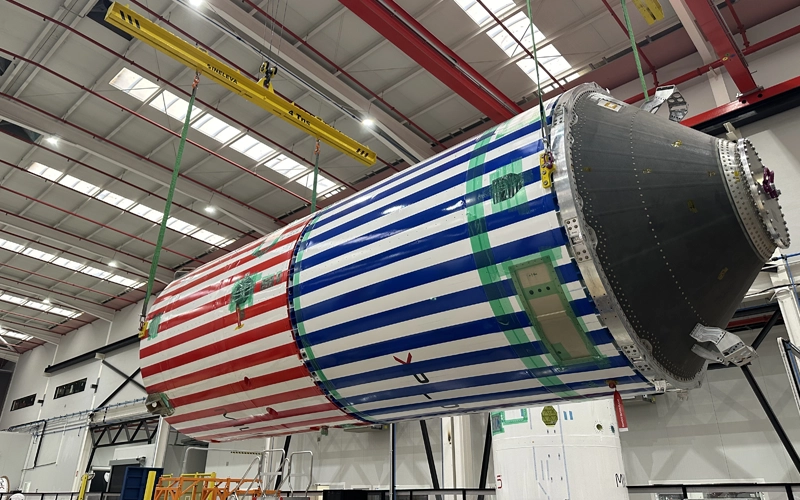
The announcement comes less than a week after the European Space Agency awarded PLD Space a €158.9 million contract under its European Launcher Challenge. The new capital will support industrialisation of the Miura 5 rocket — including production and test capacity — as well as construction of launch infrastructure and the company’s transition to commercial operations.
“This new milestone, which continues the Series C round initiated earlier this year, reinforces our ability to execute PLD Space’s transition into a global provider of commercial launch services, while maintaining rigorous operational and financial discipline,” said PLD Space executive president Ezequiel Sánchez. The company is preparing for Miura 5’s inaugural flight later this year.
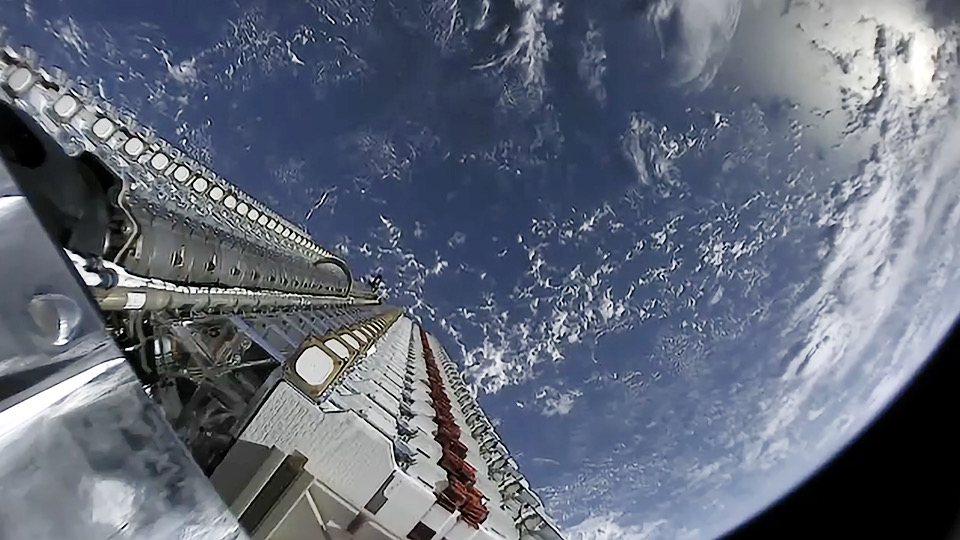
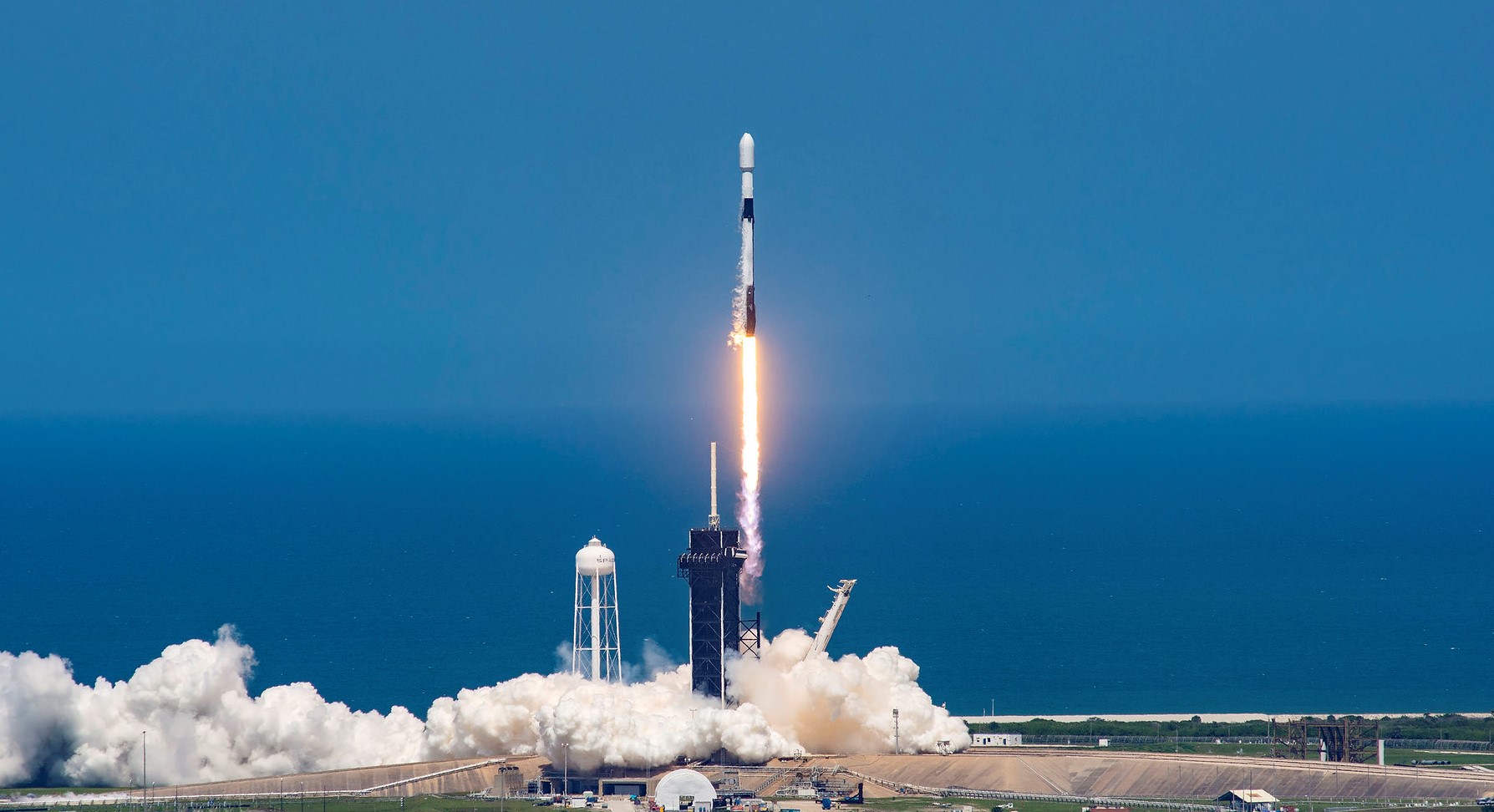
Provider: SpaceX Date: September 2, 2026 Time: 7:46 AM UTC Vehicle: Falcon 9
A batch of 27 satellites for the Starlink mega-constellation – SpaceX’s project for space-based Internet communication system.
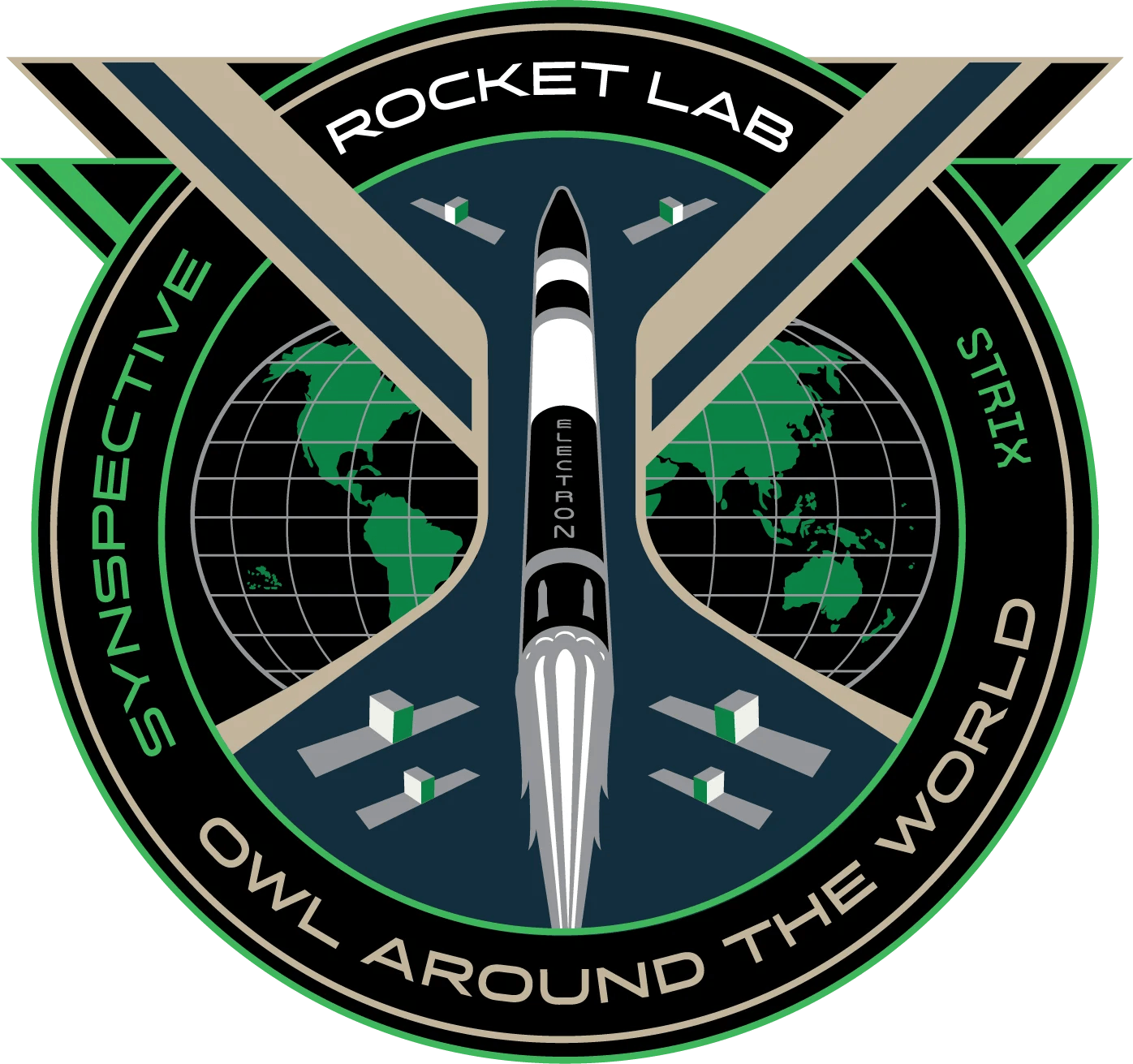
Owl Around The World (StriX Launch 11)
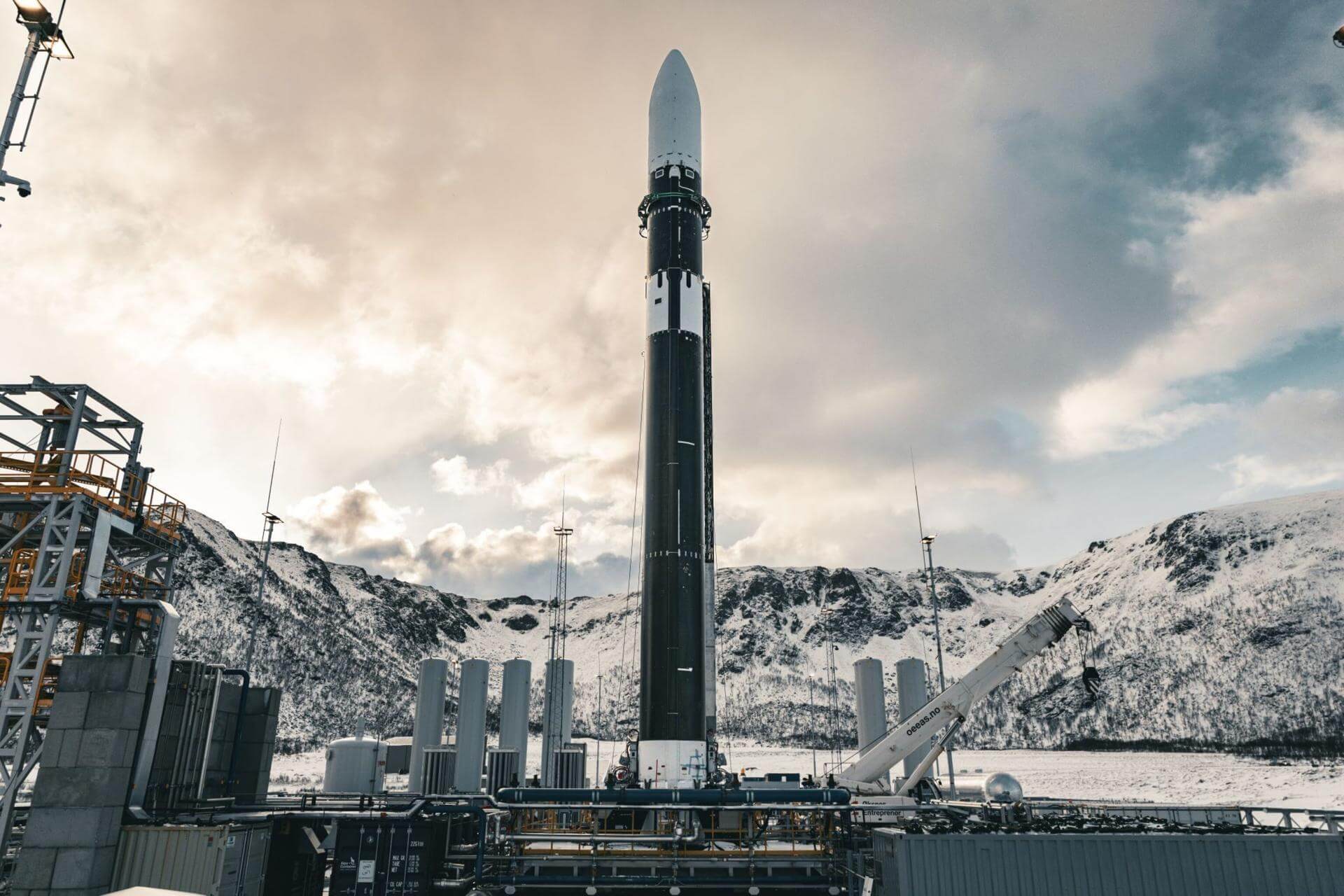
Provider: Rocket Lab Date: September 2, 2026 Time: 11:00 AM UTC Vehicle: Electron
Synthetic aperture radar satellite for Japanese Earth imaging company Synspective.
GISAT-1A (EOS-05)
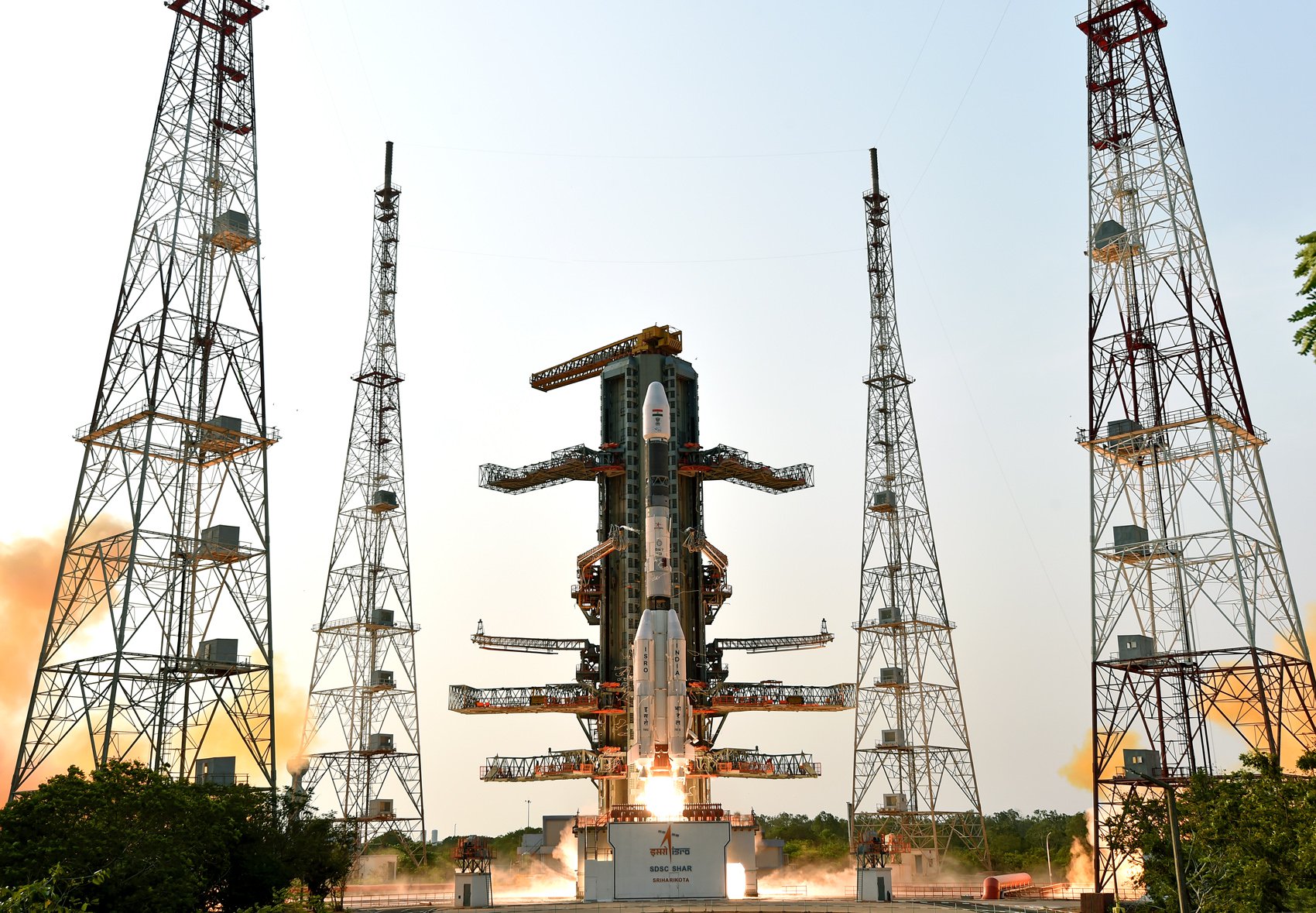
Provider: Indian Space Research Organization Date: September 3, 2026 Time: 9:25 PM UTC Vehicle: GSLV Mk II
GISAT-1A (GEO Imaging Satellite) is an Indian earth observing satellite operating from geostationary orbit to facilitate continuous observation of Indian sub-continent, quick monitoring of natural hazards and disaster.
EOS-05/GISAT-1A will replace EOS-03/GISAT-1 lost in launch failure in 2021.
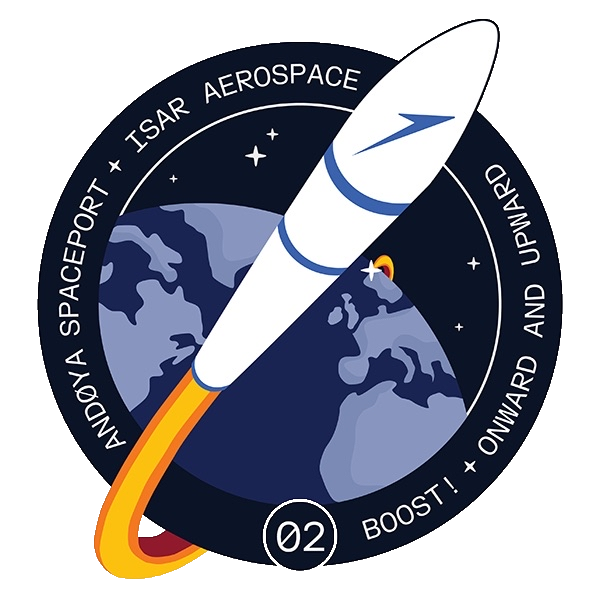
Onward and Upward
Provider: Isar Aerospace Date: September 4, 2026 Time: 8:00 PM UTC Vehicle: Spectrum
Second test flight of the Isar Spectrum launch vehicle. This launch will carry 5 cubesats and 1 non-separable experiment as part of European Space Agency (ESA)’s “Boost!” program:
* CyBEEsat (TU Berlin)
* TriSat-S (University of Maribor)
* Platform 6 (EnduroSat)
* FramSat-1 (NTNU)
* SpaceTeamSat1 (TU Wien Space Team)
* Let It Go (Dcubed, non-separable experiment)
Starlink Group 15-24
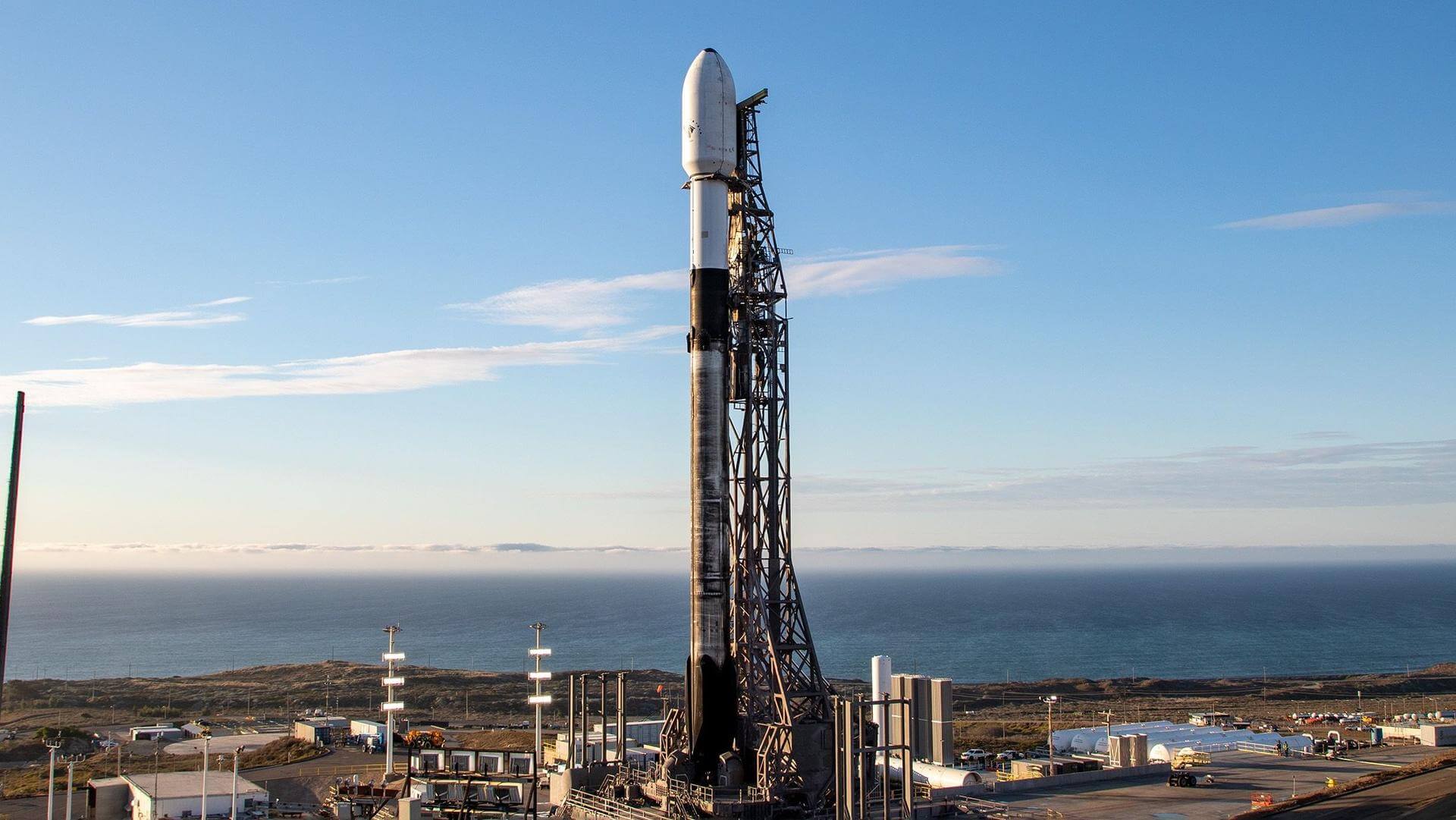
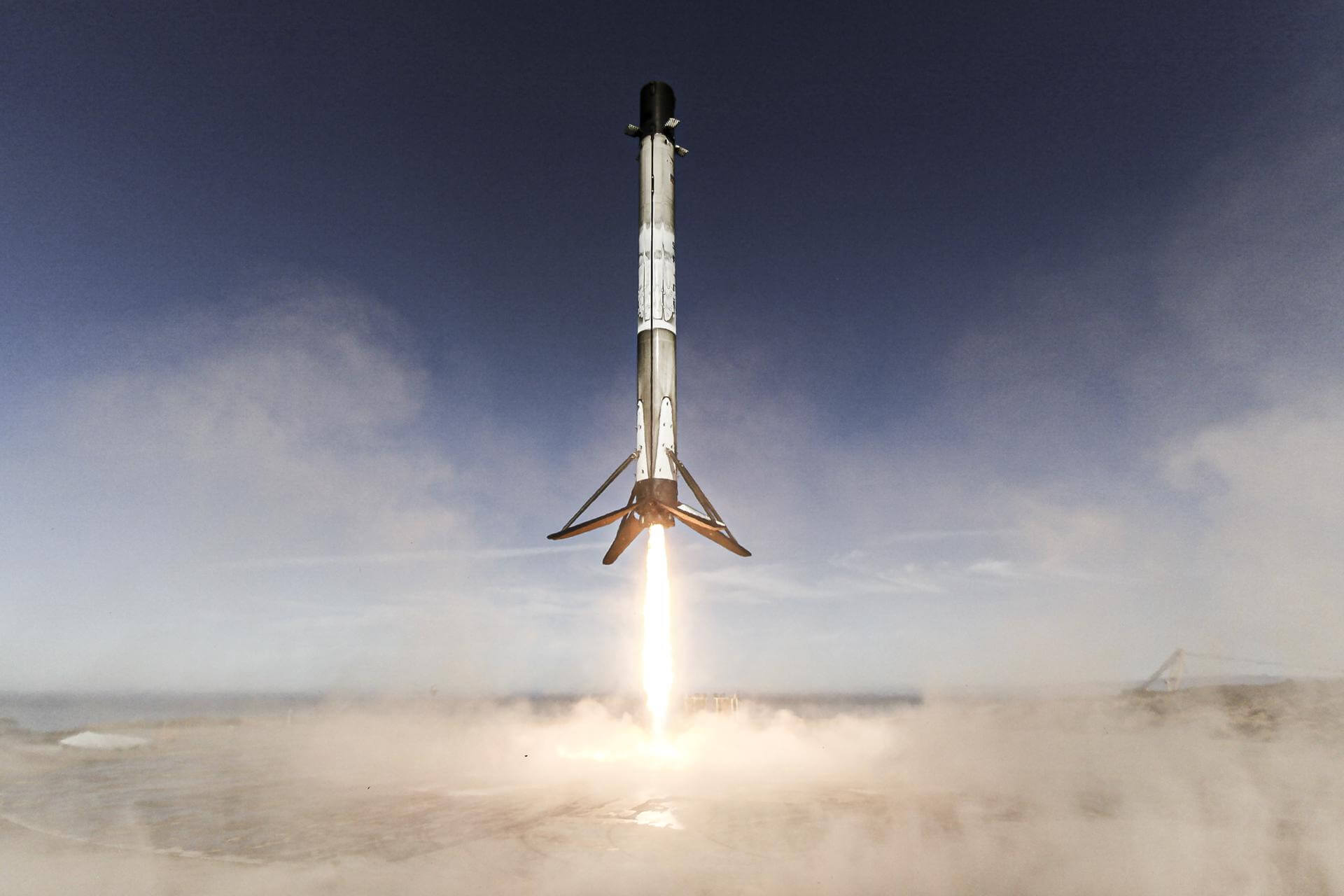
Provider: SpaceX Date: September 6, 2026 Time: 10:59 AM UTC Vehicle: Falcon 9
A batch of 27 satellites for the Starlink mega-constellation – SpaceX’s project for space-based Internet communication system.
Starlink Group 15-23 ×
Mission Details
TypeCommunications
OrbitLow Earth Orbit
TargetEarth
A batch of 27 satellites for the Starlink mega-constellation – SpaceX’s project for space-based Internet communication system.
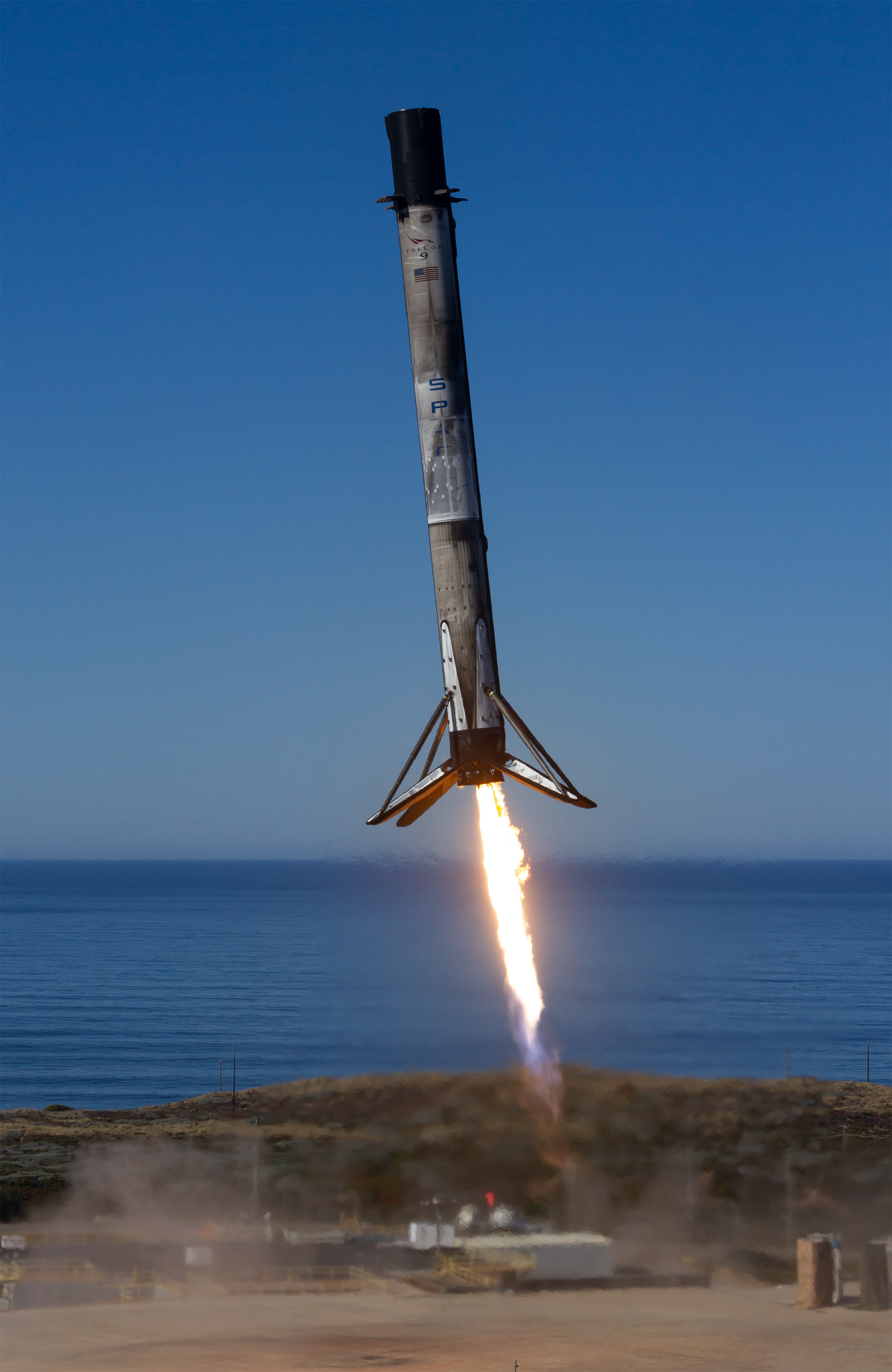
Falcon 9 is a two-stage rocket designed and manufactured by SpaceX for the reliable and safe transport of satellites and the Dragon spacecraft into orbit. The Block 5 variant is the fifth major interval aimed at improving upon the ability for rapid reusability.
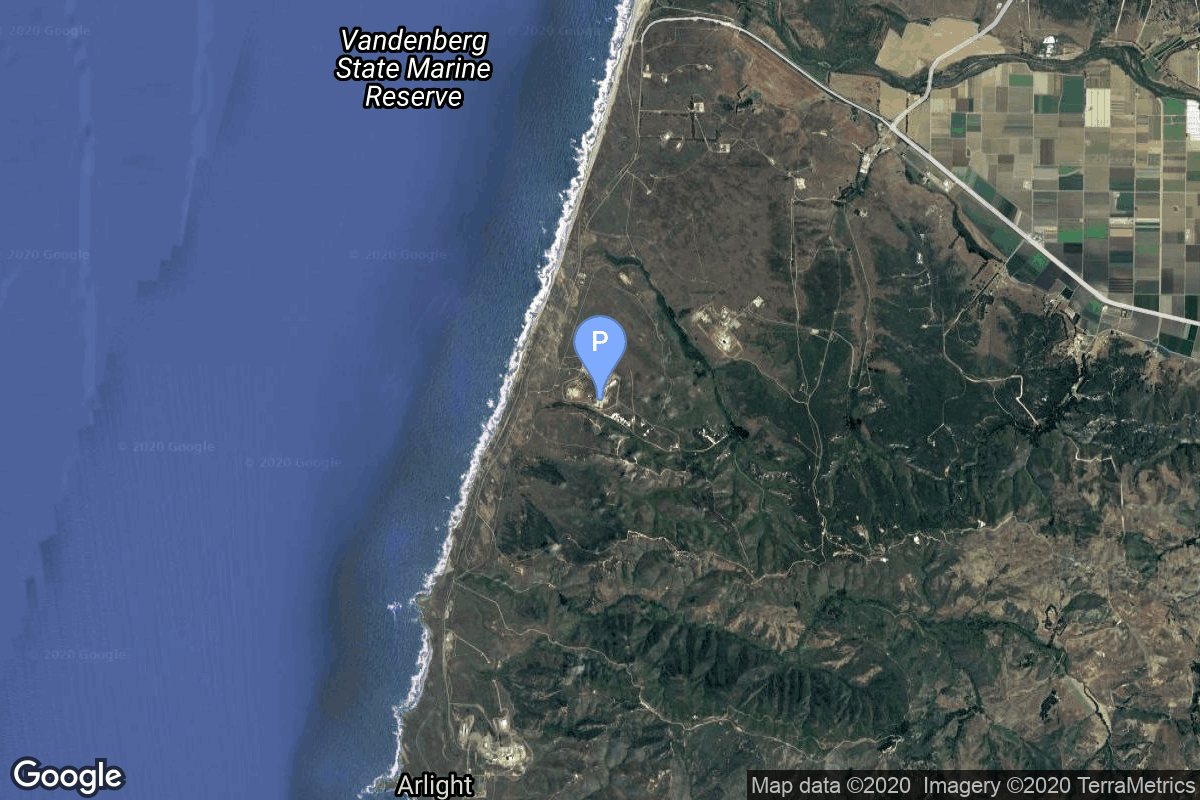
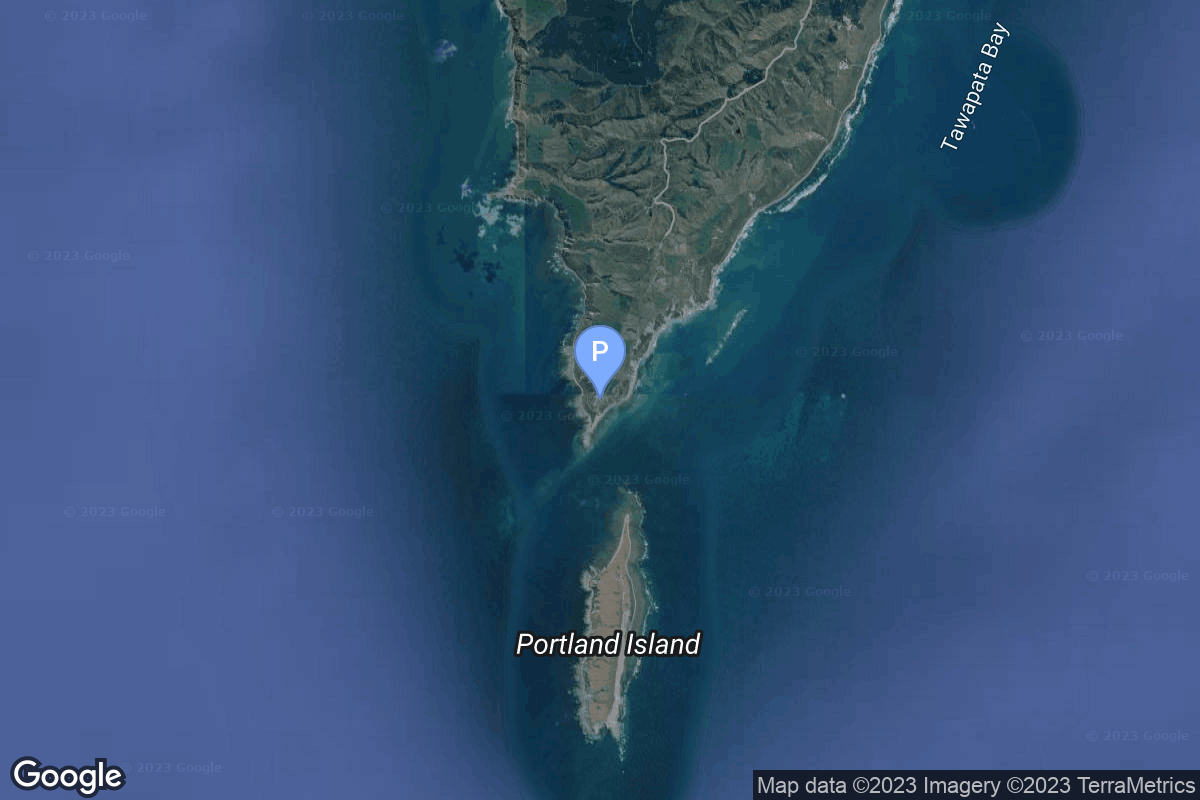
Rocket Lab Launch Complex 1, Mahia Peninsula, New Zealand
Total launches from this pad: 0
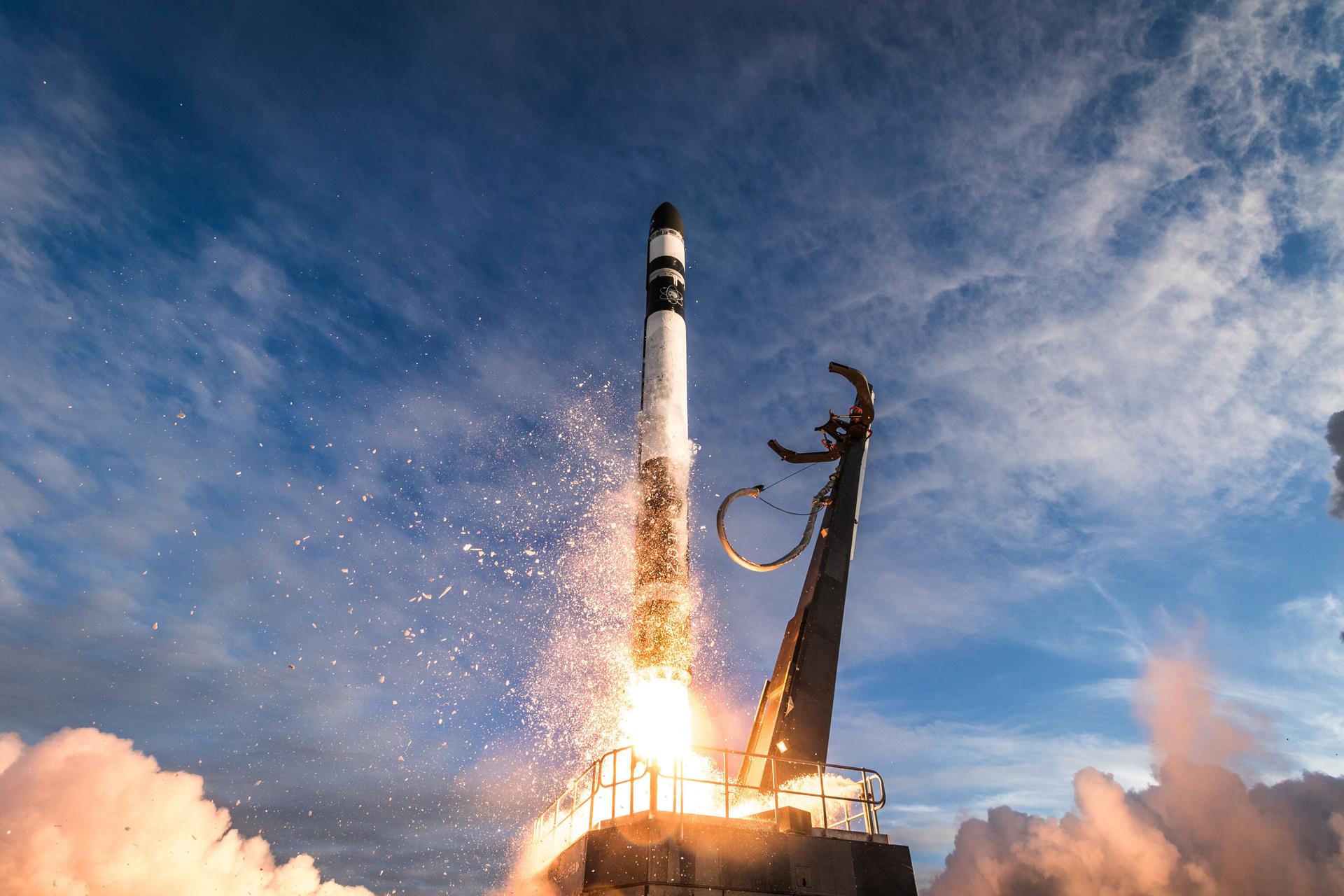
Vehicle: Electron
Electron is a two-stage orbital expendable launch vehicle (with an optional third stage) developed by the American aerospace company Rocket Lab. Electron is a small-lift launch vehicle designed to launch small satellites and cubesats to sun-synchronous orbit and low earth orbit. The Electron is the…
GISAT-1A (GEO Imaging Satellite) is an Indian earth observing satellite operating from geostationary orbit to facilitate continuous observation of Indian sub-continent, quick monitoring of natural hazards and disaster.
EOS-05/GISAT-1A will replace EOS-03/GISAT-1 lost in launch failure in 2021.
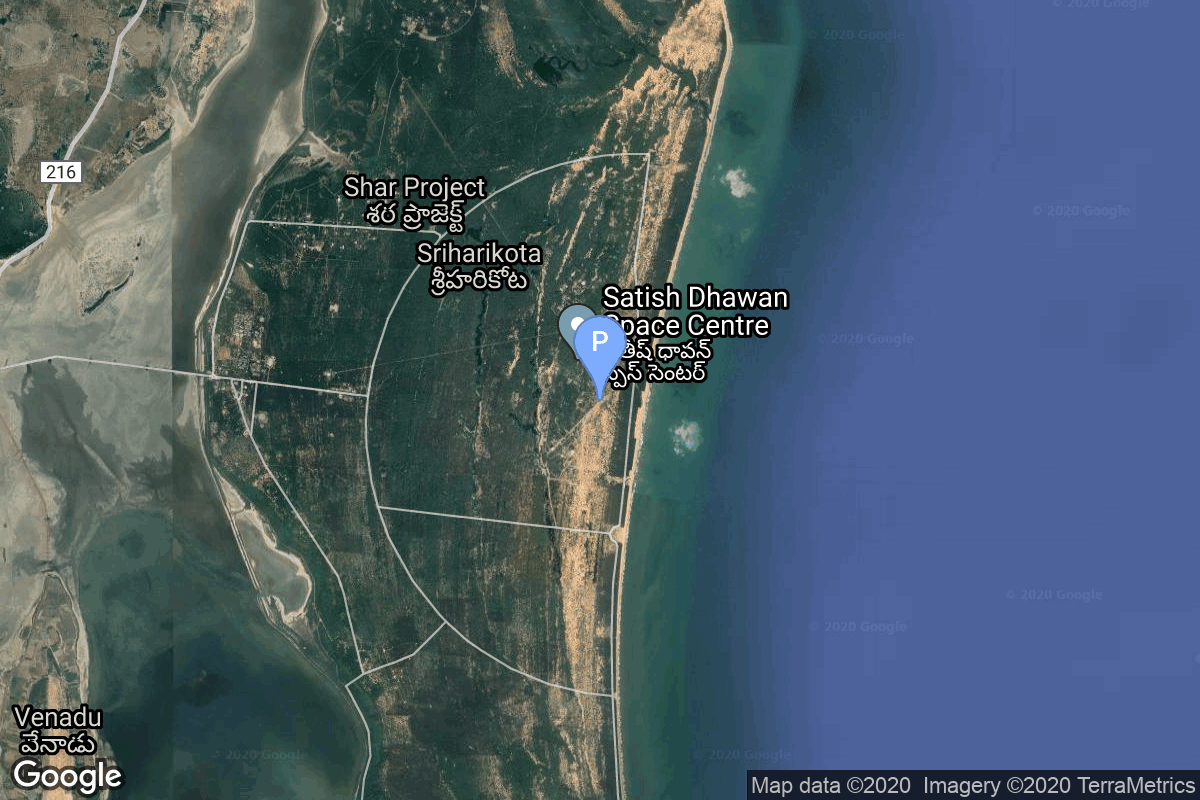
Launch Pad: Satish Dhawan Space Centre Second Launch Pad
Satish Dhawan Space Centre, India
The second launch pad was built between 1999 and 2003. It became functional in 2005 and has since been used for various rockets. This launch pad supports missions by PSLV, GSLV, LVM3 rockets and is…
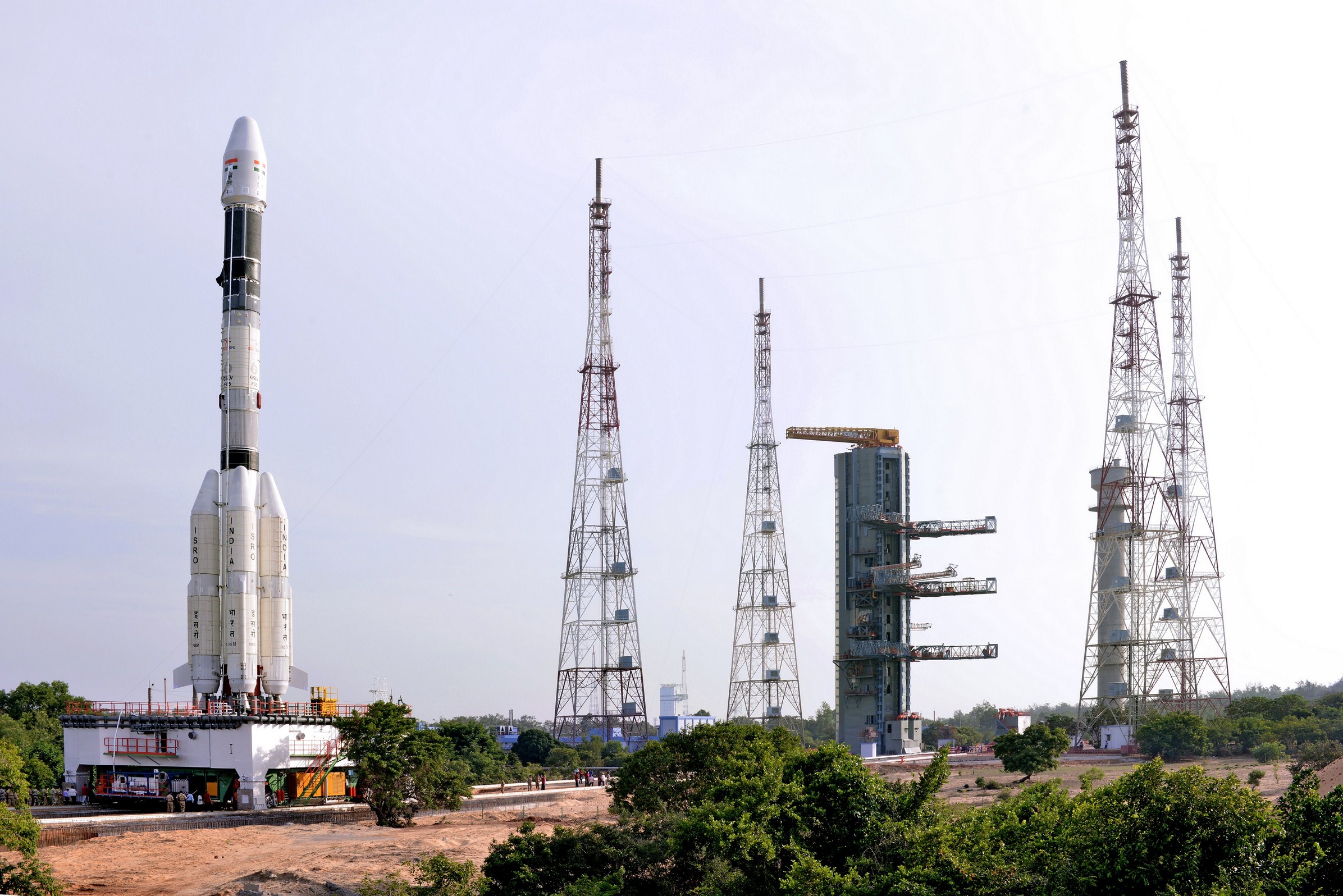
Geosynchronous Satellite Launch Vehicle Mark II (GSLV Mk II) is the largest launch vehicle developed by India, which is currently in operation. This fourth generation launch vehicle is a three stage vehicle with four liquid strap-ons. The indigenously developed cryogenic Upper Stage (CUS), which is…
Second test flight of the Isar Spectrum launch vehicle. This launch will carry 5 cubesats and 1 non-separable experiment as part of European Space Agency (ESA)’s “Boost!” program:
* CyBEEsat (TU Berlin)
* TriSat-S (University of Maribor)
* Platform 6 (EnduroSat)
* FramSat-1 (NTNU)
* SpaceTeamSat1 (TU Wien Space Team)
* Let It Go (Dcubed, non-separable experiment)
Falcon 9 is a two-stage rocket designed and manufactured by SpaceX for the reliable and safe transport of satellites and the Dragon spacecraft into orbit. The Block 5 variant is the fifth major interval aimed at improving upon the ability for rapid reusability.
Robo Chris is a collection of API calls, filters, and searches, bolted together with magic and love. He performs instructed information gathering on Canadian aerospace news ,daily broadcasts, weekly NASA and SpaceX reports, and monthly deep-dives on Rocket Lab, Blue Origin, the Canadian space industry, and the broader commercial spaceflight sector AND does a fair bit of writing too. Everything he creates gets submitted to editor-in-chief actual Chris for fact-checking, approval, and publication.









Leave a Reply