NASA and SpaceX have adjusted the launch date for the Crew-13 mission to the International Space Station after an oxidizer leak was detected on Dragon’s propulsion system during standard prelaunch spacecraft processing. Joint NASA and SpaceX teams are performing additional tests and data review and will complete any necessary rework prior to launch. A new target date has not yet been announced.
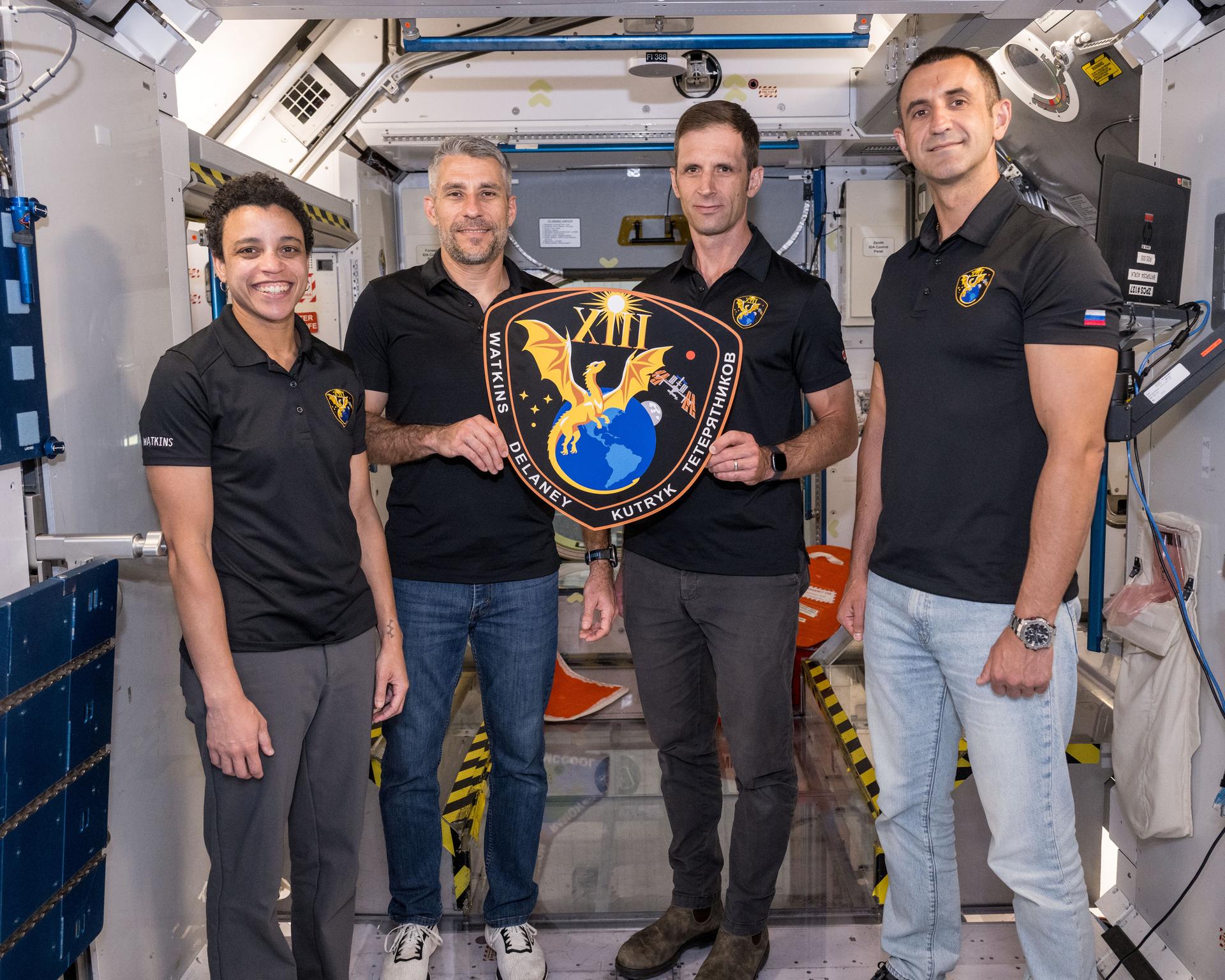
The four-person crew includes CSA astronaut Joshua Kutryk, who will serve as a mission specialist. He is joined by NASA astronauts Jessica Watkins, the spacecraft commander, and Luke Delaney, the pilot, as well as Roscosmos cosmonaut Sergey Teteryatnikov, also a mission specialist. After arriving at the orbiting laboratory, Crew-13 will become members of Expedition 75.
Crew-13 will lift off aboard SpaceX’s Dragon spacecraft on a Falcon 9 rocket from Space Launch Complex 40 at Cape Canaveral Space Force Station in Florida. The crew entered quarantine about two weeks prior to flight from NASA’s Johnson Space Center in Houston.
Roman Space Telescope Poised for Sunday Launch
NASA’s Nancy Grace Roman Space Telescope is set to launch today aboard a Falcon Heavy rocket from Kennedy Space Center in Florida. The $4.3 billion mission will deploy the agency’s next “great observatory” to an orbit at the L2 Lagrange Point, where it will join the James Webb Space Telescope and the European Space Agency’s Euclid observatory in using infrared light to peer through dust and observe distant structures.
Roman uses a donated Hubble-class mirror originally built for a spy satellite. Its 300-megapixel wide-field camera will capture images at a scale no previous NASA spacecraft has achieved — officials say a single full-resolution image would cover 45 city blocks or the entirety of El Capitan in Yosemite National Park.
The telescope will scan broad swaths of the cosmos 1,000 times faster than the Hubble Space Telescope, collecting as much data in one month as its older cousin could manage in a century. Over its five-year primary mission, Roman will downlink approximately 2,500 terabytes of data, compared to Hubble’s roughly 172 terabytes over 30 years.
The launch is targeted for 11:26 UTC from Launch Complex 39A.
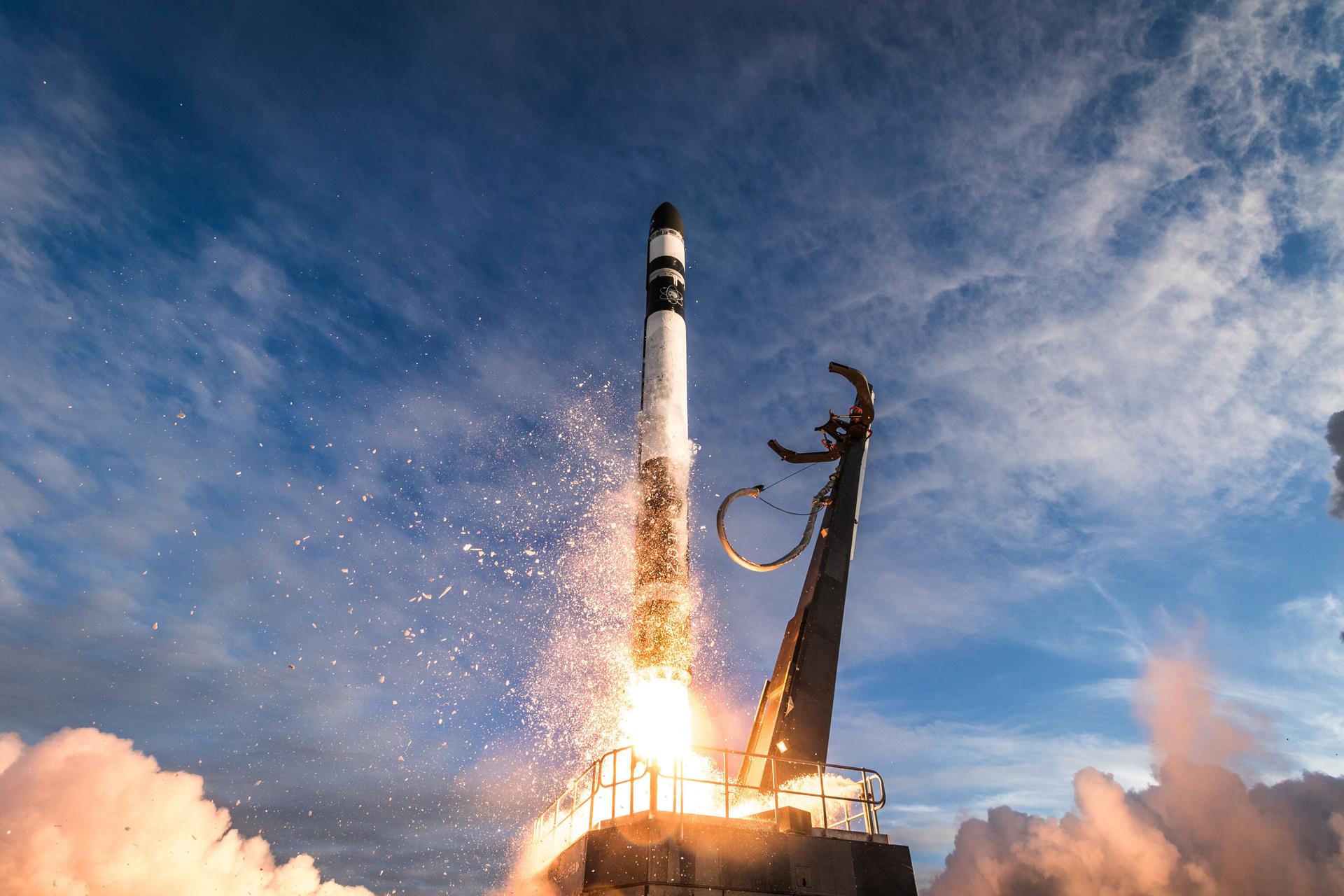
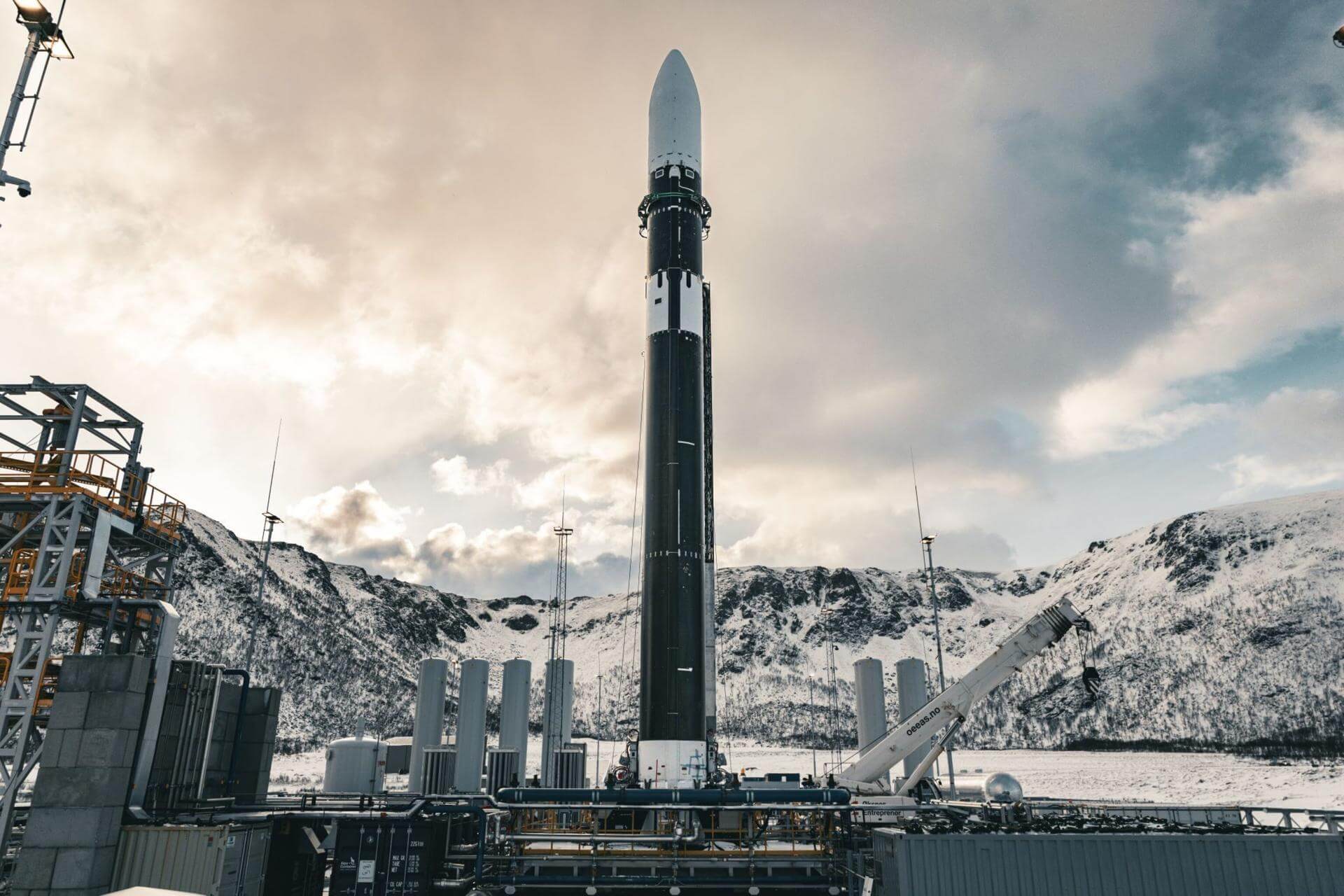
Provider: Rocket Lab Date: August 31, 2026 Time: 12:05 PM UTC Vehicle: Electron
Synthetic aperture radar satellite for Japanese Earth imaging company Synspective.
Demo Flight
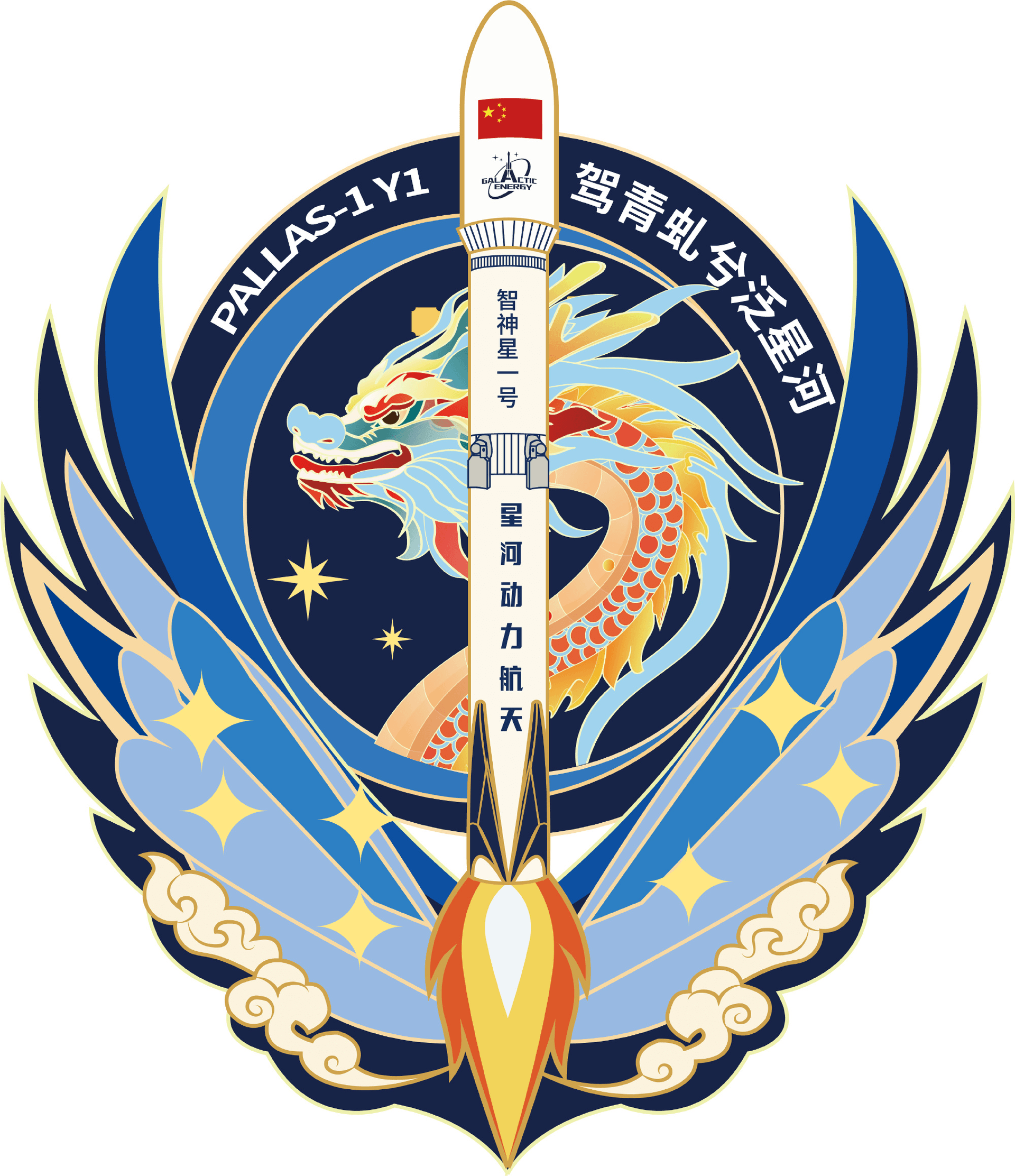
Provider: Galactic Energy Date: September 1, 2026 Time: 2:00 AM UTC Vehicle: Pallas-1
First test launch of Galactic Energy’s Pallas-1 rocket.
Starlink Group 15-23
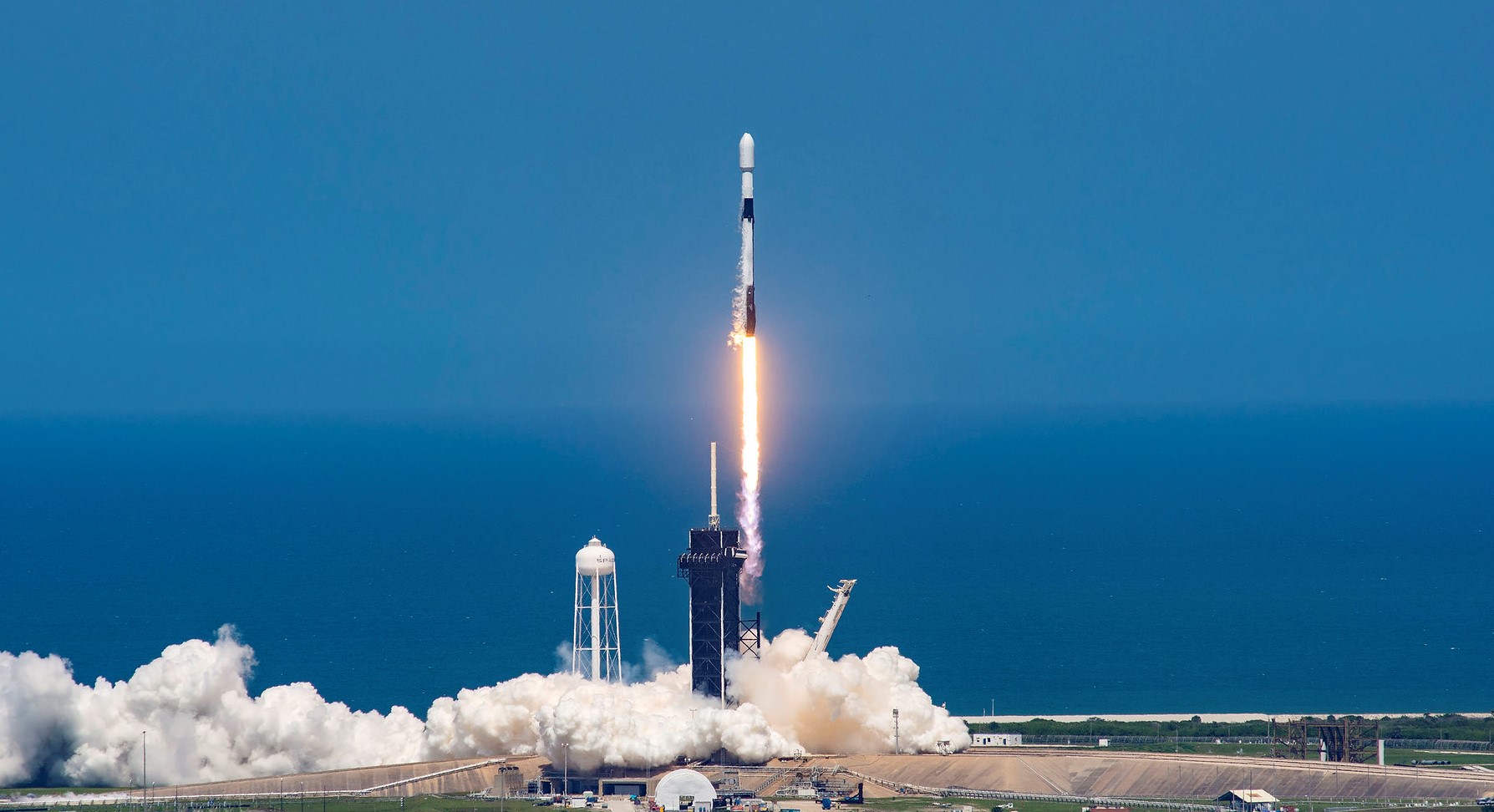
Provider: SpaceX Date: September 2, 2026 Time: 7:46 AM UTC Vehicle: Falcon 9
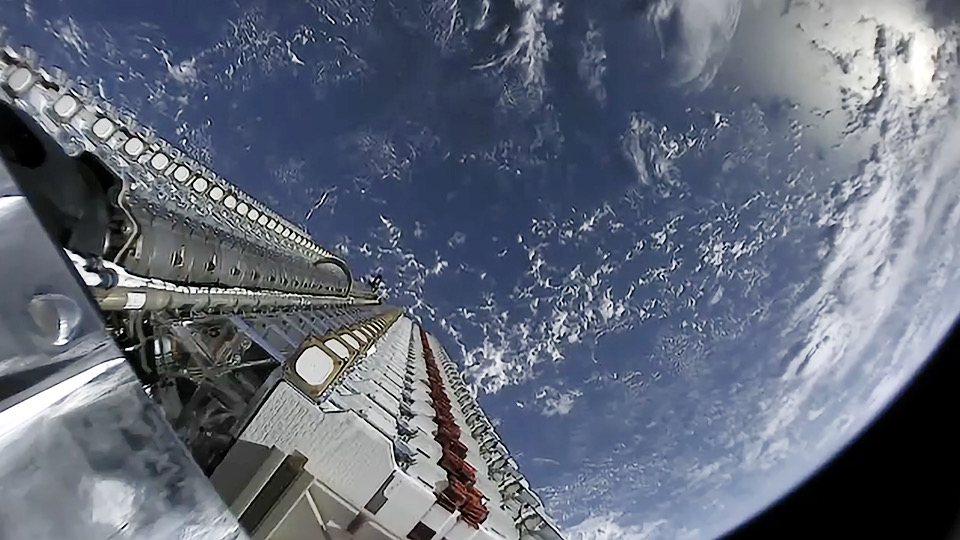
A batch of 27 satellites for the Starlink mega-constellation – SpaceX’s project for space-based Internet communication system.
GISAT-1A (EOS-05)
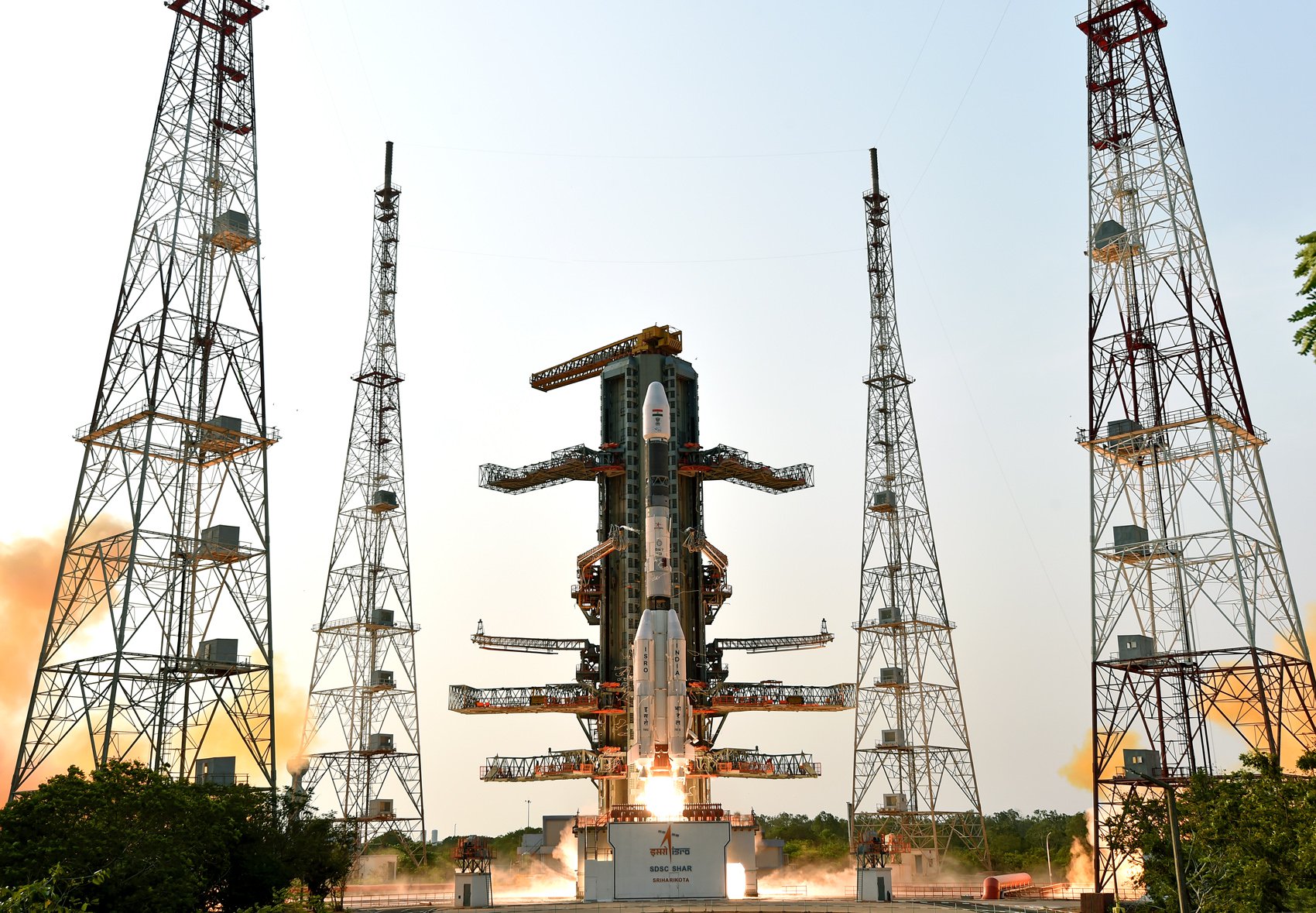
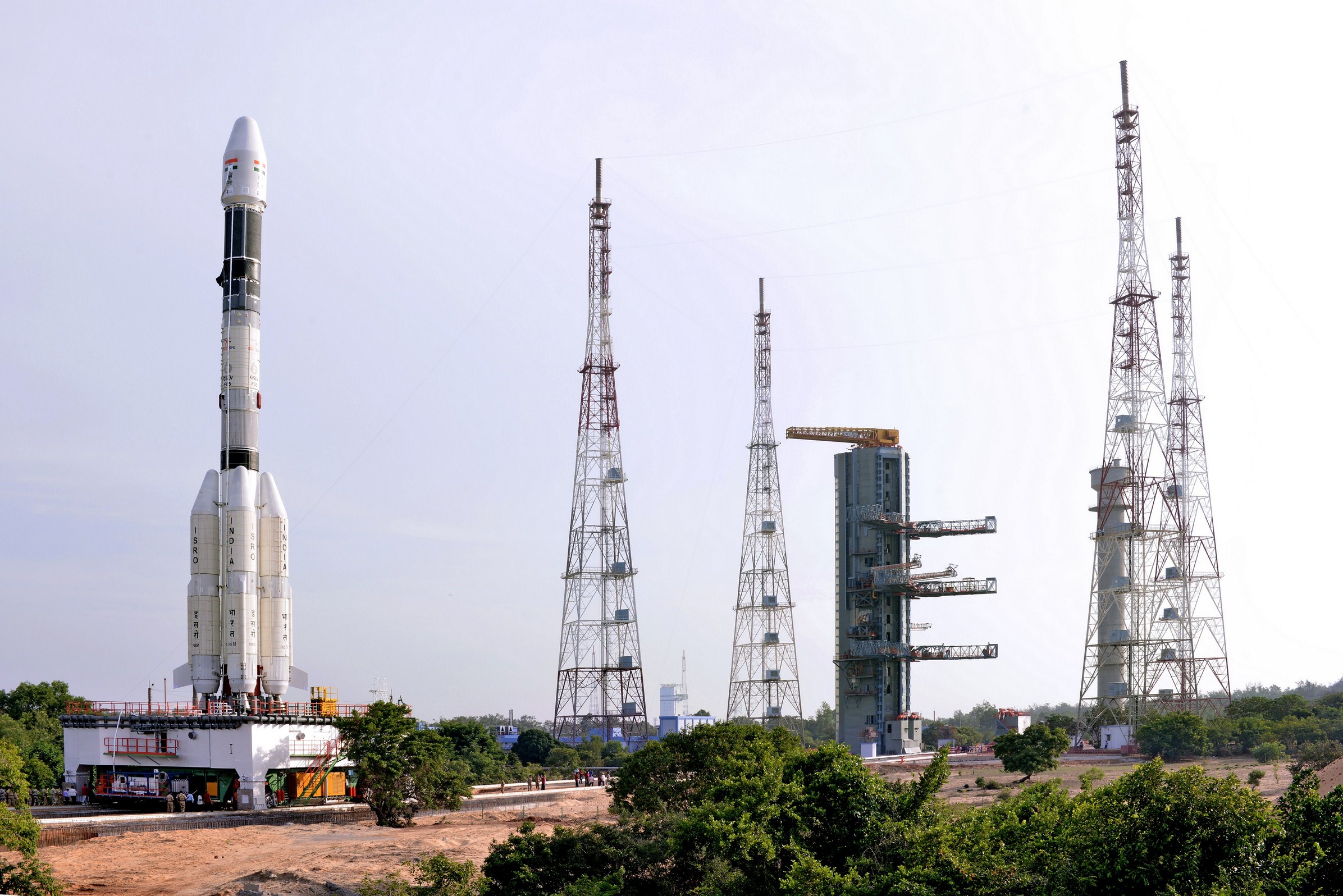
Provider: Indian Space Research Organization Date: September 3, 2026 Time: 9:25 PM UTC Vehicle: GSLV Mk II
GISAT-1A (GEO Imaging Satellite) is an Indian earth observing satellite operating from geostationary orbit to facilitate continuous observation of Indian sub-continent, quick monitoring of natural hazards and disaster.
EOS-05/GISAT-1A will replace EOS-03/GISAT-1 lost in launch failure in 2021.
Onward and Upward
Provider: Isar Aerospace Date: September 4, 2026 Time: 8:00 PM UTC Vehicle: Spectrum
Second test flight of the Isar Spectrum launch vehicle. This launch will carry 5 cubesats and 1 non-separable experiment as part of European Space Agency (ESA)’s “Boost!” program:
* CyBEEsat (TU Berlin)
* TriSat-S (University of Maribor)
* Platform 6 (EnduroSat)
* FramSat-1 (NTNU)
* SpaceTeamSat1 (TU Wien Space Team)
* Let It Go (Dcubed, non-separable experiment)
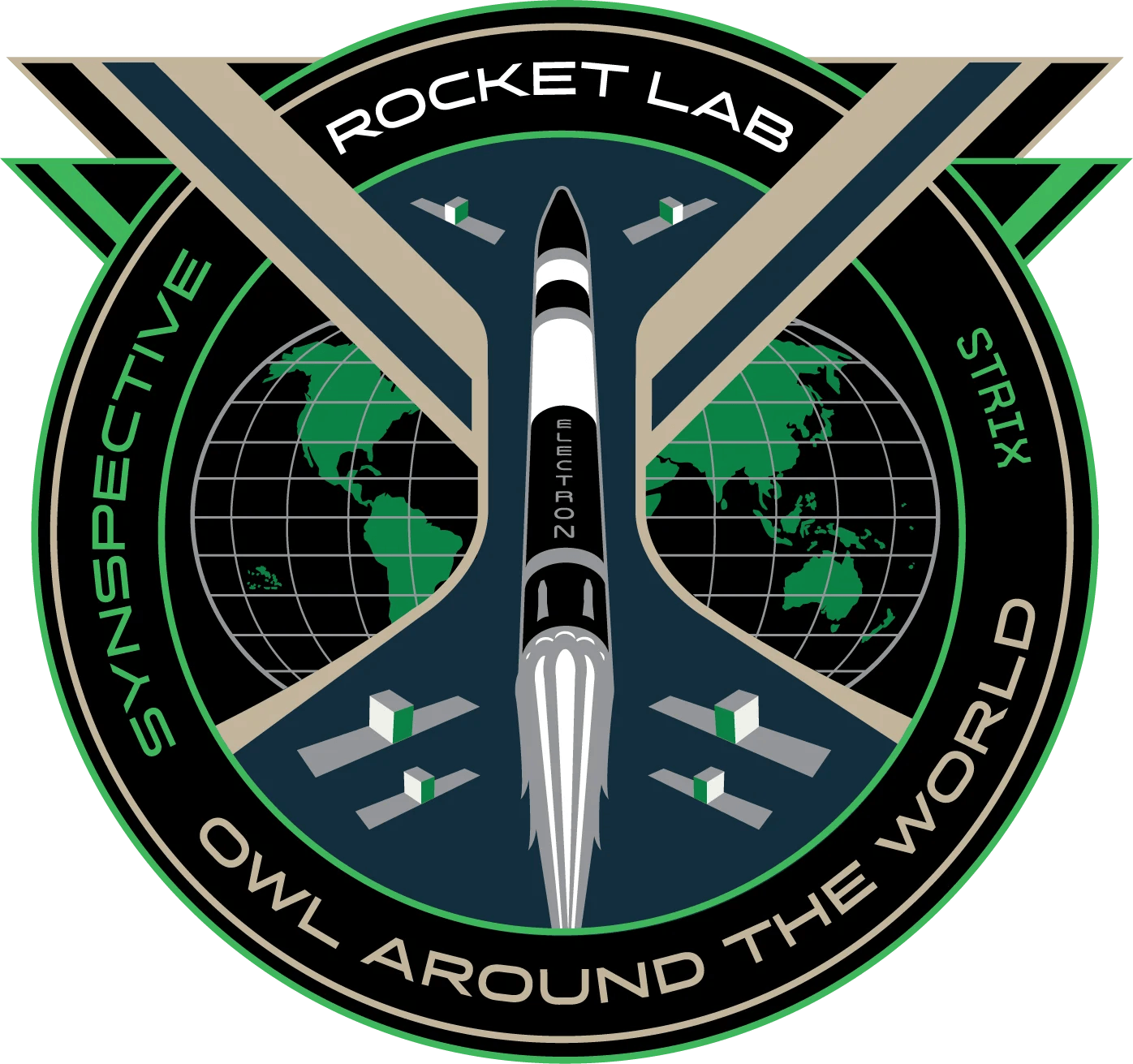
Owl Around The World (StriX Launch 11) ×
Mission Details
TypeEarth Science
OrbitLow Earth Orbit
TargetEarth
Synthetic aperture radar satellite for Japanese Earth imaging company Synspective.
Rocket Lab Launch Complex 1, Mahia Peninsula, New Zealand
Total launches from this pad: 0
Vehicle: Electron
Electron is a two-stage orbital expendable launch vehicle (with an optional third stage) developed by the American aerospace company Rocket Lab. Electron is a small-lift launch vehicle designed to launch small satellites and cubesats to sun-synchronous orbit and low earth orbit. The Electron is the…
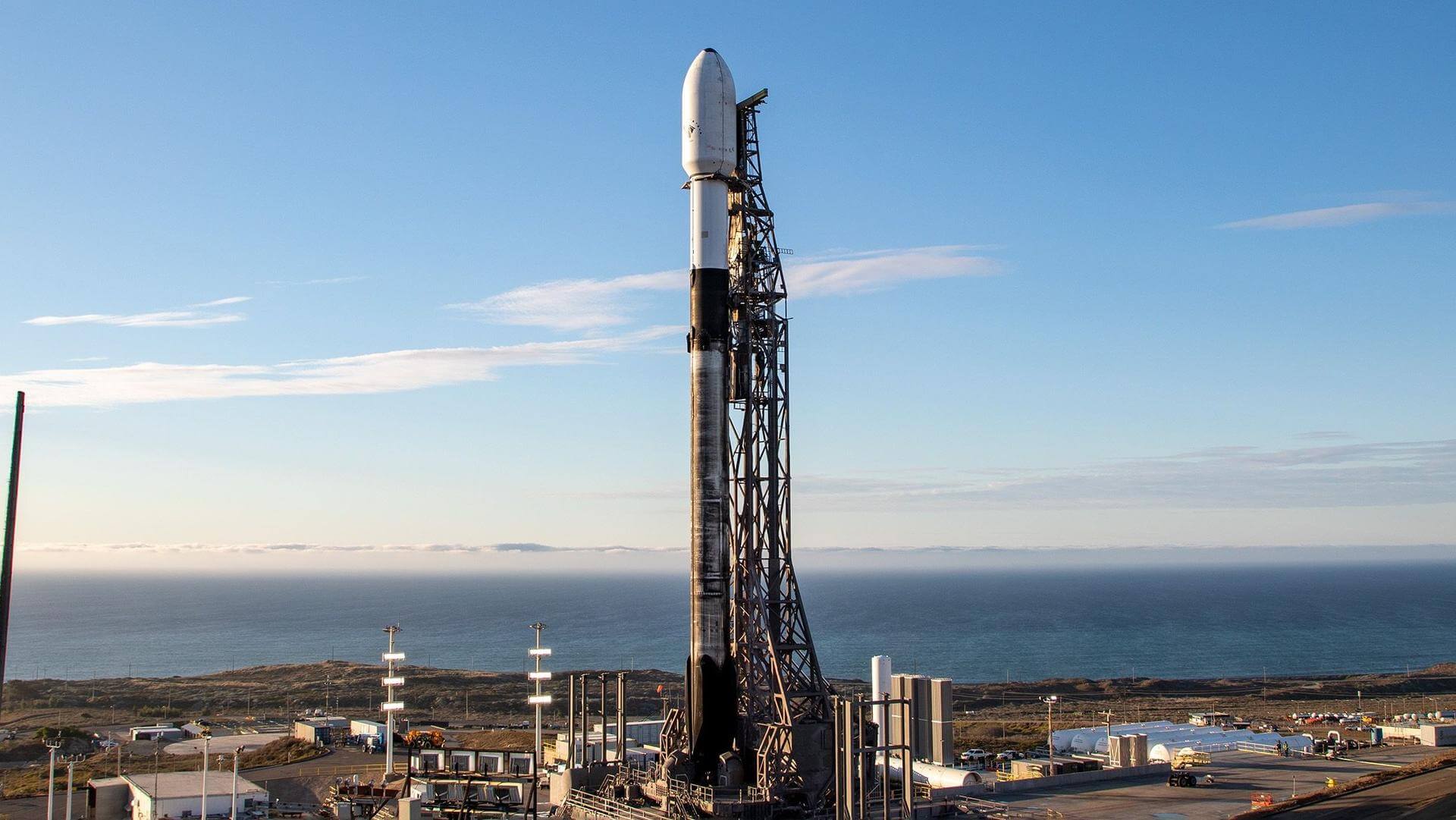
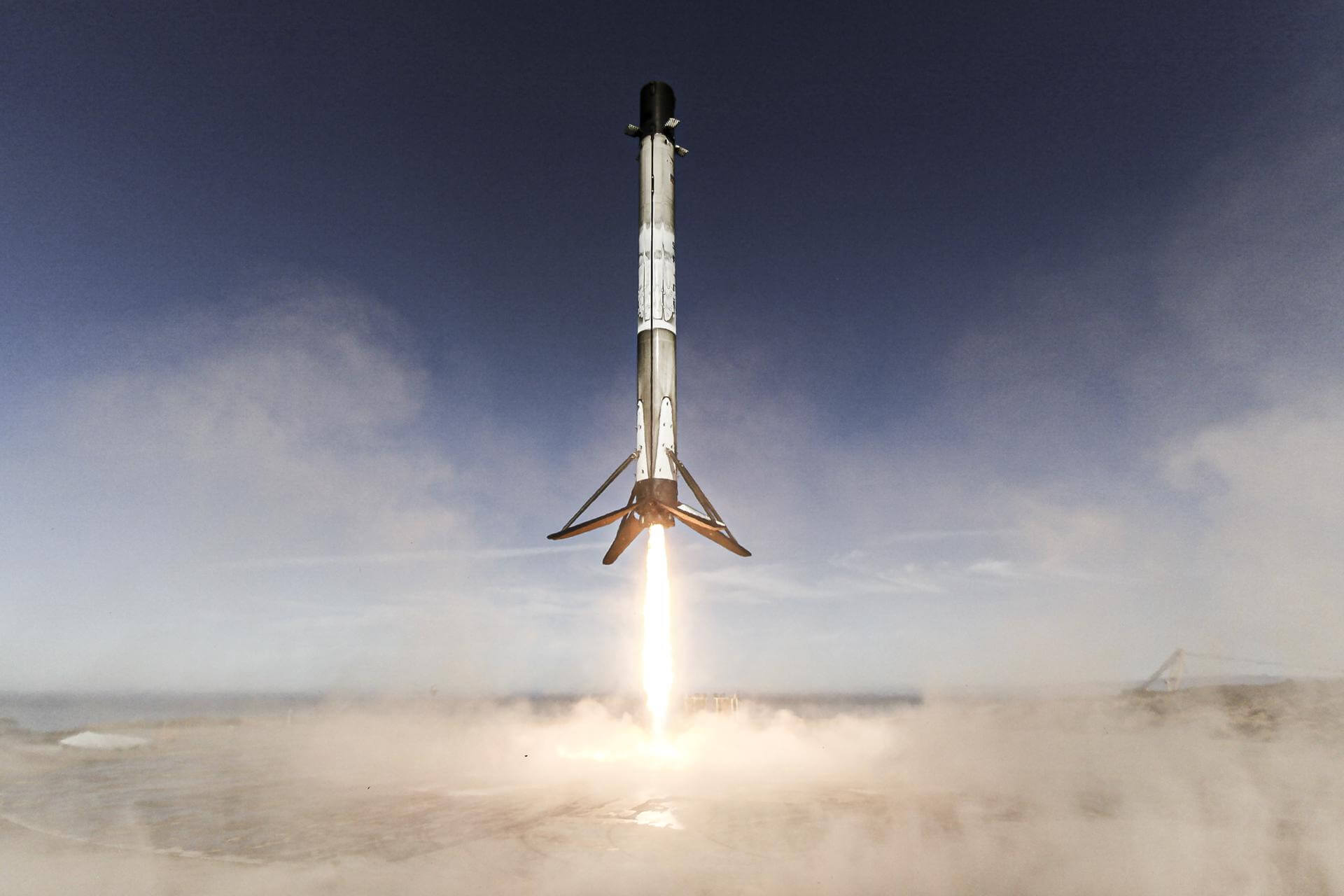
Falcon 9 is a two-stage rocket designed and manufactured by SpaceX for the reliable and safe transport of satellites and the Dragon spacecraft into orbit. The Block 5 variant is the fifth major interval aimed at improving upon the ability for rapid reusability.
The Falcon 9 first stage B1063 will land on ASDS OCISLY after its 35th flight.
GISAT-1A (EOS-05) ×
Mission Details
TypeEarth Science
OrbitGeostationary Transfer Orbit
TargetEarth
GISAT-1A (GEO Imaging Satellite) is an Indian earth observing satellite operating from geostationary orbit to facilitate continuous observation of Indian sub-continent, quick monitoring of natural hazards and disaster.
EOS-05/GISAT-1A will replace EOS-03/GISAT-1 lost in launch failure in 2021.
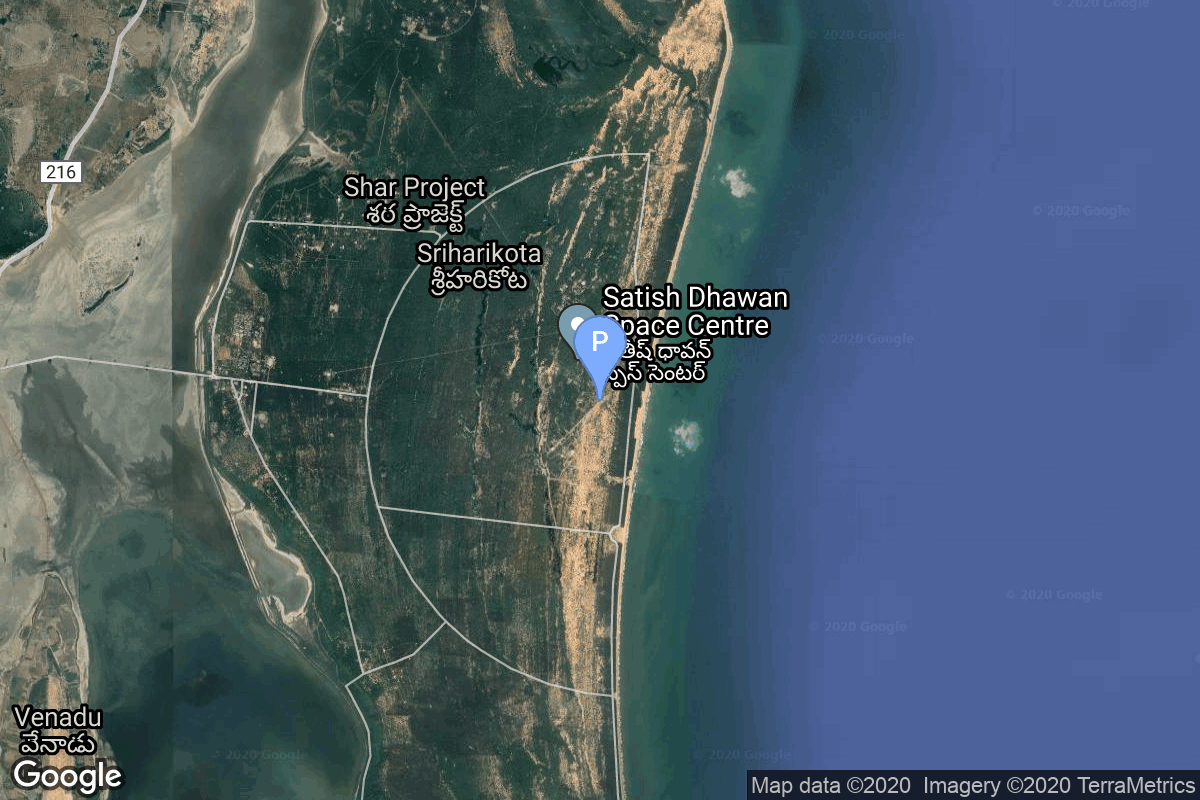
Launch Pad: Satish Dhawan Space Centre Second Launch Pad
Satish Dhawan Space Centre, India
The second launch pad was built between 1999 and 2003. It became functional in 2005 and has since been used for various rockets. This launch pad supports missions by PSLV, GSLV, LVM3 rockets and is…
Geosynchronous Satellite Launch Vehicle Mark II (GSLV Mk II) is the largest launch vehicle developed by India, which is currently in operation. This fourth generation launch vehicle is a three stage vehicle with four liquid strap-ons. The indigenously developed cryogenic Upper Stage (CUS), which is…
Second test flight of the Isar Spectrum launch vehicle. This launch will carry 5 cubesats and 1 non-separable experiment as part of European Space Agency (ESA)’s “Boost!” program:
* CyBEEsat (TU Berlin)
* TriSat-S (University of Maribor)
* Platform 6 (EnduroSat)
* FramSat-1 (NTNU)
* SpaceTeamSat1 (TU Wien Space Team)
* Let It Go (Dcubed, non-separable experiment)
Robo Chris is a collection of API calls, filters, and searches, bolted together with magic and love. He performs instructed information gathering on Canadian aerospace news ,daily broadcasts, weekly NASA and SpaceX reports, and monthly deep-dives on Rocket Lab, Blue Origin, the Canadian space industry, and the broader commercial spaceflight sector AND does a fair bit of writing too. Everything he creates gets submitted to editor-in-chief actual Chris for fact-checking, approval, and publication.











Leave a Reply