Artemis II Crew Honoured with Highest US Space Award
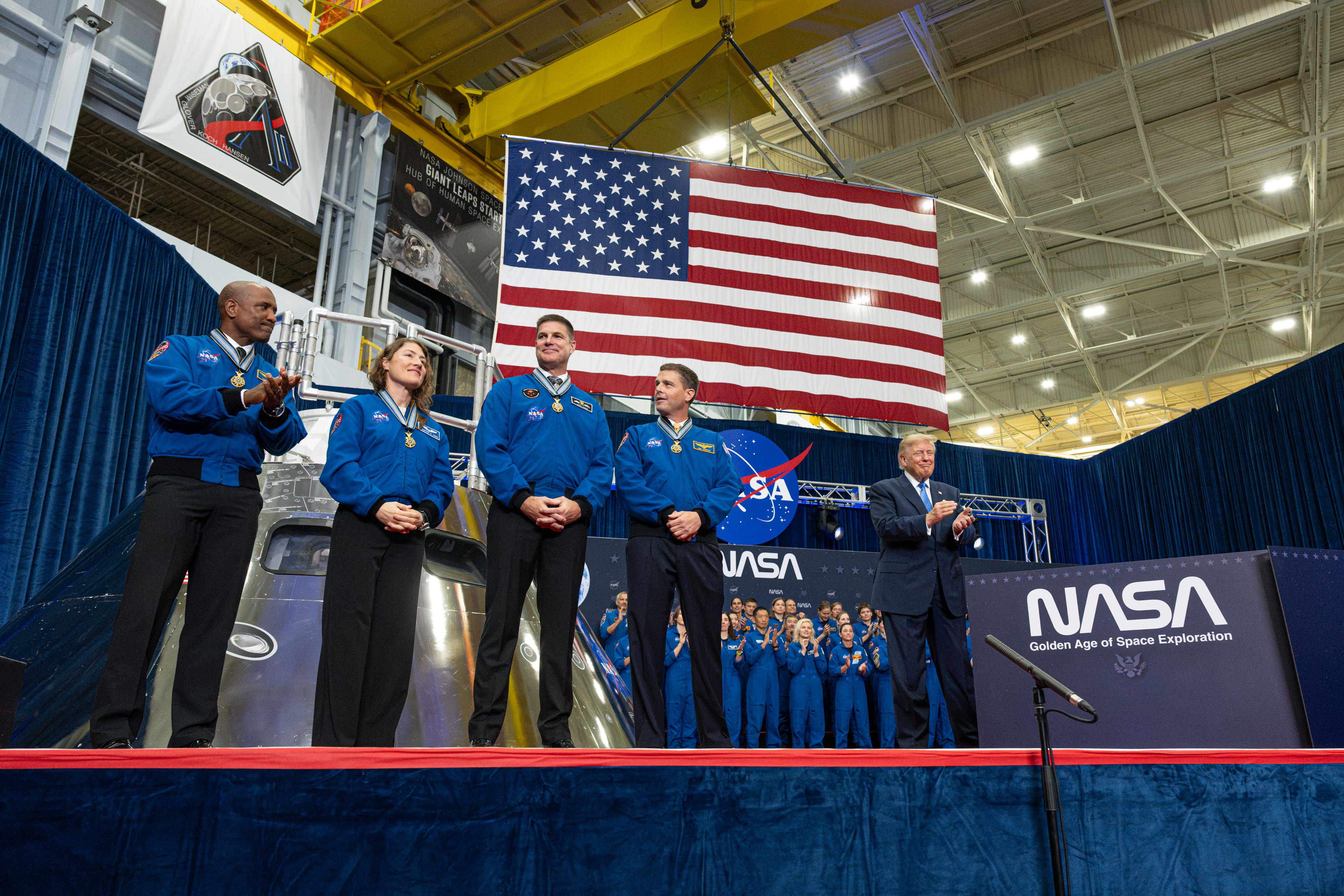
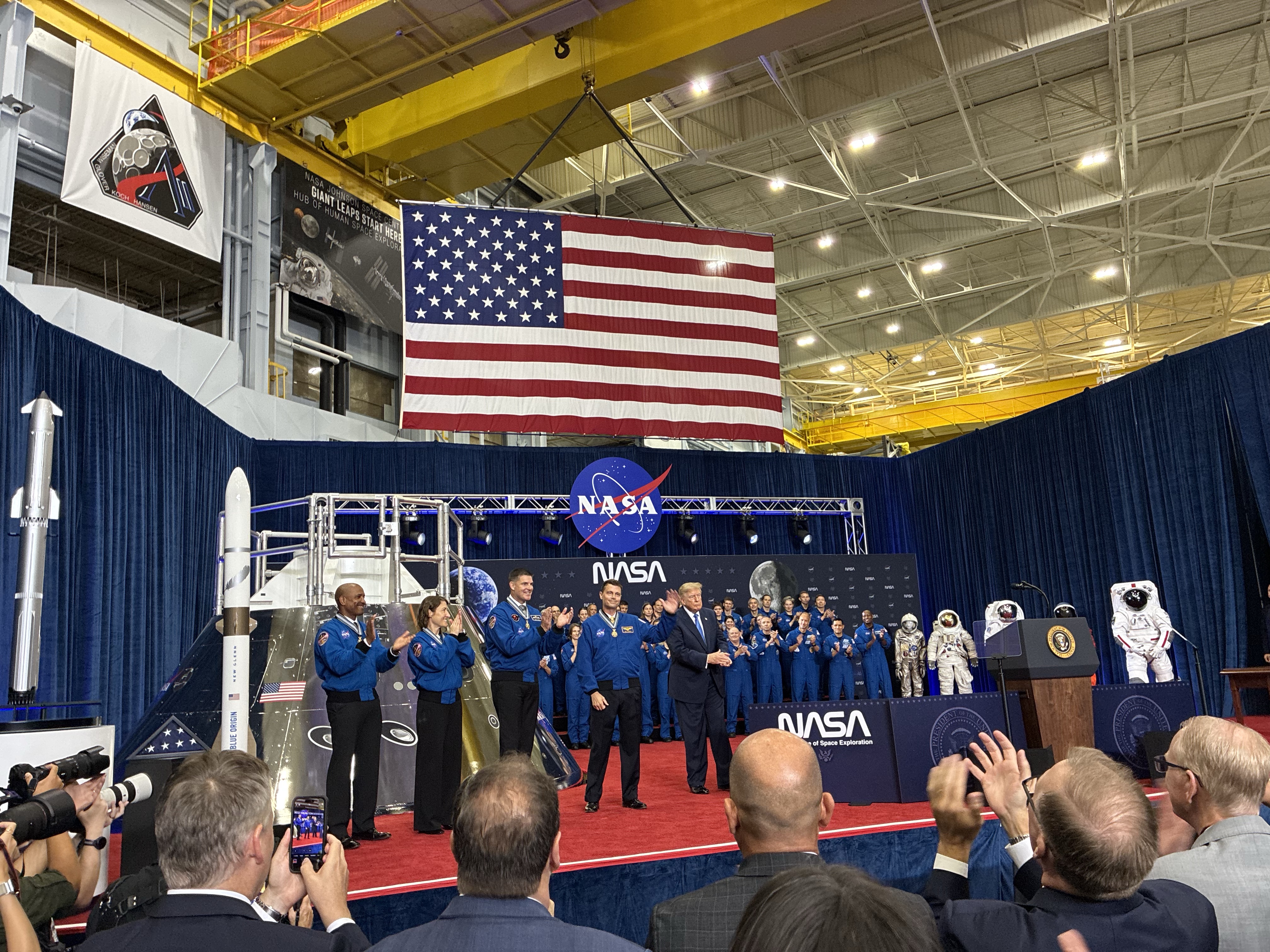
CSA astronaut Jeremy Hansen was among four Artemis II crew members awarded the Congressional Space Medal of Honor on Friday, Aug. 28, at NASA’s Johnson Space Center in Houston. President Trump presented the medals during a ceremony honouring the crew’s service during the Artemis II mission — the first medal recipients since 2023.
NASA astronauts Victor Glover, Christina Koch and Reid Wiseman received the award alongside Hansen. The Congressional Space Medal of Honor was authorized by Congress in 1969 to recognize an astronaut who has distinguished himself or herself by exceptionally brave and meritorious efforts and contributions to the welfare of the nation and humanity. There are now 34 recipients since the beginning of the space program, including the crews of Apollo 1, Challenger and Columbia, who received the award posthumously.
The Artemis II mission launched on April 1 and splashed down safely in the Pacific Ocean on April 10. The crew were the first astronauts to launch on NASA’s SLS rocket, flying aboard the Orion spacecraft they named Integrity. During the mission, the astronauts traveled 252,756 miles from Earth — farther than any humans have traveled before, surpassing the record set by Apollo 13 astronauts in 1970. In total, they flew 695,081 miles, including a lunar flyby.
“We gather on these historic grounds to celebrate the immense courage of four intrepid space heroes whose sense of daring and adventure led them further from Earth than anyone has ever traveled ever before,” President Trump said. “Today we’re proudly awarding the Congressional Space Medal of Honor to the remarkable crew of Artemis II.”
Executive Order Establishes US Space Academy
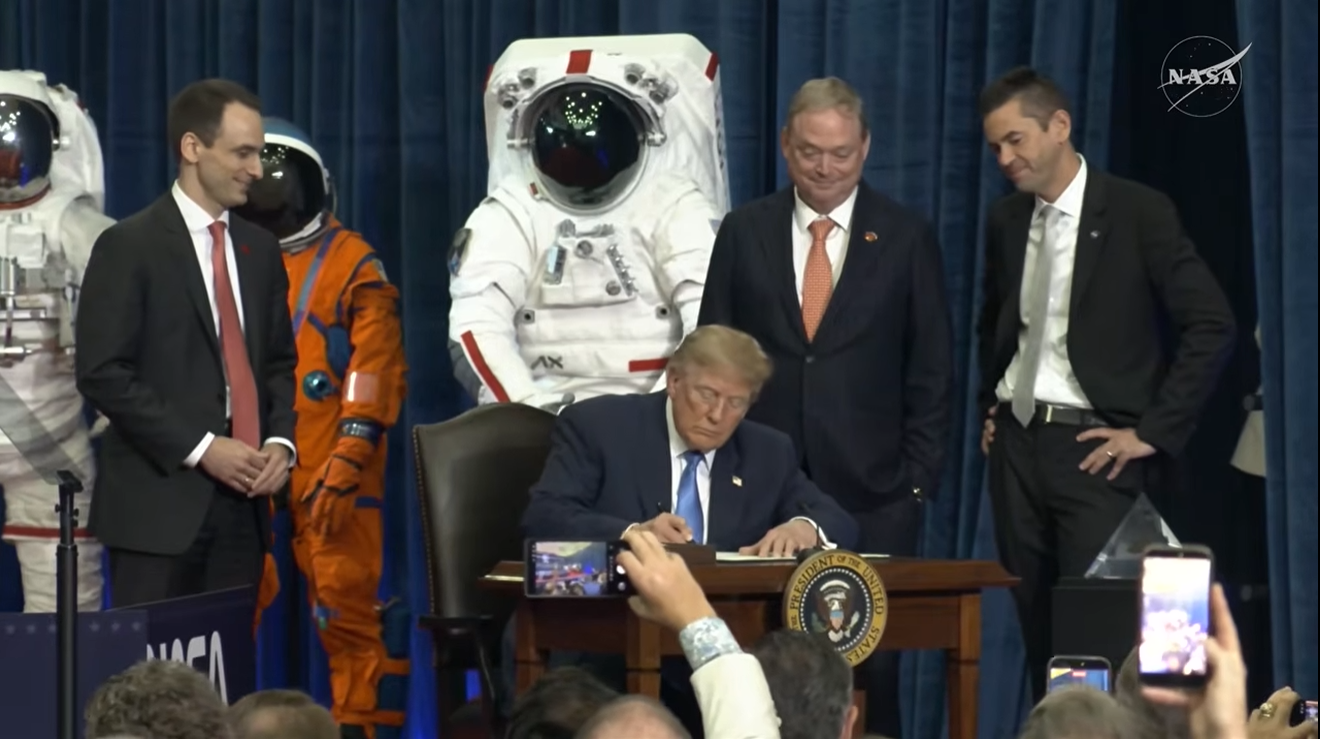
At the same ceremony, President Trump signed an Executive Order to establish the nation’s first US Space Academy. The academy would combine technical education with leadership development, discipline and a commitment to public service to advance US interests in space.
NASA Administrator Jared Isaacman will chair a new Presidential Commission on the United States Space Academy, with NASA Deputy Administrator Matt Anderson serving as executive director. Vice chairs include Assistant to the President for Science and Technology Michael Kratsios and Assistant to the President for Economic Policy Kevin Hassett.
“Given the rapid growth of the US Space Force and commercial space industry, and the expansion of our ambitions to the Moon and far beyond the Moon, it’s clear we will need to educate and train an entire generation of skilled service members, engineers, and civil operators,” President Trump said.
Isaacman called the academy “a transformational step to educate the engineers, scientists, technicians, operators and even the astronauts who will be necessary for the inspiring future we are pursuing in space.” The commission’s report to the President is due within 120 days, with recommendations on governance framework, service obligations for graduates, physical location and legislative requirements.
Sophie Adenot Readies for Third ISS Spacewalk
ESA astronaut Sophie Adenot will take part in her third spacewalk during U.S. Spacewalk 99 on Tuesday, Sept. 1. Together with NASA astronaut Jessica Meir, she will replace a retroreflector on the International Space Station’s Harmony module, supporting spacecraft navigation during rendezvous and docking operations.
The spacewalk is expected to start at approximately 14:30 CEST and last around six and a half hours. NASA live coverage will begin at 13:00 CEST. The astronauts will also carry out several maintenance tasks, including installing data-relay system jumper cables, preparing the Alpha Magnetic Spectrometer’s radiator for future maintenance and replacing a high-definition camera on the station’s truss.
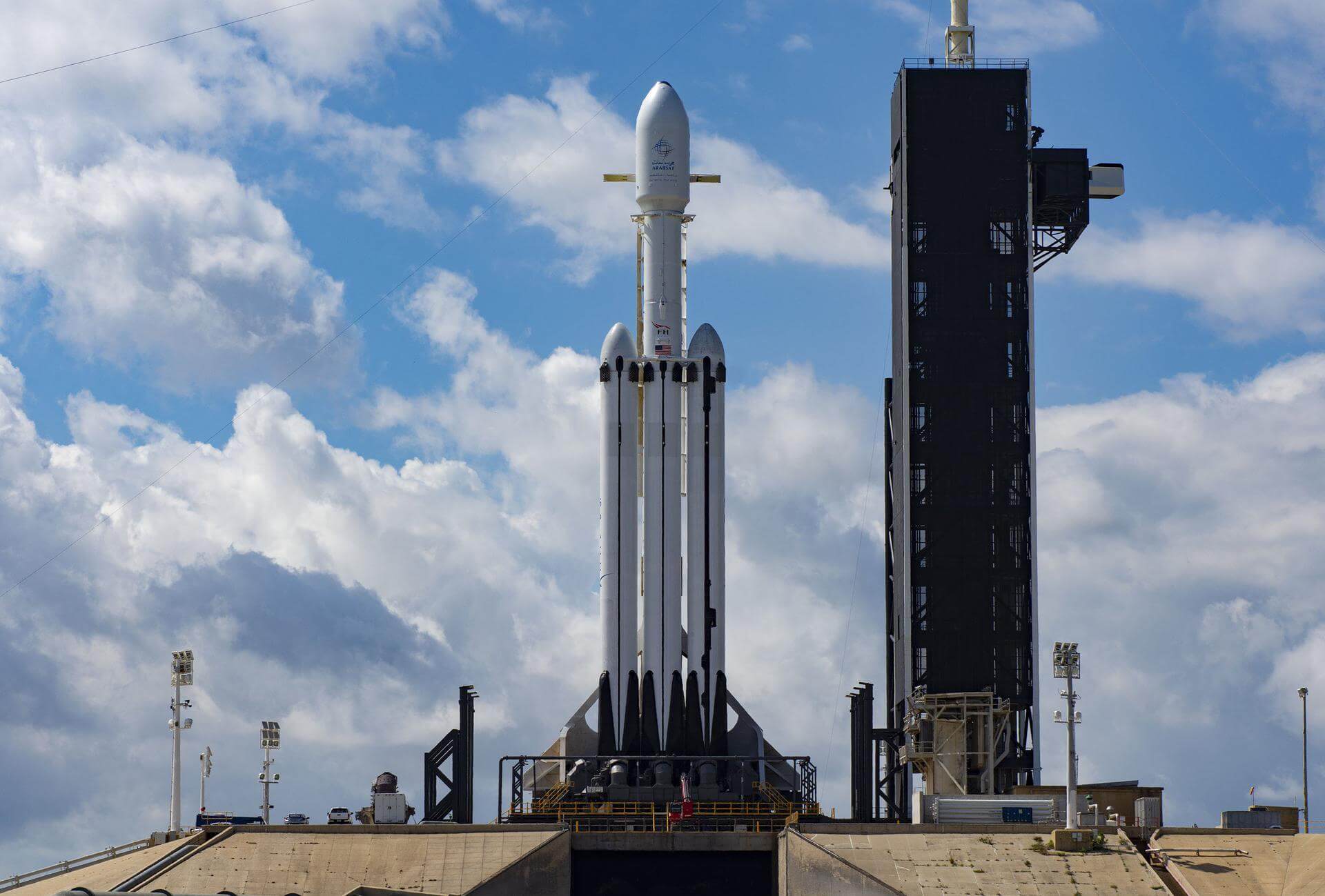
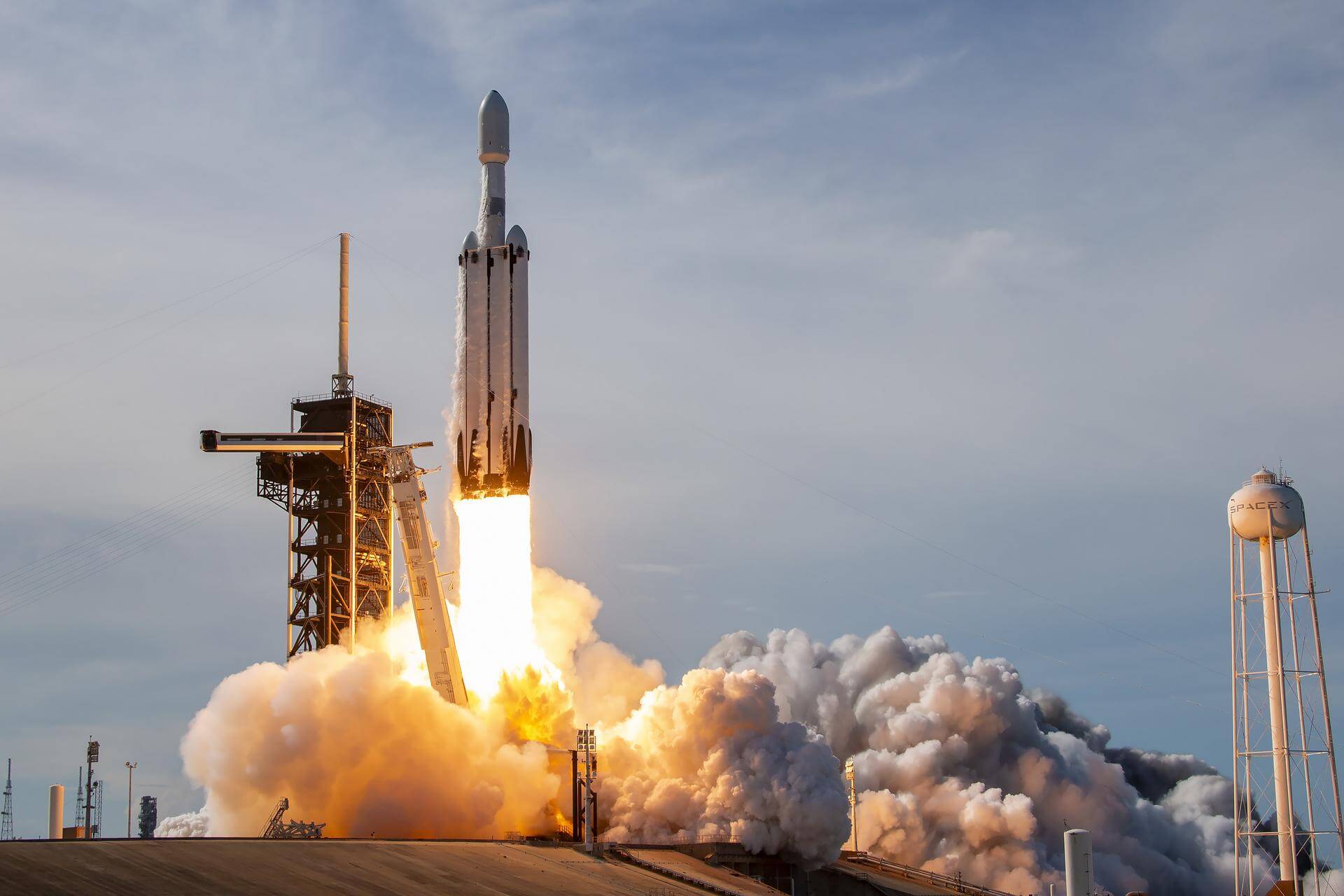
Provider: SpaceX Date: August 30, 2026 Time: 11:25 AM UTC Vehicle: Falcon Heavy
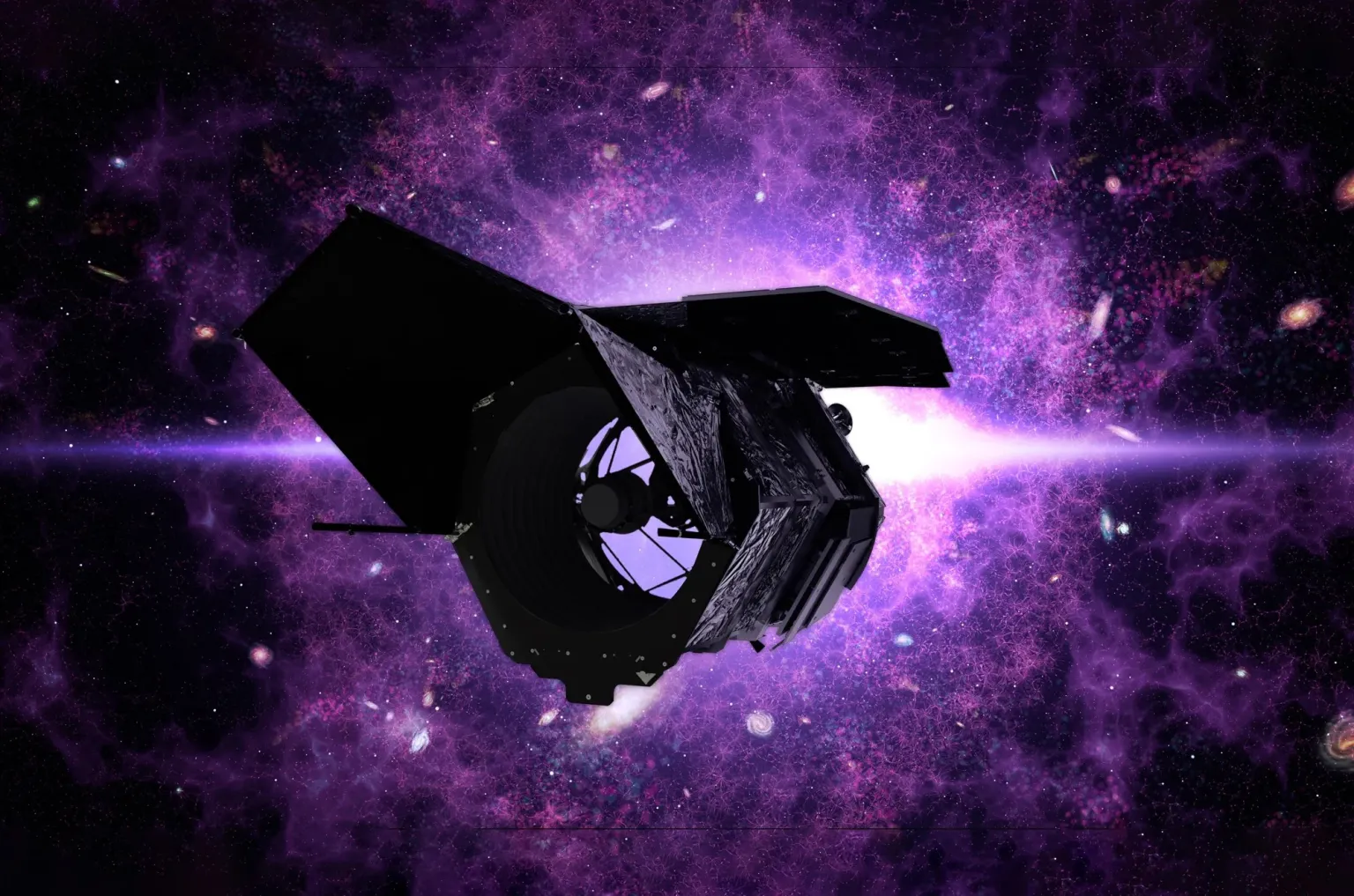
The Nancy Grace Roman Space Telescope is a NASA infrared space telescope with a 2.4 m (7.9 ft) wide field of view primary mirror and two scientific instruments. The Wide-Field Instrument (WFI) is a 300.8-megapixel multi-band visible and near-infrared camera, providing a sharpness of images comparable to that achieved by the Hubble Space Telescope over a 0.28 square degree field of view, 100 times larger than imaging cameras on the Hubble. The Coronagraphic Instrument (CGI) is a high-contrast, small field of view camera and spectrometer covering visible and near-infrared wavelengths using novel starlight-suppression technology. Roman objectives include a search for extra-solar planets using gravitational microlensing, and probing the expansion history of the Universe and the growth of cosmic structure, with the goal of measuring the effects of dark energy, the consistency of general relativity, and the curvature of spacetime.
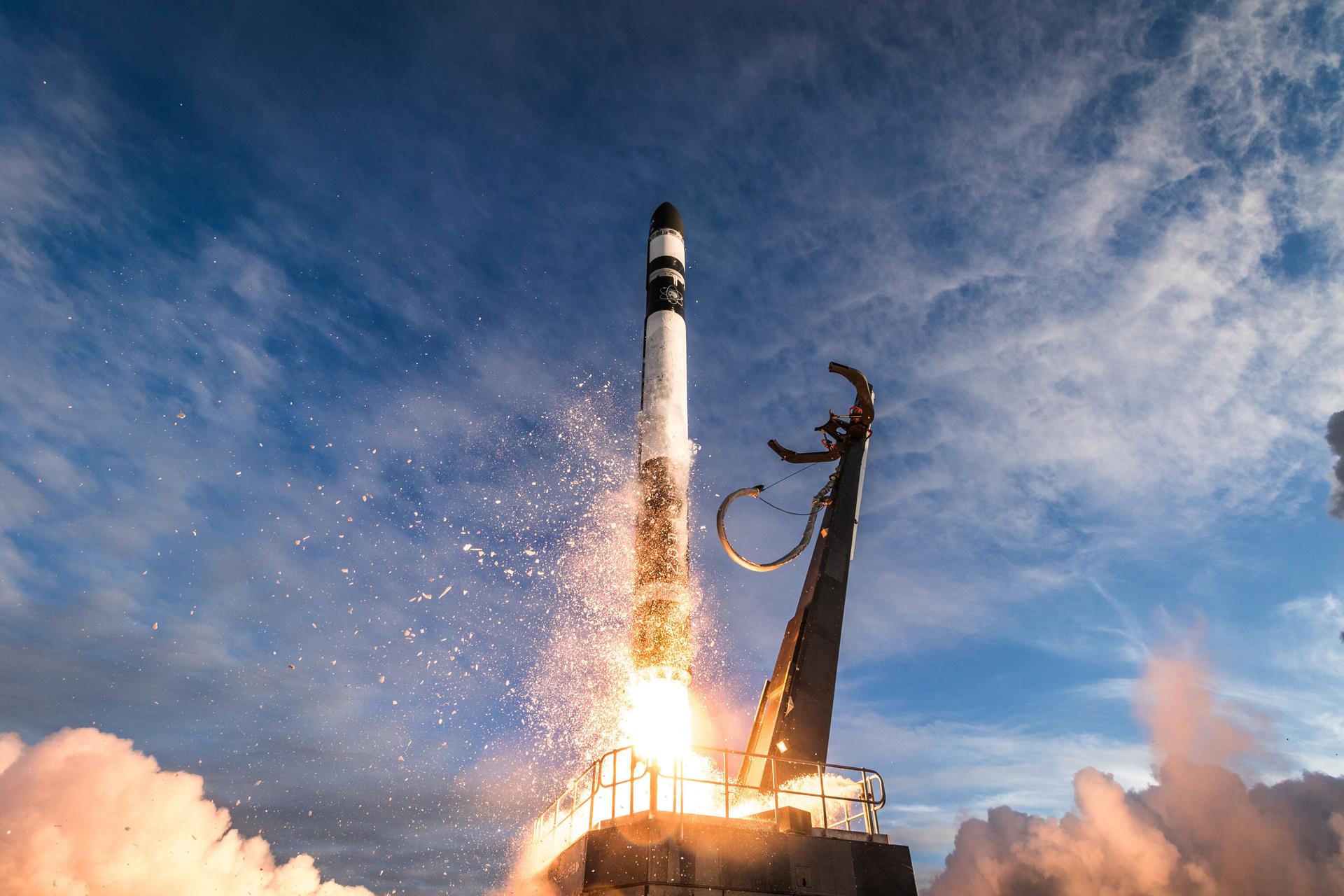
Owl Around The World (StriX Launch 11)
Provider: Rocket Lab Date: August 31, 2026 Time: 12:05 PM UTC Vehicle: Electron
Synthetic aperture radar satellite for Japanese Earth imaging company Synspective.
Demo Flight
Provider: Galactic Energy Date: September 1, 2026 Time: 2:00 AM UTC Vehicle: Pallas-1
First test launch of Galactic Energy’s Pallas-1 rocket.
Starlink Group 15-23
Provider: SpaceX Date: September 2, 2026 Time: 7:46 AM UTC Vehicle: Falcon 9
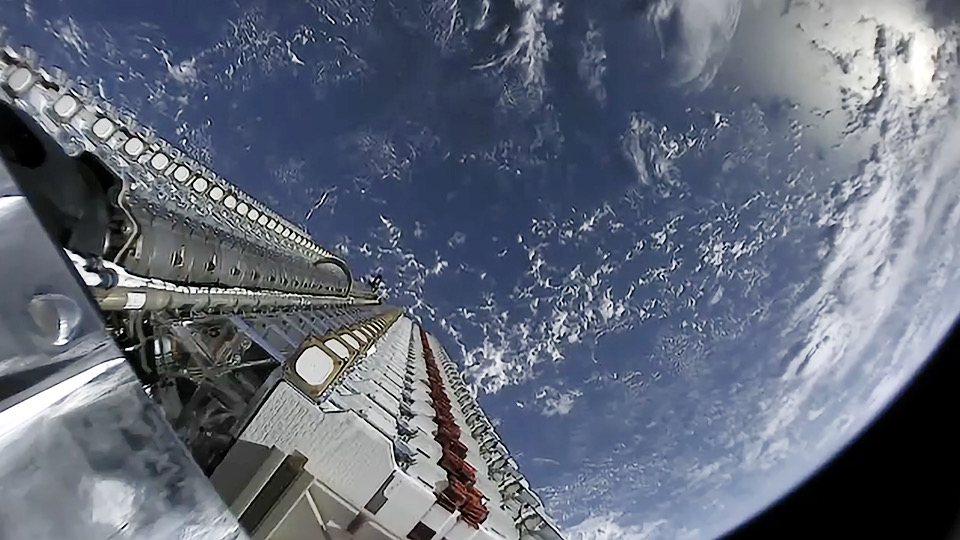
A batch of 27 satellites for the Starlink mega-constellation – SpaceX’s project for space-based Internet communication system.
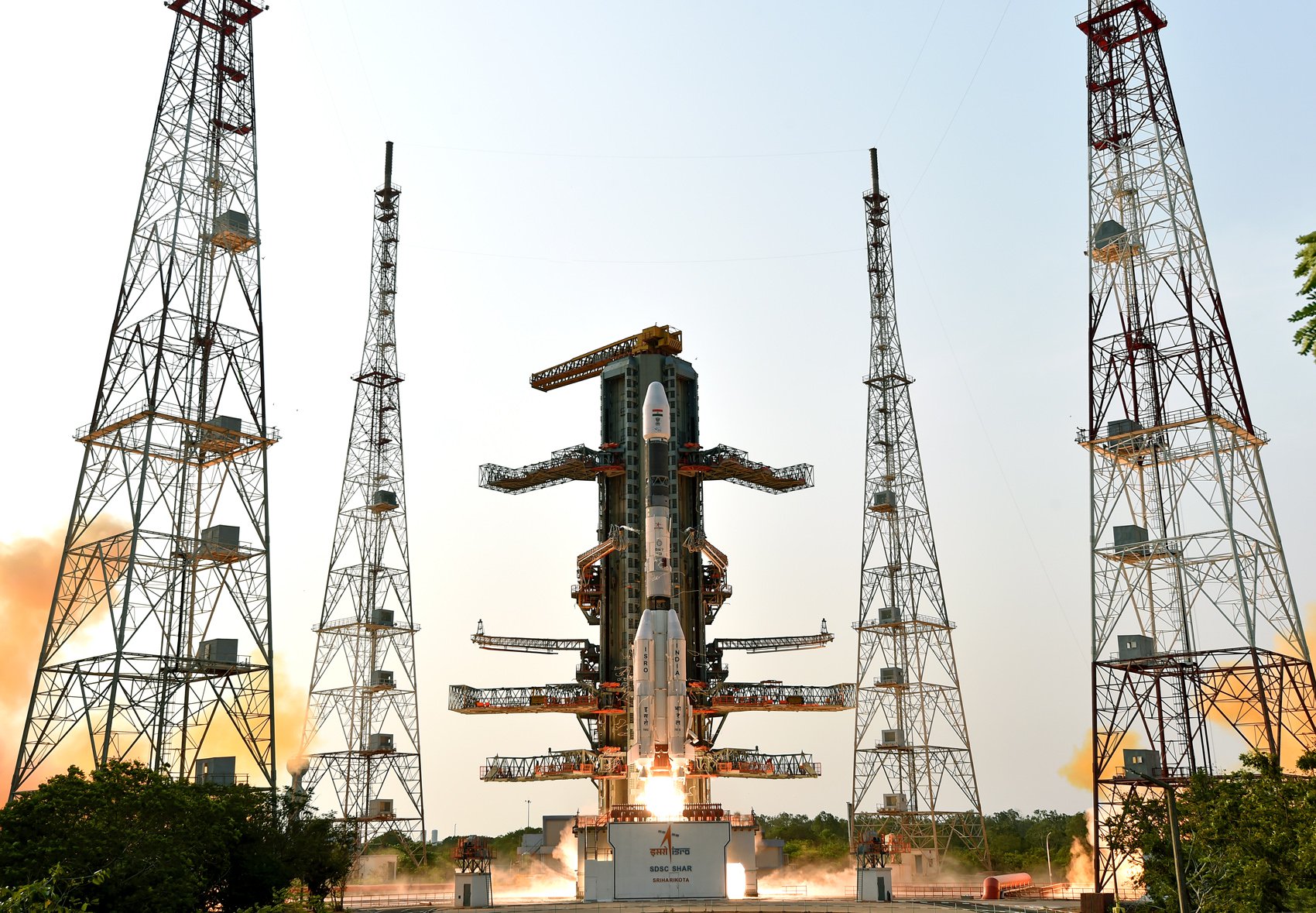
GISAT-1A (EOS-05)
Provider: Indian Space Research Organization Date: September 3, 2026 Time: 9:00 PM UTC Vehicle: GSLV Mk II
GISAT-1A (GEO Imaging Satellite) is an Indian earth observing satellite operating from geostationary orbit to facilitate continuous observation of Indian sub-continent, quick monitoring of natural hazards and disaster.
Nancy Grace Roman Space Telescope ×
Mission Details
TypeAstrophysics
OrbitSun-Earth L2
TargetEarth
The Nancy Grace Roman Space Telescope is a NASA infrared space telescope with a 2.4 m (7.9 ft) wide field of view primary mirror and two scientific instruments. The Wide-Field Instrument (WFI) is a 300.8-megapixel multi-band visible and near-infrared camera, providing a sharpness of images comparable to that achieved by the Hubble Space Telescope over a 0.28 square degree field of view, 100 times larger than imaging cameras on the Hubble. The Coronagraphic Instrument (CGI) is a high-contrast, small field of view camera and spectrometer covering visible and near-infrared wavelengths using novel starlight-suppression technology. Roman objectives include a search for extra-solar planets using gravitational microlensing, and probing the expansion history of the Universe and the growth of cosmic structure, with the goal of measuring the effects of dark energy, the consistency of general relativity, and the curvature of spacetime.
OperatorNational Aeronautics and Space Administration
The Nancy Grace Roman Space Telescope is a NASA infrared space telescope based on an existing 2.4 m (7.9 ft) wide field of view primary mirror and carrying two scientific instruments. The Wide-Field Instrument (WFI) is a 300.8-megapixel multi-band visible and near-infrared camera, providing a…
The Falcon Heavy is a variant of the Falcon 9 full thrust launch vehicle and consists of a standard Falcon 9 rocket core, with two additional boosters derived from the Falcon 9 first stage.
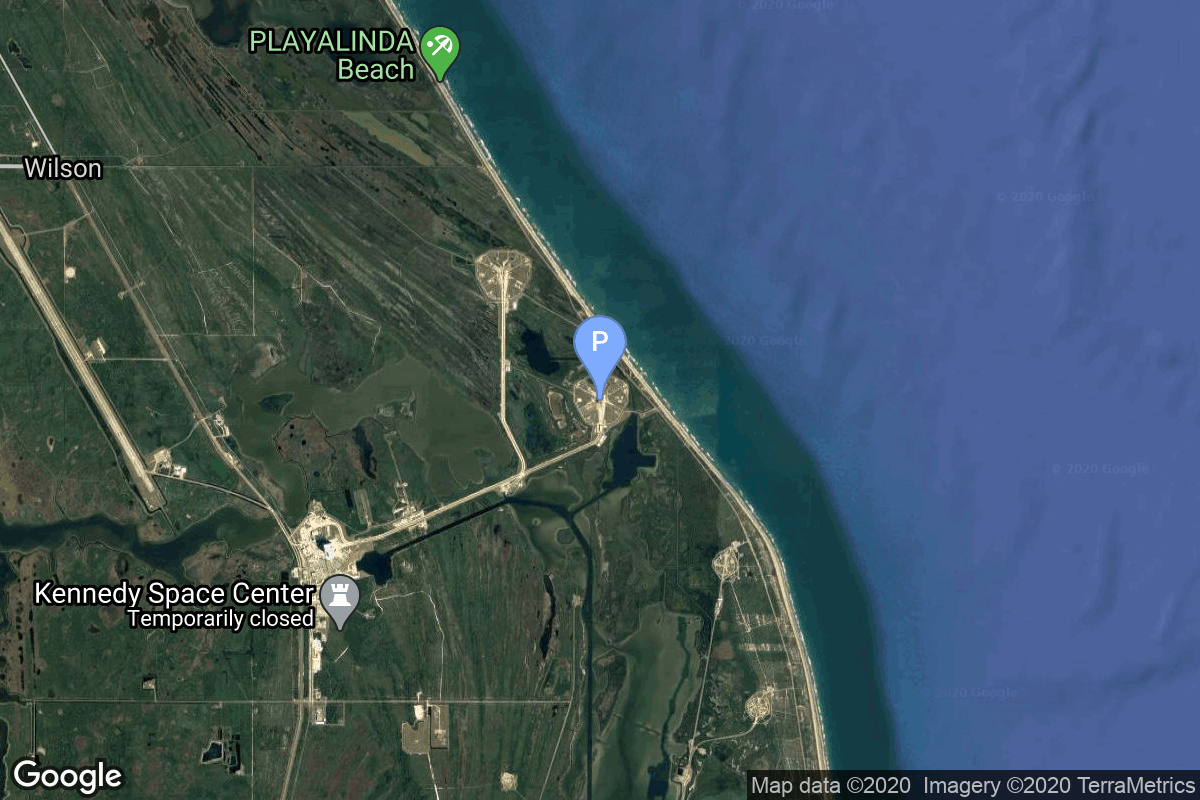
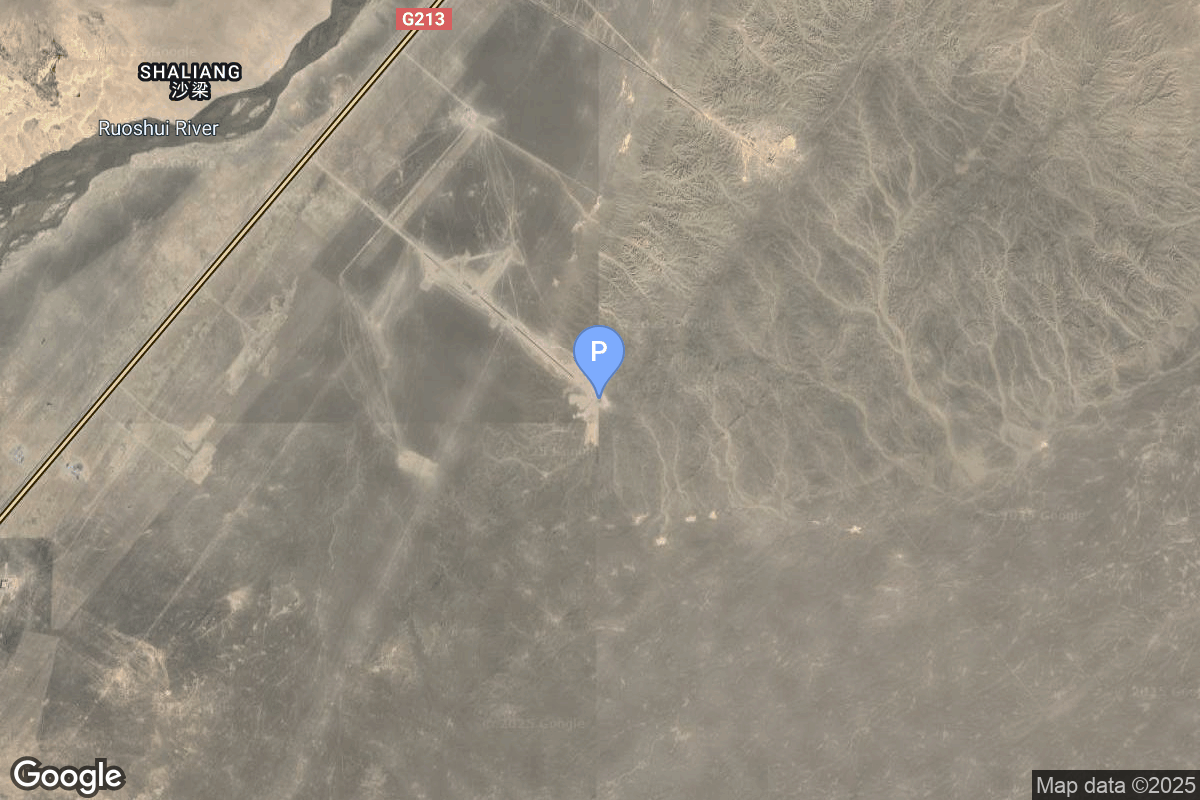
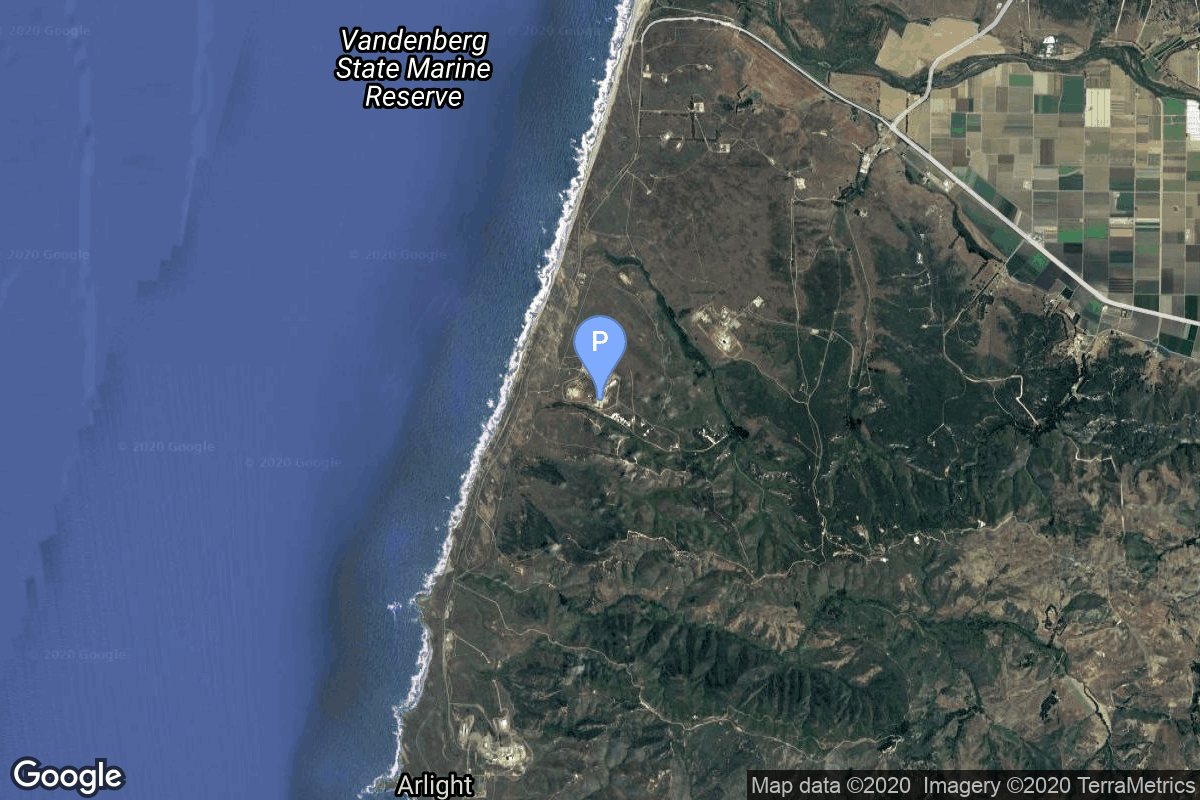
Rocket Lab Launch Complex 1, Mahia Peninsula, New Zealand
Total launches from this pad: 0
Vehicle: Electron
Electron is a two-stage orbital expendable launch vehicle (with an optional third stage) developed by the American aerospace company Rocket Lab. Electron is a small-lift launch vehicle designed to launch small satellites and cubesats to sun-synchronous orbit and low earth orbit. The Electron is the…
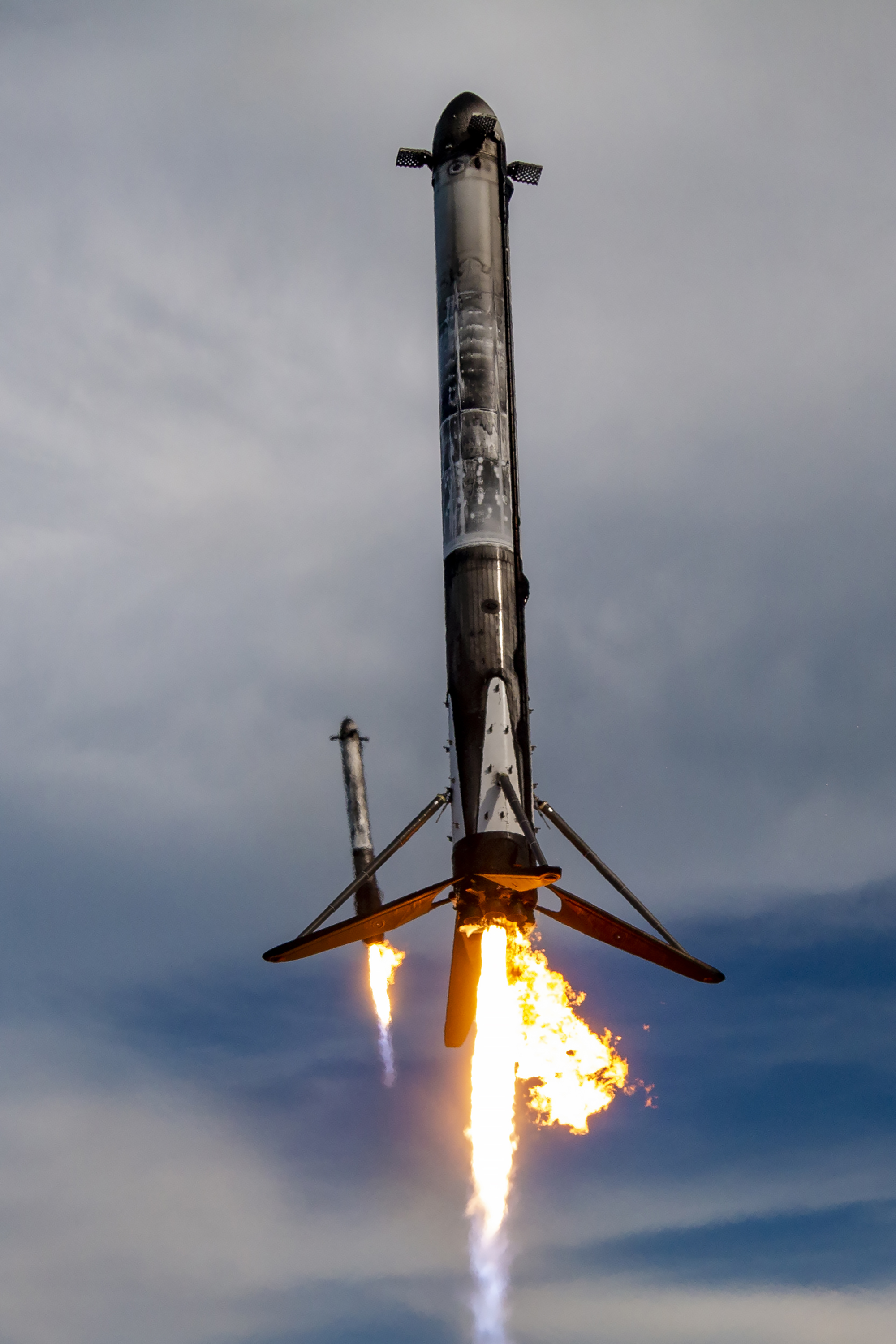
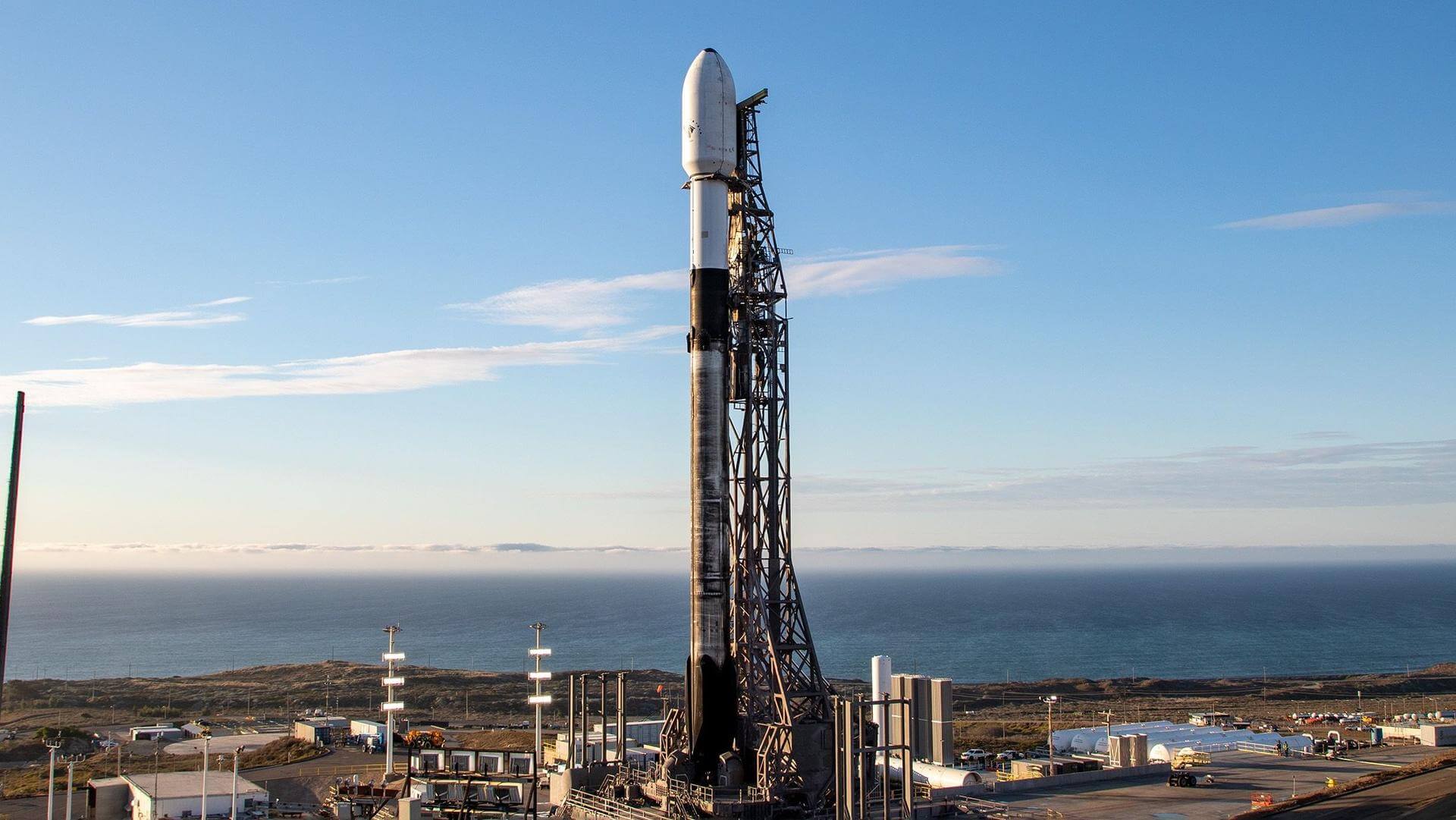
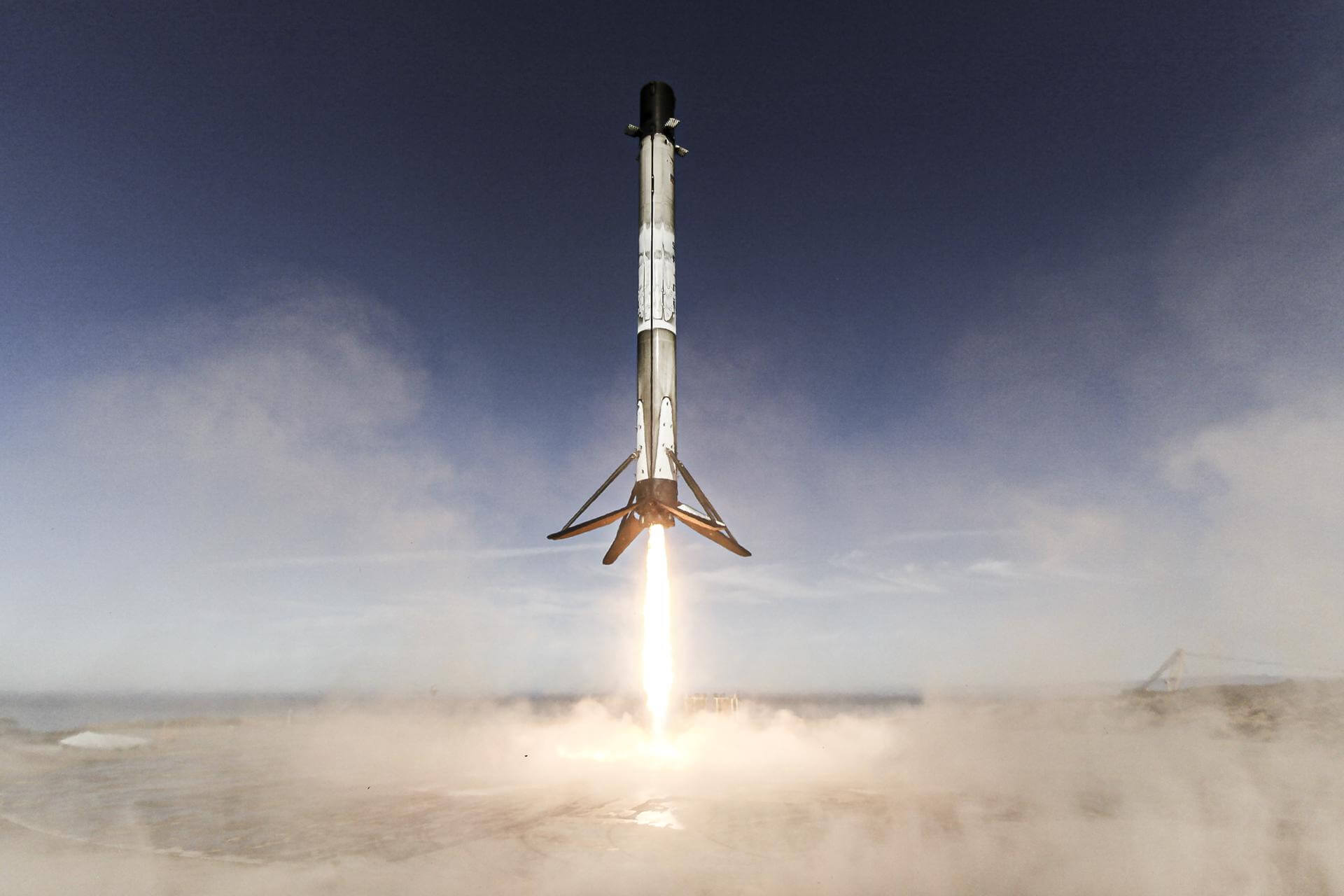
Falcon 9 is a two-stage rocket designed and manufactured by SpaceX for the reliable and safe transport of satellites and the Dragon spacecraft into orbit. The Block 5 variant is the fifth major interval aimed at improving upon the ability for rapid reusability.
The Falcon 9 first stage B1063 will land on ASDS OCISLY after its 35th flight.
GISAT-1A (EOS-05) ×
Mission Details
TypeEarth Science
OrbitGeostationary Transfer Orbit
TargetEarth
GISAT-1A (GEO Imaging Satellite) is an Indian earth observing satellite operating from geostationary orbit to facilitate continuous observation of Indian sub-continent, quick monitoring of natural hazards and disaster.
Agencies Involved
• Indian Space Research Organization (Government)
Launch Provider: Indian Space Research Organization
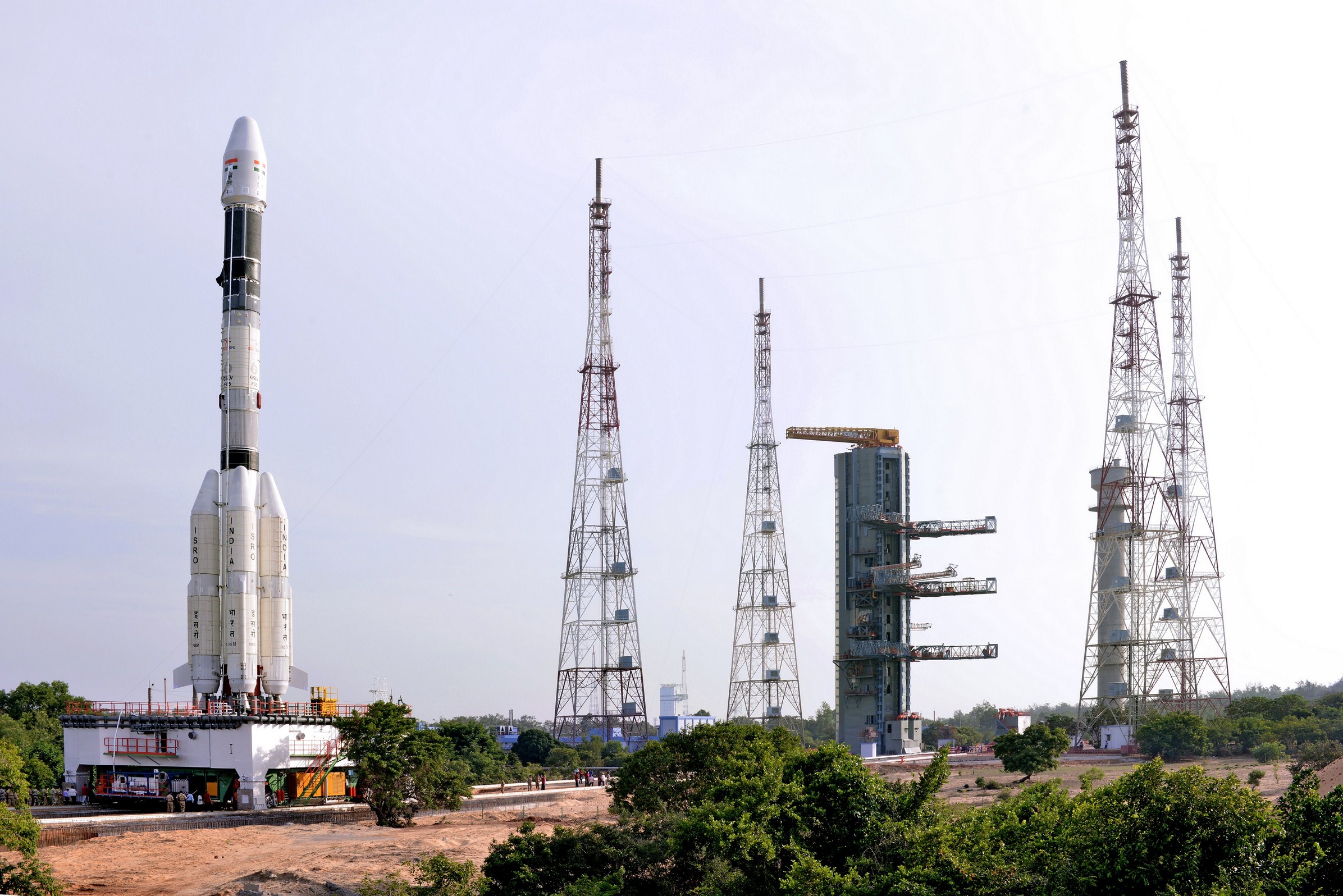
Launch Pad: Satish Dhawan Space Centre Second Launch Pad
Satish Dhawan Space Centre, India
The second launch pad was built between 1999 and 2003. It became functional in 2005 and has since been used for various rockets. This launch pad supports missions by PSLV, GSLV, LVM3 rockets and is…
Geosynchronous Satellite Launch Vehicle Mark II (GSLV Mk II) is the largest launch vehicle developed by India, which is currently in operation. This fourth generation launch vehicle is a three stage vehicle with four liquid strap-ons. The indigenously developed cryogenic Upper Stage (CUS), which is…
Robo Chris is a collection of API calls, filters, and searches - bolted together with magic and love. He preforms instructed information gathering, and does a fair bit of writing too. Everything he creates gets submitted to our editor-in-chief, actual Chris, for approval and publication!












Leave a Reply